A Review on Polymer-Modified Cementitious Materials for Underwater Repair: Workability, Bonding, Mechanical Performance and Durability


 ,
,  ,
,  ,
,
Abstract
1. Introduction
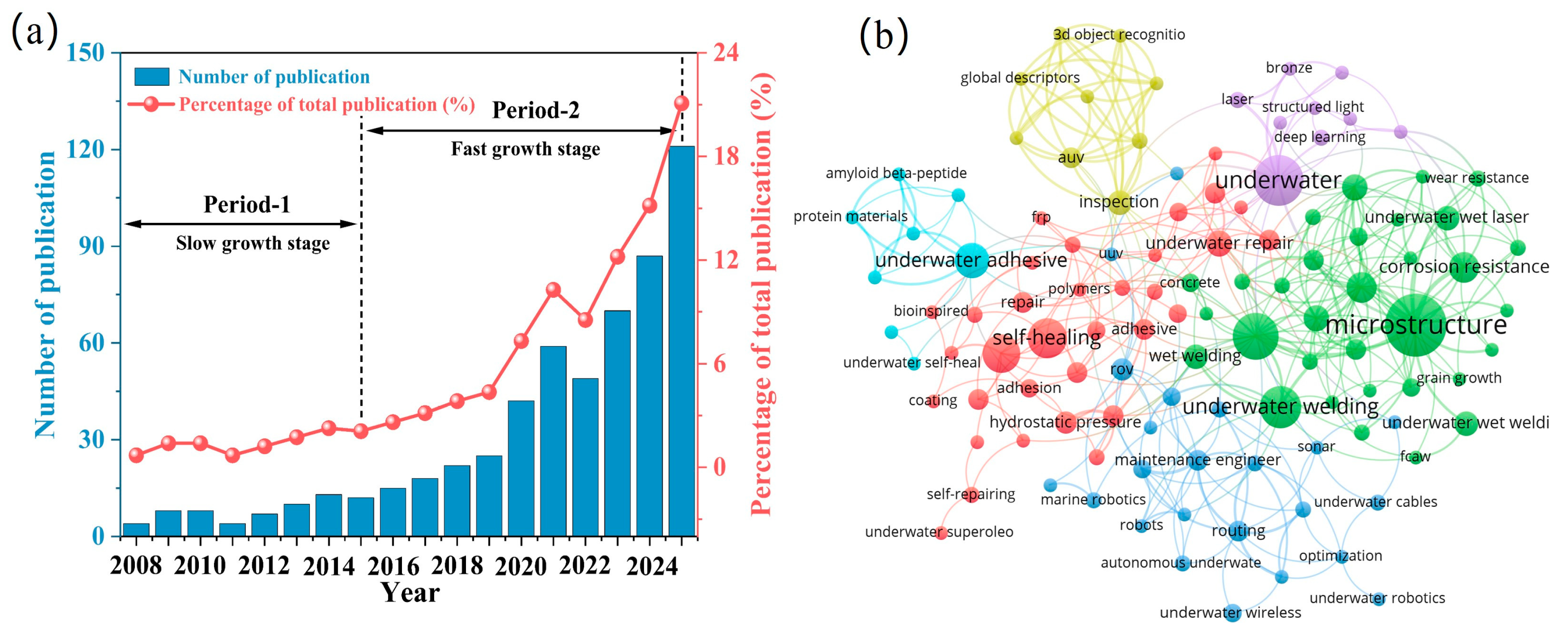
2. Recent Advances in Underwater Repair Materials, Both Domestic and International
2.1. Classification and Evolution of Underwater Repair Materials
2.2. Control of Underwater Workability in Polymer-Modified Cementitious Materials
2.2.1. Workability of Underwater Repair Materials-Flat Surfaces/Grouting
2.2.2. Underwater Repair Materials-Performance on Vertical Surfaces
2.2.3. Applicability and Design Indicators

| Repair Scenario | Major Polymer Systems | Indicative Dosage Window | Key Performance Indicators | Key Considerations |
|---|---|---|---|---|
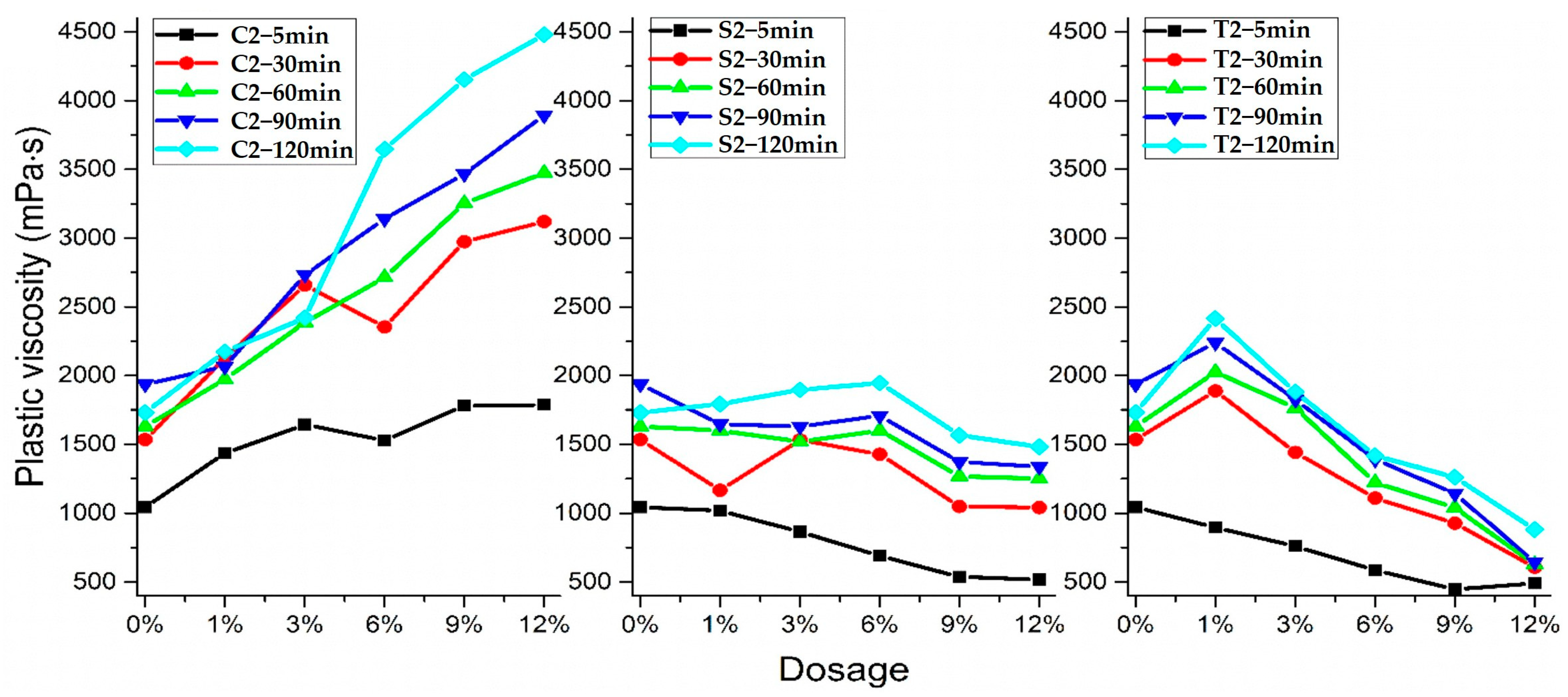
| Horizontal patching and self-leveling repair | Low-viscosity water-soluble polymers (e.g., PAM, cellulose ethers, sodium alginate, etc.) | HPMC/CE about 0.1–0.5% binder; PAM about 0.1–0.6%; biopolymers about 0.3–0.5%. | Flowability, self-leveling ability, resistance to dispersion under water, resistance to segregation, turbidity. | HPMC (0.45–0.5%) can balance high flowability (>145 mm) with low turbidity (<100 NTU) and offers excellent resistance to dispersion; the optimal PAM dosage of 0.3–0.6% can address the effects on flowability and viscosity [38,39]. |
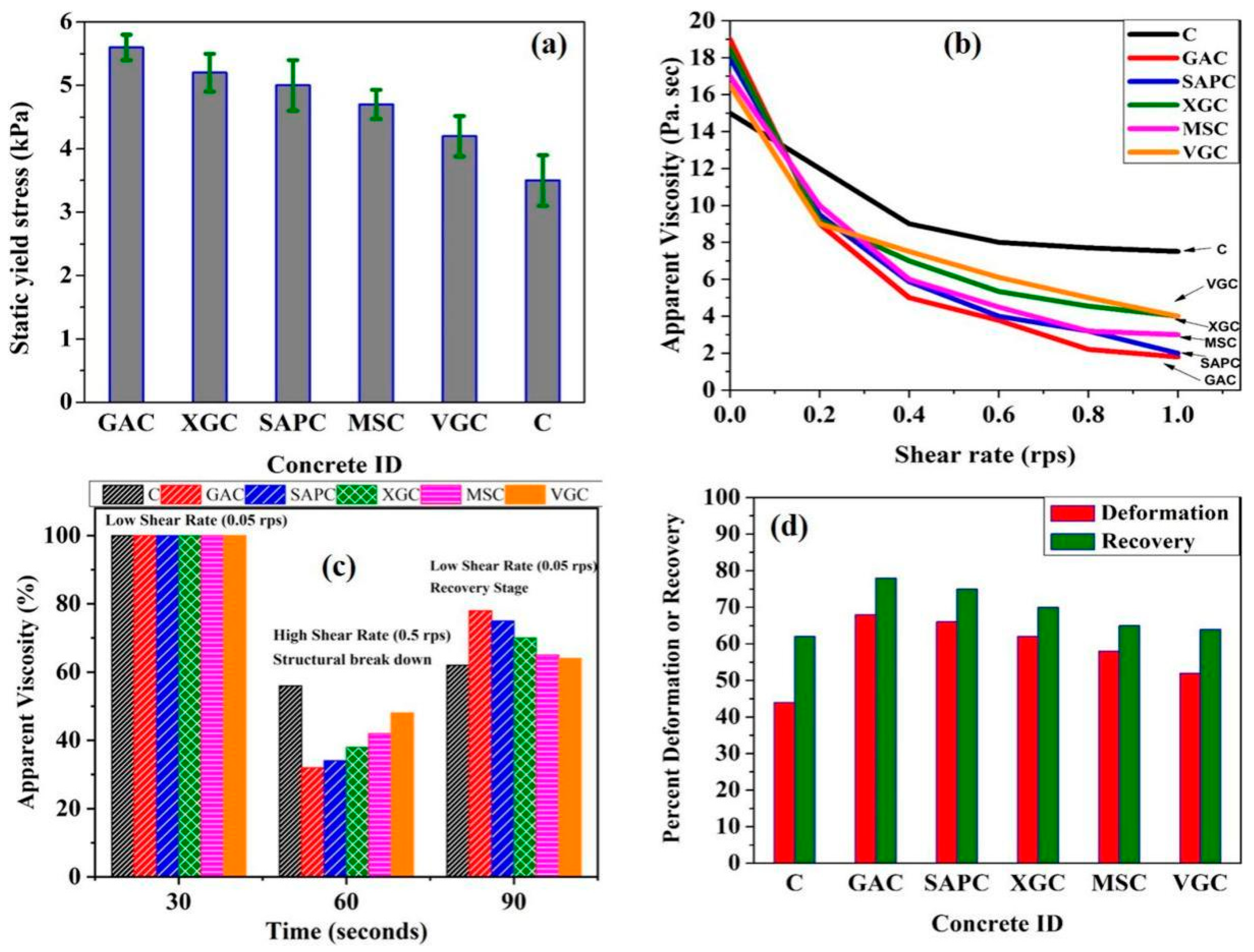
| Vertical surface repair | High-viscosity HPMC/CE, high-molecular-weight PAM, and nano-reinforced polymer–cement systems. | HPMC up to about 0.7%; PAM up to about 0.5%; nano-SiO2 or nano-clay commonly about 1–3%. | Yield stress, thixotropy, workability, adhesion to damp surfaces, and resistance to dispersion during placement. | The material’s yield stress must exceed the shear stress caused by gravity (estimated at approximately 360 Pa) to prevent sagging on the facade [55]. While 3% nano-SiO2 can increase thixotropy by approximately 80%. |
| Scenarios requiring underwater adhesion | Solvent-based epoxies, polyurethanes, etc.; water-based polymers and cement-based composite materials (water-based epoxies, SBR emulsions, water-based polyurethanes, etc.) | WEP/EP about 0.10–0.30 in reported systems; SBR emulsion: Addition level of 5–15%. | Underwater bond strength, early strength, durability, and underwater resistance to dispersion. | Water-based epoxy has virtually no effect on the underwater resistance to dispersion of cement-based materials, whereas WEP/EP (water-based epoxy/epoxy resin) can significantly enhance the cohesion of mortar, thereby improving its underwater resistance to dispersion. In comparison, SBR emulsion yields even better results: at a 15% blend ratio, underwater leaching loss decreased from 6.6% to 3.2% (a 52% reduction), and underwater bond strength increased from 2.57 MPa to 4.22 MPa (a 64% increase) [56]. |
| Long-term marine exposure | WEP/EP, SBR/acrylate, WPU, polymer-nano systems and dense hybrid mineral–polymer binders. | Often P/C about 0.10–0.30 for emulsions/epoxy systems; nano-additions about 1–3%, depending on dispersion. | Chloride diffusion/migration, freeze–thaw, wet–dry cycling, polymer aging and interface durability. | Lower total porosity alone is insufficient; connectivity, tortuosity, ITZ continuity, polymer-film stability and shrinkage/thermal compatibility control service durability. Most long-term conclusions remain based on accelerated tests. |
2.3. Interface Bonding Mechanisms of Polymer-Modified Cement-Based Underwater Repair Materials
2.3.1. Challenges and Failure Mechanisms in Underwater Interface Bonding
2.3.2. Bonding Mechanisms of Underwater Repair Materials at the Water Interface


| Practical Factor | Effect on Bond Strength | Recommended Treatment or Material-Design Strategy |
|---|---|---|
| Surface roughness [86] | Moderate roughness increases contact area, enhances mechanical interlocking, and promotes the penetration of hydration products into pores and microcracks. Excessive roughness may trap water, sediment, or air bubbles, causing local interfacial defects. | Use controlled roughening, such as sandblasting, high-pressure water jetting, scabbling, or grinding, and remove loose particles before repair. |
| Laitance and weak surface layer [87] | Long-term service or water scouring may leave laitance, loose hydration products, powdery deposits, or deteriorated mortar layers on the old concrete surface, weakening interfacial bonding. | Remove weak layers by grinding, high-pressure water jetting, sandblasting, or wire brushing to expose a sound and stable substrate. |
| Biofouling [88] | Algae, microbial biofilms, shellfish, soft organic deposits, or other biological fouling may hinder wetting and direct contact between the repair material and substrate. | Remove biofouling by scraping, high-pressure water jetting, brushing, or eco-friendly biological treatment, and repair promptly after cleaning. |
| Flowing water/hydraulic pressure | Static water, slow flow, tidal fluctuation, or flowing-water scouring may disturb placement, increase washout, and weaken early interfacial contact. | Use anti-washout admixtures, thixotropic agents, or multi-polymer systems to improve cohesion, build-up, and washout resistance. |
2.4. Mechanical Properties and Microstructural Mechanisms of Polymer-Modified Underwater Repair Materials
2.4.1. Mechanical Properties
2.4.2. Modification Mechanisms of Polymer-Modified Cement-Based Underwater Repair Materials
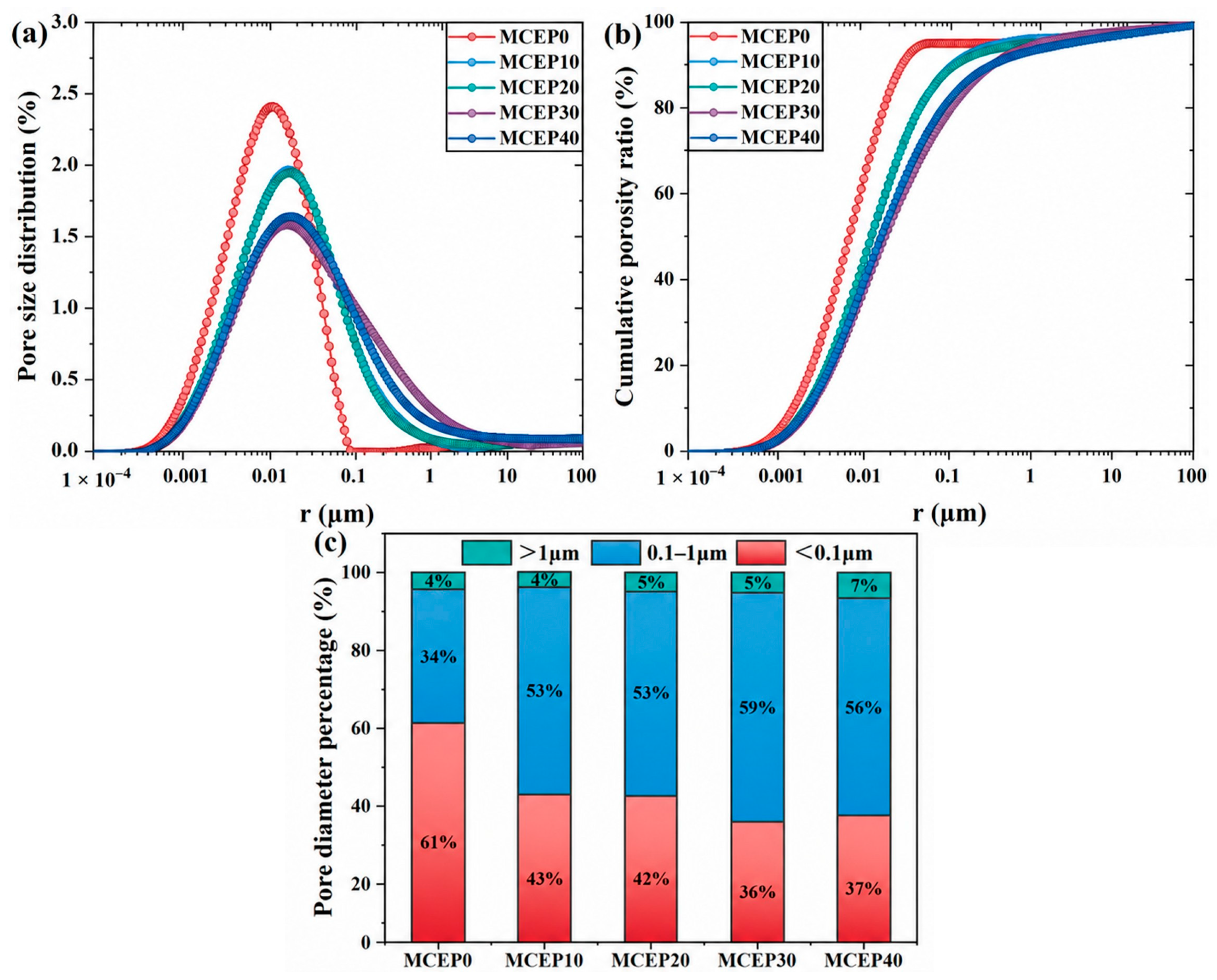
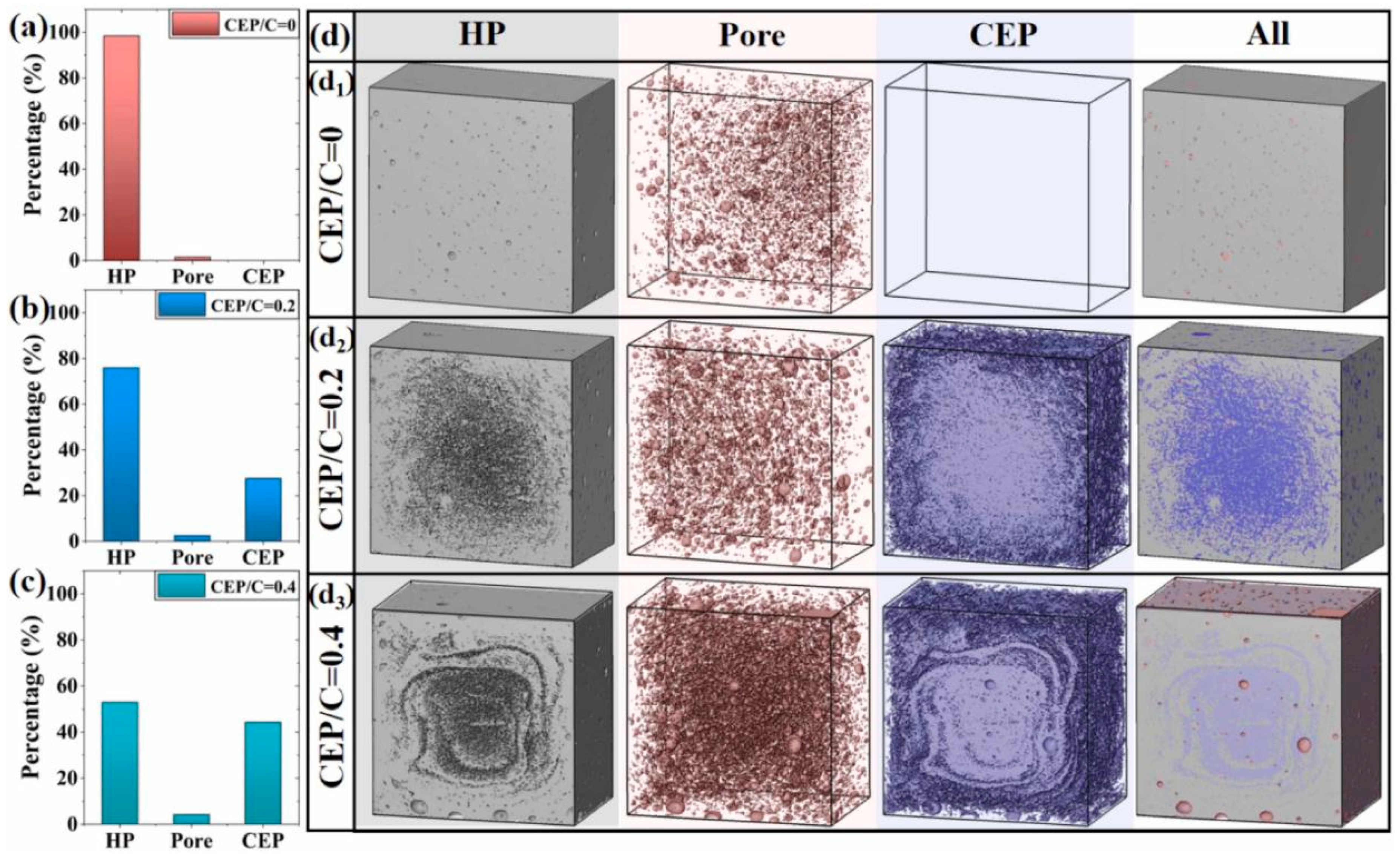
Pore Structure
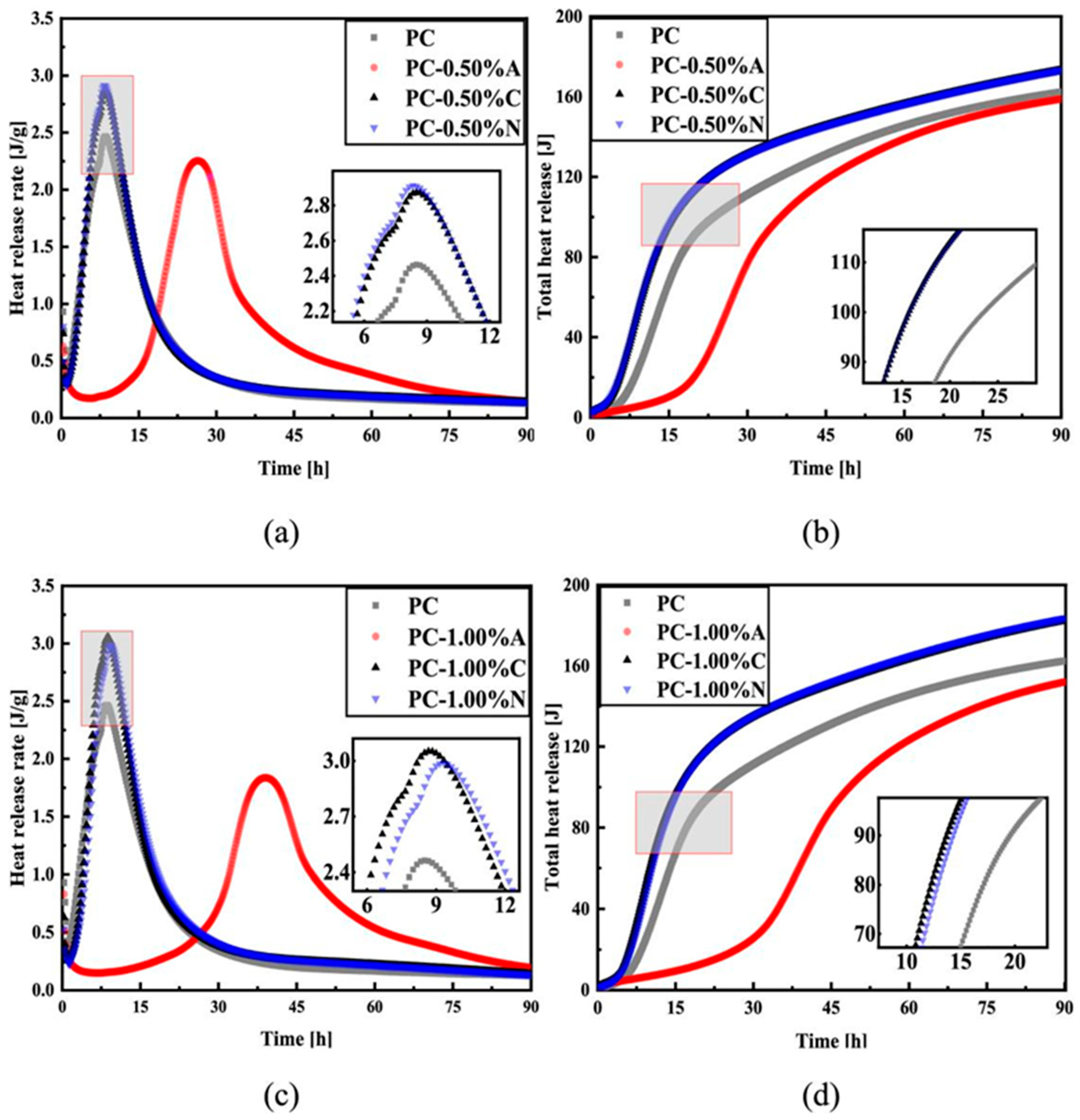
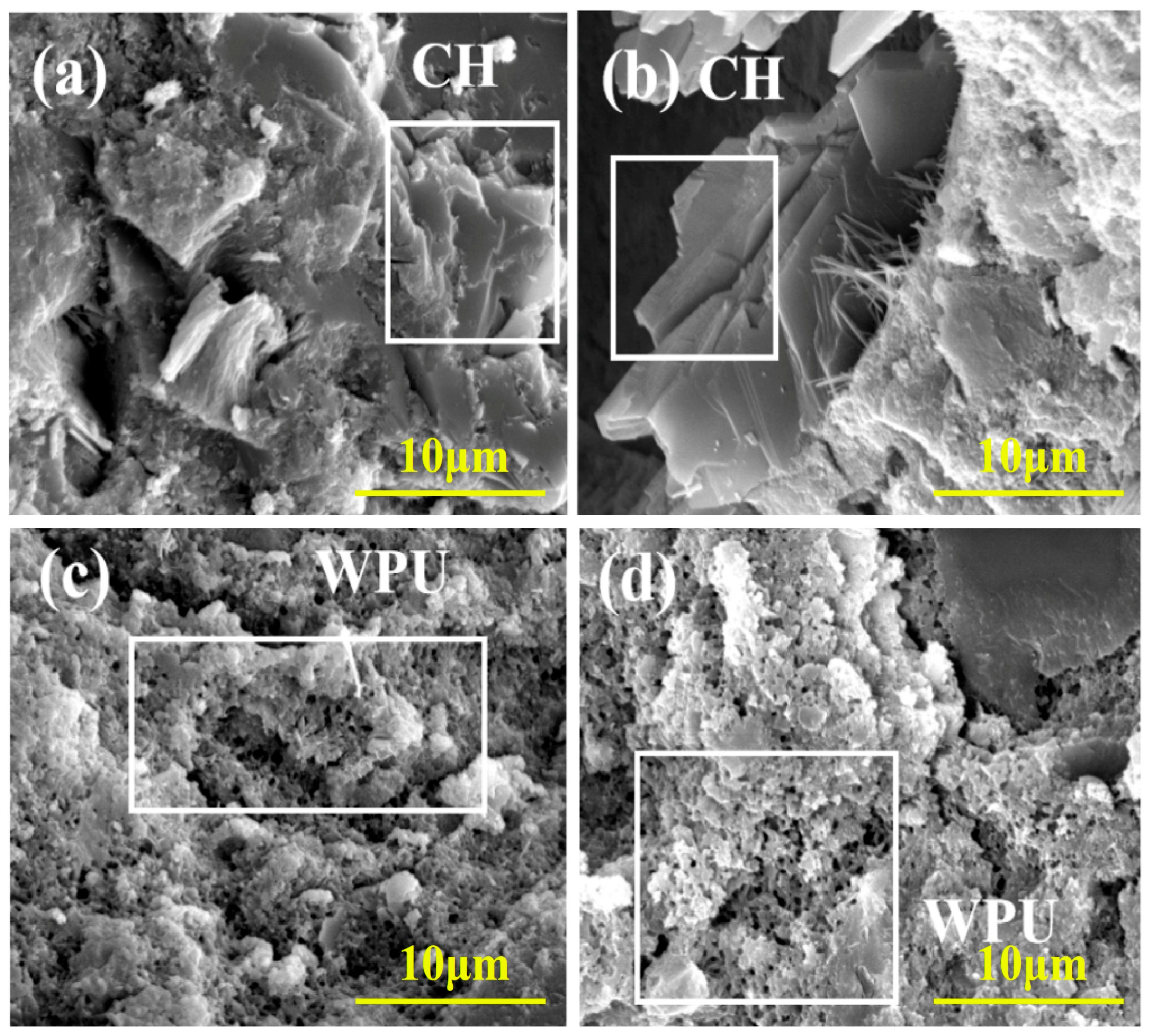
Hydration Reactions and Microscopic Mechanisms
3. Durability in Complex Hydraulic Environments
4. Summary and Prospects
- (1)
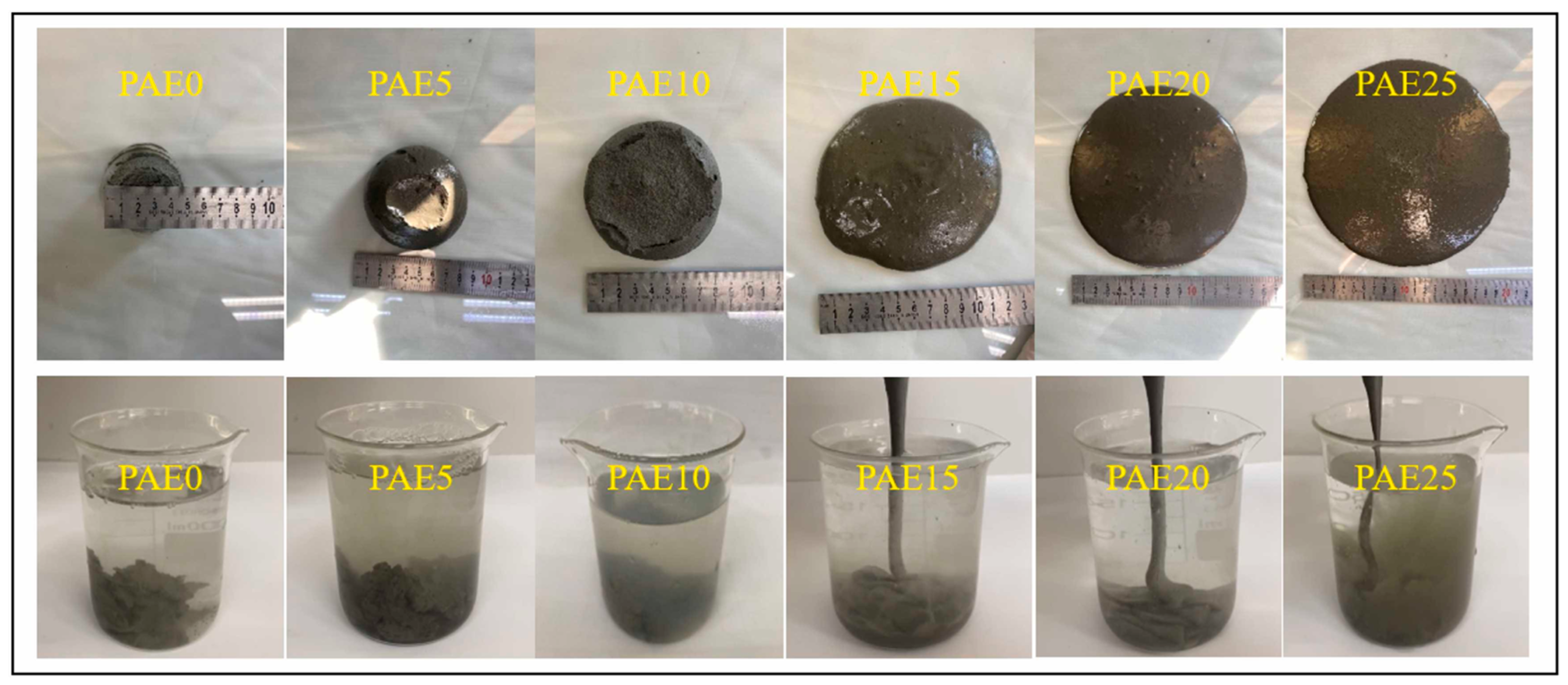
- Regulation of underwater workability. Polymers reconstruct the flocculated structure of fresh cementitious materials through adsorption, entanglement, bridging, and steric hindrance, thereby improving slurry cohesion and washout resistance. The key challenge is to balance flowability, anti-washout performance, and shape stability according to different repair scenarios, such as grouting, horizontal repair, and vertical repair.
- (2)
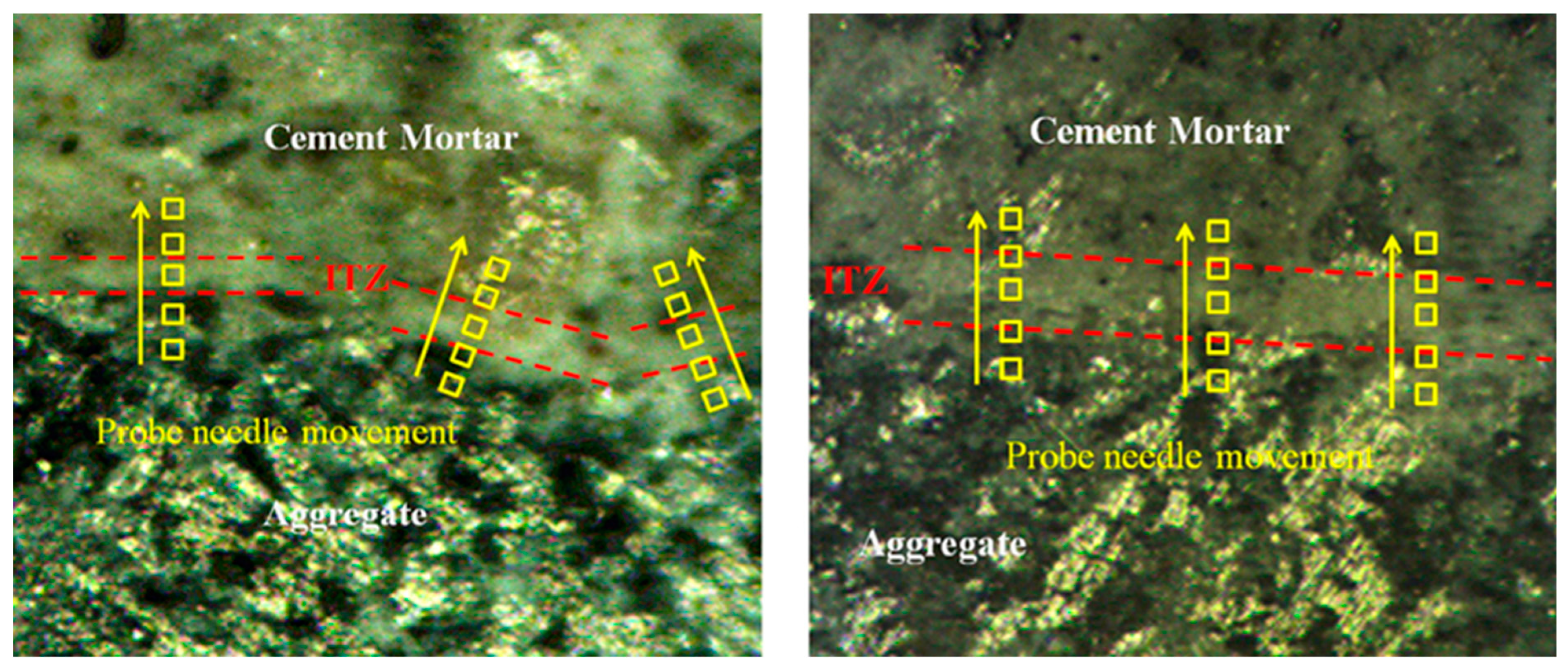
- Enhancement of underwater interfacial bonding. Polymers can weaken the interfacial water-film barrier through competitive adsorption, hydrogen bonding, electrostatic interactions, or coordination involving polar groups. Hydrophobic segments can also displace free water at the interface. Meanwhile, cement hydration products can penetrate pores and microcracks in the old concrete, forming mechanical interlocking. Therefore, reliable underwater interfacial bonding arises from the synergy among interfacial water-film regulation, chemical interactions, and physical interlocking.
- (3)
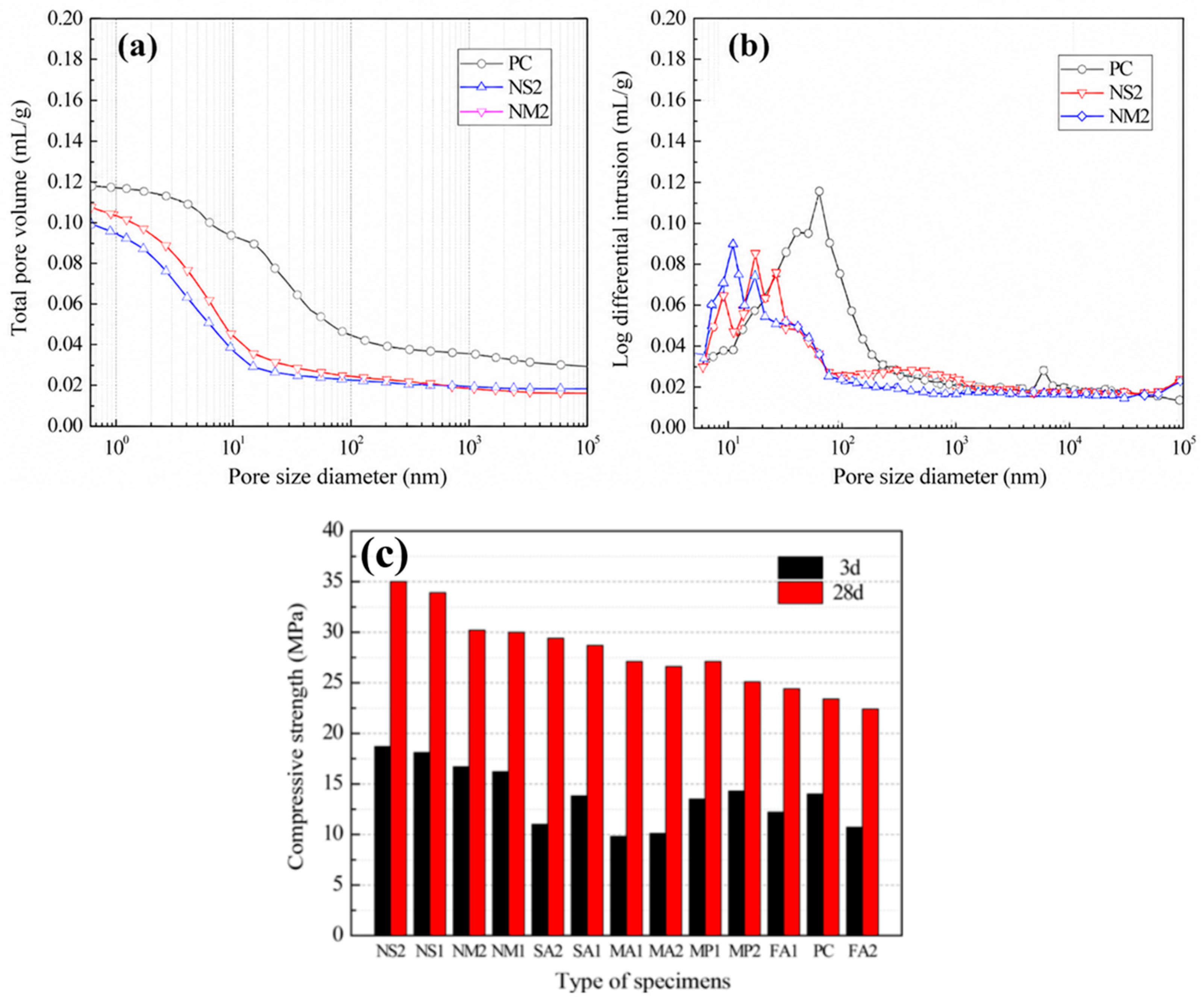
- Improvement of mechanical properties and durability. Polymer film formation or the development of organic–inorganic interpenetrating networks can optimize the pore structure, enhance crack-bridging capacity, and improve interfacial continuity. Long-term durability depends not only on the reduction in total porosity, but also on the blocking of connected pores, the extension of transport pathways for aggressive media, the stability of the polymer phase, and the long-term integrity of the repair–substrate interface.
Author Contributions
Funding
Data Availability Statement
Conflicts of Interest
References
- Manu, B.A. Innovative Construction Materials: Advancing Sustainability, Durability, Efficiency, and Cost-effectiveness in Modern Infrastructure. Int. J. Res. Public Rev. 2024, 5, 4987–4999. [Google Scholar] [CrossRef]
- Mindess, S. Relationships between strength and microstructure for cement-based materials: An overview. MRS Online Proc. Libr. 1984, 42, 53–68. [Google Scholar] [CrossRef]
- Shah, S.P. Fracture toughness of cement-based materials. Mater. Struct. 1998, 21, 145–150. [Google Scholar] [CrossRef]
- Wang, L.; Zeng, X.; Yang, H.; Lv, X.; Guo, F.; Shi, Y.; Hanif, A. Investigation and Application of Fractal Theory in Cement-Based Materials: A Review. Fractal Fract. 2021, 5, 247. [Google Scholar] [CrossRef]
- Liu, R.; Wang, H.; Xiao, H. Simulation study on the impermeability improvement effect of cement-based materials with different pore structures. J. Build. Eng. 2024, 82, 108237. [Google Scholar] [CrossRef]
- Ozkilic, Y.O.; Celik, C.A.; Shcherban, E.M.; Yildizel, S.A. Integrated meta analytical and multi criteria evaluation of walnut shell as a sustainable aggregate in concrete with emphasis on durability performance. Sci. Rep. 2026, 16, 17996. [Google Scholar] [CrossRef] [PubMed]
- Cascardi, A.; Verre, S.; Micelli, F.; Aiello, M.A. Durability-aimed performance of glass FRCM-confined concrete cylinders: Experimental insights into alkali environmental effects. Mater. Struct. 2025, 58, 329. [Google Scholar] [CrossRef]
- Hasan, M.S. Abrasion on Concrete Surfaces Caused by Hydraulic Loading with Water-Borne Sands. Master’s Thesis, Concordia University, Montreal, QC, Canada, 2015. [Google Scholar]
- Li, J.; Bai, Y.; Cai, Y.; Zhu, Y. Evaluation of Concrete Abrasion Using Traditional and High-Speed Underwater Methods. J. Mater. Civ. Eng. 2023, 35. [Google Scholar] [CrossRef]
- Xu, Y.; Gao, Y.; Yu, H.; Ma, H.; Xu, M.; Xu, Z.; Feng, T. Time variation law of chlorine diffusion coefficient of marine concrete structures in tidal zone and its influence on service life. J. Build. Eng. 2023, 76, 107379. [Google Scholar] [CrossRef]
- Zhang, C.; Li, J.; Yu, M.; Lu, Y.; Liu, S. Mechanism and Performance Control Methods of Sulfate Attack on Concrete: A Review. Materials 2024, 17, 4836. [Google Scholar] [CrossRef] [PubMed]
- Xiaoyang, H.; Yiqiang, X.; Cheng, X. Disease analysis and reinforcement of concrete bridge substructure. J. Chongqing Jiaotong Univ. 2013, 32, 807–811. [Google Scholar]
- Planning Department of the Ministry of Water Resources of the People’s Republic of China. Brief Report on Water Conservancy Planning Plan; Planning Department of the Ministry of Water Resources of the People’s Republic of China: Beijing, China, 2022. [Google Scholar]
- A Comprehensive Assessment of America’s Infrastructure. 2025. Available online: https://infrastructurereportcard.org/cat-item/bridges-infrastructure/ (accessed on 2 May 2026).
- Tang, Z.; Li, W.; Hu, Y.; Zhou, J.L.; Tam, V.W.Y. Review on designs and properties of multifunctional alkali-activated materials (AAMs). Constr. Build. Mater. 2019, 200, 474–489. [Google Scholar] [CrossRef]
- Gonzalez, A.J.O. Using BCSA Cement to Repair Waterway Transportation Structures. University of Arkansas. 2020. Available online: https://www.proquest.com/openview/9011253f3b41fd6c937bd50f117a7f4e/1 (accessed on 10 July 2025).
- Song, X.; Song, X.; Liu, H.; Huang, H.; Anvarovna, K.G.; Ugli, N.A.D.; Huang, Y.; Hu, J.; Wei, J.; Yu, Q. Cement-Based Repair Materials and the Interface with Concrete Substrates: Characterization, Evaluation and Improvement. Polymers 2022, 14, 1485. [Google Scholar] [CrossRef] [PubMed]
- Yusslee, E.; Beskhyroun, S. Performance Evaluation of Hybrid One-Part Alkali Activated Materials (AAMs) for Concrete Structural Repair. Buildings 2022, 12, 2025. [Google Scholar] [CrossRef]
- Talukdar, S.; Roghanian, N.; Heere, R.; McAskill, N. Design Methodology and Properties of Concrete Mixes Developed for an Underwater Repair Application. In Canadian Society of Civil. Engineering Annual Conference; Springer: Cham, Switzerland, 2024; Volume 359, pp. 1047–1060. [Google Scholar] [CrossRef]
- Seica, M.V.; Packer, J.A. FRP materials for the rehabilitation of tubular steel structures, for underwater applications. Compos. Struct. 2007, 80, 440–450. [Google Scholar] [CrossRef]
- Shen, B.; Sheng, Y.; Abdulakeem, A.; Zhu, C.; Yang, H.; Wang, L. An experimental characterization of the properties of graphene oxide—Waterborne epoxy resin coating of concrete after chloride erosion. Constr. Build. Mater. 2024, 428, 136207. [Google Scholar] [CrossRef]
- Zhai, D.; Sun, Q.; Liu, Z.; Yue, X. Study on the pore characteristics of polyurethane-based repair materials. Constr. Build. Mater. 2025, 483, 141058. [Google Scholar] [CrossRef]
- Ohama, Y. Polymer-based admixtures. Cem. Concr. Compos. 1998, 20, 189–212. [Google Scholar] [CrossRef]
- Pang, B.; Jia, Y.; Pang, S.D.; Zhang, Y.; Du, H.; Geng, G.; Ni, H.; Qian, J.; Qiao, H.; Liu, G. The interpenetration polymer network in a cement paste–waterborne epoxy system. Cem. Concr. Res. 2021, 139, 106236. [Google Scholar] [CrossRef]
- Yao, H.; Fan, M.; Huang, T.; Yuan, Q.; Xie, Z.; Chen, Z.; Li, Y.; Wang, J. Retardation and bridging effect of anionic polyacrylamide in cement paste and its relationship with early properties. Constr. Build. Mater. 2021, 306, 124822. [Google Scholar] [CrossRef]
- Guo, S.; Zhang, X.; Chen, J.; Mou, B.; Shang, H.; Wang, P.; Zhang, L.; Ren, J. Mechanical and interface bonding properties of epoxy resin reinforced Portland cement repairing mortar. Constr. Build. Mater. 2020, 264, 120715. [Google Scholar] [CrossRef]
- Li, J.; Shang, J.; Yang, Q. Study on the evolution of impermeability and mechanical properties of epoxy composite coatings. Polym. Compos. 2023, 44, 6736–6746. [Google Scholar] [CrossRef]
- Zhang, H.; Chu, X.; Ding, Q.; Zhao, G.; Li, H. Study on the UV aging resistance of ZnO-modified epoxy resin by experiments and MD simulation. Polym. Eng. Sci. 2024, 64, 5903–5914. [Google Scholar] [CrossRef]
- Tarannum, N.; Pooja, K.; Khan, R. Preparation and applications of hydrophobic multicomponent based redispersible polymer powder: A review. Constr. Build. Mater. 2020, 247, 118579. [Google Scholar] [CrossRef]
- Yang, Y.e.; Pang, B.; Zhang, Y.; Wang, M.; Miao, G.; Zhou, A. A Review of Waterborne Polymer–Cementitious Composite Repair Materials for Application in Saline Soil Environments: Properties and Progress. Buildings 2024, 14, 848. [Google Scholar] [CrossRef]
- Xiao, M.; Zhang, J.; Feng, Y. A Review on Recent Application of Acrylate Emulsion/Resin in Cement Additives. Polym. Adv. Technol. 2025, 36, e70218. [Google Scholar] [CrossRef]
- Li, G.; Ding, Y.; Gao, T.; Qin, Y.; Lv, Y.; Wang, K. Chloride resistance of concrete containing nanoparticle-modified polymer cementitious coatings. Constr. Build. Mater. 2021, 299, 123736. [Google Scholar] [CrossRef]
- Chen, W.; Wu, Z.; Xie, Y.; He, X.; Su, Y.; Qin, Y.; Tang, D.; Oh, S.-K. Fabrication of silane and nano-silica composite modified Bio-based WPU and its interfacial bonding mechanism with cementitious materials. Constr. Build. Mater. 2023, 371, 130819. [Google Scholar] [CrossRef]
- Su, F.; He, T.; He, Z.; Yu, Q.; Wang, H. Mechanism of Acrylate Emulsion-Modified Cement-Based Materials. Molecules 2024, 29, 1260. [Google Scholar] [CrossRef] [PubMed]
- Wang, Y.; Li, Z.; Gao, W.; Liu, R. Interaction between demulsification, curing of waterborne epoxy resin emulsions and cement hydration. J. Build. Eng. 2024, 91, 109639. [Google Scholar] [CrossRef]
- Shao, L.; Liu, M.; Liu, Q.; Yu, Z.; Zhang, Y.; Feng, P. Enhancement of toughness and bonding strength of sulfoaluminate cement-based repair materials via in-situ polymerization. J. Build. Eng. 2025, 113, 114254. [Google Scholar] [CrossRef]
- Pourchez, J.; Ruot, B.; Debayle, J.; Pourchez, E.; Grosseau, P. Some aspects of cellulose ethers influence on water transport and porous structure of cement-based materials. Cem. Concr. Res. 2010, 40, 242–252. [Google Scholar] [CrossRef]
- Chen, W.; Zhou, Y.; Yu, Q.; Zhan, B.; Li, W.; Xiong, C.; Chen, S.; Cheng, L.; Zheng, Y. Microscopic thickening mechanisms of hydroxypropyl methyl cellulose ether anti-washout admixture and its impact on cementitious material rheology and anti-dispersal performance. J. Build. Eng. 2024, 89, 109346. [Google Scholar] [CrossRef]
- Lu, H.; Dai, B.; Li, C.; Wei, H.; Wang, J. Flocculation Mechanism and Microscopic Statics Analysis of Polyacrylamide Gel in Underwater Cement Slurry. Gels 2025, 11, 99. [Google Scholar] [CrossRef] [PubMed]
- Sun, Z.; Xu, B.; Yang, Z.; Sun, M.; Xian, X.; Chen, B. Resolving rheological dilemma in non-dispersible underwater concrete: Conflict between fluidity and anti-washout. Constr. Build. Mater. 2025, 493, 143258. [Google Scholar] [CrossRef]
- Beik, M.R.A.; Moghadam, K.Y.; Noori, M.; Altabey, W.A.; Chang, X.; Liu, C.; Wang, X.; Farsangi, E.N. Using Biopolymers as Anti-Washout Admixtures under Water Concreting. Buildings 2024, 14, 1140. [Google Scholar] [CrossRef]
- Ma, B.; Peng, Y.; Tan, H.; Jian, S.; Zhi, Z.; Guo, Y.; Qi, H.; Zhang, T.; He, X. Effect of hydroxypropyl-methyl cellulose ether on rheology of cement paste plasticized by polycarboxylate superplasticizer. Constr. Build. Mater. 2018, 160, 341–350. [Google Scholar] [CrossRef]
- Ali Sikandar, M.; Wazir, N.R.; Khan, A.; Nasir, H.; Ahmad, W.; Alam, M. Effect of various anti-washout admixtures on the properties of non-dispersible underwater concrete. Constr. Build. Mater. 2020, 245, 118469. [Google Scholar] [CrossRef]
- Lu, Z.; Kong, X.; Zhang, C.; Xing, F.; Zhang, Y. Effect of colloidal polymers with different surface properties on the rheological property of fresh cement pastes. Colloids Surf. A Physicochem. Eng. Asp. 2017, 520, 154–165. [Google Scholar] [CrossRef]
- Zhang, C.; Kong, X.; Yu, J.; Jansen, D.; Pakusch, J.; Wang, S. Correlation between the adsorption behavior of colloidal polymer particlesand the yield stress of fresh cement pastes. Cem. Concr. Res. 2022, 152, 106668. [Google Scholar] [CrossRef]
- Zheng, H.; Duan, Y.; Xu, B.; Sun, Z.; Wang, P.; Pang, B.; Hou, D. Performance study of a tough and non-dispersible underwater concrete repair material based on organic–inorganic IPN structure with water-oil composite transition epoxies. Constr. Build. Mater. 2025, 485, 141964. [Google Scholar] [CrossRef]
- Han, X.; Xu, F.; Ge, J.; Qian, W.; He, Y.; Meng, X.; Zhu, P. Modification study of underwater epoxy-cement mortar with polyacrylate latex: Engineering performance optimization and microstructure analysis. Constr. Build. Mater. 2025, 462, 139966. [Google Scholar] [CrossRef]
- Brumaud, C.; Baumann, R.; Schmitz, M.; Radler, M.; Roussel, N. Cellulose ethers and yield stress of cement pastes. Cem. Concr. Res. 2014, 55, 14–21. [Google Scholar] [CrossRef]
- Bessaies-Bey, H.; Baumann, R.; Schmitz, M.; Radler, M.; Roussel, N. Effect of polyacrylamide on rheology of fresh cement pastes. Cem. Concr. Res. 2015, 76, 98–106. [Google Scholar] [CrossRef]
- Guo, C.; Chen, N.; Wang, R. Study on hydroxypropyl methylcellulose modified Portland cement-sulphoaluminate cement composites: Rheology, setting time, mechanical strength, resistance to chloride ingress, early reaction kinetics and microstructure. J. Build. Eng. 2024, 98, 111070. [Google Scholar] [CrossRef]
- Grzeszczyk, S.; Jurowski, K.; Bosowska, K.; Grzymek, M. The role of nanoparticles in decreased washout of underwater concrete. Constr. Build. Mater. 2019, 203, 670–678. [Google Scholar] [CrossRef]
- Wang, Y.; Gu, L.; Zhao, L. Beneficial Influence of Nanoparticles on the Strengths and Microstructural Properties of Non-dispersible Underwater Concrete. KSCE J. Civ. Eng. 2021, 25, 4274–4284. [Google Scholar] [CrossRef]
- Wang, Y.; Zeng, D.; Ueda, T.; Fan, Y.; Li, C.; Li, J. Beneficial effect of nanomaterials on the interfacial transition zone (ITZ) of non-dispersible underwater concrete. Constr. Build. Mater. 2021, 293, 123472. [Google Scholar] [CrossRef]
- JC/T 985-2005; Cementitious Self-Leveling Floor Mortars. Standards Press of China: Beijing, China, 2005.
- Kaci, A.; Chaouche, M.; Andréani, P.A. Influence of bentonite clay on the rheological behaviour of fresh mortars. Cem. Concr. Res. 2011, 41, 373–379. [Google Scholar] [CrossRef]
- Assaad, J.J.; Gerges, N.; Khayat, K.H.; Lattouf, N.; Mansour, J. Assessment of Bond Strength of Underwater Polymer-Modified Concrete. ACI Mater. J. 2019, 116, 169–178. [Google Scholar] [CrossRef]
- Liu, J.; Wang, S.; Shen, Q.; Kong, L.; Huang, G.; Wu, J. Tough Underwater Super-tape Composed of Semi-interpenetrating Polymer Networks with a Water-Repelling Liquid Surface. ACS Appl. Mater. Interfaces 2021, 13, 1535–1544. [Google Scholar] [CrossRef] [PubMed]
- Yu, F.; Ai, J.; Liu, J.; Fan, T.; Zhang, Y. Oscillating magnetic field drive water film displacement to enhance underwater interfacial bonding. Constr. Build. Mater. 2025, 501, 144243. [Google Scholar] [CrossRef]
- Shi, J.; Chen, D.; Yu, Z. Novel epoxy resin-bonded sand system: Mechanical strength, deterioration resistance, and failure mechanism. Eng. Fail. Anal. 2024, 158, 108020. [Google Scholar] [CrossRef]
- Frigione, M.; Aiello, M.A.; Naddeo, C. Water effects on the bond strength of concrete/concrete adhesive joints. Constr. Build. Mater. 2006, 20, 957–970. [Google Scholar] [CrossRef]
- Lau, D.; Büyüköztürk, O. Fracture characterization of concrete/epoxy interface affected by moisture. Mech. Mater. 2010, 42, 1031–1042. [Google Scholar] [CrossRef]
- Büyüköztürk, O.; Buehler, M.J.; Lau, D.; Tuakta, C. Structural solution using molecular dynamics: Fundamentals and a case study of epoxy-silica interface. Int. J. Solids Struct. 2011, 48, 2131–2140. [Google Scholar] [CrossRef]
- Lau, D. Moisture-induced Debonding in Concrete-epoxy Interface. HKIE Trans. 2012, 19, 33–38. [Google Scholar] [CrossRef]
- Zhou, A.; Büyüköztürk, O.; Lau, D. Debonding of concrete-epoxy interface under the coupled effect of moisture and sustained load. Cem. Concr. Compos. 2017, 80, 287–297. [Google Scholar] [CrossRef]
- Wang, S.; Ou, R.; Li, J.; Jin, K.; Yu, L.; Murto, P.; Wang, Z.; Xu, X. Deformation-Resistant Underwater Adhesion in a Wide Salinity Range. Small 2024, 20, 2403350. [Google Scholar] [CrossRef] [PubMed]
- Ou, R.; Wang, S.; Li, J.; Li, Z.; Yu, L.; Wang, Z.; Murto, P.; Xu, X. Robust, Switchable and Printable Underwater Adhesives Based on a Temperature-Deactivated Design. Adv. Funct. Mater. 2025, 35, 2416043. [Google Scholar] [CrossRef]
- Du, J.; Bu, Y.; Shen, Z. Interfacial properties and nanostructural characteristics of epoxy resin in cement matrix. Constr. Build. Mater. 2018, 164, 103–112. [Google Scholar] [CrossRef]
- Kim, S.; Yi, J.H.; Hong, H.; Choi, S.I.; Kim, D.; Kim, M.O. Interfacial Bond Properties of Underwater Concrete Coated with Bisphenol A Epoxy Resins. Polymers 2023, 15, 4290. [Google Scholar] [CrossRef] [PubMed]
- Xie, Z.; Tian, Y.; Xu, Y.; Zhong, F.; Li, S.; Zhu, X.; Yuan, Q. Molecular design of epoxy resin and the driving forces in adhesion with cementitious materials. Appl. Surf. Sci. 2025, 689, 162498. [Google Scholar] [CrossRef]
- Assaad, J.J.; Issa, C.A. Bond strength of epoxy-coated bars in underwater concrete. Constr. Build. Mater. 2012, 30, 667–674. [Google Scholar] [CrossRef]
- Kikkawa, K.; Sumiya, Y.; Okazawa, K.; Yoshizawa, K.; Itoh, Y.; Aida, T. Thiourea as a “Polar Hydrophobic” Hydrogen-Bonding Motif: Application to Highly Durable All-Underwater Adhesion. J. Am. Chem. Soc. 2024, 146, 21168–21175. [Google Scholar] [CrossRef] [PubMed]
- Li, Y.; Liu, Z.; Wang, T.; Wang, M.; Yao, H.; Gao, F.; Cheng, J.; Zhang, J. Barnacle-inspired amphipathic high strength adhesives under-water/oil. Chem. Eng. J. 2024, 498, 155067. [Google Scholar] [CrossRef]
- Zhang, B.; Zhang, P.; Zhang, G.; Ma, C.; Zhang, G. Sterically Hindered Oleogel-Based Underwater Adhesive Enabled by Mesh-Tailoring Strategy. Adv. Mater. 2024, 36, 2313495. [Google Scholar] [CrossRef] [PubMed]
- Zhang, Y.; Zhao, Z.H.; Wang, L.; Sun, F.; Xu, J.; Yao, B.; Sun, Z.; Liu, T.; Zeng, Y.; Zhang, G.; et al. Barnacle-Inspired Underwater Adhesive with Instant, Robust, and Reversible Adhesion on Diverse Surfaces. Adv. Funct. Mater. 2025, 35, e07942. [Google Scholar] [CrossRef]
- Sun, J.; Liu, W.; Chen, S.; Qiao, G.; Zhang, H. Ultra-fast preparation of epoxy composites underwater via frontal polymerization. Chem. Eng. J. 2024, 498, 155491. [Google Scholar] [CrossRef]
- Ma, H.; Tang, J.; Bai, Y. Investigation on underwater bonding strength and improvement mechanism of ethylene-vinyl acetate copolymer modified mortar. Constr. Build. Mater. 2024, 457, 139486. [Google Scholar] [CrossRef]
- Pan, F.; Ye, S.; Wang, R.; She, W.; Liu, J.; Sun, Z.; Zhang, W. Hydrogel networks as underwater contact adhesives for different surfaces. Mater. Horiz. 2020, 7, 2063–2070. [Google Scholar] [CrossRef]
- Assaad, J.J.; Gerges, N. Styrene-butadiene rubber modified cementitious grouts for embedding anchors in humid environments. Tunn. Undergr. Space Technol. 2019, 84, 317–325. [Google Scholar] [CrossRef]
- Li, A.; Jia, M.; Mu, Y.; Jiang, W.; Wan, X. Humid Bonding with a Water-Soluble Adhesive Inspired by Mussels and Sandcastle Worms. Macromol. Chem. Phys. 2014, 216, 450–459. [Google Scholar] [CrossRef]
- Li, A.; Mu, Y.; Jiang, W.; Wan, X. A mussel-inspired adhesive with stronger bonding strength under underwater conditions than under dry conditions. Chem. Commun. 2015, 51, 9117–9120. [Google Scholar] [CrossRef] [PubMed]
- Yoon, T.; Cha, H.J. Amino acid chemistry and post-translational modifications underlying marine adhesive proteins: Biochemical insights for designing underwater adhesives. Protein Expr. Purif. 2026, 239, 106851. [Google Scholar] [CrossRef] [PubMed]
- Qin, C.; Ma, Y.; Zhang, Z.; Du, Y.; Duan, S.; Ma, S.; Pei, X.; Yu, B.; Cai, M.; He, X.; et al. Water-assisted strong underwater adhesion via interfacial water removal and self-adaptive gelation. Proc. Natl. Acad. Sci. USA 2023, 120, e2301364120. [Google Scholar] [CrossRef] [PubMed]
- Yin, L.; Cholewinski, A.; Zhao, B. Solvent-free urethane-based prepolymer as a versatile underwater adhesive material. Chem. Eng. J. 2024, 481, 148487. [Google Scholar] [CrossRef]
- Liu, J.; Huang, W.; Han, Z.; Zang, Y.; Wang, J.; Tan, H.; Kong, L. A polyurethane underwater adhesive with strong adhesion and self-curing capability. Eur. Polym. J. 2025, 239, 114300. [Google Scholar] [CrossRef]
- Chen, Y.; Meng, J.; Gu, Z.; Wan, X.; Jiang, L.; Wang, S. Bioinspired Multiscale Wet Adhesive Surfaces: Structures and Controlled Adhesion. Adv. Funct. Mater. 2020, 30, 1905287. [Google Scholar] [CrossRef]
- Feng, S.; Xiao, H.; Geng, J. Bond strength between concrete substrate and repair mortar: Effect of fibre stiffness and substrate surface roughness. Cem. Concr. Compos. 2020, 114, 103746. [Google Scholar] [CrossRef]
- Brzozowski, P.; Horszczaruk, E. Influence of surface preparation on adhesion of underwater repair concretes under hydrostatic pressure. Constr. Build. Mater. 2021, 310, 125153. [Google Scholar] [CrossRef]
- Perdanawati, R.A.; Risdanareni, P.; Setiamarga, D.H.; Ekaputri, J.J. The Effect of Biofouling on Cement based Concrete Substrate: Insights from Microfouling and Macrofouling Growth. In The 5th Sustainability and Resilience of Coastal Management (SRCM 2024); EDP Sciences: Les Ulis, France, 2025; Volume 157, p. 16. [Google Scholar] [CrossRef]
- Wang, R.; Wang, P.-M.; Li, X.-G. Physical and mechanical properties of styrene–butadiene rubber emulsion modified cement mortars. Cem. Concr. Res. 2005, 35, 900–906. [Google Scholar] [CrossRef]
- Pang, B.; Zhang, Y.; Liu, G. Study on the effect of waterborne epoxy resins on the performance and microstructure of cement paste. Constr. Build. Mater. 2018, 167, 831–845. [Google Scholar] [CrossRef]
- Zhang, X.; Du, M.; Fang, H.; Shi, M.; Zhang, C.; Wang, F. Polymer-modified cement mortars: Their enhanced properties, applications, prospects, and challenges. Constr. Build. Mater. 2021, 299, 124290. [Google Scholar] [CrossRef]
- Bi, J.X. Preparation and Performance of Waterborne Polyurethane-Cement-Based Composite Repair Materials. Master’s Thesis, Southeast University, Nanjing, China, 2022. [Google Scholar]
- Song, X.; Zheng, H.; Xu, L.; Xu, T.; Li, Q. Comparative Study of the Performance of Underwater Concrete between Anionic and Nonionic Anti-Washout Admixtures. Buildings 2024, 14, 817. [Google Scholar] [CrossRef]
- Wang, N.; Deng, Y.; Liu, S.; Chen, L. Study on the performance of new cement-based underwater building crack repair materials based on response surface analysis. Sci. Rep. 2025, 15, 18499. [Google Scholar] [CrossRef] [PubMed]
- Wang, R.; Wang, P. Function of styrene-acrylic ester copolymer latex in cement mortar. Mater. Struct. 2010, 43, 443–451. [Google Scholar] [CrossRef]
- Knapen, E.; Van Gemert, D. Polymer film formation in cement mortars modified with water-soluble polymers. Cem. Concr. Compos. 2015, 58, 23–28. [Google Scholar] [CrossRef]
- Tian, Y.; Gao, P.; Wang, R.; Wang, L.; Zhong, J.; Li, J. Study on the influence of organic polymers on the physical and mechanical properties of cement-based materials. Earth Environ. Sci. 2020, 474, 072028. [Google Scholar] [CrossRef]
- Jin, Z.; Zhao, L.; Pang, B.; Chen, J.; Song, X. Effect of waterborne polymer on mechanical properties, carbonation resistance and freeze-thaw resistance of cement mortar. Constr. Build. Mater. 2025, 492, 142922. [Google Scholar] [CrossRef]
- Yu, Z.; Wang, B.; Liu, F.; Han, J. Interfacial mechanical behaviour of underwater-cast alkali-activated mortar and cement mortar: Quasi-static and dynamic responses and mechanisms. J. Build. Eng. 2026, 123, 115855. [Google Scholar] [CrossRef]
- Xue, Y.; Wang, L.; Liu, Y.; Ranjith, P.G.; Cao, Z.; Shi, X.-y.; Gao, F.; Kong, H.-L. Brittleness evaluation of gas-bearing coal based on statistical damage constitution model and energy evolution mechanism. J. Cent. South Univ. 2025, 32, 566–581. [Google Scholar] [CrossRef]
- Zhang, C.; Liu, J.; Zhang, S.; Kong, X. Mechanical properties of polymer modified mortars using polymer latexes with varied glass transition temperature and surface charges. Cem. Concr. Compos. 2024, 150, 105573. [Google Scholar] [CrossRef]
- Zheng, H.; Duan, Y.; Pang, B.; Wang, M.; Wang, P.; Hou, D. Research on the durability of composite epoxy resin modified repair mortars based on water-oil gradient phase change: From macroscopic to nanoscopic scales. Constr. Build. Mater. 2024, 457, 139325. [Google Scholar] [CrossRef]
- Jeon, I.K.; Qudoos, A.; Woo, B.H.; Yoo, D.H.; Kim, H.G. Effects of nano-silica and reactive magnesia on the microstructure and durability performance of underwater concrete. Powder Technol. 2022, 398, 116976. [Google Scholar] [CrossRef]
- Su, Z.; Bijen, J.M.J.M.; Larbi, J.A. Influence of polymer modification on the hydration of portland cement. Cem. Concr. Res. 1991, 21, 242–250. [Google Scholar] [CrossRef]
- Knapen, E.; Van Gemert, D. Cement hydration and microstructure formation in the presence of water-soluble polymers. Cem. Concr. Res. 2009, 39, 6–13. [Google Scholar] [CrossRef]
- Tang, J.; Liu, J.; Yu, C.; Wang, R. Influence of cationic polyurethane on mechanical properties of cement based materials and its hydration mechanism. Constr. Build. Mater. 2017, 137, 494–504. [Google Scholar] [CrossRef]
- Wang, Q.; Wang, Y.; Han, S.; Han, L.; Han, G. Hydration behaviour of cement in polymer cement waterproof coating and its effect on the macroscopic performance. Constr. Build. Mater. 2023, 408, 133825. [Google Scholar] [CrossRef]
- Yin, B.; Qi, D.; Hua, X.; Fan, F.; Han, K.; Hou, Y.; Hou, D.; Chen, B. Mechanical properties and micro-mechanism of cement-based materials strengthened by in-situ organic-inorganic polymerization. Cem. Concr. Compos. 2023, 142, 105202. [Google Scholar] [CrossRef]
- Tripathi, B. Effects of Polymers on Cement Hydration and Properties of Concrete: A Review. ACS Omega 2024, 9, 2014–2021. [Google Scholar] [CrossRef] [PubMed]
- Song, P.; Wang, X.; Wang, Y.; Zhou, J.; Qiu, H.; Rahimi, A.; Ingham, J. Assess the interaction of water reducers and accelerators on the rheological and early hydration properties of cement-based materials. J. Mater. Res. Technol. 2025, 36, 806–822. [Google Scholar] [CrossRef]
- Yuan, Q.; Xie, Z.; Yao, H.; Huang, T.; Fan, M. Hydration, mechanical properties, and microstructural characteristics of cement pastes with different ionic polyacrylamides: A comparative study. J. Build. Eng. 2022, 56, 104763. [Google Scholar] [CrossRef]
- Zheng, H.; Pang, B.; Jin, Z.; Liu, S.; Zhang, Y.; Bi, J.; Chang, H.; Liu, Y.; Wang, F. Mechanical properties and microstructure of waterborne polyurethane-modified cement composites as concrete repair mortar. J. Build. Eng. 2024, 84, 108394. [Google Scholar] [CrossRef]
- Lin, H.; Jiang, Y.; Li, S.; Li, W.; Zhu, D.; Chen, J.; Teng, T.; Xue, Y.; Cao, Z. In Situ Study on High-Temperature Performance and Structural Deterioration Mechanism of Concrete. Processes 2026, 14, 1753. [Google Scholar] [CrossRef]
- Zhi, F.; Jiang, Y.; Li, W.; Yang, G.; Zhu, P.; Chu, H.; Jiang, L. Effect of cellulose ethers on the chloride transport in cement pastes. Constr. Build. Mater. 2025, 459, 139745. [Google Scholar] [CrossRef]
- Zhi, F.; Yang, G.; Zhu, P.; Gu, Y.; Song, Z.; Chu, H.; Jiang, L. Influence of polyacrylamide on the chloride transport in cement pastes. J. Build. Eng. 2026, 119, 115316. [Google Scholar] [CrossRef]
- Fu, H.; Pang, B.; Wang, P.; Yang, C.; Liu, Y.; Du, Z.; Ji, H. Microstructure and durability of rapid repair mortar with self-emulsifying waterborne epoxy polymer. Mater. Today Commun. 2024, 40, 109375. [Google Scholar] [CrossRef]
- Takahashi, K.; Matsuda, Y.; Miura, S.; Akitou, T.; Kuraoka, M.; Kono, I. Underwater fatigue behavior of cementitious mortar and a countermeasure using a water-dispersible polyurethane ether–Portland cement composite. Constr. Build. Mater. 2024, 428, 136296. [Google Scholar] [CrossRef]
- Yang, J.; Deng, S.; Xu, H.; Zhao, Y.; Nie, C.; He, Y. Investigation and Practical Application of Silica Nanoparticles Composite Underwater Repairing Materials. Energies 2021, 14, 2423. [Google Scholar] [CrossRef]
- Zheng, H.; Pang, B.; Jin, Z.; Zhang, Y.; Hou, D.; Bi, J.; Zhang, W.; Yuan, L. Durability enhancement of cement-based repair mortars through waterborne polyurethane modification: Experimental characterization and molecular dynamics simulations. Constr. Build. Mater. 2024, 438, 137204. [Google Scholar] [CrossRef]
- Felekoğlu, B. A comparative study on the bonding performance of an admixed repair mortar and high-strength flowable micro-concrete with substrate: Considerations on the physico-mechanical compatibility. J. Build. Eng. 2024, 98, 111113. [Google Scholar] [CrossRef]
- Xu, G.; Yuan, S.; Miao, C.; Zhou, K.; Zheng, H.; Tang, Z.; Zhou, X.; Huang, Y.; Cao, K.; Bian, S.; et al. Geopolymer-based electrolytes derived from industrial solid waste for structural energy storage. Joule 2026. [Google Scholar] [CrossRef]
- Jin, Z.; Jing, S.; Pang, B.; Wang, P.; Chen, J.; Yang, C.; Song, X.; Liu, L. Sustainable infrastructure repair materials: Self-emulsifying waterborneepoxy enhanced CSA cement with superior shrinkage mitigation properties. Constr. Build. Mater. 2025, 490, 142432. [Google Scholar] [CrossRef]
- ASTM C109/C109M-21; Standard Test Method for Compressive Strength of Hydraulic Cement Mortars. ASTM International: West Conshohocken, PA, USA, 2021.
- Nasr, A.A.; Chen, S.; Jin, F. Washout resistance of self-protected underwater concrete in freshwater and seawater. Constr. Build. Mater. 2021, 289, 123186. [Google Scholar] [CrossRef]
- Zhu, J.Y.; Chen, F.X.; Dai, X.Q.; Tan, Y.Z.; Duan, L.Q.; Zhang, Z.W.; Leng, Y.; Wang, S.Y.; Yin, T.Y.; Yu, R. Development of a novel ultra-high performance concrete (UHPC) suitable for underwater operation: Design and performance evaluation. J. Build. Eng. 2023, 75, 107030. [Google Scholar] [CrossRef]
- SL/T 352-2020; Test Code for Hydraulic Concrete. Ministry of Water Resources of the People’s Republic of China: Beijing, China, 2020.
- DL/T 5126-2021; Test Code for Polymer Modified Cement Mortar. National Energy Administration: Beijing, China, 2021.
- ASTM C1202-19; Standard Test Method for Electrical Indication of Concrete’s Ability to Resist Chloride Ion Penetration. ASTM International: West Conshohocken, PA, USA, 2019.
- ASTM C666/C666M-23; Standard Test Method for Resistance of Concrete to Rapid Freezing and Thawing. ASTM International: West Conshohocken, PA, USA, 2023.




| Performance Metrics | Test Methods/Standards | Testing and Adaptation Methods for Underwater Repair Materials |
|---|---|---|
| Compressive/Flexural strength | ASTM C109/C109M-21 [122,123] | Test specimens were cast underwater, cured underwater, or formed underwater and then subjected to standard curing. |
| Bond strength | Direct tensile bond tests, slant shear tests, and flexural bond tests [26] | Test specimens were cast underwater, cured underwater, or formed underwater and then subjected to standard curing. |
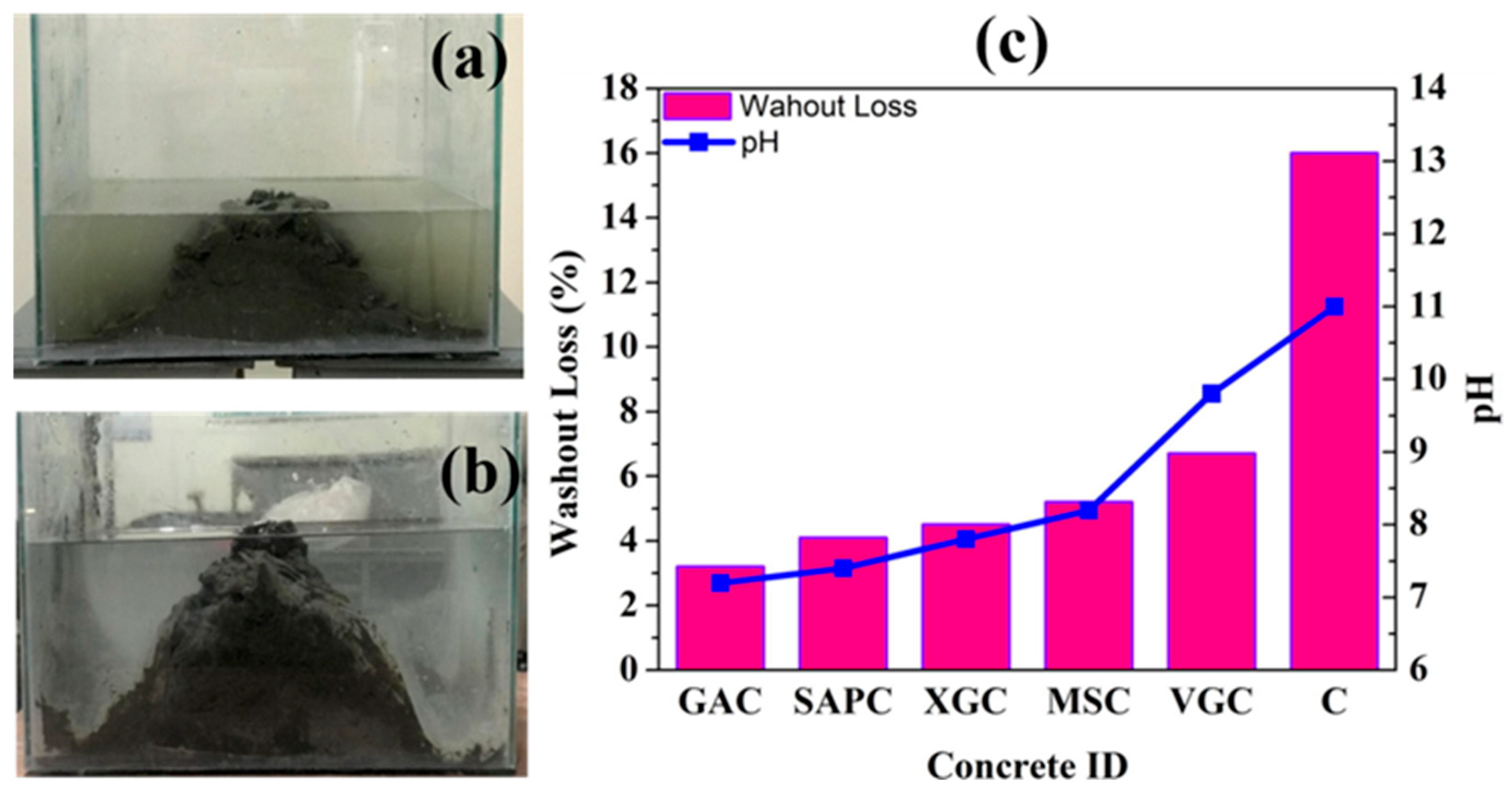
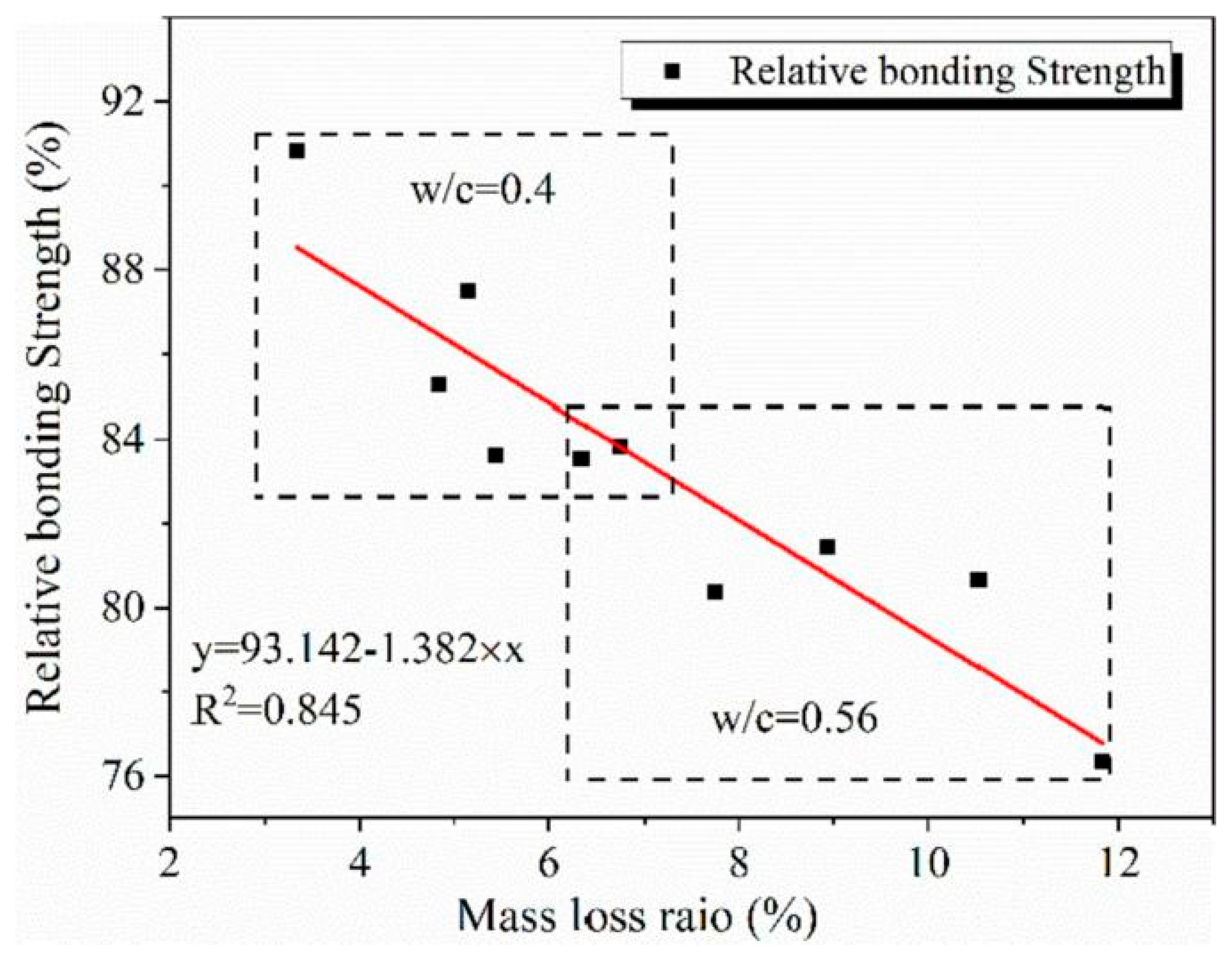
| Underwater Dispersion Resistance | Place the freshly mixed material in a water column to allow it to fall freely, and test for parameters such as dispersion loss, turbidity, and pH in the water. | Mass loss rate [124], turbidity, pH [125], slurry loss |
| Durability | SL/T 352-2020 [126], DL/T5126-2021 [127], ASTM C 1202 [128], ASTM C 666 [116,129] | Test specimens were cast underwater, cured underwater, or formed underwater and then subjected to standard curing. |
Disclaimer/Publisher’s Note: The statements, opinions and data contained in all publications are solely those of the individual author(s) and contributor(s) and not of MDPI and/or the editor(s). MDPI and/or the editor(s) disclaim responsibility for any injury to people or property resulting from any ideas, methods, instructions or products referred to in the content. |
© 2026 by the authors. Licensee MDPI, Basel, Switzerland. This article is an open access article distributed under the terms and conditions of the Creative Commons Attribution (CC BY) license.
Share and Cite
Jing, S.; Pang, B.; Chen, Y.; Wang, J.; Wang, P.; Song, S.; Lai, W. A Review on Polymer-Modified Cementitious Materials for Underwater Repair: Workability, Bonding, Mechanical Performance and Durability. Buildings 2026, 16, 2751. https://doi.org/10.3390/buildings16142751
Jing S, Pang B, Chen Y, Wang J, Wang P, Song S, Lai W. A Review on Polymer-Modified Cementitious Materials for Underwater Repair: Workability, Bonding, Mechanical Performance and Durability. Buildings. 2026; 16(14):2751. https://doi.org/10.3390/buildings16142751
Chicago/Turabian StyleJing, Shuaikang, Bo Pang, Yidong Chen, Jianling Wang, Penggang Wang, Shanglin Song, and Wensen Lai. 2026. "A Review on Polymer-Modified Cementitious Materials for Underwater Repair: Workability, Bonding, Mechanical Performance and Durability" Buildings 16, no. 14: 2751. https://doi.org/10.3390/buildings16142751
APA StyleJing, S., Pang, B., Chen, Y., Wang, J., Wang, P., Song, S., & Lai, W. (2026). A Review on Polymer-Modified Cementitious Materials for Underwater Repair: Workability, Bonding, Mechanical Performance and Durability. Buildings, 16(14), 2751. https://doi.org/10.3390/buildings16142751