


Abstract
The building renovation sector is under growing pressure to balance environmental responsibility, economic efficiency, and occupant well-being simultaneously. Existing evaluation approaches are predominantly finance-driven, marginalising ecological and social dimensions. This study develops and validates a parametric multi-criteria assessment framework for building renovation elements, structured around the three pillars of sustainability: environmental, economic, and social. A dataset of 33 renovation elements—encompassing green façade systems, extensive and intensive green roofs, interior wall, floor, and ceiling solutions, and exterior envelope and site components—was compiled and digitized as BIM objects in ArchiCAD 26, enriched with non-graphic parameters including cost, lifespan, recyclability, eco-index, maintenance effort, and qualitative social descriptors. Parameters were aggregated using type-specific logic: additive summation for economic indicators, minimum-value selection for lifespan, arithmetic mean for environmental indicators, and descriptive consolidation for social attributes. Five renovation scenarios (A–E), each composed of nine elements, were evaluated to demonstrate how the sustainability profile changes with selection priorities. Scenarios A, B, and C confirmed single-dimension dominance (environmental, economic, and social, respectively), Scenario D achieved a balanced three-pillar profile, and Scenario E revealed a latent economic bias in an apparently random element selection. The framework is scalable and extensible, and its data structure may provide a basis for future exploration of integration with BIM environments.
1. Introduction
The construction industry currently faces unprecedented pressure to increase efficiency, reduce costs, and minimize environmental impact. While traditional building management methods frequently encounter limitations in interoperability and data availability, digital technologies such as Building Information Modelling (BIM), mixed reality (MR), and artificial intelligence (AI) offer new paradigms for sustainable construction [1,2]. The importance of integrating these technologies is underscored by the fact that facility management (FM) ranks among the highest operational costs for organizations; effective FM can deliver cost savings of up to 30% [3].
The integration of BIM, MR, and AI is crucial for optimizing the entire building lifecycle—from design through construction to management and renovation. BIM is no longer perceived merely as a 3D modelling tool, but as an n-dimensional instrument encompassing time (4D), cost (5D), sustainability (6D), and facility management (7D) [4,5]. This multidimensionality creates favourable conditions for the development of Digital Twin concepts, which have been reported in the literature as capable of supporting simulation-based analyses and real-time decision-making [6,7].
Existing research indicates that while BIM provides a rich information base, current software tools frequently fail to cover the specific processes of asset management fully, leading to inefficient workflows and a digital gap between the design and operational phases [8]. The current literature highlights the importance of structuring data through Work Breakdown Structure (WBS) for effective asset management [9] and the use of Collaborative Virtual Environments (CVE) to overcome geographical barriers between project participants [10,11]. Despite these advances, a shift from static visualization toward interactive, sustainable models accessible to all stakeholders remains necessary.
Building on the above, the primary research objective of this article is the development and formalization of a parametric multi-criteria assessment framework for building renovation elements. The framework responds to the need for a systematic and transparent approach to sustainability evaluation in renovation practice, aiming not only to streamline the decision-making process but also to provide a foundation for educational applications and future integration with advanced digital tools.
While established MCDM methods—including AHP, ANP, TOPSIS, ELECTRE Tri, and BIM-LCA approaches—provide robust mechanisms for ranking renovation alternatives, their application typically requires expert-elicited criteria weights and focuses predominantly on environmental indicators, with limited integration into parametric BIM data structures (see Section 2.3).
The study addresses a recurring gap identified in the literature, where renovation assessment tends to be reduced to short-term financial criteria or to weighting-dependent rankings, at the expense of a transparent, reproducible and BIM-native three-pillar sustainability profile that can be generated directly from the element database without additional expert weighting.
By coupling parametric BIM data with a transparent, type-specific aggregation logic, the proposed framework offers a distinct contribution to sustainability-oriented decision-making in building renovation, enabling the direct and reproducible generation of environmental, economic, and social profiles for any combination of renovation elements without reliance on the expert-elicited weighting schemes required by conventional multi-criteria approaches.
2. Literature Review
The digitization of the construction sector is undergoing dynamic development, with technologies enabling advanced data management and visualization increasingly coming to the forefront. This review focuses on key trends: BIM, virtual and mixed reality (VR/MR), Digital Twins (DTs), and artificial intelligence (AI).
2.1. Trends in Digitalization: From BIM to Digital Twins and AI
Building Information Modelling (BIM) has become the standard for information management throughout the building lifecycle. The original perception of BIM as a 3D modelling tool has expanded to include additional dimensions, with the sixth dimension (6D) explicitly addressing sustainability and the seventh (7D) facility management [5,12]. Effective asset management requires a reliable database of historical information, driving the integration of BIM with tools such as Work Breakdown Structure (WBS). WBS serves as a communication tool and a method for hierarchically decomposing projects into manageable units, which is critical for inventory structuring and maintenance planning [13].
Digital Twins represent the next evolutionary step, in which a virtual replica of a physical object enables simulations and experimentation. The implementation of Digital Twins in construction brings the ability to anticipate future changes, verify system integrity, and support data-driven decision-making [14]. Research indicates that buildings with integrated Digital Twin systems can achieve cost savings of 30–50% compared to inefficiently managed existing buildings [15]. The integration of artificial intelligence (AI)—particularly deep learning techniques—into these processes enables automated collision detection and predictive maintenance, transforming passive data into active decision-making tools [16,17].
2.2. Application of WebVR and MR for Interactive Management and Sustainability
VR and MR technologies find application not only in design but increasingly in occupational health and safety (OHS) and facility management. While VR fully replaces the real world with a simulated environment and is suited to immersive training and simulations [18,19], MR enables the merging of the physical and digital worlds. This is essential for on-site applications, where MR allows the superimposition of BIM models onto the physical structure for as-built verification [20,21].
Attention is warranted for WebVR technology and Collaborative Virtual Environments (CVEs). CVEs are defined as groups of virtual worlds shared over a computer network, enabling geographically remote users to interact through avatars [10]. Research reveals differences in functionality between these approaches. MR applications excel at precise model-to-reality alignment for maintenance and inspection [21,22], while WebVR tools offer greater accessibility and lower barriers to entry, making them better suited for large-scale training and visualization for non-technical stakeholders [23,24].
Comparative analysis suggests that for specific facility management tasks—such as staff training and improving team communication—WebVR may be a more suitable alternative to traditional desktop BIM applications due to better technological alignment and lower implementation costs. Conversely, tasks requiring real-time interaction with physical space (e.g., detection of concealed utilities) demand the precision of mixed reality [22,25].
2.3. Multi-Criteria Decision-Making Methods in Renovation Sustainability Assessment
Alongside BIM-, MR- and AI-oriented digitalization trends, a parallel and well-established strand of research addresses the sustainability assessment of renovation measures through formal multi-criteria decision-making (MCDM) methods.
The Analytic Hierarchy Process (AHP) and its network-based extension, the Analytic Network Process (ANP), translate expert judgement into criteria weights via pairwise comparison, while the Technique for Order of Preference by Similarity to Ideal Solution (TOPSIS) ranks alternatives according to their distance from an ideal and an anti-ideal solution. Utility Analysis (UA) and outranking methods such as ELECTRE Tri represent further widely used alternatives.
Theilig et al. [26] applied AHP, ANP, UA, and TOPSIS in parallel to rank exterior wall renovation alternatives by environmental impact and circularity. Although the methods largely agreed on the top-ranked alternatives, the resulting rankings proved sensitive to the chosen weighting scheme. Daniel and Ghiaus [27] and Baseer et al. [28] applied ELECTRE Tri and a probabilistic extension (pELECTRE Tri) to the selection of renovation packages for residential buildings, explicitly integrating economic, technical, social and environmental criteria, but noted that the construction of the decision matrix and the elicitation of criteria weights (e.g., through the Simos’ cards method) represent the most resource-intensive steps of the process.
A second relevant strand integrates Lifecycle Assessment (LCA) directly into BIM environments (BIM-LCA). Carvalho et al. [29] demonstrated how BIM-based LCA can be combined with Building Sustainability Assessment (BSA) schemes such as SBTool, enabling automated extraction of environmental impact data from BIM models and improving the consistency of life-cycle-based comparisons. However, such approaches remain primarily environmentally oriented, with economic and social criteria typically entering the assessment only at a subsequent, separate weighting or certification stage rather than as natively structured BIM parameters. These two strands of research share two characteristics that differentiate them from the framework proposed in the present study.
First, AHP/ANP-, TOPSIS-, UA- and ELECTRE-based methods require the explicit elicitation of criteria weights, either through expert pairwise comparison or weighting procedures such as Simos’ cards; the resulting assessment is therefore dependent on the composition of the expert panel and must be at least partially repeated whenever the set of alternatives or criteria changes [26,27,28]. Second, BIM-LCA approaches, while effective for environmental indicators, do not generally provide a unified aggregation logic capable of simultaneously handling additive cost indicators, minimum-value lifespan parameters, averaged environmental metrics, and descriptive social attributes within a single BIM-native data structure [29].
The framework proposed in this study addresses this gap by defining, for each parameter type, a fixed and transparent aggregation rule—additive, minimum, arithmetic mean, or descriptive aggregation—applied directly to non-graphic BIM parameters, without requiring expert-elicited weights or post-processing normalization. This enables the three-pillar sustainability profile of any combination of renovation elements to be generated directly and reproducibly from the BIM database, supporting rapid scenario comparison (Scenarios A–E) and the identification of latent dimensional bias (Scenario E), a capability that is less readily apparent from ranking-oriented MCDM outputs.
The proposed approach is therefore not presented as a replacement for AHP/ANP/TOPSIS/ELECTRE or BIM-LCA methods, but as a complementary, lightweight, BIM-native screening layer for early-stage renovation design, the outputs of which could subsequently be refined using weighted MCDM techniques where formal prioritization among alternatives is required [26,27,28,29].
3. Materials and Methods
The aim of this research is to design and formalize a parametric methodological framework for the integrated assessment of building renovation elements, responding to the need for a systematic and transparent approach to multi-criteria evaluation in sustainable renovation practice. The study focuses on the definition of environmental, economic, and social parameters; the development of a consistent methodology for their acquisition and normalization; and the creation of a structured data model for their representation. In addition, the research introduces a set of evaluation rules enabling the aggregation of individual parameters into a comprehensive assessment of combined renovation strategies. The framework is further validated through a scenario-based application, demonstrating its capacity to reveal trade-offs between sustainability dimensions and to support data-driven decision-making. The proposed methodology is conceived as a scalable and transferable framework that could be further developed and adapted for integration into digital decision-support environments.
3.1. Selection and Categorization of Renovation Elements
The selection of building renovation elements represents a key step in designing the parametric framework for multi-criteria assessment, since it determines the scope and representativeness of the solutions analysed. The selection aimed to identify elements reflecting the most commonly applied renovation measures while covering a broad spectrum of interventions across the environmental, economic, and social dimensions of sustainability. The selection was therefore oriented towards elements that have the potential to significantly influence the overall performance of a building in terms of energy efficiency, service life, cost and quality of the indoor environment. The selection process was based on a combination of several sources, with emphasis placed on linking theoretical knowledge with the practical requirements of construction practice. The main sources included professional literature from the field of sustainable construction and building renovation, existing assessment frameworks and methodologies, as well as available databases of materials and construction solutions. Real-world applied construction solutions also played an important role, ensuring the relevance and applicability of the proposed framework under real conditions.
Element selection was guided by several criteria: relevance to the renovation process, potential to improve sustainability performance, availability of reliable assessment data, and the ability to represent diverse structural and material solutions. An important aspect was also the effort to include elements with varying degrees of technological complexity and different impacts on the individual sustainability dimensions, thereby ensuring variability in the dataset and its usability in comparative analysis. The result of this process is a set of 33 building renovation elements, which serves as a pilot dataset for the application of the proposed methodological framework. This dataset, however, does not represent a closed or final list of solutions, but has the character of an open and extensible collection that can be supplemented with further elements depending on specific needs or the development of new technologies and materials. Such an approach makes it possible to preserve the flexibility of the framework and supports its long-term usability.
For the purposes of systematic processing and analysis, the individual elements were categorized on the basis of their location and function within the building. From the perspective of location, elements were divided into exterior and interior. Exterior elements primarily include components of the building envelope, such as facades, roofs or supplementary structures that influence the energy balance and environmental performance of the building. Interior elements include structural and material solutions that influence the indoor environment, such as walls, floors, ceilings or acoustic and surface treatments. From a functional perspective, elements were further divided into building envelope components, interior structural elements and technological or supplementary solutions. The group of envelope components primarily includes elements influencing the thermal properties of the building, such as green facades or roofs. Interior structural elements include solutions that influence the indoor environment and user comfort, for example floors, walls or ceilings. Technological and supplementary elements include solutions such as solar panels or specific material applications that contribute to improving energy efficiency or environmental sustainability. This categorization enables not only the systematic ordering of elements but also their mutual comparison on the basis of a uniform parameter structure. Each element within the dataset is represented by the same set of environmental, economic and social parameters, which ensures consistency of assessment and enables the application of a uniform multi-criteria logic across different types of solutions.
3.2. Definition of Assessment Parameters
The proposed methodological framework for the assessment of building renovation elements is based on the integration of three fundamental sustainability dimensions: environmental, economic and social. The use of a combination of environmental, economic and social parameters makes it possible to overcome the limitations of one-dimensional assessment, which in practice is often based primarily on financial criteria. Such approaches may favour solutions that are cost-effective in the short term but environmentally inefficient or unsuitable for occupant comfort in the long term. By integrating the three dimensions, a more comprehensive assessment framework is created that enables the identification of trade-offs between individual aspects and supports informed decision-making.
On the basis of analysis of the professional literature, existing assessment methodologies and the availability of relevant data, a set of parameters was defined that is applicable to different types of building renovation elements. In the selection of parameters, emphasis was placed on their measurability, comprehensibility, availability and ability to represent key properties of individual elements in the sustainability context. At the same time, the aim was to maintain a balance between the complexity of the assessment and its practical usability.
The environmental dimension of the assessment is focused on evaluating the impact of individual elements on the environment during their lifecycle. The following parameters were defined within this group:
- Recyclability (%)—expresses the proportion of materials that can be recycled or reused after the element reaches the end of its service life. This parameter provides information on the potential of the element to contribute to the principles of the circular economy.
- Service life (years)—represents the anticipated functional service life of the element. A longer service life reduces the need for replacement and thereby lowers the long-term environmental burden.
- Eco-index (proportion/m2)—represents a parametric regulatory indicator by which qualitative requirements for vegetated areas and the overall minimum proportion of vegetated areas are determined within a spatially functional unit, in relation to the character of the territory and the type of development.
These parameters were selected due to their ability to reflect the long-term environmental impact of elements and their relatively good availability in existing databases and technical documentation.
The economic dimension of the assessment focuses on the financial aspects of implementing and operating individual elements. It takes into account not only the initial investment but also the costs associated with their realization and maintenance. This group includes:
- Price (€/m2)—represents the average procurement cost of the element calculated per unit area. This parameter enables comparison of the economic demands of individual solutions.
- Installation costs (€/m2)—express the costs associated with the realization and installation of the element.
- Maintenance (NmH/m2 or €/year)—represents the maintenance requirements over the service life of the element, expressed as either labour hours or equivalent financial costs.
The selection of economic parameters was motivated by the effort to capture the entire process cycle of element realization—from procurement through to its long-term use —thereby enabling a realistic assessment of its economic efficiency.
The social dimension of the assessment reflects the influence of individual elements on building users and the quality of the indoor environment. This area is often less quantifiable, but plays a key role in the overall sustainability assessment. The following was defined within this group:
- Qualitative impact (descriptive parameter)—includes information on the influence of the element on user comfort, for example, improvement of air quality, reduction of the need for cooling, improvement of acoustic properties or the visual environment.
Social parameters were included with the aim of complementing the purely quantitative assessment with aspects that directly affect the health, well-being and productivity of users. Their selection reflects current trends in the area of building assessment, which emphasize the need for a human-centred approach.
The social dimension was intentionally assessed using a qualitative approach. Unlike environmental and economic indicators, social impacts are highly dependent on the specific functions and characteristics of individual building elements. The application of a universal quantitative indicator across all assessed alternatives could therefore compromise the relevance and comparability of the results. For example, some building elements may provide measurable acoustic benefits, while others primarily contribute to indoor air quality, thermal comfort, or visual well-being. As these effects are element-specific and cannot be consistently represented using equivalent quantitative metrics, the introduction of a unified scoring system could lead to methodological bias. Consequently, the social dimension was not used as a decisive ranking criterion between alternatives but rather as supplementary information supporting the interpretation of the overall sustainability assessment.
The defined set of parameters represents a compromise between complexity and practical applicability. Their uniform structure makes it possible to assign the same type of data to each element, thereby ensuring their mutual comparability. At the same time, the parametric approach enables flexible extension with further indicators, if needed, without disrupting the basic logic of the framework. The integration of environmental, economic and social parameters creates the basis for assessing the efficiency of building renovation as a result of balancing multiple criteria. A framework conceived in this way makes it possible to identify optimal solutions not only from the perspective of a single aspect, but from the point of view of the overall contribution to sustainability and quality of the environment.
3.3. Data Acquisition and Normalization
Data acquisition and processing represent a key step in applying the proposed methodological framework, since the quality and consistency of input parameters directly affect the reliability of the resulting assessment. In practice, data on construction elements are drawn from various sources and often differ in units, structure, and level of detail. Systematic acquisition and normalization are therefore necessary to ensure comparability across elements.
The data sources used in defining the parameters include professional literature, product technical data sheets, existing databases of construction materials and costs, as well as available standards and methodological recommendations. For economic parameters, cost databases (e.g., CENEKON) were used primarily, which provide data on material prices, installation works and standard man-hours. Environmental parameters were derived from literature sources and available data on material properties, while social parameters are based on qualitative assessments of the influence of individual elements on the indoor environment and user comfort. In cases where precise data were not available, expert estimates based on comparable solutions were used. Individual parameters were acquired and processed with an emphasis on their uniform representation. Economic indicators, such as price and installation costs, were recalculated per unit area (€/m2), thereby ensuring their comparability between different types of elements. The service life parameter was defined as a representative value expressed in years, while in the case of multi-component elements an average or limiting value was used depending on the character of the assessment. Recyclability was expressed as the percentage proportion of recyclable materials within the element. Maintenance was expressed either in standard man-hours per unit area (NmH/m2), or as equivalent costs, depending on data availability.
The normalization process was aimed at eliminating differences between individual types of data and converting them into a uniform format. Quantitative parameters were expressed in standardized units, while qualitative parameters of a social character were processed in the form of descriptive or semi-quantitative indicators. In this way, it was possible to preserve their informational value while ensuring their integration into a common assessment framework. Data variability and uncertainty arising from multiple sources were also considered. Where values differed across sources, a representative value was adopted—typically a mean or a category-typical value. The objective was not absolute parameter precision, but consistency and comparability within the framework.
The proposed approach to data acquisition and normalization is conceived as flexible and extensible, which enables its application to new elements or updated data as well. This approach enhances the adaptability of the framework to evolving construction technologies and materials and may facilitate its future use within digital decision-support systems.
To improve reproducibility, the sources and assumptions underlying the key parameters are clarified as follows: Economic parameters (price and installation labour) were obtained from a national cost database providing representative average values for the Slovak construction sector. As such, the reported values should be interpreted as representative reference values rather than location- or supplier-specific quotations.
Maintenance effort for all vegetative systems was treated as a constant value due to the limited availability of product-differentiated maintenance data; this represents an indicative, category-level estimate rather than a product-specific measurement and is discussed as a limitation in Section 4. Lifespan values were based on technical standards, manufacturer specifications, and professional recommendations for each product category.
Where an element comprised multiple layers or components with different individual service lives, the value of the shortest-lived component was used, consistent with the limiting-logic aggregation rule applied at the combined-solution level (Section 3.4). Such manufacturer-stated values inherently carry some uncertainty under real operating conditions. Recyclability (%) was derived from environmental product declarations and available lifecycle assessment data for the respective product categories.
Where product-specific declarations were not available, recyclability was estimated from the closest comparable product category, which introduces an additional level of uncertainty compared with values derived directly from product-specific data. The eco-index values were derived from the regulatory greenery-coefficient indicator used in spatial planning to define the minimum proportion of vegetated areas within a spatially functional unit.
As this is a regulatory classification rather than a measured environmental performance indicator, the same value applies uniformly to all green façade typologies in the dataset regardless of their specific vegetation density or structural configuration; the implications of this uniformity are discussed further in Section 4.
Social descriptors were derived through qualitative analysis of manufacturer technical data sheets and the professional literature reviewed in Section 2, representing a semi-quantitative, expert-informed classification of the anticipated influence of each element on indoor environmental quality and user comfort. These descriptors have not been independently validated through occupant surveys or post-occupancy evaluation and should be interpreted as indicative rather than measured values; this is acknowledged as a limitation of the social dimension of the framework in Section 4.
3.4. Multi-Criteria Assessment Logic
The process of assessing building renovation elements is based on a multi-criteria approach, which enables the simultaneous consideration of environmental, economic and social aspects. Given the complexity of decision-making in building renovation, it is not possible to identify an optimal solution on the basis of a single parameter, such as cost or energy demand. Individual criteria are often in mutual conflict, while solutions optimized from an economic perspective may not achieve the required level of environmental or social quality. It is therefore necessary to apply an integrated approach that makes it possible to identify and assess these trade-offs. The proposed framework proceeds from the premise that each renovation element is represented by a set of parameters defined across three fundamental sustainability dimensions. When assessing a specific solution comprising a combination of several elements, it is necessary to aggregate these parameters in such a way that the resulting assessment reflects the character of the individual indicators and their significance for overall building performance.
Parameters were classified into groups according to their mathematical nature. The first group comprises additive parameters, whose values are summed across selected elements. This category primarily includes economic indicators, such as procurement costs, installation costs and maintenance demands. The sum of these values provides an overall estimate of the financial demands associated with the realization and operation of the selected solution. The second group consists of limiting parameters, for which the lowest value within the combination of elements is decisive. A typical example is service life, which is determined by the element with the shortest useful life. This approach reflects the fact that the overall service life of a system is limited by its weakest link. The third group consists of averaging parameters, which are expressed as the average value of individual elements. This category includes, for example, recyclability, which provides information on the overall circular economy potential of the solution. A distinct group comprises qualitative social parameters. As these cannot be expressed numerically, they are processed through descriptive aggregation. When elements are combined, qualitative contributions are consolidated, with duplicate properties counted only once to avoid overrepresentation.
The aggregation logic defined in this way enables the transformation of a set of individual parameters into a comprehensive assessment of the combined solution. The result is a multi-dimensional profile that characterizes the solution from the perspective of environmental, economic and social performance. This profile enables not only the comparison of alternative proposals, but also the identification of trade-offs between individual sustainability dimensions. The proposed approach is conceived as universal and scalable, which means it can be applied to any number of elements and different types of solutions. The flexibility of this logic also enables its extension with further parameters or modification of aggregation rules, depending on the specific requirements of the assessment. This creates a basis for exploring its application in broader decision-making contexts and for potential incorporation into digital tools supporting renovation design and assessment.
3.5. Scenario-Based Evaluation Approach
The proposed methodological framework is complemented by a scenario-based approach, which enables verification of its applicability under conditions of real decision-making in building renovation. Scenarios represent model combinations of individual elements, through which it is possible to simulate different renovation design approaches depending on the preferred criteria. The aim of the scenario-based approach is to demonstrate how the resulting assessment changes depending on the selection of elements and their combination, and at the same time to point to possible conflicts between environmental, economic and social aspects. Individual scenarios are conceived to represent different decision-making priorities, for example, an orientation towards cost minimization, maximization of environmental benefits, or improvement of indoor environmental quality. The creation of scenarios is based on the selection and combination of elements from the defined dataset, with the proposed multi-criteria logic applied for their assessment. The result is a multi-dimensional profile of each scenario, which enables their mutual comparison and identification of trade-offs between individual sustainability dimensions. The detailed definition of scenarios and their evaluation is the subject of the following chapter, where the practical application of the proposed framework to specific cases is presented.
4. Results
4.1. Processing of the Dataset of Parametric BIM Elements of Vegetative Systems
Dataset processing is based on the transformation of construction solutions of vegetative elements into digital form using graphic and non-graphic data. The database was developed in response to an identified research gap: while existing publications describe the construction of green elements, they address their digital representation and BIM integration only marginally.
The process of creating new BIM elements is divided into several successive steps. In the first phase, collection of input data needed for modelling the objects is carried out, primarily construction details, layer compositions, technical specifications, dimensions and material characteristics of individual systems. Subsequently, geometric modelling of vegetative elements was performed in BIM software (Graphisoft SE, Budapest, Hungary) (ArchiCAD 26 was used for this research). In addition to the graphical representation, it is important to populate the element specification with non-graphic data encompassing parameters relating to realization, maintenance, service life, environmental characteristics, as well as further data usable during the building lifecycle. Part of the process also included preparing the database structure for possible future extension with additional non-graphic information and supporting interoperability through standard export formats, primarily IFC.
The preparation of the exterior vegetative system dataset for this article consisted of 22 objects, of which 15 objects represented vertical systems in the form of facade green systems (Figure 1) and 7 objects were created representing exterior horizontal systems. Of these, 4 were systematic solutions of extensive green roofs (Figure 2) and 3 were solutions of intensive green roofs (Figure 3).
Figure 1.
Green exterior vertical elements: planter box green facade system (F.1–F.3), green facade system with vegetation placed in textile pockets (F.4–F.6), system with vegetation embedded in a mineral wool layer (F.7–F.9), direct green facade system without the need for additional anchoring (F.10–F.12), and indirect green facade system requiring additional anchoring (F.13–F.15).
Figure 2.
Green exterior horizontal elements in the form of an extensive roof with a retention layer and substrate thickness of 50 mm (R.1), a biodiversity extensive roof with a retention layer and substrate thickness of 70 mm (R.2), a biodiversity extensive roof with a retention layer and substrate thickness of 70 mm (R.3), and an extensive roof with theClick ‘n go system and a substrate thickness of 80 mm (R.4).
Figure 3.
Green exterior horizontal elements in the form of an intensive roof with a drainage layer and substrate thickness of 120 mm (R.5), substrate thickness of 220 mm (R.6), and substrate thickness of 500 mm (R.7).
In addition to the exterior vegetative systems described above, the overall dataset also includes non-vegetative interior and exterior renovation elements. The interior renovation dataset comprises nineteen elements (I.1–I.19), covering wall, floor and ceiling solutions, as illustrated in Figure 4. The exterior renovation dataset comprises fourteen elements (E.1–E.14), covering façade systems as well as site, surroundings, and roof components, as illustrated in Figure 5. Together with the twenty-two vegetative systems presented in Figure 1, Figure 2 and Figure 3, these elements constitute the complete dataset of 33 building renovation elements used for the subsequent multi-criteria assessment.
Figure 4.
Interior renovation elements: (I.1)—green wall, (I.2)—recycled PET acoustic panels, (I.3)—natural linoleum flooring, (I.4)—FSC certified wood flooring, (I.5)—cork flooring, (I.6)—acoustic ceiling from recycled fibres, (I.7)—ceiling wood slats from certified wood, (I.8)—internal wall insulation, (I.9)—reflective anti-overheating coating, (I.10)—vinyl flooring, (I.11)—high-performance acoustic carpet, (I.12)—LED lighting panels, (I.13)—ceiling insulation above unheated roof, (I.14)—acoustic panels, (I.15)—visual orientation system, (I.16)—non-slip flooring, (I.17)—rubber impact-damping floor, (I.18)—acoustic ceiling, (I.19)—skylights, light guides.
Figure 5.
Exterior renovation elements: (E.1)—green facade, (E.2)—ventilated facade, thickness 100 mm, (E.3)—rain garden, (E.4)—permeable paving, (E.5)—green roof, (E.6)—white reflective roof, (E.7)—automated external shading blinds, (E.8)—LED public lighting, (E.9)—solar park lighting, (E.10)—solar roof lighting, (E.11)—shading lamellae, (E.12)—benches, (E.13)—wheelchair access ramp, (E.14)—roof garden.
4.2. Creation of the Database of Assessment Parameters of Building Renovation Elements
For the purposes of applying the proposed multi-criteria framework, uniform sets of environmental, economic and social parameters were processed for all 33 building renovation elements.
Due to the differing character of the analysed elements, data were divided into separate tables according to the type of solution. Vegetative systems, comprising green facades and green roofs, were processed in separate tables, since for these elements it is possible to identify and assess the eco-index parameter. This parameter represents a significant environmental indicator tied to the proportion of vegetated areas and their contribution to the environmental quality of the territory.
The remaining building renovation elements were processed separately, since for them the eco-index parameter is neither applicable nor relevant given their material and functional character. The division of the dataset into several tables thus makes it possible to maintain consistency of assessment while at the same time respecting the specific properties of individual groups of elements.
The set of environmental, economic and social parameters of the assessed green exterior vertical elements included in the dataset is summarized in the table (Table 1). Individual elements are designated with an alphanumeric code (F.1–R.7), with each object represented by a uniform parameter structure enabling their mutual comparison within the proposed multi-criteria assessment framework.
Table 1.
Green Vegetative Systems (F.1–F.15 and R.1–R.7): ENV = Environmental dimension; ECO = Economical dimension; SOC = Social dimension. All elements listed in this table belong to the Environmental (ENV) dimension.
The environmental dimension encompasses service life, eco-index, and recyclability. Service life ranges from 10 to 30 years for green façades and from 25 to 45 years for green roofs. The eco-index parameter reaches 0.4 for facade systems, while for green roofs it ranges from 0.5 to 0.6, reflecting a higher proportion of vegetated areas and their environmental contribution. The recyclability of individual systems ranges from 40% to 80%, depending on the material composition and technological solution of the element.
The economic dimension includes indicative element prices, initial investment costs, installation labour demands and maintenance demands. Indicative prices of vegetative systems range from 85 €/m2 for simpler roof systems up to 750 €/m2 for technologically more demanding facade solutions. Input investment costs correspond to the procurement price and represent the total realization costs per unit area. The parameters of installation labour demands and maintenance are considered constant values within the pilot dataset, which ensures consistency when comparing individual solutions.
During dataset compilation, an additional exploratory attribute—an investment coefficient, set at a uniform value of 20% for all evaluated vegetative systems—was also recorded. As this attribute did not differentiate between elements and was not incorporated into the aggregation logic presented in Table 4 and Section 3.4, it was not used in the multi-criteria assessment or in the scenario analyses presented in Section 4.3 and is reported here only for completeness of the original dataset.
The set of environmental, economic and social parameters of the assessed interior renovation elements included in the dataset is summarized in the table (Table 2).
Table 2.
Interior Renovation Elements (I.1–I.19): ENV = Environmental dimension; ECO = Economical dimension; SOC = Social dimension.
The interior renovation dataset covers nineteen elements (I.1–I.19) across three subsystems: walls, floors, and ceilings. Wall elements span a broad spectrum of sustainability priorities. The living green wall (I.1, 100 €/m2) provides biophilic and air quality benefits, while internal insulation (I.8, 33 €/m2, 89% recyclability) and the reflective overheating coating (I.9, 7 €/m2, 90% recyclability) represent the most cost- and environmentally efficient wall interventions. The orientation signage system (I.15) exhibits the lowest recyclability in the interior dataset (4%), a concern from a circular-economy perspective. Among floor elements, cork flooring (I.5) achieves the highest bio-based recyclability (57%) at the lowest cost (19 €/m2), while vinyl (I.10, 45-year lifespan) is the economically optimal solution for high-traffic areas. Rubber damping floors (I.17) record the highest recyclability in the floor category (83%). For ceiling elements, the recycled-fibre acoustic ceiling (I.6) achieves the highest recyclability in the entire interior dataset (98%) at a modest 24 €/m2. Skylights (I.19) are the most capital-intensive element (1350 €/m2) but deliver unique social value through daylighting quality and reduced reliance on artificial lighting. Maintenance effort varies substantially across the dataset, underlining the importance of integrating this parameter into multi-criteria aggregation logic. The set of environmental, economic and social parameters of the assessed exterior renovation elements included in the dataset is summarized in the table (Table 3).
Table 3.
Exterior Renovation Elements (E.1–E.14): ENV = Environmental dimension; ECO = Economical dimension; SOC = Social dimension.
The exterior dataset comprises fourteen elements (E.1–E.14) grouped into façade systems, site and surroundings, and roof systems. Among façade elements, the ventilated timber façade (E.2, 114 €/m2) is the most cost-efficient cladding option, while automated blinds (E.7) and fixed shading lamellae (E.11) primarily address solar gain management, with lamellae outperforming blinds in lifespan and recyclability. For site elements, the rain garden (E.3, 80 €/m2) is the most cost-effective stormwater solution, and permeable paving (E.4, 45 €/m2) achieves the category’s highest recyclability (65%). Benches (E.12, 800 €/m2) carry the highest acquisition cost but deliver primary social value through public space quality. Among roof elements, the green roof (E.5) achieves both the highest recyclability in the exterior dataset (98%) and the longest service life (30 years), while the white reflective roof (E.6) is the lowest-cost exterior element in the entire study (7 €/m2, 78% recyclability). Solar panels (E.10) are notably constrained by low recyclability (10%), highlighting the need for circular-economy considerations in photovoltaic procurement.
4.3. Implementation of the Multi-Criteria Evaluation Logic
The transformation of individual parameters into a unified assessment logic represents a key step in the practical application of the proposed methodological framework. Since the assessed parameters differ not only in their significance but also in their mathematical and logical nature, it was necessary to define a method of aggregation that would reflect the specific characteristics of individual indicators and at the same time maintain consistency in the overall assessment. The proposed assessment logic proceeds from the premise that different types of parameters require different methods of processing, so that the resulting assessment represents the combined building renovation solution as realistically as possible. Economic parameters, such as procurement costs, installation labour demands or maintenance demands, were processed using additive logic, where the resulting value represents the sum of the values of all selected elements. This approach reflects the cumulative character of the financial and operational demands associated with renovation realization.
On the contrary, the service life parameter was processed using limiting logic, where the resulting value corresponds to the lowest service life among the selected elements. Such an approach proceeds from the premise that the overall service life of the proposed solution is limited by its weakest link. Environmental parameters, such as recyclability or the eco-index, were evaluated in the form of average values. This method of processing makes it possible to capture the overall environmental profile of the combined solution without unduly favouring individual elements. Qualitative and semi-quantitative social parameters were processed by aggregating descriptive properties. In the case of recurring qualitative contributions, identical properties were counted only once, in order to prevent overvaluation of their significance within the resulting assessment.
Part of the proposed approach is also the definition of sources of input data for individual parameters, which ensures the transparency and reproducibility of the assessment process. Economic data, such as procurement costs or installation labour demands, were obtained primarily from the CENEKON database and from available technical documentation. Data on service life were based on technical standards, professional recommendations and production specifications of individual systems. Environmental parameters, primarily recyclability and environmental indicators, were processed on the basis of data from EPD documentation (Environmental Product Declaration) and available LCA databases. Social parameters were defined on the basis of qualitative characteristics of individual elements and their anticipated influence on the quality of the indoor environment and user comfort. The resulting processing logic of individual parameters is illustrated in Table 4, and the structure defined in this way at the same time creates a uniform system for adding new elements to the database. Each new element can be incorporated into the assessment framework through the same set of parameters and identical data acquisition rules, which ensures consistency and comparability of the database even when it is expanded in the future.
Table 4.
Parameter aggregation logic: data sources and processing rules applied to each indicator within the multi-criteria assessment framework: ENV = Environmental dimension; ECO = Economical dimension; SOC = Social dimension.
After defining the processing logic of individual parameters (Figure 6), it was possible to proceed to the aggregation of combined building renovation solutions. Within the proposed framework, individual elements are not assessed in isolation, but as part of a complex renovation design comprising a combination of several structural and material solutions. Such an approach better reflects the real conditions of decision-making in the building renovation process, where the resulting performance of the building depends on the interaction of several elements. The aggregation process was based on the successive combining of parameters of individual elements according to the defined processing rules. The result of aggregation is an integrated solution profile that represents the environmental, economic and social characteristics of the entire proposed renovation strategy. In creating combined solutions, different types of elements were included in the assessment, including vegetative systems, interior structural elements and supplementary technological solutions. Individual combinations were created so as to represent realistic building renovation scenarios and at the same time make it possible to identify differences between different sustainability approaches.
Figure 6.
Flowchart of the multi-criteria evaluation process for building renovation.
The aggregation process also confirmed the need for different processing of individual parameter types. Economic indicators exhibited a cumulative character, while service life was influenced by the limiting element with the lowest value. Environmental parameters enabled the creation of an average environmental solution profile, and social parameters complemented the resulting assessment with qualitative aspects affecting comfort and the quality of the indoor environment. The result of aggregation is not a single universal “best” solution, but a multi-dimensional profile of individual element combinations, which enables their mutual comparison on the basis of different decision-making priorities. Such an approach makes it possible to identify trade-offs between the environmental, economic and social dimension and at the same time provides a transparent basis for further scenario assessment.
The proposed aggregation of combined solutions also demonstrated the flexibility and scalability of the proposed framework. A varying number of elements and different types of solutions can be included in the assessment without the need to intervene in the basic logic of the framework. This approach creates a precondition for future expansion of the database and its use in digital decision-making tools oriented towards supporting sustainable building renovation.
For the purposes of demonstrating the practical application of the proposed multi-criteria framework, a scenario-based approach was implemented, simulating the selection of elements by the user when designing building renovation. The aim of the scenario assessment was to verify the way in which the resulting sustainability profile changes depending on the combination of selected elements and the preferred assessment dimension. It should be noted that the scenario analysis was not intended to provide a full validation of the framework under real renovation decision-making conditions. Rather, its purpose was to demonstrate the functionality, transparency and applicability of the proposed assessment methodology through representative model scenarios with different sustainability priorities. The predefined scenarios enabled verification of the framework’s ability to distinguish between environmental, economic and social preferences and to identify balanced or dominant sustainability profiles. Validation using real renovation projects and detailed quantitative performance data represents an important direction for future research and further development of the framework. Within the analysis, five model scenarios, designated as Scenarios A–E, were created. Each scenario consisted of nine elements selected from the created database of parametric BIM elements. The scenarios represent possible solution combinations that the user can choose when designing building renovation depending on the preferred decision-making priorities. For the purposes of visualizing the sustainability profiles of individual scenarios, a point-scoring principle based on element categorization was used. Each element was assigned a value of one point according to its primary category—environmental, economic or social. The resulting scenario profile was subsequently determined on the basis of the number of elements represented in individual dimensions. In the case of Scenarios A, B and C, all points were concentrated in one assessment dimension, while Scenario D showed an even distribution across all three sustainability pillars.
Scenario A (Table 5) represents an environmentally efficient building renovation based exclusively on the selection of environmentally oriented elements. Solutions supporting the reduction of environmental burden, increasing biodiversity, use of recycled or natural materials and improvement of the microclimatic conditions of the building and its surroundings were included in the scenario. The combination of elements such as green facades, green roofs, rain gardens or recycled materials creates a scenario oriented towards maximizing environmental benefits and supporting the principles of the circular economy. The resulting scenario profile therefore exhibits dominant representation of the environmental assessment dimension.
Table 5.
Scenario A—Environmental priority: ENV = Environmental dimension.
Scenario B (Table 6) was designed as an economically efficient renovation variant, whose priority was to achieve optimization of investment and operational costs. The scenario consists of elements oriented towards energy efficiency, simpler realization and reduction of operational expenditure. Elements such as LED lighting systems, internal insulation, reflective coatings and solar panels were included. The resulting scenario represents an approach where decision-making is primarily based on economic efficiency and return on investment, which was reflected in the dominant representation of the economic assessment dimension.
Table 6.
Scenario B—Economic priority: ECO = Economical dimension.
Scenario C (Table 7) represents a socially oriented approach to building renovation, whose main aim was to increase user comfort and improve the quality of the indoor environment. Elements focused on acoustic comfort, safety, user orientation and quality of the visual environment were included in the scenario. Among the elements used are, for example, acoustic panels, non-slip floors, wheelchair access ramps and roof gardens. The scenario thus represents a renovation oriented towards a human-centred approach, where the priority is social sustainability aspects and the quality of the user environment.
Table 7.
Scenario C—Social priority: SOC = Social dimension.
Scheme D (Table 8) represents a balanced building renovation variant, in which an equal number of environmental, economic and social elements were represented. The combination of different types of solutions was designed with the aim of achieving the most balanced sustainability profile possible, without significant dominance of one assessment dimension. The scenario demonstrates the possibility of a comprehensive approach to building renovation, where environmental benefits, economic efficiency and user comfort are considered simultaneously. The resulting scenario profile therefore shows an even distribution across all three sustainability pillars.
Table 8.
Scenario D—Balanced (equal three-pillar distribution): ENV = Environmental dimension; ECO = Economical dimension; SOC = Social dimension.
Scheme E (Table 9) was created as a random combination of elements without an explicit preference for a specific assessment dimension. The aim of the scenario was to demonstrate the way in which the proposed framework identifies the dominant assessment dimension even in the case of an uncoordinated renovation design. Even though the scenario contained elements from all three categories, the resulting assessment demonstrated a stronger representation of the economic dimension. This result points to the ability of the framework to reveal hidden preferences or imbalances in design, which in ordinary decision-making might not be clearly identifiable.
Table 9.
Scenario E—Random selection (latent economic bias revealed): ENV = Environmental dimension; ECO = Economical dimension; SOC = Social dimension.
The most significant manifestation of the importance of the proposed approach was in Scenario E, where the random combination of elements created an unbalanced profile with a dominant representation of the economic dimension. The resulting assessment thus pointed to the fact that even an apparently random selection of elements can lead to a preference for a certain type of efficiency, which, without the application of multi-criteria assessment, might not be clearly identifiable.
The resulting scenario profiles were visualized using a radar diagram, which enables a mutual comparison of the environmental, economic and social assessment dimensions and, at the same time, identification of trade-offs between individual renovation strategies. The use of the radar diagram was selected due to its ability to clearly illustrate the multi-dimensional character of the assessment and to visually capture the degree of representation of individual sustainability dimensions within each scenario. The diagram also enables intuitive comparison of differences between scenarios and identification of dominant or insufficiently represented assessment areas.
From the resulting graphical representation (Figure 7), it is possible to observe the strong dominance of individual dimensions in Scenarios A, B and C, which were intentionally oriented towards only environmental, economic or social efficiency. On the contrary, Scenario D exhibits a balanced profile across all three dimensions, thereby representing a comprehensive approach to sustainable building renovation. A specific result was identified in Scenario E, where the random combination of elements led to a dominant representation of the economic assessment dimension. This result points to the ability of the proposed framework to reveal the character of a renovation design even in the case of an uncoordinated element selection, and demonstrates the significance of the multi-criteria approach in assessing the sustainability of building renovation.
Figure 7.
Radar diagram comparing the environmental (Env), economic (Eco), and social (Soc) sustainability profiles of Scenarios A–E, based on the point-scoring aggregation described in Section 4.3.
5. Discussion
The results confirm that the parametric multi-criteria framework constitutes an effective tool for systematically assessing building renovation elements across three sustainability dimensions. The approach addresses a documented gap in the literature, where renovation assessment is typically reduced to financial criteria while environmental and social aspects remain secondary [3,8].
Analysis of the dataset of green exterior elements revealed significant differences in the overall sustainability profile across individual systems. Green facade systems of Group E (indirect systems with anchoring, F.13–F.15) exhibit the lowest procurement costs (100–110 €/m2) combined with high recyclability (65–70%), which predisposes them as economically efficient solutions with a favourable environmental profile. On the contrary, systems of Group C (vegetation in mineral wool) achieve the highest investment costs (650–750 €/m2), but compensate for this with a longer service life and a higher eco-index, which is consistent with the findings of King and Perry [15], according to whom intelligent and complex systems bring long-term operational cost savings of 30–50%.
The uniform eco-index value (0.4) across all assessed façade elements suggests that this regulatory indicator does not currently provide sufficient differentiation between technologically distinct solutions. This finding is relevant for the development of future legislative and normative frameworks. A similar challenge in sustainability assessment methodologies was identified by Charef et al. [12], who highlighted the limitations of one-dimensional indicators in BIM-based evaluation approaches. Although the eco-index was included as an environmental parameter due to its relevance in current planning and regulatory frameworks, the results indicate that its role is primarily that of a regulatory descriptor rather than a sensitive comparative sustainability metric. Future extensions of the framework could therefore incorporate additional environmental indicators, such as biodiversity potential, stormwater retention capacity, carbon sequestration potential, or life-cycle environmental impacts, to improve the differentiation of alternative façade solutions.
The uniform value of maintenance labour (1.85 NmH/m2) and investment coefficient (20%) in the dataset reflects a practical limitation in the availability of differentiated operational data, which is a common challenge in compiling parametric databases in the area of facility management [13]. A detailed description of the data sources, underlying assumptions, and associated uncertainty for each parameter group is provided in Section 3.3.
Future iterations should incorporate more granular maintenance data, ideally derived from long-term sensor monitoring or Digital Twin platforms, as proposed by El Jazzar et al. [14]. The scenario-based approach demonstrates the key contribution of the framework: the explicit visualization of trade-offs between sustainability dimensions. For example, the combination of elements oriented towards cost minimization (Groups D and E) leads to a lower overall system service life, since the aggregation logic of service life is determined by the weakest link in the combination. This result is practically significant for investors and facility managers, who often underestimate the influence of shorter service life on the overall whole-life building costs [4,5].
When compared with established MCDM approaches such as AHP, ANP, TOPSIS and ELECTRE Tri [26,27,28] or BIM-LCA-based assessment [29], the scenario-based results obtained in this study highlight a complementary type of insight. Rather than producing a ranked list of preferred alternatives, the proposed framework yields a transparent three-pillar profile for any user-defined combination of elements, generated directly from BIM parameters without expert-elicited weights. This is particularly evident in Scenario E, where the framework revealed a latent economic dominance in an apparently balanced, randomly assembled selection—a type of result that would typically only become visible in AHP/TOPSIS-based studies after the weighting and ranking procedure has been completed, and which depends on the specific weights chosen. The proposed framework can therefore be regarded as a lightweight, BIM-native screening tool suited to early design stages, which could subsequently be combined with weighted MCDM methods (e.g., AHP-TOPSIS) where a definitive ranking among renovation strategies is required.
The structured nature of the proposed framework may facilitate its future exploration within BIM-based and immersive digital environments. Previous studies have demonstrated that mixed reality and WebVR technologies can support the visualization and communication of building-related information [20,21,22,23,24]. Although such integration was not implemented within the scope of the present study, the developed parameter structure could provide a basis for investigating how sustainability assessment results might be represented and communicated in future digital workflows.
Despite the stated contributions, the study has several limitations. The dataset of 33 elements, although representative for pilot verification of the methodology, does not cover the entire spectrum of available building renovation solutions, particularly in the area of technical systems (building services, photovoltaics, HVAC). Qualitative social parameters remain descriptive, and their quantitative integration into the aggregation logic requires further methodological development, for example, through weighting schemes based on expert assessment or the AHP (Analytic Hierarchy Process) method. Future research should also verify the scalability of the framework on real case studies and explore the potential for automation of parameter acquisition through machine learning, which is in line with the direction of BIM–AI integration identified by Pan and Zhang [17] and Piras et al. [16].
The proposed framework provides a structured dataset and assessment logic that may be useful for future research on digital decision-support environments for building renovation. The combination of parameterized renovation elements and multi-criteria evaluation procedures offers opportunities for investigating how sustainability-related information could be organized and visualized within BIM-based workflows.
One possible direction for future research is the exploration of augmented and mixed reality environments as interfaces for presenting sustainability assessment results. Such applications could potentially support the visualization and comparison of renovation alternatives; however, their feasibility and practical benefits remain to be validated through dedicated implementation studies.
The interconnection of the parameter assessment database with BIM models creates a precondition for the dynamic generation of sustainability profiles in real time. The user could thus immediately monitor changes in the resulting assessment when selecting or combining elements and identify trade-offs between individual sustainability dimensions. Such an approach could significantly support the transparency of decision-making and simplify the interpretation of results not only for experts but also for investors or end users.
The implementation of the framework into a digital environment also represents a significant step towards the practical use of multi-criteria assessment in the building renovation process. The integration of BIM models, parametric databases and immersive technologies is increasingly discussed in the literature as a promising direction for future decision-support systems in the construction sector. Within the scope of the present study, the framework should be viewed primarily as a methodological approach for organising and evaluating sustainability-related information rather than as a fully developed digital decision-support platform.
6. Conclusions
This study presents a parametric, multi-criteria framework for the systematic evaluation of building renovation elements across the three pillars of sustainability: environmental, economic, and social. The framework addresses a recurring gap in renovation practice, where decisions are predominantly driven by short-term financial criteria at the expense of long-term environmental performance and occupant well-being.
A structured dataset of 33 renovation elements—comprising exterior vegetative systems (green façades and green roofs), interior wall, floor, and ceiling solutions, and exterior envelope and site components—was developed and digitized as BIM objects enriched with a unified set of parametric attributes. Each element was characterized using measurable environmental indicators (recyclability, service life, eco-index), economic indicators (acquisition cost, installation labour, maintenance effort), and qualitative social descriptors, enabling consistent cross-element comparison within a single evaluation logic.
The aggregation methodology was designed to respect the mathematical nature of each parameter type: economic indicators were treated additively, service life was governed by the limiting (minimum) logic to reflect system-level vulnerability, environmental indicators were averaged to produce a representative sustainability profile, and social parameters were consolidated through descriptive aggregation to avoid double-counting. This differentiated approach was validated through five scenario-based evaluations (Scenarios A–E), each composed of nine elements selected from the dataset. The results confirmed that single-priority scenarios (A: environmental, B: economic, C: social) produce strongly polarized sustainability profiles, while balanced selection (Scenario D) generates an equitable three-pillar distribution. Critically, Scenario E demonstrated that even an apparently random element selection can embed latent dimensional bias—in this case, a tendency towards economic dominance—which the framework was able to identify and quantify explicitly.
At the element level, the dataset further confirmed the cost–performance trade-offs, discussed in Section 4, between low-cost, high-recyclability façade systems (Groups D and E, F.10–F.15) and technologically complex, longer-life systems (Group C, F.7–F.9), and reaffirmed the need to refine the current regulatory eco-index parameter so that it differentiates between vegetation systems of different density and configuration.
The study has several limitations that define the scope for future research. The dataset of 33 elements, while representative for framework validation purposes, does not yet cover the full spectrum of building services and technical systems, including HVAC, advanced photovoltaic installations, and smart building controls. The qualitative character of social parameters constrains their integration into quantitative aggregation; future work should explore weighted scoring approaches, such as the Analytic Hierarchy Process (AHP) or expert-elicited scoring matrices, to enable full numerical inclusion of the social dimension. Furthermore, the maintenance and installation effort parameters were treated as constant values across vegetative systems in the pilot dataset, reflecting a practical limitation in the availability of differentiated operational data; longitudinal monitoring of real installations, potentially mediated by sensor networks integrated with Digital Twin platforms, should be pursued to improve parameter resolution.
Despite these limitations, the proposed framework establishes a methodological foundation for the structured assessment of renovation alternatives using environmental, economic, and social criteria. The developed BIM-enriched dataset and aggregation logic may support future investigations into digital decision-support applications. However, the integration of the framework with mixed reality environments, automated data acquisition, or AI-assisted workflows remains a subject for future research and validation. Future research should validate the framework’s scalability on real building case studies and explore the automation of parameter acquisition through machine learning, in alignment with the trajectory of BIM–AI integration identified in the recent literature.
Author Contributions
Conceptualization, M.G. and A.H.; methodology, A.H.; software, I.H.; validation, A.H. and I.H.; formal analysis, P.M.; investigation, I.H. and M.G.; resources, A.H.; data curation, P.M.; writing—original draft preparation, P.M.; writing—review and editing, A.H.; visualization, I.H.; supervision, M.G.; project administration, I.H., A.H. and M.G.; funding acquisition, P.M. All authors have read and agreed to the published version of the manuscript.
Funding
This work was supported by the Slovak Research and Development Agency (ROR: https://ror.org/037nx0e70) under contract no. APVV-22-0576 “Research of digital technologies and building information modelling tools for designing and evaluating the sustainability parameters of building structures in the context of decarbonization and circular construction”.
Data Availability Statement
The data presented in this study are available on request from the corresponding author due to institutional data-sharing policies of the Technical University of Košice.
Acknowledgments
This research paper was written with the support of the Faculty of Civil Engineering, Technical University of Košice. The authors acknowledge the use of artificial intelligence tools for language editing and improving the clarity of the manuscript. The authors take full responsibility for the content of the article, including the analysis, interpretation of results, and conclusions. This paper also represents an output of the Early Stage Grants (ESG) TUKE project titled “Research of the use of digital tools for efficient renovation and sustainability of buildings”. This paper has benefited from language and stylistic improvements assisted by ChatGPT (GPT-4o). The final content, however, remains the sole responsibility of the authors.
Conflicts of Interest
The authors declare no conflicts of interest. The funders had no role in the design of the study; in the collection, analyses, or interpretation of data; in the writing of the manuscript; or in the decision to publish the results.
Abbreviations
| AI | Artificial Intelligence |
| AHP | Analytic Hierarchy Process |
| AR | Augmented Reality |
| BIM | Building Information Modelling |
| BOZP/OHS | Occupational Health and Safety |
| CVE | Collaborative Virtual Environment |
| DT | Digital Twin |
| EPD | Environmental Product Declaration |
| FM | Facility Management |
| HVAC | Heating, Ventilation, and Air Conditioning |
| IFC | Industry Foundation Classes |
| LCA | Lifecycle Assessment |
| MR | Mixed Reality |
| NmH | Standard Man-Hours |
| VR | Virtual Reality |
| WBS | Work Breakdown Structure |
References
- Wong, P.Y.L.; Lo, K.C.C.; Long, H.; Lai, J.H.K. Towards Digital Transformation in Building Maintenance and Renovation: Integrating BIM and AI in Practice. Appl. Sci. 2025, 15, 11389. [Google Scholar] [CrossRef] [Scilit]
- Carbonari, A.; Franco, C.; Naticchia, B.; Spegni, F.; Vaccarini, M. A Mixed Reality Application for the On-Site Assessment of Building Renovation: Development and Testing. Sustainability 2022, 14, 13239. [Google Scholar] [CrossRef] [Scilit]
- Research and Markets. Integrated Workplace Management System (IWMS) Marketplace: IWMS Market by Platform, Software, and Solution 2022–2027; Research and Markets: Dublin, Ireland, 2022; Available online: https://www.researchandmarkets.com/reports/5456798 (accessed on 1 January 2025).
- Mesároš, P.; Smetanková, J.; Mandičák, T. The Fifth Dimension of BIM—Implementation Survey. IOP Conf. Ser. Earth Environ. Sci. 2019, 222, 012003. [Google Scholar] [CrossRef] [Scilit]
- Nicał, A.K.; Wodyński, W. Enhancing Facility Management through BIM 6D. Procedia Eng. 2016, 164, 299–306. [Google Scholar] [CrossRef] [Scilit]
- Madni, A.M.; Madni, C.C.; Lucero, S.D. Leveraging Digital Twin Technology in Model-Based Systems Engineering. Systems 2019, 7, 7. [Google Scholar] [CrossRef] [Scilit]
- Boje, C.; Guerriero, A.; Kubicki, S.; Rezgui, Y. Towards a Semantic Construction Digital Twin: Directions for Future Research. Autom. Constr. 2020, 114, 103179. [Google Scholar] [CrossRef] [Scilit]
- Talebi, S. Exploring Advantages and Challenges of Adaptation and Implementation of BIM in Project Life Cycle. In Proceedings of the 2nd BIM International Conference on Challenges to Overcome, Lisbon, Portugal, 6–7 November 2014. [Google Scholar]
- Park, J.; Cai, H. WBS-Based Dynamic Multi-Dimensional BIM Database for Total Construction As-Built Documentation. Autom. Constr. 2017, 77, 15–23. [Google Scholar] [CrossRef] [Scilit]
- Mayer, A.; Chardonnet, J.-R.; Häfner, P.; Ovtcharova, J. Collaborative Work Enabled by Immersive Environments. In New Digital Work; Harteis, C., Ed.; Springer: Cham, Switzerland, 2023; pp. 87–117. [Google Scholar] [CrossRef] [Scilit]
- Benford, S.; Greenhalgh, C.; Rodden, T.; Pycock, J. Collaborative Virtual Environments. Commun. ACM 2001, 44, 79–85. [Google Scholar] [CrossRef] [Scilit]
- Charef, R.; Alaka, H.; Emmitt, S. Beyond the Third Dimension of BIM: A Systematic Review of Literature and Assessment of Professional Views. J. Build. Eng. 2018, 19, 242–257. [Google Scholar] [CrossRef] [Scilit]
- Al-Kasasbeh, M.; Abudayyeh, O.; Liu, H. An Integrated Decision Support System for Building Asset Management Based on BIM and Work Breakdown Structure. Autom. Constr. 2021, 132, 103967. [Google Scholar] [CrossRef] [Scilit]
- El Jazzar, M.; Piskernik, M.; Nassereddine, H. Digital Twin in Construction: An Empirical Analysis. In Proceedings of the EG-ICE 2020 Workshop on Intelligent Computing in Engineering, Online, 1–4 July 2020; pp. 526–535. [Google Scholar]
- King, J.; Perry, C. Smart Buildings: Using Smart Technology to Save Energy in Existing Buildings; Report A1701; American Council for an Energy-Efficient Economy: Washington, DC, USA, 2017. [Google Scholar]
- Piras, G.; Muzi, F.; Tiburcio, V.A. Integrating Artificial Intelligence and BIM in Construction: Systematic Review and Quantitative Comparative Analysis. Appl. Sci. 2025, 15, 12470. [Google Scholar] [CrossRef] [Scilit]
- Pan, Y.; Zhang, L. Integrating BIM and AI for Smart Construction Management: Current Status and Future Directions. Arch. Comput. Methods Eng. 2023, 30, 1081–1110. [Google Scholar] [CrossRef] [Scilit]
- Sacks, R.; Perlman, A.; Barak, R. Construction Safety Training Using Immersive Virtual Reality. Constr. Manag. Econ. 2013, 31, 1005–1017. [Google Scholar] [CrossRef] [Scilit]
- Spisakova, M.; Mesaros, P.; Kaleja, P.; Mandicak, T. Virtual Reality as a Tool for Increasing Safety of Construction Sites. In Proceedings of the 18th IEEE International Conference on Emerging eLearning Technologies and Applications (ICETA), Košice, Slovakia, 12–13 November 2020; pp. 573–578. [Google Scholar] [CrossRef] [Scilit]
- Huang, Y.; Shakya, S.; Odeleye, T. Comparing the Functionality between Virtual Reality and Mixed Reality for Architecture and Construction Uses. J. Civ. Eng. Archit. 2019, 13, 409–414. [Google Scholar] [CrossRef] [Scilit]
- Global Infrastructure Hub. Augmented and Virtual Reality for Training and Inspection; Global Infrastructure Hub: Sydney, Australia, 2020; Available online: https://www.gihub.org (accessed on 1 January 2025).
- Chalhoub, J.; Ayer, S.K. Using Mixed Reality for Electrical Construction Design Communication. Autom. Constr. 2018, 86, 1–10. [Google Scholar] [CrossRef] [Scilit]
- Dolezal, M.; Chmelik, J.; Liarokapis, F. An Immersive Virtual Environment for Collaborative Geovisualization. In Proceedings of the 9th International Conference on Virtual Worlds and Games for Serious Applications (VS-Games), Athens, Greece, 6–8 September 2017; pp. 79–86. [Google Scholar] [CrossRef] [Scilit]
- Goulding, J.S.; Rahimian, F.P.; Wang, X. Virtual Reality-Based Cloud BIM Platform for Integrated AEC Projects. J. Inf. Technol. Constr. 2014, 19, 308–325. [Google Scholar]
- Wang, P.; Bai, X.; Billinghurst, M.; Zhang, S.; Zhang, X.; Wang, S.; He, W.; Yan, Y.; Ji, H. AR/MR Remote Collaboration on Physical Tasks: A Review. Robot. Comput.-Integr. Manuf. 2021, 72, 102071. [Google Scholar] [CrossRef] [Scilit]
- Theilig, K.; Vollmer, M.; Lang, W.; Albus, J. Multi-criteria decision-making for energy building renovation: Comparing exterior wall structures with the AHP, ANP, utility analysis, and TOPSIS. Build. Environ. 2025, 280, 113075. [Google Scholar] [CrossRef] [Scilit]
- Daniel, S.; Ghiaus, C. Multi-Criteria Decision Analysis for Energy Retrofit of Residential Buildings: Methodology and Feedback from Real Application. Energies 2023, 16, 902. [Google Scholar] [CrossRef] [Scilit]
- Baseer, M.; Ghiaus, C.; Viala, R.; Gauthier, N.; Daniel, S. pELECTRE-Tri: Probabilistic ELECTRE-Tri Method—Application for the Energy Renovation of Buildings. Energies 2023, 16, 5296. [Google Scholar] [CrossRef] [Scilit]
- Carvalho, J.P.; Alecrim, I.; Bragança, L.; Mateus, R. Integrating BIM-Based LCA and Building Sustainability Assessment. Sustainability 2020, 12, 7468. [Google Scholar] [CrossRef] [Scilit]
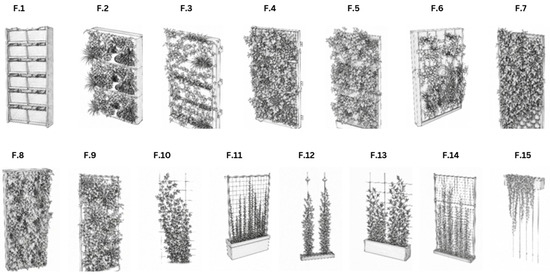
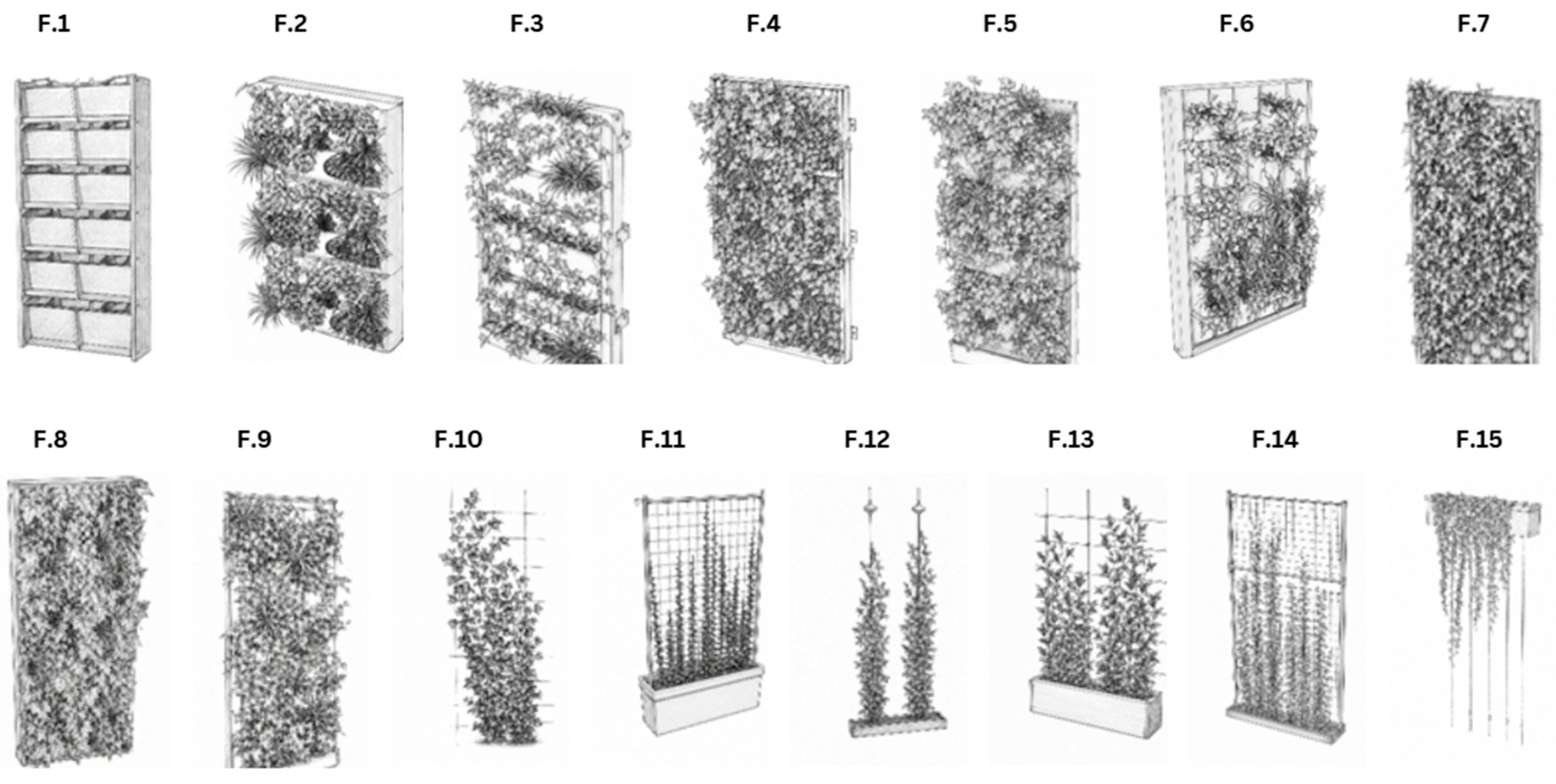
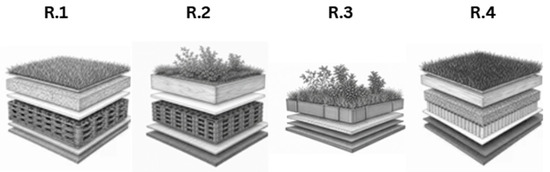
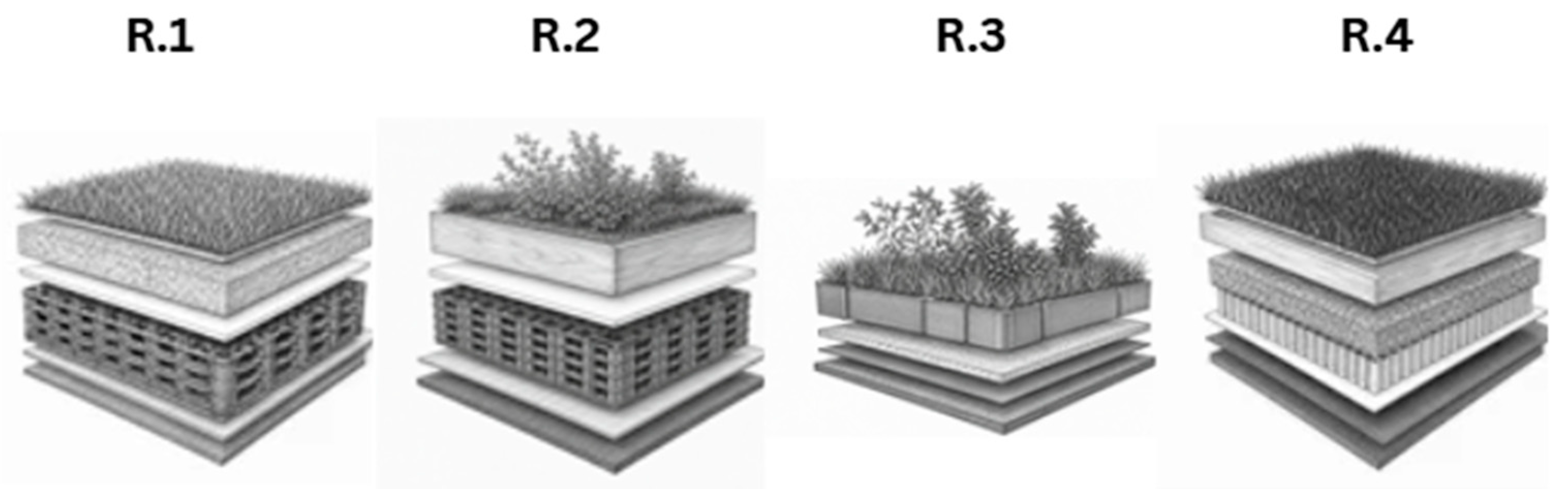
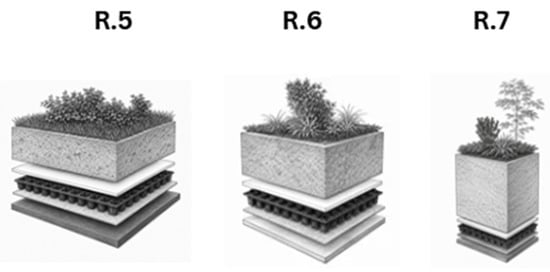
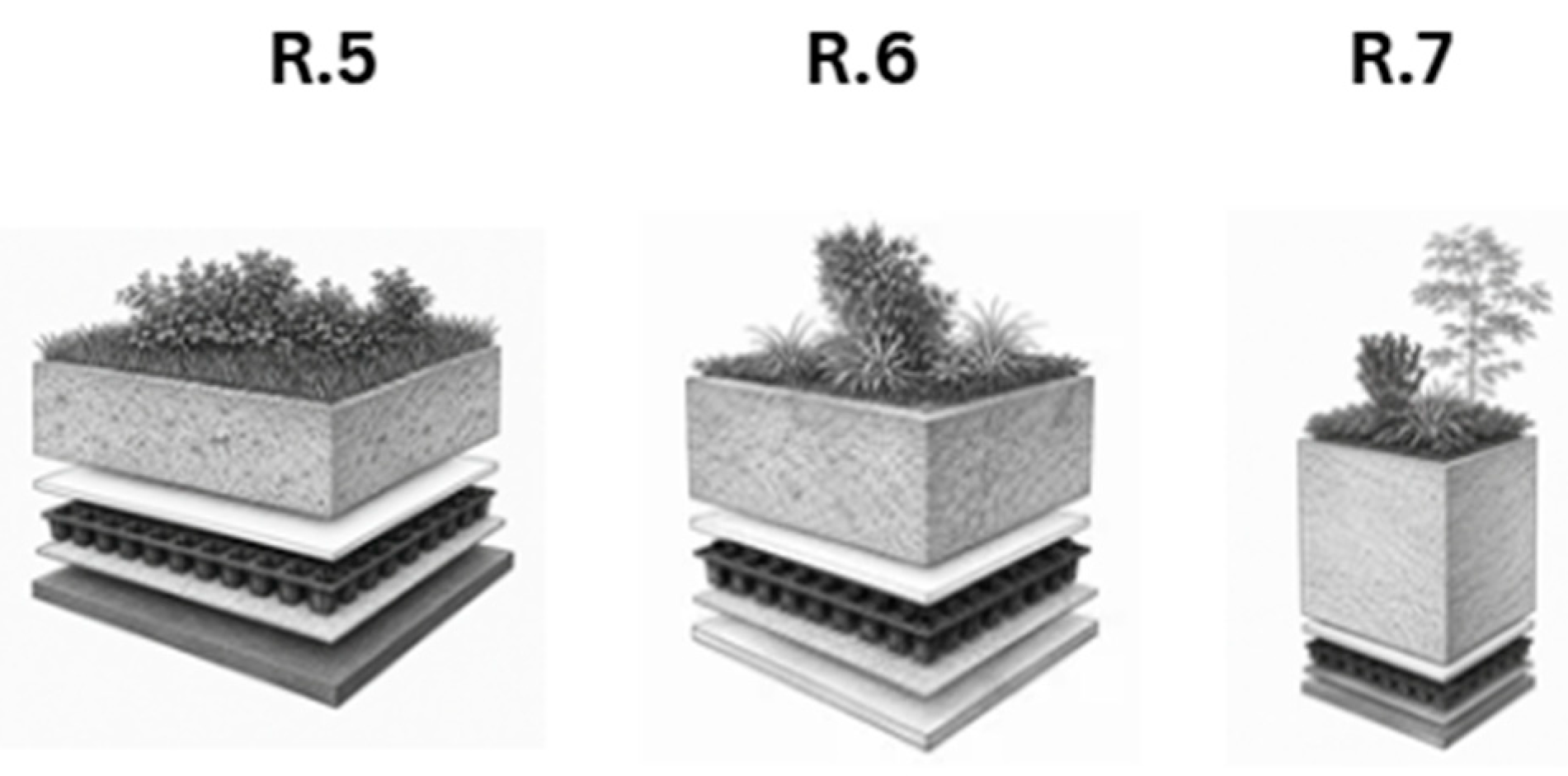
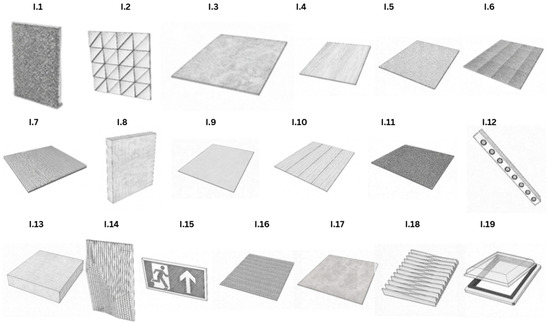
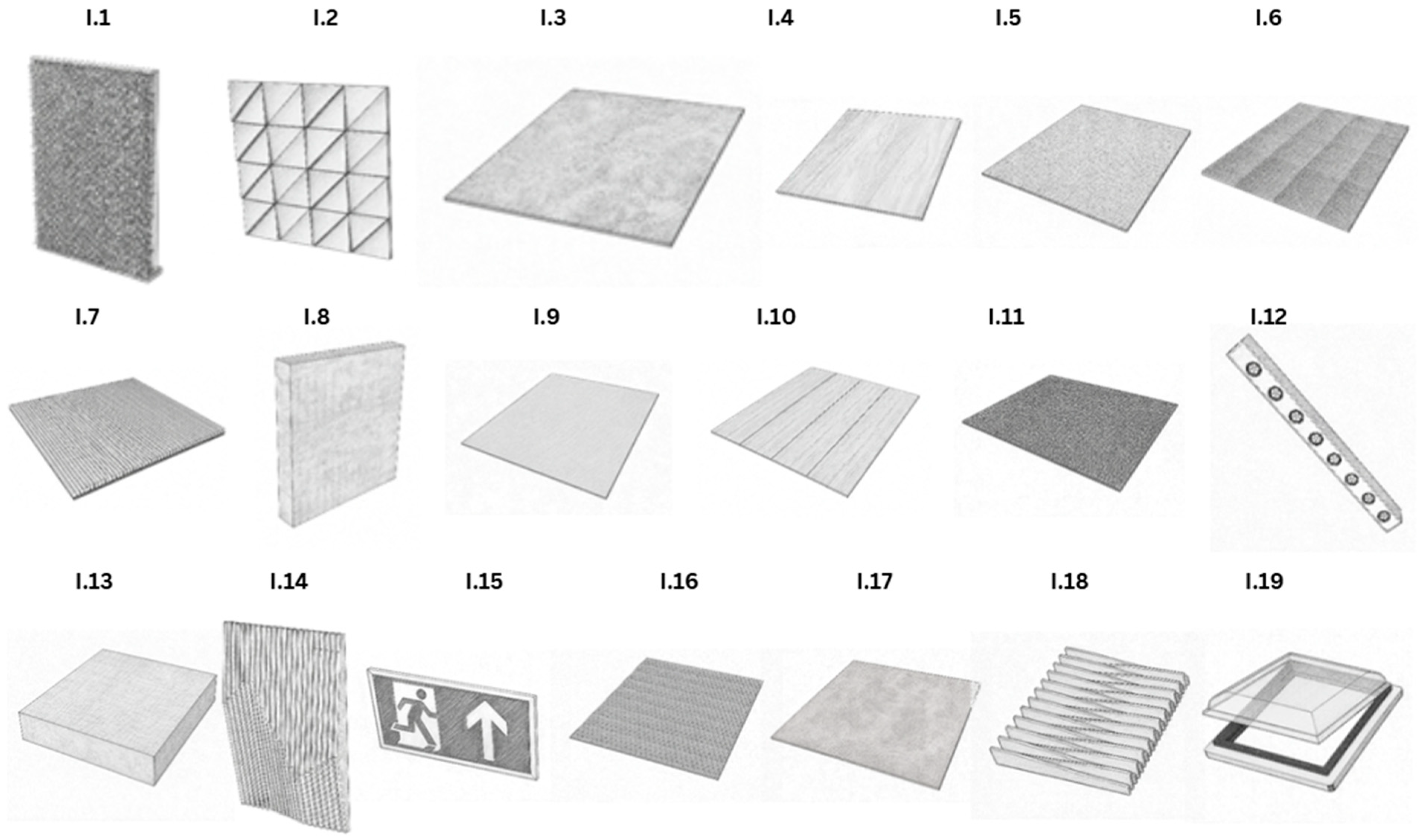
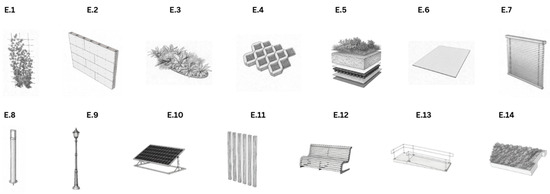
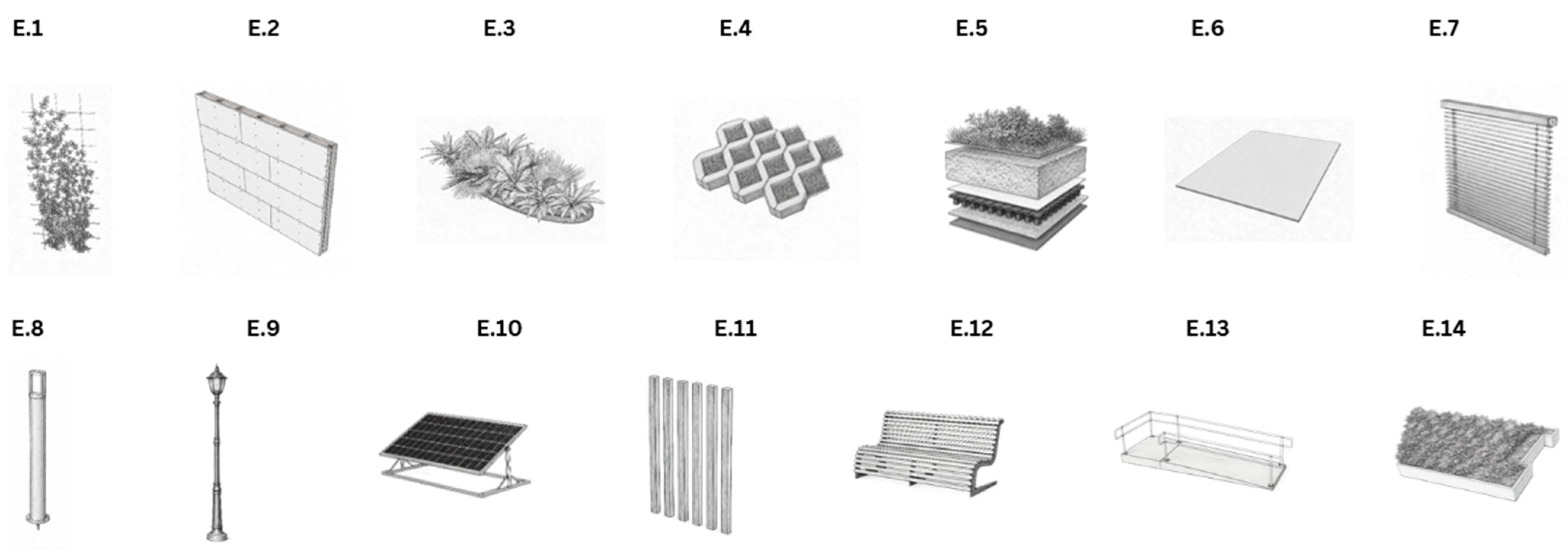


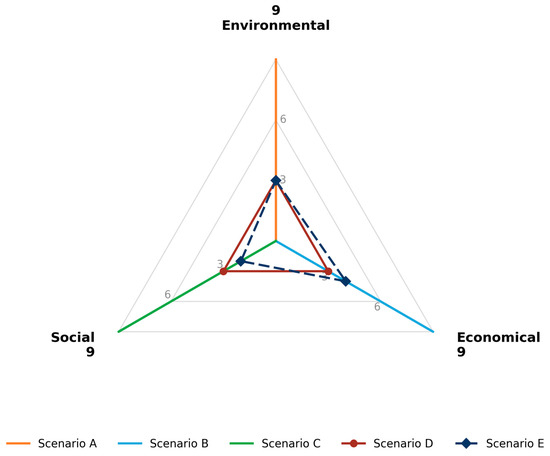
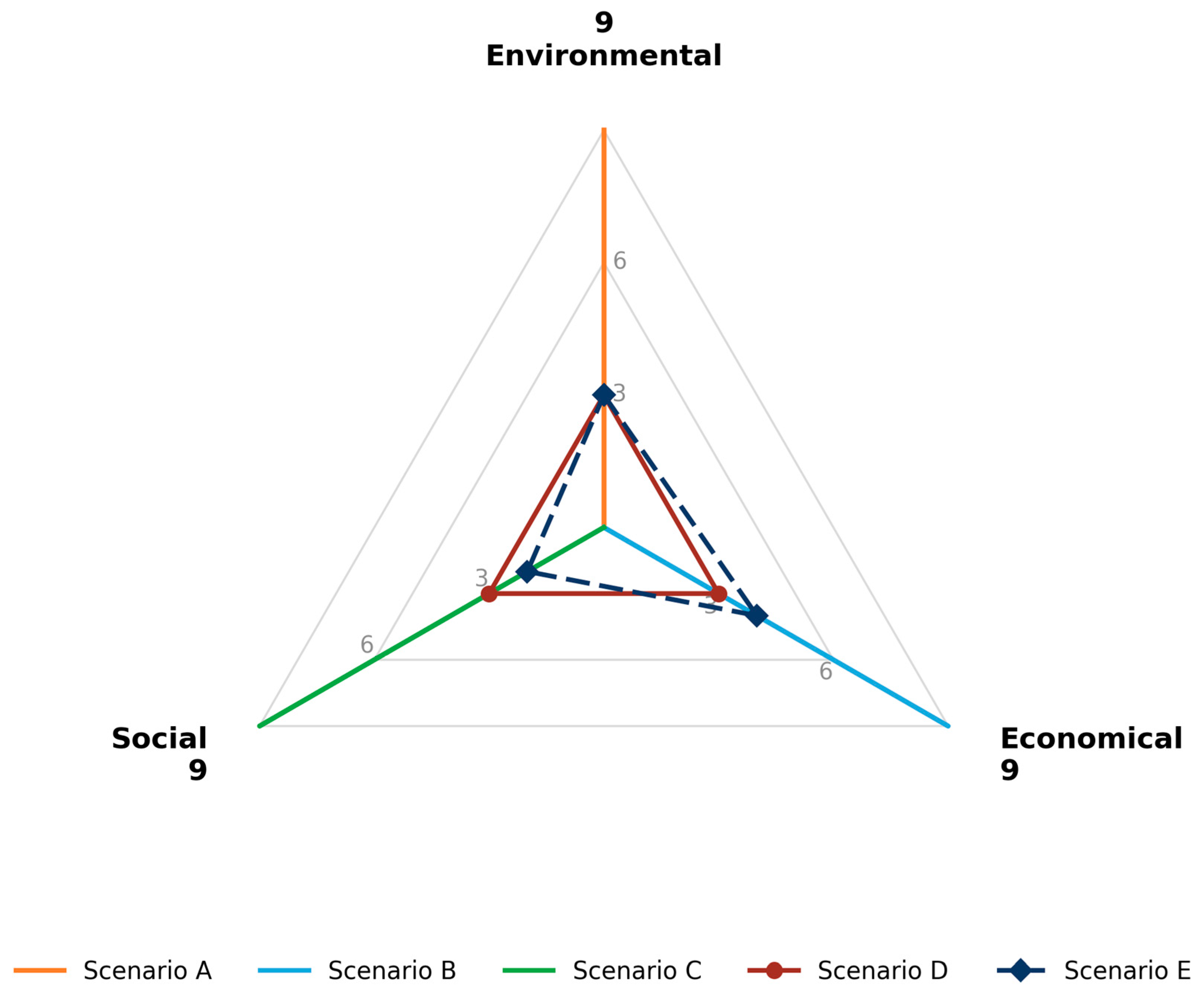

Disclaimer/Publisher’s Note: The statements, opinions and data contained in all publications are solely those of the individual author(s) and contributor(s) and not of MDPI and/or the editor(s). MDPI and/or the editor(s) disclaim responsibility for any injury to people or property resulting from any ideas, methods, instructions or products referred to in the content. |
© 2026 by the authors. Licensee MDPI, Basel, Switzerland. This article is an open access article distributed under the terms and conditions of the Creative Commons Attribution (CC BY) license.