1. Introduction
Prefabricated bridge decks have become a key component of accelerated bridge construction due to their advantages in quality consistency, reduced onsite labor, and shortened construction duration [
1,
2]. Despite these benefits, ensuring geometric accuracy during fabrication remains a critical challenge. Even minor deviations in deck thickness, shear-pocket locations, camber, and embedded connectors can lead to substantial fit-up issues during onsite assembly, diminished structural reliability, and costly rework [
3,
4]. Consequently, geometric inspection is an essential quality assurance process to ensure that prefabricated components conform to design tolerances and established standards, and project-level fabrication requirements. Traditional inspection methods largely rely on manual measuring tools such as tapes, rulers, and calipers, which are inherently labor-intensive, time-consuming, and susceptible to inconsistency and human error [
5]. Advanced sensing technologies, including terrestrial laser scanning and structured-light scanning, have demonstrated strong potential for improving inspection accuracy. For example, Tan et al. 2023 [
6] developed a Building Information Modeling (BIM)-integrated laser-scanning workflow for automated dimensional quality assessment. However, these techniques require expensive hardware, significant processing time, and specialized expertise, limiting their practicality for routine inspections in prefabrication facilities [
5]. This highlights the need for an accessible, rapid, and intuitive inspection method that effectively bridges the gap between BIM-based design information and real-time fabrication quality verification.
The BIM model provides a rich and reliable repository of design geometry, tolerance specifications, and component attributes for prefabricated structures [
7]. The existing literature emphasizes the value of BIM-enabled digital quality control and geometry management in offsite construction [
8,
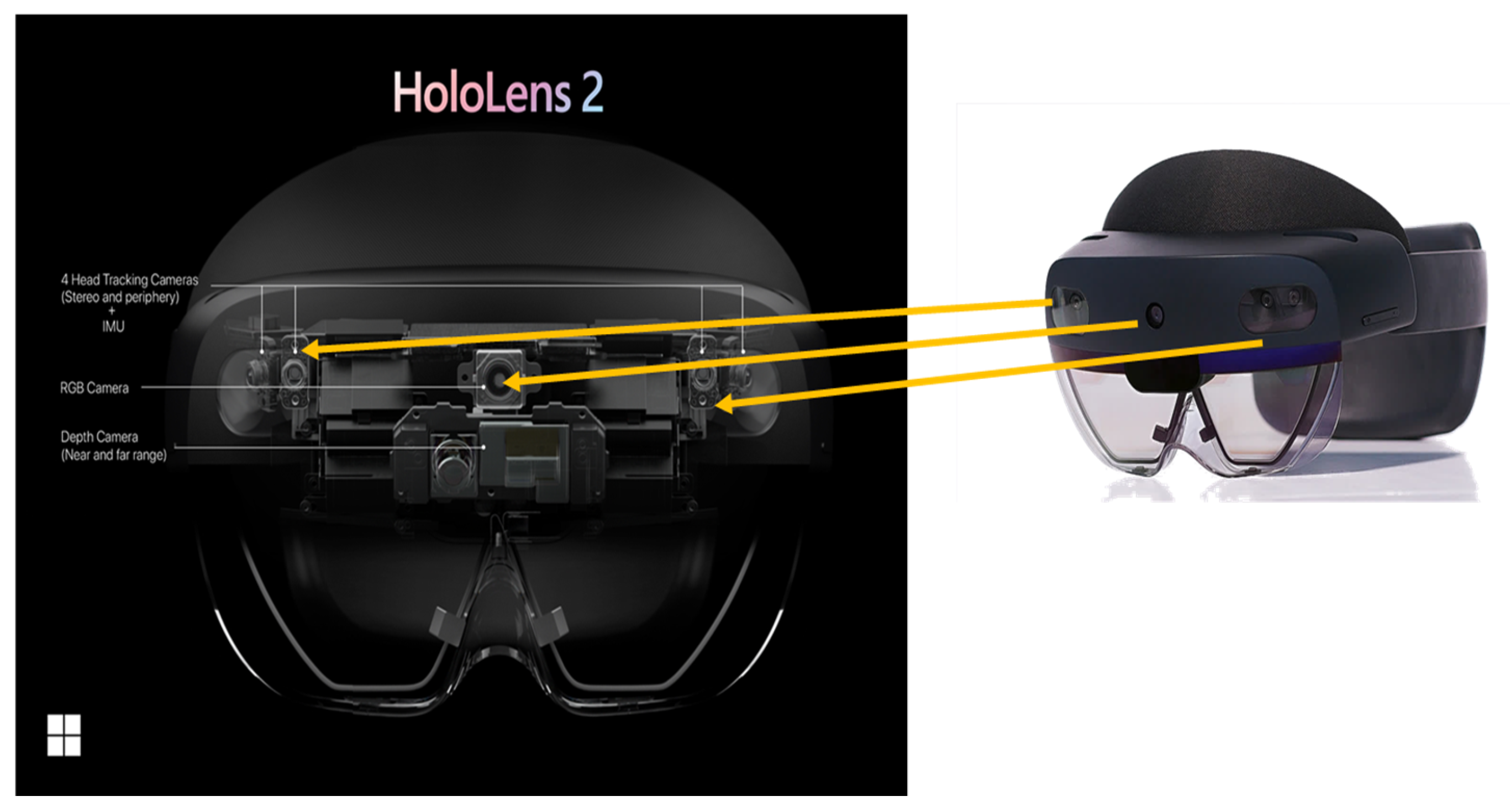
9]. However, conventional BIM workflows alone are not inherently designed to support intuitive and real-time as-designed versus as-built comparisons directly within fabrication environments. Existing scan-to-BIM and clash-detection approaches often require extensive post-processing, specialized equipment, and offline analysis workflows. Mixed Reality (MR) technologies, particularly head-mounted devices such as the Microsoft HoloLens 2 (HL2), provide a promising solution to this challenge. HL2 provides an integrated MR platform that combines SLAM-based spatial tracking, depth sensing, hands-free interaction, and real-time holographic visualization within a single wearable device. Unlike handheld Augmented Reality (AR) solutions, HL2 allows inspectors to conduct inspection tasks while maintaining mobility and direct interaction with physical components, thereby improving operational efficiency in prefabrication environments. MR allows users to visualize 3D BIM models overlaid onto physical components, enabling intuitive comparison between design and fabrication conditions. Recent studies have validated the potential of MR for construction quality inspection, progress monitoring, and assembly guidance [
10,
11]. Moreover, several works have evaluated the spatial accuracy, depth sensing, and tracking performance of HL2, confirming its suitability for geometry-related tasks [
12]. However, most existing MR applications focus on visualization rather than geometric inspection. Research remains limited on whether MR devices are capable of meeting the ±5 mm tolerance demanded in prefabricated concrete fabrication [
3], and on how tracking drift and marker-detection inaccuracies may compromise inspection reliability. Furthermore, recent studies highlight a growing trend toward integrating MR with digital twins and BIM-based fabrication workflows for real-time quality management [
13,
14]. Although previous studies have explored MR applications for visualization, assembly guidance, and construction inspection, rigorous quantitative validation of MR–BIM frameworks for tolerance-based geometric inspection of prefabricated bridge decks remains limited.
From a methodological perspective, existing studies on geometric quality control for prefabricated components can be broadly classified into three categories. The first category focuses on BIM-integrated laser scanning, photogrammetry, scan-to-BIM, or structured-light scanning approaches, which have demonstrated high geometric accuracy for dimensional quality assessment and as-built verification [
6,
15,
16,
17,
18]. However, these methods often require costly sensing hardware, extensive point-cloud processing, and specialized technical expertise. The second category involves BIM-based in-plant quality control frameworks, which improve information management and inspection traceability but continue to depend on conventional manual measurements and indirect as-built comparisons [
4]. The third category includes mixed-reality-based applications that overlay BIM models onto physical components; these approaches provide a more intuitive and lightweight visualization environment, enabling inspectors to directly compare BIM-defined geometry with physical components in real time [
10,
11,
19]. However, existing MR applications primarily emphasize qualitative visualization, assembly guidance, or progress monitoring, with limited attention to tolerance-based geometric inspection and quantitative accuracy validation. Consequently, a clear research gap exists in the development of a lightweight, BIM-integrated MR framework that supports real-time, tolerance-driven geometric inspection and is quantitatively validated for prefabricated bridge deck applications.
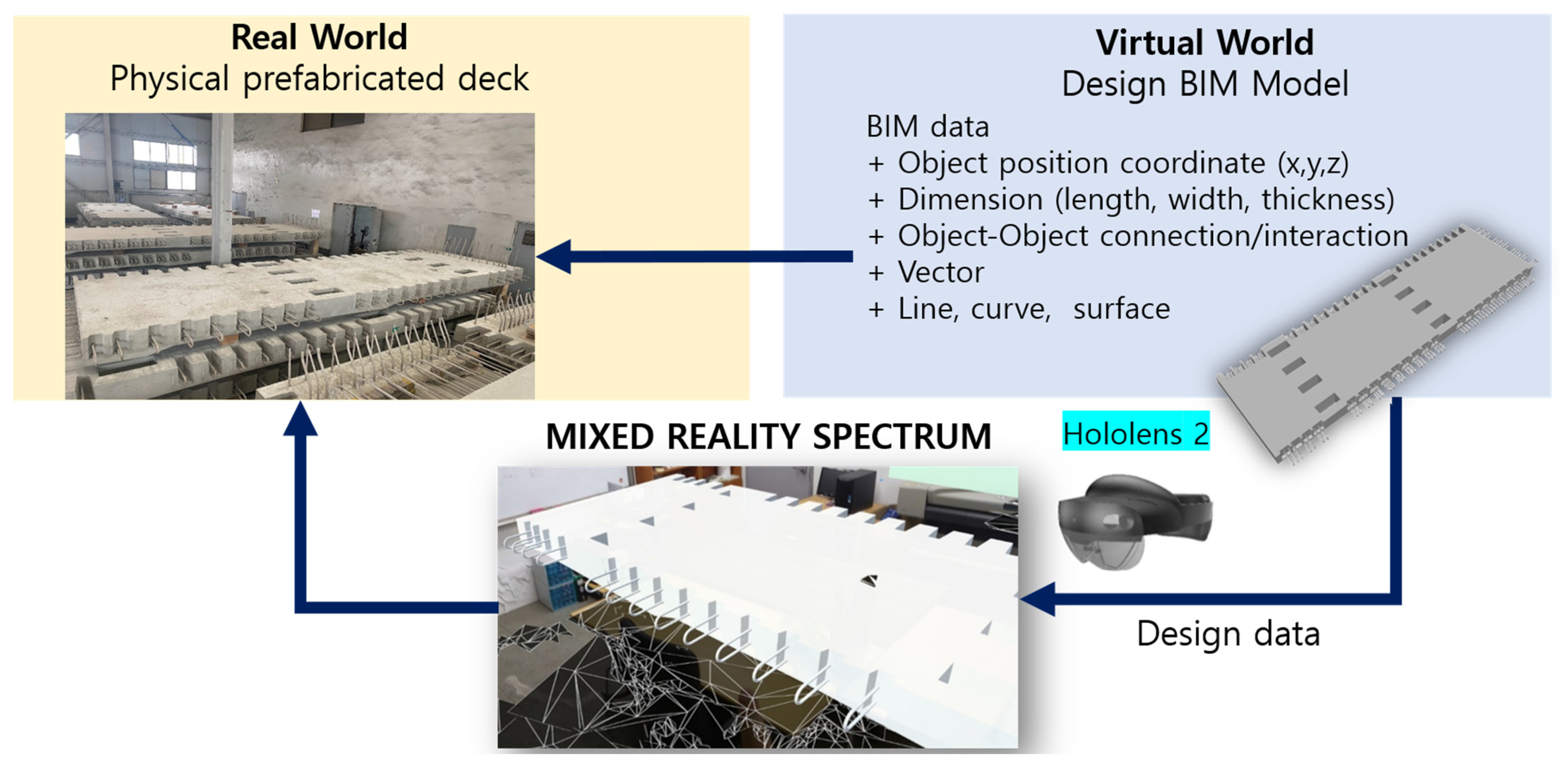
To address these gaps, this study introduces a BIM-enabled MR application designed to support rapid, intuitive, and spatially aligned geometric inspection of prefabricated bridge decks. As illustrated in
Figure 1, the system integrates the design BIM model with the physical deck through marker-based registration, enabling automatic and stable alignment within the MR working environment. Unlike existing MR-based visualization and guidance approaches, the proposed framework enables direct, tolerance-based comparison between as-designed and as-built geometry, including the measurement of key dimensional attributes and the verification of shear-pocket positions in real time. To ensure inspection reliability, the spatial accuracy of the MR system is rigorously examined through drift and translational error experiments, providing quantitative evidence of HL2 tracking stability and marker-detection performance under typical fabrication conditions. The proposed application is further validated through small-scale tests and full-scale inspections conducted at an active prefabricated deck fabrication facility, demonstrating its capability to identify geometric deviations efficiently and with millimeter-level precision. In essence, this work advances the adoption of MR technologies for construction quality assurance and establishes a practical foundation for digitalized fabrication inspection, with strong potential for future integration into automated digital twin-based quality management systems.
4. Implementation
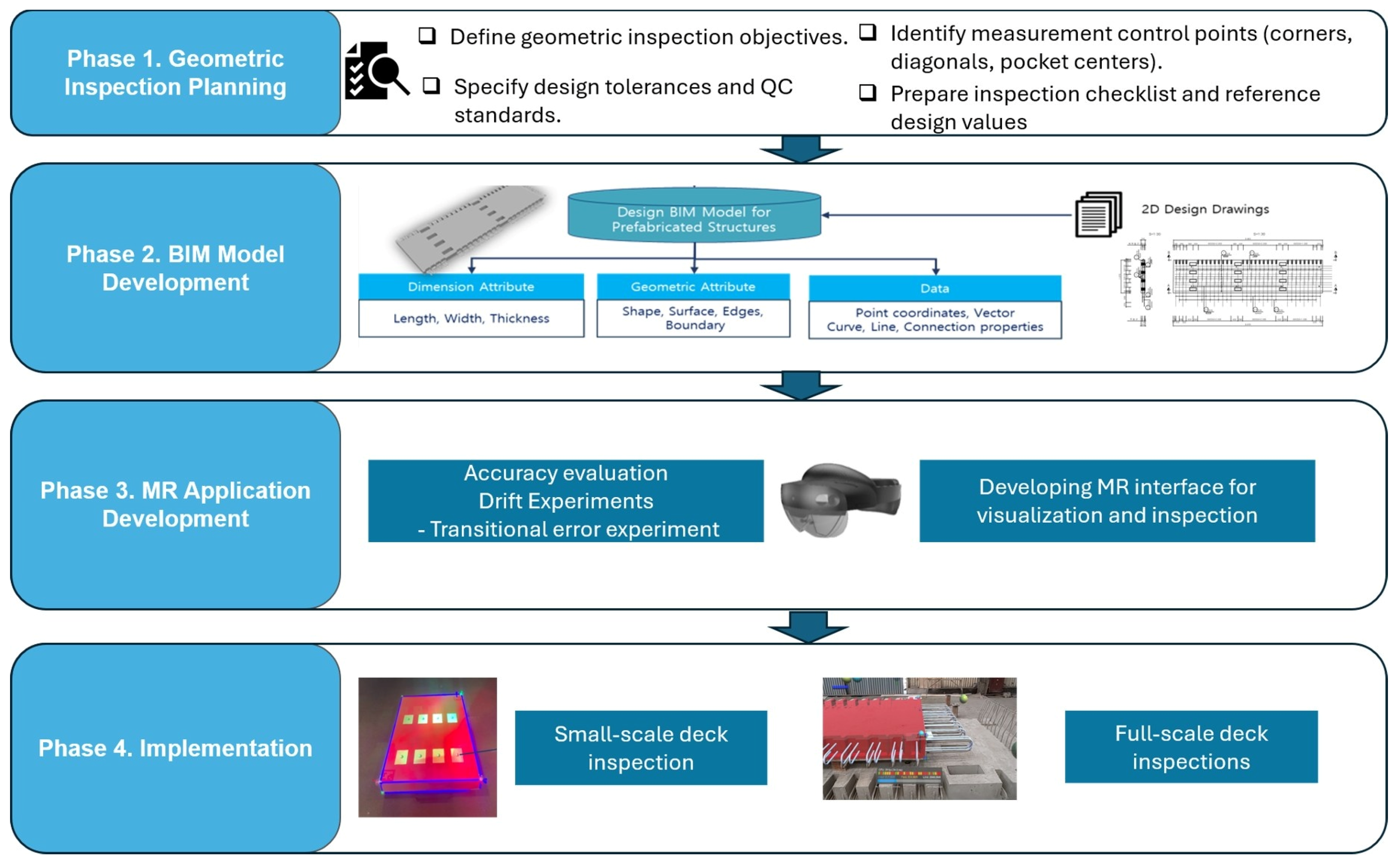
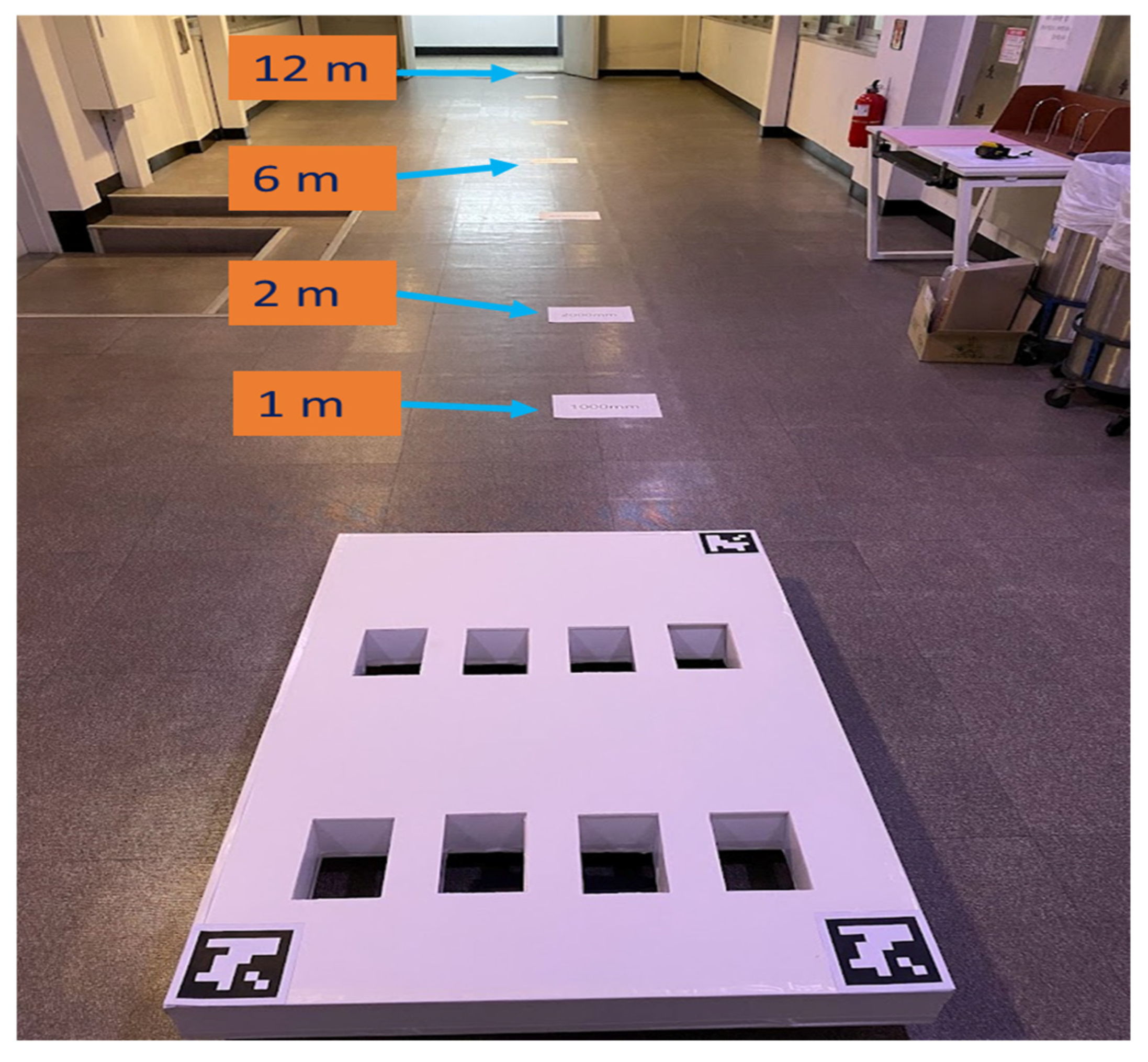
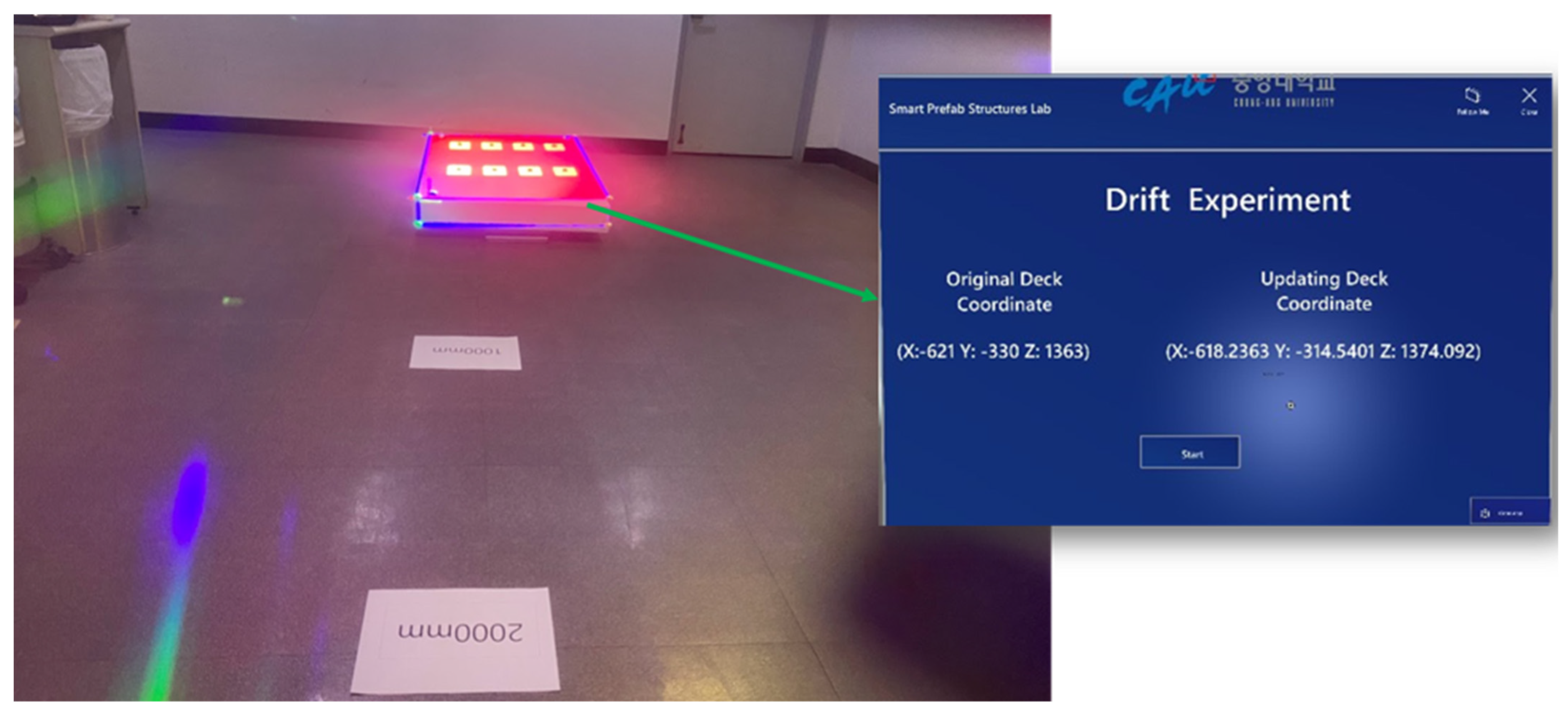
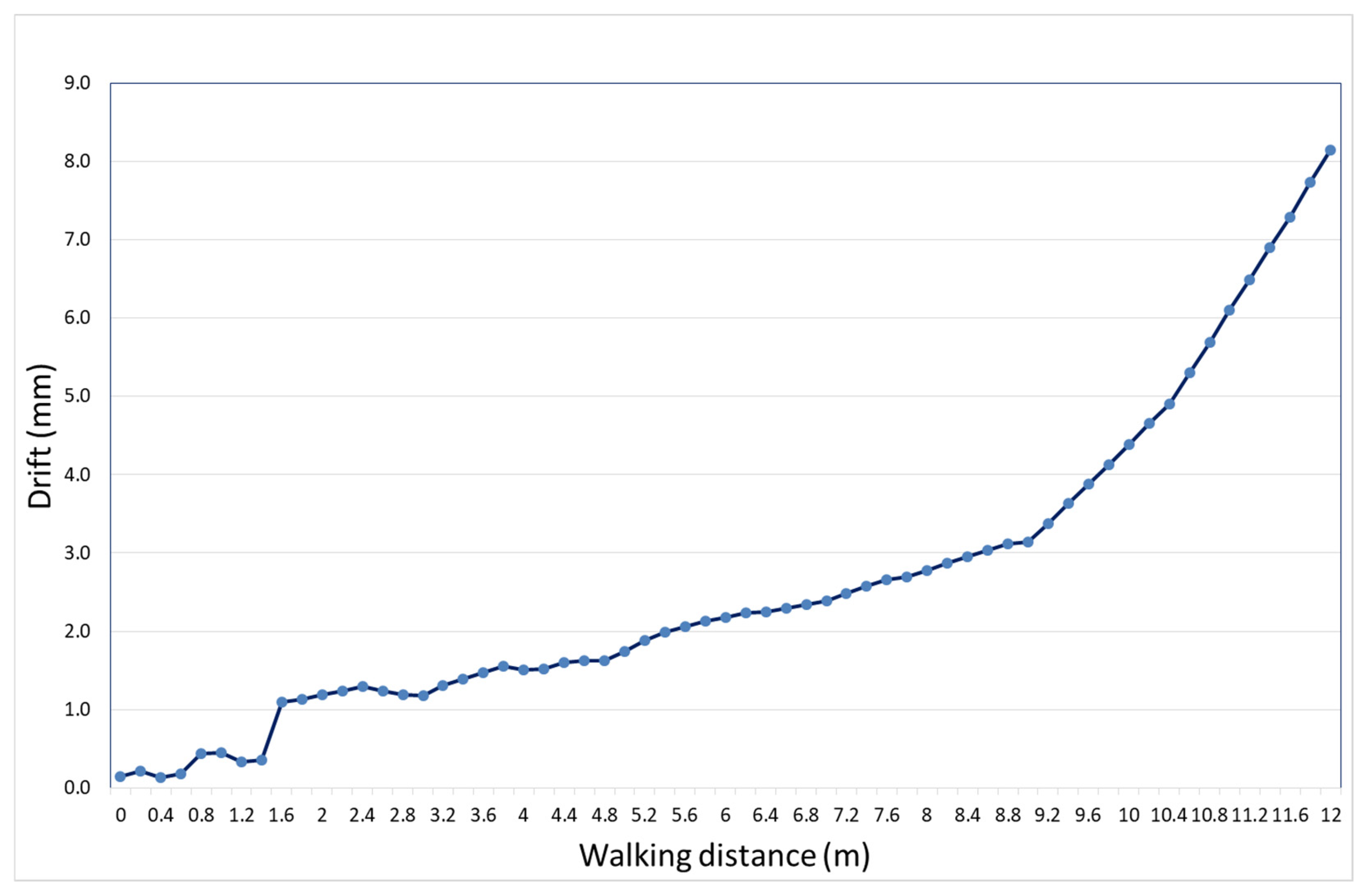
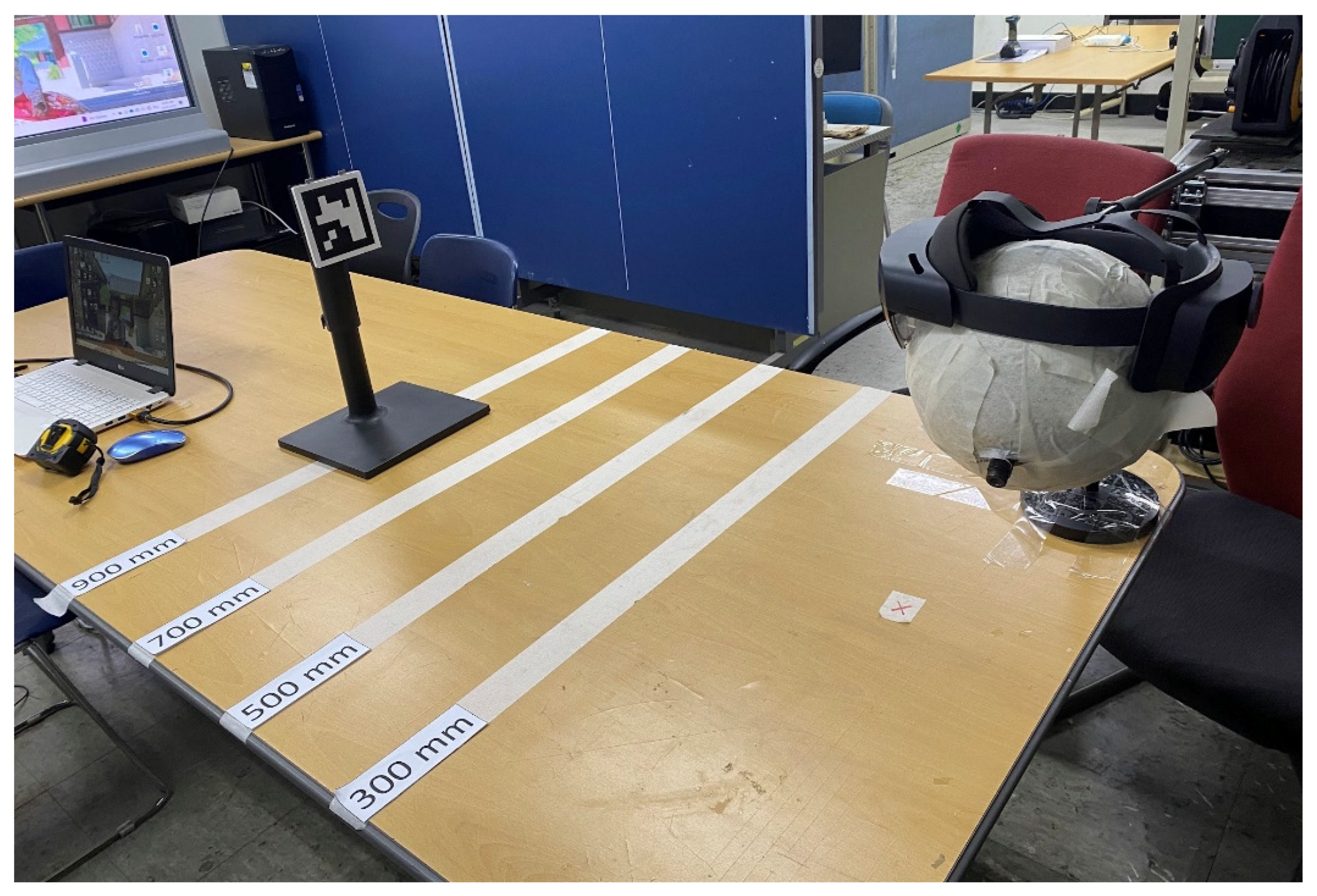
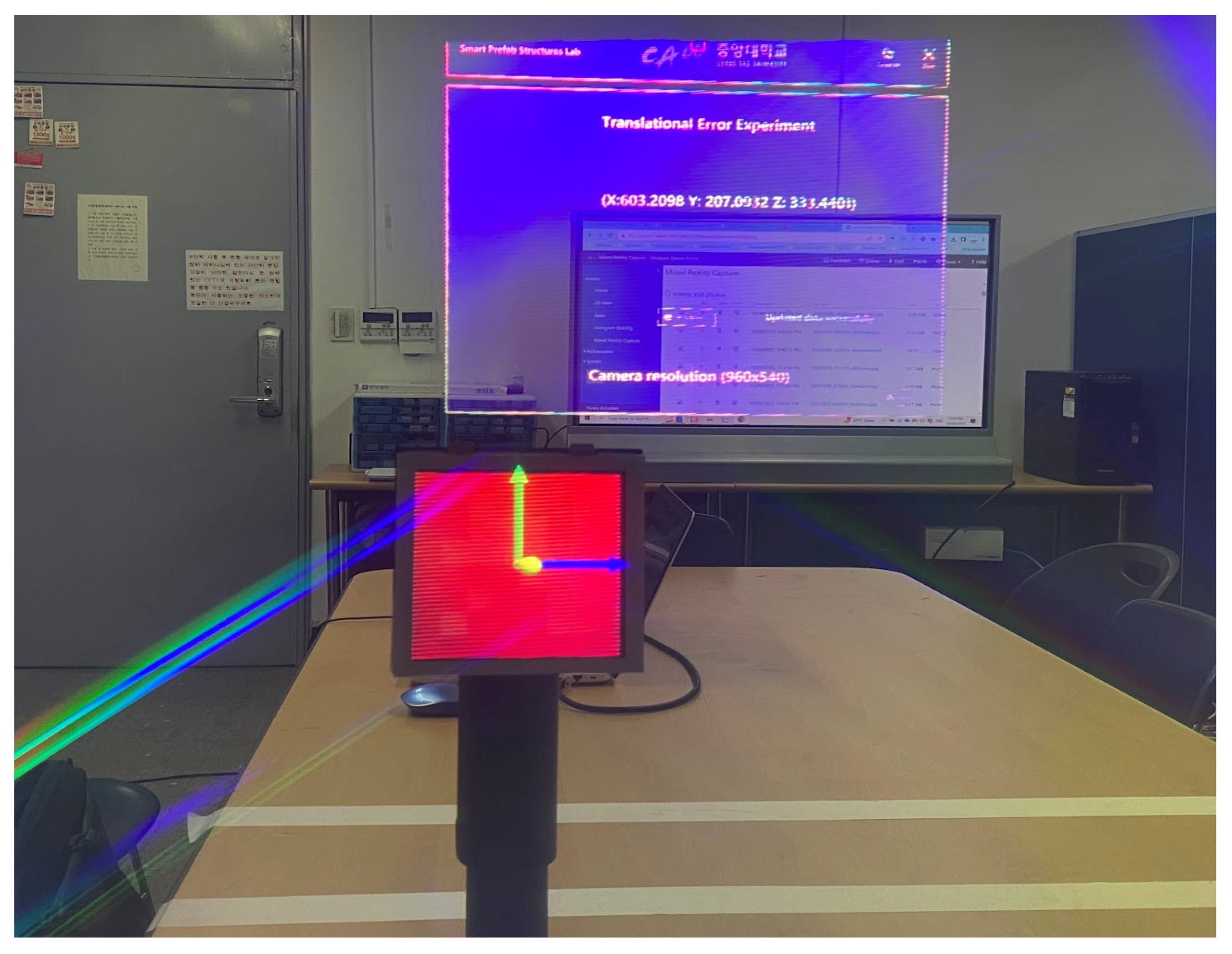
The practical implementation of the proposed BIM-based MR geometric inspection application was evaluated through a controlled laboratory experiment and full-scale validation tests conducted within a prefabrication facility. Before these implementation studies, the drift and translational-error experiments described in
Section 3.4 were conducted to evaluate the hologram tracking stability and marker-detection accuracy of the HL2 platform. These experiments established the technical performance characteristics of the underlying MR system and provided the basis for its subsequent application to geometric inspection tasks. The implementation phase therefore focused on assessing the capability of the proposed BIM–MR framework to identify dimensional and positional deviations under both controlled laboratory and real-world fabrication conditions. Before the experimental evaluation, inspectors were provided with a short training session to become familiar with the MR system, including device operation, marker alignment, gesture-based interaction, and basic measurement functions. Based on the experimental observations, inspectors were able to achieve functional proficiency after approximately 15–20 min of guided training. Once familiar with the interface, users could perform routine inspection tasks with minimal difficulty. Several usability considerations were observed during testing. Initial learning effort was primarily associated with adapting to gesture-based interactions and maintaining optimal viewing distance for stable marker tracking. Prolonged use of the head-mounted display may also introduce mild visual fatigue, suggesting that MR-based inspection is best suited for short, task-focused inspection sessions rather than continuous operation. Overall, no significant usability barriers were identified that would prevent practical adoption in prefabrication facilities, provided that basic user training and operational guidelines are followed.
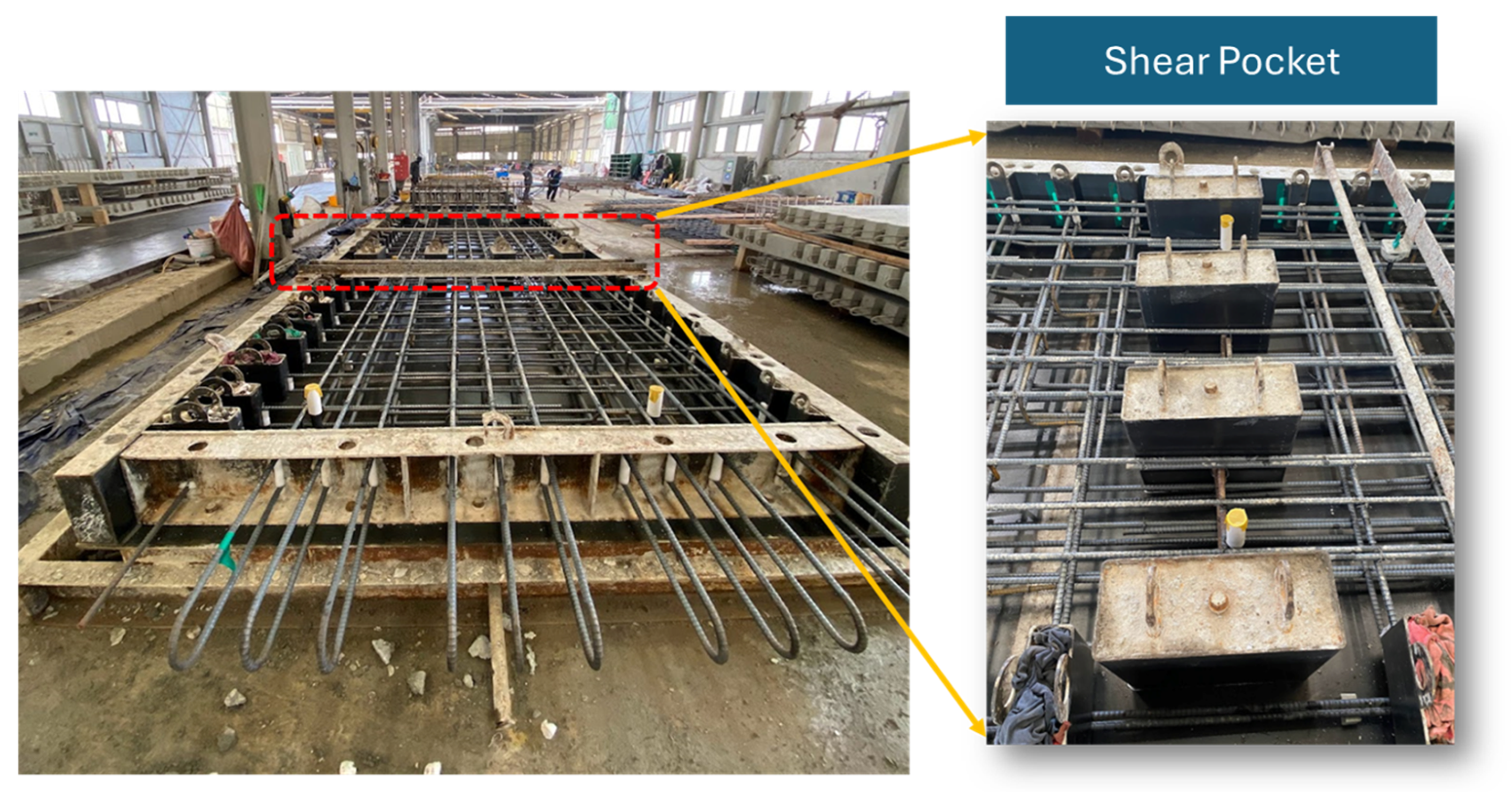
As illustrated in
Figure 13, the fabrication of prefabricated bridge decks involves several manual and semi-automated processes, including the installation of reinforcement cages, placement of shear-pocket formwork, positioning of embedded components, and concrete casting, each of which can result in dimensional or positional inaccuracies. Among these, shear pockets demand particularly precise placement to ensure proper engagement with girder shear keys during onsite assembly; even minor deviations can compromise fit-up and potentially cause assembly failure. The onsite photographs further demonstrate the challenges of maintaining geometric control during fabrication, especially given the dense reinforcement configuration and the heavy reliance on manual formwork alignment. This production environment emphasizes the need for an inspection system capable of accurately and efficiently verifying the geometric quality of prefabricated bridge decks. Accordingly, the implementation phase focused on deploying the BIM–MR system to identify deviations in shear-pocket locations, visually assess geometric regularity, and validate key dimensional attributes across both small-scale and full-scale deck specimens. By superimposing the as-designed BIM model onto the physical deck in a mixed-reality environment, inspectors were able to obtain real-time insights into the geometric conformity of critical features. The following subsections present the configuration of the test specimens, the MR-based inspection workflow, and the evaluation of system performance and accuracy under realistic fabrication conditions.
4.1. Small-Scale Deck Inspection
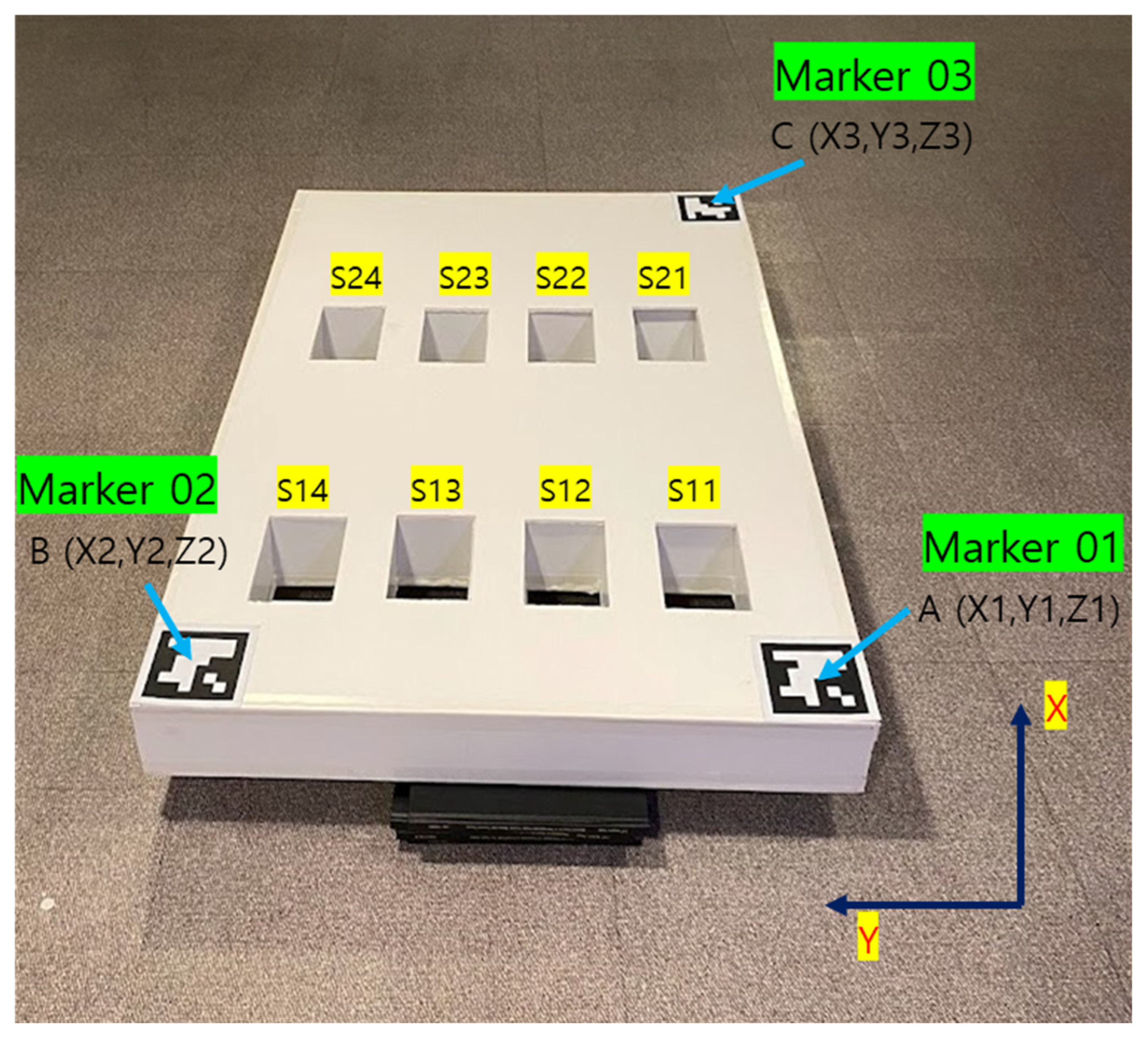
To evaluate the performance of the proposed BIM–MR inspection framework under controlled conditions, a small-scale prefabricated deck specimen was designed and fabricated with predefined geometric deviations. The specimen consists of eight shear pockets arranged in two rows (S11–S14 and S21–S24), replicating the layout of typical shear connectors used in full-scale bridge decks. As shown in
Table 2 and
Figure 14, intentional positional deviations were introduced into the specimen to assess the sensitivity and accuracy of the MR-based inspection application. Specifically, pockets S11 and S12 were shifted +5 mm in the X-direction, S13 was shifted +2 mm, and S21 exhibited a larger deviation of +10 mm, while smaller variations were applied to pockets S12 and S13 in the Y-direction (−2 mm). These controlled deviations served as ground-truth values for validating the system’s capability to detect dimensional and positional errors.
Three ArUco markers were affixed to the specimen at locations A, B, and C, corresponding to markers 01, 02, and 03 in
Figure 14. These markers functioned as reference control points for establishing the spatial coordinate system required for BIM–MR model alignment. Their positions (X
1,Y
1,Z
1), (X
2,Y
2,Z
2), and (X
3,Y
3,Z
3) define the local reference frame used by the HL2 device to accurately superimpose the design BIM model onto the physical specimen. The deck specimen was fabricated from lightweight material to ensure dimensional stability, and all shear pockets were machined precisely to match the predefined deviation matrix. This preparation enabled a reliable and repeatable testing setup, allowing the MR system’s geometric inspection performance including pocket deviation detection, dimensional measurement, and surface alignment to be rigorously assessed.
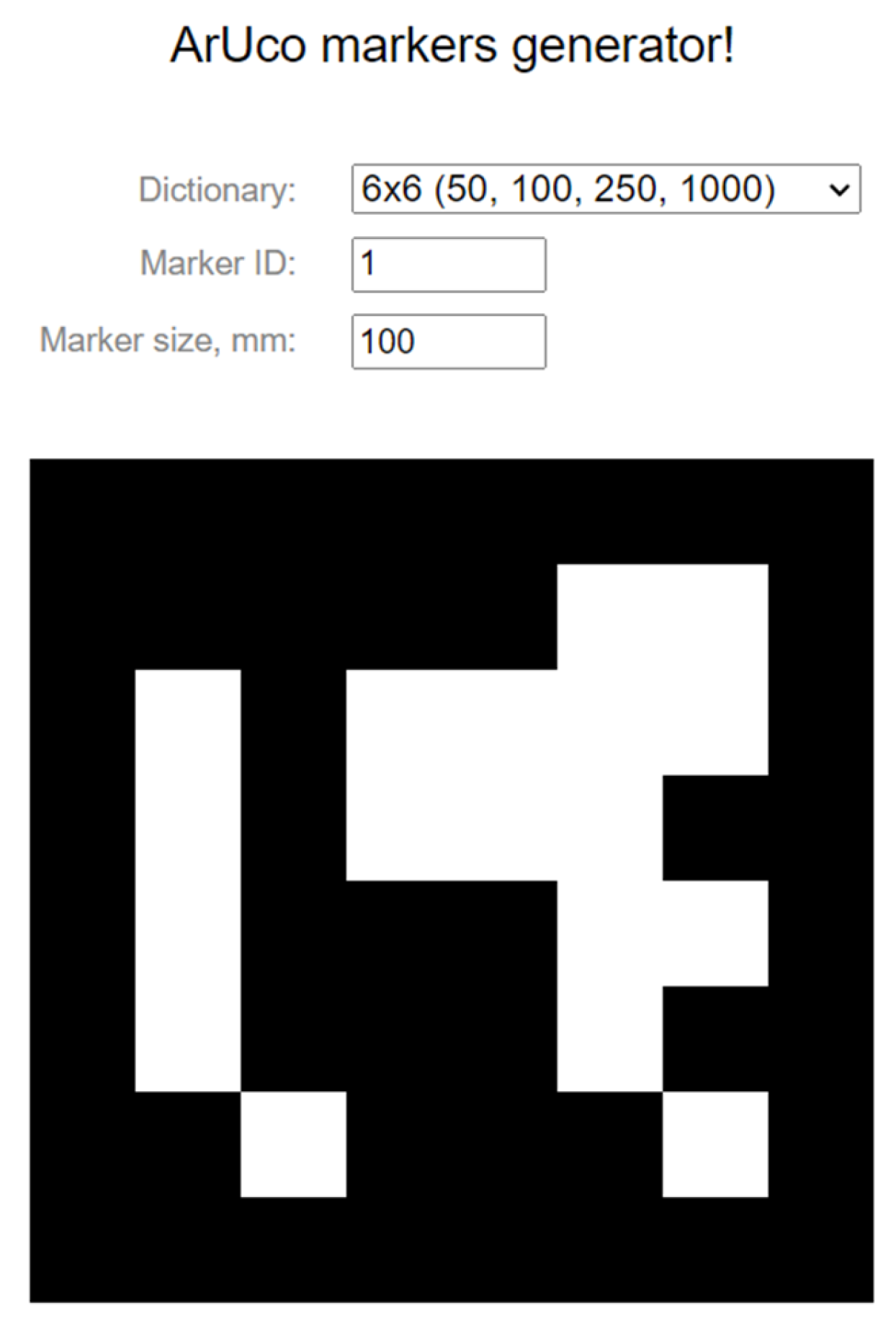
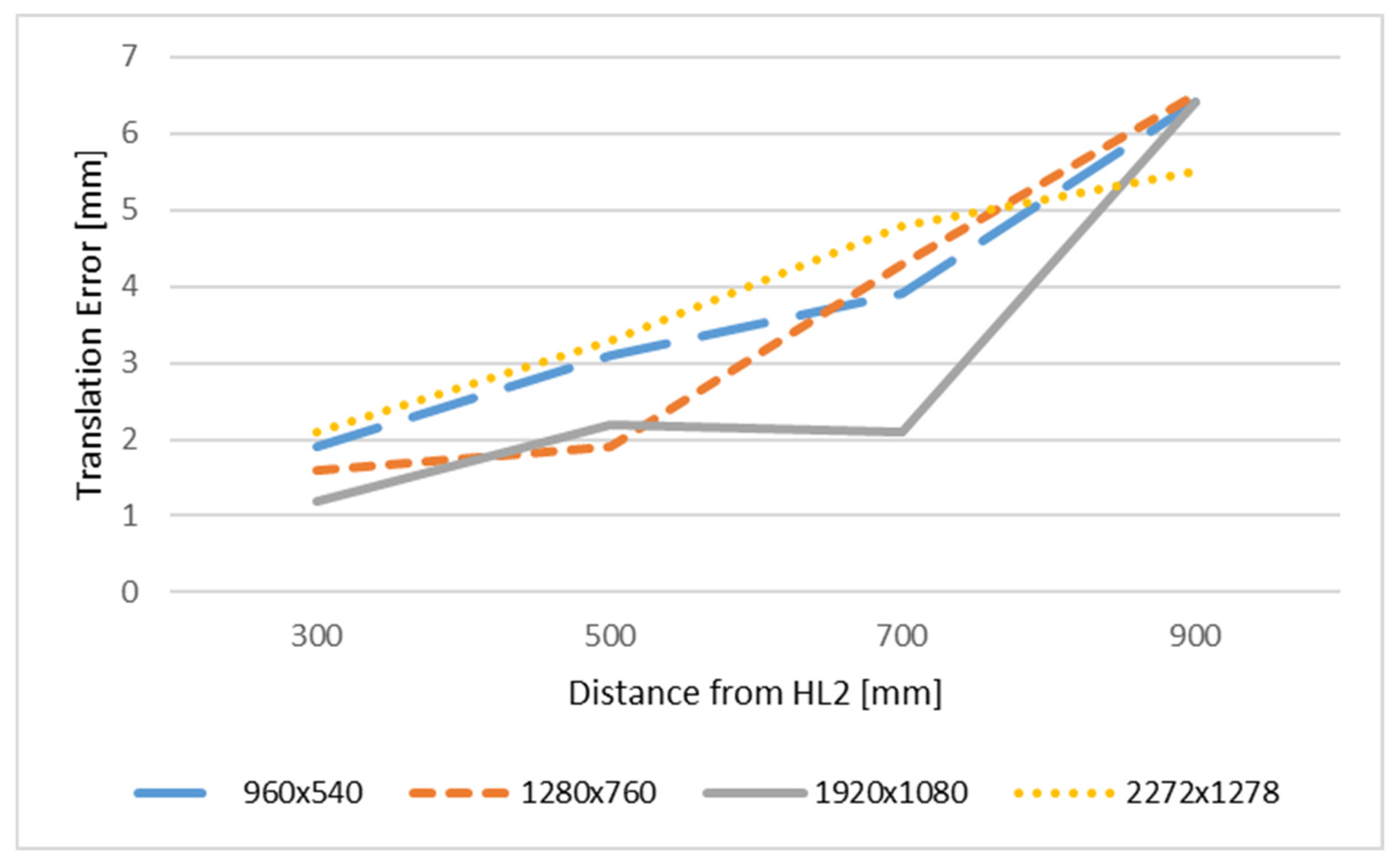
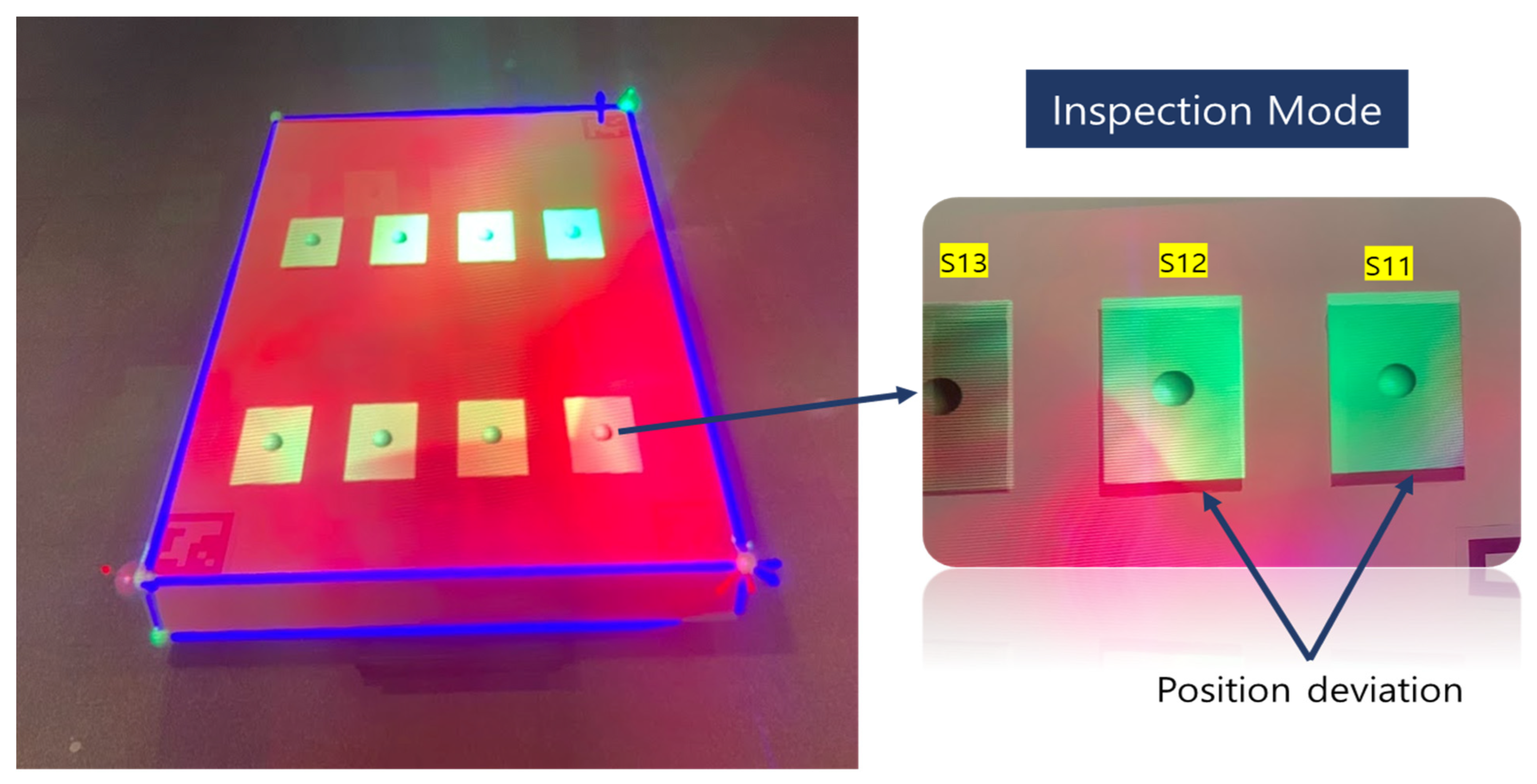
Figure 15 illustrates the mixed-reality visualization of the small-scale deck specimen following the successful registration of the as-designed BIM model onto the physical component. The alignment was achieved using a marker-based registration approach, wherein the spatial coordinates of three fiducial markers were utilized to compute the transformation matrix required to accurately superimpose the BIM geometry onto the deck surface. The HL2’s RGB camera detects each marker and estimates its position and orientation relative to the device’s coordinate frame, enabling the system to establish a stable, world-locked reference space. Because the accuracy of marker-based tracking depends on the quality of the captured marker imagery, factors such as camera-to-marker distance, ambient illumination, viewing angle, and surface contrast influence the resulting registration precision. Prior translational-error experiments indicate that the HL2 achieves approximately ±1.6 mm accuracy at a 300 mm distance with a 1920 × 1080 resolution, meeting the ±5 mm geometric tolerance required for prefabricated deck inspection.
Once the BIM model is properly anchored, the MR environment supports real-time evaluation of both positional and dimensional attributes. As depicted in
Figure 15, the overlaid holographic geometry reveals positional deviations in individual shear pockets (e.g., S11, S12, S13). The inspection mode highlights each pocket, allowing inspectors to visually compare the BIM-defined pocket centers with their corresponding physical positions. This visualization effectively exposes local misalignments, as discrepancies are clearly revealed by the spatial offset between the holographic projection and the physical surface. Beyond local shear-pocket inspection, the MR system also facilitates global dimensional verification using predefined control points placed at the four deck corners. By selecting these corner control points in the MR interface, the application automatically generates measurement lines such as overall deck length, width, and diagonal spans and computes MR-based distances Dmr for comparison with the design dimensions D. This process enables the visual assessment of key geometric attributes, including overall length, width, squareness, straightness, and flatness. Incorporating both local (shear-pocket) and global (corner control point) measurements provides a comprehensive basis for evaluating the specimen’s geometric fidelity. Experimental results demonstrate that the MR application successfully detected shear-pocket positional deviations within ±2 mm and recovered deck dimensions with high consistency relative to the BIM-defined values. These outcomes confirm that the proposed BIM–MR inspection approach offers adequate precision for high-accuracy geometric verification tasks in prefabricated deck fabrication.
4.2. Full-Scale Deck Inspections
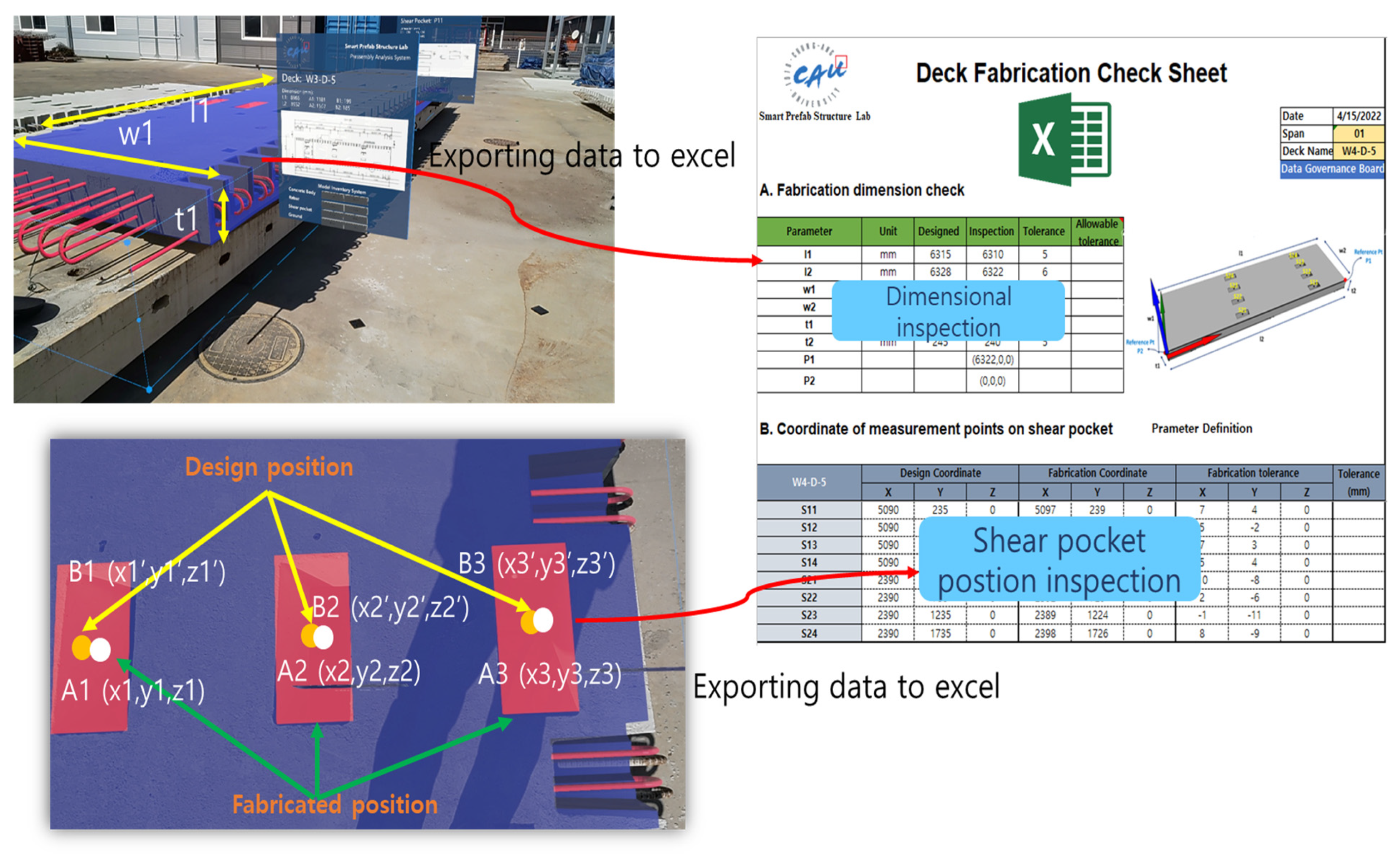
To further assess the practical applicability and robustness of the proposed BIM–MR inspection application under real production conditions, full-scale evaluations were performed on prefabricated bridge decks. These tests aimed to examine the system’s capability to visually assess dimensional attributes, detect positional deviations in shear pockets, and accurately visualize geometric discrepancies directly on the production floor. As shown in
Figure 16, the MR system successfully aligned the design BIM model with the first full-scale deck using marker-based registration. Once the digital model was anchored to the physical component, inspectors extracted dimensional information such as length, width, thickness, and edge alignment directly in the MR interface. These measurements were automatically exported to the deck fabrication check sheet, enabling efficient documentation and comparison against design tolerances. The positional deviation of shear pockets was determined by capturing the center-point coordinates of each pocket in both the BIM-based MR model and the physical deck and computing their differences. This automated process allowed for rapid identification of pockets that approached and exceeded the allowable tolerance.
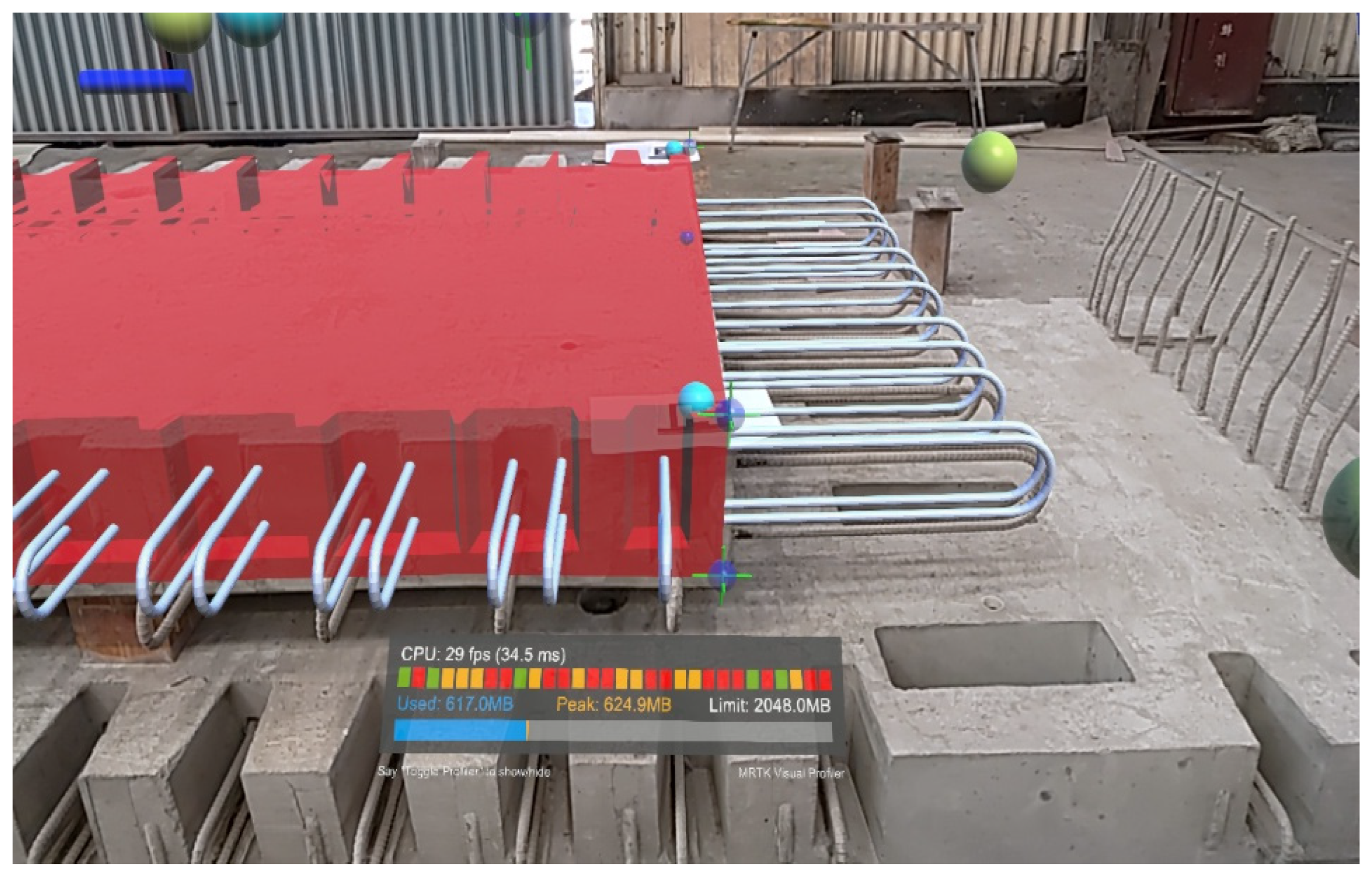
Figure 17 shows an example where local surface irregularities became clearly visible due to the contrast between the BIM surface and the actual fabricated contour. The red-colored hologram in the MR view highlighted the intended design geometry, allowing deviations in the concrete body to be detected immediately. Such visualization is particularly useful for identifying camber deviations, edge misalignment, and localized deformation, which are often missed during conventional manual inspection.
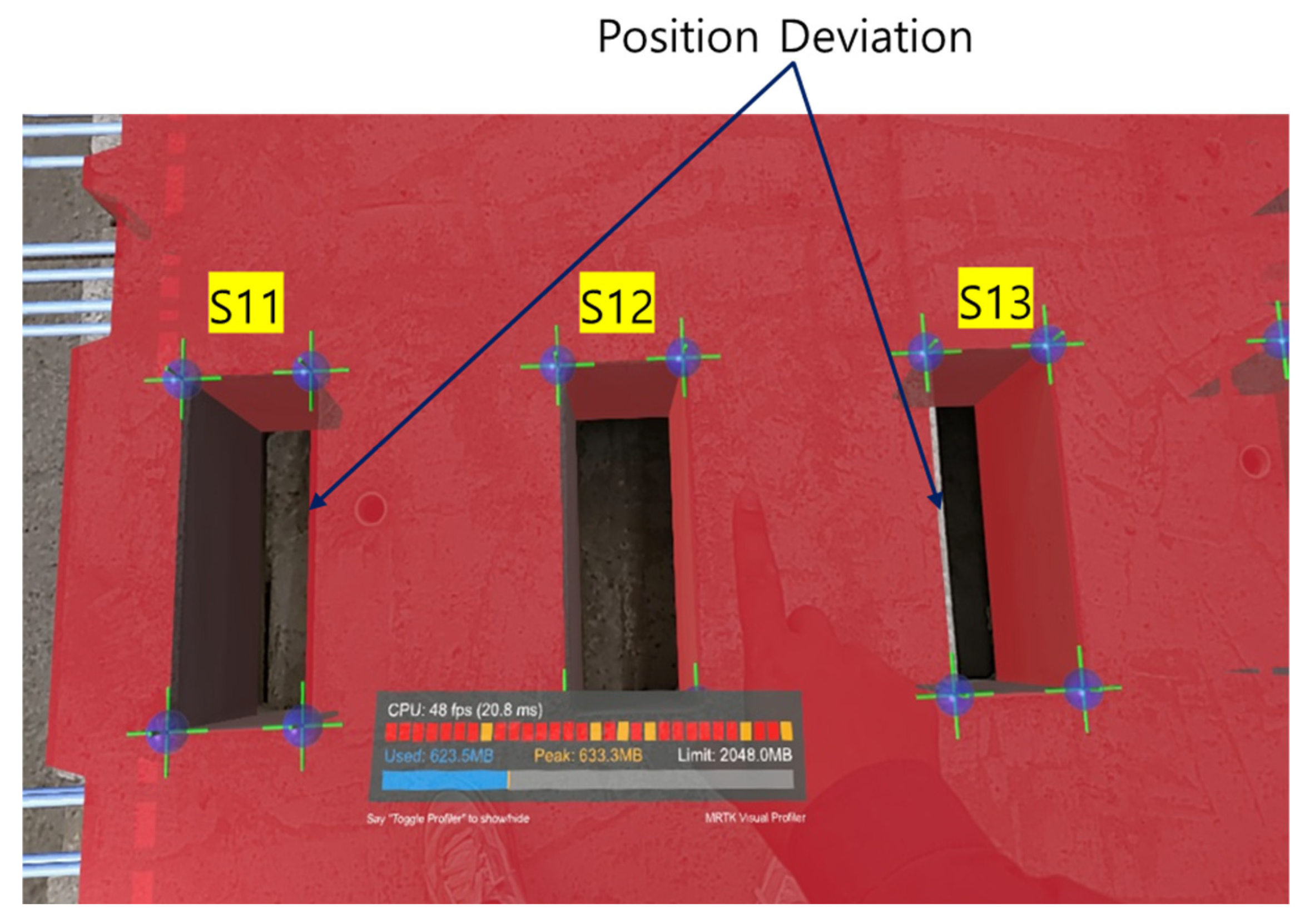
A detailed visualization of the shear-pocket deviation was generated and is presented in
Figure 18. The system identified measurable deviations in pockets S11 and S13, which were verified by comparing the MR-derived pocket centers with their corresponding design coordinates. This capability is crucial for ensuring the safe and efficient assembly of prefabricated bridge components, as misaligned shear pockets can impede proper engagement with girder shear keys and may lead to significant assembly challenges and compromised structural performance.
Eventually, the results from full-scale inspections demonstrate that the BIM–MR system provides accurate, intuitive, and highly efficient geometric inspection capabilities in an operational factory environment. The integration of BIM-based design geometry with real-time MR visualization significantly improves the inspector’s ability to detect deviations, reduces reliance on manual measurements, and enhances decision-making during the quality-control process. These findings reinforce MR’s growing potential as a practical tool for digital fabrication inspection and align with the broader movement toward data-driven and model-oriented quality management in prefabricated construction.
5. Conclusions
This study proposed and validated a BIM-based mixed-reality (MR) framework to support geometric inspection of prefabricated bridge decks. By combining design BIM models with MR visualization and marker-based registration, the system enables real-time dimensional verification and positional assessment of key fabrication features, such as shear pockets. Controlled accuracy experiments demonstrated that the HL2 provides sufficient spatial precision for millimeter-level inspection, while full-scale factory tests confirmed the framework’s practical capability to detect geometric deviations and streamline quality-control workflows. These findings highlight the potential of MR-assisted inspection to enhance fabrication reliability, reduce manual measurement effort, and strengthen alignment between digital design intent and physical production. While the study offers meaningful contributions, several limitations remain. First, the accuracy evaluation was conducted under controlled environmental conditions and may not fully capture the variability of lighting, occlusion, and operational complexity encountered in highly dynamic fabrication settings. Second, the current framework relies on marker-based registration, which, although effective for achieving stable BIM-to-physical alignment, constrains workflow flexibility and requires manual placement and maintenance of physical markers. Consequently, the proposed workflow remains partially dependent on manual preparation and cannot yet be considered a fully automated inspection solution. Third, the inspection tasks evaluated in this study focused primarily on dimensional and positional attributes; more complex geometric characteristics such as camber variation, surface flatness, or deformation were not fully assessed. Furthermore, broader industrial adoption may depend on additional considerations beyond technical performance, including hardware acquisition and maintenance requirements, integration with existing BIM and quality-management systems, and the long-term usability of head-mounted MR devices in routine inspection activities.
Future research should therefore expand the experimental dataset to include more diverse fabrication conditions and a broader range of component geometries. Advancing registration strategies through markerless or hybrid tracking methods could reduce reliance on physical markers and improve workflow adaptability. Incorporating automated feature-recognition and real-time deviation-mapping techniques may further reduce manual intervention and enhance inspection throughput. Moreover, extending the framework to evaluate complex geometric attributes, including camber, flatness, and surface deformation, would broaden its applicability. Finally, integrating the MR-based inspection workflow with cloud-enabled BIM platforms or digital-twin systems would enable real-time data synchronization, continuous monitoring, and more data-driven quality management throughout prefabricated bridge construction.