Article

The Economic Benefit Evaluation of Elevator Retrofitting: An Empirical Analysis of Second-Hand Housing Price Premiums in Hangzhou’s Older Residential Compounds

1
School of Economics and Management, Huangshan University, Huangshan 245041, China
2
Chinese Academy of Housing and Real Estate, Zhejiang University of Technology, Hangzhou 311100, China
3
Xingzhi College, Zhejiang Normal University, Jinhua 321000, China
*
Author to whom correspondence should be addressed.
Buildings 2026, 16(1), 220; https://doi.org/10.3390/buildings16010220
Submission received: 15 November 2025 / Revised: 11 December 2025 / Accepted: 16 December 2025 / Published: 4 January 2026
(This article belongs to the Section Building Materials, and Repair & Renovation)

Abstract

Against the backdrop of urban renewal and population ageing in China, elevator retrofitting in older residential compounds has emerged as a critical yet contentious issue, primarily due to uneven cost-sharing and perceived inequities in the distribution of benefits. This study employs a combined empirical framework integrating Difference-in-Differences (DID) and cost–benefit analysis to systematically evaluate the economic impacts of elevator installation in older neighbourhoods of Hangzhou. Using transaction data from 879 housing units across 18 residential compounds between 2018 and 2020, along with actual project cost records, we quantify the premium effects and assess economic feasibility. The results show that elevator retrofitting leads to an overall 5.53% increase in housing prices, with significant vertical differentiation: upper-floor units appreciate by 8.10%, middle-floor units by 4.58%, and lower-floor units by 1.59%. Further analysis confirms that the aggregate increase in property value fully covers installation costs, long-term maintenance, and reasonable compensation for lower-floor residents, thereby achieving a Pareto improvement. The study establishes a floor-gradient linkage mechanism between value uplift and cost-sharing, providing a quantifiable basis for policy design and community negotiation. These findings challenge the prevailing zero-sum view of elevator retrofitting while offering a replicable model for urban renewal that equitably balances stakeholder benefits.

1. Introduction

Against the dual backdrop of urbanisation and population ageing in China, the widespread absence of elevators in older residential compounds has become a critical bottleneck, impeding improvements in residents’ quality of life and constraining age-friendly community renovations. Data indicate that approximately 58.33% of urban residences with seven or fewer stories lack elevator installations, and housing built before 1999 accounts for over 30% of the total stock. The concentration of elderly residents in these older neighbourhoods further underscores the urgent need for vertical transportation facilities [1]. Although elevator retrofitting has been incorporated into the national policy support system since 2015, and its implementation has gradually expanded across localities, the advancement of such projects continues to face practical challenges stemming from the mismatch between cost-sharing and benefit distribution under the prevailing model that combines government subsidies with resident co-funding [2]. This reflects the underlying tension in the supply and benefit allocation of such a “club good” [3,4,5].

1.1. Research Gaps in the Economic Effects of Elevator Retrofitting

The relationship between the spatial allocation of infrastructure and public services, locational conditions, neighbourhood attributes, and housing prices has become a core issue in urban and real estate economics [6,7,8]. Based onhedonic price theory, housing prices represent the monetised embodiment of the utility derived from various attributes, encompassing not only the building’s structural characteristics but also the accessibility of public services, such as elevators [9,10]. Existing studies generally agree that elevators, as vertical transportation facilities, are capitalised into housing prices by enhancing residential convenience and accessibility [11,12]. However, in the context of renovating older residential compounds, installing elevators is not merely an addition of physical infrastructure; it also exhibits the attributes of a “club good,” with both excludability and non-rivalry [13]. Its supply relies on collective negotiation and cost-sharing among residents, often leading to practical challenges of cooperation, coordination, and benefit-sharing [14]. In recent years, academic research has begun to focus on the heterogeneous impact of such facilities on housing values: on one hand, elevator installation may increase the overall property value by improving accessibility [15]; On the other hand, it may also generate localised adverse effects, particularly for lower-floor residents, due to negative externalities such as obstruction, noise, and privacy interference, resulting in a complex scenario within the same building where benefits and losses coexist across different floors [16].
The existing literature still exhibits notable shortcomings: first, most studies focus on the overall premium effect, lacking fine-grained quantification of differential premiums across different floors within the same building; second, there is insufficient exploration of the mechanisms and moderating factors behind premium formation, failing to systematically integrate hedonic price theory and club goods theory for explanation; third, methodologically, many studies rely on cross-sectional data or simple before-and-after comparisons, making it challenging to identify the causal effect of elevator installation effectively.

1.2. Research Gaps in Benefit-Sharing and Cost Allocation in Elevator Retrofitting

Regarding the issues of benefit-sharing and cost allocation in the practice of elevator retrofitting, existing studies have explored the topic from multiple theoretical perspectives, including cooperative game theory, investment returns, and life cycle costs, proposing allocation schemes based on methods such as progressive floor ratios and the Shapley value [17,18,19,20]. These studies generally recognise the significant disparities in benefits across floors resulting from retrofitting and have attempted to develop technical allocation models [21,22,23]. However, the current literature still exhibits notable limitations: First, discussions of the basis for allocation have primarily focused on limited dimensions, such as the “floor factor” and “willingness to retrofit,” lacking empirical validation and theoretical support for the economic rationality of compensation claims by lower-floor residents. Second, they have failed to systematically identify the specific patterns and dynamic characteristics of housing value changes across floors following retrofitting. Third, regarding the benefit-sharing mechanism for elevators as a “community public good,” a comprehensive analytical framework connecting “value creation,” “cost coverage,” and “compensation realisation” has yet to be established.

1.3. Feasibility Analysis of Methods for Evaluating the Economic Effects of Elevator Retrofitting

Accurately evaluating the economic benefits of elevator installation is an essential basis for determining a project’s feasibility and for fairly allocating costs. Early studies primarily employed cost–benefit analysis, comparing the housing premium from installation with total project costs to assess economic feasibility and to inform cost sharing [24,25]. However, a key issue with this approach is that the “housing premium” data it relies on often comes from residents’ questionnaires and may be influenced by factors such as overall housing price increases and personal expectations, failing to fully reflect the “net effect” of the elevator installation itself [26]. In recent years, quasi-natural experiment methods have been increasingly adopted in policy evaluation, particularly for assessing the impact of subway openings, school district adjustments, and similar factors on housing prices. This method identifies a “treatment group” (e.g., neighbourhoods with elevator installations) and a “control group” (similar neighbourhoods without installations), comparing price changes before and after installation between the two to more accurately estimate the causal effect of elevator installation [27,28,29]. The Difference-in-Differences (DID) method is commonly used within this framework. Applying this approach to evaluate the benefits of elevator installation is feasible. Elevator installation can be regarded as a “quasi-experiment,” with buildings that have installed elevators as the treatment group and similar buildings without installations as the control group [30]. By comparing housing price differences between the two groups before and after installation, a more reliable estimate of the installation’s impact can be obtained. It is more convincing than relying solely on cross-sectional data or simple before-and-after comparisons.
However, most current studies still exhibit methodological gaps. Even when methods such as DID are used to estimate the premium effect accurately, the results are seldom applied to the design of specific cost-sharing and compensation schemes, thereby failing to complete the analytical chain from “effect identification” to “scheme verification.”
Existing research on explaining and resolving the economic benefits and benefit-sharing of elevator retrofitting in older residential compounds remains constrained by three key limitations. Theoretically, it fails to adequately integrate the attributes of “club goods” with the capitalisation principles of “hedonic price” to systematically explain the value-redistribution mechanism in the vertical space. Methodologically, there is a disconnect between the identification of macro-level premiums and the accounting of micro-level costs, with no closed-loop analysis that integrates causal inference with a comprehensive lifecycle economic evaluation. In terms of practical solutions, cost-sharing and compensation designs lack empirical calibration using real-market heterogeneous premium data and rigorous causal testing of the core proposition: whether the value appreciation of upper-floor units can cover compensation for lower-floor residents. Therefore, this study adopts an integrated analytical approach. First, the Difference-in-Differences (DID) method is applied to estimate the effect of elevator installation on housing prices, using transaction data on second-hand homes in Hangzhou, with particular attention to variations across floors. Subsequently, the estimated premium results are used as key revenue parameters and incorporated into a lifecycle cost–benefit analysis model to assess the project’s overall economic feasibility and to simulate the possibilities of cost-sharing and compensation across floors. This approach not only enables more accurate identification of installation effects but also provides quantitative references for practical cost negotiations.

2. Theoretical Mechanism and Research Hypothesis

2.1. Effect of Post-Retrofit Elevators on Overall Housing Value Premium

The research mechanism underlying the impact of elevator retrofitting on housing value premium is primarily grounded in the Hedonic Pricing Model, which quantifies the marginal contribution of elevator attributes to residential property values. Existing studies demonstrate that enhancements to residential buildings or their surroundings in older neighbourhoods yield measurable price appreciation. Zhao (2024) empirically demonstrates that housing units in neighbourhoods with EV charging facilities command a 3.0–4.4% price premium compared to those without such infrastructure, with the premium peaking at 12.0% within 1.2–1.6 km of the charging stations [30]. Liu and Chen (2021) documented price increases in peripheral housing following urban village renewal, whereas Chen and Zhang (2025) revealed spatial heterogeneity in metro-induced premiums: non-central metro stations generate broader price effects, whereas central stations affect properties only within 500 m [31,32]. This study conceptualises elevator retrofitting in existing communities as a form of public goods provision. Property rights linkages facilitate collective decision-making, reducing transaction costs through coordinated action and ultimately internalising public improvement benefits into capital gains. Consequently, we propose:
Hypothesis 1.
Elevator retrofitting in existing older residential compounds results in across-the-board appreciation of housing values.

2.2. Heterogeneous Value Appreciation Across Floor Levels Post-Elevator Retrofitting

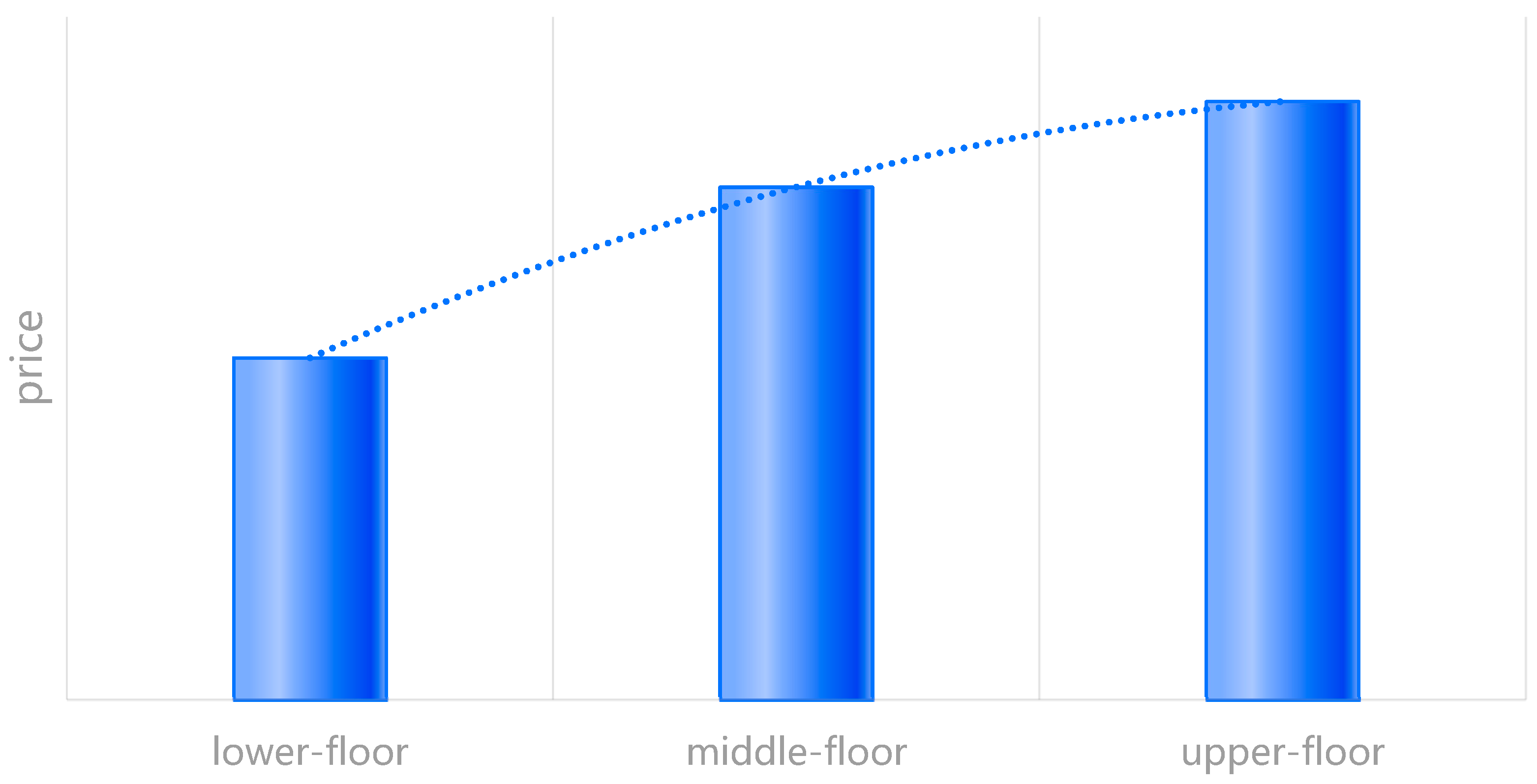
Elevator retrofitting systematically alters the vertical gradient distribution of residential property values through multiple mechanisms. Regarding accessibility enhancement and vertical location value reconfiguration, traditional multi-story residences exhibit an “inverted U-shaped” price distribution: middle floors command the highest prices due to optimal walkability, while top floors incur price discounts from stair-climbing costs [33], as shown in Figure 1. However, elevator retrofitting significantly reduces vertical access costs for top floors, resulting in the most pronounced relative value appreciation. Simultaneously, shifts in demand preferences and divergent willingness-to-pay further amplify this trend: post-retrofitting, elderly households and young buyers show significantly higher demand elasticity for top floors [34]. Advantages in views and privacy unlocked by elevators increase willingness to pay, whereas the uniqueness of lower floors in attracting mobility-impaired residents diminishes, leading to demand substitution effects. Additionally, scar-city reconfiguration under supply rigidity plays a role: top-floor units in existing communities, originally oversupplied due to stair-climbing disadvantages, become relatively scarce post-retrofitting [35]. Consequently, this study posits that elevator retrofitting may create a differentiated premium pattern of “top > middle > lower floors” through three mechanisms: accessibility enhancement, shifts in demand preferences, and the restructuring of supply scarcity, as shown in Figure 2.
Hypothesis 2.
Elevator retrofitting in existing residential communities results in greater housing value appreciation magnitude for higher-floor units.

2.3. Heterogeneous Appreciation Magnitude Across Floor Levels Post-Elevator Retrofitting

From the perspective of vertical location value reconfiguration, top-floor units (5th–6th floors) in traditional multi-story buildings typically trade at a discount relative to baseline levels (2nd floor) due to stair-climbing costs [36]. Elevator retrofitting significantly improves accessibility, generating 12–15% value restoration for top floors, whereas middle floors (3rd–4th) exhibit stable appreciation of 8–10% due to pre-existing walkability advantages.
Demand-side analysis indicates that, post-retrofitting, scarcity attributes, including views and daylight in top-floor units, are fully unlocked, increasing young families’ willingness to pay by 25%. In contrast, lower-floor appreciation is constrained by negative externalities such as elevator noise. At the market equilibrium level, a reduction in top-floor listings creates seller’s market conditions [37], while greater supply elasticity in lower floors further amplifies appreciation differentials. This systematic heterogeneity provides quantitative foundations for differentiated compensation standards [38]. Consequently, we propose:
Hypothesis 3.
Following elevator retrofitting in existing residential communities, top-floor units exhibit the most significant appreciation magnitude, followed by middle-floor units, relative to lower-floor units.

3. Analysis of the Price Premium Effects of Elevator Retrofitting in Older Residential Compounds

3.1. Model Construction

Previous studies on factors influencing housing prices have predominantly employed the hedonic price model. However, this model captures only the contribution of pre-existing housing and neighbourhood characteristics to property values and fails to account for differential price changes before and after the introduction of a specific factor [39,40,41]. Given the hedonic price model’s inherent limitations in addressing such issues, this paper treats elevator retrofitting as a quasi-natural experiment. It uses a Difference-in-Differences (DID) model to identify its impact on housing values.
By comparing the changes in the policy-impacted group (Treat Group) and the non-policy-impacted group (Control Group) before and after the policy implementation, this model evaluates the policy effect [42]. If the sample is divided into pre- and post-policy periods and there is no significant difference in the outcome variable Y between the treatment and control groups before the policy, it can be assumed that the pre-policy trend of the treatment group mirrors that of the control group throughout the entire period [43]. Thus, the difference between the change in Y in the treatment group (D1) and the change in Y in the control group (D2), that is, DD = D1 − D2, represents the actual impact of the policy.
This study incorporates a DID approach into a hedonic price framework to empirically examine the external effects of elevator retrofitting on housing prices in affected compounds. In this model, a treatment indicator variable (treat) is set to 1 for second-hand housing units in older residential compounds with elevator retrofitting and 0 for those without such retrofitting. A time indicator variable (post) is also constructed, assigned a value of 1 for the year of retrofitting and thereafter, and 0 for years before the retrofitting. The model is specified as follows:
l n Y i t = α 0 + θ d i d i t + β X i t + μ i + τ t + ε i t ,   i = 1 ,   2 , , T
In this analysis, the focus is on second-hand housing transactions, where i represents an individual who transacted property, and t denotes time. The dependent variable, Y i t is the unit price of the second-hand houses transacted. A key explanatory variable, d i d i t , is introduced, obtained by interacting the treatment variable (treat) and the time-period variable (post). The set of control variables X i t , is incorporated into the model, where μ i denotes the neighbourhood location fixed effects, explicitly referring to the influence of the street where each residence is located, and τ t trepresents the time fixed effects. ε i t It represents the random error term in the model. The parameter θ is the primary focus of this study, as it captures the average impact of elevator retrofitting on housing prices. If the estimated value of θ is statistically significant and positive, it can be concluded that elevator retrofitting has a positive effect on increasing housing prices; conversely, an insignificant or negative estimate would suggest that it has no such effect.

3.2. Variable Selection and Data Sources

3.2.1. Variable Selection

In this study, the transaction price per square metre of second-hand residences in Hangzhou is selected as the explained variable. This choice is motivated by the extensive implementation of elevator retrofitting in older residential compounds in Hangzhou and the maturity of its second-hand housing market [44]. To stabilise the data, the transaction price per square metre of second-hand residences is transformed using natural logarithms. The key explanatory variable is the interaction between a time dummy and a group dummy, which measures the impact of elevator retrofitting on housing premiums. Descriptive statistics and balance tests for each variable are shown in Table 1 and Table 2.
Following Wang et al. (2023), the control variables in this study are categorised into building, location, and neighbourhood characteristics [27]. Characteristics of buildings include housing area, building age, and others. Specifically, this study selects floor level, housing area, orientation, renovation status, housing type, number of bedrooms, number of living rooms, number of bathrooms, and housing age. Housing area, renovation quality, number of bedrooms, number of living rooms, and number of bathrooms reflect the quality of the residence. Floor level affects factors such as natural light and access convenience, while orientation influences light exposure and, consequently, living quality. Housing type and age are related to the property’s ageing, which, in turn, affects the living environment. Thus, these factors are selected as control variables for building characteristics.
The location characteristic variables selected in this study are the distance from the compound with elevator retrofitting to the nearest shopping mall and the distance to the closest subway station. Shopping malls are typically located in city centres, the urban cores. Proximity to shopping malls indicates better geographical location, more developed transportation, and better municipal facilities. After elevator retrofitting, residences closer to such amenities have greater potential for value appreciation. The convenience of public transit directly affects residents’ travel time and costs. Compounds with better public transportation accessibility are preferred due to shorter travel times and lower costs, which in turn lead to higher housing prices. Since this study focuses on older residential compounds with well-developed bus routes, the subway is chosen as the representative of urban public transportation. It is assumed that shorter distances to the nearest subway station correlate with higher housing prices. Neighbourhood characteristics refer to the surrounding environment of the compound. Given the focus on the impact of elevator retrofitting in older residential compounds on housing prices, and considering that the primary beneficiaries of elevators are the elderly and children, this study selects schools and hospitals as key elements of neighbourhood characteristics for evaluation.
Table 2 presents the descriptive statistics and results of the balance tests for the main variables. The full sample includes all observations from the treatment group (older residential compounds that have completed elevator retrofitting) and the control group (adjacent compounds without elevator retrofitting). For each variable, the mean and standard deviation are reported, and the mean differences between the treatment and control groups are calculated. The balance tests indicate that, except for renovation status (which is also analysed and explained in the robustness checks), the differences between the groups for all other variables—including the log-transformed housing price, floor level, housing area, orientation, housing type, number of rooms, building age, and various proximity measures (to shopping malls, subway stations, schools, and hospitals)—are not statistically significant. It suggests that, before the policy intervention, the treatment and control groups were broadly comparable on observable characteristics, thereby satisfying the fundamental balance requirement for the difference-in-differences model and helping mitigate endogeneity concerns arising from sample selection bias.

3.2.2. Data Sources

This study focuses on older residential compounds in Hangzhou that underwent elevator retrofitting between 2018 and 2022. Due to limited data availability, compounds with an elevator retrofit rate exceeding 80% were designated as the treatment group. The control group was selected from within a 1000-m radius of the treatment group compounds. Together, the treatment and control groups encompass 18 older residential compounds in Hangzhou. Property transaction data before and after elevator retrofitting were collected from these compounds. According to multiple sources, 1000 m is the typical Area for everyday activities in older residential compounds. Within this radius, compounds typically share similar locational conditions, transportation accessibility, public service facilities (such as schools, hospitals, and shopping malls), and neighbourhood environments. This approach helps control for the influence of regional characteristics on the outcomes while also reducing spatial heterogeneity [45,46,47]. To ensure the reliability of the research findings, only samples from buildings with a total of six stories were included. The final dataset consists of 879 valid samples, with 254 in the treatment group and 625 in the control group. Data were obtained from multiple sources: elevator retrofitting statistics were provided by the Hangzhou Urban Renewal Centre; transaction prices and building characteristics were collected from platforms such as Lianjia; and location and neighbourhood characteristics were extracted from Baidu Maps. Before empirical analysis, data preprocessing was performed. Missing values in the transaction price per square metre for second-hand residences were imputed using interpolation. For the few cases where interpolation was not feasible, data from adjacent years were used for imputation.

3.2.3. Parallel Trends Assumption Test

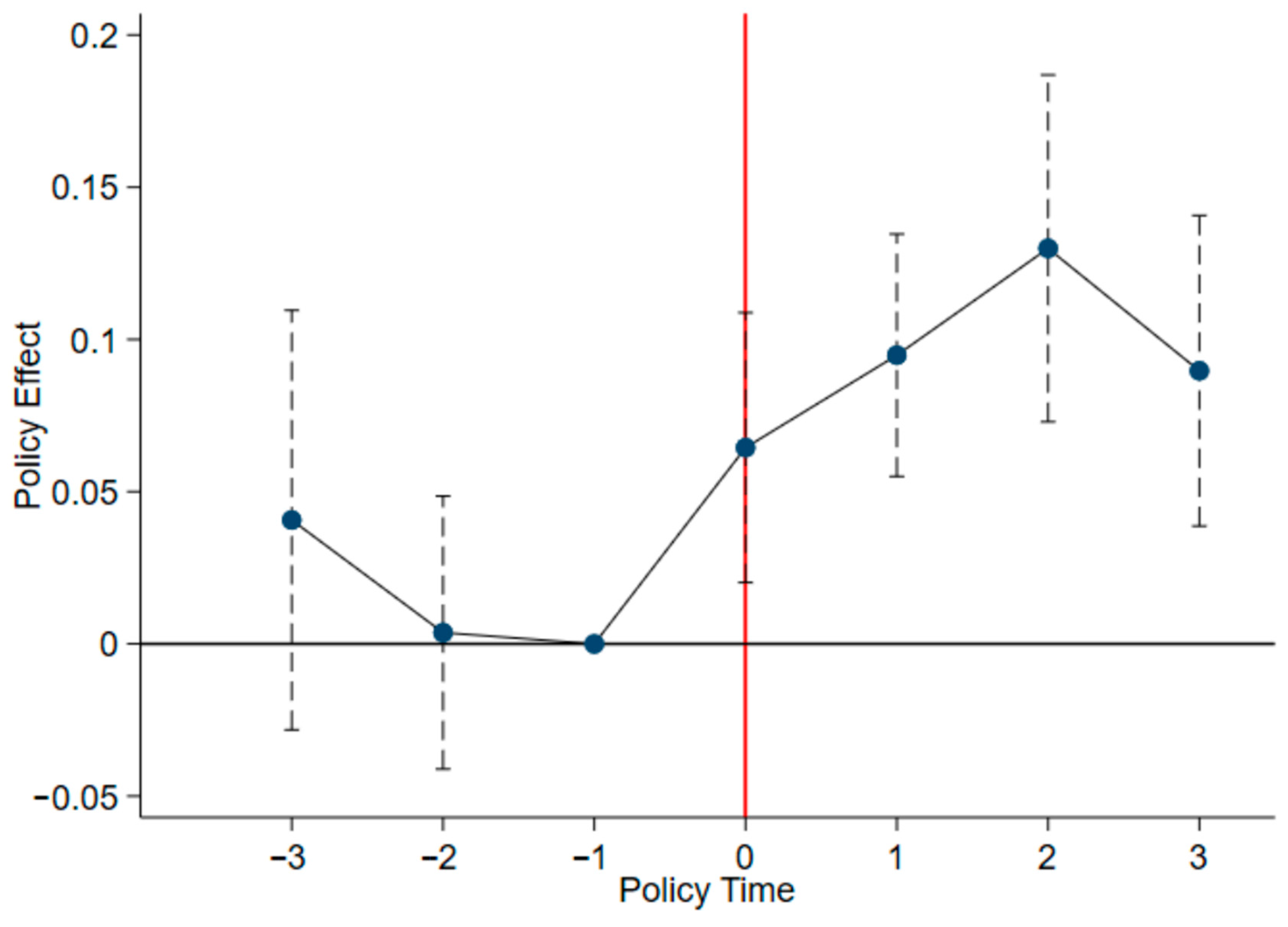
The parallel trends assumption is a fundamental prerequisite for causal identification in the difference-in-differences (DID) model, requiring that the treatment and control groups exhibit generally consistent trends before the policy intervention. To verify this assumption, this study employs an event study approach to analyse the differences between the two groups across various periods before and after policy implementation. If the coefficients for periods before time 0 are statistically insignificant, it indicates that the data satisfy the parallel trends assumption. If the coefficients for periods at and after time 0 (including period 0) are significant, it suggests that the policy intervention has a sustained effect.
The regression results from the event study are presented in the table below. Here, pre_3 to pre_2 represent the three years before the elevator retrofit, and post_1 to post_3 represent the one to three years after the retrofit. The estimated coefficients for the periods before the implementation of elevator retrofitting (pre_3 to pre_2) are all statistically insignificant, satisfying the parallel trends assumption. In contrast, the coefficients for the implementation year and the subsequent periods (1–3) are significantly positive, indicating that elevator retrofitting has a positive impact, with the effect becoming evident immediately in the initial period. This relationship is visually illustrated in Figure 3.

3.3. Results and Analysis

3.3.1. Examination of the Overall Premium Effect on Housing After Elevator Retrofitting

Table 3 presents the baseline regression results of the impact of elevator retrofitting on housing prices in older residential compounds. Column (1) considers only the key variables and compound fixed effects; Column (2) incorporates both street and year fixed effects; Column (3) adds the architectural characteristics of second-hand homes to the specification in Column (2); and Column (4) further includes neighbourhood and location characteristics of the older residential compounds. As shown in Table 3, the coefficients of the core explanatory variable,   t r e a t p o s t , are positive and statistically significant at the 1% level across all specifications. Specifically, Column (4) shows that after controlling for compound fixed effects, time fixed effects, architectural characteristics, location attributes, and neighbourhood features, the coefficient of the core explanatory variable is 0.0553. It implies that, compared with second-hand homes in compounds without elevator retrofitting within a 1000 m radius, prices in compounds with elevator retrofitting increased by approximately 5.53% on average. Therefore, the first research hypothesis is confirmed.

3.3.2. Robustness Test of the Overall Premium Effect on Housing Following Elevator Retrofitting

(1)
Interactive Fixed Effects
To ensure that benchmark estimation results are not affected by other compound-level time-varying confounding factors concurrent with the elevator retrofitting policy, this study adopts a more stringent fixed-effects specification for robustness testing. Specifically, we control for the interaction between “elevator retrofitting year × compound individual” in the model. This specification allows each compound to follow its own unique time trend, thereby absorbing the influence of all unobserved time-varying characteristics at the compound level on the outcome variable. Under this high-dimensional fixed effects model, the policy effect is identified solely by comparing changes within the same compound before and after the completion of elevator retrofitting. This approach significantly mitigates endogeneity issues arising from heterogeneous time trends across compounds. The estimation results show that after controlling for the “compound × year” interactive fixed effects, the sign, statistical significance, and magnitude of the coefficient of the policy treatment variable ( t r e a t p o s t ) remain highly consistent with the benchmark regression results. Table 4 indicates that the identified effect of the elevator retrofitting policy is robust and unlikely to be driven by other unobserved time-varying factors at the compound level.
(2)
Substitution of Sample Scope
To enhance the robustness of the research findings, this study conducts two supplementary tests by adjusting the sample scope, with the results reported in columns (1) and (2) of Table 5, respectively. The specific adjustments are as follows: First, to eliminate potential interference from differences in property rights, the sample is restricted to commercial housing, excluding residential types with relatively unique property-rights compositions, such as resettlement housing, private-property housing, and public housing reform units. Second, to control for the potential impact of housing renovation status on the outcome variable, the sample is further refined by excluding luxury-renovated housing units. The core estimated coefficients from both tests remain broadly consistent with the benchmark results, indicating that the research conclusions hold robustly across different sample definitions.
(3)
Controlling for Additional Covariates
To examine the sensitivity of the benchmark regression results to the specification of the spatial matching radius, this study further adjusts the selection criteria for the control group by reducing the matching radius from 1000 m in the benchmark model to 500 m and then re-estimates the benchmark regression. The results show no significant changes in the magnitude, direction, or statistical significance of the core estimated coefficients, indicating that the research conclusions are robust to different spatial matching ranges. As shown in Column (3) of Table 6, the coefficient of the key variable, t r e a t p o s t , remains significantly positive at the 1% level, and its estimated value is larger than that in the benchmark model (using the 1000 m radius). A smaller spatial radius implies greater homogeneity between the control and treatment groups in terms of housing markets, supporting facilities, and neighbourhood environments, thereby more effectively controlling for unobserved locational confounders and yielding estimates closer to the “local average treatment effect.” Furthermore, the increase in the coefficient aligns with the spatial economics expectation that policy spillover effects attenuate with distance. Within a closer range, the control group is less subject to policy spillovers or competitive influences from the treatment group, allowing the treatment effect to be more clearly identified. Therefore, this precisely demonstrates that the conclusions remain robust across different spatial scales and reveals the spatial sensitivity of the premium effect generated by elevator retrofitting.

3.3.3. Heterogeneity Test of Housing Appreciation in Elevator Retrofitting

(1)
Heterogeneity Test in Housing Price Appreciation Across Different Floor Levels
In older residential compounds, elderly residents, especially those living on higher floors, face significant difficulties with stair descent. In contrast, residents on lower floors are often reluctant to install elevators, believing that retrofitting would infringe on their rights to live. Elevator retrofitting offers substantial value to households on higher floors but limited benefits to those on lower floors; the potential risks of detriment increase with lower floor levels, whereas the likelihood of benefits rises with higher floors. The analysis reveals that, compared with low-floor homeowners, middle- and high-floor homeowners have a greater urgency for elevators. Elevator retrofitting significantly improves residents’ mobility and stimulates housing price appreciation on higher floors. In contrast, low-floor owners, particularly those on the ground floor, have little demand for elevators. The installation may adversely affect housing quality, privacy, security, natural light, and ventilation, and may cause crowding, potentially degrading housing conditions.
This study considers that elevator retrofitting may reconfigure resources within the building unit, leading to differentiated impacts on housing prices across floors. To further identify heterogeneity in the effect of elevator retrofitting on housing prices, a baseline regression model was used to conduct separate analyses for high-, middle-, and low-floor units in the second-hand housing market. The results are presented in Table 7. The regression outcomes indicate that, compared to same-floor units in compounds without elevator retrofitting within a 1000 m radius, the retrofit led to price increases of 8.1%, 4.58%, and 1.59% for high-, middle-, and low-floor households, respectively. It demonstrates heterogeneous appreciation of housing values across floors after elevator retrofitting, thereby validating the second research hypothesis of this paper. These findings suggest that, although the effects of elevator retrofitting vary across floors, low-floor units did not experience depreciation; rather, all floors benefited from the installation.
(2)
Heterogeneity Test of Appreciation Extent on Different Floors
Although the studies above indicate that elevator retrofitting may lead to varying degrees of housing price appreciation across different floors, it may also introduce specific issues such as rainwater infiltration, safety concerns, and privacy risks. To further identify the heterogeneity in the impact of elevator retrofitting on housing prices across floors within the same unit, this study incorporates interaction terms between floor dummy variables and the difference-in-differences (DID) variable from Equation (1) into the regression model. Table 8 presents the heterogeneous regression results for the effects of elevator retrofitting across floors within the same unit. As shown in Column (4) of Table 8, within the same building unit, middle-floor units appreciated by 8.98% and high-floor units by 11.4% compared to low-floor units. This further demonstrates heterogeneous effects of elevator retrofitting across floors, thereby validating the third hypothesis. These findings provide a quantitative basis for cost-sharing and compensation mechanisms in elevator retrofitting projects: high-floor owners should bear a higher share of installation costs than middle-floor owners, while low-floor owners should not only be exempt from cost sharing but also receive appropriate compensation for relative depreciation. Moreover, even after compensating low-floor owners, middle- and high-floor owners can still achieve net benefits from the retrofit, confirming the overall economic feasibility of elevator installation.

3.4. Mechanism Analysis

The preceding empirical findings validate the three research hypotheses proposed in this study, confirming the overall positive effect of elevator retrofitting on housing values and its heterogeneous impacts across different floor levels. To delve into the economic drivers behind these statistical results, this section interprets the empirical discoveries in light of the theoretical mechanisms outlined in Part 2, aiming to elucidate “why” such effects occur.
(1)
Capitalisation Mechanism of Public Good Improvement
The benchmark regression results indicate an average housing price premium of approximately 5.53% following elevator retrofitting, supporting Hypothesis H1. The core mechanism is that elevator retrofitting represents a significant improvement in the provision of a public good within the community. According to the Hedonic Pricing Model, the value of a residence is determined by its attributes. As a facility that substantially improves convenience of living, especially by addressing vertical mobility challenges, the value of an elevator is recognised and priced by market participants, including both buyers and sellers. For older residential compounds, adding elevators corrects a critical functional shortcoming in the existing housing stock, thereby enhancing the overall asset quality and attractiveness of the building or compound. Thus, the observed overall premium can be interpreted as the additional price the market is willing to pay for the desirable feature of elevator retrofitting. In other words, the value generated by this public good improvement is capitalised into property prices.
(2)
Mechanism of Vertical Location Value Reconfiguration
The heterogeneity analysis reveals a distinct gradient in the appreciation effect of elevator retrofitting, with top-floor units showing the highest gains, followed by middle-floor and then lower-floor units, consistent with Hypotheses H2 and H3. The mechanism of vertical location value reconfiguration explains this pattern. In the absence of elevators, floor-level valuation is typically driven by walking convenience, resulting in a pattern in which middle floors are most valued. The introduction of an elevator significantly mitigates the negative impact of stair-climbing costs on top-floor residents, allowing the inherent advantages of upper floors, such as better views, daylight, and privacy, to be fully realised. Consequently, the relative locational value of top-floor units undergoes significant reassessment and enhancement. In contrast, the original advantage of stair-free convenience on lower floors is diluted by the elevator’s universal accessibility. At the same time, these units may entail greater potential negative externalities, such as elevator noise or visual obstruction, resulting in the smallest relative appreciation. This mechanism systematically alters the relative attractiveness of different floors within the residential vertical space, ultimately manifesting as a differentiated pattern of value appreciation in housing prices.
(3)
Mechanism of Demand Preference Shift and Divergence in Willingness-to-Pay
Further analysis indicates that the reconfiguration of vertical location value is driven by structural changes in market demand induced by elevator retrofitting. Elevators fundamentally alter how different buyer groups evaluate the utility of varying floor levels. For households with a strong need for barrier-free access, such as elderly families or those with young children, elevators make top floors accessible, significantly increasing their willingness to pay for these units. At the same time, some buyers seeking quality improvements or younger purchasers may also show a greater preference for the comfort attributes of higher floors, given the presence of an elevator. Conversely, the rigid attractiveness of lower-floor units for mobility-impaired individuals weakens. This shift in market demand, from avoiding stair-climbing costs to comprehensively weighing convenience against living quality, leads to a divergence in willingness to pay across floor levels. Reflected in market transactions, this divergence reinforces the value above reconfiguration mechanism. The final empirical result is that top-floor units receive the largest capitalised premium, followed by middle-floor units, whereas lower-floor units experience relatively limited appreciation.
In summary, the empirical findings of this study are not coincidental but are underpinned by a coherent economic logic. First, elevator retrofitting, as an improvement in public goods provision, delivers a fundamental enhancement to housing value. Then, by altering the relative convenience and attractiveness of different floor levels, it reshapes the vertical location value system. Finally, the shift in market demand preferences triggered by the elevator further reinforces and amplifies these value differentials. This chain of mechanisms effectively links the physical modification of “elevator retrofitting” to the economic outcome of “changes in housing asset value,” providing a viable explanatory framework for understanding the economic effects of urban renewal policies in older residential compounds.

4. Economic Benefit Evaluation of Elevator Retrofitting in Older Residential Compounds

4.1. Evaluation Methodology

The economic evaluation of elevator retrofitting in older residential compounds provides a critical basis for government subsidy policies and collective resident decision-making [46,47]. Focusing on this, the study employs a cost–benefit analysis framework, utilising housing value appreciation as the primary benefit indicator to systematically assess economic feasibility. The mechanism by which elevator retrofitting enhances housing value primarily operates as follows: by significantly reducing residents’ commuting costs, it improves residential accessibility, thereby strengthening the spatiotemporal connectivity between older compounds and surrounding commercial facilities. Such convenience improvements are ultimately capitalised into substantial gains in property value through housing market mechanisms. However, since both the installation and long-term maintenance of elevators in older compounds rely entirely on resident-funded contributions, the economic feasibility assessment must address a central proposition: whether the long-term benefits derived from housing appreciation can fully offset the full lifecycle costs borne by residents. Thus, this study’s cost–benefit analysis framework quantifies and compares housing appreciation gains with total expenditures. The total cost expenditure is explicitly defined as comprising three components: the one-time elevator retrofitting Cost, contractually stipulated lifetime maintenance fees, and recurring operational electricity expenses.
To scientifically and systematically evaluate the economic feasibility of elevator retrofitting in older residential compounds, this study develops a three-step framework grounded in cost–benefit analysis. This framework aims to assess the financial viability of elevator retrofitting projects and the fairness of internal cost allocation by quantifying housing value appreciation relative to full lifecycle costs. The specific steps are as follows:
1. Quantification of Housing Value Appreciation Effect: Measure the enhancement effect of elevator retrofitting on residential market value, i.e., “housing value appreciation”.
2. Estimation of Full Lifecycle Costs: Comprehensively calculate the total economic expenditures of the elevator retrofitting project from initiation to decommissioning, namely the full lifecycle costs.
3. Analysis of Cost–Benefit Balance and Equity: Analyse how the economic benefits generated by elevator retrofitting achieve cost–benefit balance at the aggregate project level and ensure equitable allocation among residents across different floors. The specific indicators are detailed in Table 9.

4.2. Economic Benefit Evaluation

The key economic criterion for elevator retrofits is the generation of a sufficient housing premium. This premium must cover the initial retrofit costs as well as long-term operation and maintenance expenses. This criterion directly impacts the implementation effectiveness and sustainability of elevator retrofit policies. To investigate this issue, this study first utilised transaction data from the secondary housing market to predict the magnitude of the housing premium attributable to elevator retrofitting through an econometric model. Secondly, the average retrofit Cost and annual operation and maintenance (O&M) expenses were obtained through field surveys and data compilation. Finally, the economic feasibility of elevator retrofit projects was evaluated using a cost–benefit analysis.
Evaluating the economic benefits of elevator retrofitting first requires clarifying the cost composition throughout its entire life cycle. As mentioned previously, the relevant costs are primarily divided into one-time investments (including elevator construction costs and compensation for lower-floor residents) and ongoing expenditures (including maintenance, annual inspections, and electricity fees). Focusing on 6-story old residential buildings in Hangzhou, this study determined specific cost parameters through market research and data analysis. The elevator construction cost is approximately 700,000 yuan. Regarding annual O&M costs: maintenance fees are 3600 yuan/year (typically waived for the first three years), annual inspection fees are 1000 yuan/year, and electricity costs are 2400 yuan/year. Based on field visits and discussions conducted in several communities in Hangzhou where elevator retrofitting projects have been completed, and summarised from interviews with street-level officials, homeowners’ committee representatives, and elevator retrofitting contractors, compensation for lower-floor households in practice takes two forms: direct government subsidies or free elevator access. For the evaluation period, considering that a significant overhaul is typically required after 15 years of operation to assess the value of continued use, this study sets the analysis period at 15 years. To discount the O&M costs over the next 15 years to their present value, this study selected China’s 10-year government bond yield of 2.3% in 2023 as the discount rate. Although this does not precisely match the 15-year analysis period, using the 10-year yield is a reasonable approximation under current conditions, given the unavailability of 15-year government bond yield data. Ultimately, based on lifecycle cost theory, this study will aggregate the present value of all the aforementioned costs over the 15 years to serve as the core basis for assessing the economic feasibility of elevator retrofit projects. As shown in Table 10.
(1) Evaluating the Economic Benefits of Elevator Retrofitting from a Macro Perspective of the Entire Retrofit Unit Building.
Utilising transaction data samples from the secondary market in older residential compounds, this study calculated the average per-square-metre housing price and the average housing area for residences without elevator retrofits (the control group). The results indicate an average housing price of 50,356 yuan/square metre and an average housing area of 73 square metres in Hangzhou. Combining these figures with the earlier-estimated overall premium rate of 5.53%, it is estimated that a typical “one elevator serving two households per floor, six-story” unit building can achieve total value appreciation of approximately 2.47 million yuan due to the elevator retrofit. In contrast, the present value of the total costs for the retrofit and 15 years of operation and maintenance for such a project is 781,900 yuan. The analysis clearly demonstrates that the economic benefits generated by the elevator premium effect significantly exceed its total lifecycle costs. It indicates that, even before considering compensation for lower-floor residents, the elevator retrofit project is fully economically justified at the macro level, as its overall benefits are sufficient to offset the entire investment.
(2) Evaluating the Economic Benefits of Elevator Retrofits from the Perspective of Middle- and High-Floor Residents.
In the practice of elevator retrofitting in older residential compounds in Hangzhou, a relatively common cost-sharing scheme has been established. Typically, residents on the first and second floors are exempt from construction costs due to limited direct benefits. Residents on the third to sixth floors share costs on an incremental basis, with contribution ratios of 10%, 20%, 30%, and 40%, respectively. The operation and maintenance (O&M) costs incurred after the elevator’s completion (including electricity, maintenance, and annual inspection fees) are equally shared among the middle- and high-floor residents who benefit most directly. This study adopts this prevalent model as the benchmark for analysis.
To precisely evaluate the economic benefits and the rationality of cost allocation across different floors in elevator retrofit projects, this study selects Yongjin Garden in Shangcheng District, Hangzhou (hereinafter, “Compound A”) as an exemplary case for in-depth analysis. The selection of Compound A is primarily based on its high representativeness across the following three dimensions:
① Typicality and Representativeness: Compound A is located in Hangzhou’s central urban Area with superior locational conditions and is surrounded by dense older residential compounds, making it a typical area for urban renewal. The compound itself features diverse housing attributes, a complex stakeholder landscape, and a high degree of population ageing, creating an urgent demand for elevator retrofits. Most importantly, it includes both buildings that have completed retrofits and those that have not, providing an ideal “control group” for comparative analysis and ensuring the generalizability of the research findings.
② Data Accessibility and Reliability: Buildings in Compound A that have undergone elevator retrofits demonstrate good liquidity in the secondary housing market, with multiple publicly available real transaction records. It provides a solid, reliable data foundation for obtaining precise post-retrofit market transaction prices and for quantifying the premium effect, effectively avoiding research bias caused by data gaps or simulated prices.
③ Social Attention and Information Completeness: As a benchmark project in an area dense with older residential compounds, the elevator retrofit work in Compound A has received extensive attention and coverage from local sub-district offices and the media. This high level of attention not only reflects its social impact but also means that details of policy implementation, resident negotiation processes, and cost structures are more open and transparent, facilitating comprehensive and accurate acquisition of various types of information required for the research.
Based on this case study, this study aims to assess, from the perspective of individual residents, whether the asset appreciation from the elevator retrofit is sufficient to cover the total costs they must bear over its whole life cycle. The specific data processing methods are as follows: First, select buildings within Compound A that have not undergone retrofitting as the control group to calculate the average unit price for each floor. Second, compile the average housing area for each floor in the retrofitted buildings of Compound A, specifically 56.77, 60.96, 66.46, and 73.38 square metres for the third to sixth floors, respectively. Integrating the previously developed premium model with the aforementioned cost-sharing scheme, the costs and benefits for residents on each floor are calculated. As shown in Table 11 and Table 12, the analysis results indicate that for middle- and high-floor residents (floors three to six), the increase in housing asset value resulting from the elevator retrofit significantly exceeds the sum of their allocated initial construction costs and long-term O&M costs. It suggests that, from the perspective of individual economic rationality, participating in the elevator retrofit constitutes a clear value-appreciating investment for middle- and high-floor residents.
(3) Evaluating the Economic Benefits of Elevator Retrofits from the Perspective of Lower-Floor Residents.
Based on second-hand transaction data from older residential compounds used to evaluate housing price premiums, the average unit price of lower-floor housing in elevator-retrofitted compounds in Hangzhou was calculated at ¥56,342 per square metre. The average floor areas for middle- and high-floor units in these compounds were 78.67 sqm and 76.25 sqm, respectively. According to earlier findings, elevator retrofitting led to price increases of 8.98% for middle-floor units and 11.4% for high-floor units compared to lower-floor units. Calculations indicate that middle- and high-floor units achieved price premiums of ¥398,000 and ¥489,700, respectively, relative to lower-floor units.
The study reveals that elevator retrofitting not only demonstrates economic viability but also incorporates a mechanism for equitable benefit distribution. Although lower-floor properties also appreciate, the substantial premiums paid by middle- and high-floor residents provide a solid foundation for compensating lower-floor households. This compensation mechanism is not only economically feasible but also a rational approach to equitably redistributing project-generated value. Comprehensive calculations demonstrate that the total housing price premium from elevator retrofitting covers all installation and long-term maintenance costs, leaving sufficient surplus to provide reasonable compensation to lower-floor residents. It fully confirms that elevator retrofit projects in older residential compounds deliver significant overall economic benefits and inherent fairness, representing an economically viable initiative for improving public welfare.

4.3. Sensitivity Analysis

To examine the robustness of the economic evaluation results and in response to the reviewers’ suggestions, this section performs a sensitivity analysis on key parameters. The study focuses on four core parameters that have a substantial influence on economic performance: the discount rate, the housing premium rate, the elevator’s service life, and construction costs. These parameters are evaluated within plausible ranges of variation to assess their impact on the project’s Net Present Value (NPV) and Benefit–Cost Ratio (B/C).
(1)
Analytical Framework and Parameter Specification
To examine the robustness of the economic evaluation results, this study employs a one-way sensitivity analysis method. This approach involves varying one key parameter at a time while holding all others constant to observe its impact on the project’s core economic performance indicators, such as the Net Present Value (NPV) and the Benefit–Cost Ratio (B/C). The analysis is based on the baseline scenario established in Section 5.2 of the main text, in which the discount rate is 2.3%, the overall housing premium rate is 5.53% (with heterogeneous premium rates of 8.1%, 4.58%, and 1.59% for top-, middle-, and lower-floor units, respectively), the elevator service life is 15 years, and the construction cost is 700,000 CNY. The variation ranges for the key parameters are set based on literature and reasonable market fluctuations: the discount rate is varied between 1.5% and 3.5% to reflect potential long-term interest rate movements; the overall housing premium rate is varied by ±20% around the baseline value (i.e., from 4.42% to 6.64%) to account for model estimation error and market volatility; the elevator service life is considered over a plausible range of 10 to 20 years; and the construction cost is varied by ±15% of the baseline value (i.e., from 595,000 CNY to 805,000 CNY) in response to potential changes in material and labour costs. Through this analysis, the study aims to systematically assess the impact of uncertainty in key parameters on the project’s economic feasibility.
(2)
Sensitivity Analysis Results
The variations in the aforementioned parameters are incorporated into the cost–benefit model to calculate the project’s overall Net Present Value (NPV) and Benefit–Cost Ratio (B/C). The results are summarised in Table 13.
(3)
Discussion of Results
The sensitivity analysis indicates that the core conclusion of this study regarding the economic feasibility of the elevator retrofitting project is robust. Under all tested parameter variation scenarios, the project’s Net Present Value (NPV) remains positive, and the Benefit–Cost Ratio (B/C) consistently exceeds 1, indicating that the project remains economically viable even when key parameters are subject to reasonable uncertainty. Our finding that the returns from housing value appreciation is sufficient to cover the full lifecycle costs and generate considerable net gains remains fundamentally robust. Further analysis reveals that the overall premium rate is the most sensitive parameter, with its variation having the most significant impact on both NPV and B/C. However, even under the stringent scenario where the premium rate is conservatively underestimated by 50%, the project can still generate an NPV of approximately 785,000 CNY and maintain a B/C of 2.00, confirming that its economic rationale remains solid. These analytical results reinforce the policy implications presented in the main text. Even when facing adverse conditions such as cost increases, conservative benefit estimates, or a tightening financial environment, the project continues to demonstrate significant economic attractiveness. Consequently, it provides a more robust foundation for risk resilience and decision support, enabling government departments to sustain and optimise fiscal subsidy policies and encouraging financial institutions to innovate related financial products.

5. Conclusions and Discussion

5.1. Conclusions

To systematically assess the economic effects of elevator retrofitting in older residential compounds and address the challenge of reaching consensus in the retrofitting process, this study constructs an integrated analytical framework of “causal identification–benefit quantification–allocation simulation.” First, using second-hand housing transaction data from six-story older residences in Hangzhou, the difference-in-differences (DID) method is employed to identify the causal effect of elevator retrofitting on housing prices and its heterogeneity across vertical floor levels. The empirically estimated differentiated premium rates are then incorporated as key parameters into a comprehensive lifecycle cost–benefit model to assess economic feasibility at both the overall project level and the individual-resident level. Finally, sensitivity analysis is conducted to test the robustness of the conclusions, thereby providing a quantitative basis for cost-sharing and benefit compensation. The main findings of the study are as follows: (1) Elevator retrofitting generates a significant overall price premium (averaging approximately 5.53%), exhibiting a vertical gradient of “top-floor (8.1%) > middle-floor (4.58%) > lower-floor (1.59%)”. It confirms the capitalisation of its value as a vertical accessibility-enhancing public good and its characteristic of non-uniform distribution. (2) The project is economically viable as a whole. For a typical six-story unit, the appreciation benefits (approximately 2.4732 million CNY) significantly exceed the present value of the full lifecycle costs (approximately 781,900 CNY), resulting in a Net Present Value (NPV) of 1.6913 million CNY and a Benefit–Cost Ratio (B/C) of 3.16. The housing premium earned by middle- and top-floor households provides an economic basis for compensating lower-floor residents and for achieving a Pareto improvement through cooperation. (3) Lower-floor housing values also experience a slight increase and do not depreciate due to the elevator installation. This finding shifts the traditional perception of a “zero-sum game” and creates favourable conditions for integrating these households into the community of shared interests through compensation mechanisms.
The findings of this study engage with and extend existing theories in several key respects. First, the research refines the application of the Hedonic Pricing Model to community renewal. It not only verifies the overall capitalisation effect of public facility improvements but also reveals the asymmetric distribution of this effect at the micro level of individual residential units (within buildings), clarifying the pivotal role of vertical locational attributes in the allocation of public-good value. Second, it provides empirical evidence from the specific case of elevator retrofitting for the theory of club goods. Quantifying the heterogeneity in benefits, it demonstrates that differential returnswithin a property-rights-linked group can inherently generate incentives for compensation. It offers a theoretical pathway to reduce negotiation costs and facilitate collective action through precise quantification. Finally, the study methodologically advances the research paradigm for the renewal of older residential compounds. By directly integrating the premium rates identified through causal inference into the design of cost-sharing schemes, this approach bridges the gap from “effect estimation” to “scheme design.” It helps address a common disconnect in prior research in this field, where economic benefit assessments and concrete operational plans have often been developed in isolation.

5.2. Discussion

This study also has several limitations that warrant careful consideration. The conclusions should be interpreted within the following boundaries. First, at the sample level, the analysis is based on second-hand housing transaction data from six-story older residential buildings in Hangzhou. As a high-value city, Hangzhou’s market dynamism and residents’ purchasing power are somewhat distinctive. Therefore, caution is advised when generalising the absolute magnitudes of estimated premium rates and the conclusions on economic feasibility across cities of different tiers, building types, or market stages. Second, the potential for a “Pareto improvement” proposed in the paper is argued within a relatively simplified cost–benefit analytical framework. Standardised assumptions were made, particularly regarding long-term operation and maintenance costs, individual utility differences, and non-monetised externalities. Consequently, this conclusion is better understood as a theoretical deduction from a typical scenario. Achieving a strict Pareto improvement amid complex real-world negotiations and heterogeneous preferences would require more refined institutional design and empirical verification.
Furthermore, with respect to research dimensions, this study does not account for potential depreciation arising from elevator equipment ageing; long-term premium trends require further observation. Meanwhile, non-economic factors—such as subjective perceptions of daylight, noise, and neighbourhood relations—were not incorporated into the model. Future research could incorporate surveys or interviews to adopt a mixed-methods approach. Finally, in the context of policy implementation, elevator retrofitting is often undertaken concurrently with other renewal projects, such as exterior wall insulation and pipeline upgrades, which may yield synergistic benefits. Subsequent studies could employ methods such as the triple difference (DDD) to further isolate its independent effect.

Author Contributions

Conceptualization, X.D. and X.Y.; methodology, X.D.; software, X.D.; validation, X.D. and L.M.; formal analysis, X.D. and P.Z.; investigation, X.D. and X.Y.; resources, X.Y.; data curation, X.D.; writing—original draft preparation, X.D.; writing—review and editing, L.M.; visualisation, X.D.; supervision, P.Z.; project administration, X.D. and P.Z.; funding acquisition, X.D. All authors have read and agreed to the published version of the manuscript.

Funding

This research was funded by the Talent Initiation Fund of Huangshan University (2024xskq019).

Data Availability Statement

The original contributions presented in this study are included in the article. Further inquiries can be directed to the corresponding author.

Conflicts of Interest

The authors declare no conflicts of interest.

References

  1. Gan, C.; Chen, M.Y.; Rowe, P. Beijing’s Selected Older Neighborhoods Measurement from the Perspective of Aging. Sustainability 2020, 12, 4112. [Google Scholar] [CrossRef]
  2. Dai, X.; Li, Z.; Ma, L.; Jin, J. The Spatio-Temporal Pattern and Spatial Effect of Installation of Lifts in Old Residential Buildings: Evidence from Hangzhou in China. Land 2022, 11, 1600. [Google Scholar] [CrossRef]
  3. Carvalho, J.P. Sacrifice and Sorting in Clubs. Forum Soc. Econ. 2020, 49, 357–369. [Google Scholar] [CrossRef]
  4. Lu, H.M.; Ryan, R.L. The influence of policy design on club good provisions: A study of for-profit shopping mall roof gardens in Shanghai. Land Use Policy 2022, 121, 106340. [Google Scholar] [CrossRef]
  5. Reiter, M.; Weichenrieder, A.J. Public goods, club goods, and the measurement of crowding. J. Urban Econ. 1999, 46, 69–79. [Google Scholar] [CrossRef]
  6. Zhou, Y.Y.; Tang, C. The Rationales of the Supply of Communal Public Goods—A Case Study of Installing New Elevators in the Long-Established Condominium Communities. J. Chin. Public Adm. 2019, 9, 62–66. [Google Scholar] [CrossRef]
  7. Yan, C.W.; Yang, Y.L. Construction of Neighborhood Governance Community Under the Perspective of Spatial Production: Taking the Installing of New Elevators in Old Residential Communities as a Lens. J. Theory Reform 2024, 126–138+166-167. [Google Scholar] [CrossRef]
  8. Abeysinghe, T.; Gu, J.Y. Lifetime Income and Housing Affordability in Singapore. Urban Stud. 2021, 48, 1875–1891. [Google Scholar] [CrossRef]
  9. Duan, J.L.; Tian, G.J.; Yang, L.; Zhou, T. Addressing the macroeconomic and hedonic determinants of housing prices in Beijing Metropolitan Area, China. Habitat Int. 2021, 113, 102374. [Google Scholar] [CrossRef]
  10. Kang, C.D. Effects of Access Time via Travel Modes to Urban Service Facilities on Housing Prices: Evidence from Seoul. J. Urban Plan. Dev. 2025, 151, 05025004. [Google Scholar] [CrossRef]
  11. Marinkovic, S.; Dzunic, M.; Marjanovic, I. Determinants of housing prices: Serbian Cities’ perspective. J. Hous. Built Environ. 2024, 39, 1601–1626. [Google Scholar] [CrossRef]
  12. Gan, L.; Ren, H.; Xiang, W.M.; Wu, K.; Cai, W.G. Nonlinear Influence of Public Services on Urban Housing Prices: A Case Study of China. Land 2021, 10, 1007. [Google Scholar] [CrossRef]
  13. Yu, P.H.; Yung, E.H.K.; Chan, E.H.W.; Zhang, S.J.; Wang, S.Q.; Chen, Y.Y. The Spatial Effect of Accessibility to Public Service Facilities on Housing Prices: Highlighting the Housing Equity. ISPRS Int. J. Geo-Inf. 2023, 12, 228. [Google Scholar] [CrossRef]
  14. Zhou, Y.Y.; Wu, L.F. Appeals Promote Publicity: The Rationale of Participating in Community Governance-based on the Field Research of Installing New Elevators in the Long-Established Condominium Communities of City. Zhejiang Soc. Sci. 2019, 88–95. [Google Scholar] [CrossRef]
  15. Gao, J.X.; Wang, X.; Song, J.B. Research on the Cooperation Model of Elevator Retrofitting Projects in Old Neighborhoods Based on PPP Model. J. Chin. J. Manag. Sci. 2024, 32, 90–95. [Google Scholar] [CrossRef]
  16. Warner, M.E. Club Goods and Local Government. J. Am. Plan. Assoc. 2011, 77, 155–166. [Google Scholar] [CrossRef]
  17. Chen, Y.F.; Jiao, J.; Farahi, A. Disparities in affecting factors of housing price: A machine learning approach to the effects of housing status, public transit, and density factors on single-family housing price. Cities 2023, 140, 104432. [Google Scholar] [CrossRef]
  18. Fesselmeyer, E.; Seah, K.Y.S.; Kwok, J.C.Y. The effect of localised density on housing prices in Singapore. Reg. Sci. Urban Econ. 2018, 68, 304–315. [Google Scholar] [CrossRef]
  19. Koster, H.R.A.; Ommeren, J. Place-Based Policies and the Housing Market. Rev. Econ. Stat. 2019, 101, 400–414. [Google Scholar] [CrossRef]
  20. Li, S.X.; Chen, L.Y.; Zhao, P.J. The impact of metro services on housing prices: A case study from Beijing. Transportation 2019, 46, 1291–1317. [Google Scholar] [CrossRef]
  21. He, D.S.; Sun, G.B.; Li, L. New metro and housing price and rent premiums: A natural experiment in China. Urban Stud. 2024, 61, 1371–1392. [Google Scholar] [CrossRef]
  22. Yang, L.A.; Zhang, S.M.; Guan, M.; Cao, J.F.; Zhang, B.L. An Assessment of the Accessibility of Multiple Public Service Facilities and Its Correlation with Housing Prices Using an Improved 2SFCA Method-A Case Study of Jinan City, China. ISPRS Int. J. Geo-Inf. 2022, 11, 414. [Google Scholar] [CrossRef]
  23. Chen, Q.W.; Zhang, Z.; Mao, Y.H. Investigating the Influence of Age-Friendly Community Infrastructure Facilities on the Health of the Elderly in China. Buildings 2023, 13, 341. [Google Scholar] [CrossRef]
  24. Shi, S.X.; Chen, H. The Renovation of Aging Residential Communities: Integrationg Emotions and Coordinating Interasts—A Case of Elevator Installation in Hemu New Village. Adm. Trib. 2023, 30, 140–148. [Google Scholar] [CrossRef]
  25. Gao, S.P.; Hu, X.P. Research on the Impact of Public Risk Perception on Behavioral Tendencies in Urban Renewal—A Case Study of Elevator Installation Projects in Old Residential Areas in Beijing. Urban Probl. 2022, 82–92. [Google Scholar] [CrossRef]
  26. Wang, H.M. Public Service Co-production and Its Mechanisms Driven by Grassroots: A Case Study of PPP Regeneration of Micro-Infrastructure in Y Sub-district in S City. Chin. Public Adm. 2022, 27–35. [Google Scholar] [CrossRef]
  27. Wang, Y.; You, Y.Y. Spatial Variation Characteristics of Housing Conditions in China. Buildings 2023, 13, 2028. [Google Scholar] [CrossRef]
  28. Bai, F.R. construction and application of elevator cost model in existing multi-storey residential buildings. Constr. Econ. 2014, 41, 27–29. [Google Scholar] [CrossRef]
  29. Ning, C.Q. Theoretical Analysis of the Cost-Sharing and Compensation Measures for Installing Elevators in Existing Residential Buildings. J. Urban Probl. 2014, 44–50. [Google Scholar] [CrossRef]
  30. Zhao, X.L.; Li, X.M.; Mao, Y.M. The Premium Effect of ‘Electric Zone Housing’: Evidence from Micro-level Housing Transaction Data. J. World Econ. 2024, 47, 219–249. [Google Scholar] [CrossRef]
  31. Liu, C.X.; Chen, A.P. Urban Renewal’s Premium: Evidence from a Quasi—Natural Experiment of Urban Village Redevelopment. China Econ. Stud. 2021, 78–91. [Google Scholar] [CrossRef]
  32. Chen, S.X.; Zhang, L. The dynamic Impact of New Subway Stations on Housing Prices in Hangzhou Under the Background of Subway Expansion. J. Zhejiang Univ. (Sci. Ed.) 2025, 52, 537–548. [Google Scholar] [CrossRef]
  33. Xing, L.; Chen, Q.; Liu, Y.; He, H. Evaluating the accessibility and equity of urban health resources based on multi-source big data in high-density city. Sustain. Cities Soc. 2024, 100, 105049. [Google Scholar] [CrossRef]
  34. Xu, J.X.; Ma, J.; Tao, S. Examining the nonlinear relationship between neighborhood environment and residents’ health. Cities 2024, 152, 105213. [Google Scholar] [CrossRef]
  35. Ahvenniemi, H.; Huovila, A.; Pinto-Sepp, I. What are the differences between sustainable and smart cities? Cities 2017, 60, 234–245. [Google Scholar] [CrossRef]
  36. Nilsson, I.; Delmelle, E.C. Impact of new rail transit stations on neighborhood destination choices and income segregation. Cities 2020, 102, 102737. [Google Scholar] [CrossRef]
  37. Chen, Z.K.; Cheung, K.S. Co-Living at Its Best-An Empirical Study of Economies of Scale, Building Age, and Amenities of Housing Estates in Hong Kong. Buildings 2023, 13, 2571. [Google Scholar] [CrossRef]
  38. Yuan, F.; Wei, Y.D.; Wu, J. Amenity Effects of Urban Facilities on Housing Prices in China: Accessibility, Scarcity, And Urban Spaces. Cities 2020, 96, 102433. [Google Scholar] [CrossRef]
  39. Zhao, C.; Chen, B.; Li, X. Rising Housing Prices and Marriage Delays in China: Evidence from the Urban Land Transaction Policy. Cities 2023, 135, 104214. [Google Scholar] [CrossRef]
  40. Yu, L.L.; Cai, Y.Y. Do rising housing prices restrict urban innovation vitality? Evidence from 288 cities in China. Econ. Anal. Policy 2021, 72, 276–288. [Google Scholar] [CrossRef]
  41. Sonn, J.W.; Chen, K.W.; Wang, H.; Liu, X. A Top-down Creation of a Cluster for Urban Regeneration: The Case of OCT Loft, ShenZhen. Land Use Policy 2017, 69, 307–316. [Google Scholar] [CrossRef]
  42. Bai, Y. How Long to Pareto Efficiency. Game Theory 2024, 43, 13–24. [Google Scholar] [CrossRef]
  43. Bicket, M.; Vanner, R. Designing Policy Mixes for Resource Efficiency: The role of Public Acceptability. Sustainability 2016, 8, 366. [Google Scholar] [CrossRef]
  44. Li, Y.Q.; Yu, J.H.; Zhang, W.Z. Spatial Impact of Airport Facilities’ NIMBY Effect on Residential Price: A Case Study of Beijing Capital International Airport. Geogr. Res. 2021, 40, 1993–2004. [Google Scholar] [CrossRef]
  45. Huang, T.F.; He, Q.Y.; Ouyang, X. The Capitalization Effect of Natural Amenities on Housing Price in Urban China: New Evidence From Changsha. Front. Environ. Sci. 2022, 10, 833831. [Google Scholar] [CrossRef]
  46. Wen, H.Z.; Xiao, Y.; Hui, E.C. Quantile Effect of Educational Facilities on Housing Price: Do Homebuyers of High Er-Priced Housing Pay More for Educational Resources? Cities 2019, 90, 100–112. [Google Scholar] [CrossRef]
  47. Liu, Q.C.; Zhao, P.X.; Xiao, Y. Walking Accessibility to the Bus Stop: Does it Affect Residential Rents? The Case of Jinan, China. Land 2022, 11, 860. [Google Scholar] [CrossRef]
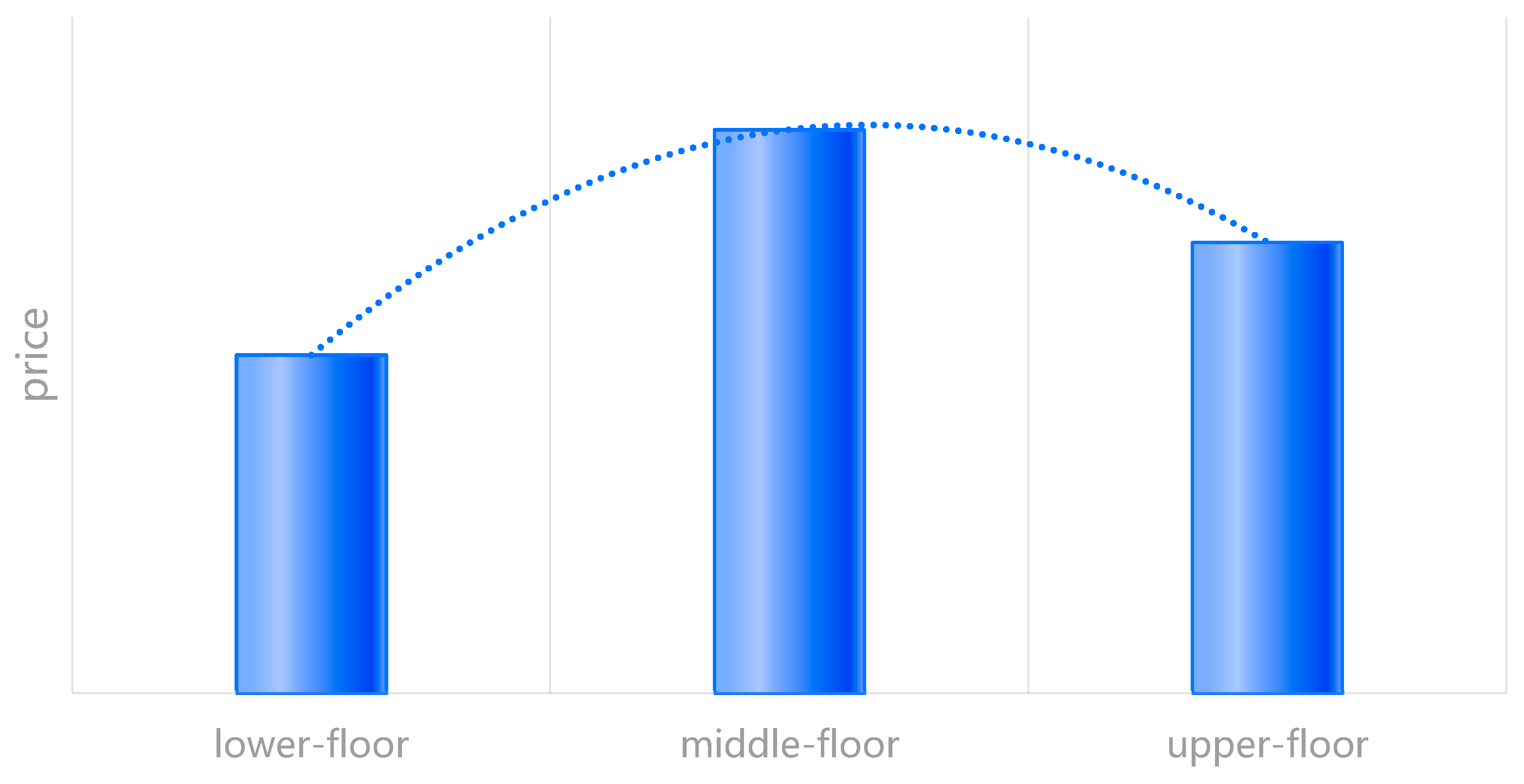
Figure 1. Housing price distribution in old residential buildings before elevator retrofitting.
Buildings 16 00220 g001
Figure 2. Housing price distribution in old residential buildings after elevator retrofitting.
Buildings 16 00220 g002
Figure 3. Parallel Trends Plot.
Buildings 16 00220 g003
Table 1. Variable Descriptions.
Variable TypeVariable NameVariable Description
Dependent VariableHousing Price (Y)Logarithm of transaction price per square meter (yuan/m2) for second-hand residences
Building
Characteristics
Floor LevelLow floor (1st–2nd floor) = 1; Middle floor
(3rd–4th floor) = 2; High floor (5th–6th floor) = 3
Housing AreaFloor area of residence (m2), transformed using.
natural logarithm
OrientationSouth-facing = 1; Non-south-facing = 0
Renovation StatusSimple renovation = 1; Medium renovation = 2;
High-quality renovation = 3
Housing TypeRelocation housing = 0; Private ownership = 1;
Reform housing = 2; Commercial housing = 3
BedroomsNumber of bedrooms in the residence
Living RoomsNumber of living rooms in the residence
BathroomsNumber of bathrooms in the residence
Housing AgeNumber of years since the residence was built
Location
Characteristics
Shopping MallMall within 500 m = 1; Mall within 1000 m = 2;
Mall within 1500 m = 3
Subway StationSubway station within 500 m = 1; No subway
station within 500 m = 0
Neighborhood
Characteristics
SchoolScored 1 to 5 based on school tier
HospitalHospital within 500 m = 1; Hospital within
1000 m = 2; Hospital within 1500 m = 3
Table 2. Variable Descriptions and Balance Tests.
VariableFull SampleTreatment Group
(Treat = 1)
Control Group
(Treat = 0)
Between-Group Difference
MeanSdMeanSdMeanSd(Mean Diff)
Log(Housing Price)10.81110.3510.92470.3210.76490.360.16
Floor Level2.06480.782.00790.792.0880.78−0.08
Housing Area74.044232.5376.409126.5873.083134.623.33
Orientation0.92040.270.94490.230.91040.290.03
Renovation Status2.25820.562.12990.642.31040.51−0.18 ***
Housing Type2.85320.392.84250.442.85760.37−0.02
Bedrooms2.30940.862.42520.742.26240.90.16
Living Rooms1.28560.51.38190.521.24640.490.14
Bathrooms1.1820.471.15750.421.1920.5−0.03
Housing Age26.88515.3527.21656.5526.75044.770.47
Shopping Mall1.80890.741.96460.751.74560.730.22
Subway Station0.43910.50.28350.450.50240.5−0.22
School1.90791.21.87011.281.92321.17−0.05
Hospital2.18430.81.8740.682.31040.8−0.44
Note: Standard deviations are reported in parentheses. The “Between-Group Difference” column reports the mean difference between the Treatment and Control groups. Asterisks (***) denote statistical significance at the 1% level (based on a two-sample test).
Table 3. Baseline Regression Results of the Elevator Retrofitting Premium Effect.
Housing Prices
Variable(1)(2)(3)(4)
treat post 0.102 ***0.0592 *** 0.0553 *** 0.0553 ***
(0.0145)(0.0169)(0.0163)(0.0163)
Floor Level = 2 0.0303 *** 0.0303 ***
(0.00946)(0.00946)
Floor Level = 3 −0.00565−0.00565
(0.00968)(0.00968)
Housing Area −0.142 *** −0.142 ***
(0.0271)(0.0271)
Orientation = 1 0.0366 ** 0.0366 **
(0.0147)(0.0147)
Renovation Status = 2 0.03000.0300
(0.0243)(0.0243)
Renovation Status = 3 0.0441 * 0.0441 *
(0.0248)(0.0248)
Housing Type = 1 0.05080.0508
(0.0862)(0.0862)
Housing Type = 2 −0.0696−0.0696
(0.0656)(0.0656)
Housing Type = 3 −0.0227−0.0227
(0.0637)(0.0637)
Bedrooms 0.0178 * 0.0178 *
(0.00923)(0.00923)
Living Rooms 0.01480.0148
(0.0107)(0.0107)
Bathrooms 0.002330.00233
(0.0113)(0.0113)
Housing Age −0.00434−0.00434
(0.00703)(0.00703)
School = 2 0.976 ***
(0.126)
School = 3 0.0678 **
(0.0340)
School = 4 0.253 ***
(0.0663)
School = 5 0.382 ***
(0.0822)
Hospital = 2 0.650 ***
(0.117)
Hospital = 3 0.684 ***
(0.0497)
Shopping Mall = 2 0.0909
(0.0768)
Shopping Mall = 3 −1.110 ***
(0.0649)
Subway Station 0.574 ***
(0.0616)
Compound Fixed EffectsYesYesYesYes
Time Fixed EffectsNoYesYesYes
N879879879879
Adjusted R20.9070.9130.9220.922
Note: *, **, and ***, indicate at the 10%, 5%, and 1% levels, respectively.
Table 4. Robustness Test of Elevator Retrofitting Using Double Fixed Effects (Control Group ≤ 1000 m).
Housing Price
Variable(1)(2)(3)(4)
t r e a t p o s t 0.0592 ***0.0553 *** 0.0553 *** 0.0553 ***
(0.0168)(0.0163)(0.0163)(0.0163)
Building CharacteristicsNoYesYesYes
Neighbourhood CharacteristicsNoNoYesYes
Location CharacteristicsNoNoNoYes
c o m p o u n d y e a r YesYesYesYes
N879879879879
Adjusted R20.91150.91290.92190.9219
Note: *, **, and ***, indicate at the 10%, 5%, and 1% levels, respectively.
Table 5. Robustness Test of Elevator Retrofitting Using Sample Substitution.
Housing Price
Variable(1)(2)
t r e a t p o s t 0.0604 ***0.0637 ***
(0.0168)(0.0199)
Building CharacteristicsYesYes
Neighbourhood CharacteristicsYesYes
Location CharacteristicsYesYes
c o m p o u n d y e a r YesYes
N0.92780.9276
Adjusted R2759512
Note: *, **, and ***, indicate at the 10%, 5%, and 1% levels, respectively.
Table 6. Robustness Test of Elevator Retrofitting Using Double Fixed Effects (Control Group ≤ 500 m).
Housing Price
Variable(1)(2)(3)(4)
t r e a t p o s t 0.0747 ***0.0728 *** 0.0728 *** 0.0728 ***
(0.0186)(0.0163)(0.0163)(0.0163)
Building CharacteristicsNoYesYesYes
Neighbourhood CharacteristicsNoNoYesYes
Location CharacteristicsNoNoNoYes
c o m p o u n d y e a r YesYesYesYes
N615615615615
Adjusted R20.92370.91290.92190.9219
Note: *, **, and ***, indicate at the 10%, 5%, and 1% levels, respectively.
Table 7. Heterogeneous Regression Results of Elevator Retrofitting Premium Effect.
Housing Price
VariableLow FloorMiddle FloorHigh Floor
t r e a t p o s t 0.0159 **0.0458 *** 0.081 ***
(0.0295)(0.0254)(0.0240)
Building CharacteristicsYesYesYes
Neighbourhood CharacteristicsYesYesYes
Location CharacteristicsYesYesYes
Street Fixed EffectsYesYesYes
Time Fixed EffectsYesYesYes
N243336300
R-squared0.9500.9200.947
Note: *, **, and ***, indicate at the 10%, 5%, and 1% levels, respectively.
Table 8. Further Regression Results of Elevator Retrofitting Premium Effects.
Housing Price
Variable(1)(2)(3)(4)
t r e a t p o s t 0.0425 *−0.00445−0.0166−0.0166
(0.0227)(0.0241)(0.0233)(0.0233)
treat     post     Low   Floor 0.0779 *** 0.0815 *** 0.0898 *** 0.0898 ***
(0.0275)(0.0272)(0.0264)(0.0264)
treat     post     High   Floor 0.0894 *** 0.0953 *** 0.114 *** 0.114 ***
(0.0286)(0.0282)(0.0272)(0.0272)
Building
Characteristics
NoNoYesYes
Neighbourhood
Characteristics
NoNoNoYes
Location
Characteristics
NoNoNoYes
Street Fixed EffectsYesYesYesYes
Time Fixed EffectsNOYesYesYes
R-squared0.9090.9160.9240.924
N879879879879
Note: *, **, and ***, indicate at the 10%, 5%, and 1% levels, respectively.
Table 9. Economic Benefit Evaluation Indicators for Elevator Retrofitting.
OutputO1Housing Value Appreciation
O2Government Subsidy for Retrofitting
InputI1Elevator Construction Cost
I2Elevator Maintenance Fees
I3Elevator Annual Inspection Fees
I4Elevator Electricity Expenses
I5Compensation for Lower-Floor Residents
Source: Summarised by the author based on literature and field interviews.
Table 10. Cost Calculation of Output Indicators for Elevator Retrofit.
Output IndicatorCostPeriodDiscount RateTotal Cost During the Usage Period (Present Value, Unit: Yuan)
I1Elevator Construction Cost700,000 yuanOne-time-700,000
I2Elevator Maintenance Fee3600 yuan/year12 years2.30%38,238.86
I3Elevator Annual Inspection Fee1000 yuan/year15 years2.30%12,854.52
I4Elevator Electricity Fee2400 yuan/year15years2.30%30,850.84
I5Compensation for Lower-floor Residents200,000 yuan or a free rideOne-time--
Total Cost781,944.22
Table 11. Resident Expenditure Costs.
Floor LevelElevator Retrofit Contribution RatioResidential Elevator Installation Cost (in Ten Thousand Yuan)Elevator Operation Cost (in Ten Thousand Yuan)Total Cost (in Ten Thousand Yuan)
3rd10%3.51.024.52
4th20%71.028.02
5th30%10.51.0211.02
6th40%141.0215.02
Table 12. Resident Housing Premium Income.
Floor LevelAverage Area (sq. m)Control Group Housing Price (Yuan/sq. m)Premium RatePremium (in Ten Thousand Yuan)
3rd56.7752,003.244.58%13.52
4th60.9652,003.244.58%14.52
5th66.4645,581.418.10%24.54
6th73.3845,581.418.10%27.09
Table 13. Results of Sensitivity Analysis on Economic Benefits (Unit: 10,000 CNY).
Variable ParameterChange ScenarioNet Present Value (NPV)Benefit–Cost Ratio (B/C)Economic Feasibility
Baseline Scenario 169.133.16Highly Feasible
Discount Rate1.50%185.423.42Highly Feasible
3.50%154.212.91Highly Feasible
Overall Premium Rate−50% (2.57%)78.52Feasible
Overall Premium Rate−20% (4.42%)132.752.58Feasible
+20% (6.64%)205.513.74Highly Feasible
Elevator Service Life10 years145.892.81Feasible
20 years192.373.51Highly Feasible
Construction Cost−15% (59.5)183.633.42Highly Feasible
+15% (80.5)154.632.9Highly Feasible
Note: Net Present Value (NPV) = Present Value of Total Premium Benefits − Present Value of Total Costs; Benefit–Cost Ratio (B/C) = Present Value of Total Premium Benefits/Present Value of Total Costs.
Disclaimer/Publisher’s Note: The statements, opinions and data contained in all publications are solely those of the individual author(s) and contributor(s) and not of MDPI and/or the editor(s). MDPI and/or the editor(s) disclaim responsibility for any injury to people or property resulting from any ideas, methods, instructions or products referred to in the content.