Article

Assessment of BIM Maturity in Civil Engineering Education: A Diagnostic Study Applied to the Polytechnic School of the University of Pernambuco in the Brazilian Context


by
Vinícius Francis Braga de Azevedo
1,*,
Eliane Maria Gorga Lago
1,
Cristiana Maria Sobral Griz
2,
Alexandre Duarte Gusmão
1 and
Bianca M. Vasconcelos
1
1
Polytechnic School of Pernambuco, University of Pernambuco, Recife 50100-010, PE, Brazil
2
Department of Graphic Expression, Federal University of Pernambuco, Recife 50670-901, PE, Brazil
*
Author to whom correspondence should be addressed.
Buildings 2026, 16(1), 221; https://doi.org/10.3390/buildings16010221
Submission received: 14 October 2025 / Revised: 15 November 2025 / Accepted: 18 November 2025 / Published: 4 January 2026
(This article belongs to the Section Construction Management, and Computers & Digitization)

Abstract

Building Information Modeling (BIM) has become a key methodology for transforming the construction sector, yet its integration into higher education remains a global challenge. In Brazil, despite national policies promoting BIM adoption, most universities still face cultural, technological, and pedagogical barriers to curricular implementation. This study aims to assess and characterize the BIM maturity level of the Civil Engineering program at the Polytechnic School of the University of Pernambuco (POLI/UPE), applying the BIM Maturity Matrix for Higher Education Institutions (m2BIM-HEI). Self-assessment questionnaires were administered to program coordination, faculty members, the Structuring Teaching Nucleus, and the Information Technology Division. The results show an intermediate BIM maturity level (56.5%), with notable progress in research and student training but limitations in faculty qualification, technological infrastructure, and institutional vision. The originality of this research lies in its contextualized diagnostic approach, applying a maturity model to a public Brazilian university and revealing specific challenges of BIM adoption in developing contexts. The findings highlight the need for structured institutional policies, faculty development programs, and curricular integration strategies, offering insights that can guide similar initiatives in Latin American higher education.

1. Introduction

Building Information Modeling (BIM) has been consolidated as a key methodology in the construction industry, directly impacting how projects are conceived, developed, and managed [1,2,3]. Unlike traditional methods based on two-dimensional drawings, BIM enables the digital modeling of the built environment, incorporating detailed information about each construction element throughout the entire lifecycle of the project [4,5,6,7]. This approach has led to greater planning accuracy, improved productivity, waste reduction, and enhanced communication among the various disciplines involved in engineering and architecture projects [8,9,10]. These gains reinforce the strategic relevance of BIM as a driver for innovation in construction.
In recent years, BIM adoption has been driven by public policies and regulatory frameworks in several countries that recognize its transformative potential for sustainable and efficient construction [11,12,13]. In Brazil, this movement has gained momentum through the creation of the National BIM Dissemination Strategy (Estratégia BIM BR), established by Decree No. 9.377/2018 and updated by subsequent regulations [14,15]. This strategy provides guidelines for the gradual incorporation of BIM into public procurement and promotes professional qualification, creating new challenges and opportunities for higher education institutions (HEIs). Consequently, Brazil’s regulatory agenda reinforces the need to evaluate how HEIs are adapting to these demands.
Despite regulatory progress, BIM education in Brazil remains at a low level of maturity regarding BIM implementation. Many HEIs face structural and cultural barriers to curricular integration, including the lack of trained faculty, technological limitations, and the absence of a consolidated institutional vision regarding the importance of BIM in professional training [16,17,18]. This scenario highlights the need for systematic assessments of BIM maturity in higher education to understand the current stage of adoption and to guide implementation strategies [19,20]. Establishing this diagnostic baseline is a prerequisite for effective curricular decision-making.
In this context, the present study aims to design and apply a BIM maturity matrix to the Civil Engineering program at the Polytechnic School of the University of Pernambuco (POLI/UPE) in order to evaluate the degree of integration of the methodology in teaching, research, and extension activities. In operational terms, the research question guiding this study is as follows: What is the current level of BIM maturity in this Civil Engineering program, and how is BIM effectively incorporated into academic activities? This diagnostic perspective establishes a baseline to inform and improve institutional strategies for BIM integration. POLI/UPE, located in Recife, Brazil, has more than seven decades of experience in Civil Engineering education but faces, like many Brazilian institutions, the challenge of aligning its pedagogical practices with the digital transformations shaping the construction sector.
By conducting this diagnosis, the study contributes not only to advancing engineering education in Brazil but also to the international agenda for quality education, aligning with the United Nations Sustainable Development Goal 4 (SDG 4), which seeks to ensure inclusive, equitable, and quality education and promote lifelong learning opportunities for all [21,22]. Therefore, this research reinforces BIM’s role as an educational tool for developing digital, collaborative, and sustainable competencies, essential for training engineers equipped to meet the challenges of Industry 4.0 and smart construction.

2. BIM Education

BIM education has become increasingly relevant in engineering programs due to its potential to shift traditional instruction from representational drafting skills toward integrated, model-based reasoning [23,24]. From a pedagogical standpoint, BIM promotes active learning, interdisciplinary collaboration, and the development of problem-solving competencies that align with Industry 4.0 demands [25,26,27]. Studies have shown that BIM-supported instructional strategies lead to higher levels of student engagement, improved design decision-making, and enhanced understanding of project phases and coordination processes [28,29]. Furthermore, its application is not restricted to a single component of the curriculum; BIM concepts can be embedded in multiple Civil Engineering subjects, such as Construction Management, Building Services, Structural Design, Cost Estimation, and Sustainability Analysis. Therefore, BIM teaching presents a wide range of possibilities for curricular integration and competency-based training [28,30,31].
At the international level, BIM teaching has advanced significantly in higher education settings. Several countries in North America, Europe, and Asia have integrated BIM into accreditation guidelines, national frameworks, or professional qualification systems [26,27,28]. In these contexts, BIM is no longer taught as an isolated software skill but as a methodological foundation that supports collaborative modeling, data interoperability, and lifecycle project thinking. International literature has increasingly emphasized that BIM education should be competence-driven, theoretically grounded, and aligned with learning outcomes rather than software-centered training alone [29,30,31]. However, despite progress, the global panorama is not homogeneous; some studies still highlight inconsistency in curricular depth, lack of standardized learning outcomes, and uneven institutional commitment [32,33,34]. This suggests that even internationally, BIM education remains uneven in maturity and is still evolving from tool-based training toward integrated, epistemic transformation of engineering curricula.
In Brazil, the advancement of BIM teaching is slower and less institutionalized; although national policies and technological progress have stimulated adoption, most initiatives remain isolated, fragmented, and heavily dependent on individual faculty interest rather than coordinated institutional planning [35,36,37,38]. Brazilian universities frequently offer BIM as elective or workshop-based content, with limited vertical curricular articulation and little alignment with professional needs, which reinforces a gap between academic training and industry expectations [36,37,38]. In several regions of the country, there is a low rate of specific BIM training, forcing companies to invest in additional in-house training to enable effective implementation [39]. Moreover, the rigidity of university curricula and the lack of coordination among educational agents remain major constraints to curricular modernization [35,40]. Faculty development also continues to be a critical barrier, as many professors were trained before BIM dissemination and lack formal preparation in collaborative modeling, information management, or multidisciplinary workflows, which maintains a scenario in which BIM is often interpreted primarily as software usage rather than as a methodological or cognitive shift in engineering education [13,41]. Thus, despite growing regulatory and industrial incentives, the systemic transformation of BIM teaching in Brazil remains incipient, uneven, and strongly conditioned by institutional constraints.

3. Methodology

The concept of maturity refers to the degree of extension, depth, quality, predictability, and repeatability of a skill in performing a task or delivering a service or product [42,43]. A maturity model is an organized and systematic framework that evaluates the current practices of an organization, helping to identify areas for improvement and prioritize development efforts [44,45,46]. Moreover, it serves as a tool for assessing the implementation of new processes and technologies, including BIM [7,9,20].
In this study, the analysis of the maturity matrix seeks to assess BIM indicators within three dimensions: policy, processes, and technology, at POLI/UPE. For this purpose, the BIM Maturity Matrix for Higher Education Institutions (m2BIM-HEI), developed by Böes, Barros Neto, and Lima [18], was adopted. This model provides an overview of BIM adoption and dissemination in higher education through three analytical axes—policy, process, and technology, each comprising specific evaluation criteria (Table 1).
The m2BIM-HEI matrix has been used as a diagnostic instrument to support curricular planning, faculty development initiatives, and benchmarking of BIM integration across academic units. Other maturity models exist, such as the Bew & Richards maturity wedge [47,48] and the Penn State BIM Project Execution Guide maturity structure [49]; however, these models were originally developed for organizations and project delivery contexts. The m2BIM-HEI was therefore selected because it was specifically designed for Higher Education Institutions and is conceptually aligned with the educational scope of this study.
The m2BIM-HEI defines five maturity levels for BIM adoption in institutions: pre-BIM (5 points), initial (20 points), defined (30 points), integrated (40 points), and optimized (50 points). These levels represent a progression from nonexistence to full BIM integration. Each criterion is scored according to its level of implementation. Two key indicators are used: the Maturity Level, which is the average of the 16 evaluated criteria (maximum of 50 points), and the Maturity Index, expressed as a percentage representing the institution’s maturity relative to the maximum score (100%). The relationship between these indicators and their qualitative classifications is shown in Table 2 [18].
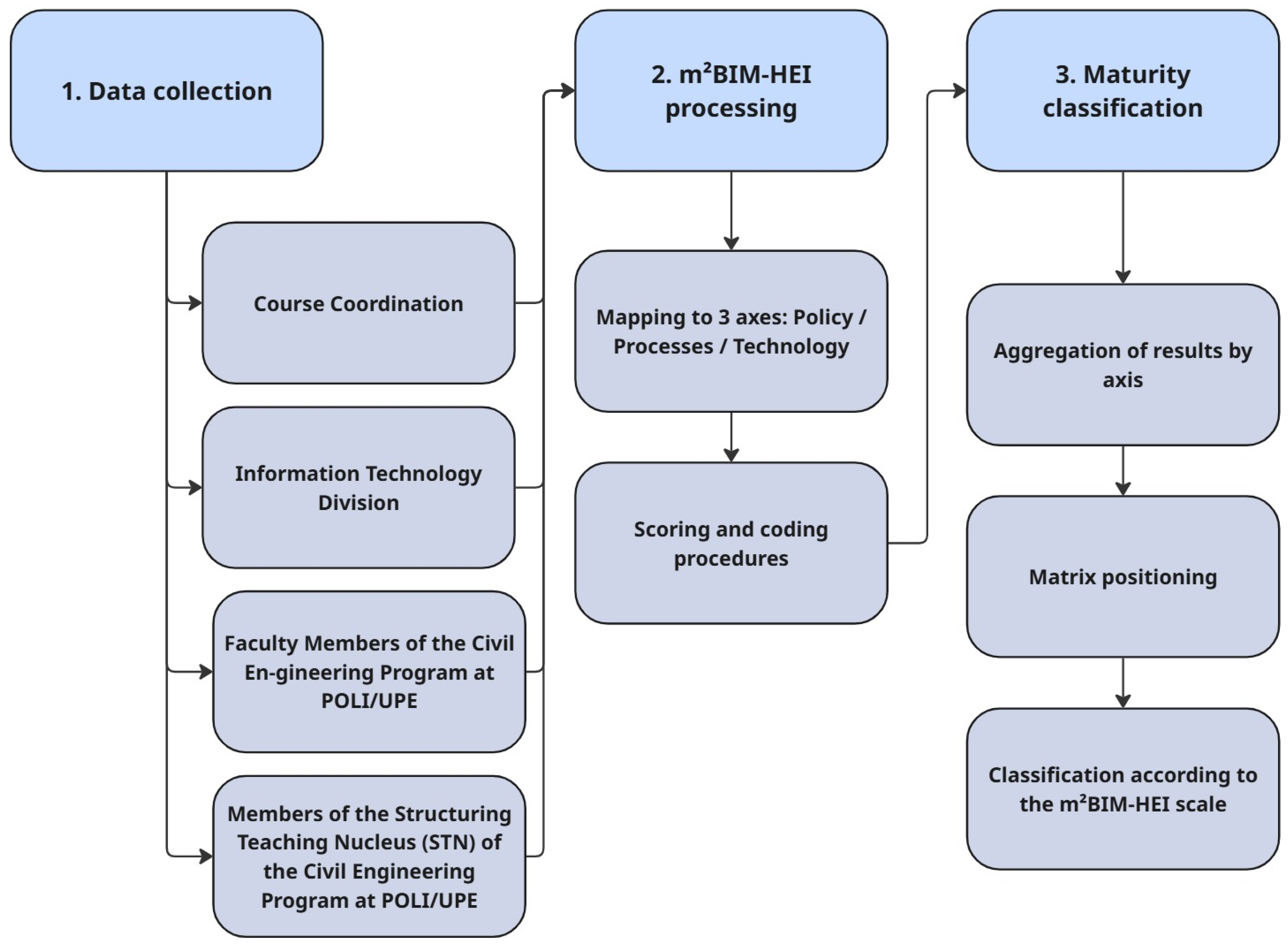
Data collection for the development of the m2BIM-HEI at POLI/UPE involved four self-assessment electronic questionnaires, approved by the Research Ethics Committee. The first was addressed to the Civil Engineering program coordinator and explored institutional perspectives on BIM. The second targeted faculty members, assessing their BIM-related teaching and research practices. This sample included 48 professors teaching in the basic cycle and 46 professors who teach in the professional cycle. The third questionnaire was directed to the Information Technology Division (ITD), examining hardware and software availability in the university’s computer labs. The fourth questionnaire was administered to members of the Structuring Teaching Nucleus (STN), focusing on BIM applications within specific disciplines. These four data sources constitute the first stage of the methodological workflow, as indicated in Figure 1.
The questionnaires were adapted from [18,50]. After data collection, responses were tabulated and processed according to the analytical structure of the m2BIM-HEI. The scoring and coding procedures were then applied to each criterion in the matrix, mapping the evidence to the three axes (policy, processes, and technology). Finally, the results were aggregated and positioned in the matrix to determine the institutional BIM maturity classification.

4. Results and Discussion

This section presents the results and discussion derived from the application of the questionnaires, as well as from the implementation of the m2BIM-HEI.
Regarding the response rate to the questionnaires, the data are shown in Table 3.

4.1. Questionnaire for Course Coordination

The data obtained from the questionnaire applied to the coordination of the Civil Engineering program at POLI/UPE indicate opportunities for improvement in institutional perception and support related to the implementation of BIM within the course. It was first observed that the coordination team is not yet aware of Federal Decree No. 11.888/2024, which establishes the National BIM Strategy (Estratégia BIM BR). This decree provides strategic guidelines aimed at fostering a favorable environment for investment in and dissemination of BIM in Brazil, aligning educational institutions with the technological and productive demands of the construction sector. The lack of knowledge about this regulatory framework may limit the institution’s ability to take advantage of opportunities and incentives related to BIM.
Another issue identified was the absence of institutional incentives or programs focused on faculty training in BIM. This represents a potential barrier, as faculty qualification is a key factor for the effective implementation of the methodology within the curriculum.
Regarding the institutional vision of the program, it was reported that BIM is neither considered a priority nor recognized as a teaching and learning methodology for students. This perspective may hinder the integration of BIM into the curriculum, even in light of the market’s growing demand for professionals skilled in the methodology. However, it was emphasized that there are no internal barriers preventing faculty-led initiatives related to BIM. This absence of restrictions is a positive aspect, as it allows interested professors to act autonomously and promote initial, even if experimental, experiences.
These results highlight the need for a reassessment of the coordination’s strategic vision regarding BIM. The lack of a favorable approach toward BIM implementation is reflected in the limited faculty training and the absence of alignment with national BIM guidelines. To overcome these limitations, it is essential that the course coordination recognizes the importance of BIM as a means to enhance both teaching and professional practice in Civil Engineering.
An initial solution could include organizing workshops or internal events to raise awareness among the coordination team and faculty members about the National BIM Strategy and the benefits of BIM in both education and the professional market. Additionally, the creation of an institutional BIM training program for faculty, aligned with the curriculum needs and the potential of the methodology, would be advisable. Such initiatives could not only expand knowledge on the topic but also encourage a more favorable perspective toward integrating BIM as a fundamental component of the teaching and learning process.

4.2. Questionnaire for the Information Technology Division

The results of the questionnaire applied to the Information Technology Division (ITD) at POLI/UPE provide insights into the technological infrastructure available to support BIM implementation at the institution. One of the key points highlighted was the availability of computers in the computer laboratories equipped with BIM software, specifically Revit 2024 and BIMcollab. This availability represents a positive aspect, as it facilitates both students’ and faculty members’ access to tools that enable the practical application of the BIM methodology in the academic environment.
In addition, it was reported that POLI/UPE has educational access to Autodesk products, allowing the use of software licenses such as Revit. However, it was also indicated that, at present, POLI/UPE does not have formal partnerships with hardware manufacturers, which represents an opportunity to expand strategic collaborations. Establishing such agreements could contribute to the provision of more robust equipment, thereby facilitating BIM implementation and optimizing students’ academic experience.

4.3. Questionnaire for Faculty Members

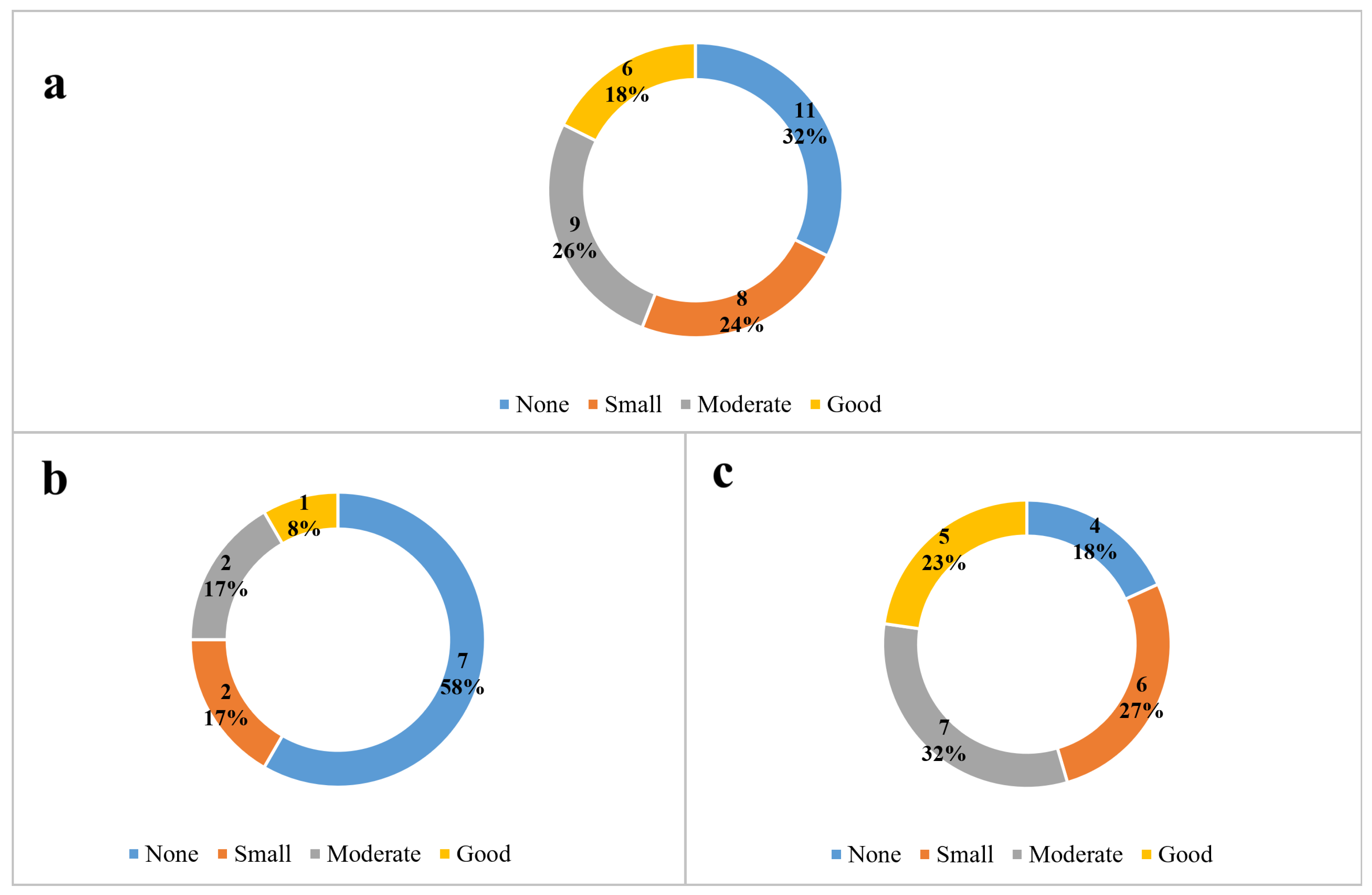
The analysis of the questionnaires applied to faculty members of the Civil Engineering program and the STN revealed variations in self-assessed BIM knowledge between the basic and professional cycles of the program, as well as an overall view of the faculty’s familiarity with the topic, as shown in Figure 2. Broadly speaking, most professors assessed their knowledge as limited: 32% reported having no knowledge of BIM, 24% reported little knowledge, 26% indicated moderate knowledge, and 18% stated that they have good knowledge, while none reported having very high knowledge. These results indicate a gap in BIM training among the faculty as a whole, highlighting the need to strengthen this aspect to ensure the effective implementation of the methodology within the program.
When analyzing the data from faculty members in the basic cycle, the majority (58%) reported having no knowledge of BIM, while 17% assessed themselves as having little or moderate knowledge. Only 8% stated that they possess good knowledge of BIM. Conversely, the results from faculty in the professional cycle show a more balanced and favorable distribution. Professors in this group reported higher levels of BIM knowledge, with 18% indicating no knowledge, 27% little knowledge, 32% moderate knowledge, and 23% good knowledge.
When comparing the responses of faculty from the basic and professional cycles, it is evident that the basic-cycle professors have lower levels of BIM knowledge. This may be due to the focus of basic-cycle courses on technical and theoretical foundations, which generally do not directly engage with digital tools or practices in Civil Engineering. In contrast, the professional cycle shows a higher rate of respondents with greater BIM knowledge, which can be explained by the closer relationship between BIM and disciplines that deal directly with project development, planning, and execution, the core of many professional-cycle courses.
It is important to emphasize that, although the absence of professors with advanced BIM knowledge indicates an opportunity for training, the need for such training should be analyzed according to the applicability of the methodology in each subject. Not all faculty members need an advanced level of BIM expertise; however, those whose areas directly benefit from the methodology should be encouraged to enhance their competencies.
Training strategies can therefore be tailored to the specific characteristics of each cycle. In the basic cycle, introductory workshops and awareness-raising activities on the fundamental concepts of BIM can be used to familiarize faculty members with the methodology. In the professional cycle, training may focus on developing more advanced technical skills, such as model integration, simulations, and the use of BIM for coordination and planning, considering the BIM uses that each faculty member will apply in their courses.
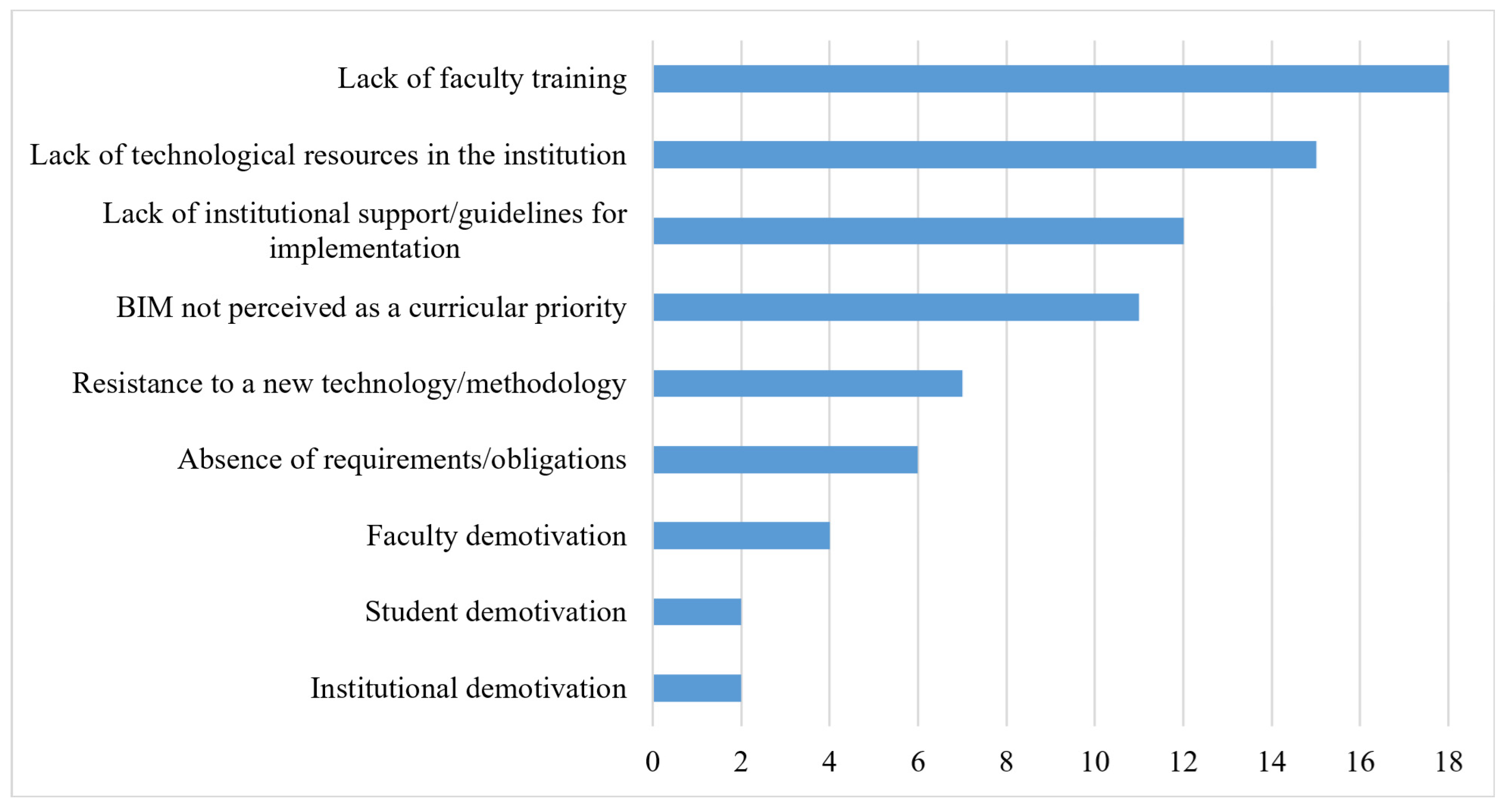
The results from the question addressed to faculty members regarding the main difficulties in disseminating BIM at POLI/UPE revealed several structural and cultural barriers that hinder the effective implementation of the methodology in the Civil Engineering program. The distribution of responses is presented in Figure 3.
Among the challenges mentioned, the lack of faculty training emerged as the most significant difficulty, cited by 18 respondents. This finding reinforces the need for a strategic plan for faculty development and qualification, including technical training for the use of the BIM methodology. This aspect is particularly critical, as faculty members play a central role in disseminating BIM knowledge among students.
Another obstacle identified was the lack of technological resources within the institution, such as the absence of appropriate software, hardware, and network infrastructure, mentioned by 15 respondents. This limitation highlights that, in addition to human preparation, it is essential to invest in technological resources that enable the use of BIM in teaching and learning activities. The shortage of modern equipment and software licenses can hinder not only practical teaching but also the engagement of both students and faculty members in the BIM environment, compromising the development of the technical competencies expected by the job market.
The perception that BIM is not viewed as a curricular priority, reported by 11 respondents, points to the need for a reassessment of the Civil Engineering program’s curriculum. This suggests that BIM is still treated as a secondary or complementary topic, which contrasts with its growing importance in the construction industry. To overcome this barrier, it is crucial to establish BIM as a core component of the curriculum, integrating it transversally across courses and aligning it with pedagogical guidelines and market expectations.
The lack of institutional support or guidelines for implementation was also mentioned as a significant challenge by 12 respondents. This finding reveals the absence of a clear and structured plan for BIM adoption within the institution, which can create uncertainty and disorganization throughout the implementation process. The development of a Curricular BIM Implementation Plan (PIBc) could address this gap, providing a solid foundation for BIM dissemination.
Additionally, resistance to new technologies or methodologies, cited by seven faculty members, reflects a cultural barrier. This resistance may stem from apprehension toward change or from a lack of understanding of BIM’s benefits and applications. Overcoming such resistance requires a gradual approach that emphasizes the tangible benefits of BIM, including successful case studies and workshops that motivate faculty to adopt the methodology in their courses. The absence of external or internal requirements for BIM use, reported by six respondents, may be related to this resistance, as the lack of demand contributes to low engagement in the adoption process.
Finally, issues related to lack of motivation, both among faculty (four mentions) and within the institution (two mentions), as well as among students (two mentions), were reported with lower frequency. These factors may stem from a combination of causes, such as insufficient incentives, structural limitations, and the perception that BIM implementation is not an institutional priority.
Overall, the results indicate that BIM dissemination at POLI/UPE faces multifaceted challenges that require integrated actions to be overcome. Investments in technological infrastructure, faculty training, and curricular alignment with BIM are essential. Moreover, the development of a PIBc, the establishment of institutional policies, and the promotion of a culture of innovation can help mitigate resistance and lack of motivation, thereby strengthening teaching practices and preparing students to meet market demands.
An effective strategy to engage faculty members would be the creation of an initial set of pilot courses, as suggested by the guidelines for developing the PIBc. The implementation of BIM could begin with a limited number of courses, selecting those that have a stronger connection with the methodology and whose faculty members show interest and motivation to apply it in the classroom. This initial phase would make the benefits of BIM more tangible and visible to both students and faculty, providing concrete results and practical examples of its applicability. From this experience, it would then be possible to gradually expand the use of BIM to other courses with integration potential, progressively consolidating the methodology within the curriculum.
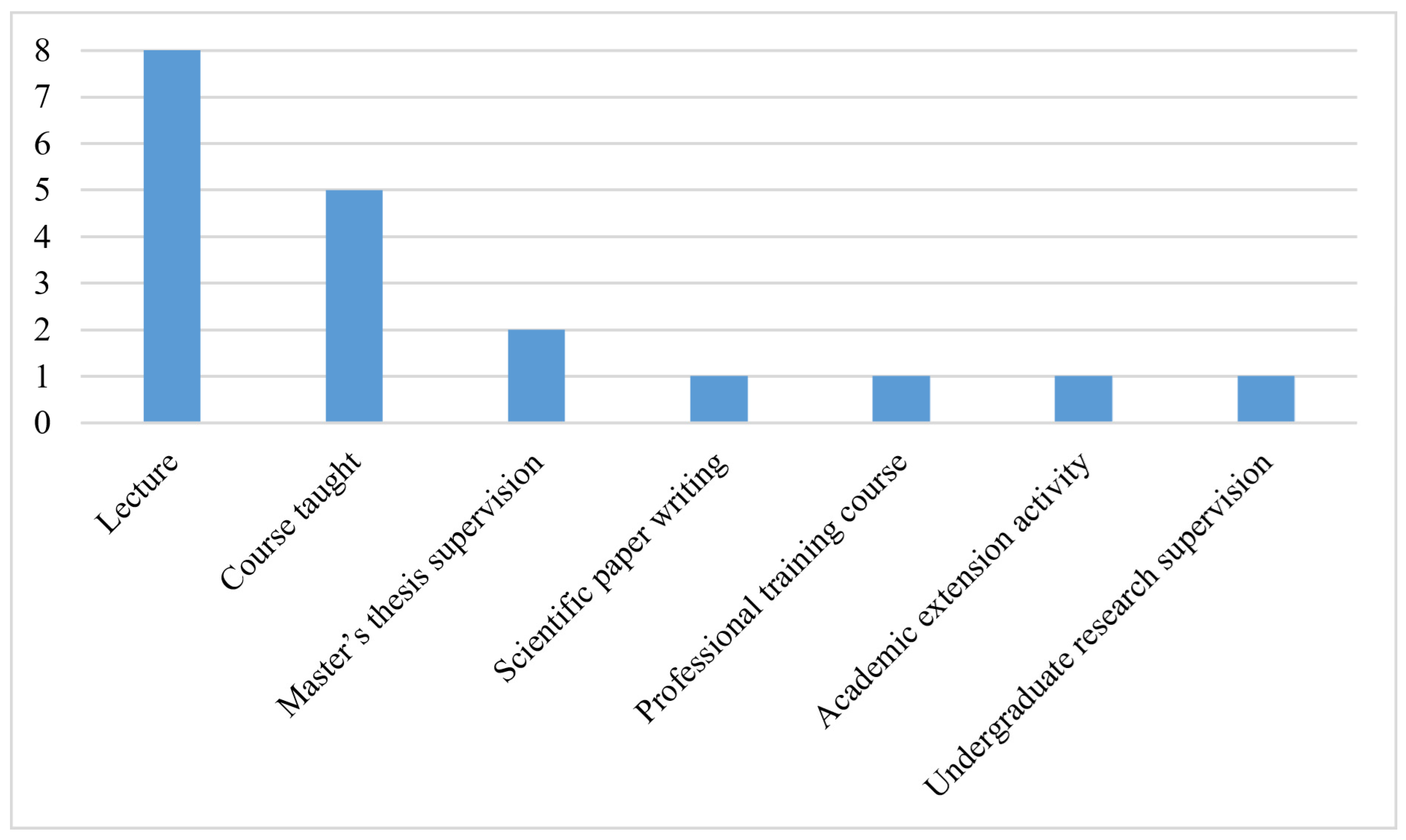
The question regarding whether faculty members have had any contact with BIM at POLI/UPE yielded nine positive responses. Among these, as shown in Figure 4, eight indicated that such contact occurred through lectures, highlighting the relevance of institutional events as an entry point for the topic. Additionally, five professors reported experiences related to teaching courses in which they began to adopt BIM individually. Other forms of engagement—such as master’s thesis supervision, scientific article writing, professional training, extension activities, and undergraduate research supervision—were each mentioned by only one faculty member. These results demonstrate that contact with BIM remains limited and sporadic, indicating the need to broaden strategies for dissemination and faculty development.
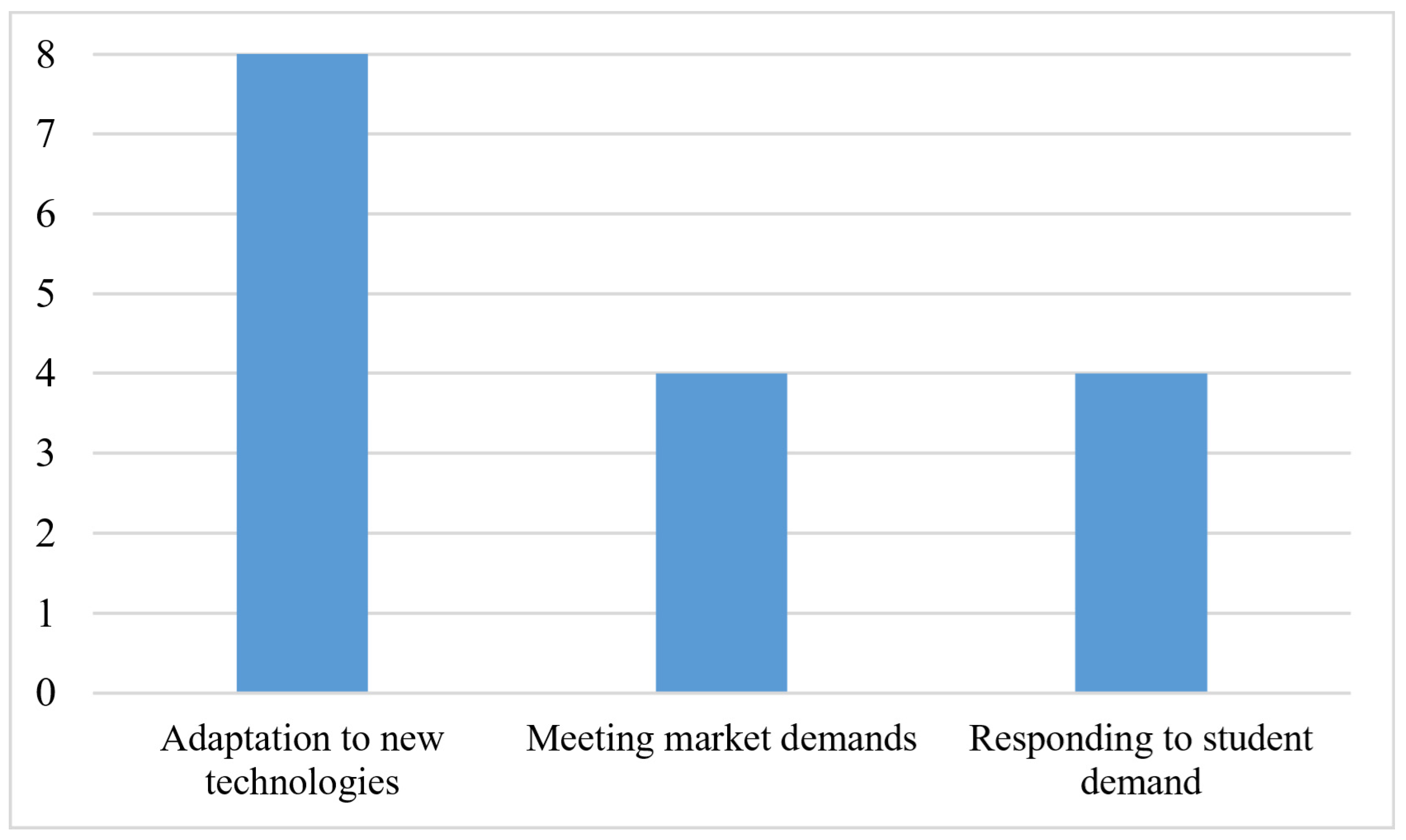
Regarding the motivations for exploring BIM, as shown in Figure 5, the adaptation to new technologies was identified as the main reason, mentioned by eight faculty members. This finding reflects the perception of BIM as an important tool to enhance technological development within the field of engineering. Meeting market demands and addressing students’ expectations were also cited as motivating factors, with four responses each. These results underscore BIM’s role in preparing future engineers for a competitive and technologically advanced professional environment.
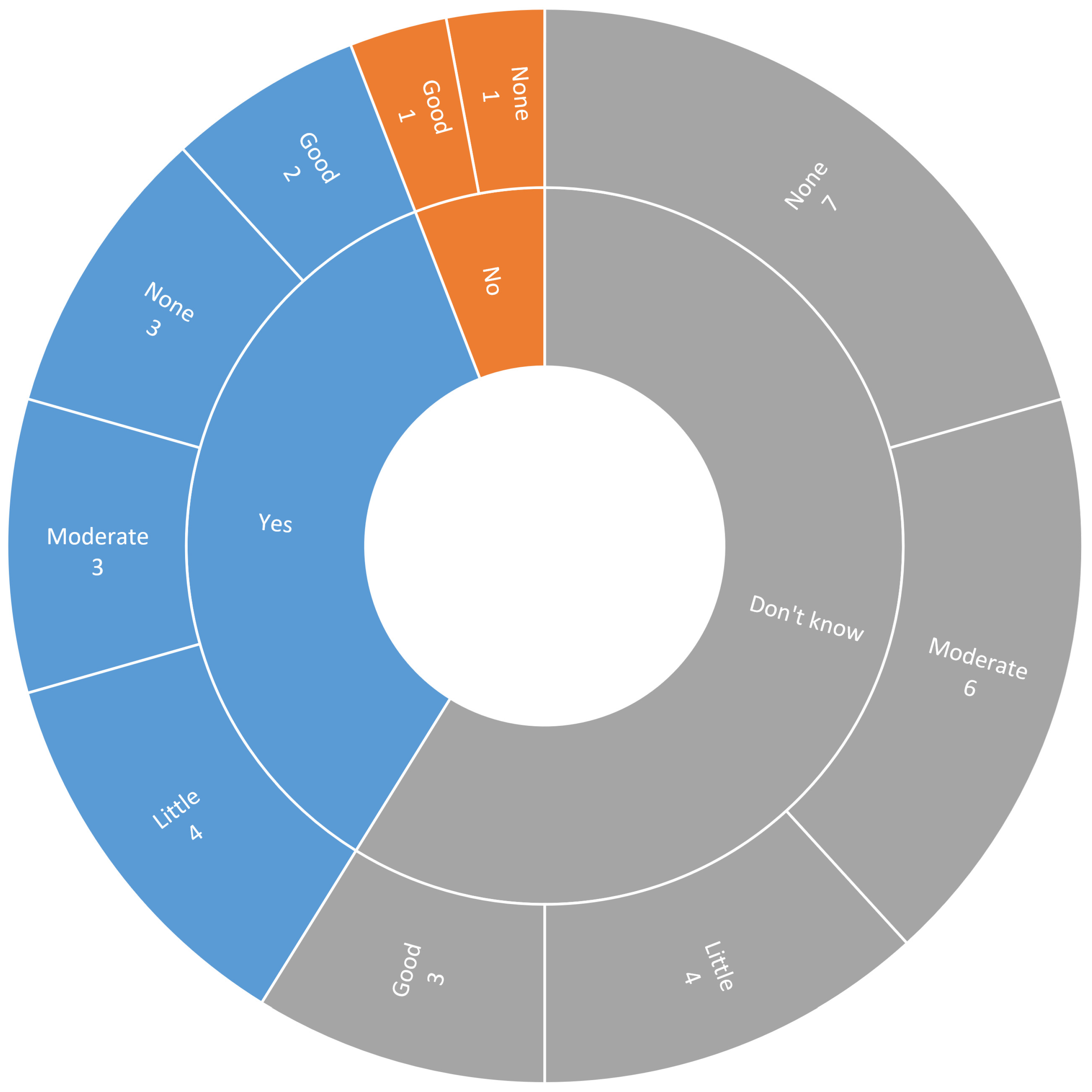
In response to the question about interest in adopting BIM in their courses, 12 faculty members (35.3%) indicated interest, 2 (5.9%) expressed no interest, and 20 (58.8%) stated that they were unsure whether they would like to implement the methodology in their classes, as shown in Figure 6.
Among the two faculty members who reported no interest in implementing BIM, the reasons appear to be related to either the lack of connection between BIM and their specific courses or a lack of familiarity with the methodology. One of these faculty members stated that they had no knowledge of BIM, which may explain their hesitation, while the other, who reported having good knowledge of BIM, teaches in the basic cycle, where many subjects have limited practical connection with BIM applications.
Conversely, the 12 faculty members who expressed interest in implementing BIM represent a significant opportunity to advance the dissemination of the methodology at POLI/UPE. It is worth noting that three of these faculty members reported having no knowledge of BIM, while four reported having little knowledge. These results demonstrate that even among faculty members with limited knowledge, there is a positive attitude toward training and incorporating BIM into their teaching practices. This interest is a promising indicator for future capacity-building efforts and for the integration of BIM into academic activities.
The 20 faculty members who were unsure about adopting BIM represent an important group to be addressed within the implementation process. Among them, 11 (55%) indicated having little or no knowledge of BIM, suggesting that unfamiliarity with the subject may significantly contribute to their indecision. On the other hand, nine of these respondents reported having moderate or good knowledge of BIM. In such cases, hesitation may be more closely related to the absence of institutional guidelines, technical support, or clarity regarding the practical applicability of BIM in their courses. This reinforces the need to develop a PIBc as a strategic tool to establish clear guidelines and provide structured support for BIM integration.

4.4. BIM Maturity Matrix for Higher Education Institutions (HEIs)

The development of the m2BIM-HEI for the Civil Engineering program at POLI/UPE was based on the responses obtained from the questionnaires and on the evaluation of 16 criteria, divided into the categories of policy, processes, and technology. From this analysis, the program’s Maturity Level and Maturity Index were calculated, as shown in Table 4.
Based on the m2BIM-HEI results, the Civil Engineering program at POLI/UPE achieved a Maturity Level of 28.25, classified as medium maturity, and a Maturity Index of 56.50%, corresponding to an integrated maturity level. As shown in the highlighted fields in Table 4, these indicators demonstrate that POLI/UPE has made progress in relation to BIM adoption; however, there is still room for further development in several areas.
Among the 16 assessment criteria, the third process criterion, related to publications, achieved the maximum score, corresponding to the optimized level. Three other criteria reached 40 points (integrated level), while two received the minimum score.
It can be observed that among the three categories, the processes category shows the highest BIM maturity, with a score of 35.75 points, while policy and technology display lower maturity levels, with 26.43 and 25 points, respectively.
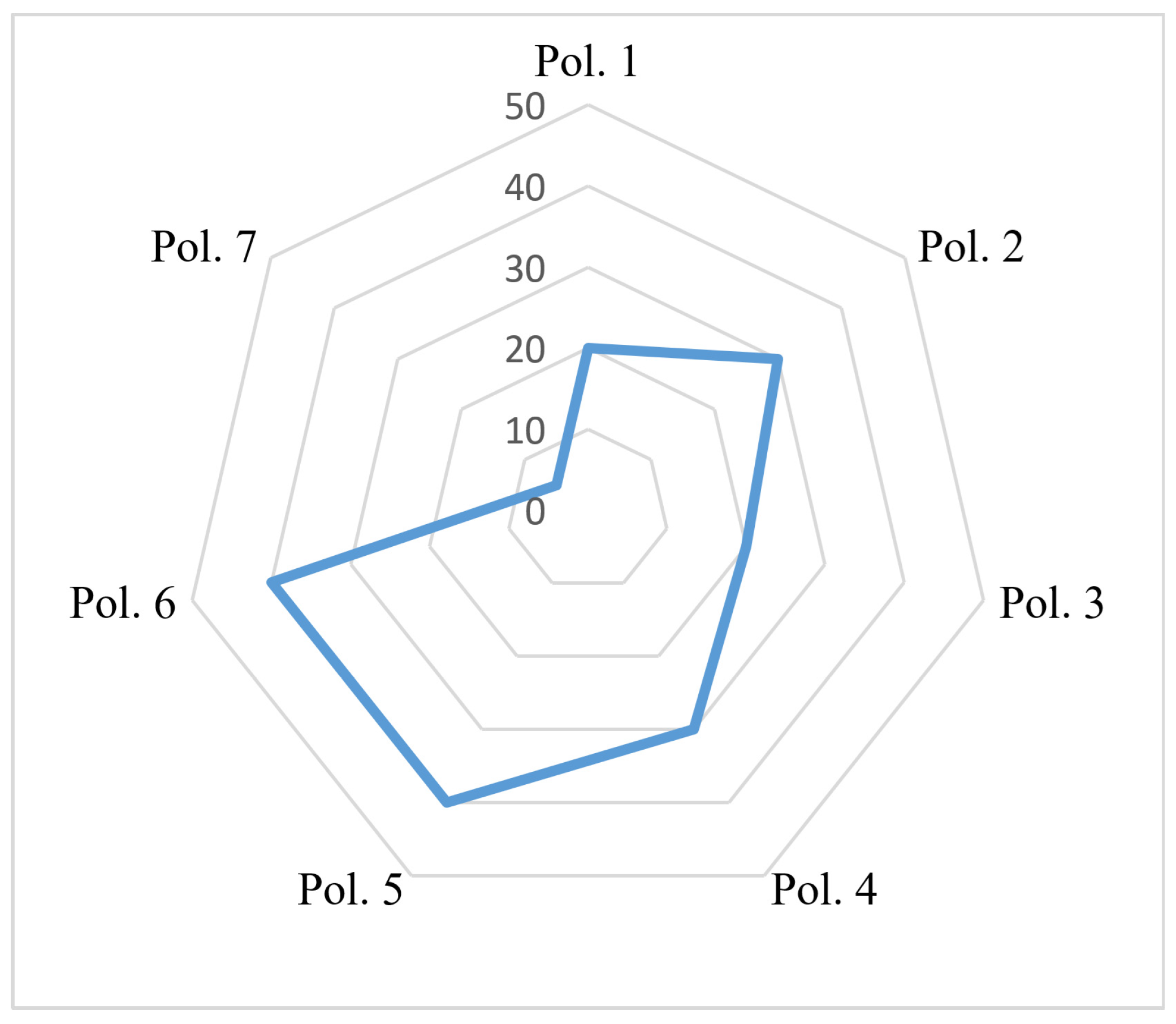
Within the policy axis, faculty training (Pol. 1) scored 20 points, corresponding to the initial level, indicating that there are informal and non-institutionalized incentives for faculty development in BIM. This condition reinforces the need for structured actions, such as formalized training programs, to enhance professors’ knowledge of the BIM methodology. Although faculty engagement (Pol. 2) reached 30 points (defined level), only about 10% of the professors self-assessed their BIM knowledge as “good.” This suggests that, while the institution has faculty members interested in BIM, favoring its dissemination and implementation, there is still room for broader and more structured engagement.
The institutional vision of BIM (Pol. 3) remains at the initial level, with 20 points. Although there are no internal barriers to faculty initiatives, the lack of recognition of BIM as a pedagogical priority may hinder its institutionalization. In contrast, BIM teaching (Pol. 4) achieved a defined level, as there are courses that introduce BIM concepts and software applications.
On the other hand, initiatives such as academic extension (Pol. 5) and undergraduate research (Pol. 6) both reached the integrated level with 40 points, demonstrating POLI/UPE’s potential to consolidate BIM-related research lines. These advances are strategic for building a solid foundation of academic knowledge and practice. However, the low score for awareness of Federal Decree No. 11.888/2024 (Pol. 7) reflects an institutional knowledge gap that limits the institution’s ability to take advantage of national incentives for BIM-related activities in higher education.
The relationship among the scores in the policy axis is illustrated in Figure 7.
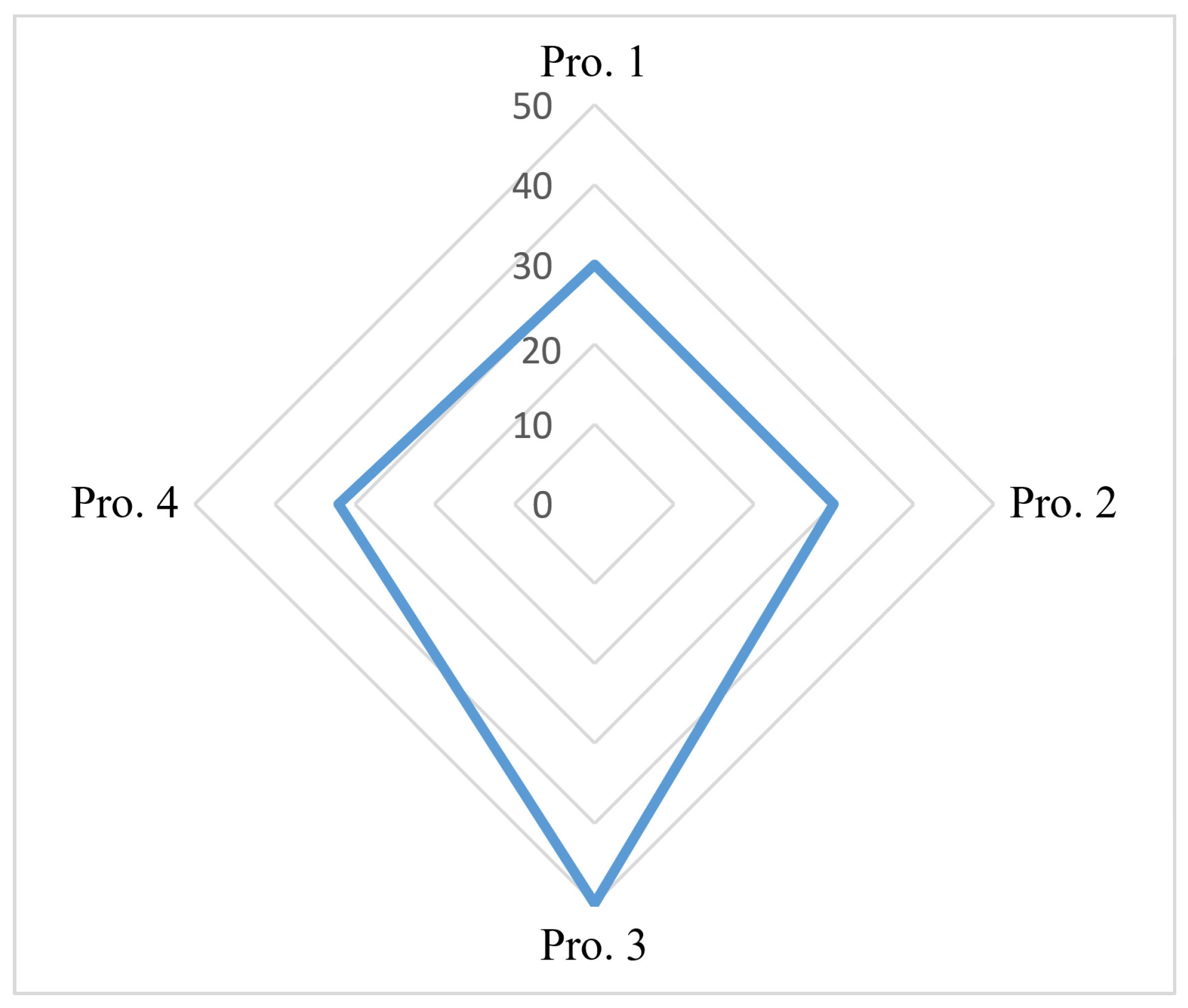
Regarding the results for the processes axis, the BIM uses (Pro. 1) reached the defined level, with 30 points, as ten different BIM uses were reported by faculty members across teaching, research, and extension activities. These uses include: modeling of existing conditions, cost estimation, planning, scheduling, design review, structural analysis, energy analysis, design of the construction system, 3D control planning, and maintenance planning.
The availability of BIM-related courses (Pro. 2), also at the defined level, reflects the existence of five courses that include BIM content. Furthermore, the number of publications (Pro. 3) reached the optimized level, with 50 points, demonstrating the positive impact of research on disseminating BIM knowledge through both national and international journals, as shown in Table 4.
The criterion for trained students (Pro. 4) achieved the integrated level, with 40 points, evidencing a positive impact of teaching on student development. The relationship between the scores within the processes axis is illustrated in Figure 8.
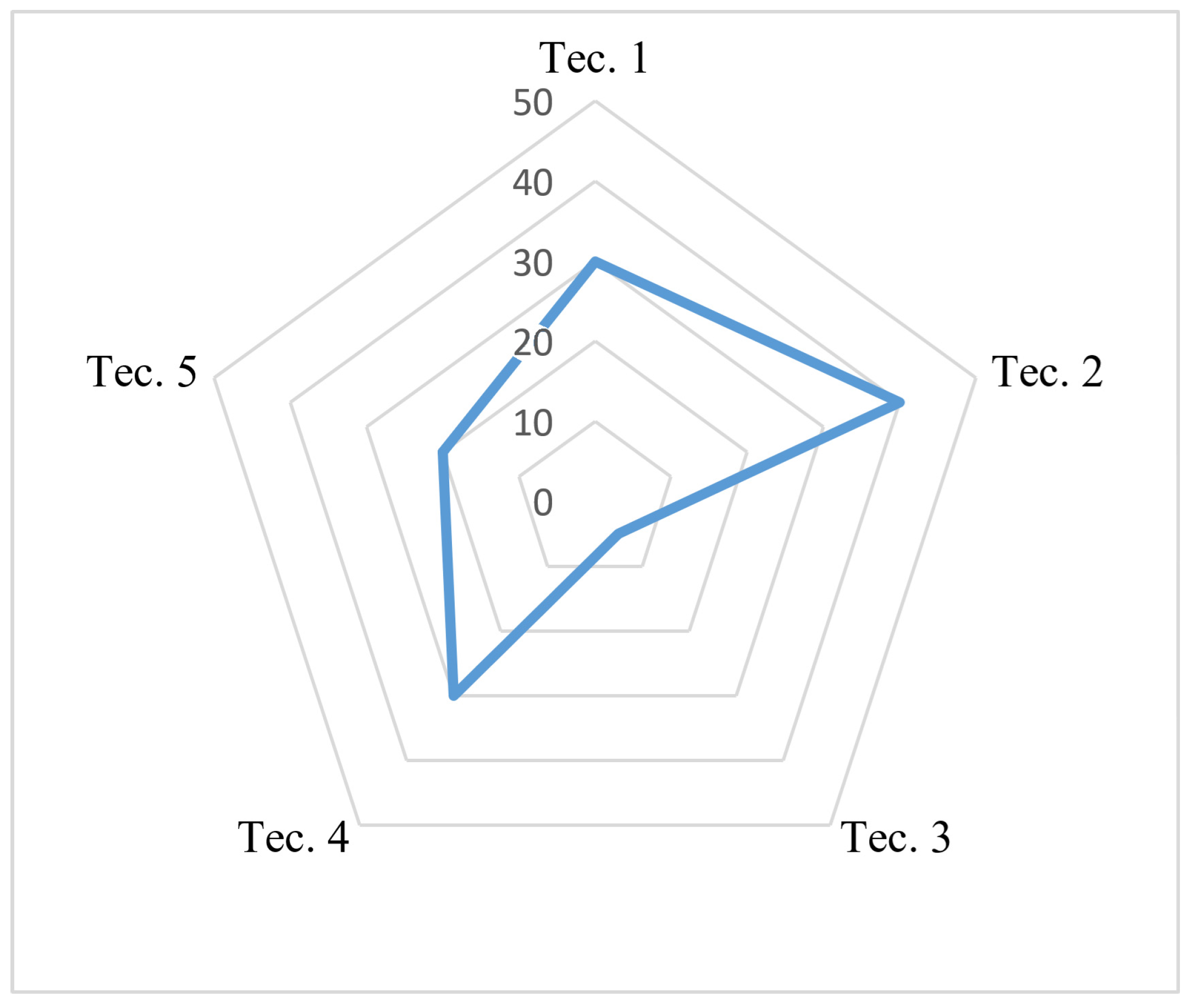
In the technology axis, institutional conditions show a significant contrast between the available software and hardware. Institutional agreements with software developers (Tec. 1) reached the defined level (30 points), ensuring access to BIM software both within the institution’s facilities and for individual student use. Examples include free-access software such as BIMcollab and student-licensed software from Autodesk. Additionally, software management (Tec. 2) was classified as integrated, with 40 points, indicating an institutionalized and monitored control process.
In contrast, agreements with hardware manufacturers (Tec. 3) remain at the pre-BIM level, with only 5 points. Hardware availability (Tec. 4) was rated at the defined level (30 points), as students have access to computers in the institution’s computer labs. However, hardware acquisition occurs without strategic planning aligned with the intended BIM uses and software requirements. The infrastructure (Tec. 5), although present, operates at the initial level (20 points). The absence of strategic planning for equipment acquisition and the lack of laboratories dedicated exclusively to BIM education represent key aspects to be addressed in the development of the PIBc. The relationship among the scores in the technology axis is illustrated in Figure 9.
It is also noteworthy that, although the overall maturity level is classified as defined, indicating medium maturity, the positive impact of research and extension activities played a decisive role in achieving this classification. However, the teaching dimension at POLI/UPE still requires further investment in BIM development and integration.

4.5. Contextualizing BIM Maturity Within the Higher Education Landscape

Recent studies indicate that the average BIM maturity level in Civil Engineering programs in Brazil is approximately 43.6% [51]. This benchmark suggests that, although POLI/UPE still faces structural challenges to advance BIM adoption, its maturity score (56.5%) positions it above the national average. This profile reflects a pattern that appears consistently in international literature, universities tend to develop BIM through bottom-up, practice-oriented initiatives before institutional policies and infrastructure are aligned. However, a closer look at the maturity dimensions reveals an important asymmetry. While POLI/UPE achieved relatively strong performance in the process axis, its scores in policy and technology remain considerably lower. This imbalance suggests that the institution has progressed mainly through isolated initiatives rather than through coordinated, institution-wide strategies, a pattern that helps explain the contrasts observed in the subsequent analyses.
This stronger performance in processes compared to policy can be explained by the fact that academic environments often allow faculty members significant autonomy to introduce new practices. Such conditions favor the emergence of BIM-related activities in teaching, research, and extension even in the absence of formal institutional guidelines. This pattern is widely documented in different regions, where governance structures tend to evolve more slowly than pedagogical experimentation, leading to situations in which innovation emerges despite, rather than because of, institutional policy [28].
This asymmetry may also be shaped by structural factors. Resistance among professors, particularly those trained prior to the diffusion of digital modeling methodologies, may continue to limit policy consolidation. Some faculty members express insecurity about their ability to teach BIM, especially without institutional incentives or structured training programs. The lack of dedicated support mechanisms can further discourage engagement, contributing to lower participation rates and more hesitant attitudes toward curricular integration. This cultural barrier has been observed internationally and is noted by Keung et al. [32], who report similar reluctance in Hong Kong despite its high industrial BIM adoption. Thus, POLI/UPE’s situation is not isolated; it may reflect a common difficulty in transitioning from traditional pedagogical approaches to integrated digital methodologies.
Infrastructure limitations may also help explain the gap between processes and policy. In some developing countries, such as Brazil, public universities often face budgetary constraints that can complicate the acquisition, maintenance, and upgrading of hardware compatible with BIM uses [52,53,54]. As a result, even when faculty members are motivated to incorporate the methodology, technological constraints impede large-scale adoption. This aligns with observations from Malaysian and South African contexts, where resource scarcity has been identified as a significant barrier to consistent BIM education. POLI/UPE’s limited hardware availability and absence of strategic equipment planning thus mirror structural challenges typical of developing countries, as suggested by the literature on educational technology gaps.
When comparing POLI/UPE to countries with mature information-management frameworks, such as Korea and the UK, this divergence becomes clearer. In these contexts, regulatory environments shaped around standards like ISO 19650 [55] have supported not only the alignment of curricular design with lifecycle information management but also institutional policy mechanisms that guide teaching and training [52,56]. Research in other mature contexts, including case studies such as Nikolic et al. [29], reinforces that higher educational maturity depends not on isolated exposure to BIM tools but on competence-driven curricula structured around information management processes. The findings from POLI/UPE therefore diverge from these mature systems and more closely resemble other developing contexts where institutional frameworks have not evolved at the same pace as academic experimentation.
At a global scale, systematic reviews maintain that BIM education still advances unevenly. Besné et al. [34], and Papuraj, Izadyar, and Vrcelj [28] demonstrate that most existing strategies for implementing BIM in academia are fragmented and lack curricular standardization. International surveys converge on the same critical barriers identified at POLI/UPE: limited instructor preparation, insufficient institutional infrastructure, and resistance to curricular restructuring. Such barriers indicate that the institution’s maturity pattern is not an outlier but rather mirrors the developmental trajectory of HEIs in similar economic and regulatory environments.
From an international perspective, the findings of this study have broader implications. They reveal a pattern commonly associated with developing countries, where progress often depends on efforts led by a small number of individuals rather than on institutional policy, combined with inconsistent infrastructure and slow curricular reform. By documenting this dynamic, the study contributes to the global discussion on structural inequalities in digital education and highlights the need for targeted policy interventions that move beyond isolated efforts. Furthermore, the diagnostic provided here enables benchmarking between Brazilian institutions and universities in other regions, offering a comparative lens for understanding how BIM maturity evolves under different socioeconomic and regulatory conditions. This evidence enriches the body of international research by demonstrating how contextual constraints shape the pace and nature of BIM integration in higher education, offering a broader understanding for scholars examining disparities in digital competencies across the global landscape.

5. Conclusions

The development and application of the BIM maturity matrix enabled a systematic assessment of BIM adoption at POLI/UPE within the context of Brazilian higher education. The institution presented a medium level of maturity (56.5%), with stronger performance in the process axis and lower scores in policy and technology, indicating that institutional governance and infrastructure remain key constraints to full implementation.
The main contribution of this study lies in demonstrating the value of a maturity-based diagnostic for higher education, providing methodological and strategic insights that can inform curricular modernization and institutional decision-making. This work aligns with the global educational agenda associated with SDG 4, reinforcing BIM’s relevance for developing digital, collaborative, and sustainable competencies in engineering programs.
The results highlight the need to strengthen faculty development, consolidate institutional BIM policies, and improve technological infrastructure. Practical recommendations include the adoption of a PIBc, structured training programs for faculty, and partnerships with industry stakeholders. From a broader perspective, this research advances the discussion on BIM maturity in higher education by offering empirical evidence from a developing context and a method that is applicable to other institutions in Brazil and Latin America.
Despite its contributions, the study presents limitations that should be taken into account when interpreting the findings. The faculty response rate was 36.17%, which reduces the quantitative representativeness of the results and may not fully capture the heterogeneity of BIM-related competencies across the teaching staff. The research design, based on a single case study, also limits the generalization of the results, situating them as a contextualized diagnostic rather than a comprehensive representation of Brazilian engineering education. Additionally, the m2BIM-HEI matrix focuses on identifying the existence of BIM-related actions and resources but does not assess the pedagogical depth, quality, or effectiveness of such activities, which constrains the interpretation of maturity scores in the teaching dimension. Finally, the absence of classroom observation or analysis of teaching practices restricts the ability to evaluate how BIM is actually operationalized in day-to-day instructional contexts.
Even with these limitations, the study provides a foundation for future longitudinal analyses on the evolution of BIM maturity. Future research may explore the effectiveness of faculty training initiatives, the impact on graduate employability, and potential comparative benchmarking with other national and international contexts, contributing to a better understanding of the institutional conditions that shape BIM integration in higher education.

Author Contributions

Conceptualization, V.F.B.d.A., E.M.G.L., C.M.S.G., A.D.G. and B.M.V.; methodology, V.F.B.d.A., E.M.G.L., C.M.S.G., A.D.G. and B.M.V.; formal analysis, V.F.B.d.A., E.M.G.L. and B.M.V.; resources, V.F.B.d.A. and B.M.V.; data curation, V.F.B.d.A., E.M.G.L. and B.M.V.; writing—original draft preparation, E.M.G.L., C.M.S.G. and A.D.G.; writing—review and editing; V.F.B.d.A.; visualization, V.F.B.d.A.; supervision, E.M.G.L., C.M.S.G., A.D.G. and B.M.V.; project administration, V.F.B.d.A., E.M.G.L. and B.M.V.; funding acquisition, V.F.B.d.A. All authors have read and agreed to the published version of the manuscript.

Funding

This work was supported by the University of Pernambuco (UPE) and by the Coordenação de Aperfeiçoamento de Pessoal de Nível Superior (CAPES)—Brazil, Grant Funding Code 001.

Institutional Review Board Statement

The study was conducted in accordance with the Declaration of Helsinki, and the protocol was approved by the Ethics Committee of the University of Pernambuco (6.972.684) on 29 July 2024.

Informed Consent Statement

Informed consent was obtained from all subjects involved in the study.

Data Availability Statement

The original data presented in the study are openly available in Zenodo at https://doi.org/10.5281/zenodo.17348953 (accessed on 17 November 2025).

Conflicts of Interest

The authors declare no conflicts of interest. The funders had no role in the design of the study; in the collection, analyses or interpretation of data; in the writing of the manuscript; or in the decision to publish the results.

Abbreviations

The following abbreviations are used in this manuscript:
BIMBuilding Information Modeling
HEIshigher education institutions
ITDInformation Technology Division
m2BIM-HEIBIM Maturity Matrix for Higher Education Institutions
SDG 4Sustainable Development Goal 4
STNStructuring Teaching Nucleus
PIBcCurricular BIM Implementation Plan
POLI/UPEPolytechnic School of the University of Pernambuco

References

  1. Ahmad, A.M.; Alkhaldi, A.; Al-Ali, S.; Al-Dweik, G.; Youssef, M. Developing Critical Success Factors (CSF) for Integrating Building Information Models (BIM) into Facility Management Systems (FMS). Buildings 2025, 15, 3434. [Google Scholar] [CrossRef]
  2. Rodrigues, I.A.; de Azevedo, V.F.B.; da Silva Neto, V.E.; Kohlman Rabbani, E.R.; Vasconcelos, B.M. Exploring the Role of BIM in Knowledge Management in Civil Construction Projects. Rev. Nac. Gerenciamento Cid. 2024, 12, 414–424. [Google Scholar] [CrossRef]
  3. Yang, L.; Zhang, H.; Chen, J.; Li, Q. A 3D Parameterized BIM-Modeling Method for Complex Engineering Structures in Building Construction Projects. Buildings 2024, 14, 1752. [Google Scholar] [CrossRef]
  4. Azevedo, V.; Vasconcelos, B. Prevention of Accidents in Civil Construction: An Analysis of the Use of Digital Tools for Risk Mitigation in the Design Phase. arq.urb 2024, 39, 662. [Google Scholar] [CrossRef]
  5. Disney, O.; Arayici, Y.; Coates, P. Embracing BIM in Its Totality: A Total BIM Case Study. Smart Sustain. Built Environ. 2024, 13, 512–531. [Google Scholar] [CrossRef]
  6. Eastman, C.; Teicholz, P.; Sacks, R.; Liston, K. BIM Handbook: A Guide to Building Information Modeling for Owners, Managers, Designers, Engineers and Contractors, 2nd ed.; John Wiley & Sons: Hoboken, NJ, USA, 2011. [Google Scholar]
  7. Sampaio, A.Z.; Gomes, A.R.; Almeida, P.C. BIM Methodology in Structural Design: A Practical Case of Collaboration, Coordination, and Integration. Buildings 2023, 13, 31. [Google Scholar] [CrossRef]
  8. Brozovsky, J.; Labonnote, N.; Vigren, O. Digital Technologies in Architecture, Engineering, and Construction. Autom. Constr. 2024, 158, 105212. [Google Scholar] [CrossRef]
  9. Succar, B.; Sher, W.; Williams, A. Measuring BIM Performance: Five Metrics. Archit. Eng. Des. Manag. 2012, 8, 120–142. [Google Scholar] [CrossRef]
  10. Yan, Y.; Wang, C.; Liu, H.; Zhang, X. Development and Implementation of a System for Electrical Engineering BIM Detailed Design in Construction Projects. Buildings 2025, 15, 2960. [Google Scholar] [CrossRef]
  11. Pan, X.; Li, D.; Liu, M.; Zhang, Y. BIM Adoption in Sustainability, Energy Modelling and Implementation Using ISO 19650: A Review. Ain Shams Eng. J. 2024, 15, 102252. [Google Scholar] [CrossRef]
  12. Rani, H.A.; Nugroho, A.; Fadli, M. Critical Government Strategies for Enhancing Building Information Modeling Implementation in Indonesia. Infrastructures 2023, 8, 57. [Google Scholar] [CrossRef]
  13. Sotelino, E.D.; Natividade, V.; Travassos do Carmo, C.S. Teaching BIM and Its Impact on Young Professionals. J. Civ. Eng. Educ. 2020, 146, 05020005. [Google Scholar] [CrossRef]
  14. Brazilian Federal Government. Federal Decree No. 9.377, of 17 May 2018. Available online: https://www.planalto.gov.br/ccivil_03/_Ato2019-2022/2019/Decreto/D9983.htm#art15 (accessed on 18 April 2024).
  15. Brazilian Federal Government. Federal Decree No. 10.306, of 2 April 2020. Available online: https://www.planalto.gov.br/ccivil_03/_ato2019-2022/2020/decreto/D10306.htm (accessed on 18 April 2024).
  16. Checcucci, É.S.; Amorim, A.L. Method for Analyzing Curricular Components: Identifying Interfaces Between an Undergraduate Course and BIM. PARC Pesqui. Arquitetura Construção 2014, 5, 6–17. [Google Scholar] [CrossRef]
  17. Pereira, P.A.I.; Ribeiro, R.A. The Inclusion of BIM in the Undergraduate Civil Engineering Course. In Proceedings of the 42nd Congresso Brasileiro de Educação em Engenharia (COBENGE 2014), Juiz de Fora, MG, Brazil, 16–19 September 2014; ABENGE: Brasilia, Brazil, 2014. [Google Scholar]
  18. Böes, J.S.; Barros Neto, J.P.; de Lima, M.M.X. BIM Maturity Model for Higher Education Institutions. Ambiente Construído 2021, 21, 131–150. [Google Scholar] [CrossRef]
  19. Azevedo, V.F.B.; Rodrigues, I.A.; da Silva Neto, V.E.; Vasconcelos, B.M. Adoção de Softwares BIM na Disciplina de Arquitetura em Curso de Engenharia Civil. Periód. Téc. Cient. Cid. Verdes 2024, 12, 37. [Google Scholar] [CrossRef]
  20. Lima, L.O.; Catai, R.E.; Scheer, S. Analysis of Maturity Models for Measuring the Implementation of Building Information Modeling (BIM). Gestão Tecnol. Proj. 2021, 16, 133–147. [Google Scholar] [CrossRef]
  21. Alami, A.H.; Hassan, A.; Al-Khazaaleh, M.; Al-Shammari, M. 3D Concrete Printing: Recent Progress, Applications, Challenges, and Role in Achieving Sustainable Development Goals. Buildings 2023, 13, 924. [Google Scholar] [CrossRef]
  22. Ferguson, T.; Roofe, C.G. SDG 4 in Higher Education: Challenges and Opportunities. Int. J. Sustain. High. Educ. 2020, 21, 959–975. [Google Scholar] [CrossRef]
  23. Alassaf, N. Computational Precedent-Based Instruction (CPBI): Integrating Precedents and BIM-Based Parametric Modeling in Architectural Design Studio. Buildings 2025, 15, 1287. [Google Scholar] [CrossRef]
  24. Che Ibrahim, C.K.I.; Ahmad Kamal, N. A Bibliometric Exploration of Accreditation in Civil Engineering Education: Trends and Insights. Qual. Assur. Educ. 2025; ahead-of-print. [Google Scholar] [CrossRef]
  25. Obi, L.I.; Omotayo, T.; Ekundayo, D.; Oyetunji, A.K. Enhancing BIM Competencies of Built Environment Undergraduate Students Using a Problem-Based Learning and Network Analysis Approach. Smart Sustain. Built Environ. 2024, 13, 217–238. [Google Scholar] [CrossRef]
  26. Nguyen, T.D.; Adhikari, S. Bridging the Gap: Enhancing BIM Education for Sustainable Design Through Integrated Curriculum and Student Perception Analysis. Computers 2025, 14, 463. [Google Scholar] [CrossRef]
  27. Begić, H.; Galić, M. A Systematic Review of Construction 4.0 in the Context of the BIM 4.0 Premise. Buildings 2021, 11, 337. [Google Scholar] [CrossRef]
  28. Papuraj, X.; Izadyar, N.; Vrcelj, Z. Integrating Building Information Modelling into Construction Project Management Education in Australia: A Comprehensive Review of Industry Needs and Academic Gaps. Buildings 2025, 15, 130. [Google Scholar] [CrossRef]
  29. Nikolic, D.; Castronovo, F.; Leicht, R. Teaching BIM as a Collaborative Information Management Process Through a Continuous Improvement Assessment Lens: A Case Study. Eng. Constr. Archit. Manag. 2021, 28, 2248–2269. [Google Scholar] [CrossRef]
  30. Károlyfi, K.A.; Szalai, D.; Szép, J.; Horváth, T. Integration of BIM in Architecture and Structural Engineering Education Through Common Projects. Acta Tech. Jaurinensis 2021, 14, 424–439. [Google Scholar] [CrossRef]
  31. Lot Tanko, B.; Mbugua, L. BIM Education in Higher Learning Institutions: A Scientometric Review and the Malaysia Perspective. Int. J. Built Environ. Sustain. 2021, 9, 23–37. [Google Scholar] [CrossRef]
  32. Keung, C.C.W.; Yiu, T.W.; Feng, Z. Building Information Modeling Education for Quantity Surveyors in Hong Kong: Current States, Education Gaps, and Challenges. Int. J. Constr. Educ. Res. 2023, 19, 259–275. [Google Scholar] [CrossRef]
  33. Witt, E.; Kähkönen, K. BIM-Enabled Education: A Systematic Literature Review. In Proceedings of the 10th Nordic Conference on Construction Economics and Organization, Tallinn, Estonia, 7–8 May 2019; Emerald Publishing: Leeds, UK, 2019; pp. 261–269. [Google Scholar]
  34. Besné, A.; Pérez, M.Á.; Necchi, S.; Peña, E.; Fonseca, D.; Navarro, I.; Redondo, E. A Systematic Review of Current Strategies and Methods for BIM Implementation in the Academic Field. Appl. Sci. 2021, 11, 5530. [Google Scholar] [CrossRef]
  35. Alencar, L.; Barros, K.; Costa, K.; Toledo, A. A Utilização do BIM como Ferramenta de Ensino no Brasil: Uma Revisão Bibliométrica e Sistemática. Rev. Ímpeto 2023, 13, 51–65. [Google Scholar]
  36. Algahtany, M.; Radzi, A.R.; Al-Mohammad, M.S.; Rahman, R.A. Government Initiatives for Enhancing Building Information Modeling Adoption in Saudi Arabia. Buildings 2023, 13, 2130. [Google Scholar] [CrossRef]
  37. Batistello, P.; Balzan, K.L.; Pereira, A.T.C. BIM no Ensino das Competências em Arquitetura e Urbanismo: Transformação Curricular. PARC Pesqui. Arquitetura Construção 2019, 10, e019019. [Google Scholar] [CrossRef]
  38. Salgado, M.S. BIM and the Future of Architecture Teaching. In IOP Conference Series: Earth and Environmental Science, Santander, Espanha; IOP Publishing: Bristol, UK, 2022; Volume 1101, p. 052024. [Google Scholar]
  39. Vasconcelos, B.; Germano, J.V.M. Percepção do BIM por Projetistas do Setor da AECO em Pernambuco. Rev. Proj.-Proj. Percepção Ambiente 2023, 8, 132–142. [Google Scholar] [CrossRef]
  40. Branco, L.A.M.N.; Guilherme, I.S.; Oliveira, D.M. BIM no Mercado da Construção Civil Percepção e Capacitação de Novos Engenheiros. Construindo 2023, 15, 25–37. Available online: https://revista.fumec.br/index.php/construindo/article/view/9757 (accessed on 17 November 2025).
  41. Silva, A.R.; Lima, J.W.M.; Lima, S.P. BIM no Ensino de Engenharia no Brasil: Avanços, Barreiras e Como as Instituições Respondem às Necessidades do Mercado. Cuad. Educ. Desarro. 2025, 17, e9217. [Google Scholar] [CrossRef]
  42. Al Mohamadsaleh, A.; Alzahrani, S. Development of a Maturity Model for Software Quality Assurance Practices. Systems 2023, 11, 464. [Google Scholar] [CrossRef]
  43. Griz, C.; Rocha, P.; Lima, F. BIM Adoption in an Architecture and Urbanism Course: Analysis of the Degree of Maturity. In Proceedings of the Sociedad Iberoamericana de Gráfica Digital (SIGraDi 2022), Lima, Peru, 7–11 November 2022; Universidad Peruana de Ciencias Aplicadas: Lima, Peru, 2022; pp. 799–810. [Google Scholar]
  44. Alankarage, S.; Chong, H.Y.; Hosseini, M.R.; Chileshe, N. Organisational BIM Maturity Models and Their Applications: A Systematic Literature Review. Archit. Eng. Des. Manag. 2023, 19, 567–585. [Google Scholar] [CrossRef]
  45. Mahamadu, A.-M.; Mahdjoubi, L.; Booth, C. The Importance of BIM Capability Assessment: An Evaluation of Post-Selection Performance of Organisations on Construction Projects. Eng. Constr. Archit. Manag. 2019, 27, 24–48. [Google Scholar] [CrossRef]
  46. Tiwari, A.; Madalli, D.P. Maturity Models in LIS Study and Practice. Libr. Inf. Sci. Res. 2021, 43, 101069. [Google Scholar] [CrossRef]
  47. Ginzburg, A.; Shilova, L.; Adamtsevich, A.; Shilov, L. Implementation of BIM-Technologies in Russian Construction Industry According to the International Experience. J. Appl. Eng. Sci. 2016, 14, 457–460. [Google Scholar] [CrossRef]
  48. Ruikar, D. Using BIM to Mitigate Risks Associated with Health and Safety in the Construction and Maintenance of Infrastructure Assets. WIT Trans. Ecol. Environ. 2016, 204, 873–884. [Google Scholar] [CrossRef]
  49. Messner, J.; Anumba, C.; Dubler, C.; Goodman, S.; Kasprzak, C.; Kreider, R.; Leicht, R.; Saluja, C.; Zikic, N.; Bhawani, S. BIM Project Execution Planning Guide, Version 3.0; The Pennsylvania State University: University Park, PA, USA, 2021. [Google Scholar]
  50. Fantin, N.R. Possibilidades e Limitações da Implementação do BIM no Ensino de Arquitetura e Urbanismo do CAU/FAU/UFJF. Master’s Thesis, Universidade Federal de Juiz de Fora, Juiz de Fora, Brazil, 2023. [Google Scholar]
  51. Ruschel, R.C.; Ferreira, S.L. Rede de Células BIM ANTAC. In Encontro Nacional sobre o Ensino de BIM; ANTAC: Porto Alegre, Brasil, 2022. [Google Scholar]
  52. Hippert, A.; Molina, M.A. Inserção do BIM na Formação em Engenharia Civil: Análise e Reflexões. In Proceedings of the 3rd Portuguese Congress on Building Information Modeling, Porto, Portugal, 26–27 November and 4 December 2020; Faculdade de Engenharia da Universidade do Porto: Porto, Portugal, 2020; pp. 213–222. [Google Scholar]
  53. Arrotéia, A.V.; Freitas, R.C.; Melhado, S.B. Barriers to BIM Adoption in Brazil. Front. Built Environ. 2021, 7, 520154. [Google Scholar] [CrossRef]
  54. Azevedo, V.F.B.; Rodrigues, I.A.; da Silva Neto, V.E.; Soares, W.A.; Vasconcelos, B.M. Uso de Metodologias Ativas no Ensino de Arquitetura na Graduação de Engenharia Civil. Rev. Ibero-Am. Estud. Educ. 2024, 19, e024094. [Google Scholar] [CrossRef]
  55. ISO 19650-1:2018; Organization and Digitization of Information about Buildings and Civil Engineering Works, Including Building Information Modelling (BIM)—Information Management Using Building Information Modelling. Part 1: Concepts and Principles. International Organization for Standardization: Geneva, Switzerland, 2018.
  56. Abanda, F.H.; Balu, B.; Adukpo, S.E.; Akintola, A. Decoding ISO 19650 Through Process Modelling for Information Management and Stakeholder Communication in BIM. Buildings 2025, 15, 431. [Google Scholar] [CrossRef]
Figure 1. Methodological workflow.
Buildings 16 00221 g001
Figure 2. Self-assessment of faculty members’ BIM knowledge (a); self-assessment of BIM knowledge among basic-cycle level (b); and self-assessment of BIM knowledge among professional-cycle level (c).
Buildings 16 00221 g002
Figure 3. Main challenges for BIM dissemination at POLI/UPE.
Buildings 16 00221 g003
Figure 4. Means of Faculty Contact with BIM at POLI/UPE.
Buildings 16 00221 g004
Figure 5. Motivations that led faculty members to explore BIM.
Buildings 16 00221 g005
Figure 6. Faculty Members’ Interest in Adopting BIM in Their Courses.
Buildings 16 00221 g006
Figure 7. Scores in the Policy Axis.
Buildings 16 00221 g007
Figure 8. Scores in the Processes Axis.
Buildings 16 00221 g008
Figure 9. Scores in the Technology Axis.
Buildings 16 00221 g009
Table 1. Fields of analysis and evaluation criteria of the m2BIM-HEI.
Fields of AnalysisEvaluation Criteria
Policy
Encompasses all institutional initiatives, actions, and strategic visions related to BIM.
Faculty Training (Pol. 1)
Faculty BIM Engagement (Pol. 2)
Institutional BIM Vision (Pol. 3)
BIM Teaching (Pol. 4)
Academic Extension (Pol. 5)
Research Initiatives (Pol. 6)
Federal Decree 11.888/2024 (Pol. 7)
Process
Encompasses the performance of teaching, research, and extension activities involving BIM.
BIM Uses (Pro. 1)
BIM-related Courses (Pro. 2)
Publications (Pro. 3)
Trained Students (Pro. 4)
Technology
Encompasses all technological and physical infrastructure required for the development of BIM-based education.
Institutional Agreements with Software Developers (Tec. 1)
Software Availability (Tec. 2)
Agreements with Hardware Manufacturers (Tec. 3)
Hardware Availability (Tec. 4)
Infrastructure (Tec. 5)
Table 2. Relationship between BIM Maturity Index and Level of Maturity.
IndicatorMaturity IndexMaturity LevelQualitative Classification
A0–19%Pre-BIMNo maturity
B20–39%InitialLow maturity
C40–59%DefinedMedium maturity
D60–79%IntegratedHigh maturity
E80–100%OptimizedVery high maturity
Table 3. Response rates by target group of the applied questionnaires.
Target GroupSample FieldRespondentsResponse Rate
Course Coordination11100.00%
Information Technology Division (ITD)11100.00%
Faculty Members of the Civil Engineering Program at POLI/UPE349436.17%
Members of the Structuring Teaching Nucleus (STN) of the Civil Engineering Program at POLI/UPE4466.67%
Table 4. POLI/UPE BIM Maturity Index.
CategoryCriterionScoreMaturity LevelMaturity Index
PolicyPol. 12026.4352.86%
Pol. 230
Pol. 320
Pol. 430
Pol. 540
Pol. 640
Pol. 75
ProcessesPro. 13035.7571.00%
Pro. 230
Pro. 350
Pro. 432
TechnologyTec. 13025.0050.00%
Tec. 240
Tec. 35
Tec. 430
Tec. 520
Total45228.2556.50%
Disclaimer/Publisher’s Note: The statements, opinions and data contained in all publications are solely those of the individual author(s) and contributor(s) and not of MDPI and/or the editor(s). MDPI and/or the editor(s) disclaim responsibility for any injury to people or property resulting from any ideas, methods, instructions or products referred to in the content.