


Abstract
As self-directed learning expands, informal learning spaces (ILSs) in university libraries have become central to students’ learning, and their spatial environments continue to evolve. However, the differential effects of spatial elements on perceived learning experience (PLE) across ILS types remain underexplored. This study examines four ILS types in three comprehensive libraries at Tianjin University: Individual–Enclosed (IE), Individual–Open (IO), Collaborative–Enclosed (CE), and Collaborative–Open (CO). Candidate spatial factors were defined through a literature synthesis, expert evaluation, and student interviews, and then field-surveyed to specify operational ranges. An orthogonal VR experiment generated 57 scene combinations. In total, 30 students produced 1566 valid observations, rating the overall impression and 5 PLE dimensions for each scene. For each ILS type, we quantified the contribution of each PLE dimension to overall impression and the effects of spatial factors on each dimension, yielding weighted composite contributions. The results reveal cross-type regularities at two levels. For PLE dimensions, supportiveness serves as a foundational dimension across all types; comfort differentiates along social orientation (individual > collaborative), while inclusiveness differentiates along morphological form (open > enclosed). For spatial factors, collaborative types (CE/CO) share a common reliance on facility-related factors, whereas individual types diverge—IE is driven by spatial form, while IO is driven by atmospheric attributes. These findings provide an empirical basis for prioritized, type-specific design interventions in library ILS renewal.
1. Introduction
In recent years, with the rapid expansion of higher education, the construction scale of university libraries in China has grown substantially. Since 2006, the average floor area of libraries has exceeded 20,000 m2 [1], making them one of the focal points of campus development. Meanwhile, higher education is undergoing a rapid shift in learning modes in response to the emergence of Education 4.0. It is commonly framed as an Industry 4.0-aligned educational paradigm that foregrounds learner-centered, competency-based learning [2]. With the widespread application of information technology and smart devices, the traditional teacher-centered model has been gradually replaced by student-centered, interactive, and self-directed learning, characterized by innovation, collaboration, and intrinsic motivation [3].
Self-directed learning has become a central paradigm in educational transformation, emphasizing learners’ autonomy to organize and regulate their study activities according to personal preferences. Learning modes have consequently diversified, encompassing independent study, collaborative learning, and informal peer interaction. The study of self-directed learning originated in Western educational psychology in the 1960s. Over the past several decades, scholars have conceptualized it as a multidimensional framework: the competence perspective emphasizes learners’ control and responsibility over the learning process [4,5], and the behavioral perspective focuses on proactive engagement across stages of learning [6,7], whereas the mode perspective contrasts autonomous learning with externally controlled instruction [8].
Self-directed learning, compared with traditional instruction, is marked by greater proactivity, independence, self-regulation, and context sensitivity. Accordingly, learning outcomes reflect the interplay among personal attributes, behaviors, and environmental affordances [9], with the learning environment playing a particularly salient role. An effective learning space should provide adequate resources, flexible configurations, and abundant opportunities for interaction. In university settings, places outside formal classrooms that support self-directed study are commonly defined as informal learning spaces (ILS) [10]. Defined in contrast to formal classrooms, ILSs are characterized by greater openness and diversity of uses. Owing to their high utilization and functional integration, university libraries are widely regarded as the most important ILS on campus. Their role has evolved from book-centered repositories to comprehensive learning platforms that support study, interaction, and innovation [11]. Optimizing library spaces to accommodate diverse learning behaviors and improve the quality of learning experiences has thus become a central agenda in both practice and research.
In recent years, research on ILSs in university libraries has increased. The focus has shifted from functional and spatial design toward users’ learning behaviors, experiences, and needs, increasingly informed by environmental psychology and behavior perspectives. Central to this line of inquiry is person-environment fit theory, which posits that the match between user needs and spatial attributes shapes experience and performance [12]. Evidence indicates that perceived learning experiences (PLE) are jointly influenced by layout configuration, physical environment, and facility provision [11,13]. Different objectives and activity types respond differently to environmental attributes, a pattern reflected in diverse ILS typologies [14]. However, most existing studies rely on qualitative observation or conventional questionnaires, and quantitative evidence remains limited. At the PLE level, existing quantitative work largely targets overall satisfaction or single perception factors [11,15], without differentiating the contributions of distinct experiential dimensions. Regarding spatial factors, few studies systematically analyze how specific factors affect different PLE dimensions. More fundamentally, an integrated analytical pathway linking spatial factors to PLE dimensions and, in turn, to overall evaluation remains absent, limiting the application of environmental behavior theories to ILS research. Comparative studies across ILS types are particularly rare, and their differential mechanisms remain underexplored, constraining evidence-based, type-specific optimization strategies.
Accordingly, this study examines how spatial factors operate through distinct PLE dimensions to shape users’ overall impressions across four ILS types in university libraries, and further translates these type-differentiated mechanisms into prioritized design strategies. To ground the analysis in real-world library contexts, we draw on three university libraries at Tianjin University as case studies. We combine literature synthesis, expert rating, student interviews, on-site observation, and an orthogonal VR scenario experiment to quantify how spatial design factors affect PLE and overall impressions. Specifically, the aims of this research are to: (1) develop a context-appropriate indicator system for ILSs in Chinese university libraries; (2) identify type-specific sensitivities across PLE dimensions; (3) elucidate mechanisms linking spatial factors to PLE dimensions and pinpoint key drivers; and (4) propose evidence-based, type-specific spatial optimization strategies.
2. Literature Review
2.1. Classification of Informal Learning Spaces (ILSs)
Classifying ILSs clarifies the alignment between learning behaviors and spatial attributes, and multiple typological frameworks have been proposed. Some studies, drawing on environmental characteristics and functions, identify six types [16]; others develop a four-type scheme grounded in the social attributes of space [17]. A separate line of work combines learner characteristics and spatial openness to construct a four-quadrant framework [18]. A four-quadrant typology linking learning modes and spatial atmospheres has been widely used to capture actual patterns of use more effectively. Building on prior studies, this research adopts a four-quadrant framework defined by learning mode (individual vs. collaborative) and spatial atmosphere (enclosed vs. open), classifying ILSs into four types. It further examines how different types vary in sensitivity across PLE dimensions and how spatial factors differentially affect learning experience.
2.2. Association Between Perceived Learning Experience (PLE) and the Learning Environment
The transformation of university libraries has made the learning experience a core indicator for assessing ILSs. Learning experience reflects students’ subjective perceptions of both environment and process and informs learning outcomes and satisfaction. Prior research conceptualizes learning experience as a composite perception of the environment, including learning activities, support services, and resources, reflecting the joint influence of physical and psychological factors [19]. The literature further situates learning experience at the intersection of environment, behavior, and cognition [20,21], providing a theoretical basis for learning-space research. However, while prior studies have identified multiple experiential dimensions, they rarely quantify the differential contributions of each dimension to users’ overall evaluation. Building on this foundation, we focus on the perceived dimension of the learning experience (PLE) and adopt it as the core framework, operationalized into five dimensions: supportiveness (SUPP, availability of facilities and services that meet learning needs), concentration (CONC, the extent to which the environment enables focused attention), comfort (COMF, overall physical and mental comfort), inclusiveness (INCL, a sense of acceptance and equitable participation), and interaction (INTR, the degree to which the space facilitates peer communication and collaboration). Together, these dimensions encompass physical conditions, resource support, and atmospheric attributes, forming the evaluative framework for the subsequent mechanism analysis. This study further quantifies the relative importance of each dimension across different ILS types.
2.3. Effects of Spatial Characteristics on Learning Experience
Research on ILSs has expanded in recent years, shifting from descriptive observation to mechanism-oriented analysis. Prior work has related ILS environments to user practices and distilled key spatial elements and design principles. Building on this literature, we synthesize the findings into four factor categories that structure the analyses that follow.
2.3.1. Spatial Form
Appropriate spatial form provides order and flexibility for learning activities, creating a positive learning experience. Evidence shows that environmental controllability (adjustable lighting, ventilation, fresh air) is pivotal for seat choice and predicts overall satisfaction [22]. Enclosure and layout diversity jointly modulate spatial flow and attentional focus, thereby shaping seating preferences and dwell time [11,23]. Clear functional zoning and graduated levels of enclosure enable need-based choice and improve satisfaction. In addition, during high-density conditions or health-sensitive periods, users become more sensitive to interpersonal distance and desk partitioning [24,25].
2.3.2. Supporting Facilities
With advances in network technology and digital resources, facilities have become increasingly integral to the actual use of learning spaces. Evidence shows that the completeness of core hardware and ancillary provisions (power, data ports, and display equipment) predicts satisfaction and use efficiency [23]. Rich IT and digital resources markedly improve information access and task completion, thereby enhancing spatial attractiveness [11,15]. Furniture quality and layout positively influence environmental satisfaction [23,26]; in open settings, flexible and movable furniture enables on-demand reconfiguration and significantly extends dwell time [27]. ILS facilities function synergistically, calling for systemic design that supports diverse learning activities and scenario changes.
2.3.3. Physical Environment
The physical environment of learning spaces is widely recognized to directly affect learners’ experience. Air quality and thermal–humidity conditions shape sustained attention and perceived comfort: appropriate temperature, humidity, and effective ventilation reduce drowsiness, thereby improving spatial satisfaction [15]. Daylight and artificial lighting are strongly associated with environmental satisfaction, and users clearly prefer areas that balance natural light, outdoor views, and artificial lighting [25,27]. Noise level is closely linked to productivity and stress [23,28]. Collaborative activities favor environments with controlled background noise, while focused study benefits from acoustically private settings.
2.3.4. Spatial Atmosphere
The atmospheric attributes of learning spaces show stable associations with learners’ environmental perceptions and emotional responses. The overall color palette and materiality shape the emotional tone and influence study efficiency [22,29]. The visual effects of surface finishes also influence seat selection. Indoor greenery can improve mood and cognitive performance, yet seat occupancy depends more on the quality of the overall landscape than on any single planting element [22]. Finally, clear visual guidance and spatial hierarchy facilitate spatial utilization [11].
Despite these advances, notable gaps remain. While existing research has linked spatial factors to learning experience, most studies examine effects on overall satisfaction or single factors, with limited attention to how specific factors differentially affect distinct PLE dimensions. Moreover, the relationship between spatial factors and overall evaluation is typically treated as direct, lacking an integrated pathway that traces how spatial attributes shape individual PLE dimensions and how these dimensions in turn contribute to overall evaluation. Comparative analyses across ILS types also remain scarce, leaving type-specific mechanisms largely unexplored. Building on the literature, we classify ILS spatial factors into four categories: spatial form, facilities, physical environment, and spatial atmosphere. Operational indicators are provided in Section 3.2.1.
Evaluation of ILSs increasingly integrates multiple data sources and complementary analytical frameworks. Prior studies commonly use on-site observation to capture actual use, evolving from structured protocols to measurements of behavior and occupancy using sensors and video analytics [11,22,27]. In parallel, subjective evaluation, including questionnaires, structured interviews, and post-occupancy evaluation, remains central to characterizing preferences and satisfaction [24,30,31]. Virtual reality (VR)–based experiments reproduce and manipulate spatial attributes and are often paired with visual and physiological measures to quantify perceived experience [32]. Eye-tracking measures can capture visual attention to built environments through heat maps and areas of interest, which reflect attentional allocation, and such outputs are typically corroborated with other empirical data sources [33]. Overall, these approaches are combined to balance objective outcomes, subjective experience, and experimental control, enabling efficient and accurate assessment of ILSs. As this study focuses on users’ overall perceptions and evaluations of learning spaces, we use VR to provide controlled visual experiences of spatial conditions and employ questionnaire ratings to capture perceived learning experience, thereby meeting the data needs of our research objectives within the feasible scope of the present study.
3. Methods
3.1. Study Context and Framework
This study investigates three comprehensive university libraries at Tianjin University to obtain in situ data on different types of informal learning spaces (ILS). Tianjin University (founded in 1895 as Peiyang University) is widely recognized as the oldest institution of higher education in the modern history of China [34]. As a comprehensive research university, it spans a wide range of disciplines and student cohorts, supporting a diverse user base. It is particularly suitable for this study because its libraries collectively cover common campus library development pathways (renewal, adaptive reuse, and new build), providing a realistic setting for examining ILS experience mechanisms. Accordingly, we selected three libraries that correspond to these pathways: Chunshui Library (North Library), a renewal of a legacy academic library; Science Library (South Library), an adaptive-reuse retrofit of existing campus facilities; and Zhengdong Library (New Library), a new-build project reflecting contemporary design concepts.
Site selection criteria were: (1) full degree-level coverage and disciplinary breadth that enable a comprehensive view of learning needs; (2) each library contains all four ILS types examined; and (3) representation of the three prevalent library development modes to ensure diversity in spatial attributes.
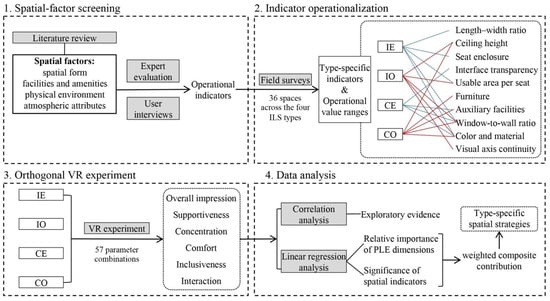
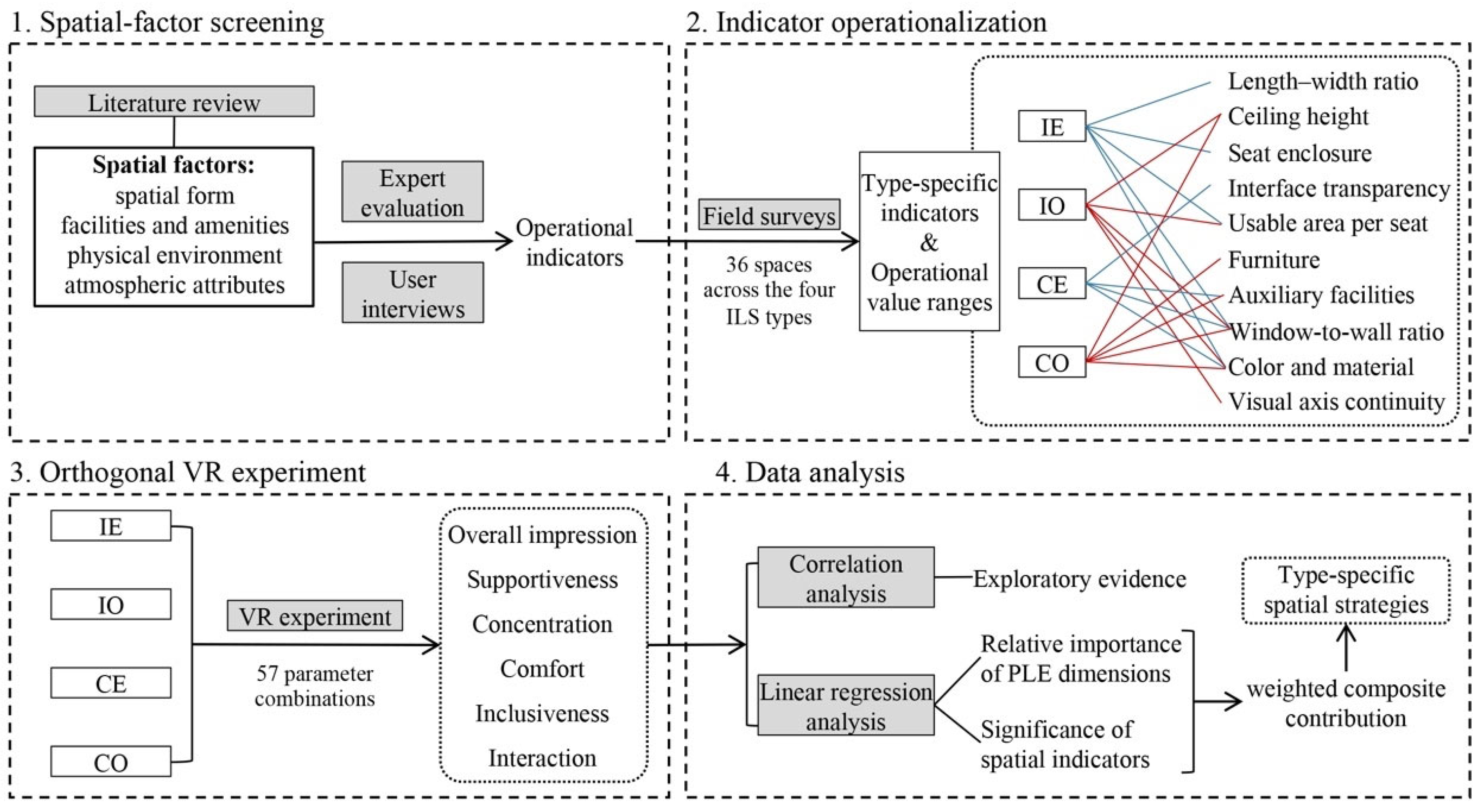
The overall research framework (Figure 1) comprises four parts: spatial-factor screening, indicator operationalization, orthogonal VR experiment, and data analysis.
Figure 1.
Research framework.
3.2. Spatial Elements Operationalization and Baseline Model Specification
3.2.1. Factor Screening: Expert Evaluation and User Interviews
Based on the literature review in Section 2.3, we operationalized the potential spatial factors into four domains of candidate indicators: spatial form (proportion/scale, enclosure, environmental controllability, layout diversity), facilities and amenities (furniture, basic hardware, auxiliary facilities, digital resources), physical environment (air quality, daylight/lighting, noise level, temperature–humidity), and atmospheric attributes (overall color, surface materials, visual guidance, indoor greenery).
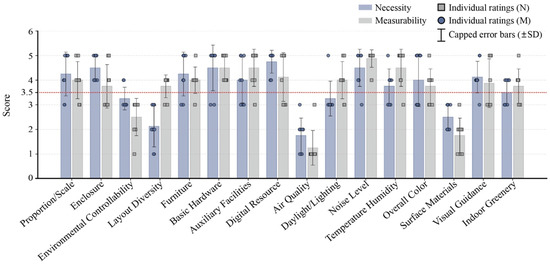
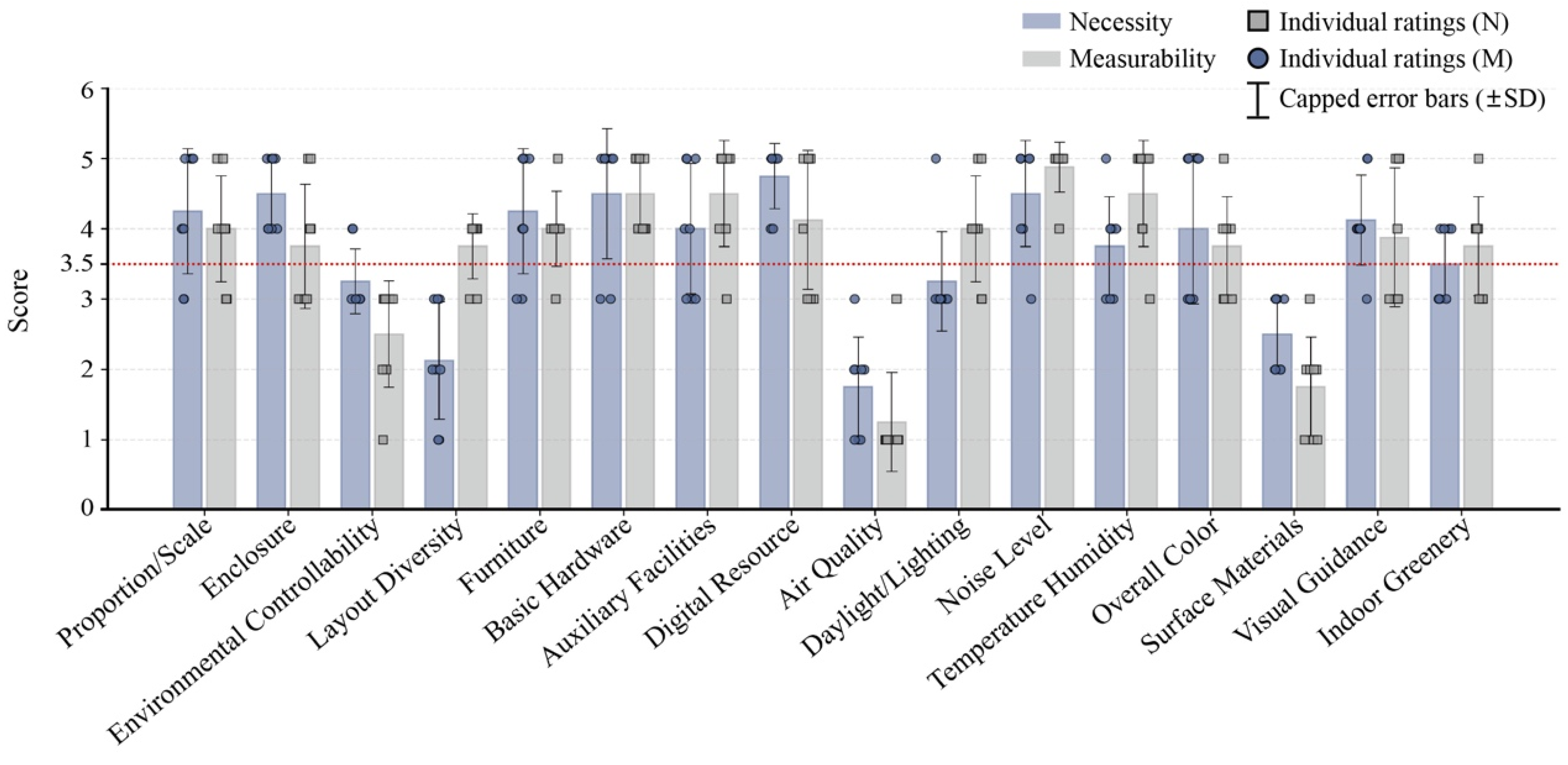
To ensure contextual relevance and operational feasibility in Chinese university libraries, a two-step screening procedure was adopted, consisting of expert evaluation and user interviews. First, eight experts with experience in both university teaching and architectural design were invited to assess the candidate factors using a five-point Likert scale along two dimensions—necessity and measurability. Independence among factors was addressed through both the literature-based derivation of candidate factors, which ensured initial conceptual distinctiveness, and expert judgment during the evaluation process, which identified overlapping constructs for consolidation. We retained factors scoring ≥ 3.5 on both dimensions (Figure 2). For factors falling below this threshold, a consolidation-or-removal rule was applied: if a low-scoring factor could be conceptually subsumed under or empirically represented by a retained factor, the two were merged; otherwise, the factor was removed. Specifically, layout diversity was incorporated into furniture, as it is primarily reflected through furniture arrangements across space types; air quality and daylighting were jointly represented by the window-to-wall ratio (WWR), which captures their combined effect on indoor environmental quality [15,25]; surface materials, difficult to quantify independently and closely tied to visual perception, were merged with overall color as a single factor [22,29]; and environmental controllability was excluded because it could not be subsumed under other factors and is rarely feasible for individual users in university libraries given high occupancy and rapid user turnover.
Figure 2.
Expert evaluation.
Second, we conducted semi-structured interviews with 10 students to validate the factors in real-use contexts. Inclusion criteria were: (1) coverage of different disciplines (STEM and humanities/social sciences) and degree levels (undergraduate and graduate); (2) frequent library use (averaging ≥ 3 visits per week). Students who rarely used library learning spaces were excluded. The sample size of 10 was guided by the principle of data saturation: interviews continued until no new insights regarding factor screening emerged. This sample size falls within the typical range for qualitative studies with homogeneous populations and focused objectives [35]. The interviews indicated that core hardware, digital resources, and temperature–humidity control are ubiquitous across the sampled libraries, with little perceived variation; noise levels are effectively controlled by delineating functional zones; and indoor greenery exerts only a minor influence. Based on this evidence, we finalized the spatial-factor inventory and its operational indicators (Table 1). This step provides a context-specific secondary screening grounded in prior research and yields a reproducible set of independent variables for the subsequent experimental design.
Table 1.
The spatial factors and operational indicators.
3.2.2. Indicators Quantification and Baseline Model Selection
With the indicator system finalized, we surveyed 36 spaces across the four ILS types to obtain empirical ranges for each indicator and to define factor levels for the subsequent experiment (Table 2). The field survey aimed to capture typical informal learning spaces in contemporary university libraries.
Table 2.
Type-specific representative spaces.
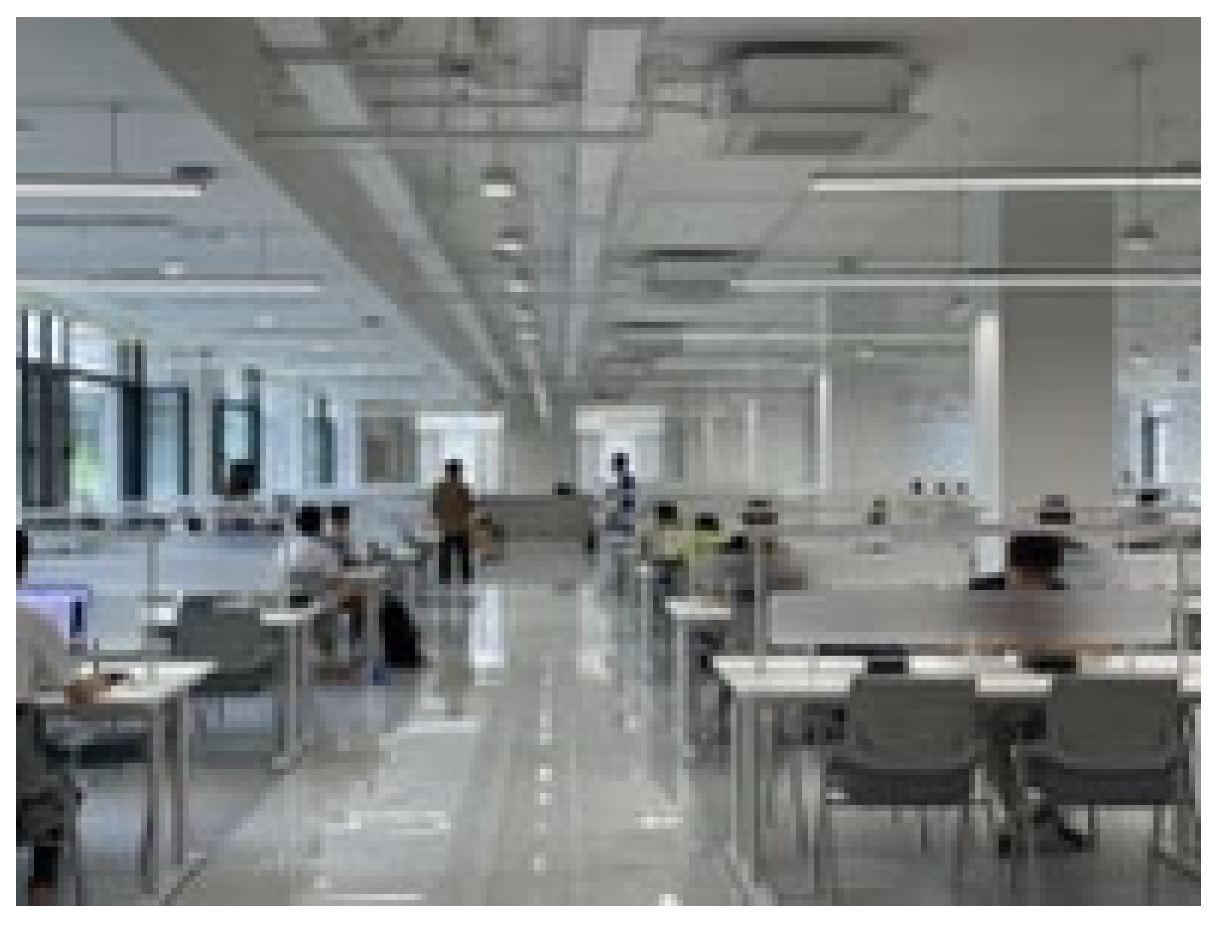
Individual–Enclosed (IE). Predominantly enclosed rooms. Seat enclosure spans a wide, selectable range to accommodate different privacy needs. Ceiling height is concentrated at 3.0–3.5 m, while the length–width ratio varies. Given clear functional positioning, furniture and auxiliary facilities show limited variation. Color/material palettes differ across the three libraries, but generally downplay visual guidance to support concentration.
Individual–Open (IO). Floor location and orientation are more flexible, with wider variation in ceiling height and WWR. The open form attenuates the role of vertical enclosure and length–width ratio, while visual axis continuity becomes comparatively more salient.
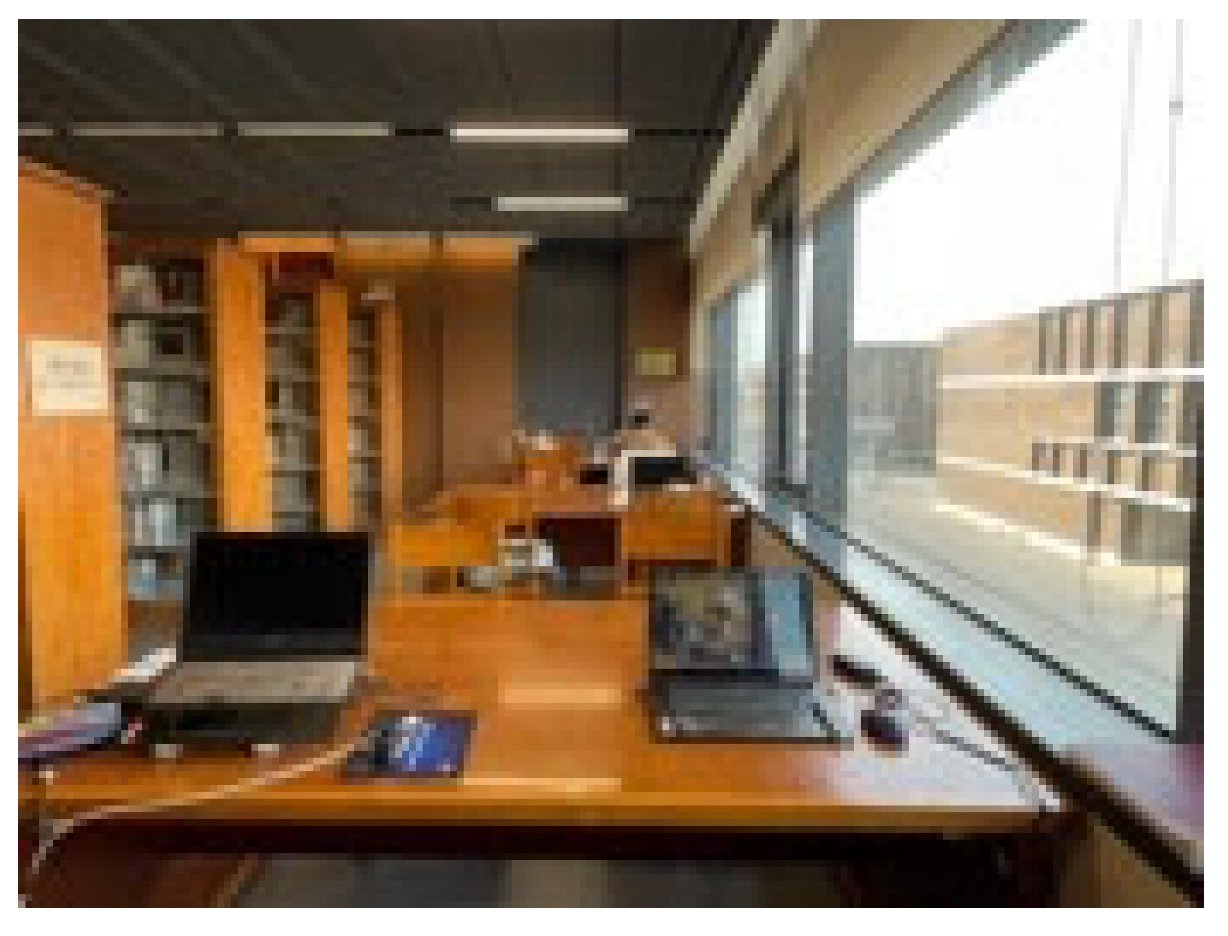
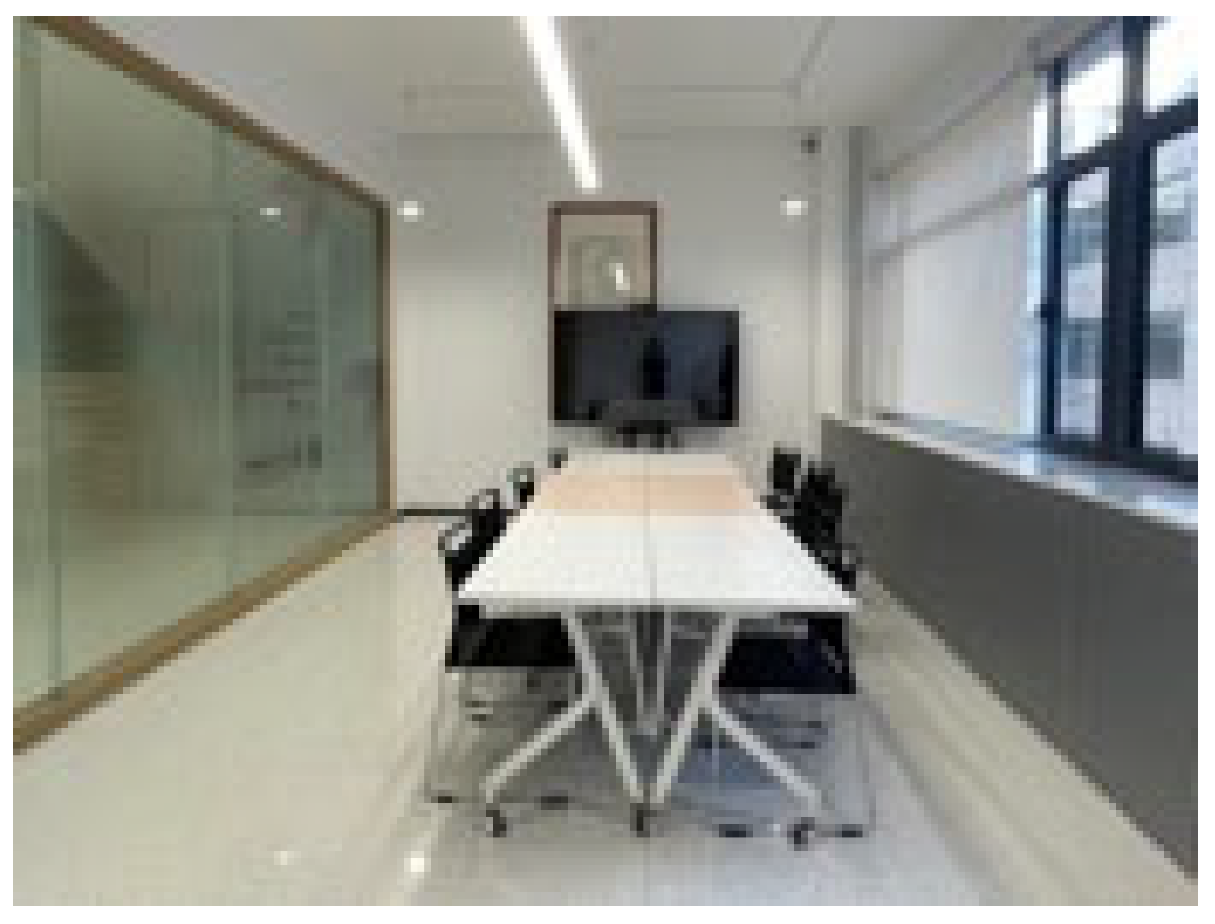
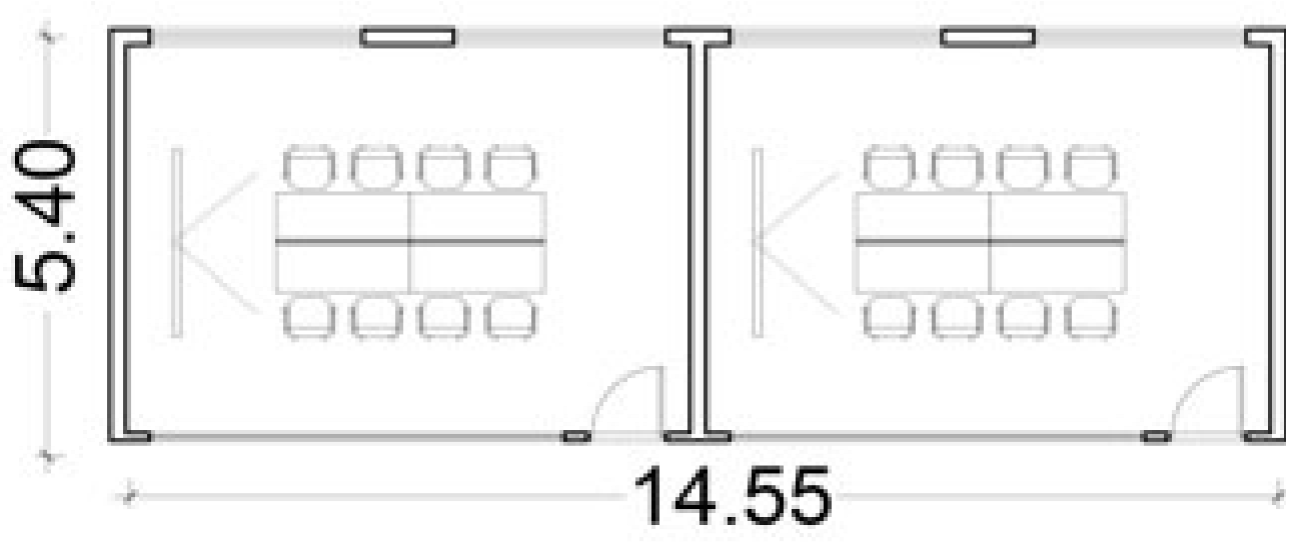
Collaborative–Enclosed (CE). Mainly enclosed group study rooms have relatively uniform areas and proportions. Because use scenarios vary (meetings, online classes, interviews), interface transparency and WWR differ substantially, accompanied by corresponding adjustments to color and materiality.
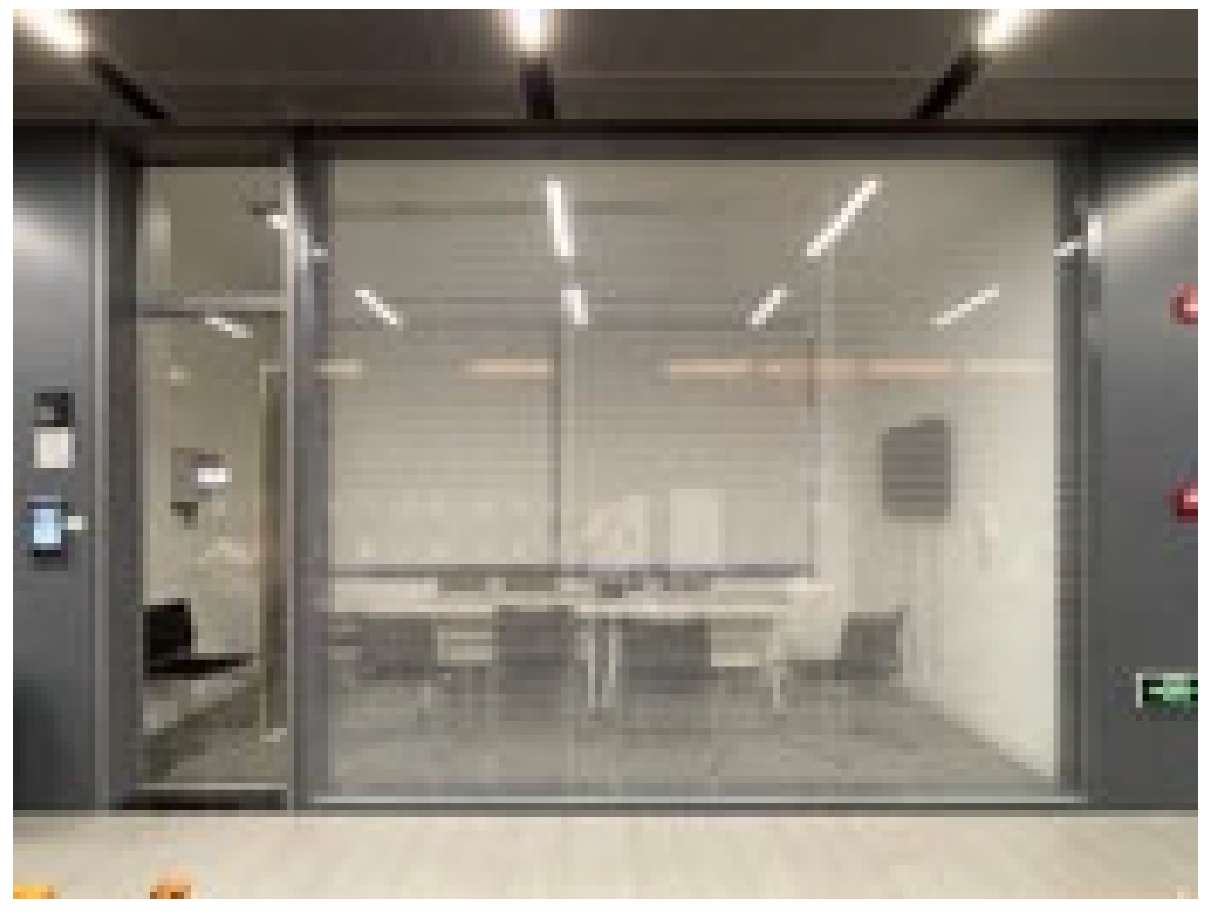
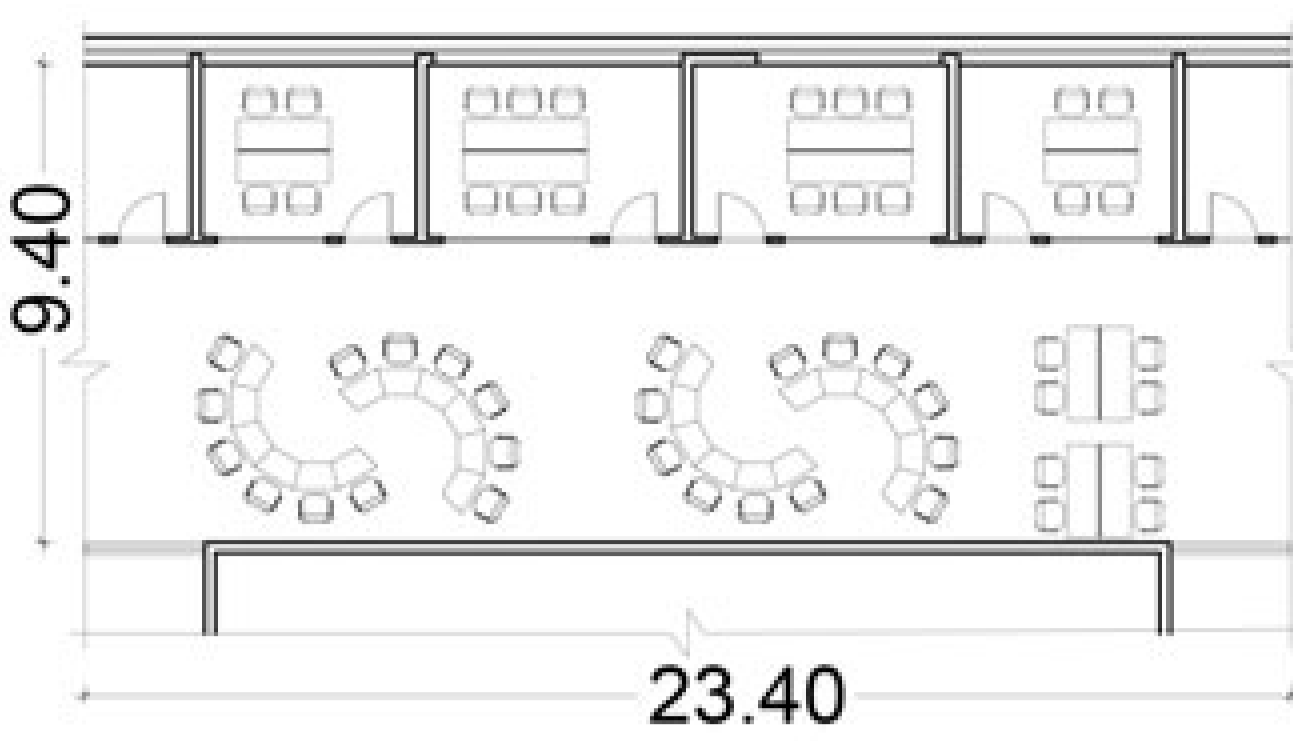
Collaborative–Open (CO). Emphasizes openness and interaction, often integrated with circulation and exhibition areas. Furniture, auxiliary facilities, and the shaping of color/material are pivotal. Higher WWR affords daylight and broad vistas and is likewise important, whereas the influence of length–width ratio, enclosure, and area per seat is comparatively reduced.
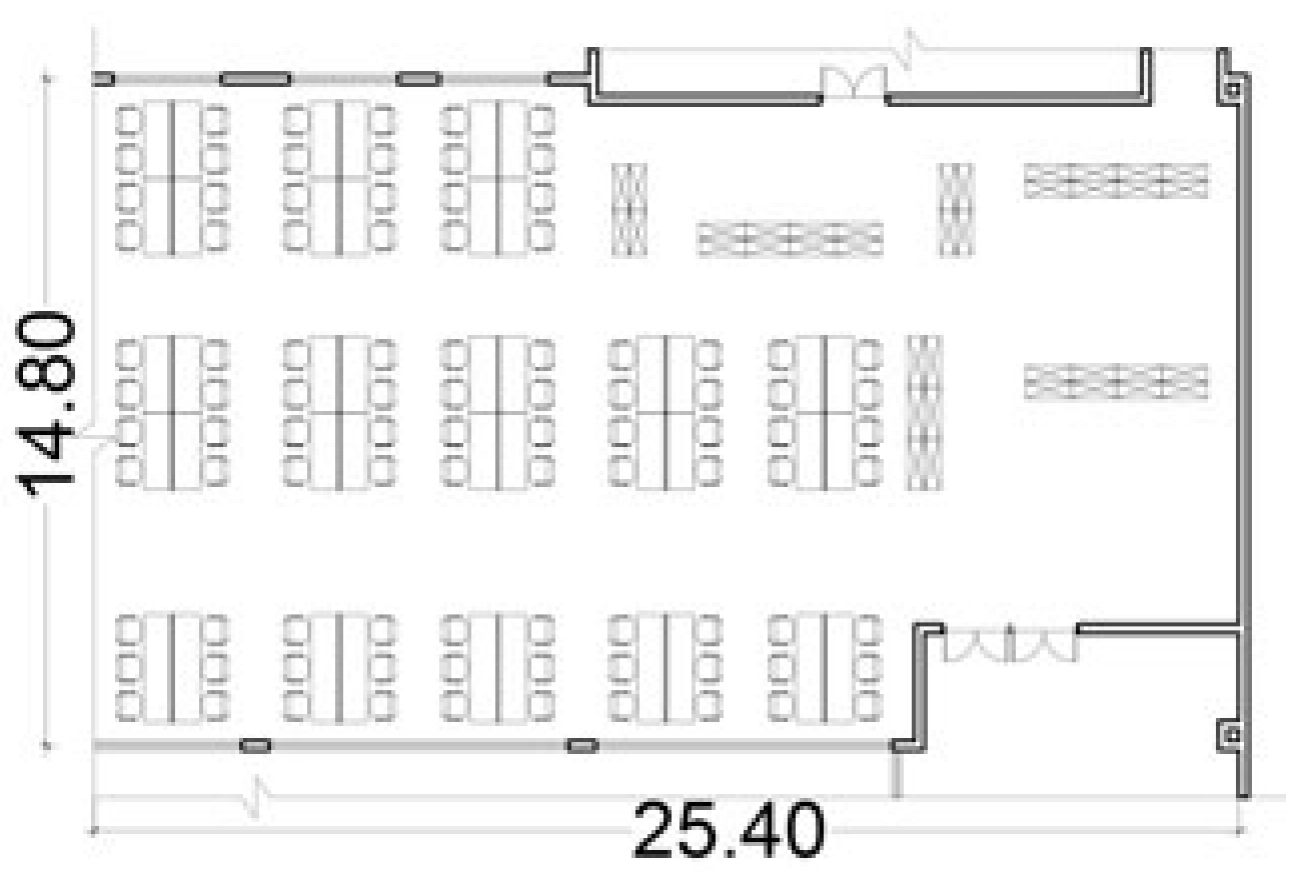
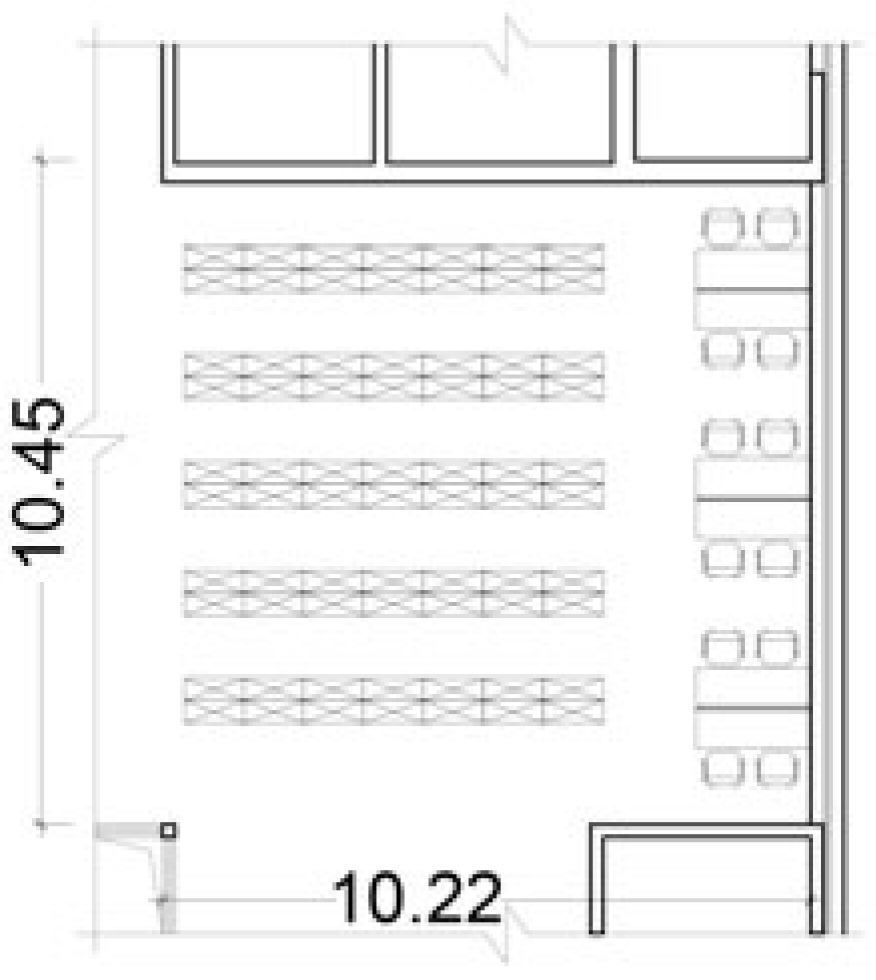
Through on-site measurements, we determined the type-specific spatial indicators and their operational ranges, and selected four type-specific baseline prototype spaces as model references for the orthogonal design (Table 3). For each indicator, the factor levels were set based on the observed minimum–maximum values and common value combinations, ensuring that all experimental scenes remained within empirically observed conditions.
Table 3.
The type-specific spatial indicators.
3.3. Orthogonal Experimental Design and Data Collection
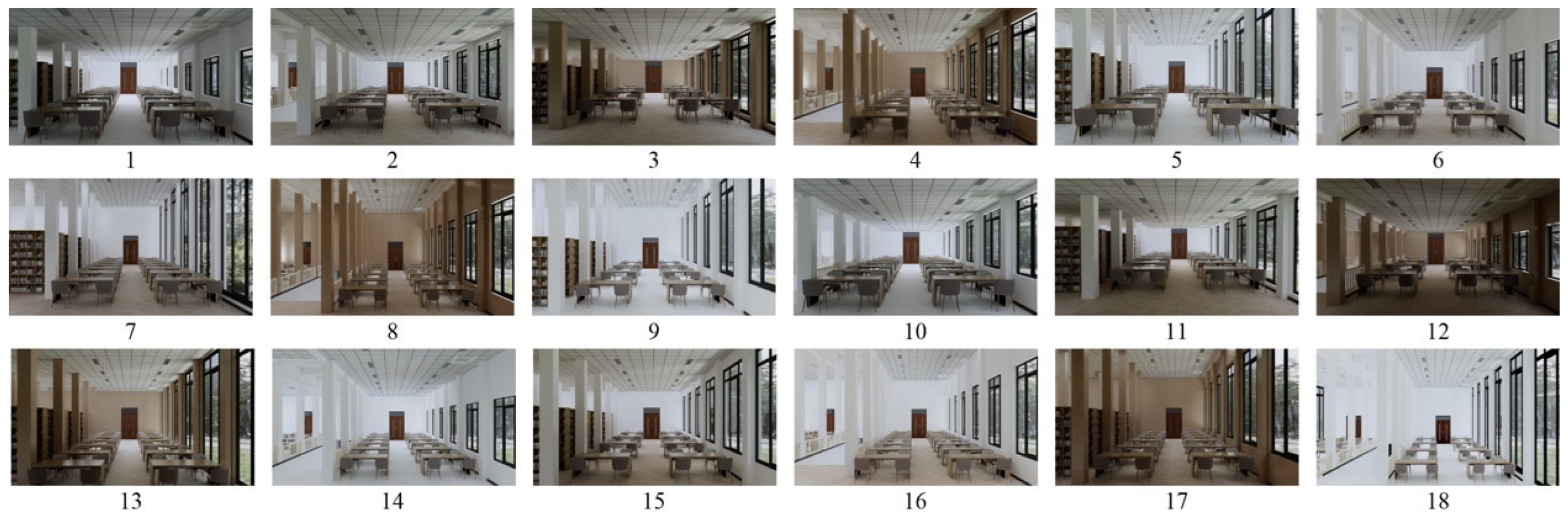
To improve efficiency while preserving representative coverage and factor balance, we adopted an orthogonal experimental design, selecting representative parameter combinations from the full factorial space. Based on the factors and operational value in Section 3.2, standard orthogonal arrays (OAs) were used to generate 57 parameter combinations across the four ILS types. For each combination, a corresponding 3D virtual environment was constructed. Using IO as an example, factor levels and orthogonal combinations are summarized in Table 4, and representative VR scene exemplars are illustrated in Figure 3. The corresponding tables for the remaining three ILS types (IE, CE, and CO) are provided in Tables S1–S3.
Table 4.
Orthogonal design and factor levels for IO.
Figure 3.
Orthogonal combinations and scene exemplars for IO. Scenes 1–18 correspond to the 18 orthogonal combinations used in the VR experiment. The scenes were modeled from a baseline prototype with factor levels set within field-observed indicator ranges.
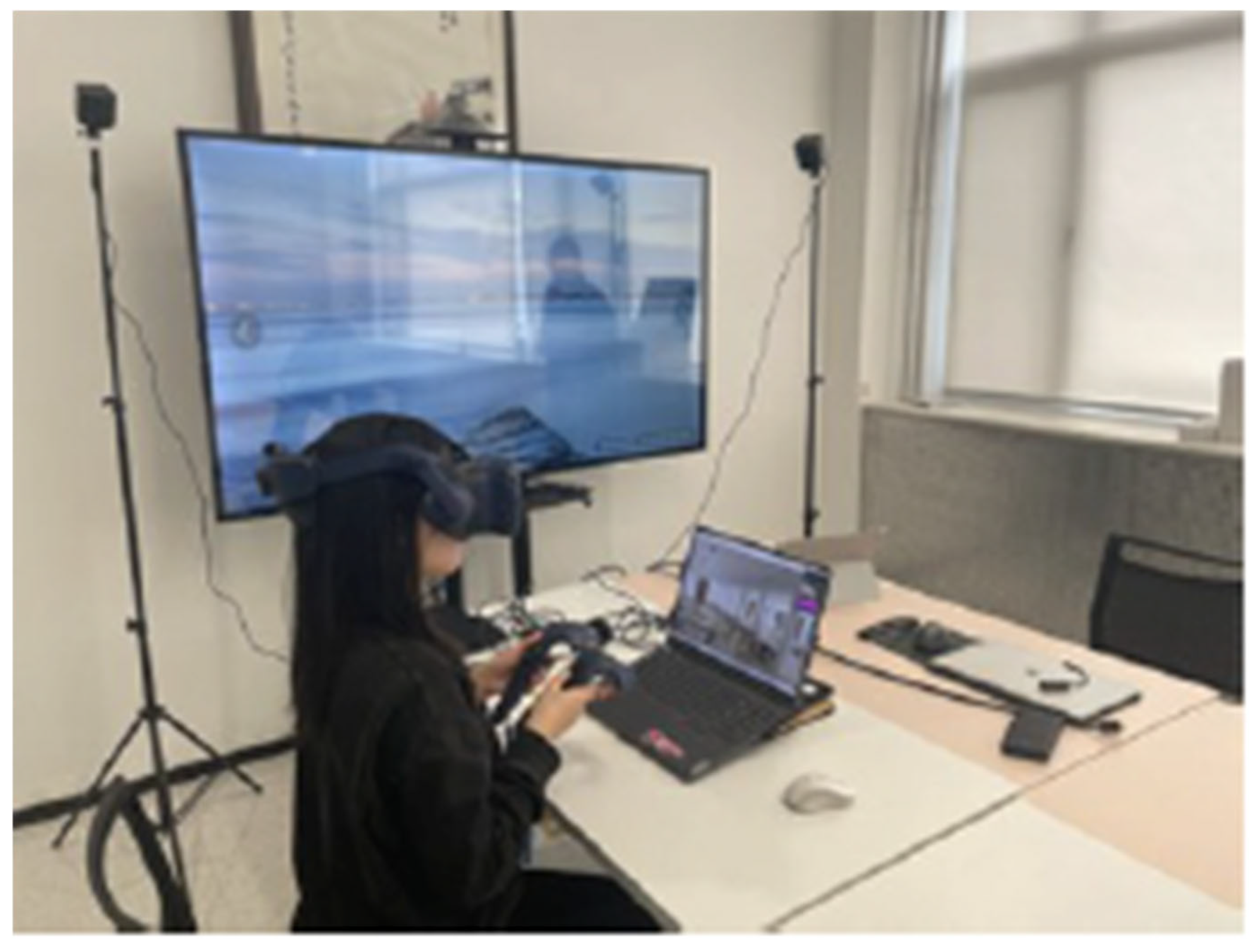
The VR-based orthogonal experiment was conducted in an enclosed group study room at the South Library to maintain controlled thermal, acoustic, and lighting conditions and to minimize external distractions. Stimuli were presented via an HTC VIVE Pro Eye HMD (HTC Corporation, New Taipei City, Taiwan) running on the SteamVR platform (v2.13.6). Interaction used gaze-based selection and controller-based locomotion (Figure 4). We recruited 30 students enrolled at the university (aged ≥ 18 years), all with normal or corrected-to-normal vision. The sample included comparable numbers across gender, degree level (undergraduate and graduate), and disciplinary background (STEM and humanities/social sciences). Inclusion criteria were: (1) frequent library use (≥3 study-related visits per week on average); and (2) demonstrated familiarity with different types of library learning spaces, assessed by asking participants to provide at least two examples of each of the four ILS types based on their prior use. The sample size was aligned with prior VR–environment perception studies [10]. In addition, a sensitivity power check indicated that, under a typical within-subject setting (two-tailed α = 0.05), N = 30 is adequate to detect medium-to-moderate effects. Each participant experienced all four ILS types in a randomized order. For each orthogonal combination, the viewing duration was fixed; immediately afterward, participants completed a questionnaire reporting overall impression (OVI) and the five PLE dimensions. To mitigate visual fatigue, ≥3 min rest intervals were provided between scenario blocks. The realism of VR scenes was ensured by grounding all scene parameters in field-surveyed data, as described in Section 3.2.2. All experimental scenes were constructed within these empirically observed ranges, ensuring that the VR environments closely reflected real-world spatial conditions. Consistency across scenes was maintained by using uniform rendering parameters and lighting conditions; only the factors specified in the orthogonal design varied, while all other attributes remained constant. Before the main task, participants completed a familiarization session with the VR device and a manipulation check to ensure they understood the experimental task and could properly perceive the spatial variations presented in the scenes. PLE was assessed on five dimensions using a five-point Likert scale. Effective sample size and reliability indices are reported in Section 4 (Results).
Figure 4.
Experimental setup. The monitor display is shown for illustration only and is not intended to convey readable on-screen content.
3.4. Data Processing and Analysis
Data analyses were conducted in SPSS (v31.0.1.0), using two-tailed tests with α = 0.05. For each ILS type, we first computed Pearson’s correlations between spatial factors and the five PLE dimensions as exploratory evidence. We then estimated a linear regression model with overall impression as the outcome and the five PLE dimensions as predictors to assess their relative contributions. Next, for each ILS type, we fitted five linear regression models, each taking one PLE dimension as the outcome and spatial factors as predictors, to identify type-specific differential effects; we report standardized coefficients (), p-values, and adjusted R2. Finally, for spatial factors with p < 0.05, we multiplied the standardized coefficients by the corresponding PLE dimension weights and summed across dimensions to obtain a weighted composite contribution for each indicator, as shown in Equation (1).
where denotes the standardized coefficient (weight) of PLE dimension d in predicting overall impression, and denotes the standardized coefficient of spatial factor i in predicting PLE dimension d.
4. Results
4.1. Data Overview and Measurement Quality
With 30 participants and 57 scenes, the planned participant–scene observations totaled 1710; after excluding invalid cases, 1566 effective observations were retained (retention rate: 91.6%). Across the four ILS types, the scales exhibited good internal consistency, with Cronbach’s α at acceptable levels (Table 5).
Table 5.
Internal consistency and valid questionnaires.
Subsequently, we computed Pearson’s correlations between spatial factors and the five PLE dimensions separately for each ILS type as exploratory evidence. The full correlation matrices are provided in Figure S1.
4.2. Descriptive Statistics of Perceived Learning Experience
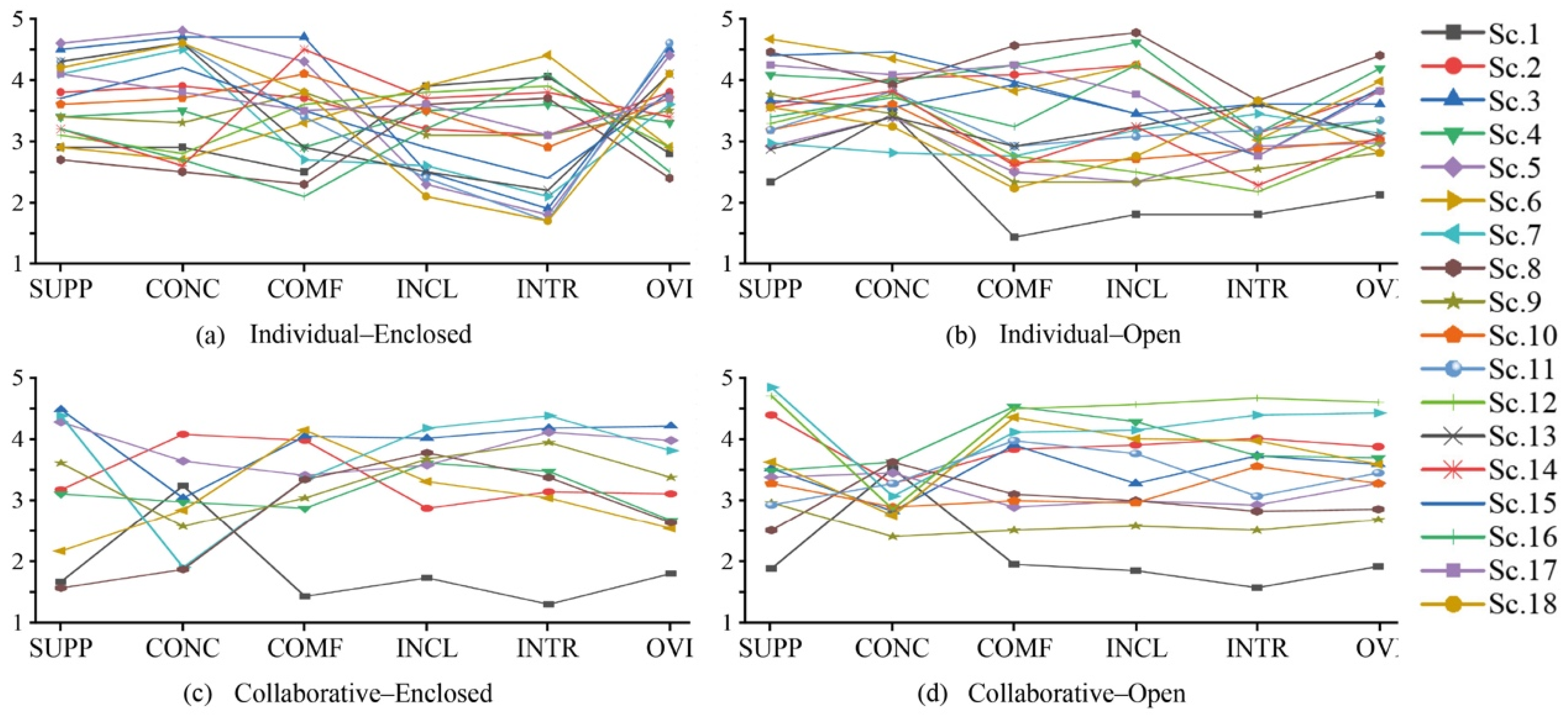
Figure 5 reports scores for overall impression and the five PLE dimensions across the four ILS types. Distinct perceptual profiles emerge by type.
Figure 5.
Scores for overall impression and the five PLE dimensions by ILS type.
For IE spaces, high-scoring scenarios (3, 5, 11) combine strengths in concentration and supportiveness, suggesting a synergy of privacy, scale, and functional fit. Low-scoring cases (6, 8, 16) typically underperform on one or both of these dimensions, though interaction occasionally stands out. Notably, concentration and interaction are negatively correlated in this type, consistent with a design orientation that prioritizes enclosure and immersion.
By contrast, IO spaces are more strongly driven by inclusiveness and comfort. High scorers (4, 6, 8) combine favorable spatial scale with atmospheric quality, whereas low scorers (1, 9, 12) lag on these dimensions. Compared with other types, IO exhibits larger variability in inclusiveness and comfort, indicating sensitivity to openness, scale, interfaces, and material detail.
Turning to CE spaces, high-scoring scenarios (3, 5, 7) concentrate advantages in supportiveness and interaction, reflecting the combined effects of equipment provisioning and collaboration convenience. Low-scoring cases (1, 6, 8) commonly show deficits in supportiveness. The two dimensions are positively correlated, implying that stronger functional support tends to catalyze more active team exchange.
Finally, CO spaces likewise feature the joint strengths of supportiveness and interaction among high scorers (2, 7, 12). Lower-scoring scenes (1, 8) often show comparatively higher concentration, yet this dimension is generally low and less variable within this type—aligned with its core positioning toward openness, sociability, and integration.
4.3. Type-Specific Mechanism Analysis
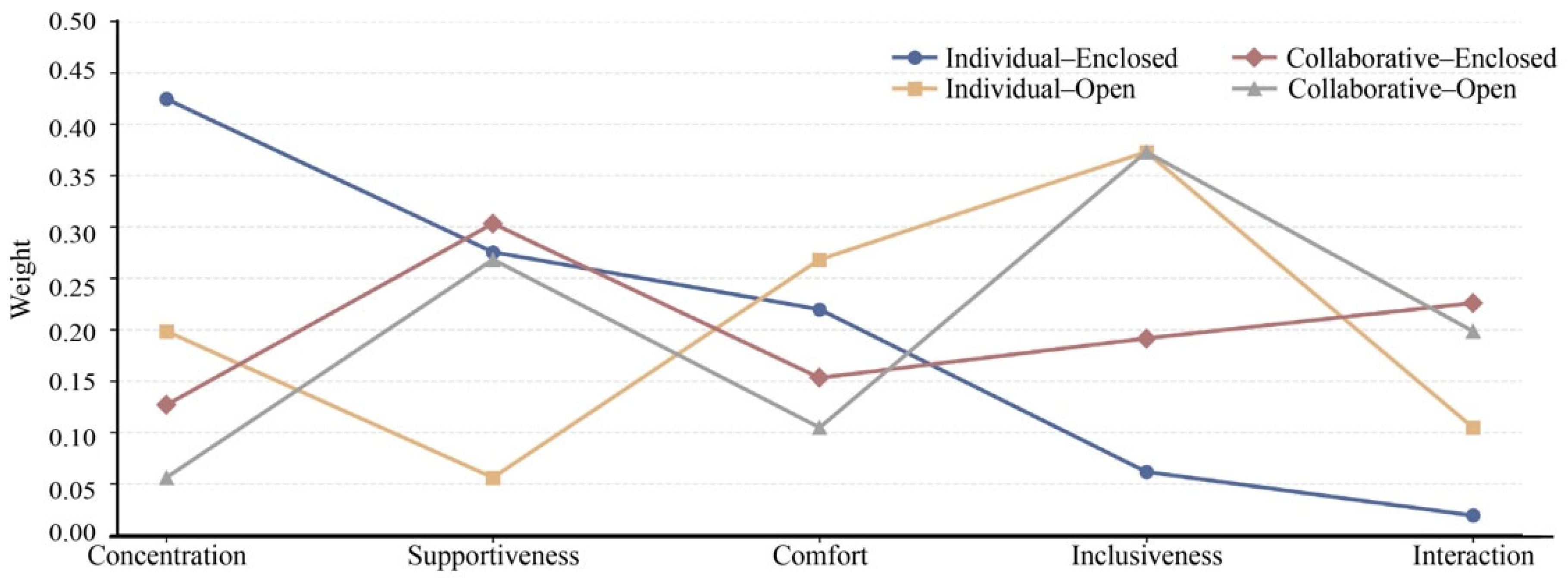
To assess cross-type differences in the relative importance of PLE dimensions, we regressed overall impression on the five dimensions (Figure 6). We then estimated type-specific models to identify how spatial indicators affect each PLE dimension (Table 6).
Figure 6.
Relative importance of the five PLE dimensions by ILS type.
Table 6.
Regression results.
For IE spaces, concentration is the most influential dimension, followed by supportiveness and comfort. The most consequential spatial factors are seat enclosure and usable area per seat, which jointly underpin the IE profile of privacy and focus.
IO spaces, by contrast, are driven by inclusiveness and comfort, with concentration playing a secondary role. Color/materiality and visual axis continuity emerge as the key predictors that lift these leading dimensions.
In CE spaces, supportiveness and interaction rank highest, ahead of inclusiveness and comfort. Interface transparency and auxiliary facilities show significant effects on learning experience, indicating that functional provisioning and calibrated openness jointly enable collaboration.
CO spaces emphasize inclusiveness and supportiveness are most salient, whereas interaction and comfort are comparatively less so. Furniture (diversity/flexibility), auxiliary facilities, and color/materiality constitute the pivotal factors, collectively enhancing the dominant dimensions in this open and sociable setting.
4.4. Cross-Type Synthesis: Weighted Factor Contributions
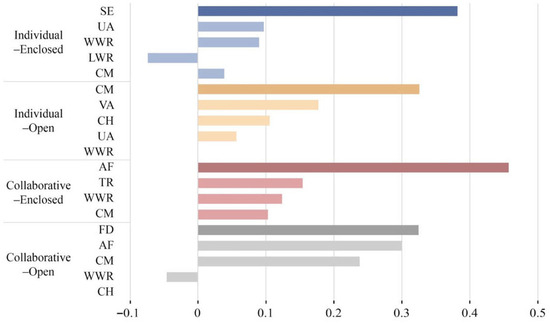
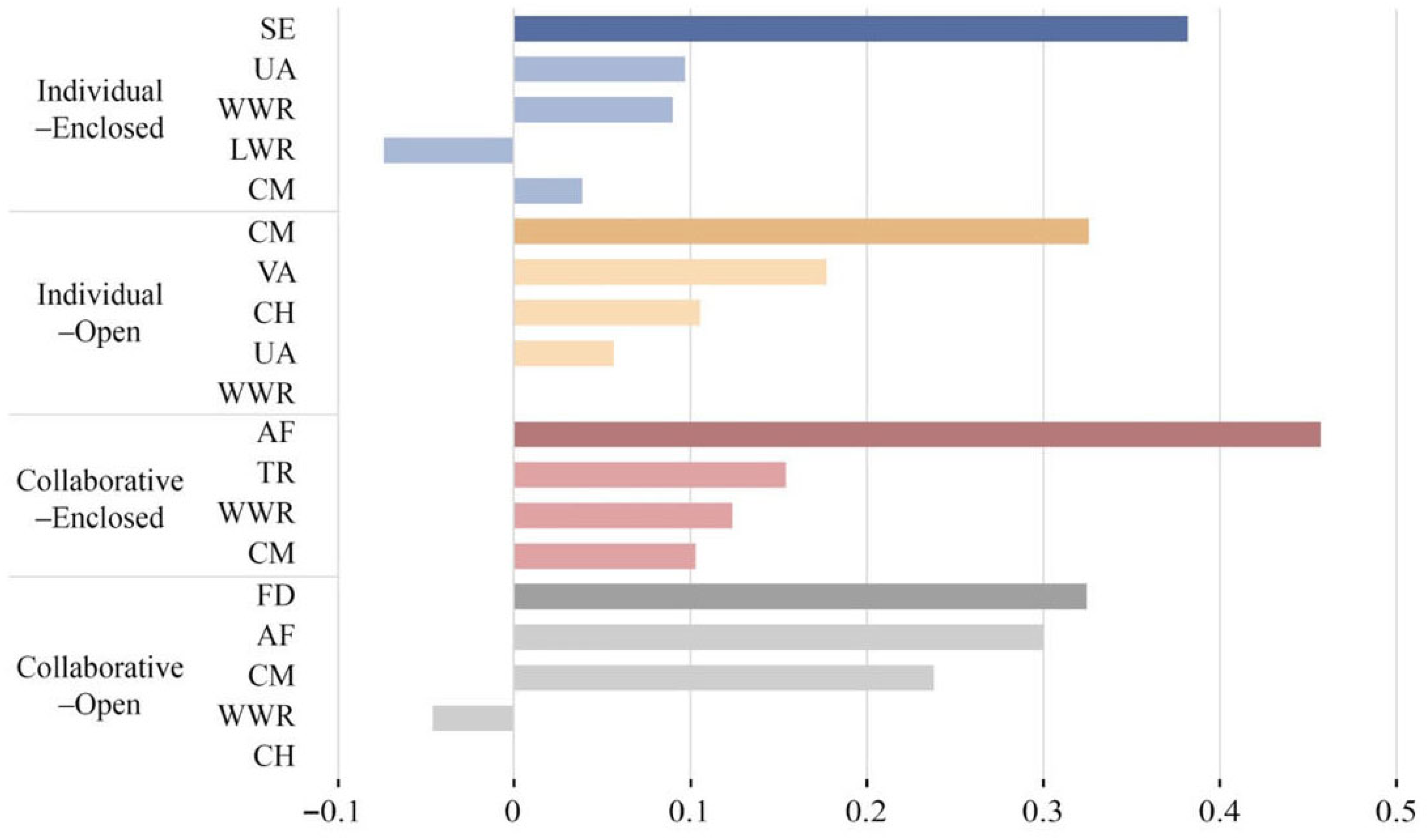
To determine cross-type factor priorities for ILS design, we integrated the importance of PLE dimensions with the effects of spatial indicators. For each type, we computed a weighted composite contribution for every significant indicator (p < 0.05) by summing its standardized coefficients multiplied by the corresponding PLE-dimension weights (Figure 7).
Figure 7.
Weighted Composite Contributions by ILS Type. Colors are used only to distinguish ILS types.
The resulting rankings differ markedly across types. IE settings rely more on morphological control—notably seat enclosure and usable area per seat. IO settings are driven by atmospheric and visual organization, with color/materiality and visual axis continuity most influential. CE settings foreground interface transparency and auxiliary facilities to support collaboration. CO settings are led by furniture and auxiliary facilities, with additional lift from color/materiality.
Notably, in CE spaces, the top two indicators show near-tied weighted composite contributions, suggesting synergistic or complementary effects. They should be treated as co-priorities in design. These synthesized rankings provide the empirical basis for the Priority and Enhancement strategy tiers in the next section.
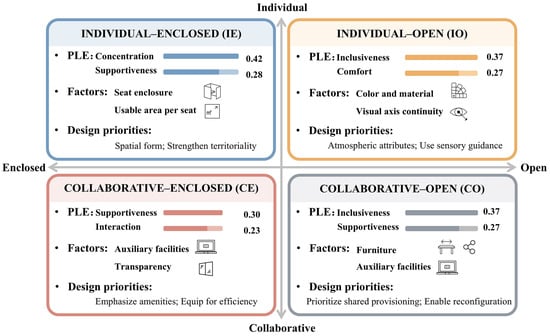
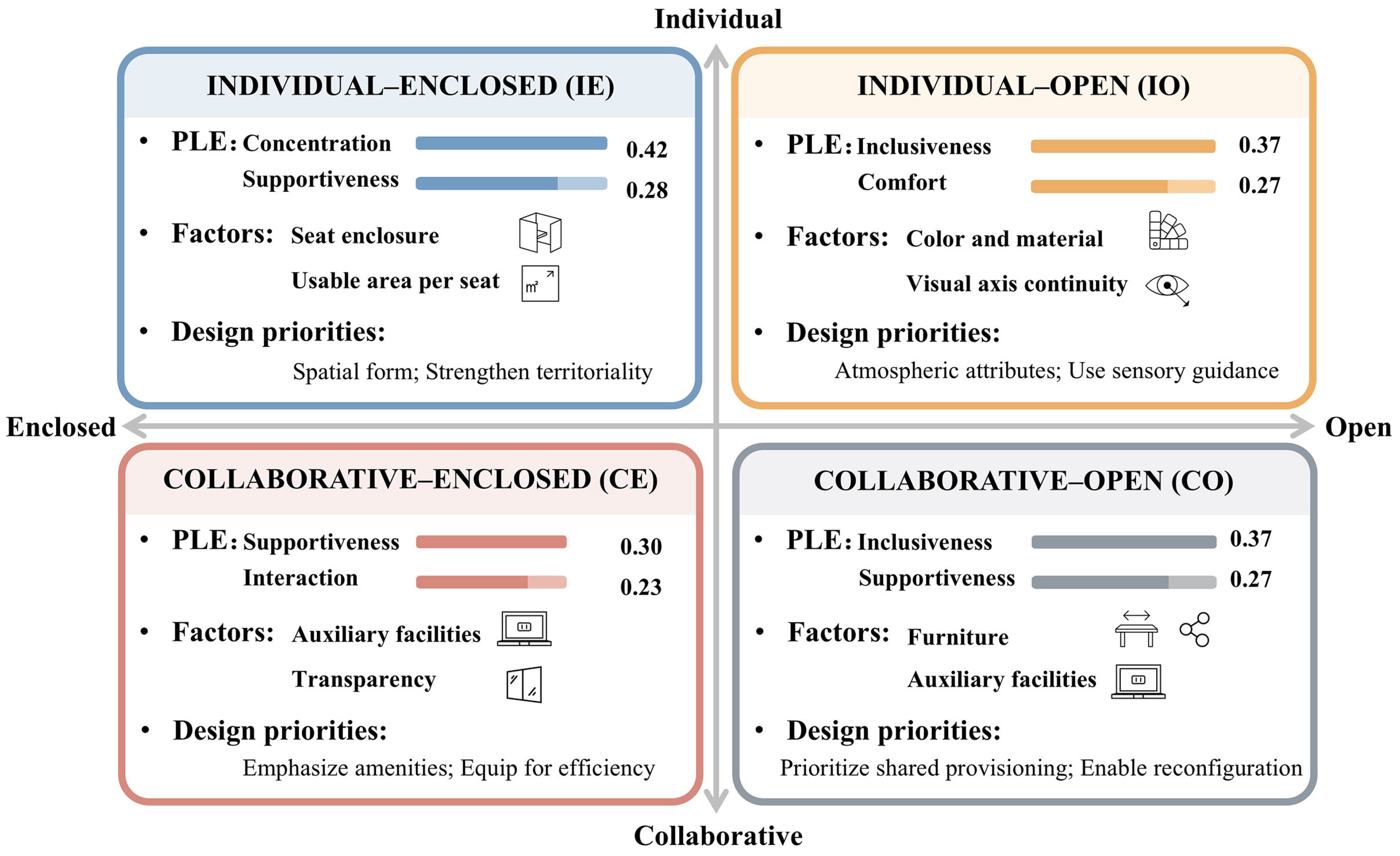
To provide an at-a-glance overview of the main findings, we synthesize the prioritized PLE dimensions, key spatial drivers, and corresponding design priorities for each ILS type in Figure 8.
Figure 8.
Synthesis of key findings across four ILS types.
5. Discussion
5.1. Principal Findings
This study examined four ILS types across three Tianjin University libraries. Drawing on field audits, we built 57 VR scenes and conducted an orthogonal experiment with 30 participants, yielding 1566 valid observations. Using overall impression and the five PLE dimensions as the analytic frame, we combined relative-importance analysis with multiple regression to characterize type-specific PLE profiles and the effects of spatial factors.
We found clear differences in PLE dimension profiles across the four ILS types. IE centers on concentration and supportiveness; IO is marked by inclusiveness and comfort; CE emphasizes supportiveness and interaction; CO prioritizes inclusiveness and supportiveness. Second, the key spatial indicators likewise differ significantly by type. The dominant levers are seat enclosure and usable area per seat in IE; color/materiality and visual axis continuity in IO; auxiliary facilities and interface transparency in CE; and furniture together with auxiliary facilities, reinforced by color/materiality, in CO.
5.2. Cross-Type Priority of PLE Dimensions
Clear cross-type regularities emerge in the priority of PLE dimensions. Although both Individual types center on self-directed study, their priority orders diverge. In IE settings, users seek quiet, interruption-free conditions: concentration ranks first, followed by supportiveness and comfort. This aligns with evidence that individual work zones depend heavily on immersive conditions [36], underscoring the IE emphasis on privacy, controllability, and efficiency. By contrast, IO spaces emphasize inclusiveness and comfort, reflecting a balance between individual study and engagement with an open environment. This pattern highlights the need for coordinated design of social ambience and personal territory in IO spaces [15].
The two Collaborative types share a common feature: supportiveness consistently ranks near the top, reflecting a shift in goals from individual learning to task collaboration and communication. CE spaces typically serve stable teams. Consequently, spatial layout and provisioning are critical for academic exchange. CO spaces favor spontaneous, cross-group interaction. Accordingly, both inclusiveness and supportiveness remain high priorities. Importantly, comfort carries relatively low weight in both collaborative types—likely a function of higher density, dynamic exchanges, and shorter dwell times [11].
Overall, supportiveness forms the foundational dimension across most ILS types; concentration primarily distinguishes IE. Comfort tracks the social orientation of the setting (individual vs. collaborative), whereas inclusiveness aligns closely with its morphological character (open vs. enclosed). These differentiated patterns align with person-environment fit theory, which holds that experience is shaped by the congruence between spatial attributes and user needs [12]. In individual-type spaces, prolonged solitary stay heightens users’ sensitivity to physical and psychological comfort, whereas in collaborative-type spaces, attention is distributed across interaction and tasks, attenuating the salience of comfort. In open settings, the absence of physical enclosure means that users rely more on spatial cues to perceive acceptance, rendering inclusiveness more salient; in enclosed settings, clear boundaries inherently provide a stable sense of containment, reducing sensitivity to this dimension.
5.3. Type-Specific Mechanisms of Spatial Factors on PLE
5.3.1. Individual–Enclosed
The most consequential indicators in this type are seat enclosure and usable area per seat. Enclosure shows strong positive effects on concentration and supportiveness while suppressing interaction, aligning with evidence for the pivotal role of privacy in individual work settings [31]. Moderate levels of enclosure help establish territoriality and psychological safety, fostering deep-work states; however, excessive enclosure can induce feelings of confinement and oppressiveness [37]. Therefore, the enclosure should be calibrated to strike a balance between privacy and openness. Usable area per seat chiefly elevates comfort and supportiveness. Given the longer dwell times typical of IE spaces, ample personal space provides room to spread materials, make postural changes, and place devices, thereby sustaining task flow. Our findings further underscore the close link between environmental controllability and user experience, for which adequate per-seat area serves as a material precondition [38].
5.3.2. Individual–Open
Color/materiality and visual guidance are the primary drivers of PLE in IO settings. Color/materiality shows consistent positive effects on comfort, inclusiveness, and interaction, indicating that atmospheric attributes outweigh morphology in open personal-study contexts. This is likely because, although the primary use is individual, these settings retain a public character, and users respond to the approachability and softness conveyed by color–material combinations. Prior work similarly finds that appropriate color schemes enhance the environment’s restorative quality. thereby strengthening perceived acceptance [39]. Visual guidance, including stepped seating, split levels, and through-corridor sightlines, significantly improves inclusiveness and comfort. It clarifies spatial legibility and perceived depth while still affording micro-territories within an open field [24,38]. In addition, prior research suggests that fractal-like structures and color cues commonly found in nature can place observers in a visual “comfort zone,” and may be accompanied by more positive aesthetic experience and reduced stress [40]. This line of evidence is broadly consistent with our finding that color/materiality and visual guidance are salient drivers. By contrast, spatial-form factors are secondary and primarily fine-tune. For concentration, improvements depend more on sightline continuity paired with openness than on greater enclosure.
Comparing the two individual-type spaces, a clear divergence emerges: IE is primarily driven by spatial-form factors, particularly seat enclosure and usable area per seat, whereas IO is dominated by atmospheric attributes such as color/materiality and visual axis continuity. This contrast can be interpreted through territoriality theory, which posits that individuals establish personal domains through physical or symbolic boundaries to regulate privacy and interaction [31]. Given that individual-type spaces are oriented toward solitary, sustained study, users in both settings share a fundamental need to establish stable personal territories. However, the means of achieving this differ. In IE settings, physical enclosure directly supplies boundary definition, making users highly sensitive to morphological attributes that reinforce their personal domain. Without such enclosure, IO users lack explicit territorial markers and instead rely on atmospheric cues (color, material, and visual organization) to construct a psychological sense of place. This suggests a compensatory mechanism whereby open environments substitute atmospheric attributes for the physical boundaries present in enclosed ones.
5.3.3. Collaborative–Enclosed
The most influential indicators in this type are interface transparency and auxiliary facilities. Interface transparency shows significant positive effects on interaction and inclusiveness. Compared with solid walls, glass partitions or slatted screens enhance mutual visibility and invite exchange. This aligns with the learning-landscape view that visual connectivity is critical in collaborative settings [41]. It is also consistent with social facilitation findings, namely that the presence or observation of others can enhance participants’ performance [42]. However, higher levels of transparency reduce concentration, indicating a need to balance visibility and privacy at the interface level. Auxiliary facilities, the immediate instruments of collaborative tasks, exert stable positive effects on supportiveness and interaction, corroborating the centrality of collaboration-oriented provisioning in contemporary academic library transformations [11,36].
5.3.4. Collaborative–Open
In CO settings, the key drivers of PLE are furniture, auxiliary facilities, and color/materiality. Furniture and auxiliary facilities are decisive for supportiveness, inclusiveness, and interaction. Flexible table–chair systems, ample power/data access, and writing/display devices provide essential conditions for multi-scale interaction and varied study postures. Behavioral studies likewise find that furnishings and equipment in open ILSs directly shape student engagement [43]. Such variety and reconfigurability enable shifts between small-group discussions and larger activities and are a defining feature of open social spaces. Color/materiality most strongly affects comfort, inclusiveness, and interaction, confirming that animated and differentiated atmospheres increase place legibility and appeal in social settings [44]. Moderate-saturation palettes and tactilely pleasant surfaces foster approachability and recognizability, thereby strengthening feelings of belonging and willingness to interact.
Overall, collaborative-type spaces exhibit a shared pattern: both CE and CO are primarily driven by facility-related factors. This commonality reflects the functional demands inherent to collaborative activities. From an affordance perspective, environmental features support specific behaviors by providing opportunities for action [45]. Unlike individual study, collaborative activities inherently require resources that enable coordination, information exchange, and flexible group formation, such as shared displays, writable surfaces, power and data access, and reconfigurable furniture.
It is worth noting that certain PLE dimensions exhibit relatively low explanatory power (Adjusted R2) in specific ILS types. In open settings (IO and CO), concentration shows notably low R2 (0.040 and 0.094), whereas in IE, comfort yields a comparatively modest R2 (0.157). These patterns are likely consistent with the cross-type priority of PLE dimensions. Concentration primarily distinguishes IE, where physical enclosure directly supports focused attention, while in open settings, it is not a dominant concern. Similarly, comfort is not a primary concern in IE; the enclosed setting may already provide a baseline level of comfort, which can reduce the marginal explanatory contribution of additional spatial factors. Moreover, in open environments, concentration may be more susceptible to behavioral and social factors, such as ambient activity and noise levels, that fall outside the scope of the visual-spatial attributes examined in this study.
5.4. Type-Specific Spatial Design Implications and Strategies
5.4.1. Priority Configurations
Building on the identified mechanisms and the weighted composite contributions, we propose tiered configurations tailored to each ILS type from the experience perspective.
Prioritize spatial form in IE spaces. Scale indicators are closely tied to users’ intuitive impressions. Treat seat enclosure as a first-order lever: ensure sufficient personal radius and inter-seat distance, and reduce interference from circulation and sightlines. Use adjustable partitions (height/opacity) to tune privacy along a continuum from semi-enclosed to highly enclosed.
Give precedence to atmospheric attributes in IO settings. Calibrate color/materiality by functional zone: in static areas, apply neutral-warm palettes and softer finishes to increase comfort and damp noise; in dynamic areas, use neutral-cool palettes and firmer finishes to convey clarity and energy, encouraging spontaneous interactions.
Emphasize amenities in CE spaces. Provide collaboration-oriented systems first (shared writing/display tools, ample power/data) [11]. Deploy mobile interactive devices that also serve as reconfigurable dividers, enabling quick layout adjustments while maintaining appropriate sightline control.
Stress shared provisioning in CO settings. Treat furniture (modular, reconfigurable) and auxiliary facilities as joint priorities to support rapid shifts from small discussions to larger presentations. Ensure coverage for multimedia display, group interaction, and lightweight voice reinforcement to lower collaboration thresholds and increase participation and creativity.
5.4.2. Enhancement Configurations
Where feasible, the following enhancements can be applied. IE spaces benefit from increasing usable area per seat (approximately 3 m2) to improve comfort and supportiveness [46]. In practice, optimize seating layouts to balance per-seat area with overall utilization. Turning to IO, strengthen visual guidance to connect spaces, orient circulation, and improve perceived spatial proportions [38]. Layered sightlines activate latent community interaction while preserving micro-privacy. For CE, diversify interface types to enrich spatial order. Use translucent panels, writable glass, and display partitions to improve knowledge sharing and foster cross-group, cross-disciplinary exchange. Finally, in CO environments, tune color/materiality. Adopt warm, tactile finishes and mid-saturation palettes in long-stay zones to create a calm ambience; in short-stay areas, introduce moderate color contrast and more varied finishes to encourage interaction and ideation. In addition, in the typical campus library settings represented in our field survey, all four ILS types show limited incorporation of biophilic features. Future ILS renewal can strengthen experiential contact with nature by improving daylight and ventilation, enhancing outward views, and incorporating natural materials and nature-like tactile cues to support users’ perceived benefits and satisfaction [47]. Meanwhile, synthesized evidence from neuroarchitecture research suggests that nature-related built-environment features may relate to physiological stress responses and thereby shape overall spatial experience [48].
Together with the Priority Configurations, these measures translate mechanisms into actionable design decisions adaptable to varying budgets and renewal cycles.
6. Conclusions
This study examined differentiated impact mechanisms of ILSs in a university from the PLE perspective. Combining a literature synthesis, field surveys, and a VR-based orthogonal experiment, we established a type-by-dimension analytical framework, identified the key PLE dimensions for each ILS type, revealed factor-to-dimension pathways, and derived targeted design strategies. Clear cross-type differences emerged: IE centers on concentration and supportiveness, driven chiefly by seat enclosure and usable area; IO emphasizes inclusiveness and comfort, with color/materiality and visual guidance as primary levers; CE prioritizes supportiveness and interaction, shaped by interface transparency and auxiliary facilities; and CO foregrounds inclusiveness and supportiveness, with furniture and auxiliary facilities jointly constitutive.
This study offers four main contributions:
- (1)
- Empirical findings with cross-type regularities. At the PLE level, supportiveness emerges as a foundational dimension across all ILS types; comfort differentiates along social orientation (individual > collaborative), while inclusiveness differentiates along morphological form (open > enclosed). At the spatial-factor level, collaborative types (CE/CO) share reliance on facility-related factors, reflecting the functional demands of group activities, whereas individual types diverge—IE is driven by spatial form (enclosure), IO by atmospheric attributes (color/materiality)—suggesting a compensatory mechanism in which open settings substitute atmospheric cues for physical boundaries.
- (2)
- Theoretical advancement. We establish a layered analytical framework linking spatial factors to PLE dimensions and, in turn, to overall impression. This framework quantifies both the differential contributions of PLE dimensions to overall evaluation and the differential effects of spatial factors on each dimension, providing an integrated pathway analysis absent in prior work. The type-specific mechanisms identified extend environmental behavior theories (e.g., territoriality, affordance) to the ILS context.
- (3)
- Methodological innovation. The VR-based orthogonal experiment enables controlled manipulation of spatial variables based on field-surveyed prototypes, and the weighted composite contribution analysis operationalizes the layered framework above. Together, they provide a low-cost, reproducible evaluation pipeline applicable to contexts where physical ILS prototypes are unavailable or renovation budgets constrain full-scale testing.
- (4)
- Practical implications. The prioritized, type-specific design strategies translate empirical findings into actionable guidance: prioritize spatial form in IE, atmospheric attributes in IO, interface and facilities in CE, and furniture flexibility combined with facilities in CO. These evidence-based recommendations support targeted resource allocation in library ILS renewal.
This work has limitations. The sample is restricted to three libraries at a single university; contextual factors (e.g., institutional culture, management practices, and climatic background) may constrain transferability, and future studies should include varied institutional profiles and broader cultural settings. Learner heterogeneity (e.g., discipline, study stage) was not modeled in depth and merits targeted analysis in the future. We did not explicitly stratify learning experiences by time (e.g., time of day, weekdays vs. weekends, or academic periods), and the reported PLE represents an aggregated evaluation; time-stratified or longitudinal designs could refine operational guidance. While VR enables controlled manipulation, the results are based on perceived ratings in an immersive simulation. Future work could integrate eye-tracking and portable physiological sensors to corroborate subjective evaluations with objective indicators of attention and stress. Our focus was on visually and spatially designable factors, while other sensory and environmental conditions known to affect experience, such as thermal comfort, acoustics, and olfactory cues, were not explicitly modeled. Future studies could incorporate measured environmental parameters and examine their interactions with spatial features.
Supplementary Materials
The following supporting information can be downloaded at: https://www.mdpi.com/article/10.3390/buildings16010165/s1, Figure S1: Correlation analysis. Pearson correlations between spatial factors and the five PLE dimensions separately for each ILS type. Most factors correlated with 2–4 dimensions, and a subset showed statistically significant associations with specific dimensions (Figure 5; p < 0.05, p < 0.001, two-tailed); Table S1: Orthogonal design and factor levels for IE; Table S2: Orthogonal design and factor levels for CE; Table S3: Orthogonal design and factor levels for CO.
Author Contributions
Conceptualization, J.C. and Y.Z.; methodology, J.C. and Y.Z.; software, J.C.; validation, J.C. and Y.Z.; formal analysis, J.C.; investigation, Y.Z.; resources, J.C. and Y.Z.; data curation, J.C. and Y.Z.; writing—original draft preparation, J.C.; writing—review and editing, J.C.; visualization, J.C. and Y.Z.; supervision, G.F.; project administration, J.C. All authors have read and agreed to the published version of the manuscript.
Funding
This research received no external funding.
Institutional Review Board Statement
This study was conducted in accordance with the Declaration of Helsinki and approved by the Ethics Committee of Tianjin University (TJUE2025-H-S-084; 9 December 2025).
Informed Consent Statement
Informed consent was obtained from all subjects involved in this study.
Data Availability Statement
Due to participant privacy considerations, the survey data collected from students for this study are not publicly available.
Conflicts of Interest
The authors declare no conflicts of interest.
Abbreviations
List of abbreviations used in this study.
| ILS | Informal Learning Space |
| PLE | Perceived Learning Experience |
| IE | Individual–Enclosed |
| IO | Individual–Open |
| CE | Collaborative–Enclosed |
| CO | Collaborative–Open |
| LWR | Length–width ratio |
| CH | Ceiling height |
| SE | Seat enclosure |
| TR | Interface transparency |
| UA | Usable area per seat |
| FD | Furniture diversity and flexibility |
| AF | Availability and adequacy of auxiliary facilities |
| WWR | Window-to-wall ratio |
| CM | Color and material attributes |
| VA | Visual axis continuity |
References
- 2022 Report on the Development of University Libraries in China. Available online: http://www.scal.edu.cn/tjpg/202407121121 (accessed on 24 May 2025).
- World Economic Forum. Defining Education 4.0: A Taxonomy for the Future of Learning. White Paper. 2023. Available online: https://www.weforum.org/publications/defining-education-4-0-a-taxonomy-for-the-future-of-learning/ (accessed on 22 December 2025).
- Al-Mekhlafi, A.G.; Zaneldin, E.; Ahmed, W.; Kazim, H.Y.; Jadhav, M.D. The Effectiveness of Using Blended Learning in Higher Education: Students’ Perception. Cogent Educ. 2025, 12, 2455228. [Google Scholar] [CrossRef] [Scilit]
- Dickinson, L. Autonomy and Motivation: A Literature Review. System 1995, 23, 165–174. [Google Scholar] [CrossRef] [Scilit]
- Pang, W. Cultivating Learner Autonomy from the Perspective of the Psychological Mechanisms of Autonomous Learning. Glob. Educ. 2002, 31, 26–31. [Google Scholar]
- Littlewood, W. “Autonomy”: An Anatomy and a Framework. System 1996, 24, 427–435. [Google Scholar] [CrossRef] [Scilit]
- Pintrich, P.R. A Conceptual Framework for Assessing Motivation and Self-Regulated Learning in College Students. Educ. Psychol. Rev. 2004, 16, 385–407. [Google Scholar] [CrossRef] [Scilit]
- Yu, W. On Subjectivity and Autonomous Learning. Educ. Explor. 2001, 12, 32–33. [Google Scholar]
- Bandura, A. Social Cognitive Theory: An Agentic Perspective. Annu. Rev. Psychol. 2001, 52, 21–41. [Google Scholar] [CrossRef] [Scilit]
- Harrison, A.; Hutton, L. Design for the Changing Educational Landscape: Space, Place and the Future of Learning; Routledge: London, UK, 2013; ISBN 978-0-203-76265-3. [Google Scholar]
- Wu, X.; Kou, Z.; Oldfield, P.; Heath, T.; Borsi, K. Informal Learning Spaces in Higher Education: Student Preferences and Activities. Buildings 2021, 11, 252. [Google Scholar] [CrossRef] [Scilit]
- Vischer, J.C. The Effects of the Physical Environment on Job Performance: Towards a Theoretical Model of Workspace Stress. Stress Health 2007, 23, 175–184. [Google Scholar] [CrossRef] [Scilit]
- Shoaib, M.; Shamer, A.; Iqbal, S. A Systematic Review of Academic Library Spaces as Facilitators of Student Engagement in Higher Education Learning. TK 2025, 4, 123–134. [Google Scholar] [CrossRef] [Scilit]
- Cha, S.H.; Kim, T.W. What Matters for Students’ Use of Physical Library Space? J. Acad. Librariansh. 2015, 41, 274–279. [Google Scholar] [CrossRef] [Scilit]
- Peng, L.; Wei, W.; Fan, W.; Jin, S.; Liu, Y. Student Experience and Satisfaction in Academic Libraries: A Comparative Study among Three Universities in Wuhan. Buildings 2022, 12, 682. [Google Scholar] [CrossRef] [Scilit]
- Oblinger, D. (Ed.) Learning Spaces; EDUCAUSE: Boulder, CO, USA, 2017; ISBN 978-0-9672853-7-5. [Google Scholar]
- Harrop, D.; Turpin, B. A Study Exploring Learners’ Informal Learning Space Behaviors, Attitudes, and Preferences. New Rev. Acad. Librariansh. 2013, 19, 58–77. [Google Scholar] [CrossRef] [Scilit]
- Scott-Webber, L. Informal Learning Places—Oft Forgotten Yet Important Places for Student Learning: Time for a Design Rethink! Habitat 2015, 2, 28–43. [Google Scholar]
- Dorman, J.P. Classroom Psychosocial Environment and Course Experiences in Pre-Service Teacher Education Courses at an Australian University. Stud. High. Educ. 2014, 39, 34–47. [Google Scholar] [CrossRef] [Scilit]
- Tan, A.H.T.; Muskat, B.; Zehrer, A. A Systematic Review of Quality of Student Experience in Higher Education. IJQSS 2016, 8, 209–228. [Google Scholar] [CrossRef] [Scilit]
- Closs, L.; Mahat, M.; Imms, W. Learning Environments’ Influence on Students’ Learning Experience in an Australian Faculty of Business and Economics. Learn. Environ. Res. 2022, 25, 271–285. [Google Scholar] [CrossRef] [Scilit]
- Izmir Tunahan, G.; Tuysuzoglu, G.; Altamirano, H. From Motion to Meaning: Understanding Students’ Seating Preferences in Libraries through PIR-Enabled Machine Learning and Explainable AI. Front. Psychol. 2025, 16, 1642381. [Google Scholar] [CrossRef] [Scilit]
- Hong, S.; Kim, Y.; Yang, E. Indoor Environment and Student Productivity for Individual and Collaborative Work in Learning Commons: A Case Study. Libr. Manag. 2022, 43, 15–34. [Google Scholar] [CrossRef] [Scilit]
- Kim, Y.; Yang, E. Academic Library Spaces and Student Activities during the COVID-19 Pandemic. J. Acad. Librariansh. 2022, 48, 102529. [Google Scholar] [CrossRef] [Scilit]
- Tunahan, G.I.; Altamirano, H. Seating Behaviour of Students before and after the COVID-19 Pandemic: Findings from Occupancy Monitoring with PIR Sensors at the UCL Bartlett Library. Int. J. Environ. Res. Public Health 2022, 19, 13255. [Google Scholar] [CrossRef] [Scilit] [PubMed]
- Hou, H.C. Investigating the Impact of Spaces Design on User Satisfaction in University Libraries: A Case Study. Facilities 2025, 43, 571–593. [Google Scholar] [CrossRef] [Scilit]
- Izmir Tunahan, G.; Altamirano, H.; Teji, J.U.; Ticleanu, C. Evaluation of Daylight Perception Assessment Methods. Front. Psychol. 2022, 13, 805796. [Google Scholar] [CrossRef] [Scilit] [PubMed]
- Zhang, J.; Ding, D.; Liu, C.; Luther, M.; Zhao, J.; Liu, C. Privacy and Interaction Preferences of Students in Informal Learning Spaces on University Campus. Facilities 2022, 40, 638–655. [Google Scholar] [CrossRef] [Scilit]
- Guo, Y.; Sui, J. Post-Occupancy Evaluation of Campus Learning Spaces with Multi-Modal Spatiotemporal Tracking. Buildings 2025, 15, 1831. [Google Scholar] [CrossRef] [Scilit]
- Lavy, S.; Lee, Y. Collaborative Activities and Library Indoor Environmental Quality Affecting Performance, Health, and Well-Being of Different Library User Groups in Higher Education. Facilities 2014, 32, 88–103. [Google Scholar] [CrossRef] [Scilit]
- Kim, D.; Bosch, S.; Lee, J.H. Alone with Others: Understanding Physical Environmental Needs of Students within an Academic Library Setting. J. Acad. Librariansh. 2020, 46, 102098. [Google Scholar] [CrossRef] [Scilit]
- Castilla, N. Virtual Reality-Based Study Assessing the Impact of Lighting on Attention in University Classrooms. J. Build. Eng. 2024, 86, 108902. [Google Scholar] [CrossRef] [Scilit]
- Hollander, J.B.; Sussman, A.; Lowitt, P.; Angus, N.; Situ, M. Eye-Tracking Emulation Software: A Promising Urban Design Tool. Archit. Sci. Rev. 2021, 64, 383–393. [Google Scholar] [CrossRef] [Scilit]
- Tianjin University. History—Tianjin University. Available online: https://en.tju.edu.cn/About_TJU1/History.htm (accessed on 22 December 2025).
- Hennink, M.; Kaiser, B.N. Sample Sizes for Saturation in Qualitative Research: A Systematic Review of Empirical Tests. Soc. Sci. Med. 2022, 292, 114523. [Google Scholar] [CrossRef] [Scilit]
- DeFrain, E.; Hong, M. Interiors, Affect, and Use: How Does an Academic Library’s Learning Commons Support Students’ Needs? Evid. Based Libr. Inf. Pract. 2020, 15, 42–68. [Google Scholar] [CrossRef] [Scilit]
- Wang, S.; Han, C. The Influence of Learning Styles on Perception and Preference of Learning Spaces in the University Campus. Buildings 2021, 11, 572. [Google Scholar] [CrossRef] [Scilit]
- Yin, J.; Fan, W.; Peng, L. Reframing Sustainable Informal Learning Environments: Integrating Multi-Domain Environmental Elements, Spatial Usage Patterns, and Student Experience. Buildings 2025, 15, 2203. [Google Scholar] [CrossRef] [Scilit]
- Costa, M.; Frumento, S.; Nese, M.; Predieri, I. Interior Color and Psychological Functioning in a University Residence Hall. Front. Psychol. 2018, 9, 1580. [Google Scholar] [CrossRef] [Scilit] [PubMed]
- Taylor, R.P.; York, R. Do Seasonal Variations in Nature’s Fractal Scenery Influence Mood? Nonlinear Dyn. Psychol. Life Sci. 2025, 29, 379–394. [Google Scholar]
- McNamara, P. Teaching and Learning Spaces; Refurbishment of the W K Hancock Science Library at the Australian National University 2011. Aust. Acad. Res. Libr. 2012, 43, 46–55. [Google Scholar] [CrossRef] [Scilit]
- Zajonc, R.B.; Sales, S.M. Social Facilitation of Dominant and Subordinate Responses. J. Exp. Soc. Psychol. 1966, 2, 160–168. [Google Scholar] [CrossRef] [Scilit]
- Given, L.M.; Archibald, H. Visual Traffic Sweeps (VTS): A Research Method for Mapping User Activities in the Library Space. Libr. Inf. Sci. Res. 2015, 37, 100–108. [Google Scholar] [CrossRef] [Scilit]
- Baper, S.Y.; Husein, H.A.; Salim, S.S. The Impact of Colour on Students’ Perception in Learning Spaces. Tikrit J. Eng. Sci. 2021, 28, 33–43. [Google Scholar] [CrossRef] [Scilit]
- Waizenegger, L.; McKenna, B.; Cai, W.; Bendz, T. An Affordance Perspective of Team Collaboration and Enforced Working from Home during COVID-19. Eur. J. Inf. Syst. 2020, 29, 429–442. [Google Scholar] [CrossRef] [Scilit]
- Schweer, T.; DeFrain, E. The Heart and Living Room of Campus: A Mixed-Methods Comparison of Two Informal Learning Spaces at the University of Nebraska, Lincoln. Int. J. Undergrad. Res. Creat. Act. 2020, 12, 2. [Google Scholar] [CrossRef] [Scilit]
- Kellert, S. Biophilia and Biomimicry: Evolutionary Adaptation of Human versus Nonhuman Nature. Intell. Build. Int. 2016, 8, 51–56. [Google Scholar] [CrossRef] [Scilit]
- Valentine, C. The Impact of Architectural Form on Physiological Stress: A Systematic Review. Front. Comput. Sci. 2024, 5, 1237531. [Google Scholar] [CrossRef] [Scilit]

Disclaimer/Publisher’s Note: The statements, opinions and data contained in all publications are solely those of the individual author(s) and contributor(s) and not of MDPI and/or the editor(s). MDPI and/or the editor(s) disclaim responsibility for any injury to people or property resulting from any ideas, methods, instructions or products referred to in the content. |
© 2025 by the authors. Licensee MDPI, Basel, Switzerland. This article is an open access article distributed under the terms and conditions of the Creative Commons Attribution (CC BY) license.