Article

Mechanical Properties of Precast Recycled Concrete Thermal Insulation Panels with GFRP Connectors

1
School of Civil Engineering, Shandong Jiaotong University, Jinan 250357, China
2
Key Laboratory of Building Structural Retrofitting and Underground Space Engineering, Ministry of Education, School of Civil Engineering, Shandong Jianzhu University, Jinan 250101, China
3
School of Civil Engineering, Zhengzhou University, Zhengzhou 450001, China
*
Author to whom correspondence should be addressed.
Buildings 2025, 15(6), 891; https://doi.org/10.3390/buildings15060891

Submission received: 14 February 2025 / Revised: 5 March 2025 / Accepted: 10 March 2025 / Published: 12 March 2025

Abstract

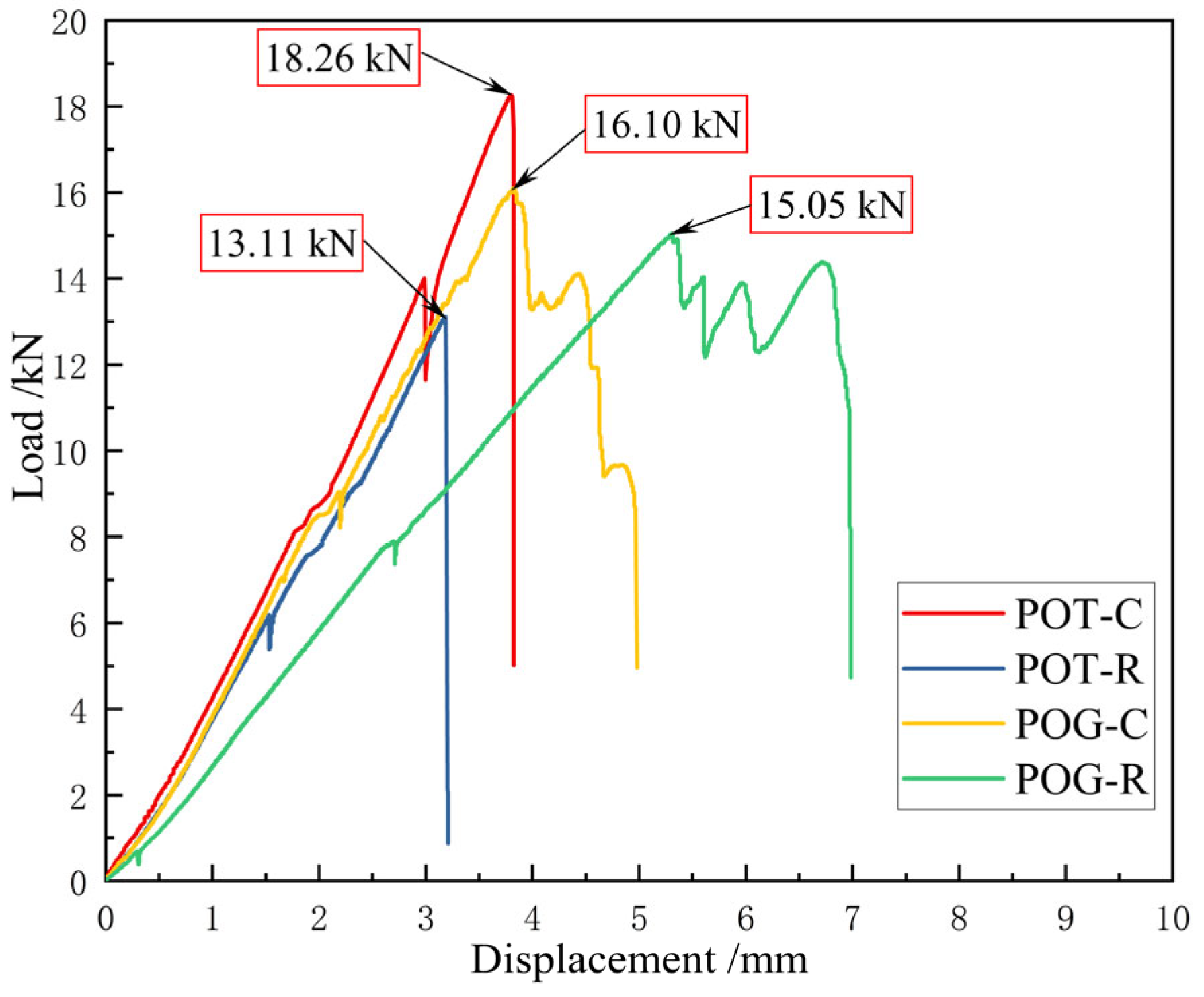
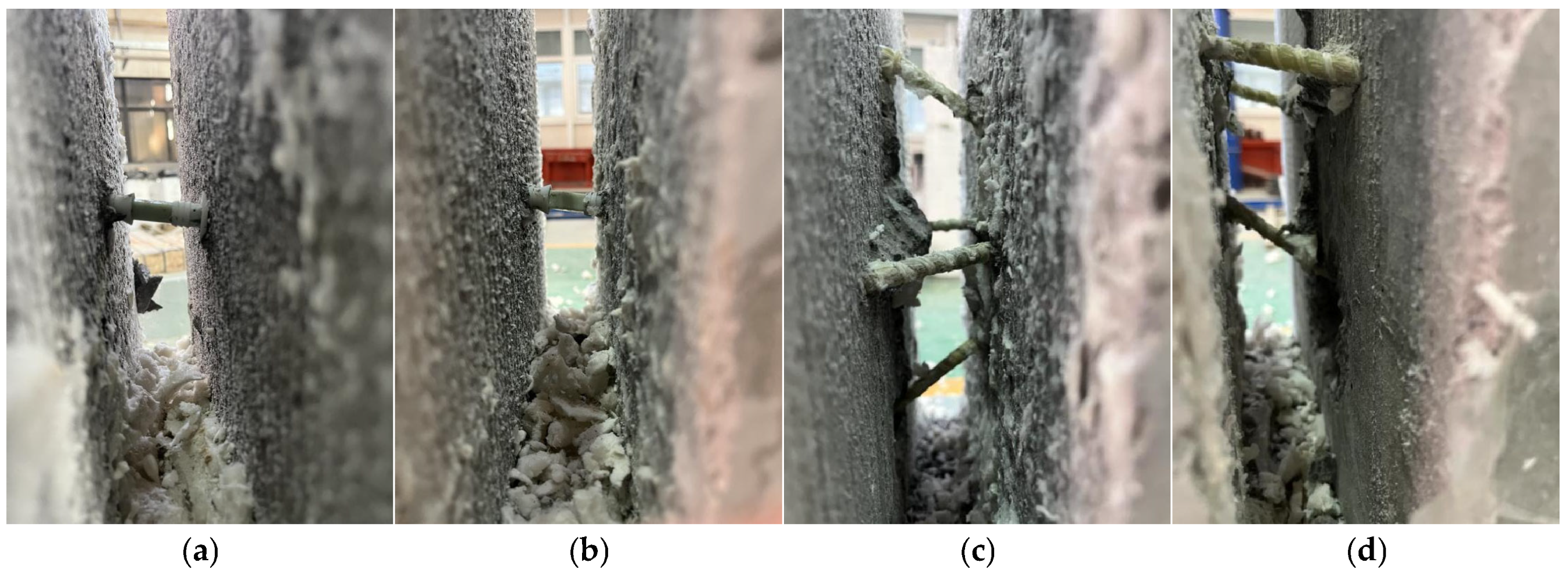
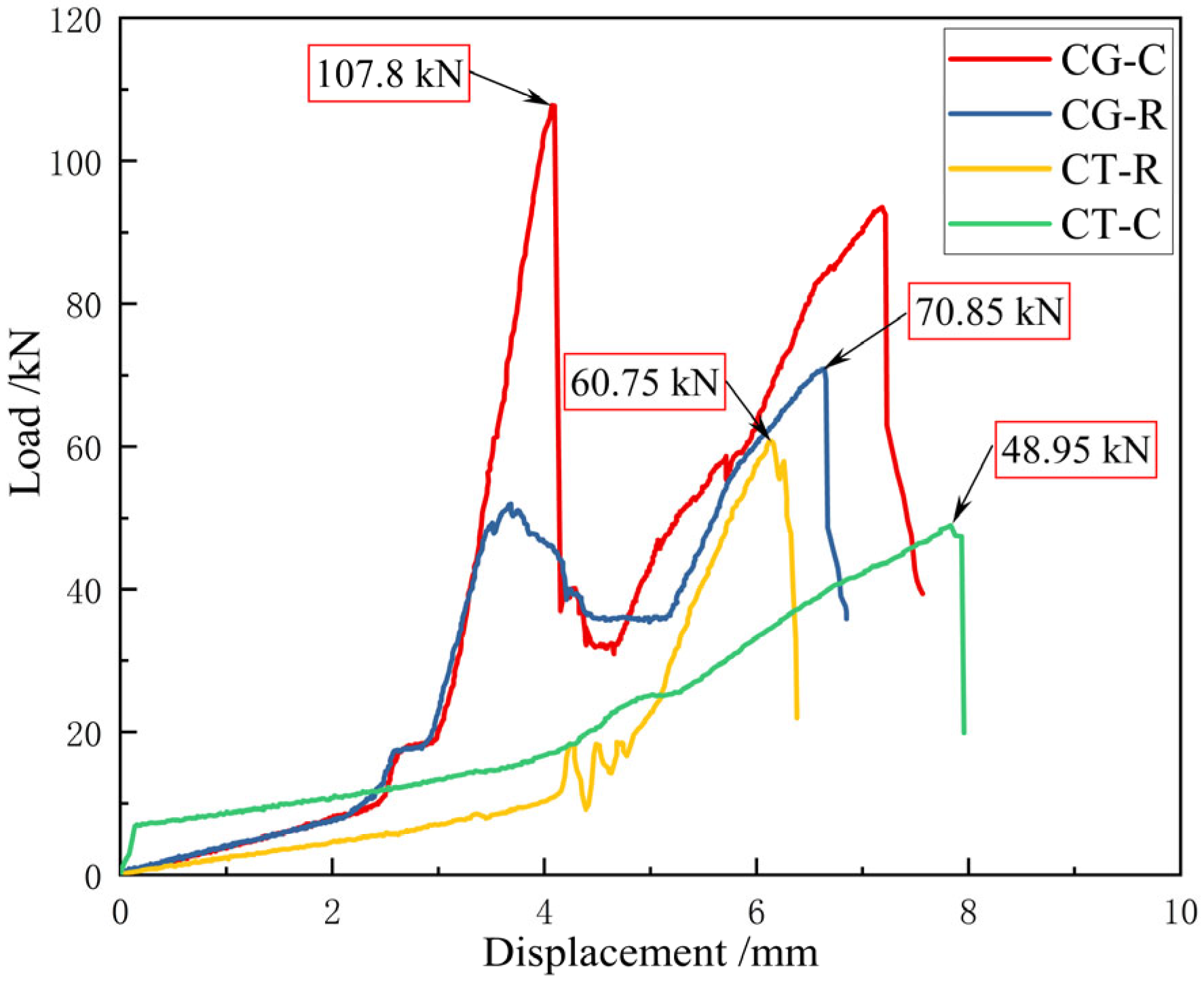
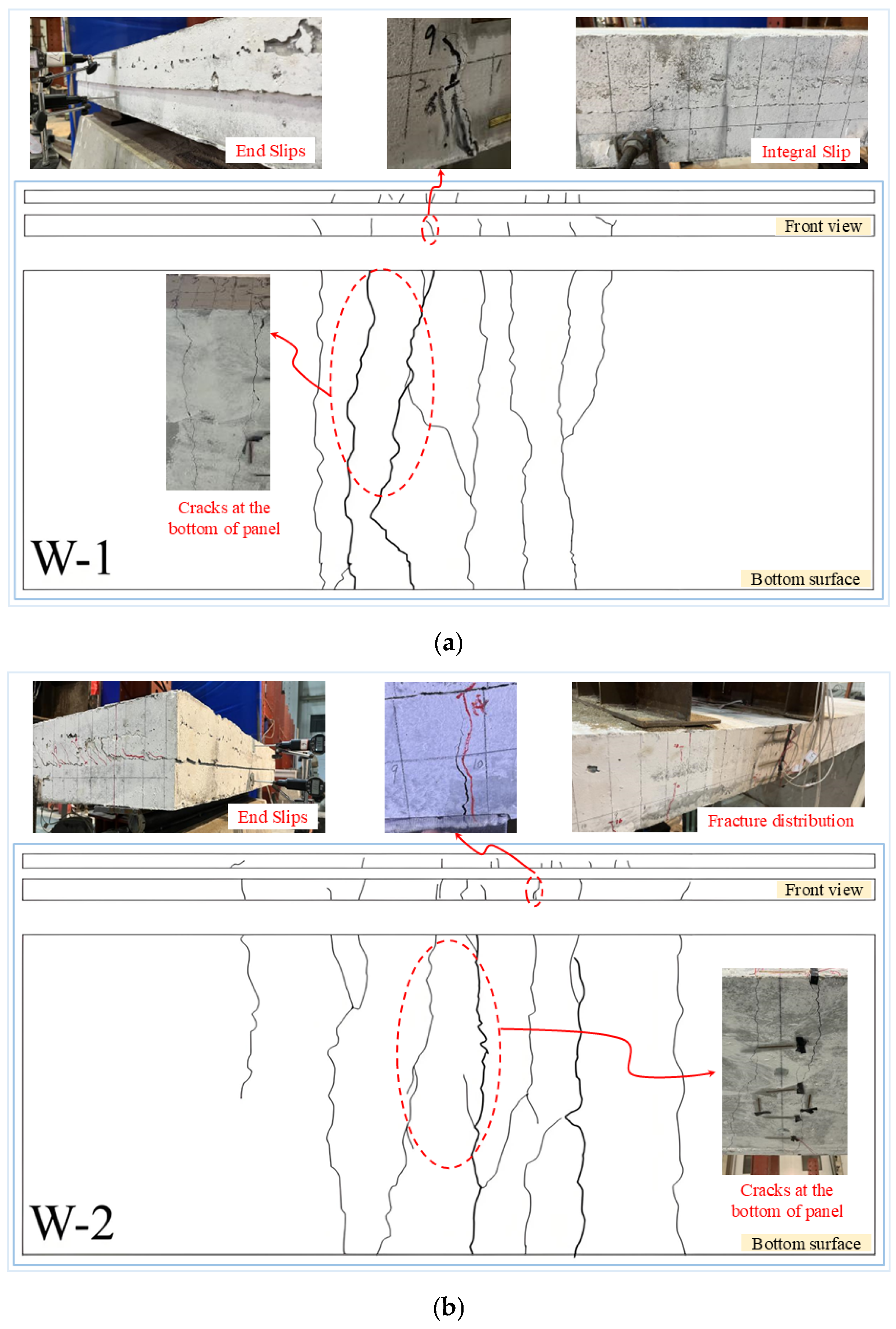
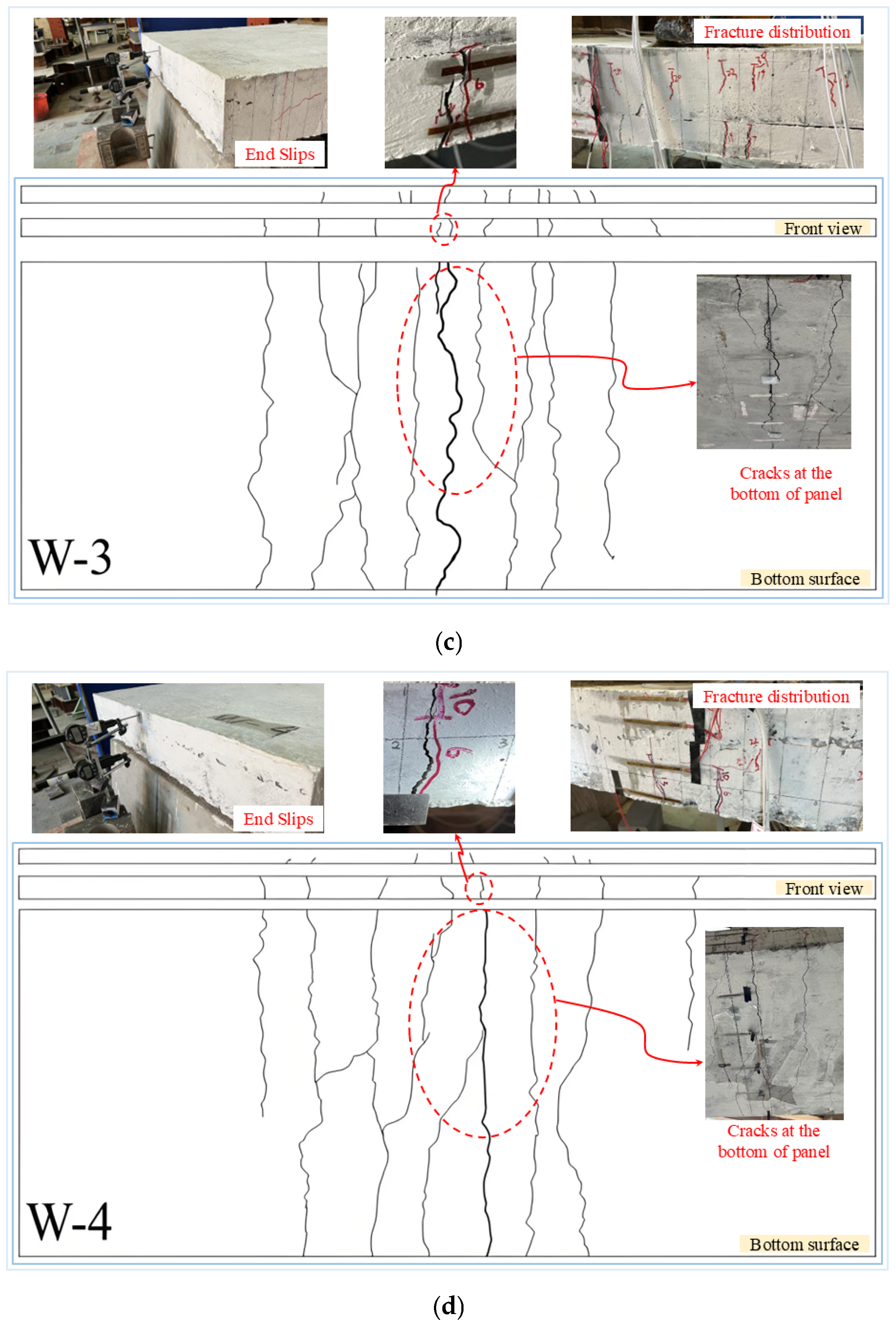
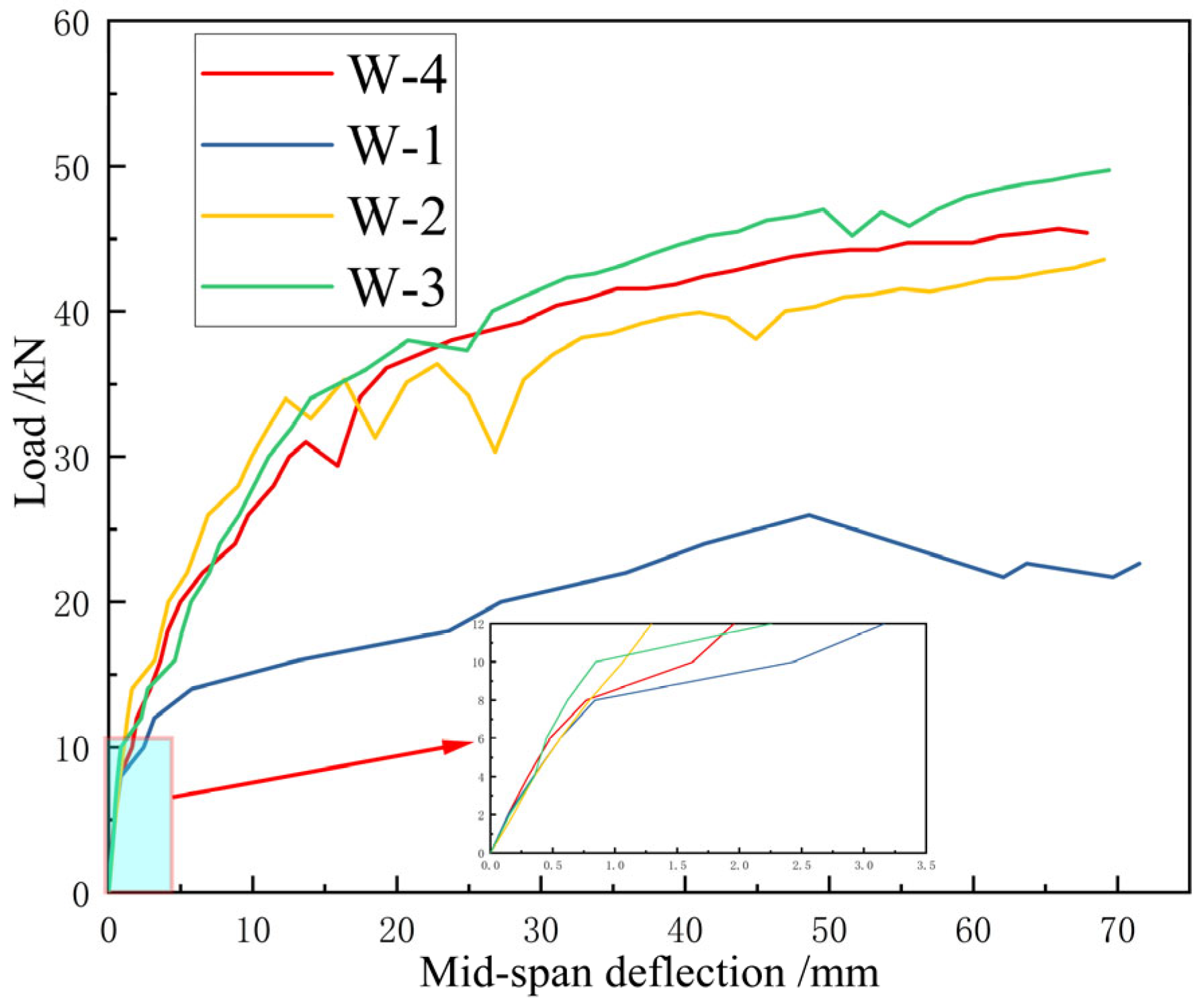
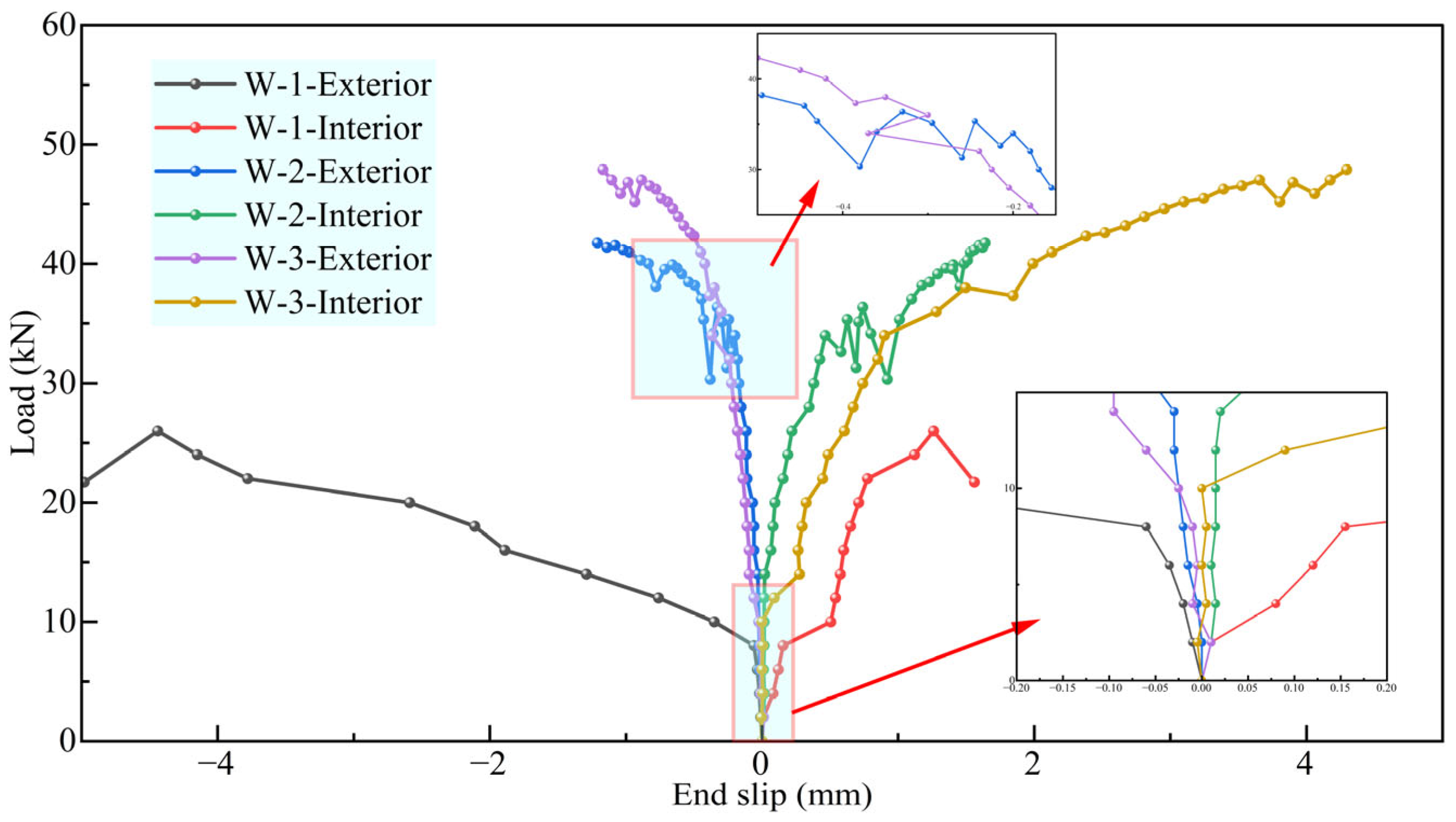
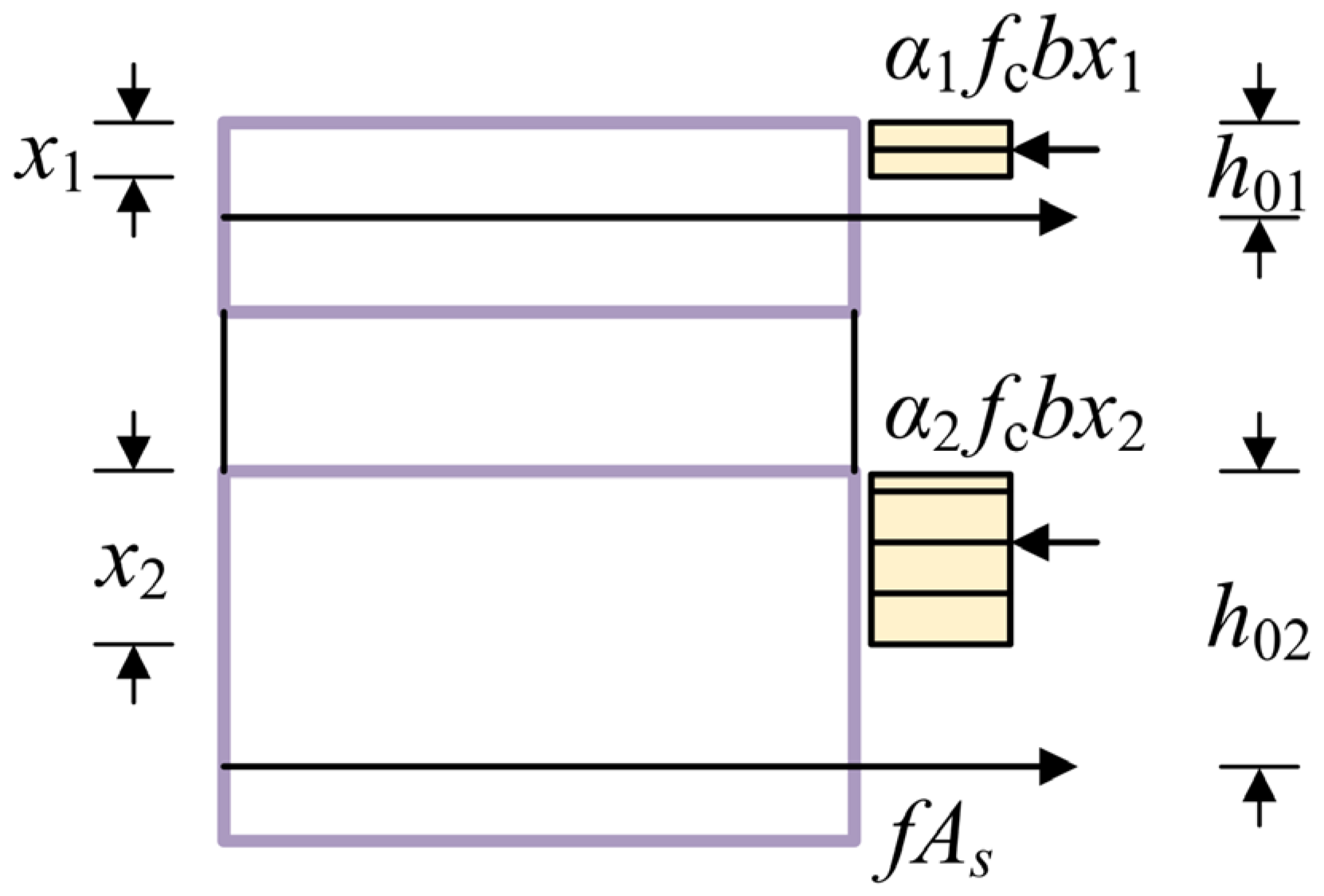
To improve both the composite performance of precast thermal insulation wall panels and the environmental sustainability of the structure, this study employs recycled concrete, and introduces an innovative four-footstool Glass Fiber Reinforced Plastic (GFRP) connector to join the inner and outer panels of precast thermal insulation wall systems. The experimental program included pull-out, shear, and bending tests to compare the performance of wall panels equipped with traditional Thermomass MS connectors and the novel GFRP connectors, using both conventional and fully recycled concrete. The results indicate that, when paired with recycled concrete, the GFRP connectors exhibited a 14.8% higher pull-out bearing capacity than the traditional connectors. Additionally, shear tests demonstrated that the GFRP connectors offered a 20.6% improvement in shear resistance compared to the Thermomass MS connectors. The bending strength of panels with GFRP connectors also showed an enhancement, with a 16.5% increase in flexural strength relative to those using traditional connectors. Notably, the GFRP connectors contributed to a more uniform crack distribution under loading, thereby improving the overall structural integrity. A reduction factor γ for the GFRP four-footstool connector was proposed based on a fully composite model, and the analysis of the composite degree calculation showed that the recycled concrete sample using the new GFRP connector had the highest composite degree.
Keywords: GFRP connectors; precast structure; recycled concrete; mechanical performance; thermal insulation wall panels GFRP connectors; precast structure; recycled concrete; mechanical performance; thermal insulation wall panels