Article

Bio-Inspired Thin-Walled Straight and Tapered Tubes with Variable Designs Subjected to Multiple Impact Angles for Building Constructions


by
Quanjin Ma
1,2,3,*,
Nor Hazwani Mohd Yusof
3,
Santosh Kumar Sahu
4,
Yiheng Song
5,
Nabilah Afiqah Mohd Radzuan
6,*,
Bo Sun
7,
Ahmad Yunus Nasution
3,8,
Alagesan Praveen Kumar
9 and
Mohd Ruzaimi Mat Rejab
3,*
1
Centre for Advanced Industrial Technology, Universiti Malaysia Pahang Al-Sultan Abdullah, Pekan 26600, Pahang, Malaysia
2
School of Automation and Intelligent Manufacturing, Southern University of Science and Technology, Shenzhen 518055, China
3
Structural Performance Materials Engineering (SUPEREME) Focus Group, Faculty of Mechanical & Automotive Engineering Technology, Universiti Malaysia Pahang Al-Sultan Abdullah, Pekan 26600, Pahang, Malaysia
4
School of Mechanical Engineering, VIT-AP University, Besides A.P. Secretariat, Amaravati 522237, Andhra Pradesh, India
5
School of Engineering, The University of Tokyo, Tokyo 113-8654, Japan
6
Department of Mechanical & Manufacturing Engineering, Faculty Engineering & Built Environment, Universiti Kebangsaan Malaysia, Bangi 43600, Selangor, Malaysia
7
Centre of Printable Electronics, Universiti Malaya, Kuala Lumpur 50603, Selangor, Malaysia
8
Department of Mechanical Engineering, Faculty of Engineering, Universitas Sumatera Utara, Medan 20155, Sumatera Utara, Indonesia
9
Department of Mechanical Engineering, Easwari Engineering College, Chennai 600089, Tamil Nadu, India
*
Authors to whom correspondence should be addressed.
Buildings 2025, 15(4), 620; https://doi.org/10.3390/buildings15040620

Submission received: 19 January 2025 / Revised: 6 February 2025 / Accepted: 12 February 2025 / Published: 17 February 2025
(This article belongs to the Special Issue Bionic Materials and Structures in Civil Engineering)

Abstract

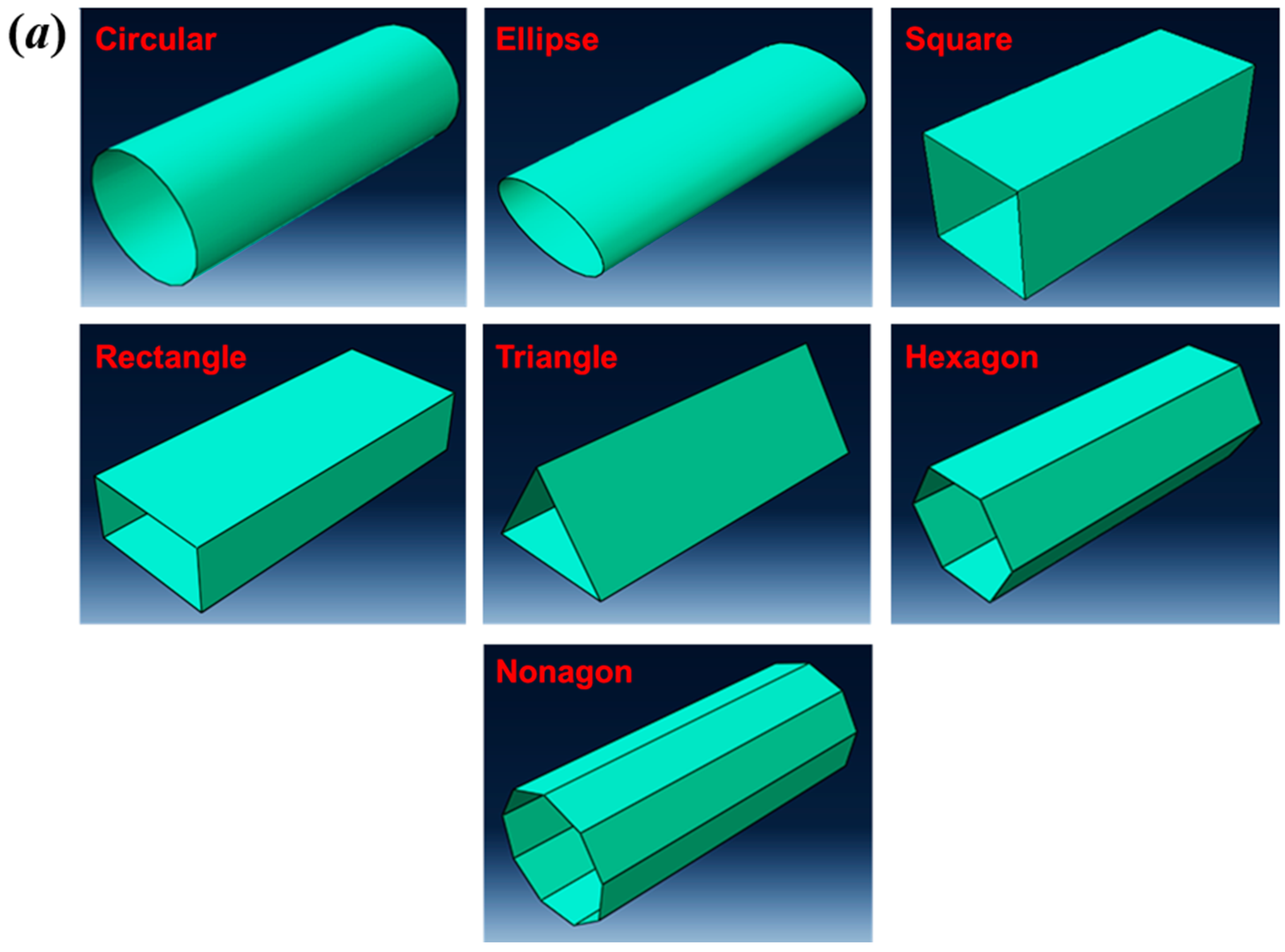
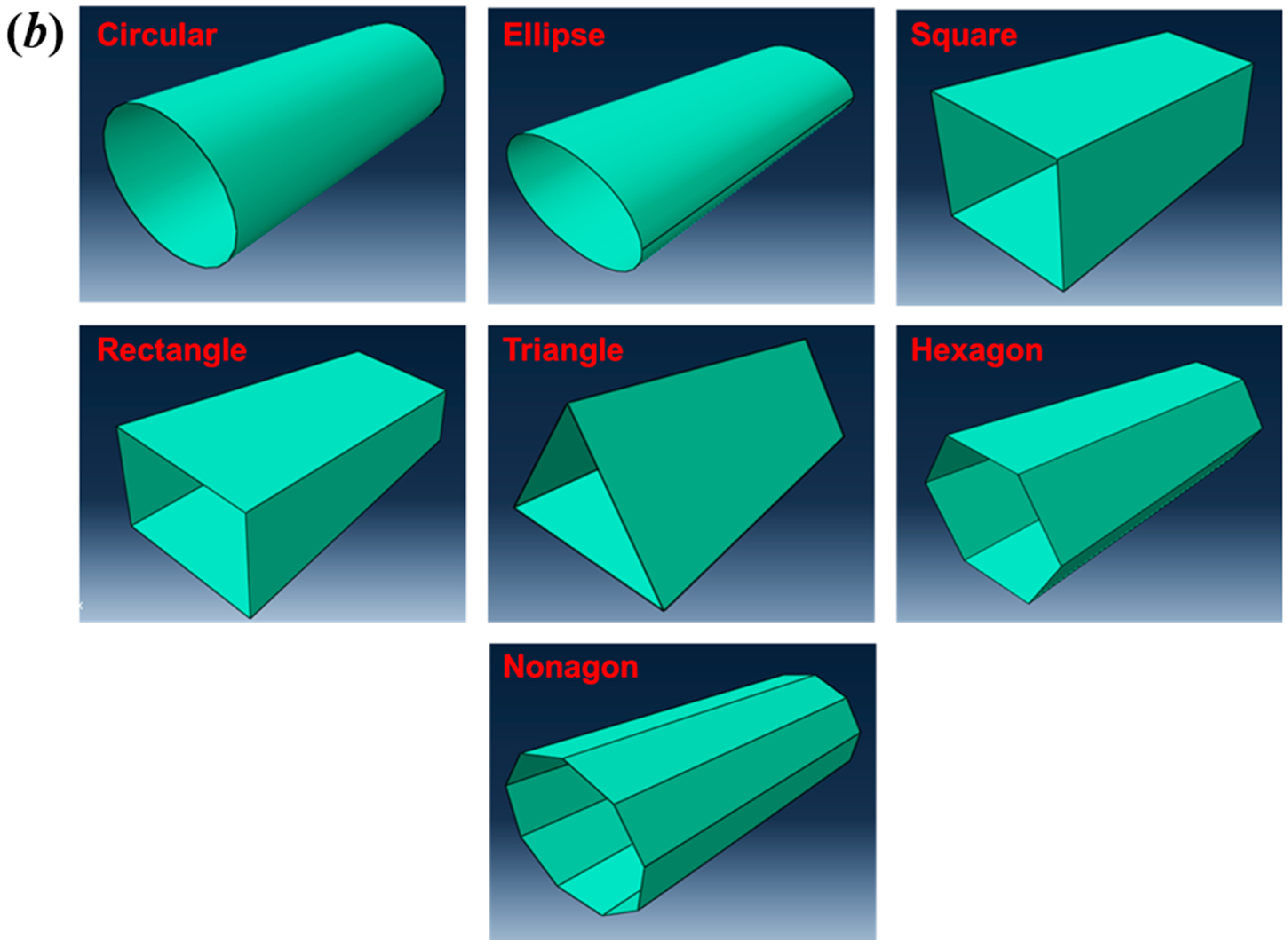
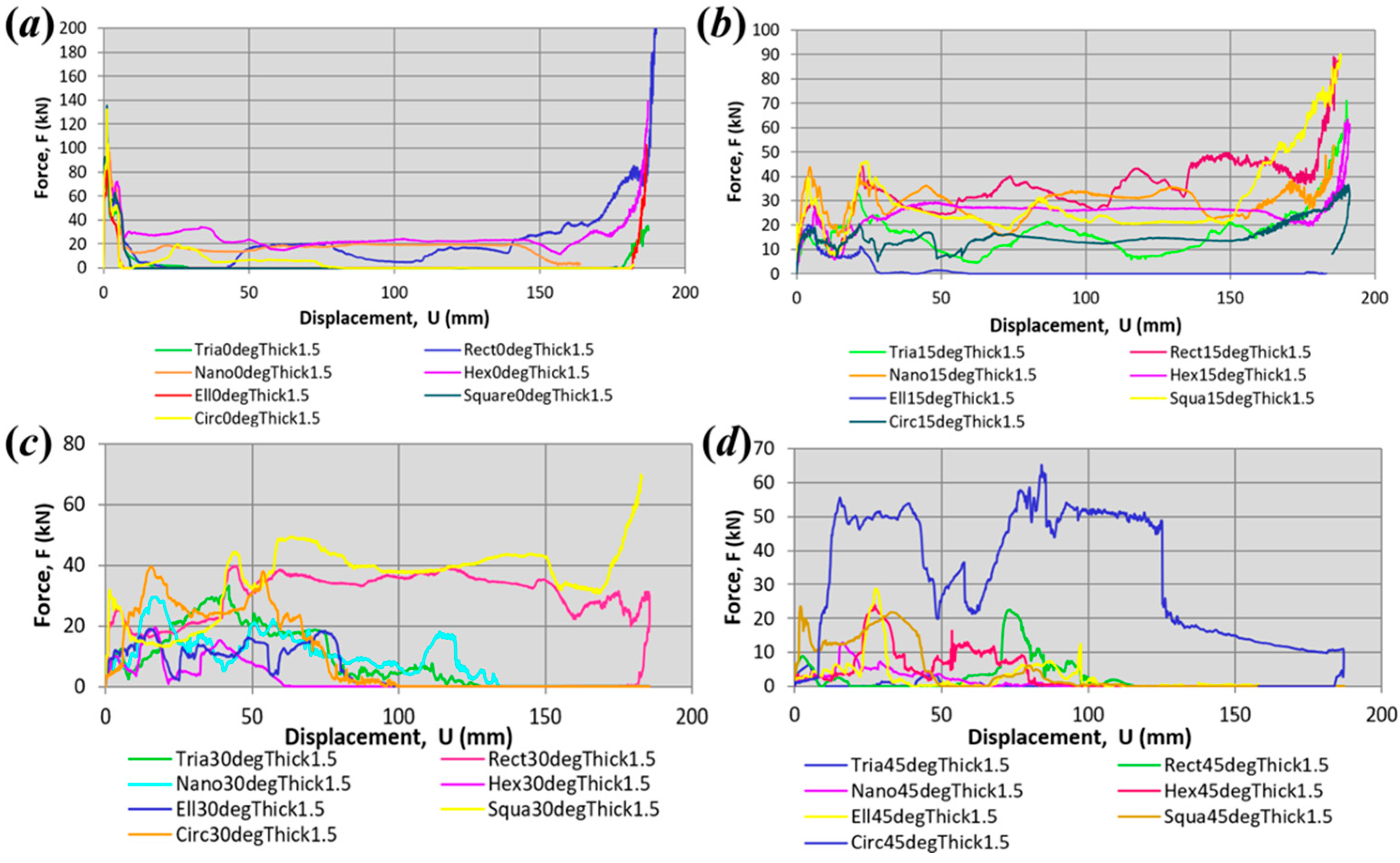
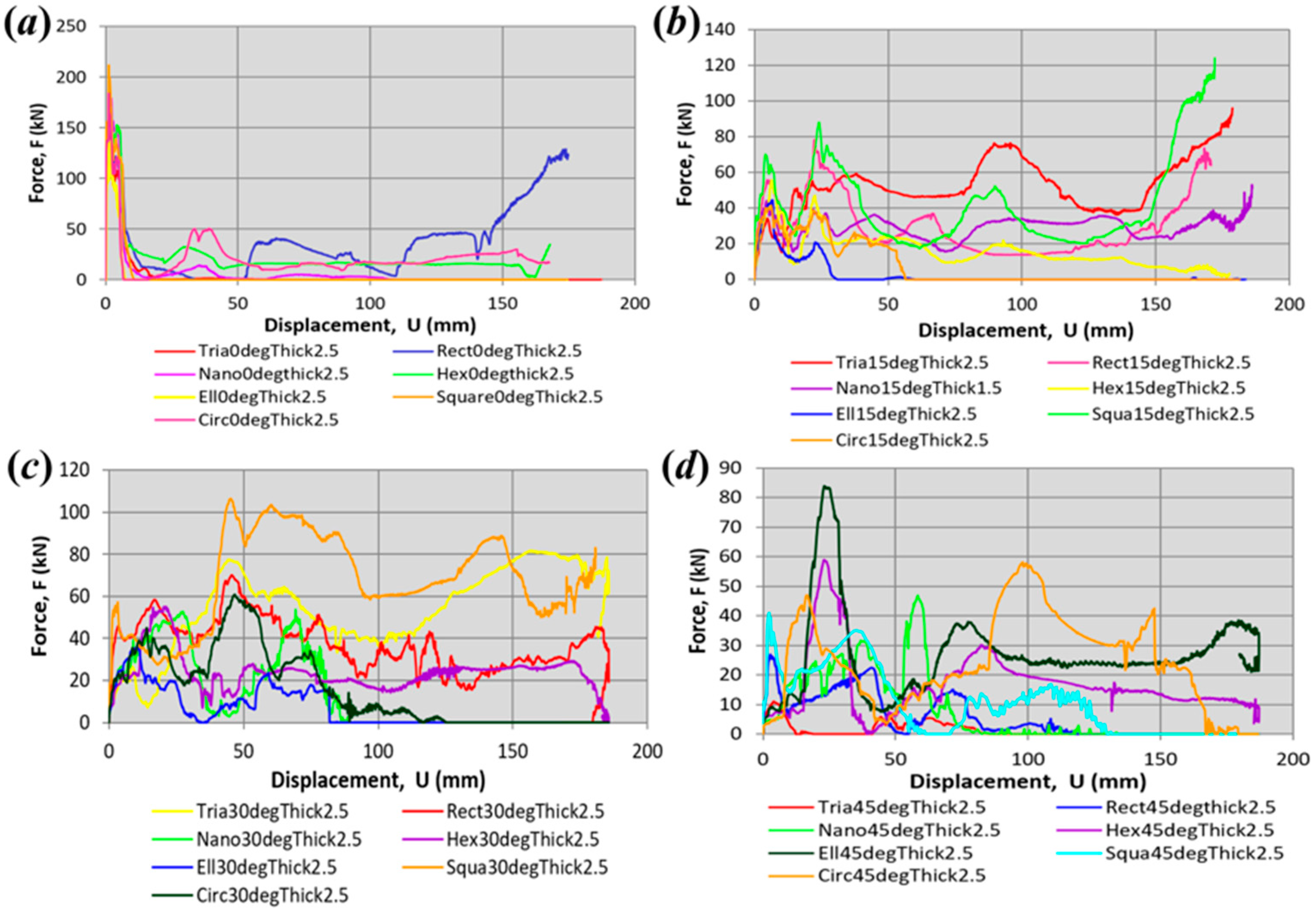
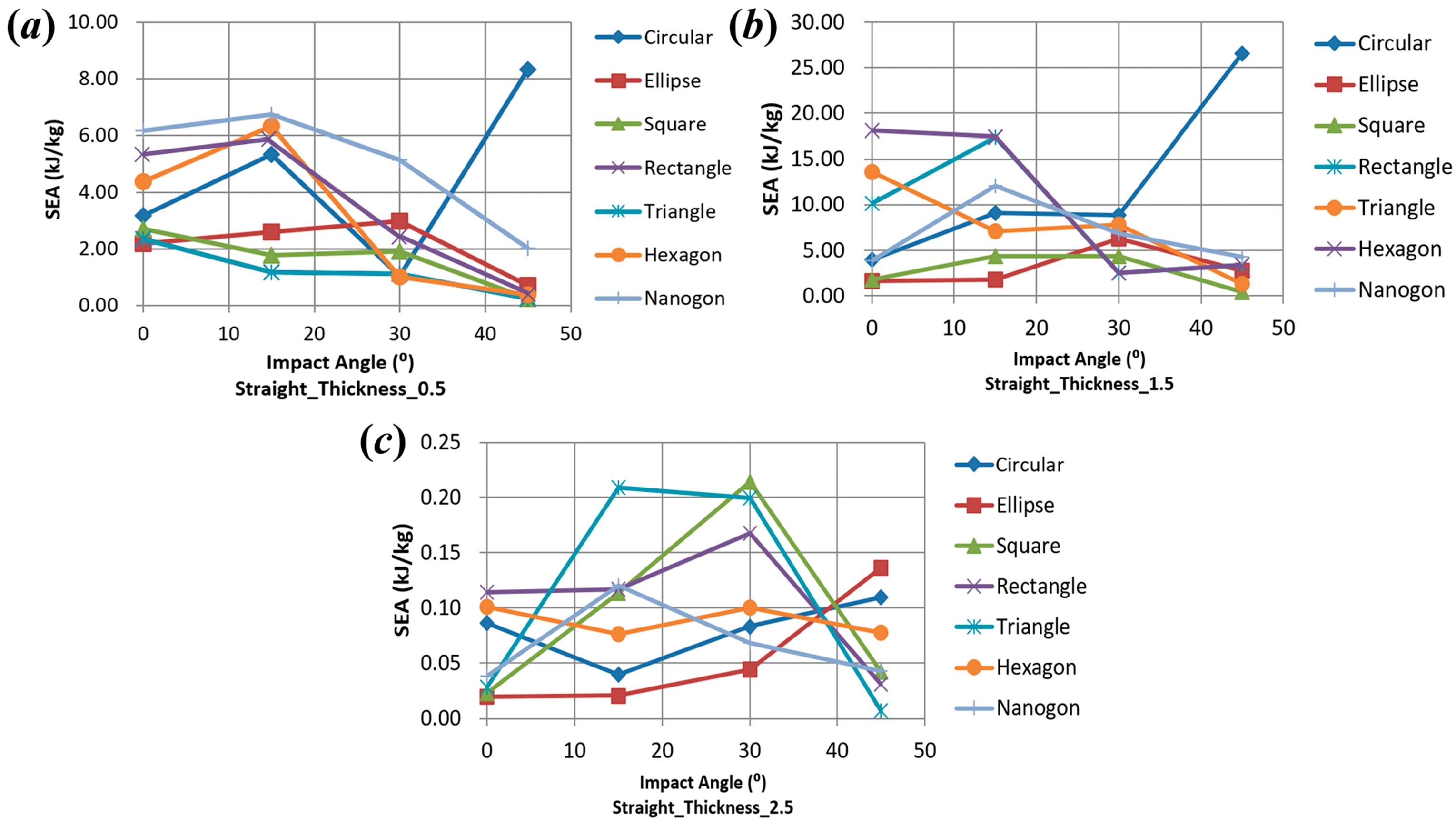
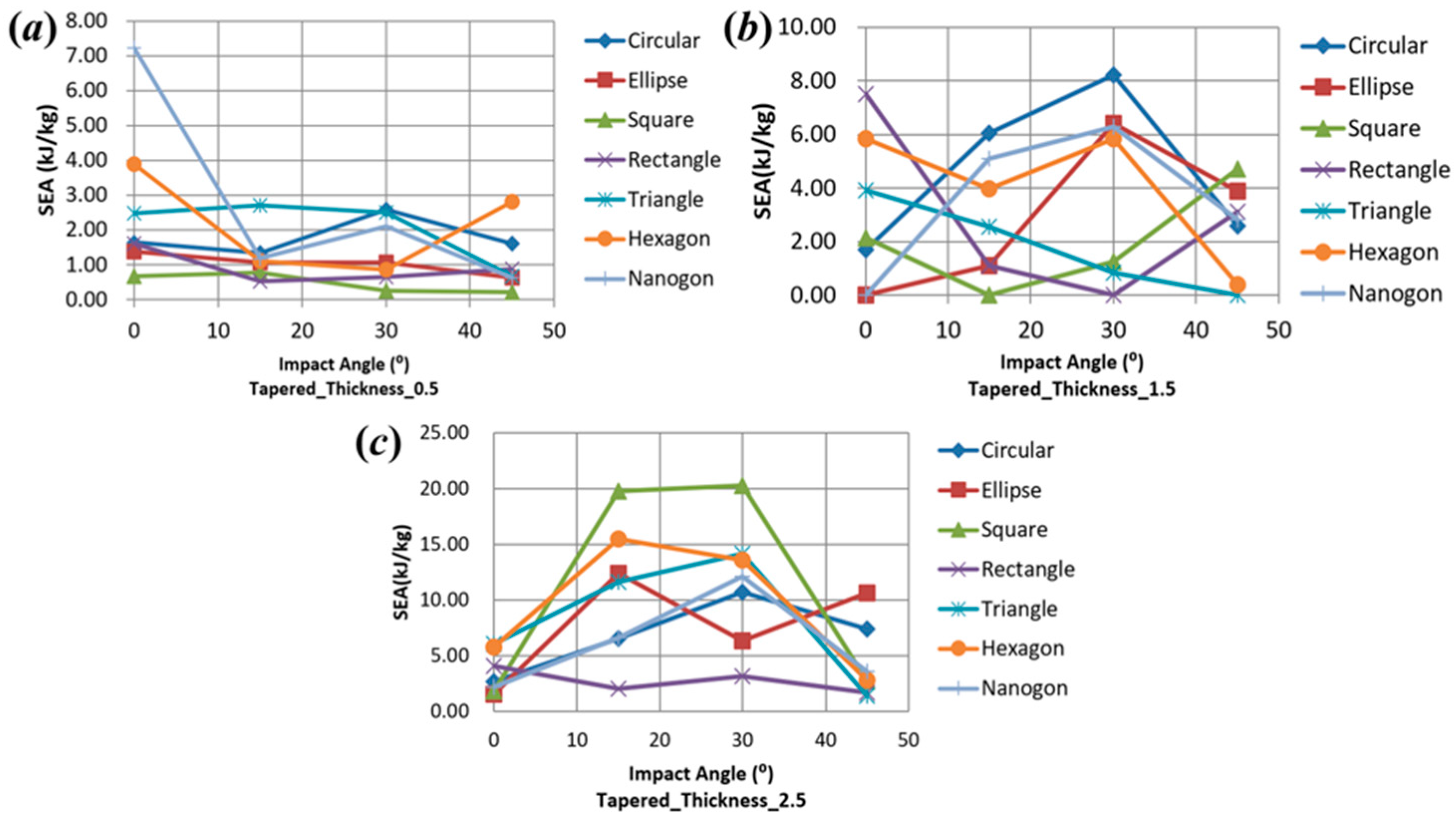
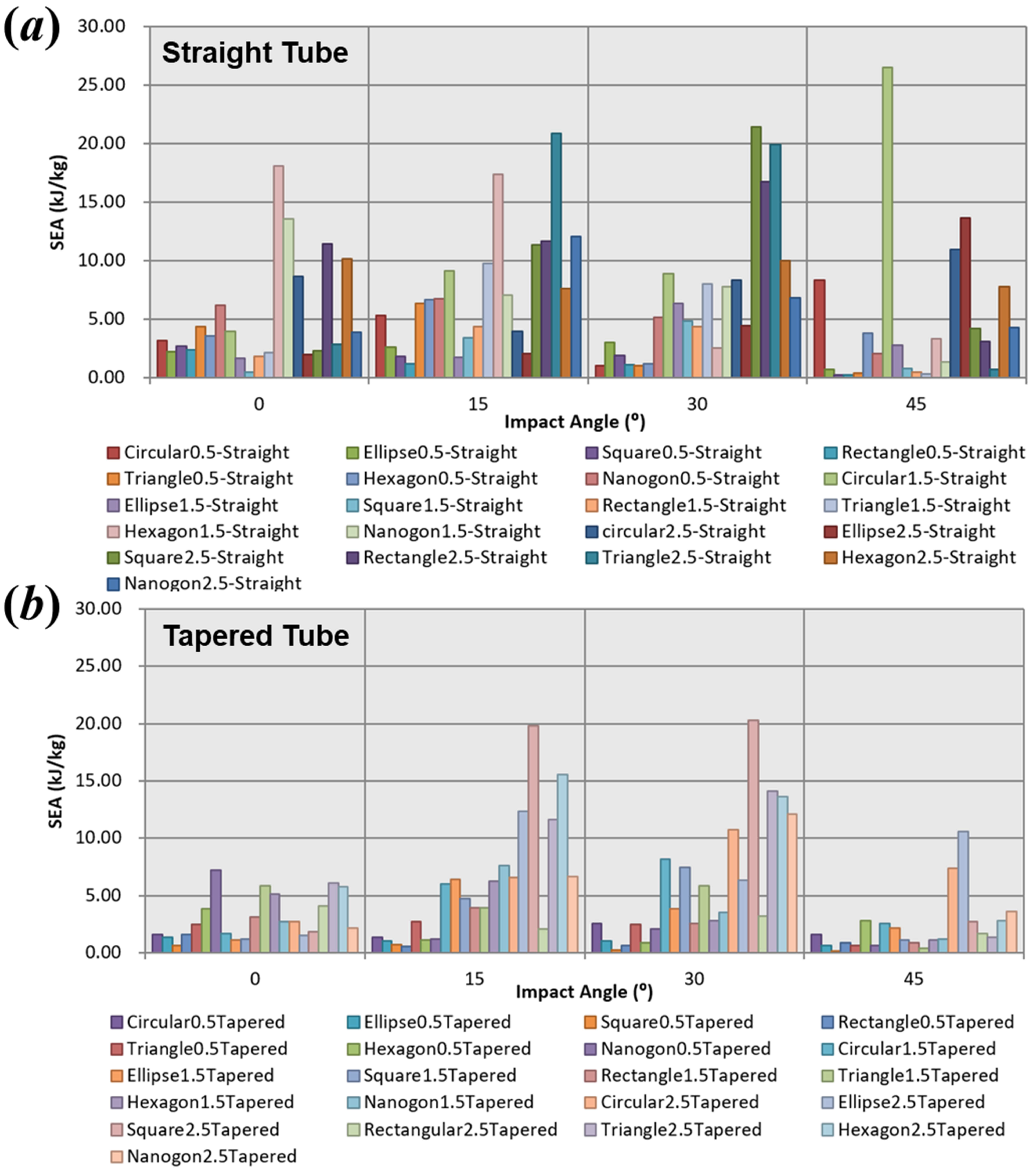
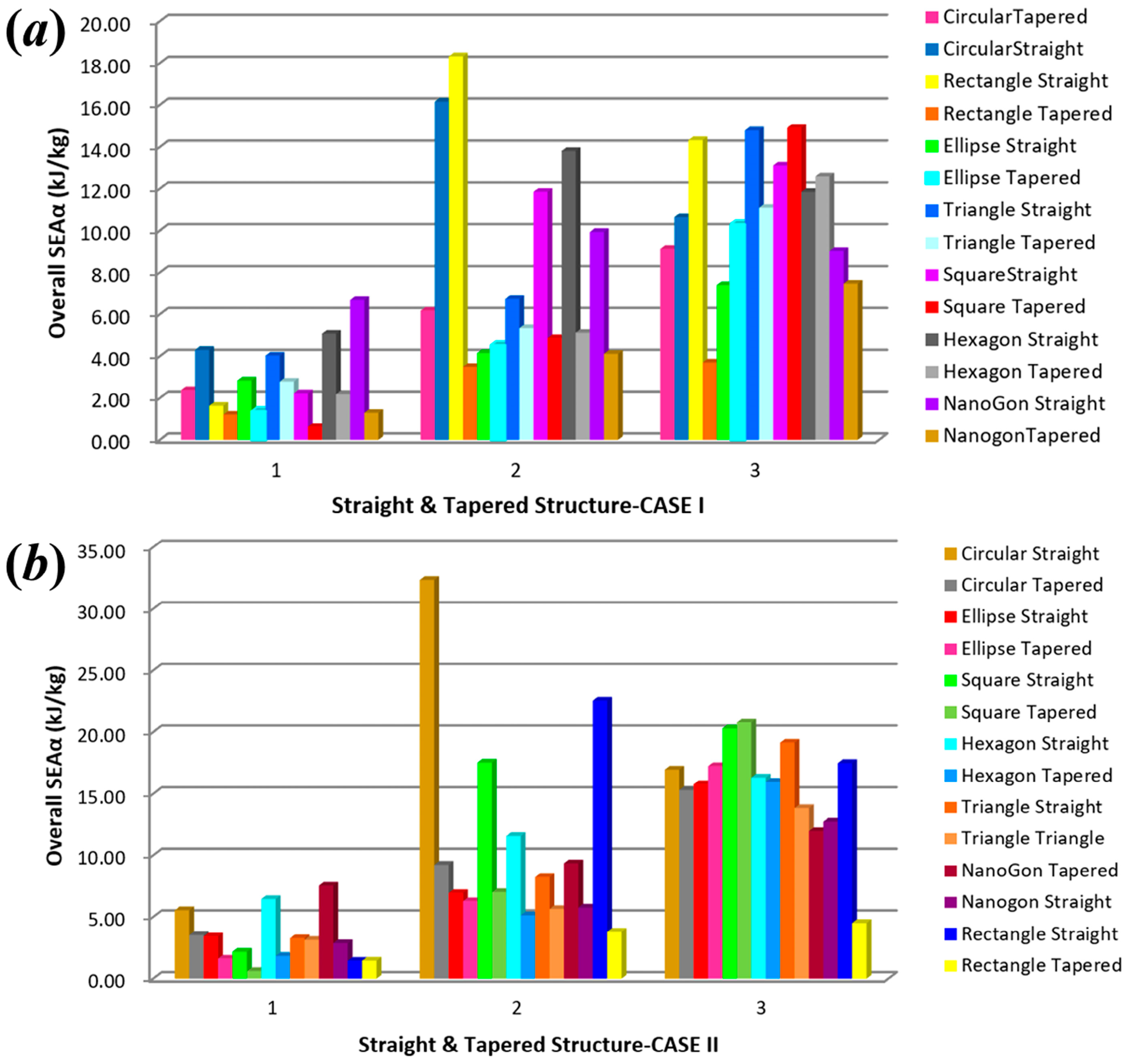
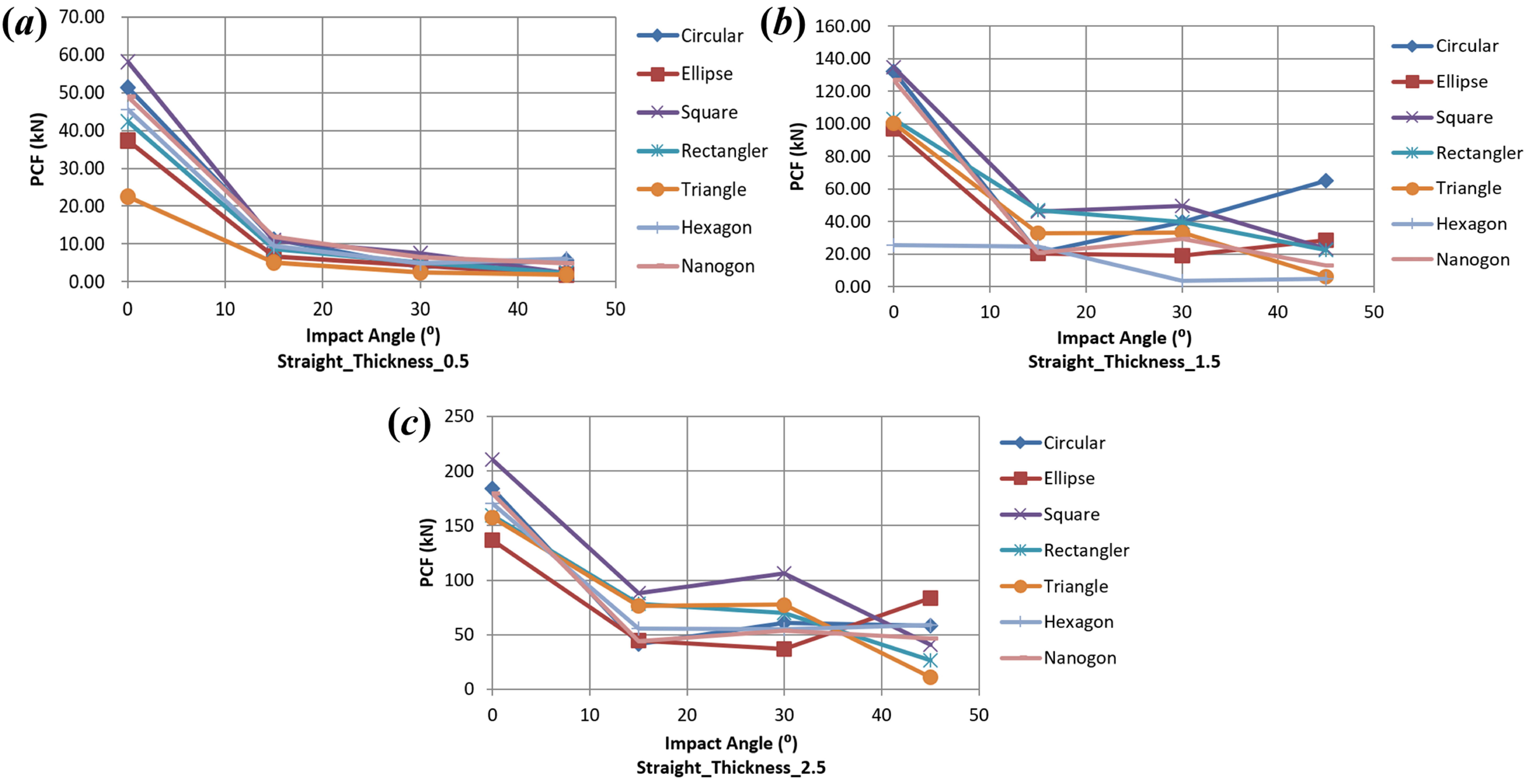
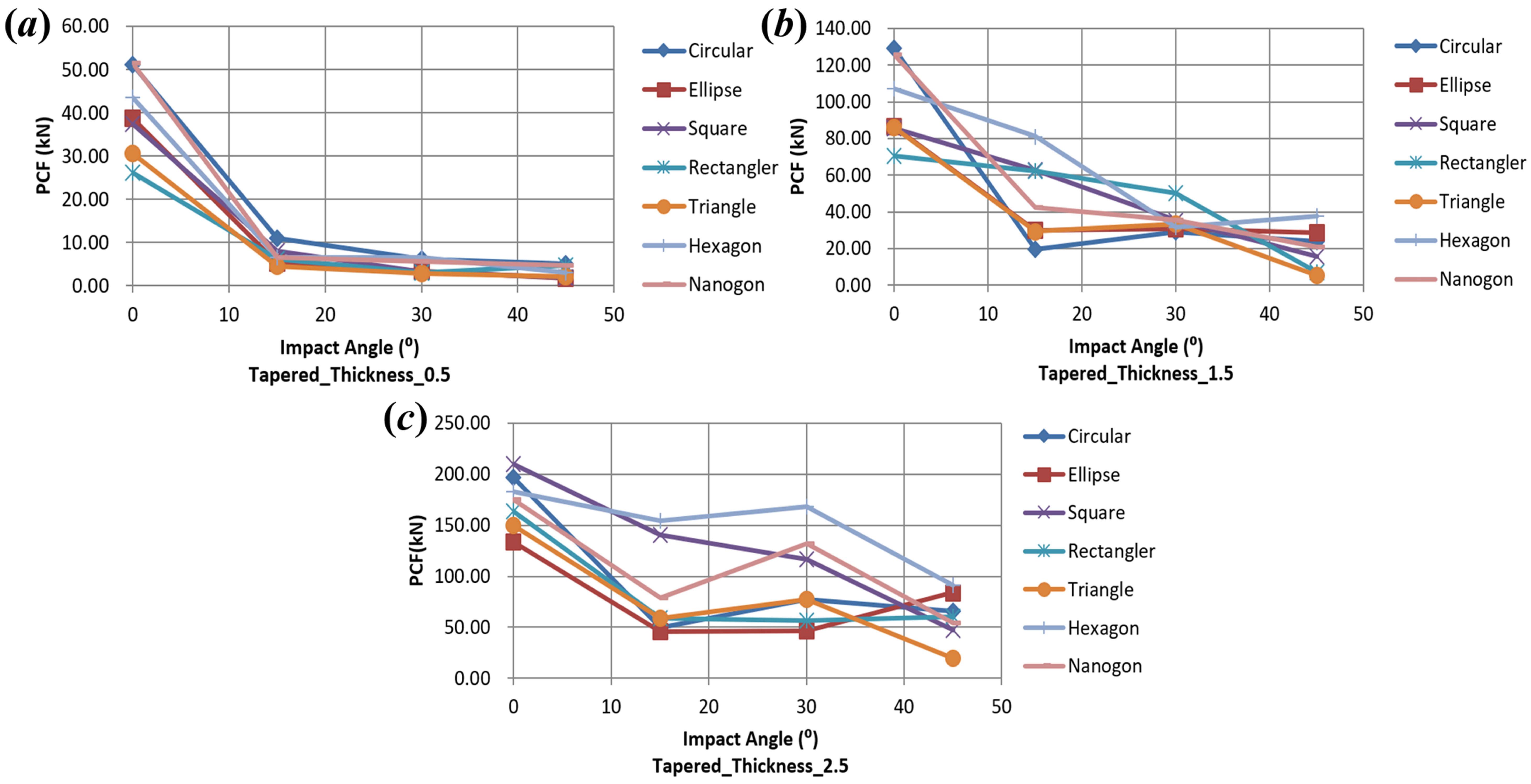
Thin-walled structures are extensively utilized in construction because of their lightweight nature and excellent energy absorption efficiency, especially under dynamic loads. Improving the energy-absorbing performance of thin-walled structures by inspiring natural multi-cell designs is a sufficient approach. This paper investigates the energy-absorbing characteristics of variable novel cross-section designs of thin-walled structures subjected to oblique impact loading. Straight and tapered types with seven cross-sectional designs of novel thin-walled structures were studied. The nonlinear ABAQUS/Explicit software 6.13 version was implemented to analyze the crashworthiness behaviors for the proposed variable cross-section designs under different loading angles. The crushing behaviors of the proposed thin-walled structures were examined for various wall thicknesses of 0.5 mm, 1.5 mm, and 2.5 mm and impact loading angles of 0°, 15°, 30°, and 45°. It was determined that the energy-absorbing characteristics of novel thin-walled structures can be efficiently controlled by varying two geometries and seven cross-section designs. A multi-criteria decision-making method (MCDM) using a complex proportional assessment method (COPRAS) was performed to select the optimum thin-walled structures with cross-section designs. It was shown that a tapered square thin-walled structure with 2.5 mm thickness had the best crashworthiness performances with energy absorption (EA) of 11.01 kJ and specific energy absorption (SEA) of 20.32 kJ/kg under a 30° impact angle. Moreover, the results indicated that the EA of the thin-walled structure decreased with the increase in the impact loading angle. In addition, with the increase in the impact loading angle, the peak crushing force (PCF) decreased and reflected the reduction in energy absorbed at a larger angle. The MCDM method in conjunction with the COPRAS method is proposed, it provides valuable insights for safer and more resilient building construction.
Keywords: thin-walled structure; energy-absorbing characteristic; multi-criteria decision-making method; oblique impact loading; geometric structures; finite element modeling thin-walled structure; energy-absorbing characteristic; multi-criteria decision-making method; oblique impact loading; geometric structures; finite element modeling