


Abstract
This systematic review assesses indoor air quality (IAQ) in tropical residences (Köppen Af/Am/Aw), explicitly linking IAQ to ventilation from in situ monitoring and, when relevant, occupant surveys (surveys synthesized qualitatively). This focus is warranted by the scarcity of tropical, housing-specific evidence. Searches were performed exclusively in Google Scholar (25 August 2024–5 August 2025; English/Spanish) under PRISMA, with documented queries/filters; eligible studies reported residential settings, tropical climate, and IAQ–ventilation linkage. Results show a regulatory mosaic with few binding residential limits and heterogeneous protocols that hinder comparison. Robust patterns include cooking-related particle peaks, penetration of traffic dust, humidity-driven VOC/formaldehyde emissions, and mold growth under deficient hygrothermal control. CO2 is a useful operational indicator of ventilation yet insufficient for risk assessment without PM and VOC monitoring. Evidence supports source control, cross-ventilation and/or on-demand extraction/outdoor-air supply, humidity management, and filtration/purification to avoid particle ingress during ventilation. Reporting of sensor performance (calibration, drift, RH/T effects) is inconsistent, and targeted evaluations of TVOC/formaldehyde and window screens (mesh) are scarce. We conclude that tropical residential IAQ management requires multi-parameter, continuous monitoring, standardized reporting, and trials integrating ventilation, dehumidification, and filtration under real occupancy, alongside adaptive regulation and passive tropical design augmented by light mechanical support and informed occupant behavior.
1. Introduction
Acceptable Indoor air quality (IAQ) is formally defined as “air in which there are no known contaminants at harmful concentration” and with which a substantial majority (80% or more) of the people exposed do not express dissatisfaction [1]. This dual criterion, encompassing both health-based safety and occupant perception, frames the environmental state within buildings such as homes, schools or offices, where its relevance to public health is increasingly critical [2]. While IAQ has been widely studied in temperate climates [3], research has predominantly focused on offices and educational buildings, leaving residential spaces significantly underrepresented [4].
Recently, IAQ control has taken on a central role in environmental design and HVAC systems, driven by the pandemic and the increase in extreme events (fires, heat waves, etc. [5]). These challenges simultaneously strain ventilation requirements and energy efficiency goals [3]. This is particularly relevant considering that people spend, on average, around 90% of their time indoors, where various pollutants can be found at levels 2 to 5 times higher than typical outdoor concentrations and susceptible groups often spend even more time in these enclosed spaces [2,6].
Both climate and architecture shape IAQ. Building form, materials, design, and orientation of openings govern airflow patterns, heat transmission, and radiation exposure [7,8,9]. In turn, human activities, building characteristics, and the type of ventilation (natural, mechanical, or mixed) determine air renewal and, therefore, the dilution/accumulation of pollutants [10,11,12]. In tropical climates (Af/Am/Aw), specific challenges arise: high temperatures and high relative humidity, combined with intermittent natural ventilation and permeable building envelopes, mean that the transport and persistence of pollutants are heavily dependent on thermo-hygrometric conditions and daily operational decisions, such as window operation or the use of split-unit air conditioning [13,14,15].
In this context, reliable monitoring is crucial. Recent literature emphasizes that data utility depends on robust sensor selection, calibration, and validation against reference equipment, as low-cost sensors often exhibit bias under real-world conditions [16,17,18]. Furthermore, while CO2 is a standard operational indicator for demand-controlled ventilation, it is insufficient as a standalone proxy for exposure risk; it must be supplemented with particulate matter (PM2.5/PM10), TVOCs, and thermo-hygrometric variables to provide a comprehensive IAQ assessment [19,20,21].
From a regulatory perspective, a fragmented landscape predominates. While standards for minimum ventilation (ASHRAE 62.1 [1]), thermal comfort regulation (ASHRAE 55 [22]) and IAQ measurements methods (ISO 16000 series [23]) exist, specific binding limits for residential environments are often lacking. Consequently, studies frequently rely on occupational guidelines or non-enforceable frameworks [24]. In tropical regions, this leads to a heterogeneous reliance on sectoral benchmarks. To illustrate this regulatory mosaic, we examine the following representative examples:
- Occupational/Commercial Extrapolation: Countries like Panama (ACP 1410SAL-208) [25] and Malaysia (ICOP IAQ 2010) [26] regulate IAQ primarily for offices or industrial spaces, establishing limits for CO2 (approx. 1000 ppm), temperature, and specific pollutants, which are cautiously extrapolated to housing lacking its own standards.
- Mechanical Ventilation Standards: Singapore’s SS 554:2016 [27] offers strict regional references (e.g., CO2 ≤ 700 ppm above outdoor levels) but is designed for mechanically conditioned buildings rather than naturally ventilated homes.
- Residential Specifics: Indonesia presents a rare case of explicit residential criteria (Permenkes 1077/2011) [28] alongside occupational limits, defining thresholds for PM2.5, ventilation rates, and physical parameters. Overall, this regulatory disparity complicates the comparison of studies and the translation of evidence into cohesive residential policies [29,30,31,32,33,34,35,36].
Current consensus suggests that residential IAQ is governed by a dynamic interaction between building, occupants, and climate, where effective ventilation must be balanced with filtration and humidity control. Furthermore, while CO2 serves as a useful operational trigger, it is increasingly viewed as insufficient as a sole indicator, requiring supplementation with PM, TVOCs, and thermo-hygrometric metrics to fully capture exposure risks [21]. Consequently, robust management models advocate for integrating verifiable cross ventilation, source extraction, and controlled outdoor air supply during cooling modes [8,37,38].
In practice, the field faces a challenge regarding management strategies in the tropics. Increasing ventilation dilutes CO2, but in humid climates (Af/Am/Aw), uncontrolled outdoor air intake can increase latent loads and degrade thermal comfort [39]. Conversely, sealing spaces for air conditioning improves temperature but risks CO2 accumulation. Therefore, robust strategies must integrate hybrid approaches: demand-controlled ventilation (e.g., triggered by CO2 or occupancy), filtration (e.g., HEPA) [10,40,41], and active humidity management [10,42,43]. Effective tropical IAQ management thus requires a triad of interventions: verifiable cross-ventilation [44], source-specific extraction, and controlled outdoor air supply during cooling modes [7,12].
The critical gap addressed by this review is the absence of a ventilation-explicit synthesis of IAQ specifically for tropical dwellings. While general IEQ reviews exist, they often focus on non-residential buildings, conflate climatic zones, or fail to link measured contaminants with the operational reality of occupied homes [4,45]. Existing literature has highlighted gaps in social housing and the need for standardized protocols [4,45], but a consolidated evidence base for Af/Am/Aw climates remains absent.
To bridge this gap, this systematic review synthesizes actionable evidence to:
- Define the tropical residential context using comparable measurement criteria.
- Integrate ventilation performance with exposure metrics (CO2, PM2.5, TVOC, formaldehyde) and occupant behavior.
- Propose an operational framework—including indicators, and demand-based rules—for future residential guidelines.
On this basis, research questions RQ1–RQ4 are formulated and analyzed using the PRISMA methodology [46].
To articulate the findings currently scattered across the literature, this study is organized following the logical sequence illustrated in Figure 1. This visual scheme delineates the narrative progression of the review: it starts from the definition of climatic constraints and the regulatory gap (Introduction) and the systematic evidence screening (Methodology), advances toward the analysis of the critical dynamic between the occupant, the building, and pollutants (Results), and culminates with the proposal of an intervention triad and an operational framework (Discussion) necessary to establish health resilience policies (Conclusions).
Figure 1.
Schematic structure of the systematic review. The flowchart delineates the narrative progression from the definition of tropical constraints (Introduction) and methodological screening (PRISMA), through the analysis of the evidence gap and occupant-pollutant dynamics (Results), to the proposal of an integrated management strategy (Discussion) and final policy recommendations (Conclusion).
2. Materials and Methods
This review was designed and reported following the PRISMA 2020 framework [46]; the PRISMA checklist is provided in Supplementary Material. The primary methodological objective was to synthesize evidence on Indoor Air Quality (IAQ) specifically within occupied residential dwellings in tropical climates (Köppen Af, Am, and Aw), with a mandatory explicit link to ventilation strategies. To structure the review and ensure a focused synthesis, four research questions (RQs) were formulated prior to the search:
- RQ1: What is the current state of the literature on IAQ in homes located in Am, Af, and Aw regions according to the Koppen climate classification?
- RQ2: To what extent do the pollutants measured in these studies comply with or exceed the suggested international limits for indoor environments?
- RQ3: What interventions have been tested and how effective have they been in improving IAQ in these dwellings?
- RQ4: What architectural features, ventilation systems and their operation, and climatic factors explain the variations observed in indoor air quality (IAQ)?
A comprehensive search was conducted using the Google Scholar database to ensure broad coverage of regional literature often excluded by strictly commercial indices. Recent bibliometric studies indicate that Google Scholar provides a superset of data, covering approximately 95% of the citations found in Web of Science and Scopus, while significantly expanding access to non-English and regional journals critical for tropical research [47,48]. Therefore, this engine was selected to minimize geographical bias and capture evidence from local repositories in the Global South. The literature search was conducted between 25 August 2024 and 5 August 2025, with no restrictions on the year of publication. Documents in both English and Spanish were included to minimize linguistic bias. The search strategy employed Boolean logic combining four conceptual blocks to filter relevant records based on title, abstract, and keywords, as presented in Table 1.
Table 1.
Keywords used in search parameters.
All references were managed in Zotero, where deduplication was performed in two steps: first by strict matching of metadata (DOI/Title) and second by manual review of residual duplicates. Study selection was performed by a single reviewer through title/abstract screening and full-text assessment using strict eligibility criteria. Inclusion criteria required studies to evaluate actual occupied dwellings (apartments, single-family or multi-family units) located unequivocally in Af, Am, or Aw climates. Methodologically, studies had to perform in situ instrumental monitoring or simulation strictly anchored to dwellings. Crucially, included studies had to present a clear link between IAQ and ventilation through the reporting of ventilation types, flow rates/ACH when available, use of CO2 as a tracer, or operational description of windows, doors, fans, or air conditioning equipment. Conversely, records were excluded if they focused on non-residential settings (e.g., schools, offices, hospitals, laboratories, industrial plants), transport environments, or non-tropical climates. Survey-based studies were accepted to supplement evidence on usage patterns but were excluded from quantitative analysis if they lacked instrumental measurements.
Methodological quality was assessed using the Mixed Methods Appraisal Tool (MMAT, version 2018). Each criterion (Q1–Q5) was rated as “Yes” (Y), “No” (N), or “Can’t tell” (CT). Based on the number of criteria met (0–5), the overall risk of bias was classified as low (4–5 criteria met), moderate (2–3), or high (0–1). No meta-analysis was conducted due to heterogeneity; the synthesis was narrative.
The record management process followed a rigorous sequence, as shown in Figure 2. The main search yielded 716 records; after removing 24 duplicates, 692 records remained for screening. Thematic screening resulted in the exclusion of records based on language (n = 57), topic mismatch such as transport or Mediterranean climate (n = 32), citation-only entries (n = 28), books (n = 6), non-A climates (n = 5), and records missing mandatory terms (n = 463). Subsequently, 101 full-text reports were requested, of which 17 could not be retrieved, leaving 84 for eligibility assessment. Although 40 records with a residential descriptor were initially identified in the title/abstract screening, after typological reclassification (e.g., bedrooms as “mixed”) and full reading, only 12 simultaneously met all criteria and proceeded to the synthesis.
Figure 2.
Methodology Scheme: PRISMA 202 flow diagram of databases search and selection of final studies. (*) Records identified through database searching strategies; (**) Records excluded due to insufficient quantitative data availability or purely simulation-based methodology.
Finally, given the heterogeneity observed among the studies in terms of housing types, monitoring designs, and metrics, no meta-analysis was performed. Instead, a narrative and tabular synthesis was carried out, structured to directly respond to the research questions. This synthesis organizes the evidence around measurement campaigns, reported pollutants, indoor–outdoor relationships, occupant behavior, and the role of ventilation strategies. This approach allows for a comparative analysis of pollutant levels, operating conditions, and intervention effectiveness without imposing external assumptions.
3. Results
The evidence on IAQ in offices and other non-residential buildings in tropical climates is more extensive and has documented the benefits of ventilation and filtration under controlled conditions. These studies do not meet our population criteria (housing) and are therefore not included in the synthesis. However, we use them only as context to outline the predominant sources, pollutants, and technologies in the tropics. All inferences and outcome statistics presented in this article are derived exclusively from residential Af/Am/Aw studies.
3.1. Part I: Context in Tropical Characteristics, Screening of Non-Residential Scenarios (Information Exclusions)
In Af/Am/Aw climates, the persistence of high T and RH conditions affects IAQ [49] because, for example, RH favors the release and diffusion of VOCs from materials, while T increases vapor pressure and mobility, raising emissions and indoor peaks [50,51]; with sufficient ventilation, these peaks are attenuated and their decay is accelerated by convective entrainment [37].
- T > 25 °C and RH > 70% are common in the tropics and determine IAQ [49];
- The HR High Power Release and Diffusion of VOCs from Finishing Materials [50];
- The T raises vapor pressure and mobility, increasing emission rates and interior pollutant loading [50,51];
- By moving beyond 20 → 40 °C and 20 → 80% RH, the release of pollutants from surfaces is accelerated and their accumulation is increased indoors, generating higher peaks when ventilation is insufficient [37];
- With effective ventilation, the peak is reduced and decayed faster by convective entrainment [37].
This heat–humidity–diffusion coupling requires temperature, relative humidity, and ventilation rate to be treated as primary control variables and suggests that any measurement campaign in the tropics should observe not only pollutants, but also the hygrothermal conditions that drive them.
3.1.1. About the Measurement Campaign, Monitoring, and Measurement Points in Buildings Located in the Tropics
The studies reviewed range from structured audits to instrumented campaigns and questionnaire-based surveys. For example, in hospital administrative offices, Cheong et al. applied an audit methodology combining a preliminary survey, objective measurements, and subjective evaluation, using three indoor and one outdoor sampling points over four days with eight hours of exposure per day [52]. In the residential setting, Gupta et al. [53] instrumented eight urban dwellings in Pune and Pondicherry (Aw climate) and Patna (Cws climate), measuring temperature, relative humidity, CO2, and PM2.5/PM10 at thirty-minute intervals for ten days during the monsoon (rainy) season, supplemented by household surveys and outdoor air quality series from the Indian environmental authority. Other campaigns extended observation periods to twelve months to quantify total suspended particulate matter and its metal fraction in urban indoor microenvironments using different fuels, applying multivariate analysis to identify sources [54]. In parallel, perception-based studies, such as the cross-sectional survey of residents of multifamily buildings in Chiang Mai (Aw climate), captured built environment conditions, indoor activities, and air quality perception with adequate scale reliability [55]. Methodological diversity is further illustrated by the in situ validation of soft sensors coupled with demand-controlled ventilation in a university laboratory, featuring ten-day series with fifteen-minute resolution for CO2, VOCs, T, and RH [41]. In offices settings, documentation includes both multi-story surveys in a building with radiant cooling and air integration [56] and intensive ten-minute resolution campaigns in a tropical university office with a standardized symptom survey [39], alongside a comparison of nine buildings with three ventilation modes based on 523 valid responses [40]. In educational settings, pollutants and microclimatic variables were measured in thirty-nine preschools with six hundred and thirty children [57], while spot measurements, surveys, and dynamic simulation were combined to design hybrid ventilation strategies in classrooms [21]. Finally, at the housing scale in East Asia, a measurement campaign in eight homes monitored children’s bedrooms for 24 h periods over several years with spot sampling of formaldehyde and bioaerosols, recording concurrent outdoor measurements on adjacent balconies [11], while other campaigns in Af climates thoroughly characterized actual cross ventilation through microclimatic measurements, repeated surveys, and observation of door and window operation [42]. Table 2 summarizes examples of measurement campaigns in tropical settings. This diversity in designs allows us to link, in what follows, the observed values with the environmental and operational factors that explain them.
Table 2.
Summary of examples of measurement campaigns carried out in tropical areas.
3.1.2. Pollutants Reported in the Tropics
Observed pollutant concentration aligns with the tropical characteristics described above. In new centralized air-conditioned offices in Singapore, most pollutants remained within national guidelines; however, HCHO reached up to 0.3 ppm over 8 h, attributable to emissions from building materials and finishes. Consequently, the operational recommendation was to dilute with fresh outside air through regular purging [52]. In Indian homes, indoor temperatures ranged from 28 °C to 35 °C, with CO2 exceeding 1000 ppm and fine and coarse particulate matter showing wide ranges of 7–68 μm/m3 and 33–38, respectively [53]. In campaigns monitoring total particulate matter, averages significantly exceeded local regulatory limits with the consistent presence of Pb, Cd, Ni, and Fe, in addition to variations associated with fuel type used and the wet or dry season [54]. Conversely, in perception-based studies in Chiang Mai and office comparison, the dominant concern was not instrumental quantification but the perception of stale air, excessive humidity and the mold growth. Notably, occupants reported better perceptions in mixed mode than in natural ventilation [55,62].
Regarding ventilation strategies, the hybrid scheme with demand control maintained CO2 averages close to 500 ppm (maximums below 840 ppm) and humidity around 50%, while VOCs remained in the range of hundreds of ppb, in an office with 5 to 6 people [41]. In comparable university dormitories, although averages for CO2, fine particles, and VOCs were in moderate ranges, daily average temperature between 29 °C and 31 °C and humidity exceeding 77–80% highlighted the severe hygrothermal burden of the climate [59]. In air-conditioned tropical offices, thermal and ventilation parameters were identified as critical weaknesses: HCHO tends to be elevated by internal sources and high temperatures, while particulate matter is higher in naturally ventilated buildings in the region [61]; in contrast, buildings with radiant cooling, maintained all concentrations below guideline values, which was attributed to sufficient outdoor air supply and good circulation [56].
Educational environments revealed the highest urban loads of CO, PM, and VOCs, with statistically significant differences from suburban and rural areas, all at temperatures close to 30 °C and RH between 68% and 76% [57].
In the biological domain, the ERMI dust index in the Caribbean was significantly higher indoors than outdoors, with species indicative of moisture damage, while air culture differences were not significant in Af climate [65].
However, in the tropical savanna dwellings, bacterial counts were often intermediate to high, dominated by families such as Enterobacterales [66]. Urban campaigns in apartments showed that, under closed conditions, humidity reached 95%, HCHO World Health Organization thresholds for short exposures, and TVOC were close to or above national limits, despite CO2 remaining within acceptable levels [67]. Similarly, in semi-detached houses in the Af climate, the microclimate was deemed unfavorable due to temperatures close to 30 °C, high humidity, and very low air speeds [68].
Owing to a combination of high temperatures and large biomass densities, the largest biogenic emissions occur in the tropics, with isoprene being the dominant emitted compound [69]. Experimental and modeling studies show a strong temperature–humidity dependence of VOC emissions from building materials, with higher emissions at elevated temperature and RH and under warm, humid and poorly ventilated conditions [5,50,70]. Comparative field measurements in offices and dwellings further report higher indoor concentrations of several VOCs and bio-contaminants in tropical or humid settings than in temperate or drier environments, with building dampness, air-conditioner use and occupant activities emerging as key drivers of poor IAQ [11,71,72]. Taken together, these findings indicate that warm–humid tropical environments can sustain higher indoor VOC concentrations and different source profiles than cooler or drier regions, underscoring the central role of temperature, humidity and ventilation control in tropical IAQ management.
3.1.3. Relationship Between Indoor and Outdoor Air Quality Indicators, Considering Characteristics of the Tropics
The indoor–outdoor (I/O) ratio quantifies the coupling between environmental indicators. In humid tropical offices, ratios close to unity suggest significant infiltration of outdoor pollutants, whereas ratios exceeding unity indicate the presence of internal sources or accumulation due to inefficient ventilation [61]. In Taiwanese residences, indoor–outdoor correlations of temperature and humidity were high, confirming that widespread natural ventilation causes the indoor microclimate to closely track outdoor conditions, unlike in cold or temperate climates [11]. In preschools, an urban-to-rural gradient explained a significant portion of indoor carbon monoxide and particulate matter concentrations, attributed to the penetration of traffic and industrial emissions into classrooms [57]. In Puerto Rico, dust revealed a contrasting pattern: despite the usual opening of windows, the humidity of materials favored the growth of indicator fungal species and raised the indoor ERMI index above the outdoor index [65]. ERMI is an EPA index [73] that provides a comparative score of mold contamination in homes for research purposes. In the same study, bacterial counts fluctuated seasonally: during the rainy season, indoor counts exceeded outdoor levels due to humid microenvironments, whereas during the dry season, outdoor resuspension increased counts outside homes.
In summary, the strong indoor–outdoor connectivity in the tropics, evidenced by the I/O ratio and high T/RH correlations, is modulated by effective ventilation and material moisture. Consequently, the relative contribution of external versus internal sources—including bioaerosols—varies with window opening and seasonality; therefore, the interpretation of I/O data requires strict contextualization regarding these factors.
3.1.4. Occupant Behavior and Its Influence on IAQ
Studies confirm that adaptive behaviors, such as operating windows and fans, adjusting clothing, shading, or relocating within the space, extend thermal tolerance in tropical climates where building design permits [5,74]. In Taiwanese households, extended air conditioning usage was associated with greater CO2 differentials and higher HCHO concentrations, consistent with the thermal sensitivity of these emissions; additionally, moisture in building materials increased bacterial loads, while smoking significantly increased CO2 [8]. Similarly, in the Indian sample, occupants frequently kept windows closed due to outdoor dust and heat, a pattern typical of tropical cities, which helps to explain weak correlations between indoor and outdoor particle concentrations [53]. In office studies, mixed mode systems offered, on average, a better perception of fresh air than natural ventilation; furthermore, user interaction with controls varied by system, with lower thermostat engagement in central air conditioning compared to mixed mode [61]. This dynamic interaction between occupant and building directly frames the evaluation of comfort and the models that explain it in the tropics.
3.1.5. Indicators Used for Thermal Comfort of the Occupant
While ASHRAE 55-2023 [22] uses the PMV index and the Predicted Percentage of Dissatisfied (PPD) as a frame of reference, adaptive models better describe the experience of occupants in natural or hybrid ventilation spaces. In these models, the neutral temperature is defined as the operative temperature, at which the average thermal sensation is approximately zero, depending on the prevailing outside temperature [22,74,75]. For instance, in university dormitories with averages of 30 °C and humidity above 77%, about half of the participants reported thermal neutrality when air velocity helped compensate for the feeling of “stale air” [62]; similarly, in houses with an Af climate, it was documented that thermal acceptability increased with air velocity and effective cross ventilation, modulated by the operation of doors and shutters [76]. In Indian households, the average indoor temperature exceeded the comfort reference limit of the local indoor standard, but remained within the neutral range of the Indian adaptive model, reinforcing the relevance of adaptive approaches in tropical regions [53]. This understanding of comfort highlights the central operational challenge: how to combine natural and mechanical ventilation to ensure good air quality without compromising comfort.
3.1.6. The Role of Natural and Mechanical Ventilation: Managing Ventilation Systems to Ensure IAQ
Spontaneous window operation is often the immediate response to poor air quality; however, in humid tropical climates, this practice can introduce moisture and particles in the absence of filtration. Therefore, studies advocate for hybrid strategies: mechanical ventilation with particle filtration, localized extraction in kitchens and bathrooms, demand-based flow control, and careful management of air movement [21,64,66,77]. In the tropical savanna summer, natural ventilation yielded improvements of close to 40% in dimensionless formaldehyde and toluene indices compared to closed conditions. In contrast, mechanical ventilation alone achieved improvements of between 20% and 30% after weeks of operation; notably, varying the nominal air exchange rate within the range tested by the study did not substantially change the result due to high summer infiltration rates [63]. In offices with integrated radiant cooling and air systems, concentrations remained low, but increasing the fresh air supply and reinforcing dehumidification were recommended to avoid condensation typical of the climate [61]. Similarly, in a laboratory with demand-controlled ventilation, moderate levels of CO2 and TVOC were maintained alongside controlled humidity, while energy consumption was reduced compared to conventional thermostatic control [64]. These technical lessons open the next section, dedicated to the risk of exposure associated with the conditions described.
3.1.7. On the Risk of Indoor Exposure in the Tropics
Recent literature on tropical contexts presents a consistent body of quantitative and qualitative findings. In tropical offices, more than 80% of occupants reported symptoms consistent with Sick Building Syndrome (SBS), demonstrating clear associations between temperature, humidity, air movement, and particulate matter and specific ailments such as headache, drowsiness, and eye irritation [39]. In urban preschools, more than half of the children exhibited spirometric abnormalities, where prevalence ratios correlated with higher values of CO2, CO, PM, and VOCs, as well as high RH. Notably, temperature showed no significant association, suggesting that in these climates, controlling humidity and ventilation may be more critical to respiratory health than air temperature alone [41]. In Puerto Rico, indoor dust mold indices and species diversity point to a significant fungal risk in homes in the Af climate [65]; similarly, in tropical savanna homes, bacterial counts frequently reached intermediate-high ranges including families of sanitary importance [66]. In Taiwan, formaldehyde and bioaerosols were higher than in cold or temperate climates, emphasizing the role of humidity and air conditioning operation in pollutant accumulation [11]. These risks have been formally acknowledged by local institutions in Aw climates, particularly during the rainy season, through documented increases in fungi and spores and their impact on health and productivity [78,79]. An expanded summary of these findings is presented in Table 3.
Table 3.
Summary of pollutants discovered in the tropics.
To interpret these risks accurately, it is crucial to move beyond generic definitions of acceptability. Treating interiors merely as an extension of the outdoors neglects the unique tropical profile where materials, moisture, and consumer products act as intensified sources [43]. Consequently, the studies reviewed herein are analyzed focusing on chronic exposure periods consistent with residential occupancy, recognizing that in Af, Am, and Aw climates, the specific coupling of high temperature and humidity simultaneously accelerates chemical emissions and microbial growth [35,84,85,86,87,88].
3.1.8. Link Between IAQ and Energy in Hot-Humid Climates
In tropical climates, ventilation and conditioning are inextricably linked to energy management. Distributed control strategies utilizing CO2, absolute humidity, and occupancy sensors in administrative buildings (e.g., Singapore) have demonstrated that it is possible to maintain comfort and IAQ while significantly reducing energy consumption. Similarly, hybrid systems with on-demand ventilation and predictive control achieved energy savings of nearly 20% compared to standard thermostatic control, while maintaining moderate exposure levels and controlled humidity [64]. In contrast, at the open housing scale, while average chemical concentrations often met standards, episodic peaks driven by activities such as smoking and cooking—compounded by high humidity and stagnant air—elevated respiratory risks and discomfort [67]. This confirms that the primary challenge in the tropics is hygrothermal and operational, requiring the simultaneous management of temperature, humidity, effective ventilation, filtration, and occupant habits rather than focusing on a single parameter.
3.1.9. Synthesis of Tropical Context Findings
Collectively, evidence from tropical homes, schools, and offices confirms that IAQ relies on a delicate balance between hygrothermal conditions, internal sources, outdoor coupling, and occupant behavior. Temperature and humidity are decisive: they not only dictate thermal comfort but also govern pollutant emission rates and transport. Natural ventilation offers necessary dilution but, without filtration, introduces external moisture and particulates. Mechanical systems mitigate this ingress but require dehumidification and demand-based control to remain efficient. Ultimately, occupant well-being improves with greater control over ventilation and air movement, whereas stagnation and high humidity are robustly linked to Sick Building Syndrome symptoms. These findings underscore the need for design interventions specifically tailored to the tropical reality [11,21,53,56,57,58,59,61,62,64,89,90].
3.2. Part II: Residential Context in the Tropics
This section constitutes the empirical core of the review, directly addressing the Research Questions regarding residential exposure. Specifically, the following subsections analyze the pollutant landscape (answering RQ2) and the critical impact of occupant behavior and thermal comfort on IAQ (answering RQ4), providing the evidence base for the interventions discussed later.
To characterize the empirical landscape prior to full-text screening, the 40 residential IAQ records identified were subjected to a descriptive analysis. This preliminary assessment highlights regional concentrations and identifies underrepresented climates, framing the context for the final selection of the 12 core studies. Regarding geographical distribution (Figure 3), results indicate a marked predominance of Southeast Asia: Malaysia (10/40; 25%), Indonesia (6/40; 15%), and India (4/40; 10%) collectively accounted for half of the records, followed by Nigeria (10%), Singapore and Bangladesh (7.5% each), and a minor group comprising Taiwan, Panama, Thailand, and Ghana (≤5% each).
Figure 3.
Articles by country (top 10). Distribution of 40 unique residential IAQ studies conducted in Köppen Af/Am/Aw climates (post-deduplication). Countries are assigned by fieldwork location; multi-country studies are counted by the primary site. Bars report each country’s share of the sample, not national research output: Malaysia (25%), Indonesia (15%), India (12.5%), Nigeria (10%), Singapore/Thailand/Bangladesh (7.5% each), Taiwan and Panama (5% each), and Ghana (2.5%). Country names were standardized in English.
Regarding climatic classification, the distribution reveals a slight prevalence of Af-rainforest (38.3%) and Aw-savanna (34.6%), while Am-monsoon (27.1%) remains underrepresented. This pattern indicates that available evidence for tropical residences is concentrated in humid equatorial and savanna settings (especially in Southeast Asia), with limited coverage of monsoon contexts, despite their high relevance for seasonal ventilation strategies (specifically dry–rain transitions) and associated biological risks (Figure 4).
Figure 4.
Distribution of articles by Koppen tropical climates. Distribution of articles by Köppen tropical climates (Af/Am/Aw)—proportional split. Shares are computed over 40 unique residential IAQ studies. Multi-climate studies (e.g., Af/Am) were fractionally allocated across the relevant categories (50/50), with values rounded to one decimal. Resulting split: Af 38.3%, Aw 34.6%, Am 27.1%. Percentages indicate the share within this sample, not global research output by climate.
In parallel, the thematic distribution by country (Figure 5) reveals that, within this preliminary cohort, research is predominantly centered on general IAQ and ventilation (both natural and mechanical). Notably, Indonesia and Taiwan exhibit a strong focus on simulation and modeling, whereas Singapore emphasizes standards, strategies, and automation technologies. Conversely, countries with fewer records—such as Panama, Sri Lanka, Ghana, and Puerto Rico—demonstrate a narrower thematic scope. These trends confirm that existing evidence is regionally concentrated, validating the rigor of the subsequent filtering process: from the initial 40 residential records, only 12 satisfied the simultaneous criteria of climate, typology, and an explicit IAQ—ventilation link, thus proceeding to the final synthesis.
Figure 5.
Thematic distribution by country. Thematic distribution by country (Af/Am/Aw). For 12 tropical-climate countries and 40 unique studies, bars report the count of thematic codes per country (papers may receive multiple codes). Macro-themes: IAQ, occupant behavior, thermal comfort & perception, energy efficiency, standards & strategies, simulation & modeling, technology & automation, sensor use, natural ventilation, mechanical ventilation, and Other. Totals reflect research focus by country rather than the number of papers.
For the co-occurrence analysis (Figure 6), a thesaurus file was employed to unify synonyms, spelling variants, and plurals (e.g., IAQ/indoor air quality, CO2, PM2.5, HVAC), thereby preventing node fragmentation and enhancing map comparability. The resulting network reveals a dense central cluster anchored by the triad of IAQ, Ventilation, and Thermal Comfort, which serves as the conceptual heart of the field. Significantly, this core is tightly interwoven with specific building typologies, most notably “schools” and “classrooms”, and the “COVID-19” node, reflecting how the pandemic accelerated the convergence of ventilation standards and infection risk management in educational settings. Extending from this center, the “energy consumption” and “energy savings” axis articulates the persistent trade-off between mechanical conditioning and passive strategies. Crucially, the temporal overlay (indicated by lighter green and yellow nodes) signals the field’s emerging frontiers: while foundational research focused on general temperature and ventilation parameters (blue nodes), recent scholarship is shifting towards specific pollutant exposure (PM2.5) technological integration (“low-cost sensors”, “IoT”), and equity-oriented domains (“social housing”, “public health”). This topology suggests a maturing discipline that is moving from broad environmental performance towards precise, health-centric monitoring and socially relevant applications.
Figure 6.
This figure shows the keyword co-occurrence map generated in VOSviewer 1.6.20. The analysis was performed using full counting, and a thesaurus file was applied to unify equivalent terms (for example, “indoor air quality (IAQ)” and “IAQ”, “CO2” variants, “TVOC/total volatile organic compounds”, etc.), so that conceptually similar keywords are merged into single nodes. Only keywords with a minimum of 2 occurrences in the dataset were included, which allowed focusing on the most relevant themes while still capturing emerging but recurrent topics in the literature.
In tropical residential environments, indoor air quality and thermal comfort are shaped by a complex interplay of climatic, typological, and social factors. The reviewed research spans diverse settings, ranging from multi-family buildings in dense tropical savanna cities to townhouses and affordable apartments in urban-industrial contexts. Table 4 serves as the empirical core of this review: it synthesizes the context (author, year, location, climate), enclosure characteristics, campaign design, reported pollutants, comfort indicators, behavioral findings, and main conclusions for each study. This matrix facilitates a standardized comparison of methodologies and results, providing the foundation for the thematic analysis presented in the discussion.
Table 4.
Summary of articles developed in the residential field.
The selected studies illustrate the methodological and contextual diversity of residential IAQ research in the tropics, ranging from perception-based surveys to intensive instrumental monitoring. In Chiang Mai, Thailand, for example, a group of residential buildings in a high-density savannah climate was studied with a primary focus on occupant perception; instead of instrumental measurement, researchers used statistical analysis to link urban morphology, domestic activities, and environmental satisfaction [55].
Conversely, a study of eight urban households in India (Pune and Pondicherry) combined continuous physical monitoring with surveys, capturing diverse socioeconomic realities where air conditioning usage was concentrated in higher-income detached dwellings, while low-income row houses relied on natural ventilation [53].
The evidence base is further enriched by targeted campaigns: prolonged monitoring of total suspended particles and metals in homes exposed to different fuels and intense traffic [54]; detailed assessments of microclimate and adaptive behaviors in student dormitories under varying ventilation regimes [42,59]; and controlled experiments in condominiums quantifying the impact of localized bathroom extraction on CO2 accumulation in spaces cooled by split-units [91].
Regionally, the scope extends to East Asia, where longitudinal studies tracked formaldehyde and bioaerosols in children’s bedrooms, aligning indoor and outdoor sampling with the breathing zone [11]. Meanwhile, research in tropical Africa and South Asia characterizes humidity-induced pathologies, airborne bacterial profiles, and the comparative performance between “open” natural ventilation and sealed mechanical schemes in buildings without central air conditioning [66,67,68,78,83]. Collectively, this diverse body of work provides the empirical basis to analyze which pollutants appear, how they relate to building and environmental characteristics, and the critical role of daily household operations.
3.2.1. Pollutants Reported in Residences
Within the preliminary set of 40 residential IAQ studies in tropical (Af/Am/Aw) climates, monitoring efforts prioritized CO2 (n = 18) primarily as an occupancy/ventilation tracer, along with particulate matter (PM2.5 (n = 11) and PM10 (n = 10)), followed by CO (n = 8) and TVOC (n = 5). Inorganic gases (SO2, NO2, O3) and specific carbonyls (HCHO) were infrequently reported, as was the metallic speciation associated with PM (Se, Al, Pb, Cu, Zn, Fe), which appeared in low counts, typically as supplementary data to particulate matter campaigns. Microbiological endpoints (Bacteria n = 3; Fungi n = 5) and Radon (Rn, n = 1) remain markedly underrepresented. This distribution reflects a research landscape heavily focused on ventilation, highlighting critical gaps regarding specific VOCs (such as HCHO), bioaerosols, and heavy metals, as illustrated in Figure 7.
Figure 7.
This figure summarizes the contaminants monitored in the preliminary sample of 40 residential IAQ studies conducted in Köppen Af/Am/Aw climates. In total, 89 contaminant-specific records were identified: CO2 was the most frequently reported contaminant (18 studies), followed by PM2.5 (11), PM10 (10) and CO (8). TVOC, HCHO and fungi each appeared in 5 studies, whereas bacteria and SO2 were reported in 3 studies. Other contaminants—such as NO2, grouped VOCs and metals (Fe, Zn, Cu, Pb)—were reported in only 2 studies each. A final group, including O3, H2S, NH3, toluene, benzene, radon and trace metals (Mn, Ni, Cd), was mentioned only once. The sum of counts across contaminants (n = 89) exceeds the number of studies (n = 40) because several articles measured more than one pollutant.
The observed pollutant dynamics in tropical homes result from the interplay between internal sources, climatic conditions, and ventilation modes. In Indian households, fine particulate matter spiked during evening cooking periods, while CO2 showed nocturnal peaks due to occupancy accumulation and reduced ventilation during sleep. The relationship between indoor and outdoor concentrations was weak for fine particulate matter but stronger for temperature and coarse particles, consistent with the adaptive habit of closing windows during periods of high outdoor dust or heat [53].
In an annual campaign monitoring total suspended particles in homes near high-traffic roads using kerosene fuel, averages exceeded international guide values by multiple factors, with the detection of metals such as lead, cadmium, nickel, and iron. Source apportionment and seasonal variation pointed to combined contributions from traffic, road dust, and waste burning, with marked increases during the dry season due to resuspension [54]. Shifting to perception-based assessments, the Chiang Mai study reveals a consistent picture: more than a third of residents reported dissatisfaction with temperature, humidity, or ventilation, with the hot season multiplying reports of “excessively hot” conditions. High building density and reduced effective opening areas resulted in stale air, high humidity, and mold presence, without the need to invoke exceptional chemical sources [55].
Comparative measurements in student dormitories highlight the influence of geometry and ventilation: buildings with skylights and low air velocity showed higher temperatures and CO2 levels compared to courtyard typologies with intense cross-ventilation. However, in the latter, fine particle averages appeared slightly higher, indicating that robust ventilation can introduce outdoor pollutants if filtration is absent [59]. In a Singapore condominium, keeping the bedroom closed with split air conditioning and no outdoor air supply led to rapid CO2 increases, which were mitigated by operating the bathroom extractor; other pollutants remained within reference ranges, indicating that air quality was dominated by the ventilation variable [91]. Similarly, Taiwanese evidence reported indoor-to-outdoor (I/O) ratios greater than one for CO2, HCHO and bacteria, confirming the dominance of internal sources—occupancy, materials, and moisture—under conditions of insufficient dilution. Furthermore, indoor formaldehyde increased in summer, consistent with thermal-dependent emissions, while indoor temperature and humidity closely tracked outdoor conditions, a typical feature of naturally ventilated homes.
In the humid Caribbean, domestic dust analysis revealed higher mold rates indoors than outdoors, with species indicating moisture damage, while airborne samples did not always discriminate significant differences—a result consistent with very open homes where indoor–outdoor exchange is continuous, making accumulated dust a better indicator of exposure history [65]. Bacterial profiles in West African dwellings were intermediate or high, exhibiting seasonal variations consistent with humid microenvironments in the rainy season and resuspension in the dry season [66]. In low-cost apartments in eastern India, hygrothermal conditions far exceeded recommended comfort ranges; while CO2 remained acceptable, carbon monoxide, particulate matter, formaldehyde, and TVOCs exceeded baseline values due to cooking, building materials, and traffic, aggravated by inadequate ventilation [67]. Finally, in Malaysian semi-detached houses, indoor CO was associated with smoking and cooking, CO2 correlated with occupancy density, and coarse particulate matter showed relevant infiltration from the public road when windows remained open, reflected in I/O ratios lower than one for traffic-related pollutants [68]. This set of results leads directly to the following topic: how daily occupant decisions aggravate or mitigate these concentrations.
3.2.2. Influence of Occupant Behavior on Residential IAQ
Occupant behavior is confirmed as a primary driver of exposure in tropical homes. Evidence from India reveals that household size correlates with carbon dioxide levels, reaching maximums during sleep, which underscores the effect of occupancy combined with limited nighttime ventilation. Notably, a socioeconomic divergence was observed: opening windows to dispel cooking odors effectively lowered CO2 in various households, while higher-income households preferring air conditioning or fans without ventilation recorded higher CO2 and relative humidity. Conversely, homes without cooling equipment showed less CO2 but higher particulate matter, illustrating the critical trade-off between sealing for mechanical filtration and diluting via natural ventilation in dust-prone, hot cities [53]. This pattern recurs in contexts proximate to heavy traffic: kitchen schedules involving kerosene, window management, and dust-resuspending cleaning practices directly modulate indoor concentrations. Furthermore, local literature warns that old buildings and lead paint can contribute to elevated heavy metal levels in residential areas with high vehicular flow [54].
Analysis of household surveys highlights clear correlations: cooking is associated with reduced perception of fresh air and poorer ventilation, alongside a greater presence of mold. Similarly, washing and hanging clothes indoors are linked to higher humidity and fungal growth, while the physical proximity between residential blocks often compels occupants to close openings for privacy, thereby reducing air change [55]. Despite hygrothermal conditions often exceeding standard norms, many residents report thermal neutrality thanks to adaptive behaviors—opening doors for cross ventilation, using fans, and adjusting clothing—which explains why perception models predict symptoms better than models based solely on physical variables [42,59]. Specific interventions also demonstrate impact: in bedrooms with split air conditioning, programming wall exhaust fans during early morning hours limited maximum nocturnal CO2 levels, demonstrating effective operational management in sealed enclosures [91]. Complementary evidence from Taiwan indicates that smoking substantially increases CO2, while prolonged AC use widens the indoor–outdoor CO2 differential and elevates formaldehyde consistent with thermal accumulation. Additionally, moisture in flooring materials correlates with higher bacterial counts, and sleep periods consistently show higher CO2 compared to daytime, reinforcing the need for targeted nighttime ventilation strategies [11].
Regarding maintenance, scenarios with structural deficiencies (fissures, leaks, lack of drainage) are as influential as ventilation. Practices such as ventilating during cooking and showering, using extraction, cleaning roof finishes, and sealing entry points reduce condensation and mold; failure to do so accelerates humidification and IAQ deterioration [78]. However, in highly permeable Caribbean homes, keeping windows permanently open without dehumidification sustains high humidity and creates substrates suitable for mold growth; even with ventilation, without active drying of materials, biological amplification persists, as registered in dust risk indices [65]. For chemical pollutants, the decay slope of formaldehyde and toluene depends on the consistency of window opening and exhaust fan use; notably, peaks were observed even with “open” ventilation, revealing episodic inputs from internal sources and the need to coordinate opening hours with favorable outdoor air quality [67,68,83].
Finally, beyond direct dilution, several works indicate that environmental parameters indirectly shape IAQ by governing window operation. Liu et al. [92] show that indoor–outdoor temperature, indoor CO2, humidity, wind and outdoor PM2.5 are systematically correlated with window-opening probabilities in dwellings and other buildings, implying that thermally extreme or polluted outdoor conditions may discourage opening, favoring the accumulation of CO2, VOCs and moisture indoors, whereas cooler or cleaner periods promote flushing at the cost of higher infiltration of outdoor particles. In a recent socio-acoustic campaign in UK homes, Torresin et al. [93] reported that perceived indoor air quality and warmth are primary drivers for opening, while excessive outdoor noise, cold drafts, safety and insect intrusion are leading reasons for closing windows or switching to mechanical systems. Together with the tropical evidence reviewed here, these findings support treating outdoor climate, air pollution and acoustic context as upstream drivers of occupant-controlled ventilation decisions—and thus as indirect determinants of residential IAQ in Af/Am/Aw climates.
3.2.3. The Thermal Comfort of the Occupant in Residences in the Tropics
Thermal comfort in tropical residences is best understood by integrating objective measures with occupants’ adaptive capacity. In the context of India, while indoor temperatures consistently exceeded the national standard of 27 °C—averaging nearly 32 °C—these values fell within the neutral range of the local adaptive model, explaining the observed thermal tolerance. Distinct patterns emerged across typologies and socioeconomic groups: apartments recorded higher temperatures and CO2 levels compared to houses, whereas middle-income households exhibited lower temperatures and daytime CO2 than higher-income counterparts, likely due to differing ventilation strategies [53]. In Malaysia, traditional dwellings featuring deep eaves, raised floors, and aligned windows achieved indoor temperatures 2 °C to 3 °C cooler than modern counterparts under identical outdoor conditions, driven by superior air velocity and heat extraction; conversely, modern designs tend to stabilize but also store heat, shifting dependence toward mechanical systems [7].
Perception analyses in Chiang Mai confirm that temperature is the primary determinant of satisfaction, followed by natural light and ventilation. Notably, satisfaction with ventilation correlates with fresh air flow and deteriorates with high humidity, implying that in tropical savannas, comfort depends as much on air movement as on limiting moisture [55]. Similarly, in student dormitories with average temperatures near 30 °C and humidity exceeding 77%, about half of the occupants reported thermal neutrality, a characteristic result of adaptive comfort in hot-humid climates where air velocity serves as the main operational control [59]. However, the case of air-conditioned bedrooms illustrates a critical caveat: while temperature and humidity may remain within comfort ranges, insufficient ventilation causes carbon dioxide to rapidly exceed acceptable thresholds, necessitating the coupling of thermal control with external air supply or effective exhaust [41,91]. Data from Taiwan further indicate that without active humidity control, indoor microclimates closely track outdoor conditions, sustaining high biological exposure and thermo-dependent chemical emissions even when temperatures are perceived as acceptable [11].
In monsoon climates, homes with structural dampness suffer a “double penalty”: reduced comfort due to stale air and elevated mold/odor risks, making bottom-up ventilation and constructive drying essential for habitability beyond simple temperature reduction [78]. In the humid Caribbean, humidity management is paramount: strategies must include dedicated dehumidification, non-hygroscopic finishes, and preventive maintenance to curb biological proliferation, where dust metrics like the ERMI index help prioritize remediation in respiratory-compromised populations [65]. In Malaysian terraced houses, the combination of temperatures between 27 and 31 °C, humidity of 67–79%, and negligible air velocity creates a sensation of sustained stale air that requires geometric and draught improvements rather than indiscriminate window opening, which introduces pollutants without resolving latent heat [1,68]. Finally, in low-cost apartments in eastern India, hygrothermal conditions (T 23–33 °C; RH 54–95%) frequently fell outside reference comfort bands, a situation that—combined with elevated particulate and chemical loads—anticipates thermal discomfort and microbiological risk if cross-ventilation and source control are not addressed [67].
3.3. Risk of Bias and Methodological Quality
Methodological quality was predominantly moderate according to the MMAT 2018 [94] (Table 5). Across the 12 tropical residential IAQ studies, three met four out of five design-specific criteria and were judged to have low risk of bias, eight met two or three criteria (moderate risk), and one study met only one criterion (high risk. Screening items (S1–S2) were generally fulfilled, indicating that research questions and core data collection procedures were clearly described. The main weaknesses in quantitative descriptive designs (n = 9) concerned sampling and participation: most studies did not include a clearly representative sample (criterion 4.2 often rated “No”) and provided insufficient information on non-response or participation bias (4.4 frequently “Can’t tell”), whereas measurement procedures and statistical analyses (4.3, 4.5) were usually appropriate. Non-randomized comparative/longitudinal studies (n = 2) often failed to fully account for confounding (3.4 “Can’t tell” in both cases). The single mixed-methods study satisfied most mixed-methods criteria but did not fully address divergences between qualitative and quantitative strands or the differential quality of each component (5.4–5.5 “Can’t tell”). In line with MMAT 2018 guidance [94], we did not compute an overall numerical score; instead, we report item-level ratings, and the number of criteria met to make the specific sources of potential bias transparent.
Table 5.
MMAT quality appraisal of the included studies. This table summarizes the methodological quality assessment of the 12 studies using the Mixed Methods Appraisal Tool (MMAT, version 2018). Screening items (S1–S2) and design-specific criteria (C1–C5) were rated as Yes (Y), No (N), or Can’t tell (CT). Following MMAT guidance, no numerical score was calculated; instead, we report item-level ratings, and the total number of criteria met (0–5) to transparently indicate potential sources of bias. The final column provides a narrative judgment of overall risk of bias for each study.
4. Discussion
In tropical climates, synthesized evidence indicates that indoor air quality is fundamentally shaped by the interplay of high temperatures, persistent humidity, and intermittent ventilation regimes. This combination amplifies material emissions, prolongs pollutant residence times, and regulates external infiltration. Consequently, this context reveals distinct pathways for intervention: ventilation strategies tailored to occupancy and climate, active humidity control, low-emission material selection, robust maintenance and filtration, and continuous monitoring systems that inform operational decisions. Simultaneously, occupant behavior and envelope design—specifically the capacity for airflow modulation—emerge as critical levers to reduce exposure without exclusive reliance on mechanical conditioning. The following synthesis, structured by research questions, integrates these findings to discuss practical implications and future research directions.
4.1. RQ1. Current State of the Literature on IAQ in the Residential Context of the Tropics
The available evidence for dwellings located in Af/Am/Aw climates reveals an active but fragmented field, characterized by recent methodological advances alongside persistent gaps. Although the initial search identified 716 records, only 12 met the strict inclusion criteria linking actual occupied residences with explicit ventilation analysis, highlighting the scarcity of integrated studies. From this thematic synthesis, four robust features define the current “state of the art” in tropical housing.
From the thematic synthesis, robust features of the “state of the art” in tropical housing emerge:
- Hygrothermal risk dynamics: the interaction between heat, humidity and ventilation, modulated by the occupant and the urban environment, determines residential IAQ [40,55,59]. Specific patterns include particle peaks are associated with cooking [53,67]; the intrusion of dust/metals into the urban fabric driven by seasonality [54]; VOC/HCHO emissions that increase with T and RH [11,95]; and sustained humidity drives molds and bacteria [65,66]. Consequently CO2 is useful as an operational indicator of ventilation, but insufficient as a sole proxy for risk—particulate matter and VOC monitoring must accompany it [4,96].
- Adaptive comfort vs. exposure duration: in dormitories and residences, prolonged occupancy and hot/humid nights aggravate the accumulation of pollutants and discomfort [53,55,97,98]; comfort in the tropics is best interpreted with adaptive approaches (acceptance of higher operational T with air movement), without replacing the need for effective ventilation and control of pollutant sources [58,89].
- Methodological Heterogeneity and Gaps: short, limited multi-housing campaigns with instrumental and design heterogeneity (sensors, sampling points, temporal resolution) predominate, which restricts comparability and quantitative meta-synthesis. The occupant is underestimated as a source (HVOCs, emissions per activity) and as an operator of ventilation (window/door opening, use of fans and AC). It is urgent to cover seasonal variability (dry season/rainy season), record activities and document ventilation/filtration modes [4,24,45].
- Regulatory Fragmentation: while there are standards for methodology (ISO 16000 [23]), minimum ventilation (ASHRAE 62.1 [1]) and comfort (ASHRAE 55 [22]), there is a lack of specific binding limits for residential environments in most tropical countries [68]; this void makes it difficult to assess compliance and translate evidence into policies [24].
The synthesized evidence demonstrates that measurements of PM2.5/PM10, CO2, CO and organic compounds (HCHO/TVOC) predominate, while bioaerosols and SVOCs [13] receive less systematic attention. In low- and middle-income tropical countries [8,45] the literature describes housing challenged by intermittent natural ventilation, high humidity, and proximity to outdoor sources, as well as regulatory gaps and a lack of prolonged seasonal monitoring [11]. Ultimately, two defining features of the tropics emerge: the role of the occupant as the primary source and operator of ventilation, and the heavy reliance of rain/drought conditions on infiltration and resuspension.
The tropical residential literature shows solid foundations for interpreting IAQ and ventilation, but requires longer and multipoint campaigns, integration of seasonality and habits, and a regulatory floor adapted to the tropics to close the gap between measurement and decision.
4.2. RQ2. To What Extent Do the Pollutants Meet or Fail to Comply with the Reported International Limits?
A comparative reading of the included studies reveals consistent patterns by pollutant and by exposure event:
- Particulate matter (PM2.5/PM10): Peaks are driven by cooking events and outdoor dust intrusion; notably, several campaigns reported exceedances of local/guide limits during specific activity windows, even when intraday averages appeared moderate. Seasonality (dry/rainy) modulates both levels and composition (tracer metals); for example, total PM campaigns reported averages above local limits with the presence of Pb, Cd, Ni and Fe, alongside variations by fuel and season [45,53,54,67,68].
- VOCS (HCHO/TVOC): Formaldehyde tends to be elevated in warm interiors with recent materials and poor ventilation; cases of HCHO reaching tenths of a ppm for several hours have been reported in regional (prompting recommendations for outdoor air purges). In tropical residential settings, TVOC levels remain in the hundreds of ppb under well-operated mixed configurations but can exceed guidelines in high-emitting and humid contexts [67].
- CO2 (ventilation): As an operational indicator, levels usually average below 1000 ppm in the tropics under acceptable ventilation conditions [59]; however, nocturnal peaks appear in bedrooms (due to closed doors/closures) and in sealed enclosures, evidencing insufficient ventilation during critical periods [53]. In hybrid schemes with demand control and effective flow management, averages stabilize around ~500 ppm with maximums < 840 ppm [41,44]. The operational implication is clear: CO2 is not enough to read chemical risk; it should always be interpreted in conjunction with particles/VOCs.
- Hygrothermal parameters (T/RH): In tropical dormitories/residences, daily temperatures of 29–31 °C and RH ≥ 77–80% are frequent [53,59], conditioning both emissions [65] (HCHO/TVOC) and biological proliferation [65]. Regarding adaptive comfort, occupants tolerate higher operative temperatures if air movement is present [59], but without effective ventilation, the health risk persists.
Implications for “compliance”:
- The verification should be pollutant-specific and event-based (e.g., monitoring kitchen windows, night periods in bedrooms), rather than relying solely on long-term averages.
- Defining “acceptable/not acceptable” conditions require guidelines adapted to the tropics, as many countries lack binding residential limits, forcing the extrapolation of ambient or occupational air thresholds are extrapolated.
- Since high T/RH amplify chemical emissions/transformations, relying on “CO2 compliance” without controlling particulates/VOCs or humidity constitutes an operational false positive.
4.3. RQ3. What Interventions Have Been Tested and How Effective Have They Been?
The synthesis of interventions in tropical housing converges on an operational triad: (1) source control, (2) directed ventilation (natural/mechanical/mixed), and (3) filtration/dehumidification, all orchestrated by continuous monitoring.
Regarding source control, replacing cooking fuels with electricity, isolating the cooking area, and avoiding high-VOC products have proven to substantially reduce PM and TVOC peaks. Since the occupant is both the emitter (HVOCs) and the system operator, changes in habits—such as adjusting cooking times, wet cleaning, and opening sequences—are decisive for reducing exposure [54,67].
In terms of directed ventilation, strategies prioritize obtaining effective flow rather than simple air renewal. Tropical housing design should therefore prioritize robust cross-ventilation paths—via aligned openings, permeable partitions, and shaded envelopes—similar to traditional dwellings that achieve 2–3 °C temperature reductions [99]. At the design scale, hybrid solutions (shading, superior evacuation) simultaneously improve comfort and IAQ when operation is consistent [10]. Operationally, coordinating door and window openings and supporting airflow with fans elevate air acceptability without resorting to continuous cooling [44]. While tropical offices with good circulation have kept concentrations under guidelines [15], translating this to housing requires a disciplined approach: open when convenient, extract where pollutants are generated, and close/condition when outdoor conditions are unfavorable [45,96].
Where natural ventilation is insufficient (e.g., high humidity, traffic pollution), demand-controlled hybrid schemes offer a pragmatic complement. Experimental studies indicate that CO2-based Demand-Controlled Ventilation (DCV) can keep pollutant levels within recommended ranges while reducing energy use compared to constant-flow or thermostatic control [100]. Specifically in split-AC configurations, providing dedicated outdoor air supply or extraction on demand rapidly decreases CO2 (keeping averages ~500 ppm) and improves IAQ, provided latent load is controlled [83,91]. Furthermore, programming exhaust fans according to outdoor conditions reduces HCHO/TVOC effectively, whereas micro-adjustments of mechanical flow without changes in habit provide only marginal gains [90].
Finally, in hot-humid climates, IAQ cannot be guaranteed by air change alone. To avoid exchanging stale air for humid or dust-laden outdoor air, strategies must combine particulate filtration (HEPA/media) with active humidity control [24,45,68]. The evidence indicates that structural dampness and hygroscopic finishes sustain mold even in ventilated homes; therefore, robust interventions must include rain protection, drainage maintenance, and dedicated dehumidification in bedrooms. This entire ecosystem is best supported by a system vision that articulates air treatments with information technologies (IoT sensors), adjusting parameters to occupancy and climate in real time to maximize efficiency [4,45].
4.4. RQ4. What Architectural Features, Ventilation Systems and Their Operation, and Climatic Factors Explain the Variations Observed in Indoor Air Quality (IAQ)?
The variability of residential IAQ in the tropics is explained by the intersection of three layers [11]:
- Architecture (form–envelope–openings): Building form and orientation determine wind shadows and thermal transmission. Crucially, the arrangement and operability of openings govern effective airflow—beyond the mere “presence” of windows—while solar gains and thermal mass modulate latent and sensible loads. Evidence suggests that tropical passive solutions (such as cross ventilation), continuous shading, and heat gain reduction—integrated with light mechanical support—provide a robust foundation for IAQ and comfort [8,38,101].
- Operation and Occupant Behavior: The occupant acts as both a system operator (opens/closes, cooks, cleans, uses fans/AC) and a pollutant source (HVOCs). Cooking schedules, nighttime bedroom closure, cleaning practices, use of scented products, and moisture management (clothes drying, bathroom ventilation) drive PM/CO2/VOC spikes and microbial proliferation. Consequently, the explicit recording of activities and operational configurations (window states, equipment use) is essential for interpreting concentrations and designing demand control [55].
- Climate and seasonality (dry/rainy): The wet season raises indoor RH, promoting molds and bacteria, whereas the dry season intensifies dust resuspension and metal intrusion. Indoor temperatures of 29–31 °C and RH ≥ 77–80% are common in tropical residential environments and, without adequate ventilation/filtration, amplify VOC/HCHO emissions and degrade comfort. While adaptive comfort explains thermal tolerance via air movement, it does not replace the need for source control or effective ventilation [52].
4.5. Bridging the Gap: A Framework for Action in Tropical Housing
Residential IAQ in the tropics is governed by the dynamic building–occupant–climate relationship. To close the gap between measurement and action, it is imperative to standardize methodological minimums (longer campaigns, multipoint sampling, capturing seasonality and activity), operate on demand by integrating CO2 with particles/VOCs and humidity, and design with a tropical passive-mechanical approach (effective cross ventilation, localized extraction, filtration, and humidity control). In practice, this guides decisions at three levels: (i) households/occupants, for day-to-day operation (window management, use of fans/AC/purifiers, maintenance); (ii) designers, builders, and managers, for design and retrofit solutions (passive–mechanical strategies, extraction, humidity control, low-emission materials, monitoring plans); and (iii) authorities and financiers, for limits, verification, and support programs. The ultimate goal is to reduce exposure (PM, TVOC, CO2), improve comfort, and prioritize investments using comparable criteria.
As summarized in Figure 8, this framework is organized into six articulated blocks:
Figure 8.
Synthesis of articulated blocks.
- Regulatory update: The most decisive opportunity is to close the regulatory gap. Since many warm-humid countries lack specific residential regulations, existing frameworks must be updated to criteria adapted to the tropical climate, expanding coverage to typologies like social housing and student residences. Research indicates that standards should explicitly include university dormitories, promoting pre-occupancy ventilation and mandatory testing, alongside stricter emission limits for building materials to protect student well-being [102]. Crucially, guidelines should require explicit reporting of window screens (type, density, cleanliness)—as they affect ventilation flow and PM penetration—and incorporate specifications for portable purifiers (e.g., CADR labeling).
- Priority Metrics: Future strategies must define which pollutants are routinely observed. The review identifies a minimum set: fine/coarse particles, CO2, CO, NO2, HCHO, O3, and bioaerosols. Synthesis warns that relying solely on natural ventilation is insufficient in hot climates; consequently, filtration solutions are required to keep contaminants below thresholds. While CO2 is a useful tracer for ventilation efficiency, it does not describe particle behavior; therefore, PM monitoring must accompany any residential IAQ management strategy, acting simultaneously on source control and ventilation/filtration adjustments [19,53].
- Data Infrastructure: Surveillance must evolve into continuous monitoring. The deployment of real-time systems with calibrated sensors enables the characterization of usage patterns and the activation of dynamic controls. Recent reviews indicate that IoT-based systems provide a positive impact on IAQ by making invisible pollutants visible to occupants and enabling real-time data interpretation [103]. This feedback loop empowers residents to take immediate action—such as opening windows or activating exhaust fans during cooking peaks—thereby significantly reducing exposure duration. Furthermore, when integrated with home automation, these systems transition from passive monitoring to active control, optimizing ventilation rates based on actual demand rather than fixed schedules. These applications show that interactive panels help interpret data against references, facilitating operational decisions [53]. In the tropics, this requires environmental compensation for sensors and campaigns that cover the full seasonal cycle (dry/rainy) to assess long-term implications [77,104].
- Design and Operation: The most robust route combines passive architecture with technological support. Maximizing cross-ventilation with controllable openings and shading reduces the need for continuous cooling [7]. However, a critical technical consideration regarding insect screens (nets) is often overlooked. These screens reduce the effective free area and increase pressure loss; they act as unintentional pre-filters (attenuating coarse particles) but can re-emit dust when handled. Therefore, their aerodynamic resistance must be explicitly factored into cross-ventilation sizing and I/O analysis. Where natural ventilation is insufficient, hybrid solutions are essential. In residential cases using split air conditioning, providing dedicated outdoor air supply or demand-controlled extraction prevents CO2 accumulation without excessively penalizing latent load [91]. Controlled trials confirm that moving from sealed enclosures to exhaust schemes markedly increases ventilation per person and reduces CO2 [56]. In urban contexts with road dust, interventions must start with source control (clean cooking fuels) and sealing against infiltration; when total PM averages exceed reference values by multiples, these actions are a prerequisite for exposure reduction [53]. Furthermore, in dense urban fabrics, recovering effective ventilation without sacrificing privacy is critical, as is managing indoor drying to prevent humidity buildup [53]. In student residences, ensuring perceptible air velocity via design or mechanical assistance reduces stale air risks and SBS symptoms [59].
- Filtration, Materials, and Humidity: In hot-humid climates, air change alone cannot guarantee IAQ; particulate filtration should be part of the residential standard [19]. For PM, HEPA purifiers offer effective reductions if correctly sized (CADR) and placed. For VOCs, activated carbon is required, but its efficiency drops significantly above 75% RH [105], necessitating humidity consideration. Simultaneously, emission limits and pre-occupancy purging are vital to reduce initial VOC loads [102]. Regarding moisture, structural deficiencies (leaks, lack of drainage) are as influential as ventilation. Effective interventions include anti-humidity barriers, roof repairs, and drainage maintenance [78]. In very open homes, ventilating without dehumidifying maintains high humidity profiles that favor biological colonization; thus, dedicated dehumidification provides the most sustainable improvement.
- Health and Equity: The tropics exhibit a problematic drift: over-dependence on AC in higher-income homes (raising summer formaldehyde/CO2) versus exposure to cooking/road dust in lower-income homes. Comparative results suggest that intermediate solutions—selective sealing, affordable filtration, effective kitchen extraction, and guided operation—offer superior outcomes to inaction [51]. Regulation must balance adaptive thermal comfort (tolerance to higher temperatures with air movement) with strict exposure thresholds, distinguishing between “thermal stress” and “chemical risk” [106].
All the above requires a sustained public policy and investment agenda. The updating of codes, transition to clean fuels, and deployment of monitoring depend on financing instruments and local capacity. The improvement sequence is summarized in four chained steps (Figure 9):
- Update regulations to include residential/student typologies and material emission limits [19,102].
- Deploy real-time monitoring to feed decision dashboards and dynamic controls [53,104].
- Implement integrated interventions (passive design + source/humidity control) tailored to the urban context and season, integrating low-cost solutions where investment capacity is limited [7,54,55,78,91].
- Sustain these actions with public policy prioritizing equity and resilience, supported by a research agenda that links long-term health performance with exposure across seasonal cycles [77].
Figure 9.
Indoor Air Quality Assessment in tropical residences.
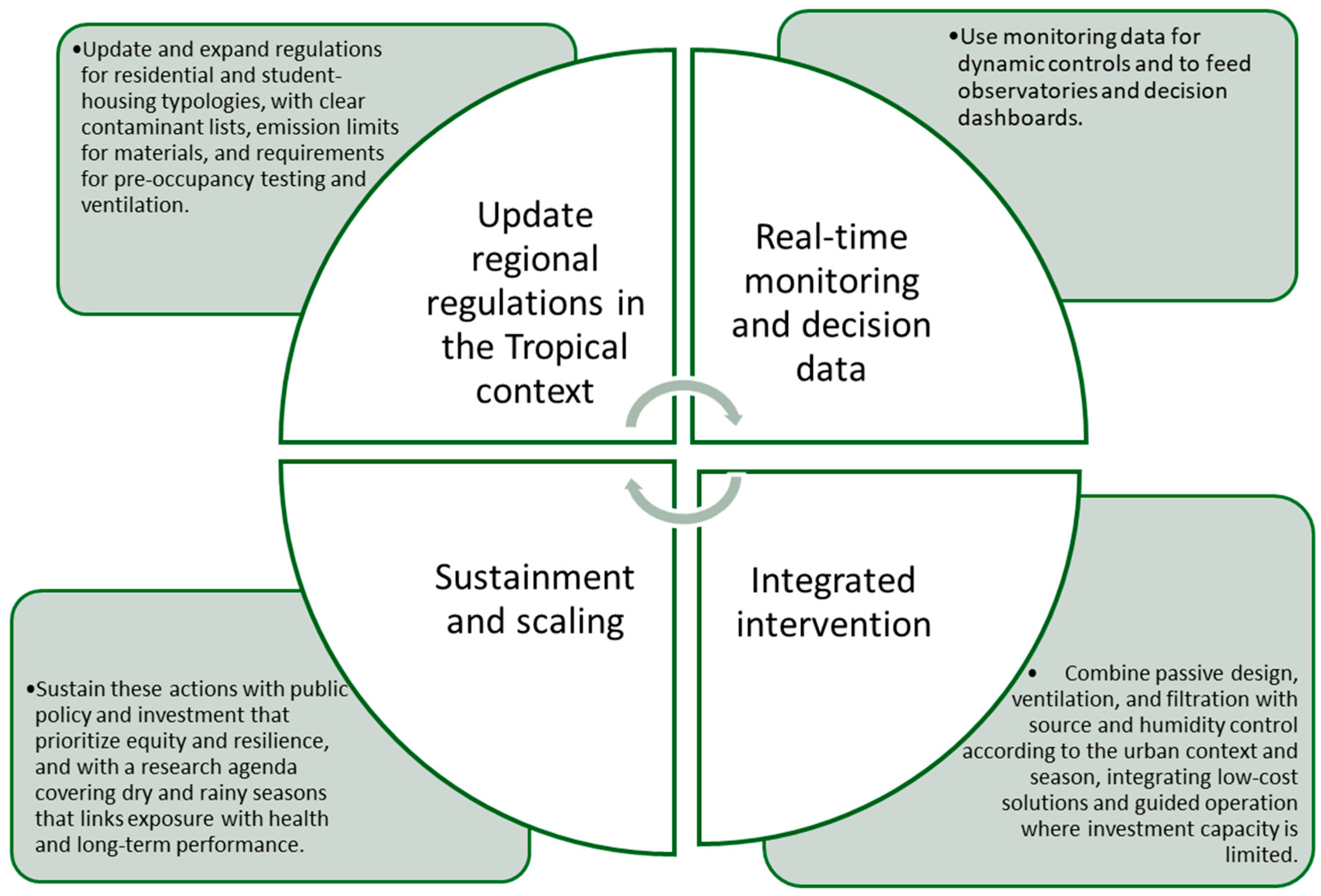
Through this linkage, residential IAQ management in the tropics evolves from isolated actions into a coherent, measurable strategy adapted to the region’s climatic and social reality.
Overall, the literature indicates that improving IAQ in tropical housing requires moving from isolated measurements to monitoring-for-management systems: CO2 to govern ventilation, PM and VOCs for chemical risk, and thermo-hygrometric variables to control comfort and microbiology. Closing persistent gaps in multi-zone/seasonal campaigns and regulatory frameworks will allow for more robust design and operation decisions in Af/Am/Aw. Critically, future strategies must focus on health and risk mitigation through a differentiated approach: establishing limits for common pollutants (CO2, CO, NO2, PM), setting strict thresholds for hazardous substances (carcinogens), and monitoring moderate-risk compounds to reduce the burden on health systems [24].
5. Conclusions
This systematic review synthesized the available evidence on indoor air quality in dwellings located in tropical climates (Af/Am/Aw), prioritizing studies with in situ monitoring and an explicit linkage between IAQ and ventilation. While the evidence remains geographically uneven and limited in temporal duration (RQ1), robust patterns emerge; pollutant exceedances are concentrated in PM and VOCs, rendering CO2 useful for operational control but insufficient for risk assessment (RQ2). Effective interventions rely on source control, cross ventilation, and demand-based extraction coupled with humidity management (RQ3); furthermore, IAQ variability is fundamentally explained by the interaction between building form, occupant operation, and tropical seasonality (RQ4). Synthesized data confirm that residential IAQ in the tropics is governed by the synergy between heat, humidity, and ventilation, decisively modulated by occupant behavior and the urban environment. Critical drivers include particle peaks associated with cooking, infiltration of dust and traffic emissions in dense urban fabrics, thermal-dependent emissions of organic compounds, and biological proliferation driven by structural dampness or poor hygrothermal control. In this context, relying solely on carbon dioxide as an indicator is inadequate; monitoring of particulates and organic compounds must accompany any diagnosis and control strategy. Regarding thermal comfort, results support the applicability of adaptive approaches: occupants accept higher operative temperatures provided there is sufficient air movement. However, this tolerance creates a potential risk: thermal satisfaction does not eliminate health hazards if effective ventilation is low or if internal sources and high humidity persist. This is particularly critical in residences and student dormitories, where continuous occupancy exacerbates nocturnal pollutant accumulation and sustained humidity, linking directly to Sick Building Syndrome symptoms and deteriorated well-being. Finally, opportunities for improvement emerge in a clear sequence. First, regulations must be adapted to the tropical context, extending scope to residential typologies, setting material emission limits, and requiring pre-occupancy purging and testing. Second, surveillance must shift to continuous, real-time monitoring—with adequate environmental compensation—to inform operating decisions and demand-side controls, covering full seasonal cycles (dry/rainy). Third, effective solutions must combine source control (clean cooking, localized extraction), climate-adjusted ventilation/filtration, and rigorous humidity management. Fourth, tropical passive design—prioritizing effective cross ventilation, shading, and thermal mass reduction—integrated with light mechanical support and informed occupant habits, offers the most viable path for the simultaneous improvement of IAQ, comfort, and energy efficiency.
Supplementary Materials
The following supporting information can be downloaded at: https://www.mdpi.com/article/10.3390/buildings15244512/s1: PRISMA 2020 checklist. Reference [107] are cited in Supplementary Materials.
Author Contributions
Original concept, formal analysis, data curation, and writing—review and editing, M.C.-Q., D.M., T.S., and M.C.A. Methodology: D.M. and M.C.-Q. Investigation and writing of most of this manuscript, M.C.-Q. Project administration, M.C.A. and T.S. Supervision: T.S. and M.C.A. Funding acquisition, M.C.A. and D.M. All authors have read and agreed to the published version of the manuscript.
Funding
This research was funded by the Panamanian institution Secretaría Nacional de Ciencia, Tecnología e Innovación (SENACYT) and supported by the Master’s Program in Mechanical Engineering Sciences at the Technological University of Panama in collaboration with the Sistema Nacional de Investigación (SNI).
Data Availability Statement
All data supporting the reported results are included in this paper.
Acknowledgments
The authors would like to thank the Technological University of Panama and the Faculty of Mechanical Engineering (https://fim.utp.ac.pa/, accessed on 22 October 2025) for their collaboration, along with the Research Group ECEB. The authors acknowledge the support given by the Centro de Estudios Muiltidisciplinarios en Ciencias, Ingeniería y Tecnología AIP (CEMCIT-AIP) in managing administrative processes involved.
Conflicts of Interest
The authors declare no conflicts of interest. The funders had no role in the design of this study; in the collection, analyses, or interpretation of data; in the writing of this manuscript; or in the decision to publish the results.
Abbreviations
The following abbreviations were used in this manuscript:
| Acronym/Symbol | Meaning |
| ACH | Air Changes per Hour—Rate of air changes per hour. |
| CO | Carbon monoxide. |
| CO2 | Carbon dioxide. |
| ERMI | Environmental Relative Moldiness Index. |
| HCHO | Formaldehyde. |
| NH3 | Ammonia (ammonia). |
| NO2 | Nitrogen dioxide. |
| O3 | Ozone. |
| PM10 | Inhalable particulate matter (≤10 μm). |
| PM2.5 | Fine particulate matter (≤2.5 μm). |
| RH | Relative humidity. |
| SO2 | Sulfur dioxide. |
| SVOCs | Semi-volatile organic compounds. |
| T | Air temperature (dry bulb). |
| TVOC | Total volatile organic compounds (sum reported). |
| TVOCs | Same as TVOC (plural). |
| UFP | Ultrafine particles |
| VOC | Volatile organic compound (singular). |
| VOCs | Volatile organic compounds (plural). |
References
- ANSI/ASHRAE Standard 62.1-2022; Ventilation for Indoor Air Quality. ANSI: Washington, DC, USA, 2022.
- United States Environmental Protection Agency (EPA). Introduction to Indoor Air Quality. Available online: https://www.epa.gov/indoor-air-quality-iaq/introduction-indoor-air-quality (accessed on 17 January 2022).
- Bavaresco, M.V.; Ghisi, E.; D’OCa, S.; Pisello, A.L. Triggering occupant behaviour for energy sustainability: Exploring subjective and comfort-related drivers in Brazilian offices. Energy Res. Soc. Sci. 2021, 74, 101959. [Google Scholar] [CrossRef] [Scilit]
- Nunayon, S.S.; Zhong, L. A mixed-method systematic review of indoor environmental quality (IEQ) gaps and opportunities for future research. Sustain. Cities Soc. 2025, 130, 106535. [Google Scholar] [CrossRef] [Scilit]
- Mansouri, A.; Wei, W.; Alessandrini, J.-M.; Mandin, C.; Blondeau, P. Impact of Climate Change on Indoor Air Quality: A Review. Int. J. Environ. Res. Public Health 2022, 19, 15616. [Google Scholar] [CrossRef] [Scilit]
- Agencia de Protección Ambiental de Estados Unidos [EPA]. Introducción a la Calidad del Aire Interior. Available online: https://espanol.epa.gov/cai/introduccion-la-calidad-del-aire-interior (accessed on 3 August 2022).
- Ehsan, F.N.A.N.; Ismail, A.A.; Zaki, M.Z.M.; Arman, M.F.; Yusof, A.F.; Muhamad, J. Comparative Thermal Comfort Analysis Between Modern and Traditional Residential Indoor Environments in Selangor, Malaysia. Int. J. Bus. Technol. Manag. 2024, 6, 119–132. [Google Scholar]
- Delgado-Gutierrez, E.; Canivell, J.; Bienvenido-Huertas, D.; Rubio-Bellido, C. Improvement Options of a Social Housing Prototype in Different Climate Zones in Ecuador. Buildings 2022, 12, 989. [Google Scholar] [CrossRef] [Scilit]
- Nematchoua, M.K.; Orosa, J.A. Building construction materials effect in tropical wet and cold climates: A case study of office buildings in Cameroon. Case Stud. Therm. Eng. 2016, 7, 55–65. [Google Scholar] [CrossRef] [Scilit]
- Niza, I.L.; Bueno, A.M.; Da Silva, M.G.; Broday, E.E. Air quality and ventilation: Exploring solutions for healthy and sustainable urban environments in times of climate change. Results Eng. 2024, 24, 103157. [Google Scholar] [CrossRef] [Scilit]
- Jung, C.-C.; Hsu, N.-Y.; Su, H.-J. Temporal and spatial variations in IAQ and its association with building characteristics and human activities in tropical and subtropical areas. Build. Environ. 2019, 163, 106249. [Google Scholar] [CrossRef] [Scilit]
- Hazrin, A.H.; Maryam, Z.; Norhidayah, A.; Samsuddin, N.; Shukri, M.A.M. Occupancy implications on Indoor Air Quality (IAQ) in selected Primary Schools Clasrooms Around Kuantan, Pahang. Malays. J. Public Health Med. 2017, 1, 95–105. [Google Scholar]
- Irga, P.J.; Mullen, G.; Fleck, R.; Matheson, S.; Wilkinson, S.J.; Torpy, F.R. Volatile organic compounds emitted by humans indoors– A review on the measurement, test conditions, and analysis techniques. Build. Environ. 2024, 255, 111442. [Google Scholar] [CrossRef] [Scilit]
- Handayani, K.N.; Murtyas, S.; Wijayanta, A.T.; Hagishima, A. Thermal Comfort Challenges in Home-Based Enterprises: A Field Study from Surakarta’s Urban Low-Cost Housing in a Tropical Climate. Sustainability 2024, 16, 6838. [Google Scholar] [CrossRef] [Scilit]
- Boonyayothin, V.; Hirunlabh, J.; Khummongkol, P.; Teekasap, S.; Shin, U.; Khedari, J. Ventilation Control Approach for Acceptable Indoor Air Quality and Enhancing Energy Saving in Thailand. Int. J. Vent. 2011, 9, 315–326. [Google Scholar] [CrossRef] [Scilit]
- Cedeño-Quijada, M. Conceptualización de una Estrategia de Control de un Sistema de Acondicionamiento de Aire Híbrido Comandado por la Calidad del Aire en Espacios Educativos; Universidad Tecnológica de Panamá: Panama City, Panama, 2023. [Google Scholar]
- Guyot, G.; Sherman, M.; Walker, I. Smart ventilation energy and indoor air quality performance in residential buildings: A review. Energy Build. 2017, 165, 416–430. [Google Scholar] [CrossRef] [Scilit]
- Li, S. Review of Engineering Controls for Indoor Air Quality: A Systems Design Perspective. Sustainability 2023, 15, 14232. [Google Scholar] [CrossRef] [Scilit]
- Baeza_Romero, M.T.; Dudzinska, M.R.; Amouei Torkmahalleh, M.; Barros, N.; Coggins, A.M.; Ruzgar, D.G.; Kildsgaard, I.; Naseri, M.; Rong, L.; Saffell, J.; et al. A review of critical residential buildings parameters and activities when investigating indoor air quality and pollutants. Indoor Air 2022, 32, e13144. [Google Scholar] [CrossRef] [Scilit]
- ASHRAE Board of Directors. ASHRAE Position Document on Indoor Carbon Dioxide; ASHRAE: Atlanta, GA, USA, 2022; p. 17. [Google Scholar]
- Quijada, M.C.; Solano, T.; Austin, M.C. Optimal Hybrid Ventilation Strategy to Assure Adequate Indoor Thermal Comfort and Air Quality in Educational Spaces under a Tropical Climate. J. Phys. Conf. Ser. 2022, 2385, 012095. [Google Scholar] [CrossRef] [Scilit]
- ANSI/ASHRAE Standard 55-2023; Thermal Environmental Conditions for Human Occupancy. American Society of Heating Refrigerating and Air-Conditioning Engineers [ASHRAE]: Peachtree Corners, GA, USA; ANSI: Washington, DC, USA, 2023.
- ISO 16000-1:2004; Indoor Air—Part 1: General Aspects of Sampling Strategy. International Organization for Standardization: Geneva, Switzerland, 2004.
- Saffell, J.; Nehr, S. Improving Indoor Air Quality through Standardization. Standards 2023, 3, 240–267. [Google Scholar] [CrossRef] [Scilit]
- Autoridad del Canal de Panamá. Anexo C Norma 1410SAL208: Referencias de Niveles de Riesgo por Concentraciones de Contaminantes en Interiores. Available online: https://pancanal.com/wp-content/uploads/2019/07/1410SAL208-c.pdf (accessed on 17 February 2025).
- Department of Occupational Safety and Health (DOSH). Industry Code of Practice on Indoor Air Quality 2010; Department of Occupational Safety and Health (DOSH): Putrajaya, Malaysia, 2010.
- Singapore Standards. Available online: https://www.singaporestandardseshop.sg/Product/SSPdtDetail/8ee48ab1-38f5-4dae-a469-b8612a05876f (accessed on 28 September 2025).
- Permenkes No. 1077/MENKES/PER/V/2011 Tahun 2011 Tentang Pedoman Penyehatan Udara Dalam Ruang Rumah. Database Peraturan Perundang-Undangan Indonesia—[PERATURAN.GO.ID]. Available online: https://www.its.ac.id/burb/wp-content/uploads/sites/106/2023/07/PMK-No.-1077-ttg-Pedoman-Penyehatan-Udara-Dalam-Ruang-Rumah.pdf (accessed on 28 September 2025).
- RESET International Standard, RESET Air Standard for Interiors v2.1 (DRAFT 230914c). 2023. Available online: https://www.reset.build/standard/air (accessed on 23 June 2025).
- EPA. Final Reconsideration of the National Ambient Air Quality Standards for Particulate Matter (PM). Available online: https://www.epa.gov/pm-pollution/final-reconsideration-national-ambient-air-quality-standards-particulate-matter-pm (accessed on 5 February 2025).
- California Department of Public Health. Standard Method for the Testing and Evaluation of Volatile Organic Chemical Emissions from Indoor Sources Using Environmental Chambers. 2017. Available online: https://www.cdph.ca.gov/programs/ccdphp/deodc/ehlb/iaq/cdph%20document%20library/cdph-iaq_standardmethod_v1_2_2017_ada.pdf (accessed on 12 June 2025).
- International WELL Building Institute (IWBI). Well Building Standard v2, Q4 2020. Available online: https://a.storyblok.com/f/52232/x/34728fd7de/well-building-standard-v2-wellv2-q4-2020.pdf (accessed on 16 February 2025).
- U.S. Green Building Council. LEED v4.1 Operations and Maintenance; U.S. Green Building Council: Washington, DC, USA, 2024. Available online: https://www.usgbc.org/leed/v41 (accessed on 23 February 2025).
- EPA. NAAQS Table. Available online: https://www.epa.gov/criteria-air-pollutants/naaqs-table (accessed on 18 February 2025).
- World Health Organization Regional Office for Europe. Who Guidelines for Indoor Air Quality: Selected Pollutants. 2010. Available online: www.euro.who.int (accessed on 3 August 2022).
- Sahabuddin, M.F.M.; Gonzalez-Longo, C. Balancing Comfort and Indoor Air Quality in High-Riser Buildings for Social Housing in Kuala Lumpur: From Regulations to Construction. In Proceedings of the 51th AiCARR International Conference Venice, Venice, Italy, 20–22 February 2019. [Google Scholar]
- Shangi, Z.A.D.; Ahmad, I.; Ahmed, S. Adaptive Design of the Built Environment to Mitigate the Transmission Risk of COVID-19. Am. J. Civ. Eng. Archit. 2020, 8, 146–153. [Google Scholar] [CrossRef] [Scilit]
- Sarkar, A.; Bardhan, R. Improved indoor environment through optimised ventilator and furniture positioning: A case of slum rehabilitation housing, Mumbai, India. Front. Archit. Res. 2020, 9, 350–369. [Google Scholar] [CrossRef] [Scilit]
- Cedeño, M.; Solano, T.; Mora, D.; Chen, M. Evaluación del desempeño de sistemas de ventilación en salones de clase: Estudio numérico en edificios universitarios en Panamá. Rev. Digit. Novasinergia 2022, 5, 100–127. [Google Scholar] [CrossRef] [Scilit]
- Jethi, P.L.; Pin, F.H.; Kumar, E.A. Engineering Laboratory IAQ Monitoring: A Real-Time Solution using Raspberry PI and Grafana Dashboard. J. Adv. Res. Fluid Mech. Therm. Sci. 2024, 124, 53–70. [Google Scholar] [CrossRef] [Scilit]
- Vadamalraj, N.; Zingre, K.; Seshadhri, S.; Arjunan, P.; Srinivasan, S. Hybrid Ventilation System and Soft-Sensors for Maintaining Indoor Air Quality and Thermal Comfort in Buildings. Atmosphere 2020, 11, 110. [Google Scholar] [CrossRef] [Scilit]
- Gou, Z.; Gamage, W.; Lau, S.S.-Y.; Lau, S.S.-Y. An Investigation of Thermal Comfort and Adaptive Behaviors in Naturally Ventilated Residential Buildings in Tropical Climates: A Pilot Study. Buildings 2018, 8, 5. [Google Scholar] [CrossRef] [Scilit]
- Wargocki, P.; Sundell, J.; Bischof, W.; Brundrett, G.; Fanger, P.O.; Gyntelberg, F.; Hanssen, S.O.; Harrison, P.; Pickering, A.; Seppanen, O.; et al. Ventilation and health in non-industrial indoor environments: Report from a European Multidisciplinary Scientific Consensus Meeting (EUROVEN). Indoor Air 2002, 12, 113–128. [Google Scholar] [CrossRef] [Scilit] [PubMed]
- Peng, Y.; Lei, Y.; Tekler, Z.D.; Antanuri, N.; Lau, S.-K.; Chong, A. Hybrid system controls of natural ventilation and HVAC in mixed-mode buildings: A comprehensive review. Energy Build. 2022, 276, 112509. [Google Scholar] [CrossRef] [Scilit]
- Kurmanbekova, M.; Du, J.; Sharples, S. A Review of Indoor Air Quality in Social Housing Across Low- and Middle-Income Countries. Appl. Sci. 2025, 15, 1858. [Google Scholar] [CrossRef] [Scilit]
- Page, M.J.; Moher, D.; Bossuyt, P.M.; Boutron, I.; Hoffmann, T.C.; Mulrow, C.D.; Shamseer, L.; Tetzlaff, J.M.; Akl, E.A.; Brennan, S.E.; et al. PRISMA 2020 explanation and elaboration: Updated guidance and exemplars for reporting systematic reviews. BMJ 2021, 372, n160. [Google Scholar] [CrossRef]
- Gehanno, J.-F.; Rollin, L.; Darmoni, S. Is the coverage of google scholar enough to be used alone for systematic reviews. BMC Med. Inform. Decis. Mak. 2013, 13, 7. [Google Scholar] [CrossRef] [Scilit] [PubMed]
- Martín-Martín, A.; Orduna-Malea, E.; Thelwall, M.; Delgado López-Cózar, E. Google Scholar, Web of Science, and Scopus: A systematic comparison of citations in 252 subject categories. J. Informetr. 2018, 12, 1160–1177. [Google Scholar] [CrossRef] [Scilit]
- Lakhiar, M.T.; Sanmargaraja, S.; Olanrewaju, A.; Lim, C.H.; Ponniah, V.; Mathalamuthu, A.D. Evaluating and comparing objective and subjective thermal comfort in a malaysian green office building: A case study. Case Stud. Therm. Eng. 2024, 60, 104614. [Google Scholar] [CrossRef] [Scilit]
- EBC Annex 68: Indoor Air Quality Design and Control in Low Energy Residential Buildings Project Summary Report. Available online: https://www.iea-ebc.org/Data/publications/EBC_PSR_Annex_68.pdf (accessed on 16 July 2025).
- Indoor Air Quality Design and Control in Low-Energy Residential Buildings Subtask 3: Modelling of Energy Efficiency and IAQ Review, Gap analysis and Categorization. Available online: https://www.iea-ebc-annex68.org/-/media/sites/iea-ebc/documents/final-reports/annex68-subtask-3-report_final.pdf (accessed on 16 July 2025).
- Cheong, K.W.D.; Yu, W.J.; Tham, K.W.; Sekhar, S.C.; Kosonen, R. A study of perceived air quality and sick building syndrome in a field environment chamber served by displacement ventilation system in the tropics. Build. Environ. 2006, 41, 1530–1539. [Google Scholar] [CrossRef] [Scilit]
- Gupta, R.; Zhao, Y.; Garg, V.; Mathur, J. Empirical Examination of Trends in Indoor Air Quality in a Sample of Urban Indian Residences. In Proceedings of the Energise 2023 Lifestyle, Energy Efficiency, and Climate Action, Goa, India, 1–4 November 2023; Alliance for an Energy Efficient Economy (AEEE): New Delhi, India, 2024; pp. 134–143. [Google Scholar] [CrossRef] [Scilit]
- Oyibo, F.O.; Chiedu, I.E.; Obasuyi, A.C.; Edomwonyi, O.L.; Akanji, A.A. The Distribution and Sources of Heavy Metals in Fine Particulate Matter in an Indoor Micro Environment of a Residential Area of Lagos state, Nigeria. Int. J. Adv. Res. Chem. Sci. 2020, 7, 1–7. [Google Scholar] [CrossRef] [Scilit]
- Juangjandee, W.; Stevenson, V.; Latif, E. Key factors of occupants’ behaviour characteristics and indoor air quality perception on occupancy comfort in multistorey residential buildings in Thailand. In Proceedings of the REES 2025, Edinburgh, UK, 11–13 June 2025. [Google Scholar] [CrossRef] [Scilit]
- Kwong, Q.J.; Adam, N.; Cionita, T.; Raghavan, V.; AbdulMalek, M. Indoor Air Quality Assessment in a Radiantly Cooled Tropical Building: A Case Study. Iran. J. Public Health 2014, 43, 89–93. [Google Scholar]
- Choo, C.P.; Jalaludin, J.; Hamedon, T.R.; Adam, N.M. Indoor air quality assessment and lung functions among children in preschool at Selangor, Malaysia. Adv. Environ. Biol. 2015, 9, 1–10. [Google Scholar]
- Cheong, K.W.; Chong, K.Y. Development and application of an indoor air quality audit to an air-conditioned building in Singapore. Build. Environ. 2001, 36, 181–188. [Google Scholar] [CrossRef] [Scilit]
- Kartikawati, N.; Setyowati, E.; Indrosaptono, D. The empirical analysis model on identifying sick building syndrome in hot humid tropical buildings. Civ. Eng. Archit. 2021, 9, 52–73. [Google Scholar] [CrossRef] [Scilit]
- Zakaria, I.B.; Mahyuddin, N. An overview of indoor air pollution in the Malaysian kindergarten environment. IOP Conf. Ser. Earth Environ. Sci. 2022, 1013, 012005. [Google Scholar] [CrossRef] [Scilit]
- Abu Mansor, A.; Abdullah, S.; Ahmad, A.N.; Ahmed, A.N.; Zulkifli, M.F.R.; Jusoh, S.M.; Ismail, M. Indoor air quality and sick building syndrome symptoms in administrative office at public university. Dialogues Health 2024, 4, 100178. [Google Scholar] [CrossRef] [Scilit]
- Gamage, W.; Lau, S.S.Y. Perception of indoor environment quality in differently ventilated workplaces in tropical monsoon climates. Procedia Eng. 2015, 118, 81–87. [Google Scholar] [CrossRef] [Scilit]
- Yu, C.; Crump, D. Standards for Evaluating Indoor Air. Indoor Built Environ. 2011, 20, 389–392. [Google Scholar] [CrossRef] [Scilit]
- Rajput, T.S.; Thomas, A. A coupled E-IEQ simulation framework for optimizing energy and indoor environmental quality in multi-unit residential buildings of tropical climate. Build. Environ. 2025, 272, 112681. [Google Scholar] [CrossRef] [Scilit]
- Bolaños-Rosero, B.; Betancourt, D.; Dean, T.; Vesper, S. Pilot study of mold populations inside and outside of Puerto Rican residences. Aerobiologia 2013, 29, 537–543. [Google Scholar] [CrossRef] [Scilit]
- Eghomwanre, A.F.; Oguntoke, O.; Taiwo, A.M.; Sam-Wobo, S.O.; Enagbonma, B.J. Assessment of airborne bacteria in residential buildings in Benin City, Nigeria. Ife J. Sci. 2023, 25, 127–136. [Google Scholar] [CrossRef] [Scilit]
- Kalia, S.; Mishra, N.; Ghose, P. Indoor air quality assessment of an existing apartment located in Indian tropical city, Bhubaneswar. J. Air Pollut. Health 2024, 9, 383–402. [Google Scholar] [CrossRef] [Scilit]
- Darus, F.M.; Ahmed, A.Z.; Latif, M.T. Preliminary assessment of indoor air quality in terrace houses. Health Environ. J. 2011, 2, 8–14. [Google Scholar]
- Seinfeld, J.; Pandis, S. Atmospheric Chemistry and Physics, 3rd ed.; John Wiley & Sons: Hoboken, NJ, USA, 2016. [Google Scholar]
- Zhu, Y.; Guo, S.; Liang, W. A literature review investigating the impact of temperature and humidity on volatile organic compound emissions from building materials. Build. Environ. 2024, 262, 111845. [Google Scholar] [CrossRef] [Scilit]
- Zuraimi, M.S.; Roulet, C.A.; Sekhar, S.C.; Tham, K.W.; Cheong, K.W.; Wong, N.H.; Lee, H.K. Concentrations and Emission Rates of Indoor VOCs—A comparative study between Singapore and European Office Buildings. In Healthy Buildings; Harvard University Press: Cambridge, MA, USA, 2003; p. 390. [Google Scholar]
- Zhou, C.; Zhan, Y.; Chen, S.; Xia, M.; Ronda, C.; Sun, M.; Chen, H.; Shen, X. Combined effects of temperature and humidity on indoor VOCs pollution: Intercity comparison. Build. Environ. 2017, 121, 26–34. [Google Scholar] [CrossRef] [Scilit]
- EPA. Environmental Relative Moldiness Index (ERMI). Available online: https://www.epa.gov/air-research/environmental-relative-moldiness-index-ermi (accessed on 15 October 2025).
- Lau, S.S.Y.; Zhang, J.; Tao, Y. A comparative study of thermal comfort in learning spaces using three different ventilation strategies on a tropical university campus. Build. Environ. 2019, 148, 579–599. [Google Scholar] [CrossRef] [Scilit]
- Cen, C.; Cheng, S.; Tan, E.; Wong, N.H. Students’ thermal comfort and cognitive performance in fan-assisted naturally ventilated classrooms in tropical Singapore. Build. Environ. 2024, 260, 111689. [Google Scholar] [CrossRef] [Scilit]
- Parjo, U.K.; Sunar, N.M.; Leman, A.M. Aspergillus Niger in Tropical Indoor Conditions. J. Occup. Saf. Health 2016, 13, 9–14. [Google Scholar]
- Nyembwe, J.P.K.B.; Takizala, J.F.M.; Muangala, S.K.; Nyembwe, O.K.; Ogundiran, J.O.; da Silva, M.G. Assessment of Indoor Air Quality in Primary School Classrooms: A Case Study in Mbuji Mayi and Lubumbashi, Democratic Republic of Congo. Buildings 2025, 15, 730. [Google Scholar] [CrossRef] [Scilit]
- Ubi, S.E.; Obun, P.N.; B, A.R.; Tom, T.; Agbor, M. Effect of damp and treatment methods on residential buildings in calabar metropolis of cross river state. Int. J. Res. Granthaalayah 2020, 8, 372–376. [Google Scholar] [CrossRef] [Scilit]
- Autoridad del Canal de Panamá, Norma para la Calidad del Ambiente Interior en Oficinas, 1410SAL208. 2018. Available online: https://pancanal.com/wp-content/uploads/2019/07/1410SAL208.pdf (accessed on 16 February 2025).
- Bholah, R.; Subratty, A.H. Humid Building Problems in Mauritius. Indoor Built Environ. 2003, 12, 221–225. [Google Scholar] [CrossRef] [Scilit]
- Awang, N.R.; Ridzuan, A.S.; Zainol, M.H. Background concentration of indoor air quality in hostel rooms during varying conditions. J. Trop. Resour. Sustain. Sci. 2021, 6, 100–108. [Google Scholar] [CrossRef] [Scilit]
- Kumar, S.; Sakagami, K.; Lee, H.P. Beyond Sustainability: The Role of Regenerative Design in Optimizing Indoor Environmental Quality. Sustainability 2025, 17, 2342. [Google Scholar] [CrossRef] [Scilit]
- Ahmed, F.; Rahman, S.M.H. Assessing the impact of natural ventilation on indoor air quality in residential buildings: A Case Study in Dhaka. Int. J. Sci. Res. Arch. 2024, 13, 3973–3985. [Google Scholar] [CrossRef] [Scilit]
- EPA. Volatile Organic Compounds’ Impact on Indoor Air Quality. Available online: https://www.epa.gov/indoor-air-quality-iaq/volatile-organic-compounds-impact-indoor-air-quality (accessed on 12 June 2025).
- Arundel, A.V.; Sterling, E.M.; Biggin, J.H.; Sterling, T.D. Indirect health effects of relative humidity in indoor environments. Environ. Health Perspect. 1986, 65, 351–361. [Google Scholar] [CrossRef] [Scilit]
- Xiong, J.; Huang, S.; Zhang, Y. A Novel Method for Measuring the Diffusion, Partition and Convective Mass Transfer Coefficients of Formaldehyde and VOC in Building Materials. PLoS ONE 2012, 7, e49342. [Google Scholar] [CrossRef] [Scilit]
- Wolkoff, P. Indoor air humidity, air quality, and health—An overview. Int. J. Hyg. Environ. Health 2018, 221, 376–390. [Google Scholar] [CrossRef] [Scilit] [PubMed]
- Sekhar, C.; Akimoto, M.; Fan, X.; Bivolarova, M.; Liao, C.; Lan, L.; Wargocki, P. Bedroom ventilation: Review of existing evidence and current standards. Build. Environ. 2020, 184, 107229. [Google Scholar] [CrossRef] [Scilit]
- Mansor, A.A.; Abdullah, S.; Ahmad, A.N.; Ismail, N.A.; Ismail, M. Investigating Indoor Air Quality (IAQ) and Sick Building Syndrome Symptoms (SBSS) using generalized linear model. Heal. Off. Res. Book Fac. Health Sci. UiTM 2023, 6, 23–30. [Google Scholar]
- Gwerder, M.; Seshadri, B. Control of Distributed Cooling and Ventilation Systems in Hot and Humid Climates. In Proceedings of the 39th AIVC Conference “Smart Ventilation for Buildings”, Antibes Juan-Les-Pins, France, 18–19 September 2018. [Google Scholar]
- Sekhar, S.C. Enhancement of ventilation performance of a residential split-system air-conditioning unit. Energy Build. 2004, 36, 273–279. [Google Scholar] [CrossRef] [Scilit]
- Liu, Y.; Chong, W.T.; Yau, Y.H.; Chang, L.; Cui, T.; Yu, H.; Cui, Y.; Pan, S. Rethinking the limitations of research on occupants’ window-opening behavior: A review. Energy Build. 2022, 277, 112552. [Google Scholar] [CrossRef] [Scilit]
- Torresin, S.; Aletta, F.; Oberman, T.; Albatici, R.; Kang, J. Factors influencing window opening behavior and mechanical ventilation usage during summertime: A case study in UK dwellings. Build. Environ. 2024, 263, 111880. [Google Scholar] [CrossRef] [Scilit]
- Hong, Q.N.; Pluye, P.; Fàbregues, S.; Bartlett, G.; Boardman, F.; Cargo, M.; Dagenais, P.; Gagnon, M.-P.; Griffiths, F.; Nicolau, B.; et al. Mixed Methods Appraisal Tool (MMAT), version 2018. User guide. McGill University: Montreal, QC, Canada, 2018.
- Kumar, D.E.V.S.K.; Latha, T.J.; Suresh, R.; Arunvel, T. Formaldehyde monitoring in office buildings located in tropical climates of India. IOP Conf. Ser. Mater. Sci. Eng. 2019, 609, 042006. [Google Scholar] [CrossRef] [Scilit]
- Ahmed, F.; Rahman, S.M.H. Effect of window openings on indoor air quality and CO2 concentration in classrooms: A Case Study of Primary School, Dhaka. Int. J. Sci. Res. Arch. 2025, 14, 400–409. [Google Scholar] [CrossRef] [Scilit]
- Hazrin, A.H.; Syazana, A.A.A.; Hadry, N.N.F.; Norhidayah, A.; Shukri, M.A.M. Indoor microbial contamination and its relation to physical indoor air quality (iaq) characteristics at different laboratory conditions. J. Teknol. (Sci. Eng.) 2015, 77, 39–44. [Google Scholar] [CrossRef] [Scilit]
- Firman, N.S.; Zaki, S.A.; Tuck, N.W.; Singh, M.K.; Rijal, H.B. A study on adaptive thermal comfort and ventilation in Malaysia secondary school classrooms of tropical climate. Build. Environ. 2025, 273, 112701. [Google Scholar] [CrossRef] [Scilit]
- Shaeri, J.; Yaghoubi, M.; Aflaki, A.; Habibi, A. Evaluation of Thermal Comfort in Traditional Houses in a Tropical Climate. Buildings 2018, 8, 126. [Google Scholar] [CrossRef] [Scilit]
- Emmerich, S.J.; Persily, A.K. State-of-the-Art Review of CO2 Demand Controlled Ventilation Technology and Application; NIST IR 6729; National Institute of Standards and Technology: Gaithersburg, MD, USA, 2001. [CrossRef] [Scilit]
- Sahabuddin, M.F.M. Investigating Design Solutions for High-Rise Social Housing in Kuala Lumpur with Reference to Thermal Comfort and Indoor Air Quality. Ph.D. Thesis, University of Strathclyde, Glasgow, Scotland, 2020. [Google Scholar]
- Jung, C.; El Samanoudy, G. Mitigating Indoor Air Pollution in University Dormitory: The Need for Better Ventilation and Resident Awareness. Buildings 2023, 13, 1144. [Google Scholar] [CrossRef] [Scilit]
- Saini, J.; Dutta, M.; Marques, G. Indoor Air Quality Monitoring Systems Based on Internet of Things: A Systematic Review. Int. J. Environ. Res. Public Health 2020, 17, 4942. [Google Scholar] [CrossRef] [Scilit] [PubMed]
- EPA/600/R-22/213; Guía Mejorada Sobre Sensores de Aire 2022. Environmental Protection Agency, Andrea Clements, Rachelle Duvall, Danny Greene, and Tim Dye. EPA: Washington, DC, USA, 2022.
- Owen, M.K. The Effect of Relative Humidity on Toluene Adsorption by Activated Carbon. Master’s Thesis, University of North Carolina at Chapel Hill, Chapel Hill, NC, USA, 1996. [Google Scholar]
- Bluyssen, P.M. The need to go beyond the comfort-based dose-related indicators in our IEQ-guidelines. Build. Environ. 2025, 283, 113349. [Google Scholar] [CrossRef] [Scilit]
- Page, M.J.; McKenzie, J.E.; Bossuyt, P.M.; Boutron, I.; Hoffmann, T.C.; Mulrow, C.D.; Shamseer, L.; Tetzlaff, J.M.; Akl, E.A.; Brennan, S.E.; et al. The PRISMA 2020 statement: An updated guideline for reporting systematic reviews. BMJ 2021, 372, n71. [Google Scholar] [CrossRef] [Scilit] [PubMed]
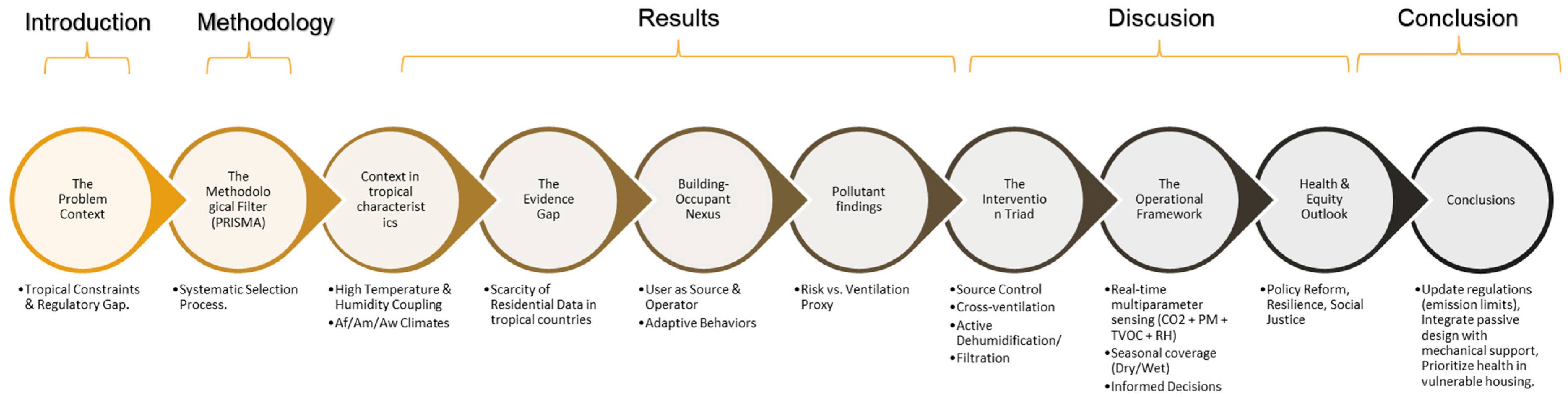
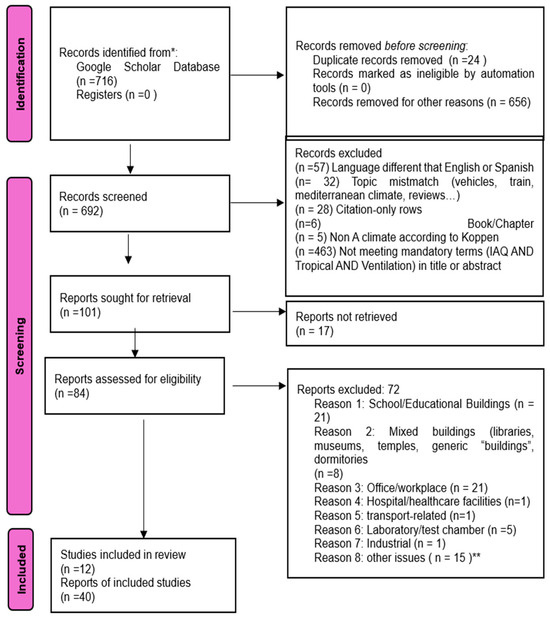
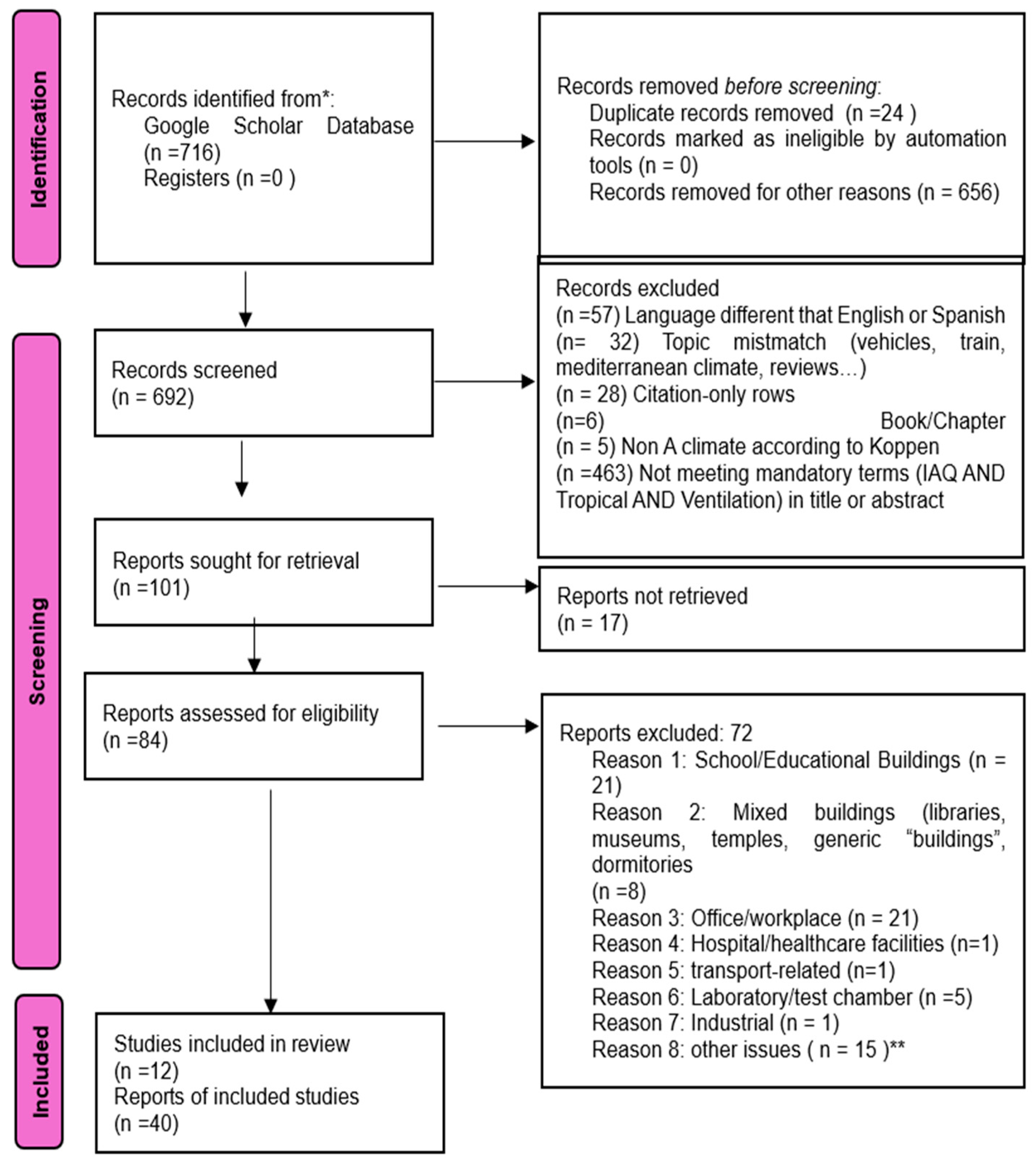
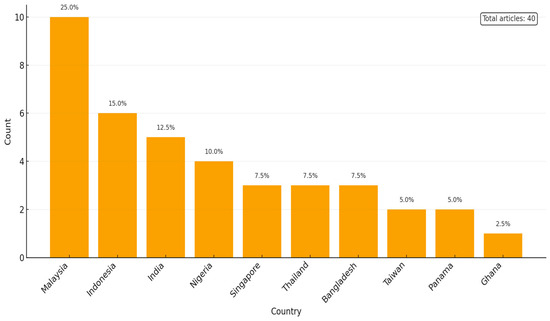
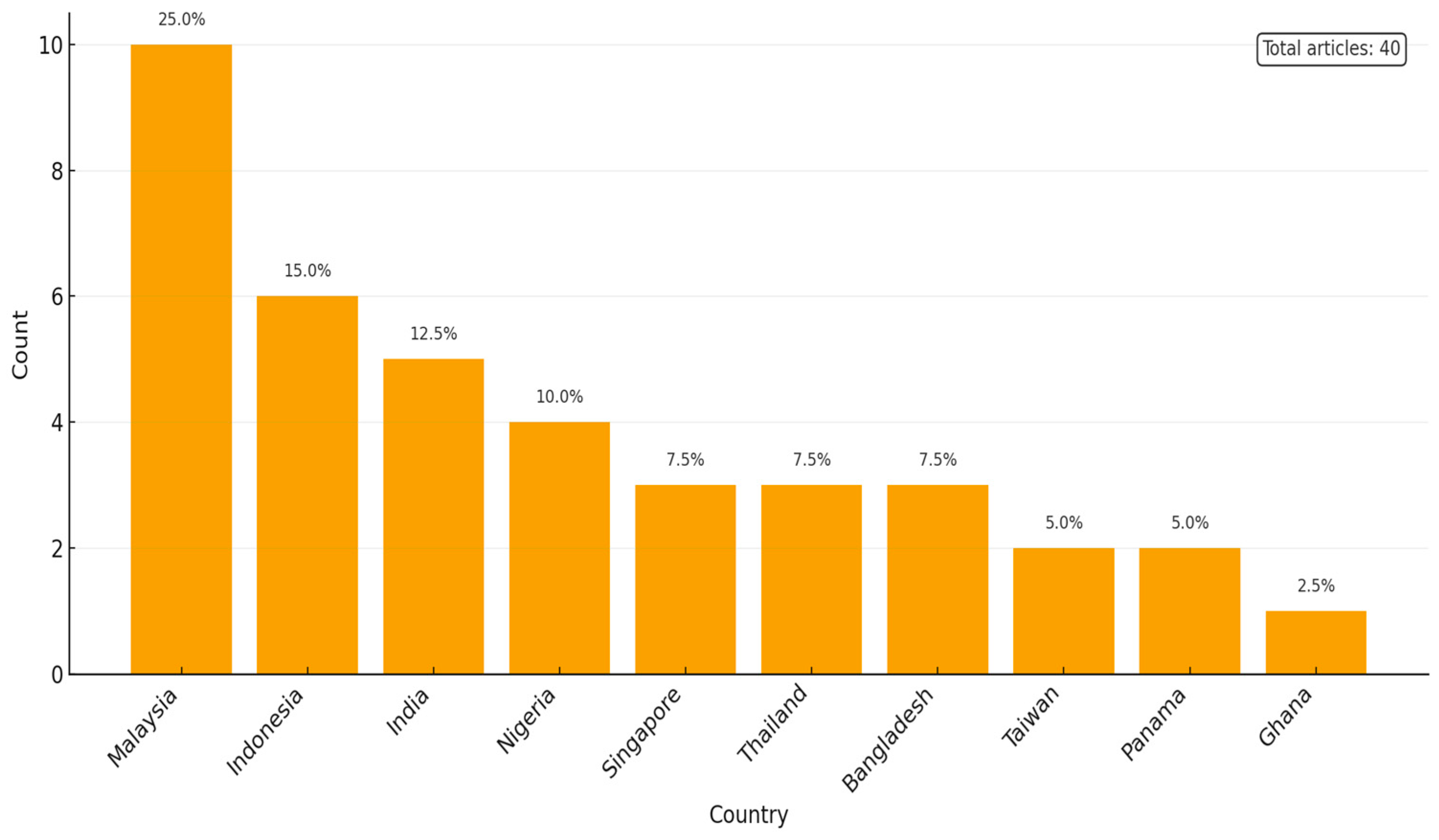
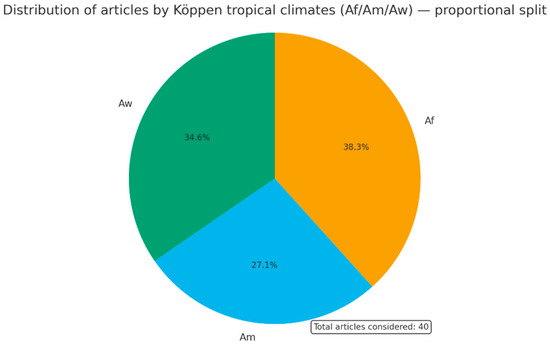
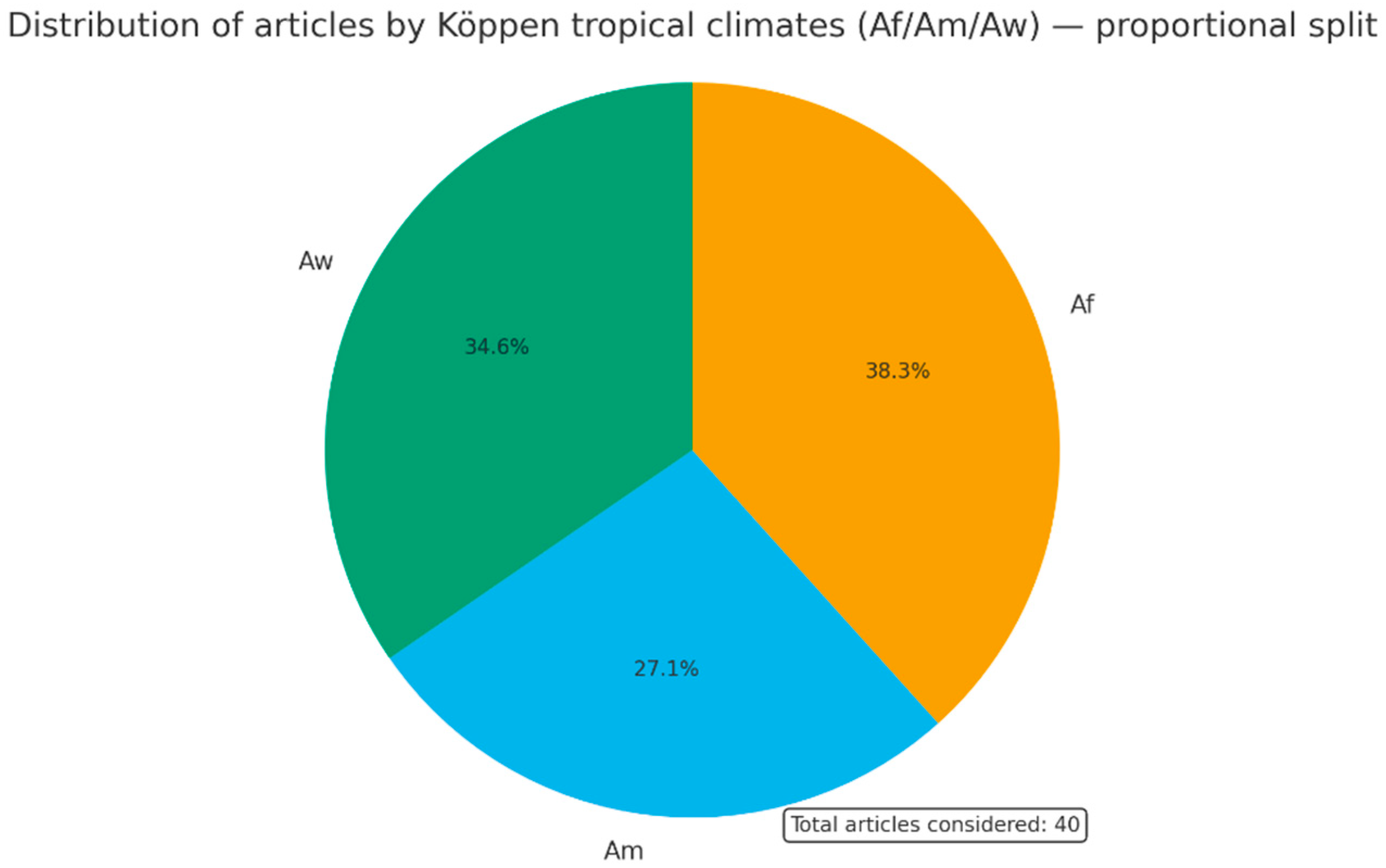
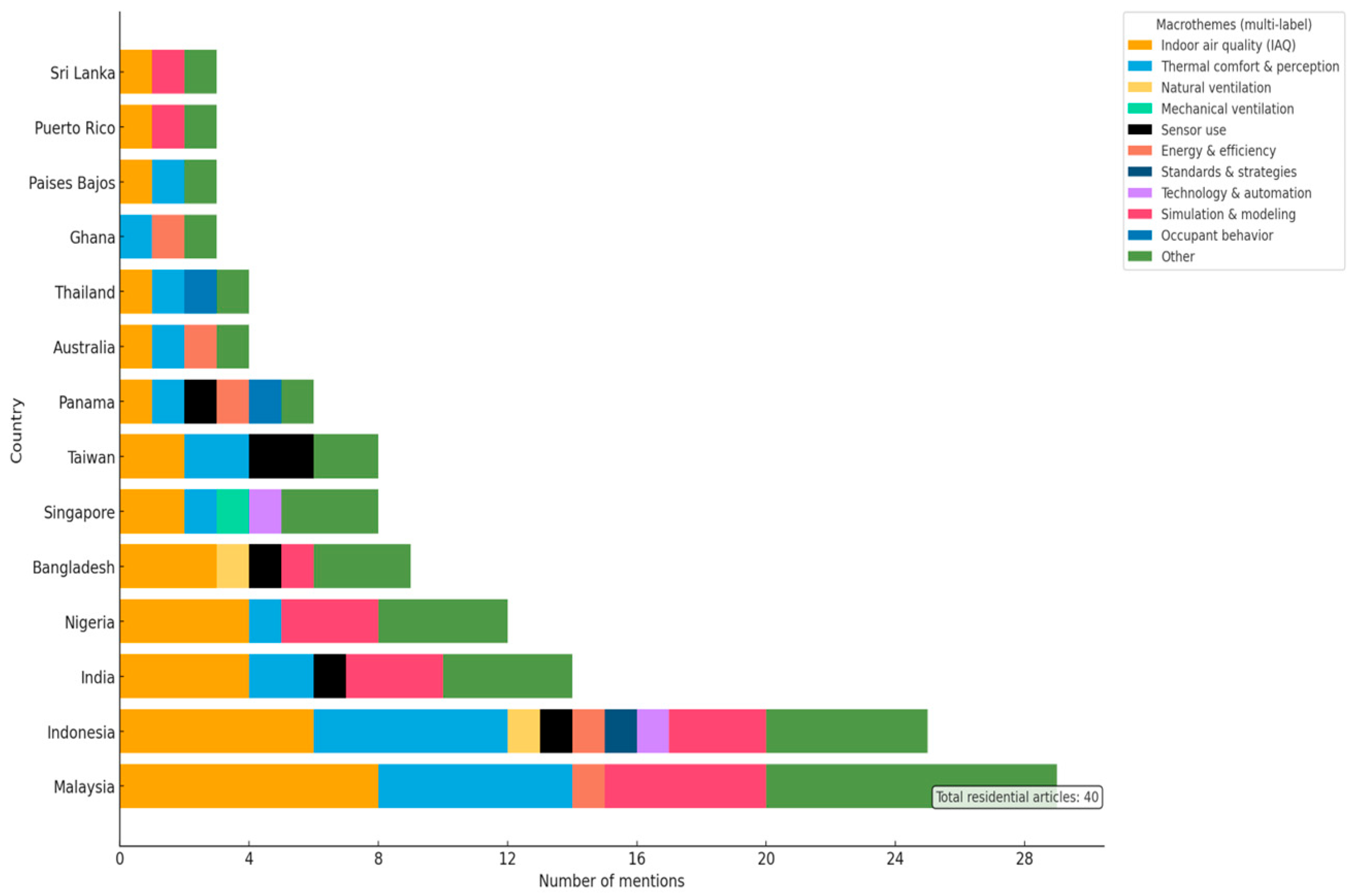
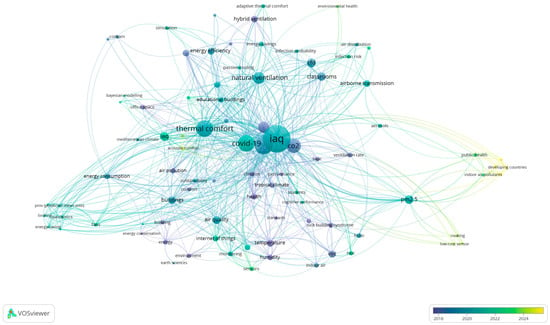
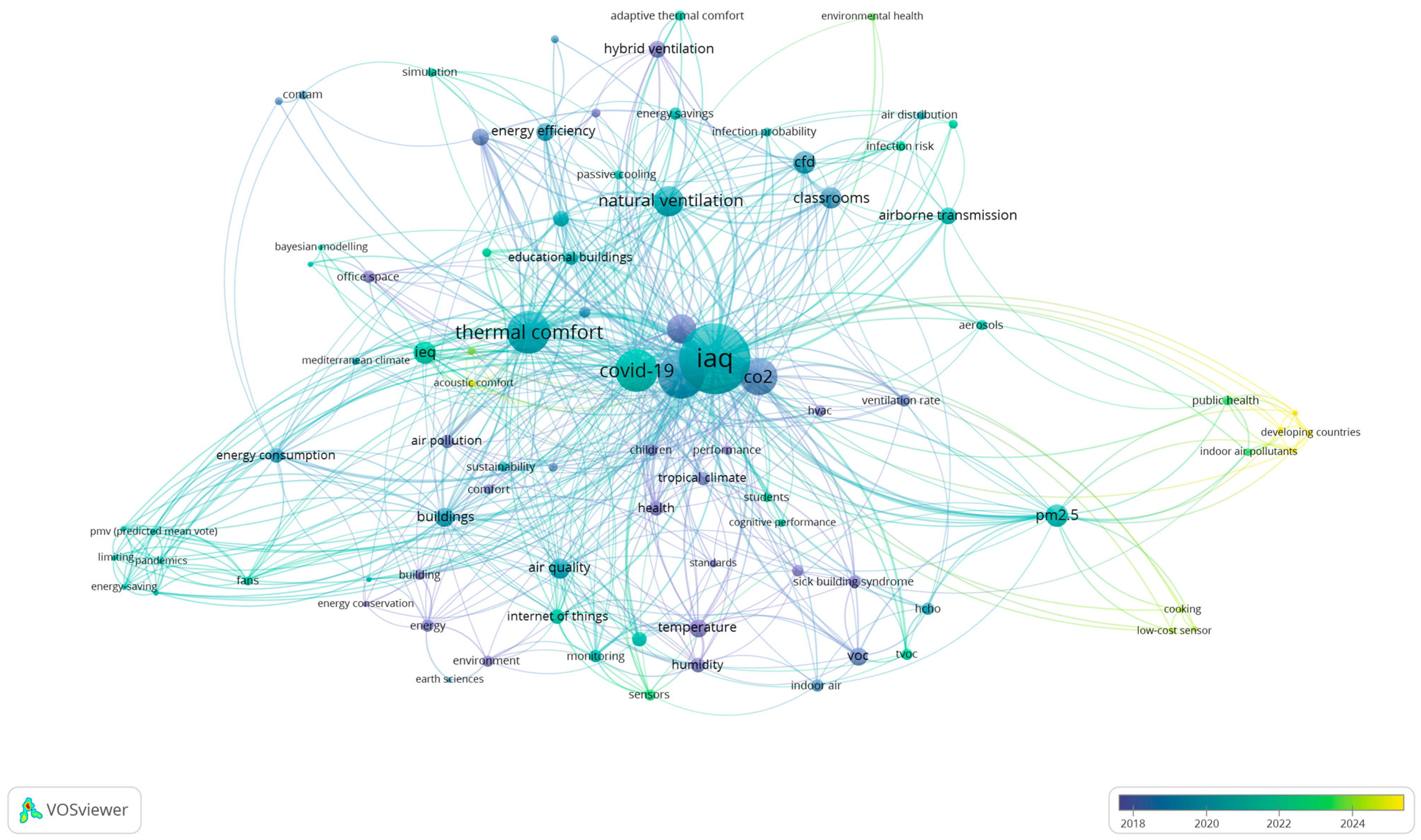
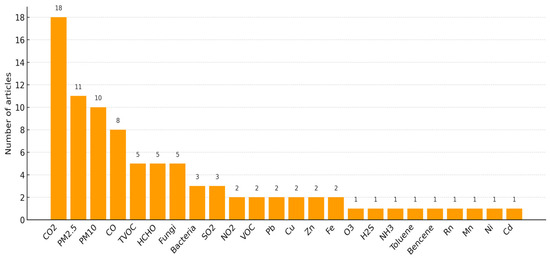
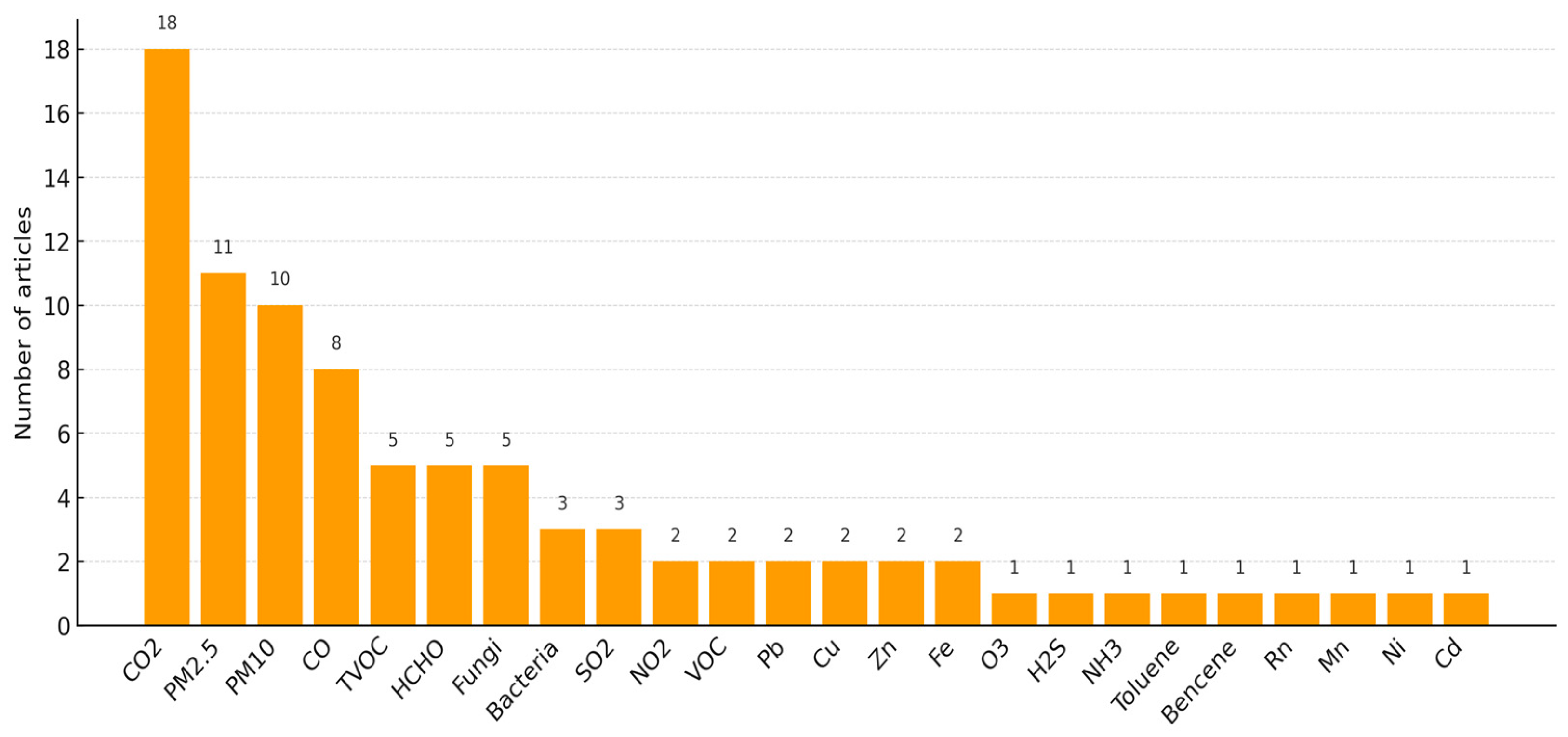
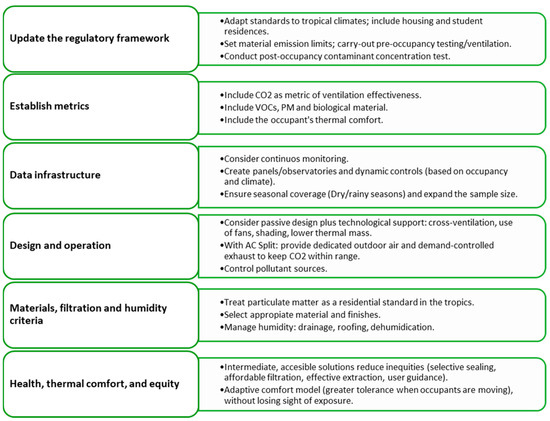
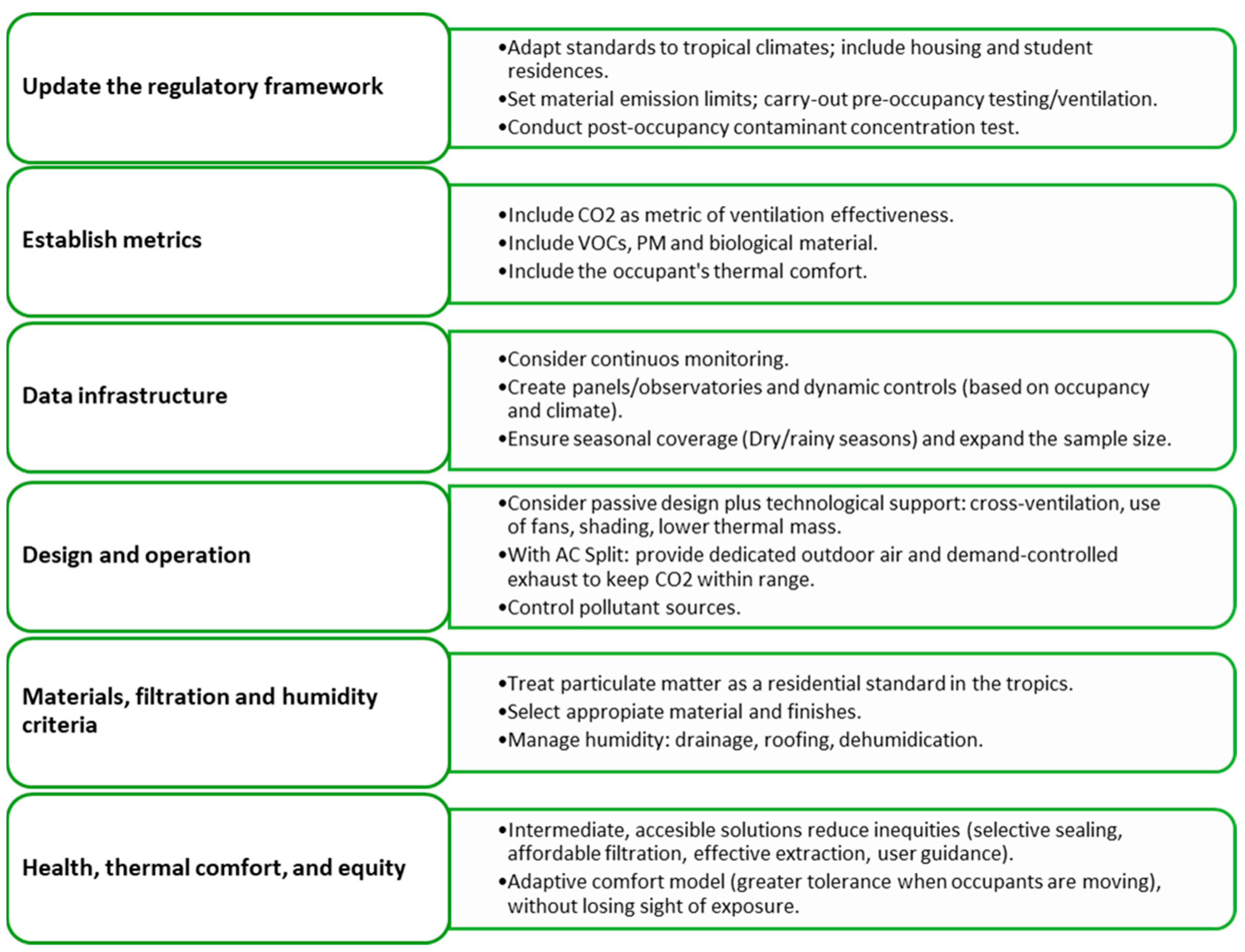

Disclaimer/Publisher’s Note: The statements, opinions and data contained in all publications are solely those of the individual author(s) and contributor(s) and not of MDPI and/or the editor(s). MDPI and/or the editor(s) disclaim responsibility for any injury to people or property resulting from any ideas, methods, instructions or products referred to in the content. |
© 2025 by the authors. Licensee MDPI, Basel, Switzerland. This article is an open access article distributed under the terms and conditions of the Creative Commons Attribution (CC BY) license (https://creativecommons.org/licenses/by/4.0/).