


Abstract
In high-altitude regions of the Global South, social housing programs are essential for mitigating vulnerability to low temperatures, but their standardized designs often fail to meet thermal performance codes. This study evaluates a “Sumaq Wasi” adobe housing module in the Peruvian Andes (Kunturkanki, 4237 m a.s.l.) during the 2023 frost season. We comparatively applied the 2014 and 2022 draft versions of the Peruvian standard EM.110 to assess the building envelope’s thermal transmittance and condensation risk, benchmarking monitored indoor temperatures against adaptive comfort models. The results revealed widespread non-compliance with thermal transmittance limits, especially for the roof and floor, although condensation risk was low. While indoor temperatures failed to meet conventional standards, they aligned with regionally adapted comfort ranges. We conclude that the standardized module design is insufficient for local climatic demands and argue that social housing policies must evolve, balancing regulatory stringency with context-aware bioclimatic design to be effective.
1. Introduction
In high-altitude regions, vulnerable populations face increasing threats from intense seasonal climate variations [1,2,3]. This challenge has driven global research on adaptive thermal comfort and social housing performance in cold climates, often benchmarked against international standards such as ASHRAE 55 [4,5].
Regarding vernacular and contemporary housing in these regions, studies indicate that passive design is highly sensitive to severe local climates [6]. Key findings highlight that altitude is the main factor influencing the temperature difference between the interior and exterior [7], alongside the critical role of residents’ adaptive thermal comfort and the climatic responsiveness of the dwelling [8,9]. However, thermal comfort standards often fail to be met because vernacular dwellings do not comply with evaluation methods proposed by these standards [10]. Therefore, there is a recognized need to continue reviewing the energy efficiency of buildings—both vernacular and contemporary—in high-altitude contexts characterized by intense precipitation and freeze–thaw cycles (Bhat et al., 2025) [11], as research remains limited in many regions of the Global South.
While Andean countries have implemented thermal regulations [12,13,14], their effectiveness and evolution in response to accelerating climate change remain a critical research area. Indeed, global analyses confirm that regularly updating building codes is fundamental to improving housing resilience. Implementing above-code energy efficiency measures can reduce mortality in extreme cold events by up to 69% [15]. This global perspective underscores the need to assess whether local regulations, such as Peru’s, are evolving adequately.
In Peru, where winter temperatures in high-Andean zones can drop to −21 °C [16], three scenarios are being considered to improve the thermal performance of vernacular Andean dwellings. First, in homes built by local residents, targeted interventions were implemented using simple, low-cost passive systems in the bedrooms [17,18]. Experimental prototypes were also designed in academia, such as the Orduña and Imata prototypes, which were monitored and validated in the field, yielding positive results in the performance of building envelopes [19,20]. Similarly, as a government policy, two “Sumaq Wasi” prototypes (Quechua for “Beautiful House”), one made of adobe and the other of brick, were proposed for construction starting in 2019 to alleviate housing insecurity [21,22,23]. Despite this large-scale intervention, prior studies are limited. They have focused on thermal transmittance analysis under a single version of the Peruvian code (EM.110-2014) [24,25,26,27] or have highlighted the lack of cultural and climatic suitability in standardized designs [28].
The fundamental research gap is the lack of a comparative analysis assessing how updates to Peru’s technical standard impact the thermal performance of these dwellings. Specifically, no study has examined how the transition from the 2014 standard to the 2022 draft modifies compliance criteria and, ultimately, occupant comfort. This comparison is vital not only to validating public investment but also to guiding future social housing policies in an increasingly extreme climate.
This study investigates the gap between regulatory standards and real-world thermal performance in a Sumaq Wasi adobe housing module in Kunturkanki, Cusco, during the 2023 frost season. Our research has two objectives: (1) to quantify the differences in thermal transmittance and surface condensation risk by applying the 2014 and 2022 methodologies of the EM.110 standard; and (2) to assess whether the resulting thermal performance meets regulatory limits and achieves recommended adaptive comfort ranges. We hypothesize that the standardized design is insufficient for the local climate, failing to meet the stricter updated limits and provide adequate thermal comfort.
2. Materials and Methods
The methodology comprised three phases: (1) characterizing the case study by documenting its building composition and monitoring local climatic conditions; (2) calculating the envelope’s performance (thermal transmittance, condensation risk) by comparatively applying the 2014 and 2022 draft versions of the Peruvian standard EM.110; and (3) assessing indoor thermal comfort using monitored data and adaptive comfort models.
2.1. Study Area and Case Study
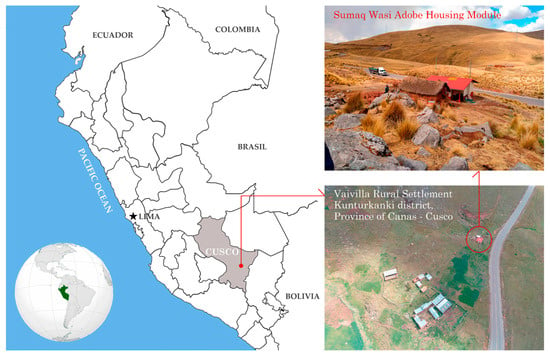
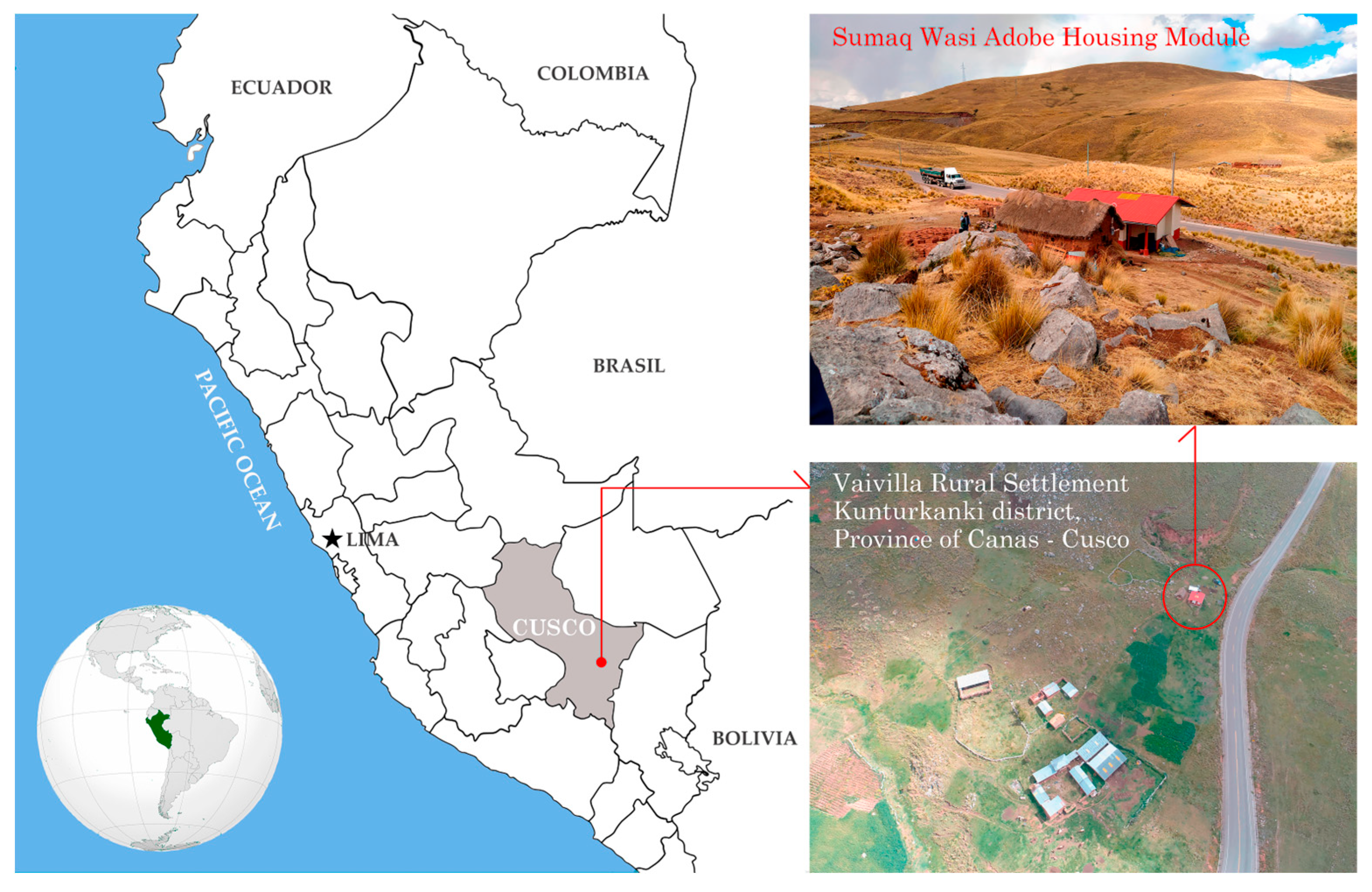
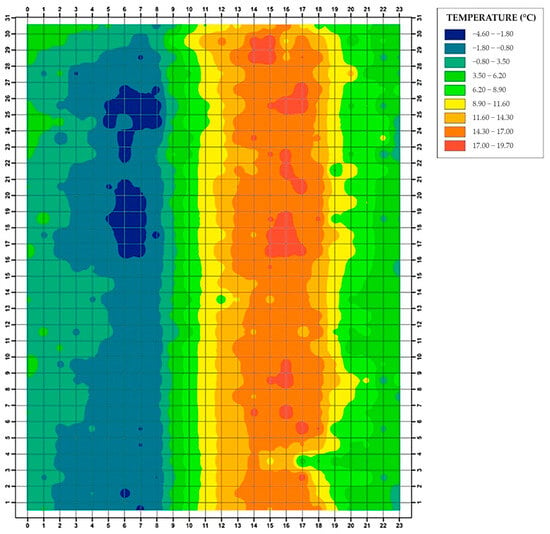
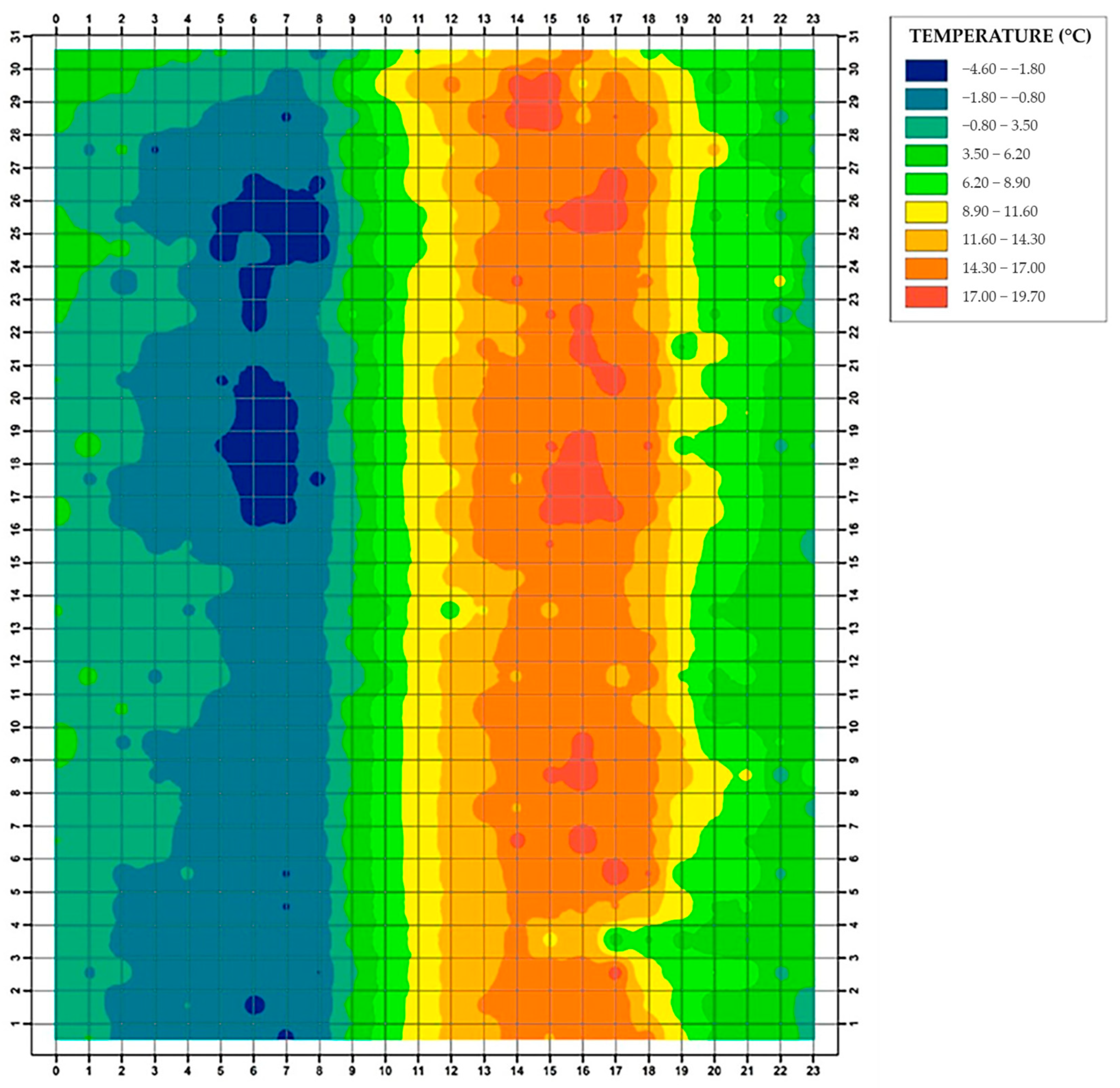
The research was conducted in the Kunturkanki district, Cusco, Peru (14.47225° S, 71.29688° W, 4237 m a.s.l.) (Figure 1). The local climate features a dry season (June–August) with severe frosts known as heladas and a marked diurnal thermal oscillation. During this period, temperatures can drop to a minimum of −4.6 °C in the early morning and reach peaks of 19.7 °C in the afternoon (Figure 2).
Figure 1.
Location of the studied housing module in Kunturkanki, Cusco.
Figure 2.
Outdoor thermal profile during the frost season in Kunturkanki (June–August 2023). The x-axis represents the hours of the day, and the y-axis represents the days of the month.
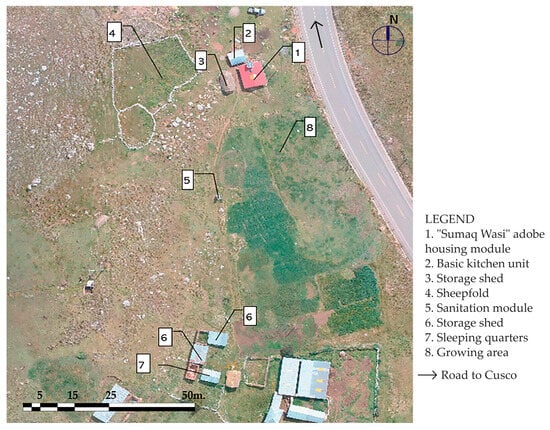
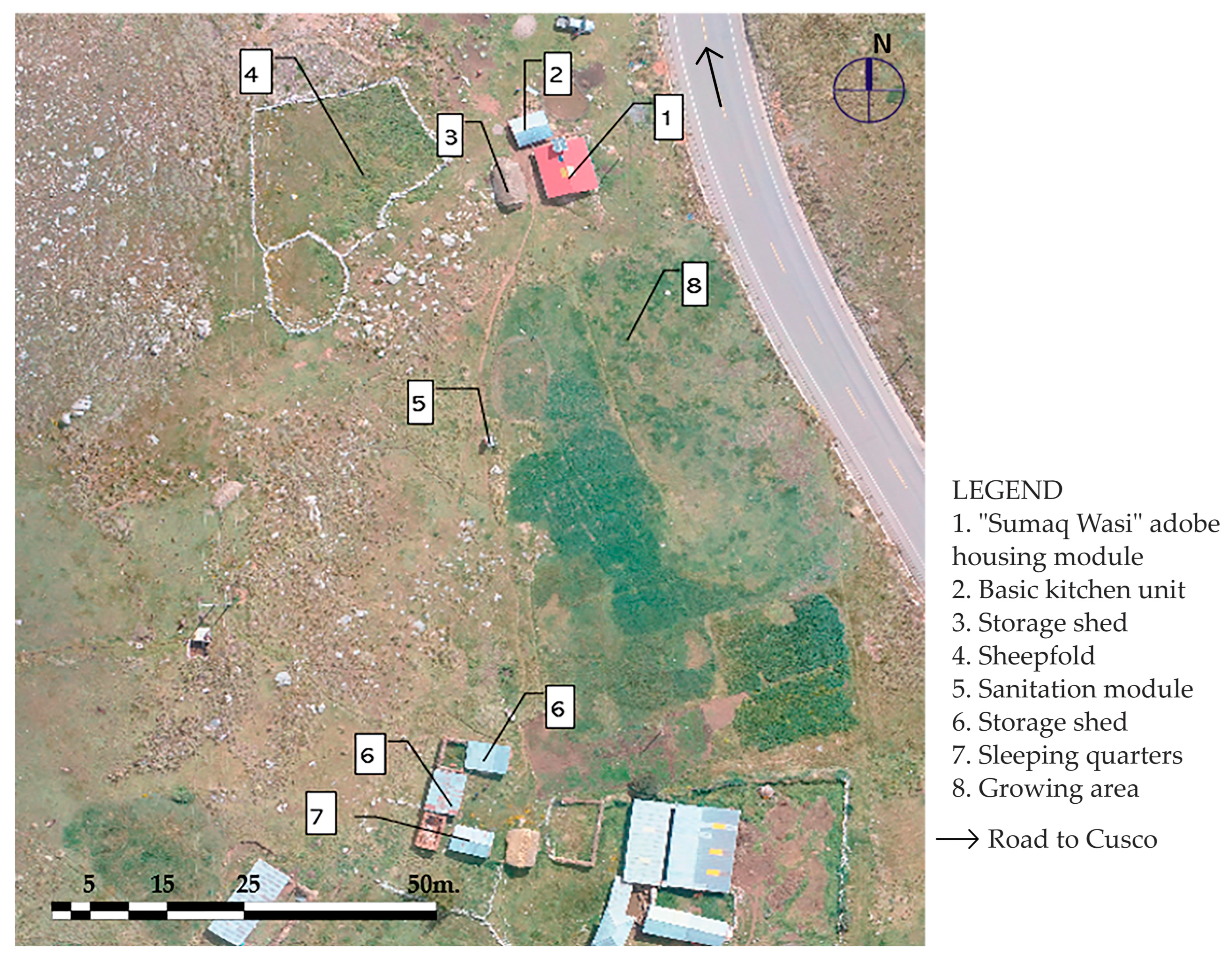
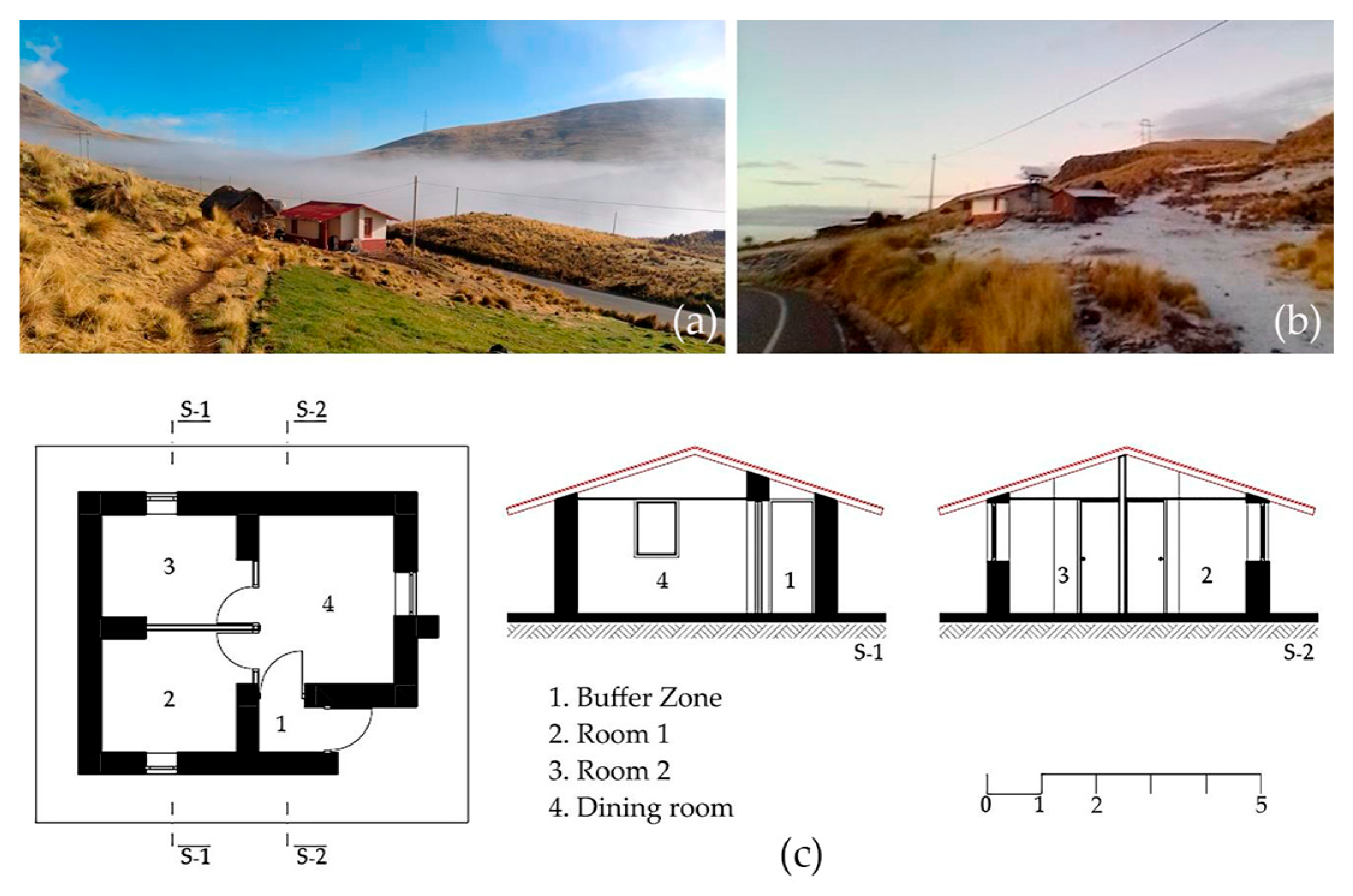
The Sumaq Wasi module, as a habitable space, is inserted into the typical dispersed organization of a rural high-rise dwelling, which is usually configured with domestic, productive, and sanitary spatial units [28] (Figure 3). The specific module studied, built in 2022, is a representative case study as it embodies the standard government design for the Cusco region. It has a 33 m2 floor area and a 2.12 m ceiling height and includes two bedrooms and a dining area (Figure 4). Its envelope consists of adobe walls, a concrete floor, and a zinc-and-polystyrene roof [29]. An on-site visit verified that the construction matched the government’s technical documents. A detailed breakdown of all building layers and thicknesses is provided in Appendix A.
Figure 3.
Aerial view of the rural dwelling and its dispersed units. Image captured via drone (UAV) on 1 June 2023, providing a zenithal view of the main housing module and its surrounding dispersed units.
Figure 4.
Contextual and Spatial Documentation of the Sumaq Wasi Housing Module. The figure provides the visual and technical context of the case study: (a) Module view and landscape context (3 October 2022); (b) Module during the frost season (30 July 2023); (c) Floor plan and spatial layout of the module, indicating the locations of Section 1 (S-1) and Section 2 (S-2).
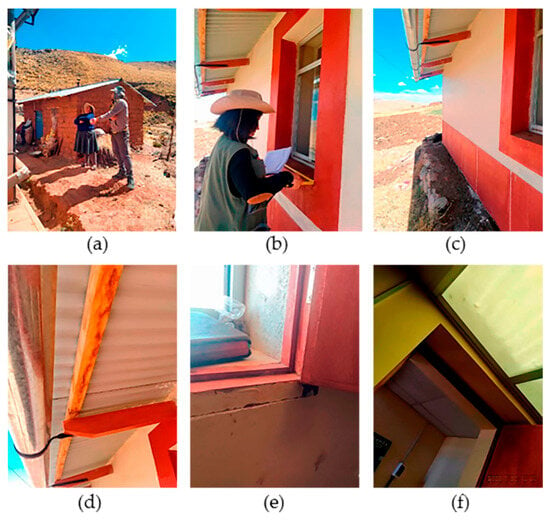
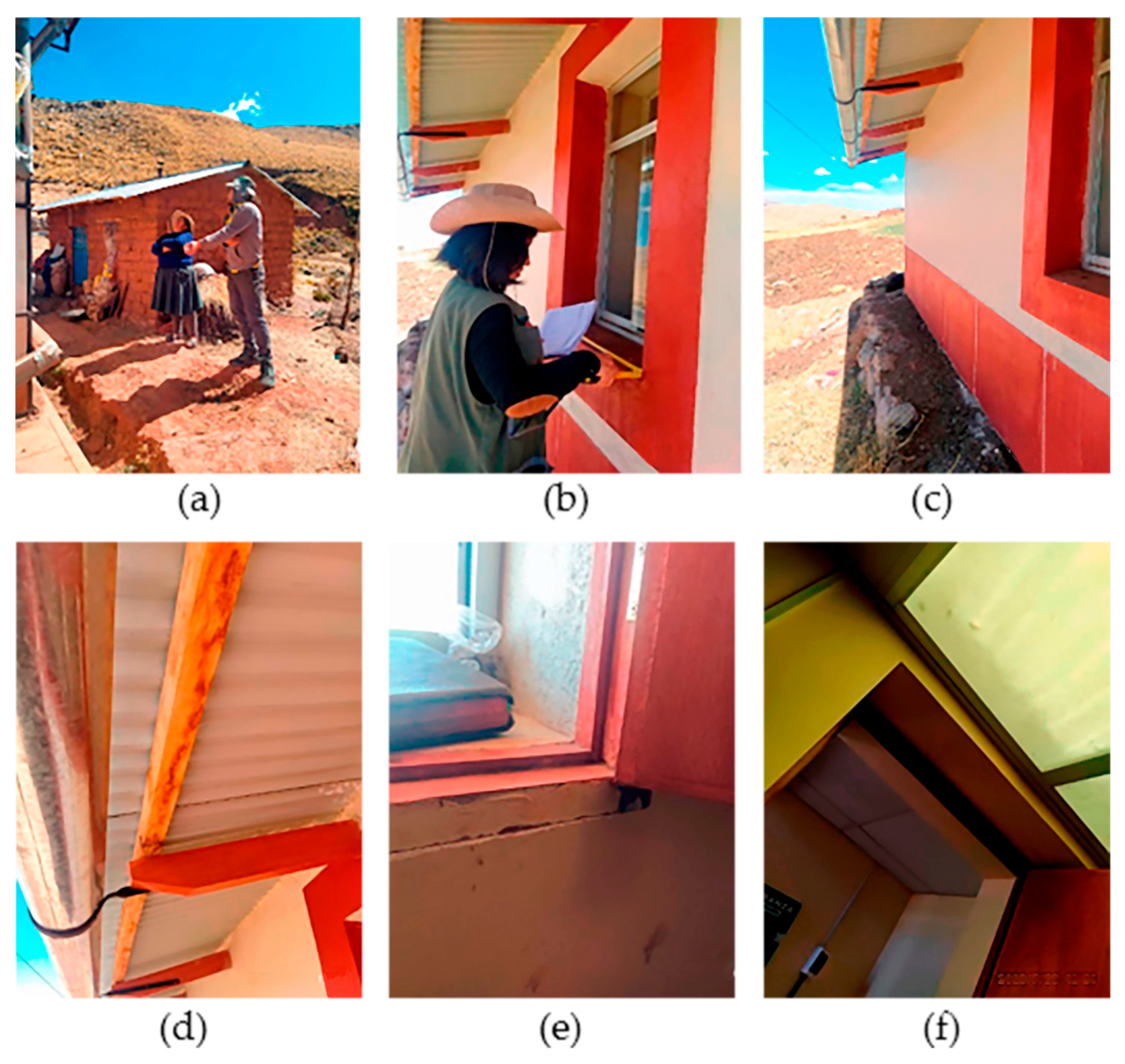
Calculations for this study were based on data gathered from technical documents and an on-site visit. During the visit, building materials were documented (Figure 5) and hygrothermal data loggers (ELITECH RC-4HC sensors, compliant with ISO 7726–1998 [30]) were installed both inside and outside the module. On-site monitoring was conducted over a 72 h period (23–26 July 2023). This short-term, intensive period was intentionally selected to capture the building’s response during one of the region’s most severe frost events (heladas), providing a snapshot of its performance under critical thermal stress. To isolate the passive performance of the building envelope—a primary objective of this study—the dwelling was kept unoccupied, thereby eliminating the variable influence of internal heat gains from occupants and activities.
Figure 5.
On-site Documentation of the Sumaq Wasi Module’s Envelope and Occupancy Context. The figure documents the physical characteristics and context of the case study: (a) Interview with the homeowner to establish occupancy patterns and history; (b) Verification of on-site measurements for modeling accuracy; (c) Condition of the foundation, subfloor, and adobe wall assembly; (d) Detail of the roof overhang and its connection to the wall; (e) Detail of the aluminum window frame and wooden shutter assembly; (f) Interior view of the polycarbonate skylight in the social area. All photographs were taken during the monitoring period (23–26 July 2023).
2.2. Building Envelope Performance Assessment (EM.110-2014 vs. 2022)
We assessed the building envelope’s performance following the Peruvian Technical Standard EM.110 (2014 version and 2022 draft) [14,31], which classify the site as ‘High-Andean’ and ‘Very Cold Continental’, respectively. The detailed calculation process, including all input parameters and intermediate steps for both methodologies, is provided in the Supplementary Materials [File S1].
2.2.1. Thermal Transmittance (U-Value) Evaluation
We calculated the thermal transmittance (U-value) of each building component according to ISO 6946 [32]. Although the underlying principle remains consistent, the two versions of EM.110 differ in three methodological respects:
- Heterogeneous layers: the 2022 draft requires differentiated calculation accounting for both horizontal and vertical heat flows; the 2014 version uses a simplified approach.
- Thermal bridges: the 2022 draft eliminates the exclusion of surface resistances (e.g., beams, columns) and mandates specific calculation for openings instead of tabulated values.
- Floor assembly: the 2014 standard calculates U based on material layers; the 2022 draft assigns a predetermined U-value depending on the type of perimeter insulation.
These methodological updates reflect a shift toward a more detailed and internationally aligned assessment. The resulting U-values were compared against the maximum permissible limits of each standard (Table 1).
Table 1.
Thermal transmittance (U-value) compliance analysis [14,31].
2.2.2. Surface Condensation Risk Verification
We evaluated the surface condensation risk following ISO 13788, ensuring the internal surface temperature (Tsi) remained above the dew point temperature (Tr). This analysis was based exclusively on the theoretical calculation method stipulated in the EM.110 standard. No on-site visual inspection or instrumental monitoring was conducted, as the study’s objective was to verify theoretical regulatory compliance. Empirical validation of these calculations is recommended for future research.
2.3. Adaptive Thermal Comfort Assessment Methodology
We assessed thermal comfort using recognized adaptive models [19]. Model inputs were derived from outdoor temperatures recorded at the nearest meteorological station during the frost season (June–August). An 80% occupant satisfaction criterion was established, corresponding to an acceptable comfort range of ±3.45 °C from the neutral temperature. Based on these models, indoor temperatures should remain between 12 °C and 24 °C. For context, Peru’s Occupational Health manual specifies an optimal winter temperature between 17 °C and 22 °C at 30–70% relative humidity [33].
3. Results
The thermal performance assessment of the adobe-built Sumaq Wasi module, including analyses of thermal transmittance, surface condensation risk, and adaptive thermal comfort, reveals a notable non-compliance with Peruvian regulations and an inability to ensure thermally comfortable conditions for its occupants. For full transparency and reproducibility, the complete, step-by-step calculation sheets for these values and the condensation analysis are provided in the Supplementary File [File S1].
3.1. Thermal Transmittance (U-Value)
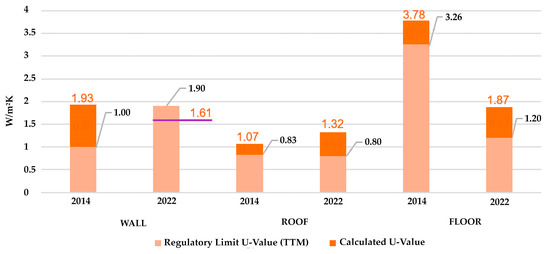
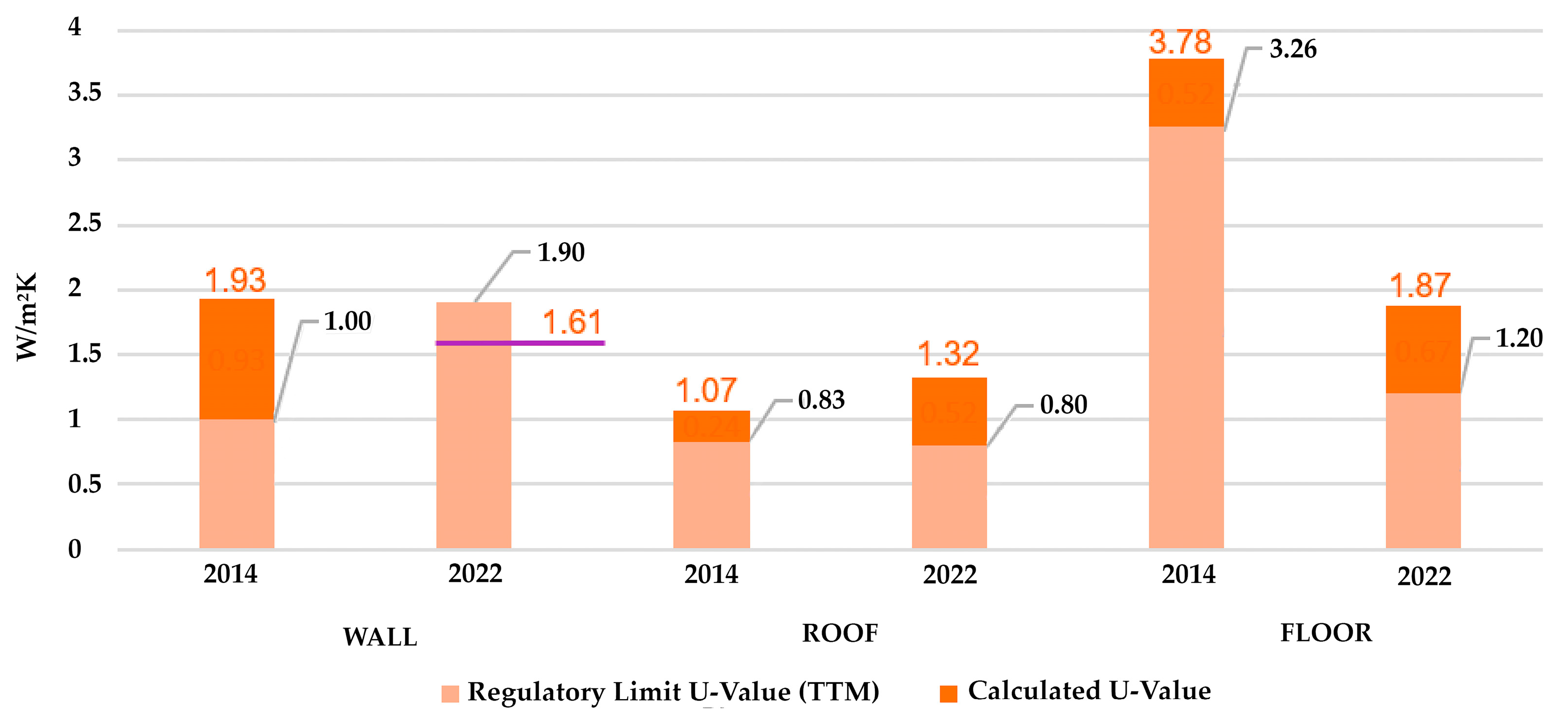
The thermal transmittance calculations reveal deficient insulation in most of the building envelope. The wall, with a U-value of 1.93 W/m2K, exceeds the limit of the 2014 standard (1.00 W/m2K), although its recalculated value under the 2022 draft update (1.61 W/m2K) does meet the more flexible threshold of 1.90 W/m2K. However, both the roof and the floor fail under both assessments. The roof significantly exceeds the limits for both 2014 (1.07 vs. 0.83 W/m2K) and 2022 (1.32 vs. 0.80 W/m2K). Similarly, the floor surpasses the corresponding thresholds with values of 3.78 vs. 3.26 W/m2K (2014) and 1.87 vs. 1.20 W/m2K (2022) (see Figure 6).
Figure 6.
Comparative table of final thermal transmittance values. Maximum thermal transmittance (TTM) values for each methodology studied (Authors 2023) [14,31].
3.2. Surface Condensation Risk
3.2.1. Calculation of Dew Point Temperature (Tr)
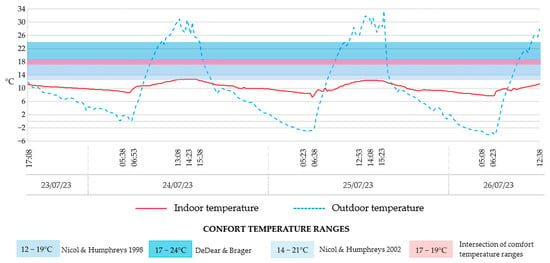
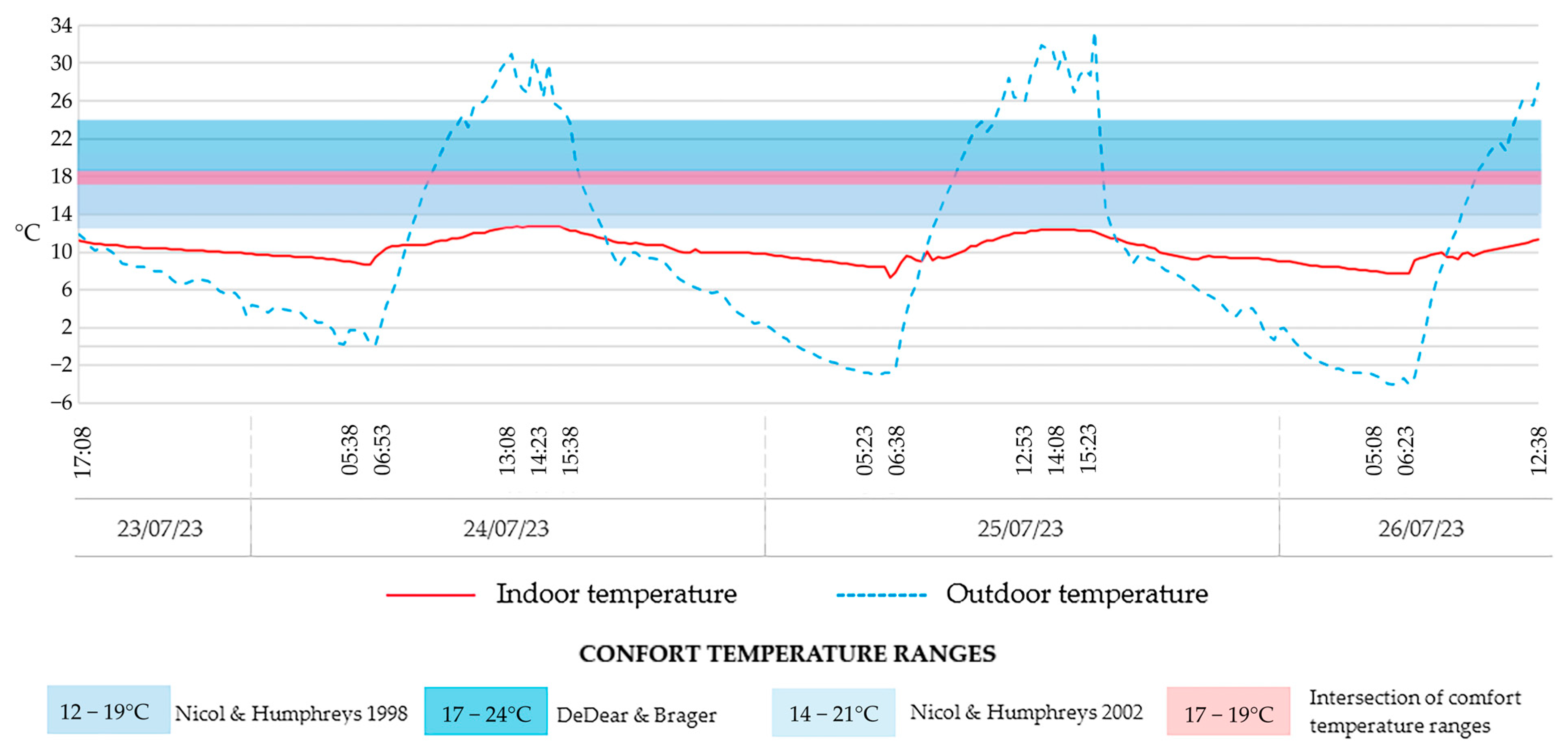
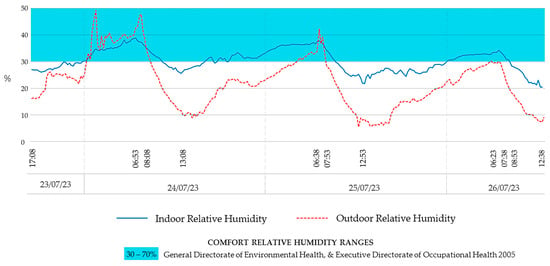
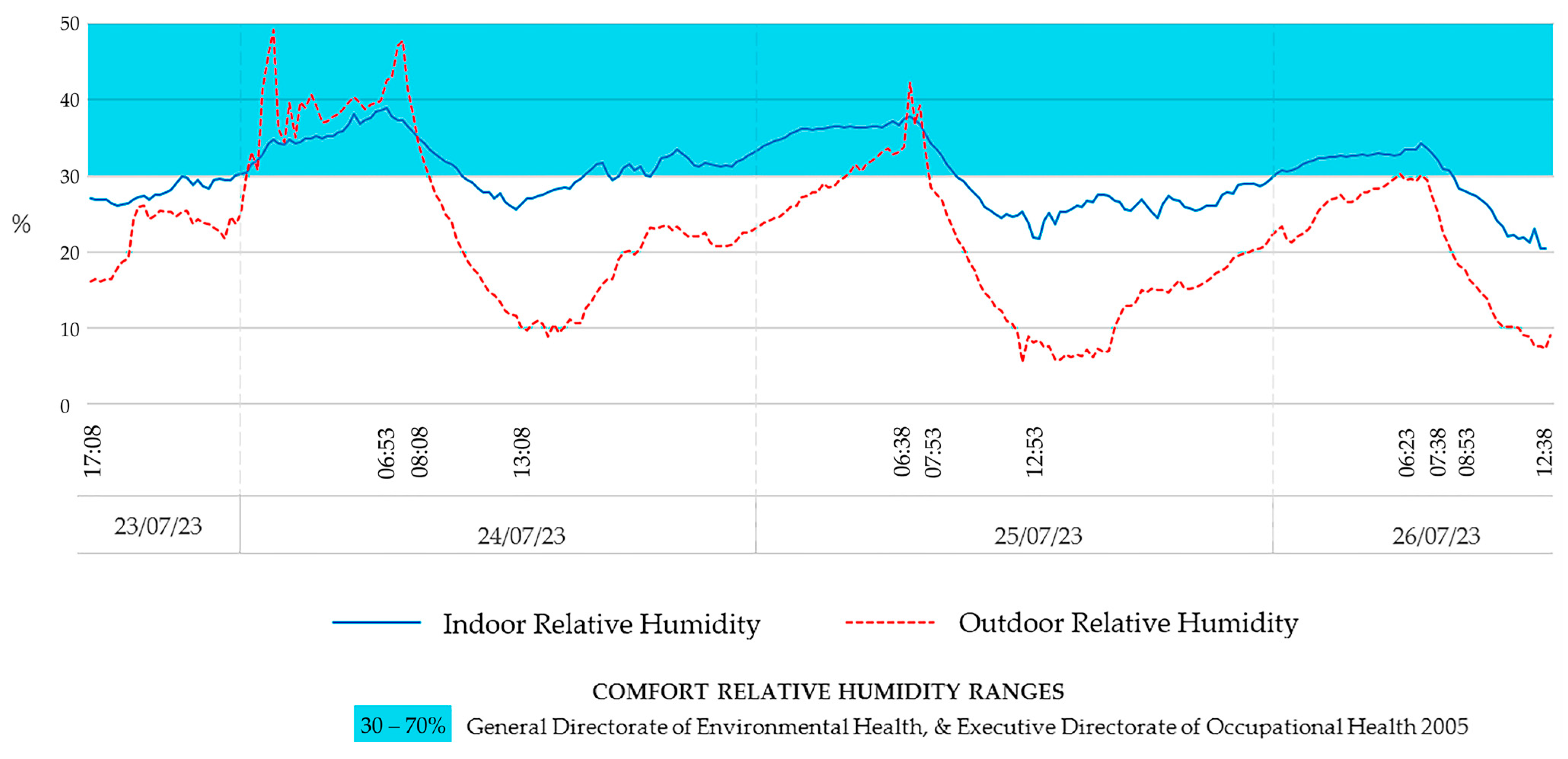
Using field data, the dew point temperature (Tr) was determined. Considering the minimum recorded indoor temperature of 7.30 °C (Figure 7) and its corresponding indoor relative humidity of 36.7% (Figure 8) (Table 2), the resulting Tr was −6.70 °C.
Figure 7.
Monitored indoor versus outdoor air temperature profile.
Figure 8.
Monitored indoor versus outdoor relative humidity profile.
Table 2.
Summary of monitored indoor and outdoor temperatures (24–26 July 2023).
3.2.2. Calculation of Internal Surface Temperature (Tsi)
The internal surface temperature (Tsi) was calculated for each envelope assembly based on the formulas presented in the methodology section. The key input values, which differ between the two standards, were as follows:
- EM. 110-2014: The internal surface resistance (Rsi) was set at 0.11 m2K/W for the wall and 0.09 m2K/W for the roof and floor.
- EM. 110-2022: The Rsi values were obtained from the draft standard, establishing 0.13 m2K/W for the wall, 0.10 m2K/W for the roof, and 0.17 m2K/W for the floor.
The most critical recorded field data were used for the indoor (Ti) and outdoor (Te) temperatures, which were 7.30 °C and −3.00 °C, respectively (Table 2). The total thermal resistance (Rt) for each assembly was derived from the previously calculated thermal transmittance values.
Under both methodologies, the calculated Tsi values for each envelope assembly were higher than the dew point temperature (Tr). Although the Tsi values differed slightly between the two standards, both scenarios indicated that the risk of surface condensation was avoided (Table 3).
Table 3.
Surface condensation risk analysis (Tsi versus Tr).
3.3. Adaptive Thermal Comfort Assessment
The collected data show that the adobe housing module fails to reach the target comfort temperature range of 17–19 °C at any point during the day. Instead, it recorded average indoor temperatures between 8.7 °C and 11.4 °C during the occupants’ resting hours (17:00 to 05:00) (Figure 7). Regarding indoor relative humidity, the module was partially within the comfort limits, with average values ranging from 26.7% to 37.8% during the hours of greatest use (Figure 8).
4. Discussion
The thermal performance assessment of the Sumaq Wasi module reveals two critical findings: a significant failure to comply with national building codes and a fundamental paradox within the evolution of Peru’s thermal standards. This discussion examines these findings by addressing the study’s two primary objectives: (1) it first analyzes the module’s poor performance and non-compliance by comparing the 2014 and 2022 versions of the EM.110 standard; and (2) it then explores the implications of these results for the definition of adapted thermal comfort in the high-Andean context and the development of future housing policies.
The module’s poor thermal performance, particularly the significant heat loss through the roof, exemplifies the shortcomings of a standardized solution in a specialized environment. While the wall’s U-value (1.93 W/m2K) narrowly fails the 2014 standard but passes the 2022 draft, the roof (1.07 W/m2K) and floor (3.78 W/m2K) significantly exceed all regulatory limits. The roof’s performance is consistent with similar findings in the Colca Valley for uninsulated metal roofs [17], identifying it as the most critical building element.
This poor performance contrasts sharply with established bioclimatic optimization strategies in similar high-altitude regions. For instance, traditional and optimized designs in Tibet and Nepal prioritize thermal mass and multi-layered structures to minimize heat loss. Walls in these regions are typically thick (600–700 mm) and composed of high-density materials like adobe or stone, maximizing heat storage to regulate extreme diurnal variations [6,9]. Furthermore, contemporary retrofits in masonry structures have shown that adding just 2 inches of insulation can improve thermal stability by up to 38%, achieving U-values around 0.8 W/m2K, significantly lower than the module’s wall [11]. Similarly, roof optimization in traditional housing relies on multi-layered structures [6] or mud roofs in Nepal [9], with low U-values to provide effective insulation and passive heating effects. The Sumaq Wasi module’s reliance on a lightweight, poorly insulated roof structure fundamentally contradicts these proven high-altitude design principles, confirming its lack of climatic suitability and contrasting sharply with prototypes such as the one in Orduña, which achieved a wall U-value of 0.667 W/m2K using local materials [19].
Furthermore, the comparative analysis of the EM.110 standards uncovers a crucial paradox in the new 2022 draft, especially regarding the floor. The 2022 update represents a significant step towards international best practices by demanding more rigorous calculations. However, by drastically lowering the floor’s U-value limit from 3.26 to 1.20 W/m2K, it incentivizes greater insulation. This approach overlooks a key passive strategy highlighted by previous research: leveraging the ground’s stable thermal inertia (16–18 °C) as a natural heat source [17]. This tension is particularly relevant given that earthen floors and thick thermal mass floors in traditional high-altitude dwellings are known to act as effective heat storage elements, absorbing solar heat during the day and releasing it gradually at night to maintain a warm indoor environment [9]. The draft regulatory (EM. 110-2022) push for extreme insulation risks negating this passive geothermal benefit, potentially leading to over-insulation solutions that are costly and less effective than a balanced design that utilizes the earth’s thermal mass. This finding underscores the need for future regulations to promote intelligent bioclimatic design, balancing technical calculations with passive strategies adapted to the local context.
This study also reinforces the argument that thermal comfort standards must be adapted to the high-Andean context. During early morning hours, the module’s indoor temperatures (8.7 °C to 11.4 °C) were far below the 18 °C target of the 2014 standard but were comparable to temperatures found in other regional studies in Orduña at 4260 m a.s.l. (8 °C to 10 °C) [19] and Imata at 4500 m a.s.l. (9.5 °C to 15.3 °C) [20]. This consistent pattern across different studies suggests that high-mountain populations are acclimatized to a lower indoor temperature range than prescribed by conventional standards [6,9,18]. Therefore, imposing international comfort benchmarks may be both unrealistic and unnecessary. Future policies should focus on developing regionally adapted comfort models that prioritize preventing extreme cold rather than achieving idealized thermal optimums.
The findings of this study should be considered in the light of certain methodological limitations. The on-site monitoring was constrained to a short-term, 72 h period under unoccupied conditions. While this approach was optimal for isolating the passive performance of the building envelope against extreme cold, it does not account for the dynamic thermal impact of occupancy, including internal heat gains from inhabitants and their daily activities. Logistical challenges, common in fieldwork in remote rural areas, precluded a longer monitoring period.
Therefore, to build upon these findings, future research is strongly recommended. Long-term monitoring under typical occupied conditions is necessary to develop a more comprehensive understanding of the dwelling’s year-round performance. Furthermore, calibrated whole-building energy simulations developed specifically for high Andean regions would be invaluable for testing various retrofitting scenarios (e.g., different levels of insulation, improved glazing) and quantifying their potential energy savings and comfort improvements.
In light of these findings, the implications for public housing policy are clear. The Sumaq Wasi program requires a design revision focused on roof insulation as the highest-priority intervention. The exploration of low-cost, locally sourced insulating materials, such as the totora reeds used in successful bioclimatic prototypes, should be considered [18,19]. For floors, a balanced approach that improves airtightness without completely decoupling the slab from the ground’s thermal mass is recommended. Future research should use parametric simulations to determine an optimal floor U-value that balances insulation with passive heat gain. Ultimately, effective social housing in the Andes must evolve from deploying standardized modules to promoting adaptive design frameworks that are both technically sound and climatically and culturally responsive.
5. Conclusions
This study reveals a critical disconnect between Peruvian thermal regulations and the actual performance of the Sumaq Wasi module in the high Andes. The design fails to ensure thermal resilience due to envelope deficiencies—particularly in the roof—and unintended conflicts within evolving building codes. Key findings:
- Systemic Non-Compliance: The building envelope exceeds U-value limits of EM.110 (2014 and 2022 draft), with the roof exhibiting the highest thermal transmittance.
- Normative Contradiction: The 2022 draft’s stringent floor U-value risks decoupling slabs from beneficial ground thermal mass, countering regional bioclimatic principles.
- Misaligned Comfort Targets: Indoor conditions fall below official standards but match those in adapted Andean homes, underscoring the need for localized adaptive comfort models.
Based on these findings, the following practical, forward-looking recommendations are proposed:
- 4.
- Prioritize roof retrofitting using high-performance, low-cost local materials (e.g., totora reed mats, straw-clay composites).
- 5.
- Optimize floor design with insulated perimeters while retaining partial ground contact to leverage thermal inertia.
- 6.
- Formalize high-Andean adaptive comfort ranges in national policy, grounded in field data on acclimatized populations.
In conclusion, thermal resilience in Andean social housing requires shifting from rigid, universal modules to adaptive, performance-driven frameworks that harmonize passive design, local materials, and context-specific comfort criteria.
Supplementary Materials
The following supporting information can be downloaded at: https://www.mdpi.com/article/10.3390/buildings15244401/s1, File S1: Detailed Excel spreadsheet containing the step-by-step calculation process for the thermal transmittance (U-value) of the building envelope components under EM.110-2014 and EM.110-2022, as well as the surface condensation risk analysis.
Author Contributions
Conceptualization, E.P.-O., M.A.-P. and V.S.V.; methodology, M.A.-P., V.S.V. and E.M.-S.; investigation, M.A.-P. and V.S.V.; resources, E.P.-O.; writing—original draft preparation, M.A.-P. and V.S.V.; writing—review and editing, E.P.-O., M.A.-P., V.S.V., E.M.-S. and E.G.R.; supervision, E.P.-O. and E.G.R.; project administration, E.P.-O.; funding acquisition, E.P.-O. and E.G.R. All authors have read and agreed to the published version of the manuscript.
Funding
This research was funded by Universidad Nacional de San Antonio Abad del Cusco, Peru, according to Resolution Nro. R-0136-2021-UNSAAC of the Financial Scheme E041-2020-01-UNSAAC, and Contract N° 010-2021-UNSAAC designated for “Proyectos de Investigación Programa Yachayninchis Wiñarinanpaq”.
Institutional Review Board Statement
Not applicable.
Informed Consent Statement
Informed consent was obtained from all subjects involved in the study.
Data Availability Statement
The raw data supporting the conclusions of this article will be made available by the authors on request.
Acknowledgments
During the preparation of this manuscript/study, the author(s) used Manus AI for the purposes of improving the writing and fluency of texts and Notebook LM to ensure the better management of sources. The authors have reviewed and edited the output and take full responsibility for the content of this publication.
Conflicts of Interest
The authors declare no conflicts of interest. The funders had no role in the design of the study; in the collection, analyses, or interpretation of data; in the writing of the manuscript; or in the decision to publish the results.
Abbreviations
The following abbreviations are used in this manuscript:
| UNSAAC | Universidad Nacional de San Antonio Abad del Cusco |
| MVCS | Ministerio de Vivienda, Construcción y Saneamiento |
| SENAMHI | Servicio Nacional de Meteorología e Hidrología |
Appendix A
Table A1.
Building Envelope Composition of the Sumaq Wasi Module (organized from exterior to interior layer) [29].
References
- Fuller, R.J.; Zahnd, A.; Thakuri, S. Improving comfort levels in a traditional high altitude Nepali house. Build. Environ. 2009, 44, 479–489. [Google Scholar] [CrossRef] [Scilit]
- Ma, X.; Luo, Q.; Yan, F.; Lei, Y.; Lu, Y.; Chen, H.; Yang, Y.; Feng, H.; Zhou, M.; Ding, H.; et al. Evaluating the Microclimatic Performance of Elevated Open Spaces for Outdoor Thermal Comfort in Cold Climate Zones. Buildings 2025, 15, 2777. [Google Scholar] [CrossRef] [Scilit]
- Yuan, J.; Cong, Y.; Yao, S.; Dai, C.; Li, Y. Research on the thermal comfort of the elderly in rural areas of cold climate, China. Adv. Build. Energy Res. 2022, 16, 612–642. [Google Scholar] [CrossRef] [Scilit]
- Lourenço, I.; Niza, B.E.E. Development of thermal comfort models over the past years: A systematic literature review. Int. J. Ambient Energy 2022, 43, 8830–8846. [Google Scholar] [CrossRef] [Scilit]
- ASHRAE 55; ANSI/ASHRAE Standard 55: Thermal Environmental Conditions For Human Occupancy. ASHRAE: Atlanta, GA, USA, 2020.
- Huang, L.; Hamza, N.; Lan, B.; Zahi, D. Climate-responsive design of traditional dwellings in the cold-arid regions of Tibet and a field investigation of indoor environments in winter. Energy Build. 2016, 128, 697–712. [Google Scholar] [CrossRef] [Scilit]
- Thapa, S.; Karki, B.A.; Gurung, P.G.K. Adaptive thermal comfort in the residential buildings of north east India—An effect of difference in elevation. Build. Simul. 2018, 11, 245–267. [Google Scholar] [CrossRef] [Scilit]
- Yang, W.; Xu, J.; Lu, Z.; Yan, J.; Li, F. A systematic review of indoor thermal environment of the vernacular dwelling climate responsiveness. J. Build. Eng. 2022, 53, 104514. [Google Scholar] [CrossRef] [Scilit]
- Rijal, H.B. Thermal adaptation of buildings and people for energy saving in extreme cold climate of Nepal. Energy Build. 2021, 230, 110551. [Google Scholar] [CrossRef] [Scilit]
- Thapa, S. Thermal comfort in high altitude Himalayan residential houses in Darjeeling, India—An adaptive approach. Indoor Built Environ. 2020, 29, 84–100. [Google Scholar] [CrossRef] [Scilit]
- Bhat, T.M.; Buch, S.H.; Banka, A.A. SVR-based comparison of thermal performance of traditional and contemporary masonry structures in Himalayan region. Energy Build. 2025, 347, 116192. [Google Scholar] [CrossRef] [Scilit]
- Graziani, M. NORMAS IRAM SOBRE AISLAMIENTO TÉRMICO DE EDIFICIOS. Available online: https://m2db.wordpress.com/wp-content/uploads/2015/07/normas-iram-2015.pdf (accessed on 17 April 2023).
- Ministerio de Vivienda y Urbanismo. REGLAMENTACION TERMICA MINVU ORDENANZA GENERAL DE URBANISMO Y CONSTRUCCIONES. 2006. Available online: https://www.minvu.gob.cl/nueva-reglamentacion-termica/ (accessed on 17 April 2023).
- Reglamento Nacional de Edificaciones. Norma Em-110 Confort Térmico y Lumínico con Eficiencia Energética. Peru, 2014. Available online: https://www.construccion.org/normas/rne2012/rne2006.htm (accessed on 8 March 2023).
- Franconi, E.; Troup, L.; Weimar, M.; Ye, Y.; Nambiar, C.; Lerond, J.; Hotchkiss, E.; Cox, J.; Ericson, S.; Wilson, E.; et al. Enhancing Resilience in Buildings Through Energy Efficiency; Pacific Northwest National Laboratory: Richland, WA, USA, 2023. [Google Scholar]
- Servicio Nacional de Meteorología e Hidrología del Peru. Aviso Meteorológico: Heladas y Friaje en la Sierra sur del Peru. Portal Web SENAMHI. Available online: https://www.senamhi.gob.pe/main.php?dp=cusco&p=estaciones (accessed on 26 October 2023).
- Iruri, C.; Domínguez, P.; Celis, F. Envelope improvements for thermal behavior of rural houses in the Colca Valley, Peru. Estoa 2023, 12, 113–124. [Google Scholar] [CrossRef] [Scilit]
- Mejia-Solis, E.; Arias, J.; Palm, B. Simple solutions for improving thermal comfort in huts in the highlands of Peru. Heliyon 2023, 9, e19709. [Google Scholar] [CrossRef] [Scilit] [PubMed]
- Wieser, M.; Rodriguez, S.; Onnis, S. Estrategias bioclimáticas para clima frío tropical de altura. Validación de prototipo en Orduña, Puno, Peru. Estoa 2021, 10, 10–25. [Google Scholar] [CrossRef] [Scilit]
- Molina, J.R.; Lefebvre, G.; Gómez, M.M. Study of the thermal comfort and the energy required to achieve it for housing modules in the environment of a high Andean rural area in Peru. Energy Build. 2023, 281, 112757. [Google Scholar] [CrossRef] [Scilit]
- Programa Nacional de Vivienda Rural. Información Institucional. Plataforma Digital Única del Estado Peruano. Available online: https://www.gob.pe/institucion/pnvr/institucional (accessed on 14 November 2023).
- Centro de Operaciones de Emergencia Nacional; Instituto Nacional de Defensa Civil. INFORME DE EMERGENCIA N° 988—2/7/2022/COEN—INDECI/23:40 HORAS (Informe N° 1). Peru, 2022. Available online: https://portal.indeci.gob.pe/wp-content/uploads/2022/07/INFORME-DE-EMERGENCIA-N%C2%BA-988-2JUL2022-BAJAS-TEMPERATURAS-EN-EL-DEPARTAMENTO-DE-CUSCO-1-2.pdf (accessed on 17 April 2023).
- Programa Nacional de Vivienda Rural. Sumaq Wasi. Ministerio de Vivienda, Construcción y Saneamiento. Available online: https://sites.google.com/vivienda.gob.pe/sumaqwasi/proyectos-de-mejoramiento-de-vivienda-rural?authuser=0 (accessed on 14 November 2023).
- Huamani, F.; Taipe, Y.; Ugarte, J. Análisis del Confort Térmico en las Viviendas ‘Sumaq Wasi’, Misquipata, Distrito de San Juan de Jarpa, Provincia Chupaca, Región Junín. Bachelor’s Thesis, Universidad Continental, Huancayo, Peru, 2021. [Google Scholar]
- Herencia, P.; Palomino, P. EVALUACIÓN COMPARATIVA DE LOS VALORES DE TRANSMITANCIAS TÉRMICAS DE LOS MÓDULOS SUMAQ WASI EN CCATCCA-QUISPICANCHI, SEGÚN LA NORMA EM.110. Bachelor’s Thesis, Universidad Andina del Cusco, Cusco, Peru, 2023. Available online: https://hdl.handle.net/20.500.12557/5544 (accessed on 7 July 2025).
- Pacha, F. Evaluación del Confort Térmico en las Viviendas Rurales Sumaq Wasi en los Centros Poblados de Pucri y Challamayo pata, Tiquillaca, Puno—2023. Bachelor’s Thesis, Universidad Nacional del Altiplano, Puno, Peru, 2024. [Google Scholar]
- Rabanal, J. Análisis del Desempeño Térmico y de la Percepción del Confort en los Módulos Habitacionales Sumaq Wasi del Centro poblado Chuna, Distrito de Chavín de Huántar. Bachelor’s Thesis, Universidad Pontificia Católica del Peru, Lima, Peru, 2025. [Google Scholar]
- Salas, V.M. ¿Etnodesarrollo asistido? Viviendas de comunidades campesinas frente al costo social neoliberal en los Andes peruanos. CONTEXTO. Rev. Fac. Arquit. Univ. Autónoma Nuevo León 2025, 19, 66–82. [Google Scholar] [CrossRef] [Scilit]
- Programa Nacional de Vivienda Rural. Especificaciones Técnicas Adobe 25.09; Ministerio de Vivienda, Construcción y Saneamiento: Lima, Peru, 2020.
- ISO 7726; ISO 7726: Ergonomics of the Thermal Environment—Instruments for Measuring Physical Quantities. International Organization for Standardization (ISO): Geneva, Switzerland, 1998.
- Ministerio de Vivienda, Construcción y Saneamiento. Proyecto Norma Técnica EM.110, Envolvente Térmica del Reglamento Nacional de Edificaciones; Diario Oficial El Peruano: Lima, Peru, 2022; Available online: https://www.gob.pe/institucion/vivienda/normas-legales/3302388-197-2022-vivienda/ (accessed on 8 March 2023).
- ISO 6946; ISO 6946: Building Components and Building Elements—Thermal Resistance and Thermal Transmittance—Calculation Method. International Organization for Standardization (ISO): Geneva, Switzerland, 2017.
- Dirección General de Salud Ambiental; Dirección Ejecutiva de Salud Ocupacional. Manual de Salud Ocupacional; PERUGRAF IMPRESORES: Lima, Peru, 2005. [Google Scholar]

Disclaimer/Publisher’s Note: The statements, opinions and data contained in all publications are solely those of the individual author(s) and contributor(s) and not of MDPI and/or the editor(s). MDPI and/or the editor(s) disclaim responsibility for any injury to people or property resulting from any ideas, methods, instructions or products referred to in the content. |
© 2025 by the authors. Licensee MDPI, Basel, Switzerland. This article is an open access article distributed under the terms and conditions of the Creative Commons Attribution (CC BY) license (https://creativecommons.org/licenses/by/4.0/).