Review

Retrofitting for Sustainable Building Performance: A Scientometric–PESTEL Analysis and Critical Content Review


1
School of Architecture and Built Environment, Deakin University, Waterfront Campus, Geelong, VIC 3220, Australia
2
UniSA Online, Science Technology Engineering and Mathematics (STEM), University of South Australia, Adelaide, SA 5000, Australia
*
Author to whom correspondence should be addressed.
Buildings 2025, 15(22), 4106; https://doi.org/10.3390/buildings15224106
Submission received: 28 September 2025 / Revised: 10 November 2025 / Accepted: 13 November 2025 / Published: 14 November 2025
(This article belongs to the Topic Sustainable Building Development and Promotion)

Abstract

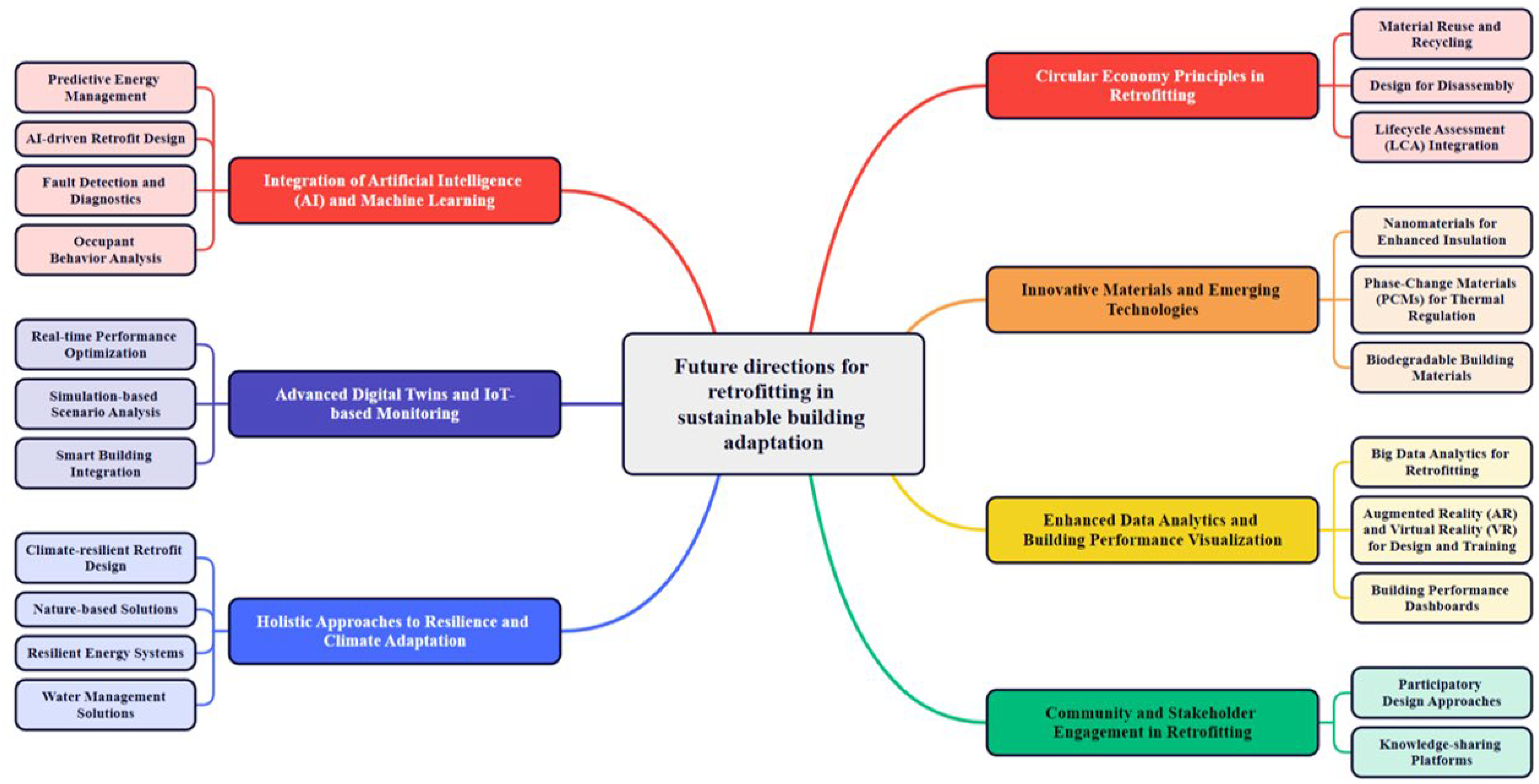
As climate change mitigation intensifies, retrofitting existing buildings has emerged as a critical and cost-effective strategy to improve energy performance, resilience, and sustainability. This systematic literature review (SLR) analysed 97 peer-reviewed articles published between 2015 and 2025, retrieved from the Scopus database using a title-based search strategy combining keywords related to building performance and retrofit actions. A five-stage screening process was employed to refine results based on publication type, discipline relevance, and research alignment. VOSviewer was used for scientometric mapping, complemented by descriptive and content analyses, to identify six thematic clusters: envelope optimisation, energy economics, environmental quality, system efficiency, passive retrofitting, and digital/data-driven planning. The review also applies a PESTEL framework to evaluate retrofit benefits across political, economic, social, technological, environmental, and legal dimensions. Finally, seven future research directions are proposed, including digital twin (DT) integration, artificial intelligence (AI) adoption, circular economy (CE) principles, stakeholder engagement, and climate-resilient design. By consolidating fragmented research, this study provides actionable insights for scholars, practitioners, and policymakers, establishing building retrofitting as a strategic pathway toward sustainable and climate-responsive urban development.

1. Introduction

Rapid urbanisation has dramatically increased the environmental footprint of cities. According to the United Nations (UN), by 2050, nearly 68% of the world’s population will reside in urban areas [1]. While urbanisation drives economic growth, it also exacerbates environmental challenges, particularly in the built environment [2]. Buildings are responsible for approximately 40% of global energy consumption and about one-third of greenhouse gas emissions [3,4], positioning them as key contributors to climate change.
Building energy use can be divided into embodied energy (the energy consumed in material production and construction) and operational energy (the energy used during a building’s occupancy). Embodied energy typically constitutes 10–30% of total lifecycle energy [5], whereas operational energy accounts for 70–90% [6,7]. Given the large stock of existing buildings, focusing on retrofitting strategies to reduce operational energy use and carbon emissions is crucial [8]. Innovations in new building designs are important, but the vast number of older structures makes improving existing buildings a high-priority intervention.
Retrofitting involves upgrading existing buildings to enhance energy efficiency and sustainability performance, for example, by adding insulation, high-efficiency heating, ventilation, and air conditioning (HVAC) systems, or on-site renewable energy generation [9]. In contrast, renovation refers more broadly to restoring or improving building condition or functionality (often for aesthetics or repairs) and may not necessarily prioritise environmental performance [10]. While both processes modify existing structures, retrofitting specifically targets operational performance improvements [11].
Because only about 1% of buildings are replaced annually, 85–95% of today’s building stock will still be in use by 2050, underscoring the need to improve the efficiency of existing structures [12]. In Europe, over 75% of buildings are energy-inefficient, with more than 20% constructed before 1945 [13]. Yet current renovation rates in the European Union (EU) remain around 1% per year, far below what is needed to meet climate targets [14]. This challenge is even greater in developing regions, where rapid urbanisation and infrastructure limitations compound energy inefficiencies [15]. In Australia, programmes like Melbourne’s ‘1200 Buildings’ target energy efficiency in commercial buildings, highlighting retrofitting’s role in sustainable urban development [16].
Retrofitting offers benefits beyond energy savings. It can strengthen urban resilience to climate impacts [17] and support the transition to low-carbon economies [18]. Advanced methods such as Building Information Modelling (BIM) and Life Cycle Assessment (LCA) are transforming retrofit practices by enabling detailed energy modelling and holistic sustainability evaluation [19,20]. BIM allows precise simulation of building performance to optimise retrofit designs, while LCA assesses environmental, economic, and social impacts to ensure retrofits contribute to sustainability on multiple fronts.
Despite these advancements, research on retrofitting remains fragmented across a wide range of topics such as passive thermal design, smart technologies, and policy frameworks, making it challenging to synthesise knowledge and identify gaps. For example, integrating smart technologies into retrofits is still underexplored, despite the potential to enhance energy monitoring and occupant comfort [21,22]. Similarly, retrofitting at the multi-building or district scale has seen little implementation, even though it could offer economies of scale [23].
This review addresses such gaps by mapping the current research landscape of sustainable building retrofitting through a scientometric and content analysis. By analysing publication trends, keyword analysis, and thematic clusters, the study identifies how retrofitting strategies improve building performance and where future research should focus. The goal is to provide a comprehensive framework for understanding the role of retrofitting in advancing sustainability goals. By consolidating existing knowledge and highlighting areas for further investigation, this review aims to guide researchers and practitioners in advancing retrofitting practices that align with global climate mitigation and sustainable development efforts. Section 2 outlines the research methods, including data collection, selection criteria, and analytical tools. Section 3 presents key findings from the analysis. Section 4 discusses these results in relation to the existing literature and practical implications. Lastly, Section 5 concludes with a summary, study limitations, and future research directions in sustainable retrofitting.

2. Research Method

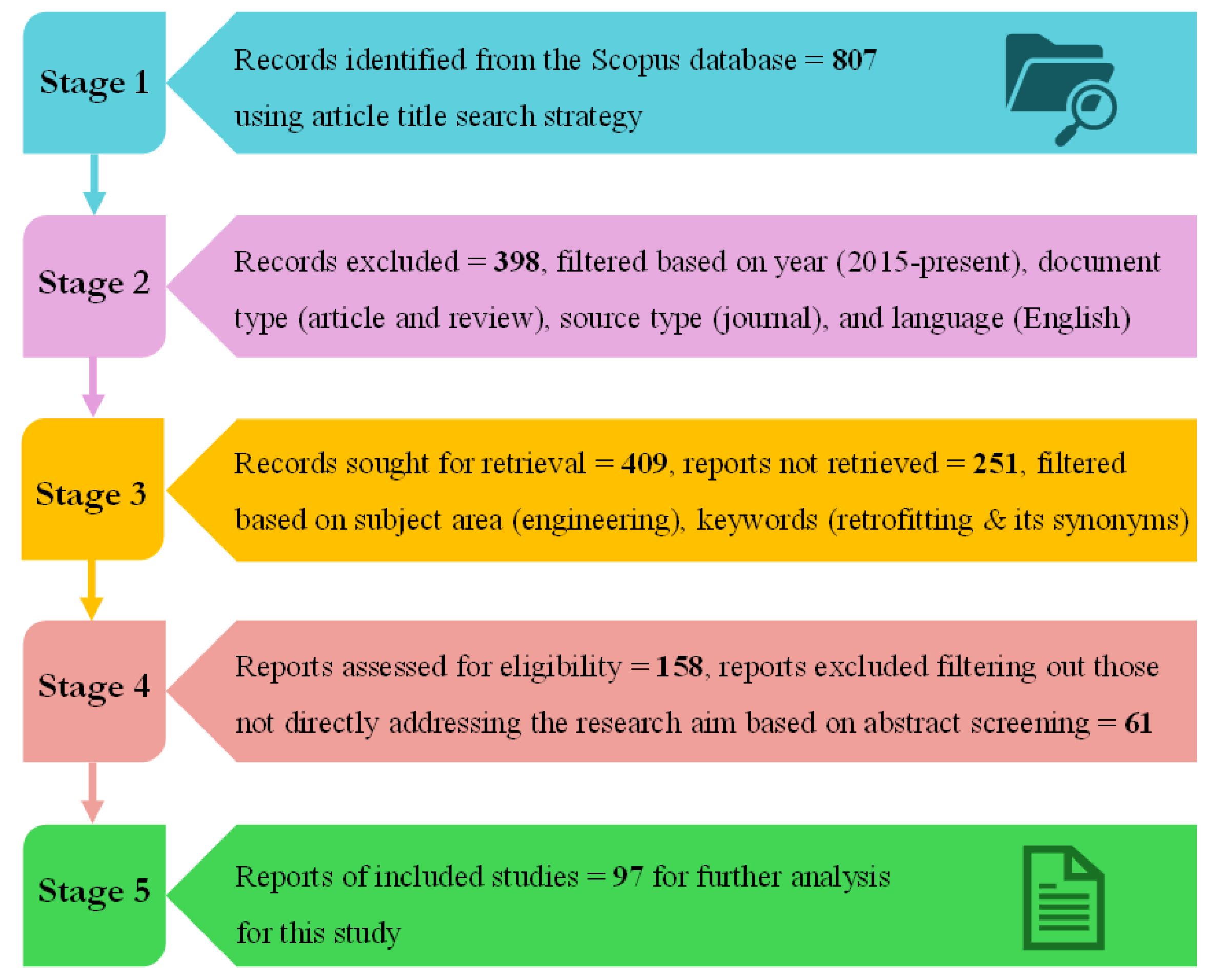
This research follows a multi-stage methodological framework, a widely adopted approach in systematic reviews to ensure thoroughness, clarity, and logical flow of analysis (Figure 1). Multi-stage frameworks are particularly effective in managing the complexity of interdisciplinary fields such as building retrofitting, allowing researchers to transition from broader exploratory overviews to more refined thematic insights [24,25]. By segmenting the study into distinct analytical stages, the framework enhances methodological rigour and facilitates the integration of both quantitative and qualitative insights.
As illustrated in Figure 1, the first stage begins with a systematic literature review (SLR) conducted to identify the relevant studies. Originating from medical research, the SLR method offers a structured framework for compiling and synthesising findings across studies. It ensures methodological rigour, enabling researchers to map current knowledge, uncover gaps, and guide future inquiry. SLR includes various research activities, among which the search strategy is crucial as it forms the basis of the article retrieval process. As such, in this study, the search strategy focuses on key retrofit-related terms applied specifically to titles in the Scopus database to ensure specificity and manageability. The second stage involves descriptive analysis, which provides a foundational understanding of the research landscape. It explores variables such as publication trends over time, the distribution of papers across journals, study typologies, keyword frequencies, technologies employed, and building typologies. This broad overview lays the groundwork for deeper thematic exploration. The third stage employs scientometric keyword mapping and cluster analysis using VOSviewer (version 1.6.20) software [26]. This process identifies co-occurring keywords that help structure the subsequent content analysis. In the fourth stage, retrofit strategies are categorised into thematic groups, and as an established framework, political, economic, social, technological, environmental, and legal (PESTEL) is applied to guide impact classification. The fifth and final stage identifies patterns in methodological evolution and captures the emergence of technologies such as Artificial Intelligence (AI), Digital Twins (DTs), and Circular Economy (CE). The subs section below reflects the details about the SLR process that underpins this study.

Systematic Literature Review

To comprehensively examine the existing body of knowledge on retrofitting as a strategy to enhance building performance, this study employed an SLR approach. The SLR method ensures a transparent and replicable process for identifying, evaluating, and synthesising existing studies, thereby reducing selection bias and improving the reliability of findings [25]. In the context of sustainable building research, this approach enables the identification of emerging themes, research gaps, and evidence-based insights [24]. The Scopus database was selected for its extensive indexing of peer-reviewed journals and its advanced filtering features covering architecture, engineering, environmental science, and urban studies [27]. Figure 2 shows the steps of the article retrieval process in the SLR approach.
The search query was constructed using a combination of keywords related to building performance and retrofit actions, while the last search was conducted on 25 September. Specifically, the terms “building performance,” “building energy performance,” “thermal comfort,” “indoor air quality,” “energy efficiency,” and “post-occupancy evaluation” were combined using Boolean operators with “retrofit*,” “renovat*,” “refurbish*,” “replac*,” “rebuild,” “reconstruct*,” “modify*,” “sustainable building retrofit,” “sustainable building upgrade,” “recommission*,” and “sustainable building renovation.” Importantly, this search was confined to the title field only in the Scopus search engine. While searching within the title/abstract/keyword fields can increase breadth, restricting the search to the title ensures higher specificity and conceptual relevance, as papers with core thematic alignment are more likely to mention these terms directly in the title [28]. This measure also minimises the inclusion of marginally relevant works that may mention the terms without contributing meaningfully to the topic. Although keywords such as “renovation,” and “sustainable building upgrade” were included to capture the broader terminology used in the literature, studies were only retained in the final analysis if they aligned with the operational definition of retrofitting used in this study, i.e., interventions primarily aimed at improving building performance (for example, energy, comfort, resilience), rather than aesthetic or functional refurbishment.
As such, the initial search returned and yielded 807 documents in stage 1. In stage 2, 398 records were excluded based on predefined criteria, including publication year range (2015–2025), document type (restricted to journal articles and review papers), source type (limited to peer-reviewed journals), and language (only English-language articles). These criteria ensured that the dataset was both current and methodologically rigorous, as newer literature captures recent developments in energy policies, climate imperatives, and building retrofit technologies [29]. Furthermore, journal articles and reviews are typically peer-reviewed and provide the depth and reliability necessary for a high-quality synthesis [30].
This filtration step yielded 409 documents for further evaluation in stage 3, where 251 records were removed after screening for disciplinary alignment, ensuring that only articles from the engineering, built environment, and architectural sciences were retained. Studies from fields such as pure mathematics, biology, or unrelated computer sciences were excluded, as their methodological or theoretical approaches did not align with the research focus. This stage also refined results by checking for conceptual alignment, ensuring that retrofitting was not mentioned only tangentially. This left 158 documents for eligibility assessment in the next stage.
In stage 4, abstracts of the 158 shortlisted papers were reviewed in detail to confirm relevance to the study’s aim, to explore how retrofitting strategies enhance building performance. Studies that did not address this relationship directly, or that lacked analytical depth regarding retrofitting mechanisms or post-retrofit performance metrics, were excluded. As a result, 61 papers were removed at this stage. Finally, in stage 5, 97 high-relevance papers were retained for full inclusion in the analysis. These 97 studies represent a focused and diverse set of scholarly contributions addressing key aspects such as thermal comfort improvements, envelope design strategies, energy and economic trade-offs, sustainability integration, performance evaluation, and decision-support systems for retrofitting. This literature forms the foundation for the bibliometric and thematic analysis presented in subsequent sections of the paper.

3. Results

3.1. Descriptive Results

3.1.1. Year-Wise Publication Trends in Building Retrofit Literature

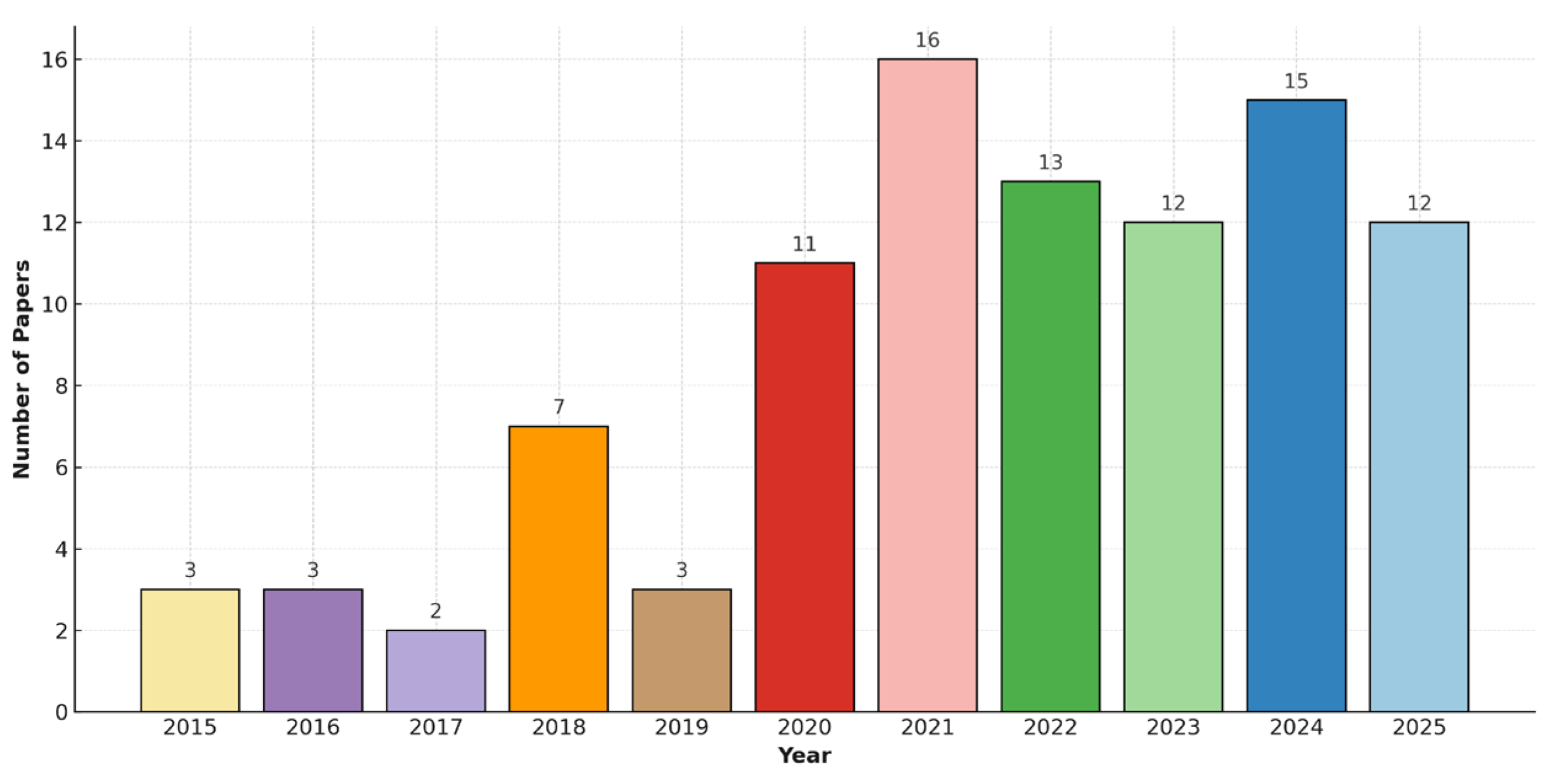
The year-wise distribution in Figure 3 shows clear growth in retrofit research over the past decade. From 2015 to 2018, publications were limited, reflecting an emerging field. A sharp rise began in 2020, with a peak in 2021 at 16 papers. This increase was likely driven by the COVID-19 pandemic and the heightened focus on indoor air quality (IAQ) and occupant comfort. Studies such as Gholampour et al. [31] and Tomrukcu and Ashrafian [32] addressed retrofits in healthcare and climate-resilient homes.
Although publication numbers declined slightly after 2021, the volume remained strong, supported by post-pandemic recovery measures, including the EU Green Deal and India’s National Retrofit Programme. Research has also shifted from early review-based work, such as Lang et al. [33], to more experimental and case-driven studies. For instance, Afa et al. [34] applied BIM to assess Moroccan retrofits, and Qi et al. [35] evaluated green facades through field studies. This transition marks a growing emphasis on practical, solution-oriented research in line with global decarbonisation priorities.
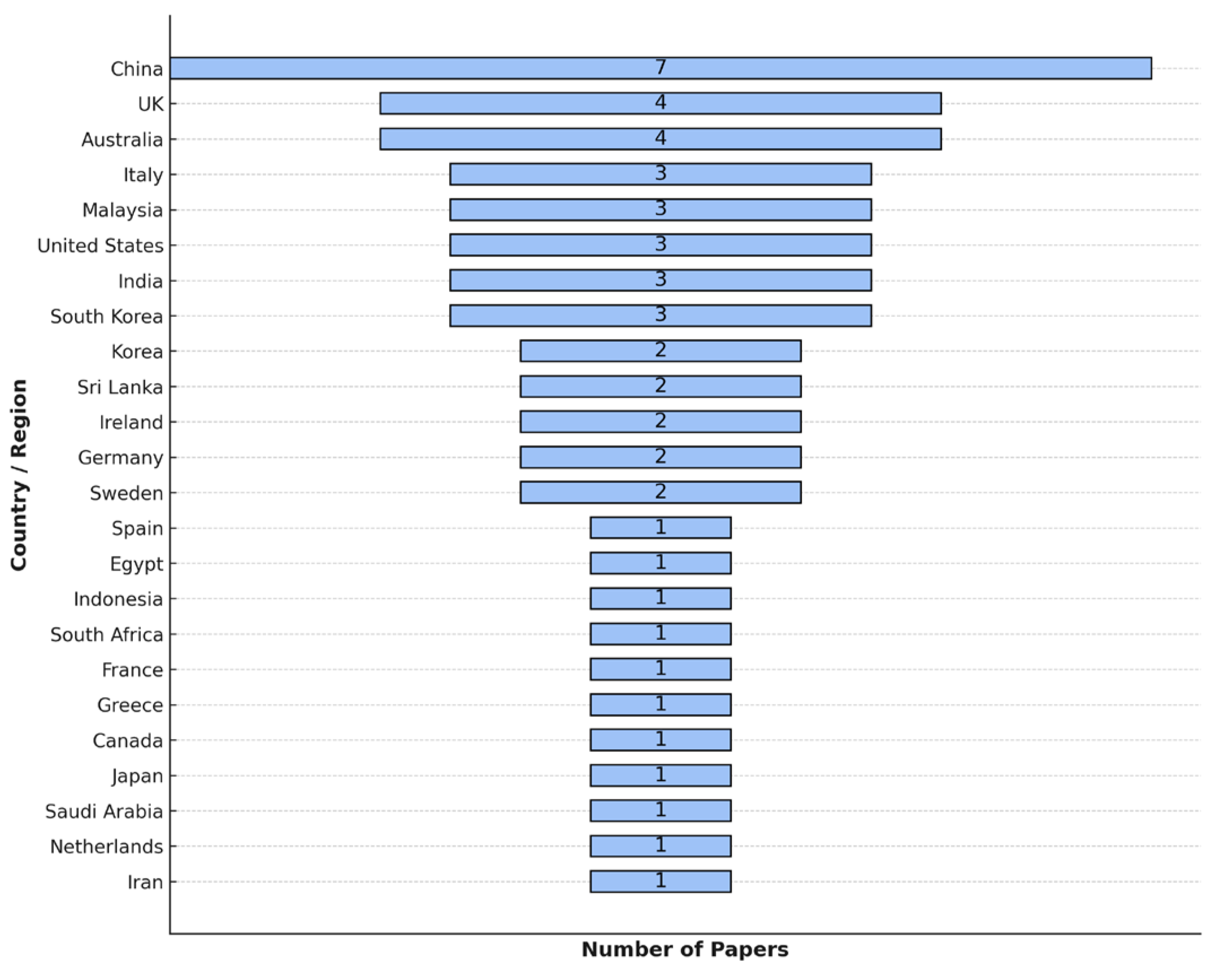
In addition to temporal trends, Figure 4 illustrates the geographic distribution of the reviewed literature. A notable 46 studies adopt a global or non-region-specific lens, often presenting methodological frameworks or generalised retrofit strategies rather than context-dependent case analysis. Among region-specific studies, China leads with 7 publications, followed by Australia and the United Kingdom (UK) (4 each), and a cluster of emerging contributors such as Italy, Malaysia, the United States (US), India, and South Korea (3 each). This pattern reflects both research funding priorities and policy momentum in these regions, particularly where large-scale building stock modernisation and decarbonisation policies are actively underway.
Critically, the uneven distribution suggests that retrofit scholarship remains geographically concentrated, with substantial knowledge rooted in Global North and East Asian contexts. Regions such as Africa, South America, and parts of Southeast Asia remain comparatively underrepresented, despite having significant retrofit needs due to ageing housing stock, informal settlements, and climate vulnerability. This signals a research gap in context-sensitive retrofit strategies, especially in low- and middle-income regions where climatic, economic, and socio-cultural conditions differ markedly from those assumed in global models. Addressing this imbalance will be essential to ensure that retrofit practices, and the policies underlying them, are equitable, scalable, and globally relevant.

3.1.2. Distribution of Retrofitting Studies by Journal

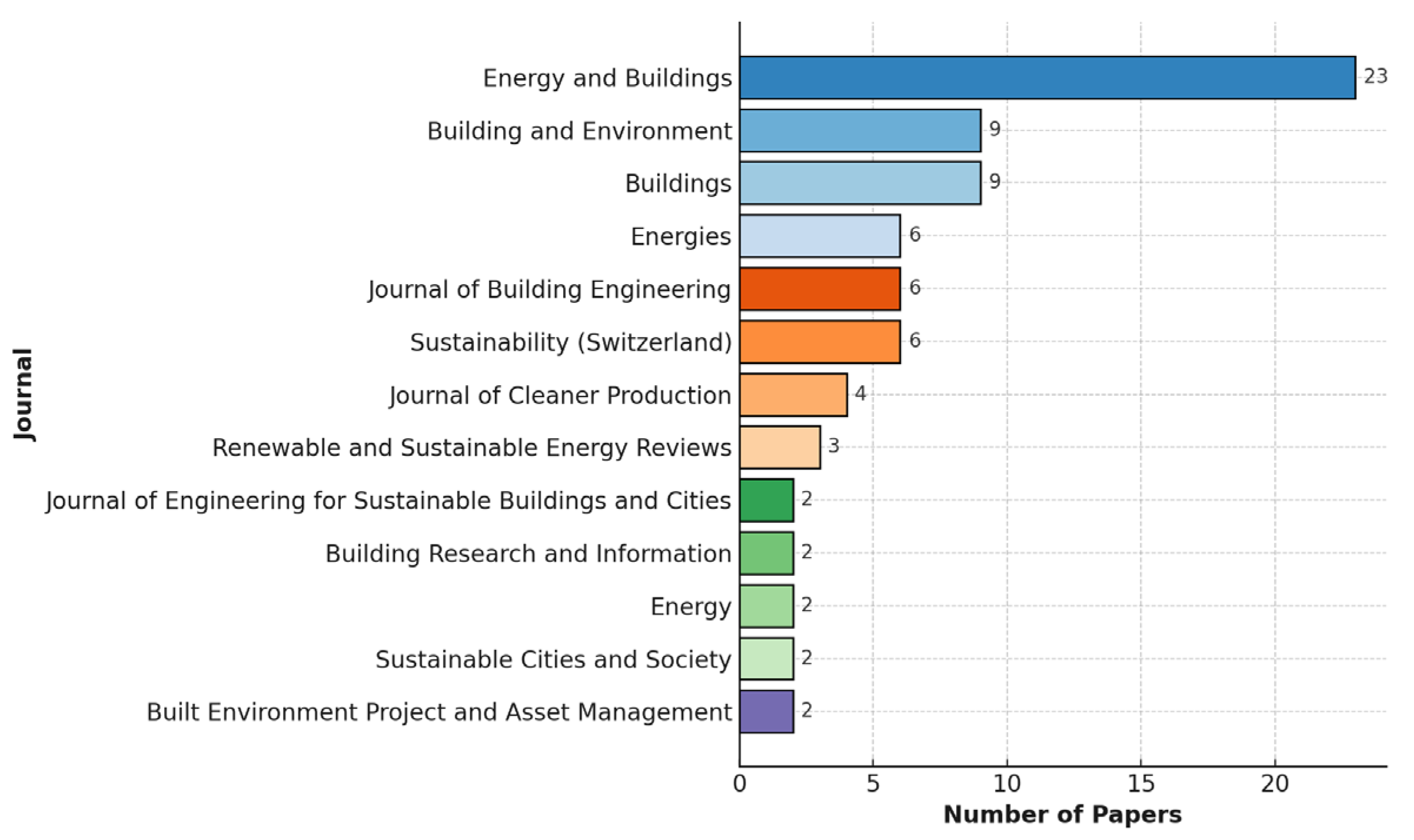
Figure 5 shows the main publication venues for the 97 reviewed retrofit studies. Energy and Buildings had the highest number of articles, highlighting its focus on building performance, energy modelling, and environmental design [36,37]. Sustainability and the Journal of Building Engineering also featured prominently, with interdisciplinary work on retrofit strategies and thermal comfort [38,39]. Journals such as Renewable and Sustainable Energy Reviews and Building and Environment contributed review-based and simulation-focused research [40,41]. This spread shows growing interest in retrofitting across both energy-focused and multidisciplinary journals. Additionally, 47 other journals published one paper each, reflecting the wide relevance of retrofitting in fields like architecture, engineering, environmental science, and urban policy.

3.1.3. Keyword Frequency Analysis in Retrofitting Literature

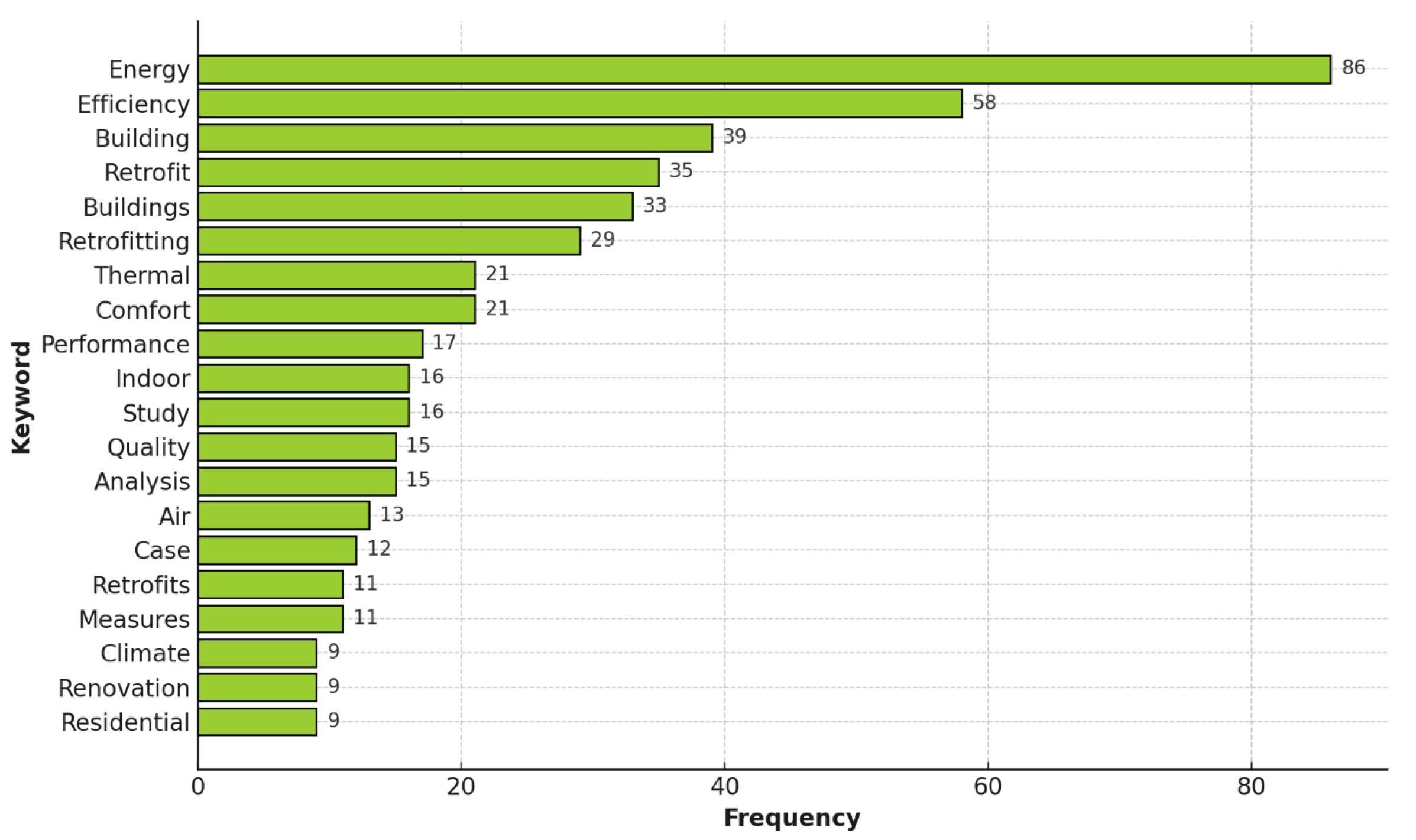
Figure 6 shows the most frequent keywords in the 97 retrofit-related papers. “Energy” and “efficiency” appear most often, with 86 and 58 mentions, underlining the primary aim of reducing energy use through retrofitting. Words like “building”, “retrofit”, and “retrofitting” confirm the focus on improving existing structures. Keywords such as “thermal”, “comfort”, and “indoor” highlight growing attention to occupant well-being, especially after COVID-19, as noted in studies by Gholampour et al. [31] and Mapfumo et al. [42]. The presence of terms like “analysis”, “study”, and “case” points to the dominance of evidence-based approaches. Overall, the keyword trends reflect the dual emphasis in retrofit research on technical efficiency and occupant comfort, supporting key themes such as passive strategies, digital modelling, and thermal performance.

3.1.4. Typological Distribution of Retrofitting Studies

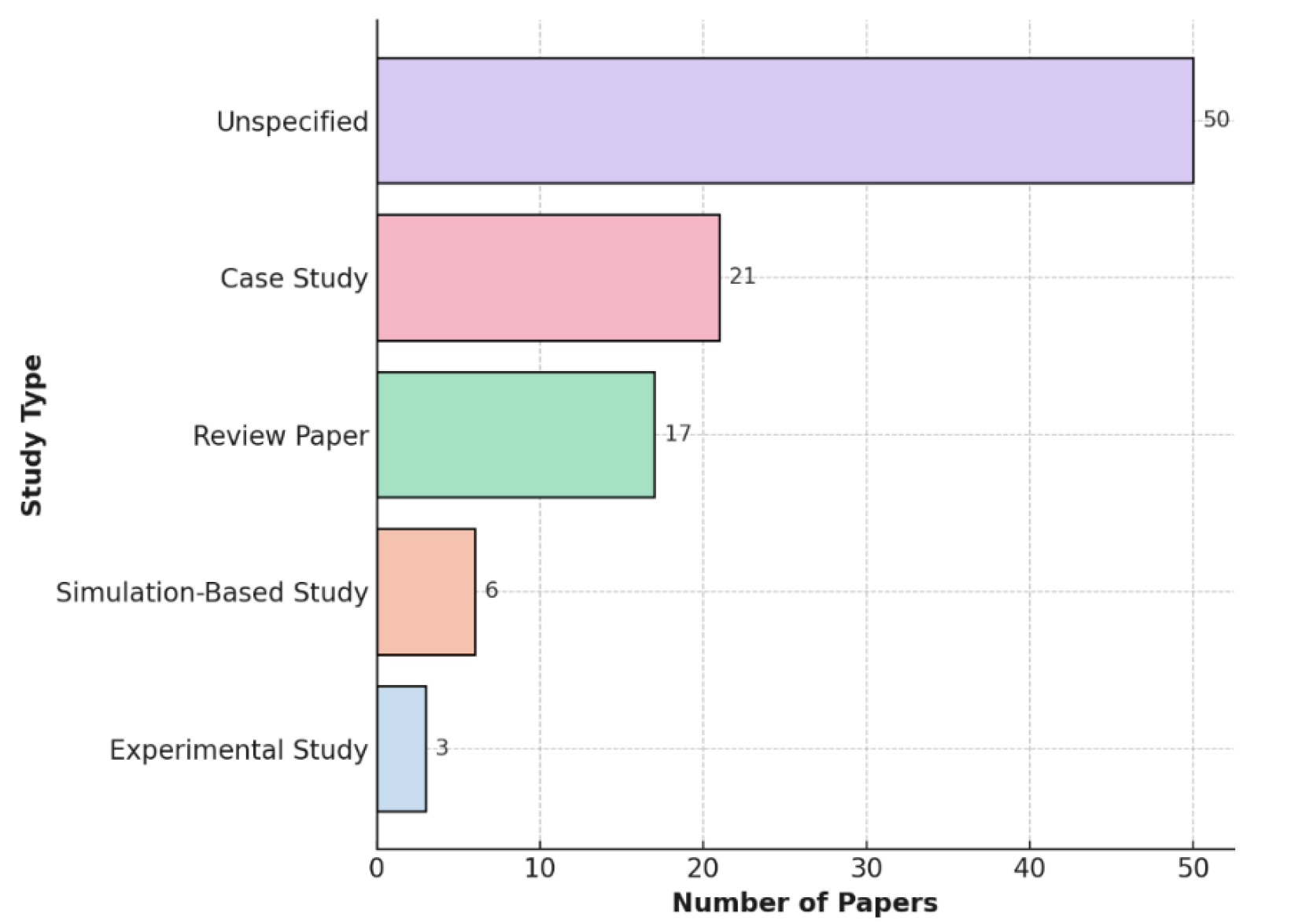
Figure 7 shows the typological distribution of the 97 reviewed papers. Case studies (21) and review articles (17) are the most common, highlighting the field’s reliance on both real-world examples and literature synthesis. For instance, Sharma et al. [43] examined retrofitting in Eastern India, while Shaikh et al. [44] reviewed key drivers and barriers. A smaller number of studies used simulations (6), such as Dauletbek and Zhou [19] and Teng et al. [45] or experimental methods (3), including Qi et al. [35], who tested facade retrofits in actual settings. Notably, 50 papers did not clearly state their methodology, suggesting a mix of approaches or limited transparency. Future studies should improve methodological clarity to support replication and research quality.
To ensure consistency in coding, papers were classified based on whether the research design was explicitly stated in the methodology section or could be inferred from the analysis approach. Studies were labelled “unspecified” only when no clear indication of method was provided. Cross-referencing with building types (Section 3.1.5) shows that housing retrofit studies most frequently adopt case-study methodologies due to occupant-centred evaluation needs, whereas simulation-based approaches are more common in public and mixed-use buildings where performance optimisation and operational considerations are prioritised. This indicates that methodological choice is shaped not only by research purpose but also by building function and data accessibility.

3.1.5. Building Typologies in Retrofit-Focused Literature

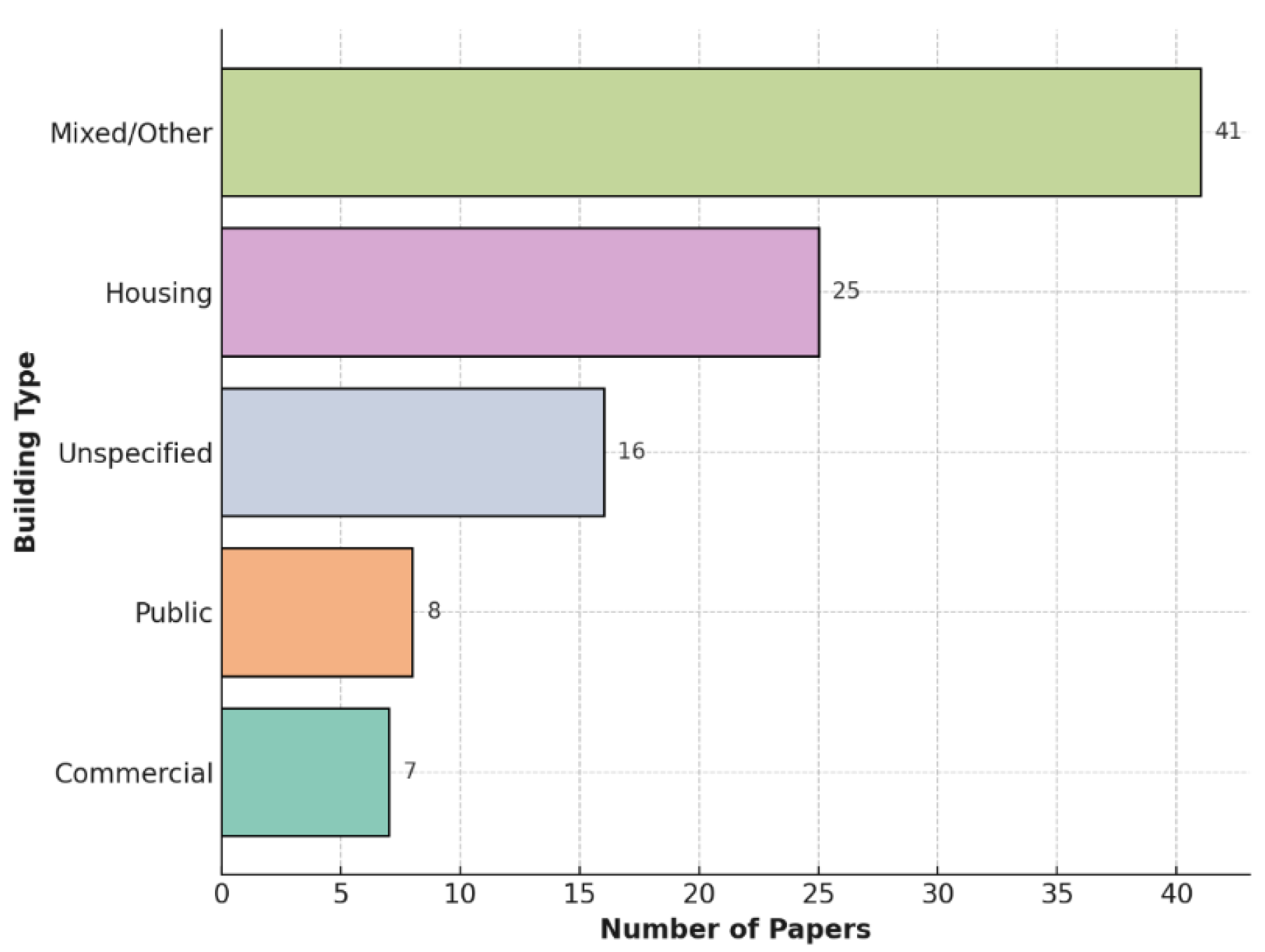
Figure 8 presents the building types covered in retrofit research. Mixed or generalised building types appear most frequently, with 41 papers addressing combinations of residential, commercial, or institutional structures [39,46]. Housing-focused studies follow with 25 papers, including Tuck et al. [47] and Park et al. [48], reflecting increased attention to residential retrofits for climate goals and occupant health. Public buildings, such as schools and hospitals, feature in 8 studies, including Gholampour et al. [31]. Commercial buildings appear in only 7 papers, despite their high energy demand, suggesting an underexplored area. Sixteen papers did not specify the building type, reducing their relevance for targeted applications. The findings point to a growing interest in flexible retrofit strategies suited to diverse building contexts.
A comparison with Section 3.1.4 indicates that case-study research is most prevalent in housing retrofits, where subjective comfort, affordability, and resident engagement are central considerations. Conversely, simulation and modelling approaches are more frequently used in public and mixed-use building retrofits, where operational reliability and performance consistency are critical. These patterns suggest that retrofit strategies and their benefits vary across building functions, and highlight the need for more targeted frameworks, particularly for the understudied commercial sector.

3.1.6. Technological Tools and Analytical Approaches in Retrofit Research

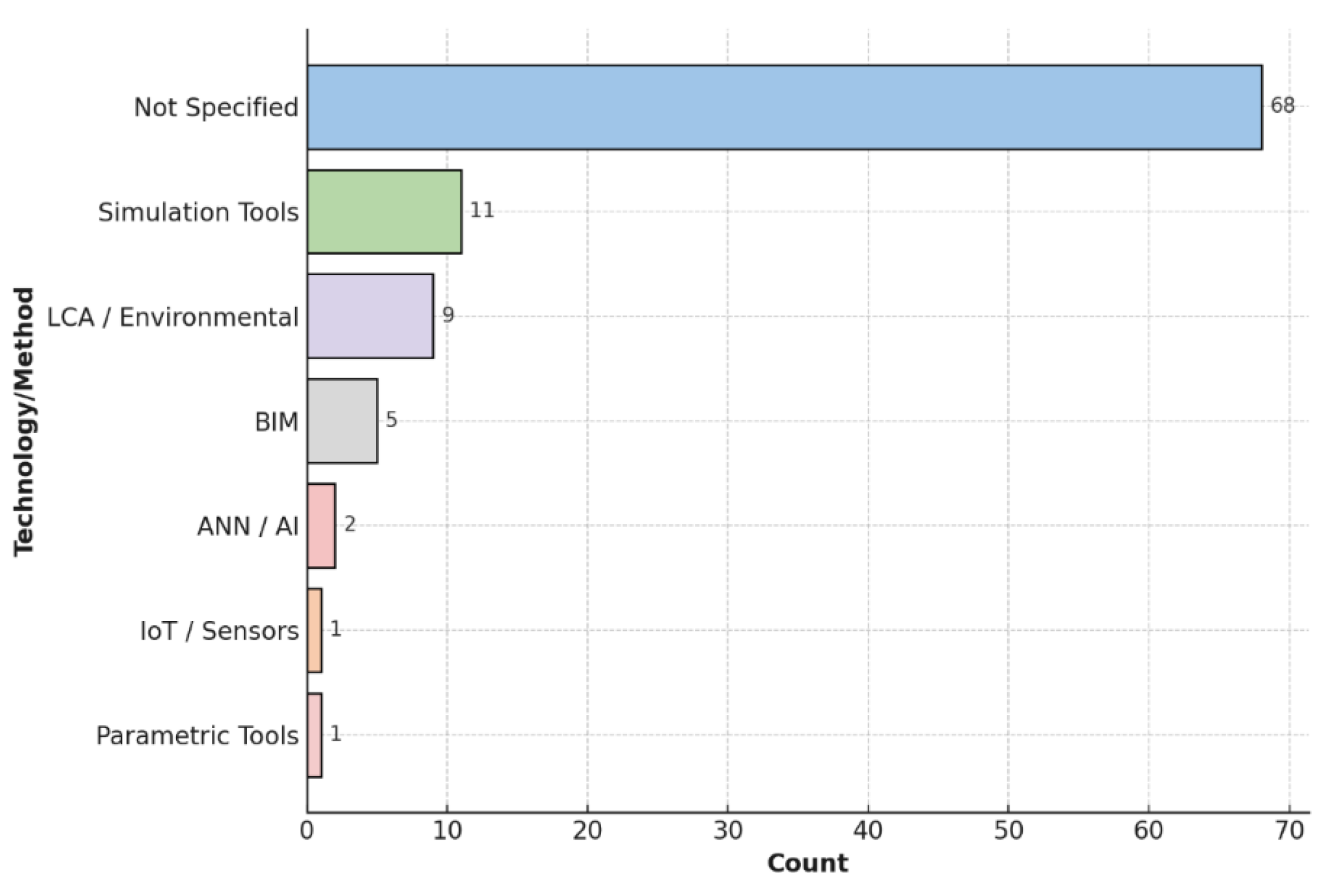
Figure 9 shows the tools and methods used in the 97 retrofit-related studies. A large share of the studies (68 papers) did not clearly describe their underlying methodological approach. In most of these cases, the papers focused on reporting retrofit outcomes or presenting conceptual discussions without specifying the analytical framework, simulation environment, or evaluation method used. Among the specified tools, simulation platforms such as EnergyPlus and DesignBuilder are the most common, used in 11 papers, including Teng et al. [45] and Tomrukcu and Ashrafian [32]. LCA and environmental evaluation frameworks were applied in 9 studies, highlighting a strong focus on sustainability [19]. BIM was used in 5 studies for modelling and performance analysis [34]. Emerging tools such as AI, Internet of Things (IoT), and parametric design appeared in only a few papers, showing areas with scope for further exploration.
Tools were classified based on explicit mention of software platforms, digital workflows, or analytical models within the methodology or results sections. Studies lacking this detail were coded as “not specified.” Cross-analysis with building and study types shows that simulation environments are predominantly used in public and mixed-use retrofits, where performance benchmarking is essential, while LCA tools are more common in housing-focused and materials-associated retrofit evaluations. The limited presence of AI, IoT, and parametric design tools indicates a technological adoption gap that future studies could address through demonstration projects and integrated digital workflows.

3.2. Scientometric Keyword Mapping and Cluster Analysis

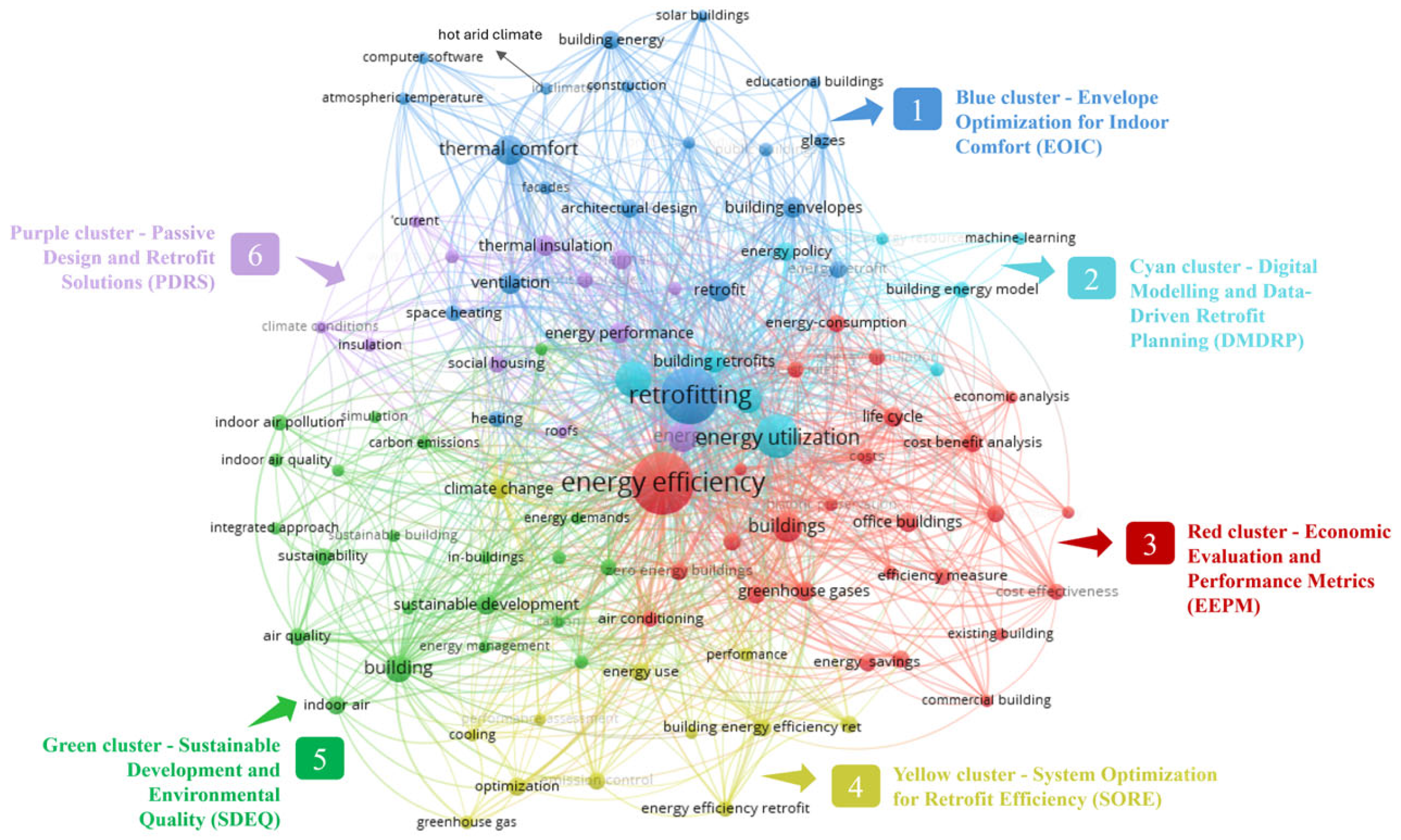
The keyword analysis in Figure 10 offers insights into key focus areas and emerging trends in retrofit research. Co-occurrence clustering reveals distinct thematic groups and methodological patterns that reflect current academic interests. These clusters highlight how researchers are tackling challenges in sustainable building adaptation and advancing retrofit practices. The following section explores the main clusters, outlining the strategies, technologies, and methods shaping the field.

3.2.1. Clusters in Retrofitting Research

Blue Cluster—Envelope Optimisation for Indoor Comfort
Envelope optimisation remains one of the most effective retrofit strategies for improving thermal comfort, energy efficiency, and occupant well-being across climates [49]. A recurring focus in this cluster (Figure 10) with eleven articles (Supplementary Materials) is the impact of insulation, airtightness, and facade upgrades on reducing heat gain or loss [11,50]. Shandilya et al. [51] found that enhancing thermal envelopes can cut residential energy demand by 30–80% across India’s diverse climates. In cold regions, adding insulation can reduce heating needs by up to 70%, while in hot climates, reflective coatings and ventilated facades significantly lower cooling loads. Alla et al. [52] emphasised that insulation material choices also carry embodied energy impacts, suggesting a holistic evaluation of retrofit benefits beyond operational savings. In temperate zones, Pungercar et al. [37] implemented prefabricated facade elements on a 1960s house in Germany and demonstrated marked improvements in indoor environmental quality and energy efficiency. These studies confirm that envelope retrofits like advanced insulation, airtight sealing, and cool roofs can yield substantial comfort gains and energy savings, especially when tailored to the local climate [53].
Upgrading windows and wall systems in tandem further enhances indoor stability. For instance, Bagherzadeh et al. [54] showed that combining envelope insulation with high-performance glazing improved thermal stability in retrofitted Canadian homes under future climate scenarios. Multi-layered facade systems can moderate indoor temperatures as well, as Gholampour et al. [31] demonstrated that adding a double-skin facade in hospital wards buffered the interior from external heat fluctuations and reduced reliance on air-conditioning. User behaviour and adaptive design also play significant roles. Sevim et al. [38] observed that occupants’ use of operable shading and windows in historic UK buildings improved perceived comfort without major HVAC upgrades. In warmer climates, Tuck et al. [47] reported that airtightness and natural ventilation in tropical housing minimised indoor temperature swings.
Increasingly, BIM and simulation tools support envelope decisions; for instance, Amoruso et al. [55] used a parametric BIM workflow to optimise glazing and insulation thickness, balancing energy use with daylight needs. This shift toward data-informed design enables climate-sensitive, user-informed envelope retrofits with adaptability to future conditions. As the blue cluster underlines the high value of envelope-focused retrofits, including insulation, shading, improved glazing, and facade enhancements, especially in extreme climates or poorly regulated building stocks [11,53]. When guided by simulation and coupled with occupant engagement, these strategies reliably deliver superior comfort and efficiency.
  • Critical appraisal of this cluster
Advantages: Direct reduction in heat gains/losses; durable, largely passive operation (insulation, airtightness, shading); consistent gains in thermal comfort and reduced HVAC loads; often improves acoustic performance and draught control.
Limitations: High upfront cost for external insulation and glazing; diminishing returns beyond optimal insulation levels; detailing for thermal-bridge mitigation and moisture safety can be complex; heritage facades and dense streetscapes can constrain facade thickening or external shading.
Applicability: Strongest in climate-sensitive envelopes (cold and hot-dry/hot-humid regions) and in leaky, pre-code buildings; applicable to social housing and public stock where scale yields economies; heritage and high-rise applications require bespoke solutions and approvals.
Potential negative impacts: Over-sealing without balanced ventilation risks poor IAQ and condensation/mould; reflective roofs/shading can alter urban microclimates and daylight; certain insulation/foams carry embodied carbon, fire, or off-gassing concerns; poorly placed vapour barriers can trap moisture.
Cyan Cluster—Digital Modelling and Data-Driven Retrofit Planning
Digital modelling and data-driven tools are becoming central to retrofit planning, enhancing decision-making, forecasting, and performance optimisation. With thirteen articles (Supplementary Materials), this cluster (Figure 10) features key studies utilising BIM, physics-based simulation, and even AI to inform retrofitting. Afa et al. [34] developed a BIM-driven energy modelling framework for envelope retrofits in Morocco, demonstrating that an integrated design-analysis workflow improves interoperability and speeds up testing of “what-if” scenarios. Likewise, Excell et al. [56] proposed an urban building energy modelling approach to map multi-scale retrofit pathways across an entire city, highlighting how DTs can identify energy equity improvements at scale. Several works use simulation to evaluate long-term impacts. For instance, Neves-Silva and Camarinha-Matos [57] created a simulation-based decision support system that combines environmental data with stakeholder input to recommend precinct-level retrofits. It ensures that upgrades are effective both technically and socially. In addition, Grillone et al. [58] present a comprehensive review of deterministic and data-driven methods for quantifying energy savings and predicting retrofit outcomes, illustrating the growing role of machine learning (ML) in performance forecasting.
Importantly, data-driven studies extend beyond physics to incorporate human factors. For example, Daly et al. [59] qualitatively analysed how practitioners use building performance simulation in Australian office retrofits, shedding light on adoption barriers. Meanwhile, advanced analytics can capture occupant behaviour patterns to refine models. Zhang et al. [60] used an artificial neural network (ANN) as a surrogate model for building energy performance prediction, enabling rapid evaluation of retrofit options. In developing regions, digital tools are also gaining traction. For instance, Mapfumo et al. [42] applied BIM and mobile data collection to assess ageing housing in Zimbabwe, showing that digital workflows can support retrofitting even under data-scarce conditions. Together, these studies mark a shift from prescriptive to predictive retrofit approaches, where simulations, sensor data, and occupant feedback inform more adaptive retrofit strategies. Despite challenges with tool interoperability and data quality, digital modelling is clearly essential for future retrofit projects, helping stakeholders visualise outcomes, optimise life-cycle performance, and de-risk investments through virtual testing.
  • Critical appraisal of this cluster
Advantages: Enables scenario testing, sensitivity analysis, and optimisation before works; supports portfolio/precinct prioritisation; integrates LCA for whole-life decisions; ML/analytics facilitates metered data for better targeting.
Limitations: Dependent on data quality, calibrated assumptions, and interoperability (BIM); skills/software costs can limit access; black-box ML models may reduce explainability.
Applicability: High value for complex assets (hospitals, campuses), programme-scale planning, and contexts with smart-meter/IoT datasets; lighter tools/templates needed for small and medium enterprises (SMEs) and data-scarce regions.
Potential negative impacts: Performance gaps if results are over-trusted without measurement and verification; privacy/cyber risks when handling granular building data; optimisation bias (models privileging energy over comfort/heritage) if objectives are poorly weighted.
Red Cluster—Economic Evaluation and Performance Metrics
Economic considerations are central to retrofit decisions, particularly since high upfront costs often hinder adoption despite long-term benefits. This cluster (Figure 10) with sixteen articles (Supplementary Materials) explores cost–benefit analyses, life-cycle costing, return on investment, and financial drivers in building retrofits. Liu et al. [61] performed a detailed cost–benefit analysis of energy retrofits in China and confirmed that while simple payback periods can be lengthy, strategic packages of measures yield robust economic returns over a building’s life. Similarly, Hu et al. [62] evaluated a net-zero retrofit project and found that although initial capital costs were high, the long-term operational savings and avoided carbon costs justified the investment over decades. On the other hand, targeted upgrades must be chosen carefully. In this domain, Tushar et al. [63] used a simulation with financial metrics and showed that isolated measures (for instance, only upgrading HVAC or only insulating walls) are often not cost-effective unless combined with complementary interventions. This underlines the need for integrated retrofit solutions to maximise returns.
Several studies link environmental performance with economic outcomes to support more holistic decision-making. For instance, Motalebi et al. [20] integrated BIM-based life-cycle assessment into retrofit planning, allowing stakeholders to evaluate how different retrofit scenarios balance upfront costs with long-term energy, carbon, and even productivity gains. This integration of life-cycle costing and LCA is valuable for designing policies and financial incentives that promote truly sustainable retrofits. Indeed, policy and financing mechanisms emerge as pivotal in this cluster. Seeley and Dhakal [64] examined commercial building retrofits in Thailand and found that financial incentives and the perceived increase in property value drove retrofit uptake far more than environmental awareness. Consistently, Siew [65] reported that access to low-interest loans and government rebates significantly influenced Malaysian building owners’ willingness to invest in efficiency upgrades. In the residential sector, homeowners prioritise upgrades with clear cost savings or comfort improvements. Huang et al. [66] noted that even in China, environmental motivations lag behind economic ones for most homeowners. Consequently, researchers are proposing new financing models. Fan and Xia [67] highlighted the need for green financing tools (for instance, energy efficiency mortgages and on-bill financing) and public subsidies to offset the initial costs of deep retrofits. Large-scale programmes also demonstrate the importance of support structures; for example, Krarti [41] evaluated a nationwide retrofit programme in Kuwait and identified policy stability and fuel subsidy reforms as key to its success.
Crucially, the studies suggest that energy savings alone do not drive retrofitting at scale, as lifecycle cost considerations, long-term asset value, and accessible financing are the real linchpins. Kiviste et al. [68] review of office retrofit cases in Northern Europe further indicates that clear economic metrics (like return on investment, ROI and increased rent or resale value) must align with energy goals to persuade building owners. Even in public and low-income housing, where social benefits are high, upfront funding remains a barrier. Thus, the future of retrofitting lies in coupling economic and environmental modelling with creative financing frameworks (for example, energy performance contracting, and public–private partnerships) to make retrofits viable. With supportive policy and innovative funding, especially tailored for developing regions, retrofitting can deliver both climate and economic wins on a much larger scale.
  • Critical appraisal of this cluster
Advantages: Grounds retrofits in financial viability (net present value, internal rate of return, payback); clarifies value of bundled measures and co-benefits (reduced maintenance, asset value); post-occupancy metrics improve accountability and policy design.
Limitations: Results are assumption-sensitive (prices, discount rates, incentives); narrow payback thresholds can disincentivise deep retrofits; monetising comfort/health and carbon is non-trivial without policy signals.
Applicability: Essential for public budgeting, green-finance pipelines, and housing authorities; transferable across building types when local tariffs and policies are reflected.
Potential negative impacts: Short-term, leading to lock-in; undervaluation of equity, health, and resilience outcomes; optimistic ex-ante forecasts can erode trust if measured savings underperform.
Yellow Cluster—System Optimisation for Retrofit Efficiency
This cluster (Figure 10) has fourteen articles (Supplementary Materials) and highlights studies that apply simulation, controls, and multi-objective optimisation to maximise retrofit performance. Rather than treating upgrades in isolation, the articles in this cluster explore cost-effective, adaptive strategies suited to specific building types, climates, and usage patterns. He et al. [69] developed a multi-objective genetic algorithm that optimises retrofit choices in institutional buildings by balancing three goals, namely minimising cost, maximising energy savings, and improving thermal comfort. This approach helps identify optimal retrofit combinations, where a moderate investment in measures such as insulation and HVAC upgrades yields better cost–benefit outcomes than a single, high-cost intervention. Dehghan and Porras Amores [70] similarly used optimisation for school buildings in Spain, finding that retrofit scenarios can be tuned to jointly minimise carbon emissions and discomfort hours even under future climate conditions. Notably, several studies in this cluster reveal gaps between predicted and actual performance. Wang et al. [39] monitored energy use in retrofitted Chinese apartments and discovered that actual savings often fell short of simulation predictions, underscoring the need for real-time calibration and commissioning during and after retrofits. Incorporating occupant behaviour into models is one response to this issue; by integrating real occupancy and usage patterns, models can avoid the rebound effect where users inadvertently negate savings. For example, Liao et al. [71] showed that aligning HVAC control strategies with occupants’ schedules in offices can reduce energy waste by preventing over-conditioning of empty rooms.
Many studies in this cluster treat envelopes and systems as interdependent. Optimising HVAC in isolation may yield suboptimal results if the building envelope is leaky, and vice versa. For instance, Duran and Lomas [17] examined post-war office buildings and found that combining adaptive facades with efficient HVAC controls improved both comfort and productivity more than either approach alone. In warm-humid climates, Che et al. [72] demonstrated that coordinated control of ventilation and dehumidification could cut cooling energy by around 25%, whereas addressing cooling or humidity alone had smaller effects. These findings reinforce that holistic control strategies, sometimes termed smart retrofitting, are necessary to achieve deep efficiency gains. Another important theme is the sequencing and timing of interventions. Mucha et al. [73] observed in Polish housing retrofits that the order in which measures are implemented (for example, insulating before upgrading heating systems) can impact overall effectiveness and cost; an optimal sequence prevents early measures from hindering later ones.
Real-time monitoring and feedback loops also feature prominently. Wu et al. [74] advocated integrating modern Building Management Systems (BMS) during retrofits to continuously adjust lighting, heating, and cooling based on occupancy and time-of-use, an approach shown to trim energy peaks in childcare centres. Meanwhile, Shi et al. [75] applied a multi-criteria decision method in hospital wards that balances energy savings with thermal comfort and economic cost, providing facility managers a clearer roadmap for phased retrofits. Across these studies, retrofitting is framed as a complex optimisation problem, one that benefits from AI algorithms, IoT sensors, and dynamic simulation to find the best mix of envelope upgrades, system improvements, and control strategies. The consensus is that successful optimised retrofits depend not only on advanced tools but also on reliable data, skilled operation, and supportive policy environments. When these are in place, optimised retrofitting can significantly enhance building performance and even provide templates for large-scale, smart climate adaptation in building stocks.
  • Critical appraisal of this cluster
Advantages: Multi-objective optimisation balances energy, comfort, cost, and emissions; reveals non-obvious measure synergies and optimal sequencing; supports commissioning/calibration strategies.
Limitations: Requires robust models (comfort, control, cost) and high-quality inputs; outcomes can be weighting-sensitive; computational burden and stakeholder comprehension of algorithmic choices can be challenging.
Applicability: Best for complex systems (HVAC, envelope, and controls), large portfolios, and climates with strong seasonal swings; useful where BMS/monitoring data enable iterative tuning.
Potential negative impacts: Solutions may be brittle to behaviour/climate shifts if not stress-tested; over-optimised designs can be hard to operate/maintain; focusing on measurable key performance indicators (KPIs) may overlook heritage, aesthetics, or user preferences.
Green Cluster—Sustainable Development and Environmental Quality
This cluster (Figure 10) addresses how retrofitting aligns with broader sustainability goals, including emissions reduction, climate resilience, indoor environmental quality (IEQ), and occupant health and comfort. The thirty-one (Supplementary Materials) articles in this group reflect a growing consensus that retrofits must extend beyond energy savings to include social, ecological, and health outcomes. A significant study by Goodarzi et al. [76] provides a scoping review of IAQ assessment methods in retrofitted buildings, finding that envelope upgrades and ventilation improvements often change indoor pollutant levels and thermal comfort in complex ways. The authors argue that IAQ should be treated as a core success metric of retrofits, not an afterthought. Empirical evidence supports this view, as Mucha et al. [73] measured a notable reduction in fine particulate matter after ventilation system retrofits in Polish homes, which directly improved residents’ respiratory health. In the wake of the COVID-19 pandemic, health-oriented retrofitting has gained prominence. Priyadarsini et al. [77] showed that adding affordable ventilation upgrades and tightening the building envelope in Australian aged-care facilities improved indoor air renewal rates, thereby reducing the risk of airborne disease transmission. This dual benefit of saving energy while enhancing health is a powerful argument for sustainable retrofitting.
Climate resilience is another prominent theme in the green cluster. Pereira-Ruchansky and Pérez-Fargallo [78] conducted simulations on social housing in Uruguay and found that envelope retrofits, which are effective today, may lose performance under future climate scenarios, but multi-faceted upgrades can maintain thermal comfort even as temperatures rise. Such findings underscore the need to design retrofits for the climate of tomorrow as well as today. At the building scale, Tomrukcu and Ashrafian [32] demonstrated how climate-responsive passive envelope measures can help structures in sub-Saharan Africa adapt to rising heat and weather extremes, substantially improving indoor comfort without increasing energy use. On a larger scale, Sung et al. [79] evaluated campus-wide retrofitting strategies for a Korean university and emphasised looking beyond individual buildings. Their results showed that precinct-level planning (for example, coordinated retrofits of multiple buildings with shared green spaces) maximised not only energy and emissions performance but also improved spatial equity (ensuring all occupants benefit from a comfortable environment). Such an integrated approach can transform retrofitting into a tool for sustainable urban development rather than just isolated building improvements.
Policies and user behaviour also figure heavily into sustainability outcomes. Shaikh et al. [44] provide policy recommendations for promoting retrofits in Pakistan, advocating passive design and envelope upgrades as cost-effective measures to meet national climate targets. However, Peel et al. [80] found that even well-intended passive retrofit programmes in UK social housing achieved limited success when social factors were ignored. They further added that unclear responsibilities between landlords and tenants and low occupant awareness led to suboptimal use of the new passive features. This indicates that occupant engagement and education are vital, and even high-performance retrofits can fail to deliver sustainability gains if users override or misuse systems. Several studies also assess the life-cycle environmental impacts of retrofits. Rababa and Asfour [81] showed that certain material-heavy retrofits can inadvertently raise embodied carbon, offsetting some operational savings, and they propose using recycled materials and efficient design to cut both operational and embodied emissions. In line with this, Citadini de Oliveira et al. [8] integrative review highlights strategies like material reuse, on-site generation, and community engagement as keys to maximising the ecological benefits of retrofitting. As such, the green cluster illustrates that achieving sustainability through retrofits requires a holistic framework, one that integrates energy efficiency with health indicators, climate adaptation, lifecycle carbon reduction, and social inclusion. Such an approach ensures that retrofit initiatives not only reduce utility bills but also tangibly contribute to global sustainability targets (such as several of the UN Sustainable Development Goals).
  • Critical appraisal of this cluster
Advantages: Integrates IAQ, health, equity, and resilience with energy/carbon; policy and behaviour insights improve adoption and persistence of savings; precinct-scale framing enables fairer spatial outcomes.
Limitations: Behavioural and policy outcomes are context-specific and harder to generalise; IAQ/comfort evidence can be subjective or monitoring-intensive; implementing incentives/regulations faces administrative and political constraints.
Applicability: High relevance for public/social housing, schools, aged care, and campuses; critical where indoor environment and vulnerable occupants are priorities; informs national/municipal retrofit programmes.
Potential negative impacts: Unintended IAQ/ventilation shortfalls from airtightness or rule-driven compliance; poorly designed schemes can burden tenants (rent rises, retrofit disruption); misaligned incentives may favour kilowatt hour (kWh) over well-being.
Purple Cluster—Passive Design and Retrofit Solutions
The purple cluster (Figure 10) with twelve articles (Supplementary Materials) explores low-energy passive design strategies that retrofit buildings without heavy reliance on mechanical systems. These approaches harness natural forces such as ventilation, solar gains, shading, and thermal mass to enhance comfort and efficiency. A systematic review by Chung-Camargo et al. [82] provides an overview of passive retrofit advances in tropical climates, underscoring how tactics like shading devices, cool roofs, and ventilative cooling consistently reduce cooling demands in hot regions. Complementing this broad view, several case studies demonstrate passive solutions in action. Tuck et al. [47] examined an affordable retrofit of a typical terrace house in hot-humid Malaysia, finding that improvements such as natural cross-ventilation, roof insulation, and airtightening (to prevent unwanted heat ingress) can achieve acceptable thermal comfort even without air-conditioning. Similarly, Park et al. [48] installed a passive shading retrofit system on a Korean educational building and reported significant drops in indoor temperatures and HVAC energy use on sunny days. These studies highlight that passive measures, when carefully tailored, can yield immediate comfort benefits and energy savings.
Passive retrofitting also meshes with local contexts and constraints. Jiang et al. [50] showed in northwestern China that upgrading traditional rammed-earth houses with features like ventilative cooling and thermal mass utilisation drastically cut reliance on air-conditioners, all while respecting vernacular architecture. Another study by Araújo et al. [83] focused on informal neighbourhoods, revealing conflicts in passive performance. Although simple shading and ventilation fixes improved comfort, but lack of regulatory support and the ad hoc nature of informal buildings posed challenges, suggesting that policy adjustments are needed to fully realise passive solutions in such areas. A noteworthy insight is that passive strategies often have co-benefits. Basaly et al. [84] demonstrated that adding shading screens and improving natural ventilation in social housing not only enhanced current thermal comfort but also buffered the buildings against future weather extremes, indicating strong climate resilience. Despite these technical successes, the cluster also recognises social barriers. Peel et al. [80] observed that passive retrofits in low-income UK housing were underutilised due to unclear maintenance responsibilities and low occupant awareness, underscoring that education and stakeholder alignment are essential for passive approaches to truly work.
On a positive note, passive retrofits tend to be low-cost and low-maintenance, making them attractive for resource-constrained settings and heritage buildings. Brunoro [85] reported on a Mediterranean retrofit where external shading devices, solar-reflective paint, and added thermal insulation together improved indoor temperatures by several degrees. The collective message of this cluster is that a passive-first retrofit philosophy can achieve significant energy reductions and comfort improvements. By prioritising passive measures, retrofits can maintain simplicity, reduce operating costs, and align with principles of sustainability and equity. However, passive solutions must be carefully adapted to local climate conditions to avoid pitfalls like overheating or moisture issues. Furthermore, more post-occupancy data is needed to standardise passive retrofit performance, as noted by several authors. As such, this cluster demonstrates that passive design can be a powerful cornerstone of retrofit strategies, one that delivers resilient, culturally appropriate, and environmentally sound outcomes, especially when integrated into broader urban renewal and supported by occupant engagement.
  • Critical appraisal of this cluster
Advantages: Fabric-first measures cut demand with low operational cost and high durability; boost comfort and resilience (for example, during outages/heatwaves); often compatible with vernacular/heritage contexts.
Limitations: Strong climate-dependence; some measures affect daylight/views or need space (external shading, green facades); phase change materials (PCMs)/greenery may require maintenance and careful detailing.
Applicability: Suited to hot-humid/hot-dry regions (shading, ventilation), cold climates (insulation, airtightness added with controlled ventilation), and resource-constrained settings; pairs well with light-touch active systems.
Potential negative impacts: Over-insulation/over-sealing without ventilation risks humidity and mould; shading can increase artificial lighting energy if poorly designed; user-dependent operations (windows/blinds) can erode benefits without guidance.
Interrelationships Among Clusters
Although the six clusters represent distinct thematic lines, they are strongly interdependent in practice. The blue (envelope optimisation) and purple (passive design) clusters form the fabric-first foundation of retrofit strategies, where insulation, shading, and material improvements reduce heating and cooling loads at the source [45,50]. These envelope and passive upgrades directly influence the yellow (system optimisation) cluster, since optimised HVAC and control strategies operate most effectively when the underlying building envelope already moderates thermal exchange [70]. In other words, passive and envelope measures expand the performance ceiling available for system-level optimisation.
The cyan (digital modelling and data-driven planning) cluster provides the analytical infrastructure that allows these strategies to be evaluated, compared, sequenced, and scaled. Digital workflows such as BIM-linked building energy models, urban building energy modelling, and simulation-supported decision-making enable practitioners to forecast the outcomes of envelope upgrades, passive retrofits, and HVAC optimisation under real or future climate conditions [34,56]. These tools also support monitoring and iterative post-retrofit calibration, feeding real performance data back into optimisation loops [86].
The red (economic evaluation and performance metrics) cluster acts as the decision-making filter that determines which combinations of blue, purple, and yellow interventions are financially feasible and investment-ready. Cost–benefit and lifecycle analyses assess whether savings from envelope improvements and system optimisation justify initial capital costs [61,87]. Performance verification studies in this cluster also reveal when projected benefits are not fully realised, reinforcing the importance of data-driven calibration [18].
Finally, the green (sustainable development and environmental quality) cluster ties the entire retrofit pathway to broader health, resilience, and social outcomes, ensuring technical solutions are acceptable, comfortable, and safe in operation. For example, increased airtightness in envelope retrofits must be coordinated with ventilation and IAQ strategies [40,77]. Likewise, passive and active solutions must be robust to future climate conditions to avoid overheating risks in warming climates [32,84]. Behavioural and policy insights in this cluster also shape adoption and compliance, influencing how economic incentives (red) and digital planning frameworks (cyan) are implemented in practice [42,66].
As such, the clusters function not as isolated domains but as a coordinated retrofit ecosystem, where passive and envelope strategies (blue/purple) reduce demand, system optimisation (yellow) enhances operational efficiency, and digital modelling (cyan) informs and validates choices. Also, economic evaluation (red) ensures feasibility and investment viability, sustainability and IAQ considerations (green) safeguard long-term well-being and social acceptance. This interdependence reinforces the need for integrated retrofit pathways rather than single-measure interventions, especially where the goals include not only energy savings but also occupant health, affordability, and climate resilience.

3.2.2. Methodological Approaches and Technological Strategies

The implementation of building retrofitting strategies increasingly draws upon a wide array of methodological and technological innovations. These approaches play a pivotal role in elevating retrofit effectiveness, ensuring not only improved building performance but also enhanced decision-making precision. The reviewed literature demonstrates growing adoption of advanced digital tools, renewable energy systems, and high-performance materials, each representing a core pillar in the transformation of existing buildings into high-efficiency, low-carbon structures.
Digital and Simulation-Based Approaches
Digital technologies have emerged as essential enablers of retrofitting, providing data-driven insight into building performance and facilitating informed design decisions. Among these, BIM stands out as a powerful tool for visualising and simulating retrofit scenarios. By enabling comprehensive energy performance modelling and clash detection, BIM supports optimised retrofit planning and risk mitigation [34,69]. Simulation tools such as EnergyPlus, TRNSYS, and DesignBuilder are also widely used to evaluate retrofitting strategies under varied climatic and operational conditions [18,45]. These platforms allow researchers to assess the impact of insulation, glazing, HVAC upgrades, and other interventions in silico, thereby reducing the need for costly trial-and-error implementations.
More recently, DTs have begun to extend simulation capabilities by enabling real-time monitoring of building performance post-retrofit. Although only a handful of studies explicitly employ DTs, their capacity to dynamically adjust HVAC operations or lighting based on real-time indoor environmental feedback presents a future-ready solution for adaptive and intelligent retrofitting [86]. Additionally, integration with AI and optimisation algorithms further enhances simulation outputs and decision-support systems, as seen in the ANN-based performance prediction by Zhang et al. [60].
Integrating Renewables and Structural Upgrades in Retrofitting Strategies
The integration of renewable energy systems within retrofitting frameworks is another critical strategy identified across several studies. These systems, particularly photovoltaic panels, solar thermal collectors, and heat pumps, enable buildings to reduce reliance on non-renewable grid energy and transition towards net-zero energy targets. Studies such as Brunoro [85] and Ghose et al. [88] illustrate how coupling energy-efficient envelope retrofits with solar installations substantially lowers operational energy demands. Similarly, hybrid systems integrating passive design, insulation upgrades, and renewables have been shown to achieve significant reductions in energy consumption and emissions, particularly in climates with high cooling or heating loads [48,87]. The literature suggests that combining on-site energy generation with envelope and HVAC upgrades delivers synergistic benefits. This holistic approach not only enhances energy performance but also contributes to resilience and self-sufficiency, key attributes for future-ready buildings amid rising energy costs and climate concerns.
In addition to energy-focused retrofits, recent research has increasingly explored the co-integration of seismic strengthening and energy efficiency upgrades, particularly in regions with ageing masonry and reinforced concrete building stocks [53]. Such approaches aim to minimise disruption and cost by combining structural reinforcement (e.g., fibre reinforced polymer wrapping, shear wall inserts) with insulation and facade improvements in a single retrofit cycle [50]. This combined strategy has been shown to enhance building safety and energy performance simultaneously, offering improved lifecycle value and occupant resilience.
Advanced Materials and Insulation Techniques
Material innovation forms a foundational element in high-performance retrofitting. The use of advanced insulation materials such as aerogels, vacuum insulation panels (VIPs), and PCMs is particularly emphasised in recent studies. These materials offer superior thermal performance and are especially valuable in retrofitting heritage or space-constrained buildings [35,47]. For example, PCMs can regulate indoor temperatures by absorbing excess heat during the day and releasing it at night, minimising fluctuations and easing HVAC loads [89]. These materials are increasingly being integrated into walls, roofs, and glazing units to passively maintain thermal comfort.
Similarly, high-performance glazing with low-emissivity coatings and multi-layered window systems plays a key role in retrofitting strategies aimed at minimising heat loss and solar gain. Experimental work by Tomrukcu and Ashrafian [32] and simulation studies like Teng et al. [45] underscore the efficacy of such materials in improving envelope thermal resistance and overall IEQ. These advancements in materials science contribute to deep retrofit objectives, which go beyond superficial upgrades to achieve substantial energy savings and long-term building resilience. Table 1 below shows the summary of methodological approaches and strategies in retrofitting research.

3.3. Content Analysis

3.3.1. Key Building Retrofit Strategies

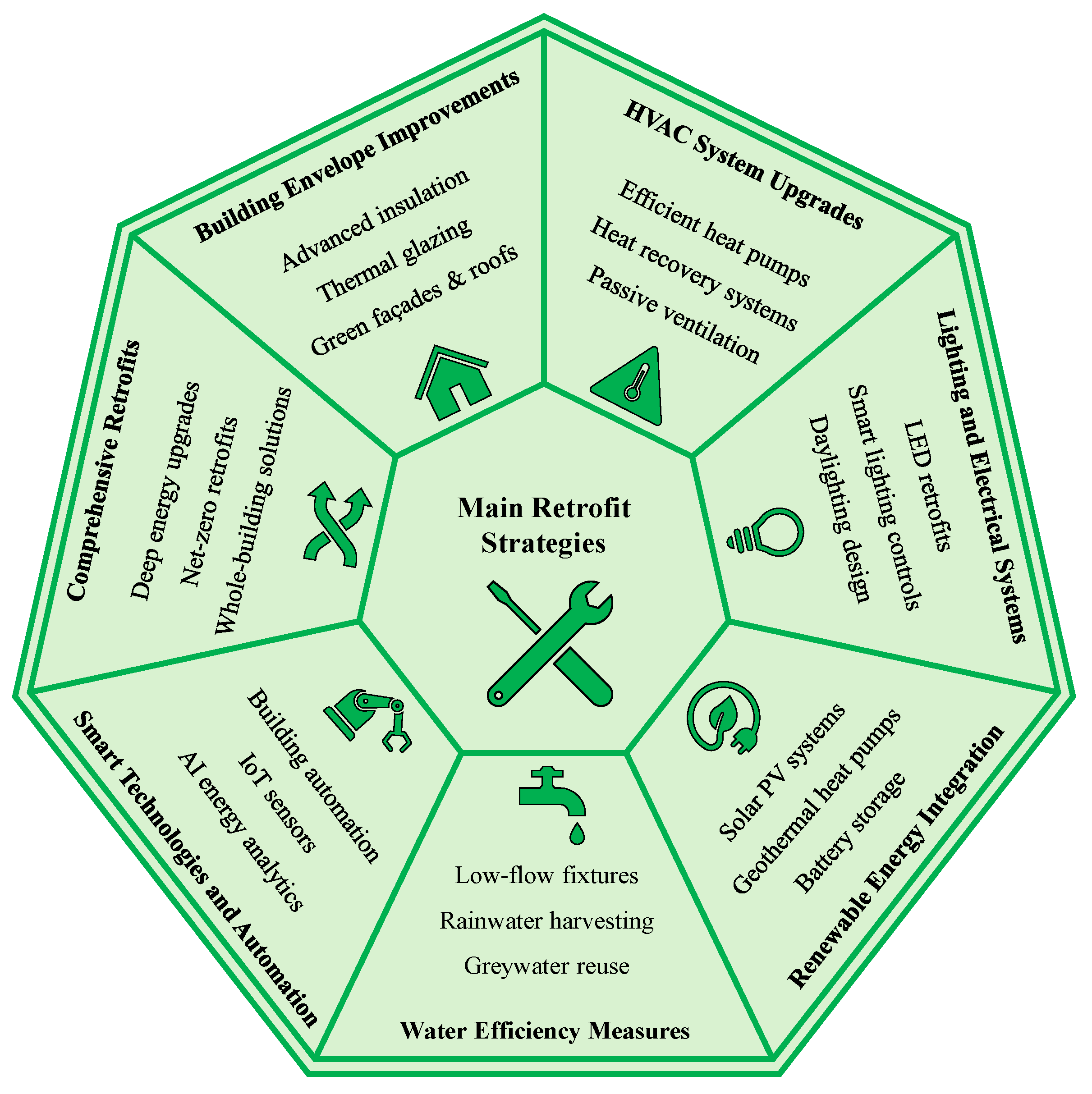
Retrofitting strategies for buildings are designed to enhance energy efficiency, reduce operational costs, and mitigate environmental impacts, while aligning with global sustainability targets [47,49,90]. These interventions are increasingly seen not just as technical upgrades but as comprehensive solutions to decarbonise the built environment, improve IEQ, and adapt to climate change [91]. Based on the reviewed literature, the most prominent retrofit strategies can be categorised into seven key domains, namely building envelope upgrades, HVAC improvements, lighting and electrical enhancements, renewable energy integration, water efficiency measures, smart technologies, and comprehensive or deep retrofits (Figure 11). These categories often overlap and are frequently implemented in combination for maximum impact. For each strategy, we briefly appraise cost-effectiveness, technology readiness, implementation challenges, and environmental/health impacts to support comparative understanding and practical prioritisation.
Building Envelope Improvements
Envelope retrofits are among the most studied and widely implemented strategies. Enhancing the thermal performance of walls, roofs, and floors significantly reduces heating and cooling demand, especially in older or poorly insulated buildings [45,47]. Advanced insulation materials such as aerogels and PCMs offer superior thermal regulation, as highlighted by Jiang et al. [50] and Park et al. [48], and are especially effective in climates with wide temperature fluctuations. Natural ventilation strategies and ventilated facades, discussed in Brambilla et al. [36] and Rababa and Asfour [81], support passive cooling and reduce HVAC dependence. The use of green facades and green roofs is gaining traction in urban settings for their ability to mitigate the urban heat island effect and improve stormwater management [92]. Facade upgrades also include double-skin facades, solar shading, and reflective materials, which contribute to daylight control and thermal comfort [31].
Comparative appraisal (cost/readiness/impacts)—Envelope measures generally demonstrate high lifecycle cost-effectiveness, as load reductions translate into sustained operational savings, particularly in older buildings [47,48]. Conventional insulation and glazing solutions are mature and widely available, while advanced materials such as aerogels and PCMs offer improved performance but at a higher upfront cost and require careful detailing to prevent condensation [48,50]. Implementation challenges include heritage building constraints, thermal-bridge treatment, and ensuring airtightness without compromising ventilation [36,81]. Green roofs and facades provide additional urban heat island microclimate benefits, though they involve higher maintenance needs [31,70].
HVAC System Upgrades
HVAC system upgrades represent a critical pathway for reducing operational energy use. Retrofitting old systems with high-efficiency heat pumps, variable refrigerant flow systems, and smart thermostats is a common strategy found in multiple case studies [22,93,94]. Moreover, passive approaches like orientation-based natural ventilation and stack effect are being revived in retrofit planning for their low energy cost [79,85]. Heat recovery ventilation (HRV) systems, as demonstrated by Mikola et al. [95], enable the reuse of exhaust air energy, enhancing efficiency without compromising IAQ. Coupled with envelope improvements, HVAC retrofits can dramatically reduce energy consumption while improving thermal comfort and air freshness.
Comparative appraisal (cost/readiness/impacts)—High-efficiency systems such as heat pumps and variable refrigerant flow (VRF) units deliver significant energy savings, particularly when paired with envelope enhancements [47,95]. These technologies are generally high-TRL (Technology Readiness Level) and commercially available. However, challenges include capital cost, space constraints, acoustic issues, and the need for proper commissioning and control setup [93]. Passive ventilation strategies offer low-energy alternatives but depend on climate suitability and outdoor air quality [81]. Heat recovery ventilation has been linked to both energy savings and improved IAQ [95].
Lighting and Electrical Systems
Lighting retrofits offer rapid energy savings and are typically low-cost interventions. The replacement of incandescent and fluorescent bulbs with light-emitting diode (LED) lighting is widespread and well-documented across the literature [96,97]. Integrating smart lighting systems, including occupancy sensors and daylight-responsive dimming, can further optimise lighting use [98]. Several studies also emphasise daylighting design strategies, such as reflective surfaces, light shelves, and larger apertures, to reduce reliance on artificial lighting during daylight hours [99,100]. Retrofitting electrical systems to support demand-responsive lighting and automated scheduling aligns well with broader smart building strategies [21].
Comparative appraisal (cost/readiness/impacts)—LED retrofits and lighting controls are one of the most cost-effective retrofit measures, often delivering payback within 3–5 years [44]. Smart lighting controls require careful calibration to avoid occupant override and visual discomfort [48]. Daylighting strategies (light shelves, reflective surfaces, facade apertures) can reduce electricity demand but must be designed to avoid glare and overheating [36,45]. Enhancements in lighting directly influence visual comfort and circadian health, but these benefits depend on spectral and intensity tuning [38].
Renewable Energy Integration
The integration of renewable energy technologies is critical in transitioning retrofitted buildings toward energy independence and low-carbon operation. Solar photovoltaic (PV) systems are the most commonly adopted solution, often integrated with rooftops or facades to generate on-site electricity [67,101]. Some studies, such as Kamel et al. [102] and You et al. [103], discuss hybrid systems combining solar PV with thermal collectors or geothermal heat pumps to serve both electrical and heating needs. Battery storage and energy management systems are increasingly used to store excess energy, improving reliability and enabling buildings to operate partially or entirely off-grid [94].
Comparative appraisal (cost/readiness/impacts)—Rooftop and facade solar PV is commercially mature and decreasing in cost, making it suitable for a wide range of buildings [102,103]. PV-coupled storage systems improve resilience but increase capital cost [31]. Hybrid renewable systems (for example, PV with thermal collectors or geothermal heat pumps) offer higher efficiency but involve greater design and installation complexity [102]. Structural load capacity, roof geometry, shading, and interconnection policies are recurring implementation barriers [47].
Water Efficiency Measures
Although less prominent than energy-focused retrofits, water conservation strategies are gaining relevance, especially in regions with high water stress [104]. Rainwater harvesting systems and greywater reuse technologies are featured in different studies and are significant [105]. These systems reduce the consumption of potable water by supplying non-potable demand for landscaping, flushing, or cooling towers. Additional measures include the installation of low-flow plumbing fixtures, dual-flush toilets, and automated irrigation controls, contributing to both environmental and cost savings [105]. Water-efficient retrofits are often integrated with broader sustainability upgrades in green building programmes.
Comparative appraisal (cost/readiness/impacts)—Low-flow fixtures are low-cost and widely deployable, while rainwater harvesting and greywater reuse systems yield higher savings in water-scarce regions [104]. Key implementation challenges include water quality control, risk of bacterial growth, and the need for dual plumbing or storage capacity [31]. Environmental benefits include reduced potable water demand and stormwater runoff; however, treatment reliability and maintenance must be ensured to avoid health impacts [104].
Smart Technologies and Automation
Smart technologies represent the future of retrofitting by enhancing operational intelligence and responsiveness [22]. Studies like Lu and Warsinger [93] and Weerasinghe et al. [104] explored and mentioned the use of building automation systems (BAS) and IoT-enabled sensors for real-time monitoring and predictive maintenance. These systems enable dynamic adjustments based on occupancy, temperature, or energy use, optimising performance and extending equipment lifespan. Other innovations include AI-based energy management [21], ML-driven HVAC control [93], and cloud-integrated platforms that provide building managers with actionable analytics. These tools allow buildings to not only respond to changing conditions but also learn and evolve towards better performance outcomes [82].
Comparative appraisal (cost/readiness/impacts)—BAS and IoT monitoring are increasingly mature, enabling predictive maintenance and real-time optimisation [93]. However, performance depends on data quality, interoperability, cybersecurity management, and occupant acceptance [48]. Emerging AI/ML-driven control shows strong potential yet faces challenges related to model transferability, black-box interpretability, and the need for trained facility managers [82].
Comprehensive Retrofits
Comprehensive retrofits combine multiple strategies such as envelope upgrades, HVAC overhauls, renewable energy, and smart systems to deliver deep energy and carbon reductions [106]. These deep retrofits often aim for 50–80% reductions in operational energy use [107]. More ambitious projects aim for Net-Zero Energy Building (NZEB) status, ensuring that annual energy consumption is matched by renewable generation [84,108]. Bayer and Pruckner [94] emphasise the role of comprehensive retrofitting in aligning the built environment with global decarbonisation goals. These projects require higher upfront investment but yield long-term environmental and economic benefits.
Comparative appraisal (cost/readiness/impacts)—Deep retrofits commonly achieve 50–80% energy reductions, aligning with NZEB ambitions [94]. However, they require high upfront investment, integrated design coordination, and structured measurement and verification to prevent performance gaps [47]. Staged retrofit pathways offer a pragmatic approach where full upgrades are financially or logistically difficult [94].

3.3.2. Benefits of Retrofit Strategies

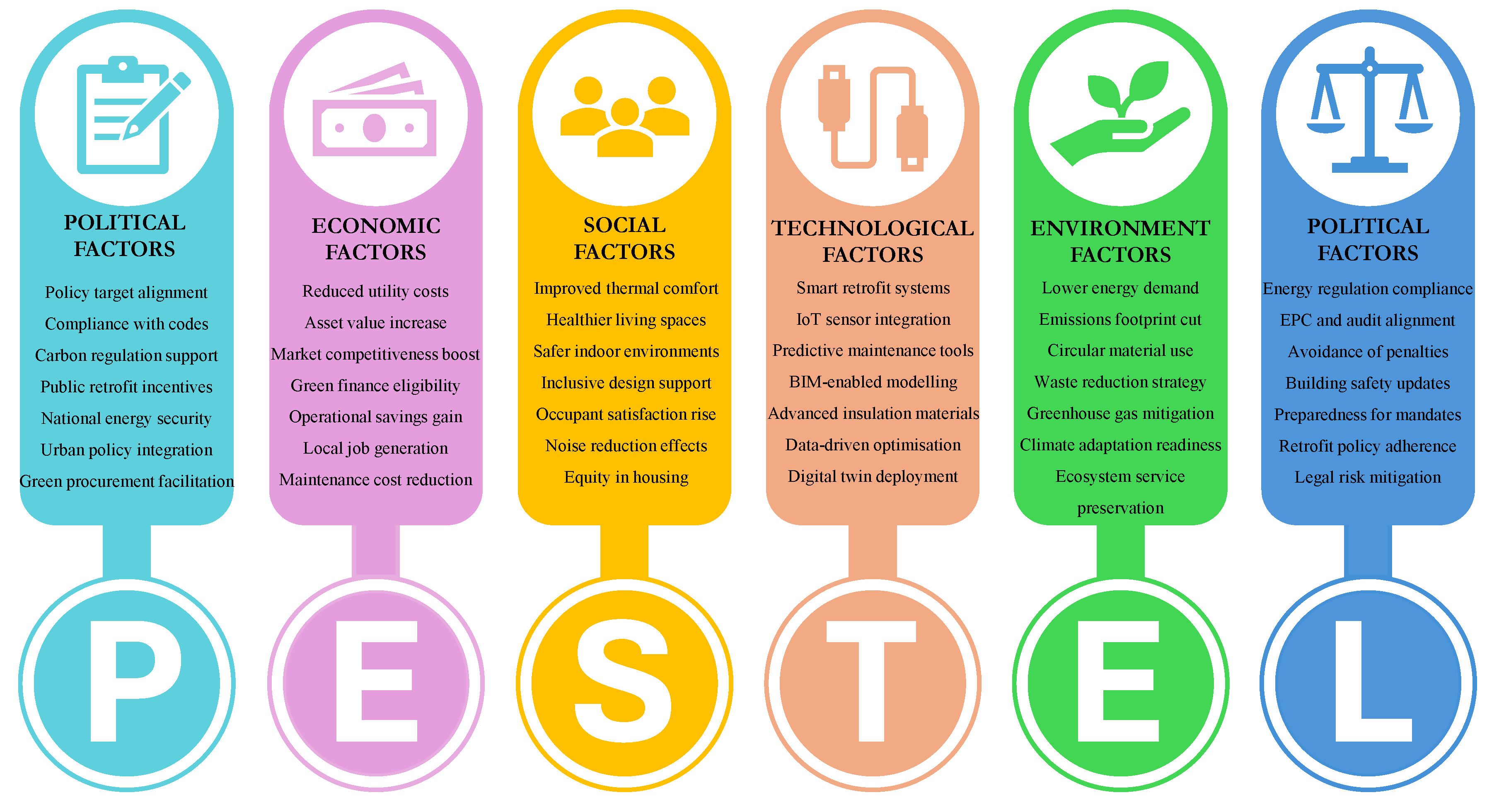
Retrofitting strategies offer benefits that extend beyond energy and cost savings [8]. Analysis of 97 studies shows that such interventions deliver both direct and indirect impacts across social, economic, technological, and environmental domains [104]. To capture these outcomes, the benefits are categorised using the PESTEL framework [109], covering political, economic, social, technological, environmental, and legal aspects, along with relevant geographic and cultural considerations. Figure 12 shows the categorisation of benefits. This structure helps explain how retrofitting supports broader sustainability goals while addressing local and global priorities.
Political Benefits
Retrofitting aligns closely with national and international policy goals related to energy efficiency, climate action, and decarbonisation [80,110]. Many countries have adopted building codes, incentive schemes, and regulatory measures that promote retrofitting as a key strategy to meet energy performance targets and achieve carbon neutrality. For example, the EU’s Energy Performance of Buildings Directive and India’s Energy Conservation Building Code encourage retrofitting through mandatory standards and government support [111,112].
Several studies underline how retrofitting helps governments meet climate goals. Fragkos et al. [113] show that deep retrofits support nationally determined contributions under the Paris Agreement. Public buildings such as schools and hospitals often serve as pilot projects in policy-driven programmes to accelerate adoption [64,66]. Retrofitting also improves energy security by reducing reliance on imported fuels and enhancing grid stability [67,114]. Kwame et al. [101] highlight that policies supporting solar PVs and efficient HVAC systems can help stabilise local energy supply, making retrofitting an important tool for national energy and climate strategies.
Economic Benefits
Retrofitting provides significant economic benefits at both the individual and national levels. At the building scale, energy-efficient upgrades reduce operational expenses by lowering electricity and water use [18]. Measures such as advanced insulation, LED lighting, and smart HVAC systems have consistently shown long-term financial returns. For instance, Qi et al. [35] and Teng et al. [45] report annual energy savings between 30% and 60% in residential and institutional retrofits, which strengthens return on investment. In addition to cost savings, retrofitted buildings often gain higher asset value and rental income, which benefits owners and investors through improved financial performance [110]. However, this does not necessarily translate into increased financial burden for tenants in the long term. In many cases, energy-efficient retrofits reduce utility bills and improve indoor comfort, which can offset modest increases in rent. Moreover, tenants increasingly value energy-efficient and healthy living environments, leading to higher occupancy stability and lower turnover rates, which benefits both parties. This is particularly true for commercial and mixed-use developments where energy ratings like Leadership in Energy and Environmental Design (LEED) or the National Australian Built Environment Rating System (NABERS) improve market standing.
At the macro level, retrofitting boosts job creation and stimulates local economies across sectors such as construction, manufacturing, and renewables. Studies by El-Darwish and Gomaa [49] and Rababa and Asfour [81] underline retrofitting’s role in driving green economic recovery and industry transformation. Governments that support wide-scale retrofitting also benefit from reduced energy subsidies and enhanced energy security, reinforcing the long-term economic case for retrofitting.
Social Benefits
Social benefits are a fundamental outcome of retrofitting strategies, particularly through improvements in IEQ. Enhancements to thermal insulation, ventilation, and natural lighting have been shown to improve occupant health, comfort, and productivity across residential, healthcare, and educational buildings. For example, Gholampour et al. [31] demonstrated increased thermal comfort and air quality following hospital retrofits, while Goodarzi et al. [76] reported a reduction in respiratory illness risks due to improved ventilation and pollutant control.
Retrofitting also supports social equity and inclusion. By enhancing the affordability and liveability of housing in older or low-income communities, retrofits help reduce energy poverty and improve the well-being of vulnerable groups [36,48]. Studies such as Sung et al. [79] and Wang et al. [39] show how universal design principles have been incorporated to enhance accessibility for elderly occupants and people with disabilities. Moreover, visually upgraded spaces promote user satisfaction, mental well-being, and a stronger sense of community. When retrofit strategies include facade upgrades, green spaces, and shared amenities, they help shape more inclusive, dignified, and socially vibrant urban environments [81].
Technological Benefits
Retrofitting plays a crucial role in advancing the use of innovative technologies in the built environment. Among the most referenced innovations is the integration of BIM and energy simulation tools, which improve pre-retrofit planning and provide accurate predictions of energy performance [34,45]. These digital platforms help stakeholders visualise, test, and optimise retrofit strategies before implementation, enhancing cost-effectiveness and project delivery. Following implementation, smart systems such as IoT-based sensors, BAS, and AI-driven energy platforms enable real-time monitoring and predictive maintenance. Studies by Dauletbek and Zhou [19] and Moran et al. [86] illustrate how these technologies optimise lighting, heating, ventilation, and water use by responding to occupancy patterns and environmental data, thereby reducing waste without compromising comfort.
Advanced materials also enhance retrofit outcomes, such as PCMs and aerogels, which are frequently cited for their high thermal performance and lightweight characteristics, making them especially useful in heritage and space-constrained buildings [48,89]. Together, these innovations elevate retrofitting from basic upgrades to intelligent, adaptable, and highly efficient building transformations.
Environmental Benefits
Environmental sustainability is a well-established benefit of retrofitting, with many studies highlighting its role in reducing energy use, cutting emissions, and conserving resources. Retrofitting measures such as improved insulation, efficient heating and cooling systems, and passive design techniques can significantly lower operational energy demand, with savings typically ranging from 30% to 70% depending on building type and climate [35,45].
The integration of renewable energy systems, particularly solar PVs, further supports carbon reduction by decreasing dependence on fossil fuels and promoting clean, decentralised energy generation [67]. Additional strategies, including green roofs, permeable pavements, and rainwater harvesting, enhance climate resilience by managing urban heat and mitigating flood risks [75]. Retrofitting also supports the CE by extending building lifespans and reducing the need for new materials, thus lowering both embodied carbon and construction waste [115]. Collectively, these environmental benefits contribute directly to international sustainability goals, especially UN SDG 7 on clean energy and SDG 13 on climate action.
Legal Benefits
Retrofitting provides significant legal and regulatory advantages by helping building owners comply with updated codes, energy standards, and environmental regulations. As national and regional authorities strengthen mandates on building performance and emissions, retrofitting offers a proactive approach to meet these evolving requirements and avoid non-compliance penalties [22,109]. Several studies demonstrate how retrofitting enables buildings, especially older ones, to meet thermal performance thresholds, ventilation standards, and safety codes [55]. In the EU, legal instruments such as Energy Performance Certificates and renovation passports are shaping retrofit obligations and timelines [116].
Retrofitting also supports international commitments to environmental goals, including the Paris Agreement and national carbon targets [8]. Green procurement policies and energy-linked financing mechanisms are increasingly tying legal incentives and funding to retrofit performance. For example, some financial institutions now require buildings to meet minimum energy standards for loan approvals or subsidy eligibility [49]. In this way, retrofitting not only ensures compliance but also acts as a strategic safeguard, protecting property value in a future-oriented, regulation-heavy built environment.

4. Discussions

4.1. Future Directions for Retrofitting in Sustainable Building Adaptation

The future of retrofitting for sustainable building adaptation is advancing through the adoption of new technologies, innovative materials, stakeholder involvement, and systems thinking. These developments aim to address key challenges such as high initial costs, limited digital uptake, and fragmented policies, while enhancing building performance, resilience, and environmental value. As shown in Figure 13, the reviewed studies reveal converging trends focused on intelligent systems, circular design, user-centred solutions, and climate adaptation.
Among the 97 studies, several highlight forward-looking strategies that will shape retrofitting agendas. Studies by Dehghan and Porras Amores [70] and Neves-Silva and Camarinha-Matos [57] explore simulation-based retrofitting and decision-support tools. Others, including Duran and Lomas [17] and Festa et al. [115], examine system-level shifts involving material innovation and CE practices. International policy reports, such as the International Energy Agency and the EU’s Renovation Wave, emphasise the need for affordable, digitally enabled, and inclusive retrofitting [117]. These directions reflect a shared momentum toward integrated and future-ready retrofit frameworks. The following sub-sections outline each pathway based on the literature and emerging industry priorities.

4.1.1. Integration of AI and ML

The integration of AI and ML into retrofitting represents a significant advancement in how buildings are assessed, designed, and managed for sustainability. These technologies enable the processing of large volumes of performance data, producing predictive insights that support proactive and efficient decision-making. One major application is predictive energy management. ML algorithms analyse historical and real-time consumption data to forecast usage and automatically adjust systems such as heating, cooling, and lighting, reducing energy waste and improving efficiency [58,60]. AI also enhances automated retrofit design by simulating multiple intervention scenarios to identify optimal solutions that balance cost and energy savings, reducing reliance on time-consuming manual modelling [45,114]. This raises an important and emerging research question: Which AI and ML algorithms are most effective for specific retrofit challenges, such as energy-use prediction, occupant behaviour modelling, or real-time fault detection, and under what building conditions do they perform best? Addressing this would allow more targeted and reliable deployment of AI for retrofit planning and operations.
Another emerging use is in fault detection and diagnostics. ML models trained on performance datasets can identify anomalies and support predictive maintenance, thereby minimising equipment downtime and extending service life, as indicated by Mazzetto [118]. This supports the broader trend of lifecycle monitoring in retrofit planning. AI is also used to analyse occupant behaviour, as shown by Chung-Camargo et al. [82] and Park et al. [48], where energy performance is shaped by user interactions. Adaptive control systems informed by behaviour patterns help ensure that retrofits remain efficient and user-responsive. Overall, AI and ML enable more precise decisions, reduce uncertainty, and create flexible, data-informed retrofit strategies. As digitalisation becomes central to sustainable construction, these tools will be essential for developing intelligent systems that respond to environmental conditions and occupant needs in real time.
However, several challenges complicate the implementation of AI-driven retrofits. A core issue is data quality and availability, as many existing buildings lack sensor coverage or historical datasets, making model training difficult and sometimes unreliable. Model interpretability also remains a concern, as advanced ML systems, especially deep learning models, often function as “black boxes,” providing accurate predictions without clear reasoning, which can limit stakeholder trust. Furthermore, the performance of AI models can be context-specific, meaning that an algorithm tuned to one building type, climate, or occupancy pattern may not transfer well to others. There are also organisational barriers, including limited digital skills among retrofit practitioners and the cost of deploying IoT and monitoring infrastructure. Future research should therefore prioritise explainable and transferable AI frameworks, improved building data pipelines, and hybrid human-AI decision systems that enable transparency, accountability, and robust performance across different building contexts.

4.1.2. CE Principles in Retrofitting

Incorporating CE principles into retrofitting represents a major shift in the construction sector. Rather than following the conventional linear model of take, use, and dispose, circular retrofitting promotes resource retention through reuse, repurposing, and recycling [115]. Among the 97 reviewed studies, many either explicitly or implicitly support this regenerative approach, positioning retrofitting as a key strategy for advancing sustainability in the built environment. However, only around 11 studies are explicitly engaged with CE principles, most commonly through LCA, resource efficiency considerations, or material reuse strategies. This indicates that while sustainability is widely acknowledged, the integration of CE frameworks into retrofit practice remains limited and still emerging, suggesting an opportunity for more systematic adoption of circular design and evaluation methods.
Material reuse and recycling form a central focus of circular retrofitting, reducing reliance on virgin materials and construction waste. For example, Ranđelović et al. [87] documented the use of reclaimed insulation and timber in school retrofits, cutting embodied carbon significantly. Excell et al. [56] similarly showed how large-scale renovations could lower emissions through the reuse of building materials. Another important concept is designing for disassembly. This method allows building elements to be easily removed and reused, or replaced, promoting long-term adaptability and reducing waste. De Silva et al. [119] argued that planning for disassembly during retrofitting enhances future upgrade potential with minimal environmental cost. LCA tools are increasingly used to evaluate the environmental impact of retrofit materials and systems. For instance, Tetteh et al. [120] combined LCA with stakeholder sentiment analysis to identify sustainable retrofit options. Amoruso et al. [55] explored BIM-integrated parametric workflows to support evidence-based retrofit decisions using LCA indicators. These developments raise an important research question: How can CE-based design-for-disassembly and material reuse strategies be systematically embedded into real-world retrofit workflows while maintaining structural integrity, cost-effectiveness, and regulatory compliance?
At a policy level, initiatives like the European Commission’s Level(s) framework and the Global Alliance for Buildings and Construction roadmap promote circular retrofitting to reduce embodied energy, lifecycle emissions, and waste [121]. Overall, CE principles offer long-term advantages such as lower resource demand, improved environmental outcomes, and better alignment with sustainability targets like SDG 12 on responsible consumption and production.
Yet, several challenges constrain the widespread adoption of CE in retrofitting. A major barrier is the underdeveloped supply chain for reclaimed materials, which limits reliable sourcing, quality assurance, and scalability. Standardised assessment and certification methods for reused components are also lacking, making it difficult for practitioners to evaluate performance, durability, and compliance with building codes. In many regions, planning and procurement frameworks still prioritise new materials due to convenience and liability concerns, while economic incentives for reuse remain weak. Additionally, CE-oriented retrofits often require early-stage planning and coordinated stakeholder involvement, which may conflict with existing project delivery structures. Finally, CE benefits are sometimes context-dependent, varying according to climate, building typology, and local waste streams. Addressing these gaps requires research that develops robust reuse supply chains, clear material certification protocols, and integrated digital workflows that support disassembly and reuse decisions across the building lifecycle.

4.1.3. Advanced DTs and IoT-Based Monitoring

The integration of DT technologies with IoT-based monitoring represents a major advancement in sustainable building retrofitting [122]. A DT provides a real-time virtual replica of a physical building that evolves continuously through data collected by embedded IoT sensors. This connection between the physical and digital environments supports dynamic, data-informed decisions that improve building performance over time [55,76].
One of the primary benefits of this integration is the ability to monitor and optimise performance in real time. IoT sensors track parameters such as temperature, humidity, lighting, energy use, carbon dioxide (CO2) concentration, and occupancy [93]. These data streams feed into the DT, which simulates current building conditions and enables immediate system adjustments. This supports proactive management of HVAC, lighting, and energy use based on occupancy and environmental variations [54,70]. DTs also allow for scenario testing before physical retrofits are implemented. By simulating various strategies, stakeholders can assess potential energy savings, comfort outcomes, and cost implications without risk. Studies by Krarti [41] and Wu et al. [74] show how pre-retrofit modelling helps reduce uncertainty and identify the most effective retrofit combinations. This raises an important research question: How can DT models be calibrated to ensure reliable prediction accuracy across varied building types, climates, and occupant behaviour patterns, especially when sensor data quality or availability may be uneven?
Additionally, DTs enable integration with smart technologies, including adaptive lighting, occupancy-sensitive ventilation, and automated shading systems. These innovations enhance occupant comfort while improving energy efficiency through intelligent system responses to real-time data. The feedback loop between DTs and IoT not only supports continuous monitoring but also enables learning and refinement of systems after retrofits are completed. This life-cycle management approach is especially useful in large or multi-building retrofit programmes, where performance insights can be applied across an entire building portfolio [123]. Together, DT and IoT technologies promote adaptive retrofitting, helping buildings evolve with changing conditions and supporting long-term goals of sustainability, health, and operational excellence.
However, several challenges limit the widespread adoption of DT-IoT frameworks in retrofit practice. Many existing buildings lack the sensor infrastructure required to generate high-quality, real-time data, while older mechanical systems may not be easily compatible with digital control platforms. Interoperability issues across proprietary software, hardware, and data formats can prevent seamless integration. Additionally, developing and maintaining DT models requires significant computational resources and specialised expertise, which may be cost-prohibitive for small organisations or public-sector building portfolios. Concerns around data privacy and cybersecurity also arise when continuous real-time monitoring of occupant movement and behaviour is involved. These limitations suggest the need for research on scalable, modular DT frameworks, cost-effective sensor deployment strategies, open data standards, and governance frameworks that ensure transparency and data protection.

4.1.4. Innovative Materials and Emerging Technologies

Recent developments in materials science are reshaping sustainable retrofitting by introducing high-performance, low-impact materials with improved thermal properties, reduced environmental footprints, and compatibility with older structures [124]. These innovations address common retrofit challenges such as limited space, structural constraints, and high embodied carbon, offering more effective and adaptable solutions. Nanomaterials like aerogels and nanocellulose composites provide excellent insulation with minimal thickness [125]. Aerogels, for example, have thermal conductivities as low as 0.013 W/m·K, making them suitable for confined retrofit applications such as wall cavities, roofs, and glazing, especially in heritage buildings where additional structural load must be avoided [126]. This raises an important direction for future inquiry: How can ultra-thin high-performance insulation materials be systematically integrated into diverse building typologies while ensuring long-term durability, affordability, and compliance with fire and safety regulations?
PCMs offer another promising solution by stabilising indoor temperatures through latent heat storage during phase transitions [50,89]. PCM-based retrofits have been shown to reduce indoor temperature swings by up to 5 °C, enhancing thermal comfort and lowering energy demand. These materials are being integrated into wallboards, ceilings, and composites for passive climate regulation without complex systems. In parallel, biodegradable and bio-based materials are gaining momentum as nature-aligned retrofit solutions. Examples include mycelium insulation, hempcrete, and biochar-enhanced concrete, which reduce embodied emissions and support circularity through repurposability and biodegradability [127]. Their non-toxic and renewable characteristics add both ecological and social value.
Emerging technologies such as self-healing materials, photocatalytic coatings, and dynamic glazing are also expanding retrofit possibilities. Although still in early stages of adoption, these materials promise to improve durability, energy responsiveness, and indoor air quality. Their environmental benefits are often assessed using LCA tools, which help compare long-term impacts against conventional alternatives [55]. As supply chains transition toward low-carbon procurement, such innovative materials are poised to become central to retrofitting strategies that aim not only for efficiency but also regenerative performance.
However, several challenges and research gaps currently limit the widespread adoption of these materials. High-performance and bio-composite materials often carry higher upfront costs, making them less accessible without supportive incentives or economies of scale. Long-term durability and ageing performance data are still limited for many emerging materials, particularly under varied climatic conditions. In addition, the absence of standardised testing and certification methods for novel or reused materials complicates regulatory approval and reduces practitioner confidence. Supply chains for bio-based or reclaimed materials remain unevenly developed, and adoption may be slowed by limited availability, inconsistent product grading, or lack of familiarity among contractors. Addressing these gaps requires interdisciplinary research that links materials science, building physics, retrofit practice, and regulatory frameworks to develop validated performance datasets, cost-scalable production models, and clear certification pathways for next-generation retrofit materials.

4.1.5. Holistic Approaches to Resilience and Climate Adaptation

As climate change intensifies, retrofitting must move beyond energy efficiency to embrace resilience-focused upgrades that ensure buildings remain safe, functional, and adaptable under evolving climate conditions. Future retrofits should integrate both technical and ecological interventions to protect against extreme heat, flooding, drought, and power disruptions [55,66]. Key strategies include the use of climate-resilient materials and systems such as flood-resistant finishes, heat-reflective coatings, and wind-resistant reinforcements. These are particularly critical for older buildings and essential infrastructure, with studies like Adamy and Abu Bakar [128] emphasising retrofitting’s role in disaster risk reduction as well as performance enhancement. This raises a forward-looking research question: How can climate adaptation interventions be prioritised and scaled within retrofit strategies, particularly where financial constraints, ageing building stock, and local climate projections vary significantly across regions?
Nature-based solutions are emerging as effective low-impact strategies. Features like green roofs, living walls, and vegetated facades help regulate indoor temperatures, reduce the urban heat island effect, and support biodiversity [104]. These systems also enhance stormwater management, reducing runoff and peak flow during heavy rains. Energy resilience is another crucial component. Decentralised systems such as microgrids, solar PV, and battery storage enable buildings to function during grid outages caused by extreme weather [41]. This is especially vital for hospitals and shelters where power reliability is essential. Water resilience must also be prioritised. Rainwater harvesting, greywater reuse, and permeable surfaces help conserve resources in water-scarce regions and manage stormwater effectively [79]. Incorporating these adaptation strategies will ensure retrofitted buildings are not only energy efficient but also resilient, resource-conscious, and responsive to both environmental and societal needs.
However, several key challenges hinder the widespread adoption of resilience-oriented retrofitting. First, the benefits of resilience upgrades are often long-term and indirect, making it difficult to justify investment where budgets prioritise short-term demand reduction over risk mitigation. Climate adaptation solutions are also highly context-dependent, requiring detailed local climate projections, geotechnical knowledge, and socio-spatial considerations that may not be readily accessible at the building scale. Nature-based solutions require ongoing maintenance, specialised expertise, and supportive municipal infrastructure, which may not be consistently available. There are also policy and regulatory gaps, as many building codes and funding frameworks emphasise efficiency over resilience, leaving adaptation measures under-supported. Addressing these gaps requires research that integrates region-specific climate risk modelling, cost–benefit frameworks that quantify avoided damages, and policy instruments that align resilience retrofits with long-term public and private investment priorities.

4.1.6. Enhanced Data Analytics and Building Performance Visualisation

The growing use of big data analytics in retrofitting is creating new opportunities to enhance building performance through deeper insights and adaptive strategies. Retrofitted buildings now generate large volumes of operational data covering energy use, thermal comfort, occupancy, and environmental conditions [129]. This data, when analysed using advanced techniques, supports continuous performance improvement, which is a central objective of future retrofitting approaches [19,86]. Through analytics, building managers can detect anomalies, identify peak loads, and adjust systems such as heating, ventilation, and lighting to reduce energy waste. For example, Goodarzi et al. [76] used performance dashboards to monitor improvements after retrofitting and to fine-tune building systems. These tools support a move from fixed retrofitting solutions to adaptive systems that respond to seasonal patterns and real-time feedback. An emerging research question in this domain is: How can building performance analytics be standardised and automated to support decision-making across diverse building types, climates, and user profiles while maintaining transparency and usability?
Visualisation technologies such as Augmented Reality (AR) and Virtual Reality (VR) further enhance the retrofitting process. AR tools help contractors and technicians by overlaying proposed retrofit elements directly onto physical structures during site work, improving construction accuracy [130]. VR allows owners, designers, and occupants to explore proposed retrofit scenarios in immersive environments, supporting collaborative design decisions before implementation [131]. Building performance dashboards is another powerful addition. These tools provide real-time feedback on key indicators such as energy intensity, air quality, and comfort levels in an accessible format [132]. They also enable users to track retrofit benefits and adjust their behaviour to support sustainability goals [79]. These visualisation and analytics tools connect with smart building technologies such as DTs and IoT systems, creating a complete feedback loop between user behaviour, system performance, and retrofit planning. They support precise decision-making, improve accountability, and encourage user engagement, making them essential for the future of intelligent and high-performing retrofitting.
However, several challenges limit the full effectiveness of data analytics and visualisation in retrofit practice. First, the interoperability of data sources remains a significant barrier, as legacy building systems often use incompatible formats that complicate integration into unified analytic platforms. The quality and granularity of sensor data can vary, affecting the reliability of performance analytics and automated decision support. There are also privacy and cybersecurity concerns, particularly when occupancy behaviour and spatial movement patterns are continuously monitored. Additionally, effective use of dashboards and visualisation tools depends on user literacy, meaning occupants and facility managers may require training to interpret and act upon performance data. These gaps suggest the need for research on transparent, user-friendly analytics frameworks, open data standards for building performance monitoring, and equitable data governance models that protect privacy while enabling adaptive building optimisation.

4.1.7. Community and Stakeholder Engagement in Retrofitting

An essential aspect of sustainable retrofitting is the active involvement of building users, local communities, and wider stakeholder groups [77]. Future retrofit strategies must look beyond technical and economic goals and adopt inclusive approaches that reflect human experience, social equity, and cultural relevance [56,120]. Participatory design allows stakeholders such as occupants, building managers, and community members to shape retrofit plans based on real needs, preferences, and everyday practices. Feedback can include comfort levels, spatial concerns, and usage patterns. Research shows that user involvement improves occupant satisfaction, increases the usability of systems, and supports lasting adoption of energy-saving behaviours like passive ventilation and temperature control [46,133]. This highlights a key emerging research question: How can participatory engagement processes be structured so that diverse stakeholders meaningfully influence retrofit decisions while maintaining efficiency, technical rigour, and feasibility in project delivery?
Engagement also builds a sense of ownership, making energy-efficient behaviours more sustainable over time [71]. In community housing and shared buildings, this ownership often translates into collective responsibility and a stronger commitment to maintaining green practices. Knowledge-sharing tools further expand the benefits of retrofitting. Open-access platforms, online forums, and digital repositories support the exchange of case studies, guidelines, and cost assessments across diverse climates and regions.
Green building certifications add another layer of transparency and trust. Certifications validate environmental performance while often including steps like stakeholder consultations, lifecycle assessments, and post-occupancy reviews [10,62]. These processes help standardise retrofit outcomes and increase stakeholder confidence. Moving forward, retrofit initiatives must prioritise user-centred design, clear communication, and collaborative delivery. As buildings become more adaptive and responsive, stakeholder participation will be central to creating effective, inclusive, and resilient retrofit solutions.
Despite these benefits, key challenges limit meaningful stakeholder engagement in practice. Engagement processes can be time-intensive, and project teams may struggle to balance inclusive consultation with construction deadlines. There is also a risk of unequal representation, where more vocal or resourced groups dominate discussions, while tenants, low-income residents, or minority communities may have limited influence. Cultural norms surrounding building use and comfort expectations can shape retrofit acceptance in ways that are not always recognised in technical planning. Additionally, participation fatigue can occur when community members are consulted without visible follow-through, reducing trust and willingness to engage in future initiatives. These challenges point to the need for research into equitable engagement frameworks, culturally sensitive communication strategies, and participatory evaluation structures that ensure stakeholder contributions are respected, integrated, and sustained throughout the retrofit lifecycle.

5. Conclusions

This study offers a comprehensive synthesis of the current research landscape on building retrofitting for sustainable adaptation, based on a systematic review of 97 peer-reviewed journal articles (2015–2025). The review used a structured, multi-stage screening approach grounded in a title-focused Scopus search, and applied descriptive, content-based, and scientometric analyses to ensure analytical depth and methodological rigour. The principal findings are:
  • Research momentum: A marked rise in retrofit publications occurred after 2020, driven by climate targets, energy crises, and stricter decarbonisation policies.
  • Focus areas: A majority of studies examined energy efficiency, building envelope upgrades, and digital tools, evidencing a shift from conventional retrofits to integrated, data-informed strategies.
  • Mapped interventions: Content analysis identified key interventions, including envelope retrofits, HVAC optimisation, renewable energy integration, water-saving solutions, smart systems, and lifecycle performance enhancements.
  • Thematic structure: VOSviewer revealed six clusters, such as envelope performance, economic assessment, environmental sustainability, system efficiency, passive design, and digital/data-driven planning, each confirming the field’s multidisciplinary character and alignment with sustainability goals.
  • Broader implications (PESTEL analysis): Retrofitting supports policy compliance, economic resilience, social measures, technological adoption, environmental factors and legal adaptation, underscoring its systemic value.
  • Future directions: Seven forward-looking pathways were identified, namely AI/ML, CE strategies, DTs and IoT, novel/advanced materials, climate resilience, user and community engagement, and advanced data visualisation/analytics.
  • Contribution and audience: The review consolidates scattered knowledge and sets out a clear research agenda, informing academics, policymakers, and practitioners pursuing environmentally conscious, technologically advanced, and socially inclusive retrofit pathways.
  • Overall significance: In the context of accelerating climate change and urban growth, retrofitting remains a cost-efficient and forward-looking solution for transforming cities into sustainable and resilient urban systems.
While the review followed a rigorous design, reliance on a Scopus title-based search and English-language journal publications may have excluded relevant work in other databases, languages, or grey literature (for example, reports and theses). In addition, keyword-based clustering and scientometric mapping may not fully capture contextual nuances or interdisciplinary overlaps. Future reviews can address these constraints by expanding database coverage and search fields (including full-text), incorporating non-English and grey literature, and employing mixed-method or region-specific analyses to build a more globally representative evidence base. As such, this study provides a consolidated evidence base and a forward-looking roadmap that can meaningfully guide research, policy, and practice in advancing sustainable building retrofitting.

Supplementary Materials

The following supporting information can be downloaded at: https://www.mdpi.com/article/10.3390/buildings15224106/s1, Table S1: Blue cluster Envelope Optimization for Indoor Comfort (EOIC); Table S2: Cyan cluster Digital Modelling and Data-Driven Retrofit Planning (DMDRP); Table S3: Red cluster Economic Evaluation and Performance Metrics (EEPM); Table S4: Yellow cluster System Optimization for Retrofit Efficiency (SORE); Table S5: Green cluster Sustainable Development and Environmental Quality (SDEQ); Table S6: Purple cluster Passive Design and Retrofit Solutions (PDRS).

Funding

This research received no external funding.

Data Availability Statement

The dataset and supporting materials are available on request; contact the corresponding author or Ayaz Ahmad Khan to obtain access.

Conflicts of Interest

The authors declare no conflicts of interest.

References

  1. UN Department of Economic and Social Affairs 68% of the World Population Projected to Live in Urban Areas by 2050, Says UN|United Nations. 2018. Available online: https://www.un.org/uk/desa/68-world-population-projected-live-urban-areas-2050-says-un (accessed on 20 March 2025).
  2. James, N. Urbanization and Its Impact on Environmental Sustainability. J. Appl. Geogr. Stud. 2024, 3, 54–66. [Google Scholar] [CrossRef]
  3. Li, Y.L.; Han, M.Y.; Liu, S.Y.; Chen, G.Q. Energy Consumption and Greenhouse Gas Emissions by Buildings: A Multi-Scale Perspective. Build. Environ. 2019, 151, 240–250. [Google Scholar] [CrossRef]
  4. World Economic Forum Buildings Are the Foundation of Our Energy-Efficient Future|World Economic Forum. 2021. Available online: https://www.weforum.org/stories/2021/02/why-the-buildings-of-the-future-are-key-to-an-efficient-energy-ecosystem/ (accessed on 25 March 2025).
  5. Cabeza, L.F.; Barreneche, C.; Miró, L.; Martínez, M.; Fernández, A.I.; Urge-Vorsatz, D. Affordable Construction Towards Sustainable Buildings: Review on Embodied Energy in Building Materials. Curr. Opin. Environ. Sustain. 2013, 5, 229–236. [Google Scholar] [CrossRef]
  6. Zarco-Soto, F.J.; Zarco-Soto, I.M.; Ali, S.S.S.; Zarco-Periñán, P.J. Energy Consumption in Buildings: A Compilation of Current Studies. Energy Rep. 2025, 13, 1293–1307. [Google Scholar] [CrossRef]
  7. Hafez, F.S.; Sa’di, B.; Safa-Gamal, M.; Taufiq-Yap, Y.H.; Alrifaey, M.; Seyedmahmoudian, M.; Stojcevski, A.; Horan, B.; Mekhilef, S. Energy Efficiency in Sustainable Buildings: A Systematic Review with Taxonomy, Challenges, Motivations, Methodological Aspects, Recommendations, and Pathways for Future Research. Energy Strateg. Rev. 2023, 45, 101013. [Google Scholar] [CrossRef]
  8. Citadini de Oliveira, C.; Catão Martins Vaz, I.; Ghisi, E. Retrofit Strategies to Improve Energy Efficiency in Buildings: An Integrative Review. Energy Build. 2024, 321, 114624. [Google Scholar] [CrossRef]
  9. Fernandes, J.; Santos, M.C.; Castro, R. Introductory Review of Energy Efficiency in Buildings Retrofits. Energies 2021, 14, 8100. [Google Scholar] [CrossRef]
  10. Ramírez-Villegas, R.; Eriksson, O.; Olofsson, T. Assessment of Renovation Measures for a Dwelling Area—Impacts on Energy Efficiency and Building Certification. Build. Environ. 2016, 97, 26–33. [Google Scholar] [CrossRef]
  11. Gomes, R.; Ana, F.; Luís, A.; Rui, C.N.; Laura, A.; and Silva, C. Retrofit Measures Evaluation Considering Thermal Comfort Using Building Energy Simulation: Two Lisbon Households. Adv. Build. Energy Res. 2021, 15, 291–314. [Google Scholar] [CrossRef]
  12. Maduta, C.; Melica, G.; D’Agostino, D.; Bertoldi, P. Towards a Decarbonised Building Stock by 2050: The Meaning and the Role of Zero Emission Buildings (ZEBs) in Europe. Energy Strateg. Rev. 2022, 44, 101009. [Google Scholar] [CrossRef]
  13. European Commission. New Rules for Greener and Smarter Buildings Will Increase Quality of Life for All Europeans 2019. Available online: https://commission.europa.eu/news-and-media/news/new-rules-greener-and-smarter-buildings-will-increase-quality-life-all-europeans-2019-04-15_en (accessed on 25 March 2025).
  14. European Commission. Questions and Answers on the Renovation Wave 2020. Available online: https://ec.europa.eu/commission/presscorner/detail/en/qanda_20_1836 (accessed on 25 March 2025).
  15. United Nations Environment Programme. Here’s How Buildings Contribute to Climate Change—And What Can Be Done About It 2023. Available online: https://www.unep.org/news-and-stories/story/heres-how-buildings-contribute-climate-change-and-what-can-be-done-about-it (accessed on 10 February 2025).
  16. City of Melbourne Retrofit Case Studies—1200 Buildings Program|City of Melbourne 2021. Available online: https://www.c40.org/case-studies/city-of-melbourne-targets-building-sector-decarbonisation-through-1200-buildings-programme/ (accessed on 18 February 2025).
  17. Duran, Ö.; Lomas, K.J. Retrofitting Post-War Office Buildings: Interventions for Energy Efficiency, Improved Comfort, Productivity and Cost Reduction. J. Build. Eng. 2021, 42, 102746. [Google Scholar] [CrossRef]
  18. Vakalis, D.; Diaz Lozano Patino, E.; Opher, T.; Touchie, M.F.; Burrows, K.; MacLean, H.L.; Siegel, J.A. Quantifying Thermal Comfort and Carbon Savings from Energy-Retrofits in Social Housing. Energy Build. 2021, 241, 110950. [Google Scholar] [CrossRef]
  19. Dauletbek, A.; Zhou, P. BIM-Based LCA as a Comprehensive Method for the Refurbishment of Existing Dwellings Considering Environmental Compatibility, Energy Efficiency, and Profitability: A Case Study in China. J. Build. Eng. 2022, 46, 103852. [Google Scholar] [CrossRef]
  20. Motalebi, M.; Rashidi, A.; Nasiri, M.M. Optimization and BIM-Based Lifecycle Assessment Integration for Energy Efficiency Retrofit of Buildings. J. Build. Eng. 2022, 49, 104022. [Google Scholar] [CrossRef]
  21. Shu, L.; Mo, Y.; Zhao, D. Energy Retrofits for Smart and Connected Communities: Scopes and Technologies. Renew. Sustain. Energy Rev. 2024, 199, 114510. [Google Scholar] [CrossRef]
  22. Peiris, S.; Lai, J.H.K.; Kumaraswamy, M.M.; Hou, H.C. Smart Retrofitting for Existing Buildings: State of the Art and Future Research Directions. J. Build. Eng. 2023, 76, 107354. [Google Scholar] [CrossRef]
  23. Amini Toosi, H.; Lavagna, M.; Leonforte, F.; Del Pero, C.; Aste, N. Life Cycle Sustainability Assessment in Building Energy Retrofitting; A Review. Sustain. Cities Soc. 2020, 60, 102248. [Google Scholar] [CrossRef]
  24. Tranfield, D.; Denyer, D.; Smart, P. Towards a Methodology for Developing Evidence-Informed Management Knowledge by Means of Systematic Review. Br. J. Manag. 2003, 14, 207–222. [Google Scholar] [CrossRef]
  25. Snyder, H. Literature Review as a Research Methodology: An Overview and Guidelines. J. Bus. Res. 2019, 104, 333–339. [Google Scholar] [CrossRef]
  26. Khan, A.; Sepasgozar, S.; Liu, T.; Yu, R. Integration of Bim and Immersive Technologies for Aec: A Scientometric-swot Analysis and Critical Content Review. Buildings 2021, 11, 126. [Google Scholar] [CrossRef]
  27. Burnham, J.F. Scopus Database: A Review. Biomed. Digit. Libr. 2006, 3, 1. [Google Scholar] [CrossRef]
  28. Zupic, I.; Čater, T. Bibliometric Methods in Management and Organization. Organ. Res. Methods 2014, 18, 429–472. [Google Scholar] [CrossRef]
  29. Pérez-Lombard, L.; Ortiz, J.; Pout, C. A Review on Buildings Energy Consumption Information. Energy Build. 2008, 40, 394–398. [Google Scholar] [CrossRef]
  30. Khan, A.A.; Amirkhani, M.; Martek, I. Overcoming Deterrents to Modular Construction in Affordable Housing: A Systematic Review. Sustainability 2024, 16, 7611. [Google Scholar] [CrossRef]
  31. Gholampour, M.; Taghipour, M.; Tahavvor, A.; Jafari, S. Retrofitting of Building with Double Skin Façade to Improve Indoor Air Quality, Thermal Comfort, and Infection Control in Inpatient Wards of a Hospital in a Semi-Hot-Arid Climate. Energy Build. 2025, 332, 115365. [Google Scholar] [CrossRef]
  32. Tomrukcu, G.; Ashrafian, T. Climate-Resilient Building Energy Efficiency Retrofit: Evaluating Climate Change Impacts on Residential Buildings. Energy Build. 2024, 316, 114315. [Google Scholar] [CrossRef]
  33. Lang, M.; Lane, R.; Zhao, K.; Tham, S.; Woolfe, K.; Raven, R. Systematic Review: Landlords’ Willingness to Retrofit Energy Efficiency Improvements. J. Clean. Prod. 2021, 303, 127041. [Google Scholar] [CrossRef]
  34. Afa, R.; Sobhy, I.; Brakez, A. Application of BIM-Driven BEM Methodologies for Enhancing Energy Efficiency in Retrofitting Projects in Morocco: A Socio-Technical Perspective. Buildings 2025, 15, 429. [Google Scholar] [CrossRef]
  35. Qi, S.; Utaberta, N.; Kiet, A.L.K.; Yanfang, X.; Xiyao, H. Effects of Green Façade Retrofitting on Thermal Performance and Energy Efficiency of Existing Buildings in Northern China: An Experimental Study. Energy Build. 2025, 335, 115550. [Google Scholar] [CrossRef]
  36. Brambilla, A.; Salvalai, G.; Imperadori, M.; Sesana, M.M. Nearly Zero Energy Building Renovation: From Energy Efficiency to Environmental Efficiency, a Pilot Case Study. Energy Build. 2018, 166, 271–283. [Google Scholar] [CrossRef]
  37. Pungercar, V.; Zhan, Q.; Xiao, Y.; Musso, F.; Dinkel, A.; Pflug, T. A New Retrofitting Strategy for the Improvement of Indoor Environment Quality and Energy Efficiency in Residential Buildings in Temperate Climate Using Prefabricated Elements. Energy Build. 2021, 241, 110951. [Google Scholar] [CrossRef]
  38. Sevim, Y.E.; Taki, A.; Abuzeinab, A. Examining Energy Efficiency and Retrofit in Historic Buildings in the UK. Sustainability 2025, 17, 3002. [Google Scholar] [CrossRef]
  39. Wang, Z.; Shen, H.; Deng, G.; Liu, X.; Wang, D. Measured Performance of Energy Efficiency Measures for Zero-Energy Retrofitting in Residential Buildings. J. Build. Eng. 2024, 91, 109545. [Google Scholar] [CrossRef]
  40. Coggins, A.M.; Wemken, N.; Mishra, A.K.; Sharkey, M.; Horgan, L.; Cowie, H.; Bourdin, E.; McIntyre, B. Indoor Air Quality, Thermal Comfort and Ventilation in Deep Energy Retrofitted Irish Dwellings. Build. Environ. 2022, 219, 109236. [Google Scholar] [CrossRef]
  41. Krarti, M. Evaluation of Large Scale Building Energy Efficiency Retrofit Program in Kuwait. Renew. Sustain. Energy Rev. 2015, 50, 1069–1080. [Google Scholar] [CrossRef]
  42. Mapfumo, E.T.; Emuze, F.; Smallwood, J.; Ebekozien, A. Appraising Challenges Facing Zimbabwe’s Building Retrofitting for Energy Efficiency Using Structural Equation Model Approach. Int. J. Build. Pathol. Adapt. 2024, 42, 76–92. [Google Scholar] [CrossRef]
  43. Sharma, R.; Goel, S.; Lenka, S.R.; Satpathy, P.R. Energy Efficiency Retrofitting Measures of an Institutional Building: A Case Study in Eastern India. Clean. Energy Syst. 2024, 7, 100111. [Google Scholar] [CrossRef]
  44. Shaikh, P.H.; Shaikh, F.; Sahito, A.A.; Uqaili, M.A.; Umrani, Z. Chapter 9—An Overview of the Challenges for Cost-Effective and Energy-Efficient Retrofits of the Existing Building Stock. In Cost-Effective Energy Efficient Building Retrofitting; Pacheco-Torgal, F., Granqvist, C.-G., Jelle, B.P., Vanoli, G.P., Bianco, N., Kurnitski, J., Eds.; Woodhead Publishing: Cambridge, UK, 2017; pp. 257–278. ISBN 978-0-08-101128-7. [Google Scholar]
  45. Teng, X.; Shen, Z.; Tutuko, D.C.S. Evaluating the Impact of Insulation Materials on Energy Efficiency Using BIM-Based Simulation for Existing Building Retrofits: Case Study of an Apartment Building in Kanazawa, Japan. Buildings 2025, 15, 570. [Google Scholar] [CrossRef]
  46. Rathnayake, I.; Sridarran, P.; Abeynayake, M.; Jayakodi, S. Enhancing Building Performance of Post-Fire Refurbished Apparel Manufacturing Buildings in Sri Lanka. Built Environ. Proj. Asset Manag. 2023, 13, 375–393. [Google Scholar] [CrossRef]
  47. Tuck, N.W.; Zaki, S.A.; Hagishima, A.; Rijal, H.B.; Yakub, F. Affordable Retrofitting Methods to Achieve Thermal Comfort for a Terrace House in Malaysia with a Hot–Humid Climate. Energy Build. 2020, 223, 110072. [Google Scholar] [CrossRef]
  48. Park, J.H.; Yun, B.Y.; Chang, S.J.; Wi, S.; Jeon, J.; Kim, S. Impact of a Passive Retrofit Shading System on Educational Building to Improve Thermal Comfort and Energy Consumption. Energy Build. 2020, 216, 109930. [Google Scholar] [CrossRef]
  49. El-Darwish, I.; Gomaa, M. Retrofitting Strategy for Building Envelopes to Achieve Energy Efficiency. Alex. Eng. J. 2017, 56, 579–589. [Google Scholar] [CrossRef]
  50. Jiang, W.; Jin, Y.; Liu, G.; Li, Q.; Li, D. Passive Nearly Zero Energy Retrofits of Rammed Earth Rural Residential Buildings Based on Energy Efficiency and Cost-Effectiveness Analysis. Renew. Sustain. Energy Rev. 2023, 180, 113300. [Google Scholar] [CrossRef]
  51. Shandilya, A.; Hauer, M.; Streicher, W. Optimization of Thermal Behavior and Energy Efficiency of a Residential House Using Energy Retrofitting in Different Climates. Civ. Eng. Archit. 2020, 8, 335–349. [Google Scholar] [CrossRef]
  52. Alla, S.A.; Bianco, V.; Scarpa, F.; Tagliafico, L.A. Retrofitting for Improving Energy Efficiency: The Embodied Energy Relevance for Buildings’ Thermal Insulation. J. Eng. Sustain. Build. Cities 2021, 2, 24501. [Google Scholar] [CrossRef]
  53. Li, S.; Wang, M.; Shen, P.; Cui, X.; Bu, L.; Wei, R.; Zhang, L.; Wu, C. Energy Saving and Thermal Comfort Performance of Passive Retrofitting Measures for Traditional Rammed Earth House in Lingnan, China. Buildings 2022, 12, 1716. [Google Scholar] [CrossRef]
  54. Bagherzadeh, H.; Malekghasemi, A.; McArthur, J.J. Retrofitting for the Future: Analysing the Sensitivity of Various Retrofits to Future Climate Scenarios While Maintaining Thermal Comfort. Energy Build. 2025, 327, 115004. [Google Scholar] [CrossRef]
  55. Amoruso, F.M.; Dietrich, U.; Schuetze, T. Indoor Thermal Comfort Improvement through the Integrated BIM-Parametricworkflow-Based Sustainable Renovation of an Exemplary Apartment in Seoul, Korea. Sustainability 2019, 11, 3950. [Google Scholar] [CrossRef]
  56. Excell, L.E.; Nutkiewicz, A.; Jain, R.K. Multi-Scale Retrofit Pathways for Improving Building Performance and Energy Equity across Cities: A UBEM Framework. Energy Build. 2024, 324, 114931. [Google Scholar] [CrossRef]
  57. Neves-Silva, R.; Camarinha-Matos, L.M. Simulation-Based Decision Support System for Energy Efficiency in Buildings Retrofitting. Sustainability 2022, 14, 2216. [Google Scholar] [CrossRef]
  58. Grillone, B.; Danov, S.; Sumper, A.; Cipriano, J.; Mor, G. A Review of Deterministic and Data-Driven Methods to Quantify Energy Efficiency Savings and to Predict Retrofitting Scenarios in Buildings. Renew. Sustain. Energy Rev. 2020, 131, 110027. [Google Scholar] [CrossRef]
  59. Daly, D.; Cooper, P.; Ma, Z. Qualitative Analysis of the Use of Building Performance Simulation for Retrofitting Lower Quality Office Buildings in Australia. Energy Build. 2018, 181, 84–94. [Google Scholar] [CrossRef]
  60. Zhang, H.; Feng, H.; Hewage, K.; Arashpour, M. Artificial Neural Network for Predicting Building Energy Performance: A Surrogate Energy Retrofits Decision Support Framework. Buildings 2022, 12, 829. [Google Scholar] [CrossRef]
  61. Liu, Y.; Liu, T.; Ye, S.; Liu, Y. Cost-Benefit Analysis for Energy Efficiency Retrofit of Existing Buildings: A Case Study in China. J. Clean. Prod. 2018, 177, 493–506. [Google Scholar] [CrossRef]
  62. Hu, M. An Evaluation of the Retrofit Net Zero Building Performances: Life Cycle Energy, Emissions and Cost. Build. Res. Inf. 2023, 51, 179–191. [Google Scholar] [CrossRef]
  63. Tushar, Q.; Zhang, G.; Bhuiyan, M.A.; Giustozzi, F.; Navaratnam, S.; Hou, L. An Optimized Solution for Retrofitting Building Façades: Energy Efficiency and Cost-Benefit Analysis from a Life Cycle Perspective. J. Clean. Prod. 2022, 376, 134257. [Google Scholar] [CrossRef]
  64. Seeley, C.C.; Dhakal, S. Energy Efficiency Retrofits in Commercial Buildings: An Environmental, Financial, and Technical Analysis of Case Studies in Thailand. Energies 2021, 14, 2571. [Google Scholar] [CrossRef]
  65. Siew, R.Y.J. Financing Options for Energy Efficiency Retrofit Projects—A Malaysian Perception. Malays. Constr. Res. J. 2018, 24, 97–111. [Google Scholar]
  66. Huang, C.; Ma, J.; Song, K. Homeowners’ Willingness to Make Investment in Energy Efficiency Retrofit of Residential Buildings in China and Its Influencing Factors. Energies 2021, 14, 1260. [Google Scholar] [CrossRef]
  67. Fan, Y.; Xia, X. Energy-Efficiency Building Retrofit Planning for Green Building Compliance. Build. Environ. 2018, 136, 312–321. [Google Scholar] [CrossRef]
  68. Kiviste, M.; Musakka, S.; Ruus, A.; Vinha, J. A Review of Non-Residential Building Renovation and Improvement of Energy Efficiency: Office Buildings in Finland, Sweden, Norway, Denmark, and Germany. Energies 2023, 16, 4220. [Google Scholar] [CrossRef]
  69. He, Y.; Liao, N.; Bi, J.; Guo, L. Investment Decision-Making Optimization of Energy Efficiency Retrofit Measures in Multiple Buildings Under Financing Budgetary Restraint. J. Clean. Prod. 2019, 215, 1078–1094. [Google Scholar] [CrossRef]
  70. Dehghan, F.; Porras Amores, C. Simulation-Based Multi-Objective Optimization for Building Retrofits in Iran: Addressing Energy Consumption, Emissions, Comfort, and Indoor Air Quality Considering Climate Change. Sustainability 2025, 17, 2056. [Google Scholar] [CrossRef]
  71. Liao, X.; Wang, C.; Li, B.; Li, B.; Du, C. Professional Barriers in Energy Efficiency Retrofits—A Solution Based on Information Flow Modeling. Buildings 2025, 15, 280. [Google Scholar] [CrossRef]
  72. Che, W.; Tso, C.Y.; Sun, L.; Ip, D.; Lee, H.; Chao, C.; Lau, A. Energy Consumption, Indoor Thermal Comfort and Air Quality in a Commercial Office with Retrofitted Heat, Ventilation and Air Conditioning (HVAC) System. Energy Build. 2019, 201, 202–215. [Google Scholar] [CrossRef]
  73. Mucha, W.; Mainka, A.; Brągoszewska, E. Impact of Ventilation System Retrofitting on Indoor Air Quality in a Single-Family Building. Build. Environ. 2024, 262, 111830. [Google Scholar] [CrossRef]
  74. Wu, Z.; Wang, B.; Xia, X. Large-Scale Building Energy Efficiency Retrofit: Concept, Model and Control. Energy 2016, 109, 456–465. [Google Scholar] [CrossRef]
  75. Shi, Y.; Wang, R.; Chen, P. Multi-Criteria Decision-Making Approach for Energy-Efficient Renovation Strategies in Hospital Wards: Balancing Energy, Economic, and Thermal Comfort. Energy Build. 2023, 298, 113575. [Google Scholar] [CrossRef]
  76. Goodarzi, F.; Palaniappan, K.; Pillay, M.; Ershadi, M. A Scoping Review of Indoor Air Quality Assessment in Refurbished Buildings. Smart Sustain. Built Environ. 2025, 14, 93–118. [Google Scholar] [CrossRef]
  77. Priyadarsini, R.; Jin, W.; Myla, A.M. An Investigation of an Affordable Ventilation Retrofit to Improve the Indoor Air Quality in Australian Aged Care Homes. J. Archit. Eng. 2024, 30, 4024019. [Google Scholar] [CrossRef]
  78. Pereira-Ruchansky, L.; Pérez-Fargallo, A. Integrated Analysis of Energy Saving and Thermal Comfort of Retrofits in Social Housing Under Climate Change Influence in Uruguay. Sustainability 2020, 12, 4636. [Google Scholar] [CrossRef]
  79. Sung, H.J.; Kim, S.H.; Kim, H. Analysis of Building Retrofit, Ventilation, and Filtration Measures for Indoor Air Quality in a Real School Context: A Case Study in Korea. Buildings 2023, 13, 1033. [Google Scholar] [CrossRef]
  80. Peel, J.; Ahmed, V.; Saboor, S. An Investigation of Barriers and Enablers to Energy Efficiency Retrofitting of Social Housing in London. Constr. Econ. Build. 2020, 20, 127–149. [Google Scholar] [CrossRef]
  81. Rababa, W.; Asfour, O.S. Façade Retrofit Strategies for Energy Efficiency Improvement Considering the Hot Climatic Conditions of Saudi Arabia. Appl. Sci. 2024, 14, 10003. [Google Scholar] [CrossRef]
  82. Chung-Camargo, K.; González, J.; Chen Austin, M.; Carpino, C.; Mora, D.; Arcuri, N. Advances in Retrofitting Strategies for Energy Efficiency in Tropical Climates: A Systematic Review and Analysis. Buildings 2024, 14, 1633. [Google Scholar] [CrossRef]
  83. Araújo, G.; Pereira, I.; Leitão, A.; Correia Guedes, M. Conflicts in Passive Building Performance: Retrofit and Regulation of Informal Neighbourhoods. Front. Archit. Res. 2021, 10, 625–638. [Google Scholar] [CrossRef]
  84. Basaly, L.G.; Hashemi, A.; Elsharkawy, H.; Newport, D.; Badawy, N.M. Effects of Retrofit Strategies on Thermal Comfort and Energy Performance in Social Housing for Current and Future Weather Scenarios. Buildings 2025, 15, 80. [Google Scholar] [CrossRef]
  85. Brunoro, S. Passive Envelope Measures for Improving Energy Efficiency in the Energy Retrofit of Buildings in Italy. Buildings 2024, 14, 2128. [Google Scholar] [CrossRef]
  86. Moran, P.; O’Connell, J.; Goggins, J. Sustainable Energy Efficiency Retrofits as Residenial Buildings Move towards Nearly Zero Energy Building (NZEB) Standards. Energy Build. 2020, 211, 109816. [Google Scholar] [CrossRef]
  87. Ranđelović, D.; Jovanović, V.; Ignjatović, M.; Marchwiński, J.; Kopyłow, O.; Milošević, V. Improving Energy Efficiency of School Buildings: A Case Study of Thermal Insulation and Window Replacement Using Cost-Benefit Analysis and Energy Simulations. Energies 2024, 17, 6176. [Google Scholar] [CrossRef]
  88. Ghose, A.; McLaren, S.J.; Dowdell, D.; Phipps, R. Environmental Assessment of Deep Energy Refurbishment for Energy Efficiency-Case Study of an Office Building in New Zealand. Build. Environ. 2017, 117, 274–287. [Google Scholar] [CrossRef]
  89. Al-Absi, Z.A.; Hafizal, M.I.M.; Ismail, M.; Ghazali, A. Towards Sustainable Development: Building’s Retrofitting with Pcms to Enhance the Indoor Thermal Comfort in Tropical Climate, Malaysia. Sustainability 2021, 13, 3614. [Google Scholar] [CrossRef]
  90. Hama Radha, C. Retrofitting for Improving Indoor Air Quality and Energy Efficiency in the Hospital Building. Sustainability 2023, 15, 3464. [Google Scholar] [CrossRef]
  91. Kim, J.M.; Nam, S.H. IEQ and Energy Effect Analysis According to Empirical Full Energy Efficiency Retrofit in South Korea. Energy Build. 2021, 235, 110629. [Google Scholar] [CrossRef]
  92. Priya, U.K.; Senthil, R. Enhancing Sustainable Urban Planning to Mitigate Urban Heat Island Effects Through Residential Greening. Sustain. Cities Soc. 2025, 129, 106512. [Google Scholar] [CrossRef]
  93. Lu, D.B.; Warsinger, D.M. Energy Savings of Retrofitting Residential Buildings with Variable Air Volume Systems Across Different Climates. J. Build. Eng. 2020, 30, 101223. [Google Scholar] [CrossRef]
  94. Bayer, D.R.; Pruckner, M. Data-Driven Heat Pump Retrofit Analysis in Residential Buildings: Carbon Emission Reductions and Economic Viability. Appl. Energy 2024, 373, 123823. [Google Scholar] [CrossRef]
  95. Mikola, A.; Hamburg, A.; Kuusk, K.; Kalamees, T.; Voll, H.; Kurnitski, J. The Impact of the Technical Requirements of the Renovation Grant on the Ventilation and Indoor Air Quality in Apartment Buildings. Build. Environ. 2022, 210, 108698. [Google Scholar] [CrossRef]
  96. Olajiga, O.; Ani, E.; Sikhakane, Z.; Olatunde, T. A Comprehensive Review of Energy-Efficient Lighting Technologies and Trends. Eng. Sci. Technol. J. 2024, 5, 1097–1111. [Google Scholar] [CrossRef]
  97. Booysen, M.J.; Samuels, J.A.; Grobbelaar, S.S. LED There Be Light: The Impact of Replacing Lights at Schools in South Africa. Energy Build. 2021, 235, 110736. [Google Scholar] [CrossRef]
  98. Seyedolhosseini, A.; Masoumi, N.; Modarressi, M.; Karimian, N. Daylight Adaptive Smart Indoor Lighting Control Method Using Artificial Neural Networks. J. Build. Eng. 2020, 29, 101141. [Google Scholar] [CrossRef]
  99. Scartezzini, J.-L. Advances in Daylighting and Artificial Lighting. In Research in Building Physics; CRC Press: Boca Raton, FL, USA, 2020; pp. 11–18. ISBN 9781003078852. [Google Scholar]
  100. Lee, E.S.; Matusiak, B.S.; Geisler-Moroder, D.; Selkowitz, S.E.; Heschong, L. Advocating for View and Daylight in Buildings: Next Steps. Energy Build. 2022, 265, 112079. [Google Scholar] [CrossRef]
  101. Kwame, A.B.O.; Troy, N.V.; Hamidreza, N. A Multi-Facet Retrofit Approach to Improve Energy Efficiency of Existing Class of Single-Family Residential Buildings in Hot-Humid Climate Zones. Energies 2020, 13, 1178. [Google Scholar] [CrossRef]
  102. Kamel, R.S.; Fung, A.S.; Dash, P.R.H. Solar Systems and Their Integration with Heat Pumps: A Review. Energy Build. 2015, 87, 395–412. [Google Scholar] [CrossRef]
  103. You, T.; Wu, W.; Yang, H.; Liu, J.; Li, X. Hybrid Photovoltaic/Thermal and Ground Source Heat Pump: Review and Perspective. Renew. Sustain. Energy Rev. 2021, 151, 111569. [Google Scholar] [CrossRef]
  104. Weerasinghe, L.N.K.; Darko, A.; Chan, A.P.C.; Blay, K.B.; Edwards, D.J. Measures, Benefits, and Challenges to Retrofitting Existing Buildings to Net Zero Carbon: A Comprehensive Review. J. Build. Eng. 2024, 94, 109998. [Google Scholar] [CrossRef]
  105. López Zavala, M.Á.; Castillo Vega, R.; López Miranda, R.A. Potential of Rainwater Harvesting and Greywater Reuse for Water Consumption Reduction and Wastewater Minimization. Water 2016, 8, 264. [Google Scholar] [CrossRef]
  106. Collins, M.; Curtis, J. An Examination of Energy Efficiency Retrofit Depth in Ireland. Energy Build. 2016, 127, 170–182. [Google Scholar] [CrossRef]
  107. Piccardo, C.; Gustavsson, L. Deep Energy Retrofits Using Different Retrofit Materials Under Different Scenarios: Life Cycle Cost and Primary Energy Implications. Energy 2023, 281, 128131. [Google Scholar] [CrossRef]
  108. Orsatti, F.; Cuzzocrea, C.M.; De Poli, A.; Locatelli, G. Towards Net-Zero: Success Factors of Tertiary Building Energy Efficiency Retrofitting Projects. J. Build. Eng. 2025, 103, 112087. [Google Scholar] [CrossRef]
  109. Wei, P.; Le, C.; Wenting, Z. PESTEL Analysis of Construction Productivity Enhancement Strategies: A Case Study of Three Economies. J. Manag. Eng. 2019, 35, 5018013. [Google Scholar] [CrossRef]
  110. Lang, M.; Zhao, K.; Lane, R.; Raven, R. Pro-Social Concerns Characterise Landlords’ Energy Efficiency Retrofit Behaviour: Evidence and Implications for Energy Efficiency Policy in Victoria, Australia. Int. J. Hous. Policy 2025, 25, 211–233. [Google Scholar] [CrossRef]
  111. Olasolo-Alonso, P.; López-Ochoa, L.M.; Las-Heras-Casas, J.; López-González, L.M. Energy Performance of Buildings Directive Implementation in Southern European Countries: A Review. Energy Build. 2023, 281, 112751. [Google Scholar] [CrossRef]
  112. Garg, N.; Kumar, A.; Pipralia, S.; Garg, P. Initiatives to Achieve Energy Efficiency for Residential Buildings in India: A Review. Indoor Built Environ. 2018, 28, 1420326X1879738. [Google Scholar] [CrossRef]
  113. Fragkos, P.; van de Ven, D.-J.; Horowitz, R.; Zisarou, E. Analysing the Transformative Changes of Nationally Determined Contributions and Long-Term Targets. Climate 2024, 12, 87. [Google Scholar] [CrossRef]
  114. Donato, A.; Romano, R.; Gallo, P. Building Performance Assessment of a Retrofitted Case Study in Florence. Lessons Learned from Current Practices. Int. J. Sustain. Build. Technol. Urban Dev. 2022, 13, 284–303. [Google Scholar] [CrossRef]
  115. Festa, V.; Ruggiero, S.; Riccardi, S.; Assimakopoulos, M.-N.; Papadaki, D. Incidence of Circular Refurbishment Measures on Indoor Air Quality and Comfort Conditions in Two Real Buildings: Experimental and Numerical Analysis. Energy Built Environ. 2024, 6, 809–825. [Google Scholar] [CrossRef]
  116. Nicoletti, F.; Carpino, C.; Barbosa, G.; Domenico, A.; Arcuri, N.; Almeida, M. Building Renovation Passport: A New Methodology for Scheduling and Addressing Financial Challenges for Low-Income Households. Energy Build. 2025, 331, 115353. [Google Scholar] [CrossRef]
  117. Barbosa, G.; Almeida, M. Strategies for Implementing and Scaling Renovation Passports: A Systematic Review of EU Energy Renovation Policies. Sustainability 2025, 17, 2289. [Google Scholar] [CrossRef]
  118. Mazzetto, S. Hybrid Predictive Maintenance for Building Systems: Integrating Rule-Based and Machine Learning Models for Fault Detection Using a High-Resolution Danish Dataset. Buildings 2025, 15, 630. [Google Scholar] [CrossRef]
  119. De Silva, S.; Samarakoon, S.M.S.M.K.; Haq, M.A.A. Use of Circular Economy Practices During the Renovation of Old Buildings in Developing Countries. Sustain. Futur. 2023, 6, 100135. [Google Scholar] [CrossRef]
  120. Tetteh, M.O.; Boateng, E.B.; Darko, A.; Chan, A.P.C. What Are the General Public’s Needs, Concerns and Views about Energy Efficiency Retrofitting of Existing Building Stock? A Sentiment Analysis of Social Media Data. Energy Build. 2023, 301, 113721. [Google Scholar] [CrossRef]
  121. Dewagoda, K.; Ng, S.; Kumaraswamy, M.; Chen, J. Design for Circular Manufacturing and Assembly (DfCMA): Synergising Circularity and Modularity in the Building Construction Industry. Sustainability 2024, 16, 9192. [Google Scholar] [CrossRef]
  122. Minerva, R.; Lee, G.M.; Crespi, N. Digital Twin in the IoT Context: A Survey on Technical Features, Scenarios, and Architectural Models. Proc. IEEE 2020, 108, 1785–1824. [Google Scholar] [CrossRef]
  123. Monzón, M.; López-Mesa, B. Buildings Performance Indicators to Prioritise Multi-Family Housing Renovations. Sustain. Cities Soc. 2018, 38, 109–122. [Google Scholar] [CrossRef]
  124. Firoozi, A.A.; Firoozi, A.A.; Oyejobi, D.O.; Avudaiappan, S.; Flores, E.S. Emerging Trends in Sustainable Building Materials: Technological Innovations, Enhanced Performance, and Future Directions. Results Eng. 2024, 24, 103521. [Google Scholar] [CrossRef]
  125. Liu, C. Chapter 14—Thermal Insulating Lightweight Aerogels Based on Nanocellulose. In Advances in Bio-Based Materials for Construction and Energy Efficiency; Pacheco-Torgal, F., Tsang, D.C.W., Eds.; Woodhead Publishing: Cambridge, UK, 2025; pp. 367–394. ISBN 978-0-443-32800-8. [Google Scholar]
  126. Berardi, U. Aerogel-Enhanced Systems for Building Energy Retrofits: Insights from a Case Study. Energy Build. 2018, 159, 370–381. [Google Scholar] [CrossRef]
  127. Xia, Q. Utilizing Mycelium-Based Materials for Sustainable Construction. Appl. Comput. Eng. 2024, 63, 10–15. [Google Scholar] [CrossRef]
  128. Adamy, A.; Abu Bakar, A.H. Developing a Building-Performance Evaluation Framework for Post-Disaster Reconstruction: The Case of Hospital Buildings in Aceh, Indonesia. Int. J. Constr. Manag. 2021, 21, 56–77. [Google Scholar] [CrossRef]
  129. Ali, U.; Bano, S.; Shamsi, M.H.; Sood, D.; Hoare, C.; Zuo, W.; Hewitt, N.; O’Donnell, J. Urban Building Energy Performance Prediction and Retrofit Analysis Using Data-Driven Machine Learning Approach. Energy Build. 2024, 303, 113768. [Google Scholar] [CrossRef]
  130. Freitas, M.; Ruschel, R. Augmented Reality Supporting Building Assesment in Terms of Retrofit Detection. In Proceedings of the CIB W078 International Conference, Beijing, China, 9–12 October 2013. [Google Scholar]
  131. Bhonde, D.; Zadeh, P.; Staub-French, S. Evaluating the Use of Virtual Reality for Maintainability-Focused Design Reviews. J. Inf. Technol. Constr. 2022, 27, 253–272. [Google Scholar] [CrossRef]
  132. Ubachukwu, E.; Pick, J.; Riebesel, L.; Lieberenz, P.; Althaus, P.; Xhonneux, A.; Müller, D. User Engagement for Thermal Energy-Efficient Behavior in Office Buildings Using Dashboards and Gamification. Appl. Therm. Eng. 2025, 266, 125598. [Google Scholar] [CrossRef]
  133. Maghsoudi Nia, E.; Qian, Q.K.; Visscher, H.J. Analysis of Occupant Behaviours in Energy Efficiency Retrofitting Projects. Land 2022, 11, 1944. [Google Scholar] [CrossRef]
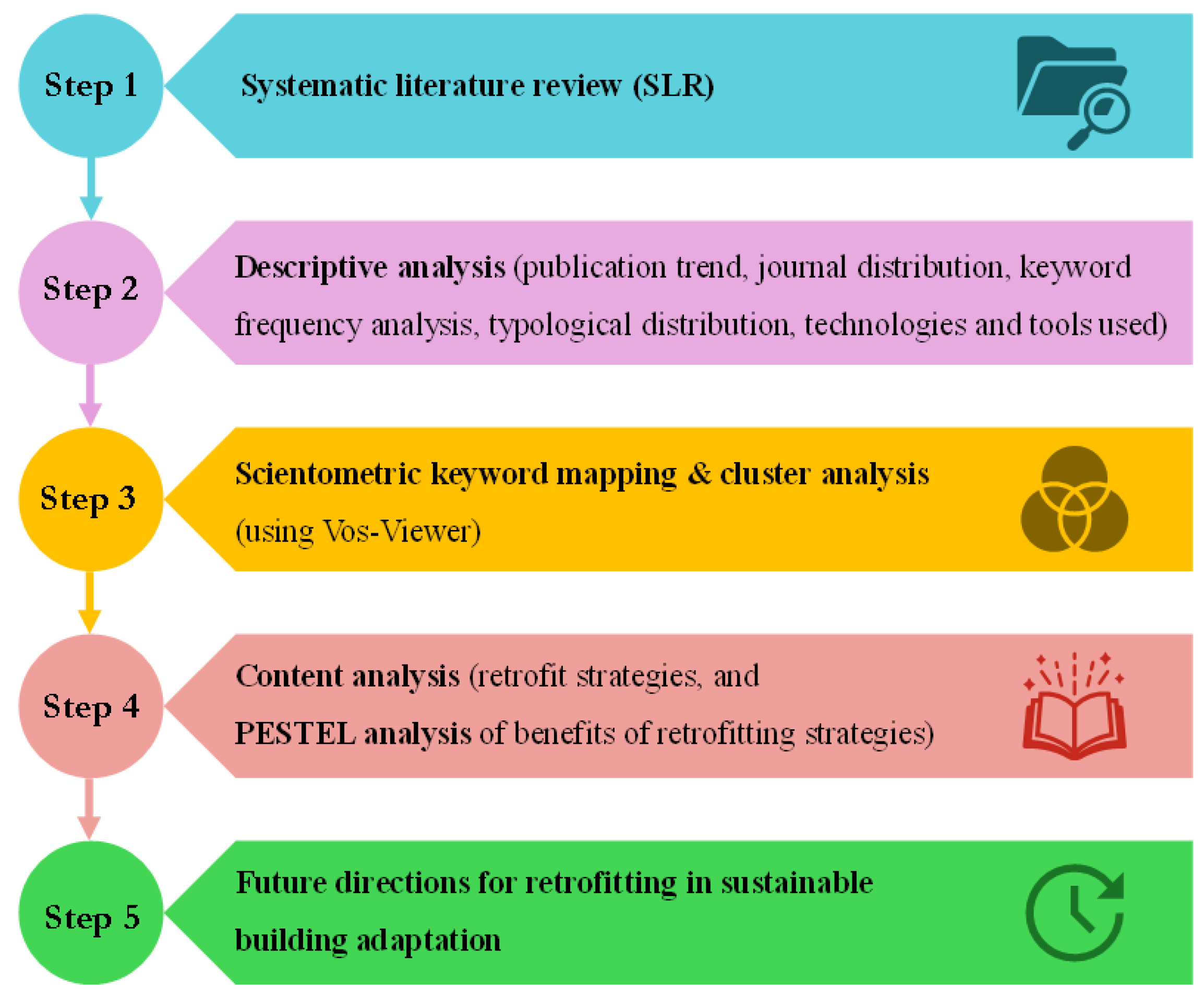
Figure 1. Multi-stage methodological framework for the study.
Buildings 15 04106 g001
Figure 2. Steps of the article retrieval process in the SLR approach.
Buildings 15 04106 g002
Figure 3. Year-wise distribution of retrofitting studies (2015–2025).
Buildings 15 04106 g003
Figure 4. Geographic distribution of the selected studies.
Buildings 15 04106 g004
Figure 5. Journal-wise distribution of retrofitting studies.
Buildings 15 04106 g005
Figure 6. Most frequent keywords in retrofitting research.
Buildings 15 04106 g006
Figure 7. Study type classification of the 97 selected retrofit-related papers.
Buildings 15 04106 g007
Figure 8. Distribution of retrofitting studies by building type.
Buildings 15 04106 g008
Figure 9. Distribution of technology and methodological tools applied in retrofitting studies.
Buildings 15 04106 g009
Figure 10. Scientometric mapping of keywords co-occurrence.
Buildings 15 04106 g010
Figure 11. Main retrofit strategies.
Buildings 15 04106 g011
Figure 12. Benefits of retrofitting categorised by the PESTEL framework.
Buildings 15 04106 g012
Figure 13. Future research directions.
Buildings 15 04106 g013
Table 1. Summary of methodological approaches and strategies in retrofitting research.
SubsectionFocus AreaKey Tools/TechnologiesExample Studies
Digital and simulation-based approachesPerformance simulation, digital modelling, pre-retrofit assessmentBIM, DTs, EnergyPlus, DesignBuilder, AI, Decision support system[19,34,39,45,69,86]
Renewable energy integrationClean energy integration to reduce grid dependenceSolar PV, Heat pumps, Solar thermal, Hybrid systems[36,48,49,63,79,87]
Advanced materials and insulationHigh-efficiency insulation and thermal comfort materialsAerogels, PCMs, VIPs, Smart Glazing[32,35,47,50,71,81]
Disclaimer/Publisher’s Note: The statements, opinions and data contained in all publications are solely those of the individual author(s) and contributor(s) and not of MDPI and/or the editor(s). MDPI and/or the editor(s) disclaim responsibility for any injury to people or property resulting from any ideas, methods, instructions or products referred to in the content.