Article

Assessment of Aerodynamic Properties of the Ventilated Cavity in Curtain Wall Systems Under Varying Climatic and Design Conditions

by
Nurlan Zhangabay
1,*,
Aizhan Zhangabay
2,
Kenzhebek Akmalaiuly
2,
Akmaral Utelbayeva
3,* and
Bolat Duissenbekov
4
1
Department of Architecture and Urban Planning, Mukhtar Auezov South Kazakhstan University, Tauke Khan Av., 5, Shymkent 160012, Kazakhstan
2
Department of Construction and Building Materials, Satbayev University, Satbayev Av., 22, Almaty 050013, Kazakhstan
3
Department of Chemistry, Mukhtar Auezov South Kazakhstan University, Tauke Khan Av., 5, Shymkent 160012, Kazakhstan
4
Department of Industrial Civil and Road Construction, Mukhtar Auezov South Kazakhstan University, Av. Tauke Khan, No. 5, Shymkent 160012, Kazakhstan
*
Authors to whom correspondence should be addressed.
Buildings 2025, 15(15), 2637; https://doi.org/10.3390/buildings15152637
Submission received: 13 June 2025 / Revised: 22 July 2025 / Accepted: 24 July 2025 / Published: 25 July 2025
(This article belongs to the Section Building Energy, Physics, Environment, and Systems)

Abstract

Creating a comfortable microclimate in the premises of buildings is currently becoming one of the priorities in the field of architecture, construction and engineering systems. The increased attention from the scientific community to this topic is due not only to the desire to ensure healthy and favorable conditions for human life but also to the need for the rational use of energy resources. This area is becoming particularly relevant in the context of global challenges related to climate change, rising energy costs and increased environmental requirements. Practice shows that any technical solutions to ensure comfortable temperature, humidity and air exchange in rooms should be closely linked to the concept of energy efficiency. This allows one not only to reduce operating costs but also to significantly reduce greenhouse gas emissions, thereby contributing to sustainable development and environmental safety. In this connection, this study presents a parametric assessment of the influence of climatic and geometric factors on the aerodynamic characteristics of the air cavity, which affect the heat exchange process in the ventilated layer of curtain wall systems. The assessment was carried out using a combined analytical calculation method that provides averaged thermophysical parameters, such as mean air velocity ( V s ), average internal surface temperature ( t i n . s a v ), and convective heat transfer coefficient ( α s ) within the air cavity. This study resulted in empirical average values, demonstrating that the air velocity within the cavity significantly depends on atmospheric pressure and façade height difference. For instance, a 10-fold increase in façade height leads to a 4.4-fold increase in air velocity. Furthermore, a three-fold variation in local resistance coefficients results in up to a two-fold change in airflow velocity. The cavity thickness, depending on atmospheric pressure, was also found to affect airflow velocity by up to 25%. Similar patterns were observed under ambient temperatures of +20 °C, +30 °C, and +40 °C. The analysis confirmed that airflow velocity is directly affected by cavity height, while the impact of solar radiation is negligible. However, based on the outcomes of the analytical model, it was concluded that the method does not adequately account for the effects of solar radiation and vertical temperature gradients on airflow within ventilated façades. This highlights the need for further full-scale experimental investigations under hot climate conditions in South Kazakhstan. The findings are expected to be applicable internationally to regions with comparable climatic characteristics. Ultimately, a correct understanding of thermophysical processes in such structures will support the advancement of trends such as Lightweight Design, Functionally Graded Design, and Value Engineering in the development of curtain wall systems, through the optimized selection of façade configurations, accounting for temperature loads under specific climatic and design conditions.

1. Introduction

In recent years, increasing attention has been devoted by researchers to the issue of achieving comfortable indoor climates in buildings. The relevance of this area of research stems from the fact that all measures aimed at creating a favorable indoor environment are closely linked to energy efficiency [1,2], which, in turn, affects environmental sustainability [3]. To this end, various innovative solutions are being explored by scientists and engineers, ranging from relatively simple approaches [4,5,6] to advanced methods involving various forms of artificial intelligence [7,8]. Among these, particular interest has been directed toward studies on double-skin ventilated façade systems, where the presence of an air cavity within the multilayered structure provides a range of advantages under different climatic conditions, both hot and cold. However, due to the multitude of factors influencing heat transfer in such multilayered structures with air cavities, the results obtained by different researchers do not always converge in their conclusions [9]. The reason for the existing disagreements may be various design features, the material used, assessment methods, as well as external climatic parameters, which can also include solar radiation and the barometric (atmospheric) pressure of the area [9,10,11]. Taking into account all the features affecting heat exchange in buildings with hinged façade systems, various scientific tasks were solved by various scientists due to the urgency of the problem arising in the territory of the study. However, despite a significant amount of research, a number of issues remain unresolved, such as the quantification of the influence of variable climatic factors on the dynamics of airflow in the interlayer; the influence of the geometry and size of ventilation slots on the overall thermal efficiency of the façade; integration of the data obtained into unified calculation models applicable to conditions of different climatic zones. Comprehensive research is also needed, combining field tests with numerical modeling, which will make it possible to form scientifically sound recommendations for the design of energy-efficient hinged façades, taking into account regional specifics. According to scientometric databases such as Scopus and the Web of Science [9,12], façade systems, in particular hinged ventilated structures, have been the subject of sustained interest from the scientific and technical community over the past few decades. This is reflected in the regular increase in the number of publications devoted to improving energy efficiency, the thermohydrodynamics of the air layer, the use of new cladding and thermal insulation materials, as well as the development of methods for calculating and modeling heat transfer under real climatic conditions. Thus, an integrated scientific approach to the study of façade systems remains not only in demand but also an extremely relevant area of engineering and architectural research. This is due to the fact that in the international scientific agenda, the issue of hinged façade systems (SFSs) has maintained a high priority since the beginning of the 21st century, when active research of their design parameters began [13,14,15]. Since then, the thematic field has expanded significantly, in particular by studying the processes of natural and forced (mechanical) ventilation in façade structures [16,17], as well as thermodynamic processes in air layers that occur under the influence of variable climatic factors [17,18,19,20].
Given the current global challenges, such as climate change, rising annual average temperatures, and rising energy costs for cooling buildings, this area of research is gaining strategic importance. Research aimed at improving façade solutions, especially in hot climates, is becoming an essential element of scientific and applied initiatives in the field of sustainable development. The development and optimization of ventilated façades can significantly reduce the thermal load on the building and reduce energy consumption for air conditioning, thereby reducing greenhouse gas emissions.
In addition, such systems contribute to creating a more comfortable and stable indoor environment in buildings, which improves the quality of life and work productivity of users. This is fully consistent with the principles of sustainable design and the adaptation of buildings to extreme climatic conditions. With this in mind, it is safe to say that research in the field of façade systems combining architectural expressiveness, energy efficiency and climate adaptability will retain its scientific and practical significance for a long time to come.
Based on the above analysis of the literature reviews, the relevance of this research topic is beyond doubt. Accordingly, the following section presents recent studies from the past few decades on ventilated façade systems, as identified in the aforementioned reviews. Table 1 summarizes scientific studies that investigated the influence of climatic and geometric parameters on heat transfer processes, along with their relevance to the present research.
Analyzing the current scientific agenda and identified gaps in international research, the authors formulate an urgent scientific and practical task related to the development of effective approaches to energy conservation in buildings operated in hot climates. Despite the existence of an extensive body of work devoted to the thermophysical characteristics of enclosing structures, a number of them do not thoroughly consider the influence of climatic factors such as solar radiation, barometric pressure and their relationship with the aerodynamic parameters of the air layer in hinged façade systems [36,37,38].
Also, in the process of analyzing the effect of solar radiation on the aerodynamic parameters of the air layer in the hinged façade systems, important observations were identified that contributed to clarifying the scientific problem and identifying existing gaps in the research field.
Firstly, during heat transfer in ventilated façades, the effect of direct and diffuse solar radiation on the formation of airflow in the ventilation layer has not yet been sufficiently studied. Most existing models either simplify the effects of solar radiation, considering it uniform across the façade, or do not take into account its dynamics over time (for example, daily and seasonal fluctuations), which can significantly distort the results of assessing the air exchange and thermal behavior of the system.
Secondly, there is a lack of experimental data confirming CFD modeling or analytical calculations, especially in a real climate and taking into account the design features of specific types of façades (material type, color, cladding thickness, gap geometry, etc.).
Also, in the course of this study, it was noted that existing methods for measuring aerodynamic characteristics in the air layer often do not take into account variations caused by insolation. Thus, the speed and direction of airflows can vary significantly during the day, depending on the intensity of solar radiation, heating of the cladding, and changes in the temperature gradient between the outside air and the wall surface. These factors have a direct impact on the amount and direction of natural ventilation in the gap.
In this regard, the main purpose of this study is to develop a scientifically based methodology for assessing the influence of climatic factors, primarily solar radiation and atmospheric pressure, on heat transfer processes in the multilayer exterior fences of buildings. This goal is expected to be achieved through comprehensive experimental and analytical studies, including field tests, modeling of the airflow in the façade layer and validation of computational models. This work is one of the key parts of a broader scientific project aimed at improving the energy efficiency of buildings in regions with extremely high solar radiation.
The hypothesis of this study is as follows: a correct assessment of the aerodynamic parameters in the air layer of the curtain façade, taking into account the influence of solar radiation and barometric pressure, can significantly improve the accuracy of calculations of heat flows, which, in turn, helps reduce energy losses in the building. The implementation of this hypothesis is capable of saving energy resources and, as a result, reducing the level of anthropogenic impacts on the environment, which corresponds to the global goals of sustainable development.

2. Materials and Methods

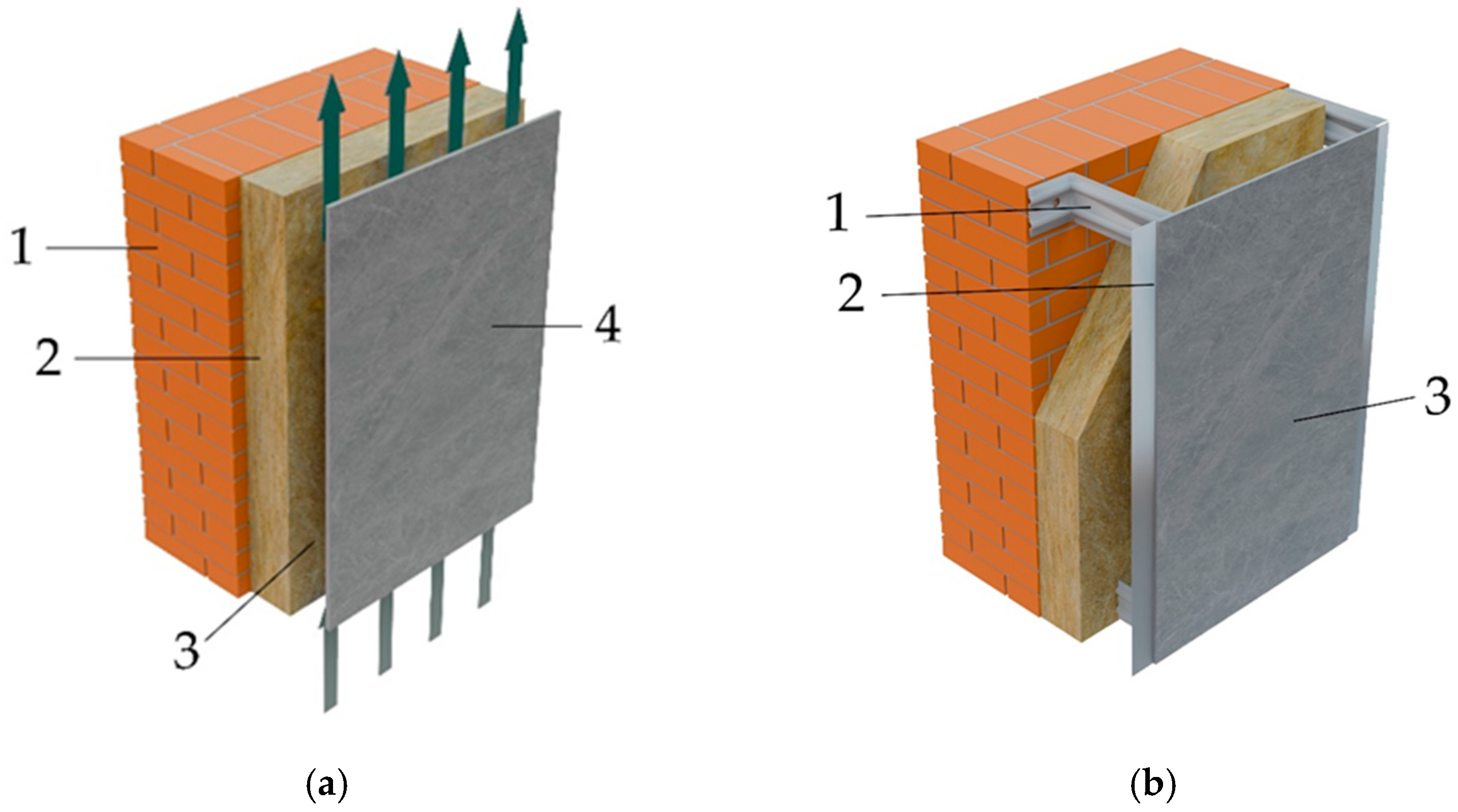
In this study, a continuous double-skin ventilated façade system without horizontal joints was considered as the external enclosure. The primary openings for airflow were located at the inlet and outlet of the air cavity. A schematic representation of the ventilated façade configuration is shown in Figure 1. The key climatic parameters used in the analysis were selected based on regions located within the territory of the Republic of Kazakhstan. As a priority focus, this study concentrated on areas characterized by hot summers and relatively short winters, corresponding to Climate Zone IV [39,40]. To address this objective, the ambient temperature range was set from +10 °C to +40 °C, with increments of +10 °C. For simplification, the initial surface temperature values were assumed, with subsequent refinement performed using an iterative calculation method. Additionally, the influence of climatic factors included the variation in atmospheric pressure within the range of 600 to 1000 mmHg, which is typical for the studied region. The façade height was evaluated across a range from 6 to 60 m. Air density was defined based on the combination of ambient temperature and atmospheric pressure. The radiant solar energy incident on the vertical surface of the façade system was assumed to be 800 W/m2. The primary variable assessment scenarios are presented in Table 2.
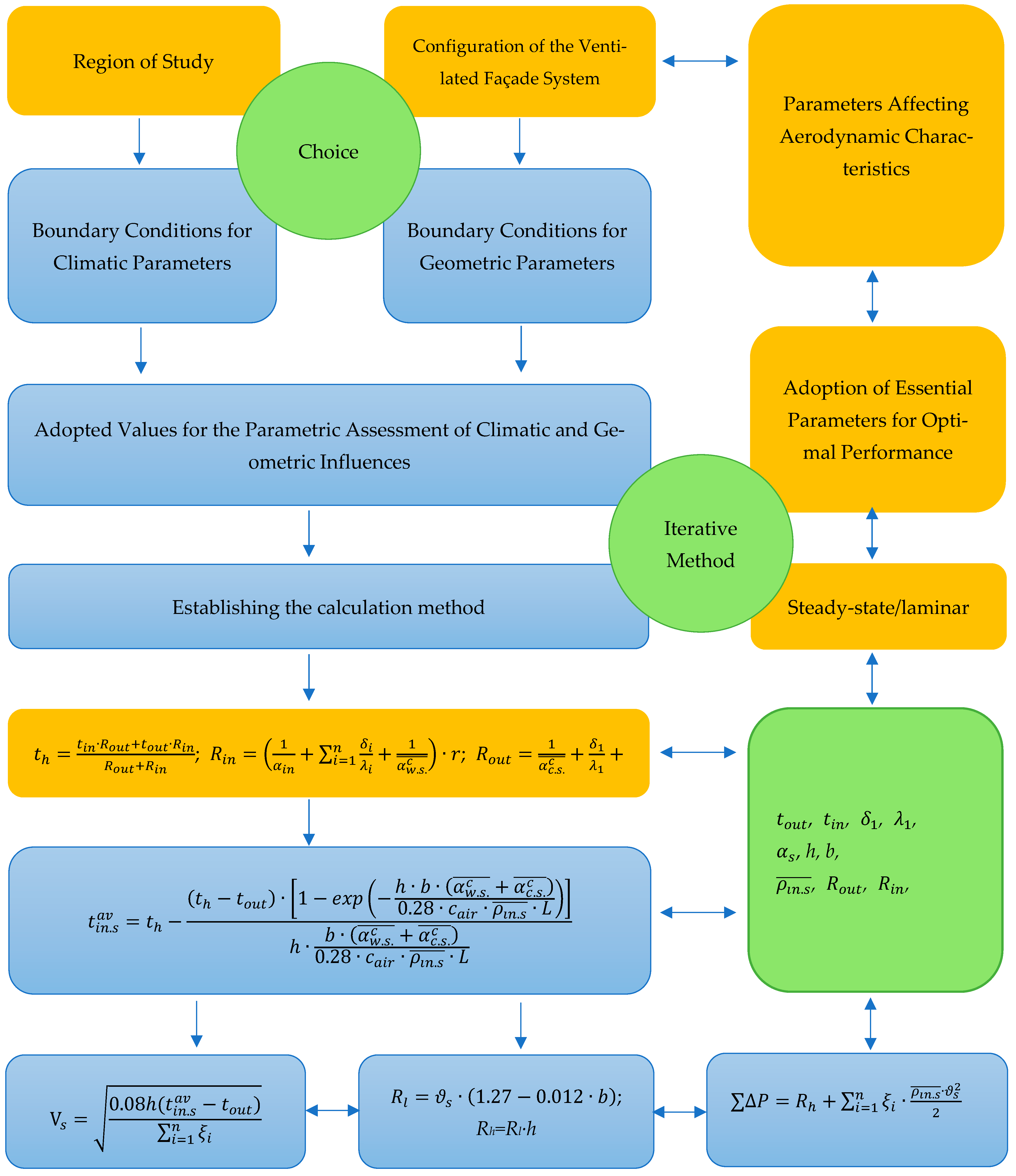
Figure 2 presents the methodology, based on references [40,41], in the form of an algorithm for evaluating the influence of geometric and climatic parameters on the aerodynamic characteristics within the ventilated air cavity of the façade system under hot climate conditions. The key parameters used in the assessment were selected in accordance with those listed in Table 2.
When assessing the influence of climatic and geometric parameters on the aerodynamic characteristics of the air cavity, the region and the structural type of the ventilated façade system with an air cavity are first determined in accordance with the presented assessment algorithm. These parameters directly affect the aerodynamic characteristics under evaluation. Selecting the aforementioned parameters allows for the correct definition of boundary conditions for the relevant indicators. Subsequently, using several calculation methods described in [40,41], and analyzing the required parameters, an iterative method is applied to obtain accurate average values under the assumption of laminar airflow in the cavity and steady-state heat transfer. Within the iterative process, the average air temperature in the cavity ( t i n . s a v ), the airflow velocity ( ϑ s ), and the convective heat transfer coefficient in the air cavity ( α s ) are determined. The assessment may involve several iterative steps until the difference between airflow velocities in successive iterations is less than 1–5%. During the iteration process, it is also possible to update necessary parameters ( t o u t , t i n , δ 1 , λ 1 , α s ,h,b ρ i n . s ¯ , R o u t , R i n ) to achieve optimally significant values. Once the required values are obtained according to the assessment algorithm, the pressure loss during air movement in the cavity ( P ) can be determined, which, according to the methodology, directly depends on the airflow velocity within the air cavity.

3. Results and Discussion

According to the calculation methodology presented in Figure 2, an analysis was conducted to evaluate the influence of the following parameters of the ventilated façade system with an air cavity on aerodynamic coefficients: the height and width of the air cavity, the temperature of the outdoor air (under hot climate conditions), atmospheric pressure, air density, and the local resistance coefficients within the cavity. Based on the parametric assessment of climatic and geometric factors affecting the aerodynamic characteristics of the air cavity, an extensive evaluation was performed. The complete dataset is presented in Appendix A of this study, with full details provided for the case of +10 °C. The evaluations for other temperature levels (+20 °C, +30 °C, and +40 °C) were conducted in the same manner. To provide a general understanding of the results, the authors further analyzed the effect of various parameters on the air velocity within the cavity. This analysis yielded only averaged values, which are intended to guide future experimental investigations on the influence of solar radiation and atmospheric pressure on the thermophysical behavior occurring within the air cavity under hot climatic conditions.
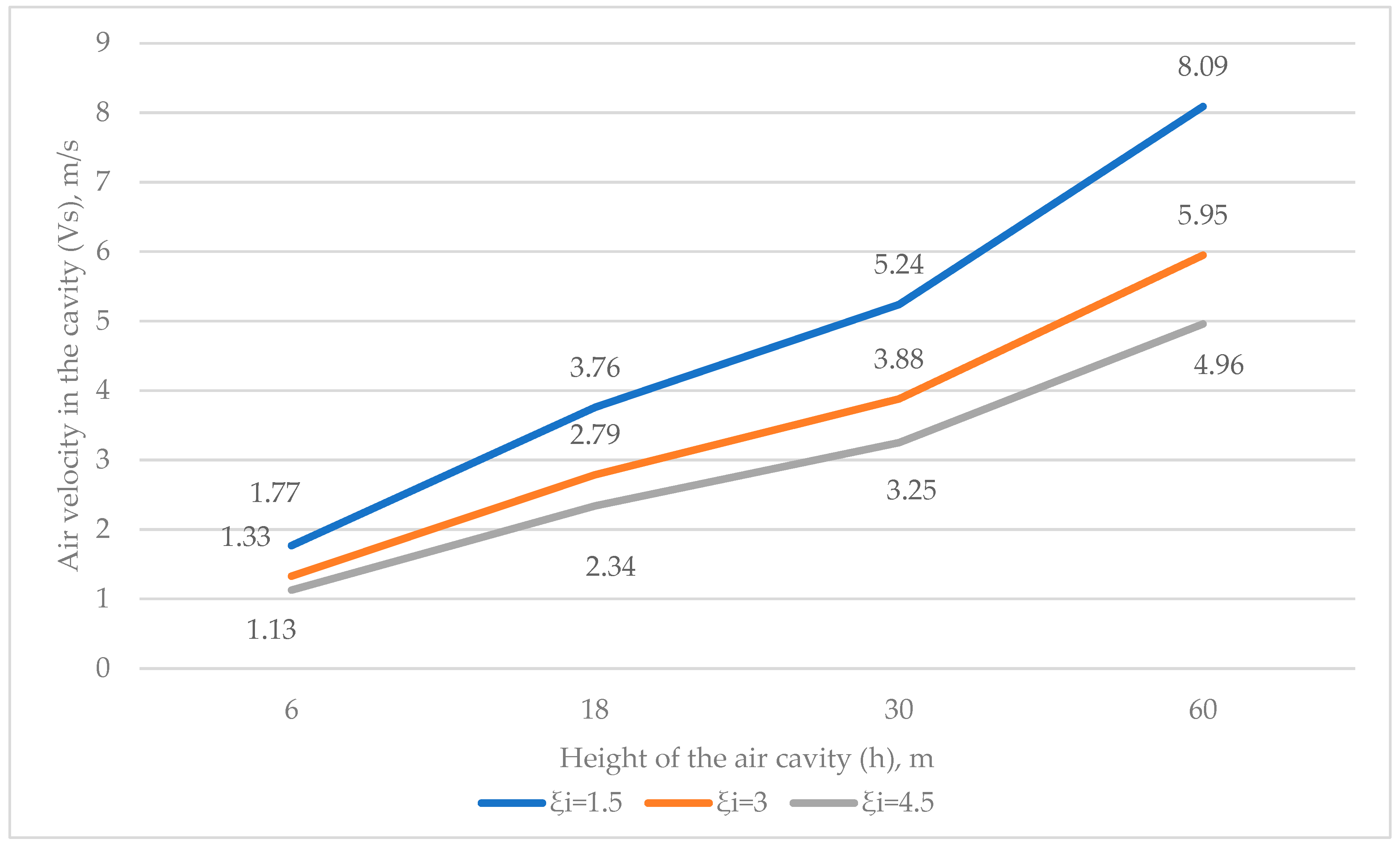
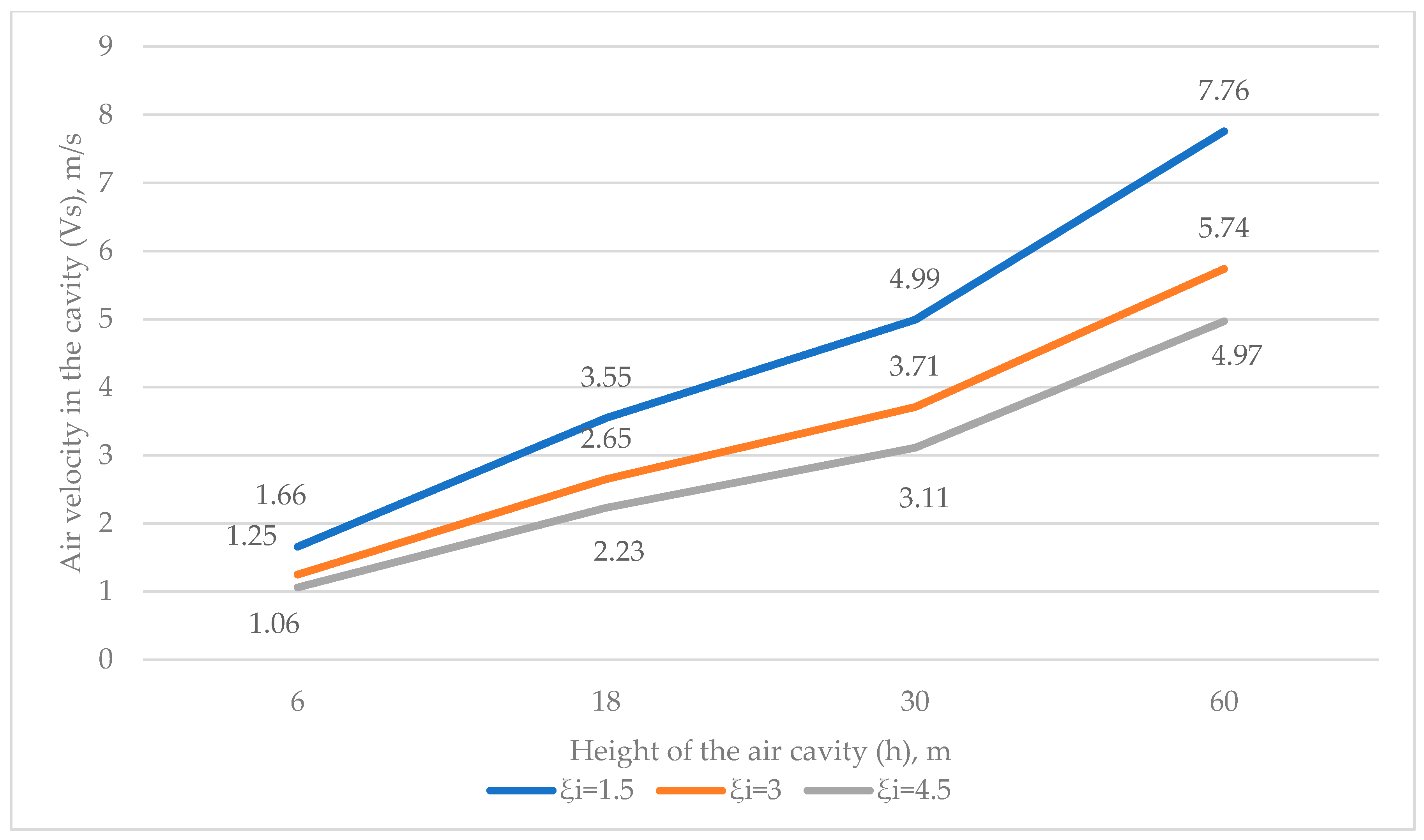
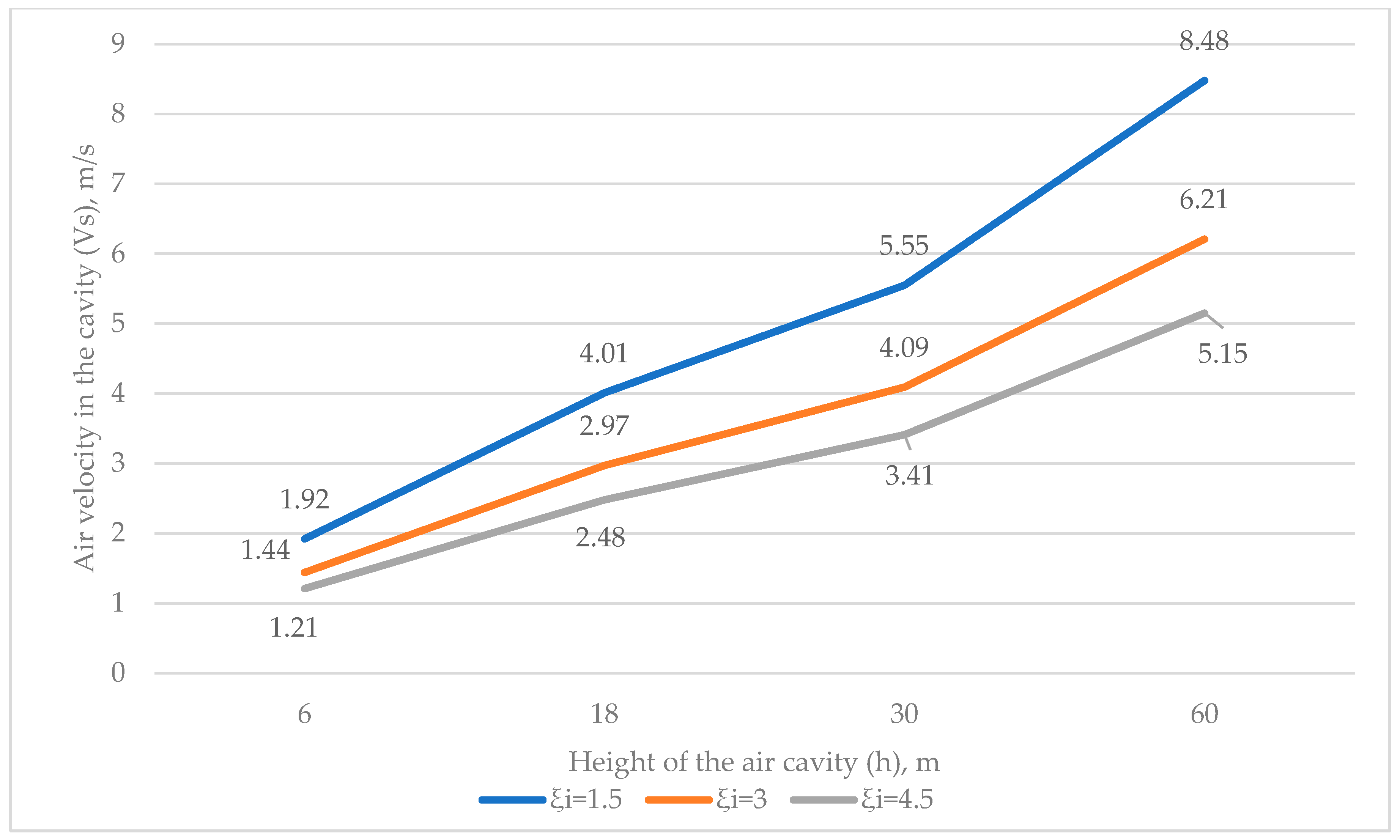
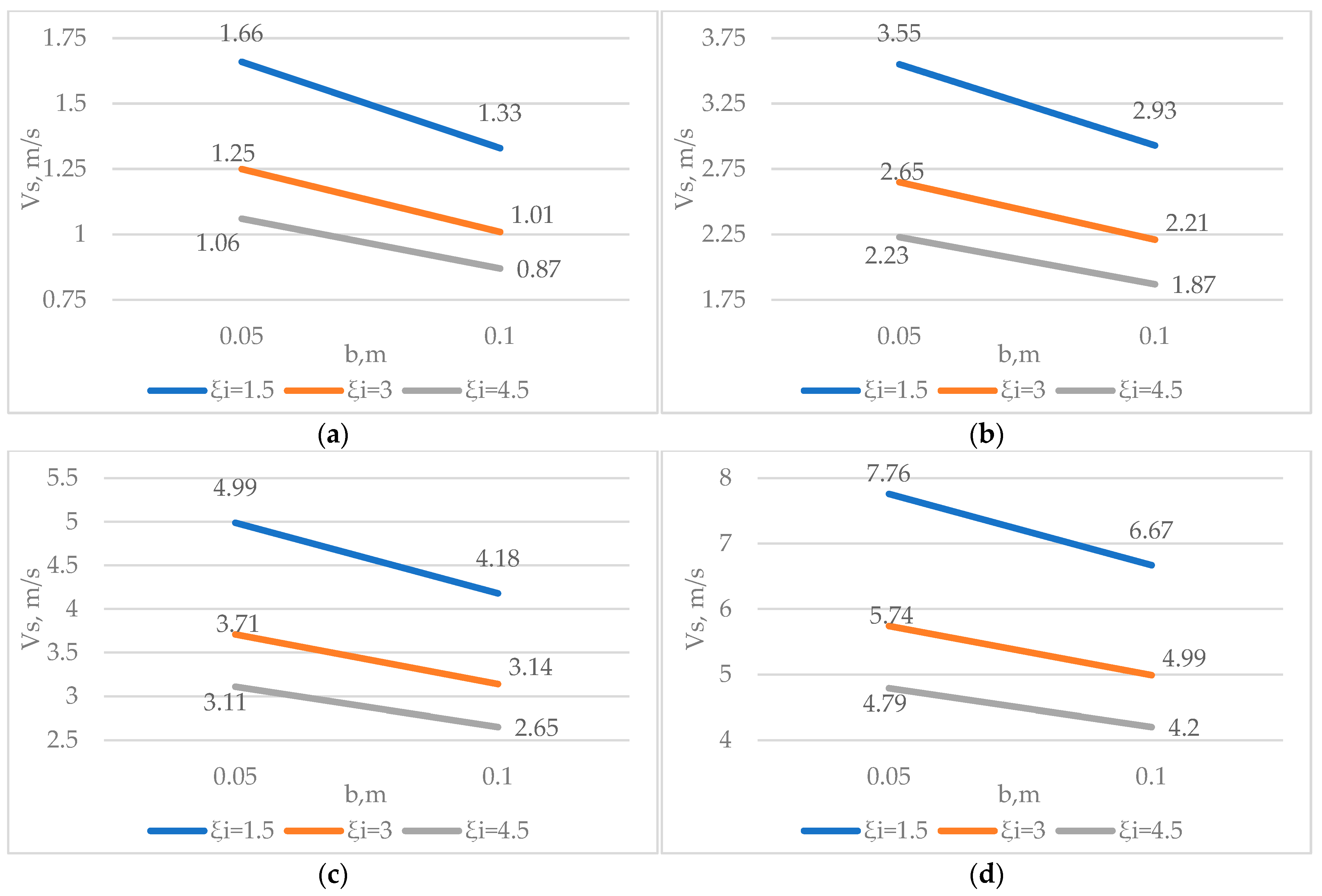
Thus, Figure 3, Figure 4, Figure 5, Figure 6, Figure 7, Figure 8, Figure 9 and Figure 10 present the results of the assessment of climatic and geometric parameters on the aerodynamic characteristics within the air cavity. Specifically, Figure 3, Figure 4 and Figure 5 illustrate the influence of air density at a constant air temperature of +10 °C and varying atmospheric pressure, accounting for different values of local resistance coefficients, on the airflow velocity in the ventilated air cavity at different cavity heights.
The conducted parametric assessment of climatic and geometric parameters on the aerodynamic characteristics of the air cavity demonstrates the significance of these parameters in the heat exchange processes of exterior enclosures with ventilated air cavities in curtain wall systems. The results of evaluating the influence of air density ( ρ i n . s ¯ ) in the cavity, under varying atmospheric pressures (P) and local resistance coefficients (ξi), as well as cavity thickness, presented in Figure 3, Figure 4 and Figure 5, indicate that the average air velocity in the cavity at an atmospheric pressure of 600 mmHg and varying façade heights shows a noticeable difference. Specifically, when the height of the ventilated air cavity increases ten-fold—from 6 m to 60 m—the average air velocity increases by a factor of 4.4. With a three-fold increase in cavity height, the average air velocity increases by a factor of 2 to 2.9 (Figure 3). Similar effects of cavity height on average air velocity are observed at atmospheric pressures of 800 and 1000 mmHg (Figure 4 and Figure 5). Furthermore, analysis of Figure 3, Figure 4 and Figure 5 shows that an increase in atmospheric pressure from 600 to 1000 mmHg, under constant temperature and local resistance coefficient, results in a reduction in average air velocity in the cavity by approximately 8% to 15.6%. The value of the local resistance coefficient also has a significant impact on average air velocity: when ξᵢ increases from 1.5 to 4.5, the average air velocity decreases by approximately half, depending on the height of the ventilated façade.
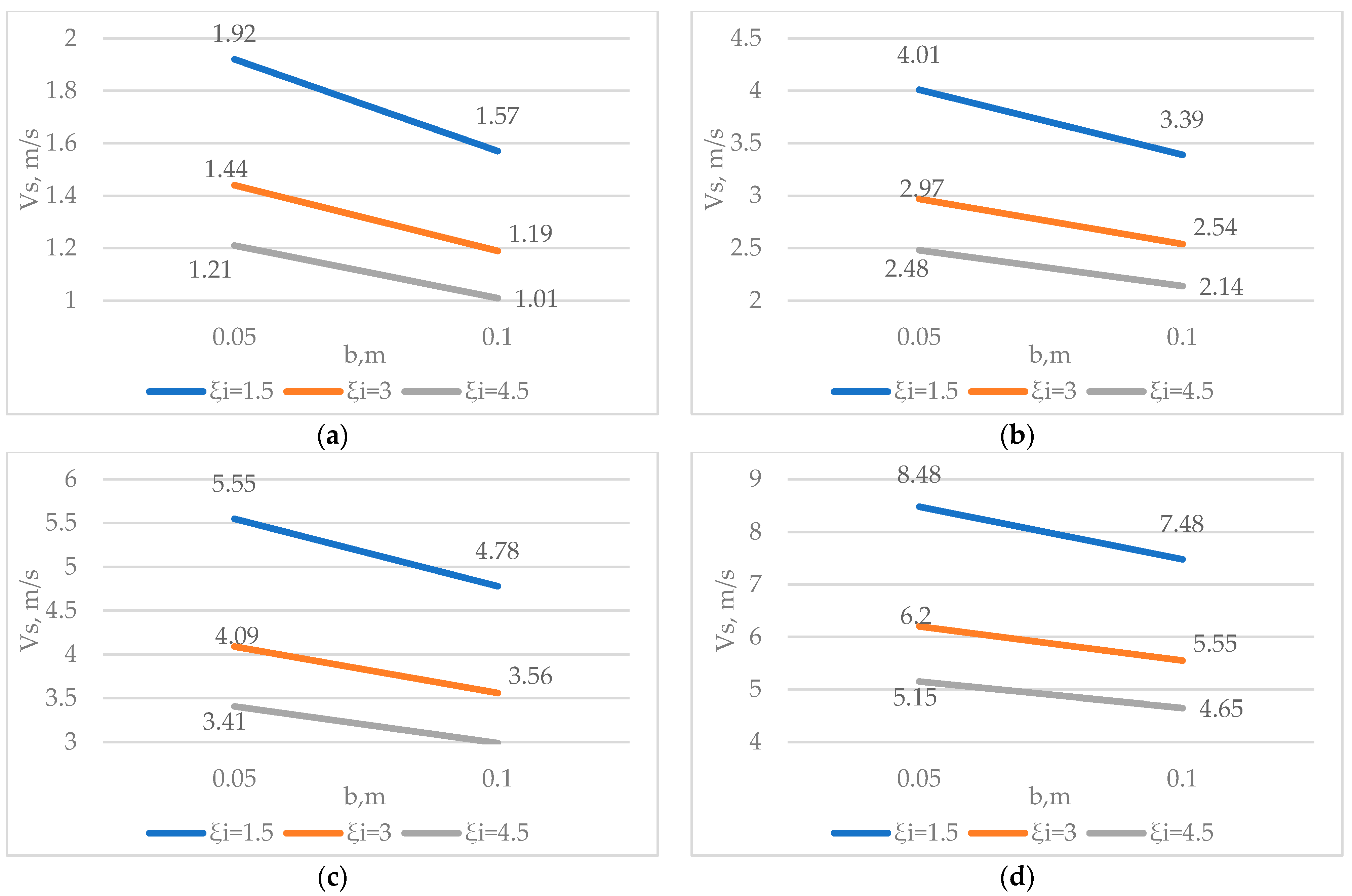
Figure 6 presents the results of the assessment of air density’s influence in the cavity at an ambient temperature of +10 °C and various atmospheric pressures, considering different values of local resistance coefficients, on the air velocity in the ventilated cavity at different cavity thicknesses.
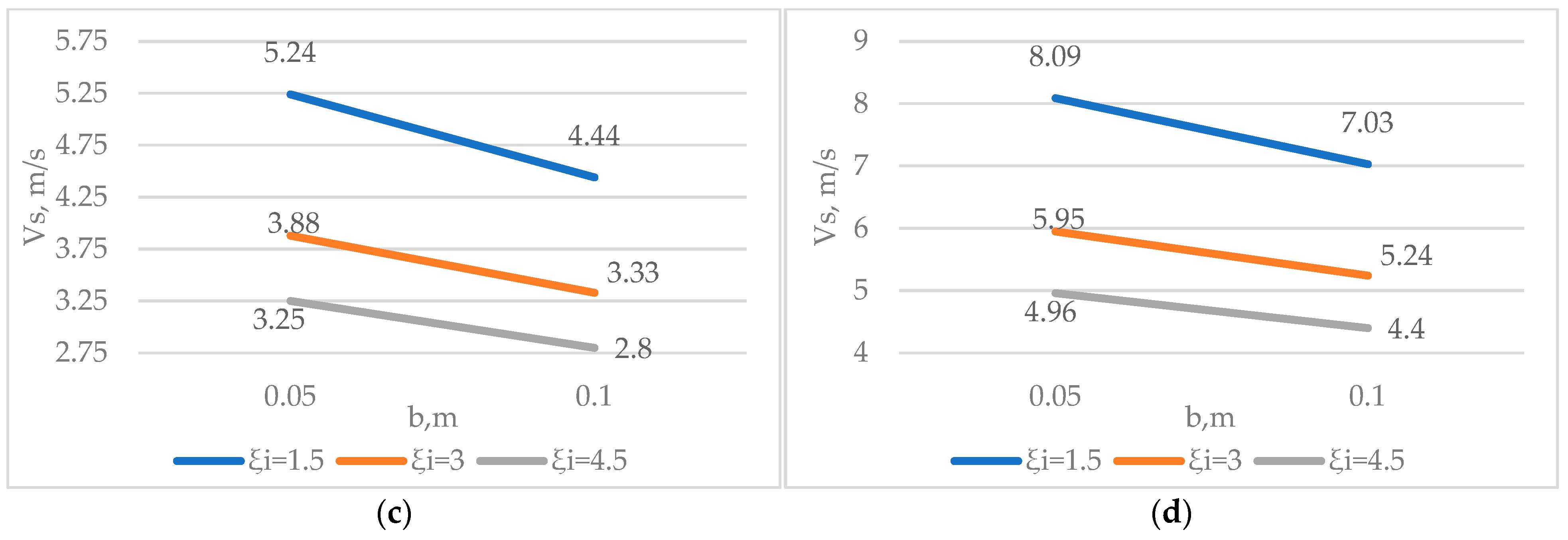
Figure 4, Figure 5 and Figure 6 demonstrate that cavity thickness also significantly affects the average air velocity in the ventilated façade cavity. For instance, when the cavity thickness increases from 0.05 m to 0.1 m—at a constant ambient temperature of +10 °C and varying façade heights (6–60 m) and atmospheric pressures (600–1000 mmHg)—the average air velocity decreases by up to 25%, depending on external climatic parameters and façade height. With changes in cavity thickness, the influence of the local resistance coefficient reduces the average air velocity by up to 1.25-times, similar to the effect observed when varying the façade height (Figure 4, Figure 5 and Figure 6). Comparable trends were also observed for ambient temperatures of +20 °C, +30 °C, and +40 °C.
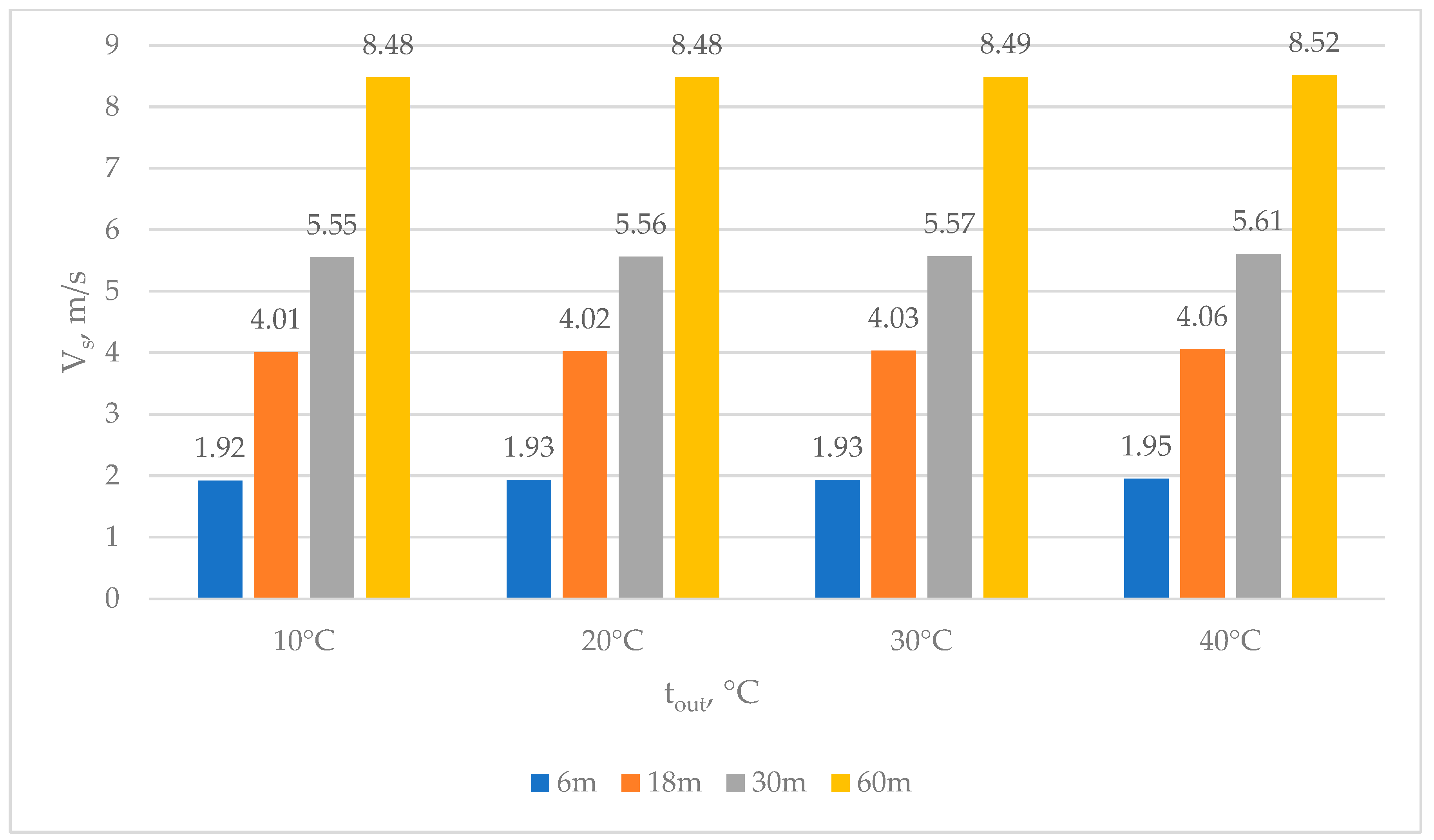
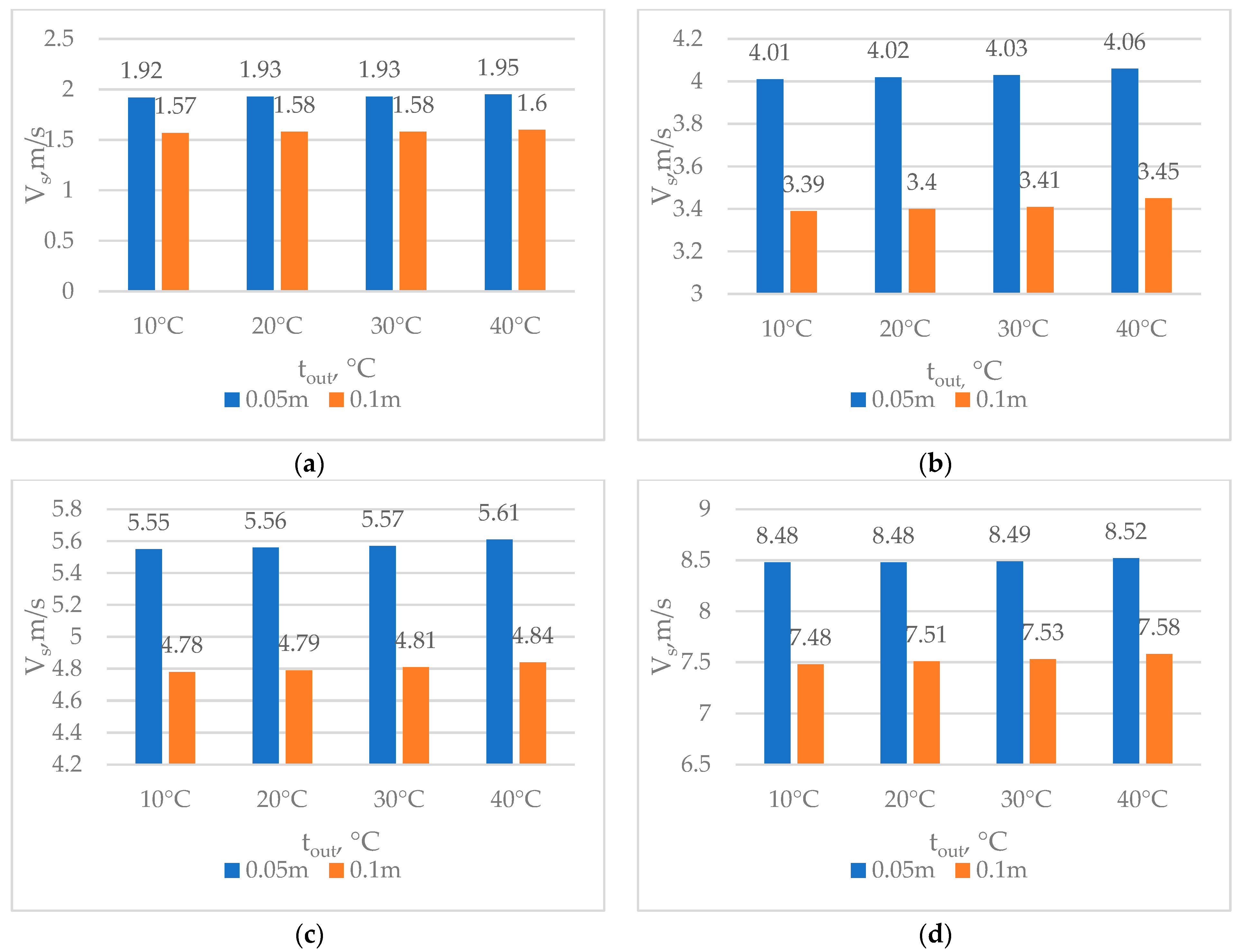
The analysis of the effect of temperature and cavity height on average air velocity (Figure 7) shows that higher façades result in higher average velocities—up to 4.4-times greater. However, temperature itself has only a minor impact, contributing to velocity changes of around 1.5%. Similarly, as seen in Figure 8, while cavity width substantially influences air velocity, the effect of temperature remains minor—within 1%. It is important to note that changes in cavity height and thickness physically cannot produce a uniform air velocity throughout the façade height, from inlet to outlet, as illustrated in Figure 7 and Figure 8 [42,43,44,45]. Moreover, the presented assessment does not account for the vertical temperature gradient.
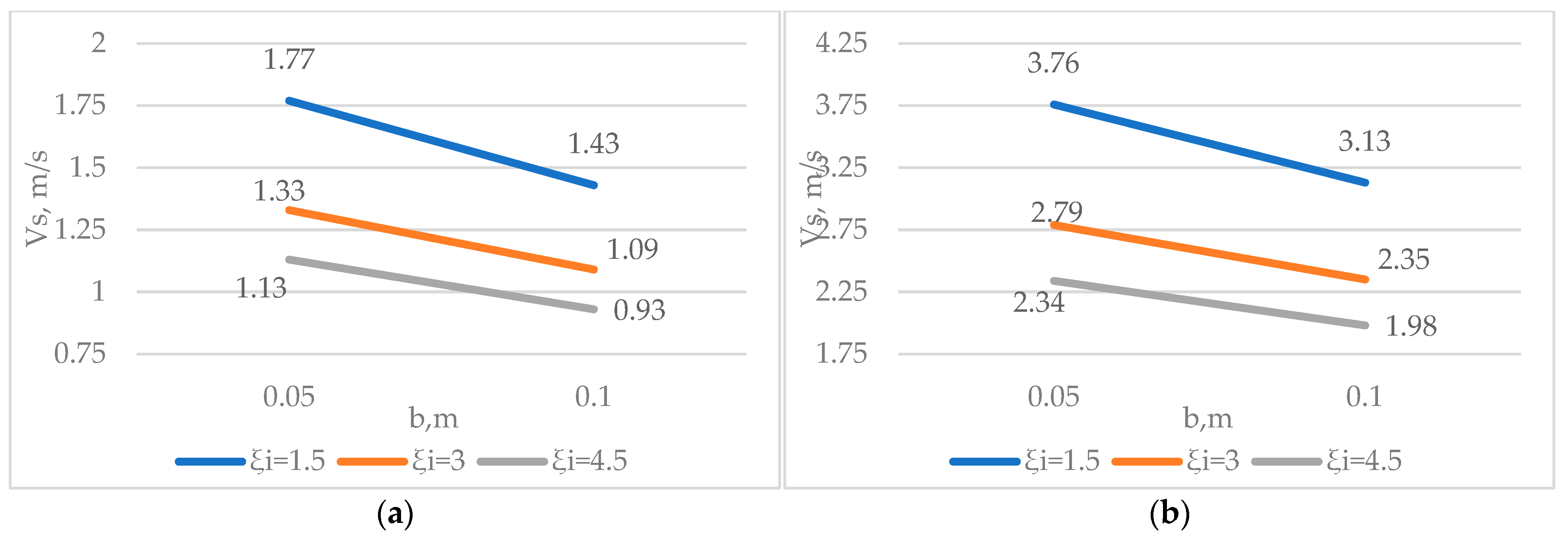
Figure 9 and Figure 10 present the results of the assessment of the influence of air temperature in the cavity, ranging from +10 °C to +40 °C, under atmospheric pressure and with a local resistance coefficient of ξᵢ = 1.5, for different cavity heights and thicknesses.
According to [10,46], as façade height increases, the cladding surface temperature rises due to solar radiation, which is not considered in the current methodology (Figure 2) and represents a limitation of the present study. Another limitation is the omission of the influence of horizontal joints in the ventilated cladding system and wind loads, which significantly affect the dynamics of the airflow in the ventilated cavity of the façade, changing the direction, speed and structure of air movement. Gusts of wind can both enhance natural draft and cause recirculation or backflows, disrupting the stability of ventilation. In future models, this influence should be taken into account through the input of external aerodynamic boundary conditions, the use of wind velocity data and CFD modeling, which will allow for a more accurate assessment of the thermal efficiency of façade systems in real climatic conditions.
Therefore, despite the high degree of development of numerical methods and analytical modeling in the field of building heat engineering, modeling the processes occurring in ventilated façade systems remains an extremely difficult task. This is due to the presence of simultaneous nonlinear factors, including the intensity of solar radiation, changes in the angle of incidence of rays during the day, variable environmental conditions (temperature, wind, humidity), as well as the complex geometry of the façade and the features of the air layer (height, width, presence of obstacles, the shape of the intake/exhaust openings).
The analytical model developed to evaluate the thermophysical behavior of a ventilated façade is based on a number of assumptions (for example, uniform temperature distribution, steady-state flow, ideal thermal contacts, etc.). However, in real conditions, these simplifications may not correspond to reality, especially in hot climates, where solar radiation has a significant effect on temperature gradients and the launch of natural convection.
Thus, experimental verification of the analytical models in real-world climate conditions (for example, in the southern regions of Kazakhstan with intense insolation) is an integral part of the scientific approach and allows for high engineering reliability and practical applicability of the developed solutions for ventilated façades, which will be evaluated in subsequent works by the authors as validation of the theoretical and field experimental values, since reliable estimates of the influence of flow velocity will favorably affect the correct assessment of the thermal stability of the exterior fence, taking into account the height of the building, and will enable the development of trends in Lightweight Design, Functionally Graded Design, and Value Engineering [47,48] in the field of the construction of hinged façade systems through the selection of the construction of an external fence with a ventilated interlayer, taking into account temperature loads, depending on the climatic and structural parameters of the building.

4. Conclusions

This study presents the results of an assessment of the influence of climatic and geometric parameters on the aerodynamic characteristics of the air cavity, carried out using a combined analytical calculation method based on an iterative approximation of the average air temperature ( t i n . s a v ) and airflow velocity ( V s ) within the cavity under steady-state conditions, without accounting for the effects of external wind loads. Based on the obtained data, it was found that at a constant atmospheric pressure of 600 mmHg, variations in façade height result in a significant difference in average air velocity; specifically, a 10-fold increase in the cavity height leads to a 4.4-fold increase in airflow velocity. It was also established that a three-fold change in the local resistance coefficient leads to a two-fold change in airflow velocity. Furthermore, cavity thickness and atmospheric pressure (ranging from 600 to 1000 mmHg) also exert a notable influence on the average airflow velocity in the ventilated cavity—by up to 25%. This directly affects the pressure loss (∑∆P) during air movement within the cavity. Similar trends were observed under ambient temperatures of +20 °C, +30 °C, and +40 °C. The assessment further confirmed that average air velocity is primarily dependent on the cavity height, while the effect of solar radiation is relatively minor. Considering the results obtained through the combined analytical approach, it can be concluded that the presented methodology does not adequately account for the influence of solar radiation and the vertical temperature gradient along the façade height on the airflow velocity in ventilated façade systems. This underscores the necessity for further full-scale experimental investigations under hot climate conditions in South Kazakhstan. The findings are also relevant on a broader international scale, particularly for regions with similar climatic characteristics. Moreover, the results of this study may serve as a foundational dataset for future full-scale experimental research by the authors, ultimately contributing to a more accurate evaluation of the thermal stability of ventilated façade systems across the full height of buildings. However, based on the research conducted, it is possible to recommend that specialists in hot climates design façades with effective ventilation of the air gap, minimize thermal bridges, use light and low-heat cladding materials, and orient façades based on the course of the sun to reduce overheating. This will increase the energy efficiency of buildings and reduce the load on cooling systems.

Author Contributions

Conceptualization, N.Z. and A.Z.; methodology, N.Z. and A.Z.; investigation, N.Z., A.U. and K.A.; data curation, N.Z. and A.Z.; writing—original draft preparation, N.Z., A.Z. and A.U.; writing—review and editing, N.Z., A.U., B.D. and A.Z.; supervision, N.Z., K.A., B.D. and A.Z.; project administration, N.Z.; funding acquisition, N.Z. All authors have read and agreed to the published version of the manuscript.

Funding

This research is funded by the Science Committee of the Ministry of Science and Higher Education of the Republic of Kazakhstan (Grant No. AP23486892).

Data Availability Statement

The original contributions presented in the study are included in the article. Further inquiries can be directed to the corresponding authors.

Conflicts of Interest

The authors declare no conflicts of interest.

Nomenclature

t i n . s a v Average air cavity temperature, °C
t o u t Outdoor temperature, °C
t i n Indoor temperature, °C
t c l Cladding surface temperature, °C
α o u t External surface heat transfer coefficient
α i n Internal surface heat transfer coefficient
α s Air cavity heat transfer coefficient
δ 1 Cladding thickness, m
λ 1 Thermal conductivity of external cladding, Vt/(m·°C)
α c . s . ¯ Overall heat transfer coefficient, Vt/(m2·°C)
α w . s . c ¯ Approximate external surface heat transfer coefficient, Vt/(m2·°C)
α c . s . c ¯ Approximate internal surface heat transfer coefficient, Vt/(m2·°C)
c a i r Specific heat capacity of air, J/(kg·K)
ρ i n . s ¯ Air density, kg/m3
R o u t Thermal resistance of the external part of the assembly, m2·°C/Vt
R i n Thermal resistance of the internal part of the assembly, m2·°C/Vt
ϑ s Air velocity in the cavity, m/s
R h Frictional pressure loss along the cavity height, Pa
R l Specific friction loss at the given airflow velocity in the cavity, Pa/m
hAir cavity height, m
bAir cavity thickness, m
P Pressure loss during air movement in the cavity, Pa
PAtmospheric pressure, mmHg
ξiLocal resistance coefficient

Appendix A

At Various Façade Heights (h), mAt Various Air Cavity Thicknesses (b), mAt Ambient Outdoor Air Temperature ( t o u t ) , °CAt Atmospheric Pressure (P), mmHgAir Density ( ρ i n . s ¯ ) , kg/m3At local Resistance Coefficient (ξi) R i n / R o u t , m2·°C/VtHeat Transfer Coefficient of the Air Cavity ( α s ) Average Air Temperature in the Cavity ( t i n . s a v ) , °CCladding Surface Temperature ( t c l ) , °CAir Velocity in the Cavity ( V s ) , m/sTotal Pressure Loss During Air Movement in the Cavity ( P ) , Pa
60.05106000.9851.52.25/0.1811.9821.5536.831.9217.347
3.010.1822.9438.081.4414.031
4.59.3223.8138.741.2112.461
8001.3131.511.4319.8236.501.7716.566
3.09.7721.1137.721.3313.614
4.59.0121.9238.361.1312.379
10001.6411.511.0118.6136.311.6616.035
3.09.4719.7937.501.2513.367
4.58.7520.5638.111.0612.222
0.16000.9851.510.6717.6936.201.5713.773
3.09.2218.8037.351.1911.151
4.58.5519.5337.941.019.9500
8001.3131.510.1516.4236.101.4312.900
3.08.8517.4037.181.0910.638
4.58.2418.0437.730.939.6350
10001.6411.59.7715.5536.071.3312.302
3.08.5716.4337.091.0110.199
4.58.0217.0237.610.879.4180
180.05106000.9851.518.8726.7636.664.01103.50
3.015.6128.3638.142.9780.895
4.513.9829.2838.922.4870.297
8001.3131.518.1124.6935.943.7699.835
3.015.0326.2637.462.7979.080
4.513.4927.1738.272.3469.643
10001.6411.517.4823.1635.453.5596.625
3.014.5624.6636.982.6577.836
4.513.0925.5537.812.2369.315
0.16000.9851.516.9621.9635.103.3985.912
3.014.1523.4036.632.5467.542
4.512.7524.2537.462.1459.024
8001.3131.516.1320.2034.653.1381.132
3.013.5121.5136.172.3564.547
4.512.2022.3136.991.9856.802
10001.6411.515.4918.9534.392.9377.482
3.013.0120.1535.892.2162.495
4.511.7820.9036.691.8755.619
300.05106000.9851.523.2029.2536.985.55234.110
3.019.1030.9038.484.09180.471
4.517.0331.8139.263.41155.630
8001.3131.522.3627.1536.095.24226.589
3.014.4828.8237.673.88177.408
4.516.5129.7638.503.25154.971
10001.6411.521.6725.5535.454.99220.675
3.017.9527.1937.073.71175.165
4.516.0728.1337.933.11154.147
0.16000.9851.521.0824.2634.974.78198.825
3.017.5025.8636.613.56154.233
4.515.6926.7937.492.99133.625
8001.3131.520.1322.3334.304.44188.417
3.016.7623.8335.953.33148.593
4.515.0624.7236.842.80129.740
10001.6411.519.3820.9333.884.18180.612
3.016.1722.3335.523.14143.790
4.514.5523.1836.412.65126.798
600.05106000.9851.530.4432.4537.768.48698.994
3.024.9134.0539.206.20529.012
4.522.1334.9039.945.15451.025
8001.3131.529.5330.4436.728.09680.617
3.024.2632.1438.295.95522.901
4.521.6033.0639.114.96450.453
10001.6411.528.7628.8335.927.76665.145
3.023.7030.5737.575.74518.282
4.521.1331.5338.444.79449.541
0.16000.9851.528.1027.5035.287.48610.771
3.023.2029.2536.985.55468.021
4.520.7130.2337.894.65401.916
8001.3131.526.9925.4434.347.03583.847
3.022.3627.1536.095.24452.988
4.520.0128.1437.044.40392.157
10001.6411.526.0923.8933.686.67562.528
3.021.6725.5535.454.99441.170
4.519.4226.5136.424.20384.869

References

  1. Xian, Y.; Wang, H.; Zhang, Z.; Yang, Y.; Zhong, Y. Driving factors and reduction paths dynamic simulation optimization of carbon dioxide emissions in China’s construction industry under the perspective of dual carbon targets. Environ. Impact Assess. Rev. 2025, 112, 107789. [Google Scholar] [CrossRef]
  2. Yu, F.; Feng, W.; Luo, M.; You, K.; Ma, M.; Jiang, R.; Leng, J.; Sun, L. Techno-economic analysis of residential building heating strategies for cost-effective upgrades in European cities. iScience 2023, 26, 107541. [Google Scholar] [CrossRef] [PubMed]
  3. Manzueta, R.; Kumar, P.; Ariño, A.H.; Martín-Gómez, C. Strategies to reduce air pollution emissions from urban residential buildings. Sci. Total Environ. 2024, 951, 175809. [Google Scholar] [CrossRef] [PubMed]
  4. Zhangabay, N.; Bakhbergen, S.; Aldiyarov, Z.; Tursunkululy, T.; Kolesnikov, A. Analysis of thermal efficiency of external fencing made of innovative ceramic blocks. Constr. Mater. Prod. 2024, 7, 1. [Google Scholar] [CrossRef]
  5. Zhangabay, N.; Kudabayev, R.A.; Mizamov, N.; Imanaliyev, K.; Kolesnikov, A.; Moldagaliyev, A.; Merekeyeva, A. Study of the model of the phase transition envelope taking into account the process of thermal storage under natural draft and by air injection. Case Stud. Constr. Mater. 2023, 18, e02050. [Google Scholar] [CrossRef]
  6. Tagybayev, A.; Zhangabay, N.; Suleimenov, U.; Avramov, K.; Uspenskyi, B.; Umbitaliyev, A. Revealing patterns of thermophysical parameters in the designed energy—Saving structures for external fencing with air channels. East.-Eur. J. Enterp. Technol. 2023, 4, 32–43. [Google Scholar] [CrossRef]
  7. Zhao, H. Intelligent management of industrial building energy saving based on artificial intelligence. Sustain. Energy Technol. Assess. 2023, 56, 103087. [Google Scholar] [CrossRef]
  8. Borovkov, A.I.; Vafaeva, K.M.; Vatin, N.I.; Ponyaeva, I. Synergistic Integration of Digital Twins and Neural Networks for Advancing Optimization in the Construction Industry: A Comprehensive Review. Constr. Mater. Prod. 2024, 7, 7. [Google Scholar] [CrossRef]
  9. Zhangabay, N.; Tursunkululy, T.; Ibraimova, U.; Abdikerova, U. Energy-Efficient Adaptive Dynamic Building Facades: A Review of Their Energy Efficiency and Operating Loads. Appl. Sci. 2024, 14, 10979. [Google Scholar] [CrossRef]
  10. Zhangabay, N.; Zhangabay, A.; Utelbayeva, A.; Tursunkululy, T.; Sultanov, M.; Kolesnikov, A. Energy-Efficient Outdoor Fencing with Air Layers: A Review of the Effect of Solar Radiation on the Exterior Fencing of Buildings Made of Composite Material. J. Compos. Sci. 2025, 9, 9. [Google Scholar] [CrossRef]
  11. Zhangabay, N.; Giyasov, A.; Bakhbergen, S.; Tursunkululy, T.; Kolesnikov, A. Thermovision study of a residential building under climatic conditions of South Kazakhstan in a cold period. Constr. Mater. Prod. 2024, 7, 1. [Google Scholar] [CrossRef]
  12. Zeng, N.; Han, L.; Liu, Y.; Yuan, J.; Li, Q. Design science research (DSR) in construction: Theoretical conceptualization of practice and practical realization of theory. Autom. Constr. 2025, 176, 106298. [Google Scholar] [CrossRef]
  13. De Gracia, A.; Castell, A.; Navarro, L.; Oró, E.; Cabeza, L.F. Numerical modelling of ventilated facades: A review. Renew. Sustain. Energy Rev. 2013, 22, 539–549. [Google Scholar] [CrossRef]
  14. Barbosa, S.; Ip, K. Perspectives of double skin façades for naturally ventilated buildings: A review. Renew. Sustain. Energy Rev. 2014, 40, 1019–1029. [Google Scholar] [CrossRef]
  15. Ibañez-Puy, M.; Vidaurre-Arbizu, M.; Sacristán-Fernández, J.A.; Martín-Gómez, C. Opaque Ventilated Façades: Thermal and energy performance review. Renew. Sustain. Energy Rev. 2017, 79, 180–191. [Google Scholar] [CrossRef]
  16. Jankovic, A.; Goia, F. Impact of double skin facade constructional features on heat transfer and fluid dynamic behaviour. Build. Environ. 2021, 196, 107796. [Google Scholar] [CrossRef]
  17. Dong, Q.; Zhao, X.; Song, Y.; Qi, J.; Shi, L. Determining the potential risks of naturally ventilated double skin façades. Renew. Sustain. Energy Rev. 2024, 191, 114064. [Google Scholar] [CrossRef]
  18. Ibrahim, R.A.; Imghoure, O.; Tittelein, P.; Belouaggadia, N.; Chehade, F.H.; Sebaibi, N.; Stéphane, L.; Zalewski, L. Application of Ventilated Solar Façades to enhance the energy efficiency of buildings: A comprehensive review. Energy Rep. 2025, 13, 1266–1292. [Google Scholar] [CrossRef]
  19. Zhao, X.; Wei, A.; Zou, S.; Dong, Q.; Qi, J.; Song, Y.; Shi, L. Controlling naturally ventilated double-skin façade to reduce energy consumption in buildings. Renew. Sustain. Energy Rev. 2024, 202, 114649. [Google Scholar] [CrossRef]
  20. Pizzatto, S.M.; Pizzatto, F.; Raupp-Pereira, F.; Arcaro, S.; Angioletto, E.; Montedo, O. Ventilated facade system: A review. Boletín De La Soc. Española De Cerámica Y Vidr. 2025, 64, 100443. [Google Scholar] [CrossRef]
  21. Mootz, F.; Bezian, J. Numerical study of a ventilated facade panel. Sol. Energy 1996, 57, 29–36. [Google Scholar] [CrossRef]
  22. Balocco, C. A simple model to study ventilated facades energy performance. Energy Build. 2002, 5, 469–475. [Google Scholar] [CrossRef]
  23. Ciampi, M.; Leccese, F.; Tuoni, G. Ventilated facades energy performance in summer cooling of buildings. Sol. Energy 2003, 75, 491–502. [Google Scholar] [CrossRef]
  24. Dimoudi, A.; Androutsopoulos, A.; Lykoudis, S. Summer performance of a ventilated roof component. Energy Build. 2006, 38, 610–617. [Google Scholar] [CrossRef]
  25. Fraisse, G.; Johannes, K.; Trillat-Berdal, V.; Achard, G. The use of a heavy internal wall with a ventilated air gap to store solar energy and improve summer comfort in timber frame houses. Energy Build. 2006, 38, 293–302. [Google Scholar] [CrossRef]
  26. Wong, P.C.; Prasad, D.; Behnia, M. A new type of double-skin façade configuration for the hot and humid climate. Energy Build. 2008, 40, 1941–1945. [Google Scholar] [CrossRef]
  27. Sanjuan, C.; José Suárez, M.; González, M.; Pistono, J.; Blanco, E. Energy performance of an open-joint ventilated façade compared with a conventional sealed cavity façade. Sol. Energy 2011, 85, 1851–1863. [Google Scholar] [CrossRef]
  28. Stazi, F.; Tomassoni, F.; Vegliò, A.; Di Perna, C. Experimental evaluation of ventilated walls with an external clay cladding. Renew. Energy 2011, 36, 3373–3385. [Google Scholar] [CrossRef]
  29. Sánchez, M.N.; Sanjuan, C.; Suárez, M.J.; Heras, M.R. Experimental assessment of the performance of open joint ventilated façades with buoyancy-driven airflow. Sol. Energy 2013, 91, 131–144. [Google Scholar] [CrossRef]
  30. Nizovtsev, M.I.; Belyi, V.T.; Sterlygov, A.N. The facade system with ventilated channels for thermal insulation of newly constructed and renovated buildings. Energy Build. 2014, 75, 60–69. [Google Scholar] [CrossRef]
  31. Nizovtsev, M.I.; Letushko, V.N.; Borodulin, V.Y.; Sterlyagov, A.N. Experimental studies of the thermo and humidity state of a new building facade insulation system based on panels with ventilated channels. Energy Build. 2020, 206, 109607. [Google Scholar] [CrossRef]
  32. Borodulin, V.Y.; Nizovtsev, M.I. Modeling heat and moisture transfer of building facades thermally insulated by the panels with ventilated channels. J. Build. Eng. 2021, 40, 102391. [Google Scholar] [CrossRef]
  33. Gagliano, A.; Nocera, F.; Aneli, S. Thermodynamic analysis of ventilated façades under different wind conditions in summer period. Energy Build. 2016, 122, 131–139. [Google Scholar] [CrossRef]
  34. Gagliano, A.; Aneli, S. Analysis of the energy performance of an Opaque Ventilated Façade under winter and summer weather conditions. Sol. Energy 2020, 205, 531–544. [Google Scholar] [CrossRef]
  35. Karanafti, A.; Theodosiou, T. Summer thermal performance analysis of an Opaque ventilated Façade operating under the dynamic insulation principle. Energy Build. 2024, 312, 114193. [Google Scholar] [CrossRef]
  36. Roig, O.; Summa, S.; Pardal, C.; Isalgue, A.; Di Perna, C.; Stazi, F. Opaque ventilated façades: Energy performance for different main walls and claddings. Energy Build. 2024, 314, 114280. [Google Scholar] [CrossRef]
  37. Wang, Y.; Chen, Y.; Zhou, J. Dynamic modeling of the ventilated double skin façade in hot summer and cold winter zone in China. Build. Environ. 2016, 106, 365–377. [Google Scholar] [CrossRef]
  38. Zhangabay, N.; Giyasov, A.; Oner, A.; Zhangabay, A.; Tursunkululy, T.; Bakhbergen, S. Analysis of the Impact of Residential Building Shape and Orientation on Energy Efficiency. Buildings 2025, 15, 1359. [Google Scholar] [CrossRef]
  39. Code of Rules of the Republic of Kazakhstan 2.04-01-2017. Building Climatology: State Standards in the Field of Architecture, Urban Planning and Construction. Code of Rules of the Republic of Kazakhstan.—JSC “KazNIISA”, LLP “Astana Stroy-Consulting”, 2017. Approved and Enacted on 20 December 2017. 43 p. Available online: https://gos24.kz/uploads/documents/2022-12/sp-rk-2.04-01-2017-stroitelnaya-klimatologiya.pdf (accessed on 15 May 2025).
  40. Code of Rules of the Republic of Kazakhstan 2.04-107-2022. Building Heat Engineering: State Standards in the Field of Ar-chitecture, Urban Planning and Construction. Code of Rules of the Republic of Kazakhstan.—JSC “KazNIISA”, LLP “Astana Stroy-Consulting”, 2013. Approved and Enacted on 1 July 2015. 80p. Available online: https://online.zakon.kz/m/document/?doc_id=37599018 (accessed on 15 May 2025).
  41. Protasevich, A.M.; Krutilin, A.B. Aerodynamic calculation of ventilated façade systems of buildings with continuous screens. Hous. Constr. 2011, 7, 37–41. Available online: https://cyberleninka.ru/article/n/aerodinamicheskiy-raschet-ventiliruemyh-fasadnyh-sistem-zdaniy-so-sploshnymi-ekranami (accessed on 15 May 2025).
  42. Edae Jiru, T.; Haghighat, F. Modeling ventilated double skin façade—A zonal approach. Energy Build. 2008, 40, 1567–1576. [Google Scholar] [CrossRef]
  43. Zhangabay, N.; Oner, A.; Rakhimov, M.; Tursunkululy, T.; Abdikerova, U. Thermal Performance Evaluation of a Retrofitted Building with Adaptive Composite Energy-Saving Facade Systems. Energies 2025, 18, 1402. [Google Scholar] [CrossRef]
  44. Souza, L.C.O.; Souza, H.A.; Rodrigues, E.F. Experimental and numerical analysis of a naturally ventilated double-skin façade. Energy Build. 2018, 165, 328–339. [Google Scholar] [CrossRef]
  45. Król, A.; Król, M. Experimental and numerical research on the solar updraft at a tall building façade. Build. Environ. 2023, 240, 110466. [Google Scholar] [CrossRef]
  46. Santa Cruz Astorqui, J.; Porras-Amores, C. Ventilated facade with double chamber and flow control device. Energy Build. 2017, 149, 471–482. [Google Scholar] [CrossRef]
  47. Ramírez-Gil, F.J.; Silva, E.C.N.; Montealegre-Rubio, W. Design of topology-optimized functionally graded porous structures under transient loads. Int. J. Mech. Sci. 2024, 284, 109732. [Google Scholar] [CrossRef]
  48. Gairola, S.; Jayaganthan, R. Lattice infill strategies for topology optimisation towards achieving lightweight designs for additive manufacturing: Structural integrity, and manufacturing consideration. J. Manuf. Process. 2025, 139, 224–238. [Google Scholar] [CrossRef]
Figure 1. Design of a ventilated façade system: (a). Structure of the ventilated façade system: 1—load-bearing layer made of ceramic bricks; 2—basalt insulation; 3—ventilated air cavity; 4—exterior cladding made of porcelain stoneware. (b). Structure of the ventilated façade’s steel subframe with vertical guides: 1—steel bracket; 2—steel guide rail; 3—exterior cladding made of porcelain stoneware.
Buildings 15 02637 g001
Figure 2. Algorithm for assessing the influence of climatic and geometric parameters on the aerodynamic performance of the ventilated façade air cavity.
Buildings 15 02637 g002
Figure 3. Influence of air density in the cavity at +10 °C considering different atmospheric pressures (600 mmHg), local resistance coefficients (ξᵢ = 1.5–4.5), and an air cavity thickness of 0.05 m.
Buildings 15 02637 g003
Figure 4. Influence of air density in the cavity at +10 °C considering different atmospheric pressures (800 mmHg), local resistance coefficients (ξᵢ = 1.5–4.5), and an air cavity thickness of 0.05 m.
Buildings 15 02637 g004
Figure 5. Influence of air density in the cavity at +10 °C considering different atmospheric pressures (1000 mmHg), local resistance coefficients (ξᵢ = 1.5–4.5), and an air cavity thickness of 0.05 m.
Buildings 15 02637 g005
Figure 6. Influence of air density in the cavity at an ambient temperature of +10 °C, under atmospheric pressure of 600 mmHg and various local resistance coefficients (ξᵢ = 1.5–4.5), for cavity heights of: (a). 6.0 m; (b). 18 m; (c). 30 m; (d). 60 m.
Buildings 15 02637 g006
Figure 7. Influence of air density in the cavity at an ambient temperature of +10 °C, under atmospheric pressure of 800 mmHg and various local resistance coefficients (ξᵢ = 1.5–4.5), for cavity heights of: (a). 6.0 m; (b). 18 m; (c). 30 m; (d). 60 m.
Buildings 15 02637 g007aBuildings 15 02637 g007b
Figure 8. Influence of air density in the cavity at an ambient temperature of +10 °C, under atmospheric pressure of 1000 mmHg and various local resistance coefficients (ξᵢ = 1.5–4.5), for cavity heights of: (a). 6.0 m; (b). 18 m; (c). 30 m; (d). 60 m.
Buildings 15 02637 g008
Figure 9. Influence of air temperature in the cavity on air velocity within the cavity, taking into account atmospheric pressure of 600 mmHg, a local resistance coefficient of ξᵢ = 1.5, and a cavity thickness of 0.05 m, with varying cavity heights from 6 to 60 m.
Buildings 15 02637 g009
Figure 10. Influence of air temperature in the cavity on air velocity within the cavity, taking into account atmospheric pressure of 600 mmHg, a local resistance coefficient of ξᵢ = 1.5, for cavity thicknesses of 0.05 m and 0.1 m, and varying heights: (a). 6.0 m; (b). 18 m; (c). 30 m; (d). 60 m.
Buildings 15 02637 g010
Table 1. Studies considering climatic and geometric parameters in buildings with ventilated façade systems.
StudyYear/TypeKey FindingsRelevance to the Present Study
Mootz, F. and Bezian J. [21] 1996/
Theoretical
Results show that large spacing between air ducts contributes to energy recovery during sunny periods.Examines the effect of solar radiation on heat exchange in air ducts, but does not address air velocity within the cavity.
Balocco, C. [22]2002/
Theoretical
Investigated the effect of surface and air temperature with varying air cavity widths. A 7 cm cavity provided a cooling effect in summer.Demonstrated the impact of surface and air temperature with different cavity widths, but did not analyze façade height or air velocity variations.
Ciampi, M. [23]2003/
Theoretical
Presented an analytical method for estimating energy savings. Two cases studied, highlighting the influence of air cavity width, solar radiation, and wall surface on energy performance.Showed the influence of several parameters on thermal performance; however, vertical and parametric variation analyses under different thermal loads were not conducted.
Dimoudi, A. et al. [24]2006/ExperimentalExperimentally investigated the height of the air cavity. Results showed significant improvement in thermal performance due to the cavity.Demonstrated the effect of cavity height, though other geometric parameters were not examined.
Fraisse, G. et al. [25]2006/ExperimentalCompared closed and ventilated air cavities for winter and summer conditions; both showed effectiveness in their respective climates.Highlighted the benefits of air cavities under different climates, but additional research is needed on cavity geometry and temperature load variations.
Wong, P. et al. [26]2008/
Theoretical
CFD analysis was used to assess thermal comfort under various double-skin façade configurations in hot and humid climates through natural ventilation in high-rise buildings.Identified efficient façade configurations, indicating the need for further parametric analysis under diverse climatic conditions.
Sanjuan, C. et al. [27,28]2011/
Theoretical
Investigated parameters such as open joints and sealed cavities.Found that open joints are effective for hot climates and sealed cavities for cold ones. Further parametric studies of cavity geometry are needed.
Sánchez, M. and Nizovtsev, M. [29,30,31,32]2013–2020/
Experimental
Studied the impact of air cavities; confirmed their effectiveness in external enclosures.Validated cavity effectiveness but highlighted the need for further studies with parametric assessments.
Gagliano, A. et al. [33,34]2016–2021/
Theoretical
Studied effects of wind conditions in summer; wind forces combined with buoyancy significantly influenced system performance.The findings indicate that parametric analysis of cavity geometry in relation to wind conditions remains an open area of research.
Karanafti, A. [35]2024/
Theoretical
Investigated insulation in ventilated façades; ambient air infiltration beyond the insulation reduced heat load in hot climates.Demonstrated the efficiency of air cavities but indicated a need for further parametric evaluation of air cavity configurations.
Table 2. Parameter variation scenarios for evaluating the influence of geometric and climatic factors on the aerodynamic characteristics within the ventilated air cavity of the façade system.
Façade Height (h), mAir Cavity Thickness (b), mAmbient Air Temperature ( t o u t ), °CAtmospheric Pressure (P), mmHg Local Resistance Coefficient (ξi)
6/18/30/600.05/0.110/20/30/406001.5
3.0
4.5
8001.5
3.0
4.5
10001.5
3.0
4.5
Disclaimer/Publisher’s Note: The statements, opinions and data contained in all publications are solely those of the individual author(s) and contributor(s) and not of MDPI and/or the editor(s). MDPI and/or the editor(s) disclaim responsibility for any injury to people or property resulting from any ideas, methods, instructions or products referred to in the content.