Article

Evaluating the Effectiveness of Green Transformation of Resource-Based Cities: A Case Study of Shandong Province, China


School of Management Engineering, Shandong Jianzhu University, Jinan 250101, China
*
Author to whom correspondence should be addressed.
Buildings 2025, 15(1), 100; https://doi.org/10.3390/buildings15010100

Submission received: 16 November 2024 / Revised: 24 December 2024 / Accepted: 27 December 2024 / Published: 30 December 2024
(This article belongs to the Special Issue Promoting Green, Sustainable, and Resilient Urban Construction)

Abstract

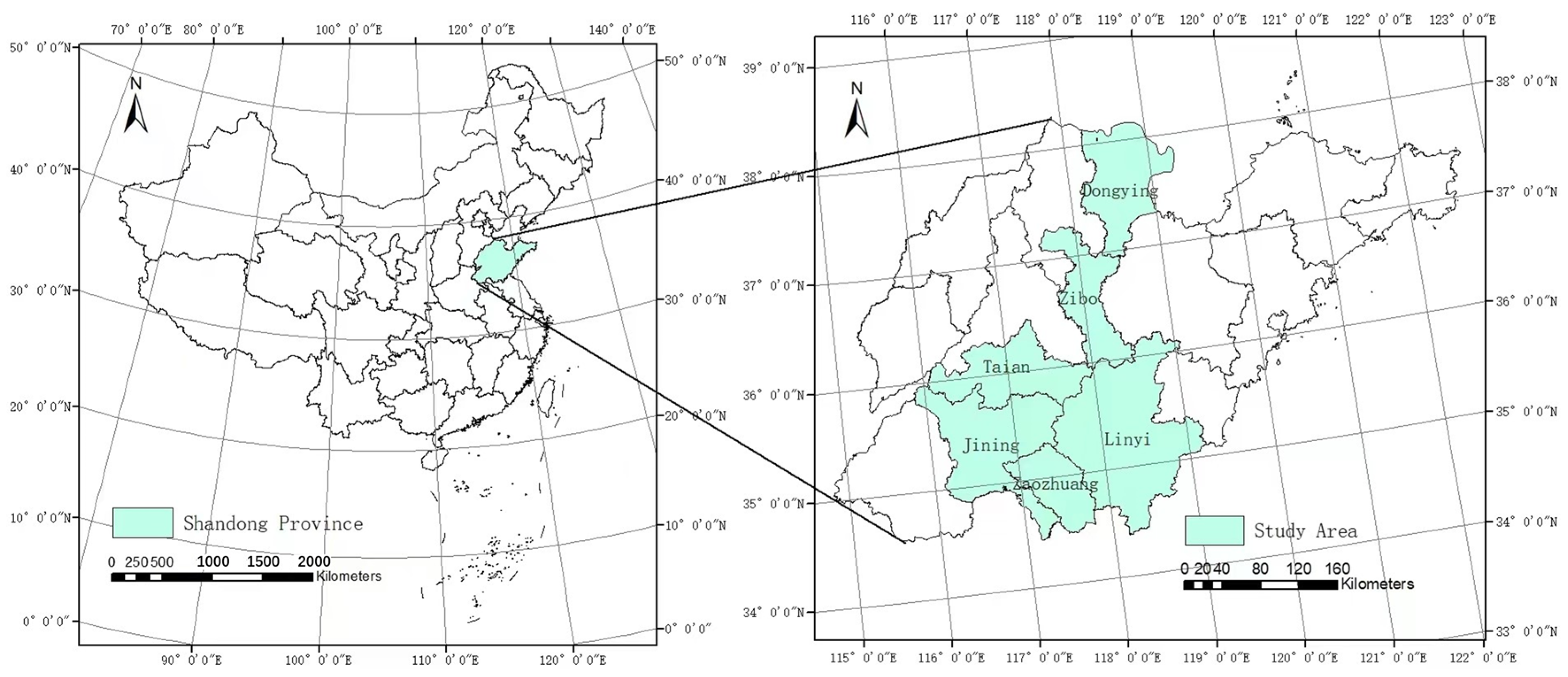
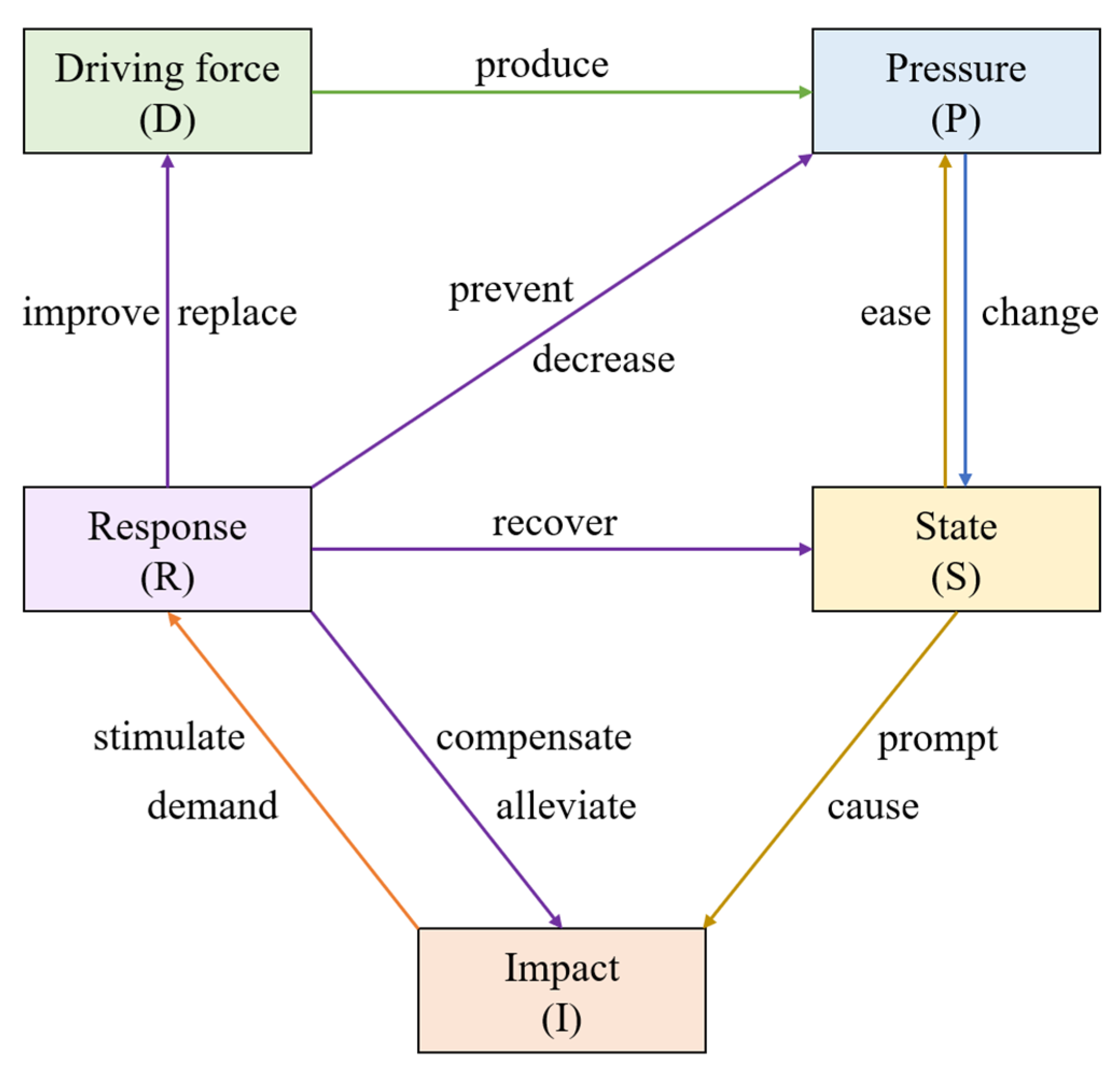
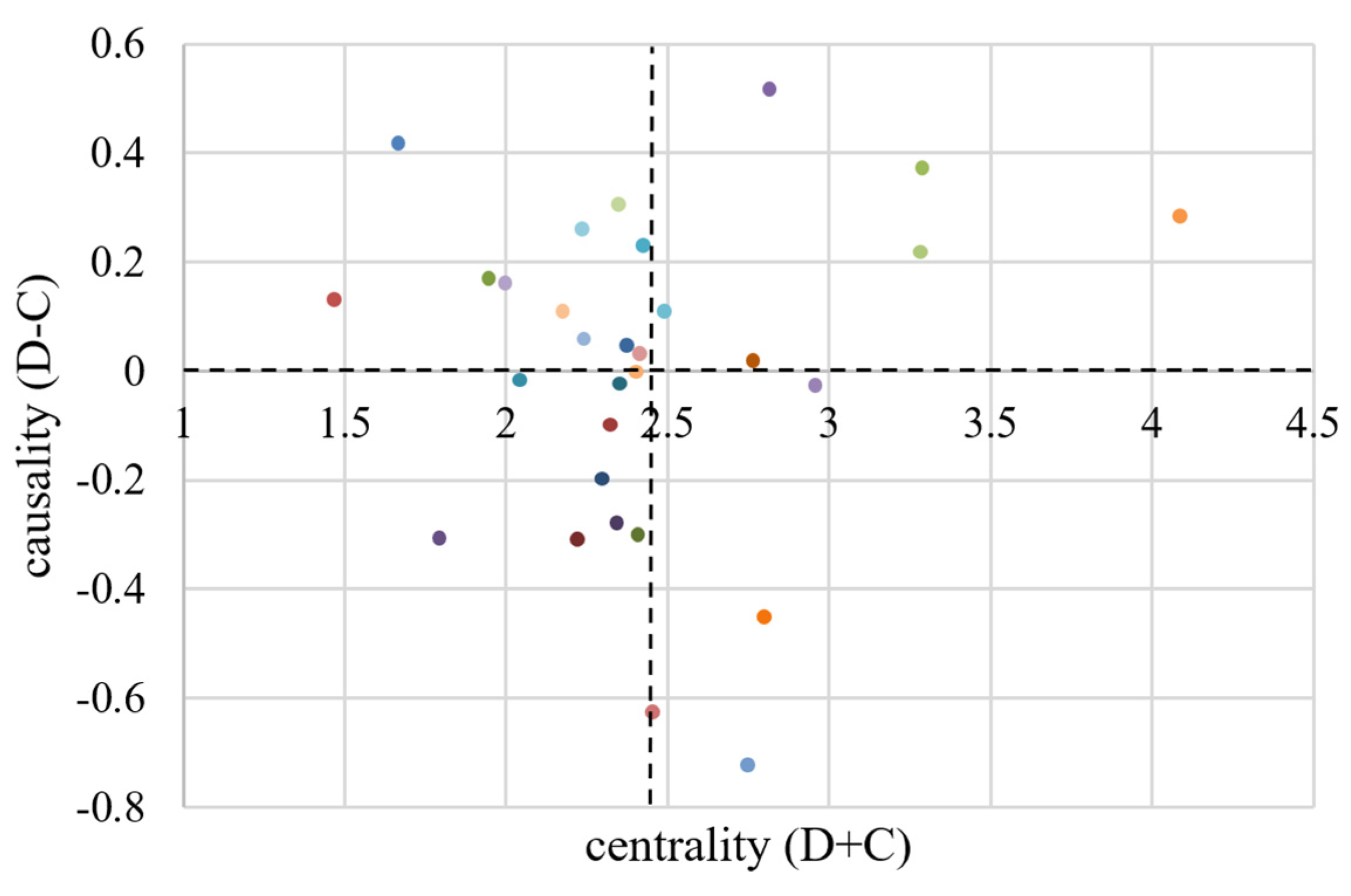
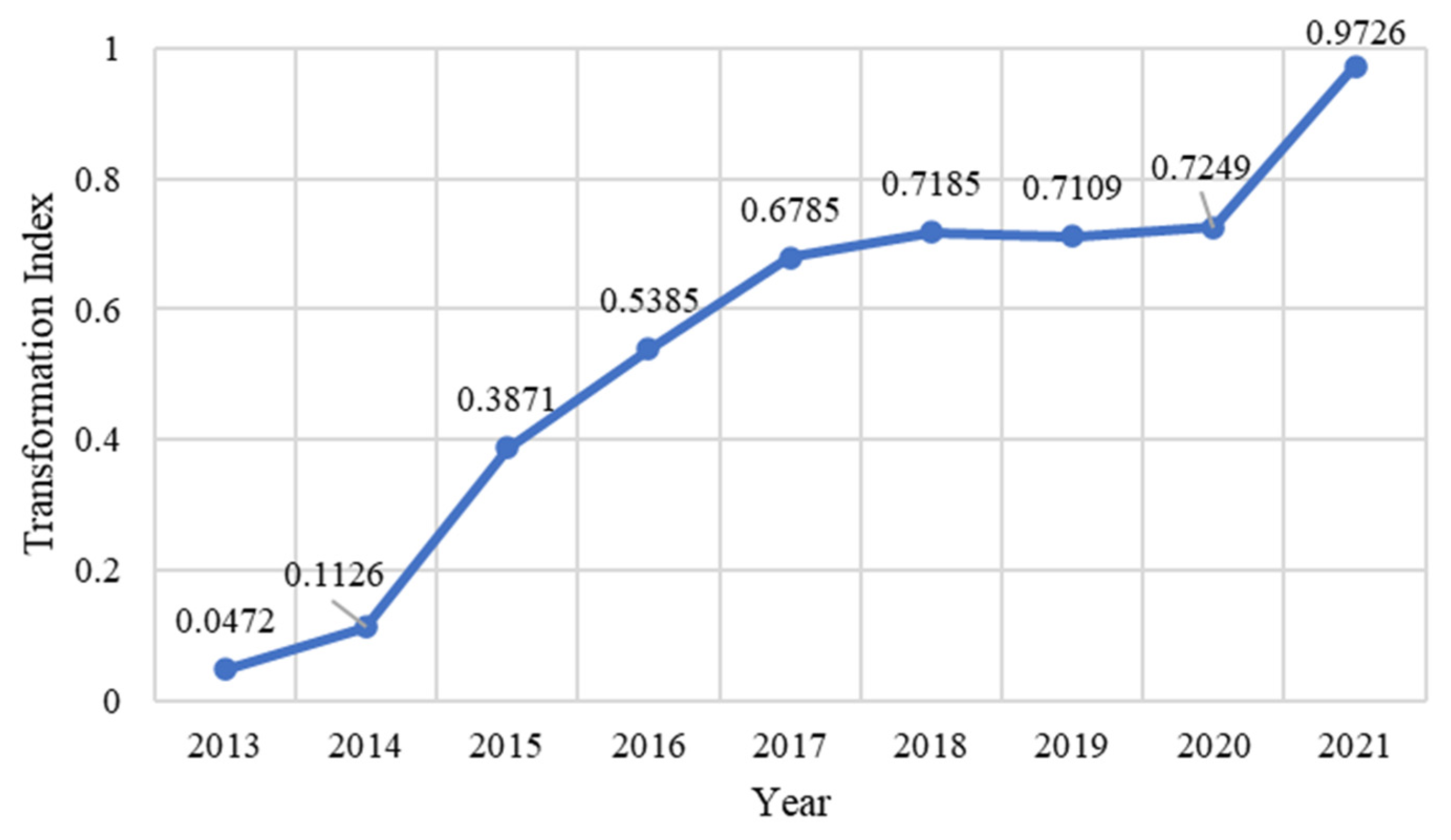
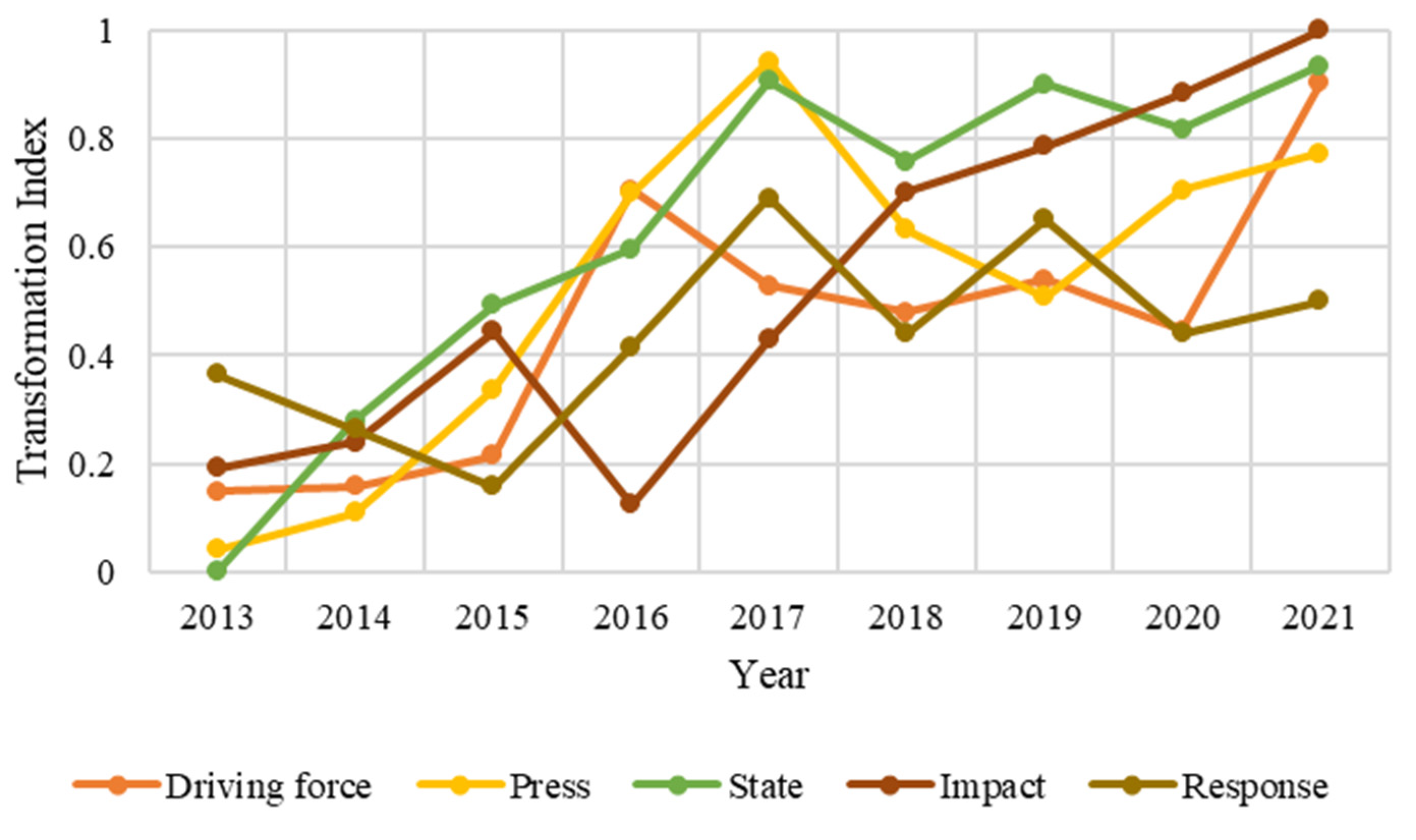
Resource-based cities are vulnerable to the depletion of natural resources and urgently need to undergo a green transformation to avoid the so-called “resource curse” and achieve sustainable development. At present, there is a lack of a scientific and reasonable indicator system and theoretical model to guide the evaluation of the effectiveness of green transformation of resource-based cities. To undertake a comprehensive analysis of the causality of indicators, this study employs the DPSIR (Driving Force–Pressure–State–Impact–Response) model to construct an evaluation index system for the effectiveness of green transformation of resource-based cities. The DEMATEL (Decision-Making Trial and Evaluation Laboratory) method is employed to explore the level of importance of the evaluation indicators and the causal relationships between the evaluation indicators. The VIKOR (‘VlseKriterijumska Optimizacija I Kompromisno Resenje’ in Serbian) method is introduced to evaluate the effectiveness of green transformation of resource-based cities. This study selects Shandong Province, a strategically important energy resource region in China, as an example. The results of the study show that the effectiveness of green transformation of resource-based cities in Shandong Province as a whole was on an upward trend from 2013 to 2021. This study categorizes the phases into rapid start-up period, adjustment and optimization period, and recovery and acceleration period. Currently, the green transformation shows remarkable effectiveness. The effectiveness of green transformation within each dimension of the DPSIR model reveals a ranking of response > pressure > driving force > state > impact. By incorporating regional characteristics, this study explores and proposes recommendations to enhance the green transformation of resource-based cities. It can not only furnish policy references for green transformation of similar resource-based cities, but also offer case study practices for different types of resource-based cities to achieve sustainable development.
Keywords: resource-based cities; green transformation; DPSIR model; DEMATEL method; VIKOR method resource-based cities; green transformation; DPSIR model; DEMATEL method; VIKOR method