Article

Investigation of Bus Shelters and Their Thermal Environment in Hot–Humid Areas—A Case Study in Guangzhou

1
School of Architecture, South China University of Technology, Guangzhou 510641, China
2
State Key Lab of Subtropical Building and Urban Science, South China University of Technology, Guangzhou 510641, China
3
School of Architecture and Civil Engineering, Fuzhou Institute of Technology, Fuzhou 350506, China
*
Authors to whom correspondence should be addressed.
Buildings 2024, 14(8), 2377; https://doi.org/10.3390/buildings14082377

Submission received: 5 July 2024 / Revised: 29 July 2024 / Accepted: 30 July 2024 / Published: 1 August 2024

Abstract

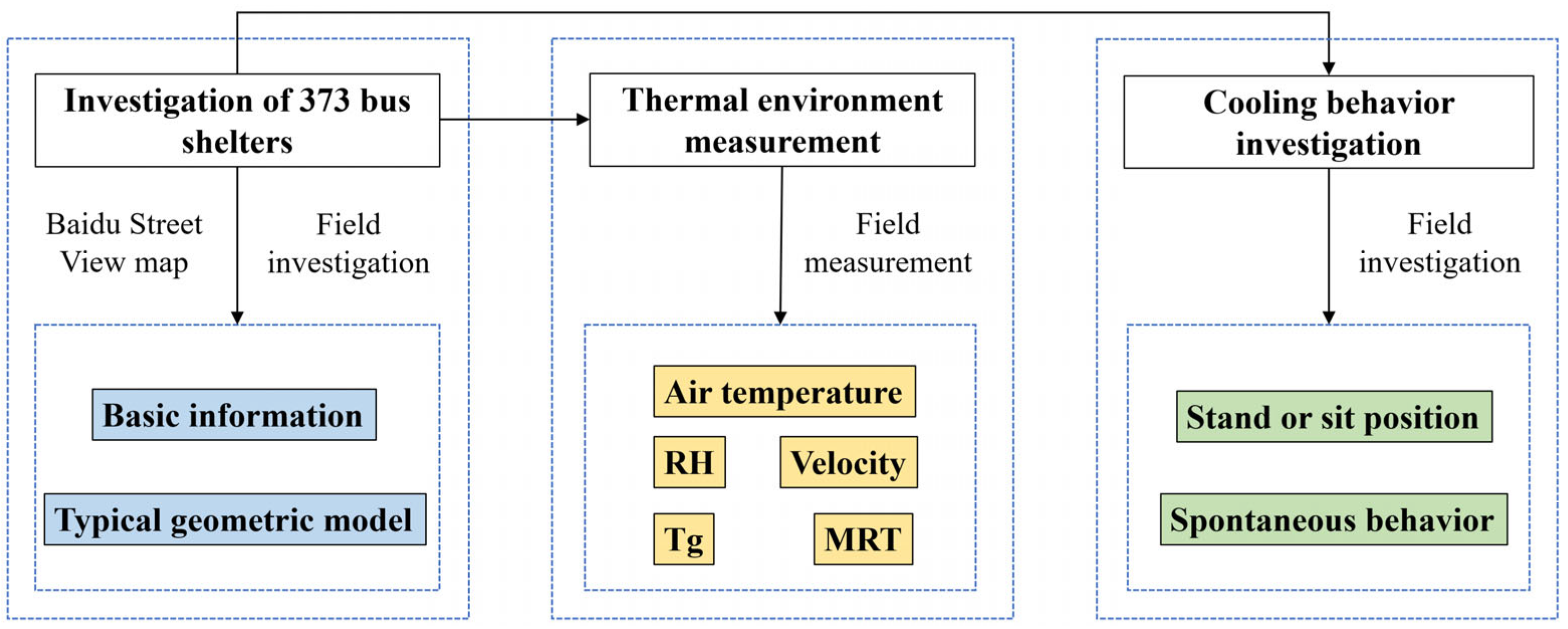
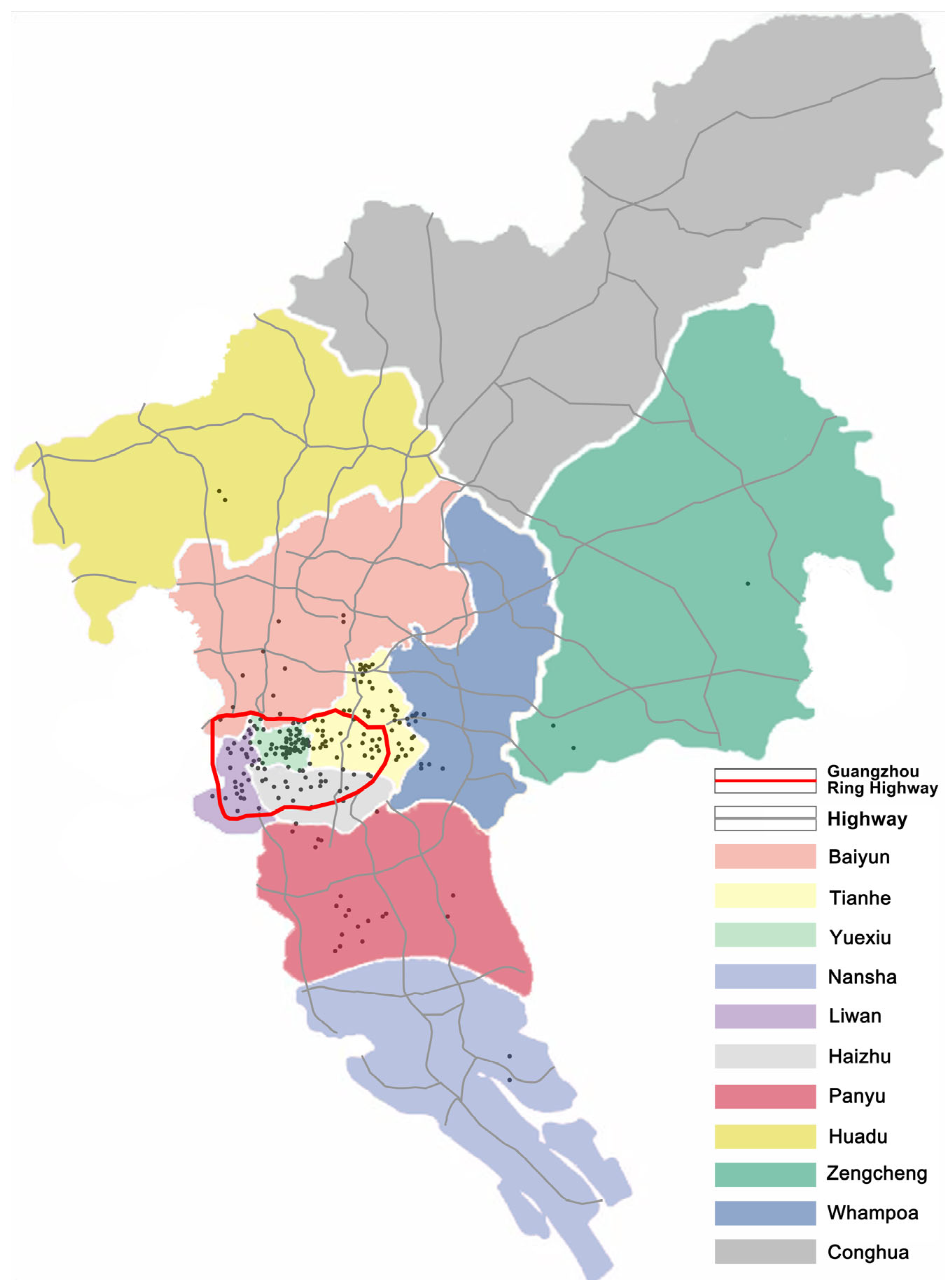
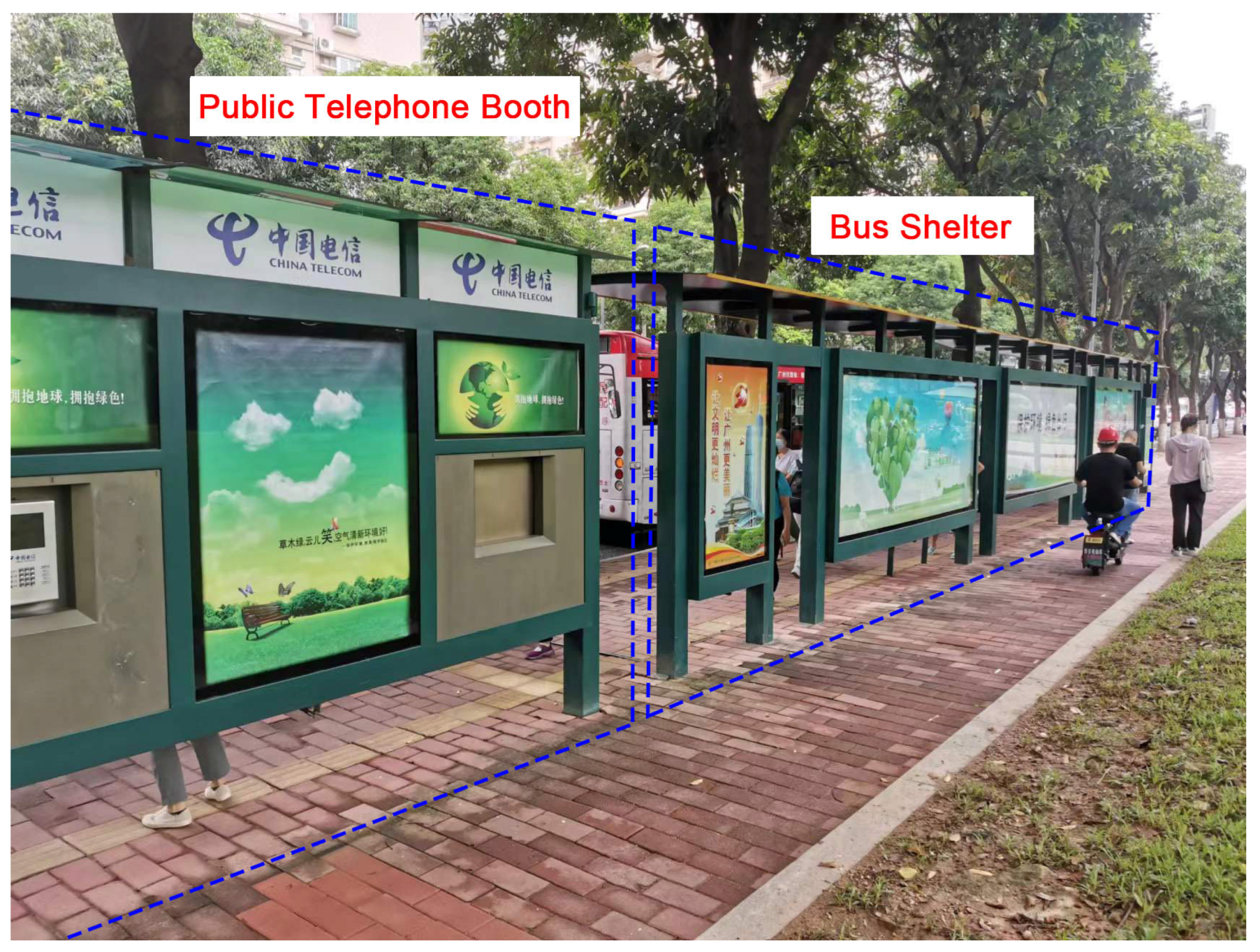
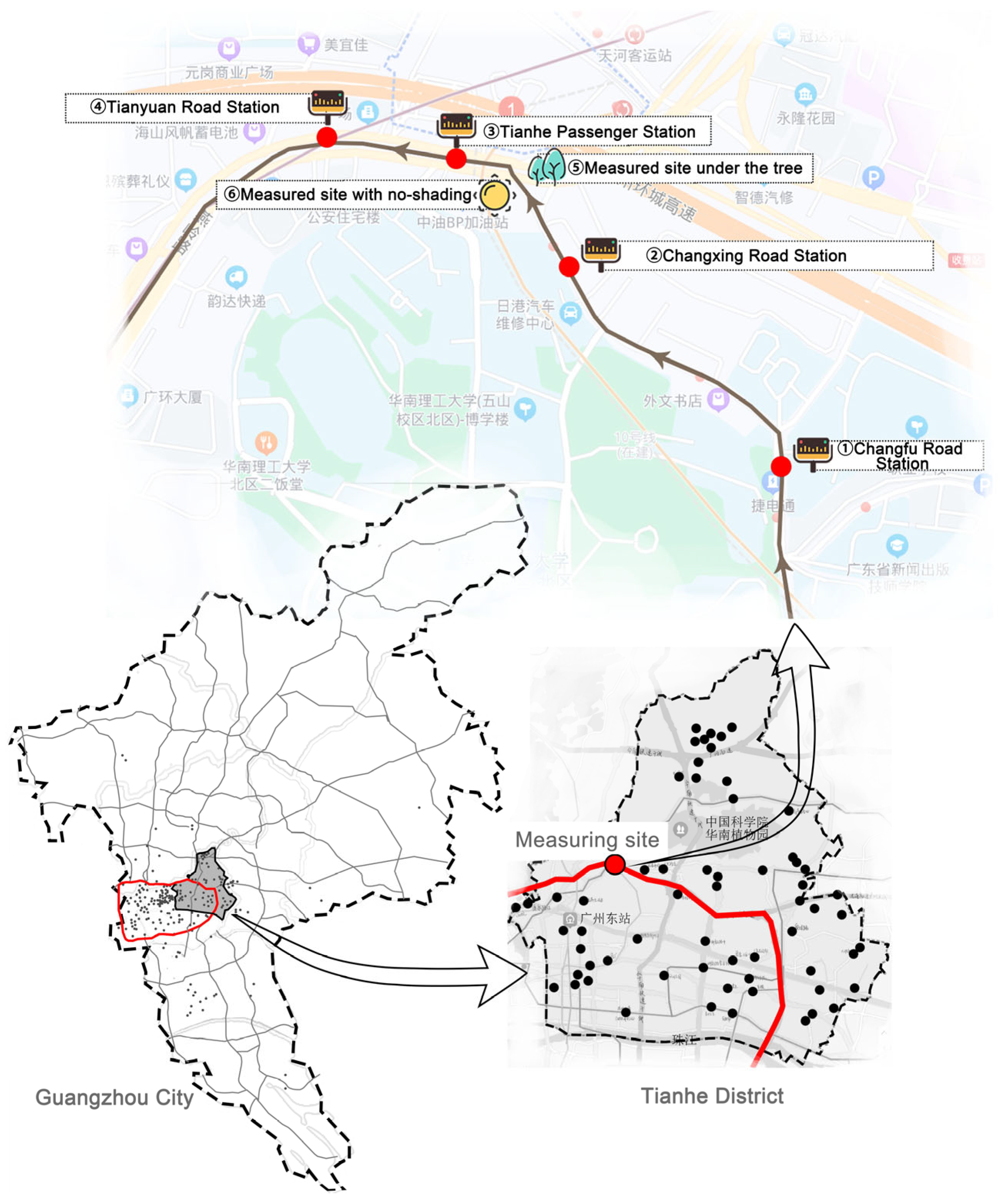
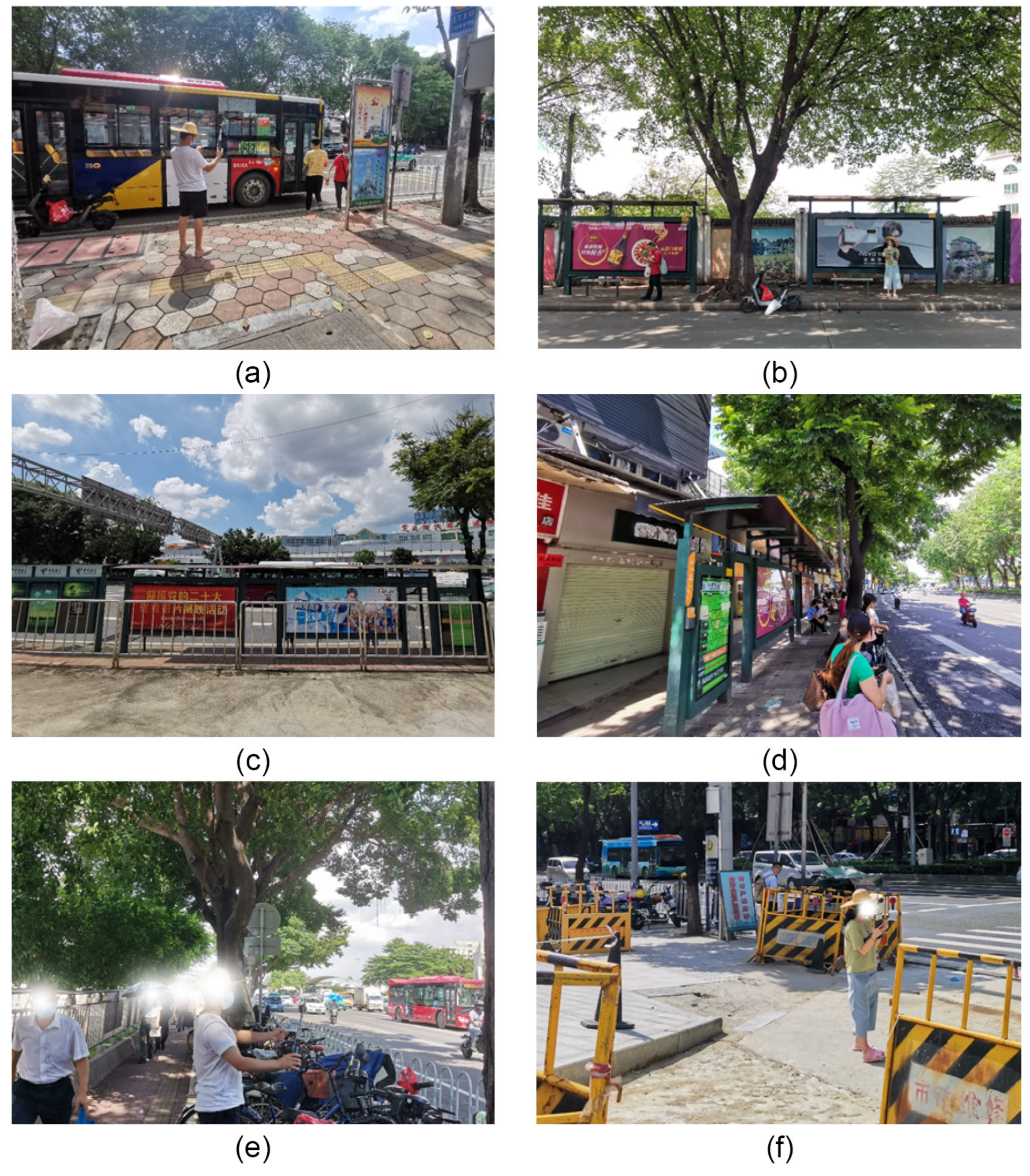
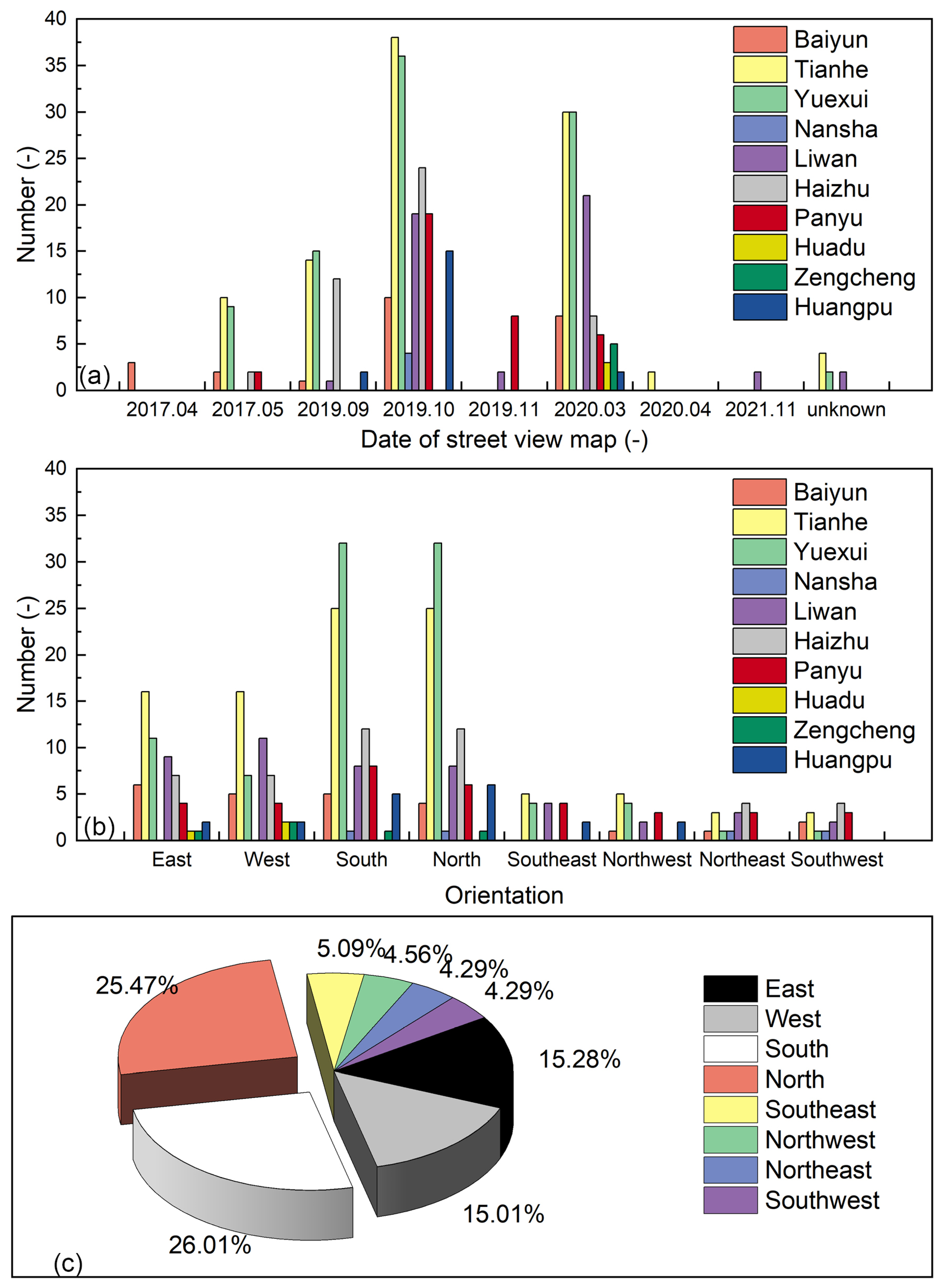
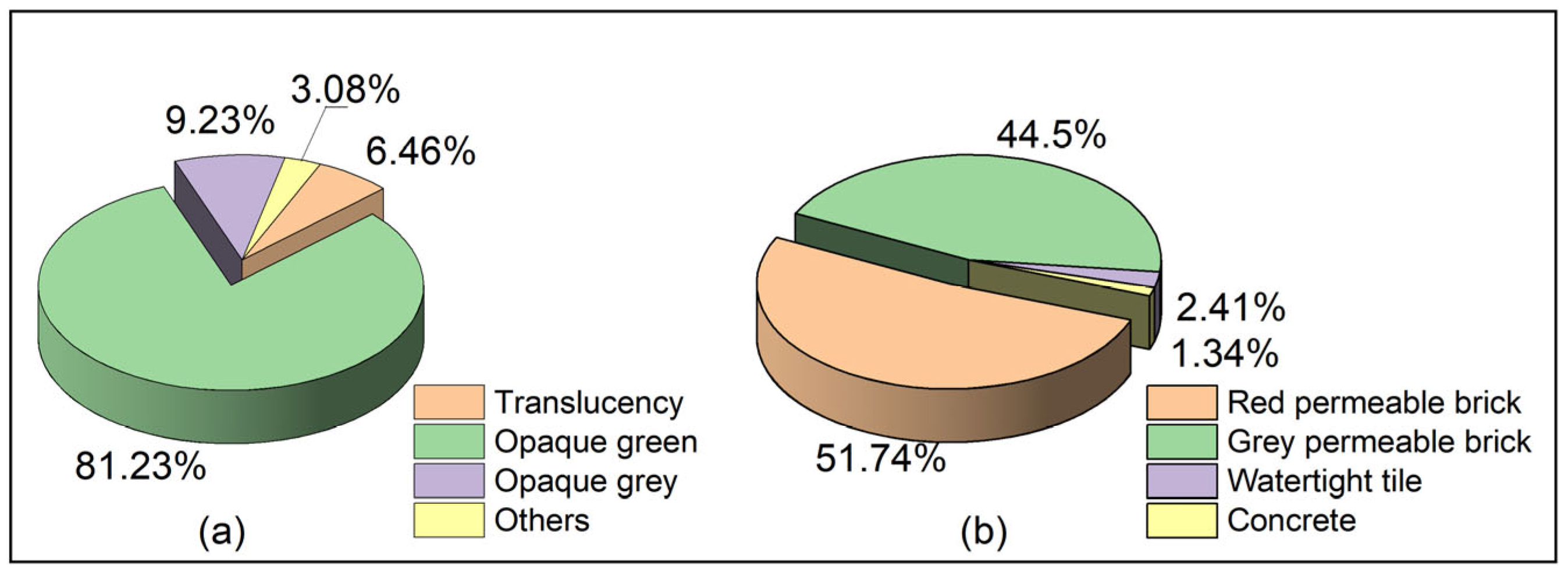
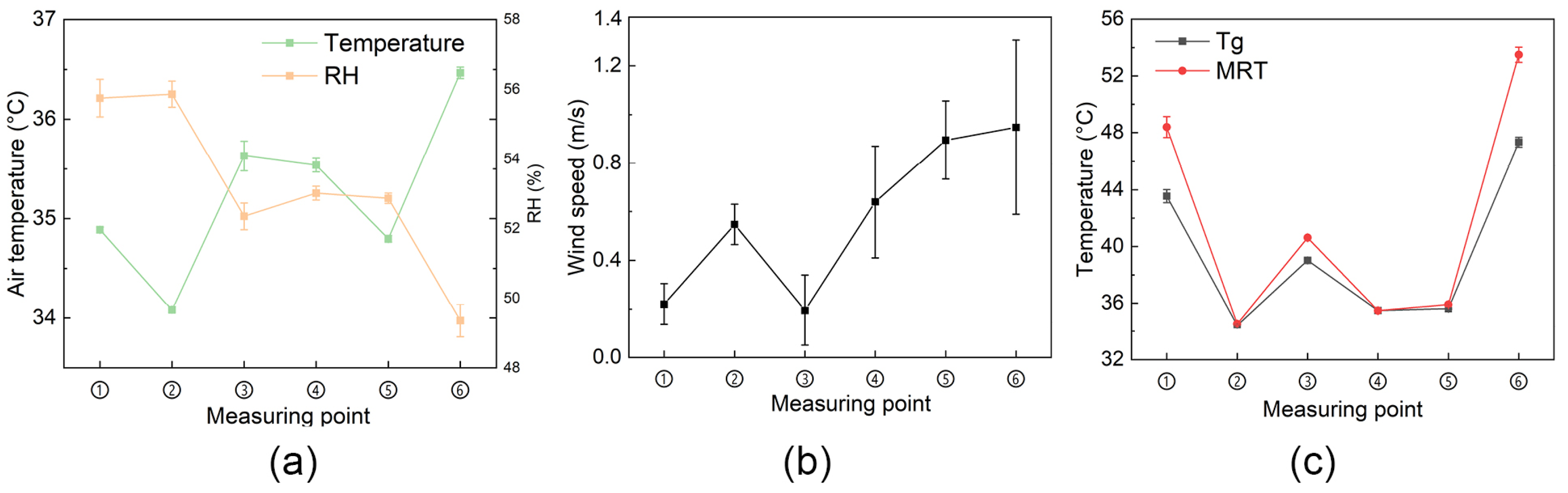
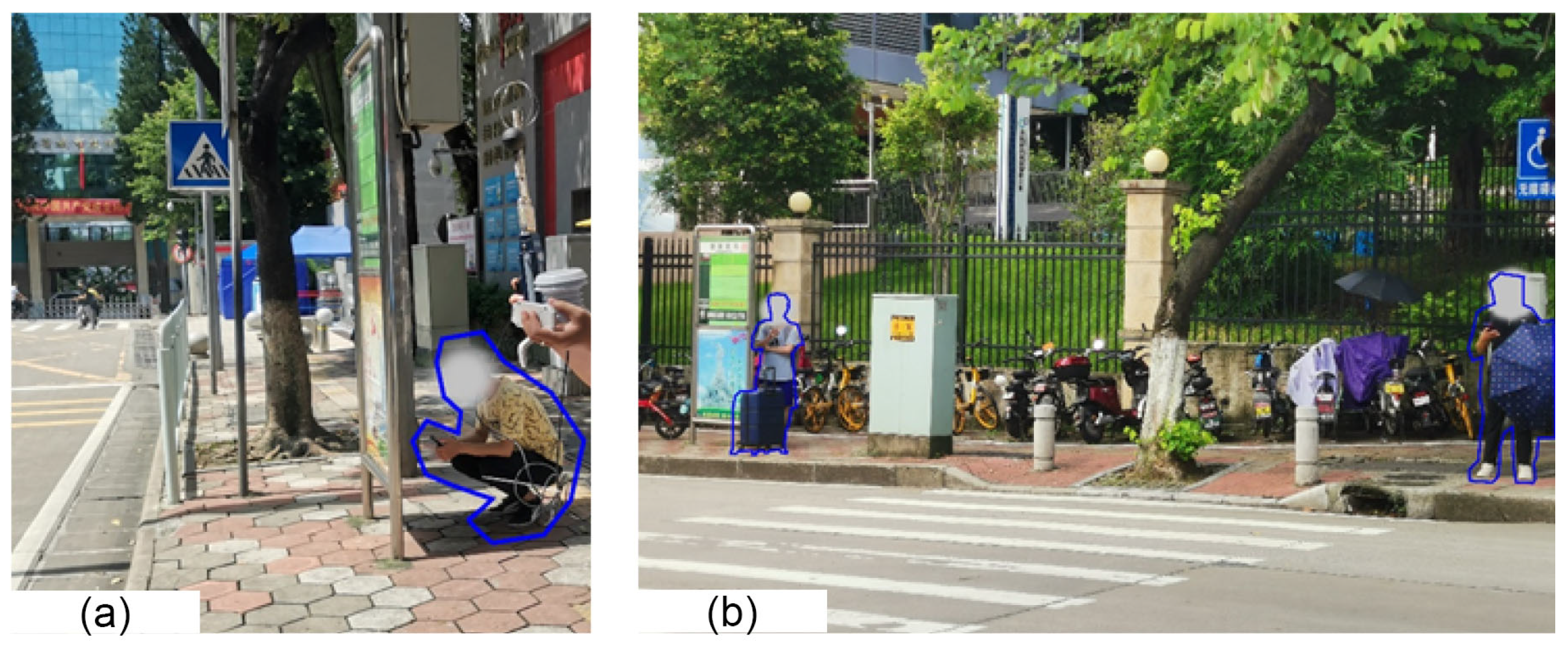
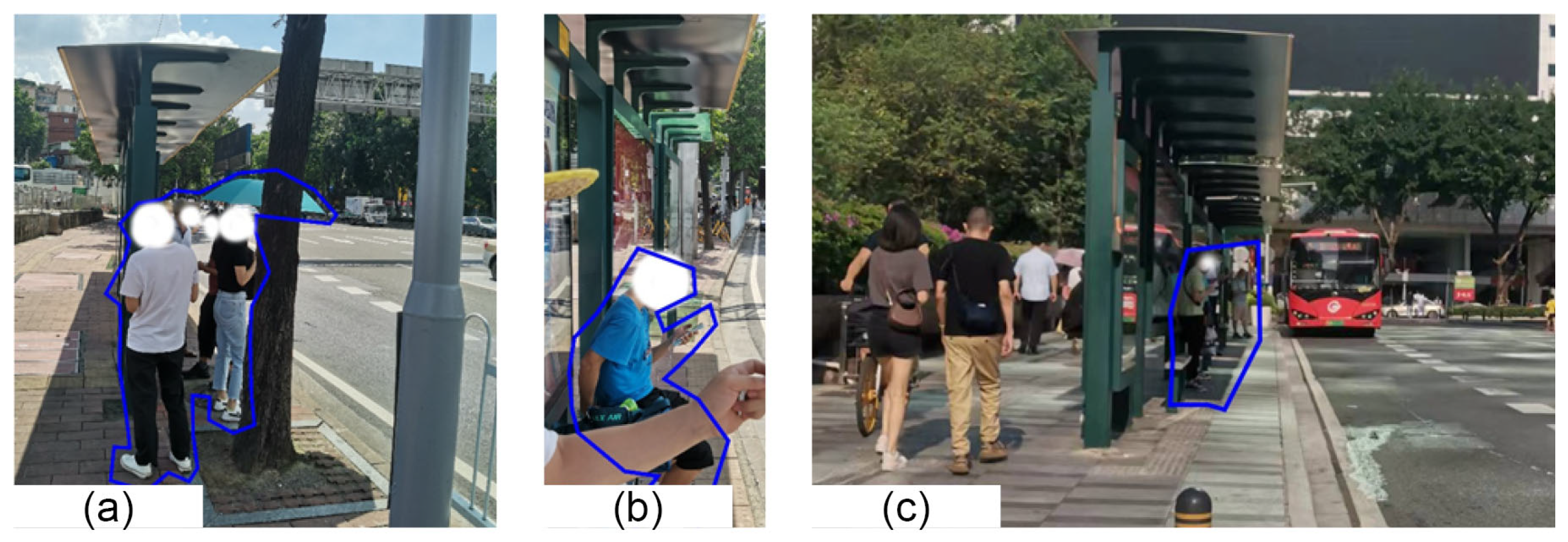
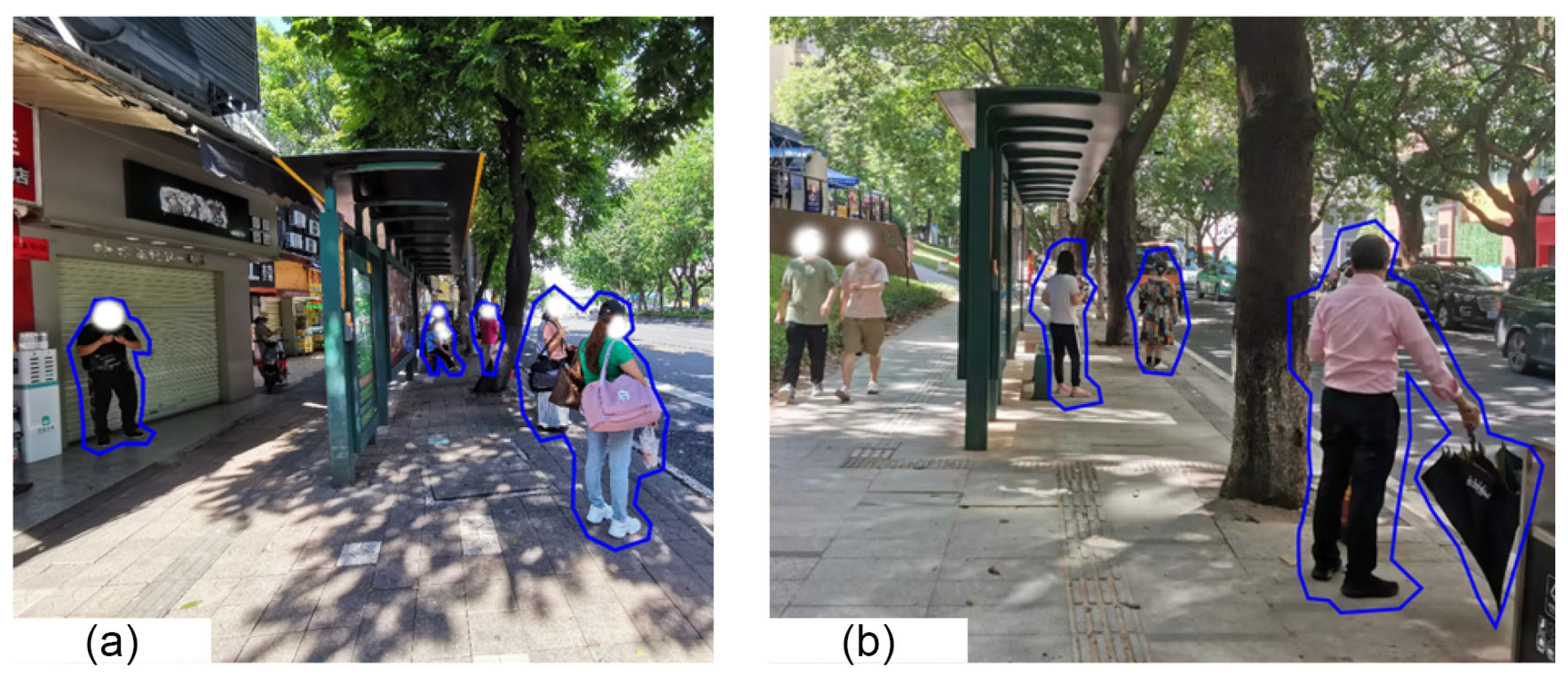
The acceleration of urbanization intensifies the urban heat island, outdoor activities (especially the road travel) are seriously affected by the overheating environment, and the comfort and safety of the bus shelter as an accessory facility of road travel are crucial to the passenger’s experience. This study investigated the basic information (e.g., distribution, orientation) of 373 bus shelters in Guangzhou and extracted the typical style by classifying the characteristics of these bus shelters. Additionally, we also measured the thermal environment of some bus shelters in summer and investigated the cooling behavior of passengers in such an environment. The results show that the typical style of bus shelters in the core area of Guangzhou is north–south orientation, with only one station board at the end of the bus, two backboards, two roofs (opaque green), and the underlying surface is made of red permeable brick. The air temperature and relative humidity under different bus shelters, tree shading areas, and open space in summer are 34–37 °C and 49–56%, respectively. For the bus shelters with heavy traffic loads, the air temperature is basically above 35.5 °C, and the thermal environment is not comfortable. During the hot summer, when there is no bus shelter or trees to shade the sun, the waiting people adjust their position with the sun’s height, azimuth angles, and direct solar radiation intensity to reduce the received radiation as much as possible, which brings great inconvenience to them. When only bus shelters provide shade, people tend to gather in the shaded space, and cooling measures such as umbrellas, hats, and small fans are still needed to alleviate thermal discomfort. However, the aforementioned various spontaneous cooling behaviors still cannot effectively alleviate overheating, and it is very important to increase auxiliary cooling facilities in bus shelters.
Keywords: bus shelter; typical geometric model; thermal environment; cooling behavior; field investigation bus shelter; typical geometric model; thermal environment; cooling behavior; field investigation