Article

A Hydration-Based Integrated Model to Evaluate Properties Development and Sustainability of Oyster Shell Powder–Cement Binary Composites


1
Department of Civil and Environmental Engineering, Hannam University, Daedeok-Gu, Daejeon 34430, Republic of Korea
2
Department of Architectural Engineering, Department of Integrated Energy and Infra System, Kangwon National University, Chuncheon-si 24341, Republic of Korea
*
Author to whom correspondence should be addressed.
Buildings 2024, 14(6), 1578; https://doi.org/10.3390/buildings14061578

Submission received: 25 March 2024 / Revised: 21 May 2024 / Accepted: 28 May 2024 / Published: 30 May 2024
(This article belongs to the Special Issue Low-Carbon and Green Materials in Construction—2nd Edition)

Abstract

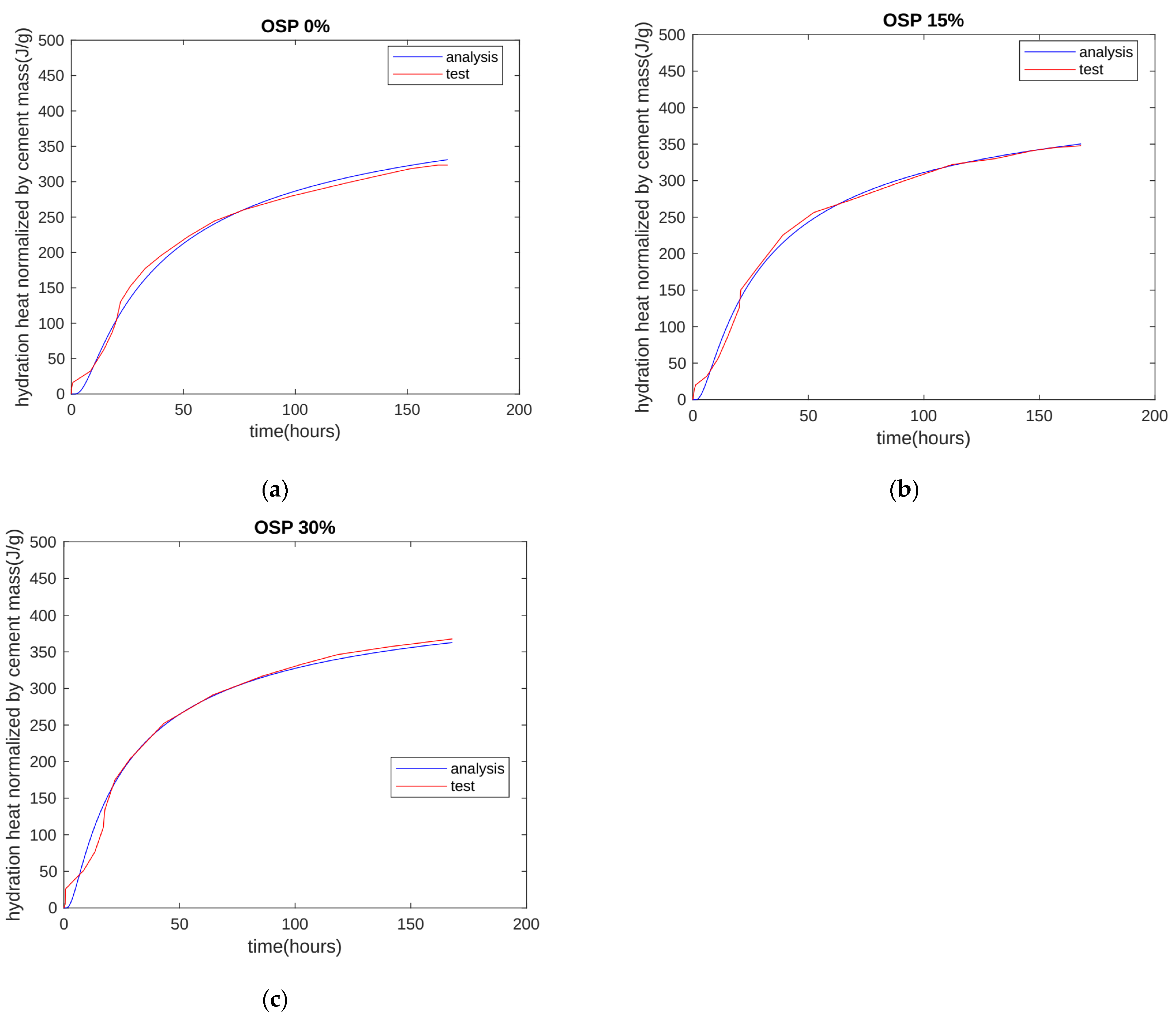
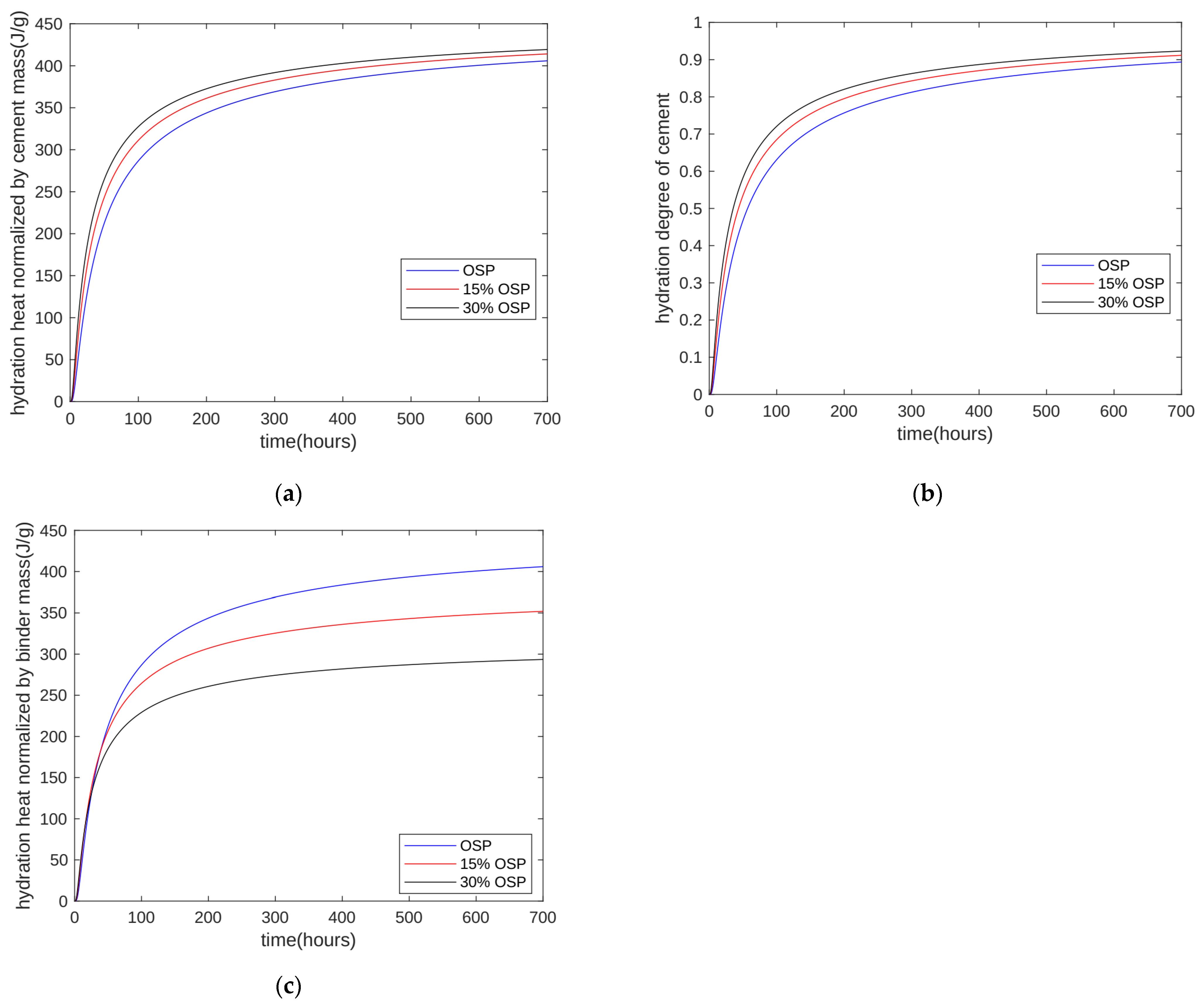
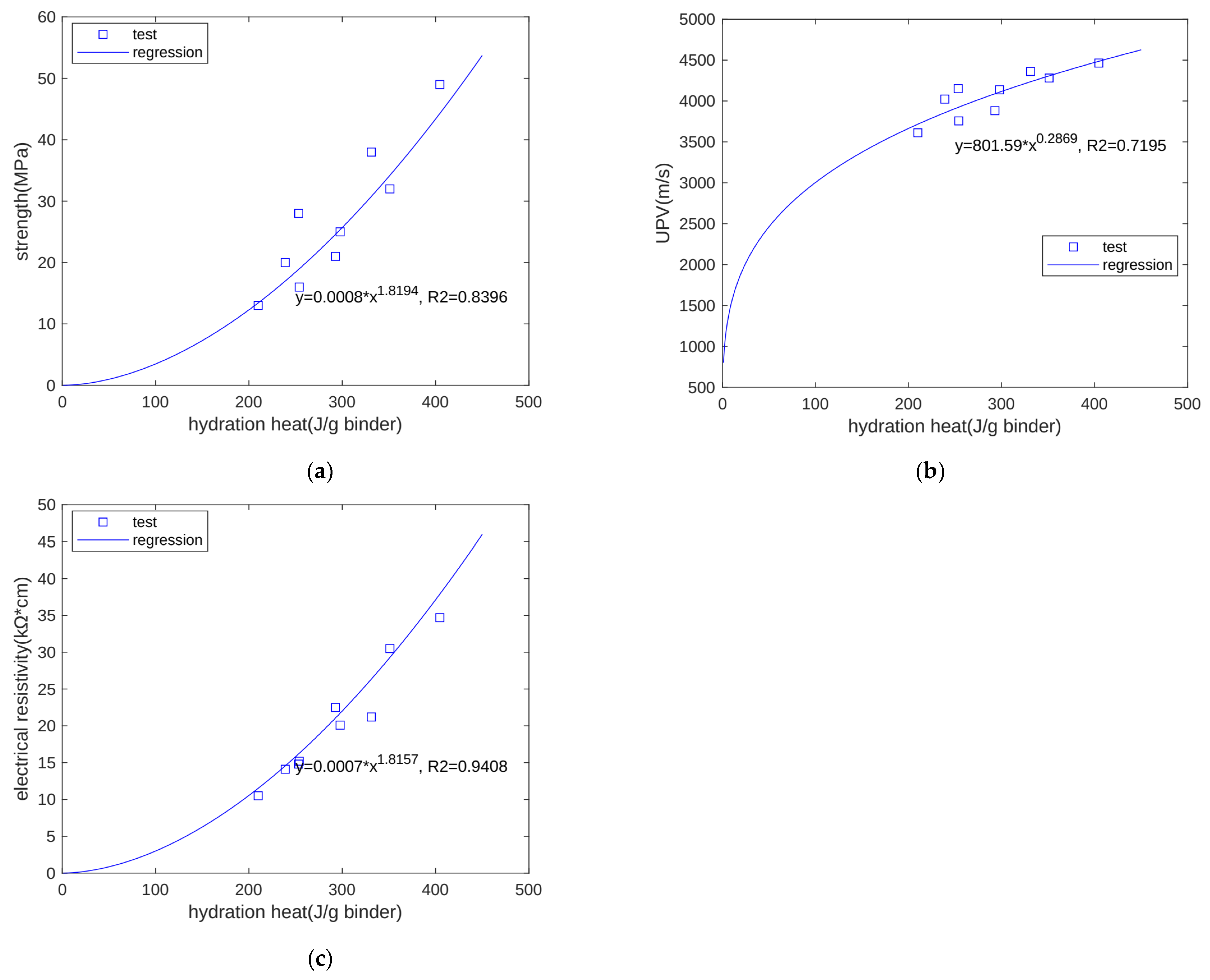
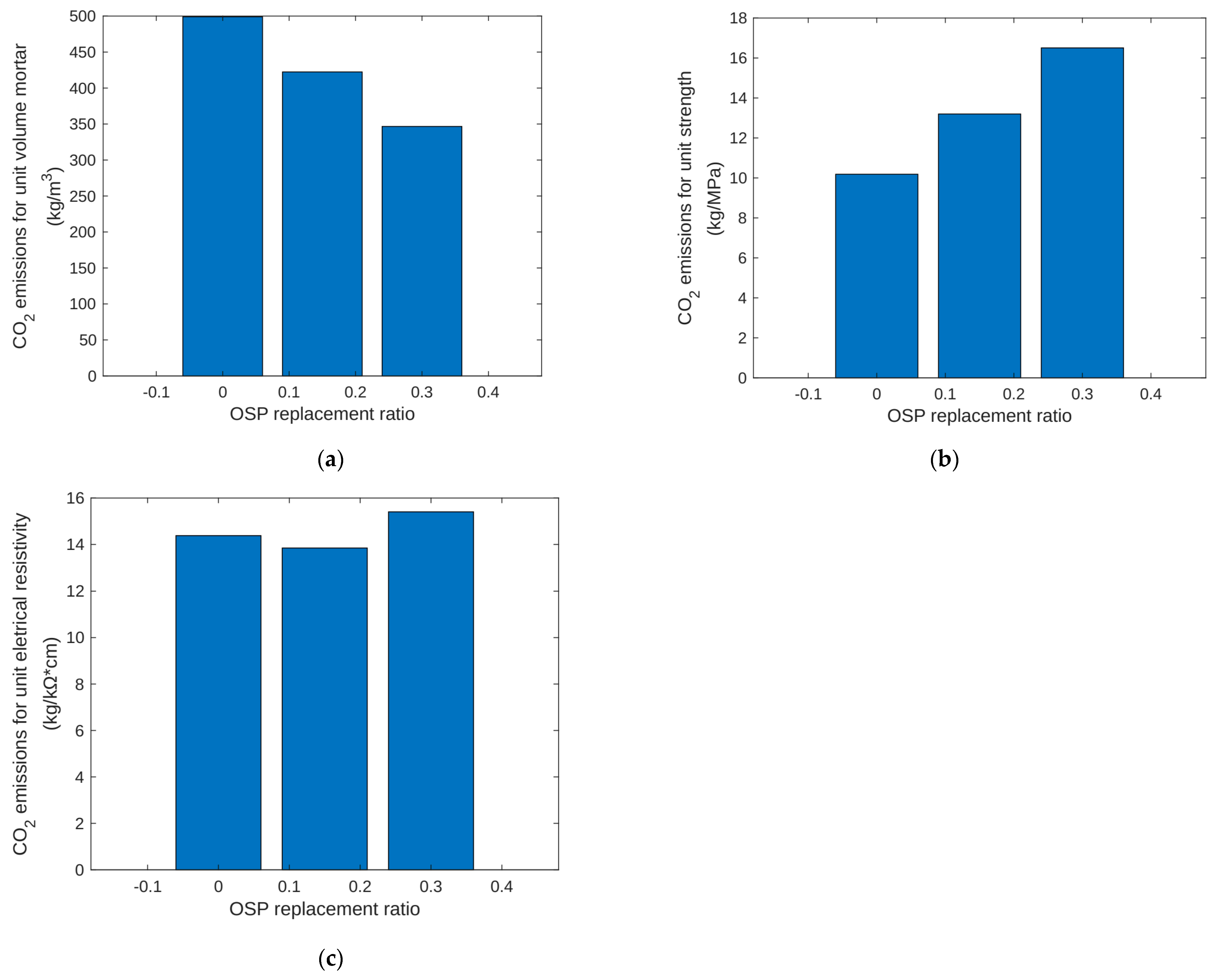
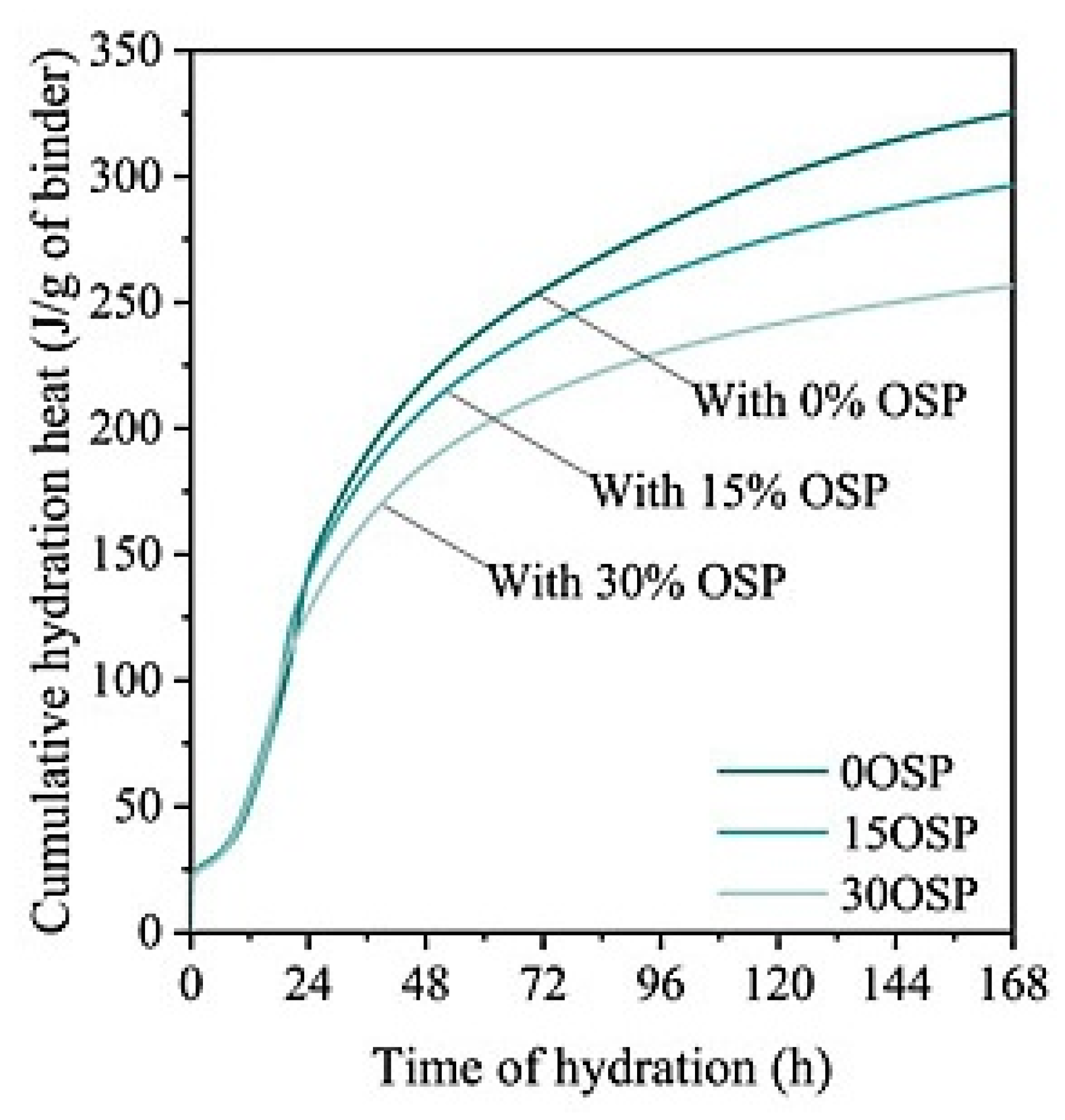
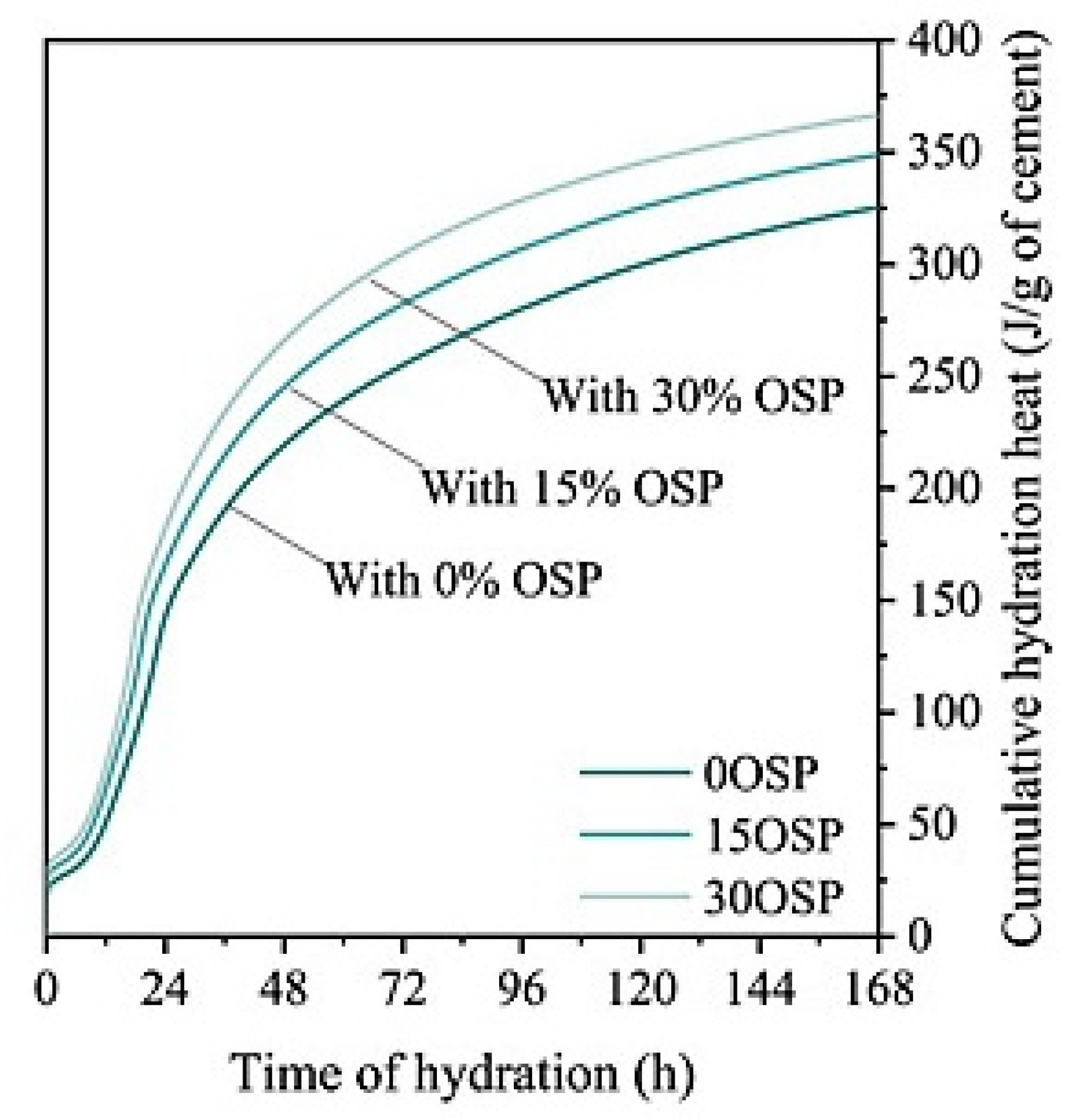
Currently, oyster shell powder (OSP) is becoming more widely used in the production of cement-based materials. The purpose of this study is to propose a predictive model that can predict the properties of concrete materials incorporating oyster shell powder. The methods of this prediction model are given as follows. First, based on the measurement results of the heat of hydration in the first 7 days, the prediction parameters of the hydration model are obtained. Secondly, based on the hydration model, the measured results of the heat of hydration were extrapolated, and the heat of hydration from the start of stirring to day 28 was calculated. From the calculation results, the developments of compressive strength, ultrasonic velocity, and surface electrical resistivity were estimated. Finally, we evaluated the CO2 emissions of concrete incorporating oyster shell powder. The CO2 emissions corresponding to unit compressive strength and unit surface electrical resistivity were calculated. The important conclusions of the prediction model are given as follows. First, for different substitution amounts of oyster shell powder, the model result shows that the ultimate value of the heat of hydration corresponding to the unit cement mass is the same, i.e., 454.27 J/g. While the substitution amount of oyster shell powder increases from 0% to 30%, the model result shows that the cumulative 28-day hydration heat for 1 g cement increases the powder amount from 405.7 J/g to 419.3 J/g. Secondly, as the amount of substituted oyster shell powder increases from 0% to 30%, the model result shows that the cumulative 28-day heat of hydration per gram of cementitious material decreases this amount from 405.7 J/g to 293.4 J/g. Compressive strength, ultrasonic pulse velocity, and surface electrical resistivity can all be expressed as exponential functions of the heat of hydration. For compressive strength, ultrasonic pulse velocity, and surface electrical resistivity, the coefficients of determination for the simulation results and experimental results are 0.8396, 0.7195, and 0.9408, respectively. Finally, as the amount of substituted oyster shell powder increases from 0% to 30%, the model result shows that the CO2 emission per unit of compressive strength increases from 10.18 kg/MPa to 16.51 kg/MPa. As the amount increases from 0% to 30%, the model result shows that the CO2 emission corresponding to the unit surface electrical resistivity does not change significantly. In summary, the importance of this model is that it can predict various properties of concrete mixed with oyster shell powder, reduce the number of experiments, and promote the engineering application of oyster shell powder concrete.
Keywords: oyster shell powder (OSP); cement; hydration; model; sustainability oyster shell powder (OSP); cement; hydration; model; sustainability