Article

Durability of Ternary Blended Concrete Incorporating Rice Husk Ash and Calcined Clay

by
Joseph Mwiti Marangu
1,2,
Meenakshi Sharma
3,
Lenka Scheinherrová
4,
Innocent Kafodya
5,
Victor Kiptoo Mutai
1,
Eshrar Latif
6,
Viviana Iris Novelli
7,
Deepankar Kumar Ashish
7 and
Riccardo Maddalena
7,*
1
Department of Physical Sciences, Meru University of Science and Technology, Meru 972-60200, Kenya
2
Institute of Cement and Concrete, Meru University of Science and Technology, Meru 972-60200, Kenya
3
Department of Civil Engineering, Indian Institute of Technology Hyderabad, Hyderabad 502284, India
4
Department of Materials Engineering and Chemistry, Faculty of Civil Engineering, Czech Technical University in Prague, Thákurova 7, 166 29 Prague, Czech Republic
5
Department of Civil Engineering, Malawi University of Business and Applied Sciences, Blantyre 312225, Malawi
6
Welsh School of Architecture, Cardiff University, Cardiff CF10 3NB, UK
7
School of Engineering, Cardiff University, Cardiff CF24 3AA, UK
*
Author to whom correspondence should be addressed.
Buildings 2024, 14(5), 1201; https://doi.org/10.3390/buildings14051201

Submission received: 26 February 2024 / Revised: 11 April 2024 / Accepted: 14 April 2024 / Published: 24 April 2024
(This article belongs to the Special Issue Are “Green” Construction Materials Truly Feasible?)

Abstract

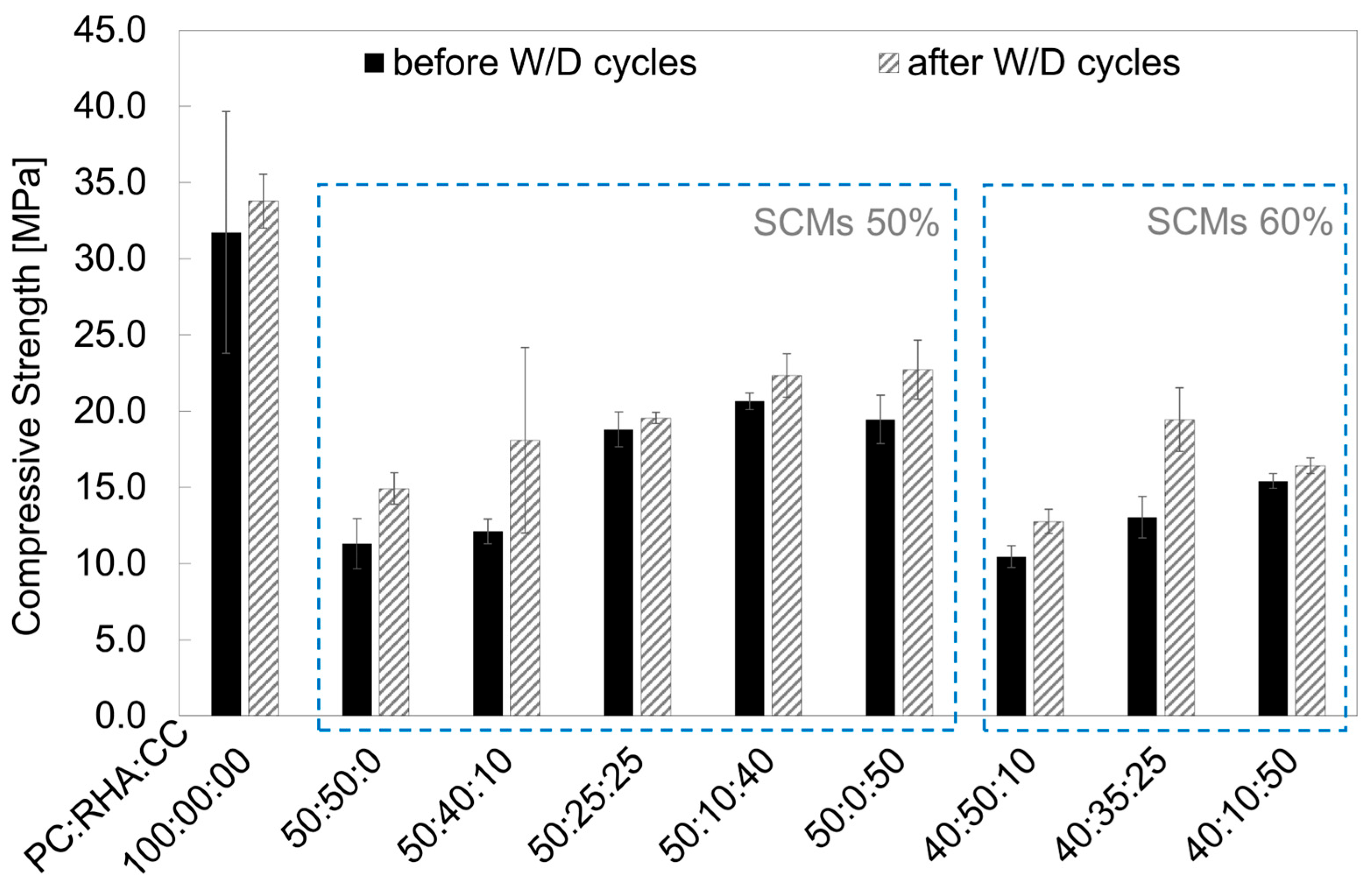
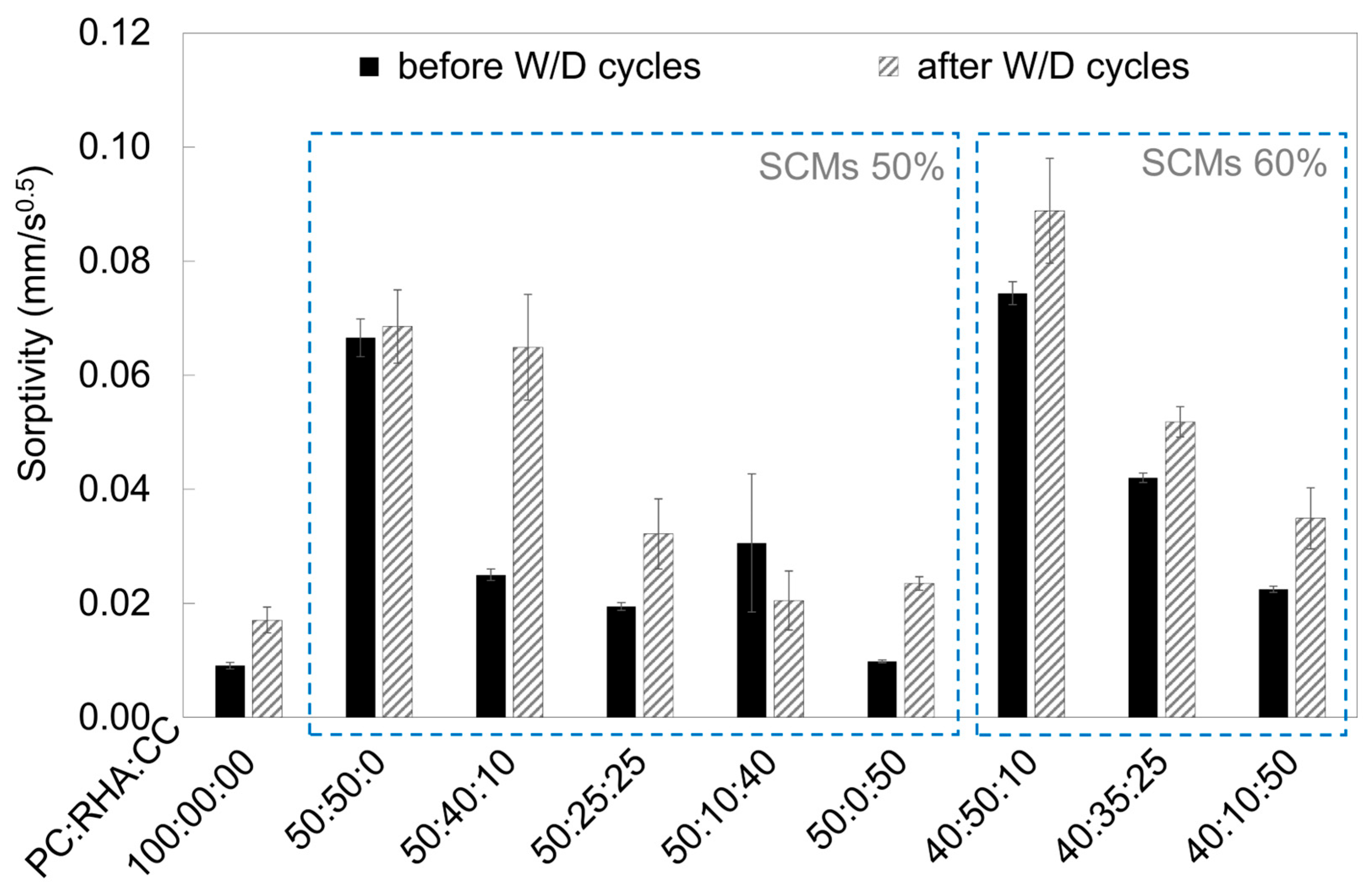
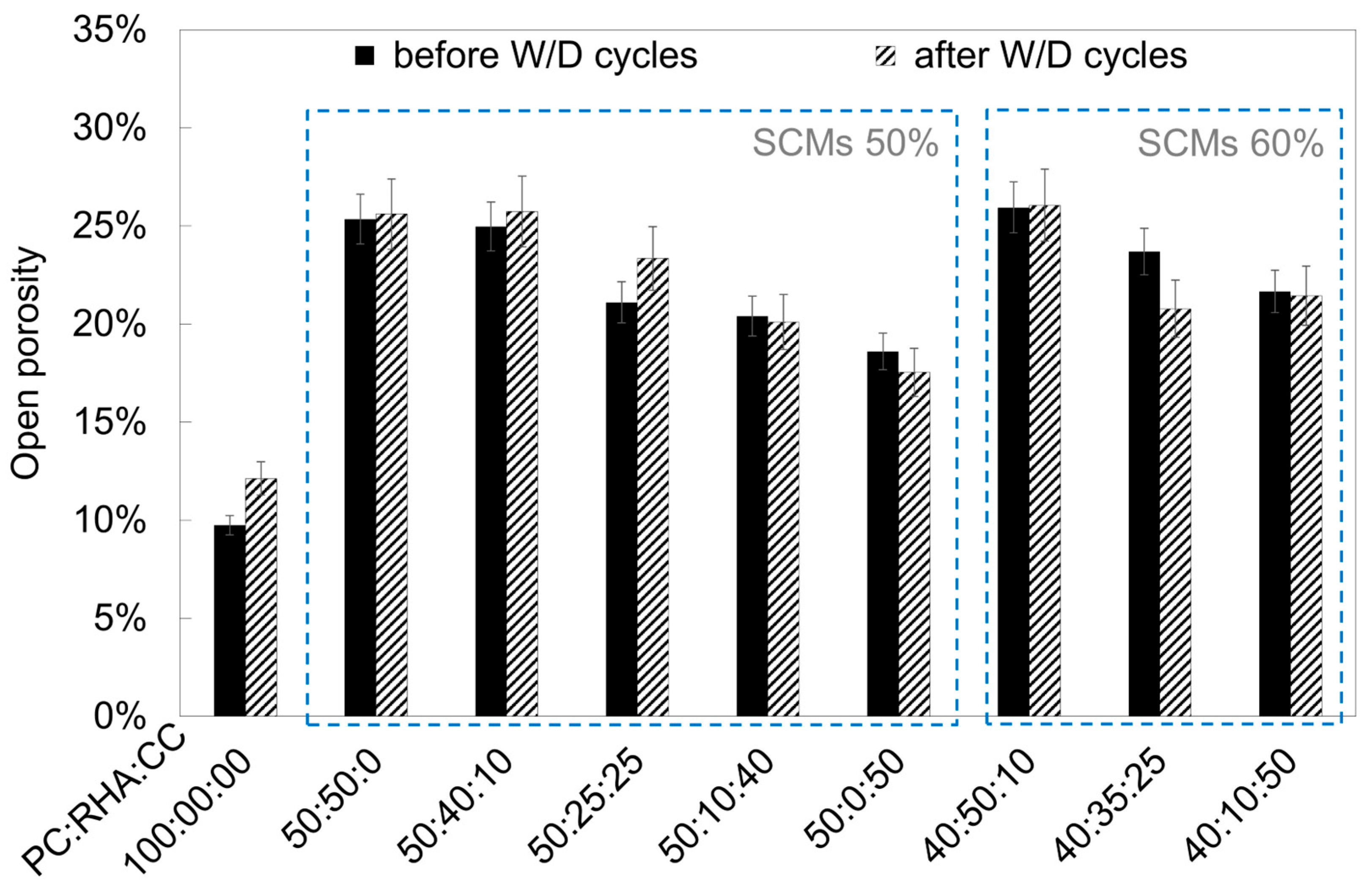
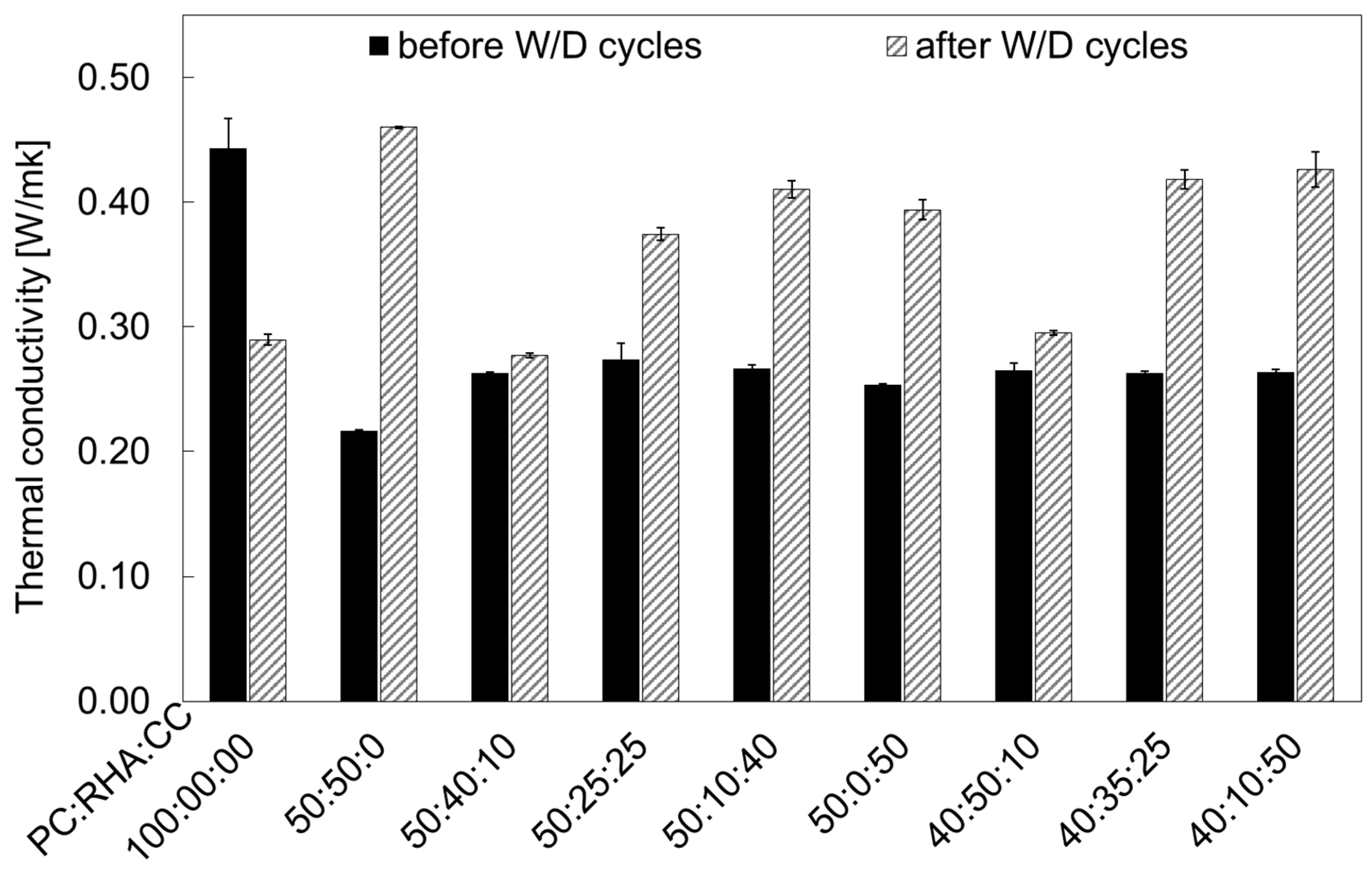
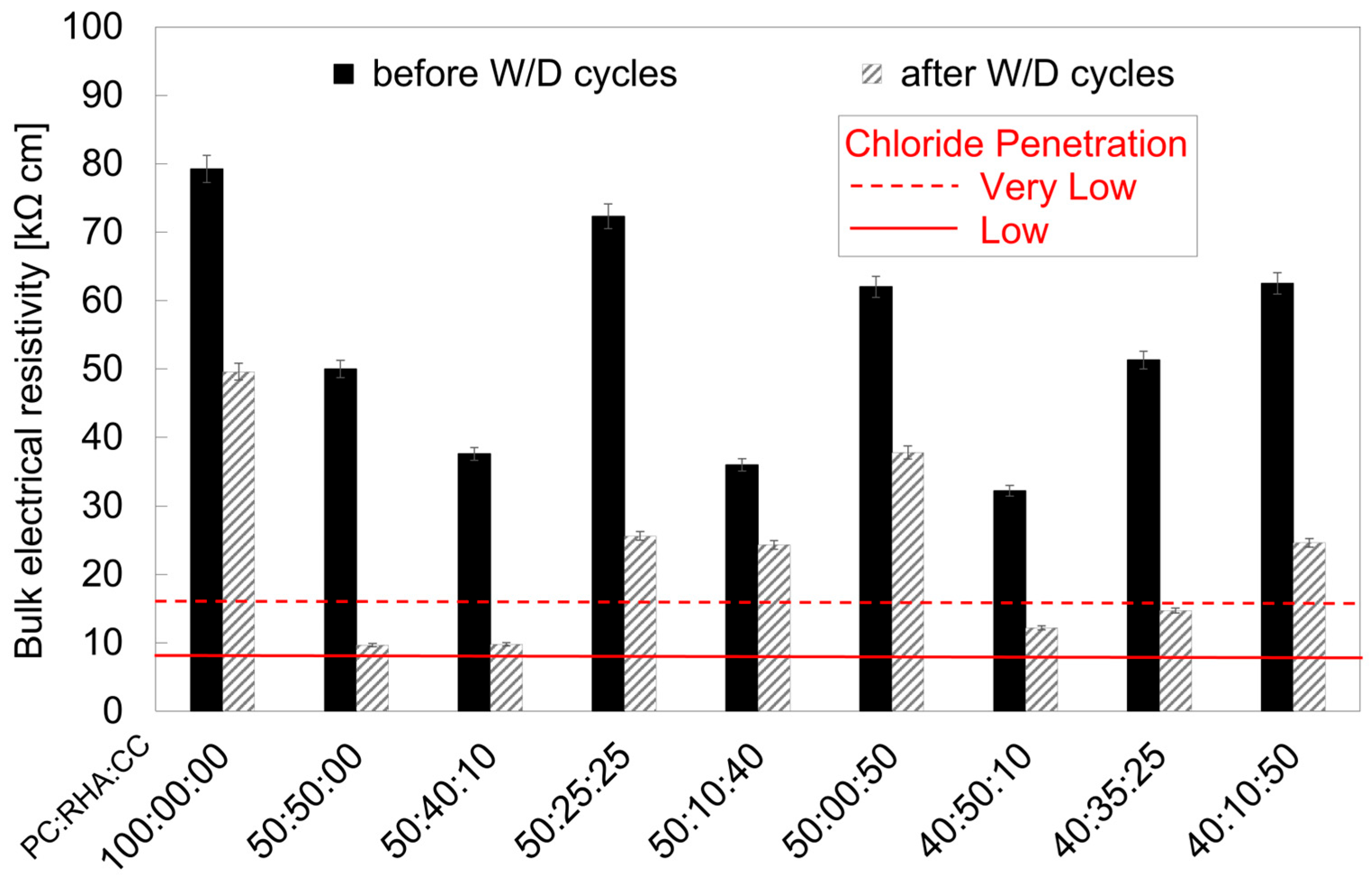
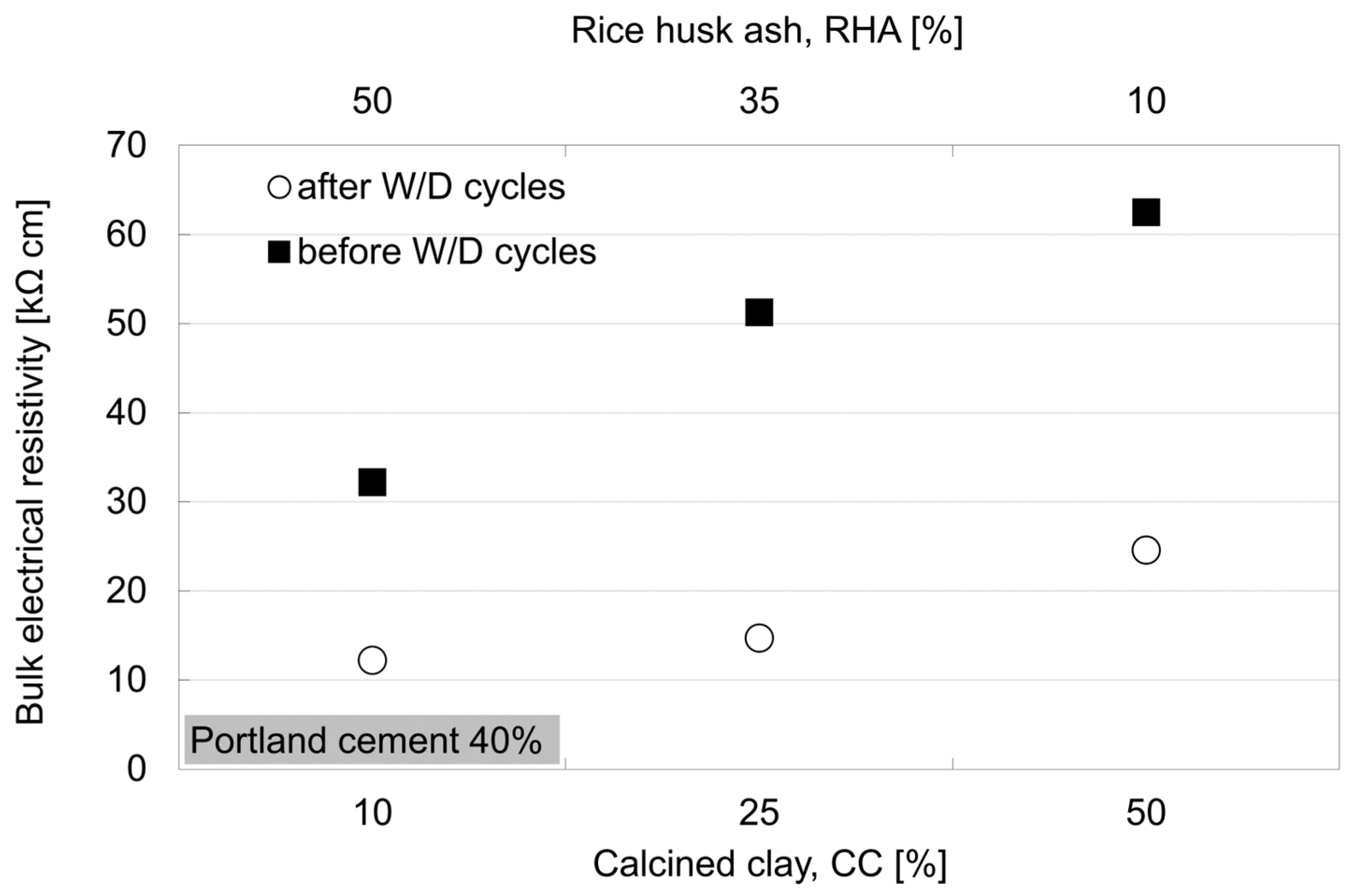
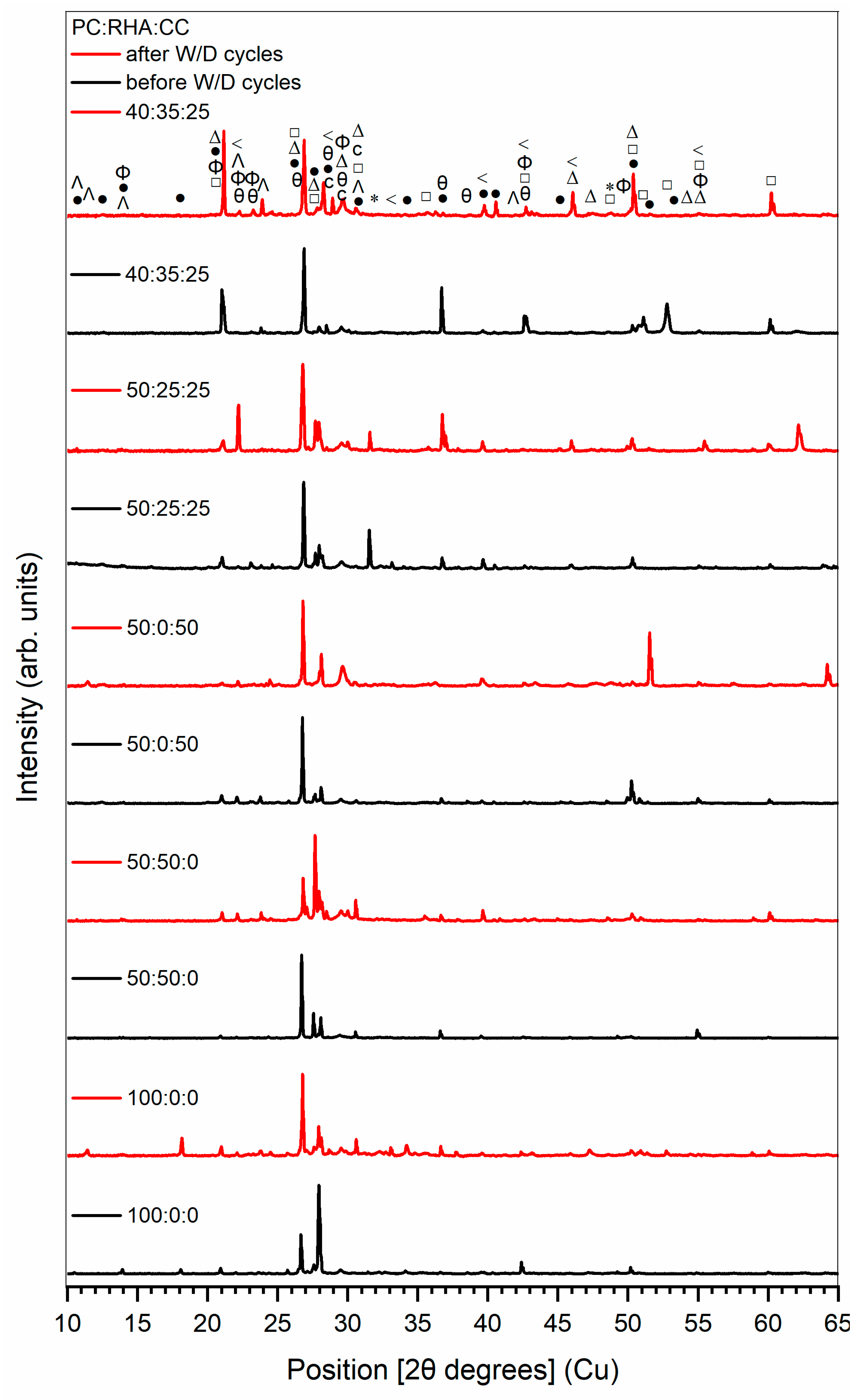
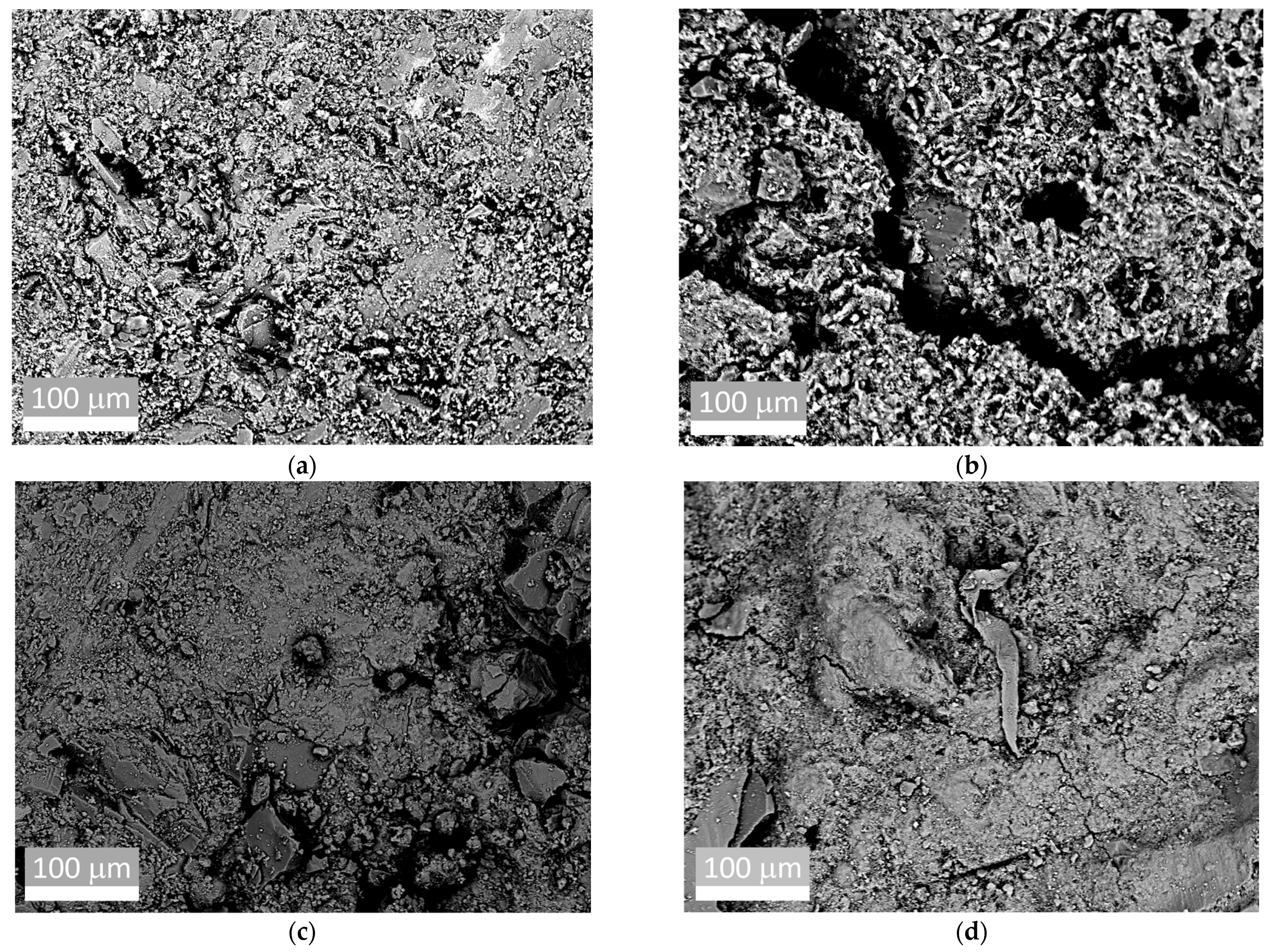
Research on the combined substitution of supplementary cementitious materials (SCMs) has already demonstrated that it might be one of the few viable options to produce low-carbon concrete at scale. This paper presents an experimental investigation on the performance and durability of rice husk ash (RHA) and calcined clay (CC) in ternary blended concrete exposed to chloride attacks under wet/dry cycles. Portland cement (PC) was replaced by RHA and CC up to 50% by weight to produce low-carbon concrete. Samples were subjected to wet/dry cycles in 3.5% NaCl water, with mineralogical composition and microstructure development before and after exposure analysed by TGA-DSC, MIP, XRD, and SEM. The durability of the concrete against wet/dry cycles was investigated in terms of compressive strength, water absorption, open porosity, density, thermal conductivity, and electrical resistivity. The results showed that concrete mixes with CC and RHA up to 60% exhibited an increase of 33% in compressive strength, followed by minimal changes in water absorption. While a decrease in electrical resistivity was measured in all samples with RHA and CC, increasing the CC content to 50% resulted in improved resistance to chloride penetration. Increasing the CC content resulted in a more refined microstructure, with an overall decrease in porosity of up to 32% compared to the control series. While RHA alone did not contribute to significant improvements after wet/dry cycles, the combined substitution of RHA and CC at SCM replacement levels of 60% showed an overall improvement in hardened properties and durability. This investigation provides valuable insights into the long-term performance and strength of innovative low-carbon concrete.
Keywords: calcined clay; rice husk ash; concrete durability; wet/dry cycle calcined clay; rice husk ash; concrete durability; wet/dry cycle