Article

Evaluation of Chloride Ion Attack in Self-Compacting Concrete Using Recycled Construction and Demolition Waste Aggregates

by
Lorena K. S. Peixoto
1,*,
Marcos A. S. dos Anjos
2,
Evilane C. de Farias
3 and
Fernando G. Branco
4
1
Federal Institute of Education, Science and Technology of Rio Grande do Norte, São Gonçalo 59291-727, Brazil
2
Department of Civil Engineering, Federal Institute of Education, Science and Technology of Paraíba, João Pessoa 58015-435, Brazil
3
Department of Civil Engineering, Federal Institute of Education, Science and Technology of Rio Grande do Norte, Natal 59015-000, Brazil
4
ISISE, ARISE, Department of Civil Engineering, University of Coimbra, 3000-447 Coimbra, Portugal
*
Author to whom correspondence should be addressed.
Buildings 2024, 14(2), 319; https://doi.org/10.3390/buildings14020319

Submission received: 14 November 2023 / Revised: 7 January 2024 / Accepted: 15 January 2024 / Published: 23 January 2024
(This article belongs to the Special Issue Advanced Studies in Concrete Materials)

Abstract

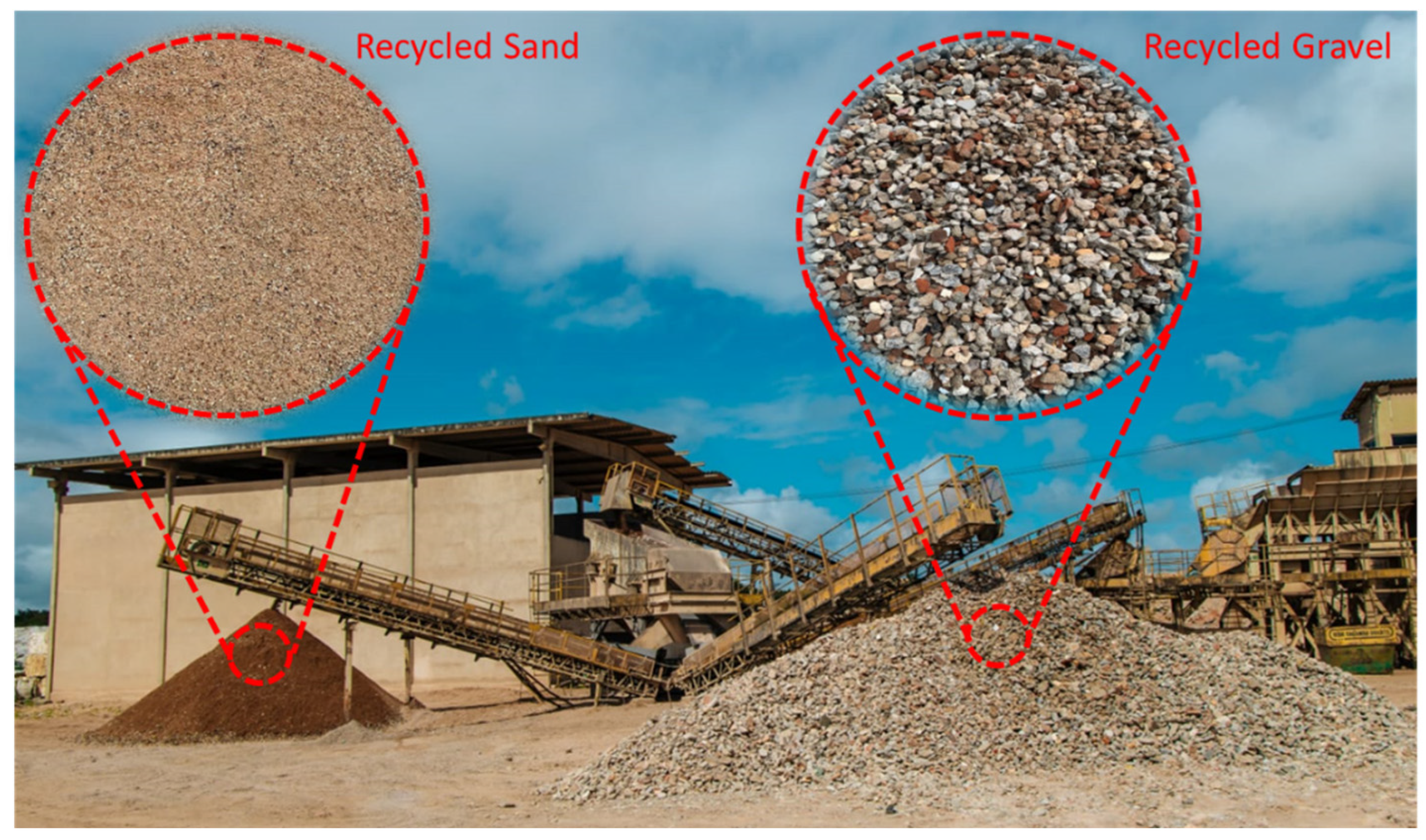
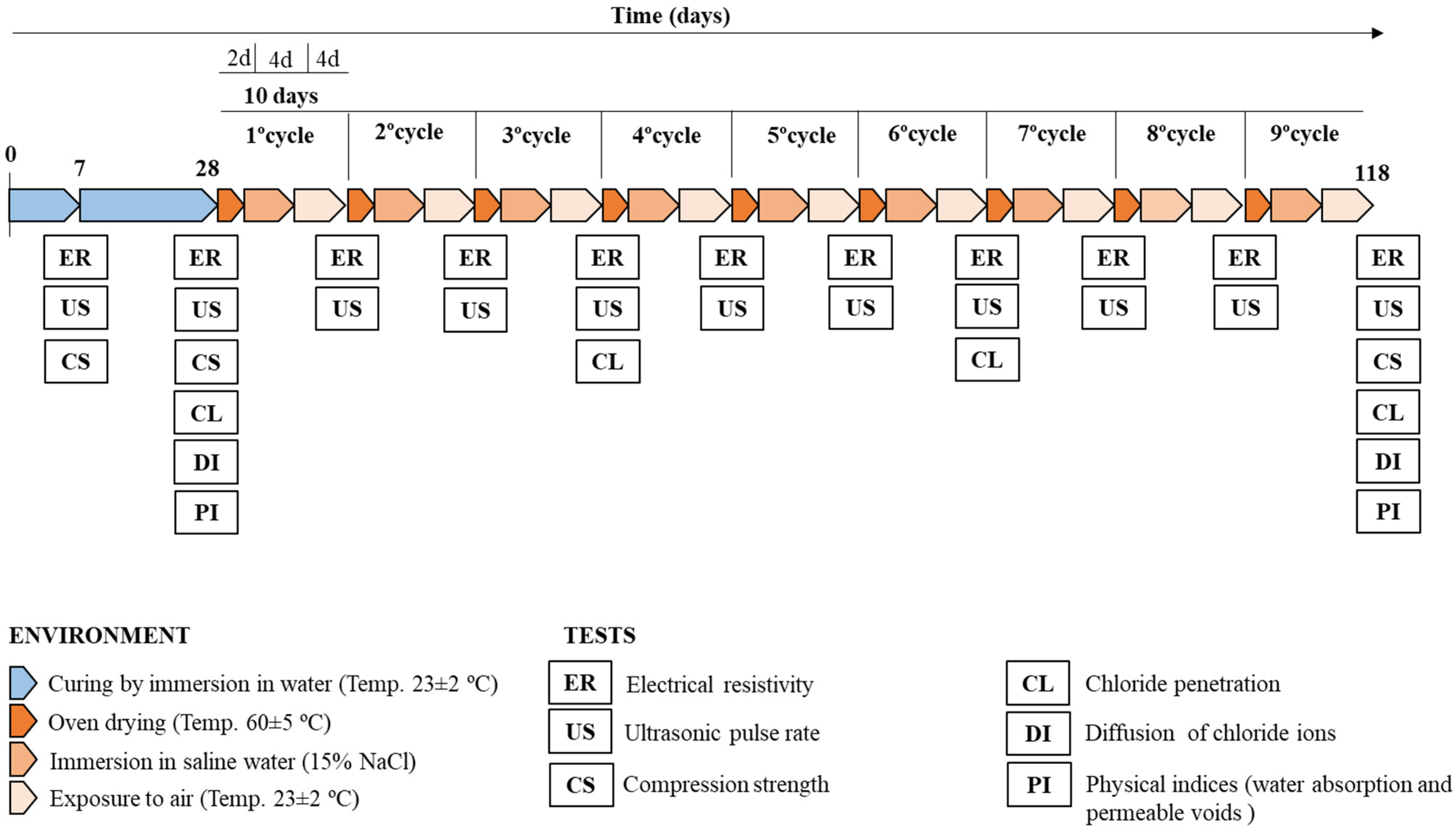
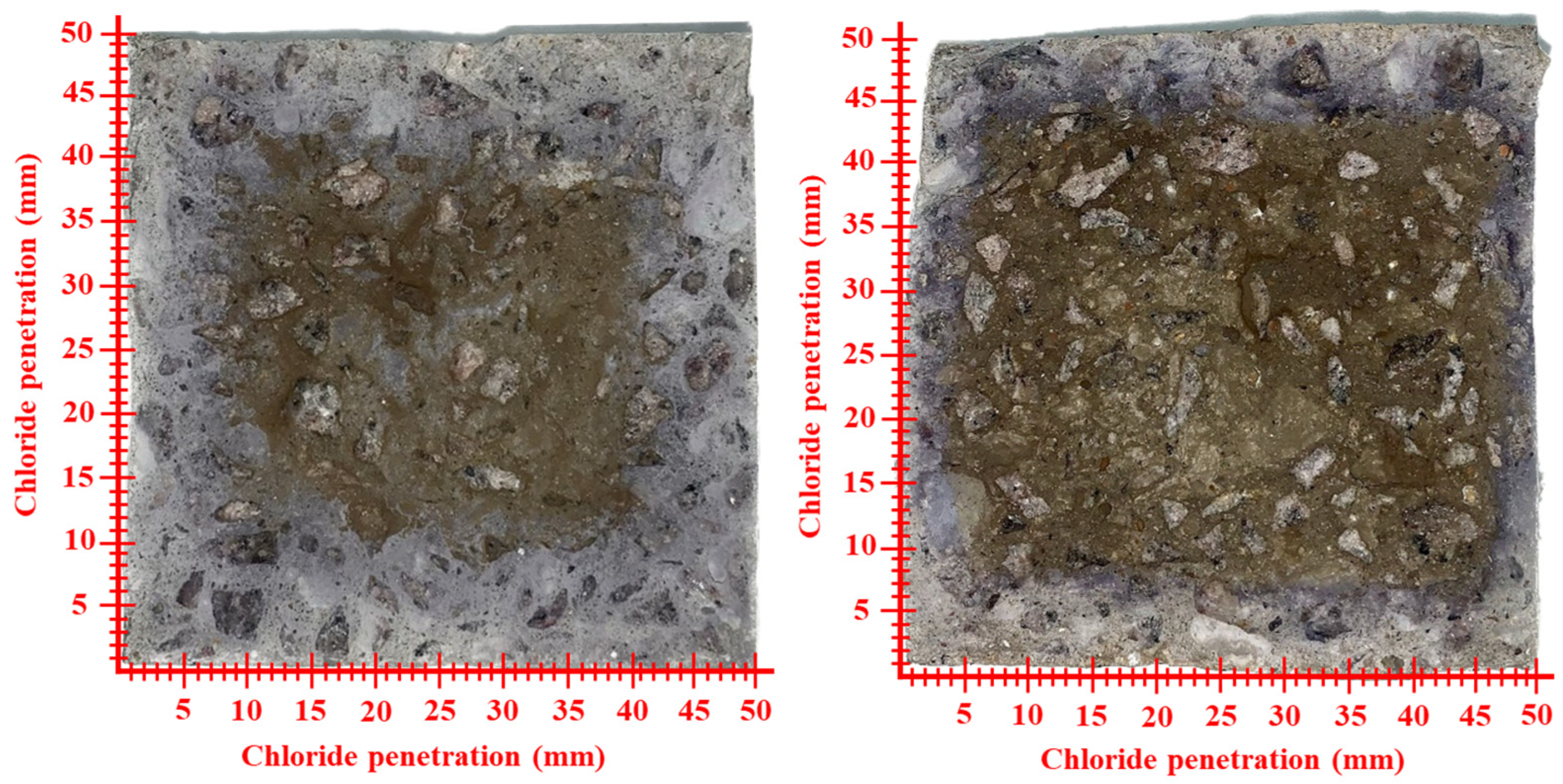
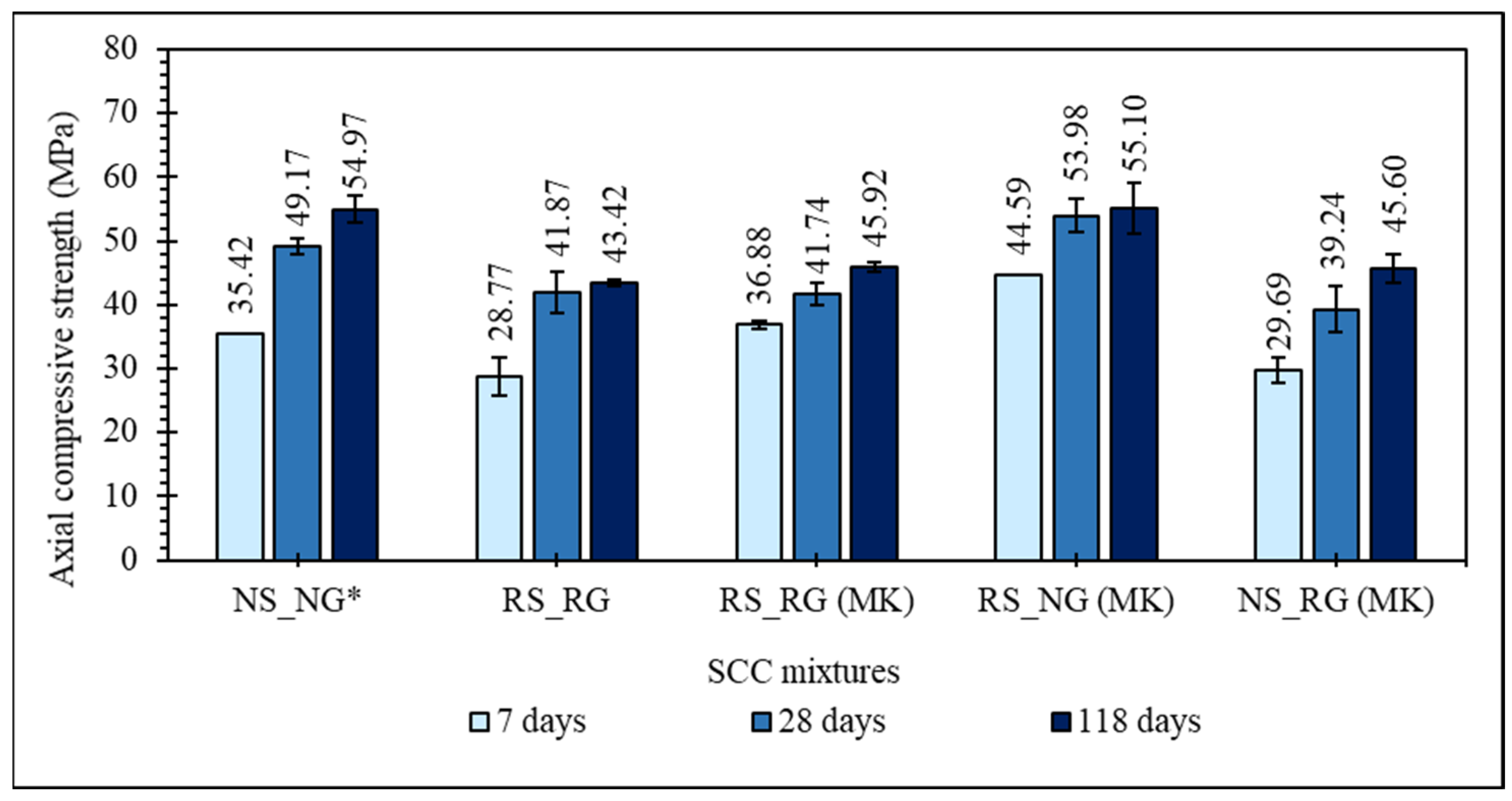
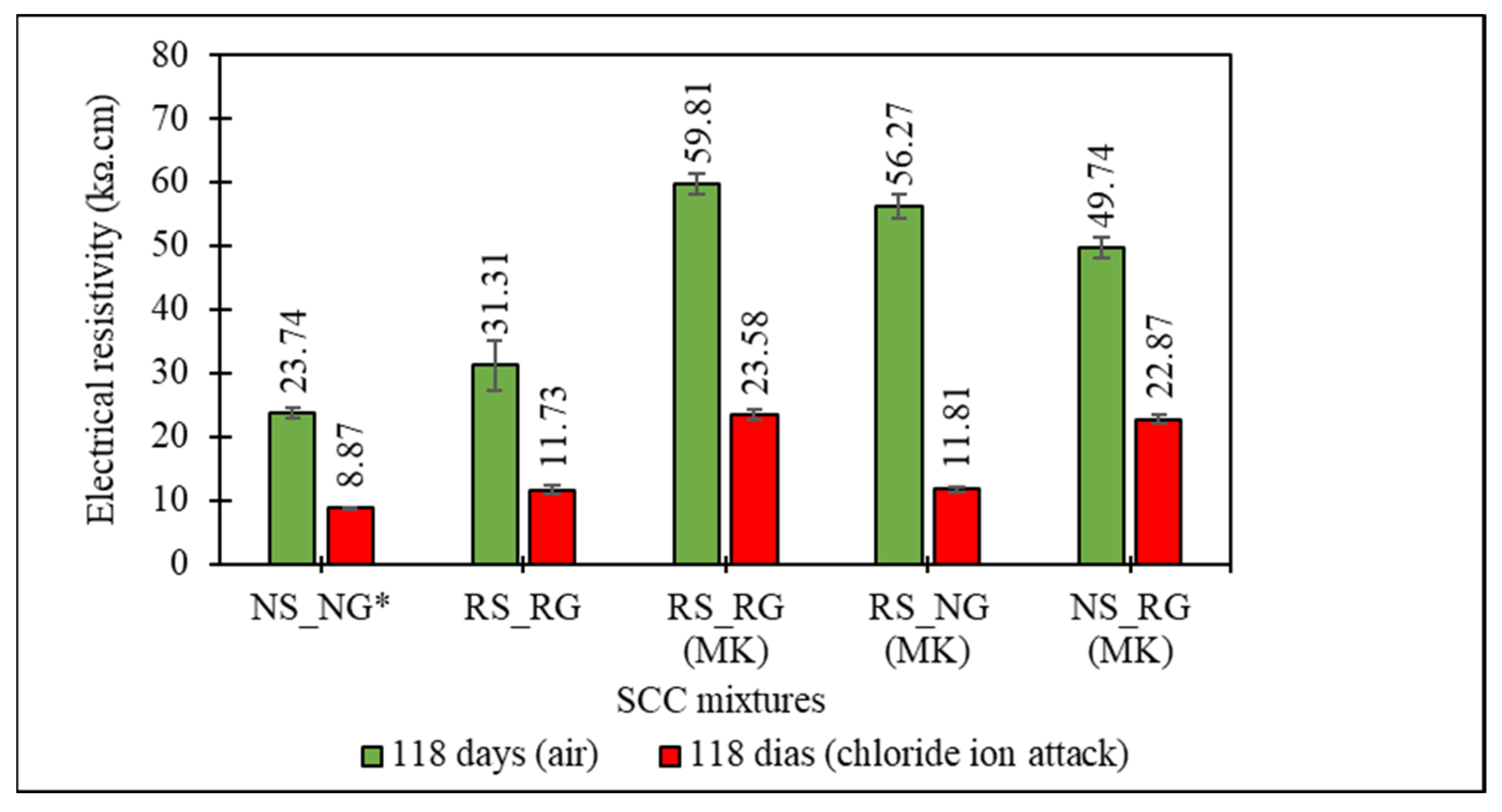
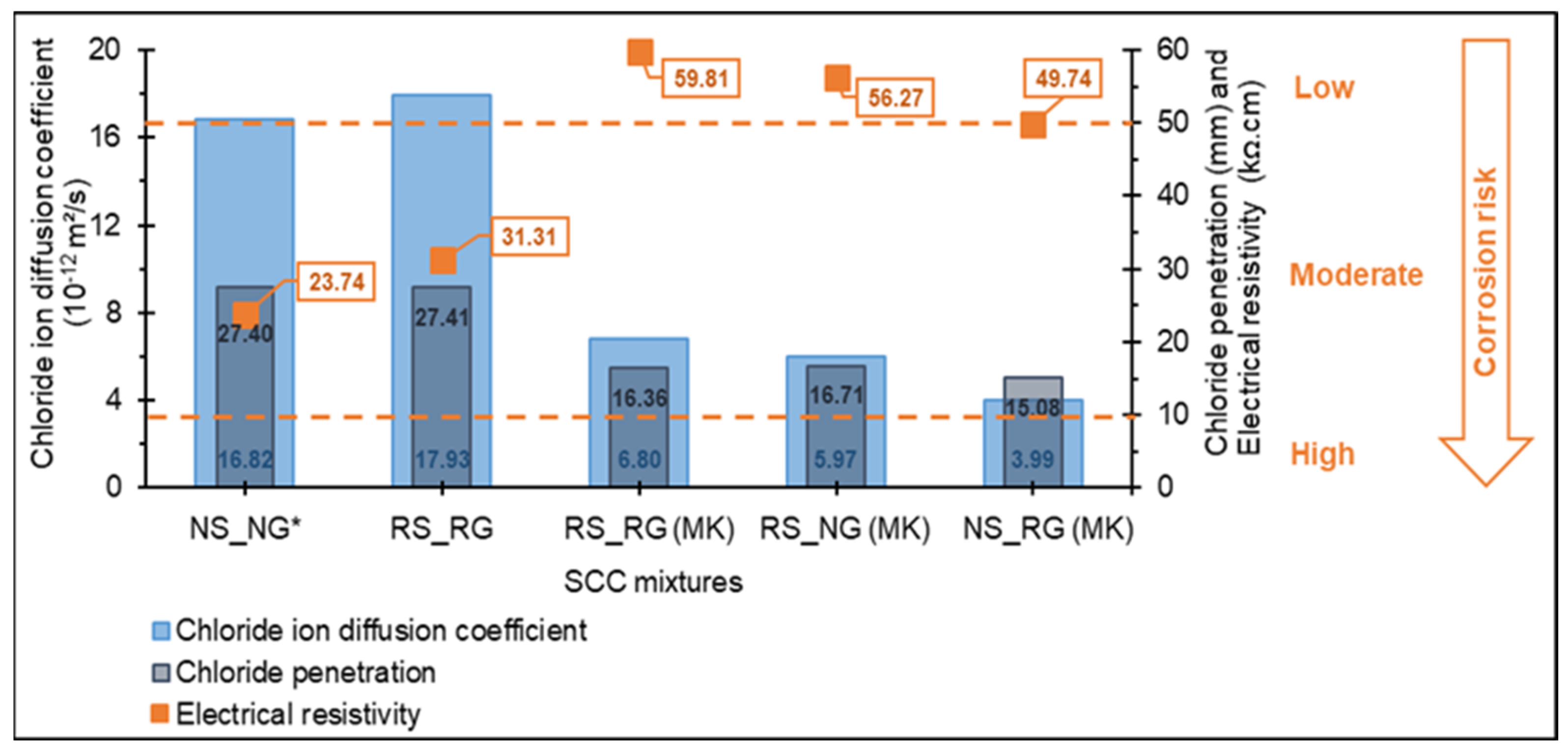
Construction and demolition waste (CDW) destined for recycling companies has great potential for use in civil construction, since it gives rise to recycled aggregates of different particle sizes that can be used in concrete. However, there is a lack of studies on the durability of concrete produced with recycled aggregates from CDW. This study analyzed the influence of incorporating recycled aggregates from CDW, sand, and gravel on the durability parameters of SCC mixtures, with and without the addition of metakaolin (MK), when subjected to two exposure conditions: outdoors and in cycles of attack by chloride ions. Five mixtures were produced: reference SCC, with natural sand and gravel; SCC with recycled sand and gravel; SCC with recycled sand and gravel and the addition of 10% MK; SAC with recycled sand, natural gravel, and the addition of 10% MK; and SCC with natural sand, recycled gravel and the addition of 10% MK. The water/binder ratio was kept constant for all mixtures and the additive dosage was adjusted according to the variation in the use of aggregates. The mechanical and durability properties were assessed using axial compressive strength, ultrasonic pulse velocity, chloride penetration, chloride ion diffusion, and electrical resistivity tests. The results showed the feasibility of using recycled aggregates from CDW in SCC. The addition of MK significantly improved the performance of SCC using these aggregates. The mixtures with added MK showed a low risk of corrosion and high resistance to chloride ion penetration, and, under highly aggressive attack conditions, it was observed that the chloride ions did not exceed the minimum cover thickness recommended for reinforced concrete structures. The addition of MK to the mix with recycled aggregates caused an 84.6% reduction in the Cl diffusion coefficient, there was also a 40.3% reduction in Cl penetration and an increase of up to 156.14% in electrical resistivity compared to the mix with recycled aggregates without the addition of MK. The SCC mix with recycled sand and metakaolin stood out positively compared to the others, achieving an axial compressive strength similar to the reference mix (55.10 MPa). We, therefore, conclude that it is possible to produce such a mix with acceptable performance and ensure good behavior under aggressive environmental conditions.
Keywords: self-compacting concrete; recycled aggregates; metakaolin; mechanical properties; ultrasonic pulse velocity; durability; chloride penetration; chloride ion diffusion; electrical resistivity self-compacting concrete; recycled aggregates; metakaolin; mechanical properties; ultrasonic pulse velocity; durability; chloride penetration; chloride ion diffusion; electrical resistivity