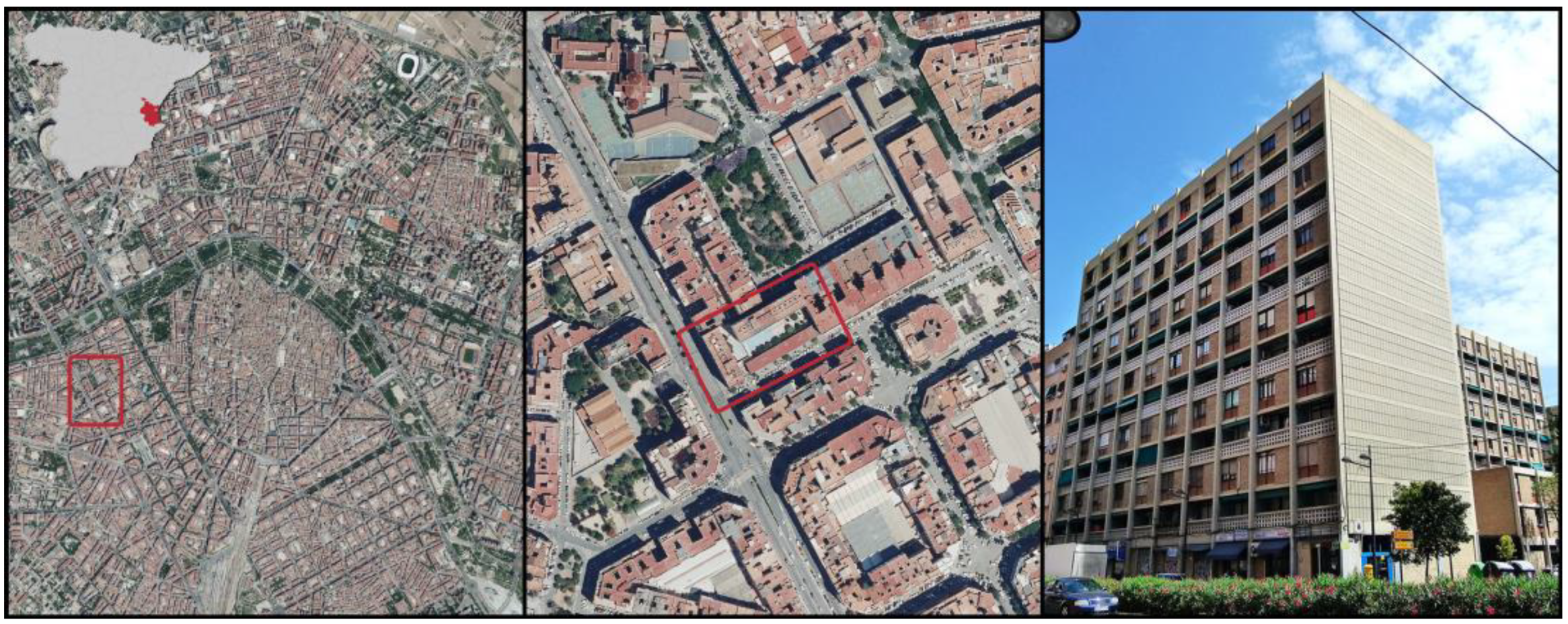
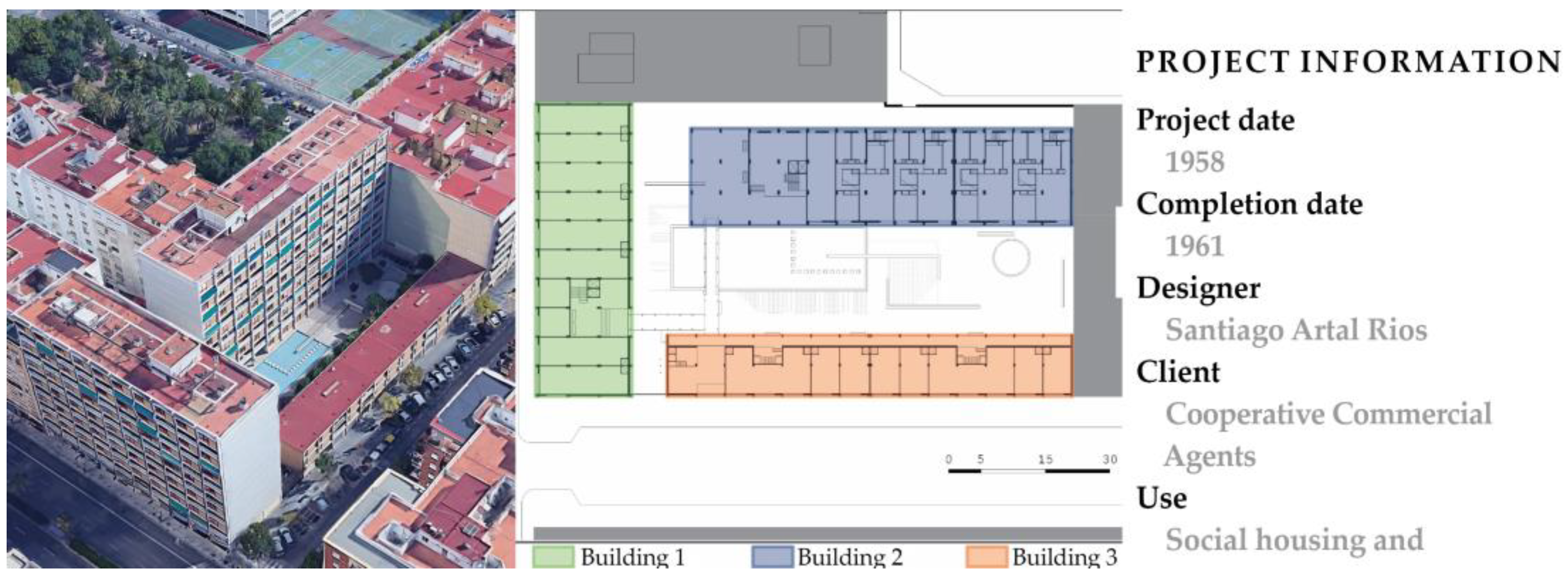
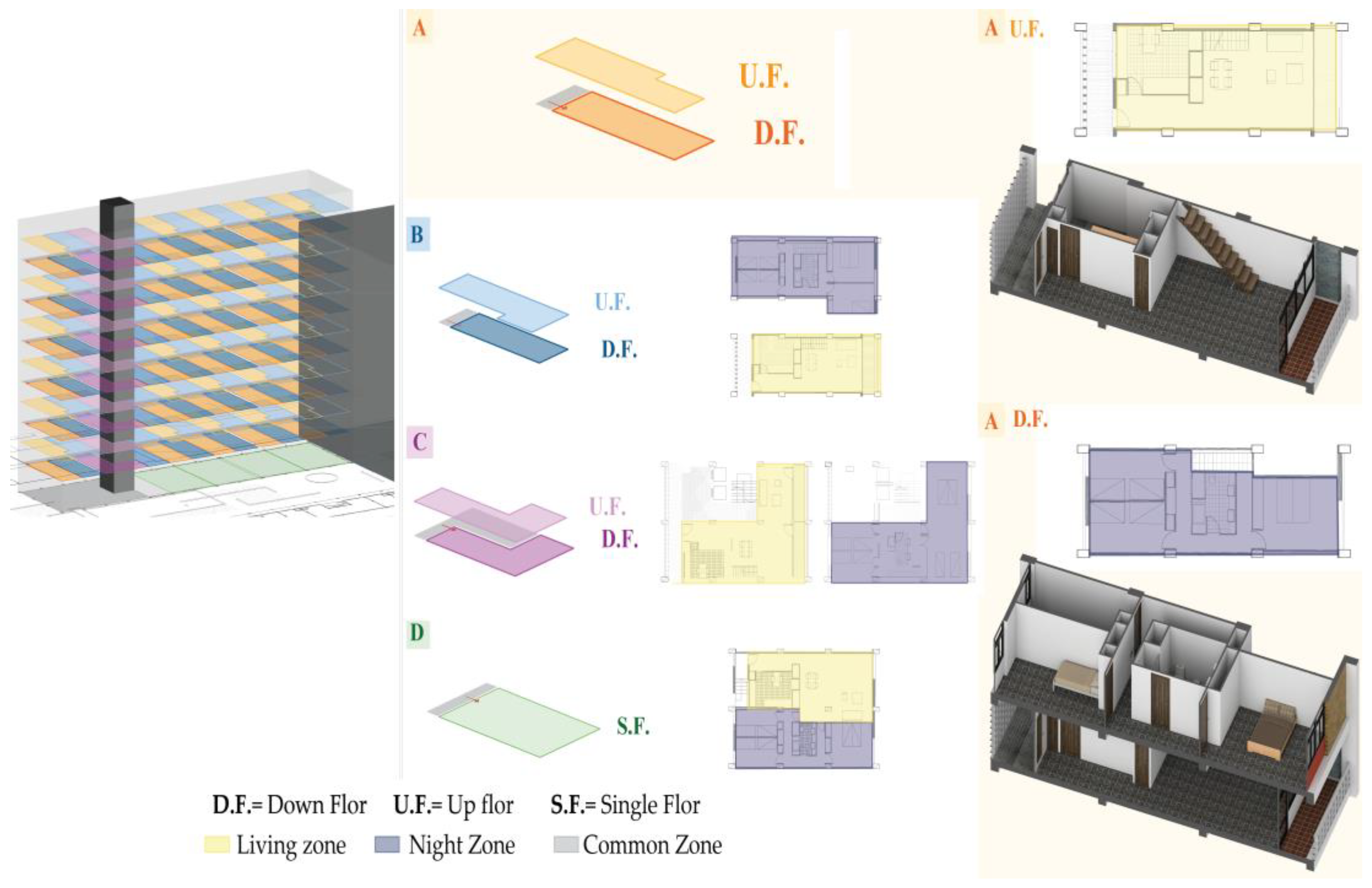
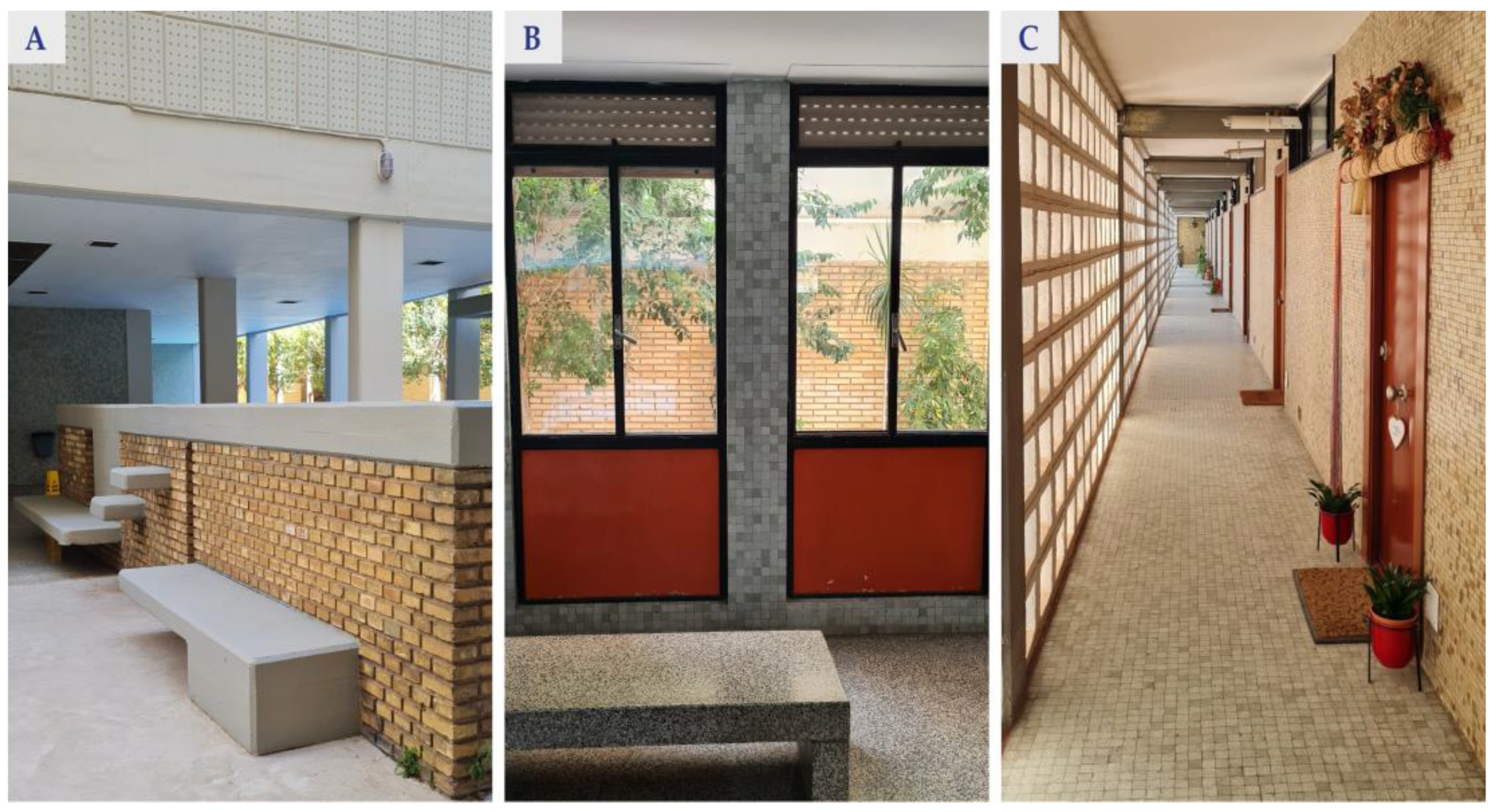
The Santa María Micaela Residential Complex in Valencia (Spain) Study of the Original Design to Assess Its Bioclimatic Potentials for Energy Upgrading
 , , , ,
Abstract
Share and Cite
Angileri, G.; Bernardo, G.; Currò, G.; Fiandaca, O.; Minutoli, F.; Palmero Iglesias, L.M.; Russo, G.F. The Santa María Micaela Residential Complex in Valencia (Spain) Study of the Original Design to Assess Its Bioclimatic Potentials for Energy Upgrading. Buildings 2024, 14, 3819. https://doi.org/10.3390/buildings14123819
Angileri G, Bernardo G, Currò G, Fiandaca O, Minutoli F, Palmero Iglesias LM, Russo GF. The Santa María Micaela Residential Complex in Valencia (Spain) Study of the Original Design to Assess Its Bioclimatic Potentials for Energy Upgrading. Buildings. 2024; 14(12):3819. https://doi.org/10.3390/buildings14123819
Chicago/Turabian StyleAngileri, Giuseppe, Graziella Bernardo, Giuseppina Currò, Ornella Fiandaca, Fabio Minutoli, Luis Manuel Palmero Iglesias, and Giovanni Francesco Russo. 2024. "The Santa María Micaela Residential Complex in Valencia (Spain) Study of the Original Design to Assess Its Bioclimatic Potentials for Energy Upgrading" Buildings 14, no. 12: 3819. https://doi.org/10.3390/buildings14123819
APA StyleAngileri, G., Bernardo, G., Currò, G., Fiandaca, O., Minutoli, F., Palmero Iglesias, L. M., & Russo, G. F. (2024). The Santa María Micaela Residential Complex in Valencia (Spain) Study of the Original Design to Assess Its Bioclimatic Potentials for Energy Upgrading. Buildings, 14(12), 3819. https://doi.org/10.3390/buildings14123819