Review

Digital Technologies for Promoting Construction and Demolition Waste Management: A Systematic Review

by
Comfort Olubukola Iyiola
1,*,
Winston Shakantu
1 and
Emmanuel Itodo Daniel
2
1
Department of Construction Management, Faculty of Engineering, Built Environment and Technology, Nelson Mandela University, Gqeberha 6001, South Africa
2
School of Architecture and Built Environment, Faculty of Science and Engineering, University of Wolverhampton, Wulfruna Street, Wolverhampton WV1 ILY, UK
*
Author to whom correspondence should be addressed.
Buildings 2024, 14(10), 3234; https://doi.org/10.3390/buildings14103234

Submission received: 9 August 2024 / Revised: 30 September 2024 / Accepted: 8 October 2024 / Published: 12 October 2024
(This article belongs to the Special Issue Research on Construction Innovation and Digitization)

Abstract

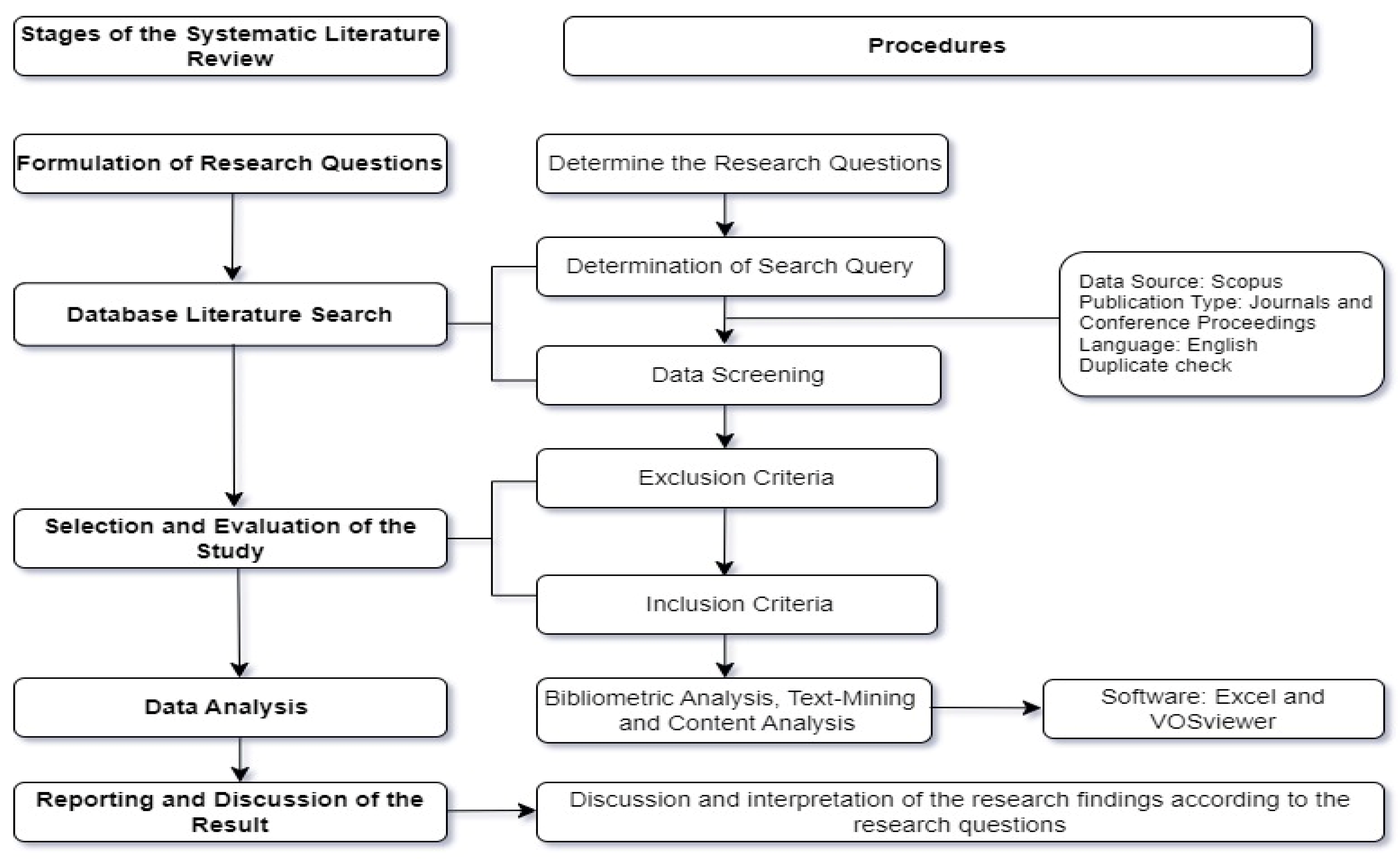
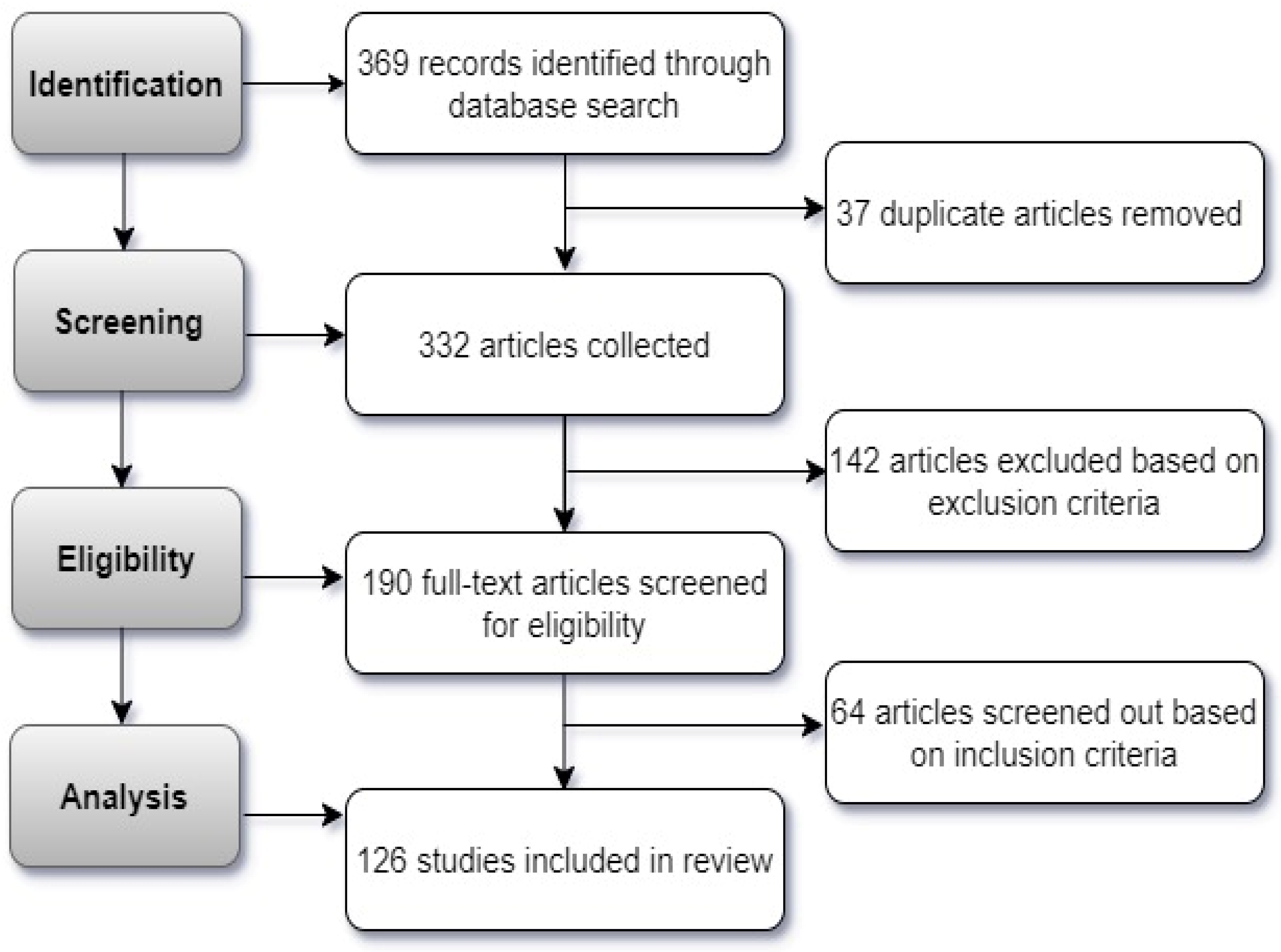
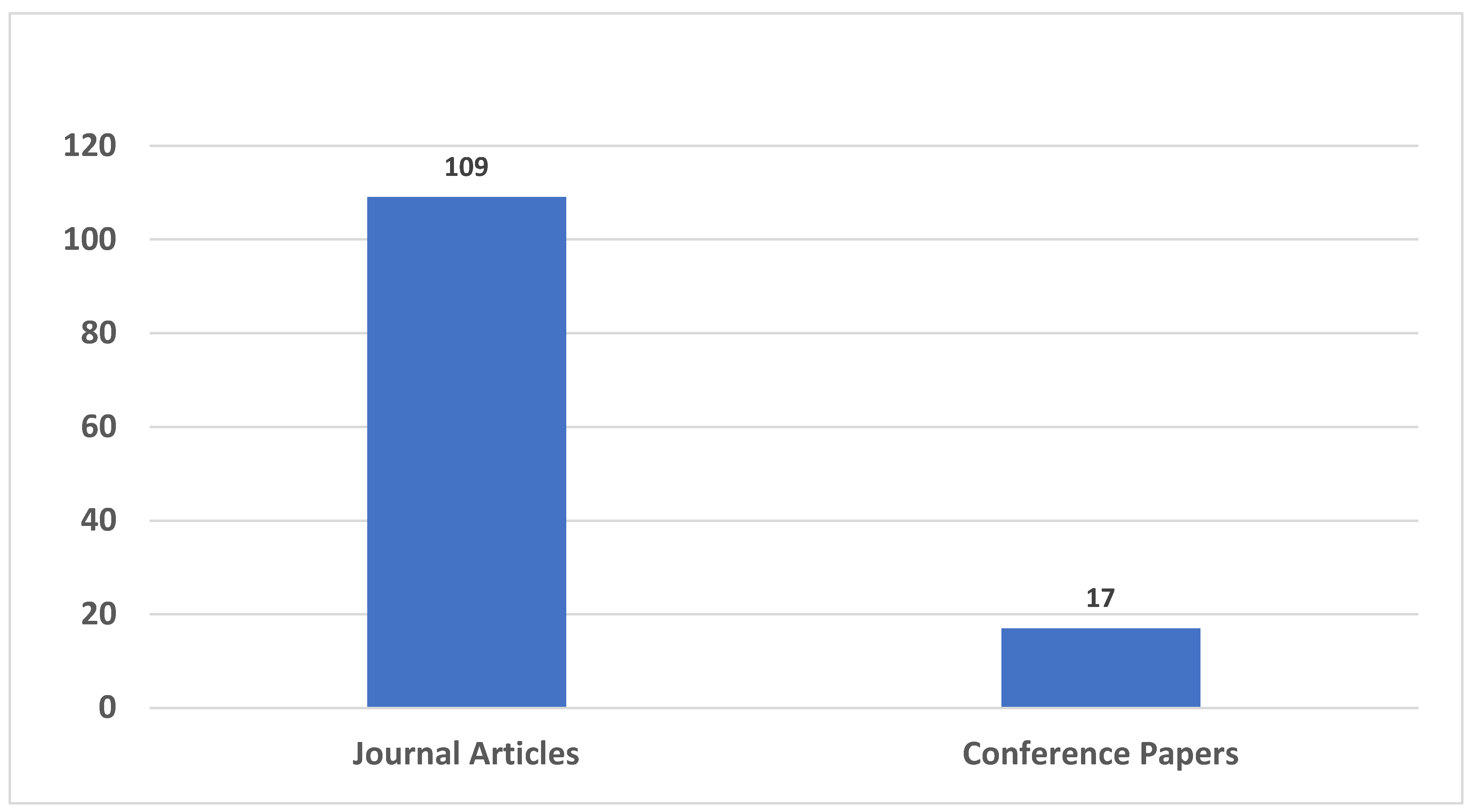
The increasing concern about the environment has led to the necessity of ensuring efficient Construction and Demolition Waste Management (C&DWM) in the built environment. Despite the extensive research on C&DWM, the industry still faces significant challenges, including inefficiencies, high costs, and environmental impacts. Meanwhile, incorporating digital technologies (DTs) has emerged as a way to eradicate the challenges of C&DW. In response to the knowledge gap, in this research, we conducted a systematic literature review (SLR), incorporating bibliometric, text-mining, and content analysis to meet the research objectives. In total, 126 papers were retrieved from the Scopus database and transferred into VOSviewer to conduct the bibliometric analysis. The findings identified seven specific DTs, namely, blockchain, Internet of Things (IoT), Artificial Intelligence (AI), Machine Learning (ML), Robotics, Computer Vision (CV), and Building Information modeling (BIM). This study demonstrates that these technologies play a significant role in promoting efficient C&DWM in the construction industry. The study’s implication lies in its potential to guide industry stakeholders and policymakers in promoting the use of DTs and overcoming the barriers to their adoption, thereby facilitating more efficient and sustainable C&DWM practices. Finally, the findings of our research indicate possible future research directions for promoting DTs for C&DWM and eradicating the barriers to efficient implementation.
Keywords: built environment; digital technologies; construction and demolition waste; construction; waste management built environment; digital technologies; construction and demolition waste; construction; waste management