Article

Study on Thermodynamic Properties of Spiral Tube-Encapsulated Phase-Change Material Energy Pile

1
School of Civil Engineering, Qingdao University of Technology, Qingdao 266520, China
2
Committee for the Promotion of Building Energy Conservation Technology, China Association of Building Energy Efficiency, Beijing 100835, China
*
Author to whom correspondence should be addressed.
Buildings 2024, 14(1), 188; https://doi.org/10.3390/buildings14010188

Submission received: 6 December 2023 / Revised: 8 January 2024 / Accepted: 9 January 2024 / Published: 11 January 2024

Abstract

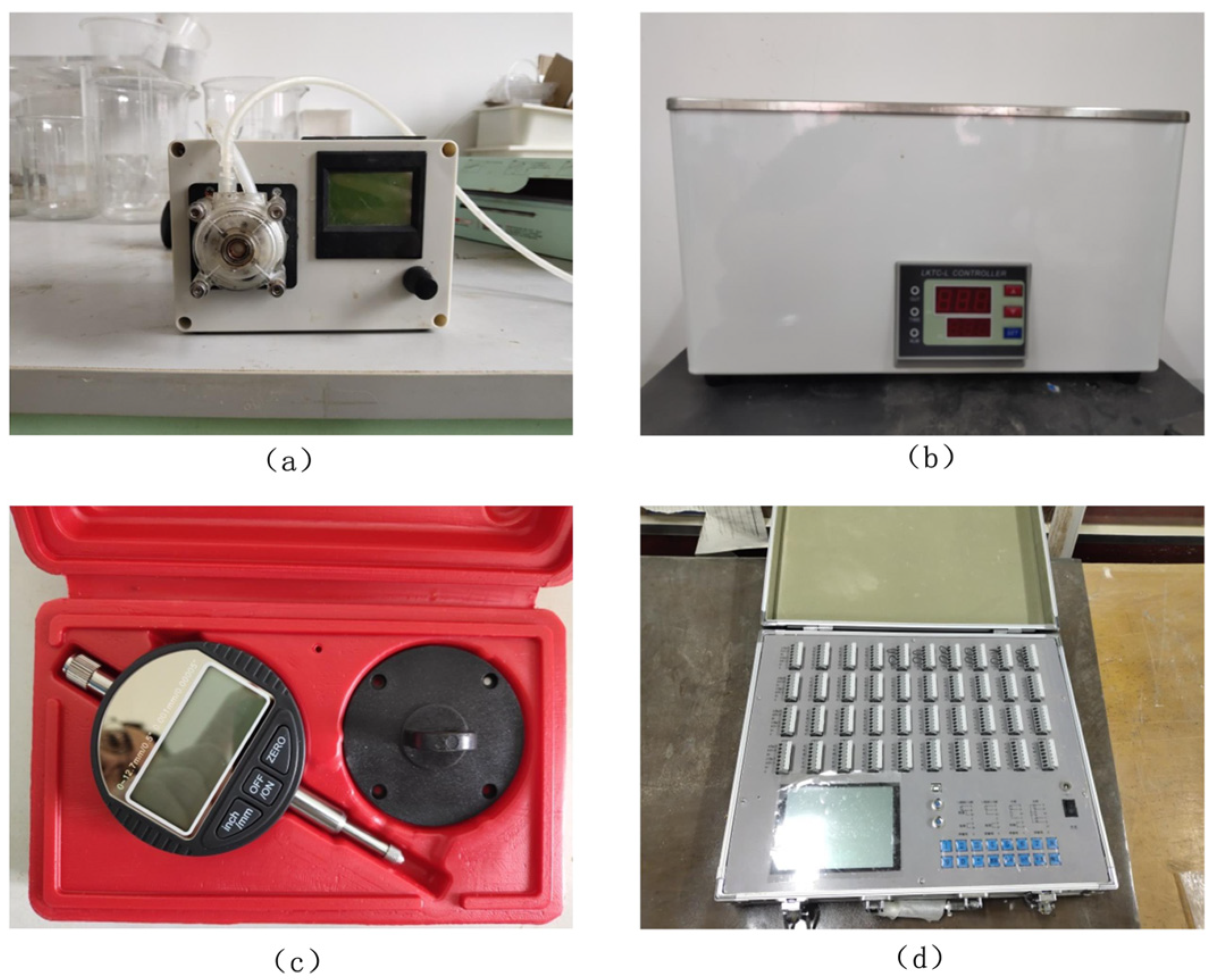
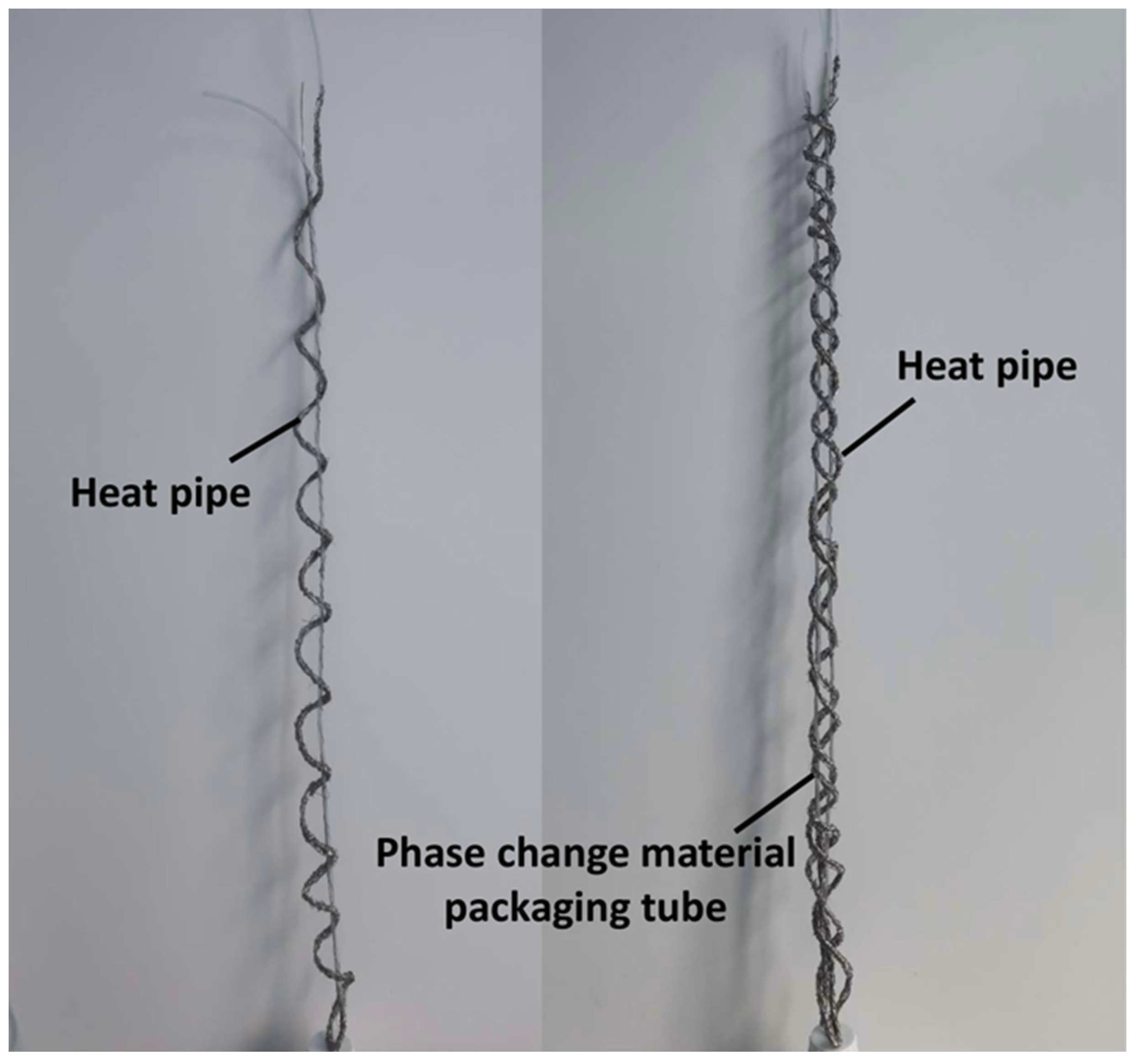
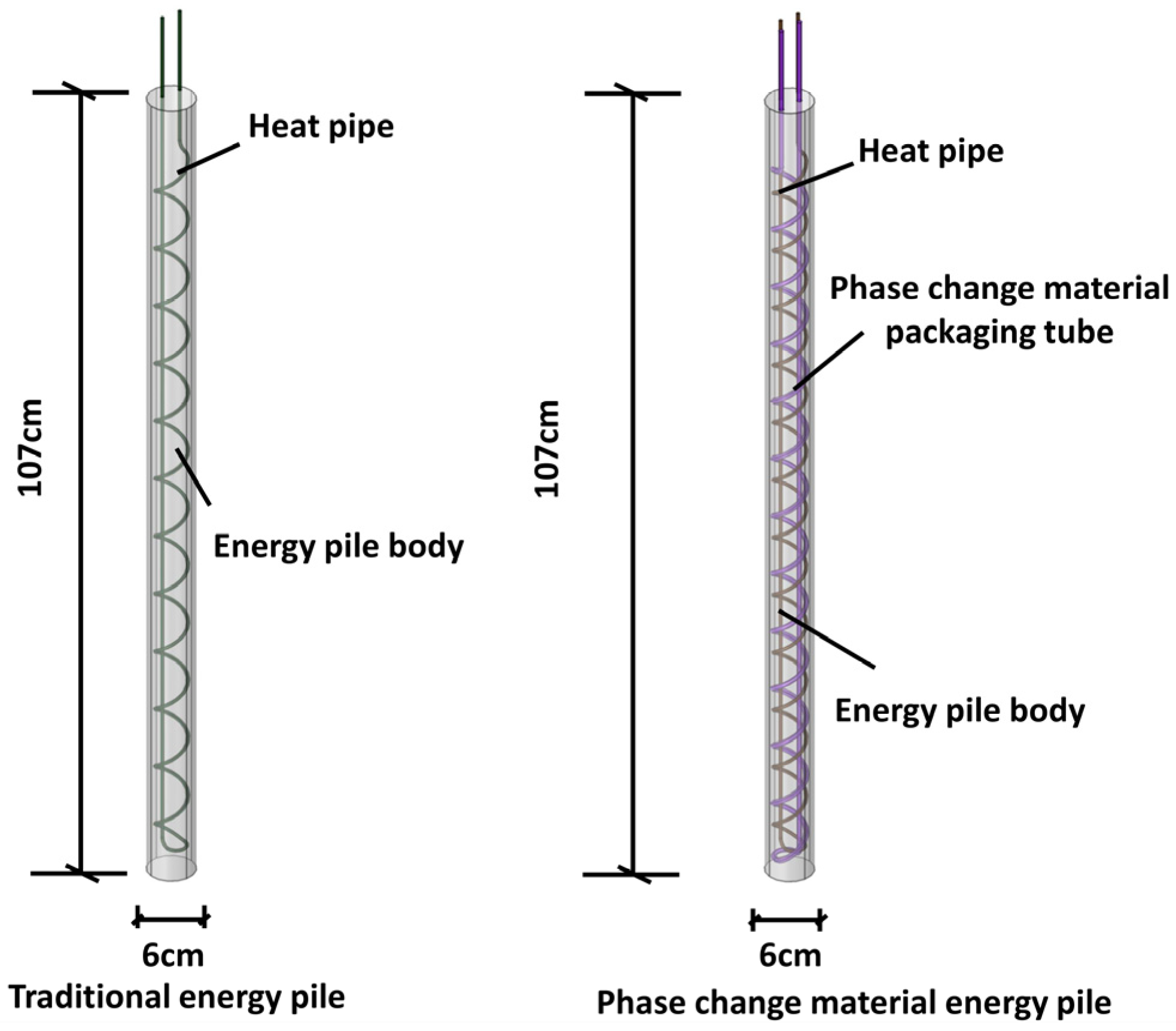
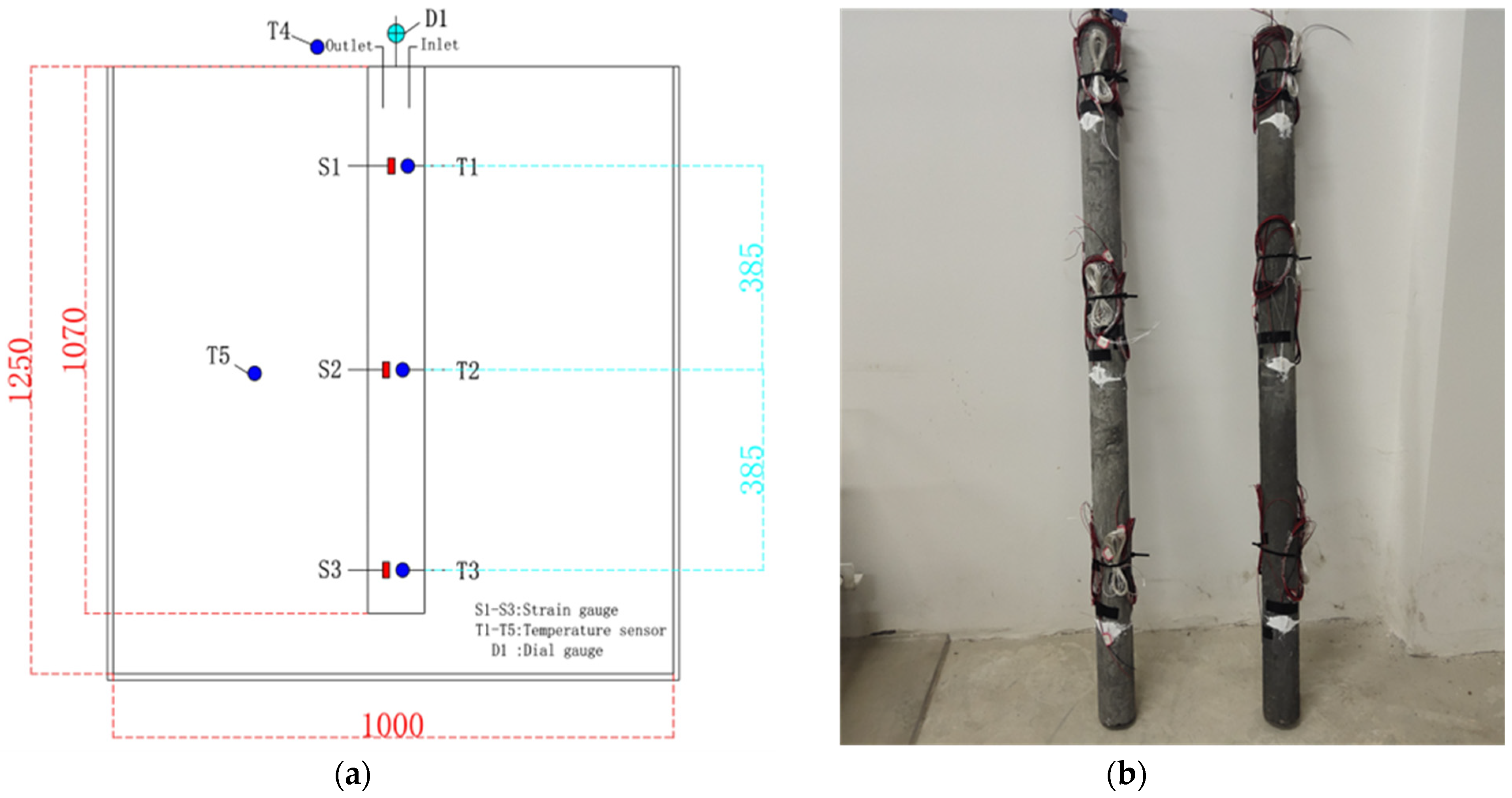
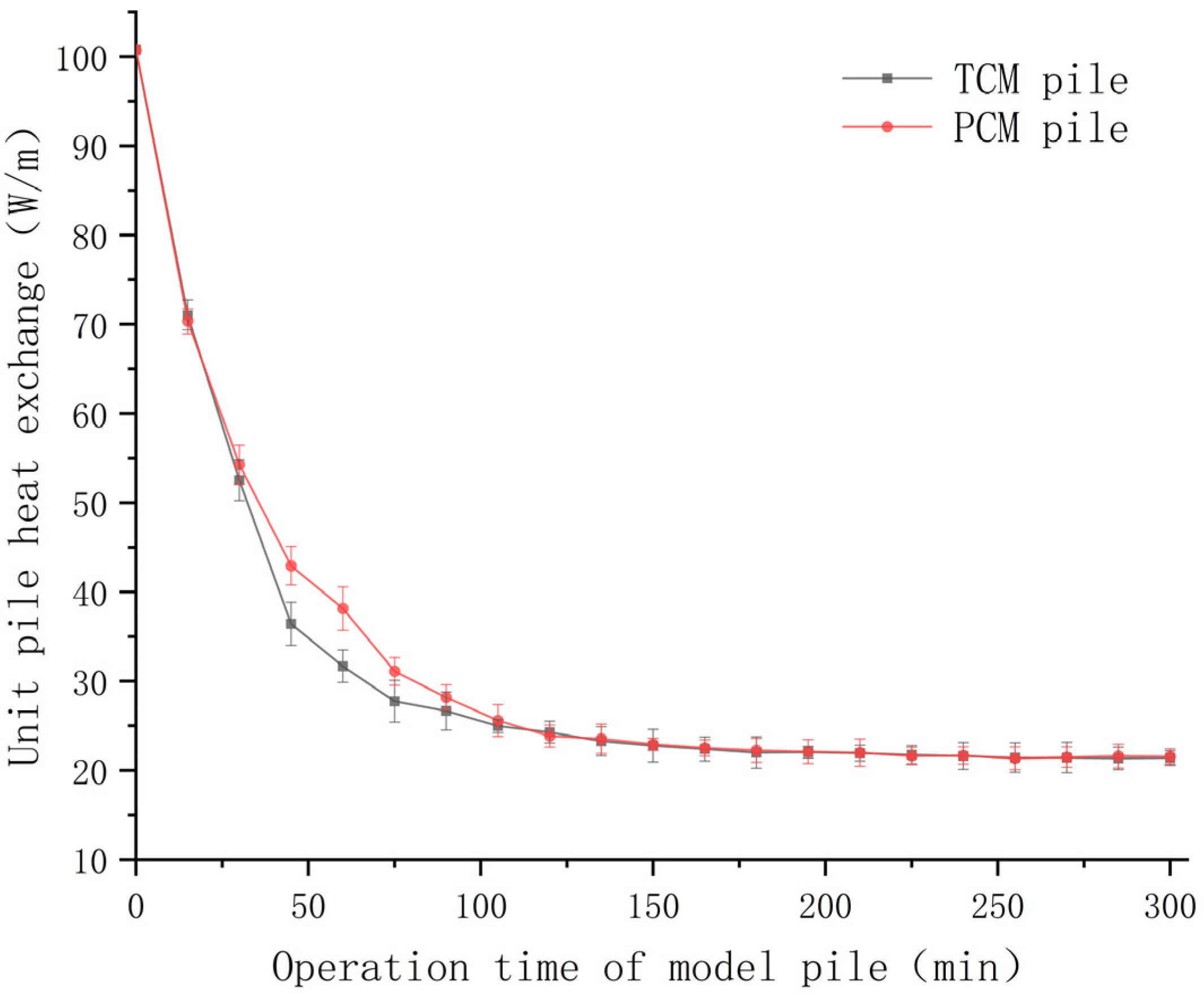
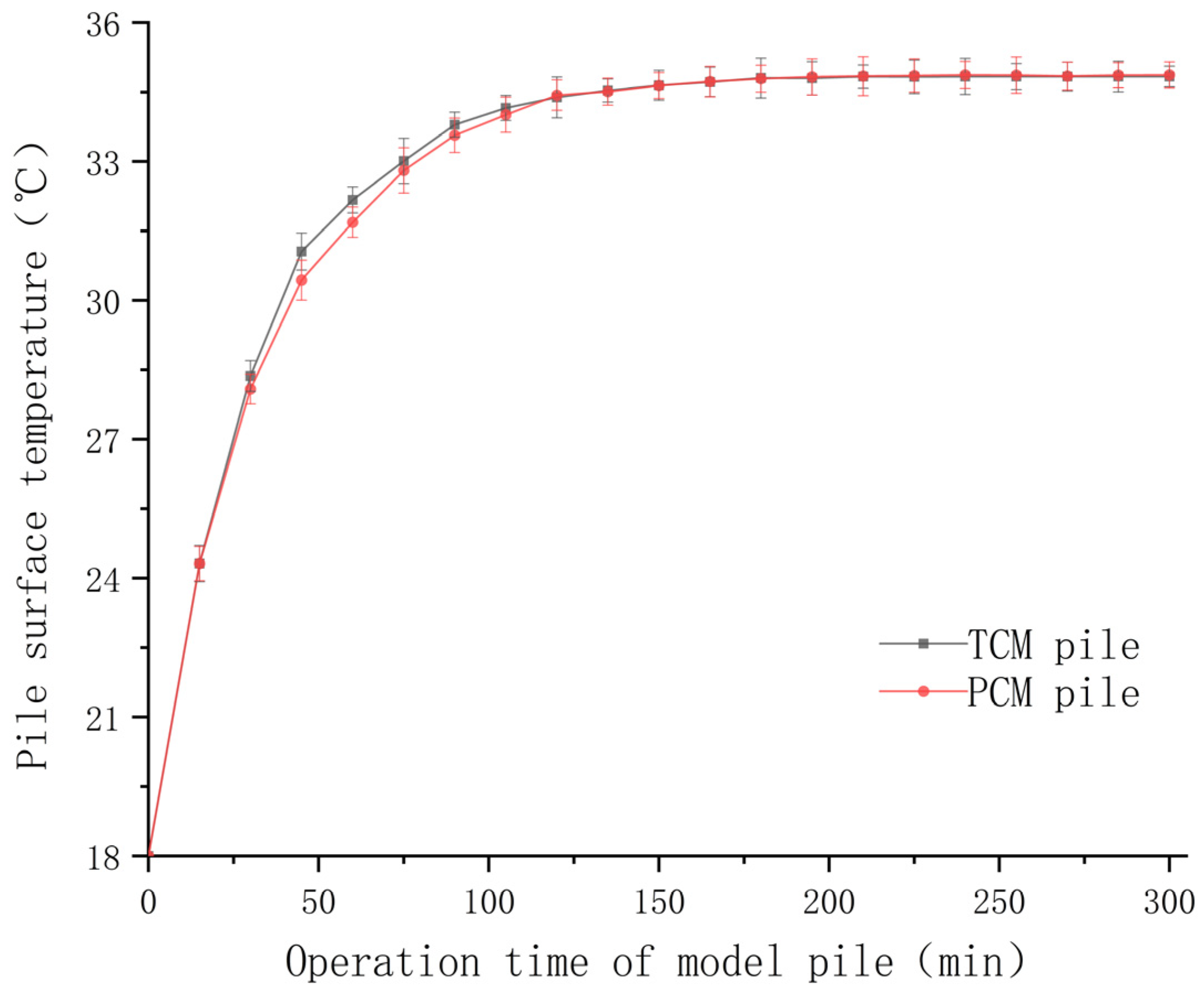
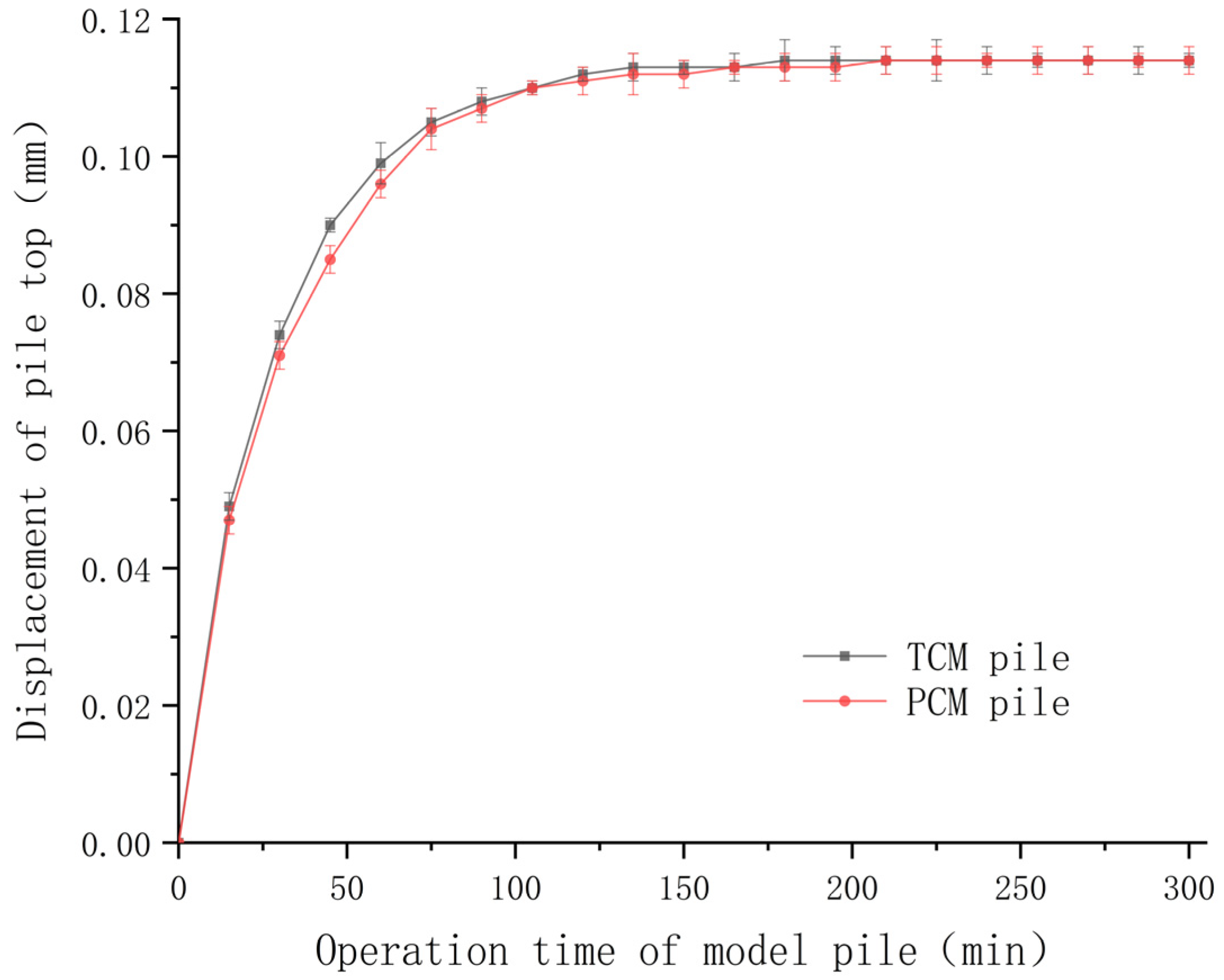
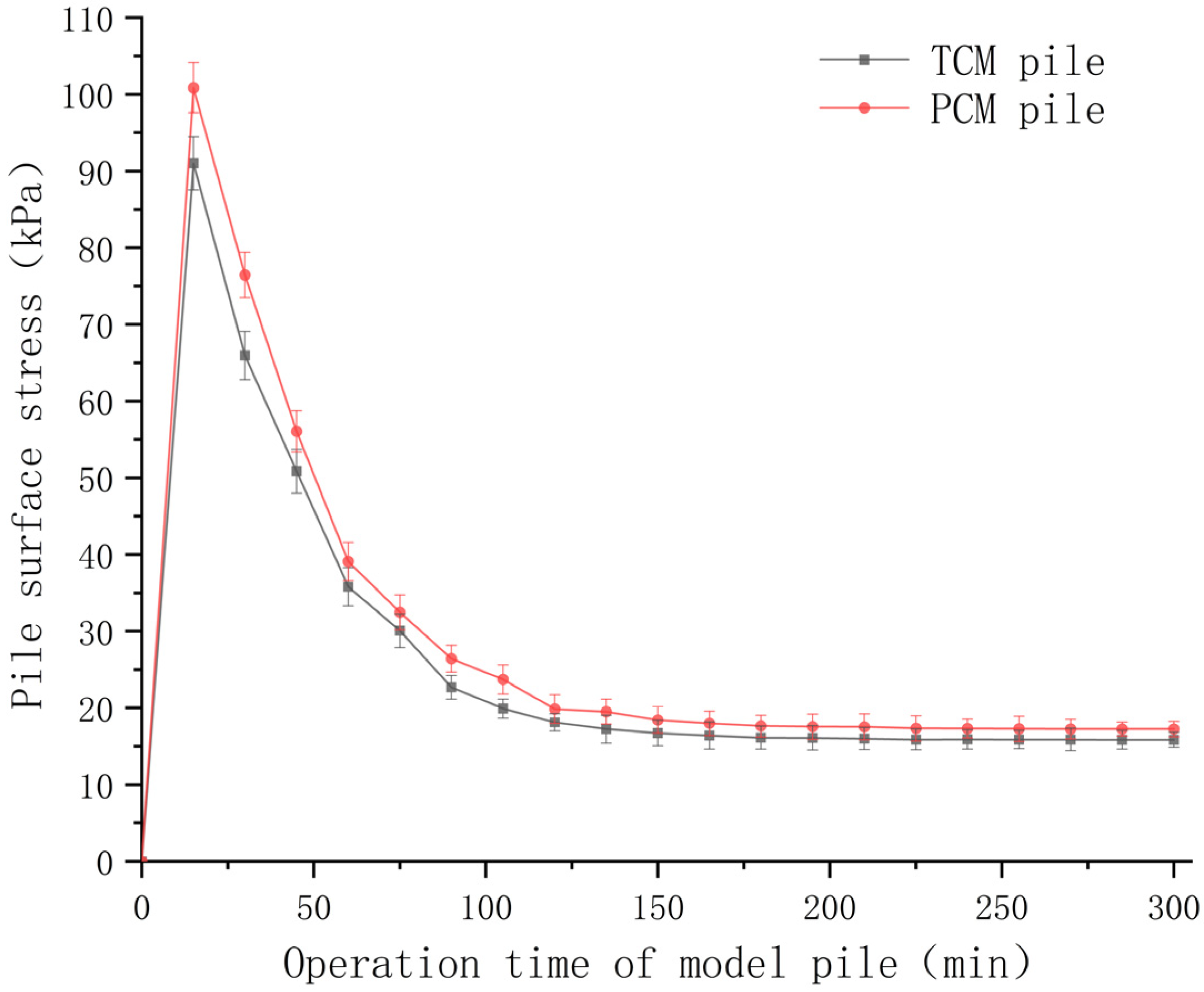
Based on the research status of phase-change material (PCM) energy piles, this paper proposes a new type of PCM energy pile-spiral tube-encapsulated PCM energy pile. In order to study the related properties of the energy pile, this study designed and processed the relevant test equipment and built an indoor scale model experimental system. The thermodynamic performance of the spiral tube-encapsulated phase-change energy pile under summer conditions was studied by the test system. Through the indoor scale model test, it is found that compared with the traditional energy pile, the spiral tube-encapsulated PCM energy pile improves the heat exchange capacity of the unit pile body in the early and middle stages of operation, and reduces the surface temperature of the pile body and the heating rate of the surface temperature of the pile body. The upward displacement of the energy pile top is reduced. The heat exchange capacity of the unit pile depth is increased by 6.52 W/m, the maximum pile surface temperature difference is 0.62 °C, and the maximum pile top displacement difference is 0.005 mm. In addition, the total heat transfer of the spiral tube-encapsulated PCM energy pile during the whole operation period is 3.38% higher than that of the traditional energy pile. However, during the whole operation period, the surface stress value of the spiral tube encapsulated PCM energy pile is higher than that of the traditional energy pile. The maximum difference between the two is 9.84 kPa and the maximum difference is 10.8%. The difference between the two is finally stabilized at 1.4 kPa with an increase in time, and the final difference is only 8.8%.
Keywords: phase-change material; energy pile; heat transfer performance; thermodynamic performance phase-change material; energy pile; heat transfer performance; thermodynamic performance