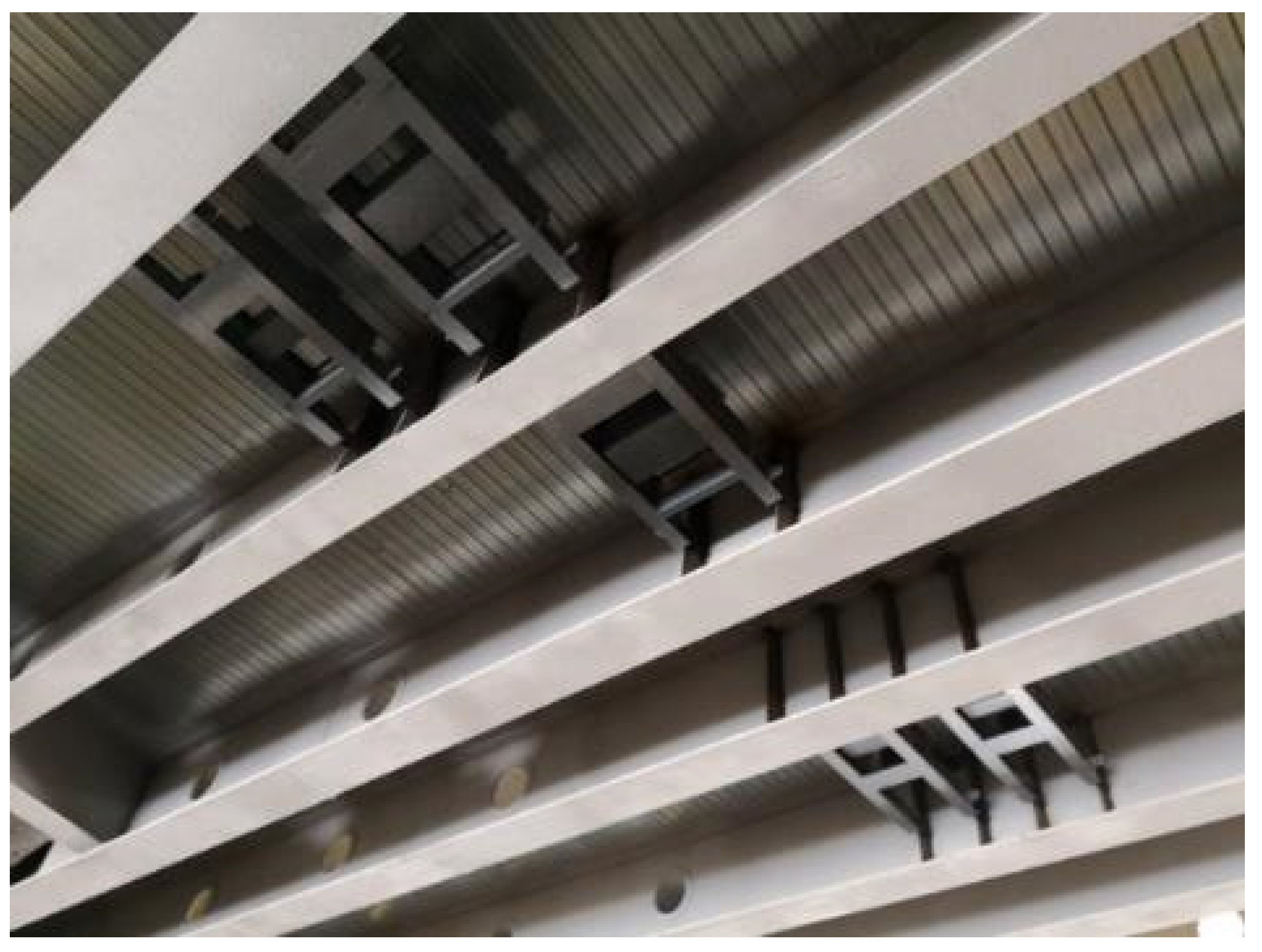
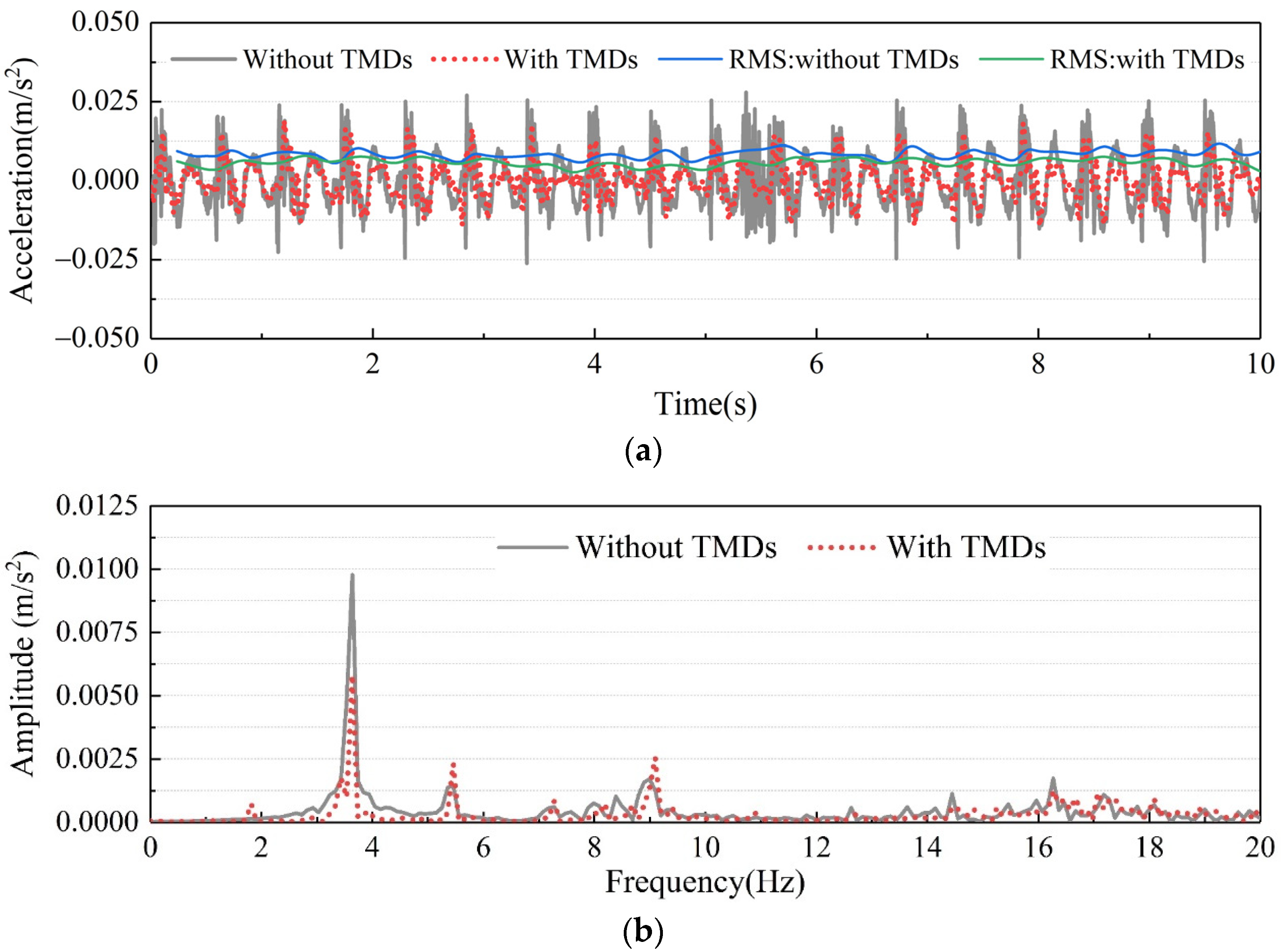
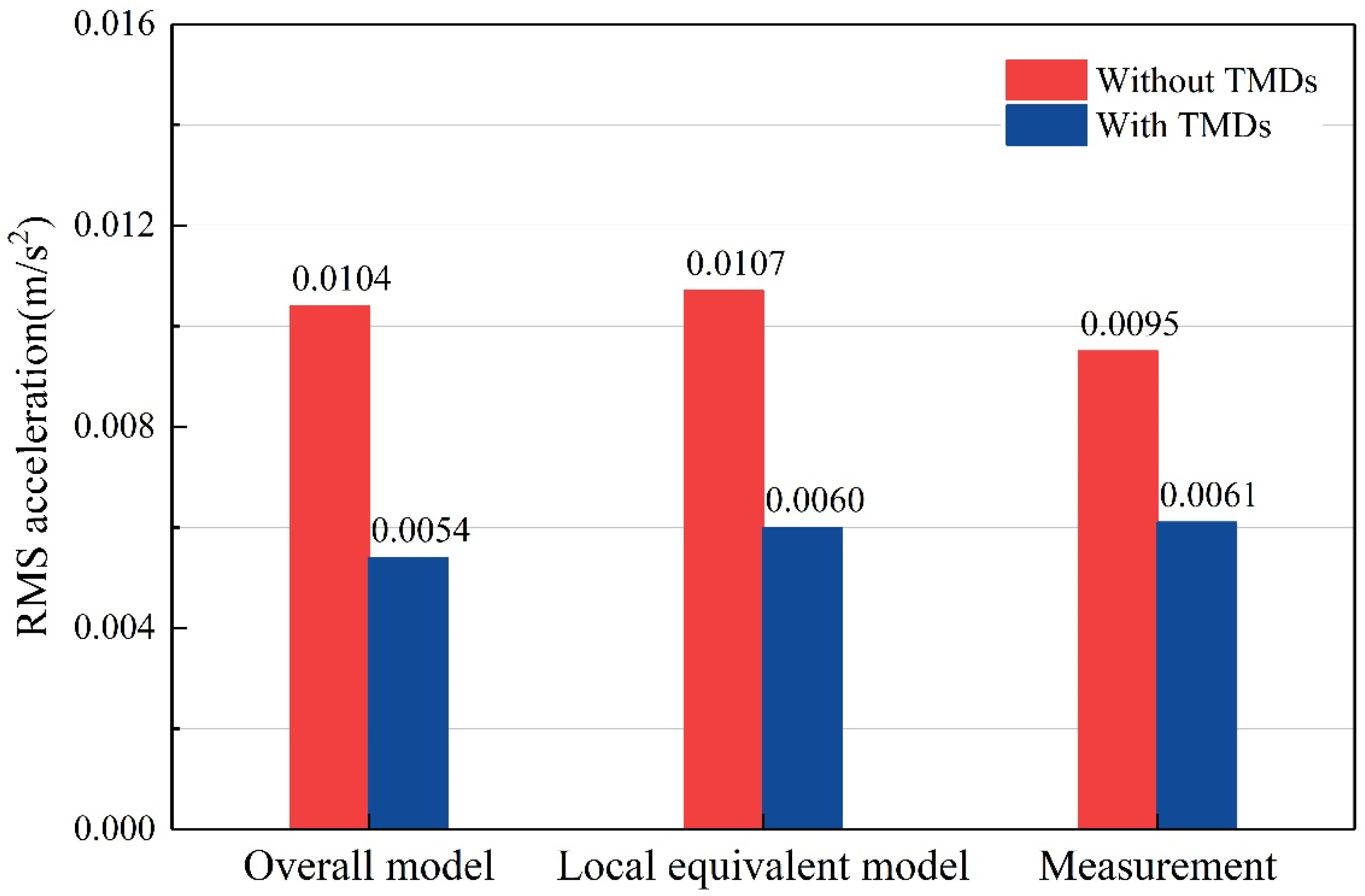
Finite Element Model for Vibration Serviceability Evaluation of a Suspended Floor with and without Tuned Mass Dampers


Abstract
Share and Cite
Wang, Z.; Song, L.; Cheng, Z.; Yang, H.; Wen, J.; Qi, M. Finite Element Model for Vibration Serviceability Evaluation of a Suspended Floor with and without Tuned Mass Dampers. Buildings 2023, 13, 309. https://doi.org/10.3390/buildings13020309
Wang Z, Song L, Cheng Z, Yang H, Wen J, Qi M. Finite Element Model for Vibration Serviceability Evaluation of a Suspended Floor with and without Tuned Mass Dampers. Buildings. 2023; 13(2):309. https://doi.org/10.3390/buildings13020309
Chicago/Turabian StyleWang, Zhihao, Luyao Song, Zhipeng Cheng, Hui Yang, Jinlong Wen, and Meng Qi. 2023. "Finite Element Model for Vibration Serviceability Evaluation of a Suspended Floor with and without Tuned Mass Dampers" Buildings 13, no. 2: 309. https://doi.org/10.3390/buildings13020309
APA StyleWang, Z., Song, L., Cheng, Z., Yang, H., Wen, J., & Qi, M. (2023). Finite Element Model for Vibration Serviceability Evaluation of a Suspended Floor with and without Tuned Mass Dampers. Buildings, 13(2), 309. https://doi.org/10.3390/buildings13020309