Article

Cyclic Evaluation of Exterior Beam-to-Column Connections for Intelligent Accelerated Construction of Industrial Facilities

1
Guangzhou Engineering Contractor Group Co., Ltd., Guangzhou 510310, China
2
State Key Laboratory of Subtropical Building Science, South China University of Technology, Guangzhou 501641, China
*
Author to whom correspondence should be addressed.
Buildings 2023, 13(1), 62; https://doi.org/10.3390/buildings13010062

Submission received: 27 November 2022 / Revised: 18 December 2022 / Accepted: 23 December 2022 / Published: 27 December 2022
(This article belongs to the Section Construction Management, and Computers & Digitization)

Abstract

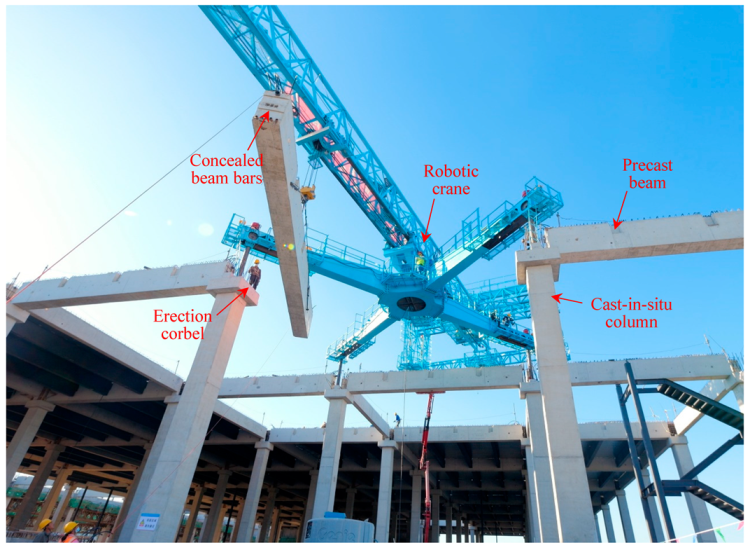
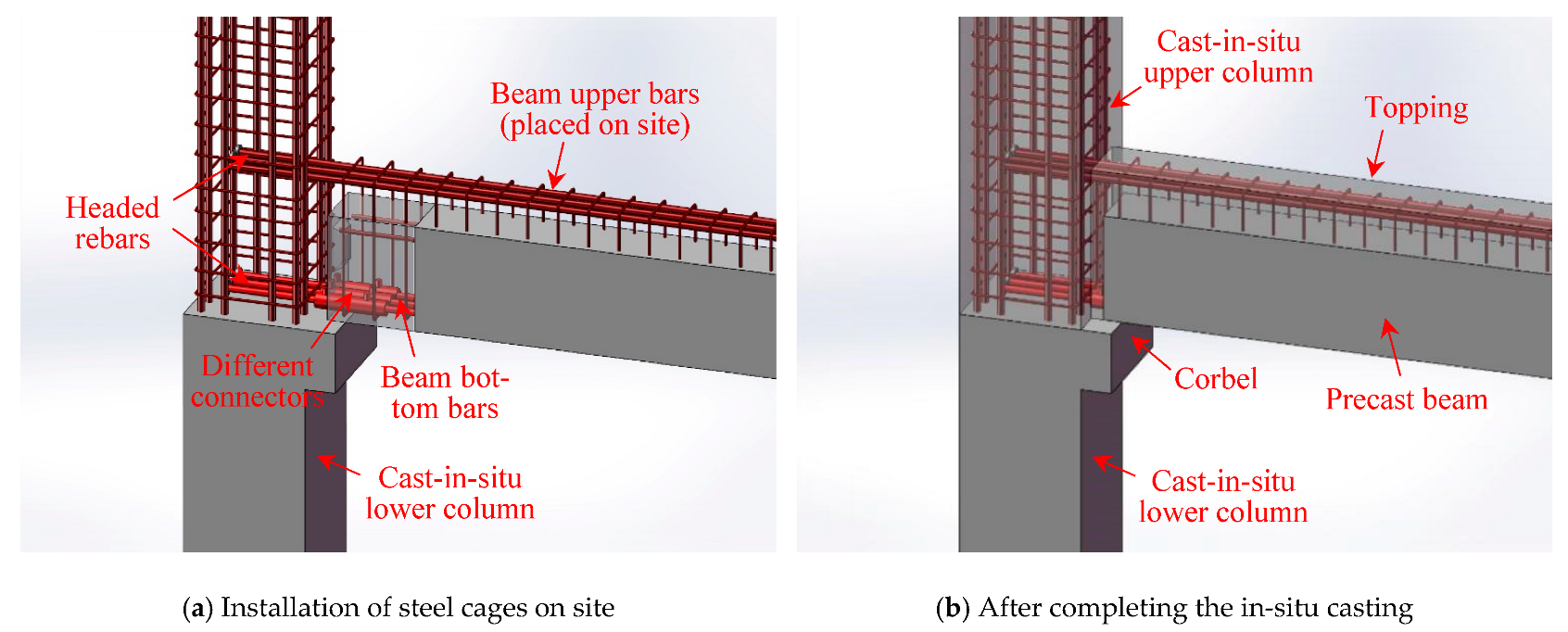
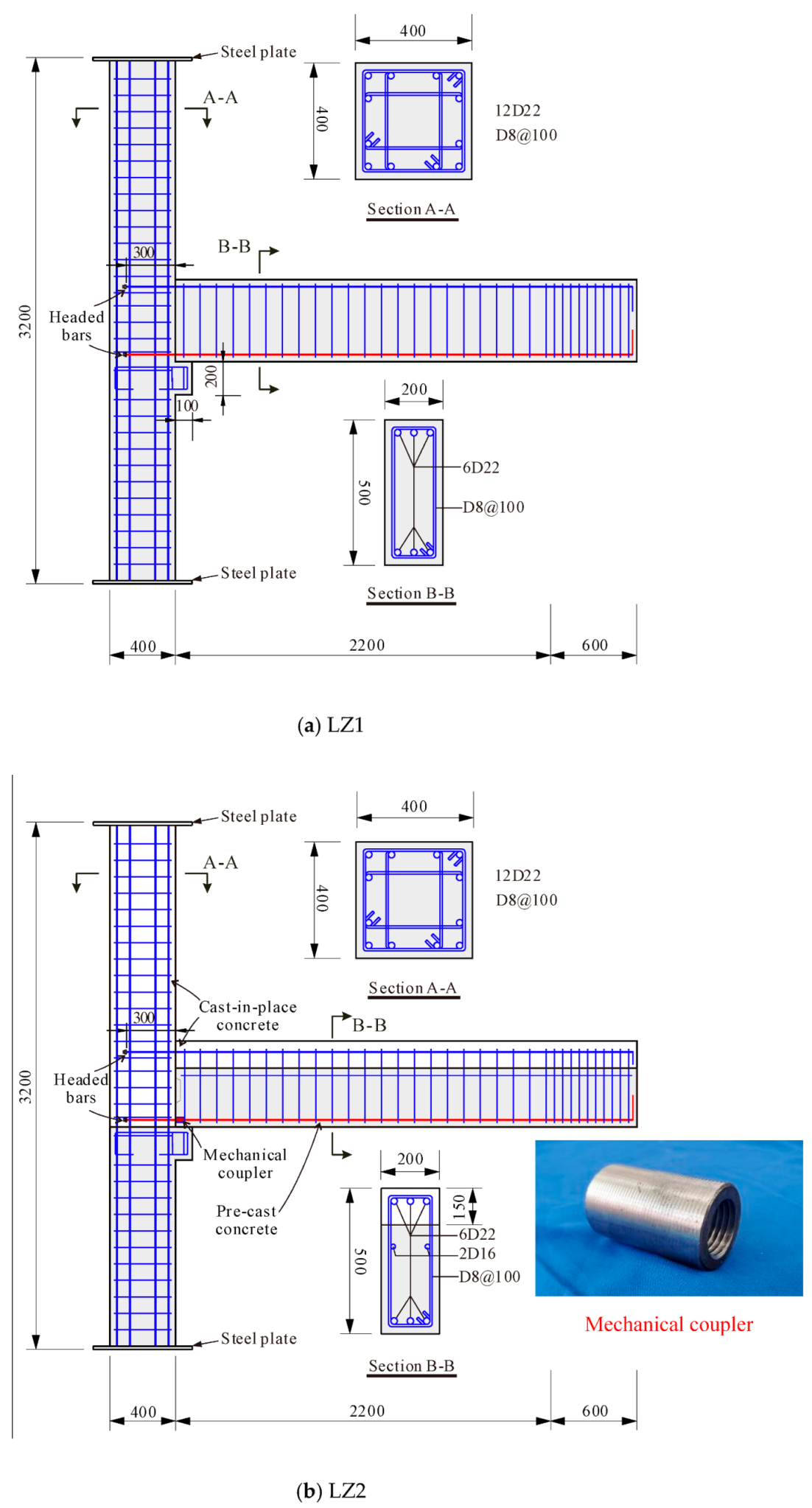
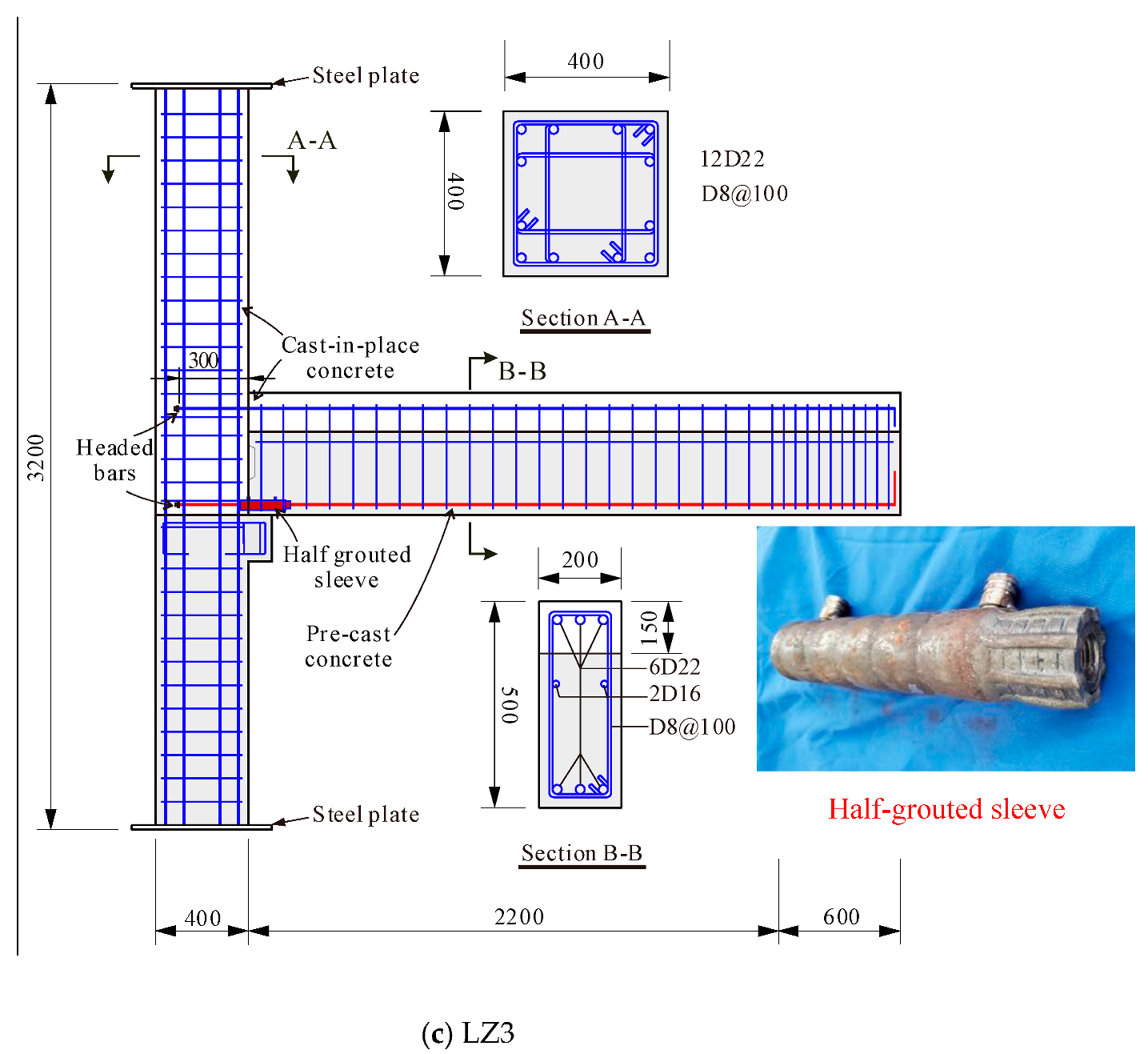
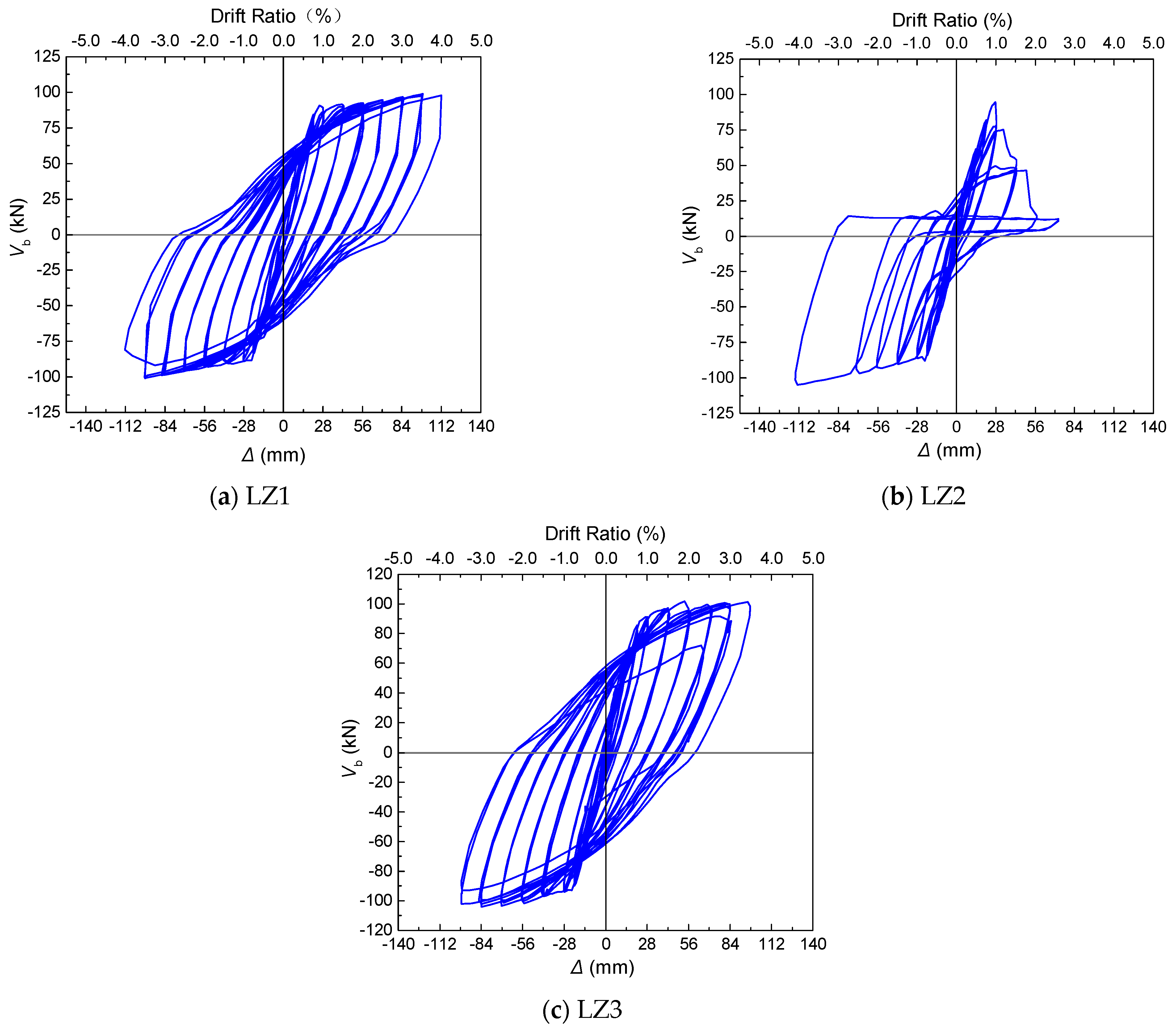
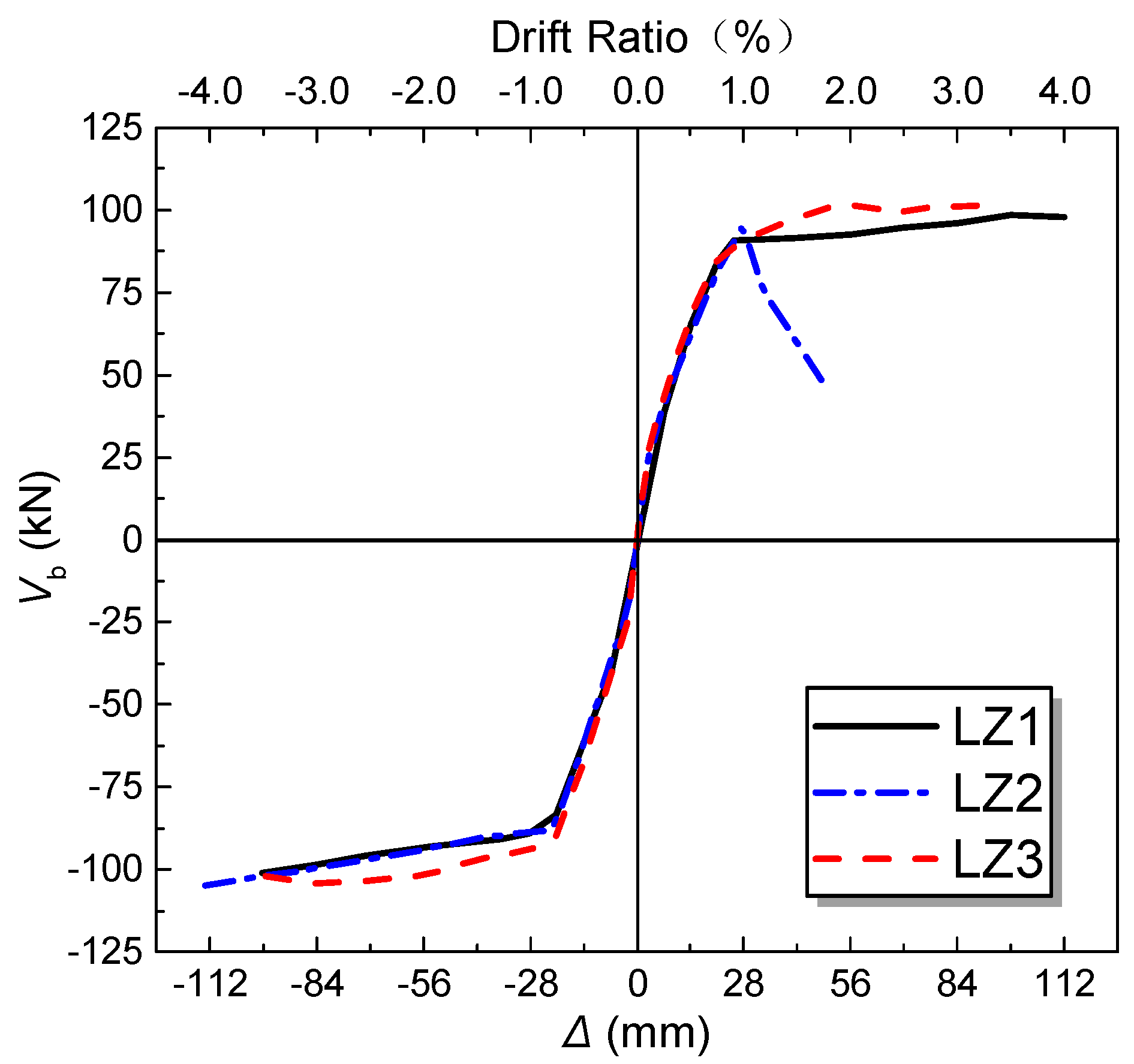
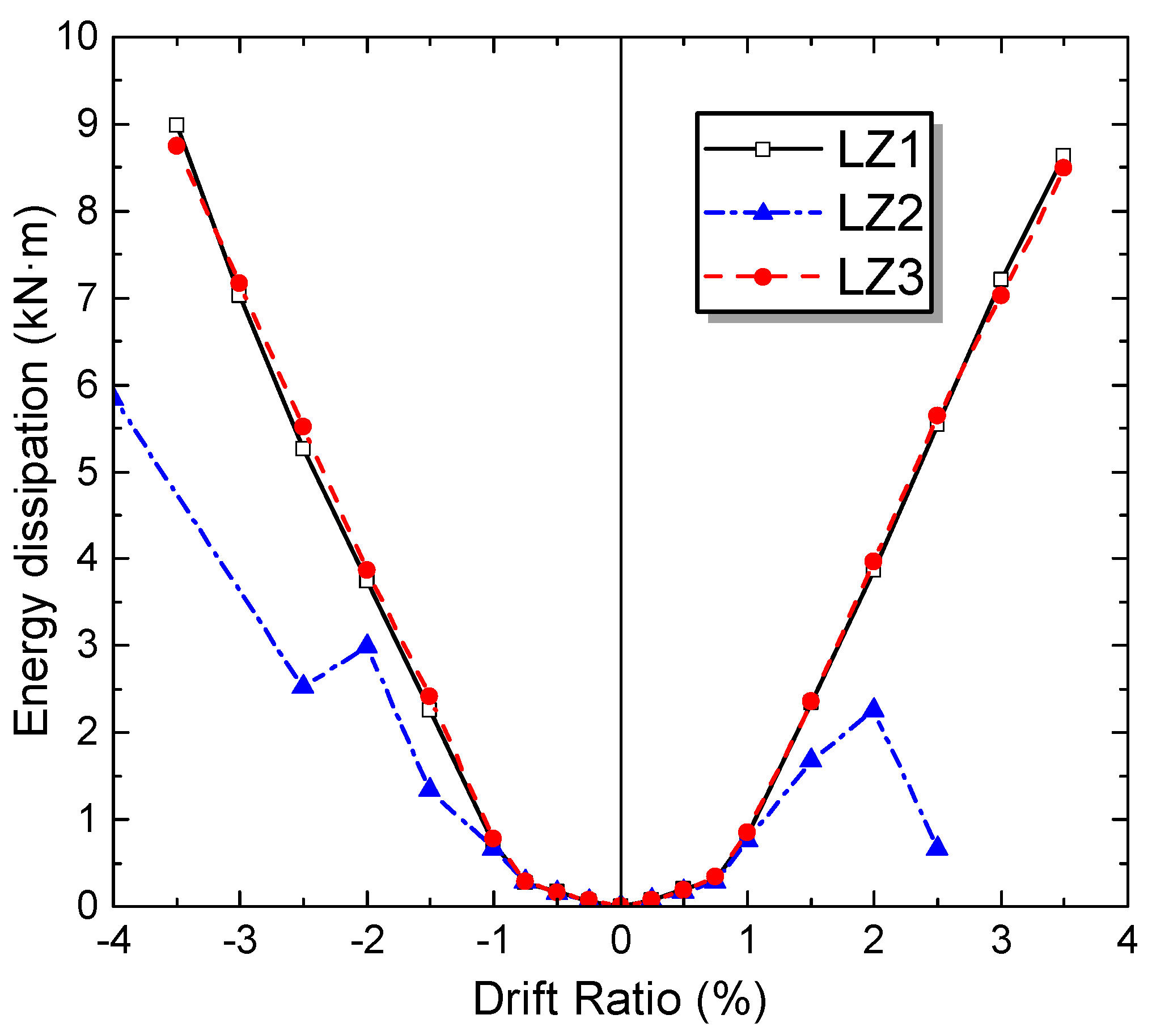
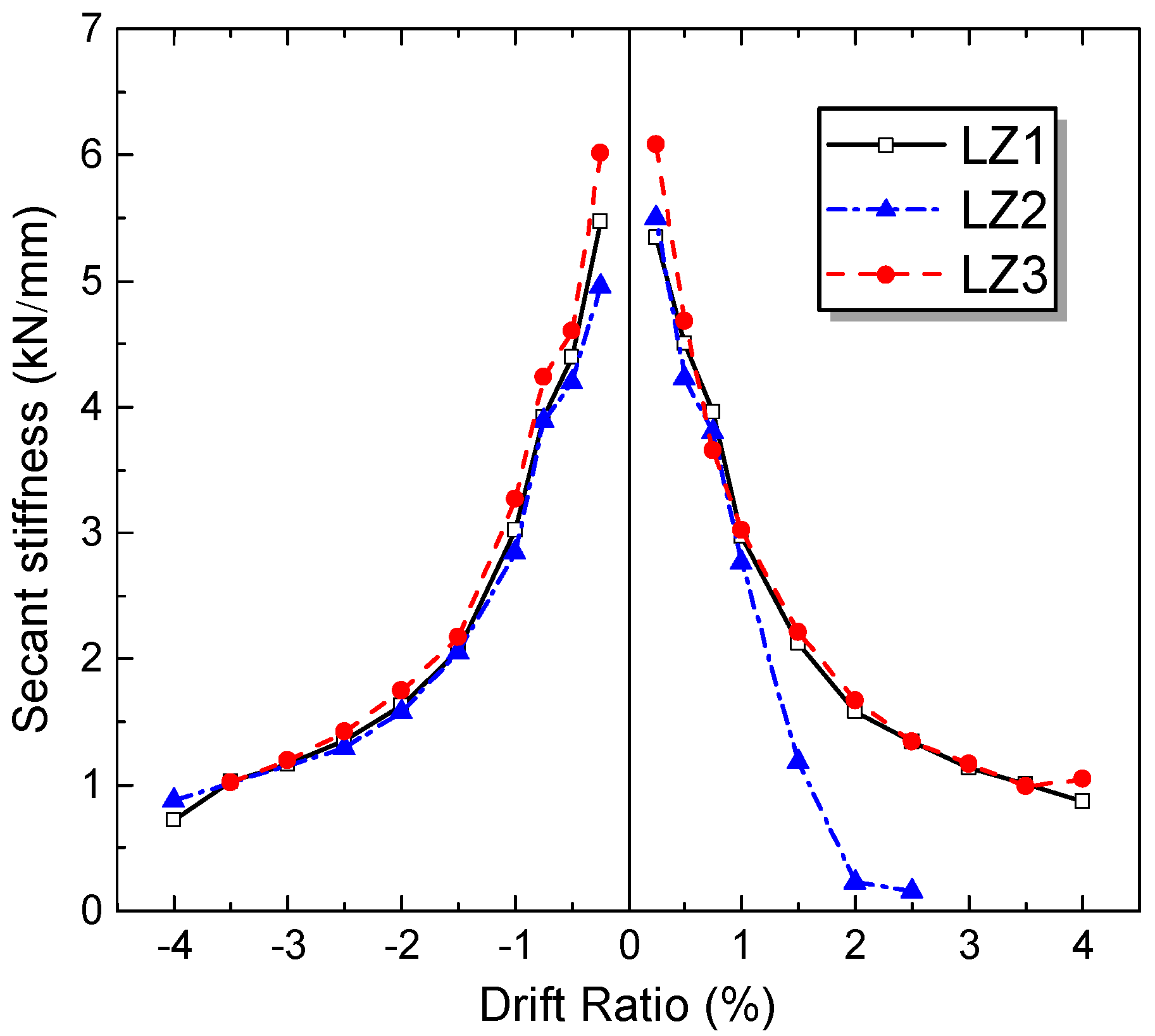
The rapid development towards automated construction has been witnessed in recent years mainly due to the growing shortage of skilled labor. Against that backdrop, an accelerated method, with the aid of robotic cranes, is emerging in China to speed up the construction of industrial facilities such as warehouse structures. This method requires that the steel bars in the precast beams do not extend beyond the beam ends to facilitate the temporary fixation of the robotic crane at the top of cast-in-place columns. This, nonetheless, brings a series of new problems, one of which is how to choose a suitable anchoring type for the beam bottom bars. To address this issue, three large-scale exterior beam-to-column connections were fabricated and tested under lateral load reversals. Two anchorage forms, namely, mechanical splices and grouted sleeves, were adopted and compared with the monolithically cast specimen. The test results showed that the specimen using the grouted sleeves had similar seismic performance to that of the cast-in-place specimen, whereas the specimen using the mechanical splices presented significant post-peak deterioration under positive beam bending moments. This happened because the congestion of steel bars within the joint core made it difficult to fully tighten the beam bottom bars into the threaded couplers; consequently, a “slop” was formed which could substantially impair the cyclic behavior of the specimen. As such, it is suggested that grouted sleeves should be more applicable and reliable for the new construction method. This counter-intuitive finding also indicates that, for intelligent construction, no detail should be taken for granted, but rather needs due consideration.
Keywords: precast concrete; rebar anchorage; RC connections; intelligent construction; accelerated construction; seismic performance precast concrete; rebar anchorage; RC connections; intelligent construction; accelerated construction; seismic performance