Article

P-Delta Effects on Nonlinear Seismic Behavior of Steel Moment-Resisting Frame Structures Subjected to Near-Fault and Far-Fault Ground Motions


1
Key Laboratory of Earthquake Engineering and Engineering Vibration, Institute of Engineering Mechanics, China Earthquake Administration, Harbin 150080, China
2
School of Environment and Civil Engineering, Jiangnan University, Wuxi 214122, China
3
School of Civil Engineering, Dalian Jiaotong University, Dalian 116028, China
4
Tunnel Engineering and Disaster Prevention and Control Professional Technology Innovation Center, Dalian Jiaotong University, Dalian 116028, China
5
School of Civil Engineering, Dalian University of Technology, Dalian 116024, China
*
Author to whom correspondence should be addressed.
Buildings 2022, 12(2), 205; https://doi.org/10.3390/buildings12020205

Submission received: 14 December 2021 / Revised: 6 February 2022 / Accepted: 8 February 2022 / Published: 11 February 2022

Abstract

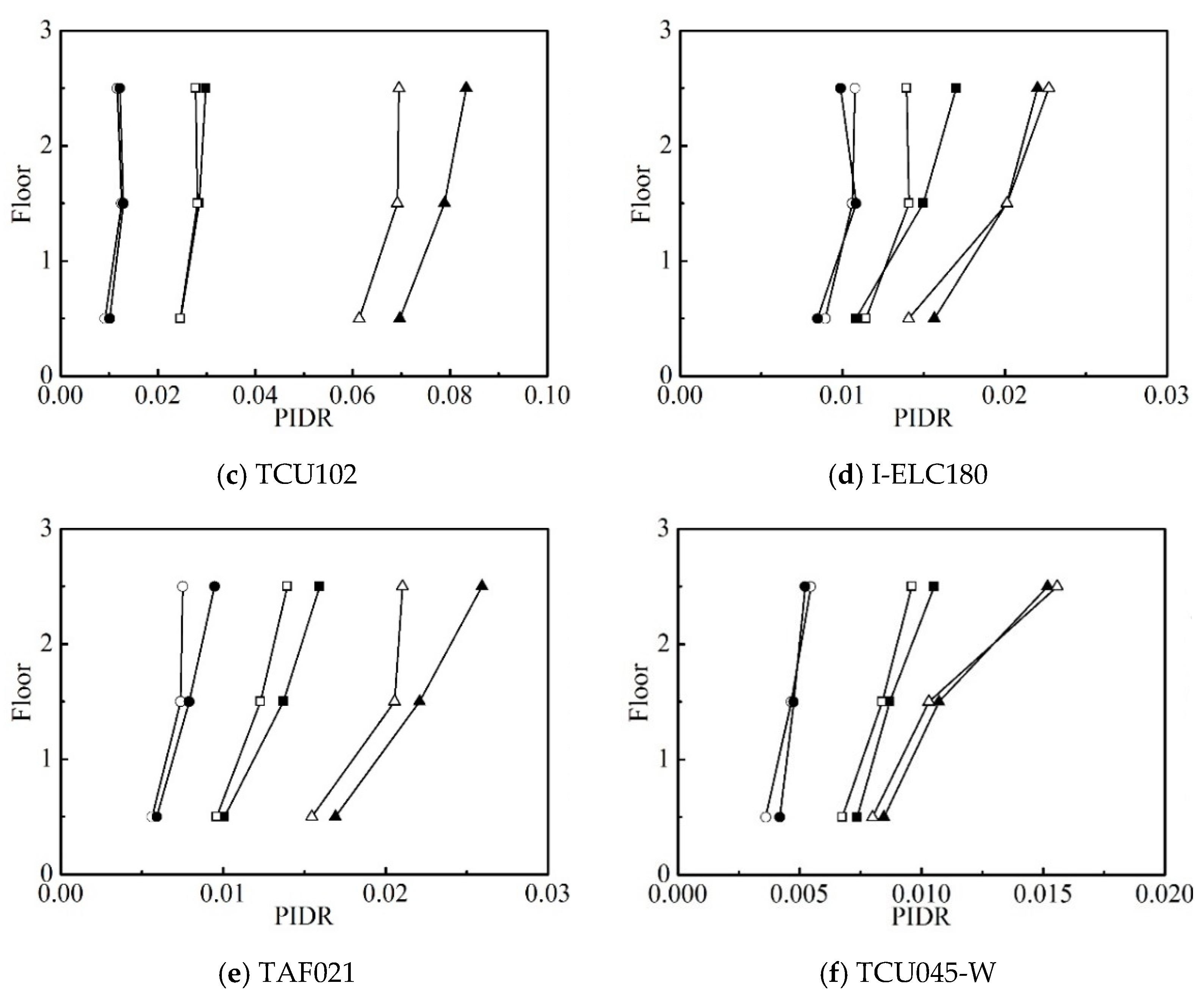
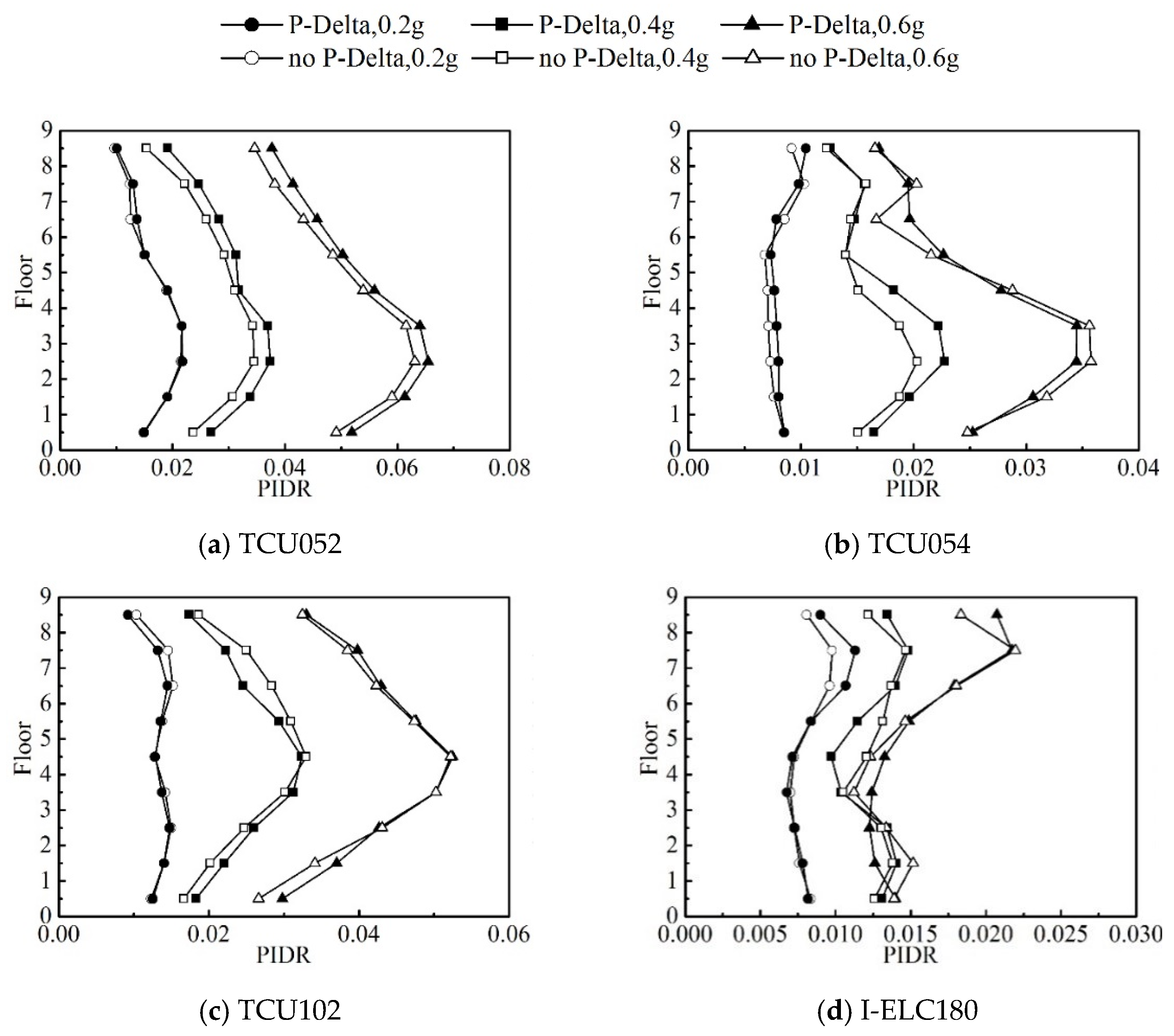
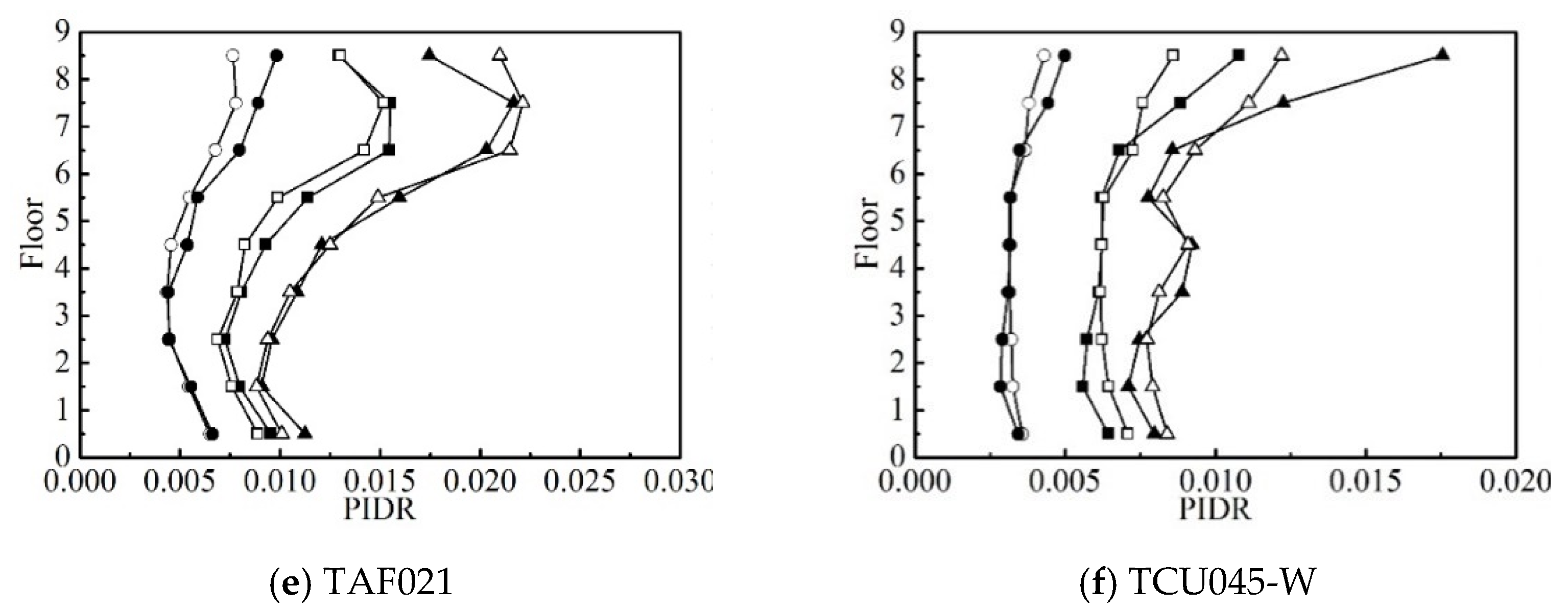
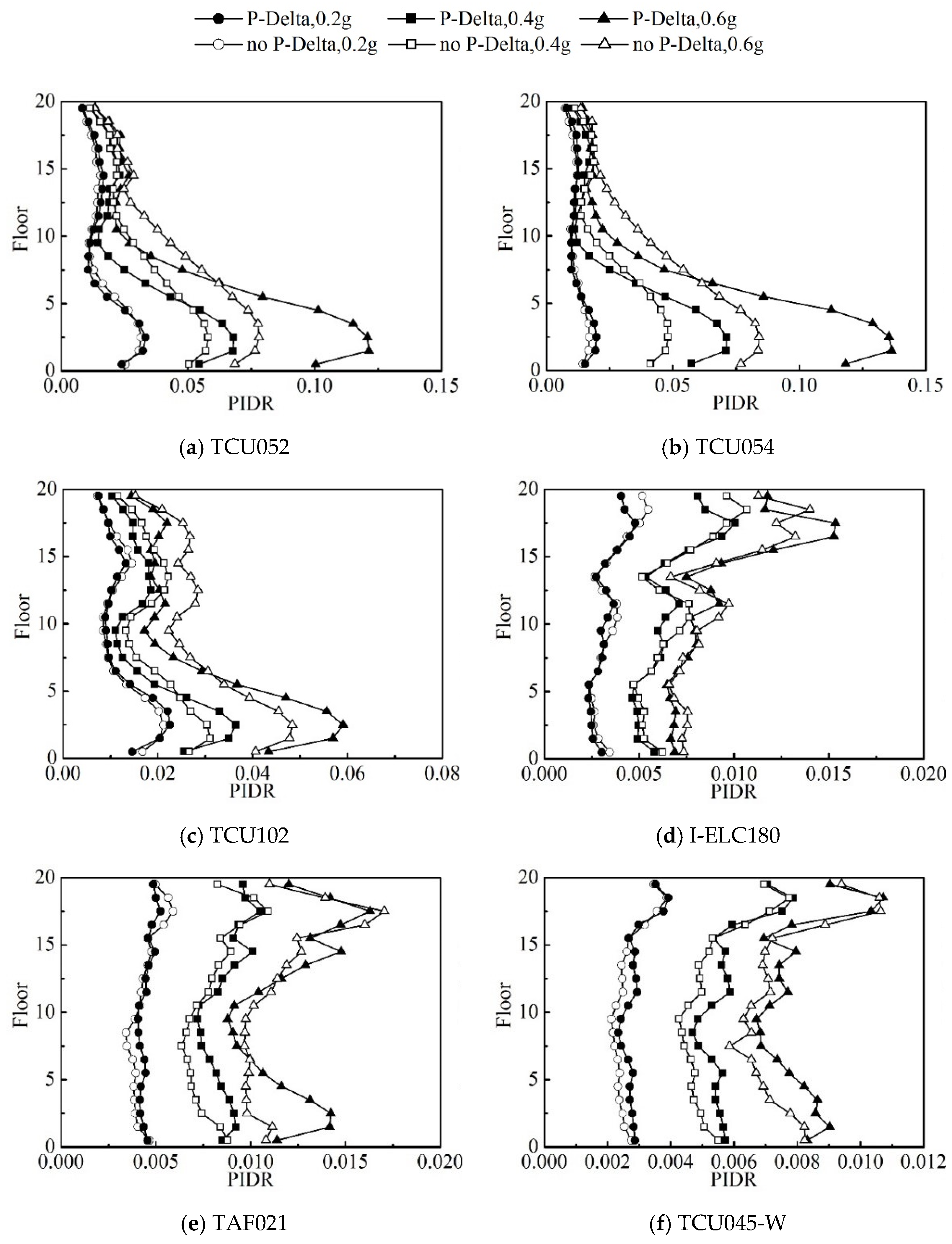
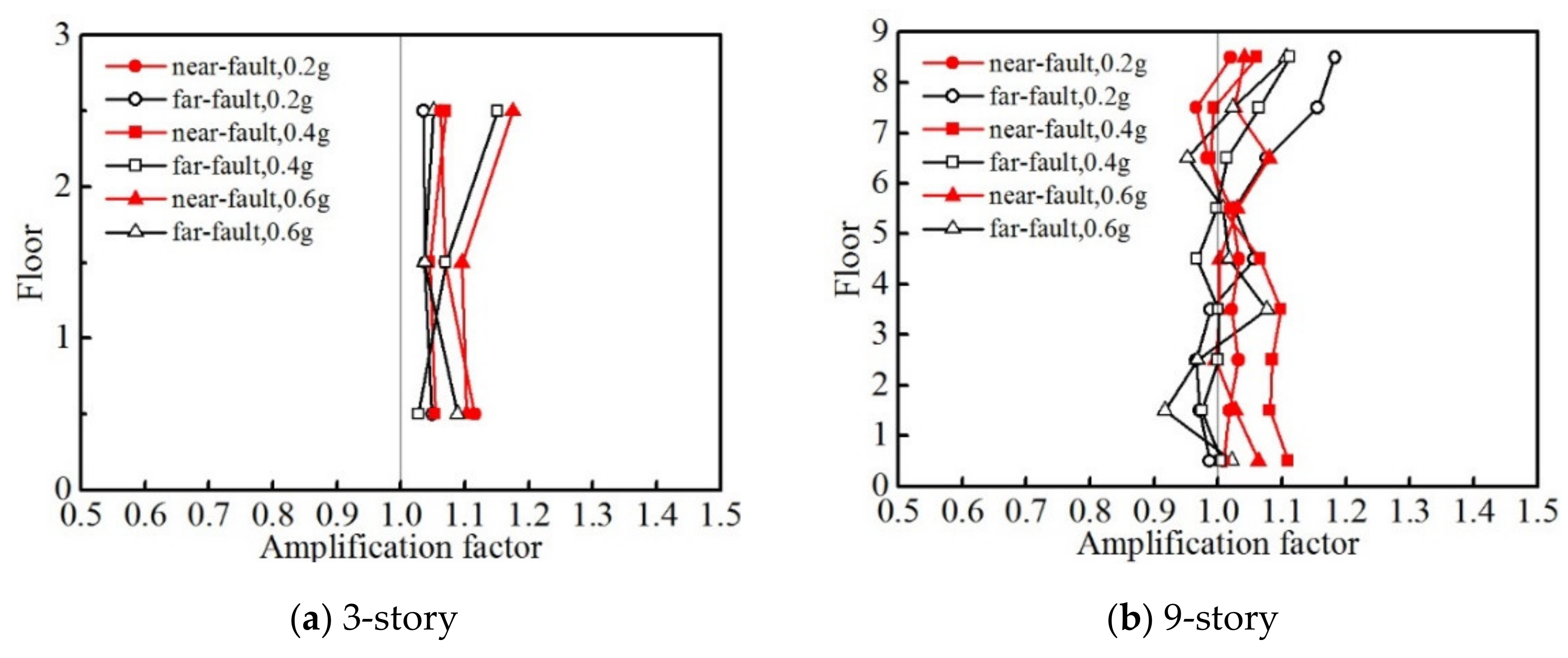
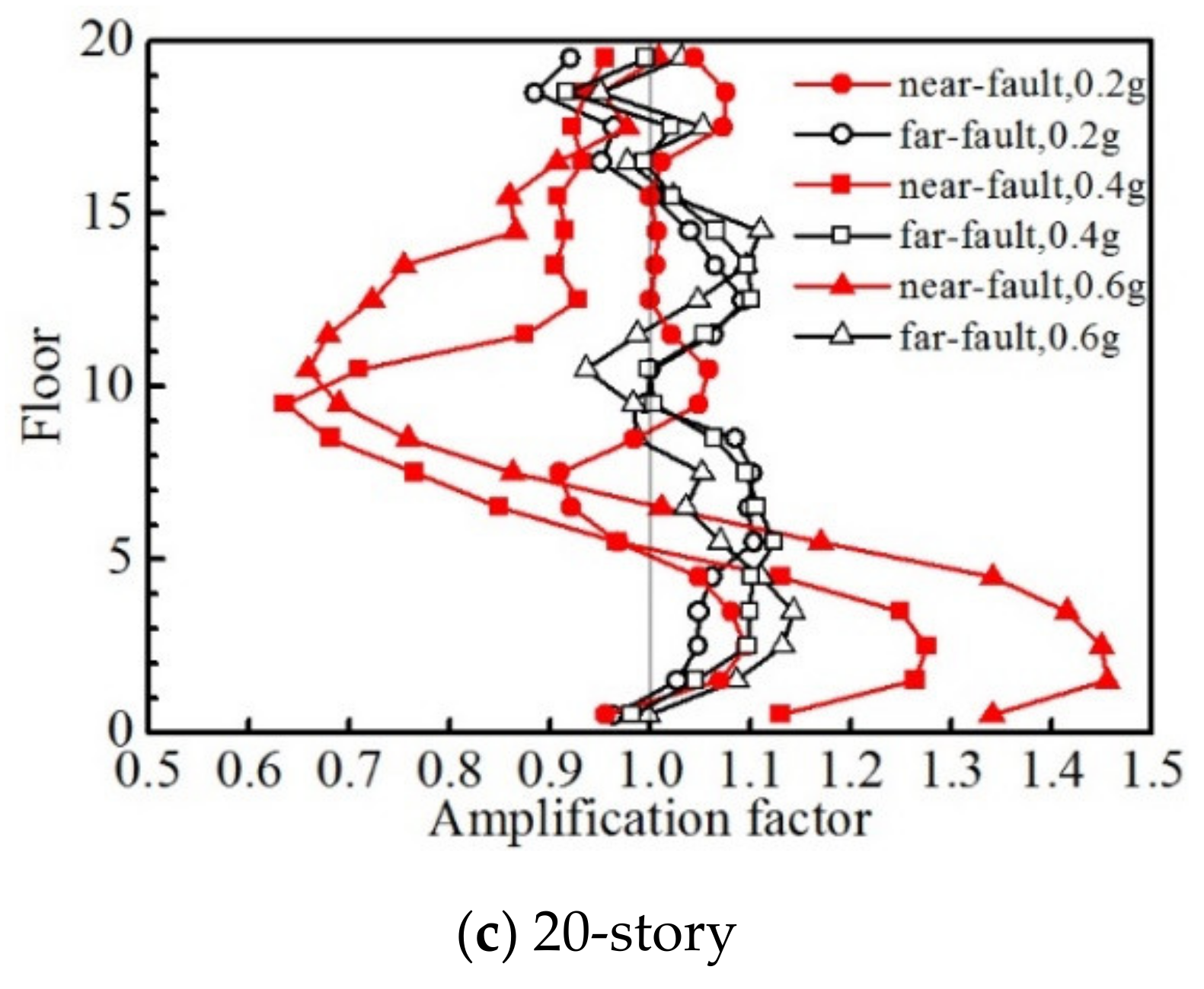
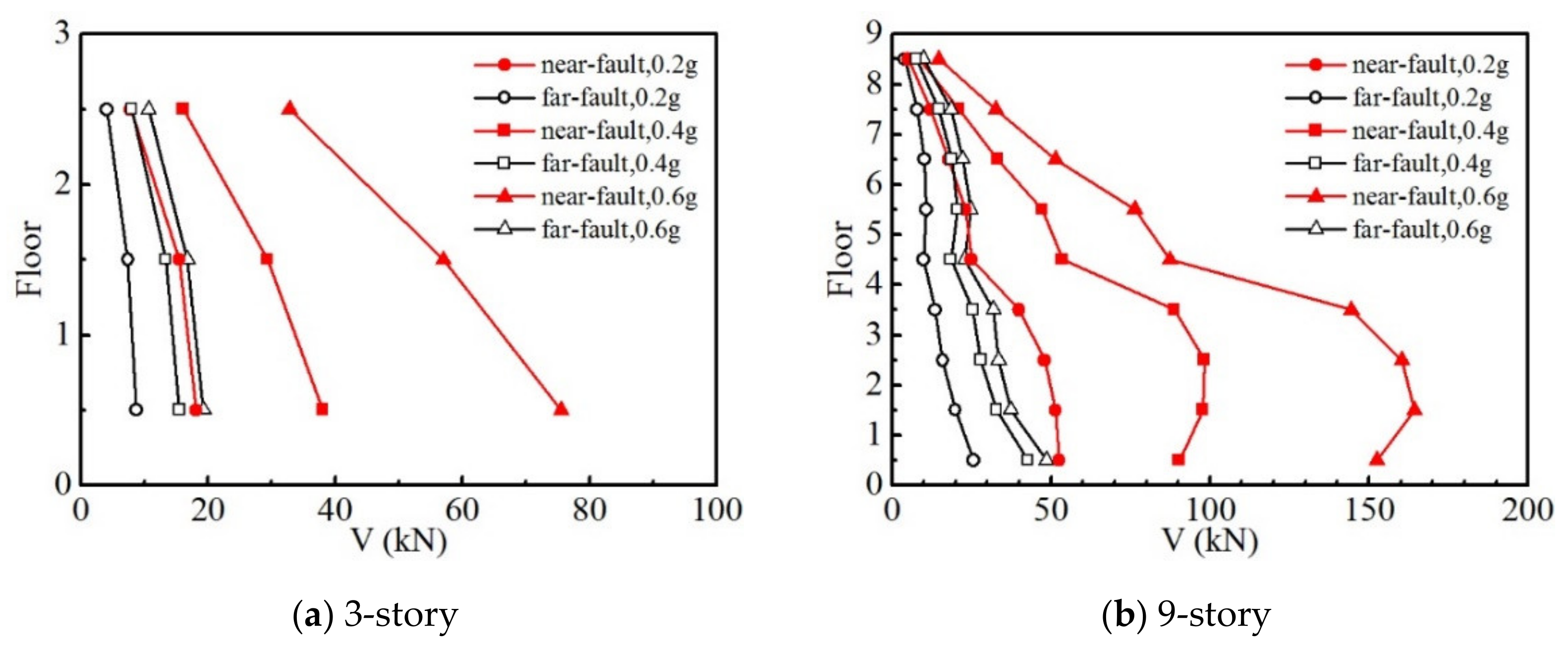
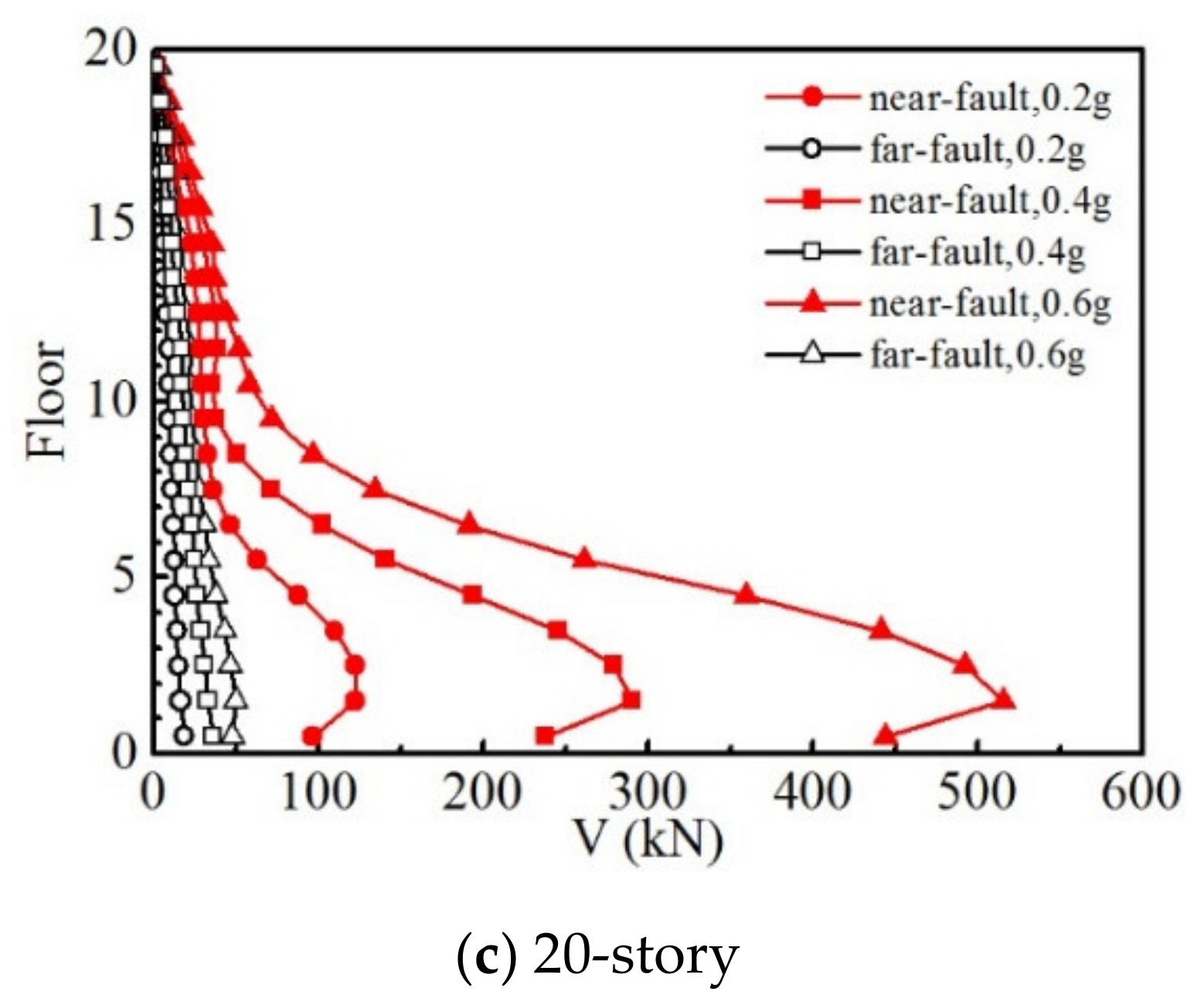
This paper presents a comparison of P-Delta effects on the nonlinear seismic behavior of the steel moment-resisting frame structures (MRFs) subjected to near-fault and far-fault ground motions. The 3-, 9- and 20-story MRFs designed for the American SAC Phase II Steel Project are used as benchmark models. The 40 near-fault ground motions with large velocity pulses, as well as ten typical far-fault ground motions, are selected and scaled for the nonlinear time-history analysis. The P-Delta effect is quantified based on peak inter-story drift ratio (PIDR) demands. The displacement demands of the whole structure and the distortion of the structural components are compared and analyzed. It was found that, at each floor, the P-Delta effect under near-fault ground motions is more significant than that under the far-fault ground motions. The P-Delta effect under near-fault ground motions also increases more rapidly with decreasing structure height even for low-rise structures or low earthquake intensity. It was also found that the P-Delta effect cause the PIDR demands to increase by 10% for all three structures subjected to far-fault ground motions. In contrast, considering the P-Delta effect, the PIDR demands rapidly increase by 45% for the high-rise building subjected to near-fault ground motions. Note that the increasing PIDR demands occur at the weakest floor and with the stronger earthquake intensity. However, the P-Delta effect does not change the location of the weakest floor and the yield sequence of components. The seismic behaviors under far-fault and near-fault ground motions are significantly different, because near-fault ground motions not only have velocity pulse but also possibly trigger structural higher vibration modes. In addition, the P-Delta effect may change the distortion direction of the components so that the prediction of the structural collapse direction may be affected. In addition, it was found that if the structure’s period is near the pulse period, the P-Delta effect becomes more significant with the increase of earthquake intensity, and accordingly, it should not be ignored. Moreover, the P-Delta effect cannot be neglected either for the structures susceptible to near-fault ground motions, even if those structures are not tall or the earthquake intensity is not strong.
Keywords: P-Delta effects; steel moment-resisting frame structures; near-fault ground motions; far-fault ground motions; inter-story drift ratio; velocity pulse; pulse period P-Delta effects; steel moment-resisting frame structures; near-fault ground motions; far-fault ground motions; inter-story drift ratio; velocity pulse; pulse period