Article

Properties of Mortar Containing Recycled Fine Aggregate Modified by Microbial Mineralization

1
College of Civil Science and Engineering, Yangzhou University, Yangzhou 225127, China
2
Research Institute of Green Building Materials, Yangzhou University, Yangzhou 225127, China
*
Author to whom correspondence should be addressed.
Buildings 2022, 12(11), 2035; https://doi.org/10.3390/buildings12112035

Submission received: 1 November 2022 / Revised: 14 November 2022 / Accepted: 18 November 2022 / Published: 21 November 2022
(This article belongs to the Collection Sustainable Building Materials: Design and Digitization)

Abstract

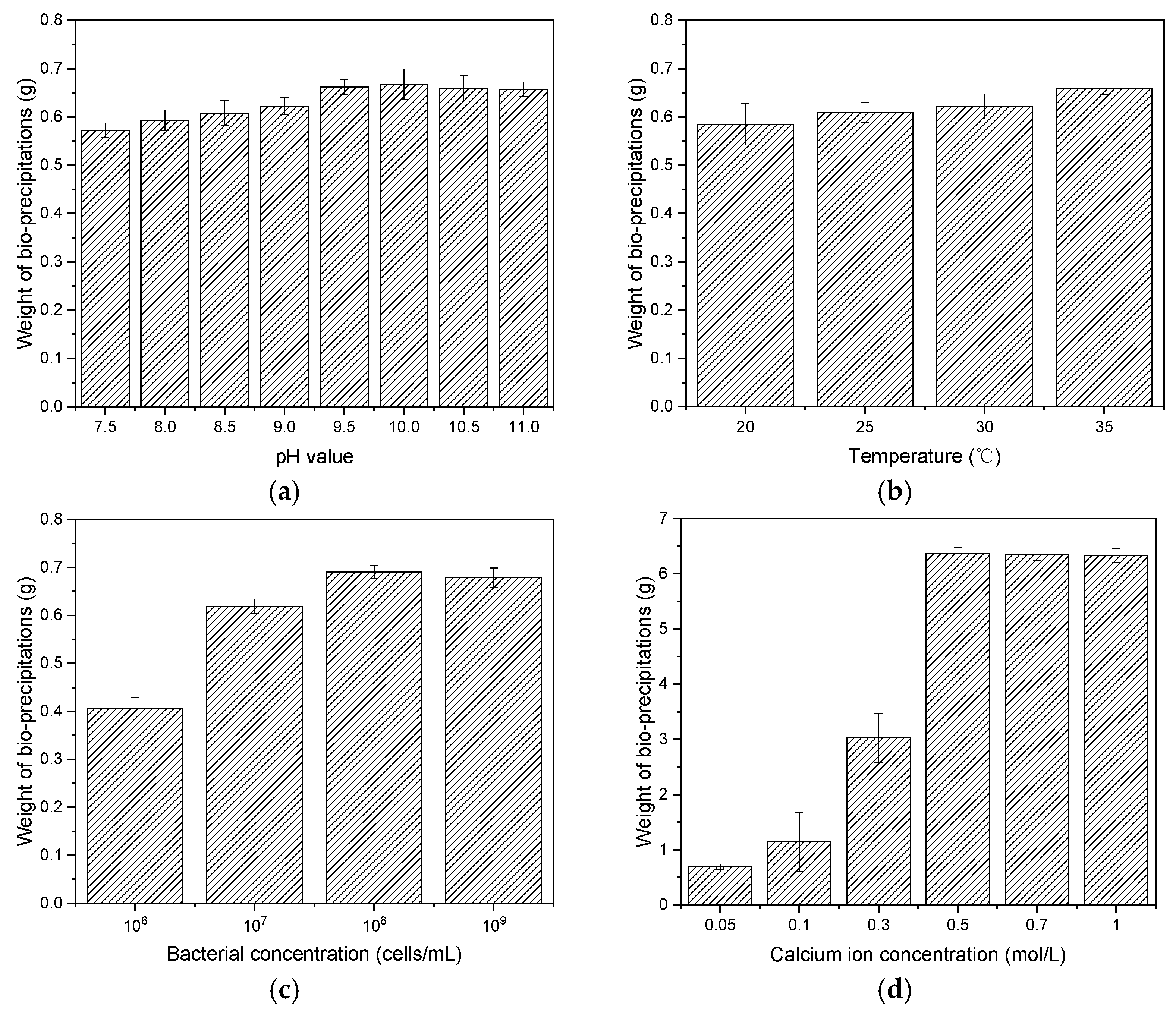
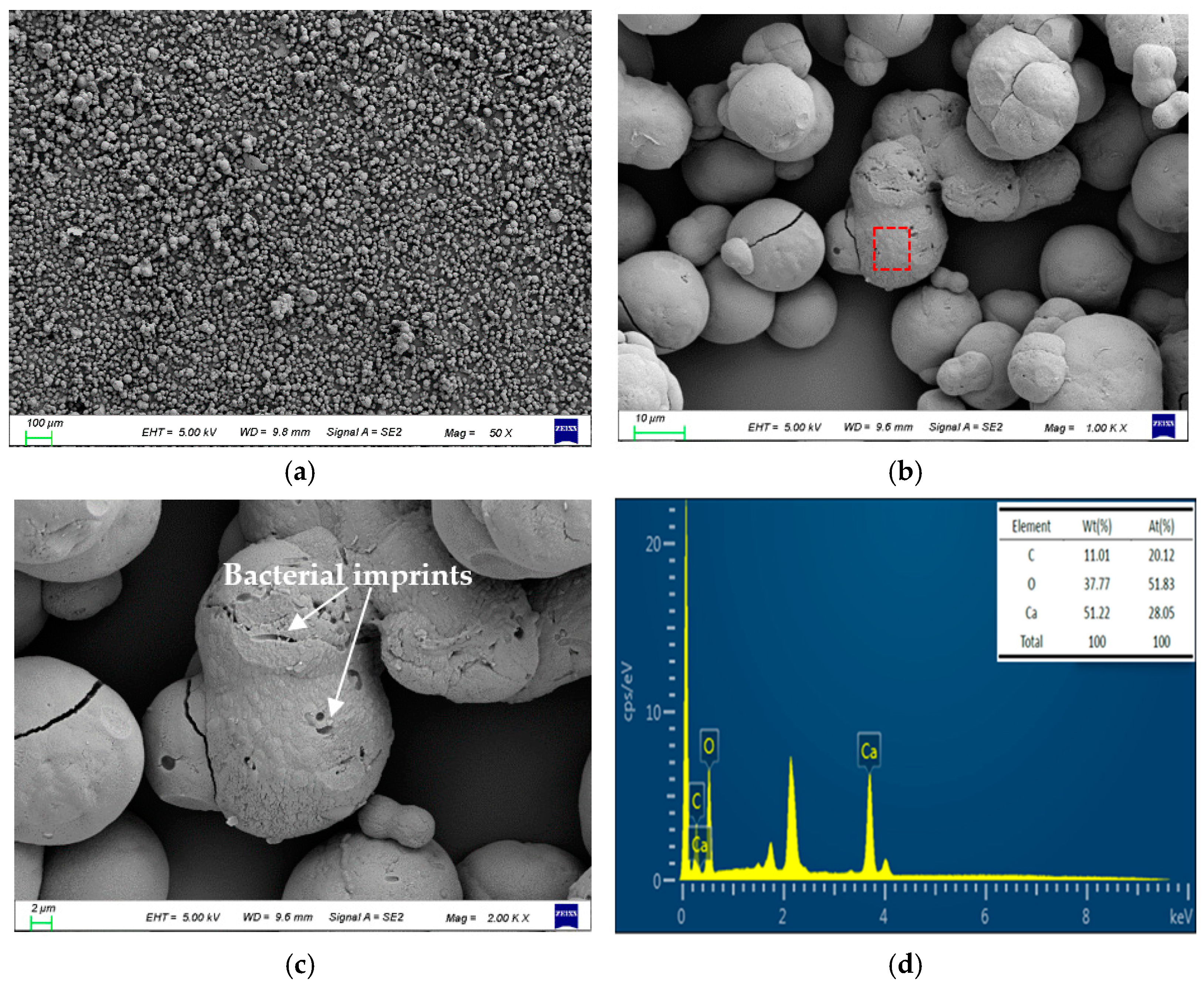
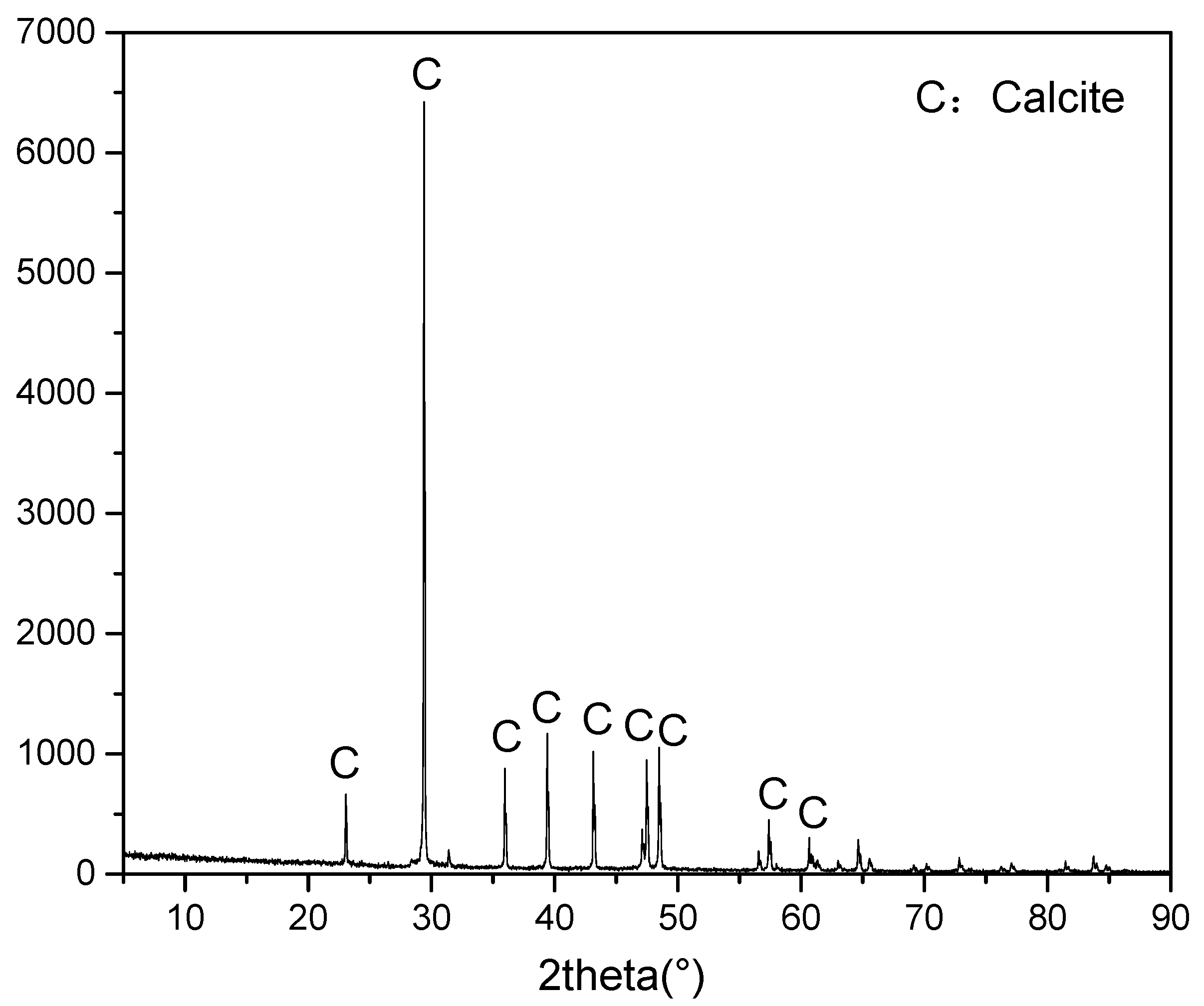
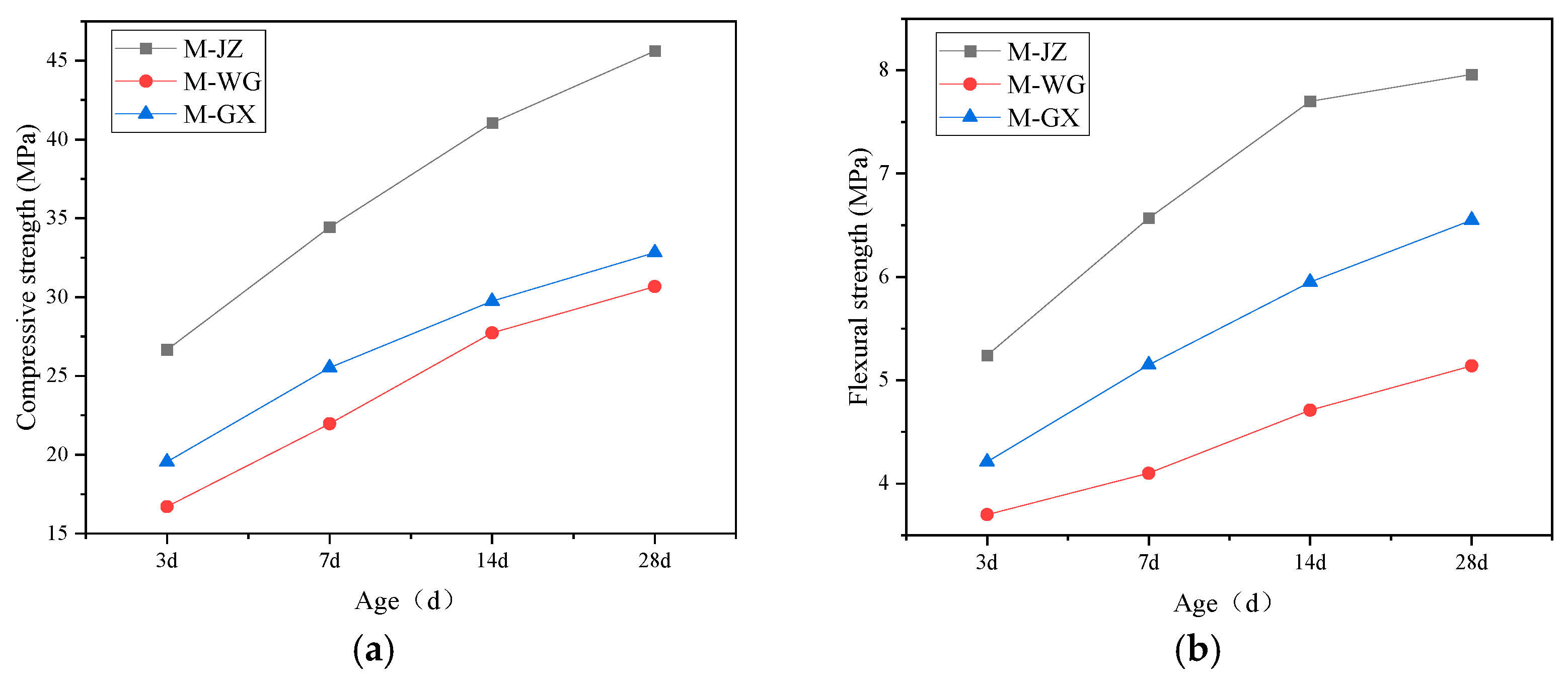
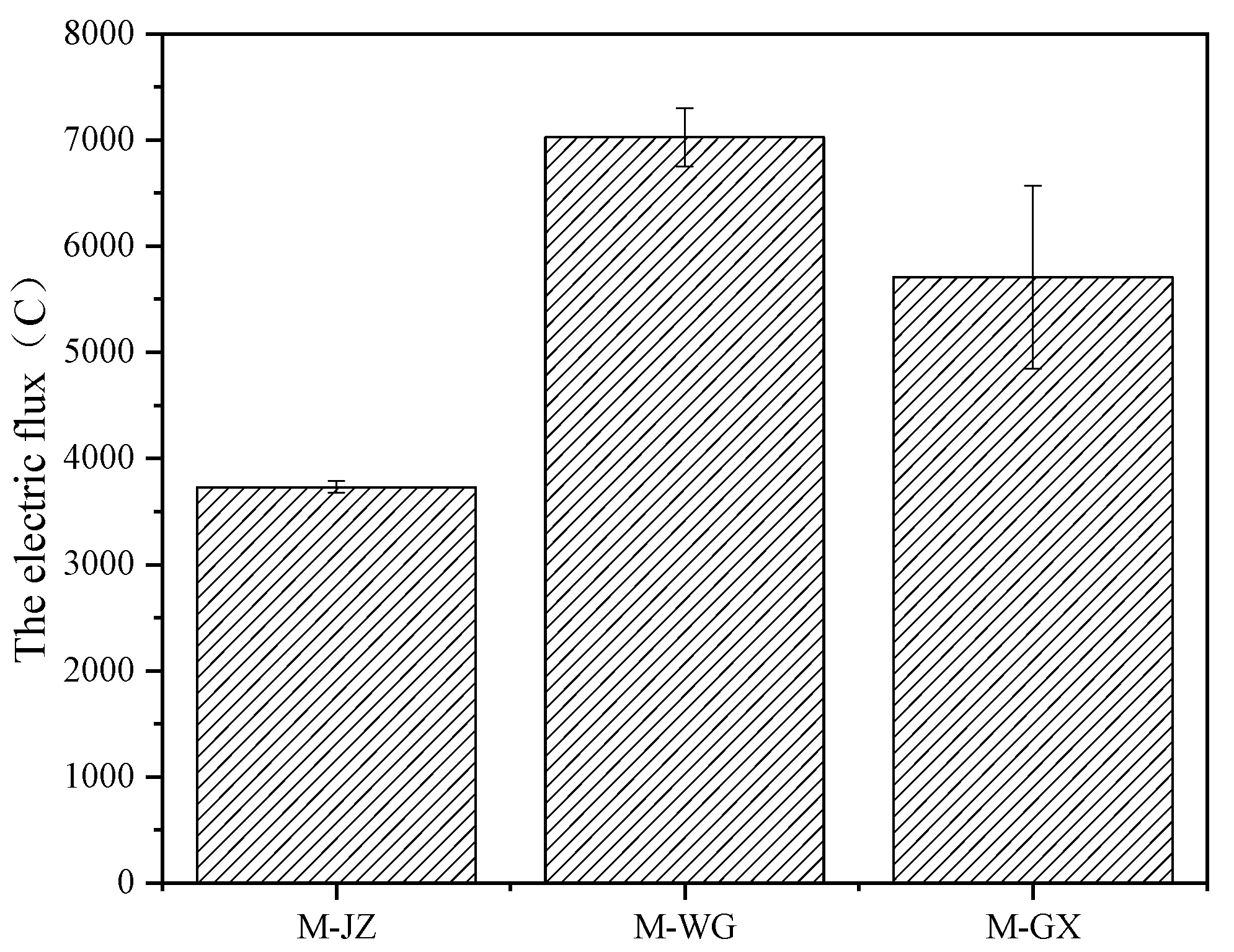
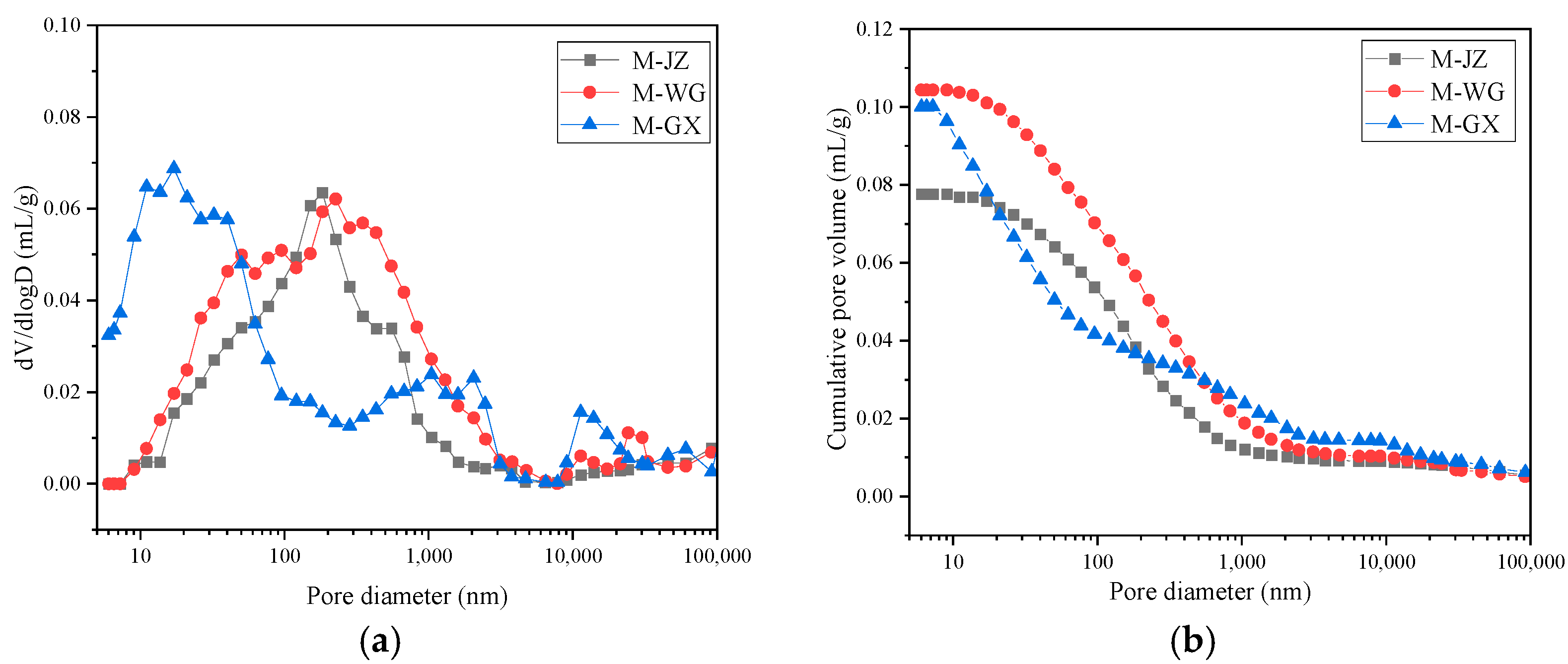
Microbial-induced mineralization deposition was used to improve the quality of the recycled fine aggregate (RFA) in this paper. In order to obtain a better improvement effect, the microbial mineralization conditions were first optimized. The effect of the pH value, temperature, bacterial concentration and calcium ion concentration on the mineralization ability of bacteria were investigated. The optimal microbial mineralization conditions were selected for the treatment of RFA and the microbial mineralization modification effect of RFA was evaluated based on the water absorption and crushing index. In addition, the natural fine aggregate (NFA), unmodified RFA and modified RFA were made into ordinary mortar, recycled mortar and modified recycled mortar, respectively. The workability, mechanical properties and chloride ion penetration resistance of mortars was investigated. Meanwhile, the precipitations formed by microbial mineralization were characterized using a scanning electron microscope (SEM) with an energy dispersive spectrometer (EDS) and X-ray diffraction (XRD). The pore structure of mortars was analyzed using the mercury intrusion porosimeter (MIP). The results showed that the bioprecipitations were mainly calcite calcium carbonate and the quality of the RFA was improved by microbial-induced calcium carbonate deposition. The water absorption and crushing index of the modified RFA decreased by 25.7% and 4.2%, respectively. Compared with the crushing index, the water absorption of the RFA was improved more obviously. The workability, mechanical performance, chloride ion penetration resistance and pore structure of the modified recycled mortar was improved. Compared with the recycled mortar, the fluidity of the modified recycled mortar was 7.3% higher, the compressive strength of 28 d was 7.0% higher and the 6 h electric flux was 18.8% lower. The porosity of the ordinary mortar, recycled mortar and modified recycled mortar was 16.49%, 20.83% and 20.27%, respectively. The strengthening of the modified recycled mortar performance may be attributed to the improvement of the mortar microstructure due to the enhancement of the RFA quality after the biotreatment.
Keywords: recycled mortar; recycled fine aggregate; microbial mineralization; compressive strength; chloride ion penetration resistance recycled mortar; recycled fine aggregate; microbial mineralization; compressive strength; chloride ion penetration resistance