Article

High-Pressure Torsion and Anodic Oxidation as a Method for Surface Engineering of Ti-13Nb-13Zr Biomedical Alloy


by
Dragana R. Mihajlović
1,*,
Bojan I. Medjo
1,
Jelena B. Bajat
1 and
Veljko R. Djokić
1,2,*
1
Faculty of Technology and Metallurgy, University of Belgrade, Karnegijeva 4, 11120 Belgrade, Serbia
2
Innovation Centre of the Faculty of Technology and Metallurgy, Karnegijeva 4, 11120 Belgrade, Serbia
*
Authors to whom correspondence should be addressed.
Metals 2025, 15(9), 997; https://doi.org/10.3390/met15090997
Submission received: 31 July 2025 / Revised: 29 August 2025 / Accepted: 5 September 2025 / Published: 8 September 2025
(This article belongs to the Special Issue Surface Modification of Alloys)

Abstract

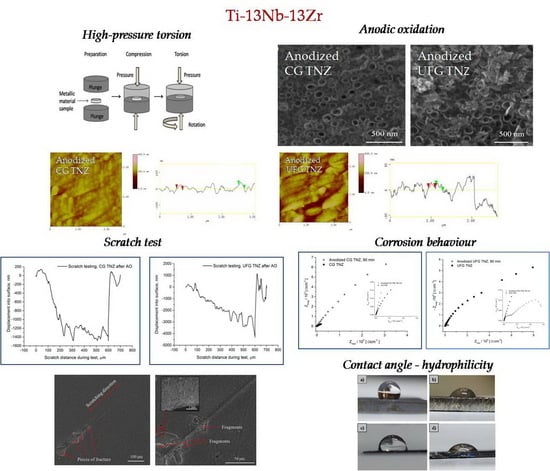
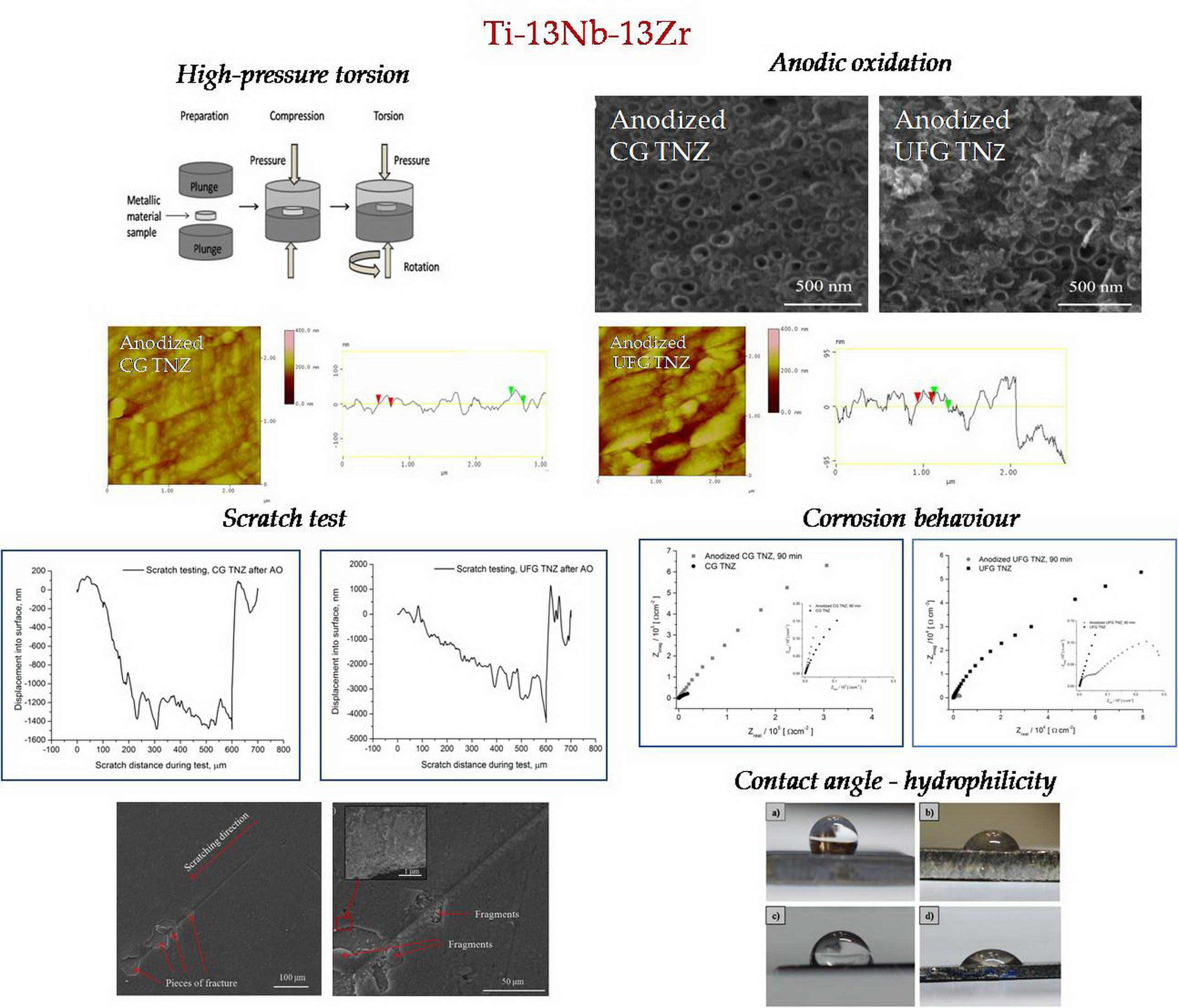
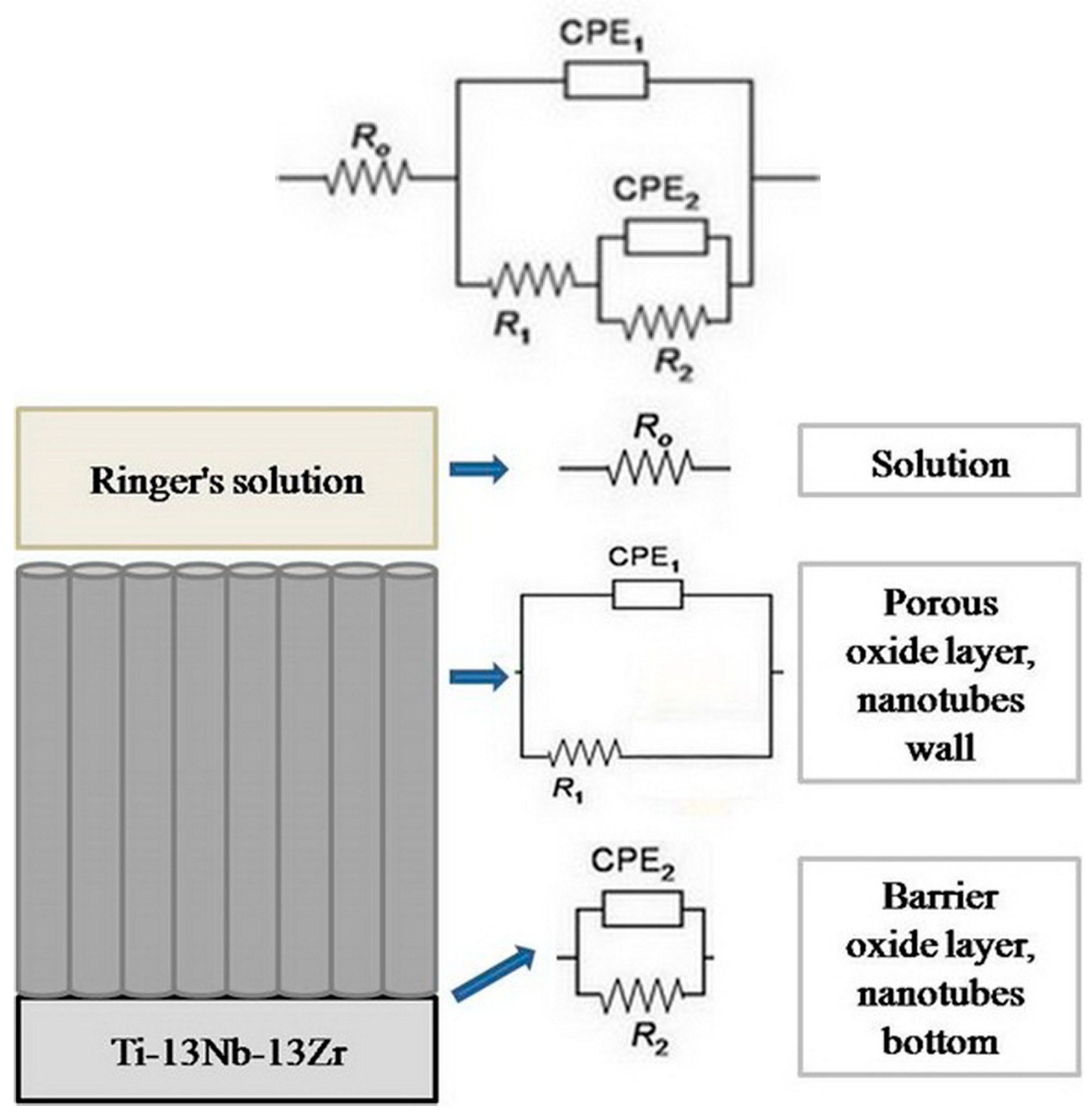
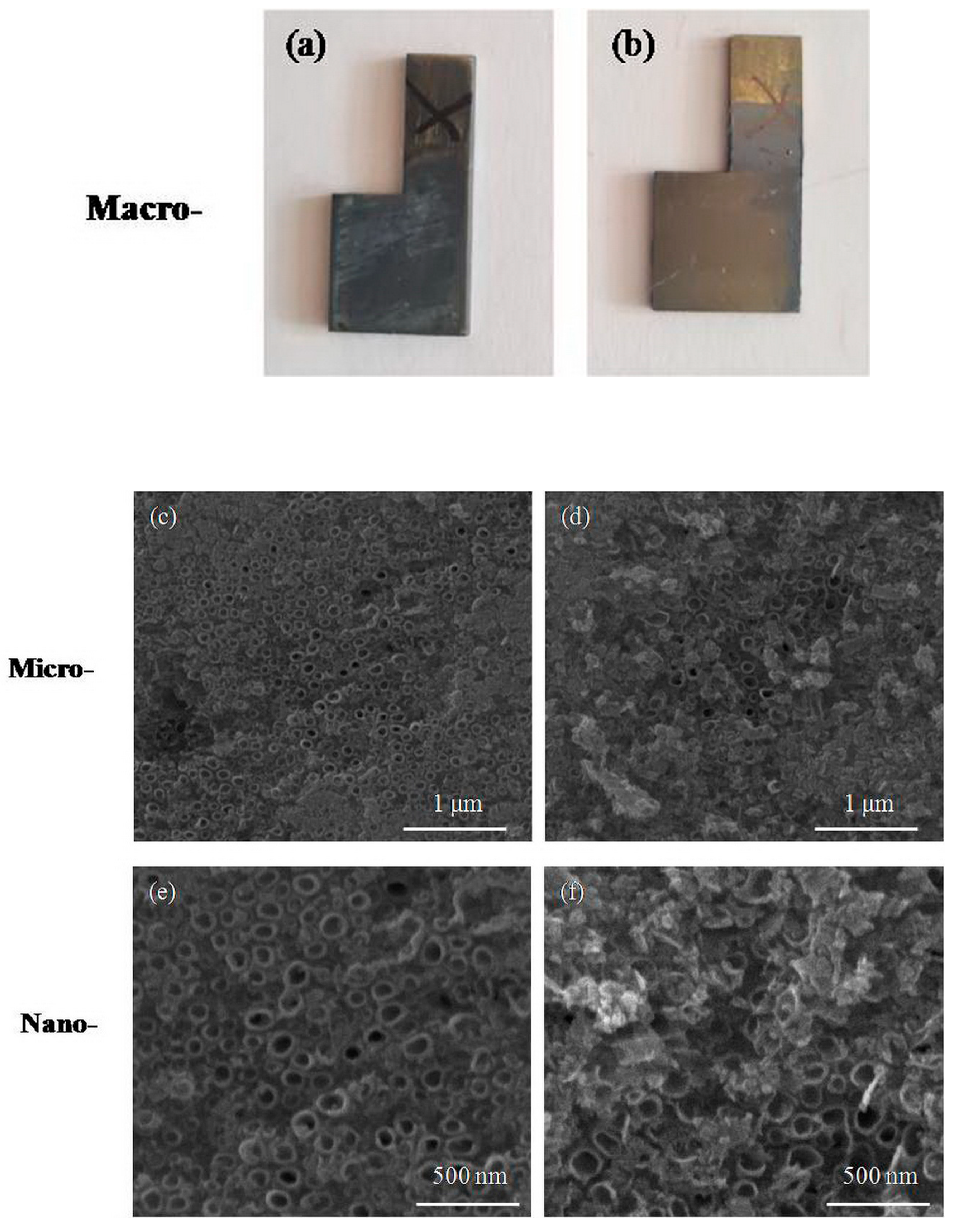
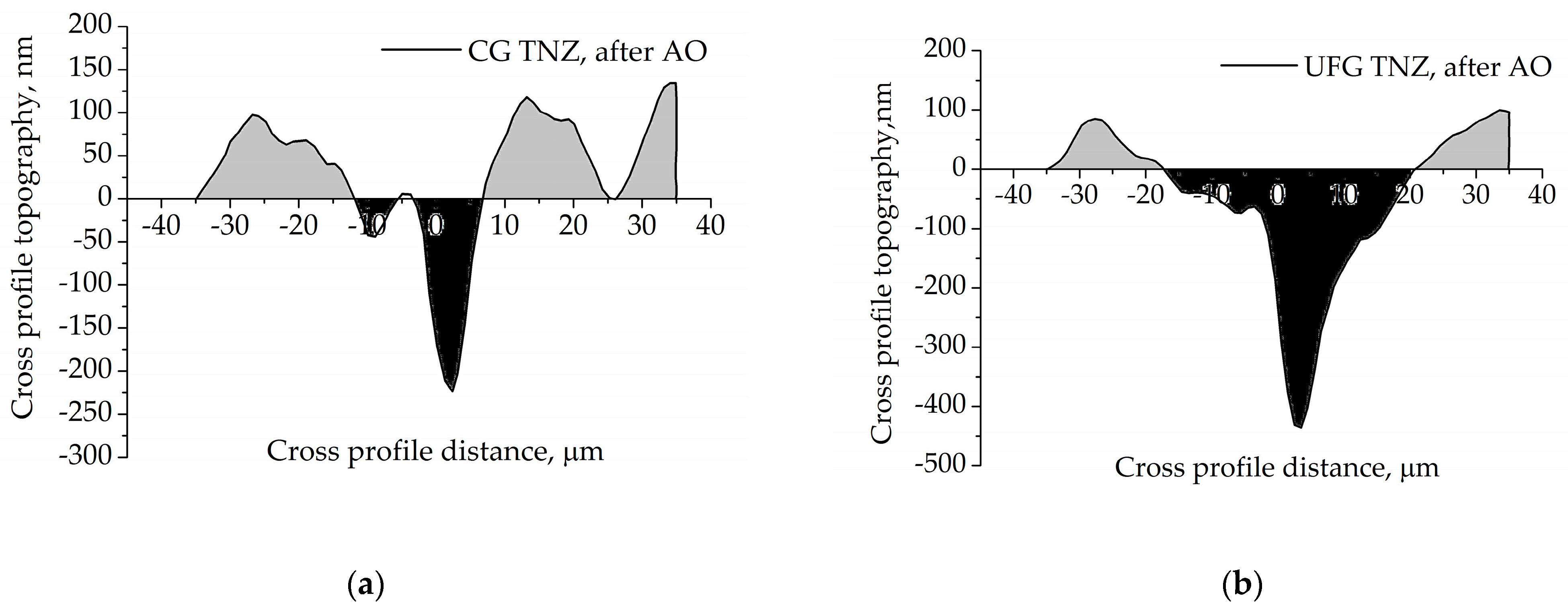
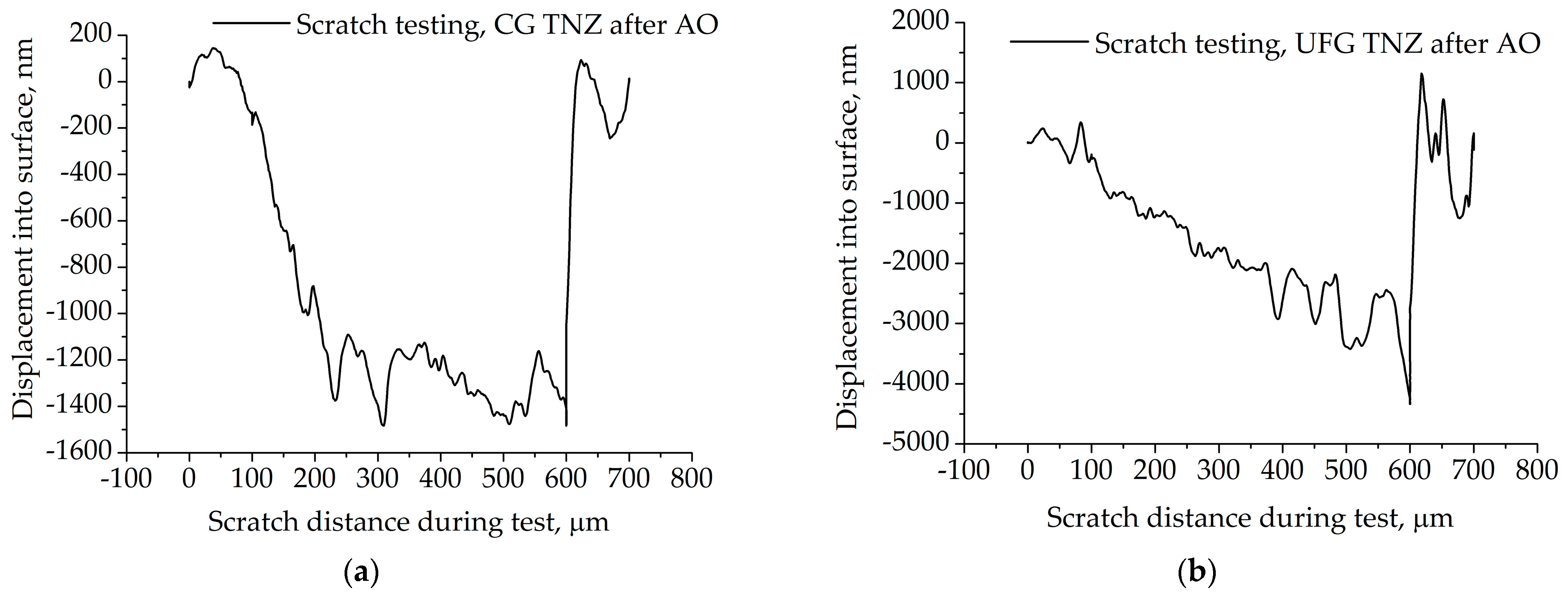
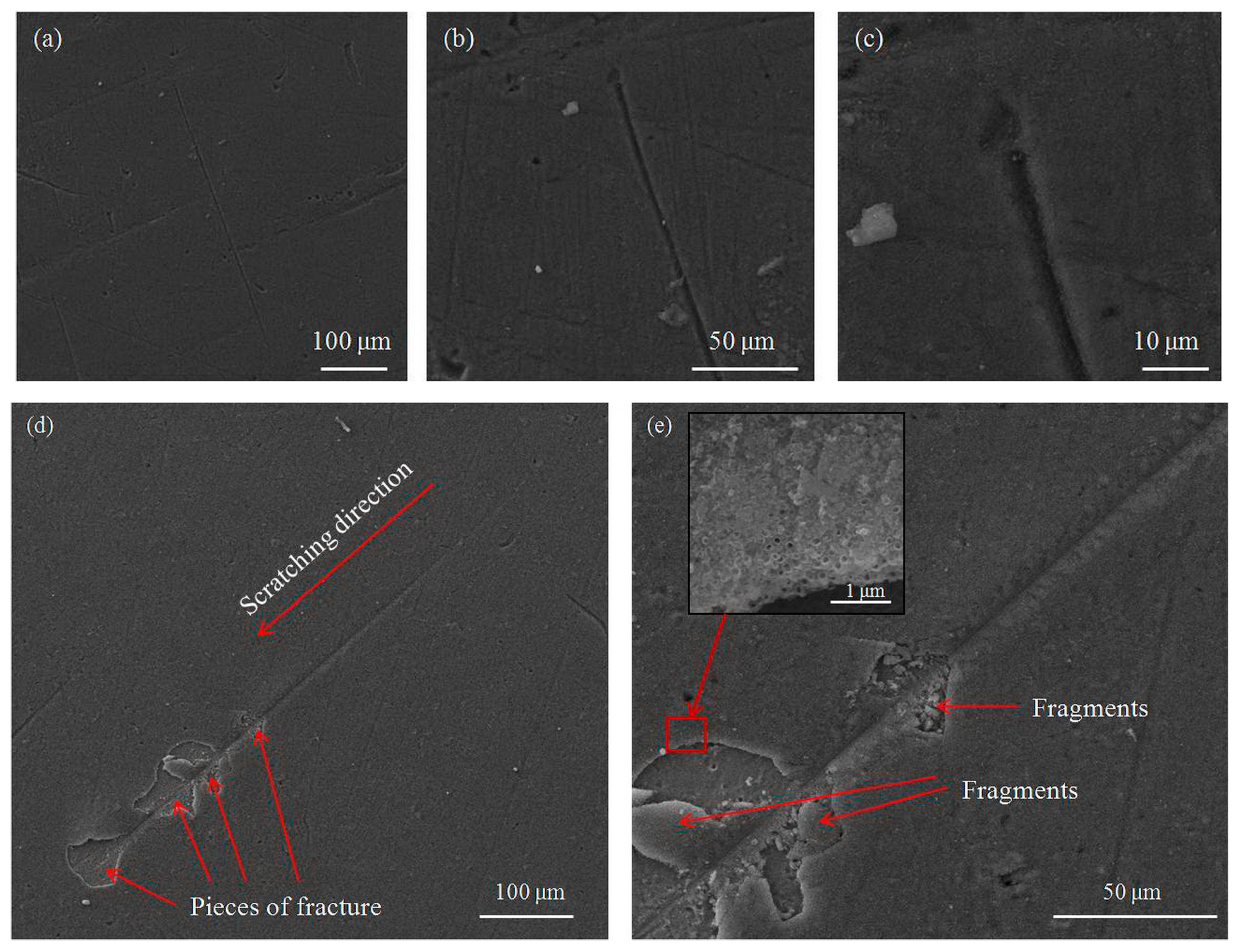
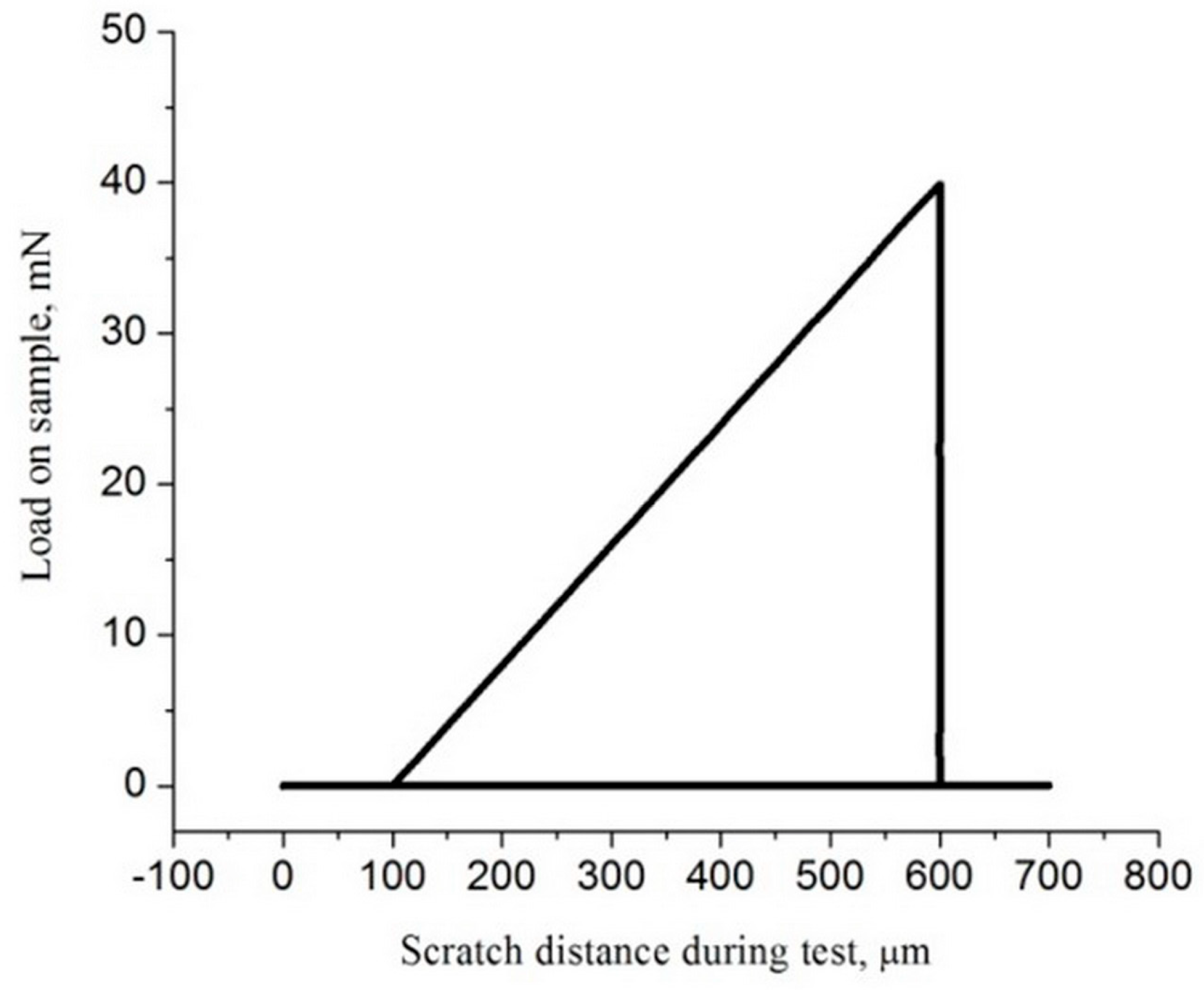
The anodic oxidation technique was used for surface modification, resulting in the creation of a titanium-based nanotube oxide layer on a coarse-grained and ultrafine-grained Ti-13Nb-13Zr alloy. The modified surface morphology was analyzed using scanning electron microscopy (SEM), atomic force microscopy (AFM), and X-ray diffraction (XRD). The electrochemical impedance spectroscopy (EIS) method was employed to evaluate the corrosion stability of the Ti-13Nb-13Zr alloy before and after anodic oxidation. Corrosion stability was determined by exposing the examined alloy to a solution that simulates environment in the human organism (Ringer’s solution). To examine the titanium-based nanotube oxide layer adhesion on the Ti-13Nb-13Zr alloy’s surface, a scratch test was performed. The hydrophilicity of the modified surface was measured using the contact angle between a drop of Ringer’s solution and the modified surface. The anodic oxidation led to the creation of a nanotube oxide layer on the surface of the Ti-13Nb-13Zr (wt.%) alloy. The impact of the ultrafine-grained structure on the homogeneity of the nanotube oxide layer obtained using anodic oxidation was observed. The ultrafine-grained structure contributed to the increased diameter of the nanotubes, while the combined effect of anodic oxidation and high-pressure torsion significantly increased the roughness of the Ti-13Nb-13Zr alloy’s surface, which is expected to enhance biomechanical compatibility by reducing cytotoxicity, providing a more adaptable modulus of elasticity for human body conditions and ensuring adequate corrosion resistance and hydrophilicity. In this study, it was established that the examined alloy had suitable corrosion resistance for utilization in medicine as a metallic implant in the human body. The scratch test showed acceptable adhesion from the titanium-based nanotube oxide layer created using anodic oxidation. Also, the determination of the surface contact angle showed that the surface after anodic oxidation was more hydrophilic than the surface before anodic oxidation.
Keywords: corrosion resistance; hydrophilic surface; innovative combination of severe plastic deformation and anodic oxidation; surface modification; scratch test; Ti-13Nb-13Zr alloy; ultrafine-grained structure corrosion resistance; hydrophilic surface; innovative combination of severe plastic deformation and anodic oxidation; surface modification; scratch test; Ti-13Nb-13Zr alloy; ultrafine-grained structure
Graphical Abstract