Article

Evaluation of Continuous GMA Welding Characteristics Based on the Copper-Plating Method of Solid Wire Surfaces


Flexible Manufacturing R&D Department, Korea Institute of Industrial Technology, Songdo-dong, Incheon 21999, Republic of Korea
*
Author to whom correspondence should be addressed.
Metals 2024, 14(11), 1300; https://doi.org/10.3390/met14111300
Submission received: 31 October 2024 / Revised: 13 November 2024 / Accepted: 15 November 2024 / Published: 18 November 2024
(This article belongs to the Special Issue Welding and Joining of Advanced High-Strength Steels (2nd Edition))

Abstract

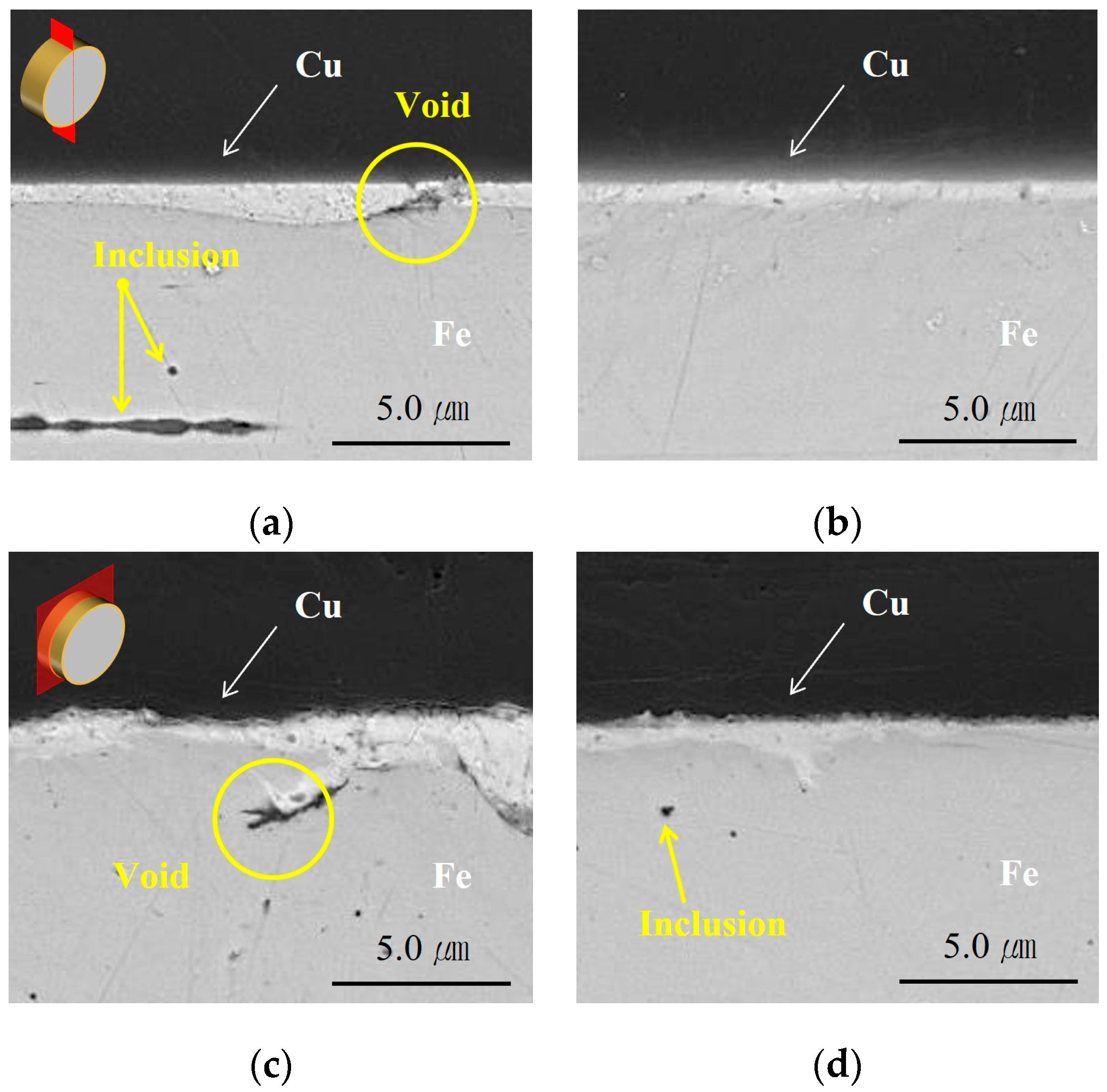
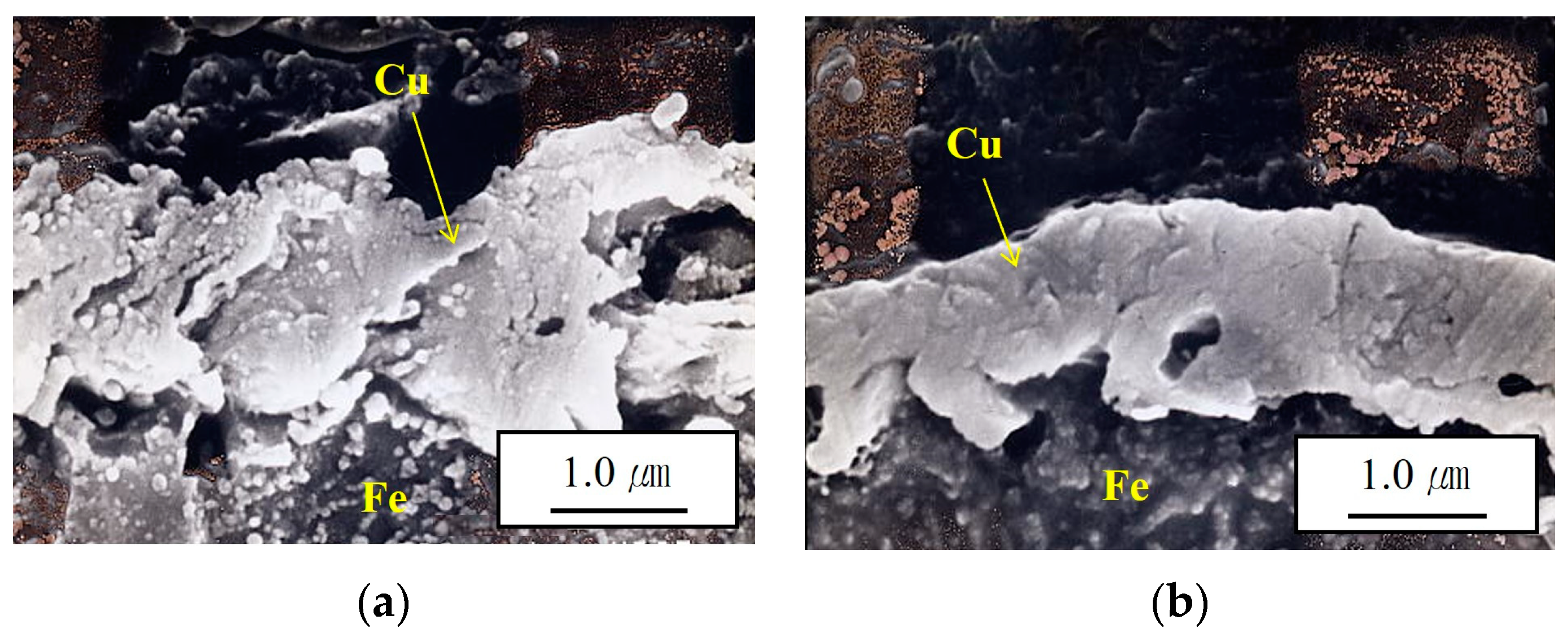
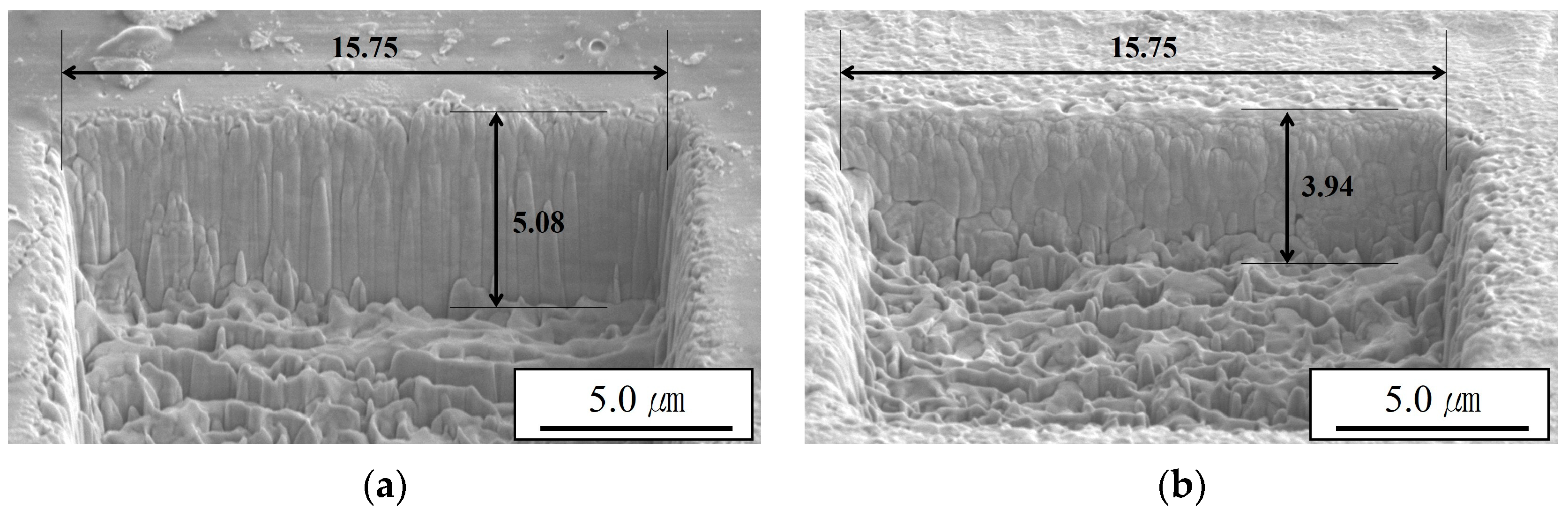
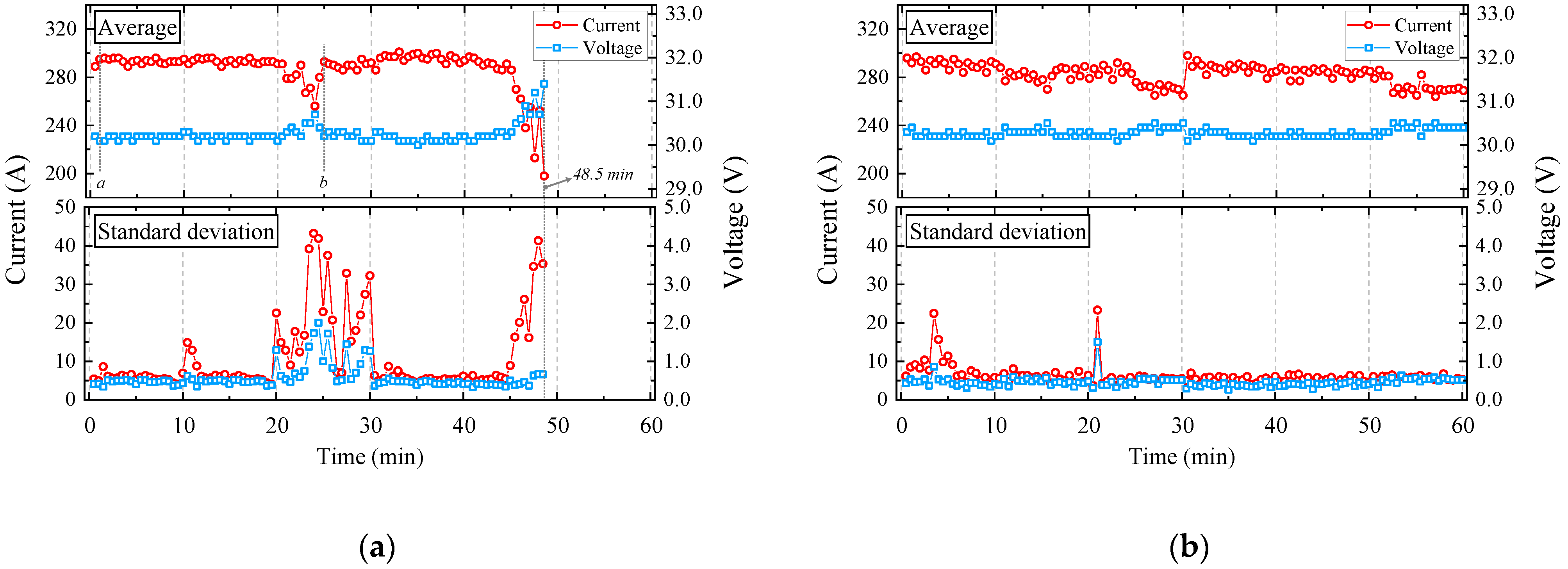
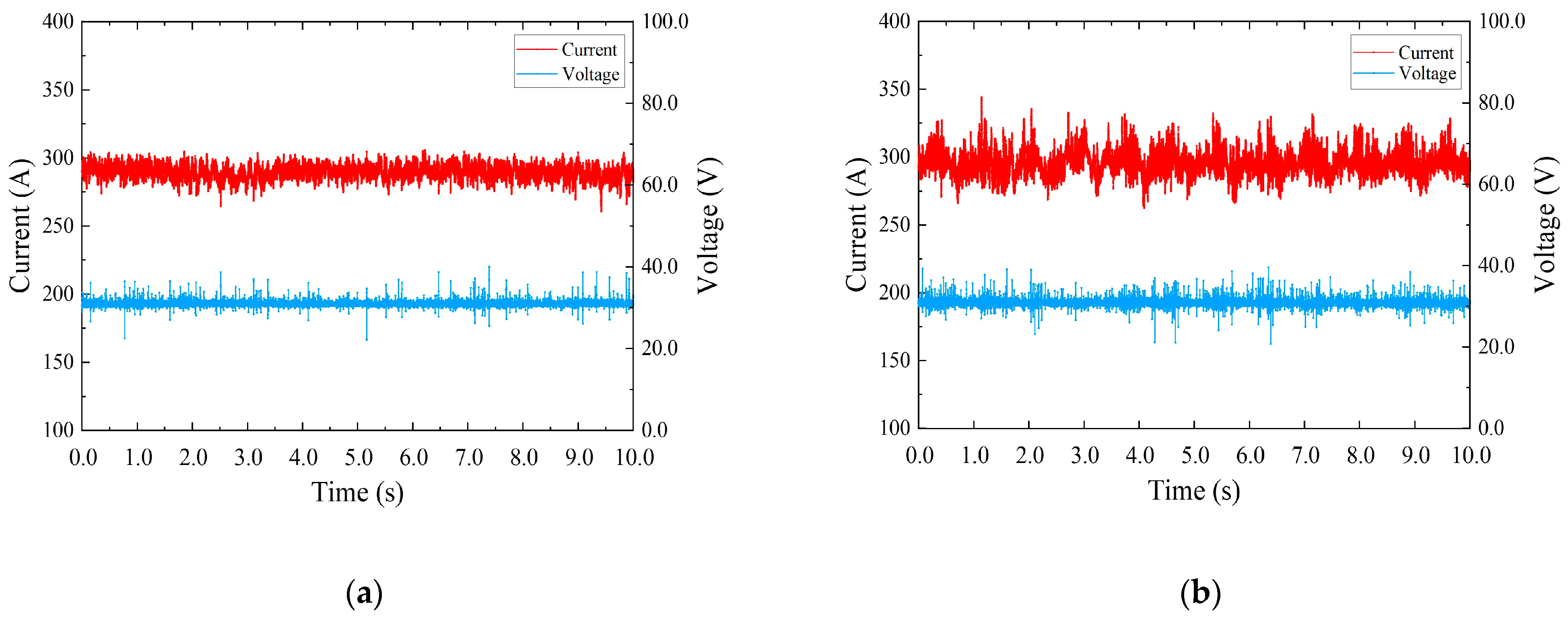
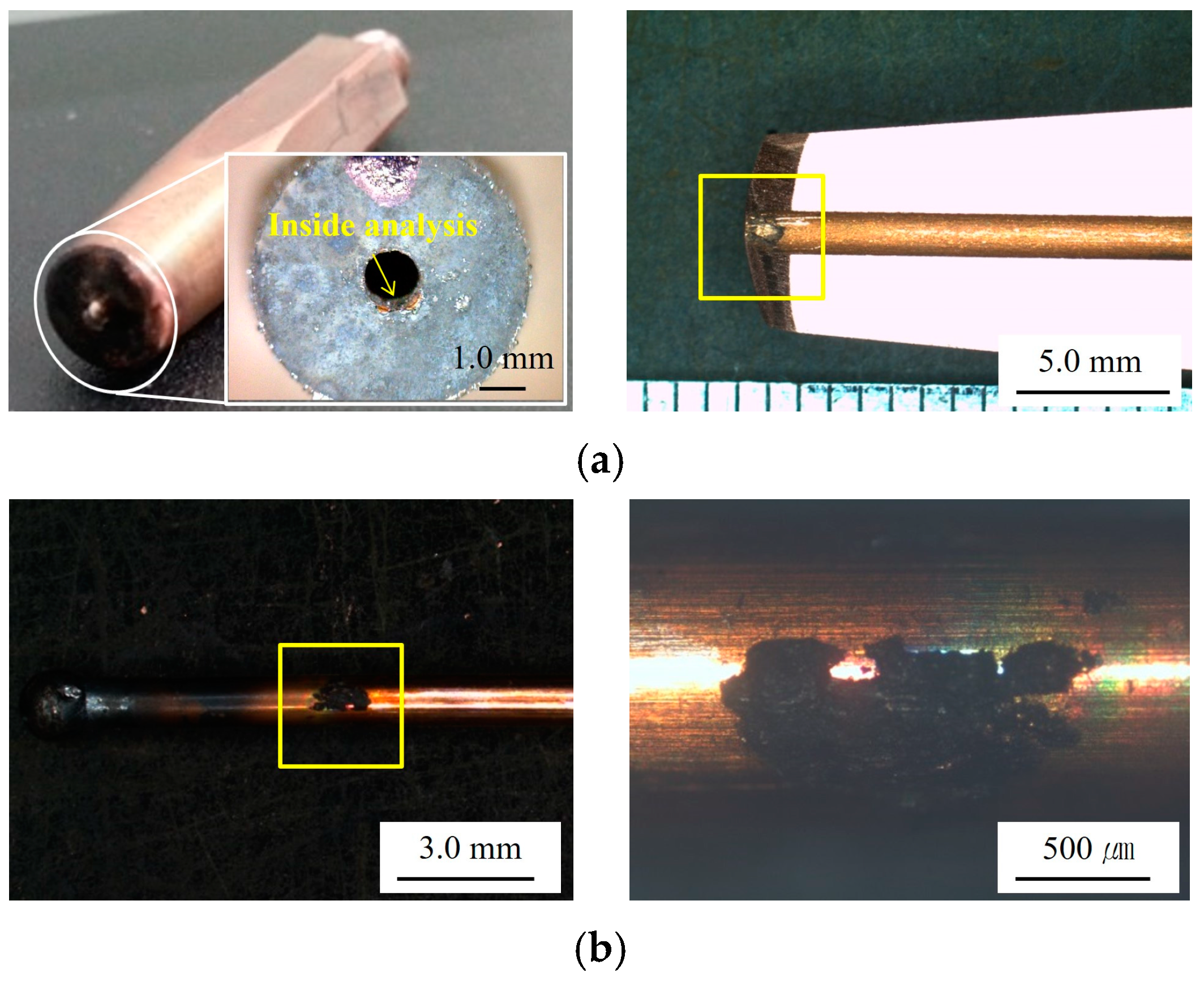
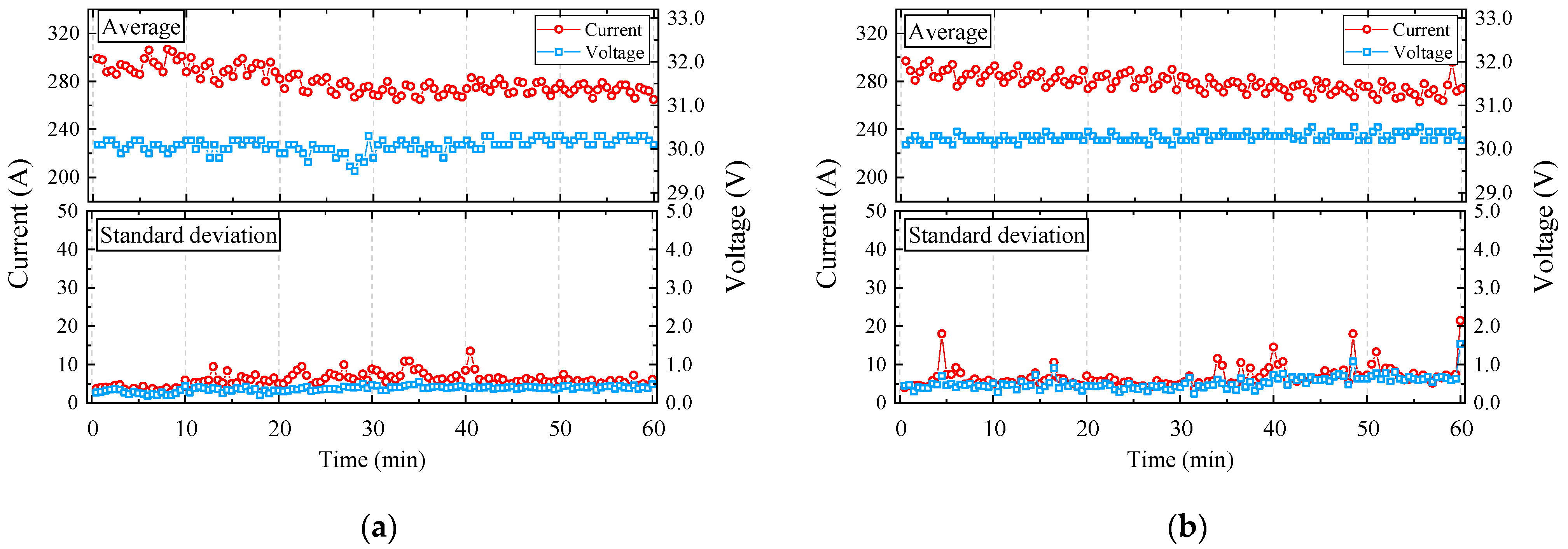
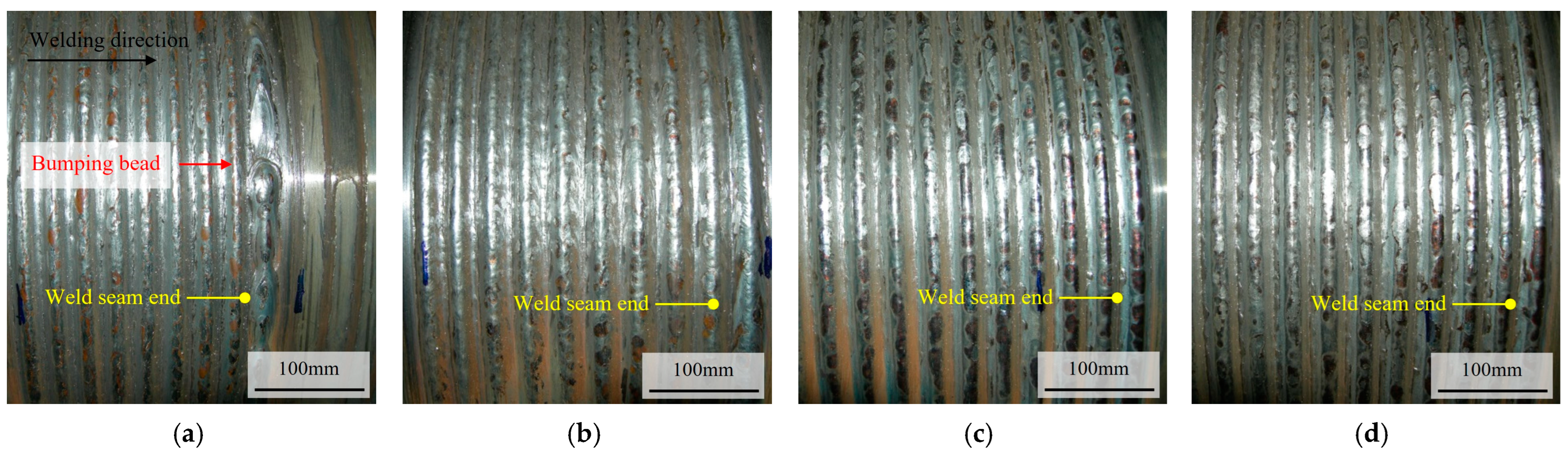
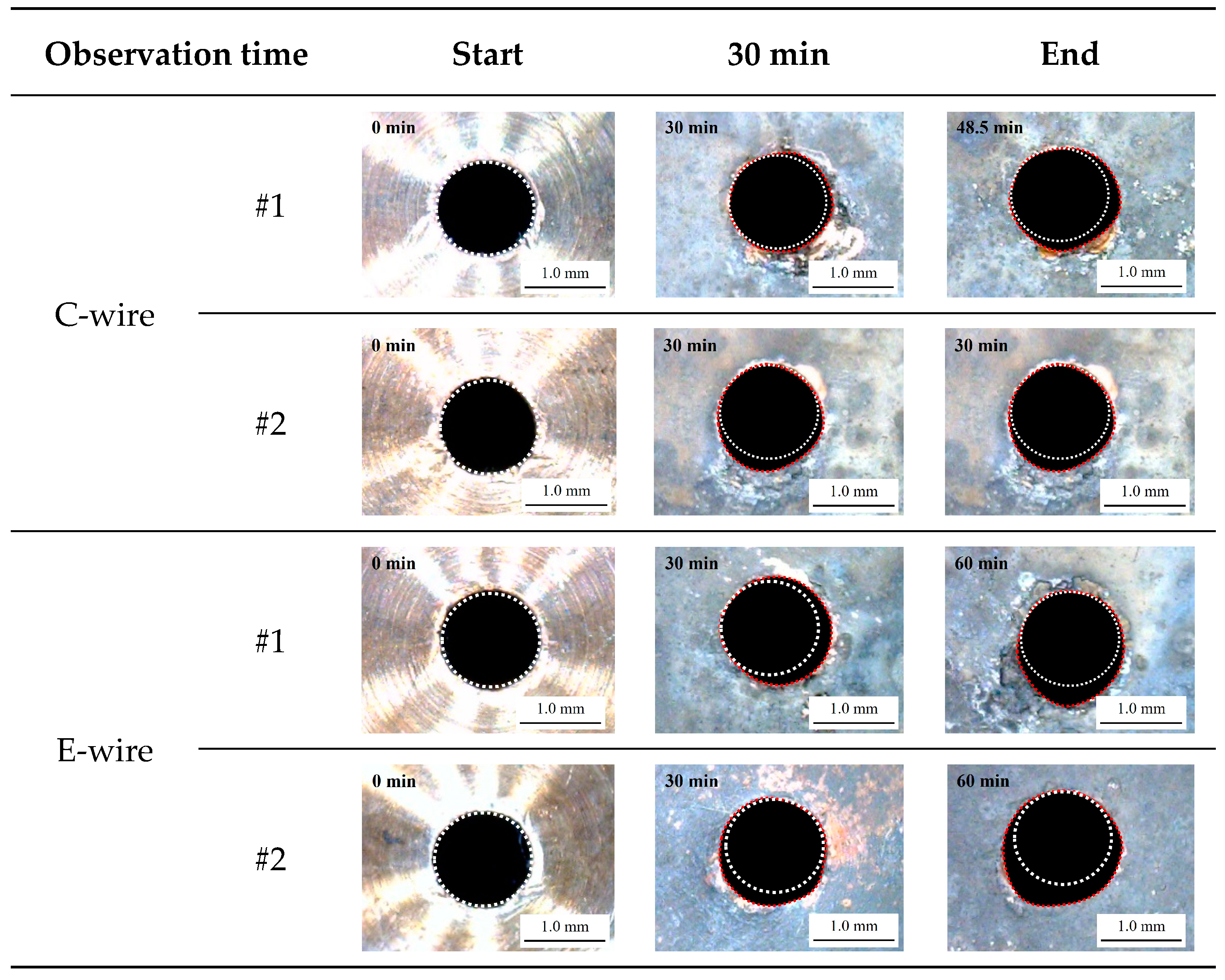
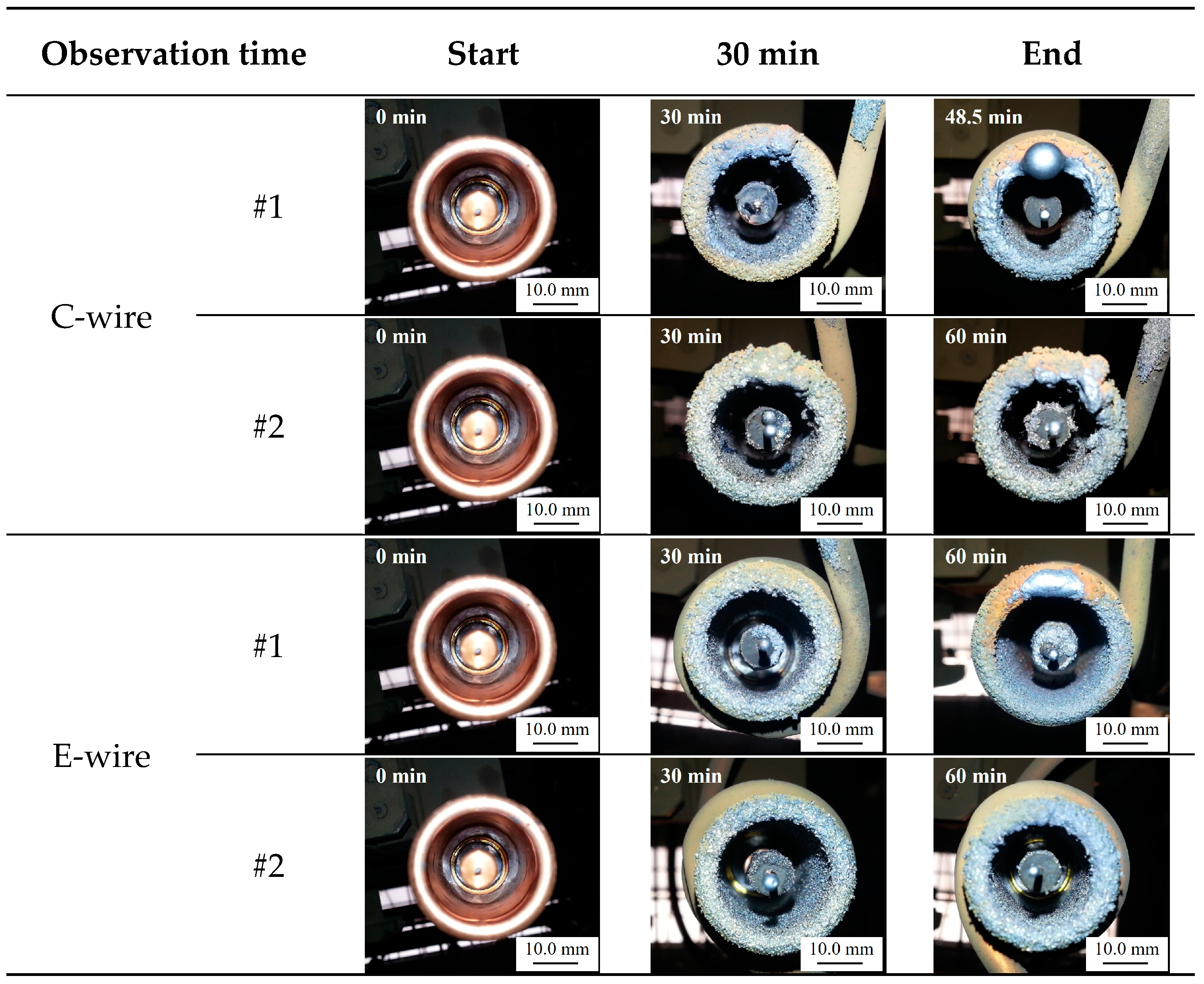
Gas metal arc welding (GMAW) is widely used in various industries, such as automotive and heavy equipment manufacturing, because of its high productivity and speed, with solid wires being selected based on the mechanical properties required for welded joints. GMAW consists of various components, among which consumables such as the contact tip and continuously fed solid wire have a significant impact on the weld quality. In particular, the copper-plating method can affect the conductivity and arc stability of the solid wire, causing differences in the continuous welding performance. This study evaluated the welding performance during 60 min continuous GMAW using an AWS A5.18 ER70S-3 solid wire, which was copper-plated using chemical plating (C-wire) and electroplating (E-wire). The homogeneity and adhesion of the copper-plated surface of the E-wire were superior to those of the C-wire. The E-wire exhibited better performance in terms of arc stability. The wear rate of the contact tip was approximately 45% higher when using the E-wire for 60 min of welding compared with the C-wire, which was attributed to the larger variation rate in the cast and helix in the E-wire. Additionally, the amount of spatter adhered to the nozzle during 60 min, with the E-wire averaging 5.9 g, approximately half that of the C-wire at 12.9 g. The E-wire exhibits superior arc stability compared with the C-wire based on the spatter amount adhered to the nozzle. This study provides an important reference for understanding the impact of copper plating methods and wire morphology on the replacement cycles of consumable welding parts in automated welding processes such as continuous welding and wire-arc additive manufacturing.
Keywords: GMAW; solid wire; copper plating surface; arc stability; contact tip wear rate; spatter generation GMAW; solid wire; copper plating surface; arc stability; contact tip wear rate; spatter generation