Article

Recrystallization Mechanism and Processing Map of 18CrNiMo7-6 Alloy Steel during Hot Deformation
1
School of Materials Science and Engineering, Shanghai University, Shanghai 200444, China
2
East China Branch of CISRI, Huaian 223007, China
3
School of Materials Science & Engineering, Jiangsu University, Zhengjiang 212013, China
4
School of Materials and Chemical Engineering, Anhui Jianzhu University, Hefei 230601, China
*
Author to whom correspondence should be addressed.
Metals 2022, 12(5), 838; https://doi.org/10.3390/met12050838
Submission received: 10 April 2022 / Revised: 8 May 2022 / Accepted: 12 May 2022 / Published: 13 May 2022
(This article belongs to the Topic Advanced Forming Technology of Metallic Materials)

Abstract

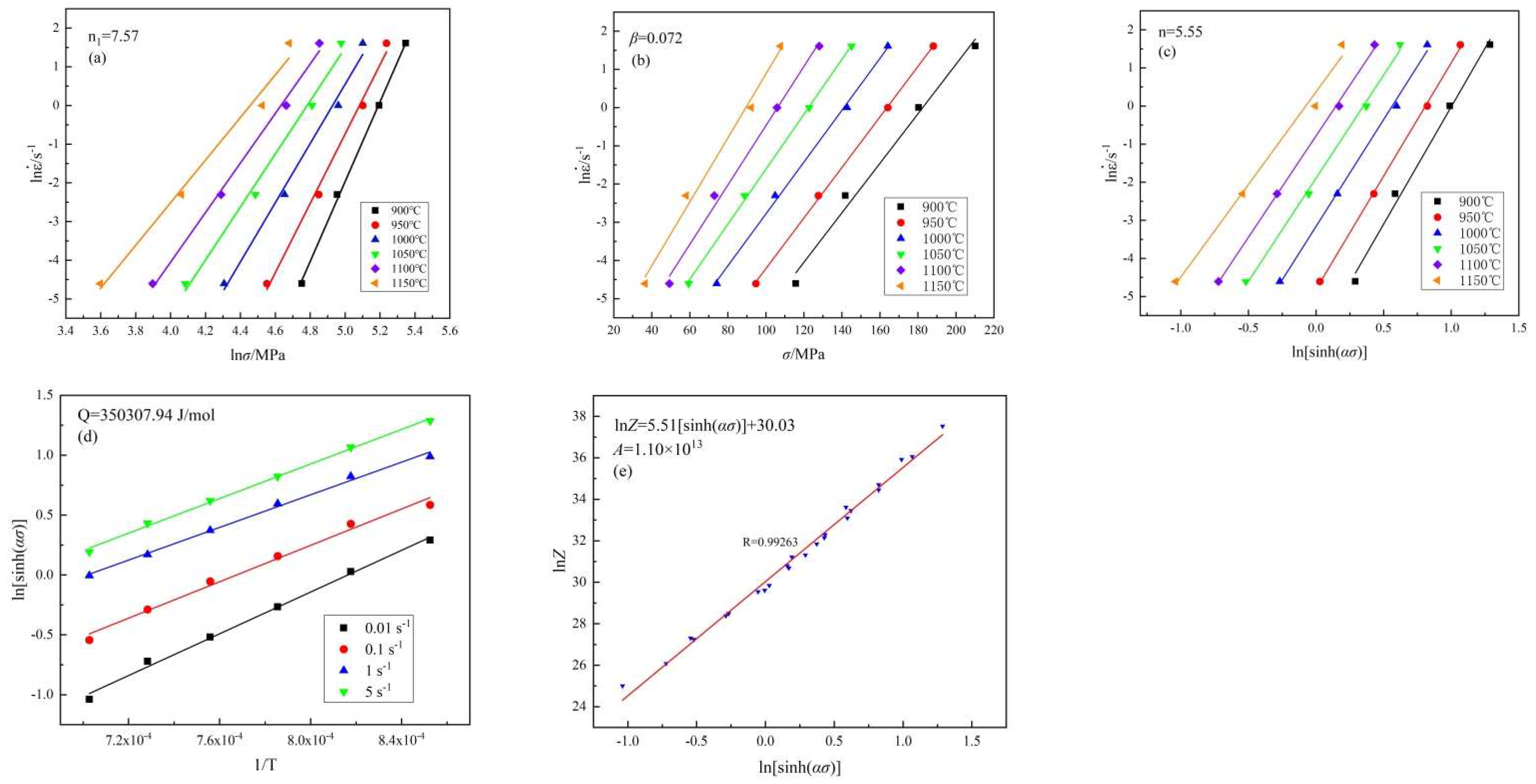
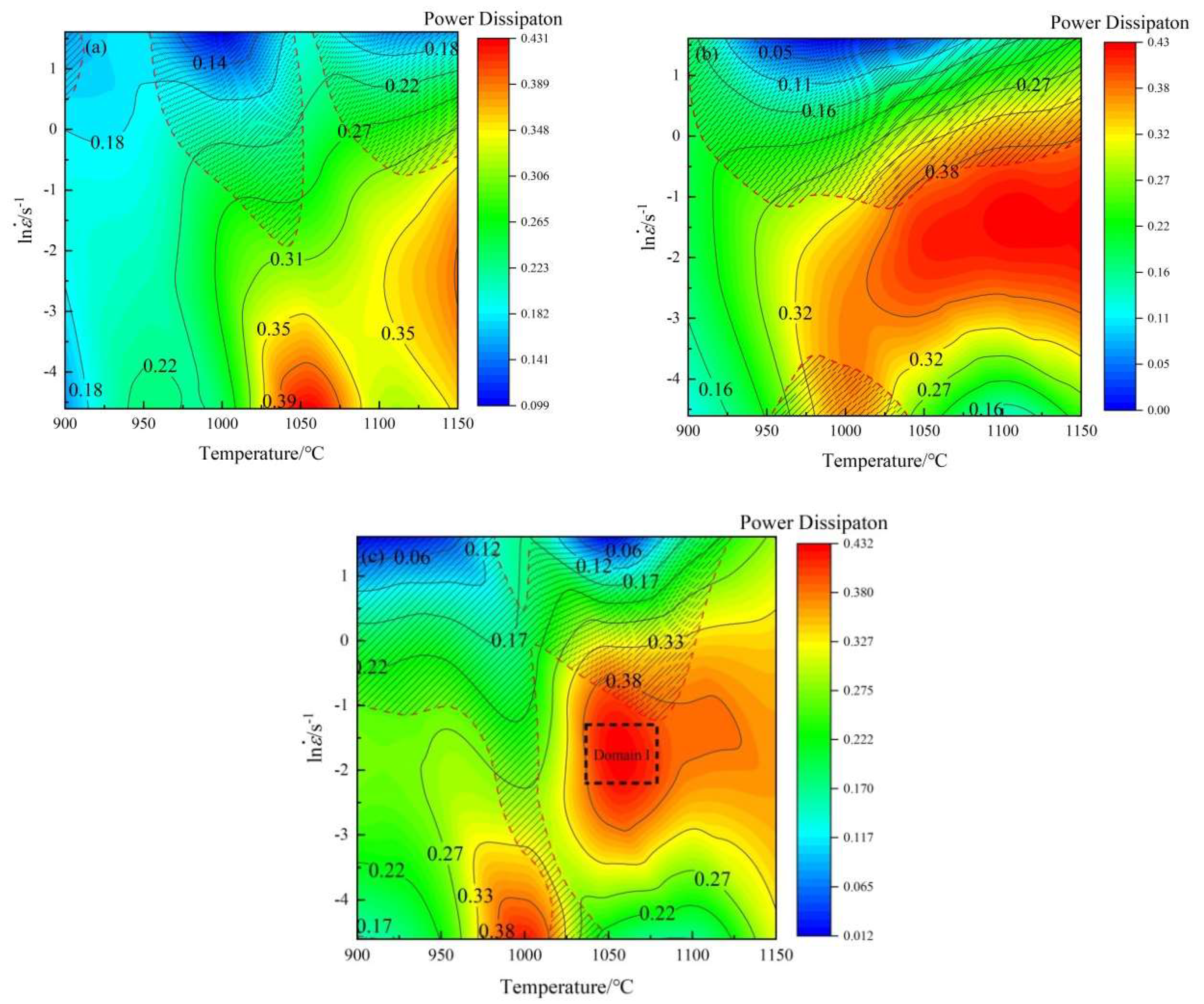
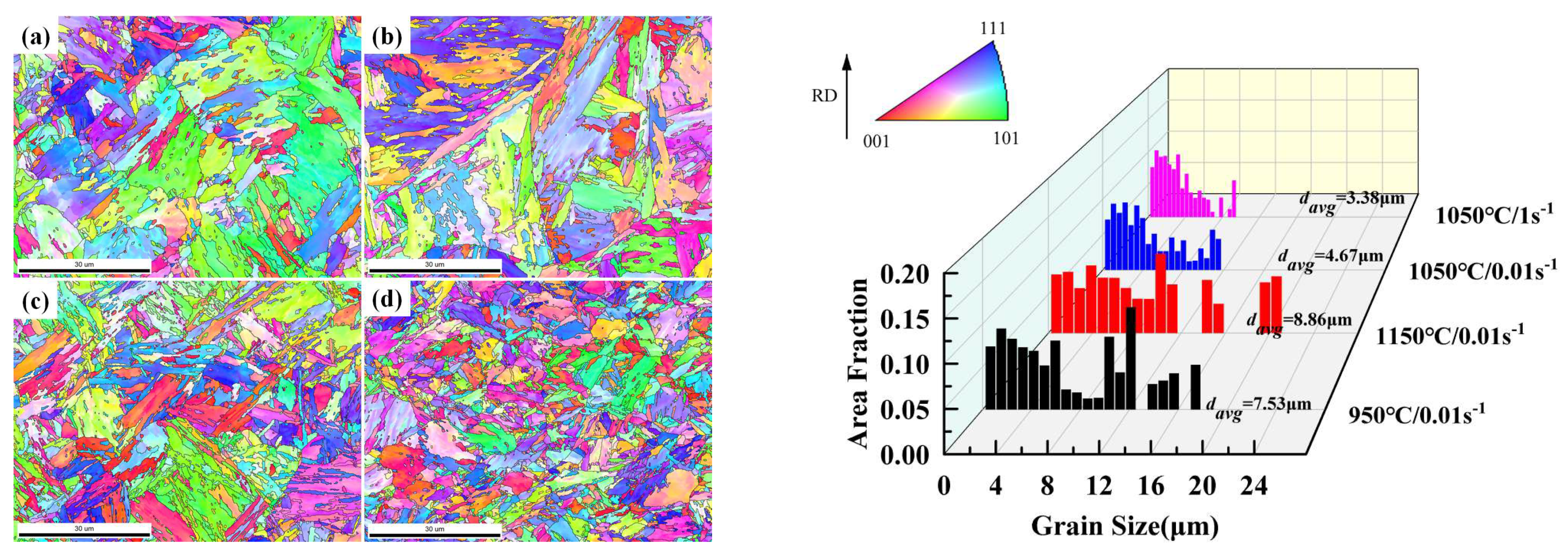
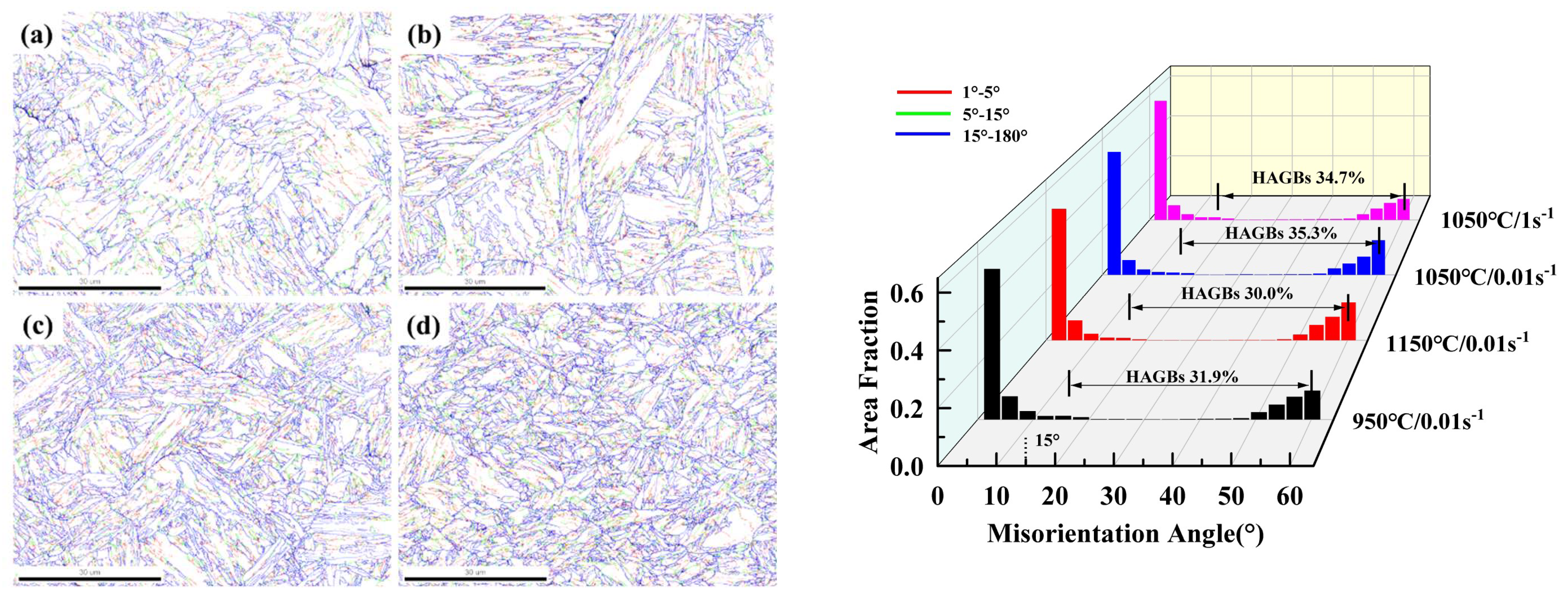
In this study, isothermal single-pass forming doformation of forged 18CrNiMo7-6 alloy steel was carried out by Gleeble-3500 thermal simulation testing machine. The constitutive equations and processing maps with parameters of deformation temperature and strain rate were established. The results show that the optimum hot deformation parameters are temperature 1050 °C, strain rate 0.1 s–1 with the peak power efficiency being 0.432. The mechanism of grain refinement during hot compression was also characterized by electron backscatter diffraction (EBSD). The results show that continuous dynamic recrystallization (CDRX), discontinuous dynamic recrystallization (DDRX) and grain growth are the main microstructure evolution mechanisms during hot working. The rotation of sub-grains under CDRX mechanism is the main factor for the formation of new grains. In addition, the DDRX mechanism is formed by the bulging of HAGBs at the grain boundary triple junction of the original grains, and the CDRX mechanism forms finer grains. The study also found that temperature affected the organization evolution mechanism, the DDRX mechanism plays a leading role when the temperature is low. With the increase of deformation temperature, CDRX begins to play a leading role and forms finer grains. When the deformation temperature rises to 1150 °C, the grains continue to grow at a higher temperature.
Keywords: 18CrNiMo7-6 alloy steel; isothermal single-pass doformation; constitutive equations; processing map; recrystallization mechanism 18CrNiMo7-6 alloy steel; isothermal single-pass doformation; constitutive equations; processing map; recrystallization mechanism