Article

Thermal Effect and Metallurgical Characteristics of Hydrogen Bottom Blowing in Top–Bottom Combined Blowing Converter

1
Institute of Engineering Technology, University of Science and Technology Beijing, Beijing 065001, China
2
Ferrous Metallurgy, Montanuniversitaet Leoben, 8700 Leoben, Austria
*
Author to whom correspondence should be addressed.
Metals 2022, 12(10), 1633; https://doi.org/10.3390/met12101633
Submission received: 28 May 2022 / Revised: 23 August 2022 / Accepted: 20 September 2022 / Published: 29 September 2022

Abstract

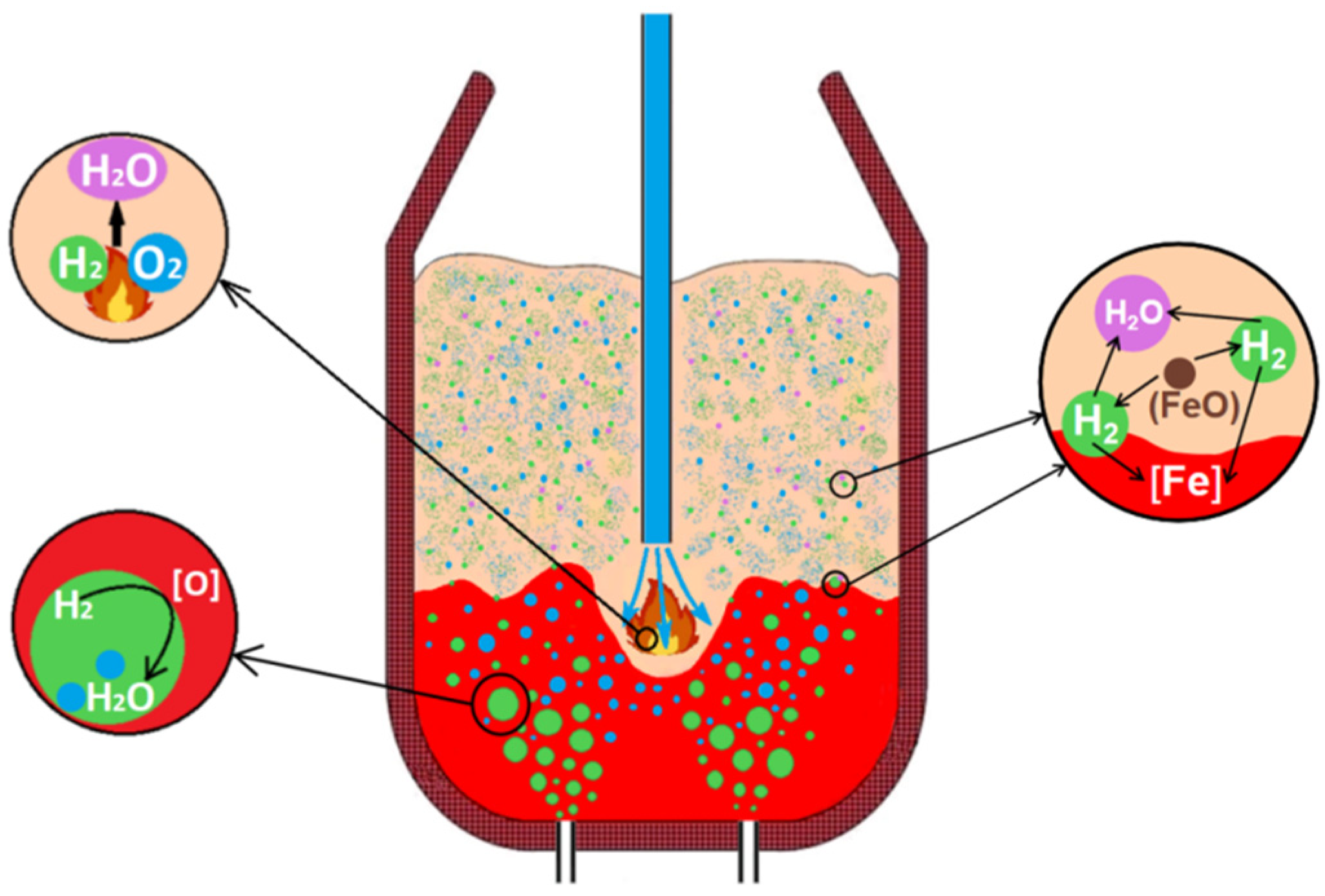
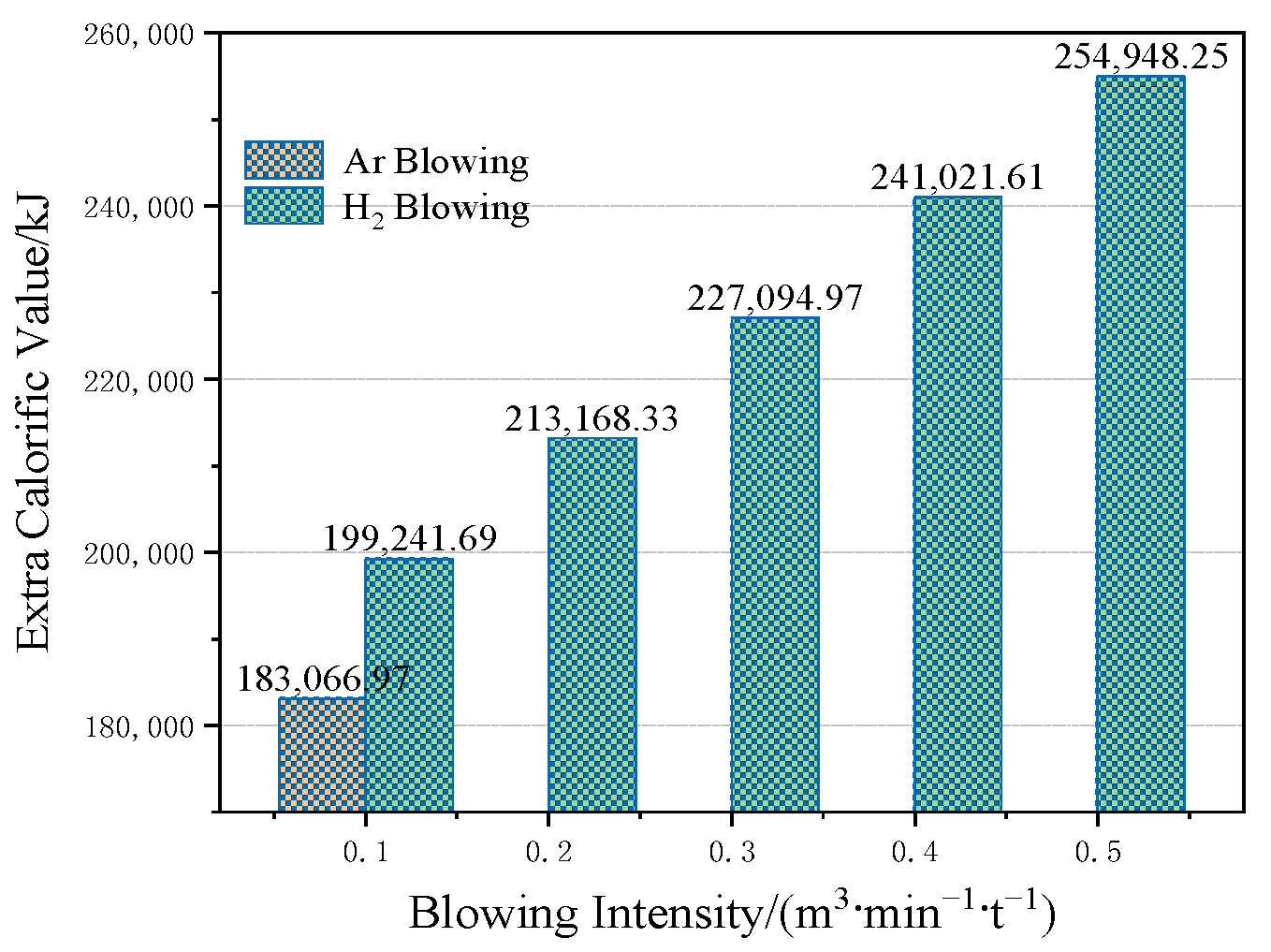
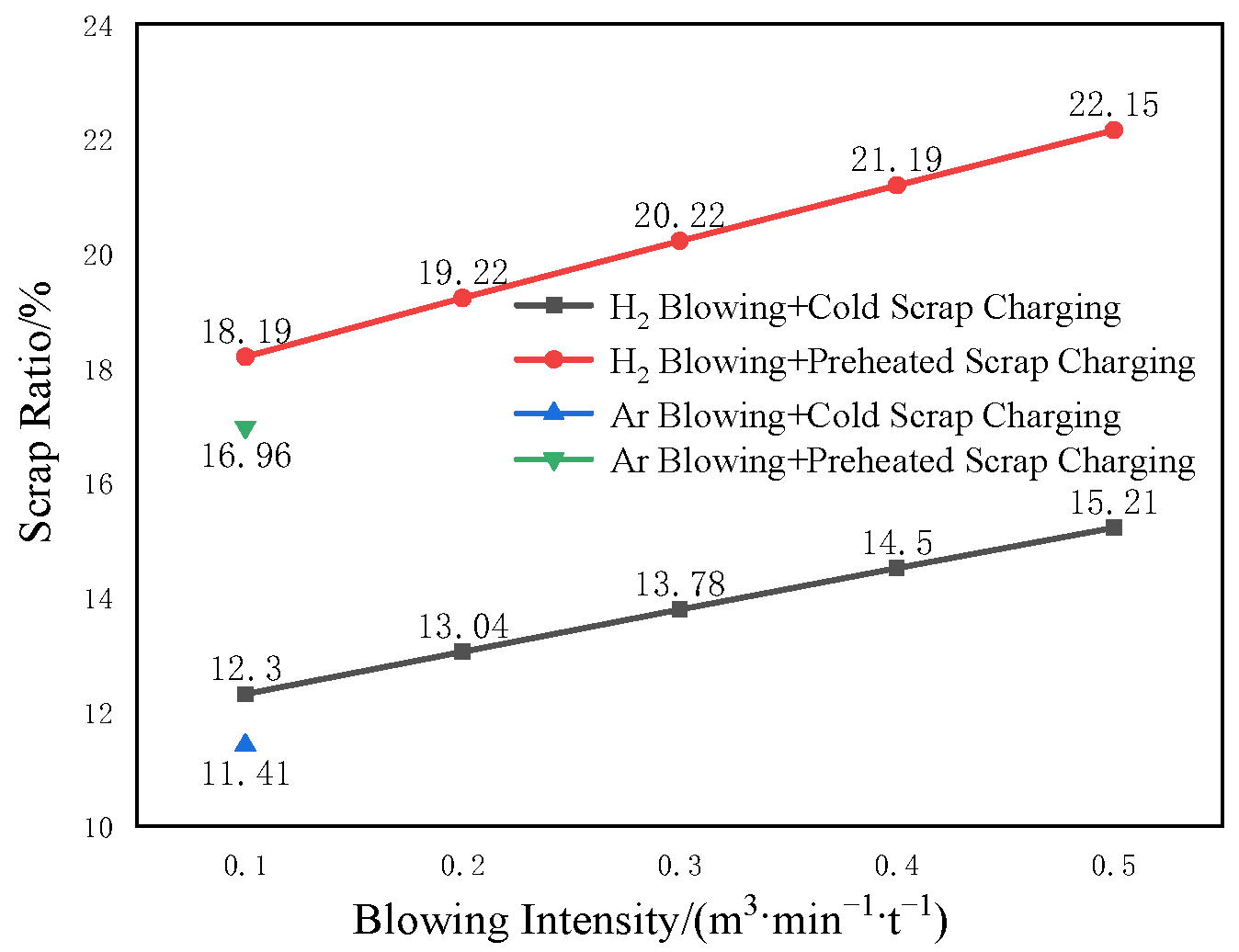
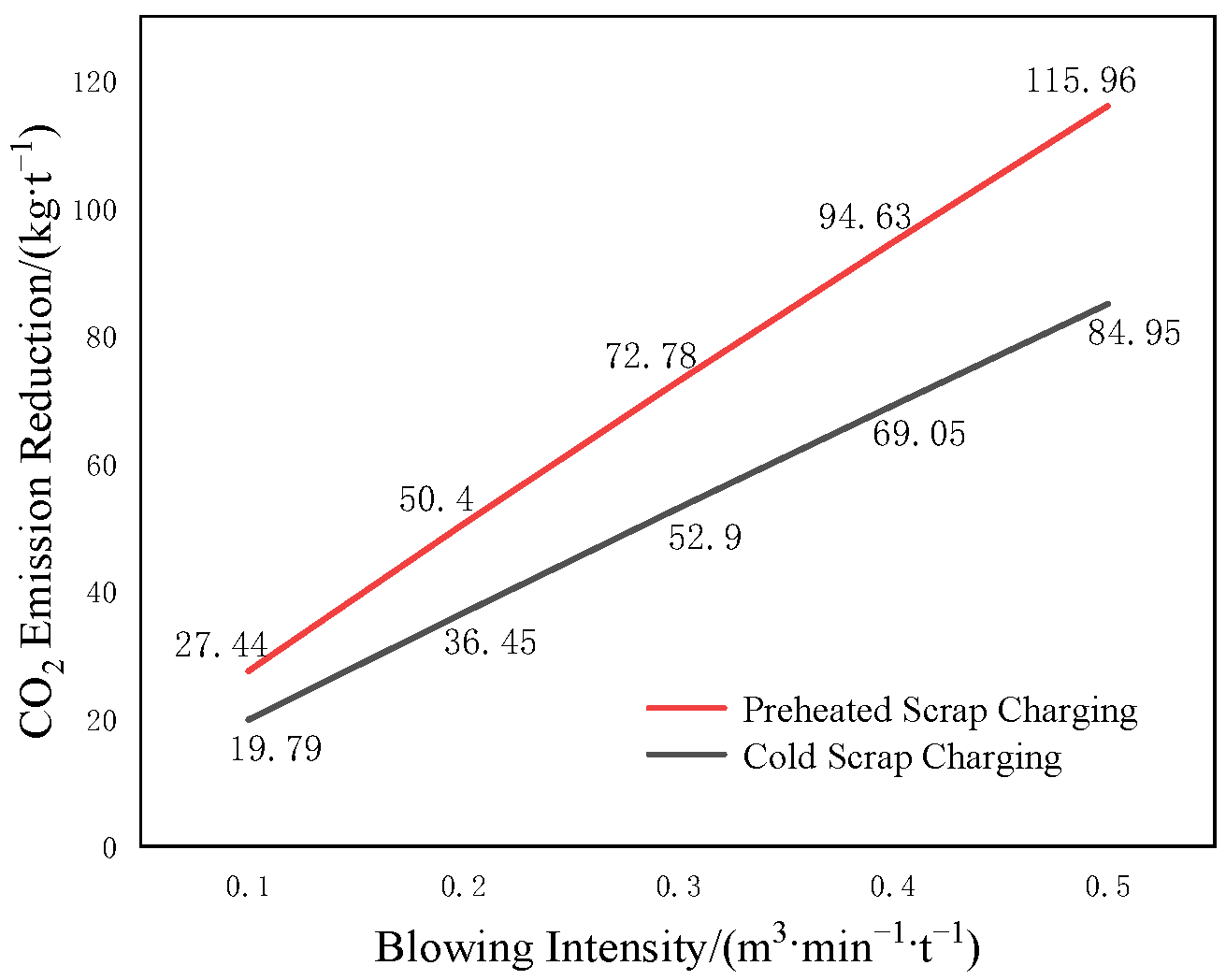
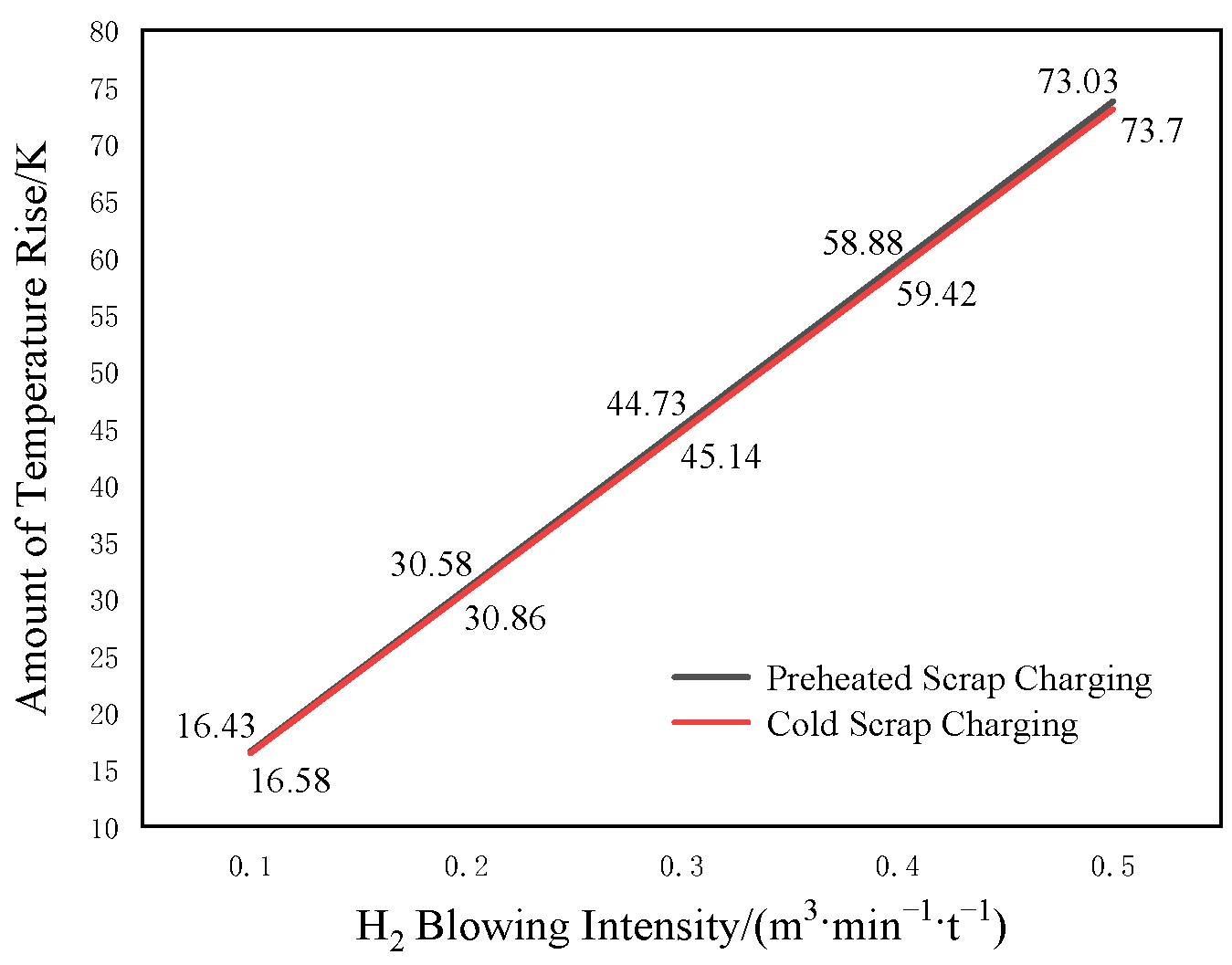
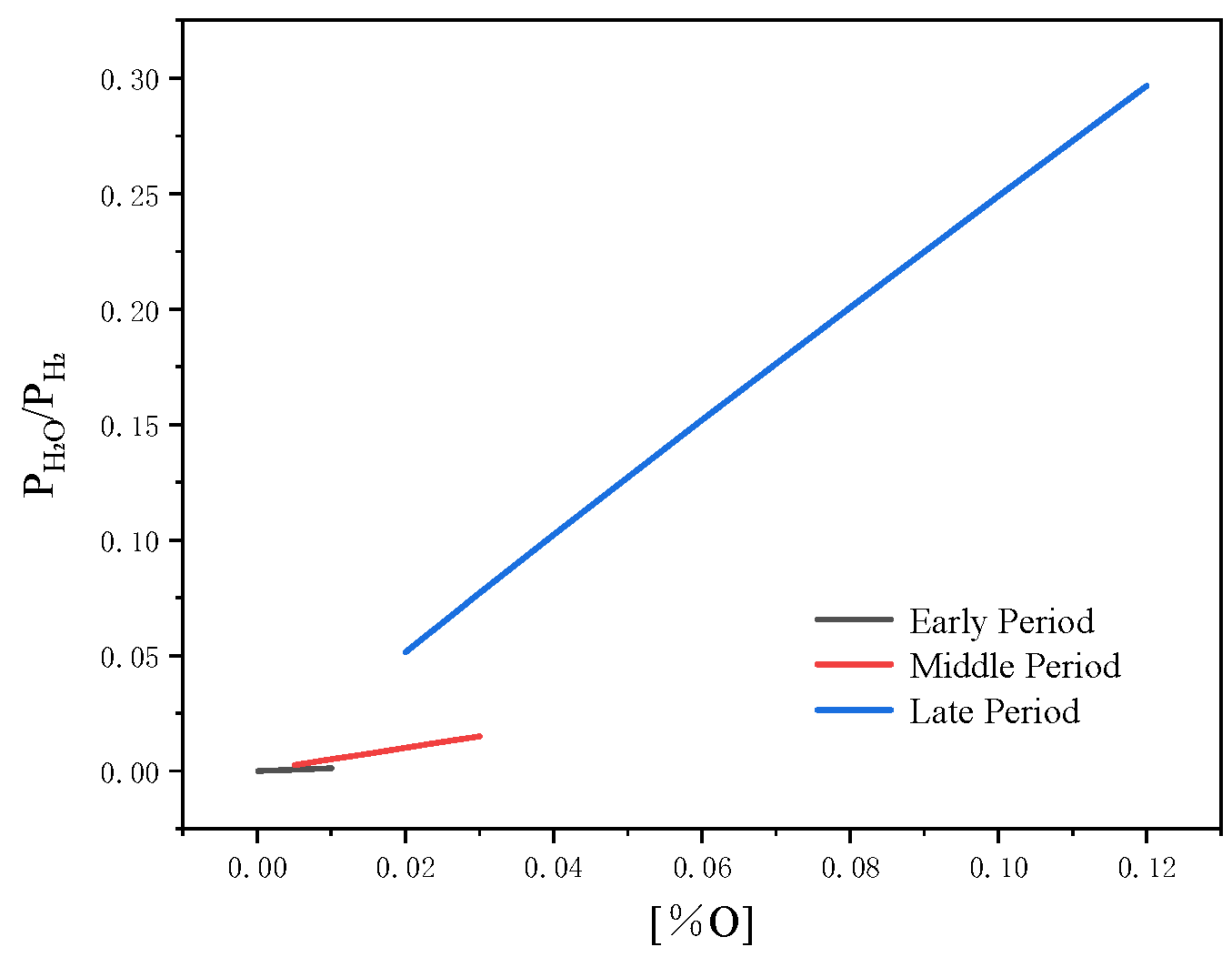
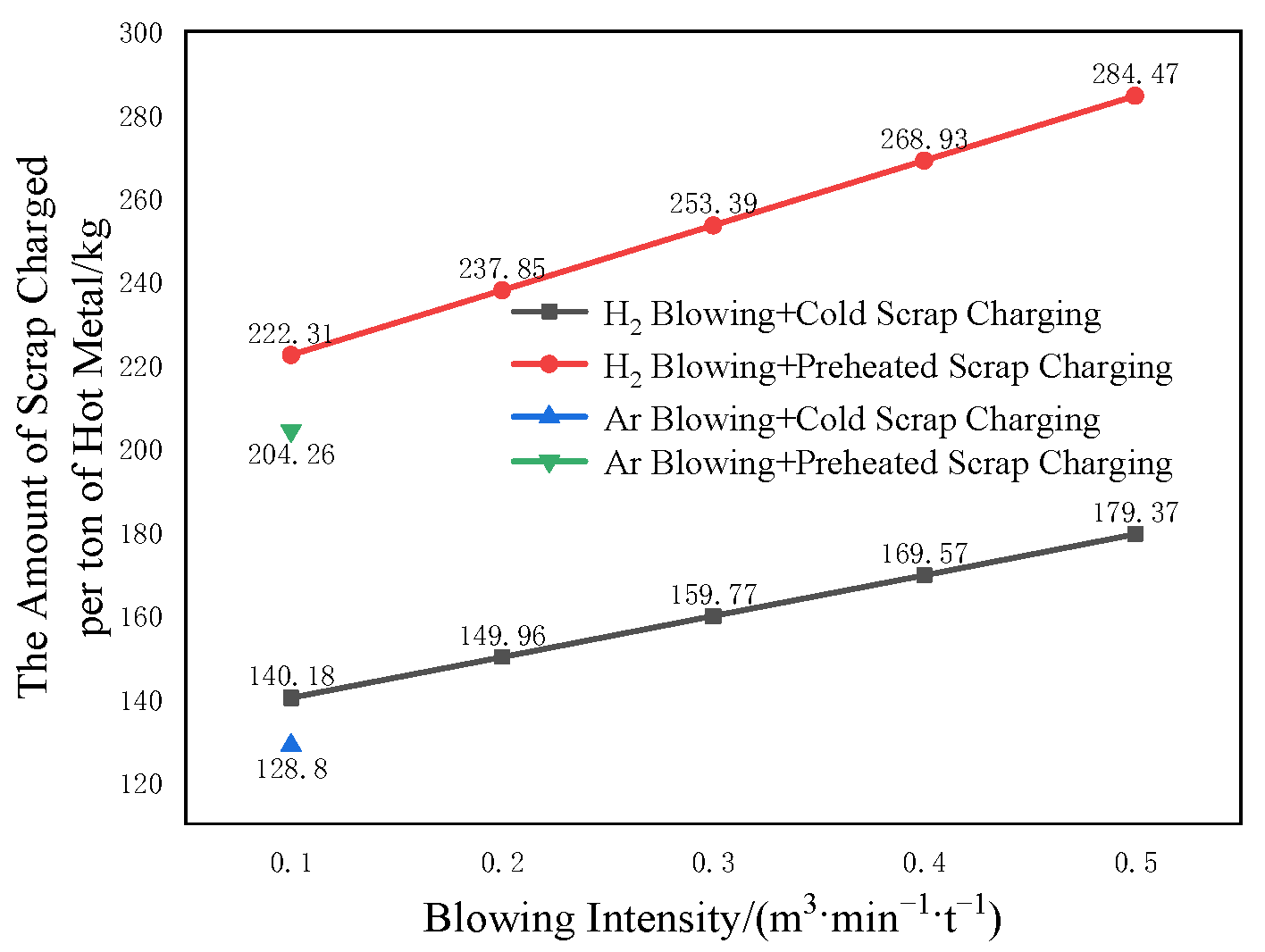
A new technology of hydrogen bottom blowing instead of traditional argon blowing in the current converter steelmaking process is proposed herein, in the aim of overcoming problems such as energy shortages caused by increased scrap charging, the low stirring intensity of bottom blowing, high CO2 emissions, and endpoint carbon content control. The thermal effect and metallurgical characteristics of hydrogen bottom blowing were investigated based on the production data of a steelmaking converter in Pangang Group Xichang Steel & Vanadium Co., Ltd. This study shows that hydrogen bottom blowing at an intensity of 0.1–0.5 m3·min−1·t−1—rather than argon blowing at an intensity of 0.1 m3·min−1·t−1—can increase the smelting temperature by 16–73 K, increase the scrap charging ratio by 0.89–5.19%, and reduce CO2 emissions by 19.79–115.96 kg per ton of steel. Intensive hydrogen blowing could significantly reduce the oxygen content of molten steel in the late stage of steelmaking and be beneficial to controlling oxygen at the endpoint. Hydrogen can also reduce the (FeO) content in slag, and the equilibrium partial pressure ratios of H2O/H2 for the reaction H2 + (FeO) = H2O + Fe in the middle and late periods are 0.41 and 0.11, respectively. Hydrogen can also slightly suppress the decarbonization reaction in the late period of steelmaking, and the equilibrium partial pressure ratio of H2O/H2 for the reaction H2 + (CO) = [C] + H2O in the late period is 9.65 × 10⁻², which means that hydrogen is beneficial in preventing the rapid decrease in [C] and, in turn, helps control the endpoint carbon content. By comparing the degree of the reaction (P2O5) + 5H2 = P2(g) + 5H2O and the reaction (P2O5) + 5H2 = 2[P] + 5H2O, it can be seen that intensive bottom-blown hydrogen may have a slight positive effect on slag gasification dephosphorization. The FactSage simulation results further verify the conclusions of the above analysis.
Keywords: converter; hydrogen; scrap ratio; carbon emissions; reduction of FeO; decarburization; deoxidization; bottom blowing converter; hydrogen; scrap ratio; carbon emissions; reduction of FeO; decarburization; deoxidization; bottom blowing