Article

Fatigue Variability of Alloy 625 Thin-Tube Brazed Specimens
1
School of Materials Science and Engineering, Pusan National University, Busan 46241, Korea
2
School of Mechanical Engineering, Pusan National University, Busan 46241, Korea
*
Authors to whom correspondence should be addressed.
All authors contributed equally to this study.
Metals 2021, 11(8), 1162; https://doi.org/10.3390/met11081162
Submission received: 25 June 2021 / Revised: 19 July 2021 / Accepted: 19 July 2021 / Published: 22 July 2021
(This article belongs to the Special Issue Fracture Mechanics and Fatigue Design in Metallic Materials)

Abstract

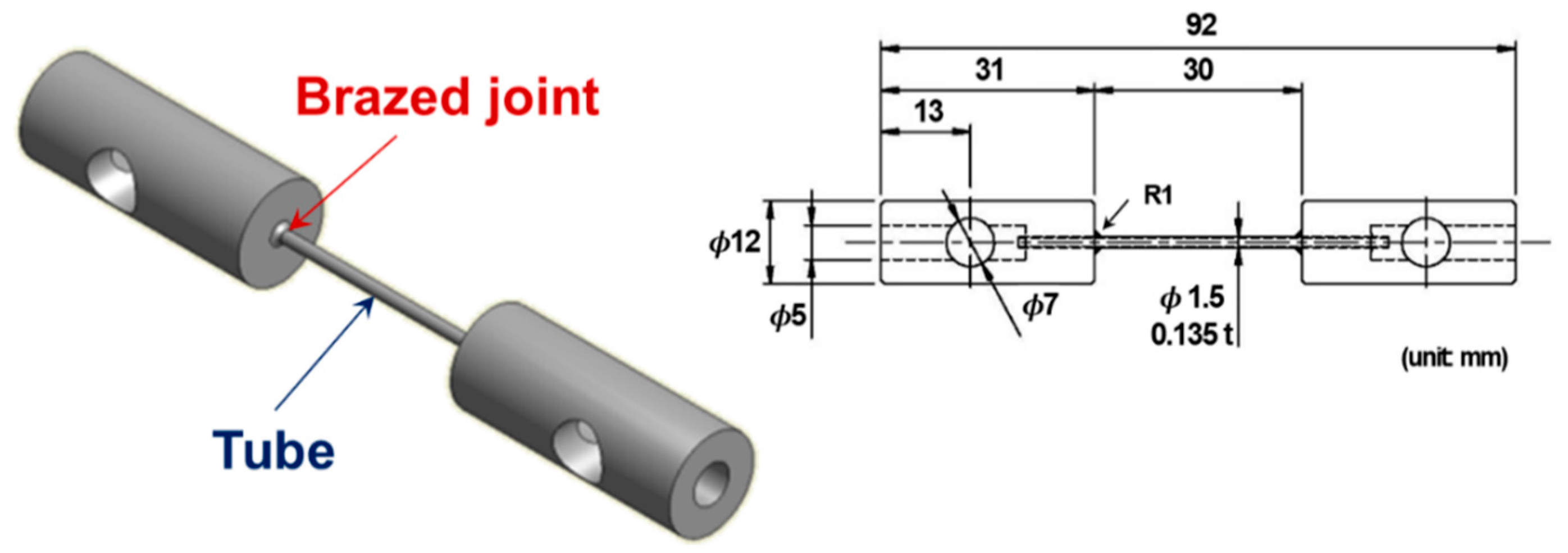
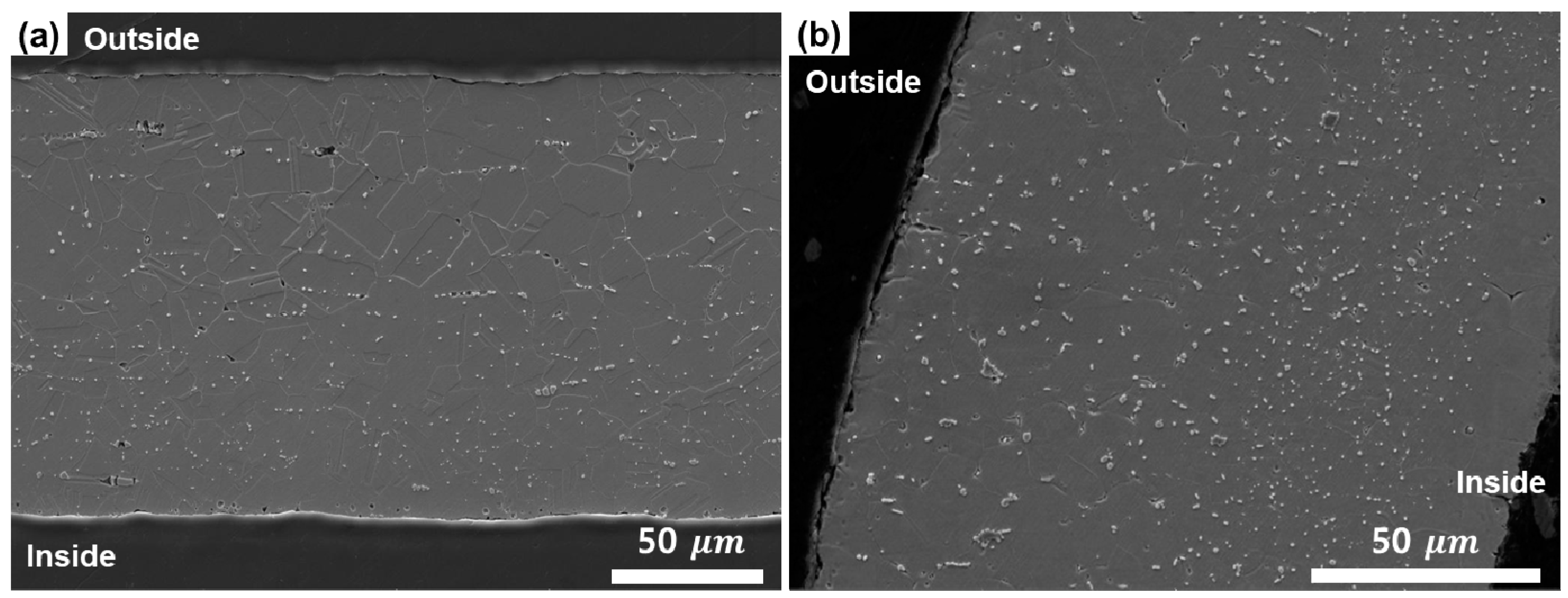
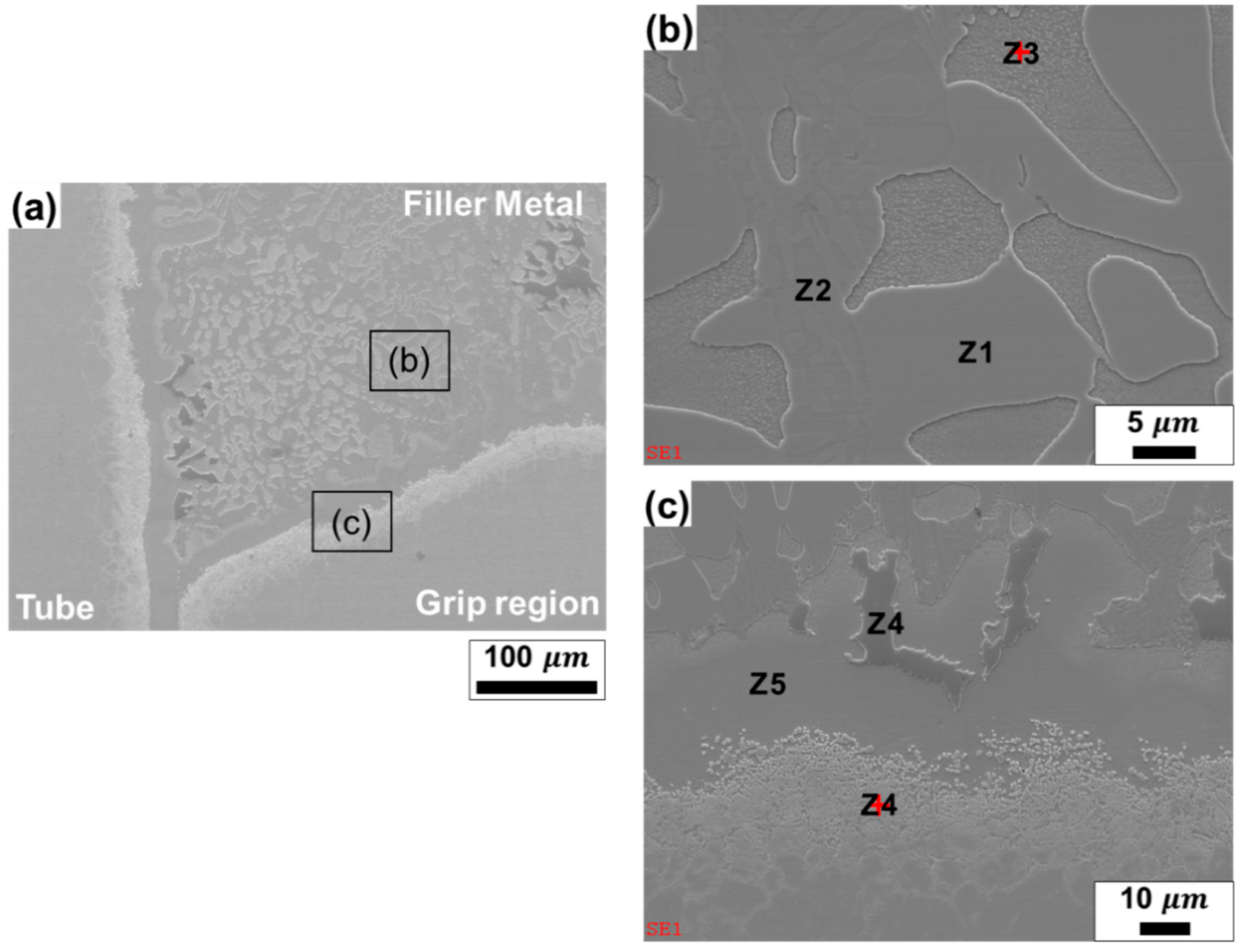
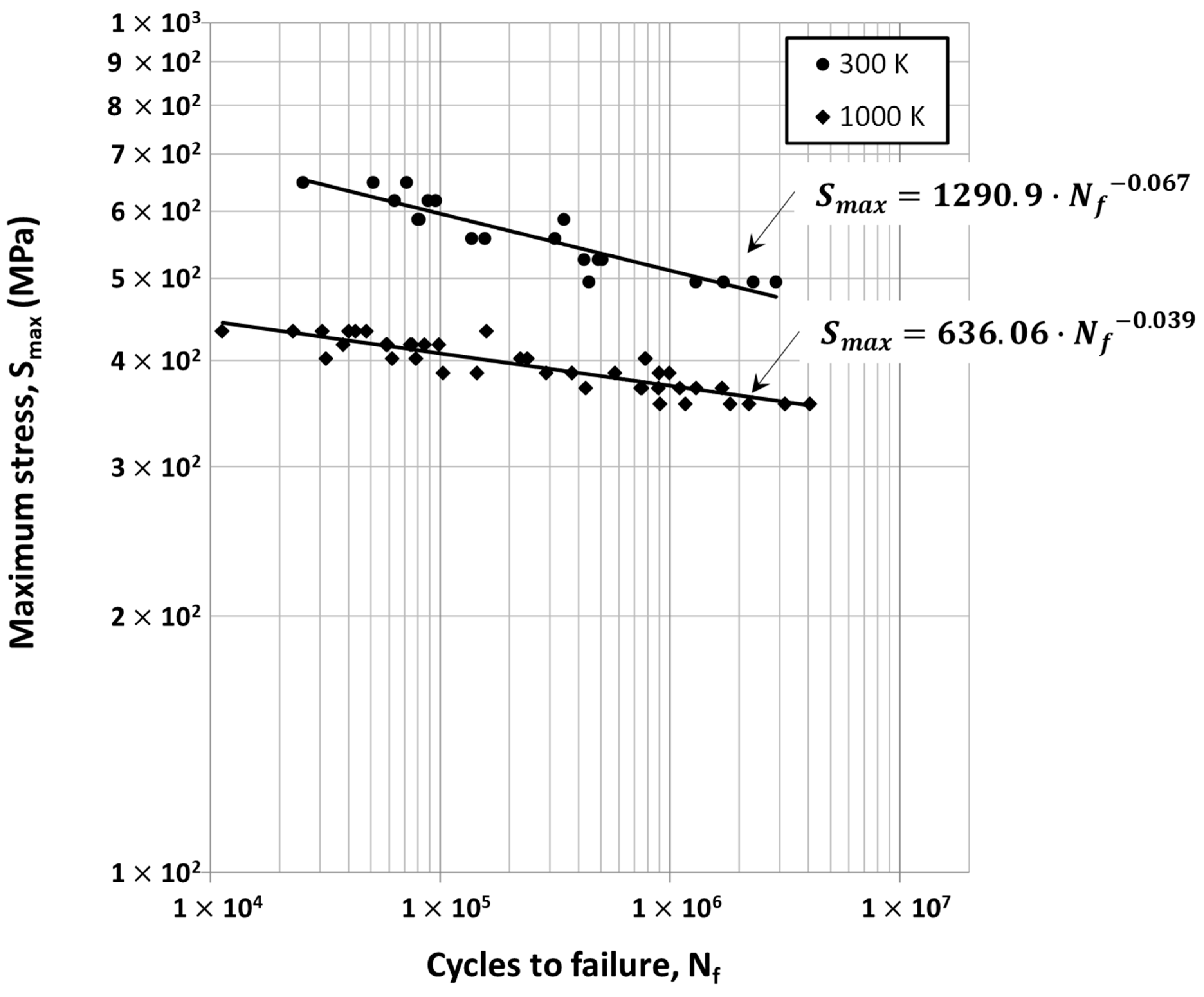
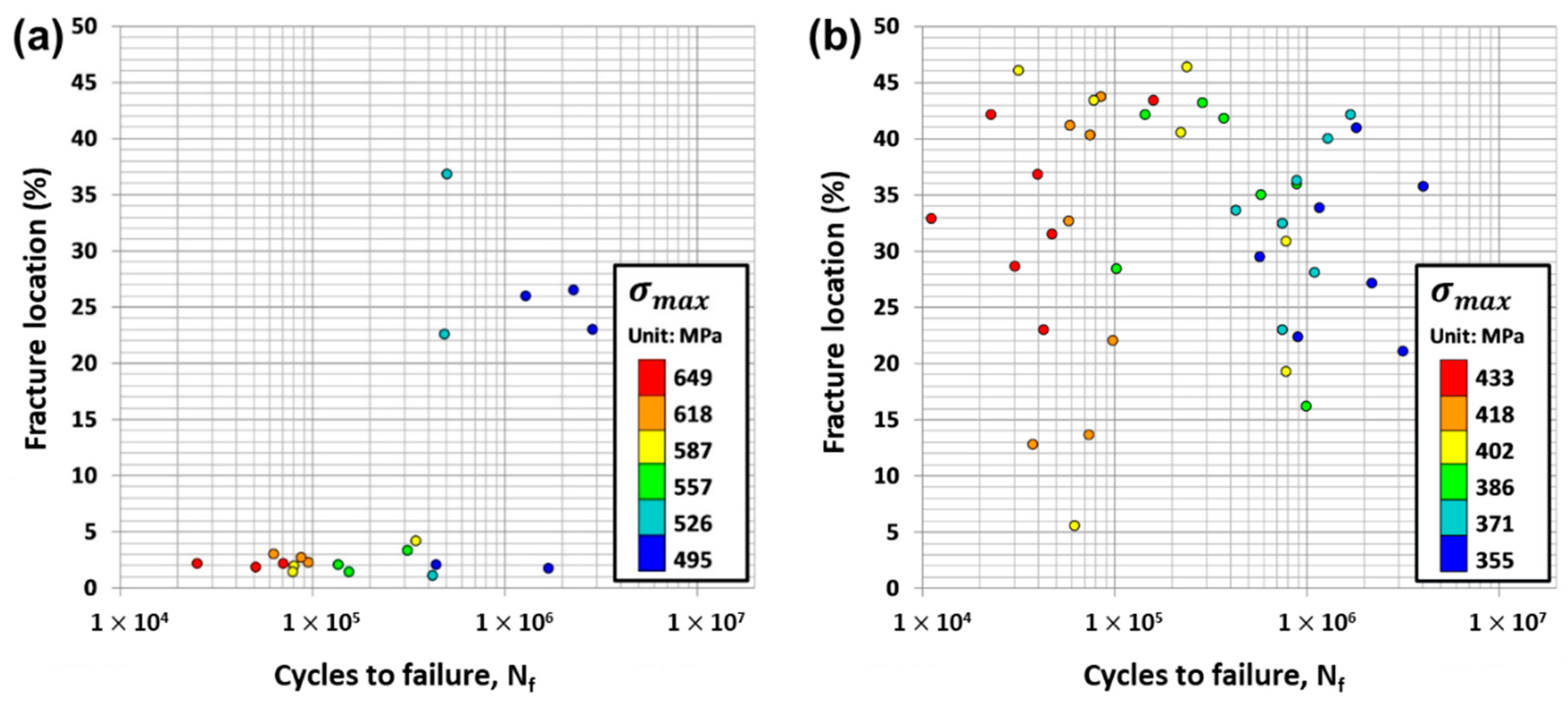
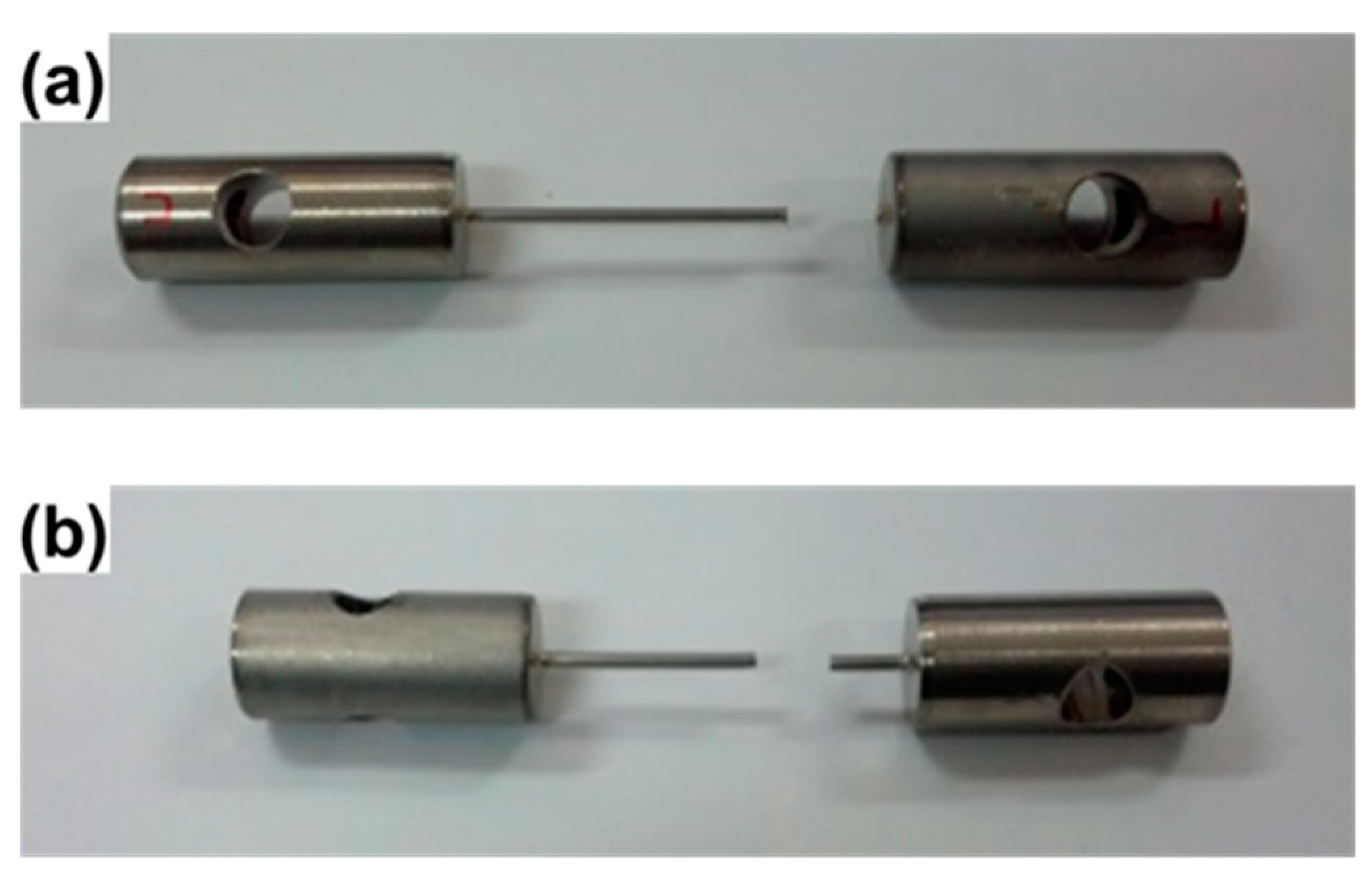
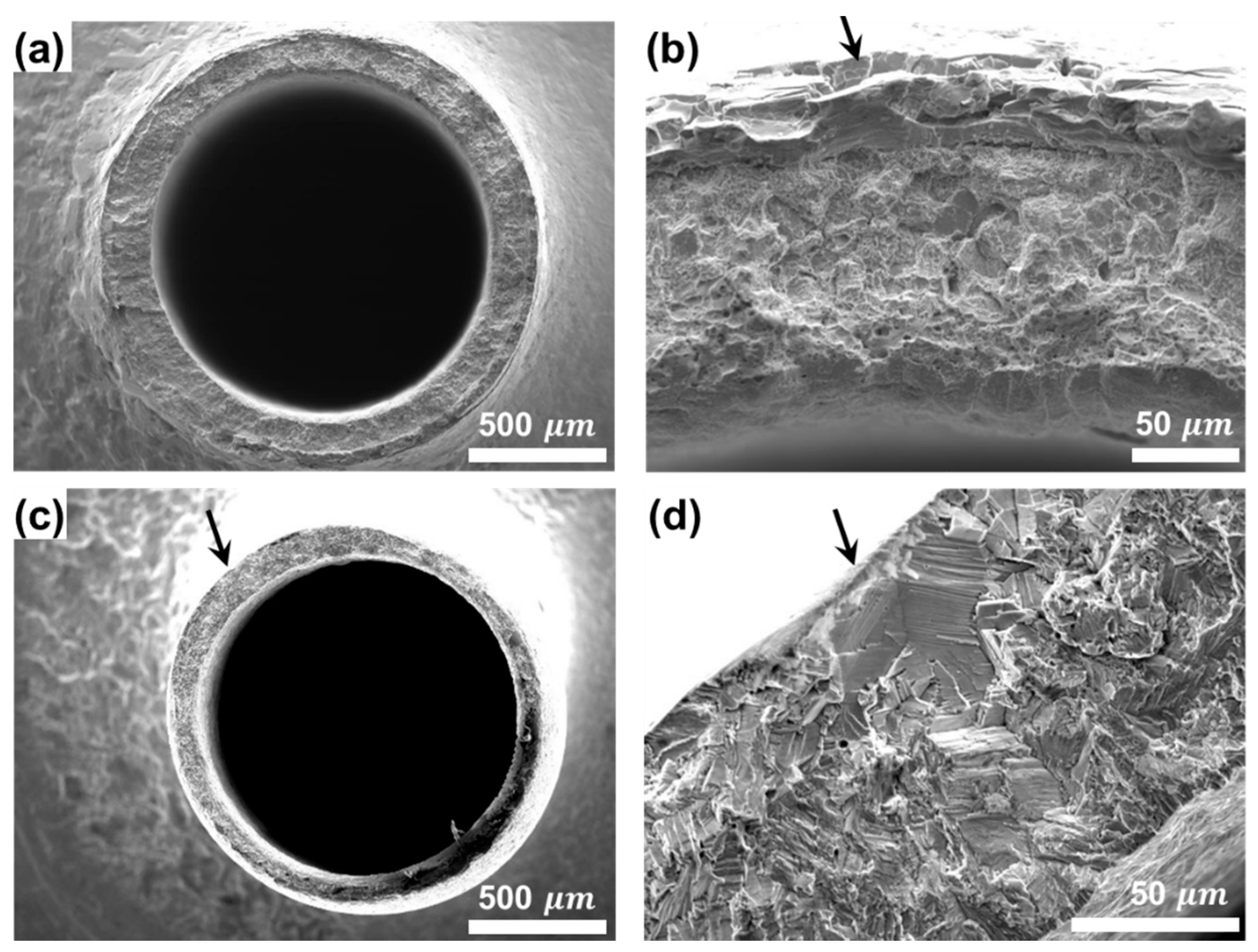
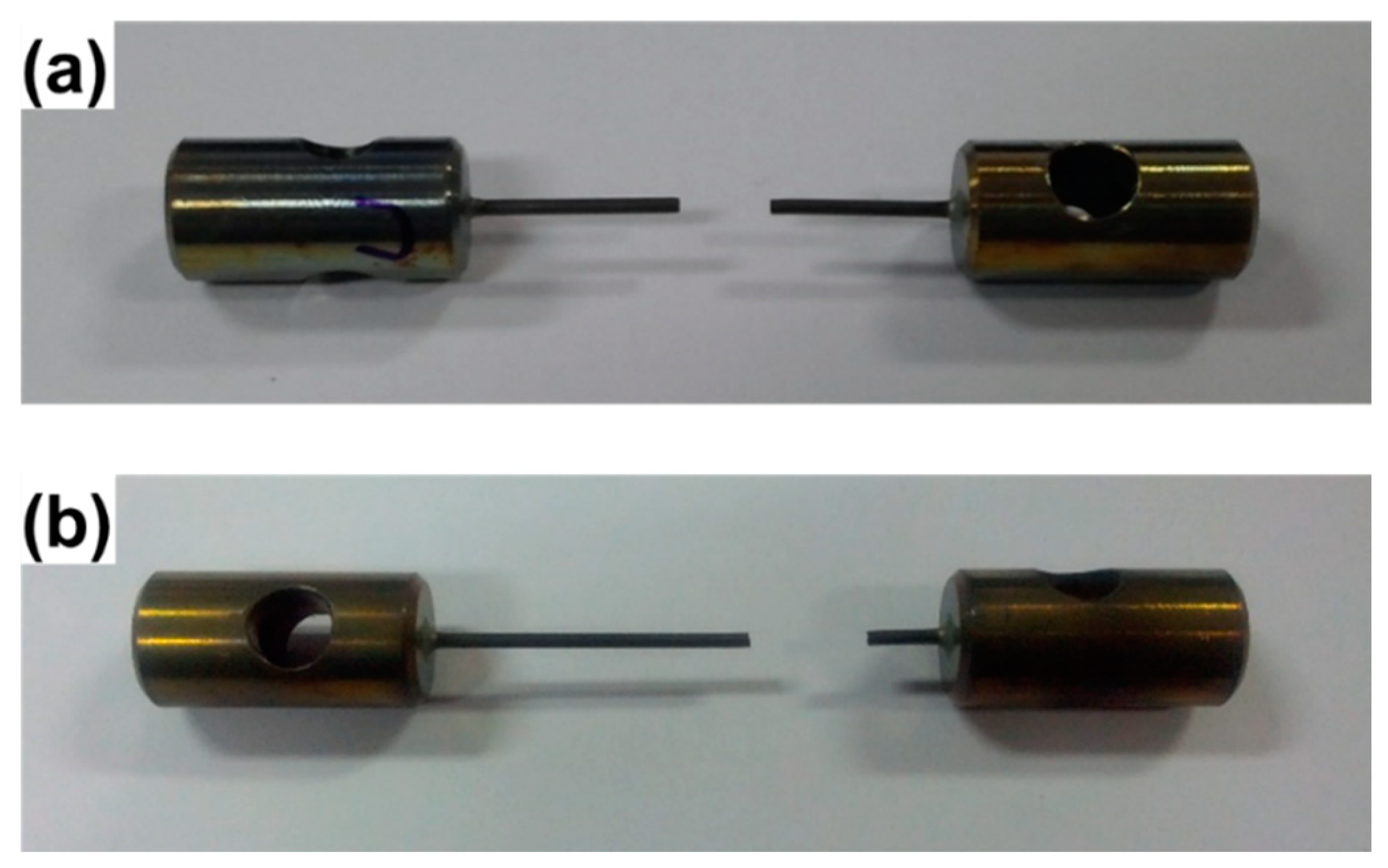
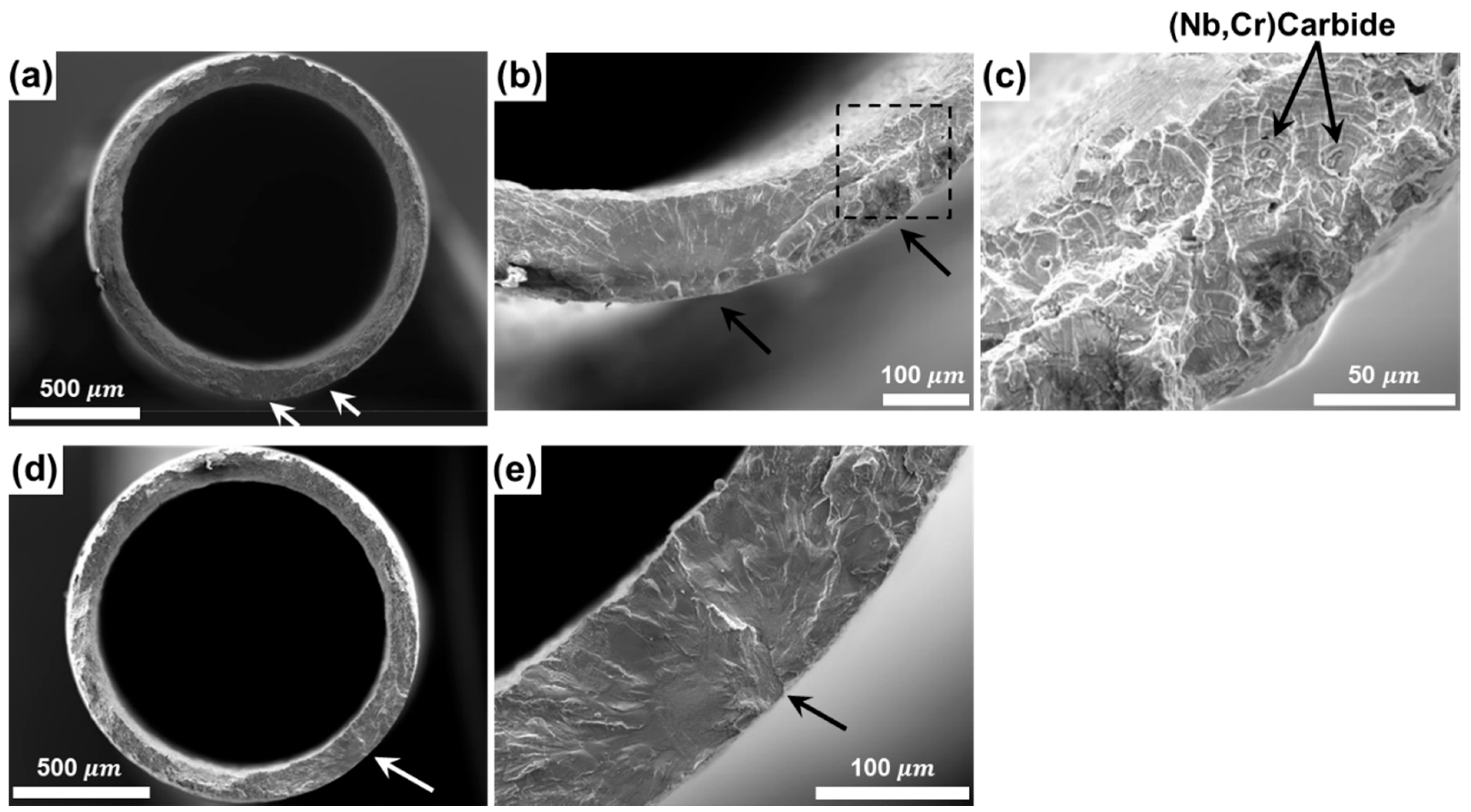
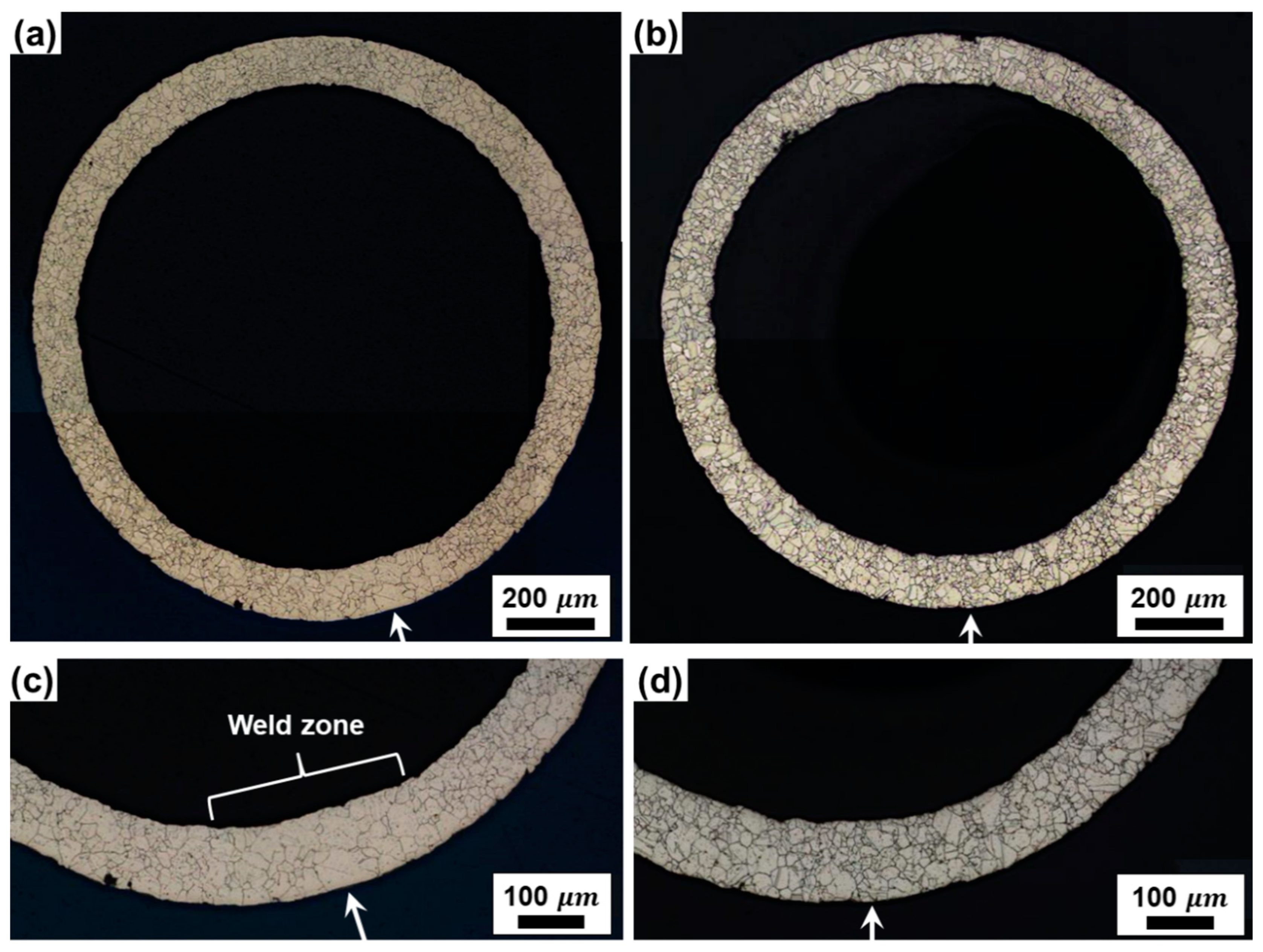
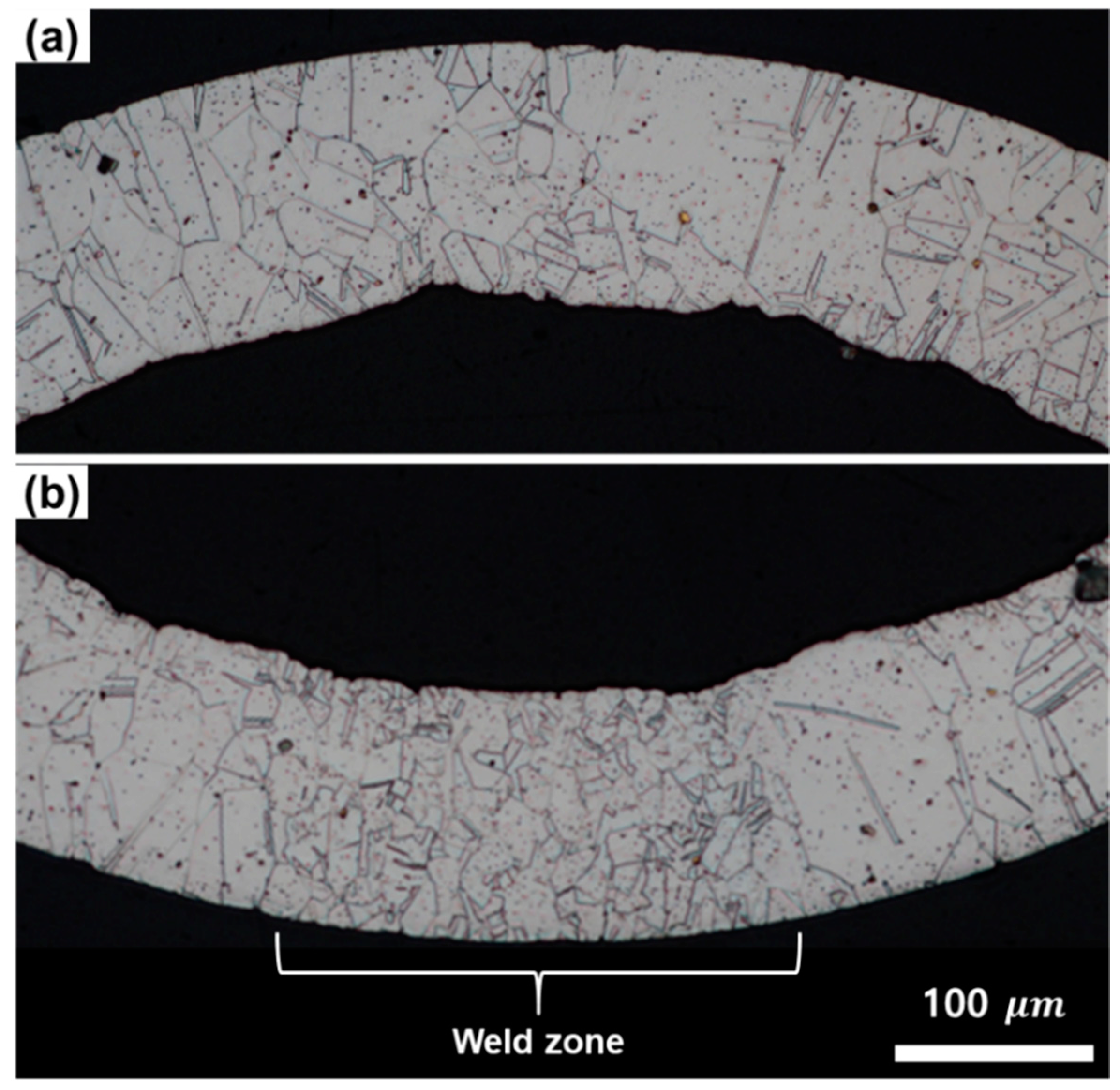
As an advanced heat exchanger for aero-turbine applications, a tubular-type heat exchanger was developed. To ensure the optimum performance of the heat exchanger, it is necessary to assess the structural integrity of the tubes, considering the assembly processes such as brazing. In this study, fatigue tests at room temperature and 1000 K were performed for 0.135 mm-thick alloy 625 tubes (outer diameter of 1.5 mm), which were brazed to the grip of the fatigue specimen. The variability in fatigue life was investigated by analyzing the locations of the fatigue failure, fracture surfaces, and microstructures of the brazed joint and tube. At room temperature, the specimens failed near the brazed joint for high σmax values, while both brazed joint failure and tube side failure were observed for low σmax values. The largest variability in fatigue life under the same test conditions was found when one specimen failed in the brazed joint, while the other specimen failed in the middle of the tube. The specimen with brazed joint failure showed multiple crack initiations circumferentially near the surface of the filler metal layer and growth of cracks in the tube, resulting in a short fatigue life. At 1000 K, all the specimens exhibited failure in the middle of the tube. In this case, the short-life specimen showed crack initiation and growth along the grains with large through thickness in addition to multiple crack initiations at the carbides inside the tube. The results suggest that the variability in the fatigue life of the alloy 625 thin-tube brazed specimen is affected by the presence of the brazed joint, as well as the spatial distribution of the grain size and carbides.
Keywords: fatigue variability; alloy 625; thin tube; fractography; microstructure fatigue variability; alloy 625; thin tube; fractography; microstructure