Article

Creep Rate, Friction, and Wear of Two Heat-Affected Zone Regions of 9–12 wt.% Cr Steels

1
V-Research GmbH, Stadtstrasse 33, 6850 Dornbirn, Austria
2
Institute of Metals and Technology, Lepi pot 11, 1000 Ljubljana, Slovenia
*
Author to whom correspondence should be addressed.
Metals 2021, 11(4), 558; https://doi.org/10.3390/met11040558
Submission received: 22 December 2020 / Revised: 24 February 2021 / Accepted: 15 March 2021 / Published: 29 March 2021
(This article belongs to the Special Issue Microstructure and Properties of Metallic Heat-Affected Zones)

Abstract

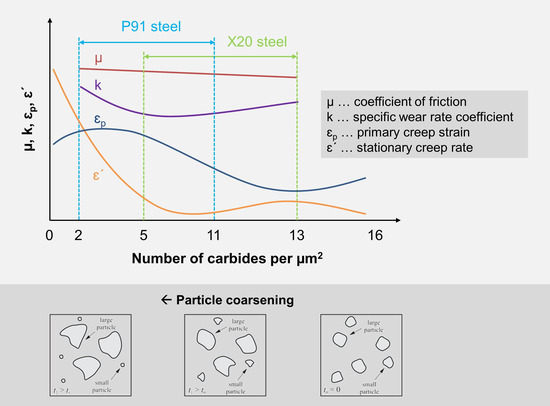
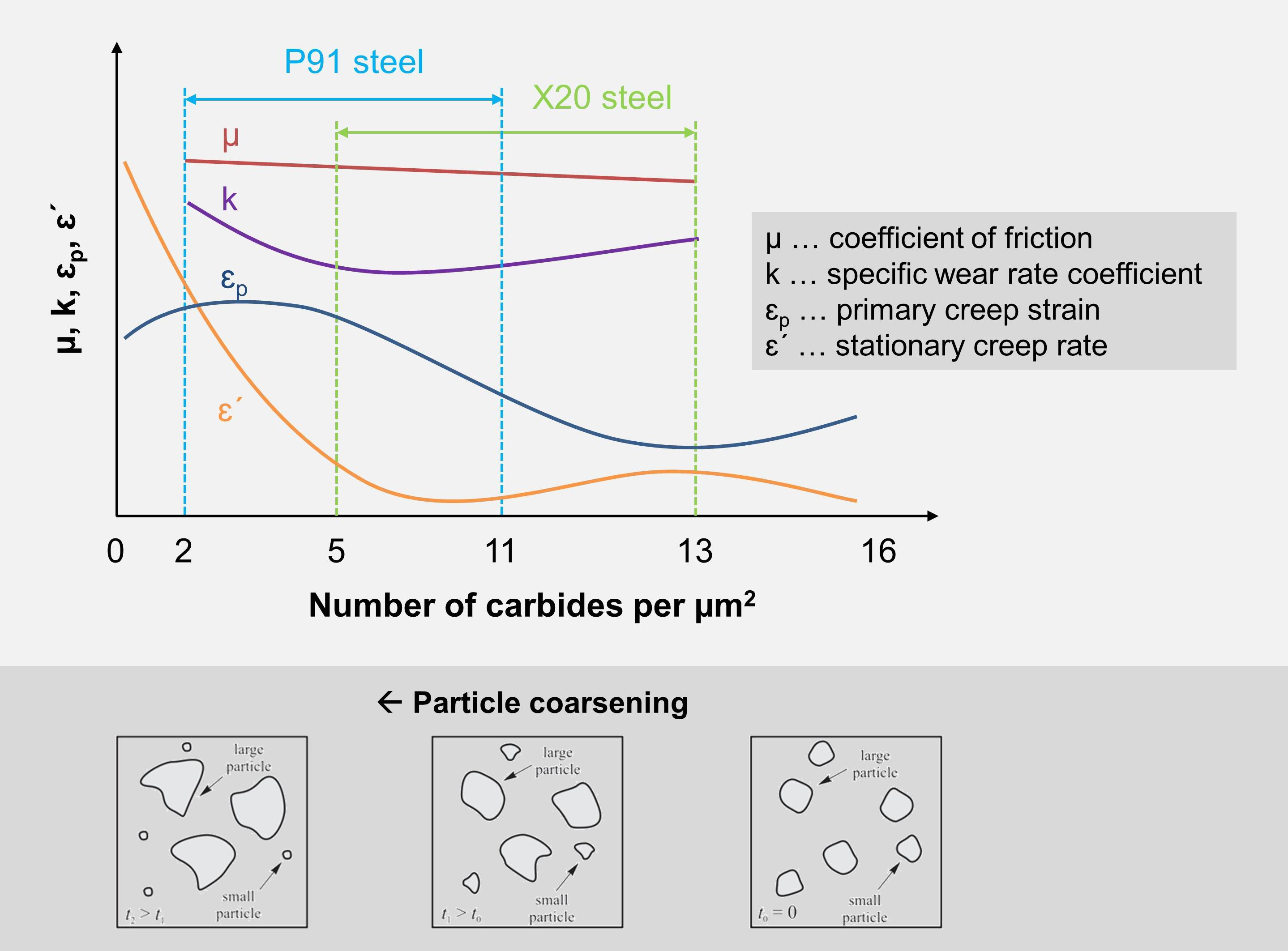
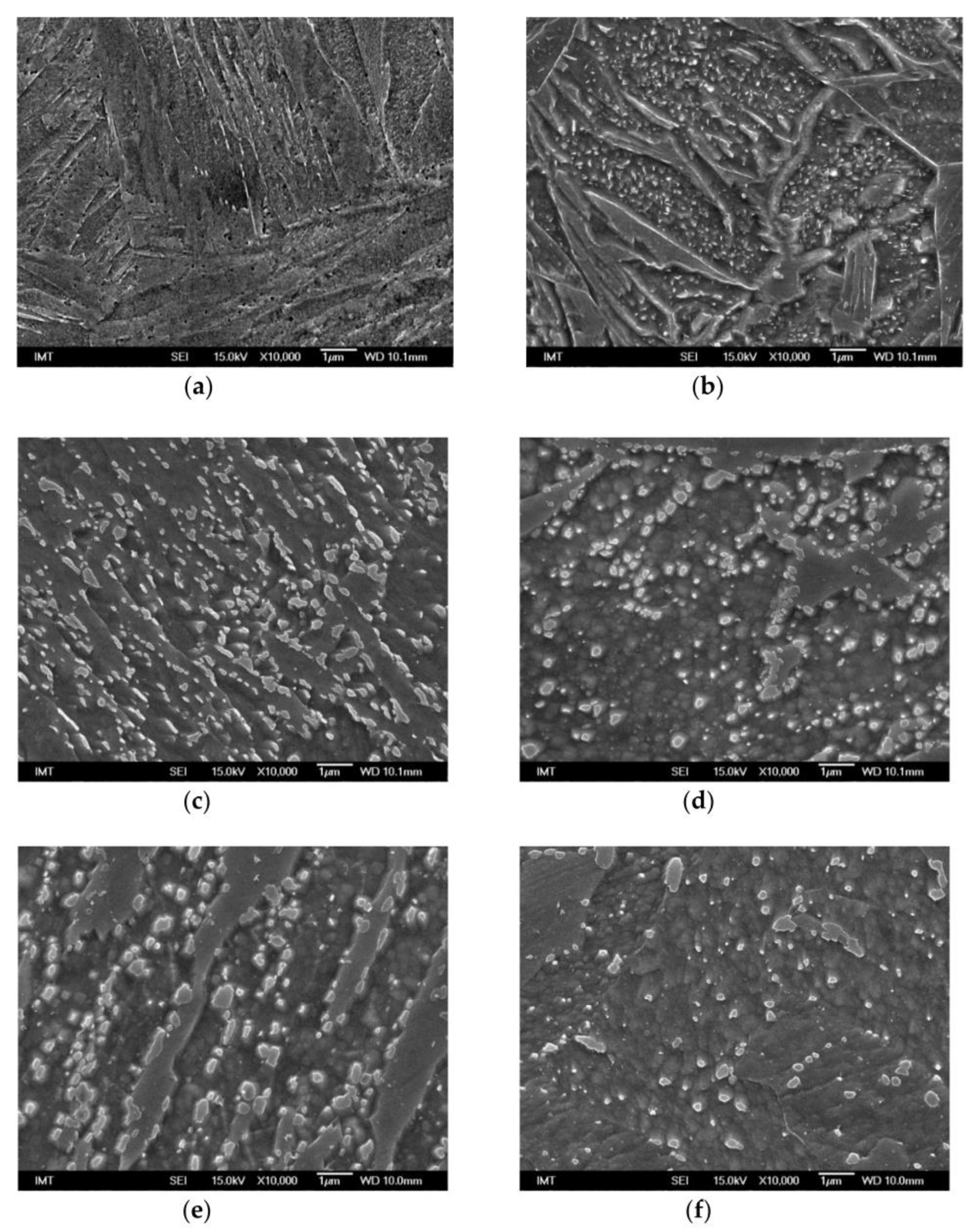
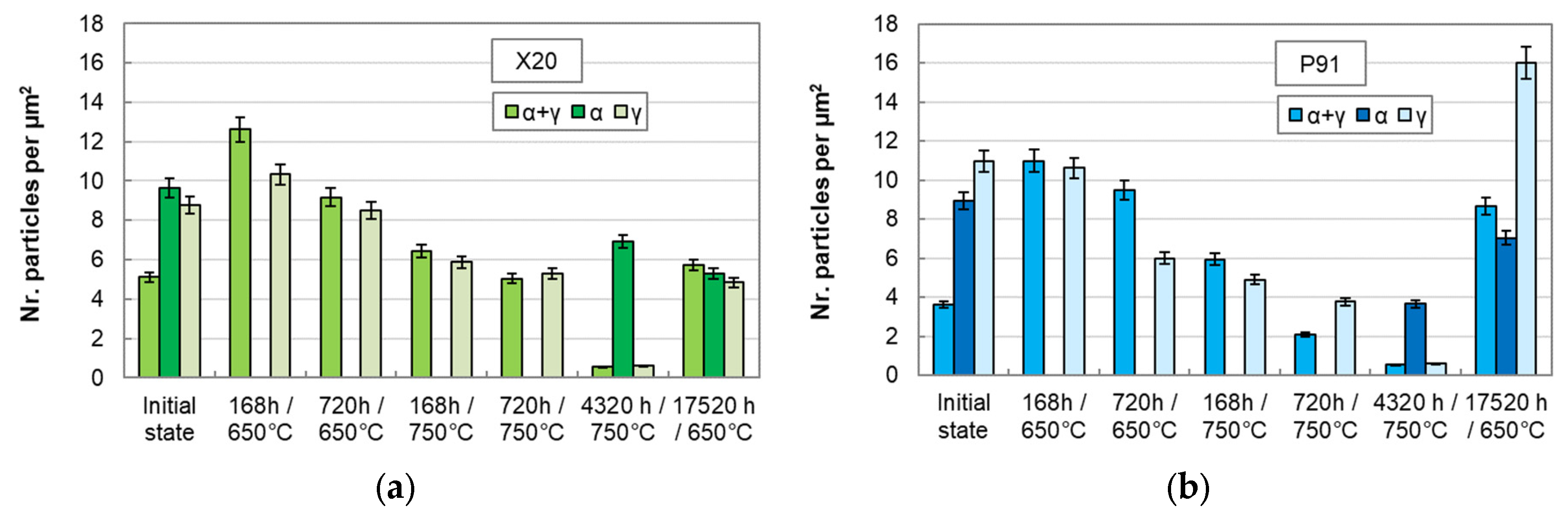
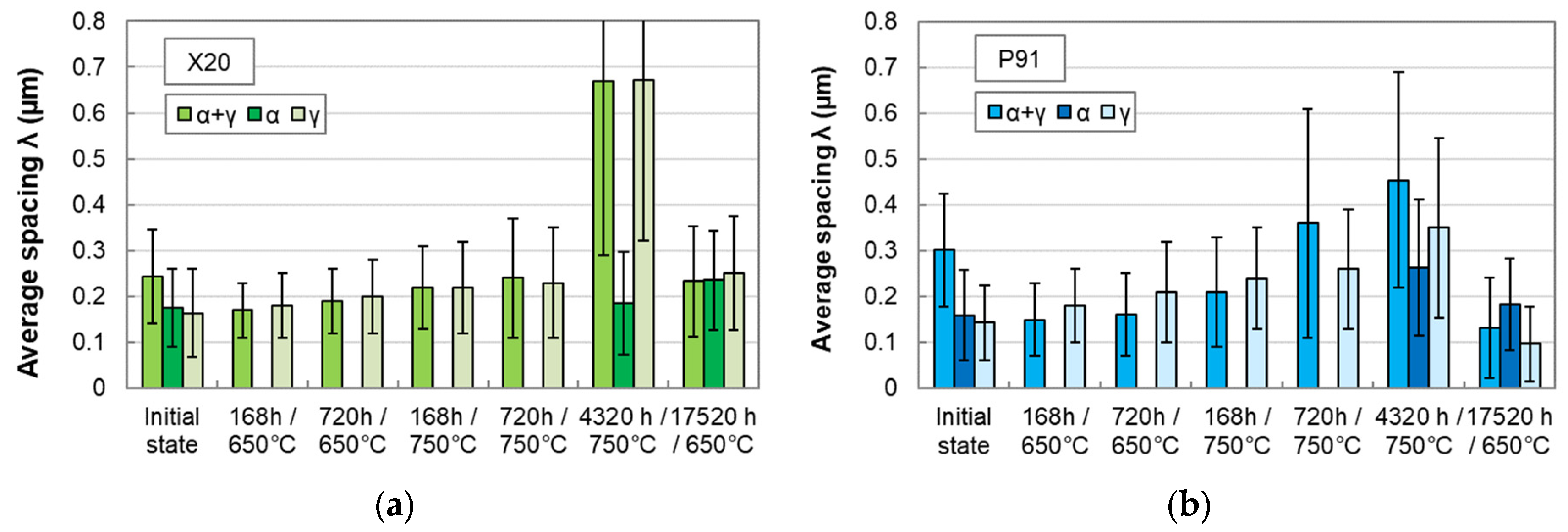
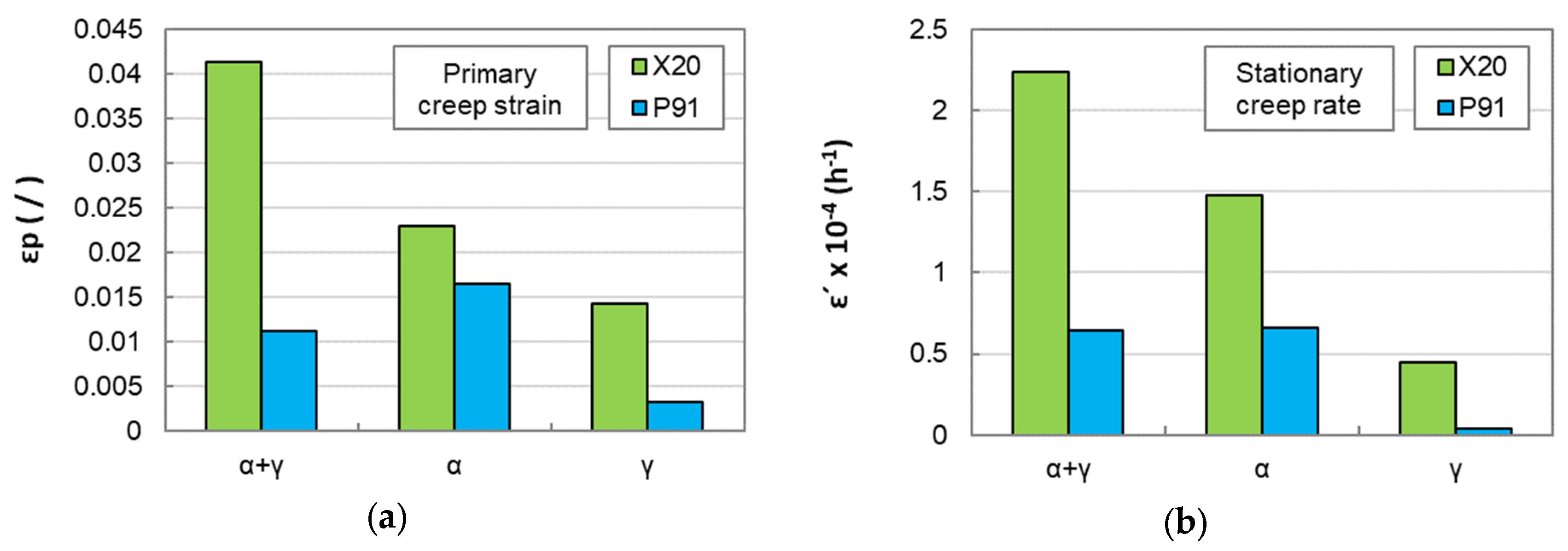
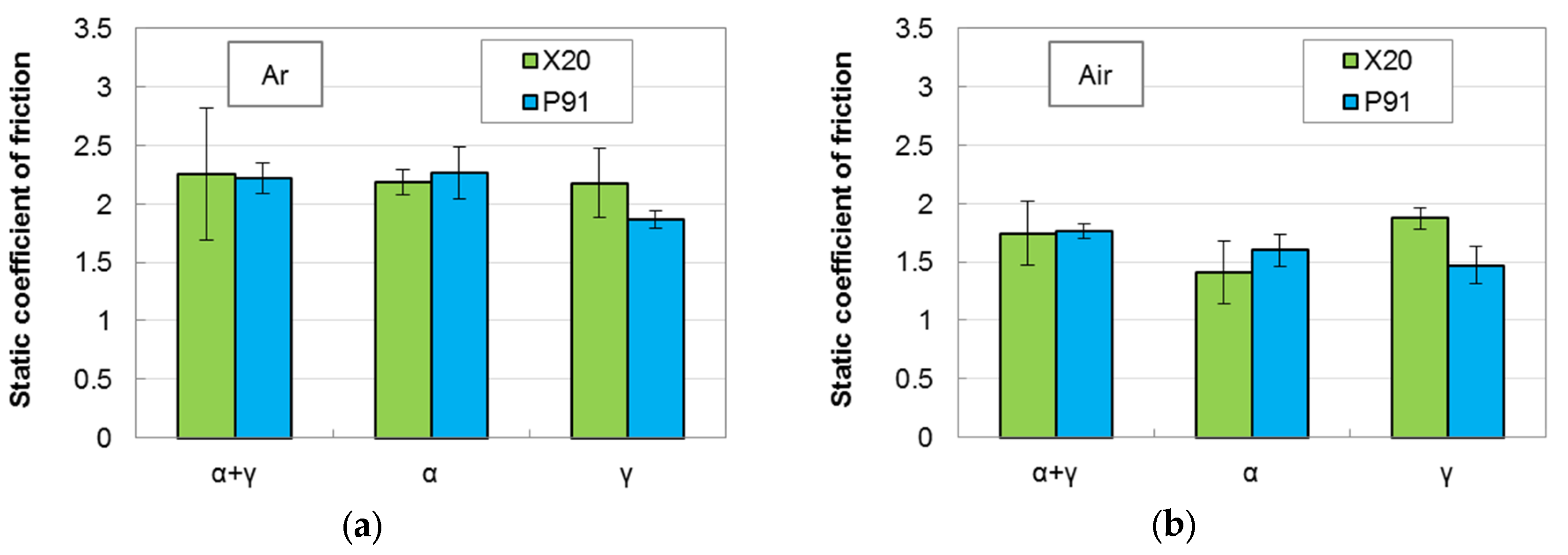
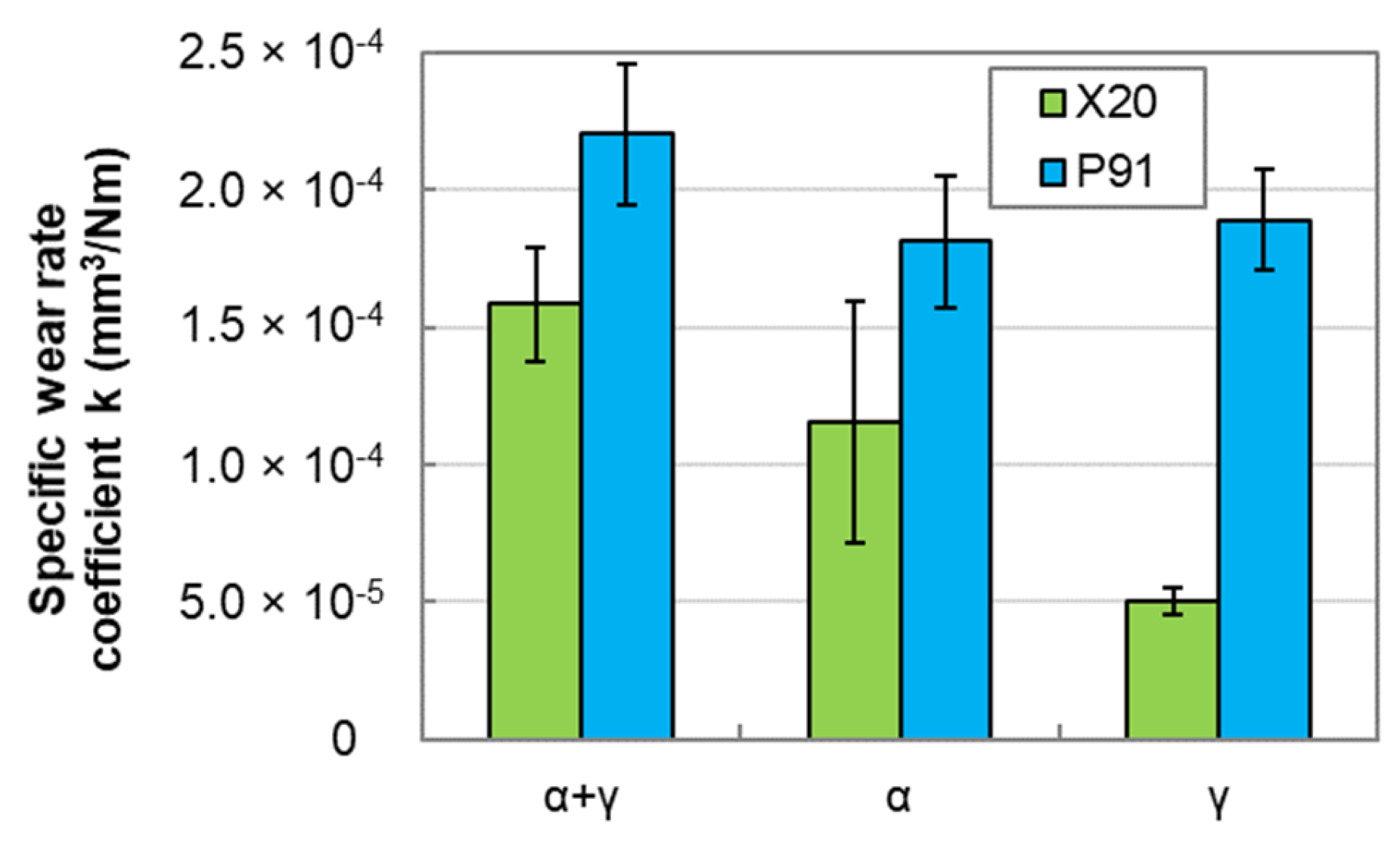
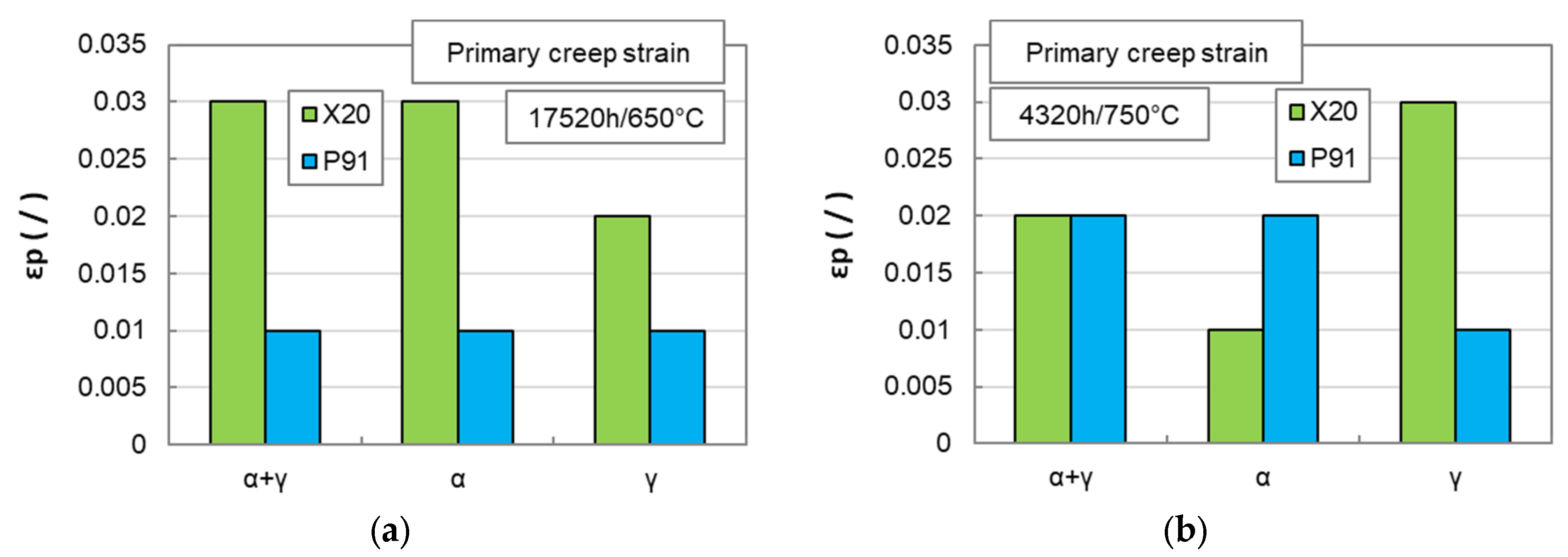
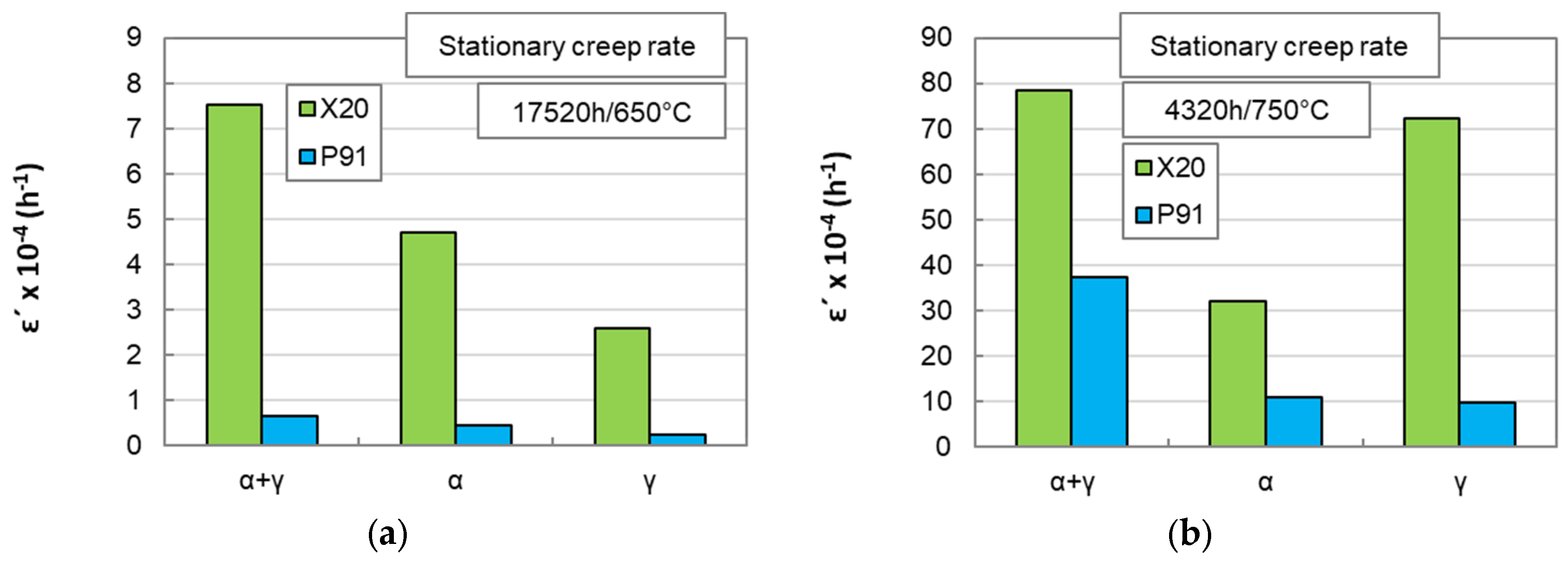
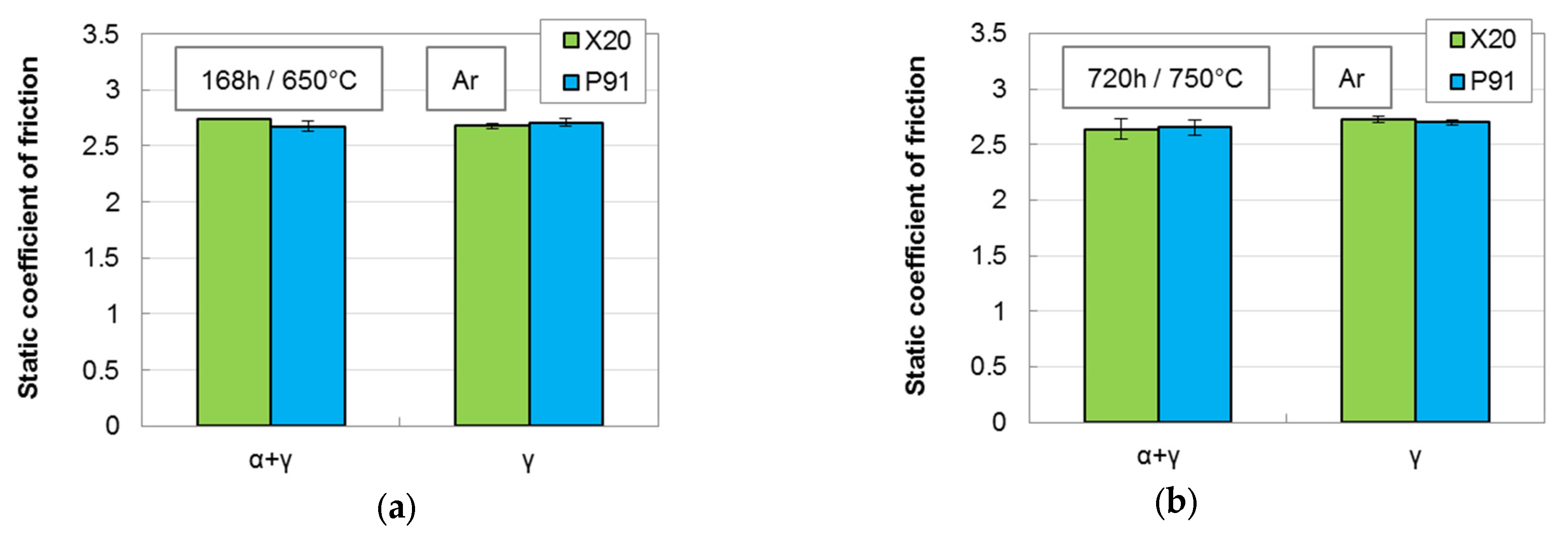
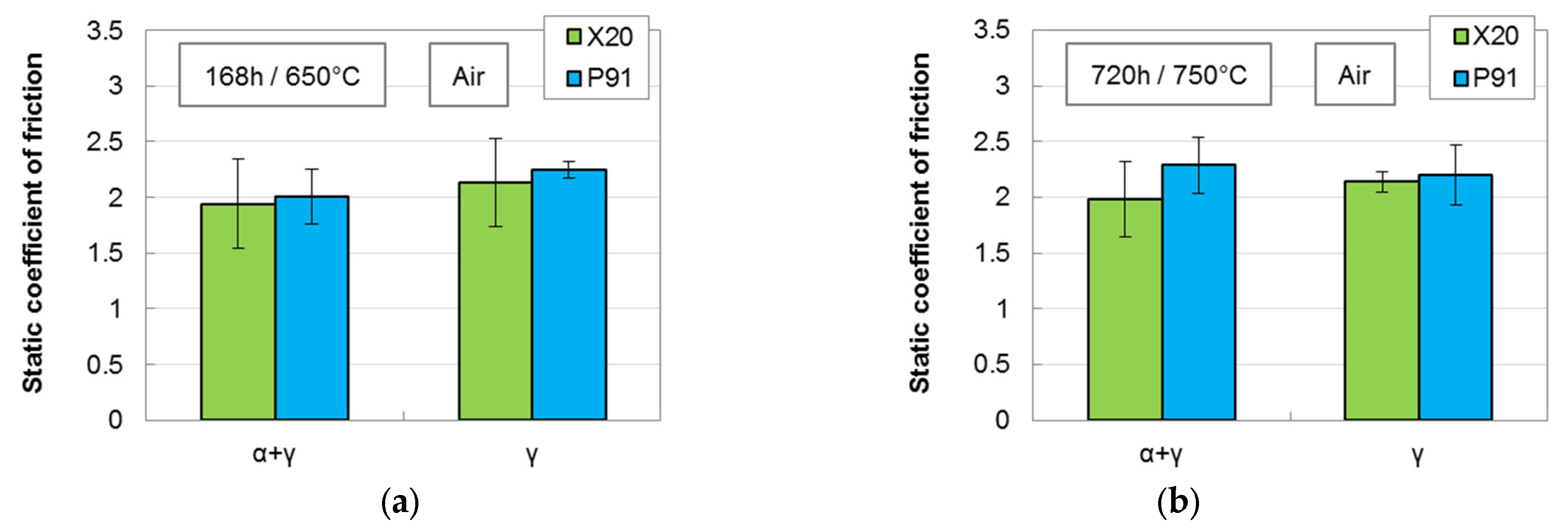
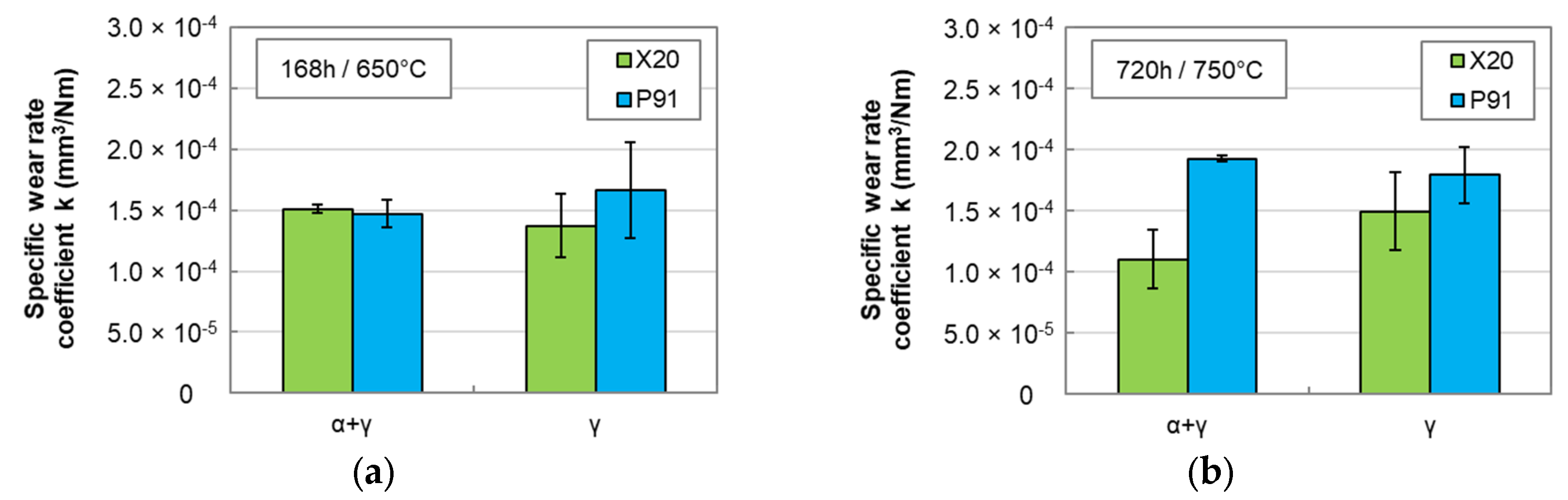
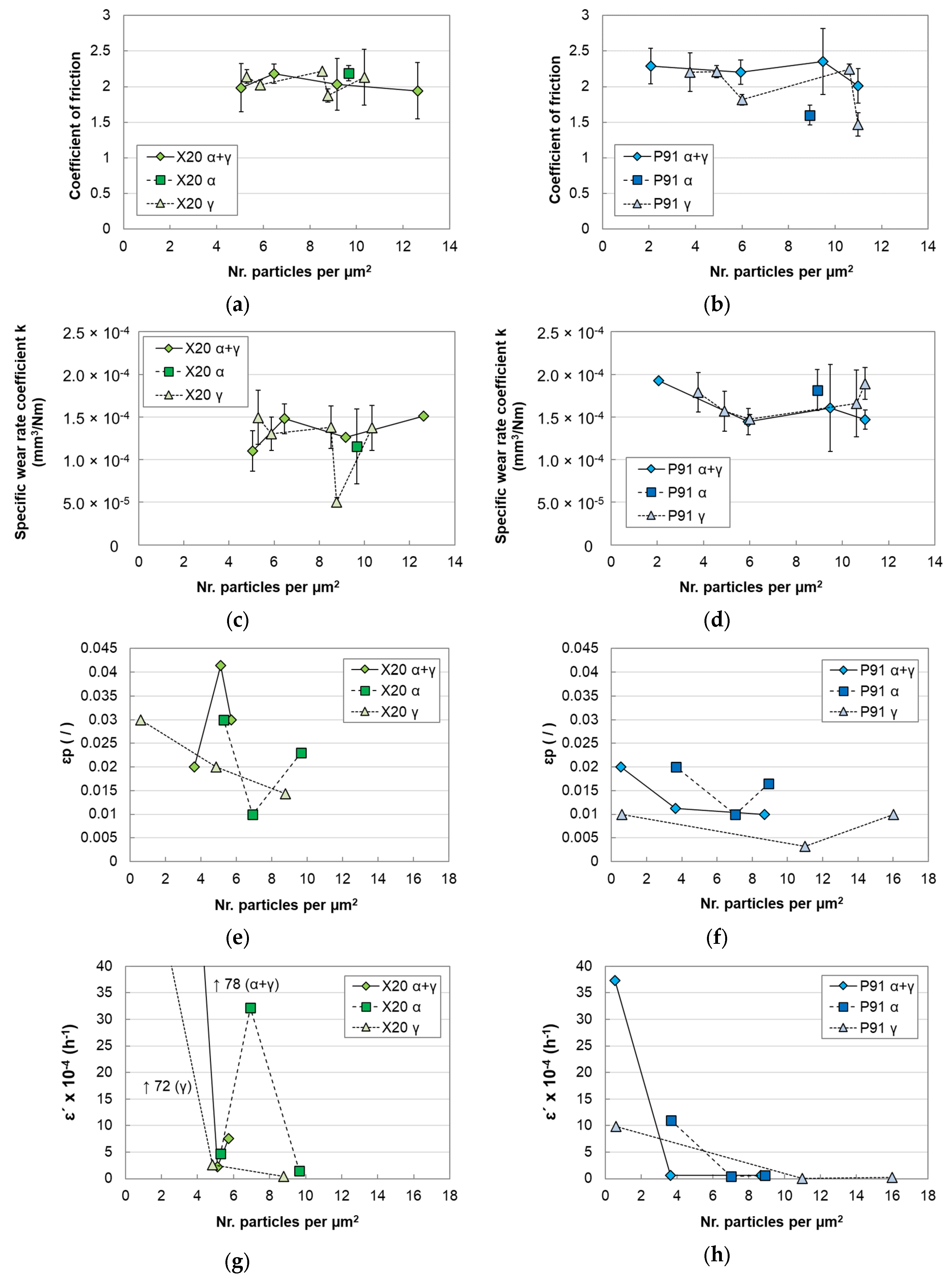
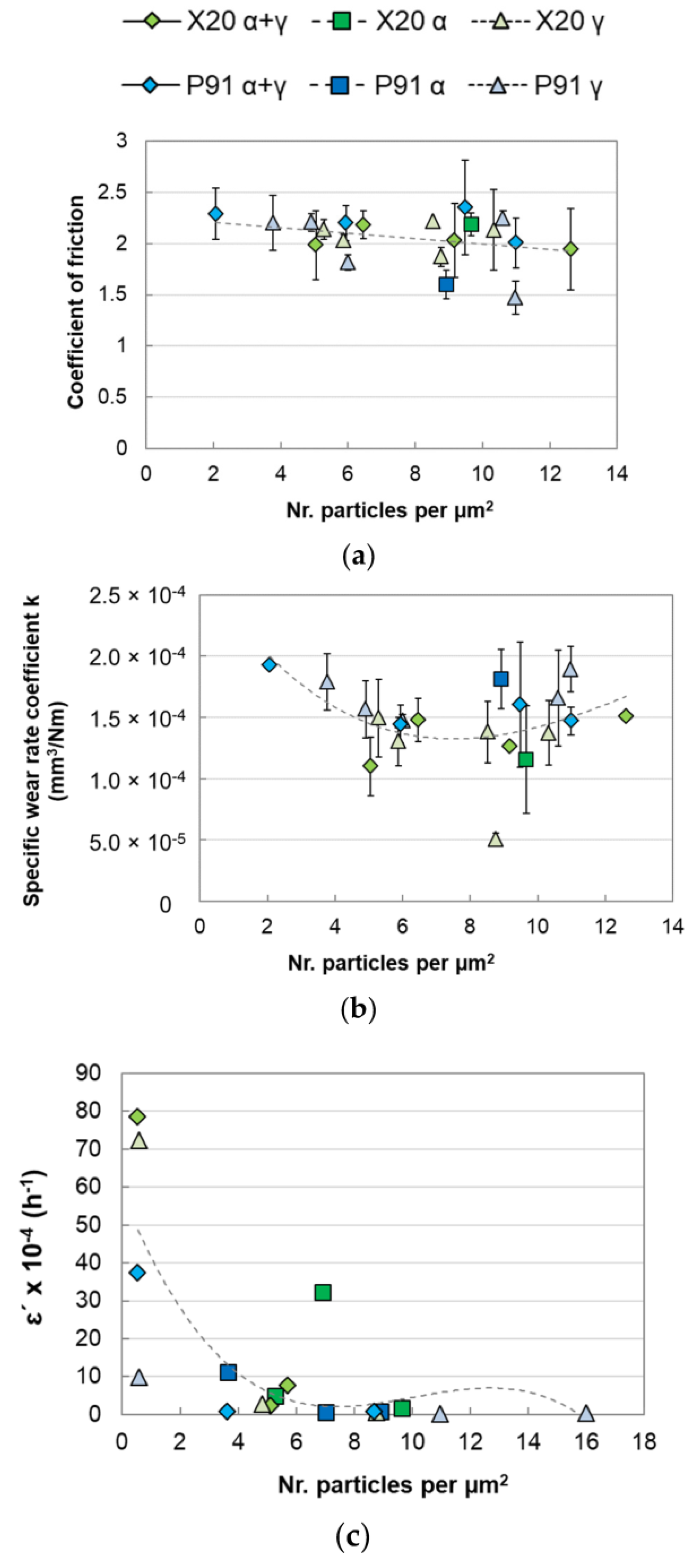
Coarsening of precipitates can have a profound effect on the mechanical properties of martensitic 9–12 wt.% Cr steels, which are typically used in critical parts of fossil-fuel power plants such as turbines, headers, and main steam pipes. In the present study, changes in precipitates’ size and distribution in the simulated heat-affected zone of two different 9–12 wt.% Cr steels (X20 and P91) after different aging conditions were analyzed and correlated with their creep, friction, and wear behaviors. It was shown that prior to aging, the morphology of the steel matrix (prior austenite grain size and microstructure homogeneity) governed the creep rate and the tribological performance of both steels, while after aging their response was additionally determined by the combination of the number and the size of precipitates. For the selected samples (prepared under identical conditions), number of precipitates was found to be within a narrower range for the X20 steel as compared to the P91 steel. For both steels, aging for a shorter time at the higher temperature yielded significantly higher stationary creep rate values as compared to aging for longer time at the lower temperature. The increase was more pronounced in the P91 than in the X20 steel. Both prior to and after aging, the P91 steel typically provided slightly higher creep resistance than the X20 steel, while the latter provided slightly better tribological performance. Furthermore, as a function of the increasing number of precipitates, static coefficient of friction in air atmosphere was approximately linearly decreasing, while the wear rate initially decreased.
Keywords: 9–12 wt.% Cr steels; precipitates; creep; friction; wear 9–12 wt.% Cr steels; precipitates; creep; friction; wear
Graphical Abstract