Article

A Unified Model for Plasticity in Ferritic, Martensitic and Dual-Phase Steels

by
Shuntaro Matsuyama
1,2 and
Enrique I. Galindo-Nava
1,*
1
Department of Materials Science and Metallurgy, University of Cambridge, 27 Charles Babbage Road, Cambridge CB3 0FS, UK
2
Nippon Steel Corporation, 1-1 Tsukiji, Kisarazu, Chiba 292-0835, Japan
*
Author to whom correspondence should be addressed.
Metals 2020, 10(6), 764; https://doi.org/10.3390/met10060764
Submission received: 23 April 2020 / Revised: 28 May 2020 / Accepted: 2 June 2020 / Published: 8 June 2020

Abstract

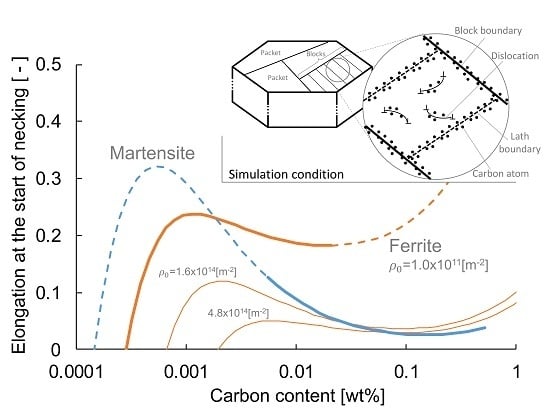
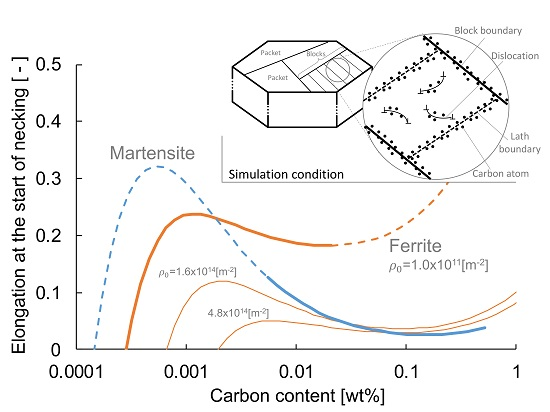
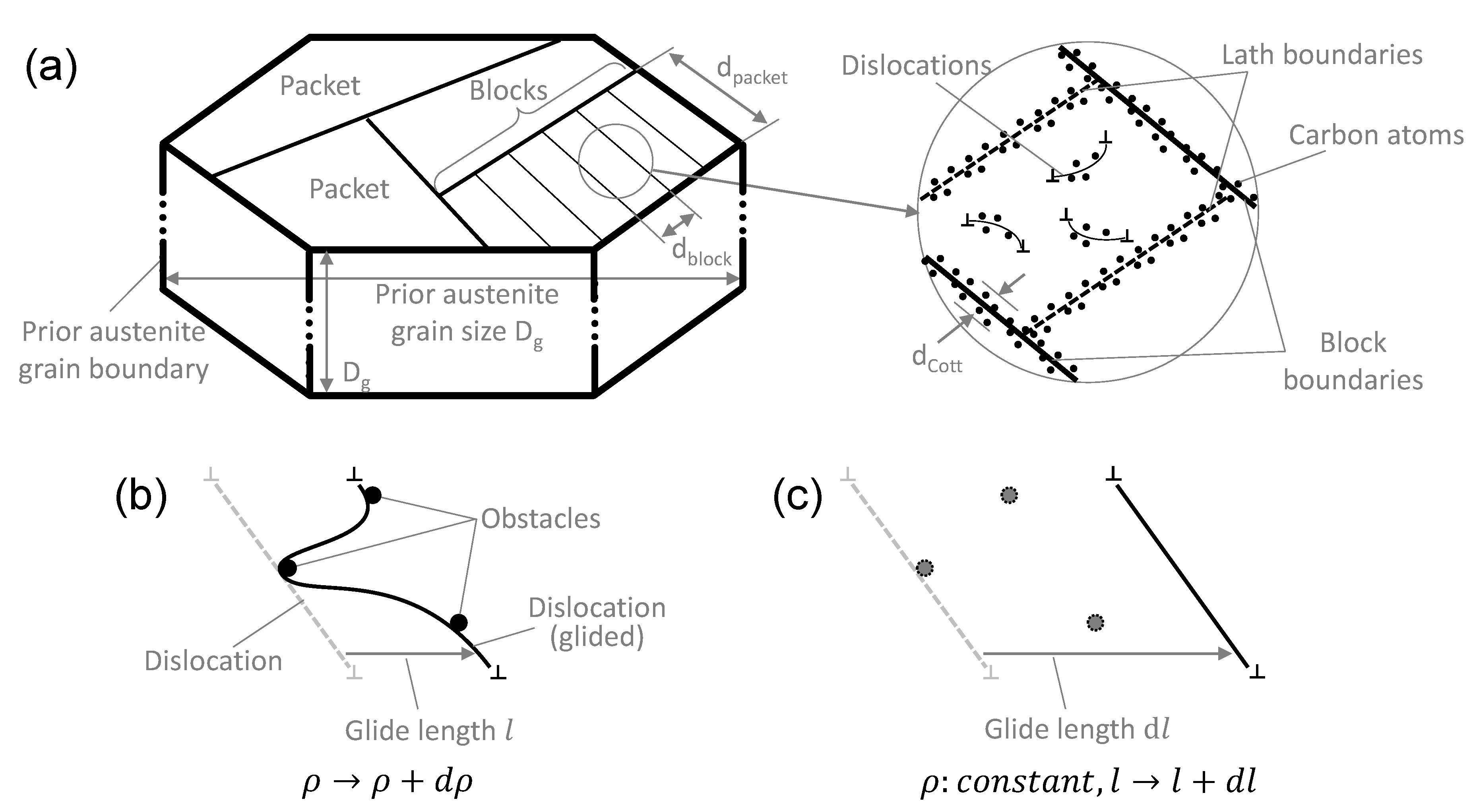
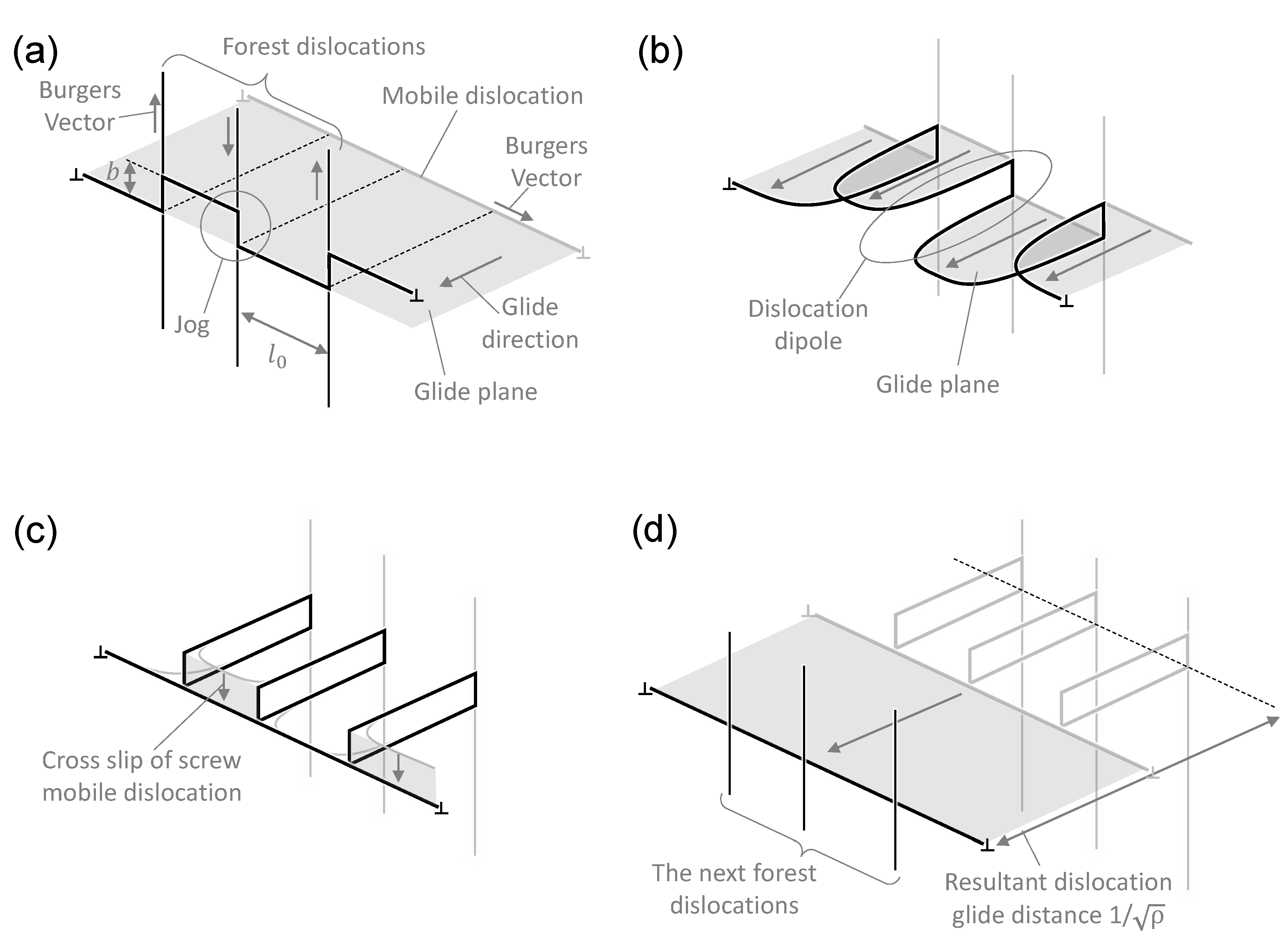
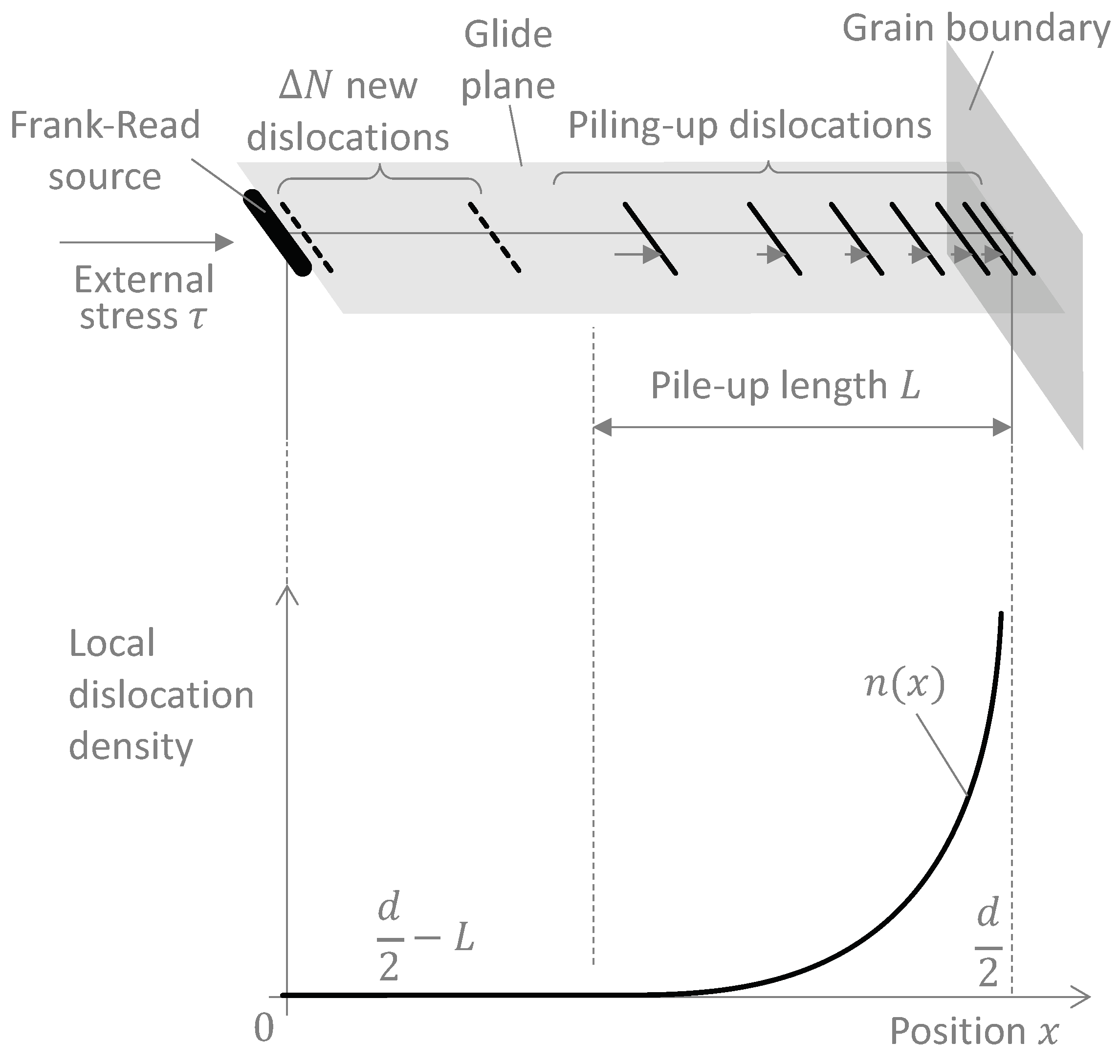
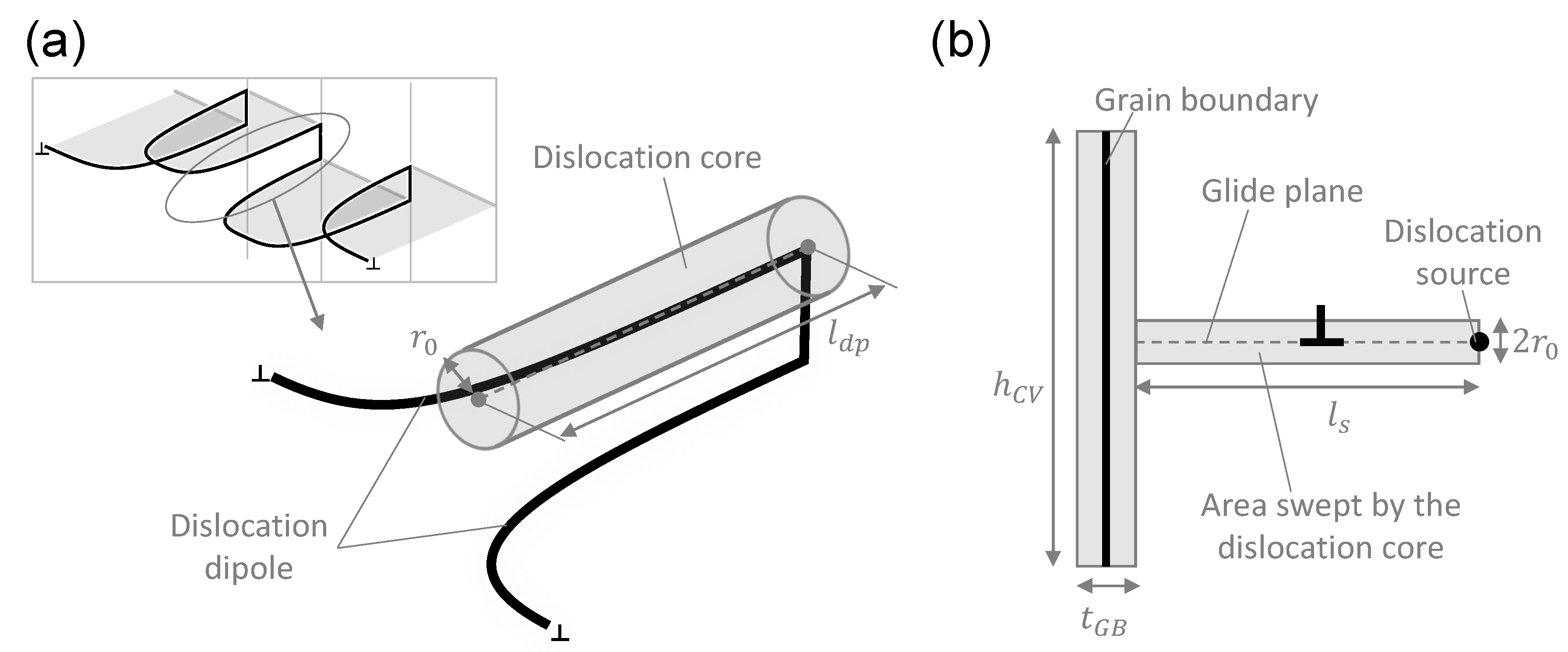
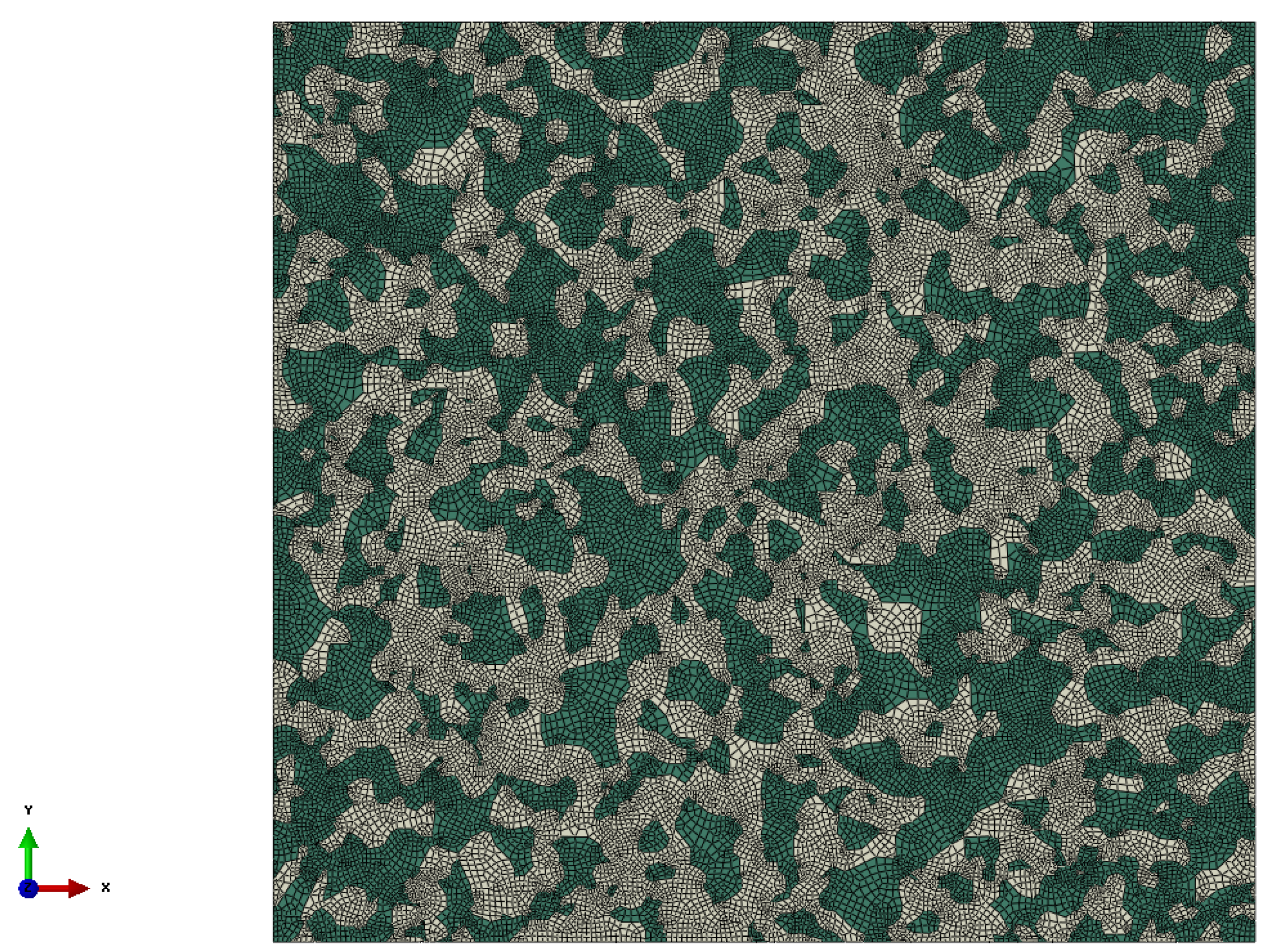
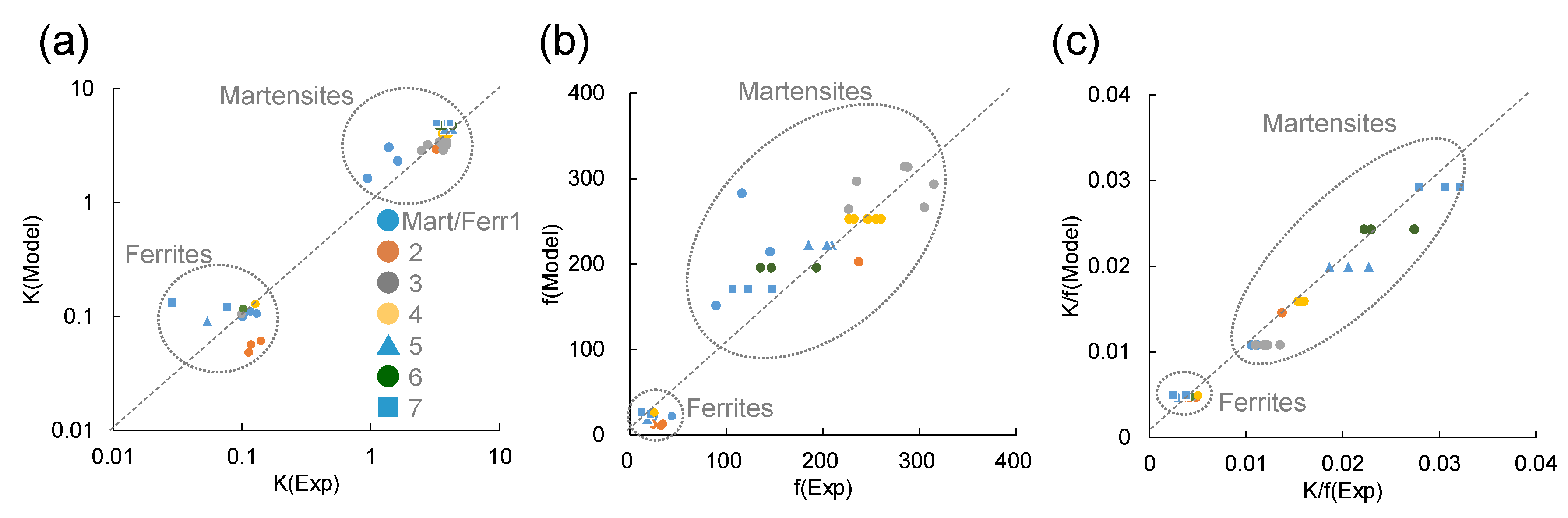
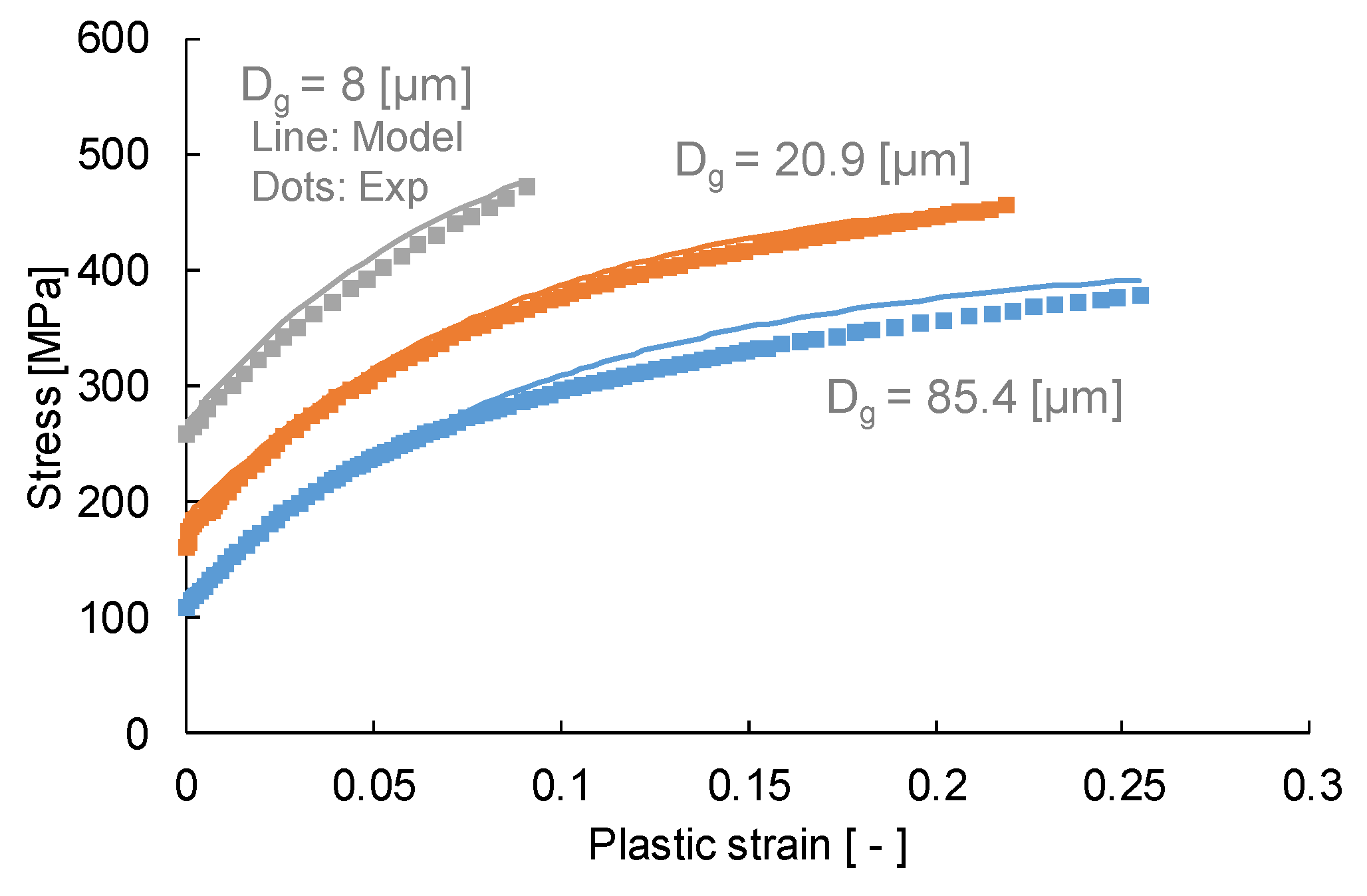
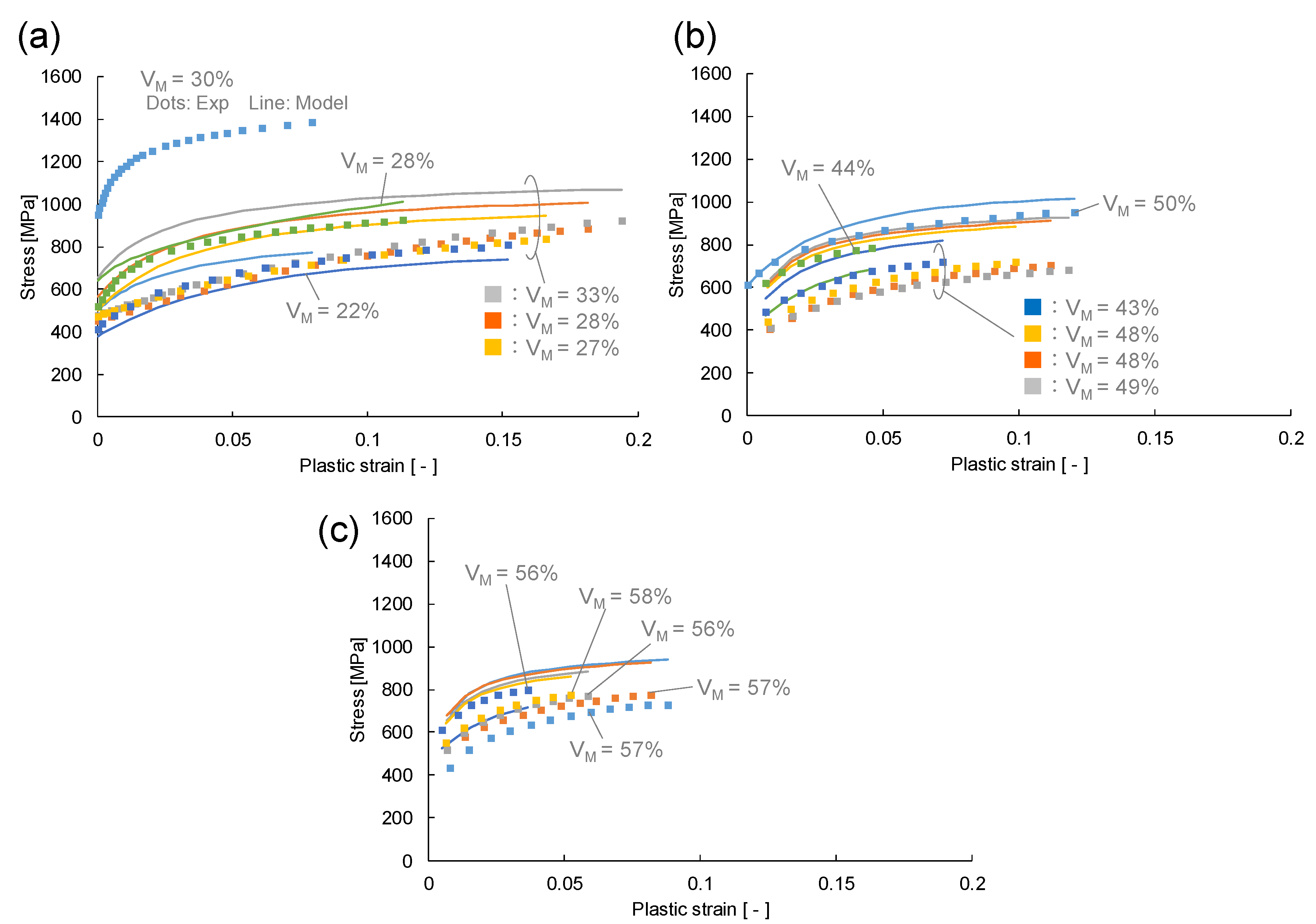
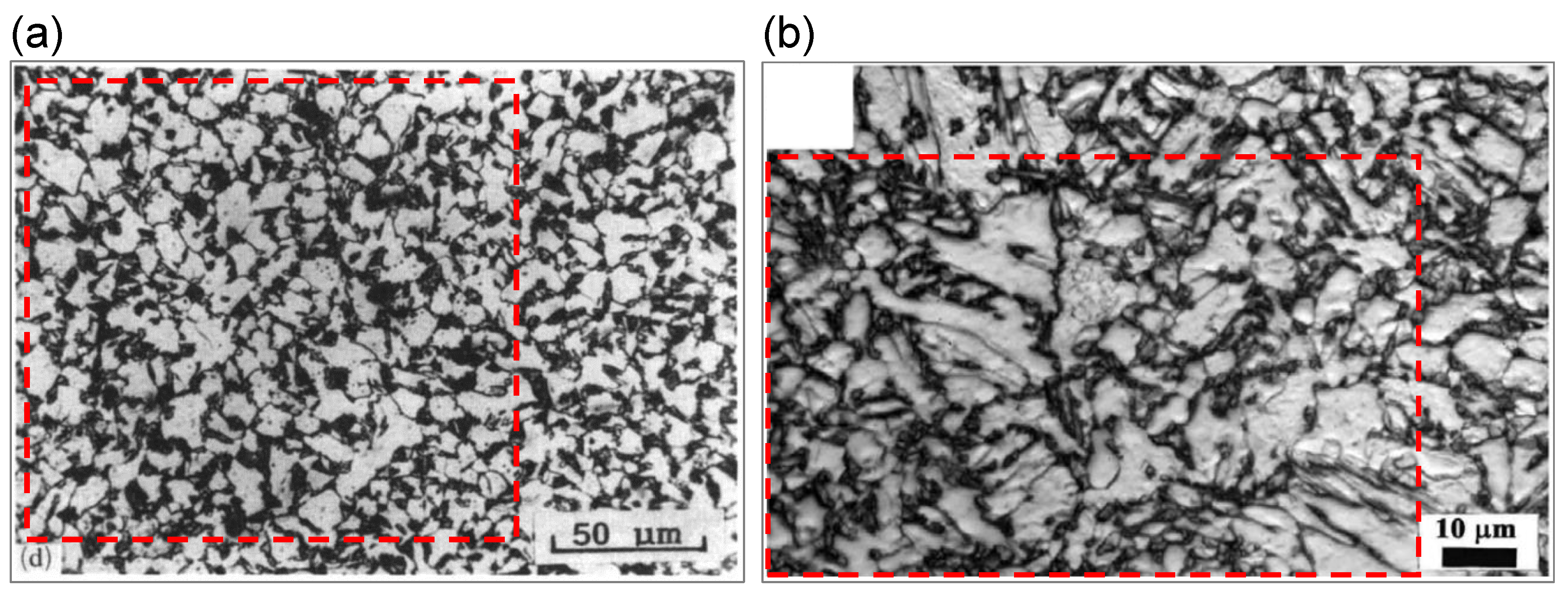
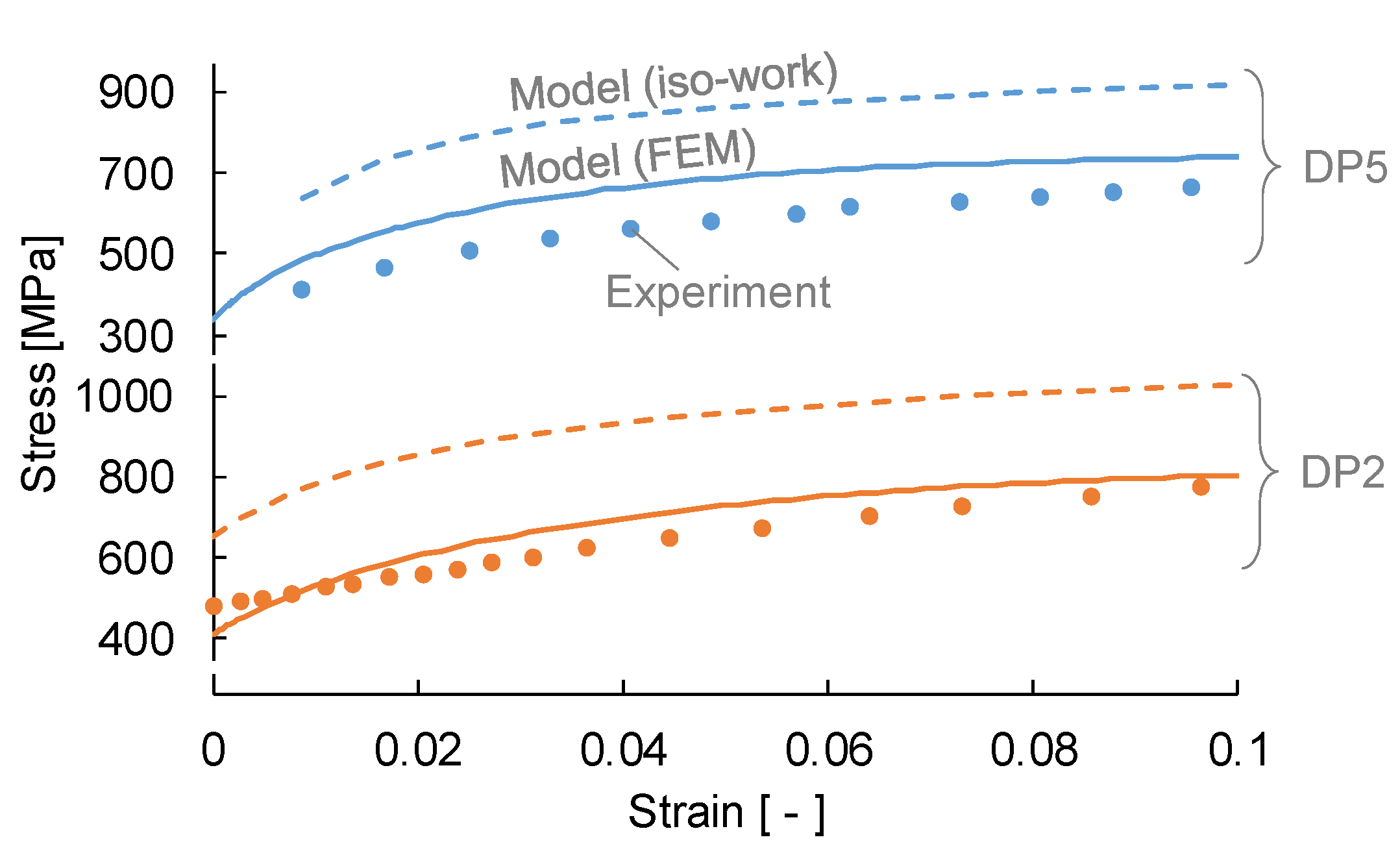
Unified equations for the relationships among dislocation density, carbon content and grain size in ferritic, martensitic and dual-phase steels are presented. Advanced high-strength steels have been developed to meet targets of improved strength and formability in the automotive industry, where combined properties are achieved by tailoring complex microstructures. Specifically, in dual-phase (DP) steels, martensite with high strength and poor ductility reinforces steel, whereas ferrite with high ductility and low strength maintains steel’s formability. To further optimise DP steel’s performance, detailed understanding is required of how carbon content and initial microstructure affect deformation and damage in multi-phase alloys. Therefore, we derive modified versions of the Kocks–Mecking model describing the evolution of the dislocation density. The coefficient controlling dislocation generation is obtained by estimating the strain increments produced by dislocations pinning at other dislocations, solute atoms and grain boundaries; such increments are obtained by comparing the energy required to form dislocation dipoles, Cottrell atmospheres and pile-ups at grain boundaries, respectively, against the energy required for a dislocation to form and glide. Further analysis is made on how thermal activation affects the efficiency of different obstacles to pin dislocations to obtain the dislocation recovery rate. The results are validated against ferritic, martensitic and dual-phase steels showing good accuracy. The outputs are then employed to suggest optimal carbon and grain size combinations in ferrite and martensite to achieve highest uniform elongation in single- and dual-phase steels. The models are also combined with finite-element simulations to understand the effect of microstructure and composition on plastic localisation at the ferrite/martensite interface to design microstructures in dual-phase steels for improved ductility.
Keywords: dislocations; martensite; steel; modelling; constitutive behaviour; finite element method dislocations; martensite; steel; modelling; constitutive behaviour; finite element method
Graphical Abstract