1. Introduction
In recent years, labour markets have been reshaped by intensified flexibility, platformisation, and rapid technological change, challenging the traditional model of stable, linear careers. These shifts have renewed scholarly attention to employability as a dynamic construct that goes beyond formal qualifications and refers to individuals’ capacity to obtain and sustain employment and to navigate transitions as contexts evolve [
1,
2,
3,
4] M. A central driver of these transformations is the diffusion of artificial intelligence (AI), which reconfigure tasks, reorganise work processes, and shift skill demands within and across sectors [
5,
6].
In Morocco, tourism constitutes a particularly relevant setting for analysing employability dynamics, given its significant weight in both economic activity and job creation. Official statistics illustrate the sector’s scale: in 2024, Morocco welcomed 17.4 million visitors, were 28.7 million overnight stays were recorded in classified tourist accommodation [
7]. At the macro level, tourism contributes around 7% of the GDP and supports mor1e than half a million direct jobs, equivalent to roughly 5% of the labour force [
8]. Taken together, these indicators confirm tourism’s central role as a driver of income, foreign exchange, and employment, and therefore as an appropriate empirical lens for investigating the factors that shape graduate employability in Morocco.
In tourism and hospitality, digitalisation and AI-related tools are increasingly embedded in service delivery and organisational routines, ranging from platform-mediated distribution and online reputation management to customer communication support, personalisation, and decision-support systems [
9,
10,
11,
12]. At the same time, tourism work retains strong relational and experiential components, suggesting that the implications of AI for jobs and employability are likely to be differentiated: routine and information-based tasks may be more exposed to automation, while high-contact service contexts remain anchored in human interaction and socio-emotional skills [
13]. This evolving balance has direct implications for young graduates entering the tourism labour market, as employability increasingly depends on hybrid profiles combining sector-specific competencies, soft skills, and digital literacy.
Despite the relevance of these challenges, empirical research remains limited on graduate employability within specific local and sectoral contexts in Morocco, particularly in Marrakech’s tourism ecosystem, where recruitment practices, skill expectations, and digital transformation pressures intersect. Against this background, the present study investigates the factors shaping the employability of young graduates in Marrakech’s tourism sector and examines how AI-related tools are perceived to reconfigure skill requirements and early-career integration. Using an exploratory qualitative design based on semi-structured interviews with stakeholders across the local tourism ecosystem (employers, recruitment intermediaries, governance actors, and young graduates), the study provides context-specific evidence on employability mechanisms and on how AI is framed as an opportunity in some segments and as a stronger source of disruption in others.
This article is structured as follows: the next section presents the theoretical framework, highlighting the evolution of the employability concept and its multidimensional nature. The subsequent section outlines the methodology adopted for the study, followed by the presentation and discussion of findings. The paper concludes with the limitations of the study and recommendations for future research on employability in Morocco’s digitalized tourism sector.
2. Conceptual Framework
In the following section, we present the definition of the concept of employability, its historical evolution, and its main dimensions, in order to situate this study within the existing theoretical literature.
2.1. Definition and Historical Background of the Concept of Employability
According to Setyaningsih, Tentama and Situmorang [
14], what constitutes graduates’ employability is a matter of debate and has evolved over time, varying across cultures, nations, political perspectives, theoretical frameworks and types of organisations, including higher education institutions and governments. Because of this complexity, employability does not lend itself to a single, universally accepted definition and is interpreted differently depending on the theoretical lens that is adopted [
2,
14,
15,
16,
17,
18,
19].
The first group of definitions focuses primarily on individual characteristics. Cox and King [
16], for example, consider employability as the likelihood of possessing all the skills required to carry out a future professional task. In a similar vein, Cranmer [
20] defines employability as the set of skills, knowledge and business understanding that a graduate should have in order to achieve the objectives associated with a given position after a certain period of employment.
Other authors emphasise the capacity to obtain and maintain employment, and to move between jobs when necessary. Hillage and Pollard [
18] define employability in terms of the ability to gain initial employment, to remain in work and to move into new roles in the event of dissatisfaction or redundancy. In the same spirit, Othmane [
21] proposes that employability is “the relative ability and willingness of an individual to find a satisfactory job, to keep it, to progress professionally and to obtain another job within or outside their current organisation, if they so wish or if they are laid off, all within a reasonable period of time.”
Fugate et al. [
2] report individual-centred approaches by explicitly introducing external and relational factors. They argue that employability also depends on social capital, which plays a crucial role in identifying job opportunities. In line with this argument, several researchers stress the importance of integrating educational, governmental, organisational and individual perspectives when analysing employability [
22].
Graduate employability thus depends simultaneously on labour supply and demand, and on the interaction between employers, firms, educational institutions, students and associated communities [
7]. It cannot be reduced to a stable set of skills applicable to all contexts, which invites further research on employability competences across different settings and from the viewpoint of various stakeholders—especially employers.
In the Moroccan context, numerous empirical studies based on a cross-analysis of graduates’ and employers’ perceptions consistently point to a deficit in so-called soft skills, as well as to an insufficient preparation for integration into professional environments [
23,
24]. From the early 2000s onwards, Morocco has undergone a major structural shift, often described as a “between effect”, reflecting the sectoral reconfiguration of the national economy. This progressive tertiarisation has profoundly altered the nature of labour demand, leading companies to favour profiles capable of autonomy, creativity and adaptability in the face of increasingly complex work environments [
25].
Despite employers’ growing awareness of these skill gaps, there remains a limited systemic understanding of skills needs at the level of firms, sectors and, more specifically, regions [
26]. This gap underlines the need to promote more regional-level studies that examine the territorial specificities of labour markets. Regional socio-economic inequalities, exacerbated during the colonial period and still persistent today, continue to hinder the balanced development of human capital. The literature also highlights the insufficient partnership between universities and the productive fabric, as well as the weak involvement of employers in the design and implementation of university programmes [
27].
In the next section, we review the major dimensions of employability as discussed in previous research.
2.2. Dimensions of Employability
Kluytmans and Ott [
28] argue that the concept of employability rests on three main pillars that constitute its essential structure. The first concerns knowledge and skills, seen as fundamental resources enabling individuals to adapt to the continuous evolution of the labour market. Economic and technological changes lead to the emergence of new occupations and the disappearance of others, which gives these forms of human capital a central role in maintaining and enhancing employability both within and outside organisations. The second pillar relates to mobility orientation: technical and cognitive abilities, although necessary, are not sufficient to ensure sustainable employability. The capacity and willingness to reposition oneself or to adapt to organisational change become decisive. The third pillar is knowledge of the labour market, that is, the ability to understand the dynamics of job offers, to identify relevant opportunities and to strategically position and promote one’s professional profile.
From a complementary perspective, Van der Heijde and Van der Heijden [
29] propose a broader conceptualisation, distinguishing five dimensions of employability and highlighting their impact on career development. Their approach builds on the foundations laid by Kluytmans and Ott [
28], while integrating additional aspects. The first dimension, anticipation and optimisation, refers to the ability to foresee future developments in work and to take advantage of them proactively, while reconciling these opportunities with personal aspirations. The second dimension, corporate sense, underscores the importance of teamwork and social capital, through professional networks and interpersonal relationships that facilitate collaboration. Finally, the balance dimension emphasises the harmonisation between employee and employer interests, ensuring compatibility between individual expectations and organisational objectives, as well as between work life and personal life.
McQuaid and Lindsay [
3] further enrich the understanding of employability by introducing new dimensions that go beyond those proposed in earlier models. They insist on individual factors, which encompass not only knowledge and skills but also demographic characteristics such as age, gender, ethnicity or health status, all of which may influence an individual’s position in the labour market. The authors also place strong emphasis on geographical mobility, arguing that the capacity to move or to work in other regions or countries is a key determinant of employability. Finally, they highlight external factors, including contextual variables such as economic conditions, macroeconomic stability, working conditions and public employment policies.
The approach developed by Othmane [
21] offers a more organisational and psychological reading of employability. The author first distinguishes organisational variables, which relate to continuing training—enabling individuals to adjust their competences to changing market requirements—and to supervisory support, considered as a lever for professional development and social integration at work. Personal variables are then examined through two notions: self-efficacy, understood as the belief in one’s ability to accomplish a task effectively, and internal locus of control, referring to the perception that one can influence the events that shape one’s life. Finally, individual characteristics such as educational attainment, health status or family situation are recognised as structural components of employability potential.
Setyaningsih et al. [
14] highlight additional psychosocial dimensions that influence employability. Self-confidence emerges as a major lever, as it strengthens individuals’ positive perception of their competences and supports resilience in the face of professional setbacks. Social support—whether from family, peers or the community—also plays a decisive role in sustaining motivation and perseverance. In addition, job satisfaction influences career perspectives and the motivation to search for new opportunities. These authors also underline the importance of self-efficacy, that is, an individual’s belief in their ability to achieve specific goals, and of career-oriented training, which helps individuals to acquire skills suited to a constantly changing labour market.
Finally, Nouib et al. [
30] propose a comprehensive, integrated framework structured around five interdependent categories of variables. Technical competences—such as academic performance, university education, IT and analytical skills—constitute essential indicators of employability. Social competences, including communication, self-esteem and vigilance, also play a major role in professional success. In addition, demographic variables, including gender, age and parental education, may influence employment perceptions and opportunities. Work history, particularly prior professional experience, is identified as the most decisive factor in predicting employability. Lastly, job characteristics—especially the match between the candidate’s competences and the requirements of the position—are crucial in assessing an individual’s ability to achieve sustainable integration into the labour market.
2.3. Employability and AI-Enabled Digitalisation
The present study approaches employability as a dynamic and multi-dimensional construct shaped by the interaction between individual resources, organisational practices, and labour-market structures.
In this perspective, employability is not reducible to formal qualifications; it also involves adaptive capacity, continuous learning, and the ability to mobilise relevant skills in changing contexts [
1,
3,
31]. This framing is particularly relevant in sectors undergoing rapid digital transformation, where the criteria used by employers to assess “job readiness” evolve quickly and where early-career integration increasingly depends on the capacity to combine domain expertise with transversal competencies [
1,
4].
A key driver of these changes is the diffusion of digitalisation and artificial intelligence (AI), which affects work primarily by transforming tasks rather than eliminating entire occupations uniformly [
32,
33]. Research on technological change highlights that automation tends to substitute for routine, codifiable tasks while complementing non-routine cognitive and socio-emotional activities, resulting in job redesign, shifting skill demand, and heterogeneous effects across occupations and sectors [
34,
35]. In practice, AI-enabled tools may automate repetitive micro-tasks, augment human performance through decision support and analytics, and contribute to the emergence of new hybrid roles that combine technical and domain-specific capabilities [
6,
34]. These mechanisms are closely linked to employability because they change what employers value: beyond basic operational competence, workers are increasingly expected to navigate digital systems, interpret data, coordinate platform-mediated processes, and adapt to continuously evolving tools [
36,
37].
At the same time, a recurring risk identified in the labour-market literature is not only job displacement, but also skills mismatch and unequal access to upskilling, which can polarise employability opportunities between workers and between organisations with different training capacities [
37,
38].
The employment relevance of AI is visible across many industries. In manufacturing, automation and advanced robotics have reshaped production tasks and increased demand for technical maintenance, systems supervision, and digital operations roles, while reducing some routine shop-floor activities [
34,
35]. In logistics and transport, algorithmic optimisation and warehouse automation have transformed coordination, tracking, and fulfilment tasks, increasing the value of operational data skills and process management [
37]. In finance and insurance, AI has been widely applied to fraud detection, risk scoring, and customer servicing, contributing to the reconfiguration of back-office and analytical work rather than uniform job loss [
6,
36]. In retail and marketing, recommendation engines and automated campaign tools have altered how customer acquisition and engagement are performed, with a shift toward data-driven roles and digital content management [
37]. In healthcare, AI-supported diagnostics and decision systems are increasingly discussed as task-augmentation technologies that redistribute responsibilities while raising training and governance challenges [
38]. Finally, in administrative and customer-service functions across sectors, conversational agents and automated messaging systems increasingly handle standard enquiries, which may reduce entry-level routine tasks while increasing the importance of complex problem-solving and human interaction in escalated cases [
35,
36].
Tourism and hospitality constitute a particularly instructive context to examine these mechanisms because the sector simultaneously depends on human-centred service and is increasingly shaped by platformisation and data-driven management. Long-standing research on tourism digitalisation has shown that ICT has transformed distribution channels, pricing practices, and customer interaction, creating an ecosystem in which online platforms and digital reputational systems structure demand and competition [
9]. The “smart tourism” literature further emphasises how data, connectivity, and digital infrastructures contribute to new forms of value creation and decision-making for destinations and firms [
10]. Within this broader digital transition, recent scholarship documents the growing role of AI and service automation in tourism operations often discussed through the lens of robotics and AI service automation including automated guest messaging, review monitoring, personalisation systems, demand forecasting, and revenue-management optimisation [
13,
39]. A synthesis of automation research in tourism also underlines that technological adoption has implications not only for efficiency but for task redesign, work organisation, and skill expectations in tourism occupations [
12].
This theoretical tension—between automation of routine tasks and the persistence of human-centred service—directly supports the aim of the present study: to develop a nuanced understanding of how AI-related tools and digitalisation reshape the employability of young tourism graduates in Marrakech, not only through new technical requirements but also through changing expectations regarding hybrid competencies, work organisation, and early-career integration pathways.
3. Methodology
This section presents the methodological choices underpinning the study, from the overall qualitative design to the procedures for sampling, data collection, thematic coding and analysis, as well as the profile of the participants.
3.1. Research Design and Epistemological Orientation
This study examines how different actors in Marrakech’s tourism ecosystem conceive and evaluate the employability of young graduates. Because the aim is to understand meanings, representations and reasoning rather than to measure variables, the research is based on an exploratory qualitative design using semi-structured interviews. This interpretive approach is particularly suited to a context where processes are complex, strongly embedded in local realities and only partially described in previous work [
31,
40].
The empirical investigation was carried out in Marrakech, a flagship tourist destination in Morocco that plays a central role in youth employment and, at the same time, is exposed to major changes linked to digitalisation and artificial intelligence [
41,
42]. Within this setting, the study sought out actors who are directly confronted with the recruitment, integration or support of young graduates in tourism-related activities. A purposive sampling strategy was therefore adopted: hotel managers and human resource officers, directors of travel agencies and destination management companies, managers of tourism services (restaurants, riads, leisure operators), representatives of public or parapublic organisations involved in employment intermediation or tourism governance, and young graduates employed in tourism positions were all deliberately selected because of their experience with hiring decisions or assessment of early careers [
43,
44].
The number of interviews was not predetermined. Data collection proceeded until the material no longer generated substantially new insights, following the principle of theoretical saturation [
45]. In total, twenty interviews were conducted between August and October 2025, covering organisations from both the public and private segments of the tourism sector. Conversations took place mainly face to face in Marrakech; when constraints of time or distance arose, videoconference tools were used. The interviews lasted between 45 and 75 min, allowing participants to develop their viewpoints in detail.
A semi-structured interview guide was used as a common framework, while leaving interviewers free to adapt the order and formulation of questions to each profile. The guide was organised around six major thematic axes that mirror the analytical focus of the research:
The structure and functioning of the tourism labour market in Marrakech;
The alignment between education and training and the needs of the sector, including perceived strengths and weaknesses of university and vocational pathways and the role of internships;
The criteria and practices used to recruit young graduates (weight of diplomas, previous experience, languages, personal qualities, networks);
The technical and behavioural competences considered decisive for professional integration and career development (operational skills, soft skills, knowledge of the destination);
The effects of digitalisation and artificial intelligence on jobs and skill requirements (online distribution, e-reputation, management systems, automation);
And finally, the strategies and levers for improving employability, as envisaged by the different actors (partnerships, policy instruments, curricular reforms, support mechanisms for youth).
Before each interview, the researcher briefly recalled the aims of the study, clarified the voluntary nature of participation and the guarantee of confidentiality, and obtained the participant’s informed consent. All interviews were then audio-recorded, with the permission of respondents, in order to capture the richness of their discourse rather than relying only on written notes. The recordings were subsequently transcribed and imported into NVivo for thematic analysis. Following the recommendations of McLellan et al. [
46] for contextual qualitative inquiry, the transcription and coding process focused on preserving the key formulations and lines of argument, rather than on a strictly word-for-word rendering of every utterance.
3.2. Participants and Sampling Strategy
A purposive sampling strategy was adopted to recruit informants occupying key positions within Marrakech’s tourism labour market and directly involved in recruitment decisions, training practices, or employability support for young graduates. Participant selection followed explicit inclusion criteria: interviewees had to operate professionally in Marrakech’s tourism ecosystem and hold responsibilities or lived experience providing direct visibility over hiring standards, skills requirements, early-career integration, or labour-market intermediation.
To ensure coverage of the stakeholder groups shaping employability, the sample was structured across five complementary strata: accommodation employers (general managers and HR managers), owners/managers of riads, directors of travel agencies and destination management companies, employment intermediation and tourism governance bodies, and young graduates employed in tourism-related occupations (
Table 1).
Within the accommodation segment, we purposively prioritised classified hotels predominantly 5-star properties, because these establishments combine more formalised and recurrent recruitment needs and greater operational exposure to digitalisation and AI-adjacent systems (platform-mediated distribution, customer data tools, automation features embedded in service and marketing workflows). By contrast, lower-category or smaller establishments typically display more limited recruitment volumes and less structured HR/digital processes, which constrains their ability to provide sufficiently rich evidence for the study’s specific focus on AI-related employability mechanisms.
To capture the intermediation perspective linking tourism employers to job seekers, we also interviewed the two major recruitment intermediaries operating locally: ANAPEC (public employment agency, with a mandate that includes collecting job offers and matching labour supply and demand) and TECTRA (a major private recruitment/temporary employment operator with specific activity in tourism and hospitality staffing). These organisations were included because they act as central nodes in recruitment and screening practices, and maintain strong operational linkages with hospitality and tourism employers.
Finally, this sampling focus is consistent with the economic salience of the tourism sector as a job generator. Official national communications report substantial employment creation in tourism (25,000 jobs created in 2023 at national level), and tourism-related investment dynamics in Marrakech have been associated with sizeable job creation in recent monitoring figures (reported as nearly 3000 direct jobs over January–April 2025, based on Ministry of Tourism [
7]).
All participants provided prior informed consent, thereby permitting the processing of their data and the use of the results in line with recognised ethical principles.
3.3. Theoretical Saturation and Analysis
Data analysis followed a structured qualitative coding process aimed at identifying recurrent patterns and interpreting stakeholder reasoning. All interviews were audio-recorded with permission, transcribed, and imported into NVivo v11 to support systematic corpus organisation and coding. Analysis proceeded in several stages: (1) data familiarisation through repeated reading of transcripts and review of recordings; (2) assignment of descriptive attributes to each interviewee (stakeholder group and organisational context); (3) initial coding, where meaningful segments were labelled using a provisional set of codes; and (4) focused/axial coding, whereby related codes were consolidated into higher-order categories and themes through constant comparison across interviews. Themes were refined iteratively by examining convergence and divergence between stakeholder groups.
The monitoring of theoretical (thematic) saturation was integrated into the analysis process using a transparent procedure inspired by Guest et al. [
45]. Three parameters were used:
Base sample size: the first four interviews were analysed in depth to establish the initial thematic framework and stabilise the first version of the code structure.
Run length: transcripts were then reviewed in segments of two interviews, and each run was examined for the emergence of new themes not captured in the existing framework.
Threshold of new information: saturation was considered achieved when the newly analysed interviews introduced less than 5% of previously unidentified themes, indicating that additional data were no longer materially expanding the thematic structure.
Using this procedure, the major thematic dimensions stabilised relatively early (after seven interviews) in the fieldwork. Nevertheless, data collection was extended to a total of twenty interviews to strengthen triangulation across stakeholder groups within Marrakech’s tourism ecosystem and to ensure that minority or segment-specific perspectives were adequately captured. Excerpts were coded as transcripts were read, enabling immediate linkage between text segments and descriptive codes. Codes were then merged into higher-level categories through similarity-based grouping, and their recurrence across the corpus was assessed to identify dominant themes.
This analytic framework reinforces the rigour of the study and provides an integrated account of tourism employability in Marrakech.
4. Empirical Findings and Thematic Discussion
The findings of this study indicate that employability in Marrakech’s tourism sector is a multidimensional construct shaped by a set of closely interrelated factors. In particular, the degree of alignment between tourism and hospitality training and employers’ needs, the combination of technical (hard), behavioural (soft) and digital competences, the recruitment criteria and practices of hotels and tourism firms, the capacity of graduates to adapt to jobs transformed by digitalisation and artificial intelligence, the specific configuration of the local tourism labour market, and the quality of collaboration between universities, employers and public institutions all emerge as key determinants influencing the employability of young tourism graduates in Marrakech.
4.1. The Tourism Labour Market in Marrakech: Dynamics and Structural Constraints
4.1.1. Market Structure
The interviews depict Marrakech as a highly segmented tourism destination, where the luxury segment coexists with mid-range hotels and micro-scale accommodation. As one general manager emphasised, “La Mamounia is an iconic five-star hotel… positioning in the luxury segment” (P1), while a riad owner described a “traditional guesthouse with ten rooms” (P4), illustrating the presence of micro-scale tourism establishments. Respondents also highlight the city’s spatial concentration of tourism activities across key districts, as illustrated by statements such as “a five-star hotel located in the Hivernage district” (P2) and a “three-star establishment located in the Gueliz district” (P5), reflecting the clustering of accommodation supply and jobs in a limited urban area. The market is strongly shaped by international tourism dependency, since establishments repeatedly mention that their “clientele is mainly international” (P2) and “mainly European—French, Spanish, German” (P4). This demand-side configuration has been reinforced by a post-crisis market recovery, as one respondent noted a “strong recovery of European markets since 2023” (P2).
4.1.2. Labour Market Functioning
Across establishment types, respondents report a regular intake of young graduates, with large hotels explicitly stating that they recruit “around fifty young graduates each year” (P1), while others report hiring “between 15 and 20 young graduates” annually (P2). However, employability unfolds in a labour market characterised by high labour turnover, which creates frequent entry points but also recurrent replacement hiring: “The sector is very dynamic, with high staff turnover, which creates regular opportunities for young professionals” (P5). Recruitment pathways are often shaped by precarious entry-level contracts, with some hotels stating that they “offer fixed-term contracts initially in order to assess their skills before permanent integration” (P3). In parallel, small establishments and riads illustrate the increasing role of the platform-based tourism economy, with one respondent stating: “We also work with online platforms such as Booking and Airbnb Luxe” (P4), which has implications for operational roles and the types of profiles considered employable.
4.1.3. Work Organisation
A consistent feature of the local labour market is the dominance of frontline service-oriented jobs as the main entry gate for young graduates. Hotels repeatedly mention recruitment “mainly in front office, food and beverage, and guest relations services” (P1) and for “front office, food and beverage, and housekeeping positions” (P2). Work organisation differs across segments: in micro-scale establishments, polyvalence is structurally required, as one riad manager explained: “staff members must be versatile—welcoming guests, replying to emails, and posting on social media” (P4). Such organisational models shape employability by raising the threshold of operational readiness expected from young entrants, even in early career stages.
4.1.4. Structural Constraints
Respondents also describe constraints affecting workforce stability and young graduates’ transitions. Seasonality remains a salient reference in the sector’s social representations and staffing realities, as one hotel manager observed that “many associate hospitality with seasonal employment” (P3), even in establishments that aim to develop long-term careers. In addition, some employers mention a mismatch between wage expectations and market conditions, noting “a gap between salary expectations and market realities” (P3), which can intensify mobility between establishments and contribute to turnover.
Overall, the results support the idea that graduate employability is not only an individual attribute but is embedded in local labour-market configurations shaped by demand, job structure, and institutional context. This is consistent with employability frameworks that explicitly incorporate demand-side and contextual factors alongside individual resources [
3]. In addition, the centrality of seasonality and flexible entry arrangements resonates with tourism employment scholarship showing that seasonal demand patterns tend to translate into short-term staffing logics and recurrent HR challenges [
47].
4.2. Alignment Between Tourism Training and Sector Needs
This theme examines the degree of alignment between tourism and hospitality training pathways and the concrete needs of the labour market in Marrakech, as perceived by employers, education providers, intermediaries, and young graduates. It is important to underline that the findings presented here reflect respondents’ perceptions and professional judgments, which may differ across actor groups and institutional positions. Nevertheless, the interviews reveal a set of recurring patterns that structure the school-to-work transition in the tourism sector.
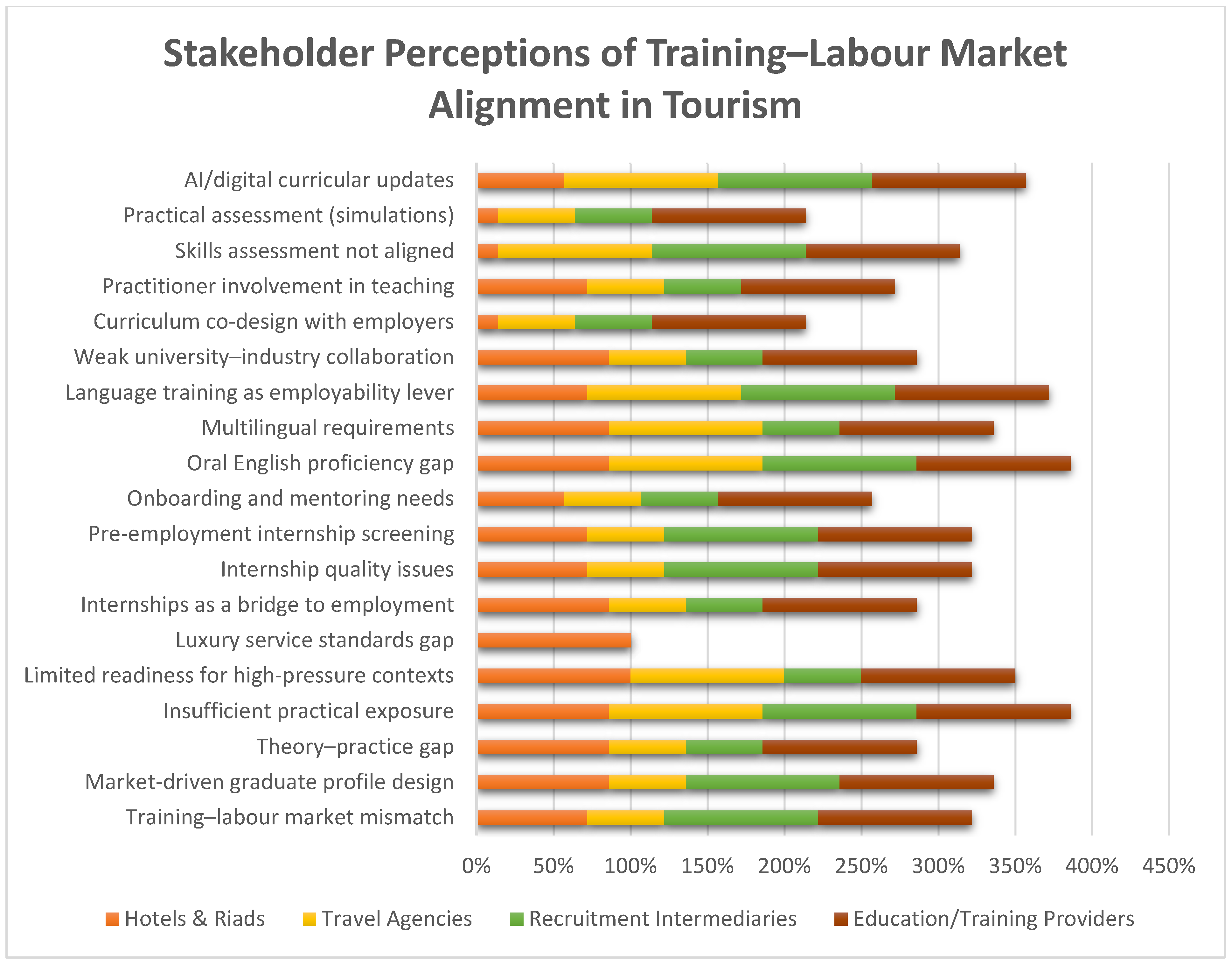
Figure 1 shows the main alignment-related codes emerging from the interviews, providing a comparative view of how different stakeholders frame the issue.
4.2.1. A Persistent Training–Labour Market Mismatch
Across the interviews, respondents do not frame employability difficulties as a simple or inevitable “lack of experience” among graduates, which is a normal feature of any school-to-work transition. Instead, they describe a partial training–labour market mismatch, resulting from weakly structured bridges between education systems and real service environments.
Several employers argue that training programmes are insufficiently informed by market realities and operational constraints: “Not entirely. Programmes are often too theoretical.” (P12). This diagnosis is accompanied by calls for market-driven graduate profile design, in which employers are more closely involved in defining expected competencies: “We host their interns, but we would like better coordination to define the profiles that the market actually needs.” (P1)
As shown in
Figure 1, employers, particularly in hotels and riads, refer more frequently to this mismatch than education providers or graduates, highlighting differing interpretations of where responsibility lies.
4.2.2. Training Content, Pedagogy and the Theory–Practice Gap
A central dimension of misalignment concerns training content and pedagogical approaches. While respondents acknowledge that graduates generally possess a solid theoretical foundation, they emphasise a recurring theory–practice gap: “Overall, theoretical preparation is satisfactory… However, weaknesses appear in practical skills and professional behaviour.” (P1). This gap is closely associated with insufficient practical exposure during training, which limits graduates’ readiness for real working conditions. Employers frequently mention difficulties in coping with high-pressure frontline contexts, such as peak check-in periods, demanding international guests, or multitasking across departments: “Many lack reflexes in real-life situations such as dealing with dissatisfied guests or overbooking.” (P3)
In the luxury segment, the misalignment is further reinforced by the perception that luxury service standards are not adequately taught in most curricula: “Young graduates often lack a culture of high-end service—anticipation, personalization, and attention to detail” (P6).
Figure 1 illustrates how references to luxury service gaps are significantly more prevalent among luxury hotel managers than among other actor groups.
4.2.3. Internships, Onboarding and the Transition to Work
Internships and work-based learning are widely recognised as key mechanisms for bridging the training–employment gap. Respondents consistently describe internships as a key bridge to employment, enabling both skills acquisition and candidate screening: “Some trainees are hired at the end of their internships.” (P2). However, this positive assessment is tempered by concerns regarding internship quality and supervision. Several stakeholders note that internships are not always structured as genuine learning experiences: “Internships need better supervision and clearer learning objectives.” (P5)
In practice, many establishments use pre-employment internships as a screening tool, particularly in the hotel sector: “We assess candidates through internships before permanent recruitment.” (P6)
Importantly, respondents stress that early employment difficulties should not be interpreted solely as training failure. Instead, they highlight the need for structured onboarding and mentoring, which can compensate for limited initial experience: “Tutoring and mentoring systems are essential to support young professionals.” (P10)
Differences in emphasis between internships and mentoring across actor groups are visualised in
Figure 1.
4.2.4. Language Preparation and Communication Skills
Language competence, especially oral English proficiency, emerges as one of the most decisive employability factors in a destination dominated by international tourism. Respondents repeatedly identify an oral English proficiency gap, particularly among graduates from public institutions: “Graduates from private schools are generally more comfortable speaking English.” (P2). Multilingual requirements are described as a baseline expectation rather than a competitive advantage, with English considered indispensable and a third language increasingly valued: “English is the minimum; a third language really adds value.” (P5)
Respondents frame language training as a direct employability lever, but also point to weaknesses in recruitment practices, where language skills are not always rigorously assessed during interviews: “English is mentioned as a requirement, but it is not always tested.” (P19)
As shown in
Figure 1, employers, especially in hotels and riads, emphasise language gaps more strongly than education providers.
At the national level, these perceptions are consistent with structural factors. English has historically been introduced relatively late in Morocco’s public education system, with its generalisation only beginning in middle schools in 2023–2024. According to the British Council [
48], only around 30% of Moroccan youth (15–25) report high English proficiency, while Morocco remains classified as a low-proficiency country in international benchmarks. These data suggest that language gaps reflect systemic constraints rather than individual deficits alone.
4.2.5. Governance, Collaboration and Assessment Practices
Finally, respondents underline governance-related issues, particularly weak university–industry collaboration in curriculum design and internship follow-up: “There is insufficient follow-up from educational institutions.” (P7)
They advocate stronger curriculum co-design with employers and greater practitioner involvement in teaching, to better align training with operational realities. Additionally, several interviewees argue that skills assessment is not aligned with job reality, recommending more practical evaluation methods: “Simulations and role plays should be integrated into assessments.” (P15)
These governance and assessment issues are synthesised in
Figure 1, which highlights contrasting priorities across stakeholder groups.
4.2.6. Digitalisation and AI-Related Curricular Alignment
Beyond general digitalisation, some respondents explicitly refer to the need for AI-related curricular updates, particularly in areas such as platform management, data use and digital risk awareness: “Introduce practical courses on artificial intelligence applied to tourism.” (P11)
Although references to AI remain less frequent than those related to language or internships, they point to emerging expectations regarding digital competence. These findings align with OECD [
41] evidence that AI in tourism is reshaping task content rather than fully replacing jobs, reinforcing the importance of combining technological literacy with human and relational skills.
4.3. Recruitment Criteria and Professional Standards in Tourism Employment
This subsection aims to analyse the criteria and professional standards mobilised by tourism-sector actors when recruiting young graduates in Marrakech. It focuses on how employers and recruitment intermediaries articulate their expectations regarding qualifications, skills and professional conduct, and how these expectations structure access to employment and early career trajectories within the sector. Particular attention is paid to the relative weight assigned to formal diplomas, operational skills, language proficiency and behavioural attributes in recruitment decisions, especially for entry-level versus supervisory or managerial positions.
4.3.1. Soft Skills and Professional Attitudes as Primary Selection Criteria for Operational Positions
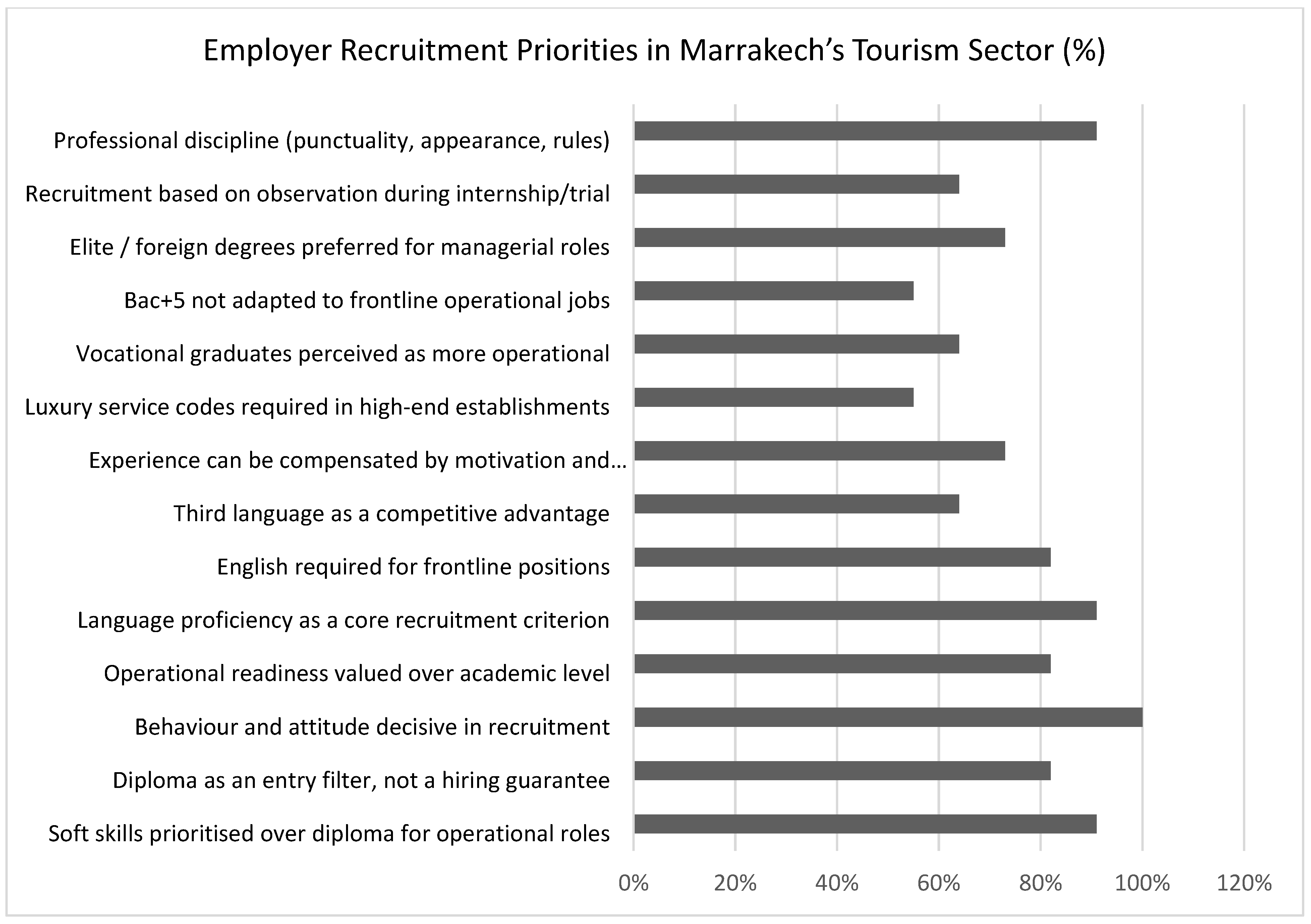
Across interviews, employers consistently stress that recruitment decisions for entry-level and frontline operational positions are not primarily driven by the level of formal qualification, but by behavioural and relational competences. As illustrated in
Figure 2, references to communication skills, professional attitude, reliability and motivation are markedly more frequent among hotel and riad managers than references to diploma level when discussing operational recruitment.
Respondents emphasise presentation and communication with international guests, language use in real service situations, willingness to learn, respect of hierarchical rules and punctuality as decisive criteria. As one HR manager in a four-star hotel explains: “For an entry-level position, the degree opens the door, but what really makes the difference is how the person behaves: their attitude with guests, their communication, their respect for the team and the rules.” (P4)
These statements do not deny the importance of technical knowledge, but situate diplomas as necessary but insufficient conditions for employability in service-intensive tourism jobs. The dominance of soft skills in recruitment criteria for frontline roles, clearly visible in
Figure 2, reflects employers’ search for immediate operational fit in a context characterised by high interaction with international clientele.
This perception is consistent with the literature that conceptualises employability as strongly linked to social and behavioural competences [
21,
22], particularly in customer-facing service sectors [
20,
49]. The present study does not claim novelty in identifying soft skills as important, but rather confirms their centrality in the specific context of Marrakech’s tourism labour market, as perceived by local employers.
4.3.2. Diploma Level and Differentiated Recruitment Logics According to Job Type
Interviewees also underline a clear differentiation of recruitment criteria depending on job level: for operational positions (reception, food and beverage, guest relations, housekeeping), the level of diploma (Bac + 2, Bac + 3 or Bac + 5) is not perceived as a reliable predictor of employability or performance.
Several respondents caution against equating higher academic qualifications with immediate operational readiness: “Sometimes Bac + 5 graduates still need a lot of coaching before they can handle real situations with guests, while vocational graduates are operational much faster.” (P8)
Given the qualitative nature and limited size of the sample, these statements should not be interpreted as general claims about all graduates. Rather, they reflect situated employer perceptions, recurrent across several interviews, regarding the relative mismatch between academic level and the practical demands of frontline work.
By contrast, when discussing supervisory, managerial or cadre positions, respondents describe a different recruitment logic. As shown in
Figure 2, references to diploma prestige, selective institutions and foreign degrees are significantly more frequent when employers discuss recruitment for positions involving coordination, decision-making and leadership responsibilities. As one hotel general manager notes: “For management positions, we clearly look at the academic background. Graduates from top schools or abroad usually adapt faster to leadership responsibilities.” (P1)
This distinction points to the existence of segmented career pathways in tourism employment: an operational pathway based on practical skills and workplace socialisation, and a managerial pathway where academic capital plays a stronger gatekeeping role. Similar patterns have been identified in other service economies, where internal promotion and external recruitment coexist depending on job level [
3,
50].
4.3.3. Recruitment Practices, Experience and Shared Responsibility for Skill Development
Several respondents acknowledge that recruitment practices themselves may contribute to observed employability gaps. Although language skills and professional behaviour are frequently cited as decisive, they are not always systematically verified during interviews. As suggested by the distribution of references in
Figure 2, concerns about language proficiency and professional readiness often emerge after hiring, rather than being fully assessed at entry.
At the same time, respondents stress that employability challenges at the beginning of a career should not be attributed solely to graduates. While motivation and adaptability are expected from young workers, interviewees also emphasise the responsibility of employers and training institutions to support skill development through mentoring, onboarding and in-house training. As one respondent explains: “Young people need guidance at the beginning. It is also our responsibility to train them and help them grow.” (P10)
This perspective aligns with broader research on lifelong learning and employability, which highlights that continuous skill development depends on organisational investment and institutional frameworks, not only on individual effort [
41,
51]. In the Moroccan context, active labour market policies and employer-supported training programmes have been identified as key levers to facilitate professional integration [
26].
Finally, it is important to situate these findings within the wider Moroccan labour market context. National studies consistently document gaps between higher education outcomes and employer expectations, particularly in service sectors [
23,
24]. At the same time, public policies increasingly promote stronger collaboration between universities, vocational institutions and employers to improve graduate employability.
The results presented here, summarised visually in
Figure 2, should therefore be read as contextualised perceptions, rather than definitive assessments. They reflect how professional standards and recruitment criteria are negotiated in practice, under specific organisational and sectoral constraints. By making these differentiated logics explicit, this study contributes to a more nuanced understanding of employability dynamics in Marrakech’s tourism sector.
4.4. Key Technical and Digital Competences
In the case of Marrakech’s tourism sector, employers repeatedly underline that technical competences and digital literacy are non-negotiable foundations of employability for young graduates. Beyond general knowledge of hospitality operations, they expect new recruits to be immediately at ease with the concrete tools that structure daily work in hotels and travel agencies. This includes the use of property management systems, online reservation platforms, customer databases and basic office software. As one respondent put it, the challenge is to “prepare future employees with the operational techniques that are actually used in the labour market, rather than limiting them to abstract notions” (P5).
From the perspective of interviewees, employability is therefore closely linked to the capacity of training programmes to integrate the realities of the digital environment. Several actors report that some graduates struggle with apparently simple tasks such as submitting online applications, navigating recruitment platforms or using email and videoconference tools in a professional way during job interviews. In their view, programmes that do not explicitly address these digital practices risk leaving young people at a disadvantage when they compete for positions in Marrakech’s tourism industry (P7).
These results echo a broad body of research that identifies job-specific technical skills and digital competences as central predictors of employability, both within organisations and on the external labour market [
27,
52]. Studies on graduate transitions increasingly show that the ability to operate sector-relevant technologies, to interact with digital systems and to adapt to evolving tools is now a critical dimension of “work-readiness” [
53,
54]. In a service-intensive and rapidly digitalising field such as tourism, our findings confirm that hard skills and digital literacy are not merely complementary to formal qualifications; they are core elements in how employers assess and select young graduates.
4.5. Artificial Intelligence and Its Impact on Employability in Marrakech’s Tourism Sector
This section examines how stakeholders understand the role of artificial intelligence (AI) and related digital tools in shaping the employability of young tourism graduates in Marrakech. Drawing on semi-structured interviews conducted with key actors across the local tourism ecosystem, it documents, the perceived employability-enhancing effects of AI, particularly through task automation and decision-support functions, the continued centrality of human interaction as a defining feature of hospitality work, especially in riads and high-contact service contexts and the reconfiguration of work tasks and productivity dynamics associated with digitalisation and emerging AI applications. The section also highlights how these views vary across actor groups (hotels, riads, travel agencies, recruitment intermediaries, and training institutions) thereby clarifying why AI is framed as an opportunity in some segments and as a stronger source of disruption in others (see
Appendix A).
4.5.1. Perceived Positive Effects of AI on Graduate Employability
This analysis primarily aims to examine how the application of artificial intelligence in the tourism sector contributes to enhancing the operational performance of tourism organizations, with a particular focus on the benefits derived from AI.
Table 2 summarises the main perceived employability-enhancing effects of AI mentioned during interviews. Interviewed hotel managers (P1, P2, P3) describe the initial benefits of AI primarily in terms of the automation of repetitive communication and operational micro-tasks (such as standard customer enquiries and reservation-related requests). The benefits of automation in tourism services were highlighted across hotels, riads, and travel agencies; however, this aspect was mentioned more frequently by hotels, where automation was primarily framed as a mechanism that reallocates human effort toward higher value-added activities, including personalized guest interaction, service recovery, and relationship management. Recruiters (P1, P4, P8) add that automation can also streamline hiring operations (CV sorting, scheduling), indirectly affecting employability by shifting selection toward digitally literate profiles. Overall, while AI-based tools are often introduced to improve service responsiveness, the findings of this study indicate that they also generate positive employment effects by reinforcing productivity in tourism occupations [
55,
56].
The second benefit identified by the informants (P4) was that the integration of AI does not undermine human-centred service models, but rather reinforces employability by reshaping job roles and creating new positions within the sector. Interviewees from accommodation activities (P3) highlight that the growing use of AI-based tools is associated with emerging roles related to digital service coordination, customer experience supervision, and data-assisted decision support, while preserving the centrality of human interaction in hospitality delivery. This dynamic is particularly evident in riads (P4), where highly personalised and high-contact service models remain a core value proposition, and where AI is perceived as a supportive layer that enhances staff capacity rather than replacing frontline functions. Overall, AI can act as a sustaining force for employment by preserving the centrality of human skills—such as empathy, communication, and relational competence—in tourism occupations, while simultaneously enhancing employability through the emergence of new digitally assisted roles [
11,
41].
4.5.2. Challenges of AI Adoption for Employability in the Tourism Sector
This study sought to identify not only the perceived positive effects of AI-based digital tools on graduate employability, but also the challenges and risks associated with their adoption in the tourism sector. Drawing on interviews with tourism actors, the analysis highlights a set of employability-related challenges linked to task automation, skills requirements, and sectoral asymmetries in exposure to AI-driven transformation. The results are synthesised in
Table 3. Risk of mismatch between graduates’ skills and AI-related requirements was identified as one of the challenges in using AI-based digital tools (8, P7, P6) in all three actors. This finding points to a structural skills mismatch, whereby the pace of AI adoption in tourism outstrips the ability of education and training systems to equip graduates with relevant digital and hybrid competencies. Previous studies show that such mismatches are typical of AI-driven transitions and mainly affect graduate employability rather than overall employment levels [
36].
Another challenge identified by travel agencies was the risk of disintermediation and sectoral asymmetry of AI impact (P7, P8). This concern reflects the growing ability of AI-based platforms and digital tools to connect tourists directly with service providers, thereby reducing the traditional intermediary role played by travel agencies. Interviewed actors emphasise that AI-powered recommendation systems, dynamic pricing tools, and automated booking platforms increasingly replicate functions historically performed by human agents, raising concerns about the long-term sustainability of certain intermediary occupations.
From a theoretical perspective, this finding is consistent with research on automation and digital platforms in tourism, which highlights that disintermediation risks are particularly pronounced in segments where tasks are highly standardised and information-based [
11]. Similarly, analyses by the OECD indicate that AI-driven digitalisation tends to affect employment asymmetrically, with intermediary and administrative roles facing higher exposure to substitution than customer-facing, relational occupations. In this context, the risk identified by travel agencies does not necessarily imply immediate job losses, but rather points to a structural reconfiguration of employment, where employability increasingly depends on the capacity of agents to move toward advisory, personalised, and higher value-added services that cannot be easily automated.
The deployment of AI systems can also exacerbate unequal access to training and digital resources, leading to a polarisation of employability both across organisations and among job candidates. Interviewed tourism actors underline that larger hotels and well-resourced establishments are better positioned to invest in AI tools and continuous upskilling, while smaller structures—such as riads and small travel agencies—often face financial and organisational constraints that limit access to comparable training opportunities. This inequality is further reinforced at the recruitment stage, as not all higher education and vocational training programmes have integrated AI-related competencies into their curricula. Consequently, graduates enter the labour market with uneven levels of digital preparedness, even when holding similar formal qualifications. Candidates trained in programmes that incorporate AI, digital platforms, or data-oriented skills tend to display stronger employability prospects, whereas others face structural disadvantages unrelated to their motivation or sector-specific expertise. From a theoretical perspective, this pattern is consistent with analyses of AI-driven labour market polarisation, which show that technological change amplifies inequalities both between firms and between workers with comparable educational levels but different skill compositions [
36,
38].
In summary, the findings suggest that the perceived positive effects of AI adoption on graduate employability outweigh the challenges and risks associated with its integration in the tourism sector. While tourism actors acknowledge issues related to skills mismatch, unequal access to training, and disintermediation—particularly among travel agencies—these challenges are not framed as barriers to AI adoption, but rather as transitional constraints requiring appropriate support and adaptation. Overall, no fundamental divergence emerges in the identification of these challenges across hotels, riads, and travel agencies, although their intensity and implications vary depending on the nature of activities and task structures.
The results further indicate that the development and use of AI-based digital tools in the tourism sector not only enhance service responsiveness and organisational productivity, but also generate positive employment outcomes by supporting graduate employability, fostering job transformation, and enabling the emergence of new digitally assisted roles while maintaining human-centred service functions at the core of tourism occupations.
These findings are consistent with available evidence on digital transformation and employment in the Moroccan context. National and international reports highlight that the tourism sector in Morocco remains highly labour-intensive and strongly dependent on human-centred service activities, which limits the substitutability of labour despite increasing digitalisation. At the same time, digital and AI-related tools are increasingly promoted as levers for productivity gains and employability, particularly for young graduates, provided that adequate training and skills development accompany their adoption. According to analyses by the World Bank [
8], the main employment-related risks in Morocco are less associated with job destruction than with skills mismatch and unequal access to digital training. In this regard, the challenges identified by tourism actors in this study reflect broader structural constraints of the national labour market, reinforcing the need for targeted upskilling policies to ensure that AI adoption translates into inclusive employability outcomes rather than increased labour market polarisation.
4.6. Strategies to Strengthen the Employability of Young Tourism Graduates
The interviews reveal a strong convergence around the idea that improving the employability of young tourism graduates in Marrakech requires joint action by three main actors: hotels and tourism companies, universities and training institutes, and public employment services such as ANAPEC. Rather than placing the entire responsibility on young people themselves, respondents call for structured partnerships that link recruitment practices, training content and labour-market intermediation.
From the employers’ side, hotel managers insist on the need to move beyond informal or ad hoc collaborations and to develop more structured pathways from training to employment. Several respondents advocate the expansion of well-designed internships, alternance schemes and graduate trainee programmes that combine work experience with mentoring and progressive responsibility. In their view, such arrangements help young people to build operational skills, understand professional norms and clarify their career aspirations. As one hotel HR manager explains, “if we are involved earlier, through internships and joint projects, we can help shape graduates who are much closer to what the sector really needs” (P4). Employers also suggest taking a more active role in delivering guest lectures, participating in curriculum committees and hosting practical workshops on concrete topics such as front-office procedures, customer complaint handling or online reputation management.
On the side of universities and tourism schools, professors emphasise the importance of making programmes more “employment-oriented” without sacrificing academic quality. The solutions they put forward include: increasing the weight of practical modules (simulations, case studies, project work with real hotels), integrating digital and AI-related content specific to tourism (PMS, OTAs, data from review platforms), and creating dedicated career guidance units to support students in their transition to the labour market. Some academics also argue for the establishment of joint advisory boards where representatives from hotels, ANAPEC and training institutions regularly review programme content in light of emerging needs. As one programme coordinator notes, “we need feedback from the field on a regular basis, not just once every few years when we revise the curriculum” (P12).
Public employment services, particularly ANAPEC, are presented as a critical intermediary capable of linking training providers and employers and offering targeted support to young graduates. ANAPEC representatives mention several levers: job-search training, coaching on CVs and interviews tailored to the tourism sector, information sessions on labour-market trends in Marrakech, and the mobilisation of national schemes that subsidise integration contracts or on-the-job training. They also stress the potential of sector-specific programmes—for example, short intensive courses focusing on languages, customer service and digital tools for young tourism graduates who are struggling to find their first job. As one ANAPEC manager puts it, “our role is to build a bridge between jobseekers and hotels, but also to help young graduates upgrade the few elements that are blocking their insertion” (P9).
In addition, representatives of the public tourism administration stress the need to anchor these initiatives in a more coherent regional governance framework. The Head of Service at the Regional Delegation of the Ministry of Tourism in Marrakech emphasised that improving graduate employability in the sector requires “a permanent dialogue between hotels, training institutions, ANAPEC and the regional authorities, so that we can anticipate skill needs, adapt programmes and make better use of the different public schemes that exist” (P10). In his view, the Ministry can play a facilitating role by supporting sectoral observatories, encouraging partnership agreements and promoting joint actions—such as career days, thematic workshops and pilot projects—specifically dedicated to tourism graduates.
Taken together, these perspectives point towards a partnership-based strategy for strengthening the employability of young tourism graduates in Marrakech. Employers call for more operational and digital competences; universities seek closer ties with the professional world; and ANAPEC offers instruments and services that can support both sides. According to our respondents, the most promising solutions lie in the combination of these efforts: co-designed curricula, structured and mentored internships, joint career events, targeted upskilling programmes and the systematic use of public integration schemes by tourism companies. In this sense, employability is no longer seen as the sole responsibility of individuals, but as the outcome of a shared endeavour involving the state, higher education and the tourism industry [
57].
Our results are consistent with those of Simmonds, who argues that employability is strongly shaped by public policy and, in particular, by the capacity of the state to make education and training systems more responsive to new economic and technological challenges [
58]. In this perspective, the state clearly appears as a key actor in employability, both through its influence on curriculum reforms and through targeted youth-employment schemes [
3]. The implementation of government policies in the education and training sphere is thus one of the main levers for improving young people’s access to work. At the same time, the literature reviewed in this article underlines that public intervention alone is insufficient: many authors emphasise the need for coordinated collaboration between government, higher education institutions and employers in order to enhance graduate employability [
49,
50,
59]. Empirical studies on multi-stakeholder approaches and university–employer partnerships show that structured cooperation—through curriculum co-design, work-based learning, internships and joint advisory boards—contributes to aligning programmes with labour-market needs and facilitates smoother school-to-work transitions for graduates [
39,
59].
5. Discussion
The findings indicate that AI is currently being integrated into tourism organisations in Marrakech primarily as a set of workflow support tools rather than as a direct substitute for entire occupations. Interviewees’ accounts emphasising quicker handling of routine communication, assistance with marketing content, basic data-driven decision support, and process streamlining fit well with the task-based perspective on technological change, which predicts that digital technologies disproportionately substitute routine tasks while complementing non-routine cognitive and interpersonal activities [
60]. In that sense, the local evidence is consistent with broader labour economics arguments that automation rarely eliminates “whole jobs” in a uniform way; instead, it reshapes job content through a combination of substitution, complementarity, and demand effects [
35]. This is also aligned with the global assessment of generative AI exposure produced by the ILO, which concludes that the predominant expected effect is augmentation of occupations rather than full automation, even under upper-bound exposure assumptions [
61]. In tourism specifically, the OECD’s policy paper stresses that AI’s impacts will depend strongly on organisational readiness, data governance, and service design, and it highlights the need to monitor workforce implications as AI diffuses across destinations and firms [
41]. Taken together, these references support an interpretation of Marrakech’s current trajectory as one of incremental adoption that reallocates human effort toward supervision, problem-solving, and service recovery rather than immediate displacement.
From an employability standpoint, the interviews suggest that perceived gains are driven less by highly technical capabilities and more by hybrid competence bundles that combine operational digital fluency, AI literacy, and relational skills [
62]. As AI reduces time spent on standardisable tasks, employability advantages appear to accrue to workers who can integrate AI into customer handling and back-office routines, verify outputs and maintain accountability, and translate digital support into higher service quality and responsiveness. This interpretation is consistent with Acemoglu and Restrepo’s framework, which emphasises that technology both displaces labour from certain tasks and reinstates labour demand through the creation of new tasks and changing production needs [
63]. It also reflects the skills-oriented conclusions of the World Economic Forum, which reports that employers across sectors anticipate ongoing job redesign and place strong emphasis on reskilling/upskilling strategies as AI and digitalisation accelerate [
64]. Within tourism and hospitality scholarship, Ivanov’s analysis of automation mechanisms likewise argues that technology tends to eliminate some positions, transform many others, and create new roles—thereby shifting employability toward workers who can operate at the intersection of service, technology, and performance management [
11]. In the specific case of generative AI, recent tourism and hospitality research calls attention to changes in task allocation (drafting, customer communication support, ideation, analytics assistance) alongside rising requirements for governance, verification, and responsible use competencies that directly map onto employability signals in hiring and promotion decisions [
65].
A particularly important implication of the results concerns the risk of employability polarisation through unequal exposure to AI within education and training pathways. If some candidates enter the labour market with practical AI-enabled workflow skills while others do not, the same technological shift that improves productivity can widen gaps in job access, wages, and progression [
66]. This risk is echoed by European evidence from Cedefop, which highlights both the growing prevalence of AI-related job redesign and the urgency of bridging the AI skill gap through broad-based AI literacy and targeted reskilling [
67]. The OECD similarly emphasises that travel agencies highly relevant in many tourism ecosystems often need support to adopt AI responsibly and to ensure that workforce impacts are managed rather than left to ad hoc experimentation [
41]. In Marrakech, where tourism employment is structured by heterogeneous firm sizes and diverse training routes, these dynamics make the training system itself a key determinant of whether AI becomes an employability enhancer for many or a differentiator for a few.
Finally, the interviews’ insistence on the enduring importance of the “human touch” should be interpreted not as technological stagnation but as a redefinition of human work in AI-enabled service environments. As routine information provision and templated messaging become easier to automate, the comparative advantage of employees shifts toward judgement under uncertainty, emotional labour, cultural mediation, and high-stakes service recovery capabilities that remain difficult to codify. This aligns with hospitality research showing that employee outcomes and organisational performance depend on how technology adoption reshapes role identity, workload, and control, reinforcing the need for management practices that support acceptance and sustainable job quality [
68]. Overall, the evidence supports a discussion that positions AI in Marrakech tourism as a driver of task reconfiguration and skill hybridisation, while underlining that employability benefits will be strongest where firms and training institutions actively reduce the AI skill divide and embed governance and verification practices into everyday work.
6. Conclusions
The purpose of this study was to develop a nuanced understanding of the factors that shape the employability of young tourism graduates in Marrakech, in a context characterised by strong competition between destinations, rapid digitalisation and the progressive introduction of artificial intelligence into hospitality and travel-related activities. Based on an exploratory qualitative approach and semi-structured interviews with key actors in the local tourism ecosystem (hotel managers, human resource officers, representatives of public employment services, academic staff and regional tourism officials), the analysis brought to light six interconnected themes: the specific configuration of the tourism labour market in Marrakech, the degree of alignment between training provision and sectoral needs, recruitment criteria and practices, the core technical and digital competences required, the role of digitalisation and AI in reshaping tourism jobs, and the strategies envisaged to reinforce the employability of young graduates.
On the theoretical level, the study confirms that employability in tourism cannot be understood simply through individual traits or formal qualifications [
62,
69]. It appears instead as a multidimensional construct, resulting from the interaction between graduates’ competences (technical, behavioural and digital), organisational logics, labour market dynamics and public policy frameworks. Our findings echo existing models of employability that combine human capital, social capital and contextual influences, while adding a sector- and place-based lens focused on Marrakech as a mature tourism destination undergoing digital transformation. They also underline the rising salience of digital literacy and AI-related skills as additional layers in the employability equation, alongside more traditional dimensions such as hard and soft skills.
Empirically, this research offers original qualitative insight into how employers and institutional stakeholders in Marrakech assess the strengths and weaknesses of young tourism graduates. It highlights, in particular, a persistent gap between what training institutions deliver and what workplaces expect, especially regarding operational readiness, mastery of foreign languages, behaviour in direct contact with customers and familiarity with digital tools. At the same time, the study documents the concrete practices, constraints and room for manoeuvre of hotels, universities, ANAPEC and regional tourism authorities when they attempt to support graduate integration. In doing so, it provides policy-relevant indications for educational providers, tourism firms and public institutions seeking to improve education-to-employment transitions in this strategic sector.
The results lead to several practical implications. First, they point to the necessity of rethinking tourism curricula so as to give a more central place to practice-oriented learning, sector-specific digital competences and authentic exposure to service situations. Second, they suggest that tourism employers in Marrakech could assume a more proactive role in designing structured pathways from study to work, through internships conceived as real learning experiences, mentoring arrangements, graduate trainee schemes and closer involvement in curriculum design and review. Third, the findings confirm the potential of public employment services and regional authorities to act as facilitators of collaboration between higher education and the tourism industry—for instance, by supporting targeted upskilling programmes, setting up labour market observatories and promoting the strategic use of integration schemes. Overall, these avenues converge towards a partnership-based vision of employability, in which the state, universities and employers jointly bear responsibility for preparing and integrating young tourism graduates.
As with any qualitative inquiry, this study has limitations. The number of interviewees is relatively restricted and confined to the tourism sector in Marrakech, which constrains the direct generalisation of the findings to other regions or sectors. The qualitative design offers depth and rich contextualisation, but it does not make it possible to quantify the relative contribution of each determinant of employability. Future work could extend these results by mobilising survey-based or mixed-methods designs to assess the impact of specific factors—such as digital competences, work-based learning experiences or participation in public schemes—on actual employment outcomes. Comparative research between different Moroccan destinations, or between tourism and other service industries, would also help to determine to what extent the patterns observed in Marrakech are context-dependent or more broadly applicable.
In summary, this study highlights both the complexity and the collective nature of employability dynamics for young tourism graduates in Marrakech. It shows that navigating the labour market in an era of digitalisation and artificial intelligence depends not only on individual effort and adaptability, but also on coherent and coordinated action by training institutions, employers and public authorities. By addressing the shortcomings identified in education-to-employment transitions, by more firmly embedding digital and AI-related competences within tourism training, and by consolidating tripartite collaboration between the state, universities and the tourism industry, stakeholders can help to build more sustainable and inclusive employment trajectories for young graduates. Ensuring that these graduates possess solid technical, behavioural and digital skills is likely to remain a crucial condition for maintaining the competitiveness of Marrakech as a tourism destination and, more broadly, for supporting Morocco’s economic and social development.