Buprestid Beetles of Togo: Ecological, Sociocultural, and Nutritional Impacts of a High Quality Food Source



1
Laboratoire de Biochimie Appliquée à la Nutrition et à l’Alimentation, Faculté des Sciences, Université de Lomé, Lomé B.P. 1515, Togo
2
Department of Ecology and Genetics, University of Oulu, FIN-90570 Oulu, Finland
*
Author to whom correspondence should be addressed.
Insects 2026, 17(3), 320; https://doi.org/10.3390/insects17030320
Submission received: 17 February 2026
/
Revised: 8 March 2026
/
Accepted: 13 March 2026
/
Published: 16 March 2026
(This article belongs to the Special Issue Insects: A Unique Bioresource for Agriculture and Humanity)
Simple Summary
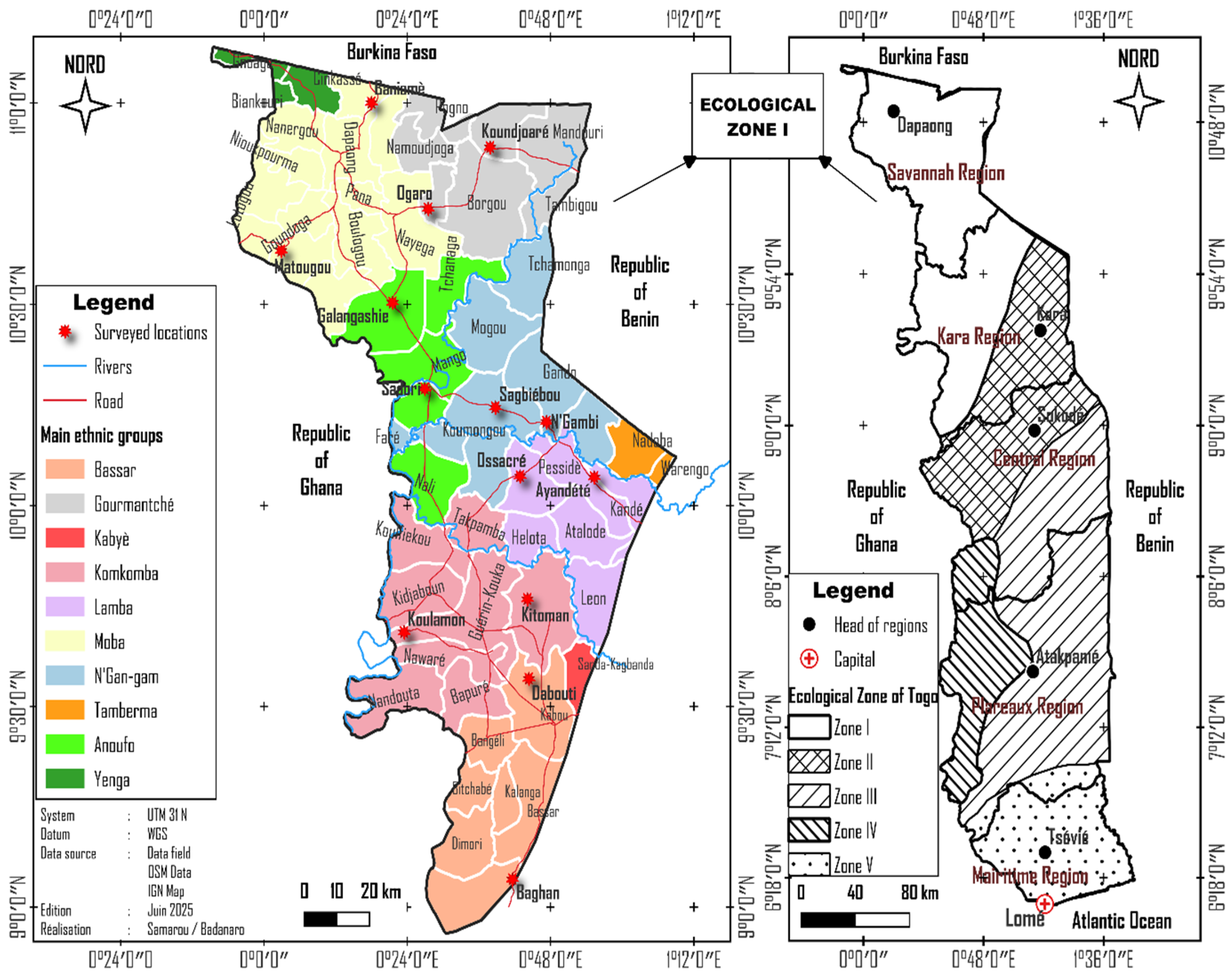
With the growing impact of climate change and increasing pressure on agriculture as well as the increasing popularity of Western foods, it is essential to identify locally available traditional and sustainable food sources. In Togo, some people have customarily consumed insects, including buprestid beetles. However, this practice is becoming increasingly rare. To understand this trend, we surveyed 630 people across 14 villages in Ecological Zone I of Togo. We also analysed the nutritional composition of one specific species, Sternocera interrupta. The results revealed that this beetle is very rich in protein, fibre, vitamins, and minerals and contains essential fatty acids and amino acids as part of a healthy diet. These findings indicate that S. interrupta is a high-quality food source to be promoted. The consumption of this and related species of buprestid beetles could boost human health, slow down the replacement of traditional foods by Western products, while protecting biodiversity. This study highlights the importance of rediscovering, preserving and promoting traditional food resources, especially in the context of ecological transition.
Abstract
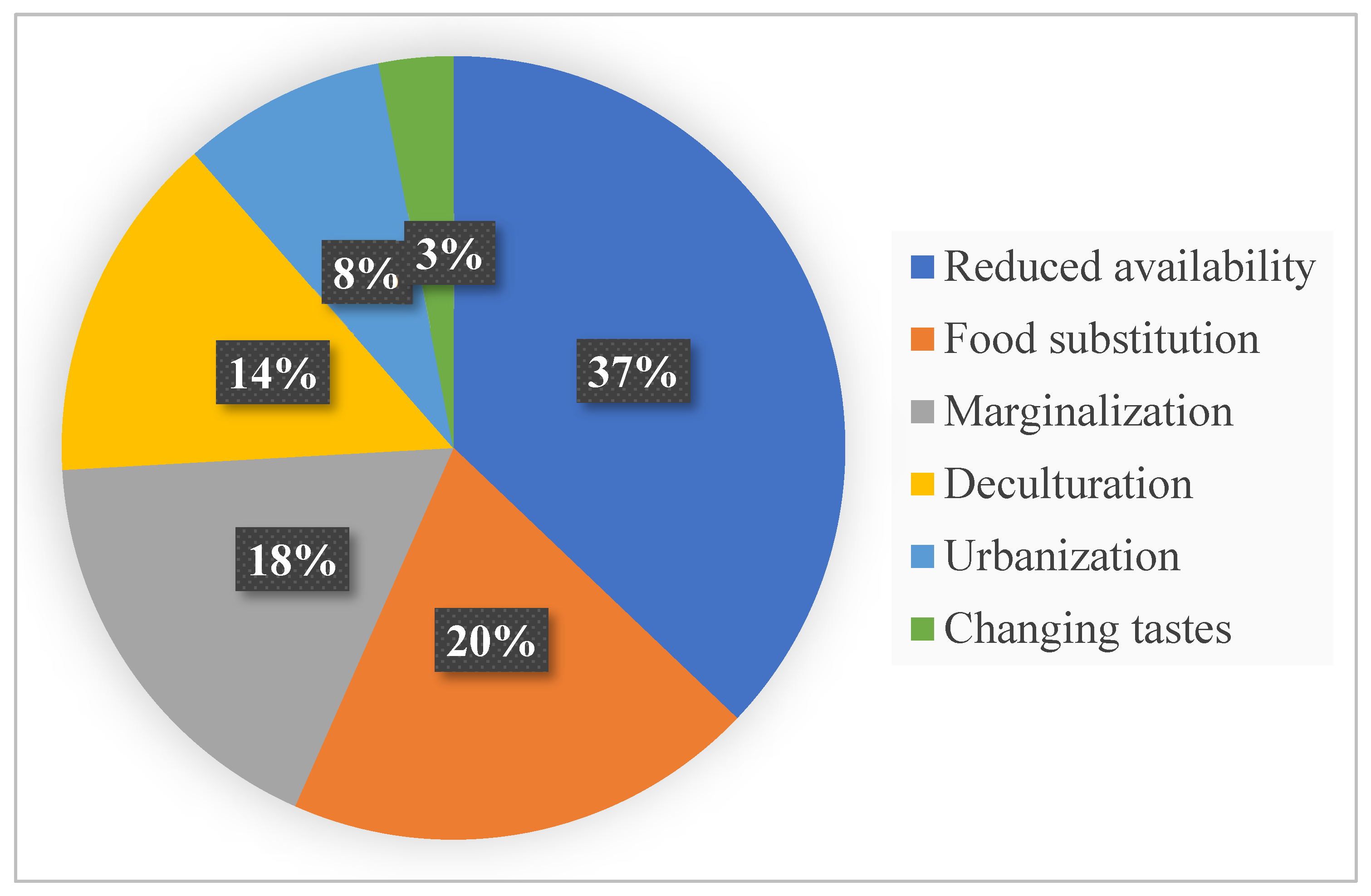
In the face of increasing pressure on agriculture and the effects of climate change, as well as the increasing popularity of Western foods, the enhancement of local food resources stands out as an essential strategy to strengthen food security and to slow down the erosion of traditions. Buprestid beetles are customarily consumed by some people in Togo, but these beetles remain poorly documented. This study explores the nutritional value of Buprestids consumed in Ecological Zone I of Togo. In total 630 individuals representing 7 ethnic groups from 14 localities, with 45 respondents in each, were interviewed. Buprestids were collected in the surveyed areas for identification, and specimens of Sternocera interrupta (Olivier, 1790) were specifically selected for biochemical analyses. Ash, amino and fatty acids, vitamins and fibre contents were determined using AOAC and AFNOR methods. Mineral content was determined by spectrophotometry; fatty acid composition by gas chromatography and amino acid composition by Biochrom 30+ analyzer. The results show that three species of Buprestids are still consumed in Togo, but that this practice is becoming increasingly rare among younger people. The decline can be attributed to a combination of ecological, sociocultural, and economic factors. The analysis of S. interrupta revealed the following composition (dry weight): 58.02 ± 0.18% protein, 6.63 ± 0.28% lipid, and 12.81 ± 0.49% fibre. From a micronutritional standpoint, the species is rich in vitamins and minerals, highlighting the need to conserve Buprestids for their nutritional value and role in food security amidst ecological transition, as well as their contribution to biodiversity.
Keywords:
entomophagy; buprestid beetles; generational transition; nutrients; Togo