Article

Misalignment-Induced Micro-Elastohydrodynamic Lubrication in Rotary Lip Seals


by
F. Xavier Borras
*,
Matthijn B. de Rooij
and
Dik J. Schipper
University of Twente, Surface Technology and Tribology, 7522NB Enschede, The Netherlands
*
Author to whom correspondence should be addressed.
Lubricants 2020, 8(2), 19; https://doi.org/10.3390/lubricants8020019

Submission received: 15 January 2020 / Revised: 28 January 2020 / Accepted: 29 January 2020 / Published: 10 February 2020
(This article belongs to the Special Issue Elastohydrodynamic (EHD) Lubrication)

Abstract

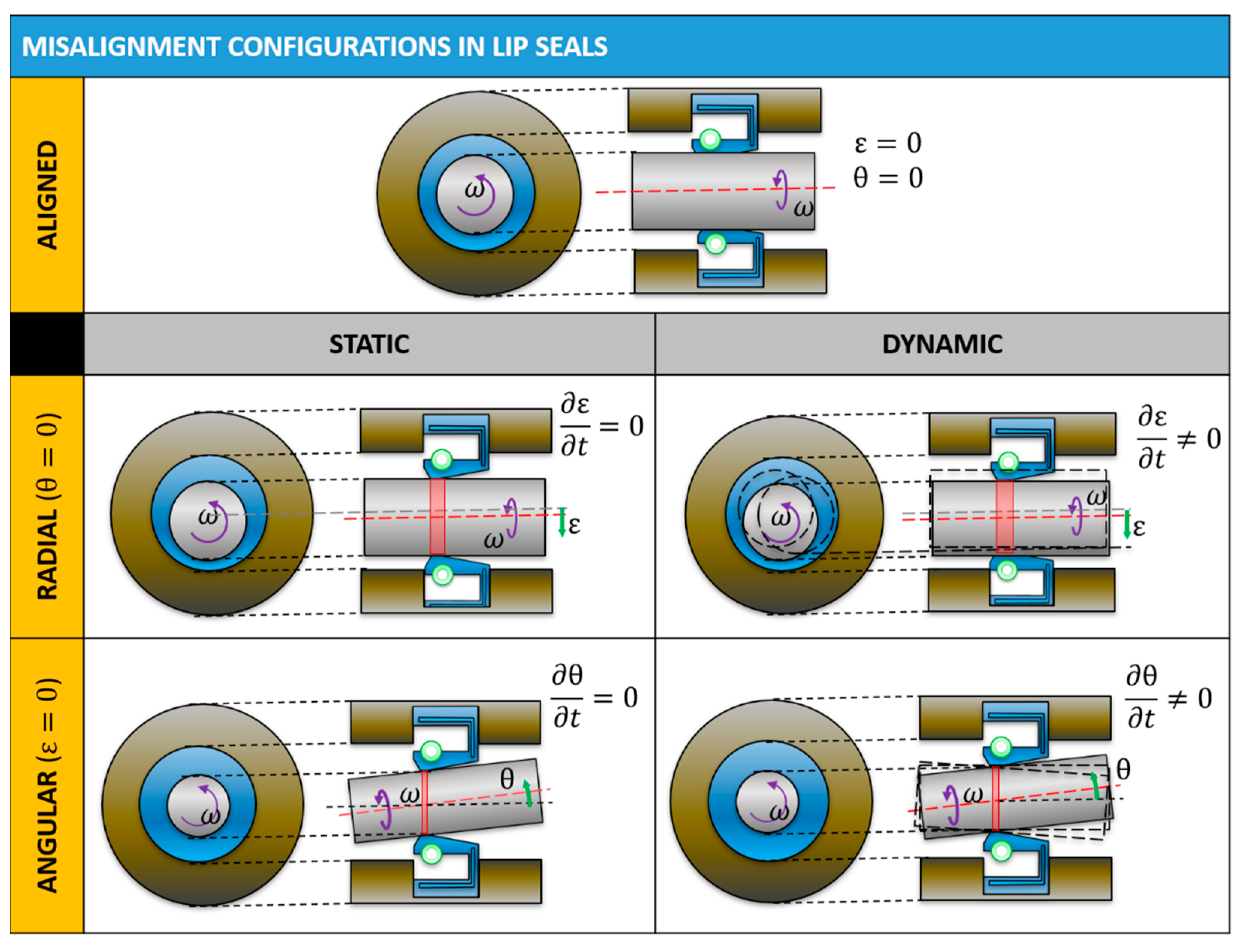
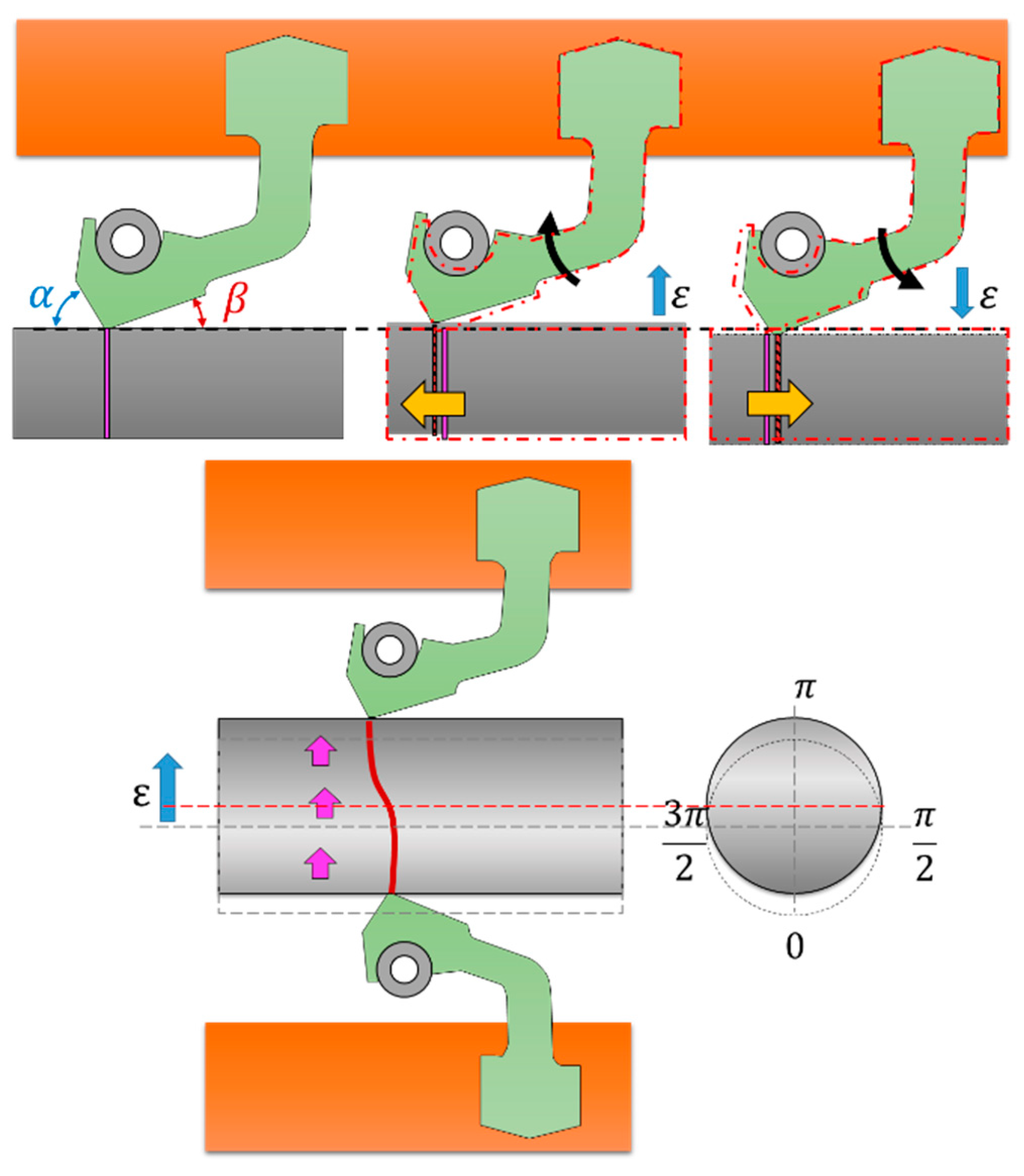
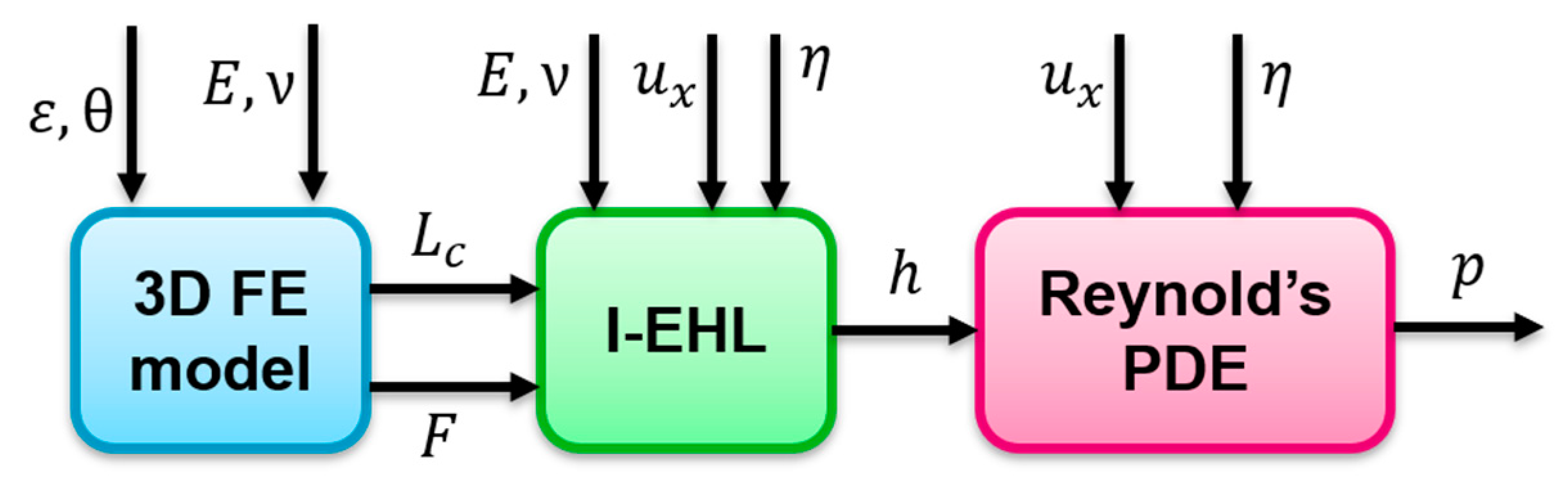
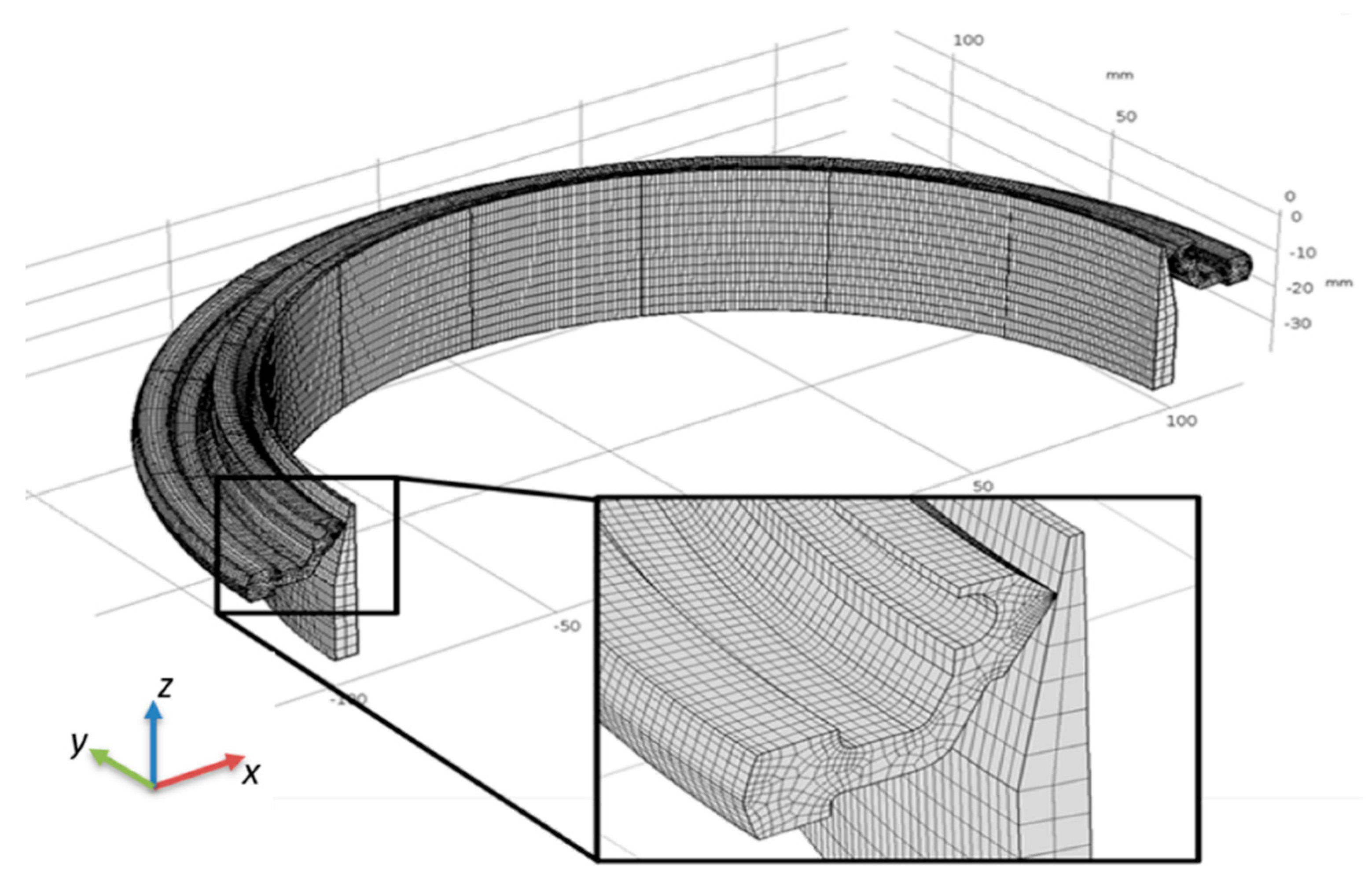
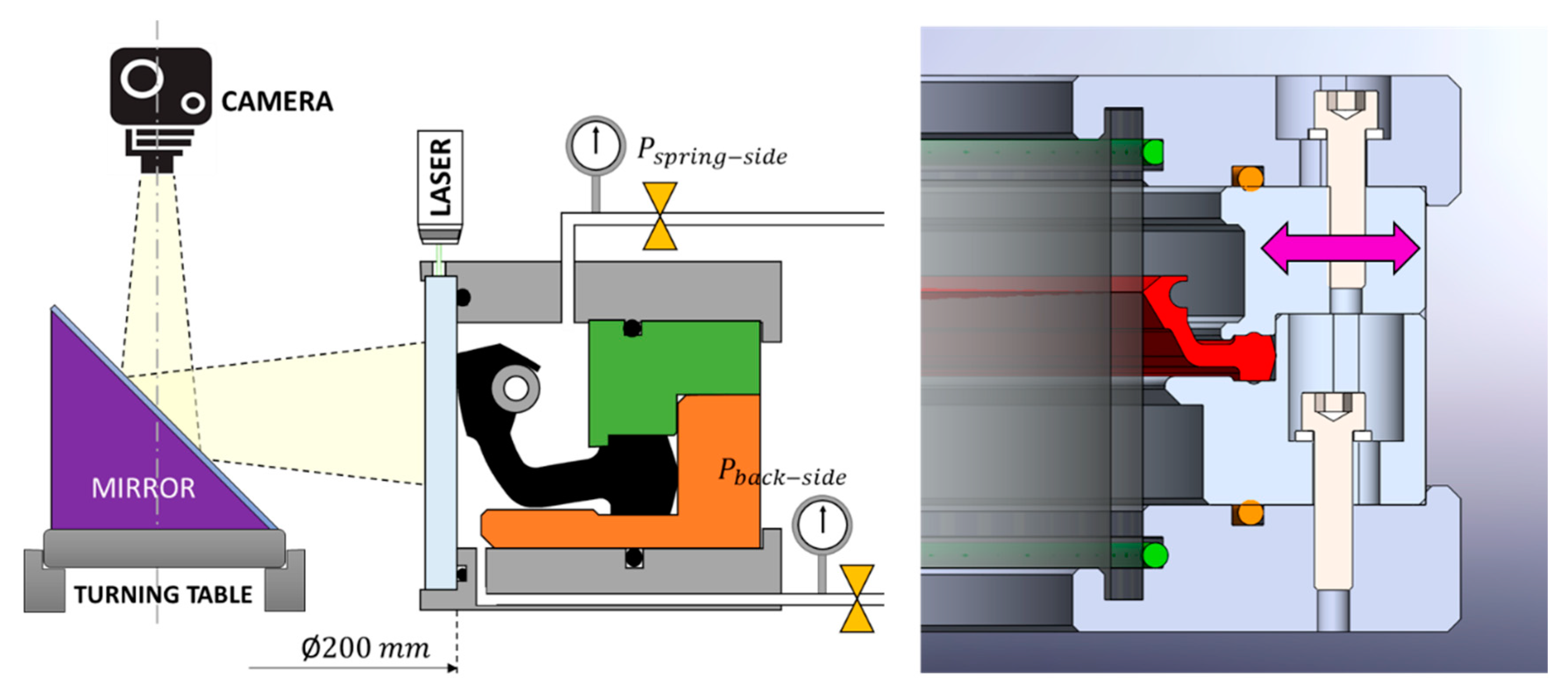
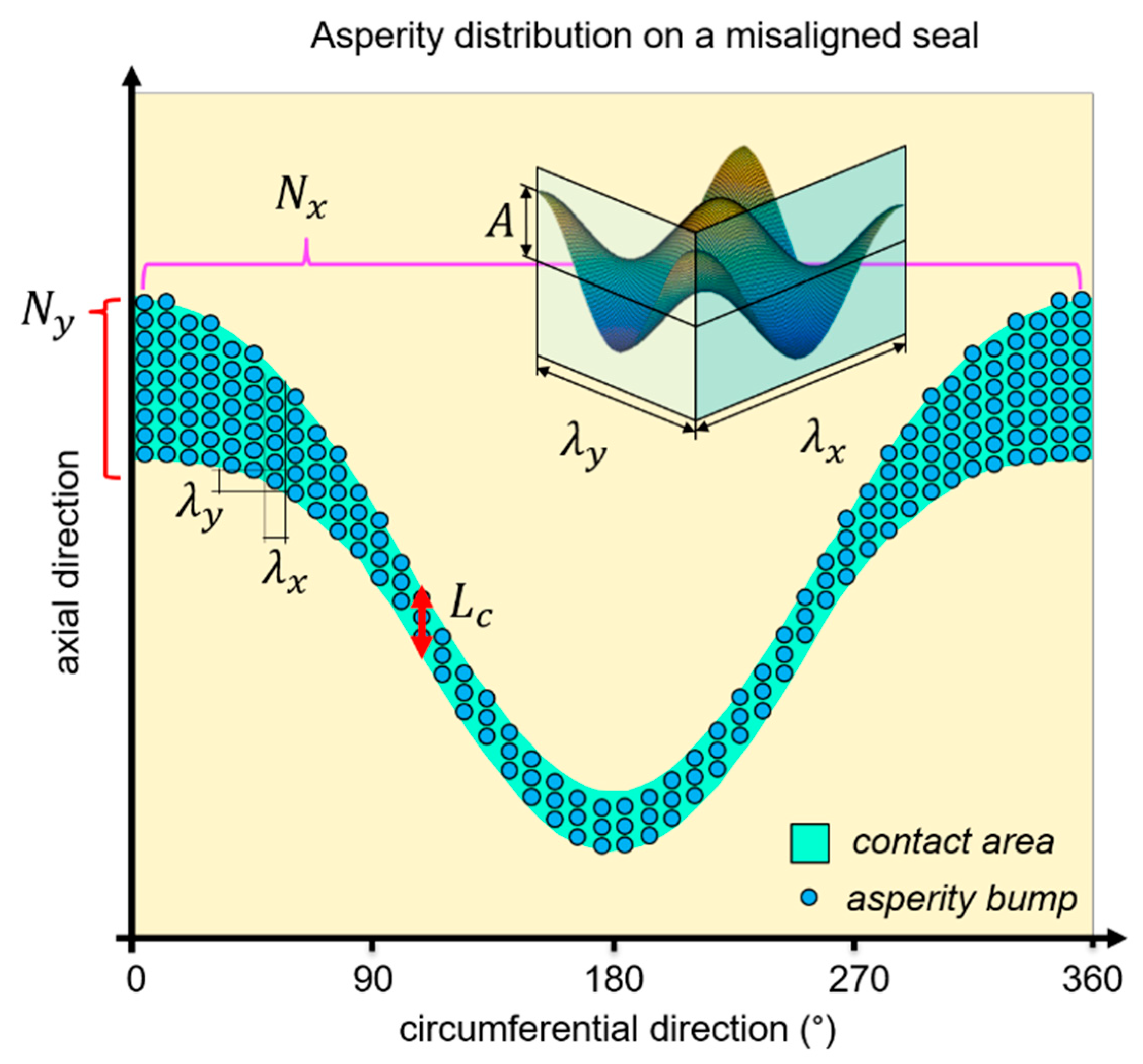
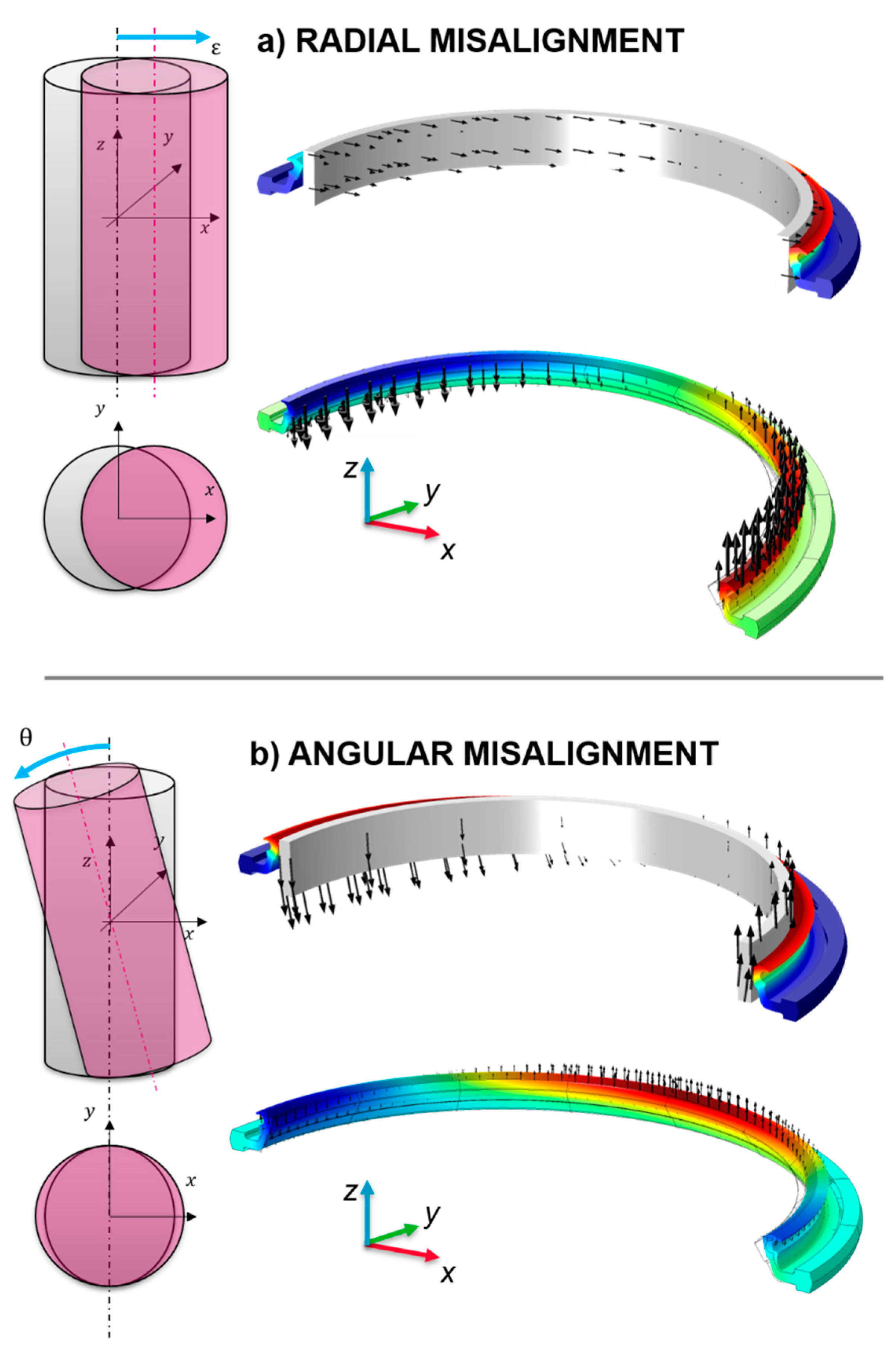
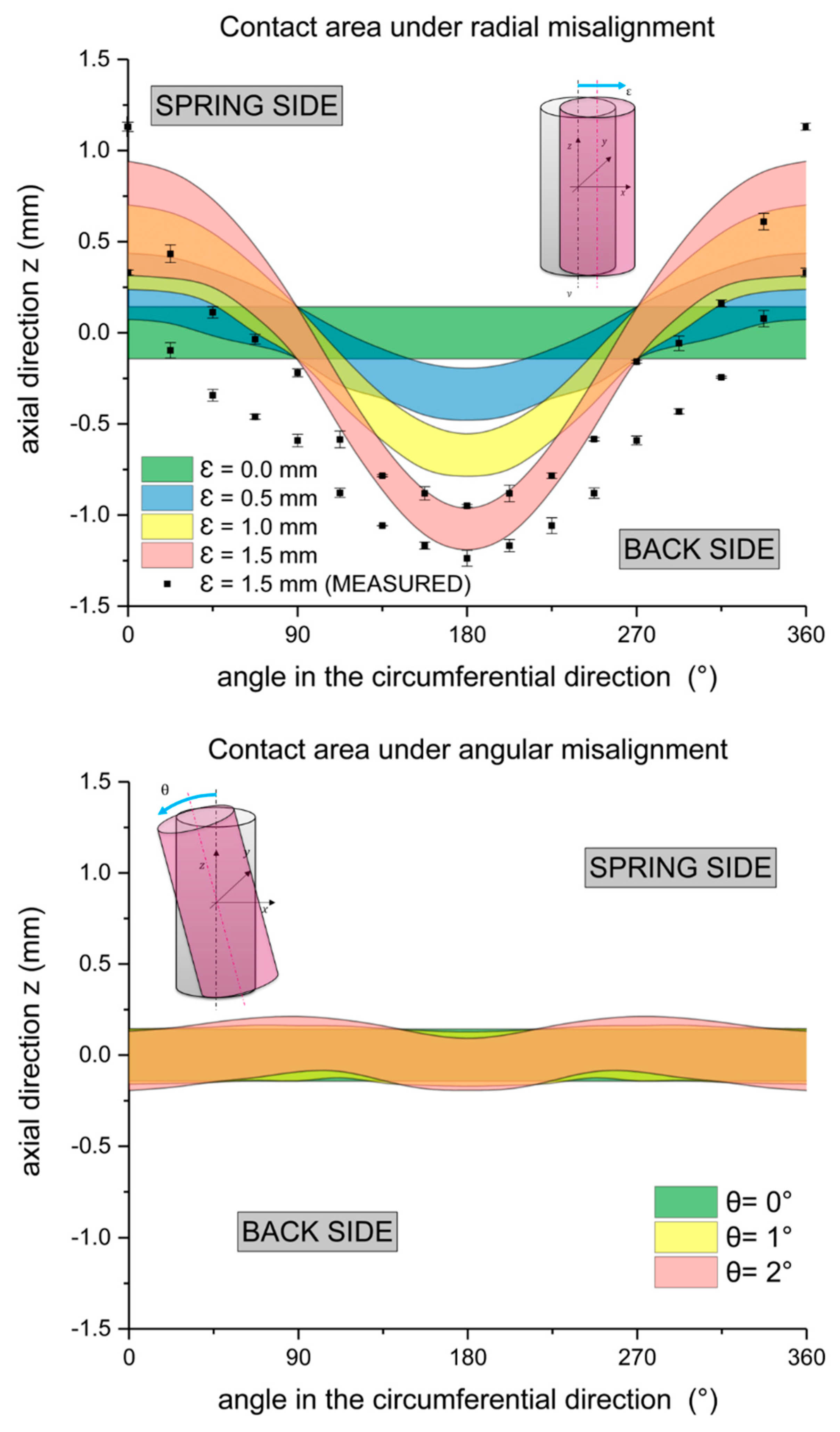
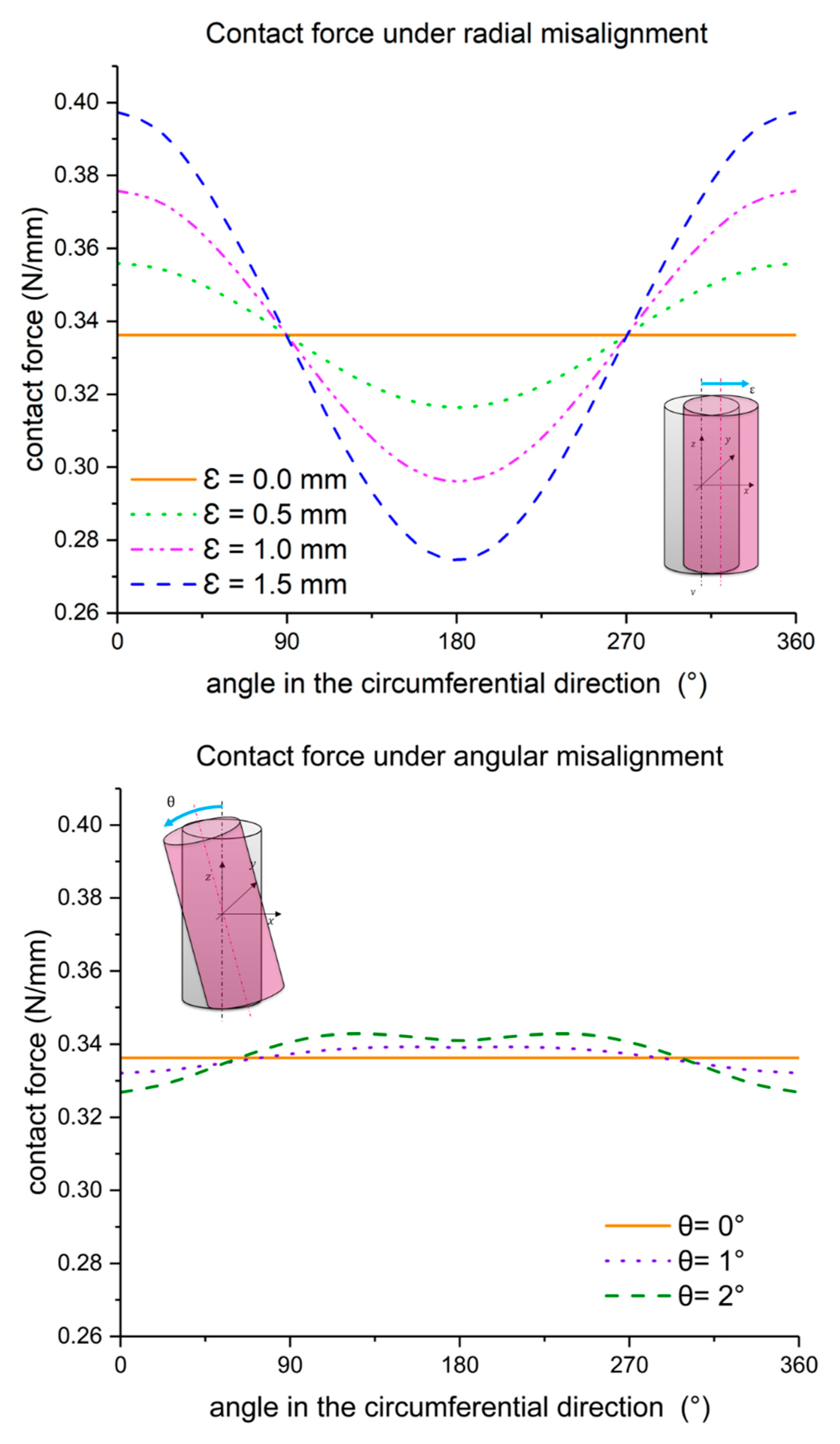
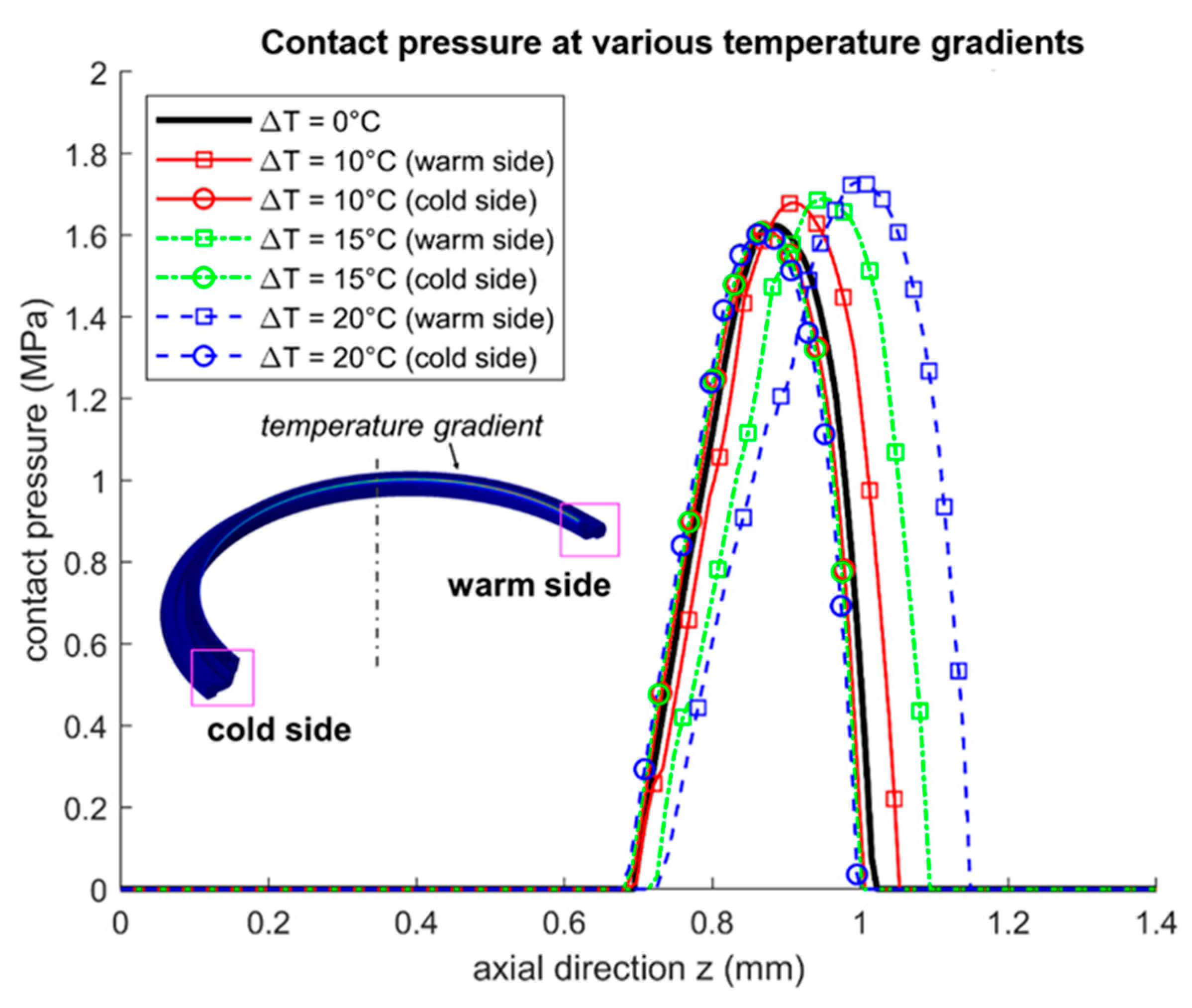
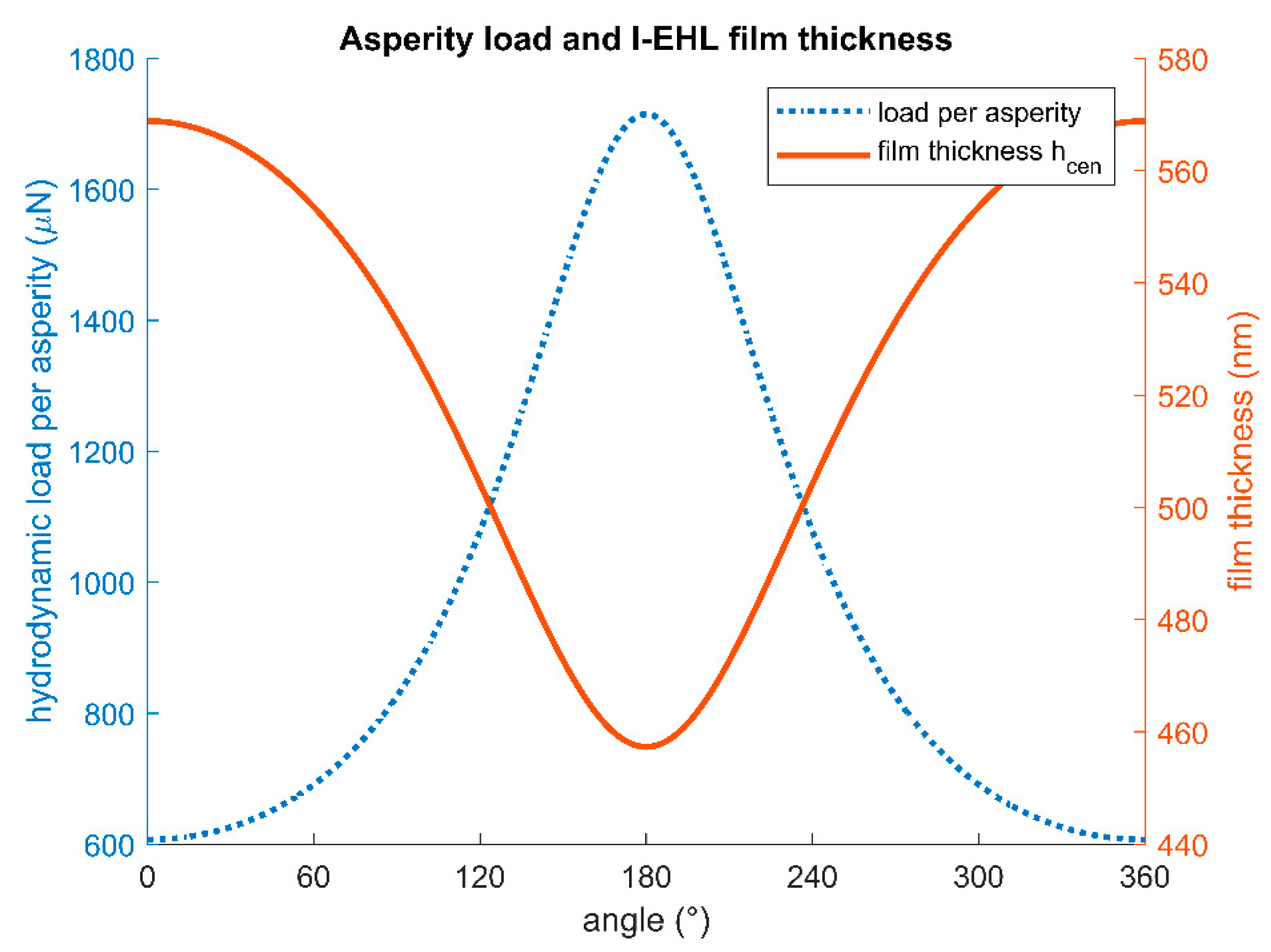
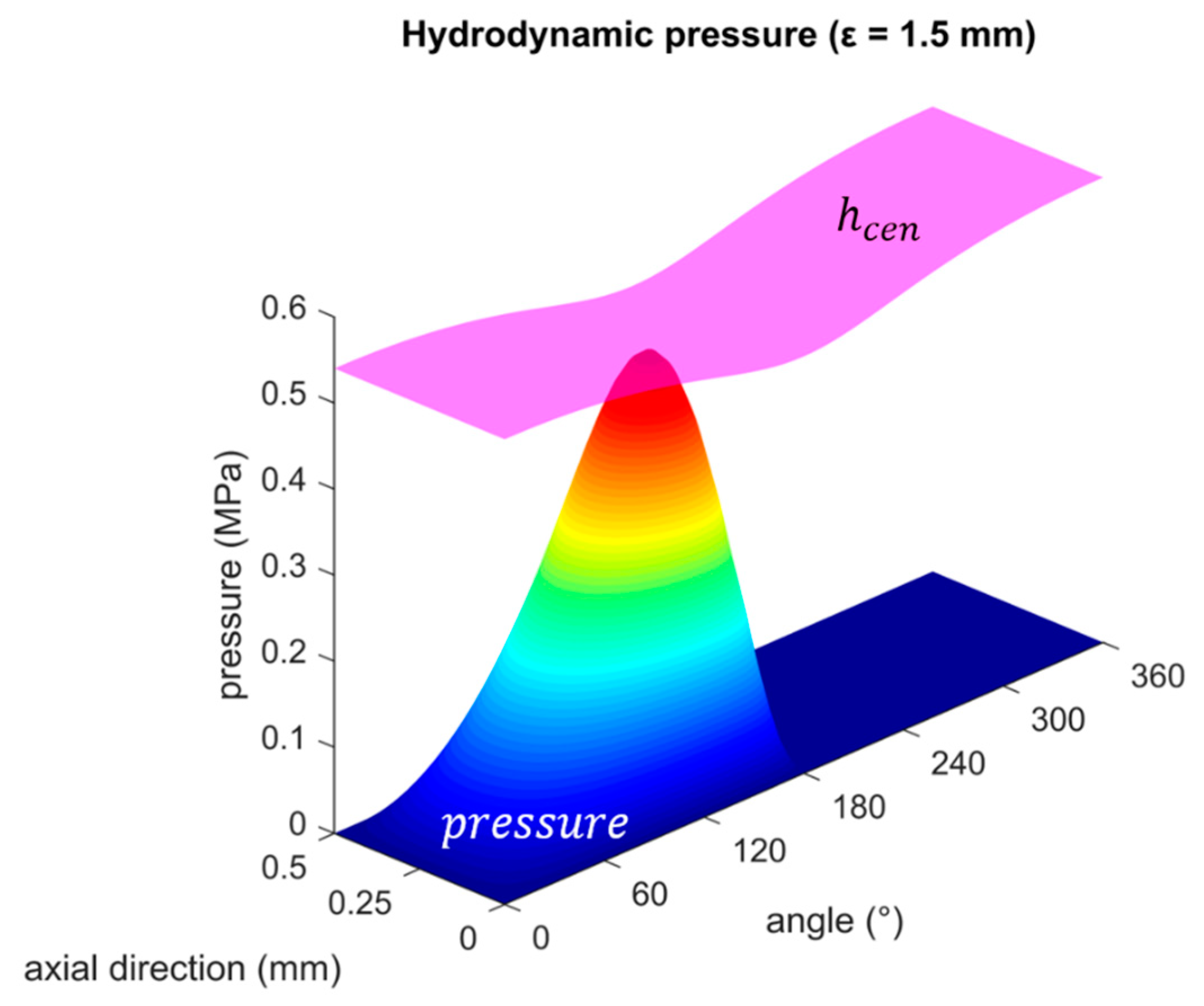
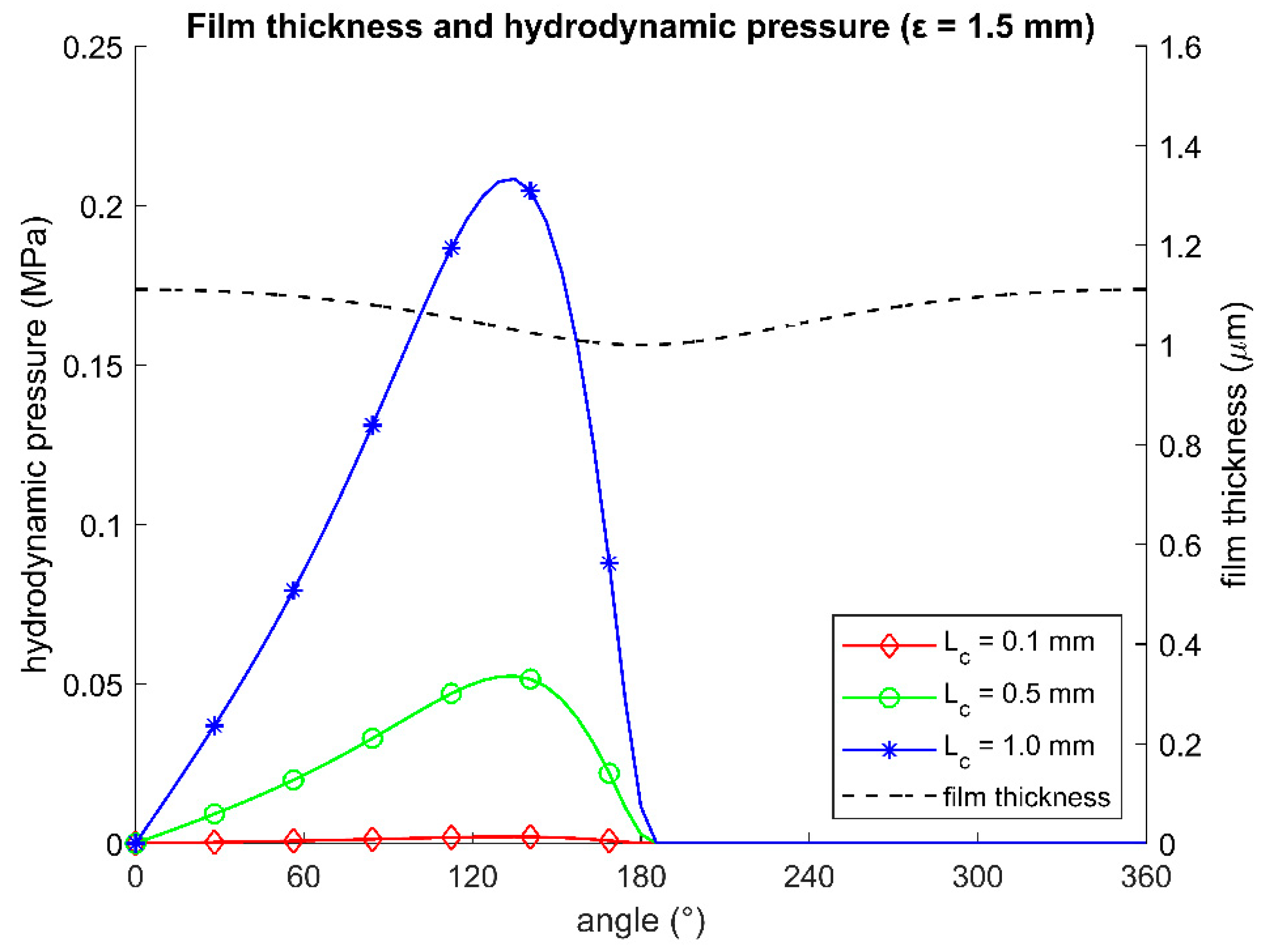
In literature the lubrication of rotary lip seals is explained by hydrodynamic action on a microscopic scale. This theory assumes perfect concentricity between the seal and the shaft which in reality seldomly occurs. Focusing on the stern tube seals application, an analysis is performed on the phenomena distorting the axisymmetric operation of rotary lip seals. Radial and angular shaft misalignments together with pressure and temperature gradients have been modelled. The model predictions are validated using a dedicated setup. Additionally, applying the soft-EHL film thickness expressions at the asperity level, an equivalent film thickness along the circumferential direction is estimated. The Reynolds PDE is solved to predict the misalignment-induced hydrodynamic pressure build-up. The film thickness variation derived and accompanying non-uniform contact pressure distribution was shown to be sufficient for hydrodynamic action and, depending on the minimum film thickness, the hydrodynamic pressure build-up can exceed the static contact pressure. Additionally, significant differences were observed between the radial and angular misalignment configurations.
Keywords: EHL; film thickness; rotary; lip seal; misalignment; stern tube; seal EHL; film thickness; rotary; lip seal; misalignment; stern tube; seal
Graphical Abstract