1. Introduction
Dry gas seals (DGSs) have been widely used in rotating machinery such as compressors and turbomachinery because of their excellent sealing performance and suitability for high-speed and high-pressure operating conditions [
1,
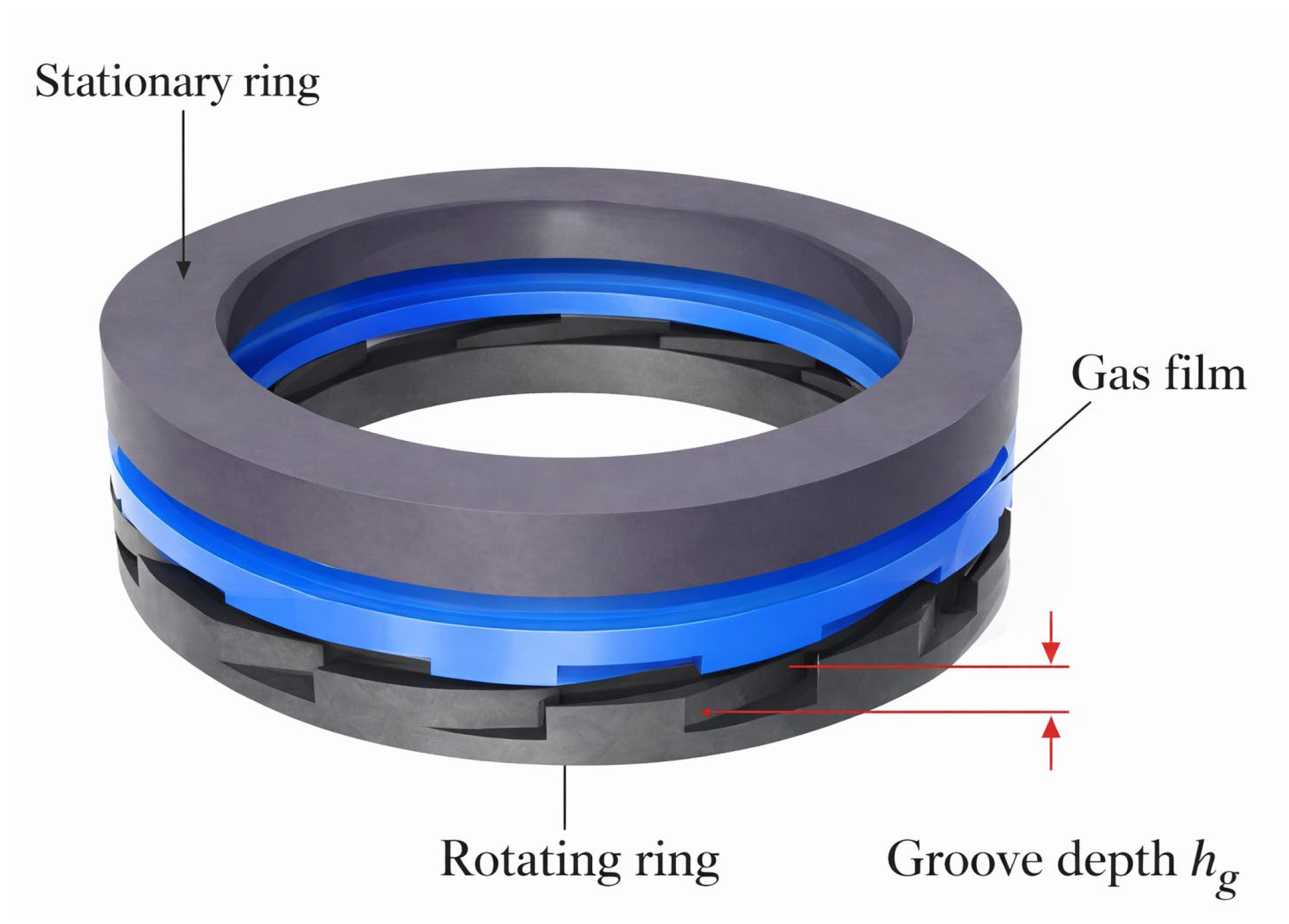
2]. The working mechanism of a dry gas seal is essentially that a high-speed gas flow between the two seal faces forms a hydrodynamic gas film with load-carrying capacity within a micron-scale gap, thereby separating the faces and enabling non-contact sealing [
3,
4]. Therefore, the geometric parameters of the seal faces, together with the operating conditions, jointly determine key performance indicators such as the load-carrying capacity of the gas film, opening force, and leakage rate [
5]. Performance prediction of spiral-groove dry gas seals not only helps reveal the influence of structural and operating parameters on sealing characteristics [
6] but also provides a basis for structural design, parameter matching, and performance optimization [
7,
8].
In engineering practice, dry gas seals usually involve design problems characterized by the coupling of multiple parameters. Therefore, how to achieve rapid and accurate performance prediction for spiral-groove dry gas seals has become an issue of considerable interest. Although the structural configuration of a spiral-groove dry gas seal is not particularly complicated, its performance prediction is far from straightforward. First, the thickness of the sealing gas film is usually on the micron scale, and the flow process exhibits pronounced microscale characteristics. Gas compressibility, rarefaction effects, and wall slip can all influence the pressure distribution and leakage behavior of the gas film [
5,
9,
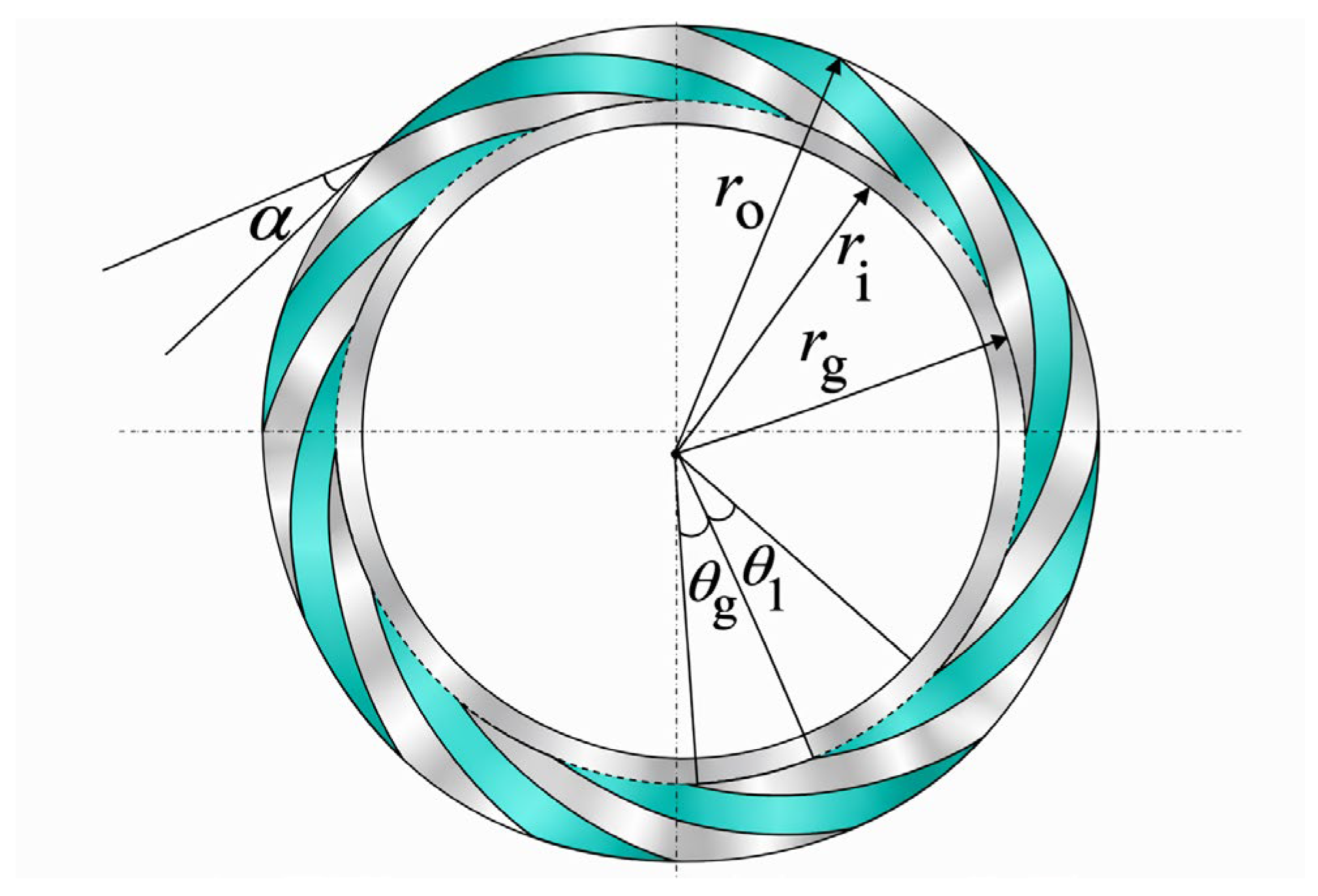
10]. Second, the gas-film flow field shows significant non-uniformity. Under different groove depths, spiral angles, groove numbers, and rotational speeds [
4,
5,
11], the variations in the pressure field and velocity field often exhibit strong nonlinear characteristics [
6,
12]. In addition, during actual operation, structural parameters and operating parameters often vary simultaneously, resulting in a complex flow-field state. Their influences on opening force and leakage rate are not simply linearly superimposed [
13,
14].
A large number of studies have been carried out on the flow mechanism, pressure distribution, load-carrying characteristics, and leakage behavior of spiral-groove dry gas seals. The main approaches include theoretical analysis, numerical simulation, and experimental investigation. These studies have provided an important foundation for understanding the gas-film flow behavior between sealing faces. For example, Sneck and McGrew [
15] conducted early theoretical research on spiral-groove face seals; Ruan [
3], as well as Miller and Green, developed relevant numerical analysis models; and Ding [
16], Shi [
17], and Chen [
14], among others, investigated the temperature field and dynamic characteristics under high-speed and high-pressure operating conditions. However, in general, traditional methods are more suitable for analyzing seal performance under a specific structural configuration or a specific operating condition. They are usually computationally expensive and have difficulty achieving rapid prediction and analysis when parameters vary over a wide range. Therefore, relying solely on traditional methods is no longer sufficient to meet the demands for performance prediction of spiral-groove dry gas seals under conditions involving multiple parameters, wide parameter ranges, and high efficiency requirements.
A review of the existing literature shows that research on spiral groove dry gas seals has evolved from classical mechanism analysis toward structural optimization and rapid performance prediction. Early studies mainly focused on the fundamental operating mechanism and structural characteristics of noncontact spiral groove face seals, clarifying the key role of spiral grooves in establishing hydrodynamic gas-film pressure and separating the sealing faces, thereby laying the theoretical foundation for subsequent research [
18]. On this basis, Salant and Homiller analyzed the stiffness and leakage characteristics of upstream-pumping spiral groove mechanical seals, demonstrating the significant influence of groove geometry on both the static and dynamic performance of the seal [
19]. Faria further proposed a finite element method suitable for the analysis of high-speed spiral groove gas face seals, which improved the efficiency of numerical analysis under complex operating conditions [
20]. These studies advanced the understanding of spiral groove dry gas seal performance from the perspectives of theoretical modeling and numerical solution. However, they were still primarily concerned with mechanism elucidation and the analysis of individual structural parameters, rather than rapid prediction over a wide multi-parameter range [
18,
19,
20].
In recent years, greater attention has been paid to face-texture design, performance trade-offs, and data-driven prediction. For example, Jiang et al. [
21] investigated the effects of different surface texture forms on opening performance, gas-film stability, and wear resistance based on a superposed groove model, and compared the steady-state and dynamic characteristics of different textured structures. Chen et al. [
22], on the basis of conventional gas-film pressure equation analysis, combined Latin hypercube sampling with a radial basis function neural network to predict the performance of spiral groove dry gas seals and optimize their structural parameters. These studies indicate that research on spiral groove dry gas seals has begun to extend from purely mechanistic analysis toward a direction integrating numerical simulation, surrogate modeling, and parameter optimization. Nevertheless, most existing studies still rely on a single modeling route and usually establish predictive models based on a single data source, with insufficient exploitation of the complementary strengths between CFD data and experimental data [
21,
22]. Meanwhile, review studies in the fields of multi-fidelity modeling and engineering surrogate modeling have shown that multi-source and multi-fidelity data fusion can maintain good predictive capability while reducing the demand for high-fidelity samples, especially for engineering problems characterized by high cost, strong nonlinearity, and imbalanced data [
23,
24]. However, according to the publicly available literature, there is still a lack of systematic studies that place representative data fusion methods, such as weighted fusion, transfer learning, deep neural networks, and CoKriging, within a unified framework and comprehensively compare their performance and applicability in predicting the opening force and leakage rate of spiral groove dry gas seals. The present study is intended to address this gap.
Against this background, the use of data fusion methods for performance prediction of spiral-groove dry gas seals has become a feasible approach to improve prediction efficiency and expand the scope of analysis. In recent years, methods such as machine learning and surrogate models have gradually been applied to performance prediction in fluid machinery, friction seals, and related engineering problems, showing good nonlinear fitting capability and advantages in rapid prediction. However, for spiral-groove dry gas seals, relying solely on data from a single source still has obvious limitations [
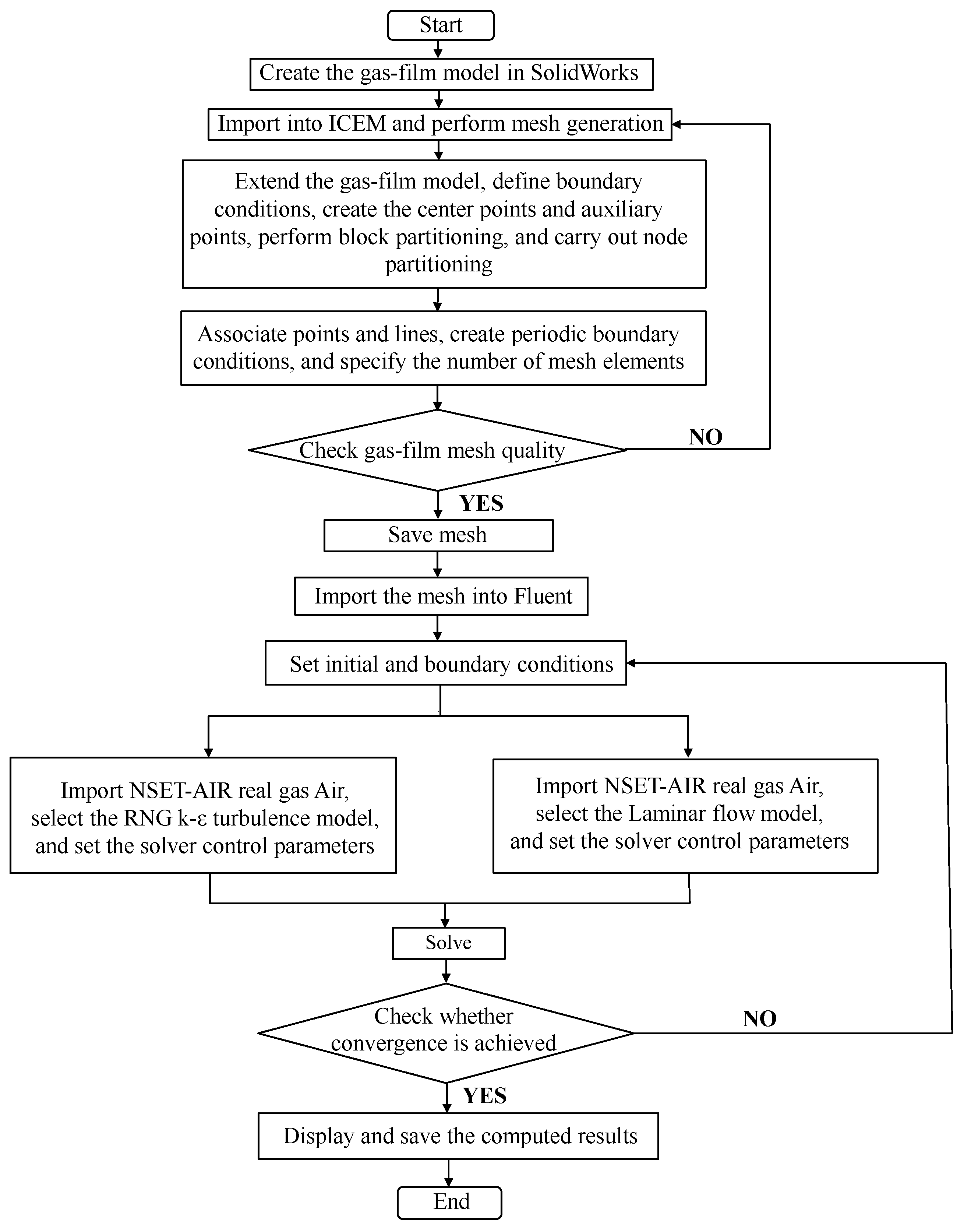
12]. On the one hand, CFD data are relatively easy to obtain and can be generated in large quantities, allowing a wide parameter range to be covered. However, the results are inevitably affected by factors such as model simplification and boundary conditions [
25]. On the other hand, experimental data are closer to actual operating conditions and therefore generally more reliable, but they are costly and time-consuming to obtain, and the number of available samples is limited, making it difficult for them to independently support large-range modeling with multiple parameters [
26]. Therefore, how to combine the advantages of these two types of data and construct a performance prediction model that accounts for both coverage and predictive reliability has become a natural and necessary issue.
Data fusion methods provide a new way to address the above issues. Their core idea is to comprehensively exploit the complementary information among data from different sources with different levels of fidelity or different sample sizes, so as to expand the range of sample utilization while improving the model’s capability for the target problem [
23,
27,
28,
29]. At present, the concept of data fusion has attracted widespread attention in areas such as multi-fidelity modeling, transfer learning, surrogate modeling, and prediction of complex engineering systems, and has shown promising application potential in several related fields [
23,
28,
29,
30,
31]. For the performance prediction of spiral-groove dry gas seals, the introduction of data fusion methods offers two main advantages. First, it enables full use of large-sample CFD data, thereby enhancing the model’s ability to learn the overall patterns of parameter variation. Second, experimental data can be used to calibrate the model, making the prediction results closer to actual sealing operating conditions. Therefore, compared with modeling based on a single data source, multi-source data fusion methods are more promising for achieving efficient and accurate performance prediction of spiral-groove dry gas seals.
However, data fusion can be implemented in various ways, and different methods show clear differences in modeling mechanisms, modes of information utilization, and applicable conditions. According to existing studies, relevant methods can generally be classified into several categories, including weighted fusion, transfer learning, deep learning, and multi-fidelity statistical modeling. Weighted fusion methods achieve the direct integration of multi-source information by assigning different weights to different data sources, and their formulation is relatively simple [
32]. Transfer learning methods emphasize the transfer and utilization of features across different data domains and are suitable for scenarios in which sample distributions differ [
32,
33]. Deep learning methods are capable of handling complex input–output relationships because of their strong nonlinear mapping capability. Multi-fidelity statistical modeling methods focus on exploring the correlations among data with different levels of fidelity [
23,
34]. Although these methods each have distinct characteristics in principle, publicly available studies that systematically apply these representative data fusion methods to the performance prediction of spiral-groove dry gas seals are still limited. Therefore, it is necessary to select representative methods and conduct a unified analysis of their applicability to this problem.
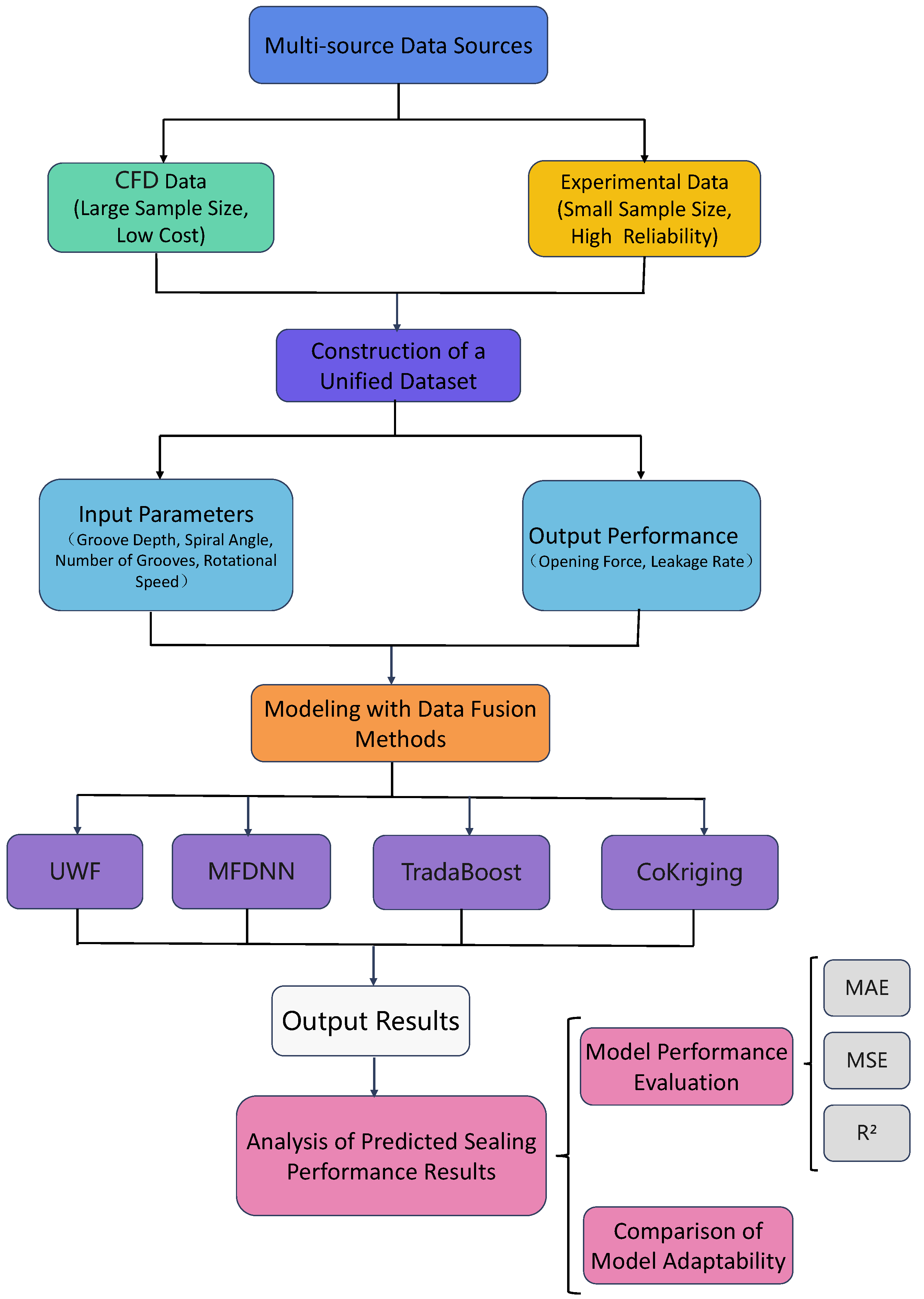
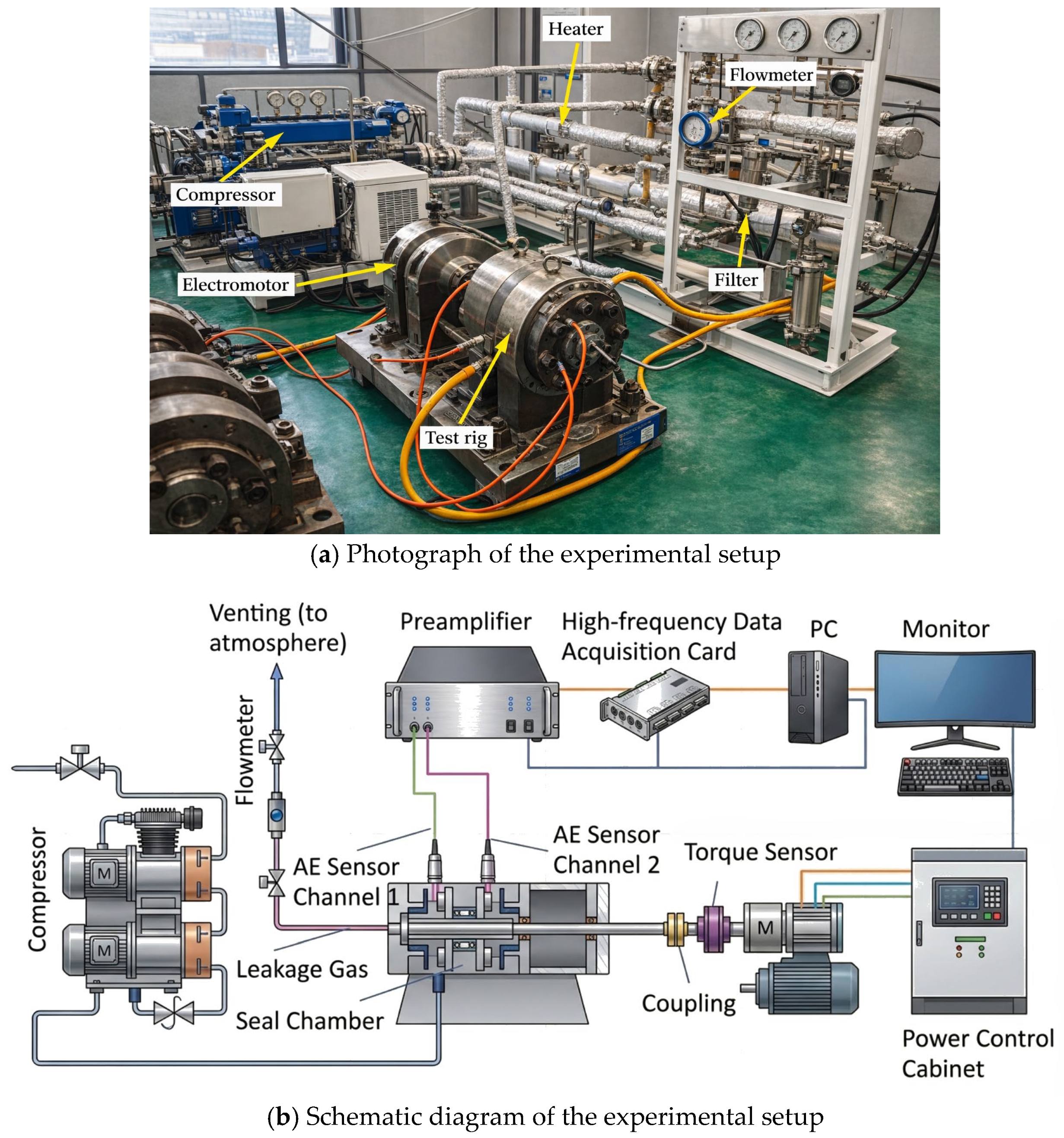
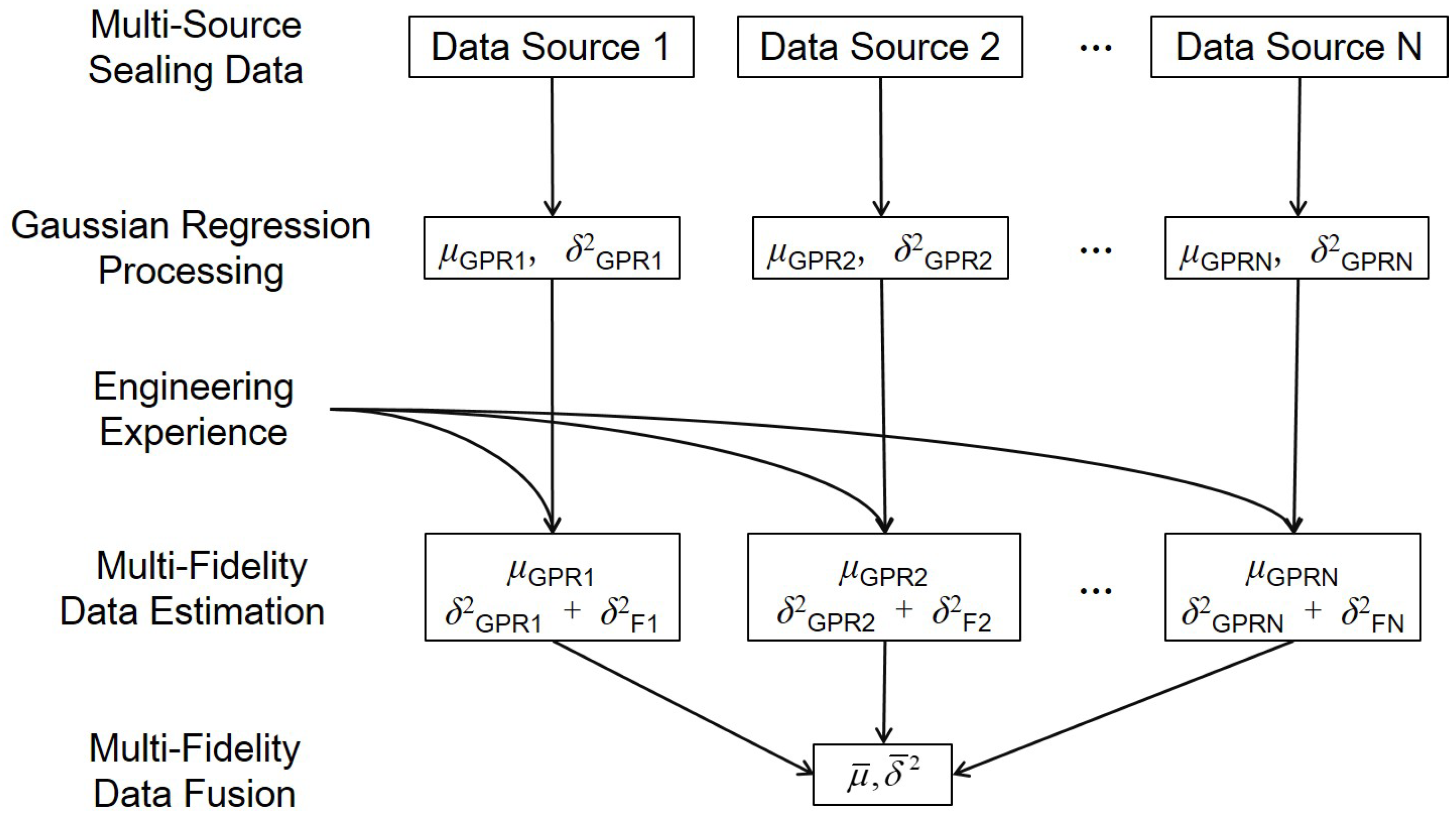
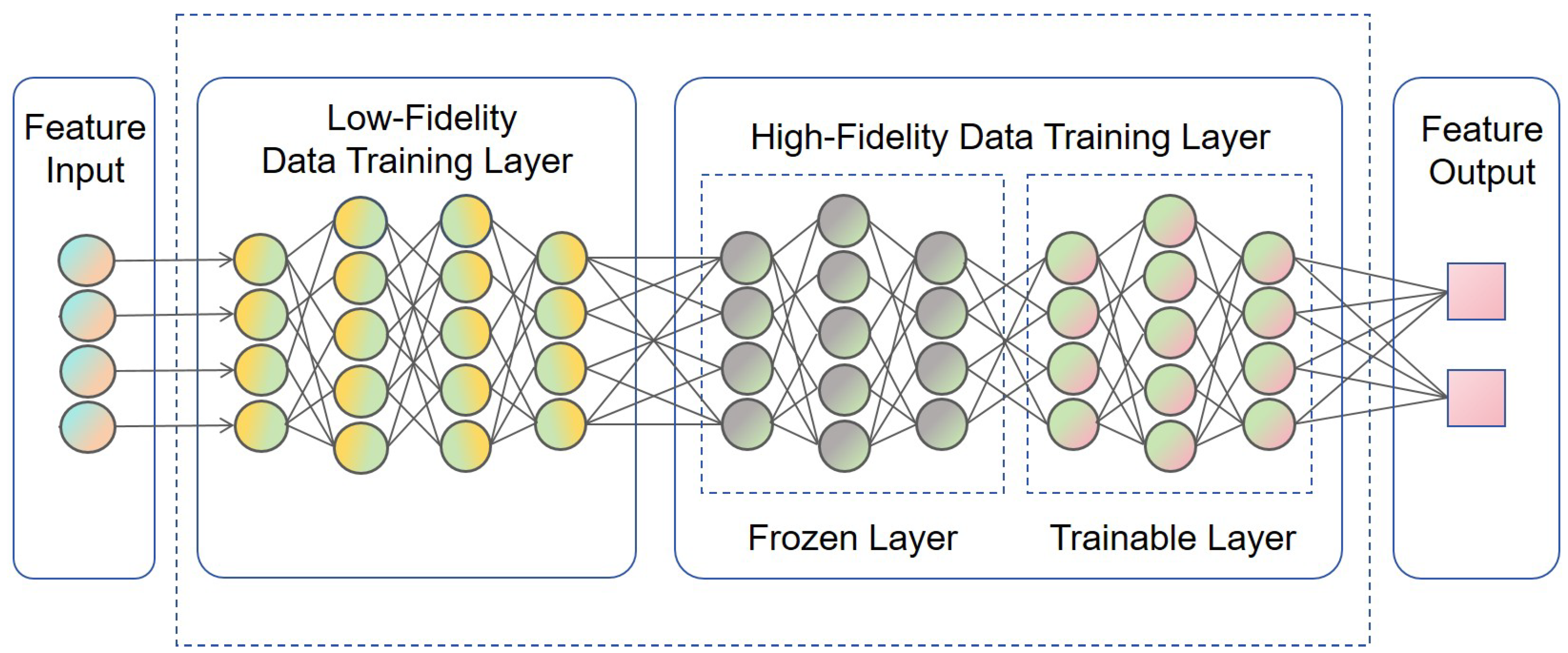
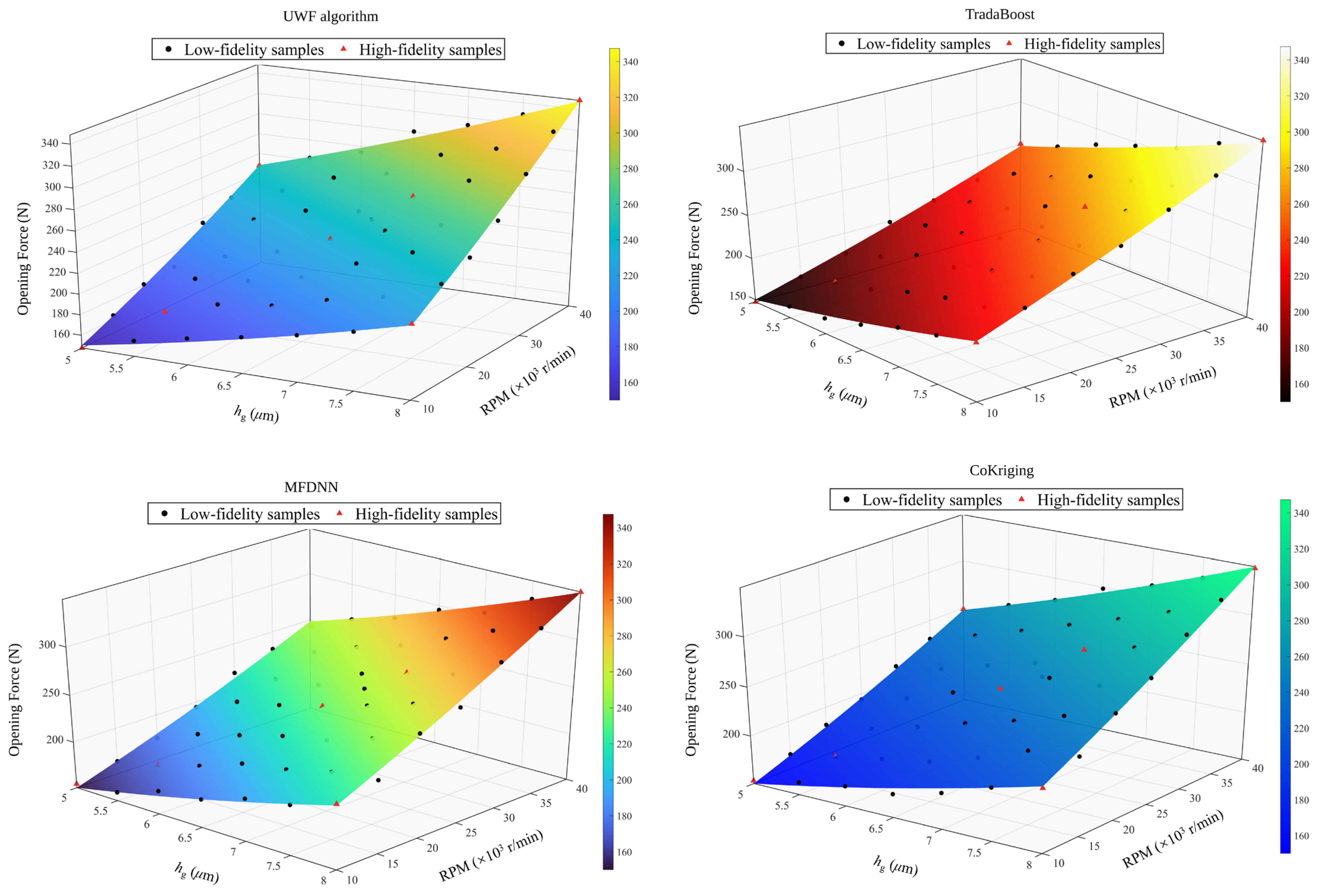
Based on the above considerations, this study selects four representative data fusion methods: an uncertainty-weighted fusion algorithm, TrAdaBoost, MFDNN, and CoKriging. The uncertainty-weighted fusion algorithm directly defines weighting coefficients according to the uncertainty of different data sources, which facilitates direct investigation of how the confidence levels of data from different sources affect the prediction results. As a typical transfer learning method, TrAdaBoost can iteratively adjust sample weights and strengthen the influence of samples that are beneficial to the target task, making it representative in multi-source data fusion modeling. MFDNN relies on the strong nonlinear representation capability of deep neural networks and is suitable for handling complex mappings between parameter inputs and outputs. CoKriging can achieve collaborative prediction by exploiting the correlations among data with different levels of fidelity and is highly representative in engineering prediction problems. These four methods correspond to different data fusion strategies. They are both representative and clearly comparable, and are therefore well-suited as the subjects of the comparative study in this paper. The technical roadmap of this study is shown in
Figure 1.
Overall, this study focuses on the prediction of opening force and leakage rate for spiral-groove dry gas seals. By integrating CFD data and experimental data, four representative data fusion models, namely an uncertainty-weighted fusion algorithm, TrAdaBoost, MFDNN, and CoKriging, are established. On this basis, the relationships between structural parameters and sealing performance are systematically investigated, and the predictive performance and applicability of the four methods are compared using a unified dataset. The results provide a clearer understanding of the characteristics and differences in different data fusion methods in spiral-groove dry gas seal performance prediction and identify their respective applicable scenarios. This work is expected to provide support for the transition of dry gas seal research from single-model-based analysis to efficient and intelligent prediction based on multi-source information fusion. The main contributions of this study are as follows:
A multi-source dataset for spiral groove dry gas seals was constructed by integrating numerical simulation data with experimental data.
Within a unified framework, four representative multi-source data fusion methods, namely UWF, TrAdaBoost, MFDNN, and CoKriging, were implemented and compared.
For two key performance indicators, namely opening force and leakage rate, the predictive capability of different fusion methods under different parameter combinations was systematically evaluated.
Considering the nonlinear characteristics of different prediction tasks, the applicability and relative advantages of the different fusion methods were analyzed.
5. Conclusions
To address the performance prediction problem of spiral-groove dry gas seals, this study constructed a multi-source data system composed of numerical simulation data and experimental data. Within a research framework based on a unified sample set and unified evaluation metrics, four representative data fusion methods, namely the uncertainty-weighted fusion method, TrAdaBoost, MFDNN, and CoKriging, were systematically compared. The results show that:
1. Multi-source data fusion methods can effectively combine the respective advantages of low-cost, large-sample simulation data and high-reliability, small-sample experimental data, thereby improving the prediction accuracy of opening force and leakage rate. This indicates that the application of multi-source data fusion methods to dry gas seal research is both feasible and effective. Compared with traditional modeling approaches that rely on a single data source, multi-source data fusion methods exhibit clear advantages in terms of sample utilization efficiency and prediction accuracy.
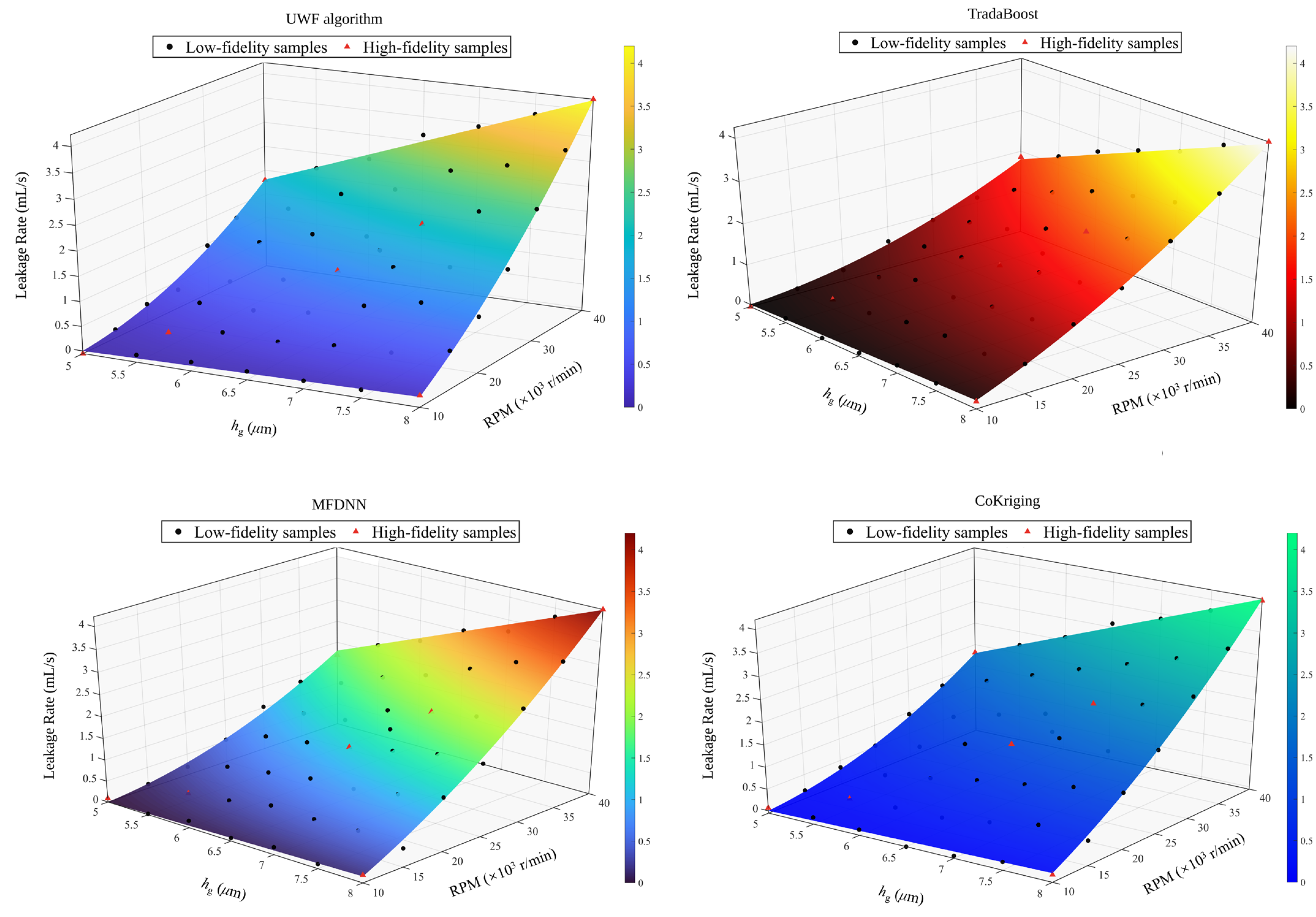
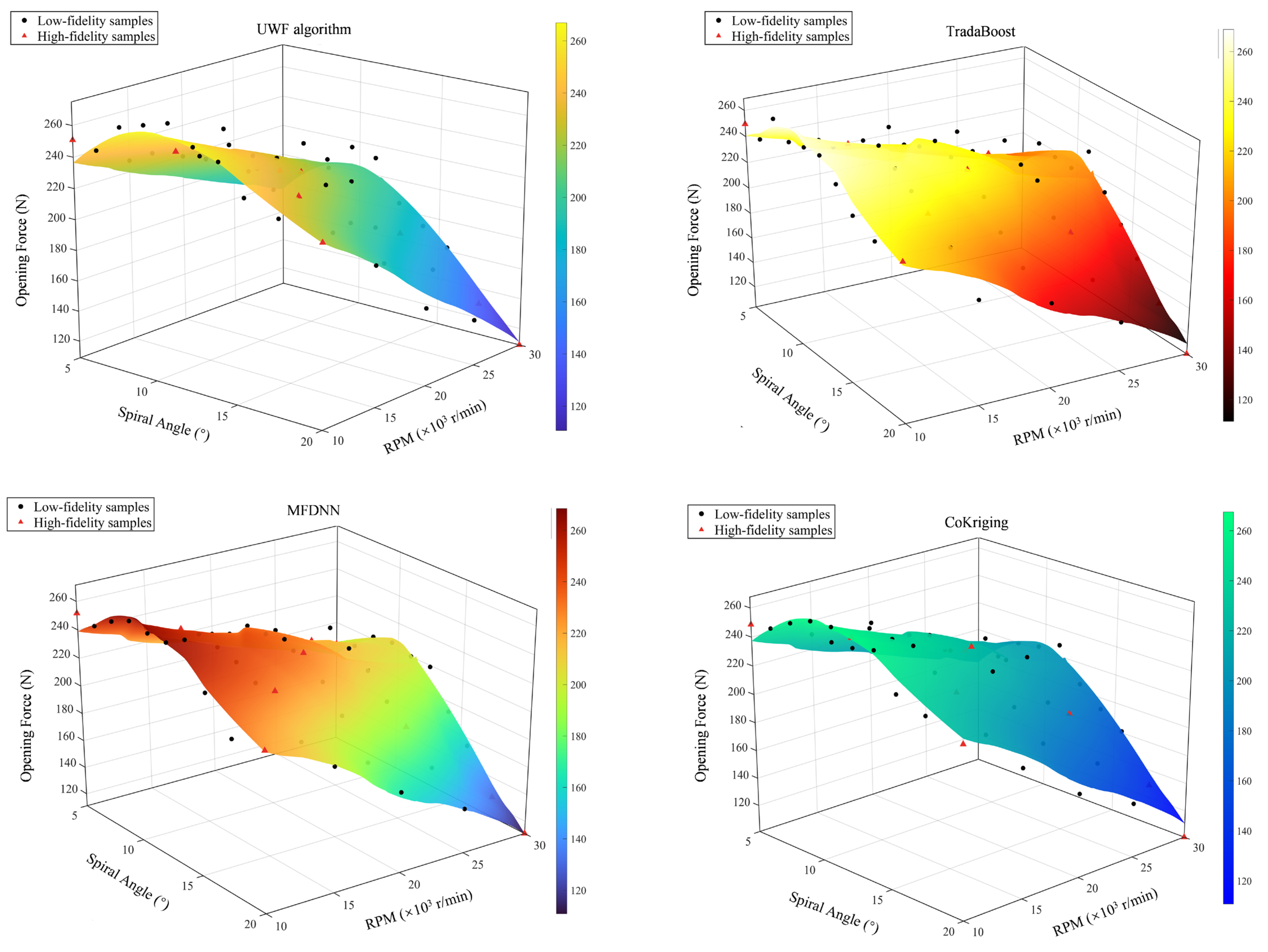
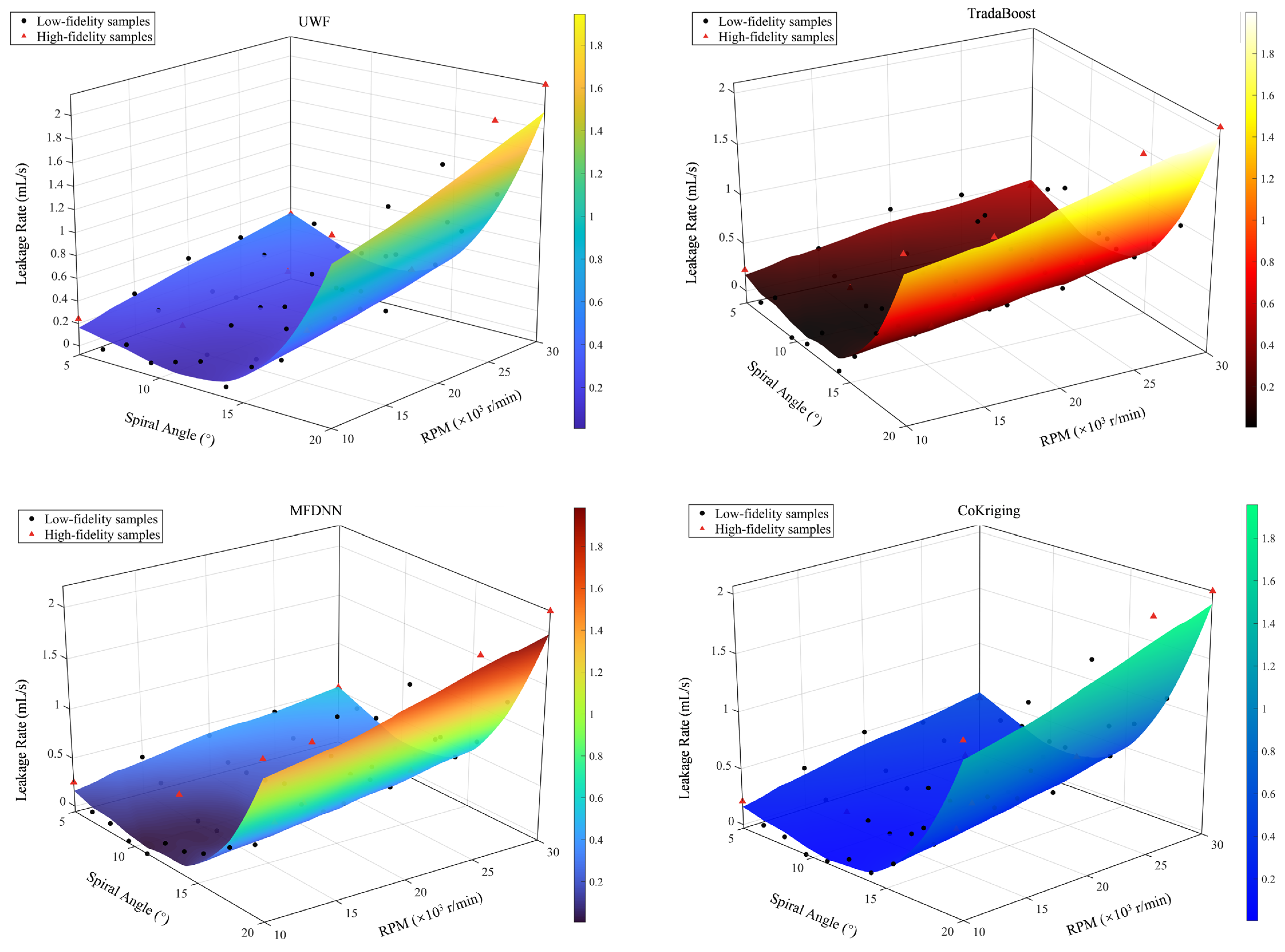
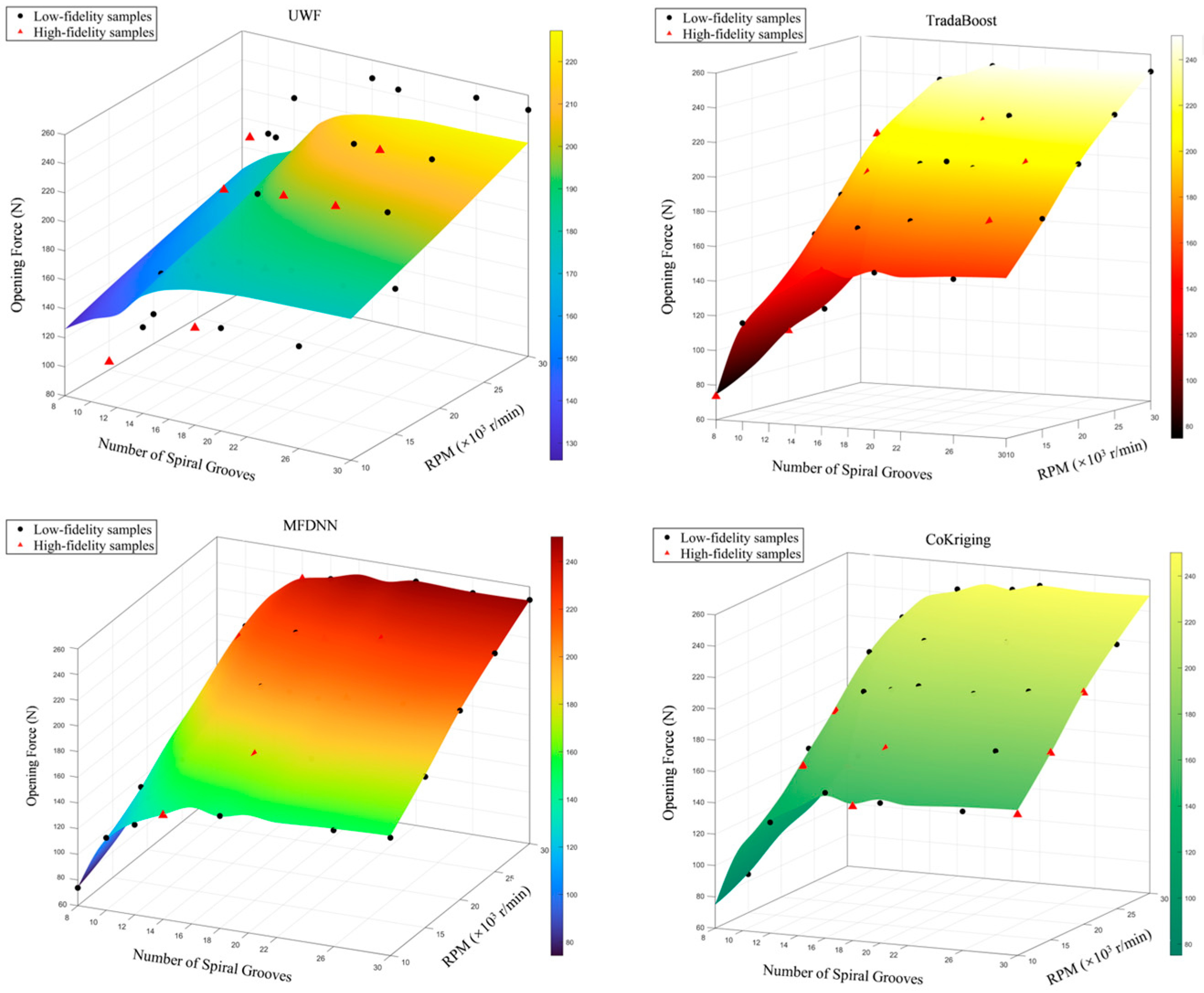
2. In terms of the influence of structural parameters and operating conditions on sealing performance, groove depth, spiral angle, and groove number all significantly affect opening force and leakage rate, but their modes of action are not the same. For groove-depth-related problems, both opening force and leakage rate increase with increasing groove depth and rotational speed, and the overall influence of rotational speed is greater than that of groove depth. For spiral-angle-related problems, the opening force first increases and then decreases with increasing spiral angle, and the optimal region is approximately located near 10°. In contrast, the leakage rate first decreases and then increases with increasing spiral angle, indicating that there is a relatively distinct suitable range for spiral angle. For groove-number-related problems, the opening force increases rapidly when the groove number is small, but after reaching a certain value, the gain becomes significantly weaker with further increases in groove number. The leakage rate, by contrast, first increases, then decreases, and gradually tends to stabilize. In structural parameter design, the spiral angle should preferably be controlled within the range of 10–14°, and the groove number should preferably be controlled within the range of 12–16, so as to balance opening force and leakage rate. Blindly increasing the groove number or deviating from a reasonable spiral-angle range not only fails to further improve sealing performance but may also increase manufacturing cost or lead to deterioration of overall performance. Overall, the influences of different structural parameters on sealing performance show marked differences. Among them, the effects of spiral angle and groove number on sealing performance exhibit more pronounced nonlinear characteristics, whereas the influence of groove depth on sealing performance is relatively more direct.
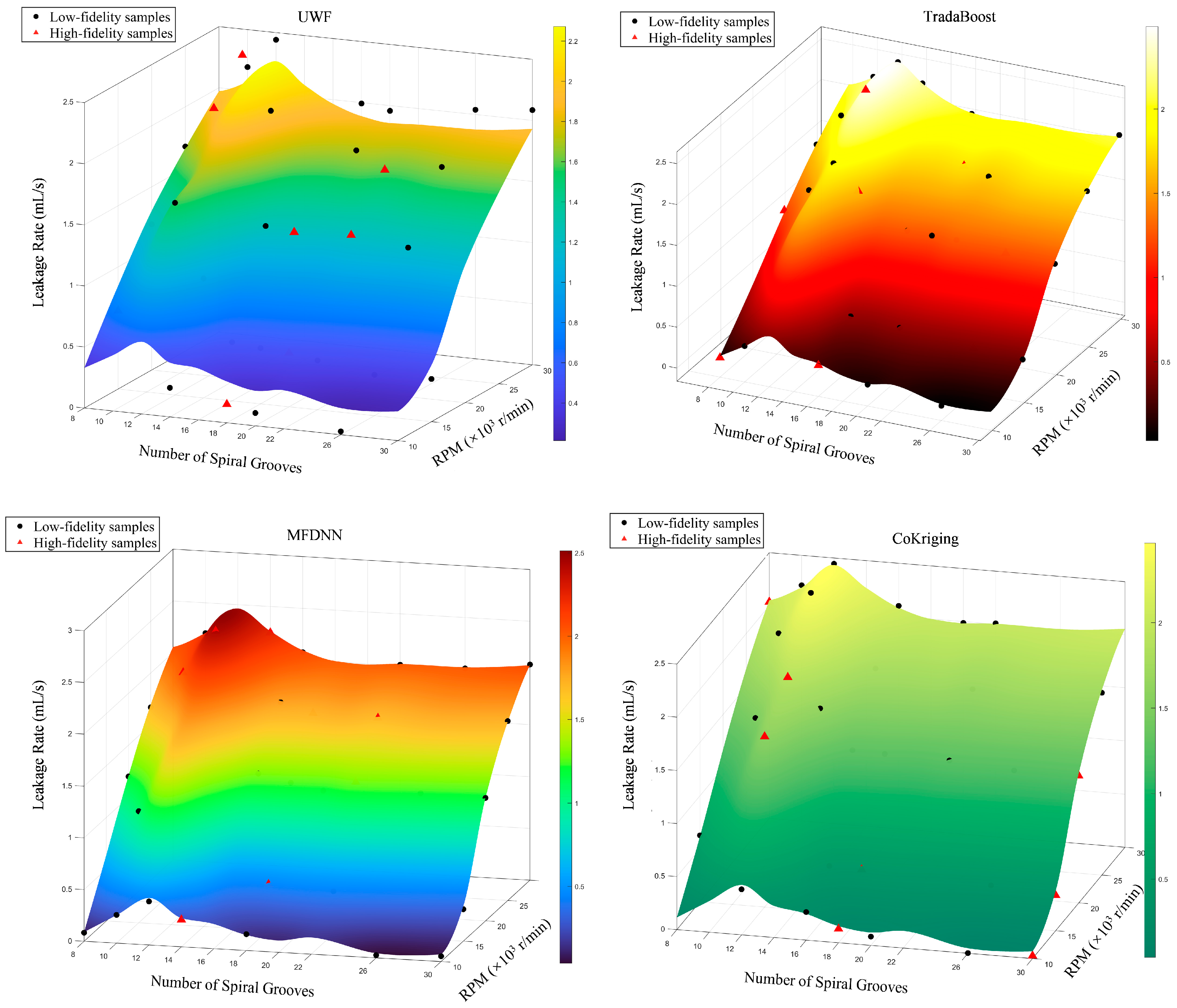
3. From the comparative results of the four data fusion methods, it can be seen that different methods show clear differences in adaptability to different problems. For the groove-depth–rotational-speed problem, all four methods yield good results. The R2 values for opening-force prediction are all greater than 0.95, and those for leakage-rate prediction also remain around 0.95, with only small differences among the models. This indicates that the variation pattern of this problem is relatively clear and that the modeling difficulty is relatively low. By contrast, for the spiral-angle and groove-number problems, the differences among the methods become much more pronounced. Among them, TrAdaBoost performs best overall, MFDNN is only slightly inferior to TrAdaBoost, CoKriging ranks third, and UWF performs the worst. Considering the overall results of this study, it can be concluded that, for dry gas seal problems with more pronounced complex nonlinear characteristics, methods with stronger feature learning and transfer capability are more likely to achieve higher prediction accuracy. In contrast, for problems in which the variation patterns are relatively stable and the degree of nonlinearity is weaker, methods with simpler structures can also obtain good results.
4. From an engineering application perspective, the selection of a data fusion method should not be discussed in isolation from the specific problem but should instead be made through a comprehensive consideration of the parameter variation patterns, sample size, target accuracy, and model deployment cost. The present study demonstrates that data fusion methods have clear engineering value for dry gas seal performance prediction. When high-fidelity samples are limited, these methods can effectively incorporate the trend information contained in low-fidelity data to achieve relatively accurate predictions of opening force and leakage rate, thereby providing effective support for the rapid selection of dry gas seal structural parameters. In addition, for key parameters such as groove depth, groove number, and rotational speed, data fusion models can efficiently reveal performance variation patterns and parameter sensitivity characteristics, offering useful guidance for scheme screening, parameter matching, and the determination of reasonable parameter ranges during the preliminary design stage. Specifically, when the study mainly involves groove depth and the performance variation is relatively smooth, the uncertainty-weighted fusion method may be preferred because of its simple implementation and low computational cost. In contrast, when the problem involves parameters with stronger nonlinear effects, such as spiral angle or groove number, methods with stronger learning capability, such as TrAdaBoost or MFDNN, should be given priority. Compared with approaches that rely solely on extensive experiments or high-precision numerical simulations, data fusion methods can reduce design cost, decrease repetitive analysis effort, and improve the efficiency of dry gas seal structural optimization and preliminary engineering design.