Article

The Surface Assessment and the Properties of Selected Multilayer Coatings


1
Faculty of Mechanical Engineering, Koszalin University of Technology, 75-453 Koszalin, Poland
2
Centre for Biological Treatment, Independent Public Clinical Hospital No. 1, Pomeranian Medical University in Szczecin, 71-252 Szczecin, Poland
*
Author to whom correspondence should be addressed.
Lubricants 2023, 11(9), 371; https://doi.org/10.3390/lubricants11090371

Submission received: 8 August 2023 / Revised: 28 August 2023 / Accepted: 1 September 2023 / Published: 3 September 2023
(This article belongs to the Special Issue Friction and Wear of Cutting Tools and Cutting Tool Materials)

Abstract

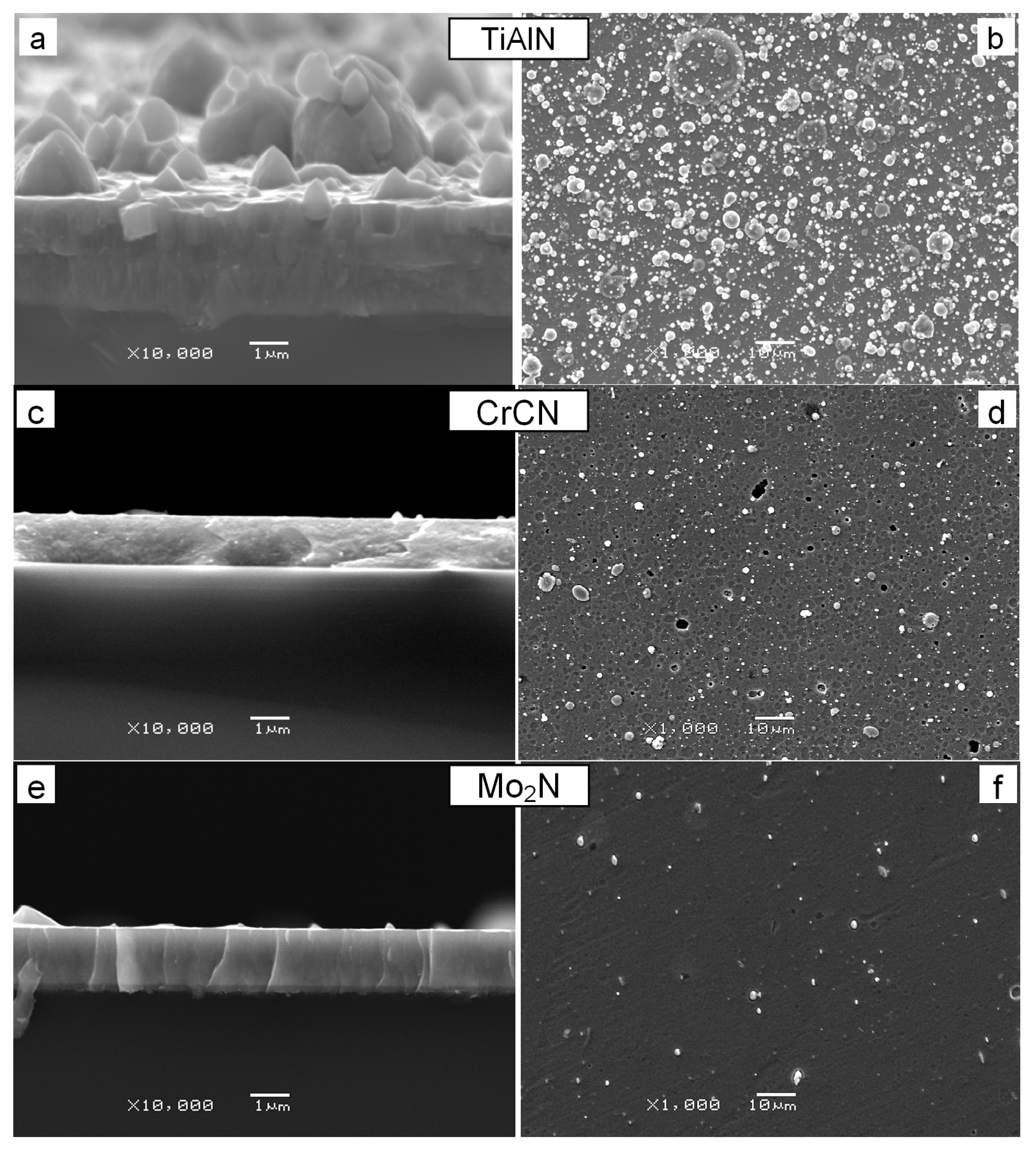
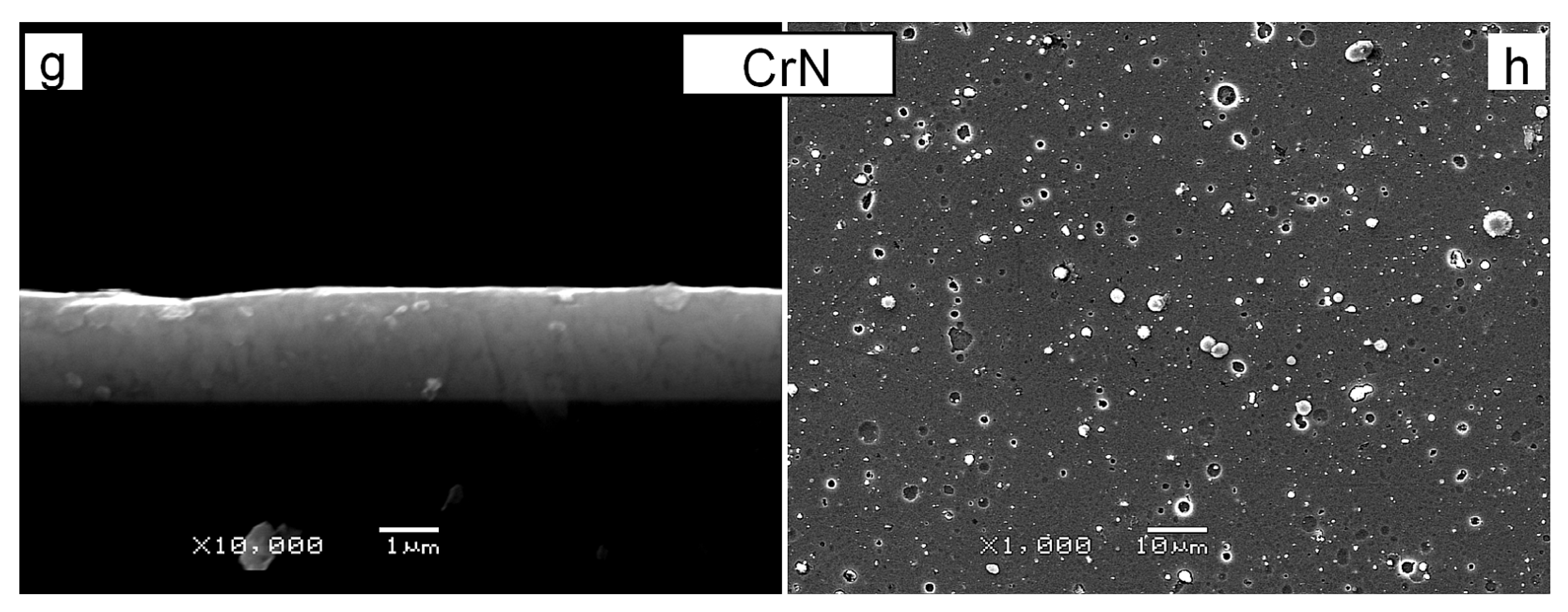
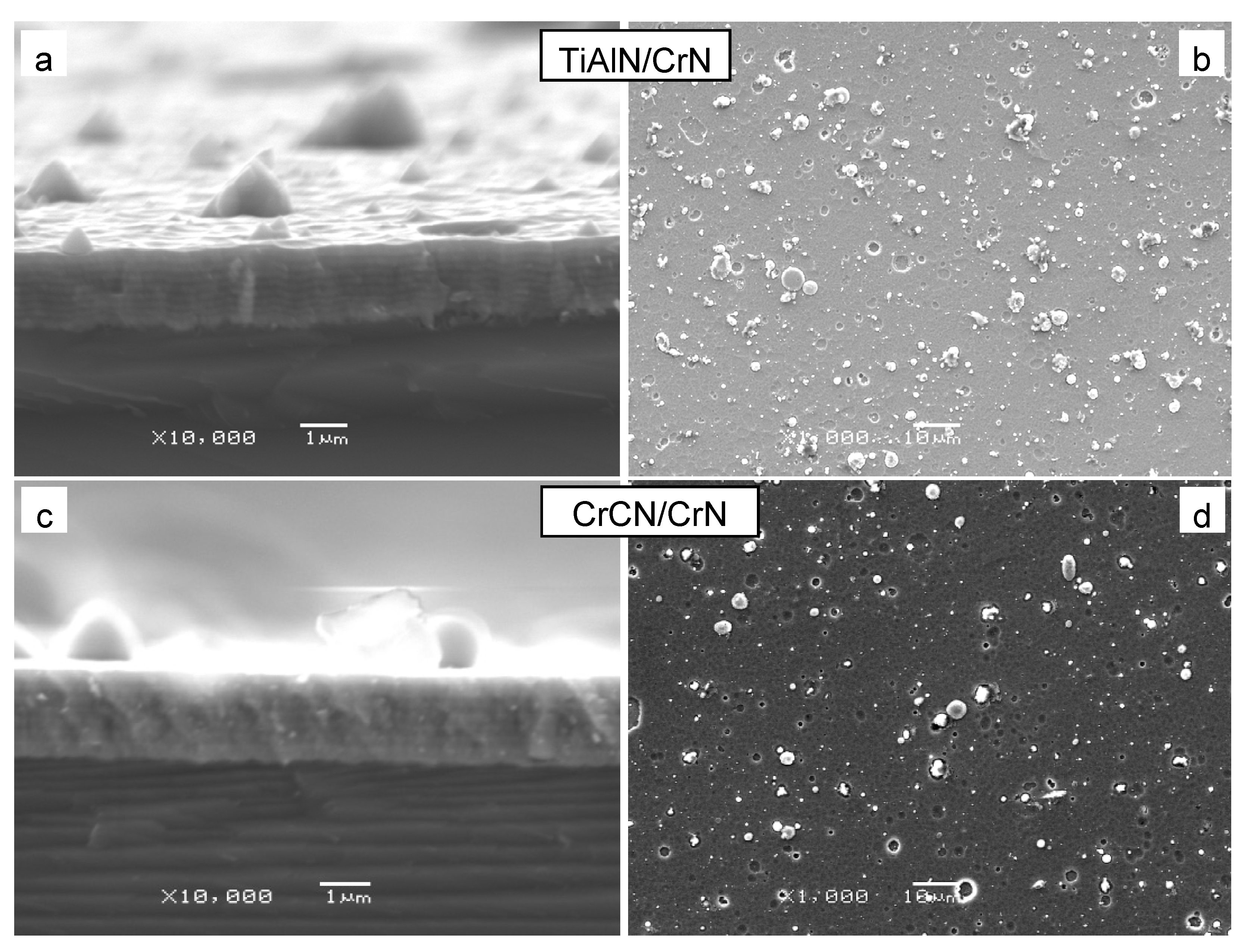
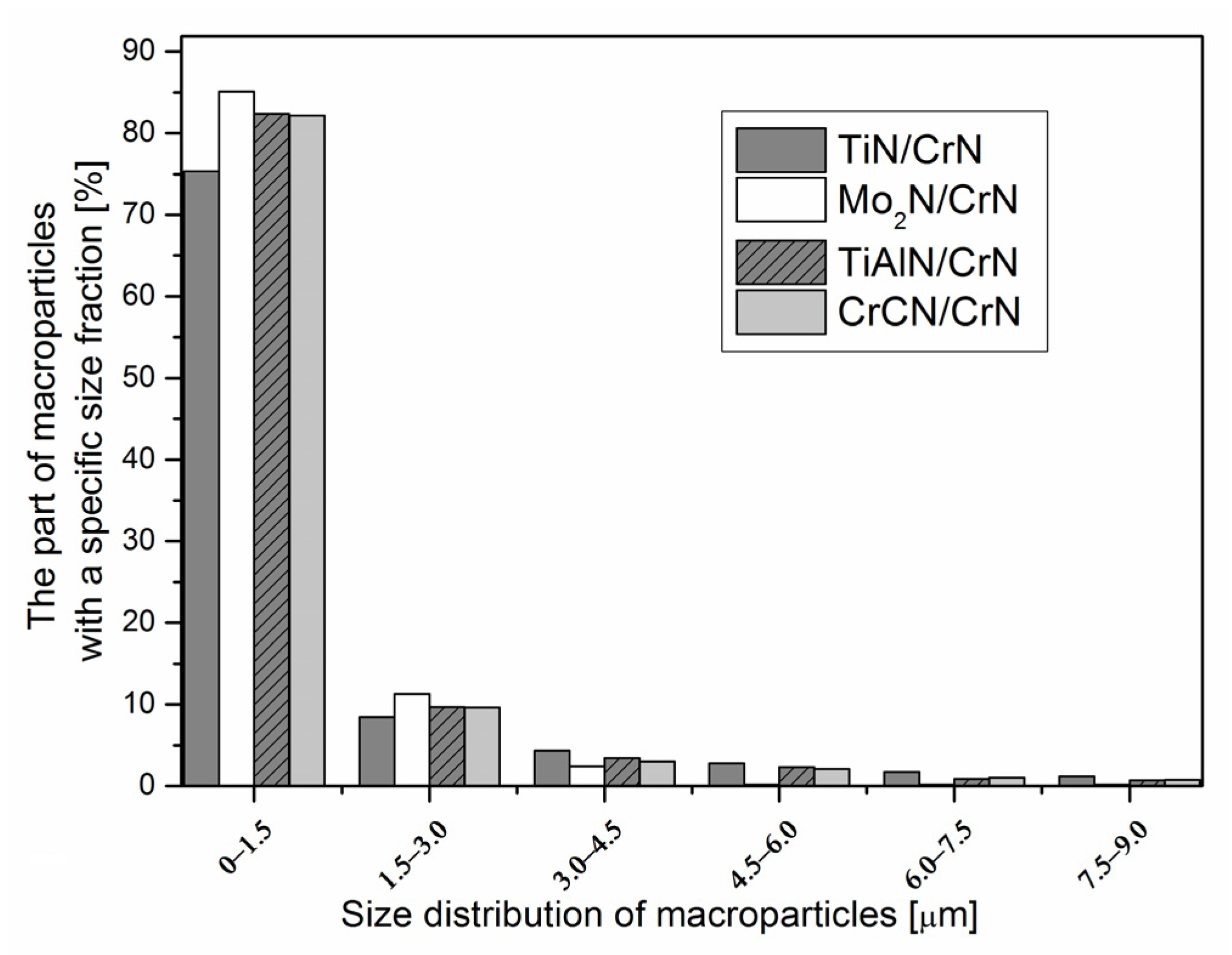
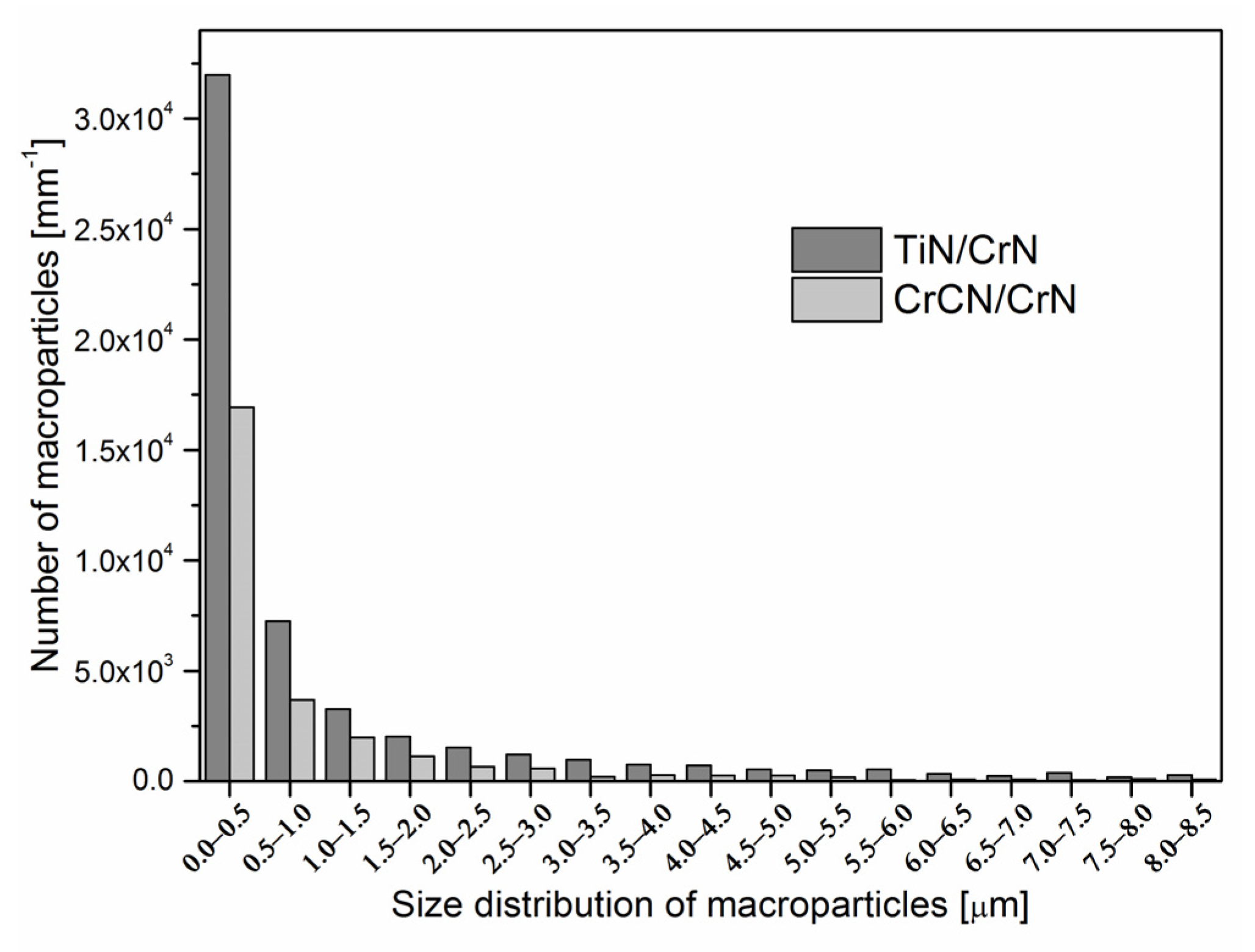
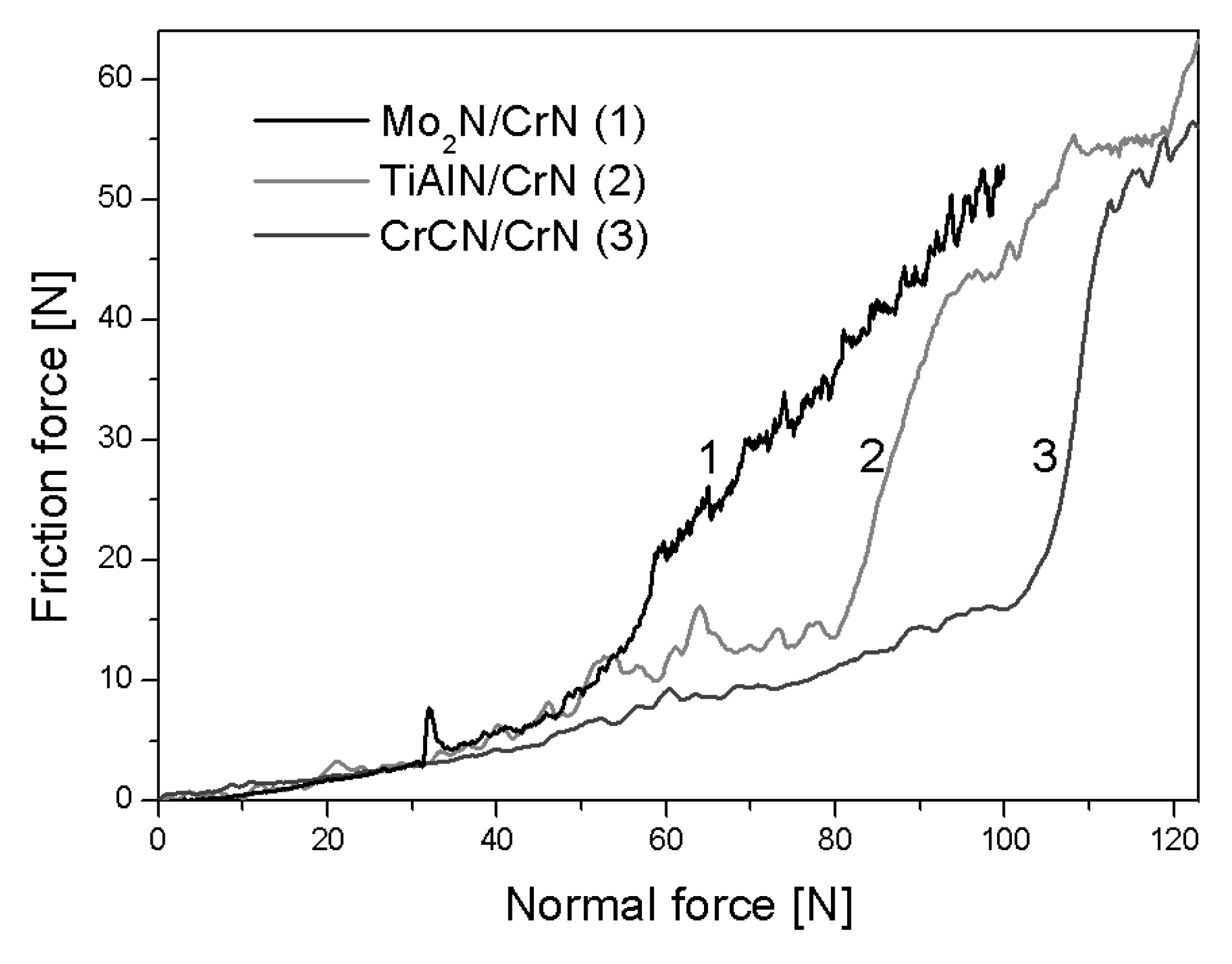
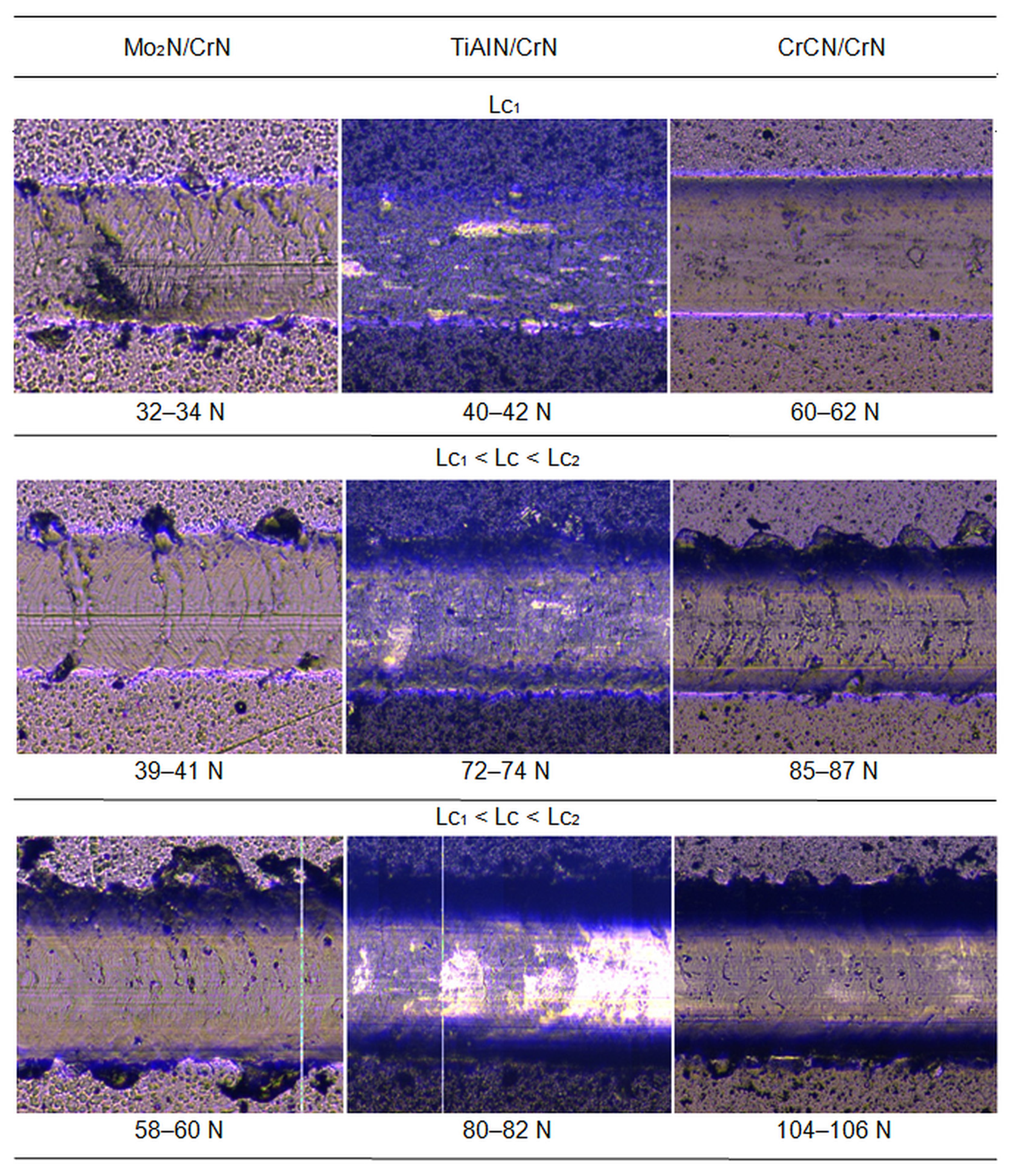
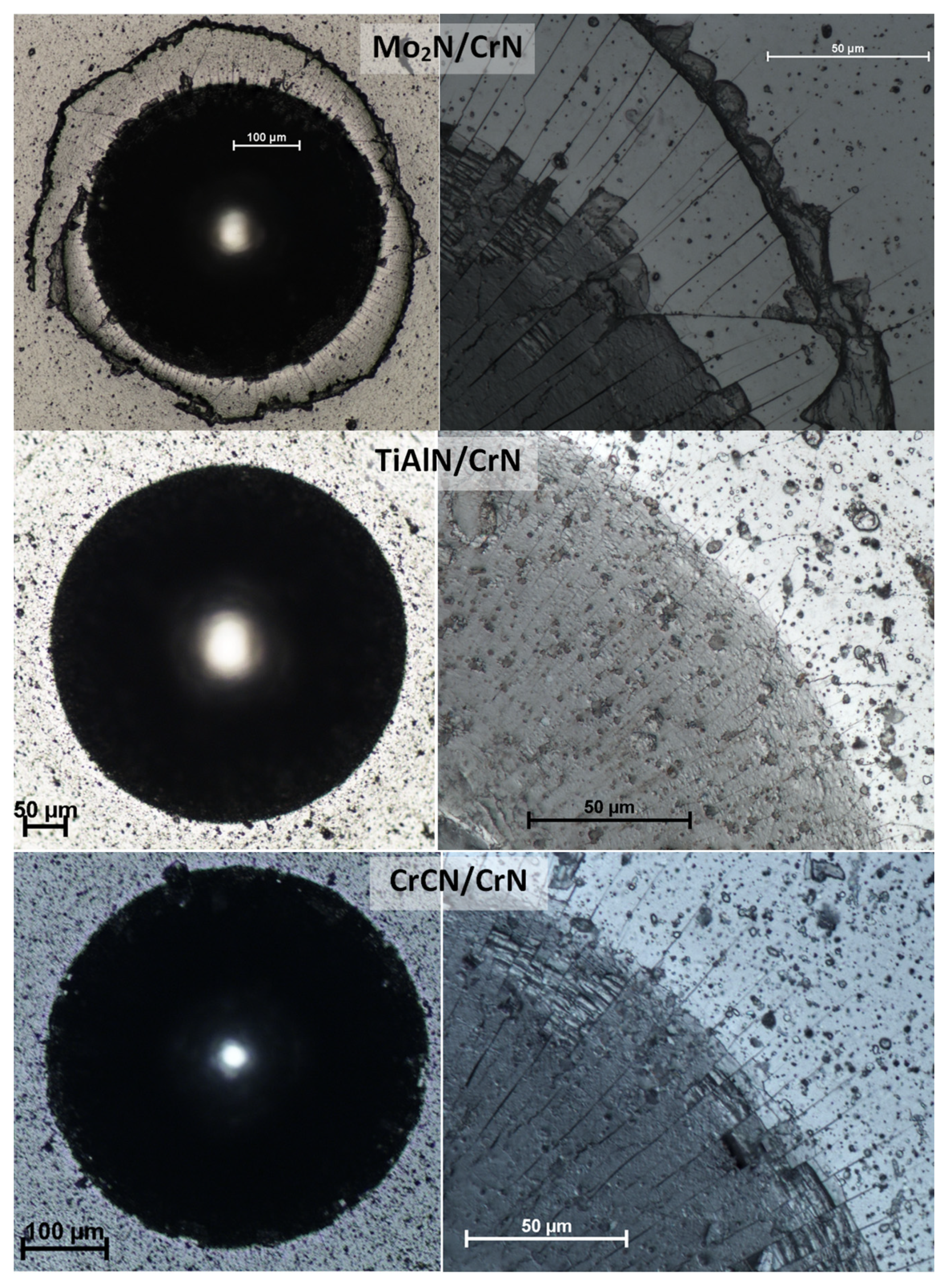
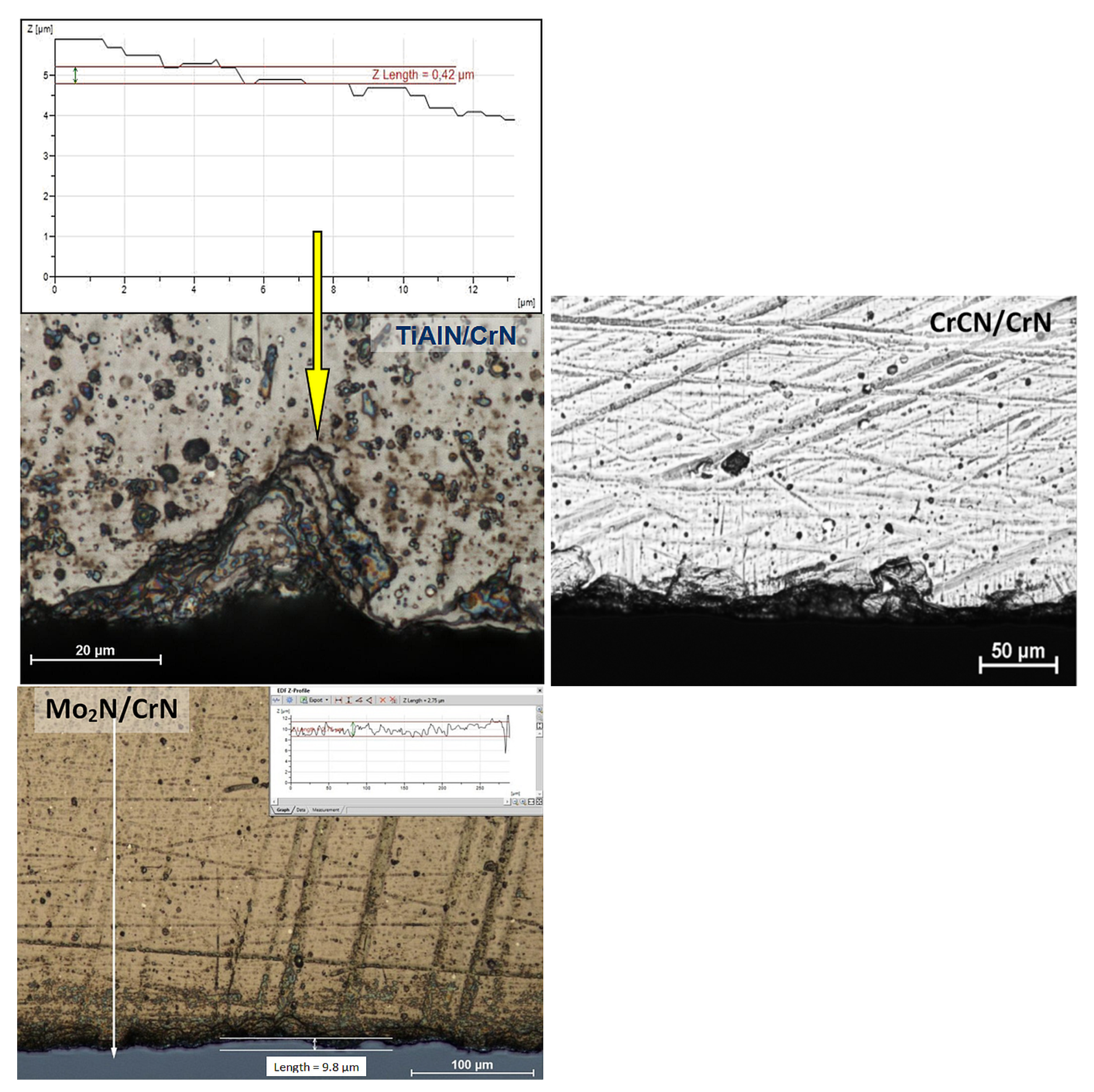
The paper presents an evaluation of the surface quality and properties of multilayer coatings, obtained using cathodic arc evaporation, of the same structure, in which the top layer is a CrN chromium nitride layer. The second components of a double-layer module with a thickness of 400 nm and a thickness of each layer about 200 nm are two component TiN, Mo2N systems and three component TiAlN and CrCN systems. In studies using scanning electron microscopy and optical microscopy, the surface density of the macroparticles of the coating and their dimensions were estimated. The largest amount of macroparticles was recorded on the surface of the TiAlN/CrN coatings and the lowest on CrCN/CrN and Mo2N/CrN coatings. Their adhesion to steel substrates using a scratch test and Rockwell test and wear were also investigated. The results indicated that the melting point of the cathode material directly affected the number and size of the macroparticles on the surface of the growing coating. The number of macroparticles increased with the lowering of the melting point of the cathode material. All the coatings showed good adhesion with the critical load Lc2, greater than 60 N with a hardness above 20 GPa. The Mo2N/CrN coating, despite its relatively low critical load compared to the other tested coatings, had the best wear-resistant properties, which was probably due to the Mo2N → MoO3 transformation.
Keywords: PVD; multilayer coatings; roughness; friction; wear PVD; multilayer coatings; roughness; friction; wear