Article

Influence of Ball Burnishing on Lubricated Fretting of the Titanium Alloy Ti6Al4V


Faculty of Mechanical Engineering and Aeronautics, Rzeszow University of Technology, Powstancow Warszawy 8 Street, 35-959 Rzeszow, Poland
Lubricants 2023, 11(8), 341; https://doi.org/10.3390/lubricants11080341

Submission received: 17 July 2023 / Revised: 2 August 2023 / Accepted: 8 August 2023 / Published: 10 August 2023
(This article belongs to the Special Issue Friction and Wear of Alloys)

Abstract

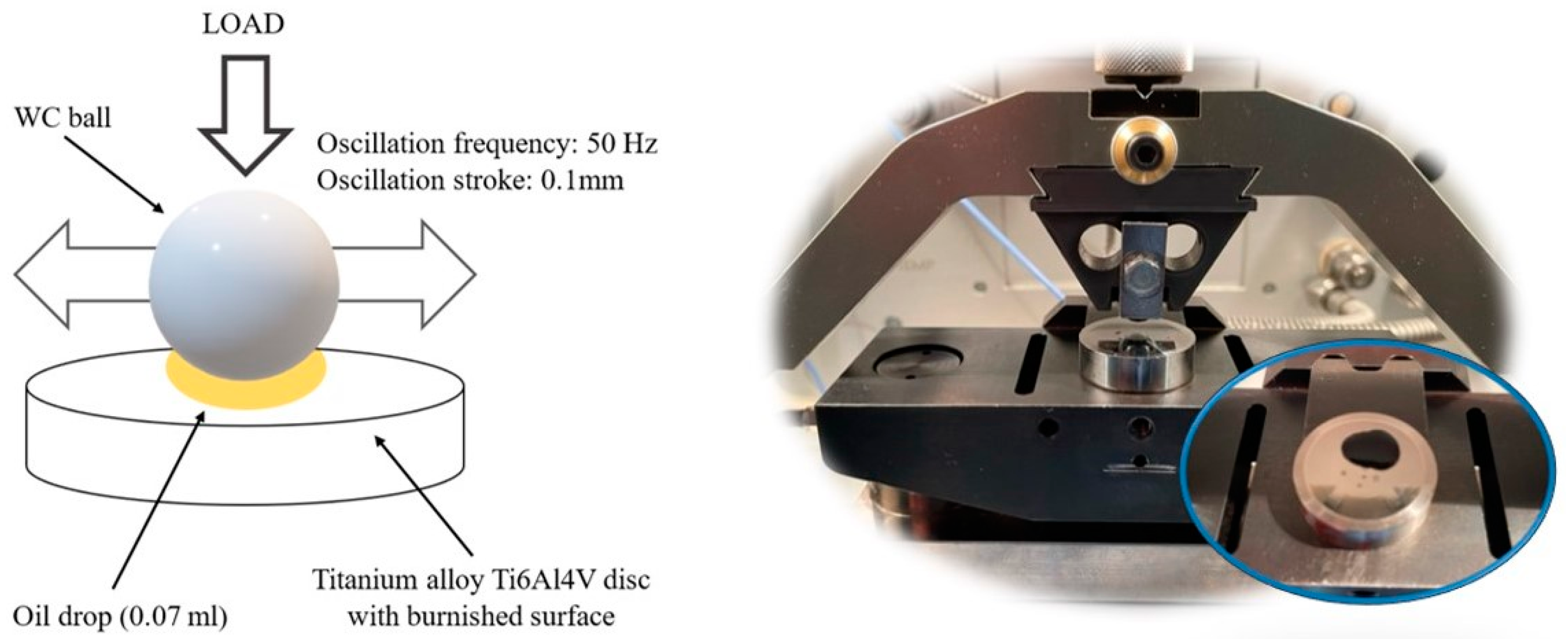
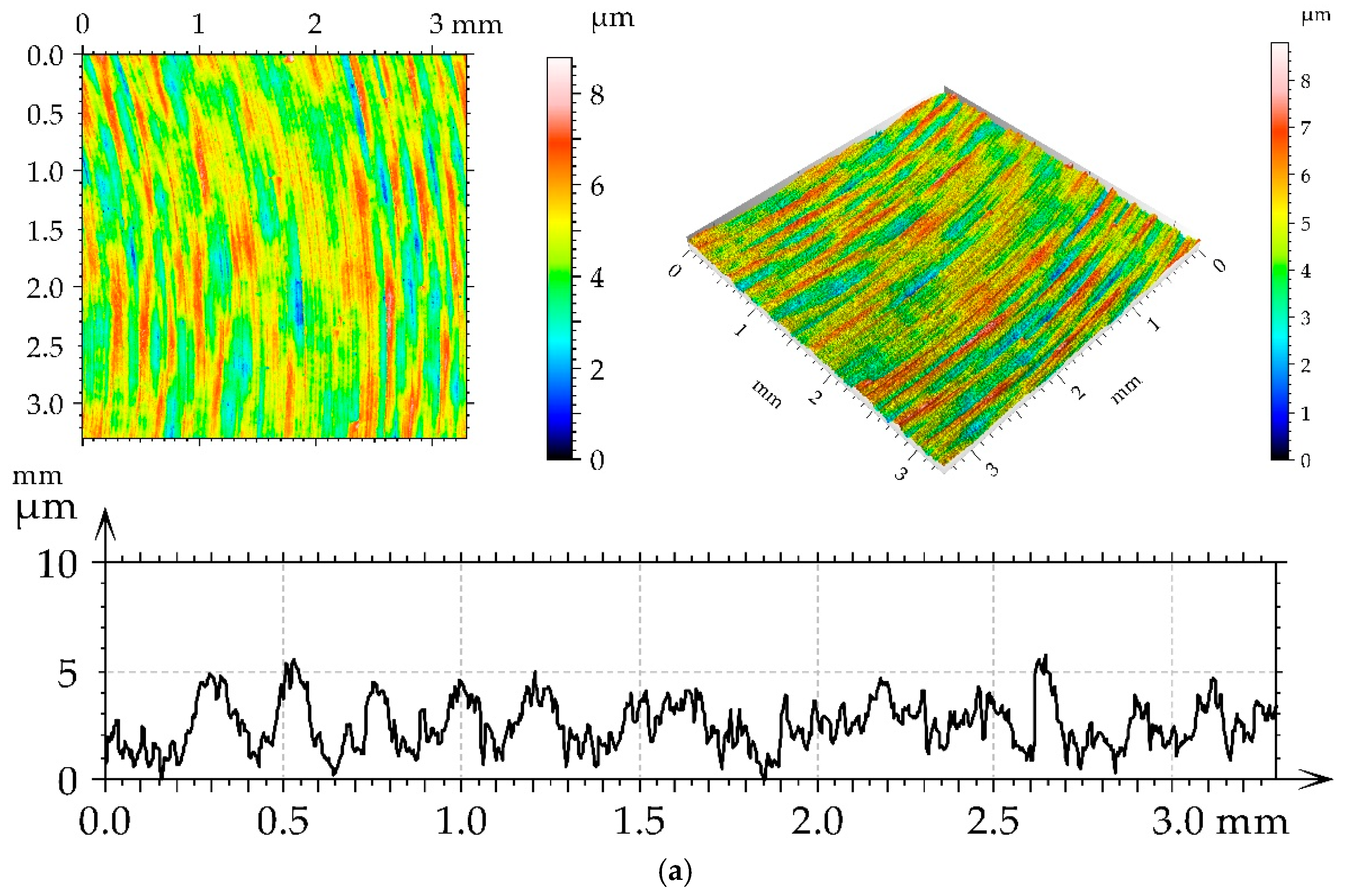
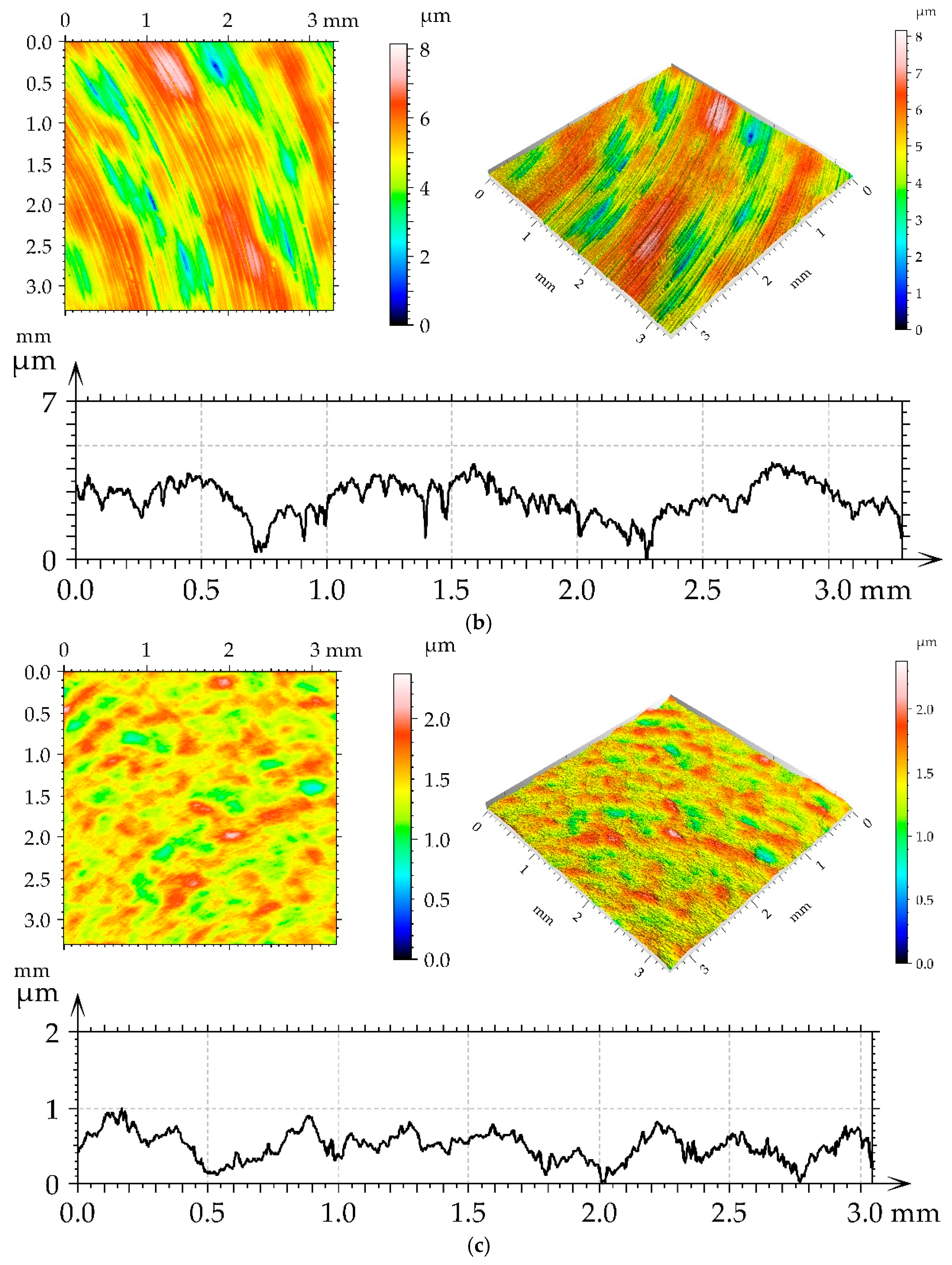
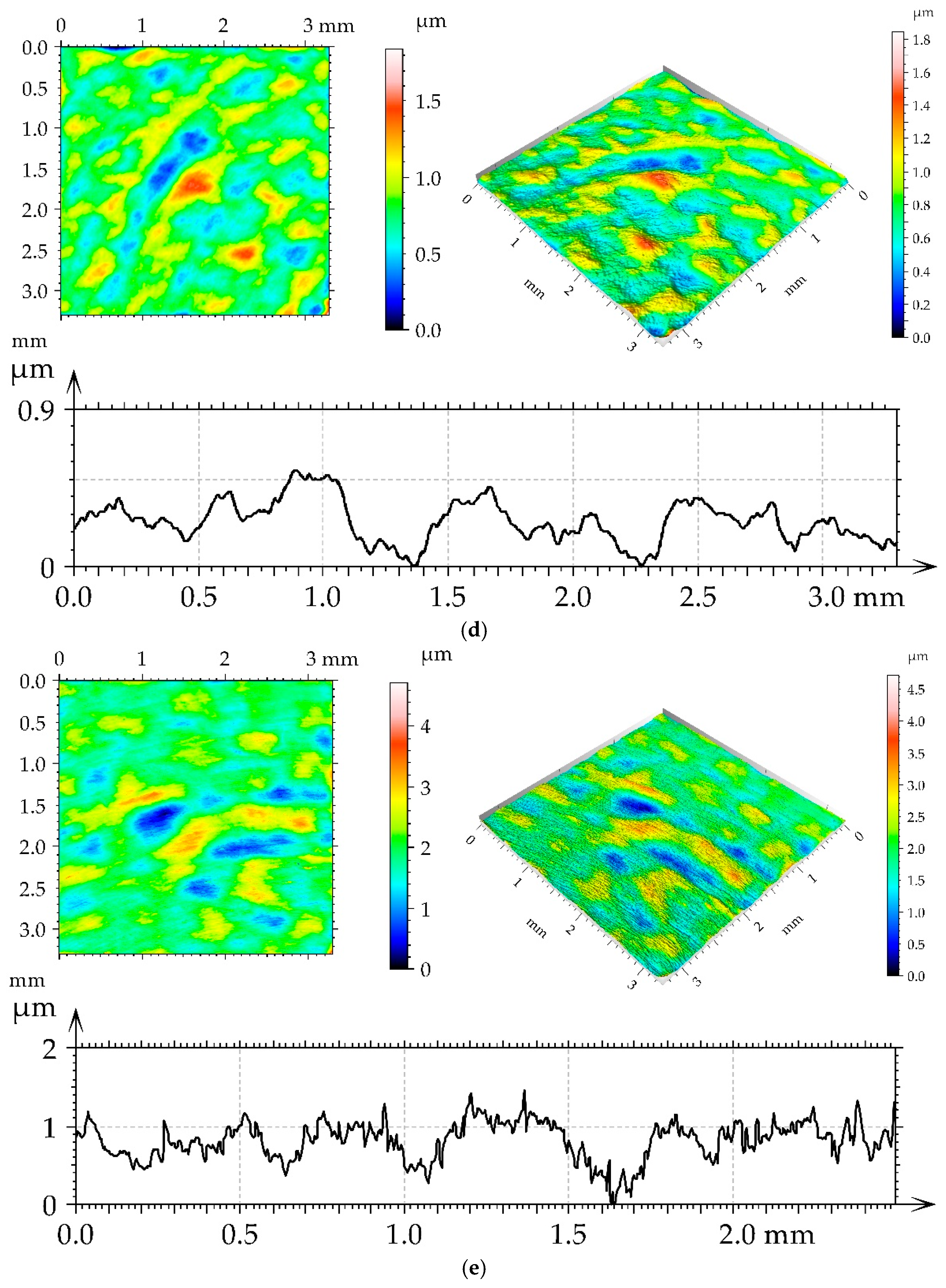
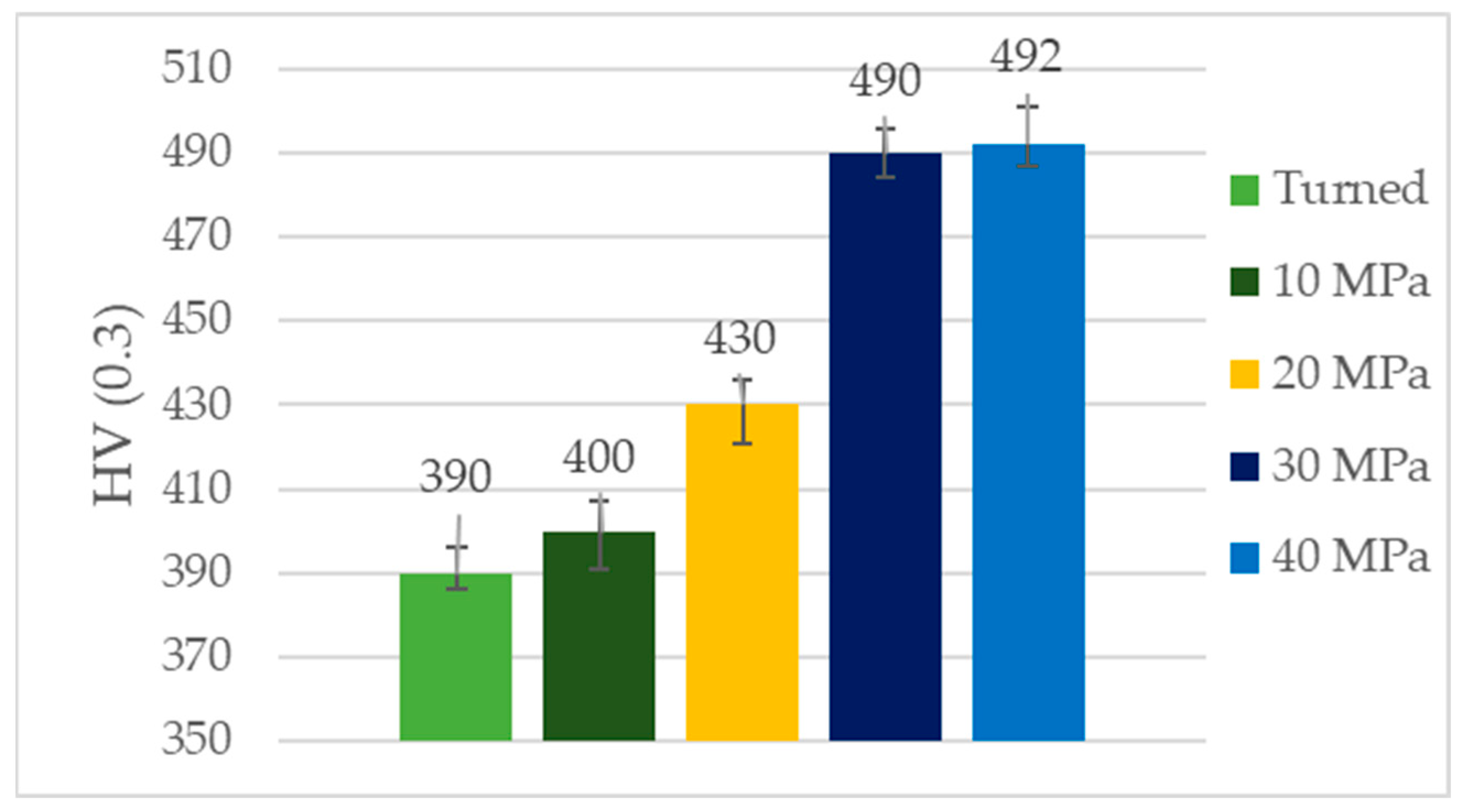
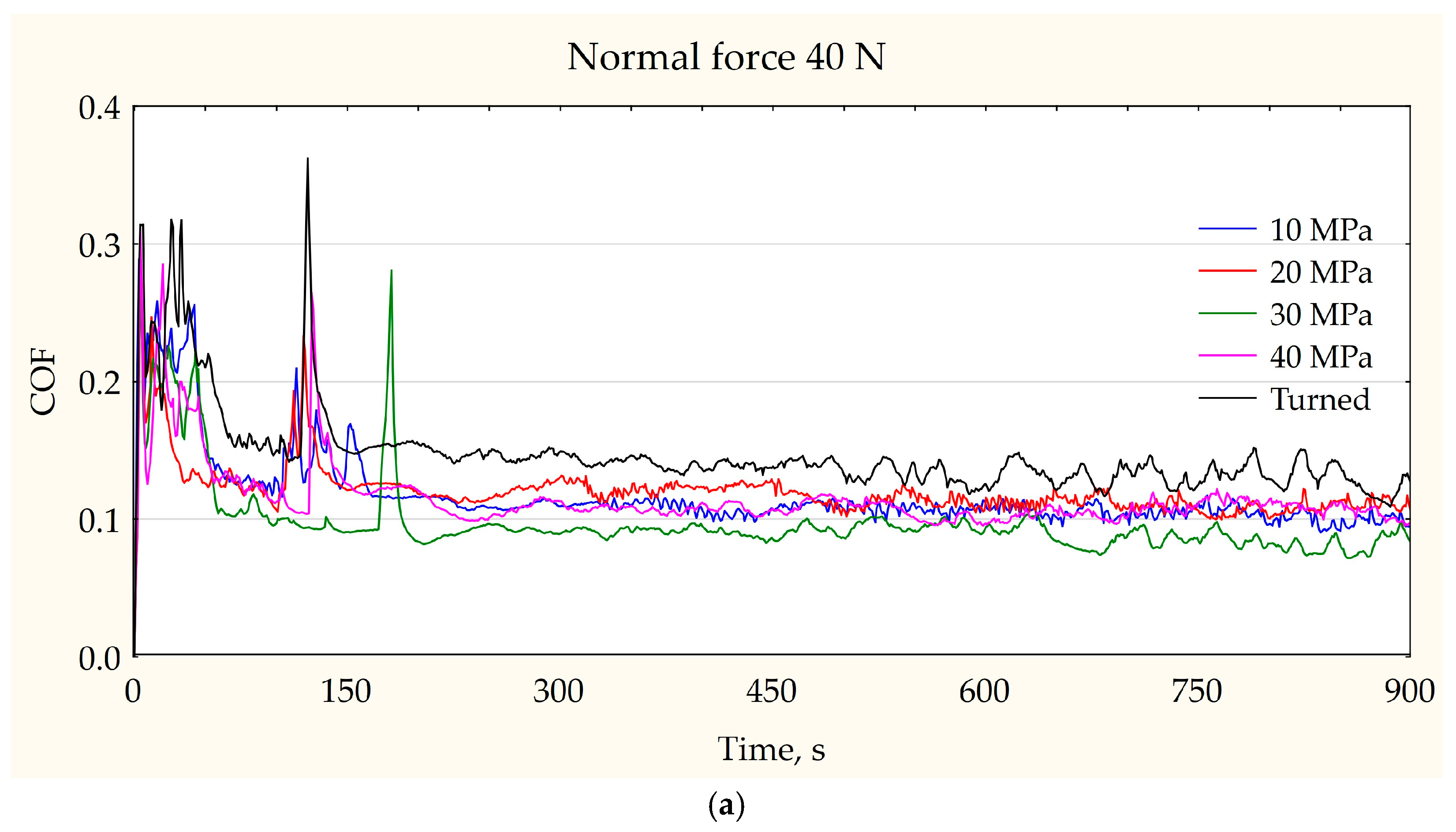
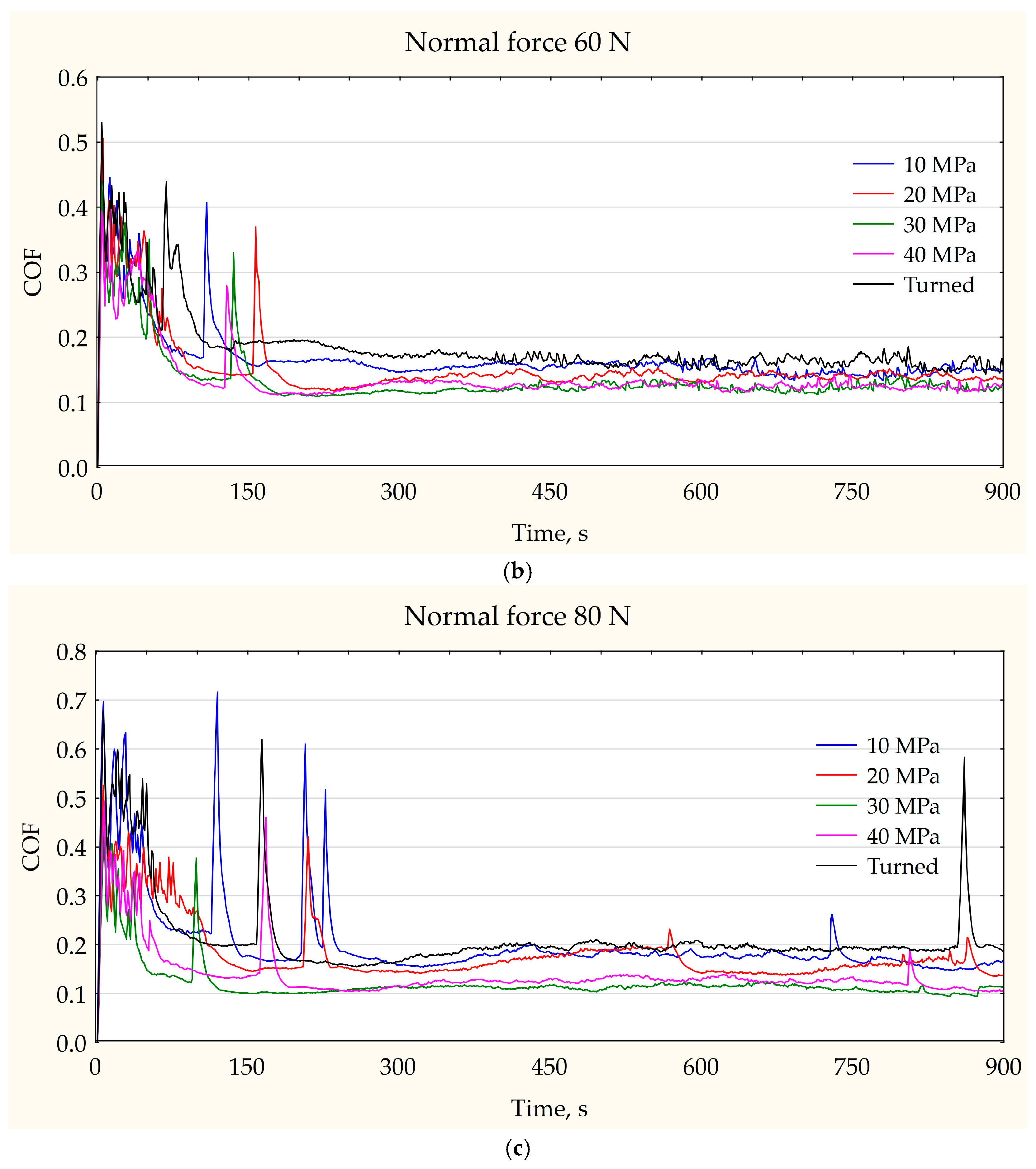
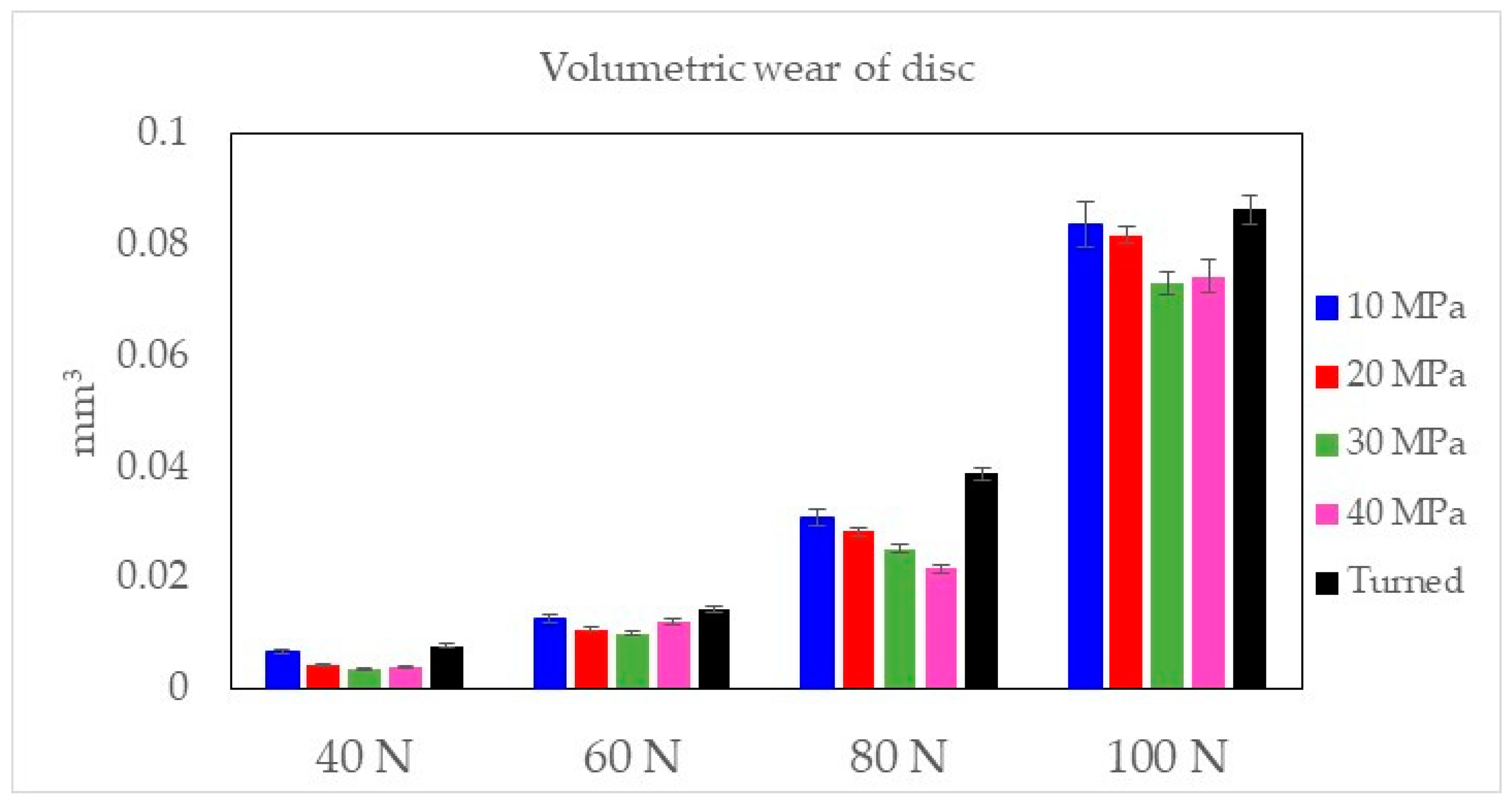
Ball burnishing is a very promising alternative to grinding because of it produces little environmental pollution. It can cause improvement of the functional properties of machine parts, such as friction and wear. The connection between the ball burnishing and the lubricated fretting has not been analysed yet. In this study, it was found that ball burnishing discs from titanium alloy Ti6Al4V caused a decrease in the height of the roughness up to 84% and an increase in the microhardness up to 26% compared to the turned surface. Tribological experiments were carried out under lubricated fretting conditions. Ceramic balls from WC material co-acted with the burnished discs. Ball burnishing resulted in significant improvement in the tribological behaviour of the ball-on-disc sliding pair. Due to ball burnishing, the friction coefficient decreased up to 45% and the volumetric wear of the disc decreased up to 50% compared to the turned disc. The smallest friction and disc wear were achieved for the sample burnished with a pressure of 30 MPa; this sample was characterised by a low roughness height and great microhardness. The turned disc sample corresponded to high friction and wear. Wear losses of the balls were negligible due to the large difference between the hardness values of the balls and discs.
Keywords: ball burnishing; fretting; surface topography; wear ball burnishing; fretting; surface topography; wear