Article

Experimental Analysis of Frictional Performance of EN AW-2024-T3 Alclad Aluminium Alloy Sheet Metals in Sheet Metal Forming


by
Tomasz Trzepieciński
Department of Manufacturing Processes and Production Engineering, Rzeszow University of Technology, al. Powst. Warszawy 8, 35-959 Rzeszów, Poland
Lubricants 2023, 11(1), 28; https://doi.org/10.3390/lubricants11010028

Submission received: 16 December 2022 / Revised: 8 January 2023 / Accepted: 9 January 2023 / Published: 10 January 2023

Abstract

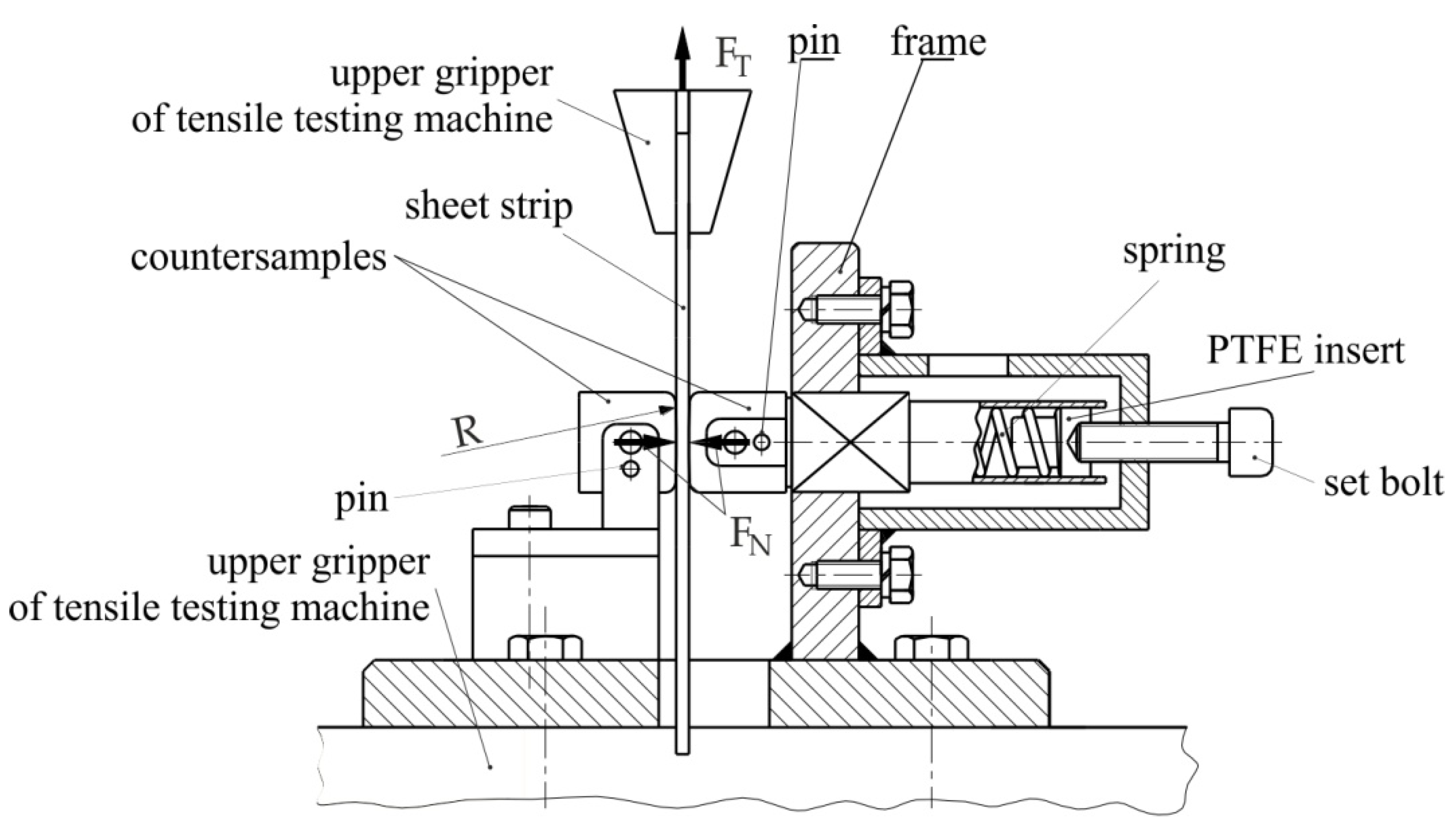
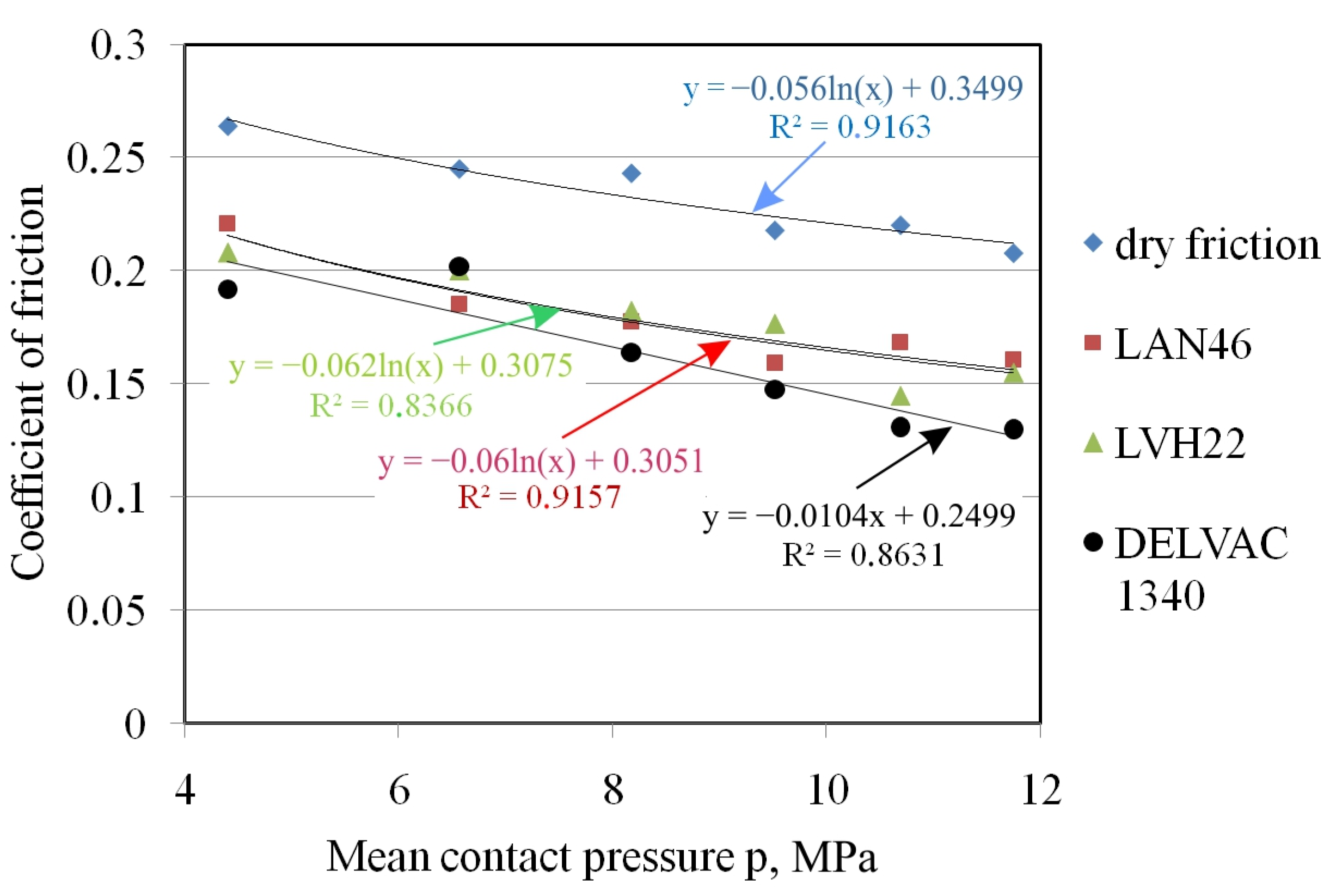
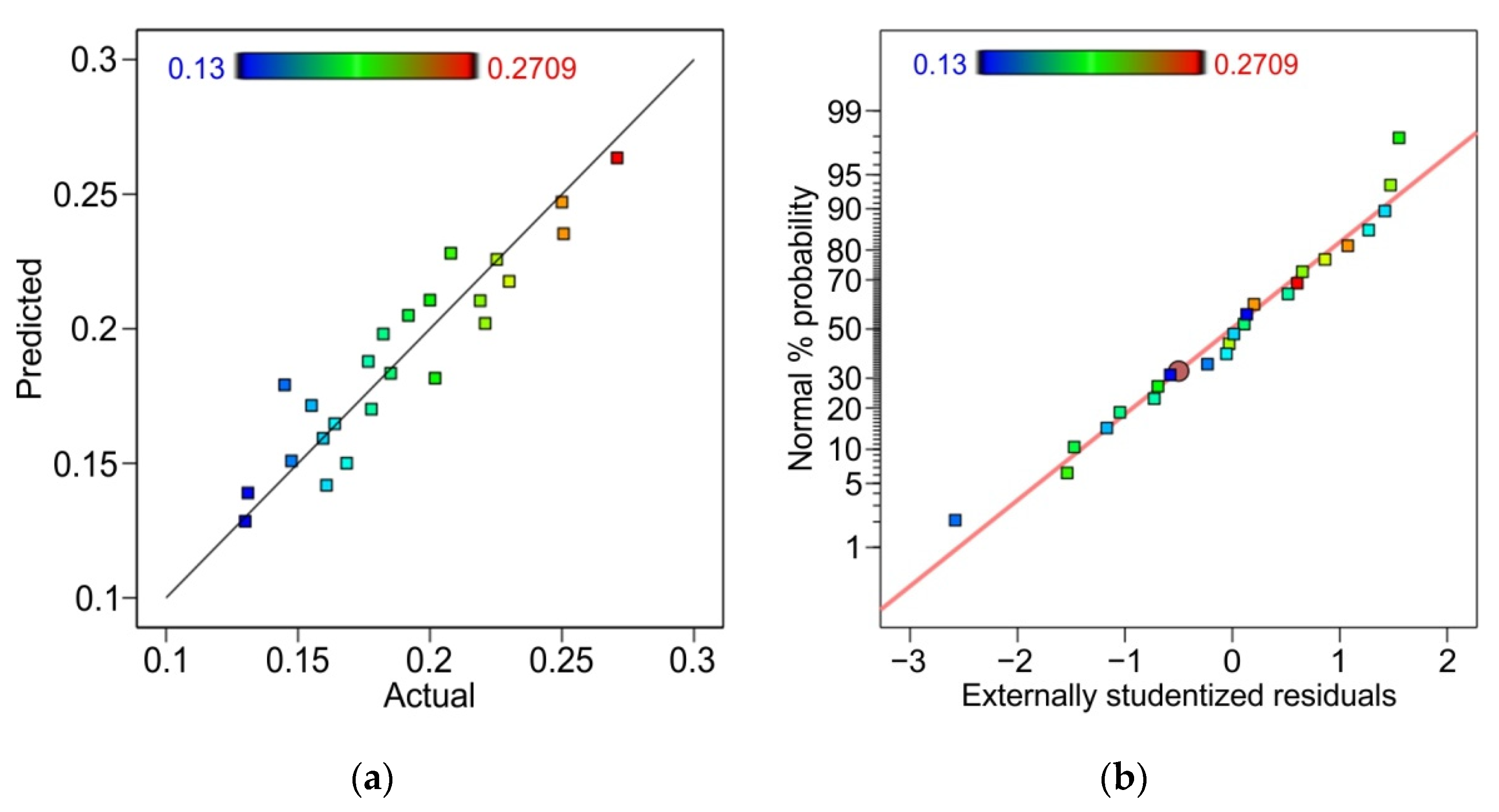
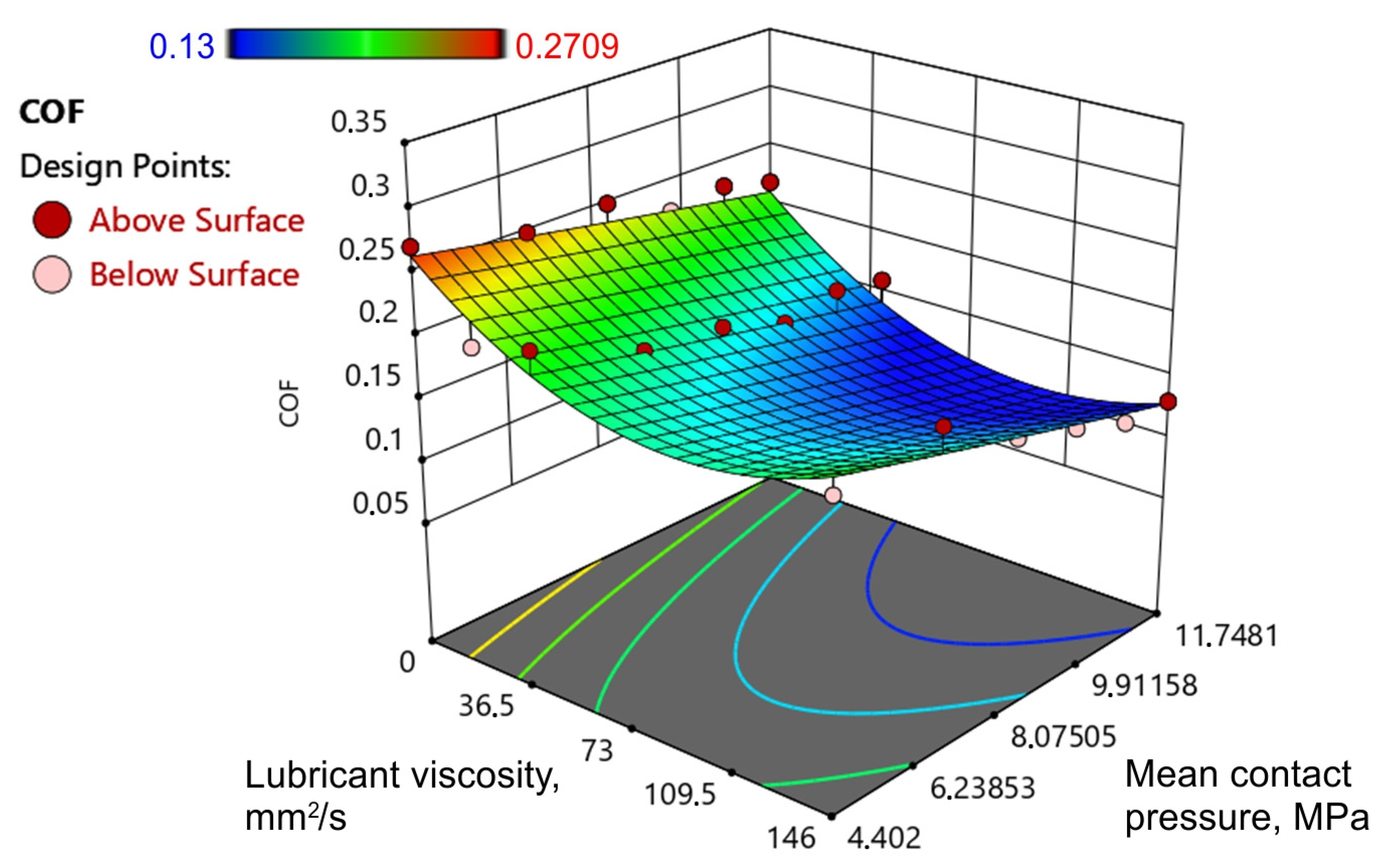
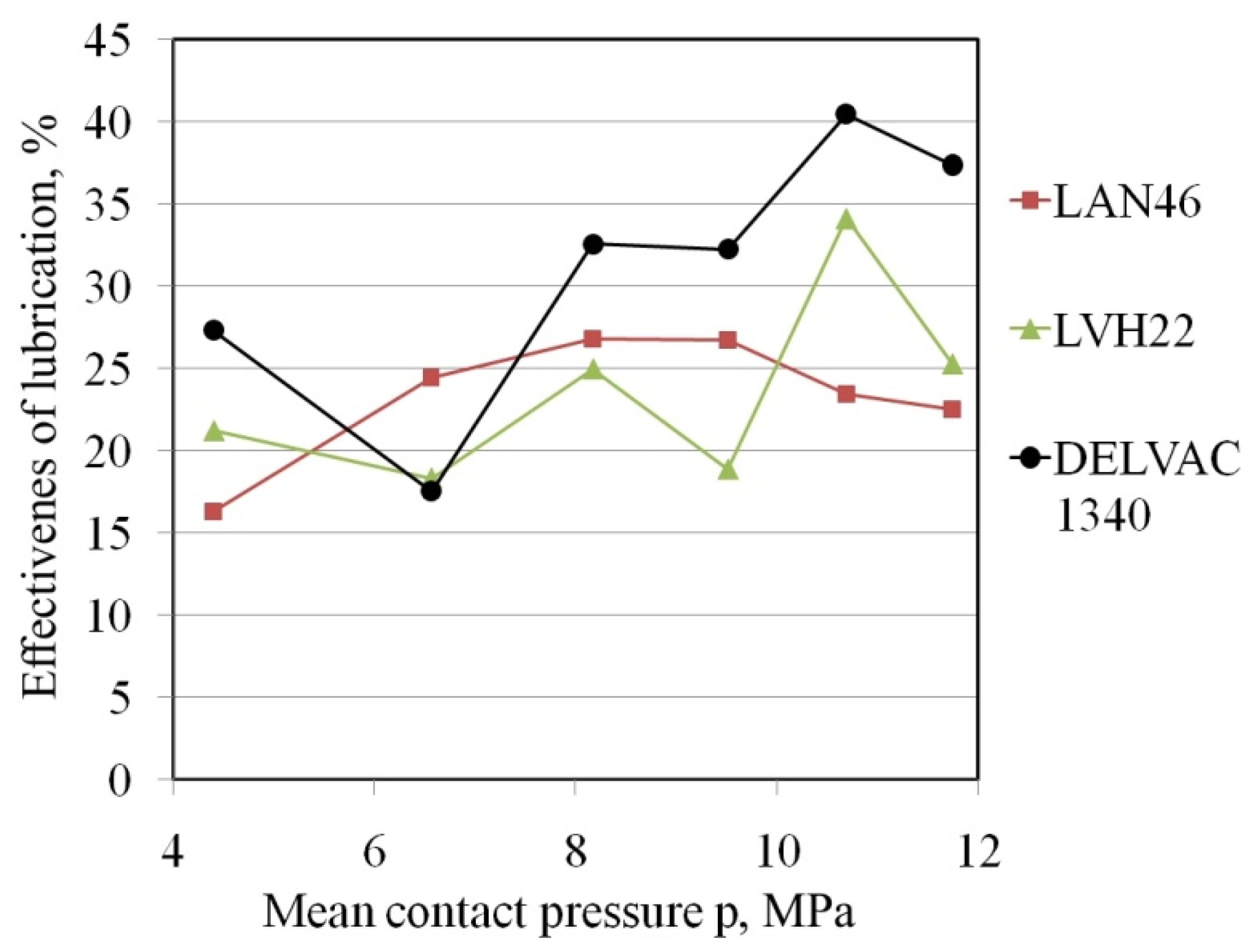
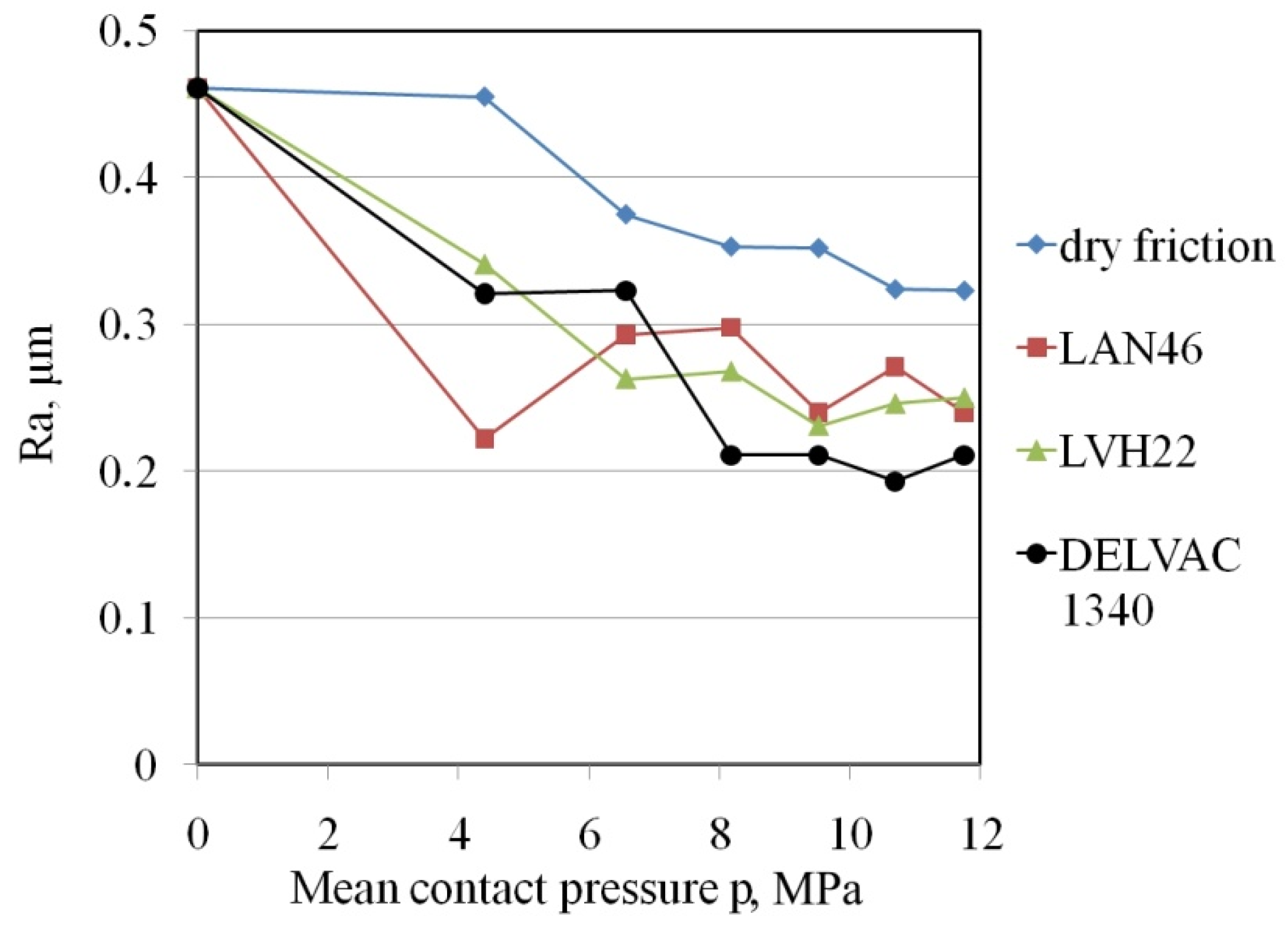
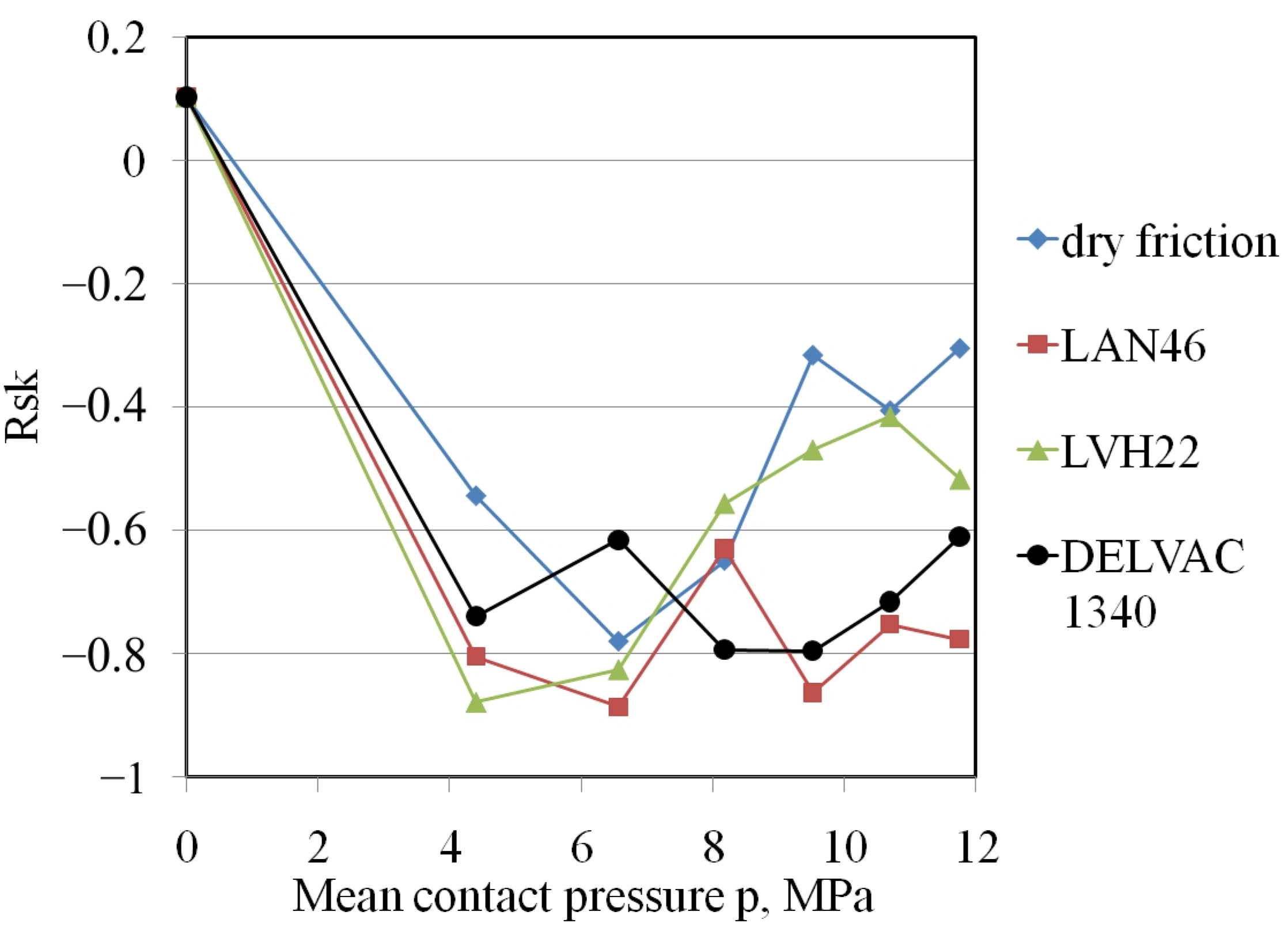
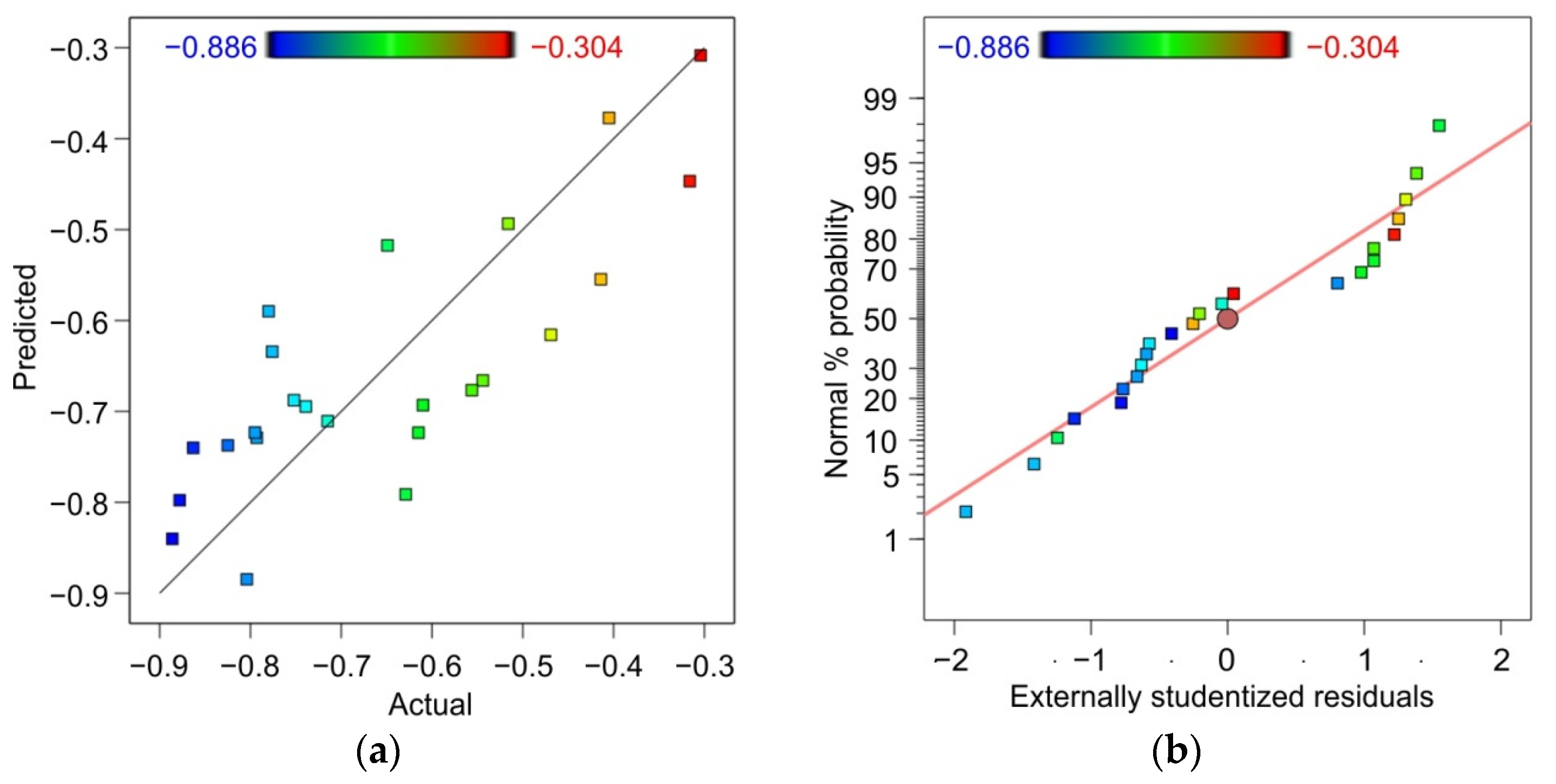
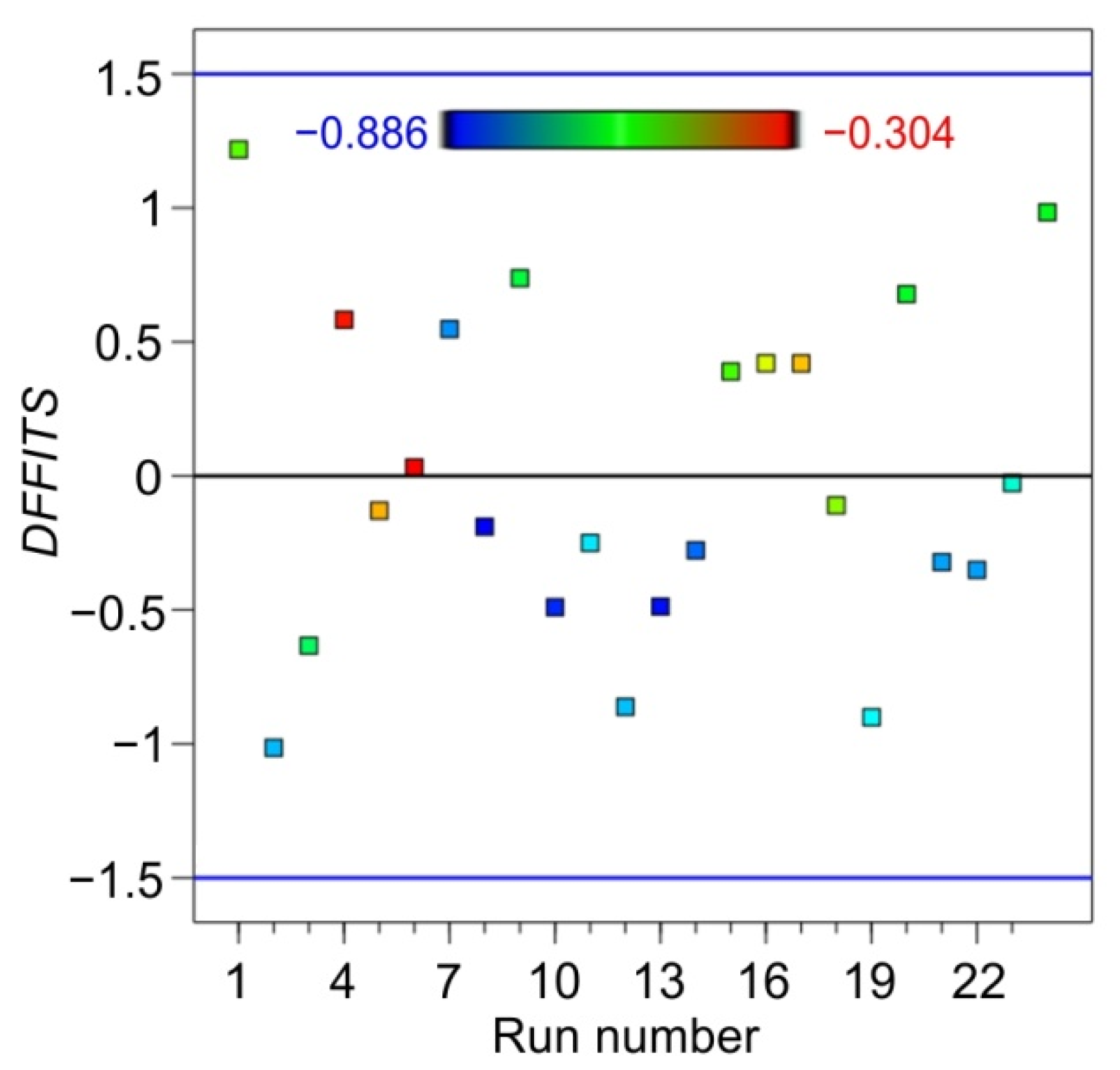
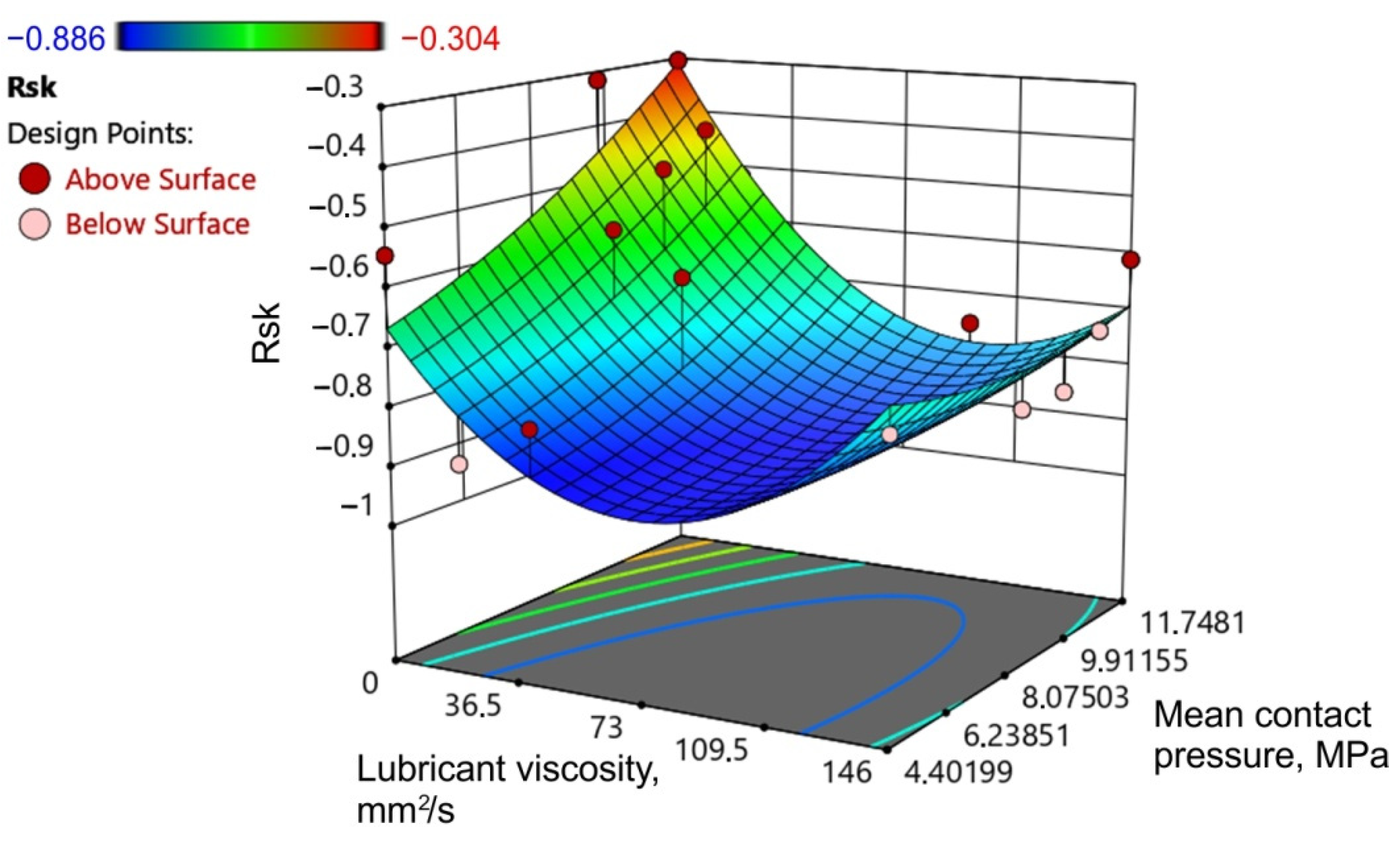
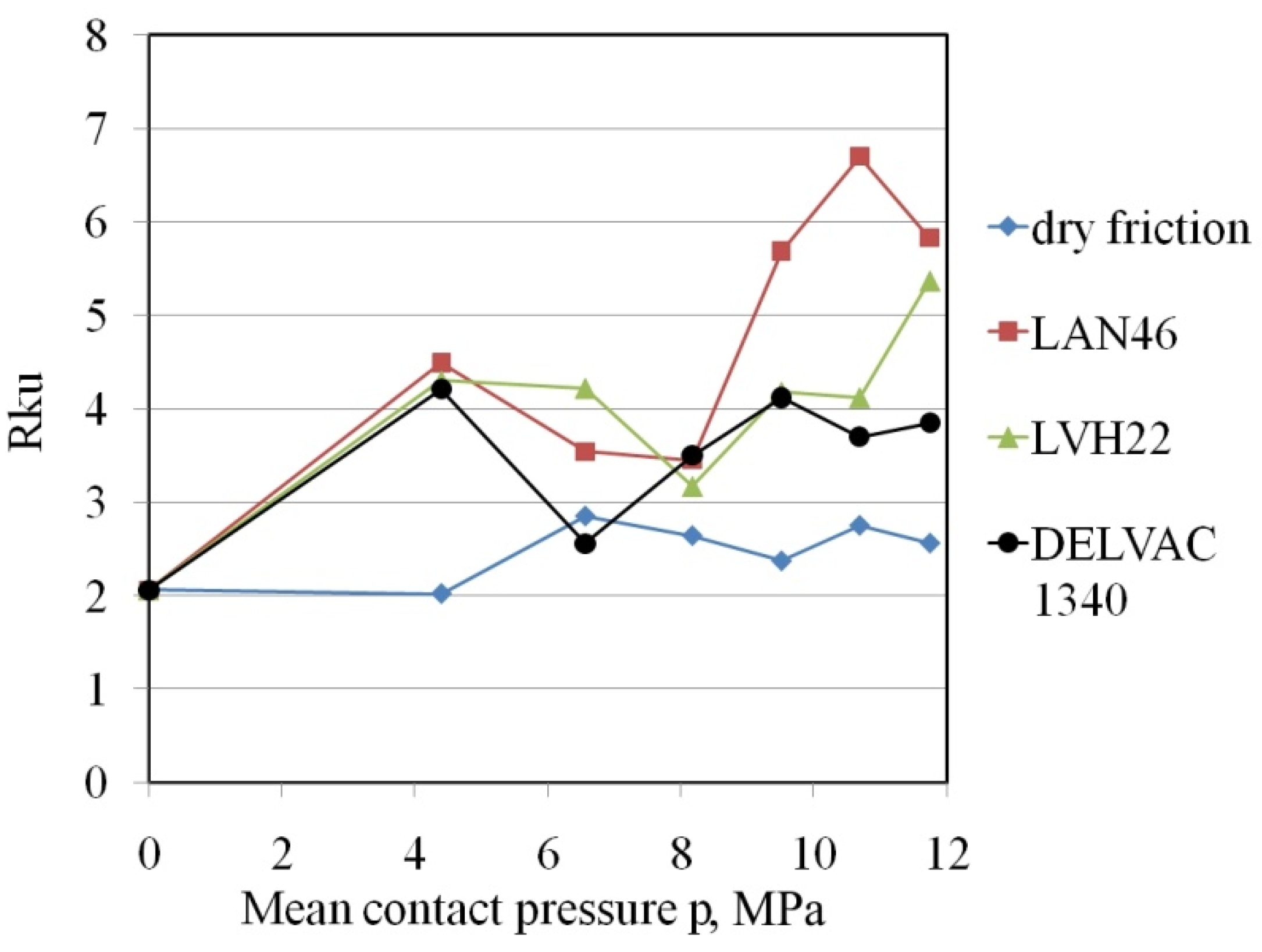
Friction occurring in the area of contact between the sheet metal and the tool in sheet metal forming is one of the factors determining the quality of the surface of the drawpiece and the formability of the workpiece. Knowledge of the friction conditions allows the optimal forming conditions to be determined in terms of lubrication and applied pressures. The article presents the results of experimental studies of friction in EN AW-2024-T3 Alclad sheets using a special device simulating the sheet–tool contact in the blank-holder area during SMF. The friction tests were carried out at various pressures, under dry friction, and with the use of typical oils with a wide range of viscosity. The effect of the friction process parameters on the COF and surface roughness parameters Rsk and Rku was analysed using analysis of variance. The model F-values imply that the regression models for all the output parameters were significant. A monotonic decrease in the COF with an increase in the mean contact pressure and lubricant viscosity was observed for both dry and lubricated conditions. DELVAC 1340 engine oil with the highest viscosity significantly lowered the COF. The lubrication efficiency with LAN46 machine oil and LVH22 hydraulic oil showed an upward trend with an increasing mean contact pressure. In general, friction reduces the value of average roughness, Ra, and skewness, Rsk. Meanwhile, friction under contact pressures in the analysed range (4.4–11.7 MPa) causes an increase in kurtosis, Rku.
Keywords: aluminium alloy; deep drawing; friction; sheet metal forming aluminium alloy; deep drawing; friction; sheet metal forming