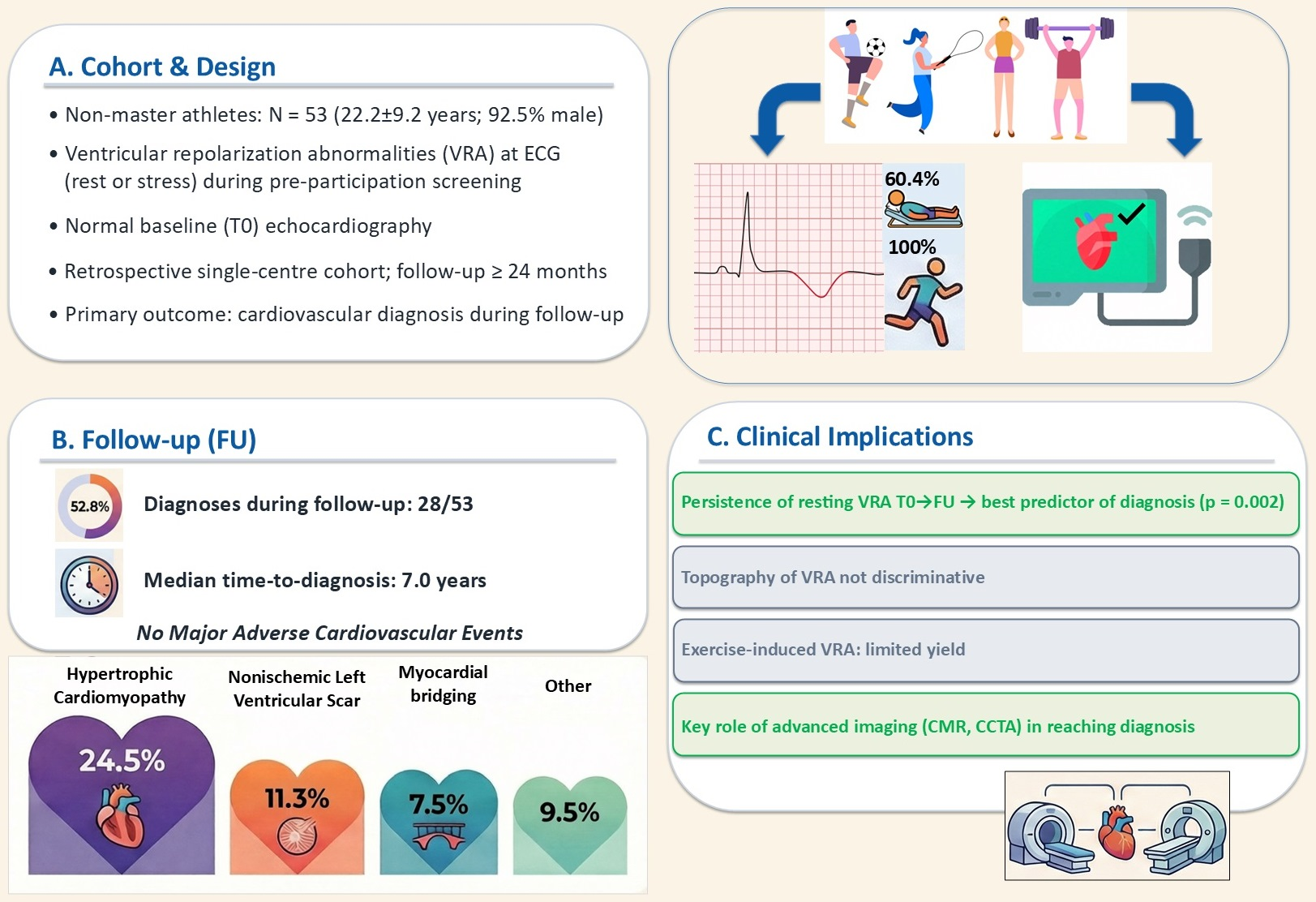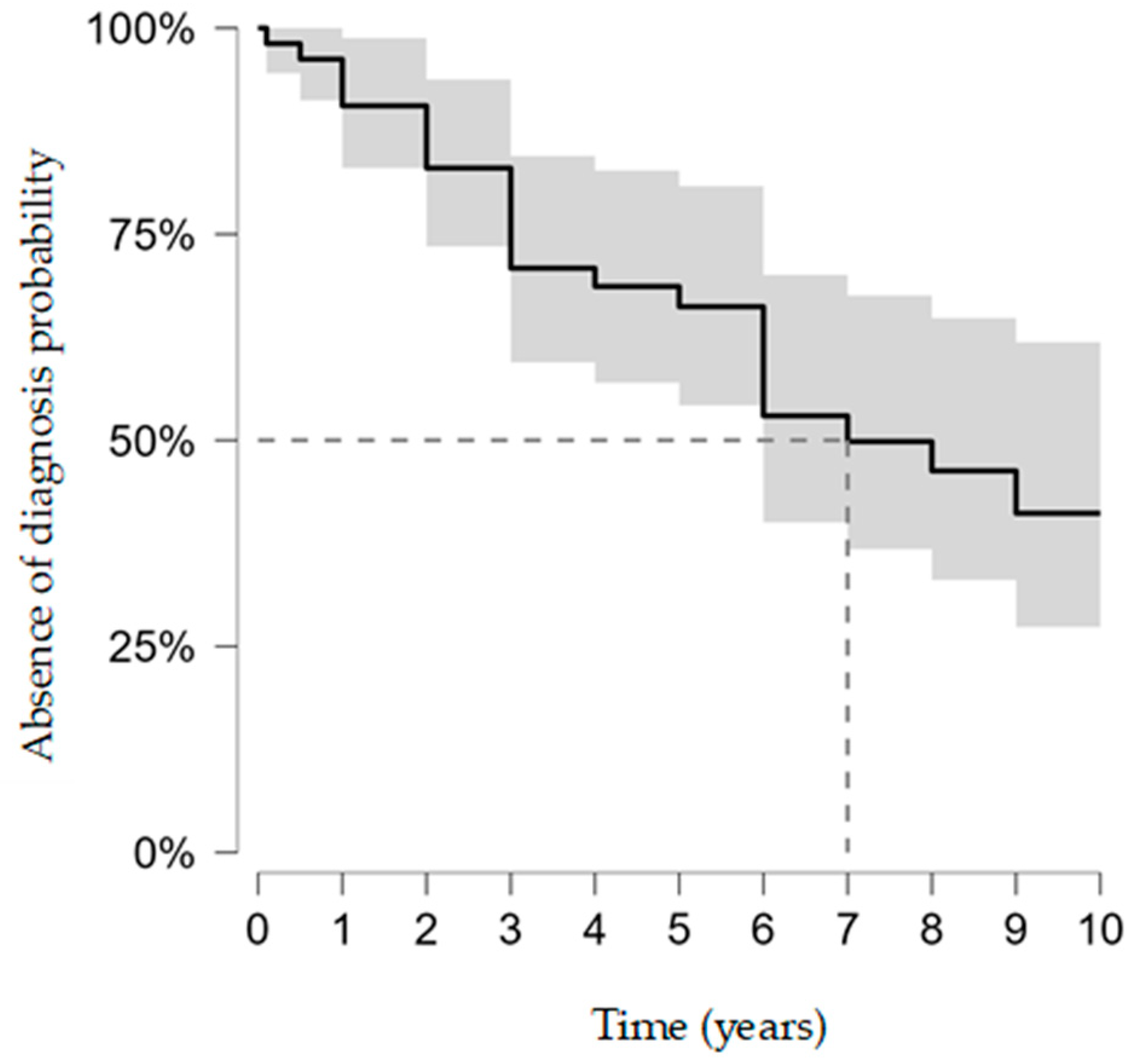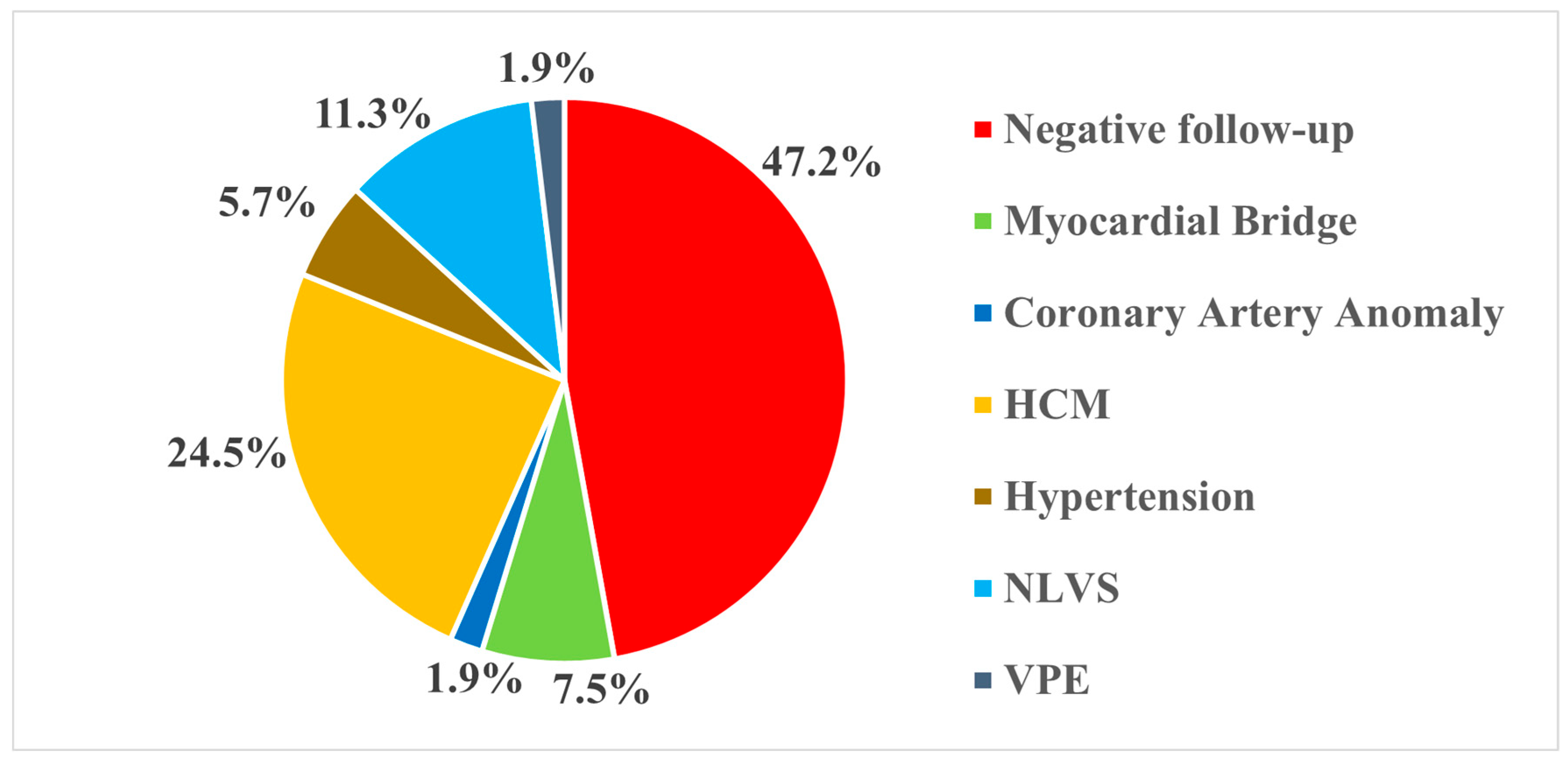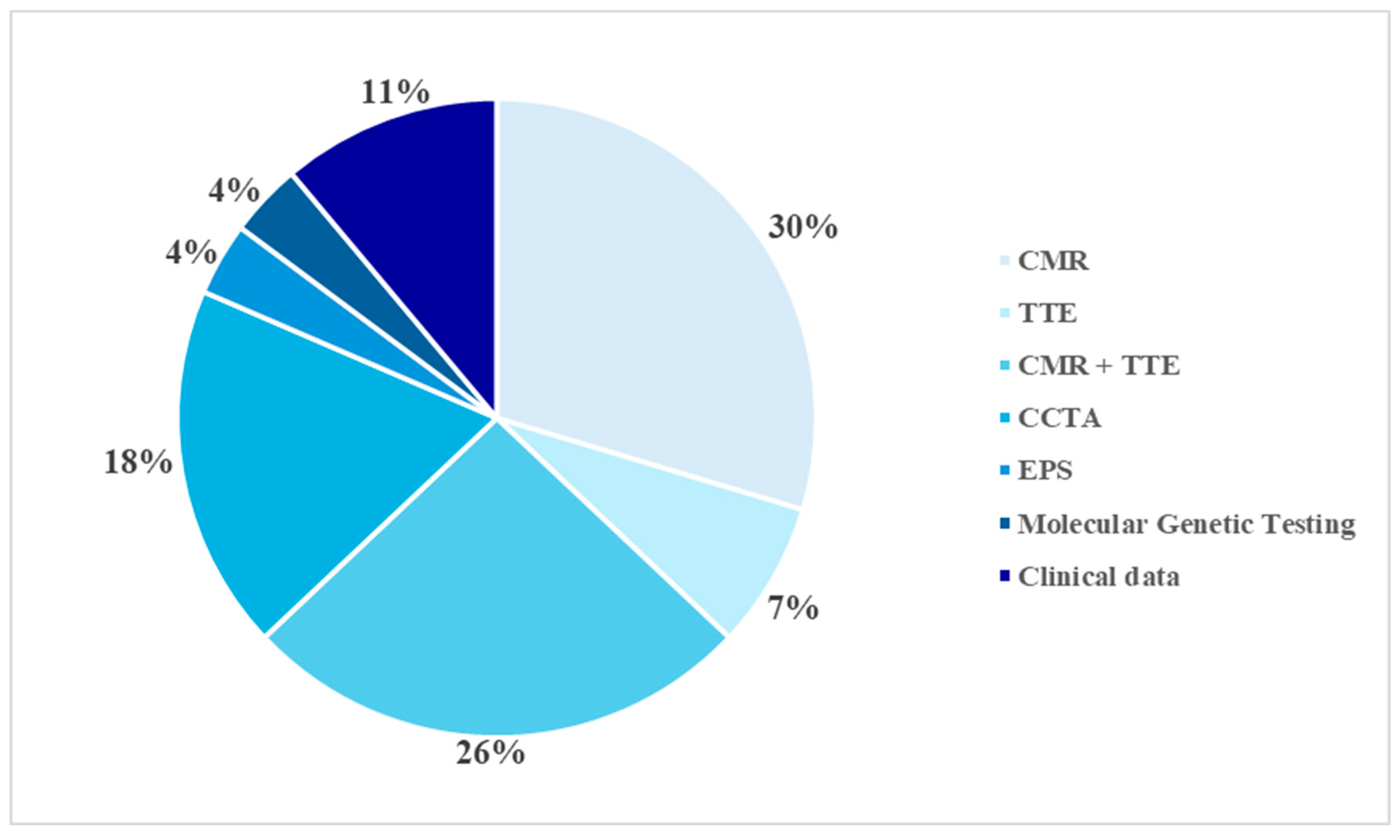

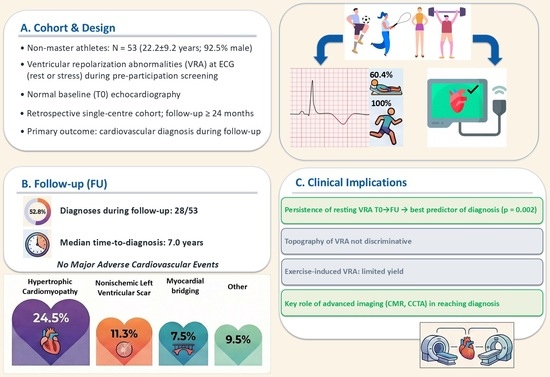
From Preparticipation Screening to Diagnosis: Long-Term Outcomes of Athletes with Ventricular Repolarization Abnormalities and Normal Echocardiography
 , , , , and
 Abstract
Share and Cite
Bianco, M.; Sollazzo, F.; Manes, S.; Cristaudo, A.G.; Modica, G.; Monti, R.; Cammarano, M.; Zeppilli, P.; Palmieri, V. From Preparticipation Screening to Diagnosis: Long-Term Outcomes of Athletes with Ventricular Repolarization Abnormalities and Normal Echocardiography. J. Pers. Med. 2026, 16, 136. https://doi.org/10.3390/jpm16030136
Bianco M, Sollazzo F, Manes S, Cristaudo AG, Modica G, Monti R, Cammarano M, Zeppilli P, Palmieri V. From Preparticipation Screening to Diagnosis: Long-Term Outcomes of Athletes with Ventricular Repolarization Abnormalities and Normal Echocardiography. Journal of Personalized Medicine. 2026; 16(3):136. https://doi.org/10.3390/jpm16030136
Chicago/Turabian StyleBianco, Massimiliano, Fabrizio Sollazzo, Stefania Manes, Andrea Giovanni Cristaudo, Gloria Modica, Riccardo Monti, Michela Cammarano, Paolo Zeppilli, and Vincenzo Palmieri. 2026. "From Preparticipation Screening to Diagnosis: Long-Term Outcomes of Athletes with Ventricular Repolarization Abnormalities and Normal Echocardiography" Journal of Personalized Medicine 16, no. 3: 136. https://doi.org/10.3390/jpm16030136
APA StyleBianco, M., Sollazzo, F., Manes, S., Cristaudo, A. G., Modica, G., Monti, R., Cammarano, M., Zeppilli, P., & Palmieri, V. (2026). From Preparticipation Screening to Diagnosis: Long-Term Outcomes of Athletes with Ventricular Repolarization Abnormalities and Normal Echocardiography. Journal of Personalized Medicine, 16(3), 136. https://doi.org/10.3390/jpm16030136