Review

Emerging Molecular and Computational Biomarkers in Urothelial Carcinoma: Innovations in Diagnosis, Prognosis, and Therapeutic Response Prediction


by
Fernando Alberca-del Arco
1,2,3,†,
Rocío Santos-Perez de la Blanca
1,2,3,
Elisa Maria Matas-Rico
2,4,
Bernardo Herrera-Imbroda
1,2,3,5,† and
Félix Guerrero-Ramos
3,6,*,†
1
Department of Urology, Hospital Universitario Virgen de la Victoria (HUVV), 29010 Malaga, Spain
2
Instituto de Investigación Biomédica de Málaga y Plataforma en Nanomedicina (IBIMA Plataforma BIONAND), 29590 Malaga, Spain
3
Genitourinary Alliance for Research and Development (GUARD Consortium)
4
Department of Cell Biology, Genetics and Physiology, Universidad de Málaga (UMA), 29071 Malaga, Spain
5
Department of Surgical Specialties, Biochemistry and Immunology, Universidad de Málaga (UMA), 29071 Malaga, Spain
6
Department of Urology, Hospital Universitario 12 de Octubre, Avda. Córdoba s/n, 28041 Madrid, Spain
*
Author to whom correspondence should be addressed.
These authors contributed equally to this work.
J. Pers. Med. 2026, 16(1), 25; https://doi.org/10.3390/jpm16010025
Submission received: 1 October 2025 / Revised: 18 November 2025 / Accepted: 10 December 2025 / Published: 5 January 2026
(This article belongs to the Special Issue Novel Diagnostic and Therapeutic Approaches to Urologic Oncology)

Abstract

Bladder cancer (BC) represents a major global health issue with high recurrence and significant mortality rates in cases of advanced disease. Currently, the development of molecular profiling, liquid biopsy technologies, and artificial intelligence (AI) software has resulted in unprecedented opportunities to improve diagnosis, prognostic assessment, and treatment selection. Recent multicenter studies have identified emerging metabolomic, proteomic, and genomic biomarkers with high sensitivity and specificity that may help replace or complement invasive approaches. AI-driven models that combine multi-omics datasets with radiomics and clinical parameters have demonstrated improved accuracy for predicting both therapeutic response and long-term outcomes, compared to standard approaches for risk stratification. Additionally, the incremental clinical usefulness of liquid biopsy platforms has been demonstrated for the monitoring of non-muscle-invasive bladder cancer and minimal disease detection. As these innovations converge, they herald the advent of a new era of personalized management of urothelial carcinoma; however, broad-based clinical implementation will require large-scale validation, standardization, regulatory harmonization, and economic analyses. Background: Bladder cancer continues to be a global health problem, particularly in the advanced disease setting where treatment options are limited, and mortality remains high. The exciting advances in precision medicine, including breakthrough molecular profiling techniques, liquid biopsy, and opportunities to apply AI to interpret these molecular data, hold unprecedented promise in improving the accuracy of diagnosis, prognostic stratification, and therapeutic decision-making.

1. Introduction

Bladder cancer is the ninth most common malignancy. Approximately 90% of all bladder cancers are urothelial carcinoma (UC). About 75% of patients at diagnosis have non-muscle invasive bladder cancer (NMIBC), whose clinical behavior can range from indolent to highly aggressive and life-threatening. Clinicopathological parameters help us to stratify risk into low-, intermediate-, and high-risk groups [1]. The rates of progression at 5 years widely vary according to the risk group, from 0.93% in low-risk NMIBC to 40% in very high-risk patients.
The emergence of personalized medicine is revolutionizing the management of UC, a disease characterized by high biological heterogeneity. At the same time, the development of techniques such as tumor molecular profiling and immunological assessment, together with minimally invasive diagnostic tools, is translating into a more individualized and precision approach for the management of this malignancy.
The stepwise accumulation of genetic alterations in key pathways of cell cycle regulation, apoptosis, signal transduction, and immune evasion underlies tumor progression along this spectrum. Among non-invasive diseases, exophytic papillary (Ta-T1) tumors and carcinoma in situ (CIS) are two groups with specific molecular characteristics. This is seen in the case of low-grade Ta tumors that often carry activating mutations in fibroblast growth factor receptor 3 (FGFR3) and Harvey rat sarcoma viral oncogene homolog (HRAS), leading to activation of receptor tyrosine kinase–RAS–MAPK signaling [2,3,4], whereas a high-grade Ta tumor more frequently involves homozygous deletion of p16^INK4a and shares a reduced frequency with the FGFR3 mutation [5]. CIS, on the other hand, is considerably more aggressive and associated with alterations of tumor protein 53 (TP53) and retinoblastoma (RB) pathways [6], alterations that also characterize invasive tumors (T2–T4), which acquire further molecular events affecting vascular endothelial growth factors (VEGF), cadherins, matrix metalloproteinases (MMPs), resulting in extracellular matrix remodeling, angiogenesis, and metastatic spread [7].
In this review, we aim to provide an update on the role of emerging molecular and computational biomarkers in the diagnosis, prognosis, and treatment response prediction of UC.

2. Materials and Methods

This narrative review was conducted to provide a comprehensive and up-to-date synthesis of the role of emerging molecular and computational biomarkers in the diagnosis, prognosis, and treatment response prediction of UC. A systematic search of the literature was performed using the PubMed/MEDLINE, Embase, Cochrane Library, and Web of Knowledge databases to identify relevant publications between January 2012 and August 2025. The search strategy combined medical subject headings (MeSH) and free-text terms including “muscle-invasive bladder cancer,” “urothelial carcinoma,” “molecular biomarkers,” “taxonomic subgroups,” “liquid biopsy,” “tumor microenvironment,” “antibody-drug conjugates”, “circulating tumor DNA,” and “artificial intelligence”. Only English-language articles were considered. After screening titles, abstracts, and full texts according to predefined inclusion and exclusion criteria—focusing on relevance, methodological quality, and availability of complete data—a total of 43 articles were selected for analysis. Studies not meeting these criteria, including those lacking primary data or addressing non-biomarker endpoints, were excluded. Selected studies included those reporting emerging biomarkers that could be used for diagnosis, prognosis, or therapeutic response prediction of bladder cancer. The included articles were reviewed, and key findings were extracted, compared, and synthesized to provide an integrated overview of emerging biomarkers and their potential clinical applicability in bladder cancer. Priority was given to clinical trials, meta-analyses, systematic reviews, and translational research studies. Additionally, hand searching of the reference lists of included studies and relevant reviews was performed to identify other eligible publications.
Data extraction focused on the type of biomarkers, mechanisms of detection assay, and tools used to detect them, study population, clinical endpoints, methods for statistics, and validation strategy.
The search was performed by F. A.-A and R. S.-P. B. Any discrepancies among the reviewers were solved by consensus with B. H.-I. and F. G.-R.

3. Synthesis of the Evidence

Molecular taxonomy, immune biomarkers, liquid biopsy, and tumor microenvironment (TME) profiling have emerged as complementary pillars in the precision oncology of bladder cancer. Taxonomic classification based on multi-omics analyses enables refined molecular subtyping, improving prognostic accuracy and therapeutic stratification. Immune biomarkers, including programmed death 1 (PD-1) and its ligand (PD-L1), tumor mutational burden (TMB), and novel checkpoint targets, inform patient selection for immunotherapy and combination strategies. Liquid biopsy approaches, particularly circulating tumor DNA and exosomal profiling, allow non-invasive, real-time monitoring of tumor evolution and treatment response. Finally, TME characterization reveals the dynamic interplay between cancer cells and immune-suppressive populations, offering novel targets to overcome therapeutic resistance.

3.1. Molecular Subtyping (Taxonomic Groups)

Our understanding of the heterogeneity of BC has rapidly advanced following the application of molecular taxonomic methods (Figure 1). Molecular taxonomy studies have shown that the major intrinsic subtypes of muscle-invasive bladder cancer—notably the luminal and basal/squamous classes—are primarily distinguished by gene-expression patterns, luminal tumors typically over-express differentiation markers such as GATA3, FOXA1 and uroplakins, and frequently harbor FGFR3 mutations, whereas basal/squamous tumors exhibit high expression of KRT5/6, KRT14, CD44, and commonly display TP53 or RB1 loss [8]. Epigenetic profiling further supports these distinctions, with genome-wide DNA-methylation signatures and subtype-specific histone-modification patterns contributing to enhancer/promoter activity that reinforces luminal versus basal phenotypes [9]. In parallel, cellular heterogeneity also plays a defining role: basal tumors show greater immune and stromal infiltration, whereas luminal tumors tend to be more differentiated with distinct immune-evasion patterns, linking the cellular context of the tumor microenvironment to molecular subtype identity [10]. While early transcriptomic studies proposed basal, luminal, and p53-like subtypes [11], the Cancer Genome Atlas (TCGA) program, based on integrated multi-omics, identified five muscle-invasive bladder cancer (MIBC) molecular classes: luminal, luminal-papillary, luminal-infiltrated, basal/squamous, and neuronal [8]. The latter further delineated six classes: luminal papillary (LumP), luminal-nonspecified (LumNS), luminal-unstable (LumU), stroma-rich (SR), basal/squamous (Ba/Sq), and neuroendocrine-like (NE-like); they are based on associations with oncogenic drivers, immune/stromal infiltrations, histopathological traits, and clinical outcomes [12]. Findings from similar integrative analyses have delineated prognostic molecular characteristics for molecular subtypes of NMIBC [13]. Originally inferred from transcriptomic analyses, molecular classification can now be computationally approximated by traditional immunohistochemistry (IHC) on routine pathology specimens. IHC testing for basal (CD44, CK5/6 markers), luminal (GATA3, CK20 markers), and neuroendocrine-like subtypes (Synaptpophysin, chromogranin A, CD56 markers), which are associated with specific clinical behavior, prognosis, and potential therapeutic implications, is thus both a practical and feasible way to assess molecular subtype in archival tumors [14]. This surrogate classification allows for the incorporation of molecular taxonomy in daily clinical routine practice, enabling a more accurate risk stratification and personalized treatment choices. As a result, molecular classifications were proposed to assign tumors into clinically and biologically distinct groups associated with prognosis, as well as response to platinum-based chemotherapy or immune checkpoint inhibitors (ICIs).
Basal bladder cancer patients are associated with aggressive tumor behavior, high-grade, and poor overall survival (OS), whereas luminal bladder cancer patients have better outcomes. In most of the luminal subtypes, an “intensive” tumor-infiltrating lymphocytes (TILs) pattern was not observed, while in the case of the basal subtype, its prevalence was higher. To assess this, the authors also studied the association of the TIL patterns according to molecular subtypes with OS [15]. They observed that by comparing basal subtypes that lacked intensive TILs to basal subtypes with intensive TILs, the prognosis was worse for the basal subtype without intensive TILs. When the TIL intensity was non-intensive, OS was longer for the luminal subtype. High TILs were significantly associated with improved survival, especially in basal-like subtype tumors. On the other hand, luminal-infiltrated bladder cancer has been associated with poor prognosis, regardless of whether neoadjuvant chemotherapy (NAC) was given. This emphasizes the differential effect of TILs in various molecular subtypes of bladder cancer and their potential function as a prognostic factor. Despite demonstrating diagnostic and prognostic value, the evidence is weakened by methodological variability and insufficient replication across independent populations.
In other work, TCGA exome data was used to identify class-specific mutations and the set of available copy number profiles, organized by consensus class, to identify class-specific copy number aberrations (CNAs) [16]. They composed all CNAs, gene fusion, and gene mutation to complete the genomic alteration profile for each of the bladder cancer genes (Table 1).
LumP tumors were predominantly FGFR3 mutation-enriched. Combining mutation, fusion, and copy number amplification events, FGFR3 genomic alterations were found to be enriched in over 55% LumP tumors. LumP tumors also exhibited significantly more common KDM6A mutations than other subtypes (>30% of cases). Multiplex ligation-dependent probe amplification (MLPA) status of cyclin-dependent kinase inhibitor 2A (CDKN2A) and CNA data for identified homozygous/deep deletions (HDs) of CDKN2A in 33% of LumP tumors, which was significantly higher than in any other class.
The LumNS class was substantially distinguished by mutations in EE74, such as ETS Transcription Factor 3 (ELF3), an early regulator of urothelial differentiation activated by Peroxisome Proliferator-Activated Receptor Gamma (PPARG) [15]. There was also a significant alteration of PPARG, with over 2/3 of LumNS tumors having amplifications or fusions.
LumU tumors also demonstrated a high frequency of PPARG mutations, even more than in LumNS (89% vs. 76%). In addition, Erb-B2 receptor tyrosine kinase 2 (ERBB2) amplification was common in LumU tumors, and its mutation did not harbor a significant association with any of the consensus classes. In contrast to other luminal classes, LumU tumors exhibited TP53 and excision repair cross-complementation group 2 (ERCC2) mutations in most cases. More broadly, LumU was the group with the most genomic alterations, showing the highest frequency of somatic mutation.
For Ba/Sq tumors, as suggested by the existing literature, the most common mutations identified from TCGA exome data were TP53 and RB1 [17]. Ba/Sq tumors showed markedly elevated expression of epidermal growth factor receptor (EGFR) and its ligands, consistent with a potential sensitivity to EGFR-targeted therapies, as previously demonstrated in both in vitro and in vivo studies. In addition, Ba/Sq tumors exhibited strong expression of immune checkpoint markers and antigen-presenting machinery genes, suggesting an increased likelihood of response to immunotherapies. Conversely, NE-like and LumU tumors displayed profiles indicative of potential radiosensitivity [18,19].
In other consensus class-based retrospective analysis of patient outcomes after NAC and treatment with the anti–PD-L1 antibody atezolizumab (IMvigor210), outcomes correlated with consensus class in NAC-free patients, but no significant associations were observed among NAC-treated patients [20]. Nonetheless, comparison of survival curves suggested that individuals with Ba/Sq or LumNS tumors may derive greater benefit from NAC, while those with SR tumors may not. Furthermore, atezolizumab responders were enriched among patients with LumNS, LumU, and NE-like tumors, with recent evidence highlighting NE-like tumors as particularly susceptible to immune checkpoint blockade.
Trials in progress are currently prospectively validating the ability of these subtypes to select patients for treatment and predict benefit.

3.2. Pathway-Specific Molecular Alterations

The pathogenesis of bladder cancer is influenced by alterations occurring in specific molecular pathways that lead to uncontrolled cellular division. Such molecular alterations may lend themselves to therapeutic interventions (Figure 1).

3.2.1. Cell Signaling and Gene Regulation

Cell cycle dysregulation is identified at the central hallmark level pathways. One of them is TP53 (located on chromosome 17p13.1), which effectively inhibits cell cycle progression through transcriptional activation of p21WAF1/CIP1 [13]. Although mutations and functional inactivation of this gene are present in up to 76% of MIBC, its adverse prognostic significance remains controversial.
Wild-type p53 has a short half-life that precludes its accumulation in the cell nucleus. Instead, mutant p53 is resistant to degradation and hence accumulates at higher levels in the nuclei, which can be identified by immunohistochemical staining [21,22]. Plus, loss of p21 (cyclin-dependent kinase) expression, amplification of mouse double-minute two homolog (MDM2), and inactivation of RB are mediated with constant proliferation [23]. Decreased caspase-3 activity, overexpression of surviving, and imbalances in the Bcl-2 family have been involved in the resistance to apoptosis, anti-apoptotic Bcl-2 portend poor results, while pro-apoptotic Bax is associated with improved survival [24,25].
In terms of cell signaling and gene regulation, aberrant activation of signaling pathways (notably FGFR3 mutations or fusions, HRAS overexpression, and alterations in MAPK components such as MAP4K3) further promotes tumor growth and progression [26]. A multi-gene analysis of molecular pathways (69 genes involved in known cancer pathways) also proved that overexpression of JUN, MAP2K6, STAT3, or ICAM1 in BC patients, 5-year OS was clearly defeated if more than one gene was overexpressed, in contrast with low/normal expression in three or more (5% vs. 61%) [27,28].
Other studies have hypothesized about sex hormone receptors as prognostic factors, showing that lower levels of estrogen receptor-beta expression have been associated with better progression-free survival rates in NMIBC disease, while higher levels have been associated with advanced tumors [29].
Nowadays, other transducer signaling studied, such as trophoblast cell-surface antigen 2 (TROP-2), have demonstrated their implication in tumor aggressiveness in BC [30]. Nectin-4 is a transmembrane protein involved in making and maintaining adherens junctions, although it is not expressed in high levels in adult somatic cells, it is upregulated in bladder cancer. Whereas previous studies had mainly concentrated on primary UC and its histological variants, a recent study provides new insights into Nectin-4 and TROP-2 expression in more aggressive metastatic forms for which therapeutic options were essentially lacking. TROP-2 was found to be a frequently expressed target (>90%) in both the membrane and cytoplasm of UC with squamous differentiation, and it was also robustly detected in plasmacytoid UC. A recent study found higher levels of TROP-2 in most BC subtypes (except in the neuroendocrine subtype) and revealed that after prolonged Enfortumab Vedotin (EV) exposure, cells can downregulate Nectin-4, leading to EV resistance, but retain TROP-2 expression and remain sensitive to sacituzumab govitecan, suggesting non-overlapping resistance mechanisms to ADCs [31,32].

3.2.2. Inflammation, Angiogenesis, and Immune Modulation

In addition, inflammation and immune modulation are also employed by BC to promote progression. Elevated interleukin-6 levels (IL-6) and increased C-reactive protein (CRP) are related to more advanced stages and worse survival [33,34]. The study carried out by Andrews B. et al. showed that IL-6 and IL-6 soluble receptor (IL6sR), which potentiates systemic effects of IL-6, were correlated with unfavorable pathological characteristics, such as muscle invasion, lymph vascular infiltration, and lymph node metastasis. Certainly, in their multivariate analyses, both IL-6 and IL-6sR emerged as independent predictors of lymph vascular invasion, lymph node metastasis, disease recurrence, and disease-specific survival [35]. One of the most important markers is PD-1/PD-L1. Its expression in tumor and immune cells allows the tumor to escape immune editing and is targeted by immune checkpoint blockade with the PD-1/PD-L1 inhibitors in advanced disease [36,37].
Angiogenesis, predominantly driven by the overexpression of VEGF in over 80% of tumors, correlates with recurrence, progression, and adverse pathologic features. Specifically, the value of concurrent inhibition of pro-angiogenic factor placental growth factor (PGF) and VEGF-A significantly enhances the efficacy of immunotherapy in bladder cancer. This combined strategy reduces tumor angiogenesis and increases CD8+ cytotoxic T cell infiltration, offering a promising therapeutic synergy [38]. Deepening in this field, authors showed that angiogenesis can also be quantified by microvessel density. Some studies demonstrated that microvessel density was associated with disease progression in patients with organ-confined tumors, tumors extending through the bladder wall, and tumors that had spread to regional lymph nodes, serving as an independent prognostic factor for OS [39,40].
The ability of bladder cancer cells to invade lymphatic and blood vessels determines how well they will be able to metastasize. Invasion is facilitated by proteins involved in epithelial cell–cell adhesion, of which E-cadherin is a key member. Loss of E-cadherin, overexpression of MMP-2 and MMP-9, and upregulation of adhesion molecules such as ICAM1 and Nectin-4, the latter with special relevance nowadays, as it serves as a therapeutic target for ADCs such as EV [41,42,43].
Elevations in carbohydrate antigen 19-9 (CA 19-9) and carcinoembryonic antigen (CEA) also associate with higher recurrence rates and poorer survival. The first study about tumor markers related to response to NAC showed that patients with persistently elevated markers following NAC have a very poor prognosis following cystectomy, which may help identify chemotherapy-resistant tumors. In addition, responder patients after cystectomy with normal CEA and CA 19.9 had an overall and recurrence-free survival better than non-responder ones [44]. These biomarkers show promising results in early studies; however, the absence of standardized analytical protocols hampers reproducibility.

3.2.3. Immune Profile and Targeted Therapies

Immune profiling is increasingly recognized as a complementary component of a personalized approach in UC. Numerous biomarkers provide information on the tumor microenvironment and its capacity to respond to immunomodulatory therapies [45]. These immunological parameters are often closely aligned with molecular subtypes, reinforcing the value of combined profiling strategies to guide individualized therapy.
Over the last years, the therapeutic landscape in urothelial bladder cancer has drastically changed, with ICIs and ADCs becoming a part of our daily practice, marking a paradigm shift toward precision-guided systemic therapies.
ICIs, especially PD-1/PD-L1 directed agents, provide clinical benefit in UC. Agents such as pembrolizumab (anti-PD-1) and atezolizumab (anti-PD-L1) have been approved as first-line treatments for metastatic MIBC in cisplatin-ineligible patients, and as second-line options for metastatic disease [46,47]. Additionally, avelumab is now used as maintenance therapy following an initial response to platinum-based chemotherapy [48].
More recently, nivolumab (antiPD-L1/2) has been approved for use as an adjuvant therapy after radical cystectomy in high-risk non-metastatic advanced MIBC (ypT2-4, pT3-4 or N+). This approval is supported by the phase III CheckMate 274 trial, which demonstrated significantly improved disease-free survival compared to placebo, particularly in patients with PD-L1 expression ≥ 1% [49].
Beyond the PD/PDL-1 marker, specific molecular alterations can also be managed with targeted therapies. The oral pan-FGFR tyrosine kinase inhibitor erdafitinib was approved for patients with locally advanced or metastatic bladder cancer harboring FGFR2 or FGFR3 mutations or fusions, based on the results of the THOR trial. This study showed an objective response rate of 40%, highlighting the clinical utility of molecular profiling to identify actionable alterations [50].
More recently, ADCs have emerged as promising agents in the treatment of advanced UC. In the Phase III EV-302 trial, the combination of EV with pembrolizumab significantly improved OS and progression-free survival compared to platinum-based chemotherapy in previously untreated cisplatin-ineligible patients with locally advanced or metastatic disease [51]. This combination has become a new standard first-line therapy for selected patients, and it has transformed the treatment paradigm for metastatic urothelial cancer, setting a new benchmark and driving more trials testing combination strategies.
Nowadays, given the differences in ADCs (and combinations) mechanisms of action, outcomes are not the same. New and promising ADCs therapies such as Sactizumab Govitecan (humanized monoclonal antibody targeting TROP-2 conjugated to SN-38 drug, the active metabolite of irinotecan), Trastuzumab Deruxtecan, or Disitamab Vedotin (Human Epidermal growth factor Receptor 2 [HER2]) ADCs are being tested in advanced/metastatic urothelial (mUC) cancer trials [52,53,54]. Sacituzumab Govitecan was the first to receive accelerated FDA approval for mUC with prior platinum and IO pretreatment; however, the indication was withdrawn last year. Numerous efforts are carried out to improve global access, optimize patient selection, and choose the correct treatment sequencing.

3.3. Liquid Biopsy

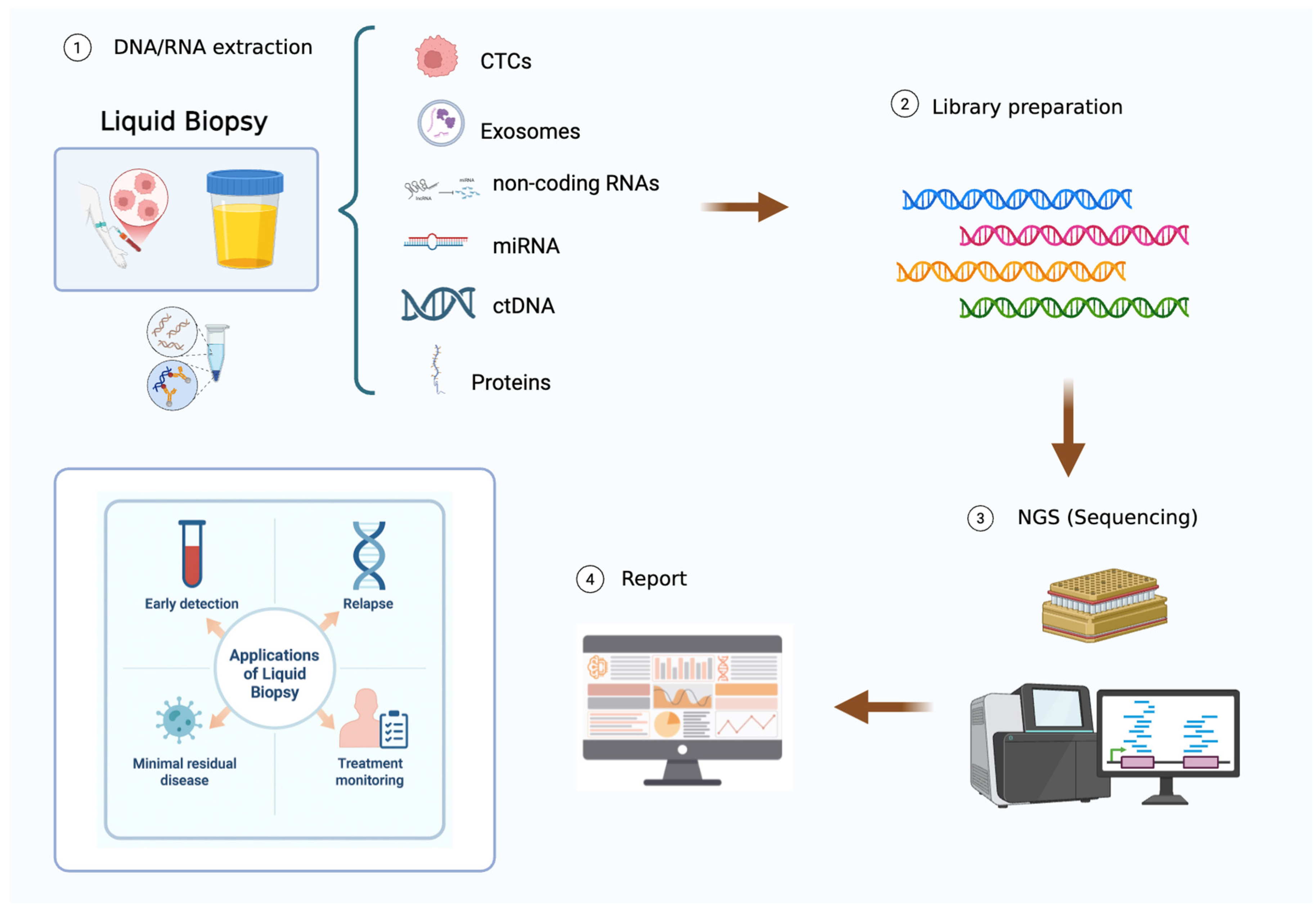
LB has recently emerged as an innovative approach in precision oncology for detecting tumor-derived components in body fluids such as blood and urine [55]. LB technologies, whose ultra-high sensitivity can provide wide proteomic profiling, in-depth quantification of RNA species (e.g., circulating tumor cells [CTCs], cell-free DNA [cfDNA], RNA species [microRNAs, long non-coding RNAs], extracellular vesicles, and tumor-associated proteins). This test allows valuable insights into tumor dynamics without the need for repeated invasive procedures [56,57,58,59,60].
The current gold standard of diagnosis (cystoscopy and biopsy) is invasive, expensive, and carries patient anxiety and procedural risks [61]. Given these limitations and the frequent need for lifelong monitoring, there is an unmet need for non-invasive, reliable tools for early diagnosis, dynamic follow-up, and treatment guidance.
In BC, this is especially relevant since the urothelial cells are in direct contact with urine. LB allows real-time tumor monitoring, detection of minimal residual disease, prediction of recurrence, and assessment of treatment response [62]. In last years, advances in high-throughput technologies have enabled the identification of urine-based metabolomic and proteomic biomarkers with markedly improved diagnostic accuracy. When combined with artificial intelligence algorithms, these molecular profiles allow for more precise risk stratification and non-invasive monitoring of bladder cancer patients. Moreover, integrative multi-omics approaches (including transcriptomics, DNA methylation, and proteomics) have demonstrated substantial potential for detecting minimal residual disease and predicting recurrence earlier than conventional methods [63,64,65].
Genomic analyses have identified recurrent mutations such as FGFR3 and TERT promoter alterations, as well as DNA methylation signatures, associated with disease subtype and prognosis [66,67]. Transcriptomic profiling has revealed diagnostic and prognostic microRNA panels, while proteomic studies highlight markers like NMP22 and surviving [67,68]. Extracellular vesicles analysis has expanded the biomarker repertoire, providing insights into tumor biology and potential therapeutic targets [69].
In addition, the diagnostic and predictive accuracy of LB has been improved by multi-omics integration and advanced computational approaches, including machine learning beyond single-marker detection [70,71]. These strategies enable the identification of actionable targets, guiding precision oncology in BC by tailoring therapies to individual tumor profiles (Figure 2). LB provides an interesting new opportunity for longitudinal assessment, including the monitoring of clonal evolution and mechanisms of resistance, without the need for repeated invasive procedures [55].
Clinical applications of LB in BC include several contexts, such as early diagnosis, prognosis, therapy guidance, or treatment monitoring. However, several challenges remain before LB becomes a routine clinical tool: pre-analytical variability in sample collection and processing, assay standardization, reproducibility, and the need for prospective validation in large and diverse cohorts [72].
Six urinary diagnostic assays for BC have been approved for clinical use by the FDA: qualitative bladder tumor antigen (BTA) (BTA stat), quantitative BTA (BTA TRAK), quantitative nuclear matrix protein 22 (NMP22) (Alere NMP22), qualitative NMP22 (BladderCheck), fluorescent immunohistochemistry (ImmunoCyt), and fluorescence in situ hybridization (FISH) (UroVysion) [72,73,74,75]. Of these, three identify genetic or protein changes in exfoliated urinary cells (UroVysion, BladderCheck, and ImmunoCyt), and two measure marker proteins secreted into urine (NMP22 and BTA assays). In the past decade, in addition to the FDA-approved kits described above, numerous other tests have been developed for the study and investigation of biomarkers in urine [66,76,77,78,79,80,81,82,83,84,85,86,87,88,89,90,91].
The methods used for detection and surveillance of bladder cancer work based on DNA mutations or methylation, RNA signatures, improved cytology, and protein-based assays (Table 2).
Deepening in Bladder Epicheck, its software analyzes the data obtained by qPCR. As noted by Leonardi et al., EpiScore, with values ranging from 0 to 100, allows for the prediction of the outcome. Episcore determination < 60 provides a very high negative predictive value for tumor recurrence, whilst Episcore ≥ 60 indicates a positive result, leading to additional interventions (such as cystoscopy) to rule out bladder cancer recurrence [92]. Although the current landscape of biomarkers in bladder cancer demonstrates significant promise, it remains hampered by limited prospective validation and real-world clinical deployment.
The successful translation of biomarkers from the laboratory to clinical practice requires robust validation in multicenter settings. Recent trials have shown that molecular urine tests can achieve sensitivities and specificities comparable to, or exceeding, those of cystoscopy in the surveillance of NMIBC. In addition, even more heterogeneous AI- and machine learning-based models have been validated in diverse, multicenter cohorts, further supporting their practicality and generalizability, which adds further support for such tools to be included in clinical practice guidelines [93].
Recent advances in molecular biology and bioinformatics are accelerating their integration into clinical practice, with the potential to shift BC care towards a truly personalized approach [13,94]. Next-generation biomarker validation, standardization of analytical assays, and evidence of clinical utility in randomized prospective trials should drive the next investigations.

New Perspectives About ctDNA

Ongoing clinical trials are exploring the integration of molecular subtyping and ctDNA to optimize personalized therapeutic strategies in BC. These trials are evaluating the utility of liquid biopsy to detect MRD after radical treatment or in bladder-sparing treatments. In addition, by using tumor-informed ctDNA assays (PCR or NGS panels) to stratify MIBC patients, clinical trials propose to select patients likely to benefit from targeted therapies (Table 3) [47,95,96,97,98,99,100,101,102]. Because MIBC is increasing its incidence and due to its high mortality and recurrence rate, several trials in the past years have been developed with the aim of improving oncologic results in this field, focusing on the role of ctDNA as a predictive and prognostic biomarker.
Adaptive clinical trial designs seek to determine whether tailoring ICIs can eradicate detectable ctDNA, thereby improving survival and, in selected cases, achieving cure. Equally necessary are prospective trials aimed at validating ctDNA as a reliable surrogate endpoint, both for prognosis and for predicting therapeutic response in MRD settings. These studies would be very useful with respect to adapting treatment, especially now with the inclusion of newer.
In the future, an integrative approach of ctDNA analysis with other molecular layers, including genomic, epigenomic, and other multi-omics signatures, will increase sensitivity and specificity for MRD identification. However, this raises a relevant clinical challenge: what is the best approach for patients who have a positive or rising ctDNA in the absence of visible metastases on cross-sectional imaging? This underscores the need for robust, biomarker-driven interventional studies, which, as stated previously, are underway.
As novelty, BISCAY used a biomarker-directed platform trial design with combinations of durvalumab and serial ctDNA surveillance. Progression-free survival was similar across treatment arms, but molecular tracking of ctDNA levels and FGFR mutations revealed associations with clinical outcomes [103]. Beyond blood-based assays, urine-derived tumor DNA is emerging as a complementary, non-invasive modality for disease monitoring [104]. Despite encouraging preliminary data, the biomarker’s predictive value remains uncertain until validated using larger, prospective, real-world datasets

3.4. Tumor Microenvironment (TME)

Deepening in the biomolecular setting, recent advances in cancer biology and immunology have significantly improved our understanding of the TME and its impact on the host immune response. The dynamic interplay between tumor cells and their surrounding stroma is now recognized as a critical determinant of cancer progression, metastasis, immune evasion, and response to immunotherapy. Recent research increasingly focuses on immunosuppressive characteristics of the TME, particularly regarding patterns of immune cell infiltration and the regulation of immune checkpoints [45,105]. Tumors seem to create an immunologically unfavorable microenvironment that suppresses antitumor immunity by deploying many different mechanisms, which inhibit the formation of potent immune responses.
Recent evidence underscores the pivotal role of immunological biomarkers in predicting and monitoring response to ICIs in urothelial carcinoma. PD-L1 expression, assessed by immunohistochemistry in both tumor and immune cells, remains the most established predictive marker, although its prognostic value is influenced by tumor heterogeneity and dynamic modulation during treatment.
High densities of CD8+ TILs and favorable CD8+/FOXP3+ Treg ratios have been associated with improved outcomes following PD-1/PD-L1 blockade, while increased myeloid-derived suppressor cells (MDSCs) and M2-polarized macrophages correlate with resistance [106,107]. TMB and neoantigen load, particularly when integrated with molecular subtype classification, provide additional predictive accuracy, with basal/squamous subtypes generally exhibiting greater immunogenicity and responsiveness to ICIs [108].
Emerging data from prospective trials, including IMvigor211, CheckMate 274, and JAVELIN Bladder 100, confirm that combining PD-L1 expression with composite immune scores or TMB enhances patient selection beyond single-marker strategies. Moreover, integration of longitudinal ctDNA dynamics with immunological profiling is emerging as a powerful tool for early detection of ICI resistance and disease progression. Together, these findings highlight the potential need to include immune biomarker assessment into standard clinical practice to optimize the therapeutic benefit of ICIs and to facilitate the development of personalized, biology-driven immuno-oncology approaches in bladder cancer. In addition, a better characterization of the cell composition and heterogeneity of the bladder cancer TME should improve patient stratification.
Thus, strategies aimed at remodeling the TME and restoring effective immune function are key to optimizing the success of cancer immunotherapies. A comprehensive understanding of the pathways underlying immune escape and resistance and the identification of novel molecular targets capable of counteracting tumor-driven immune tolerance could open new therapeutic approaches, thereby improving clinical prognosis.

4. Future Directions

The future of urothelial carcinoma management will be marked by molecular biomarkers, AI analytics, and rigorous multicenter real-world validation in the clinical setting. High-throughput multi-omics approaches (from genomics, transcriptomics, to proteomics and metabolomics) should be standardized across platforms to provide reproducible and comparable results. AI-based predictive models, especially when combined with radiomics, digital pathology, and longitudinal liquid biopsy data, bring the potential to improve patient stratification and treatment selection; however, broad availability will be based on transparent algorithms, interpretability, and approval by regulatory bodies.

4.1. Emerging-Directed Therapies

Today, emerging immune checkpoints outside of the PD-1/PD-L1 axis, including lymphocyte-activation gene 3 (LAG-3), T cell immunoreceptor with Ig and ITIM domains (TIGIT), and B7 homolog 3 (B7-H3), are increasing the interest in UC management. LAG-3 is a T cell inhibitory receptor that downregulates T cell proliferation and cytokine production, frequently co-expressed with PD-1 in exhausted T cells, suggesting potential synergistic blockade strategies [109]. TIGIT is an inhibitory receptor expressed on T cells and natural killer cells and regulates anti-tumor immunity through competition with CD226 for binding to CD155, and increased expression of TIGIT in bladder tumors is associated with impaired effector function. As a B7 family member, B7-H3 performs an immunosuppressive function in the TME, and poor prognostic features and increased metastasis associated with B7-H3 have been reported [110,111,112]. Preclinical models suggest that inhibition of these pathways, used in conjunction with or independent of PD-1/PD-L1 inhibitors, may further activate the immune response and bypass subsequent resistance to ICIs.
Several early-phase clinical trials are evaluating monoclonal and bispecific antibodies against these targets as next-generation immuno-oncology agents in bladder cancer [113]. These markers hold promise for refining ICI selection and guiding rational combination strategies. Current evidence suggests potential utility, but further multi-center studies are essential to substantiate its performance in diverse patient populations.

4.2. AI Application in BC

AI has gained increasing interest as a disruptive tool with the potential to radically change diagnostics, treatment targeting, patient supervision, and may also be used for administrative work. AI applications in healthcare are already making significant strides in fields such as radiology, oncology, and pathology [114].
Recent advances in AI have opened new pathways for integrating complex biomarker datasets in bladder cancer. Specifically, AI-based models can process high-dimensional multi-omic data—including gene expression signatures linked to molecular taxonomies (e.g., basal vs. luminal subtypes), immune-infiltration profiles, and liquid-biopsy derived analytes such as circulating tumor DNA (ctDNA), miRNAs, or exosomes. By combining the molecular classification of tumor subtypes, immune landscapes, and minimally invasive read-outs from liquid biopsies, AI frameworks offer the potential to refine risk-stratification, predict therapeutic response, and monitor disease evolution in bladder cancer [115]. For example, after defining tumor taxonomy and immune status, a liquid-biopsy panel of candidate biomarkers may be fed into machine-learning or deep-learning algorithms to generate predictive risk scores or decision-support tools, thereby bridging the gap between molecular biology and clinical application [116]. In this way, AI acts as the connective tissue between biochemical taxonomy, immune microenvironment, and biomarker measurement, enabling a truly integrated precision oncology approach for bladder cancer.
AI is increasingly changing the diagnosis and treatment of bladder cancer, but some critical difficulties need to be addressed to promote its applicability to clinical work. A new study in a diagnostic setting, Cystoscopy AI Diagnostic System (CAIDS), a stable AI model-based application, has been trained on over 69,000 images of 10,729 patients and showed an accuracy of 93.9% and sensitivity of 95.4%, surpassing experienced urologists in real-time detection of a lesion [117]. Likewise, convolutional neural networks (CNN)-based models such as CystoNet achieved per-frame sensitivities of 90.9% and specificities of 98.6%, facilitating superior intraoperative navigation and tumor identification. These models evaluate the characteristics of bladder tissue samples, such as cell morphology and tumor grade, to assess the likelihood of recurrence after treatment [118]. Next steps are the implementation of prospective multicenter validation of such systems and incorporation into standard cystoscopy systems, which might reduce rates of recurrence owing to an increased resection completeness.
In CT imaging, AI demonstrates very good predictive potential for staging. Deep learning models using CT images yielded good preoperative discriminative performance of MIBC vs. NMIBC, and multi-task learning models based on MRI showed higher reliability in evaluating muscle infiltration than single-task models. Radiogenomics-integrated MRI and RNA-seq-only data achieved the best staging performance (92% accuracy, 94% sensitivity, and 88% specificity), with a gain of 17–33% as compared with models trained on single-modality data [119]. These results highlight the necessity of multimodal AI pipelines that integrate imaging, molecular, and clinical information for precision staging and therapeutic response assessment.
One of the most clinically relevant potential applications could be in urine-based diagnostics. With a sensitivity ranging from 92.2 to 100% in retrospective cohorts and of 89.6% in a prospective cohort, the PUCAS (Precision Urine Cytology AI Solution) technology led to a decreased frequency of cystoscopy by 57.5% with a negative predictive value of 96.4% [120]. Correspondingly, 93% for high-grade tumors and 66.7% for low-grade disease sensitivity were obtained by the VisioCyt assay, demonstrating the current inability to detect indolent lesions [121]. Supervised machine learning predictors built on >1000 NMIBC patients receiving Bacillus Calmette–Guérin (BCG) have recently shown enhanced prediction of recurrence and progression with respect to Sylvester Risk Tables [118]. This highlights the possibility for AI not only to stratify oncologic risk but also to tailor personalized therapy for non-malignant bladder diseases.
And from another point of view, in the paper by Mahapatra et al., it is pointed out that AI as applied to bladder cancer should be incorporated into a broader picture of the bladder pathophysiology, such as overactive bladder, neurogenic bladder, and bladder outlet obstruction [122].
Moving forward, three strategic priorities become evident: (1) multicenter validation and data sharing to combat heterogeneity and small sampling biases; (2) explainability and interpretability to undercut the “black box” challenge and to encourage clinical trust; and (3) integration within precision oncology via radiogenomics, digital pathology, and molecular biomarker-driven AI pipelines. These methods may expedite the migration of AI tools from the experimental realm to standard-of-care, thereby improving diagnostic performance, treatment individualization, and prognosis of bladder cancer patients. Future investigation should focus on the algorithm stability of tumor identification, harmonization of data across centers, and regulatory pathways for in vitro diagnostic implementation.
Cost-effectiveness analyses and health technology assessments will be critical to justify the incorporation of novel diagnostics into public health systems. Finally, collaborative networks linking academic centers, industry, and regulatory agencies will be essential to accelerate translation from discovery to implementation, enabling a new era of precision oncology in bladder cancer.

5. Conclusions

The changing paradigm of bladder cancer treatment is driven by progress in molecular subtypes, immune biomarkers, liquid biopsy, and artificial intelligence. Together, these advancements provide new opportunities for early detection, better assessment of risk, and individualized therapeutic approaches.
Combining multi-omics data with computational analysis and minimally invasive approaches can help optimize precise and personalized clinical management that is adapted to tumor heterogeneity. However, translating these advances into routine practice will require multicenter validation, methodological standardization, and cost-effectiveness analyses to ensure broad applicability and equity of access.
Ultimately, the convergence of biology-driven discoveries and computational advancement will drive to a new world of precision oncology that has strong potential to impact outcomes for patients with UC.

Author Contributions

Conceptualization B.H.-I., F.G.-R. and F.A.-d.A., writing and original draft preparation F.A.-d.A., B.H.-I., R.S.-P.d.l.B., E.M.M.-R. and F.G.-R., editing and writing, F.A.-d.A., F.G.-R. and B.H.-I. All authors have read and agreed to the published version of the manuscript.

Funding

This research received no external funding.

Institutional Review Board Statement

Not applicable.

Informed Consent Statement

Not applicable.

Data Availability Statement

No new data were created or analyzed in this study. Data sharing is not applicable to this article.

Conflicts of Interest

The remaining authors declare that the research was conducted in the absence of any commercial or financial relationships that could be construed as a potential conflict of interest. The funders had no role in the design of this study; in the collection, analyses, or interpretation of data; in the writing of the manuscript; or in the decision to publish the results.

References

  1. Witjes, J.A.; Bruins, H.M.; Cathomas, R.; Compérat, E.M.; Cowan, N.C.; Gakis, G.; Hernández, V.; Espinós, E.L.; Lorch, A.; Neuzillet, Y.; et al. European Association of Urology Guidelines on Muscle-invasive and Metastatic Bladder Cancer: Summary of the 2020 Guidelines. Eur. Urol. 2021, 79, 82–104. [Google Scholar] [CrossRef] [PubMed]
  2. Rieger-Christ, K.M.; Mourtzinos, A.; Lee, P.J.; Zagha, R.M.; Cain, J.; Silverman, M.; Libertino, J.A.; Summerhayes, I.C. Identification of fibroblast growth factor receptor 3 mutations in urine sediment DNA samples complements cytology in bladder tumor detection. Cancer 2003, 98, 737–744. [Google Scholar] [CrossRef] [PubMed]
  3. Van Rhijn, B.W.G.; Van Der Kwast, T.H.; Vis, A.N.; Kirkels, W.J.; Boevé, E.R.; Jöbsis, A.C.; Zwarthoff, E.C. FGFR3 and P53 Characterize Alternative Genetic Pathways in the Pathogenesis of Urothelial Cell Carcinoma. Cancer Res. 2004, 64, 1911–1914. [Google Scholar] [CrossRef] [PubMed]
  4. Bakkar, A.A.; Wallerand, H.; Radvanyi, F.; Lahaye, J.-B.; Pissard, S.; Lecerf, L.; Kouyoumdjian, J.C.; Abbou, C.C.; Pairon, J.-C.; Jaurand, M.-C.; et al. FGFR3 and TP53 gene mutations define two distinct pathways in urothelial cell carcinoma of the bladder. Cancer Res. 2003, 63, 8108–8112. [Google Scholar]
  5. Orlow, I.; LaRue, H.; Osman, I.; Lacombe, L.; Moore, L.; Rabbani, F.; Meyer, F.; Fradet, Y.; Cordon-Cardo, C. Deletions of the INK4A Gene in Superficial Bladder Tumors. Am. J. Pathol. 1999, 155, 105–113. [Google Scholar] [CrossRef]
  6. Mitra, A.P.; Datar, R.H.; Cote, R.J. Molecular Pathways in Invasive Bladder Cancer: New Insights Into Mechanisms, Progression, and Target Identification. J. Clin. Oncol. 2006, 24, 5552–5564. [Google Scholar] [CrossRef]
  7. Wu, X.-R. Urothelial tumorigenesis: A tale of divergent pathways. Nat. Rev. Cancer 2005, 5, 713–725. [Google Scholar] [CrossRef]
  8. Robertson, A.G.; Kim, J.; Al-Ahmadie, H.; Bellmunt, J.; Guo, G.; Cherniack, A.D.; Hinoue, T.; Laird, P.W.; Hoadley, K.A.; Akbani, R.; et al. Comprehensive Molecular Characterization of Muscle-Invasive Bladder Cancer. Cell 2017, 171, 540–556.e25. [Google Scholar] [CrossRef]
  9. Assenov, Y.; Brocks, D.; Gerhäuser, C. Intratumor heterogeneity in epigenetic patterns. Semin. Cancer Biol. 2018, 51, 12–21. [Google Scholar] [CrossRef]
  10. Fong, M.H.Y.; Feng, M.; McConkey, D.J.; Choi, W. Update on bladder cancer molecular subtypes. Transl. Androl. Urol. 2020, 9, 2881–2889. [Google Scholar] [CrossRef]
  11. Choi, W.; Porten, S.; Kim, S.; Willis, D.; Plimack, E.R.; Hoffman-Censits, J.; Roth, B.; Cheng, T.; Tran, M.; Lee, I.-L.; et al. Identification of Distinct Basal and Luminal Subtypes of Muscle-Invasive Bladder Cancer with Different Sensitivities to Frontline Chemotherapy. Cancer Cell 2014, 25, 152–165. [Google Scholar] [CrossRef] [PubMed]
  12. Kamoun, A.; De Reyniès, A.; Allory, Y.; Sjödahl, G.; Robertson, A.G.; Seiler, R.; Hoadley, K.A.; Groeneveld, C.S.; Al-Ahmadie, H.; Choi, W.; et al. A Consensus Molecular Classification of Muscle-invasive Bladder Cancer. Eur. Urol. 2020, 77, 420–433. [Google Scholar] [CrossRef] [PubMed]
  13. Lindskrog, S.V.; Prip, F.; Lamy, P.; Taber, A.; Groeneveld, C.S.; Birkenkamp-Demtröder, K.; Jensen, J.B.; Strandgaard, T.; Nordentoft, I.; Christensen, E.; et al. An integrated multi-omics analysis identifies prognostic molecular subtypes of non-muscle-invasive bladder cancer. Nat. Commun. 2021, 12, 2301. [Google Scholar] [CrossRef] [PubMed]
  14. Barbadilla, T.C.; Pérez, M.Á.; Cuadra, J.D.P.; De Vera, M.T.D.; Arco, F.A.; Muñoz, I.G.; De La Blanca, R.S.-P.; Herrera-Imbroda, B.; Matas-Rico, E.; Martín, M.I.H. The Role of Immunohistochemistry as a Surrogate Marker in Molecular Subtyping and Classification of Bladder Cancer. Diagnostics 2024, 14, 2501. [Google Scholar] [CrossRef]
  15. Do, A.T.; Pham, Q.T.; Nguyen, N.M.T.; Nguyen, P.N.; Bui, T.T.T.; Ngo, Q.D. Immunohistochemical Evaluation of Basal and Luminal Markers in Bladder Cancer: A Study from a Single Institution. Life 2024, 14, 1670. [Google Scholar] [CrossRef]
  16. Choi, W.; Ochoa, A.; McConkey, D.J.; Aine, M.; Höglund, M.; Kim, W.Y.; Real, F.X.; Kiltie, A.E.; Milsom, I.; Dyrskjøt, L.; et al. Genetic Alterations in the Molecular Subtypes of Bladder Cancer: Illustration in the Cancer Genome Atlas Dataset. Eur. Urol. 2017, 72, 354–365. [Google Scholar] [CrossRef]
  17. Mitra, A.P.; Birkhahn, M.; Cote, R.J. p53 and retinoblastoma pathways in bladder cancer. World J. Urol. 2007, 25, 563–571. [Google Scholar] [CrossRef]
  18. Rebouissou, S.; Bernard-Pierrot, I.; De Reyniès, A.; Lepage, M.-L.; Krucker, C.; Chapeaublanc, E.; Hérault, A.; Kamoun, A.; Caillault, A.; Letouzé, E.; et al. EGFR as a potential therapeutic target for a subset of muscle-invasive bladder cancers presenting a basal-like phenotype. Sci. Transl. Med. 2014, 6, 244ra91. [Google Scholar] [CrossRef]
  19. Horsman, M.R.; Overgaard, J. The impact of hypoxia and its modification of the outcome of radiotherapy. J. Radiat. Res. 2016, 57, i90–i98. [Google Scholar] [CrossRef]
  20. Kim, J.; Kwiatkowski, D.; McConkey, D.J.; Meeks, J.J.; Freeman, S.S.; Bellmunt, J.; Getz, G.; Lerner, S.P. The Cancer Genome Atlas Expression Subtypes Stratify Response to Checkpoint Inhibition in Advanced Urothelial Cancer and Identify a Subset of Patients with High Survival Probability. Eur. Urol. 2019, 75, 961–964. [Google Scholar] [CrossRef]
  21. Stadler, W.M.; Lerner, S.P.; Groshen, S.; Stein, J.P.; Shi, S.-R.; Raghavan, D.; Esrig, D.; Steinberg, G.; Wood, D.; Klotz, L.; et al. Phase III Study of Molecularly Targeted Adjuvant Therapy in Locally Advanced Urothelial Cancer of the Bladder Based on p53 Status. J. Clin. Oncol. 2011, 29, 3443–3449. [Google Scholar] [CrossRef]
  22. Mitra, A.P.; Castelao, J.E.; Hawes, D.; Tsao-Wei, D.D.; Jiang, X.; Shi, S.-R.; Datar, R.H.; Skinner, E.C.; Stein, J.P.; Groshen, S.; et al. Combination of molecular alterations and smoking intensity predicts bladder cancer outcome: A report from the Los Angeles Cancer Surveillance Program. Cancer 2013, 119, 756–765. [Google Scholar] [CrossRef] [PubMed]
  23. Simon, R.; Struckmann, K.; Schraml, P.; Wagner, U.; Forster, T.; Moch, H.; Fijan, A.; Bruderer, J.; Wilber, K.; Mihatsch, M.J.; et al. Amplification pattern of 12q13-q15 genes (MDM2, CDK4, GLI) in urinary bladder cancer. Oncogene 2002, 21, 2476–2483. [Google Scholar] [CrossRef] [PubMed]
  24. Hussain, S.A.; Ganesan, R.; Hiller, L.; Cooke, P.W.; Murray, P.; Young, L.S.; James, N.D. BCL2 expression predicts survival in patients receiving synchronous chemoradiotherapy in advanced transitional cell carcinoma of the bladder. Oncol. Rep. 2003, 10, 571–576. [Google Scholar] [PubMed]
  25. Korkolopoulou, P.; Lazaris, A.C.; Konstantinidou, A.-E.; Kavantzas, N.; Patsouris, E.; Christodoulou, P.; Thomas-Tsagli, E.; Davaris, P. Differential Expression of bcl-2 Family Proteins in Bladder Carcinomas. Eur. Urol. 2002, 41, 274–283. [Google Scholar] [CrossRef] [PubMed]
  26. Van Rhijn, B.W.G.; Zuiverloon, T.C.M.; Vis, A.N.; Radvanyi, F.; Van Leenders, G.J.L.H.; Ooms, B.C.M.; Kirkels, W.J.; Lockwood, G.A.; Boevé, E.R.; Jöbsis, A.C.; et al. Molecular Grade (FGFR3/MIB-1) and EORTC Risk Scores Are Predictive in Primary Non–Muscle-Invasive Bladder Cancer. Eur. Urol. 2010, 58, 433–441. [Google Scholar] [CrossRef]
  27. Birkhahn, M.; Mitra, A.P.; Williams, A.J.; Lam, G.; Ye, W.; Datar, R.H.; Balic, M.; Groshen, S.; Steven, K.E.; Cote, R.J. Predicting Recurrence and Progression of Noninvasive Papillary Bladder Cancer at Initial Presentation Based on Quantitative Gene Expression Profiles. Eur. Urol. 2010, 57, 12–20. [Google Scholar] [CrossRef]
  28. Mitra, A.P.; Lam, L.L.; Ghadessi, M.; Erho, N.; Vergara, I.A.; Alshalalfa, M.; Buerki, C.; Haddad, Z.; Sierocinski, T.; Triche, T.J.; et al. Discovery and Validation of Novel Expression Signature for Postcystectomy Recurrence in High-Risk Bladder Cancer. JNCI J. Natl. Cancer Inst. 2014, 106, dju290. [Google Scholar] [CrossRef]
  29. Ide, H.; Inoue, S.; Miyamoto, H. Histopathological and prognostic significance of the expression of sex hormone receptors in bladder cancer: A meta-analysis of immunohistochemical studies. PLoS ONE 2017, 12, e0174746. [Google Scholar] [CrossRef]
  30. Cubas, R.; Zhang, S.; Li, M.; Chen, C.; Yao, Q. Trop2 expression contributes to tumor pathogenesis by activating the ERK MAPK pathway. Mol. Cancer 2010, 9, 253. [Google Scholar] [CrossRef]
  31. Chou, J.; Trepka, K.; Sjöström, M.; Egusa, E.A.; Chu, C.E.; Zhu, J.; Chan, E.; Gibb, E.A.; Badura, M.L.; Contreras-Sanz, A.; et al. TROP2 Expression Across Molecular Subtypes of Urothelial Carcinoma and Enfortumab Vedotin-resistant Cells. Eur. Urol. Oncol. 2022, 5, 714–718. [Google Scholar] [CrossRef]
  32. Ghali, F.; Vakar-Lopez, F.; Roudier, M.P.; Garcia, J.; Arora, S.; Cheng, H.H.; Schweizer, M.T.; Haffner, M.C.; Lee, J.K.; Yu, E.Y.; et al. Metastatic Bladder Cancer Expression and Subcellular Localization of Nectin-4 and Trop-2 in Variant Histology: A Rapid Autopsy Study. Clin. Genitourin. Cancer 2023, 21, 669–678. [Google Scholar] [CrossRef] [PubMed]
  33. Chen, F.-H.; Crist, S.A.; Zhang, G.-J.; Iwamoto, Y.; See, W.A. Interleukin-6 production by human bladder tumor cell lines is up-regulated by bacillus Calmette-Guérin through nuclear factor-kappaB and Ap-1 via an immediate early pathway. J. Urol. 2002, 168, 786–797. [Google Scholar] [CrossRef] [PubMed]
  34. Ishioka, J.; Saito, K.; Sakura, M.; Yokoyama, M.; Matsuoka, Y.; Numao, N.; Koga, F.; Masuda, H.; Fujii, Y.; Kawakami, S.; et al. Development of a nomogram incorporating serum C-reactive protein level to predict overall survival of patients with advanced urothelial carcinoma and its evaluation by decision curve analysis. Br. J. Cancer 2012, 107, 1031–1036. [Google Scholar] [CrossRef] [PubMed]
  35. Andrews, B.; Shariat, S.F.; Kim, J.-H.; Wheeler, T.M.; Slawin, K.M.; Lerner, S.P. Preoperative plasma levels of interleukin-6 and its soluble receptor predict disease recurrence and survival of patients with bladder cancer. J. Urol. 2002, 167, 1475–1481. [Google Scholar] [CrossRef]
  36. Francisco, L.M.; Salinas, V.H.; Brown, K.E.; Vanguri, V.K.; Freeman, G.J.; Kuchroo, V.K.; Sharpe, A.H. PD-L1 regulates the development, maintenance, and function of induced regulatory T cells. J. Exp. Med. 2009, 206, 3015–3029. [Google Scholar] [CrossRef]
  37. Amarnath, S.; Mangus, C.W.; Wang, J.C.M.; Wei, F.; He, A.; Kapoor, V.; Foley, J.E.; Massey, P.R.; Felizardo, T.C.; Riley, J.L.; et al. The PDL1-PD1 Axis Converts Human TH 1 Cells into Regulatory T Cells. Sci. Transl. Med. 2011, 3, 111ra120. [Google Scholar] [CrossRef]
  38. Siregar, G.P.; Parwati, I.; Tjahjodjati, T.; Safriadi, F.; Situmorang, G.R.; Yohana, R.; Khairani, A.F. Molecular Dynamic Stability Study of VEGF Inhibitor in Patients with Bladder Cancer. Acta Inf. Med. 2025, 33, 50–53. [Google Scholar] [CrossRef] [PubMed] [PubMed Central]
  39. Bochner, B.H.; Cote, R.J.; Weidner, N.; Groshen, S.; Chen, S.-C.; Skinner, D.G.; Nichols, P.W. Angiogenesis in Bladder Cancer: Relationship Between Microvessel Density and Tumor Prognosis. JNCI J. Natl. Cancer Inst. 1995, 87, 1603–1612. [Google Scholar] [CrossRef]
  40. Shariat, S.F.; Youssef, R.F.; Gupta, A.; Chade, D.C.; Karakiewicz, P.I.; Isbarn, H.; Jeldres, C.; Sagalowsky, A.I.; Ashfaq, R.; Lotan, Y. Association of Angiogenesis Related Markers With Bladder Cancer Outcomes and Other Molecular Markers. J. Urol. 2010, 183, 1744–1750. [Google Scholar] [CrossRef]
  41. Slaton, J.W.; Millikan, R.; Inoue, K.; Karashima, T.; Czerniak, B.; Shen, Y.; Yang, Y.; Benedict, W.F.; Dinney, C.P.N. Correlation of metastasis related gene expression and relapse-free survival in patients with locally advanced bladder cancer treated with cystectomy and chemotherapy. J. Urol. 2004, 171, 570–574. [Google Scholar] [CrossRef] [PubMed]
  42. Szarvas, T.; Becker, M.; Vom Dorp, F.; Gethmann, C.; Tötsch, M.; Bánkfalvi, Á.; Schmid, K.W.; Romics, I.; Rübben, H.; Ergün, S. Matrix metalloproteinase-7 as a marker of metastasis and predictor of poor survival in bladder cancer. Cancer Sci. 2010, 101, 1300–1308. [Google Scholar] [CrossRef] [PubMed]
  43. Guan, K.-P.; Ye, H.-Y.; Yan, Z.; Wang, Y.; Hou, S.-K. Serum levels of endostatin and matrix metalloproteinase-9 associated with high stage and grade primary transitional cell carcinoma of the bladder. Urology 2003, 61, 719–723. [Google Scholar] [CrossRef] [PubMed]
  44. Bazargani, S.T.; Clifford, T.G.; Djaladat, H.; Schuckman, A.K.; Wayne, K.; Miranda, G.; Cai, J.; Sadeghi, S.; Dorff, T.; Quinn, D.I.; et al. Association between precystectomy epithelial tumor marker response to neoadjuvant chemotherapy and oncological outcomes in urothelial bladder cancer. Urol. Oncol. Semin. Orig. Investig. 2019, 37, 1–11. [Google Scholar] [CrossRef]
  45. Tang, H.; Wang, Y.; Chlewicki, L.K.; Zhang, Y.; Guo, J.; Liang, W.; Wang, J.; Wang, X.; Fu, Y.-X. Facilitating T Cell Infiltration in Tumor Microenvironment Overcomes Resistance to PD-L1 Blockade. Cancer Cell 2016, 29, 285–296. [Google Scholar] [CrossRef]
  46. Balar, A.V.; Castellano, D.E.; Grivas, P.; Vaughn, D.J.; Powles, T.; Vuky, J.; Fradet, Y.; Lee, J.-L.; Fong, L.; Vogelzang, N.J.; et al. Efficacy and safety of pembrolizumab in metastatic urothelial carcinoma: Results from KEYNOTE-045 and KEYNOTE-052 after up to 5 years of follow-up. Ann. Oncol. 2023, 34, 289–299. [Google Scholar] [CrossRef]
  47. Powles, T.; Durán, I.; Van Der Heijden, M.S.; Loriot, Y.; Vogelzang, N.J.; De Giorgi, U.; Oudard, S.; Retz, M.M.; Castellano, D.; Bamias, A.; et al. Atezolizumab versus chemotherapy in patients with platinum-treated locally advanced or metastatic urothelial carcinoma (IMvigor211): A multicentre, open-label, phase 3 randomised controlled trial. Lancet 2018, 391, 748–757. [Google Scholar] [CrossRef]
  48. Powles, T.; Park, S.H.; Caserta, C.; Valderrama, B.P.; Gurney, H.; Ullén, A.; Loriot, Y.; Sridhar, S.S.; Sternberg, C.N.; Bellmunt, J.; et al. Avelumab First-Line Maintenance for Advanced Urothelial Carcinoma: Results From the JAVELIN Bladder 100 Trial After ≥2 Years of Follow-Up. J. Clin. Oncol. 2023, 41, 3486–3492. [Google Scholar] [CrossRef]
  49. Galsky, M.D.; Witjes, J.A.; Gschwend, J.E.; Milowsky, M.I.; Schenker, M.; Valderrama, B.P.; Tomita, Y.; Bamias, A.; Lebret, T.; Shariat, S.F.; et al. Adjuvant Nivolumab in High-Risk Muscle-Invasive Urothelial Carcinoma: Expanded Efficacy From CheckMate 274. J. Clin. Oncol. 2025, 43, 15–21. [Google Scholar] [CrossRef]
  50. Loriot, Y.; Necchi, A.; Park, S.H.; Garcia-Donas, J.; Huddart, R.; Burgess, E.; Fleming, M.; Rezazadeh, A.; Mellado, B.; Varlamov, S.; et al. Erdafitinib in Locally Advanced or Metastatic Urothelial Carcinoma. N. Engl. J. Med. 2019, 381, 338–348. [Google Scholar] [CrossRef]
  51. Powles, T.B.; Van Der Heijden, M.S.; Loriot, Y.; Bedke, J.; Valderrama, B.P.; Iyer, G.; Kikuchi, E.; Hoffman-Censits, J.; Vulsteke, C.; Drakaki, A.; et al. Enfortumab vedotin plus pembrolizumab in untreated locally advanced or metastatic urothelial carcinoma: 2.5-year median follow-up of the phase III EV-302/KEYNOTE-A39 trial. Ann. Oncol. 2025, 36, 1212–1219. [Google Scholar] [CrossRef] [PubMed]
  52. Powles, T.; Tagawa, S.; Vulsteke, C.; Gross-Goupil, M.; Park, S.H.; Necchi, A.; De Santis, M.; Duran, I.; Morales-Barrera, R.; Guo, J.; et al. Sacituzumab govitecan in advanced urothelial carcinoma: TROPiCS-04, a phase III randomized trial. Ann. Oncol. 2025, 36, 561–571. [Google Scholar] [CrossRef] [PubMed]
  53. Meric-Bernstam, F.; Makker, V.; Oaknin, A.; Oh, D.-Y.; Banerjee, S.; González-Martín, A.; Jung, K.H.; Ługowska, I.; Manso, L.; Manzano, A.; et al. Efficacy and Safety of Trastuzumab Deruxtecan in Patients With HER2-Expressing Solid Tumors: Primary Results From the DESTINY-PanTumor02 Phase II Trial. J. Clin. Oncol. 2024, 42, 47–58. [Google Scholar] [CrossRef] [PubMed]
  54. Sheng, X.; Wang, L.; He, Z.; Shi, Y.; Luo, H.; Han, W.; Yao, X.; Shi, B.; Liu, J.; Hu, C.; et al. Efficacy and Safety of Disitamab Vedotin in Patients With Human Epidermal Growth Factor Receptor 2–Positive Locally Advanced or Metastatic Urothelial Carcinoma: A Combined Analysis of Two Phase II Clinical Trials. J. Clin. Oncol. 2024, 42, 1391–1402. [Google Scholar] [CrossRef]
  55. Lone, S.N.; Nisar, S.; Masoodi, T.; Singh, M.; Rizwan, A.; Hashem, S.; El-Rifai, W.; Bedognetti, D.; Batra, S.K.; Haris, M.; et al. Liquid biopsy: A step closer to transform diagnosis, prognosis and future of cancer treatments. Mol. Cancer 2022, 21, 79. [Google Scholar] [CrossRef]
  56. Chen, C.K.; Liao, J.; Li, M.S.; Khoo, B.L. Urine biopsy technologies: Cancer and beyond. Theranostics 2020, 10, 7872–7888. [Google Scholar] [CrossRef]
  57. Zhang, Y.; Chen, X.; Lin, J.; Jin, X. Biological functions and clinical significance of long noncoding RNAs in bladder cancer. Cell Death Discov. 2021, 7, 278. [Google Scholar] [CrossRef]
  58. Ignatiadis, M.; Lee, M.; Jeffrey, S.S. Circulating Tumor Cells and Circulating Tumor DNA: Challenges and Opportunities on the Path to Clinical Utility. Clin. Cancer Res. 2015, 21, 4786–4800. [Google Scholar] [CrossRef]
  59. Simna, S.P.; Han, Z. Prospects of Non-Coding Elements in Genomic DNA Based Gene Therapy. Curr. Gene Ther. 2022, 22, 89–103. [Google Scholar] [CrossRef]
  60. Alberca-del Arco, F.; Prieto-Cuadra, D.; De La Blanca, R.S.-P.; Sáez-Barranquero, F.; Matas-Rico, E.; Herrera-Imbroda, B. New Perspectives on the Role of Liquid Biopsy in Bladder Cancer: Applicability to Precision Medicine. Cancers 2024, 16, 803. [Google Scholar] [CrossRef]
  61. Roth, V.; Espino-Grosso, P.; Henriksen, C.H.; Canales, B.K. Office Cystoscopy Urinary Tract Infection Rate and Cost before and after Implementing New Handling and Storage Practices. Urol. Pract. 2021, 8, 23–29. [Google Scholar] [CrossRef] [PubMed]
  62. Ng, K.; Stenzl, A.; Sharma, A.; Vasdev, N. Urinary biomarkers in bladder cancer: A review of the current landscape and future directions. Urol. Oncol. Semin. Orig. Investig. 2021, 39, 41–51. [Google Scholar] [CrossRef] [PubMed]
  63. Wan, X.; Wang, D.; Zhang, X.; Xu, M.; Huang, Y.; Qin, W.; Chen, S. Unleashing the power of urine-based biomarkers in diagnosis, prognosis and monitoring of bladder cancer (Review). Int. J. Oncol. 2025, 66, 18. [Google Scholar] [CrossRef] [PubMed]
  64. Kiruba, B.; Narayan, P.S.A.; Raj, B.; Raj, S.R.; Mathew, S.G.; Lulu, S.S.; Sundararajan, V. Intervention of machine learning in bladder cancer research using multi-omics datasets: Systematic review on biomarker identification. Discov. Oncol. 2025, 16, 1010. [Google Scholar] [CrossRef]
  65. Membribes, S.C.; Nally, E.; Jackson-Spence, F.; Graham, C.; Lalwani, S.; Szabados, B.; Powles, T. Established and emerging biomarkers approaches in urothelial carcinoma. Expert Rev. Anticancer Ther. 2025, 125, 1235–1241. [Google Scholar] [CrossRef]
  66. Christensen, E.; Birkenkamp-Demtröder, K.; Nordentoft, I.; Høyer, S.; Van Der Keur, K.; Van Kessel, K.; Zwarthoff, E.; Agerbæk, M.; Ørntoft, T.F.; Jensen, J.B.; et al. Liquid Biopsy Analysis of FGFR3 and PIK3CA Hotspot Mutations for Disease Surveillance in Bladder Cancer. Eur. Urol. 2017, 71, 961–969. [Google Scholar] [CrossRef]
  67. Beukers, W.; Van Der Keur, K.A.; Kandimalla, R.; Vergouwe, Y.; Steyerberg, E.W.; Boormans, J.L.; Jensen, J.B.; Lorente, J.A.; Real, F.X.; Segersten, U.; et al. FGFR3, TERT and OTX1 as a Urinary Biomarker Combination for Surveillance of Patients with Bladder Cancer in a Large Prospective Multicenter Study. J. Urol. 2017, 197, 1410–1418. [Google Scholar] [CrossRef]
  68. Gong, Y.-W.; Wang, Y.-R.; Fan, G.-R.; Niu, Q.; Zhao, Y.-L.; Wang, H.; Svatek, R.; Rodriguez, R.; Wang, Z.-P. Diagnostic and prognostic role of BTA, NMP22, survivin and cytology in urothelial carcinoma. Transl. Cancer Res. 2021, 10, 3192–3205. [Google Scholar] [CrossRef]
  69. Oeyen, E.; Hoekx, L.; De Wachter, S.; Baldewijns, M.; Ameye, F.; Mertens, I. Bladder Cancer Diagnosis and Follow-Up: The Current Status and Possible Role of Extracellular Vesicles. Int. J. Mol. Sci. 2019, 20, 821. [Google Scholar] [CrossRef]
  70. Chen, M.; Zhao, H. Next-generation sequencing in liquid biopsy: Cancer screening and early detection. Hum. Genom. 2019, 13, 34. [Google Scholar] [CrossRef]
  71. Ferro, M.; La Civita, E.; Liotti, A.; Cennamo, M.; Tortora, F.; Buonerba, C.; Crocetto, F.; Lucarelli, G.; Busetto, G.M.; Del Giudice, F.; et al. Liquid Biopsy Biomarkers in Urine: A Route towards Molecular Diagnosis and Personalized Medicine of Bladder Cancer. J. Pers. Med. 2021, 11, 237. [Google Scholar] [CrossRef] [PubMed]
  72. Chou, R.; Buckley, D.; Fu, R.; Gore, J.L.; Gustafson, K.; Griffin, J.; Grusing, S.; Selph, S. Emerging Approaches to Diagnosis and Treatment of Non–Muscle-Invasive Bladder Cancer; AHRQ Comparative Effectiveness Reviews; Agency for Healthcare Research and Quality (US): Rockville, MD, USA, 2015. Available online: http://www.ncbi.nlm.nih.gov/books/NBK330472/ (accessed on 30 September 2025).
  73. Sassa, N.; Iwata, H.; Kato, M.; Murase, Y.; Seko, S.; Nishikimi, T.; Hattori, R.; Gotoh, M.; Tsuzuki, T. Diagnostic Utility of UroVysion Combined With Conventional Urinary Cytology for Urothelial Carcinoma of the Upper Urinary Tract. Am. J. Clin. Pathol. 2019, 151, 469–478. [Google Scholar] [CrossRef] [PubMed]
  74. He, H.; Han, C.; Hao, L.; Zang, G. ImmunoCyt test compared to cytology in the diagnosis of bladder cancer: A meta-analysis. Oncol. Lett. 2016, 12, 83–88. [Google Scholar] [CrossRef] [PubMed]
  75. Xia, C.; Fan, C.; Su, M.; Wang, Q.; Bao, H. Use of the Nuclear Matrix Protein 22 BladderChek Test for the Detection of Primary and Recurrent Urothelial Carcinoma. Dis. Mark. 2020, 2020, 3424039. [Google Scholar] [CrossRef]
  76. Feber, A.; Dhami, P.; Dong, L.; De Winter, P.; Tan, W.S.; Martínez-Fernández, M.; Paul, D.S.; Hynes-Allen, A.; Rezaee, S.; Gurung, P.; et al. UroMark—A urinary biomarker assay for the detection of bladder cancer. Clin. Epigenetics 2017, 9, 8. [Google Scholar] [CrossRef]
  77. Schulz, A.; Loloi, J.; Martina, L.P.; Sankin, A. The Development of Non-Invasive Diagnostic Tools in Bladder Cancer. OncoTargets Ther. 2022, 15, 497–507. [Google Scholar] [CrossRef]
  78. Sieverink, C.A.; Batista, R.P.M.; Prazeres, H.J.M.; Vinagre, J.; Sampaio, C.; Leão, R.R.; Máximo, V.; Witjes, J.A.; Soares, P. Clinical Validation of a Urine Test (Uromonitor-V2®) for the Surveillance of Non-Muscle-Invasive Bladder Cancer Patients. Diagnostics 2020, 10, 745. [Google Scholar] [CrossRef]
  79. Avogbe, P.H.; Manel, A.; Vian, E.; Durand, G.; Forey, N.; Voegele, C.; Zvereva, M.; Hosen, M.I.; Meziani, S.; De Tilly, B.; et al. Urinary TERT promoter mutations as non-invasive biomarkers for the comprehensive detection of urothelial cancer. eBioMedicine 2019, 44, 431–438. [Google Scholar] [CrossRef]
  80. Mancini, M.; Righetto, M.; Zumerle, S.; Montopoli, M.; Zattoni, F. The Bladder EpiCheck Test as a Non-Invasive Tool Based on the Identification of DNA Methylation in Bladder Cancer Cells in the Urine: A Review of Published Evidence. Int. J. Mol. Sci. 2020, 21, 6542. [Google Scholar] [CrossRef]
  81. Roperch, J.-P.; Hennion, C. A novel ultra-sensitive method for the detection of FGFR3 mutations in urine of bladder cancer patients—Design of the Urodiag® PCR kit for surveillance of patients with non-muscle-invasive bladder cancer (NMIBC). BMC Med. Genet. 2020, 21, 112. [Google Scholar] [CrossRef]
  82. Chen, K.; Chauhan, P.S.; Babbra, R.K.; Feng, W.; Pejovic, N.; Nallicheri, A.; Harris, P.K.; Dienstbach, K.; Atkocius, A.; Maguire, L.; et al. Tracking minimal residual disease with urine tumor DNA in muscle-invasive bladder cancer after neoadjuvant chemotherapy. J. Clin. Oncol. 2021, 39, e16514. [Google Scholar] [CrossRef]
  83. Pierconti, F.; Martini, M.; Fiorentino, V.; Cenci, T.; Capodimonti, S.; Straccia, P.; Sacco, E.; Pugliese, D.; Cindolo, L.; Larocca, L.M.; et al. The combination cytology/epichek test in non muscle invasive bladder carcinoma follow-up: Effective tool or useless expence? Urol. Oncol. Semin. Orig. Investig. 2021, 39, e17–e131. [Google Scholar] [CrossRef]
  84. Liu, Y.-L.; Wang, X.-L.; Yang, X.-H.; Wu, X.-H.; He, G.-X.; Xie, L.-M.; Cao, X.-J.; Guo, X.-G. Pooled analysis of Xpert Bladder Cancer based on the 5 mRNAs for rapid diagnosis of bladder carcinoma. World J. Surg. Oncol. 2021, 19, 42. [Google Scholar] [CrossRef]
  85. Huang, Y.-L.; Chen, J.; Yan, W.; Zang, D.; Qin, Q.; Deng, A.-M. Diagnostic accuracy of cytokeratin-19 fragment (CYFRA 21–1) for bladder cancer: A systematic review and meta-analysis. Tumor Biol. 2015, 36, 3137–3145. [Google Scholar] [CrossRef]
  86. O’Sullivan, P.; Sharples, K.; Dalphin, M.; Davidson, P.; Gilling, P.; Cambridge, L.; Harvey, J.; Toro, T.; Giles, N.; Luxmanan, C.; et al. A Multigene Urine Test for the Detection and Stratification of Bladder Cancer in Patients Presenting with Hematuria. J. Urol. 2012, 188, 741–747. [Google Scholar] [CrossRef] [PubMed]
  87. Hirasawa, Y.; Pagano, I.; Chen, R.; Sun, Y.; Dai, Y.; Gupta, A.; Tikhonenkov, S.; Goodison, S.; Rosser, C.J.; Furuya, H. Diagnostic performance of OncuriaTM, a urinalysis test for bladder cancer. J. Transl. Med. 2021, 19, 141. [Google Scholar] [CrossRef] [PubMed]
  88. Lu, P.; Cui, J.; Chen, K.; Lu, Q.; Zhang, J.; Tao, J.; Han, Z.; Zhang, W.; Song, R.; Gu, M. Diagnostic accuracy of the UBC® Rapid Test for bladder cancer: A meta-analysis. Oncol. Lett. 2018, 16, 3770–3778. [Google Scholar] [CrossRef] [PubMed]
  89. Muhammad, A.; Mungadi, I.; Darlington, N.; Kalayi, G. Effectiveness of bladder tumor antigen quantitative test in the diagnosis of bladder carcinoma in a schistosoma endemic area. Urol. Ann. 2019, 11, 143. [Google Scholar] [CrossRef]
  90. Giannopoulos, A.; Manousakas, T.; Mitropoulos, D.; Botsoli-Stergiou, E.; Constantinides, C.; Giannopoulou, M.; Choremi-Papadopoulou, H. Comparative evaluation of the BTAstat test, NMP22, and voided urine cytology in the detection of primary and recurrent bladder tumors. Urology 2000, 55, 871–875. [Google Scholar] [CrossRef]
  91. Ramos, P.; Brás, J.P.; Dias, C.; Bessa-Gonçalves, M.; Botelho, F.; Silva, J.; Silva, C.; Pacheco-Figueiredo, L. Uromonitor: Clinical Validation and Performance Assessment of a Urinary Biomarker Within the Surveillance of Patients With Nonmuscle-Invasive Bladder Cancer. J. Urol. 2025, 213, 304–312. [Google Scholar] [CrossRef]
  92. Leonardi, R.; Mantica, G.; Ambrosini, F.; Calarco, A.; Tufano, A.; Borges De Souza, P.; Mazza, M.; Bravaccini, S. The current status of biomarkers for bladder cancer: Progress and challenges. Minerva Urol. Nephrol. 2025, 77, 149–151. [Google Scholar] [CrossRef] [PubMed]
  93. Deng, Q.; Li, S.; Zhang, Y.; Jia, Y.; Yang, Y. Development and validation of interpretable machine learning models to predict distant metastasis and prognosis of muscle-invasive bladder cancer patients. Sci. Rep. 2025, 15, 11795. [Google Scholar] [CrossRef]
  94. Lotan, Y.; Roehrborn, C.G. Sensitivity and specificity of commonly available bladder tumor markers versus cytology: Results of a comprehensive literature review and meta-analyses. Urology 2003, 61, 109–118. [Google Scholar] [CrossRef] [PubMed]
  95. Van Dorp, J.; Pipinikas, C.; Suelmann, B.B.M.; Mehra, N.; Van Dijk, N.; Marsico, G.; Van Montfoort, M.L.; Hackinger, S.; Braaf, L.M.; Amarante, T.; et al. Author Correction: High- or low-dose preoperative ipilimumab plus nivolumab in stage III urothelial cancer: The phase 1B NABUCCO trial. Nat. Med. 2024, 30, 304. [Google Scholar] [CrossRef] [PubMed]
  96. Powles, T.; Kockx, M.; Rodriguez-Vida, A.; Duran, I.; Crabb, S.J.; Van Der Heijden, M.S.; Szabados, B.; Pous, A.F.; Gravis, G.; Herranz, U.A.; et al. Clinical efficacy and biomarker analysis of neoadjuvant atezolizumab in operable urothelial carcinoma in the ABACUS trial. Nat. Med. 2019, 25, 1706–1714. [Google Scholar] [CrossRef]
  97. Jensen, J.B.; Birkenkamp-Demtröder, K.; Nordentoft, I.; Milling, R.V.; Körner, S.K.; Brandt, S.B.; Knudsen, M.; Lam, G.W.; Dohn, L.H.; Fabrin, K.; et al. 1960O Identification of bladder cancer patients that could benefit from early post-cystectomy immunotherapy based on serial circulating tumour DNA (ctDNA) testing: Preliminary results from the TOMBOLA trial. Ann. Oncol. 2024, 35, S1133. [Google Scholar] [CrossRef]
  98. Manolitsis, I.; Kapriniotis, K.; Katsimperis, S.; Angelopoulos, P.; Triantafyllou, P.; Karagiotis, T.; Juliebo-Jones, P.; Mitsogiannis, I.; Somani, B.; Skolarikos, A.; et al. The use of ctDNA for muscle-invasive bladder cancer before and after radical cystectomy. Expert Rev. Anticancer Ther. 2025, 25, 787–795. [Google Scholar] [CrossRef]
  99. Powles, T.; Chang, Y.-H.; Yamamoto, Y.; Munoz, J.; Reyes-Cosmelli, F.; Peer, A.; Cohen, G.; Yu, E.Y.; Lorch, A.; Bavle, A.; et al. Pembrolizumab for advanced urothelial carcinoma: Exploratory ctDNA biomarker analyses of the KEYNOTE-361 phase 3 trial. Nat. Med. 2024, 30, 2508–2516. [Google Scholar] [CrossRef]
  100. Zhang, L.; Jin, D.; Zang, J.; Qian, L.; Zhang, T.; Wu, Y.; Ding, Y.; Xie, F.; Tang, H.; Xia, J.; et al. Disitamab vedotin combined with toripalimab and radiotherapy for multimodal organ-sparing treatment of muscle invasive bladder cancer: A proof-of-concept study. Neoplasia 2025, 68, 101216. [Google Scholar] [CrossRef]
  101. O’Donnell, P.H.; Milowsky, M.I.; Petrylak, D.P.; Hoimes, C.J.; Flaig, T.W.; Mar, N.; Moon, H.H.; Friedlander, T.W.; McKay, R.R.; Bilen, M.A.; et al. Enfortumab Vedotin With or Without Pembrolizumab in Cisplatin-Ineligible Patients With Previously Untreated Locally Advanced or Metastatic Urothelial Cancer. J. Clin. Oncol. 2023, 41, 4107–4117. [Google Scholar] [CrossRef]
  102. Reyes, K.R.; Jindal, T.; Mitchell, B.; Zhu, X.; Ding, C.-K.C.; Desai, A.; Wong, A.C.; Younger, N.S.; Kwon, D.H.; De Kouchkovsky, I.; et al. Circulating tumor DNA (ctDNA) monitoring in patients (pts) with advanced urothelial carcinoma (aUC) treated with enfortumab vedotin +/- pembrolizumab (EVP). J. Clin. Oncol. 2025, 43, 4560. [Google Scholar] [CrossRef]
  103. Chauhan, P.S.; Shiang, A.; Alahi, I.; Sundby, R.T.; Feng, W.; Gungoren, B.; Nawaf, C.; Chen, K.; Babbra, R.K.; Harris, P.K.; et al. Urine cell-free DNA multi-omics to detect MRD and predict survival in bladder cancer patients. NPJ Precis. Oncol. 2023, 7, 6. [Google Scholar] [CrossRef] [PubMed]
  104. Sfakianos, J.P.; Basu, A.; Laliotis, G.; Cumarasamy, S.; Rich, J.M.; Kommalapati, A.; Glover, M.; Mahmood, T.; Tillu, N.; Hoimes, C.J.; et al. Association of Tumor-informed Circulating Tumor DNA Detectability Before and After Radical Cystectomy with Disease-free Survival in Patients with Bladder Cancer. Eur. Urol. Oncol. 2025, 8, 306–314. [Google Scholar] [CrossRef] [PubMed]
  105. Binnewies, M.; Roberts, E.W.; Kersten, K.; Chan, V.; Fearon, D.F.; Merad, M.; Coussens, L.M.; Gabrilovich, D.I.; Ostrand-Rosenberg, S.; Hedrick, C.C.; et al. Understanding the tumor immune microenvironment (TIME) for effective therapy. Nat. Med. 2018, 24, 541–550. [Google Scholar] [CrossRef]
  106. Mariathasan, S.; Turley, S.J.; Nickles, D.; Castiglioni, A.; Yuen, K.; Wang, Y.; Kadel, E.E., III; Koeppen, H.; Astarita, J.L.; Cubas, R.; et al. TGFβ attenuates tumour response to PD-L1 blockade by contributing to exclusion of T cells. Nature 2018, 554, 544–548. [Google Scholar] [CrossRef]
  107. Sharma, P.; Shen, Y.; Wen, S.; Yamada, S.; Jungbluth, A.A.; Gnjatic, S.; Bajorin, D.F.; Reuter, V.E.; Herr, H.; Old, L.J.; et al. CD8 tumor-infiltrating lymphocytes are predictive of survival in muscle-invasive urothelial carcinoma. Proc. Natl. Acad. Sci. USA 2007, 104, 3967–3972. [Google Scholar] [CrossRef]
  108. Chen, Z.; John, J.; Wang, J.H. Why responses to immune checkpoint inhibitors are heterogeneous in head and neck cancers: Contributions from tumor-intrinsic and host-intrinsic factors. Front. Oncol. 2022, 12, 995434. [Google Scholar] [CrossRef]
  109. Andrews, L.P.; Marciscano, A.E.; Drake, C.G.; Vignali, D.A.A. LAG 3 (CD 223) as a cancer immunotherapy target. Immunol. Rev. 2017, 276, 80–96. [Google Scholar] [CrossRef]
  110. Dougall, W.C.; Kurtulus, S.; Smyth, M.J.; Anderson, A.C. TIGIT and CD 96: New checkpoint receptor targets for cancer immunotherapy. Immunol. Rev. 2017, 276, 112–120. [Google Scholar] [CrossRef]
  111. Sun, H.; Gao, F.; Liu, Y.; Shao, J. Survival and clinicopathological significance of B7-H3 in bladder cancer: A systematic review and meta-analysis. BMC Urol. 2024, 24, 57. [Google Scholar] [CrossRef]
  112. Cui, H.; Hamad, M.; Elkord, E. TIGIT in cancer: From mechanism of action to promising immunotherapeutic strategies. Cell Death Dis. 2025, 16, 664. [Google Scholar] [CrossRef]
  113. Ascierto, P.A.; Lipson, E.J.; Dummer, R.; Larkin, J.; Long, G.V.; Sanborn, R.E.; Chiarion-Sileni, V.; Dréno, B.; Dalle, S.; Schadendorf, D.; et al. Nivolumab and Relatlimab in Patients With Advanced Melanoma That Had Progressed on Anti–Programmed Death-1/Programmed Death Ligand 1 Therapy: Results From the Phase I/IIa RELATIVITY-020 Trial. J. Clin. Oncol. 2023, 41, 2724–2735. [Google Scholar] [CrossRef] [PubMed]
  114. Joshi, A.; Mishra, S.; Jain, D.; Ludhiani, S.; Rajput, A. Artificial Intelligence. In Bioinformatics Tools and Big Data Analytics for Patient Care; Chapman and Hall/CRC: Boca Raton, FL, USA, 2022; pp. 71–90. ISBN 978-1-003-22694-9. Available online: https://www.taylorfrancis.com/books/9781003226949/chapters/10.1201/9781003226949-5 (accessed on 30 September 2025).
  115. Crocetto, F.; Amicuzi, U.; Musone, M.; Magliocchetti, M.; Di Lieto, D.; Tammaro, S.; Pastore, A.L.; Fuschi, A.; Falabella, R.; Ferro, M.; et al. Liquid Biopsy: Current advancements in clinical practice for bladder cancer. J. Liq. Biopsy 2025, 9, 100310. [Google Scholar] [CrossRef] [PubMed]
  116. Bashkami, A.; Nasayreh, A.; Makhadmeh, S.N.; Gharaibeh, H.; Alzahrani, A.I.; Alwadain, A.; Heming, J.; Ezugwu, A.E.; Abualigah, L. A review of Artificial Intelligence methods in bladder cancer: Segmentation, classification, and detection. Artif. Intell. Rev. 2024, 57, 339. [Google Scholar] [CrossRef]
  117. Ma, X.; Zhang, Q.; He, L.; Liu, X.; Xiao, Y.; Hu, J.; Cai, S.; Cai, H.; Yu, B. Artificial intelligence application in the diagnosis and treatment of bladder cancer: Advance, challenges, and opportunities. Front. Oncol. 2024, 14, 1487676. [Google Scholar] [CrossRef]
  118. Shkolyar, E.; Jia, X.; Chang, T.C.; Trivedi, D.; Mach, K.E.; Meng, M.Q.-H.; Xing, L.; Liao, J.C. Augmented Bladder Tumor Detection Using Deep Learning. Eur. Urol. 2019, 76, 714–718. [Google Scholar] [CrossRef]
  119. Qureshi, T.A.; Chen, X.; Xie, Y.; Murakami, K.; Sakatani, T.; Kita, Y.; Kobayashi, T.; Miyake, M.; Knott, S.R.V.; Li, D.; et al. MRI/RNA-Seq-Based Radiogenomics and Artificial Intelligence for More Accurate Staging of Muscle-Invasive Bladder Cancer. Int. J. Mol. Sci. 2023, 25, 88. [Google Scholar] [CrossRef]
  120. Fernandez-Gomez, J.; Madero, R.; Solsona, E.; Unda, M.; Martinez-Piñeiro, L.; Gonzalez, M.; Portillo, J.; Ojea, A.; Pertusa, C.; Rodriguez-Molina, J.; et al. Predicting Nonmuscle Invasive Bladder Cancer Recurrence and Progression in Patients Treated With Bacillus Calmette-Guerin: The CUETO Scoring Model. J. Urol. 2009, 182, 2195–2203. [Google Scholar] [CrossRef]
  121. Wu, S.; Shen, R.; Hong, G.; Luo, Y.; Wan, H.; Feng, J.; Chen, Z.; Jiang, F.; Wang, Y.; Liao, C.; et al. Development and validation of an artificial intelligence-based model for detecting urothelial carcinoma using urine cytology images: A multicentre, diagnostic study with prospective validation. eClinicalMedicine 2024, 71, 102566. [Google Scholar] [CrossRef]
  122. Mahapatra, C. Artificial intelligence for diagnosing bladder pathophysiology: An updated review and future prospects. Bladder 2025, 12, e21200042. [Google Scholar] [CrossRef]
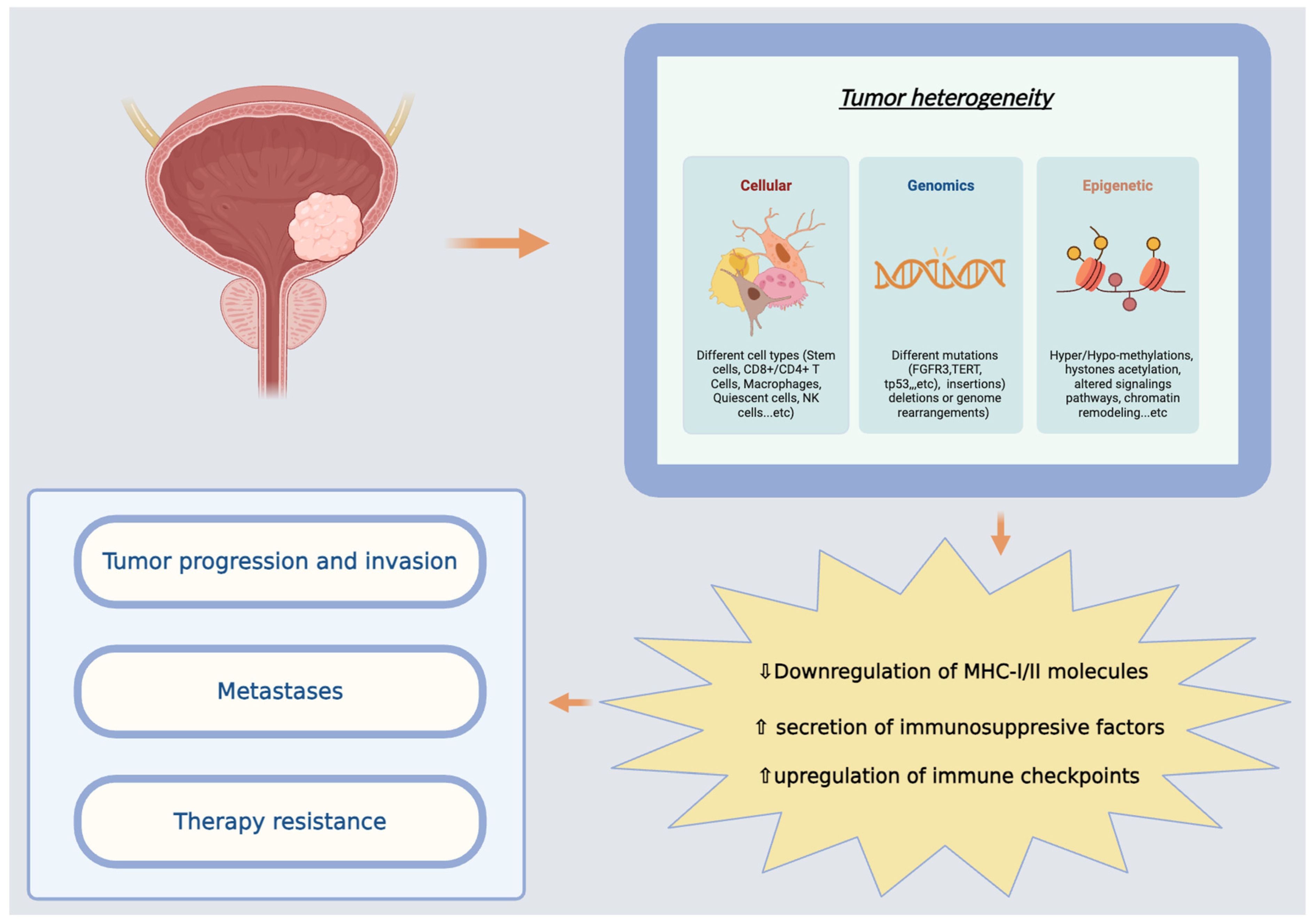
Figure 1. Schematic representation of tumor heterogeneity in bladder cancer. Cellular, genomic, and epigenetic diversity drives tumor progression, metastasis, therapeutic resistance, and immune evasion, ultimately influencing clinical outcomes and therapeutic decision-making.
Jpm 16 00025 g001
Figure 2. Applicability of LB in DNA sequencing and clinical outcomes.
Jpm 16 00025 g002
Table 1. Genomic alterations, clinical associations, and therapeutic implications across consensus molecular subtypes of muscle-invasive bladder cancer.
Molecular SubtypeKey BiomarkersClinical ImplicationsTherapeutic/Response
Implications
LumP FGFR3 mutations/fusions/amplifications (~55%), KDM6A mutations (~38%), CDKN2A deep deletions (~33%)24–35% of MIBC. Most favorable prognosis (5-year OS ≈ 65–70%); enriched in younger patients and T2 tumors.Likely sensitive to FGFR3 inhibitors (erdafitinib, BGJ398); potential biomarker for targeted therapy
LumNS ELF3 mutations (~35%), PPARG alterations (amplifications/fusions ~76%)8–12% of MIBC. Older patients (>80 yr), micropapillary histology, carcinoma in situ association. Intermmediate outcomes(5-year OS ≈ 50–55%)Potential benefit from NAC; some enrichment in atezolizumab responders
LumU PPARG alterations (~89%), ERBB2 amplification (~39%), TP53 mutations (~76%), ERCC2 mutations (~22%), high CNA and mutation load15–20% of MIBC. Most genomically altered class; poor prognosis trend; high cell cycle activity. Inferior survival (5-year OS ≈ 40–45%)Potential sensitivity to ERBB2-targeted therapy; association with radiotherapy response; enrichment for atezolizumab response
Ba/Sq TP53 mutations (~61%), RB1 mutations (~25%), concurrent TP53+RB1 in ~14%, EGFR pathway activation, STAT3/HIF1A regulon activity20–35% of MIBC. Enriched in females, advanced stage, squamous differentiation; poor prognosis (5-year OS ≈ 35–45%).Potential sensitivity to EGFR inhibitors; high immune infiltration and immune checkpoint expression → candidates for immunotherapy; possible benefit from NAC
NE-like Ubiquitous TP53 (94%) + RB1 (94%) alterations, high cell cycle activity, neuroendocrine histology (~72%)Worst prognosis (median OS < 24 months even with multimodal therapy), highly aggressive, rare (~3%)Potential sensitivity to ICIs; potential radiotherapy responders; parallels with small cell carcinoma treatment
SRHigh stromal gene expression, no specific driver mutation~15% of MIBC. Intermediate survival (5-year OS ≈ 50%). Histology is dominated by stromaImmune infiltration (T/B cell) but lower ICI response; limited sensitivity to NAC
Table 2. Summary of urinary biomarkers. Abbreviations—CEA: carcinoembryonic antigen; MAUB: mucin antigen of the urinary bladder; FDA: Food and Drug Administration; FISH: fluorescence in situ hybridization; BCG: Bacillus Calmette–Guérin; CE: Conformitée Europeenne; NGS: next-generation sequencing; BS-Seq: bisulfite sequencing; PCR: polymerase chain reaction; SafeSeqS: Safe-Sequencing System; HTS: high-throughput sequencing; RT: real-time; MASO: multiplex allele-specific, oligonucleotide; qPCR: quantitative polymerase chain reaction; ELISA: enzyme-linked immunosorbent assay; POC: point of care.
TestVariableBiomarkerAssayClinical ApplicationSensibility/SpecificityReference
UrovysionChromosome 3-7-9-17 DNA/Sediment cellsFISHPost BCG/early recurrence69%/76% [73]
ImmunocytCEA, MAUBAntigens and sulfated mucin glycoproteins (sediment cells)Immunofluorescence cytologyLG-NMIBC diagnosis77.5%/62.5% [74]
UromarkEpigenetic alterationsSediment cells/DNANGS + BS-Seq PCRPredictive and monitoring treatment95%/96% [76]
NMP22 (Bladder Chek)NMP22ProteinELISA + POC immunoassayEarly diagnosis and monitoring HG recurrence59%/93% [68,75]
UromonitorFGFR3, TERT, KRASDNAPCRPredictive (recurrence)73.5%/93.2% [78,91]
UromutertTERTDNANGS PCREarly diagnosis87.1%/94.7% [79]
Bladder EpicheckDNA methylationDNART-PCREarly diagnosis of HG-NMIBC81%/83% [80]
UroseekTERT, FGRF3, TP53, CDKN2A, ERB2, HRAS, PIK3CA, METH, BHL, MLLDNASafeSeqSEarly diagnosis and monitoring response95%/93% [66]
UrodiagFGFR3, HS3ST2, SEPT9, SLIT2DNADNA methylation + MASO-PCRMonitoring HG recurrence95.5%/75.9% [81]
CxBladderCDK1, MDK, HOXA13, IGFBP5, CXCR2mRNAqPCREarly diagnosis82%/85% [82,83]
ADXBLADDERMCMProteinELISA Predictive (≳T1 disease)73%/68.4% [83]
Xpert BCABL1, UPK1B, CRH, ANXA10, IGF2mRNART-PCRExclude recurrence76%/85% [84]
CYFRA 21.1Cytokeratin19ProteinELISADiagnosis82%/80% [85]
AssureMDxFGFR3, TERT, HRAS, OTX1, ONECUT2, TWIST1DNADNA methylation + PCRPredictive (HG-NMIBC)93%/86% [86]
OncuriaANG, APOE, A1AT, CA9, IL8, MMP9, PAI1, SDC1, VEGFProteinImmunoassayDiagnosis and follow-up85%/81% [87]
UBC RapidCytokeratin 8 and 18ProteinPOC immunoassayPredictive (Cis)70.8%/61.4% [88]
BTA testBTAProteinImmunochromatography + ELISADiagnosis and monitoring response56%/85.7% [68,89,90]
Table 3. Ongoing and published clinical trials evaluating ctDNA as a biomarker in bladder cancer.
TrialSettingDrugPrimary ObjectiveSecondary ObjectivesDesignctDNA MeasurementPreliminary Results
NABUCCONeoadjuvantIpilimumab + nivolumabSafety and feasibilitypCR rate and exploratory studies PD-L1 status, TMB, and immune cell infiltration)Prospective, phase IbBefore and after neoadjuvant immunotherapypCR ~46%; ctDNA clearance correlated with response; ctDNA persistence predicted
relapse [95]
ABACUSNeoadjuvantAtezolizumabpCR rateDisease-free survival (DFS), OS, radiological response (RR)Prospective, phase IIBaseline and post-neoadjuvant immunotherapypCR 31%; ctDNA negativity associated with pCR and better RFS; persistent ctDNA predicted relapse [96]
IMvigor010Adjuvantatezolizumab vs. observationDFSOS, safety, exploratory biomarker analyses (including ctDNA)Prospective, phase III, post hoc ctDNA analysisPost-cystectomy (MRD detection)No DFS benefit overall; ctDNA+ patients derived benefit from atezolizumab; ctDNA– did not [47]
TOMBOLAAdjuvantAtezolizumabValidation of ctDNA as a biomarker of MRD and predictor of recurrenceTime to recurrence, OS, ctDNA detection vs. radiological imagingProspective, observational, multicenterBaseline, post-surgery, follow-upctDNA positivity post-cystectomy predicted early relapse and preceded radiologic recurrence [97]
MODERNAdjuvantNivolumabDFS in ctDNA-guided adjuvant therapy vs. standard-of-careOS, cost-effectiveness, safety, quality of life, ctDNA assay validationProspective, phase III, randomizedPost-cystectomy Ongoing [98]
KEYNOTE-361 Advanced/metastaticPembrolizumab ± chemotherapyOS, PFSObjective response rate (ORR), duration of response (DoR), safety, exploratory biomarkers (including ctDNA)Prospective, phase III, exploratory biomarker analysisBaseline and on-treatmentNot meet OS/PFS; ctDNA dynamics associated with survival and treatment response [99]
NCT05979740Organ-preserving multimodal therapyDisitamab vedotin + toripalimab + RTSafety and feasibilityORR, ctDNA dynamics for recurrence monitoring, recurrence-free survival (RFS)Prospective, early phaseDuring treatment and follow-upFeasible and safe; ctDNA dynamics used to monitor recurrence and treatment response [100]
EV-103Advanced/metastaticEV ± pembrolizumabSafety and efficacy, ORRDuration of response (DoR), PFS, OS, exploratory biomarkers (ctDNA, PD-L1Prospective, phase Ib/IIBaseline and during treatmentEV ± pembro: ORR 64.5%, median DoR 13.2 months; exploratory ctDNA analyses ongoing [101]
EV-302/KEYNOTE-A39Advanced/metastaticEV + pembrolizumab vs. chemotherapyOS, PFSORR, DoR, safety, quality of life, exploratory biomarkers (including ctDNA)Prospective, phase III, randomizedBaseline and on-treatmentEV+pembro vs. chemo: OS 31.5 vs. 16.1 months; HR death 0.47; PFS 12.5 vs. 6.3 months; ORR 67.7% vs. 44.4%; ctDNA analysis ongoing [102]
Disclaimer/Publisher’s Note: The statements, opinions and data contained in all publications are solely those of the individual author(s) and contributor(s) and not of MDPI and/or the editor(s). MDPI and/or the editor(s) disclaim responsibility for any injury to people or property resulting from any ideas, methods, instructions or products referred to in the content.