
Article

Peripheral Arterial Disease in the Context of Acute Coronary Syndrome: A Comprehensive Analysis of Its Influence on Ejection Fraction Deterioration and the Onset of Acute Heart Failure

by
Flavius-Alexandru Gherasie
1,2,*,
Mihaela-Roxana Popescu
1,3,4,*,
Alexandru Achim
5 and
Daniela Bartos
1,6
1
Department of Cardiology, University of Medicine and Pharmacy “Carol Davila”, 050474 Bucharest, Romania
2
Emergency Clinical Hospital Dr. Bagdasar-Arseni, 050474 Bucharest, Romania
3
Elias University Emergency Hospital, 011461 Bucharest, Romania
4
Nuffield Department of Population Health, University of Oxford, Oxford OX1 3UQ, UK
5
Department of Cardiology, LKH-University Klinikum Graz Auenbruggerplatz 1, 8036 Graz, Austria
6
Clinical University Emergency Hospital, 014461 Bucharest, Romania
*
Authors to whom correspondence should be addressed.
J. Pers. Med. 2024, 14(3), 251; https://doi.org/10.3390/jpm14030251
Submission received: 3 February 2024 / Revised: 18 February 2024 / Accepted: 23 February 2024 / Published: 26 February 2024
(This article belongs to the Section Personalized Therapy in Clinical Medicine)

Abstract

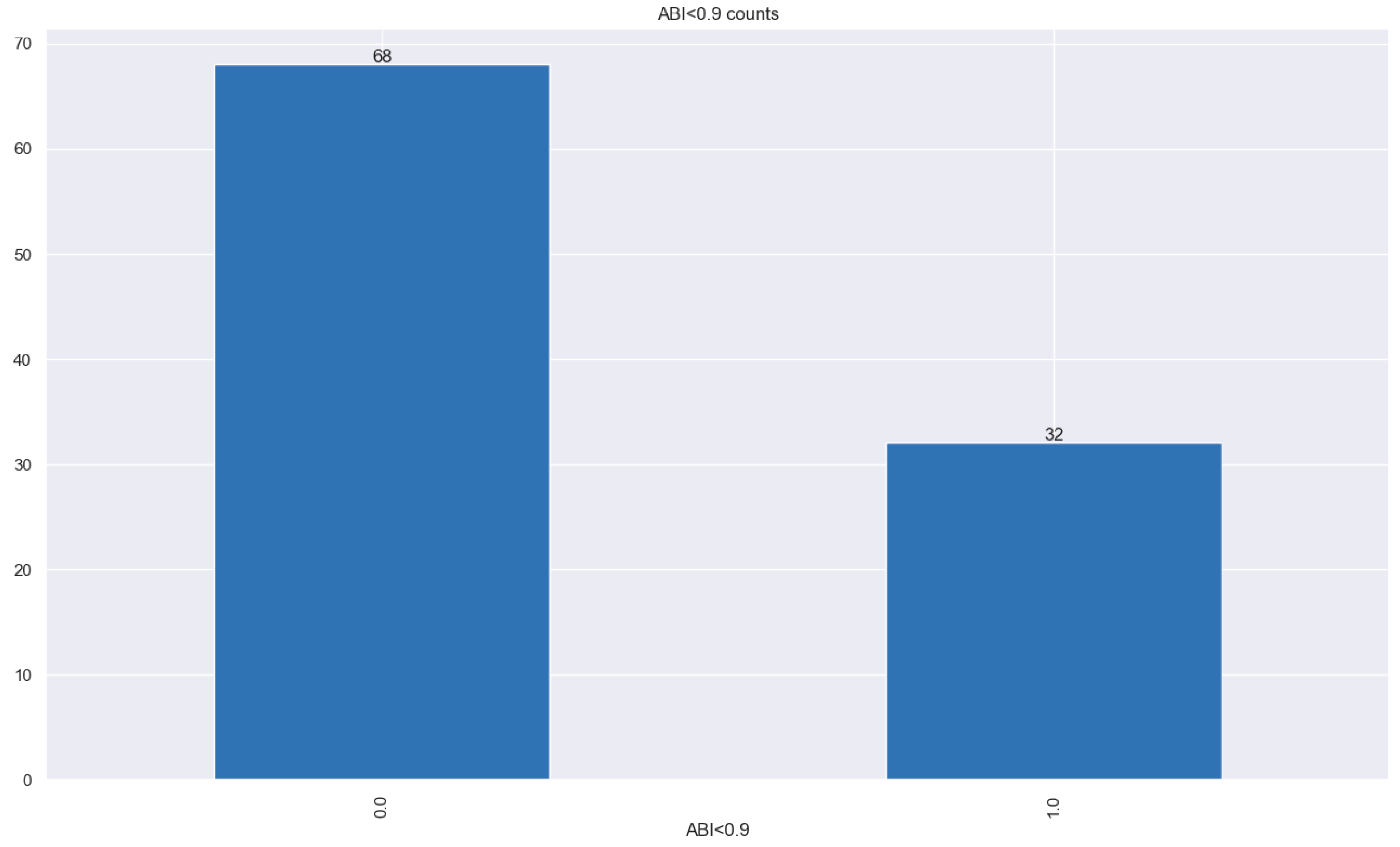
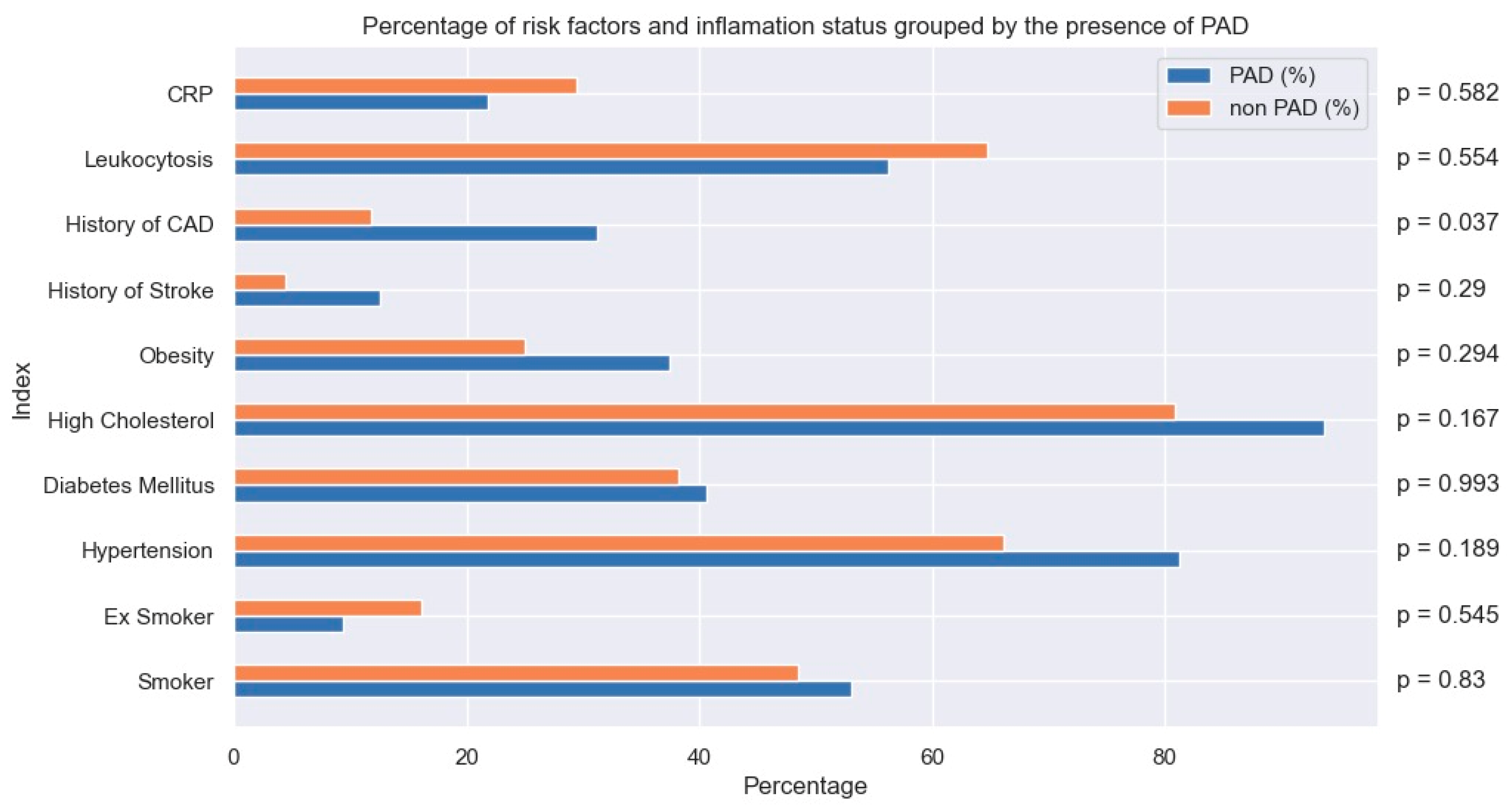
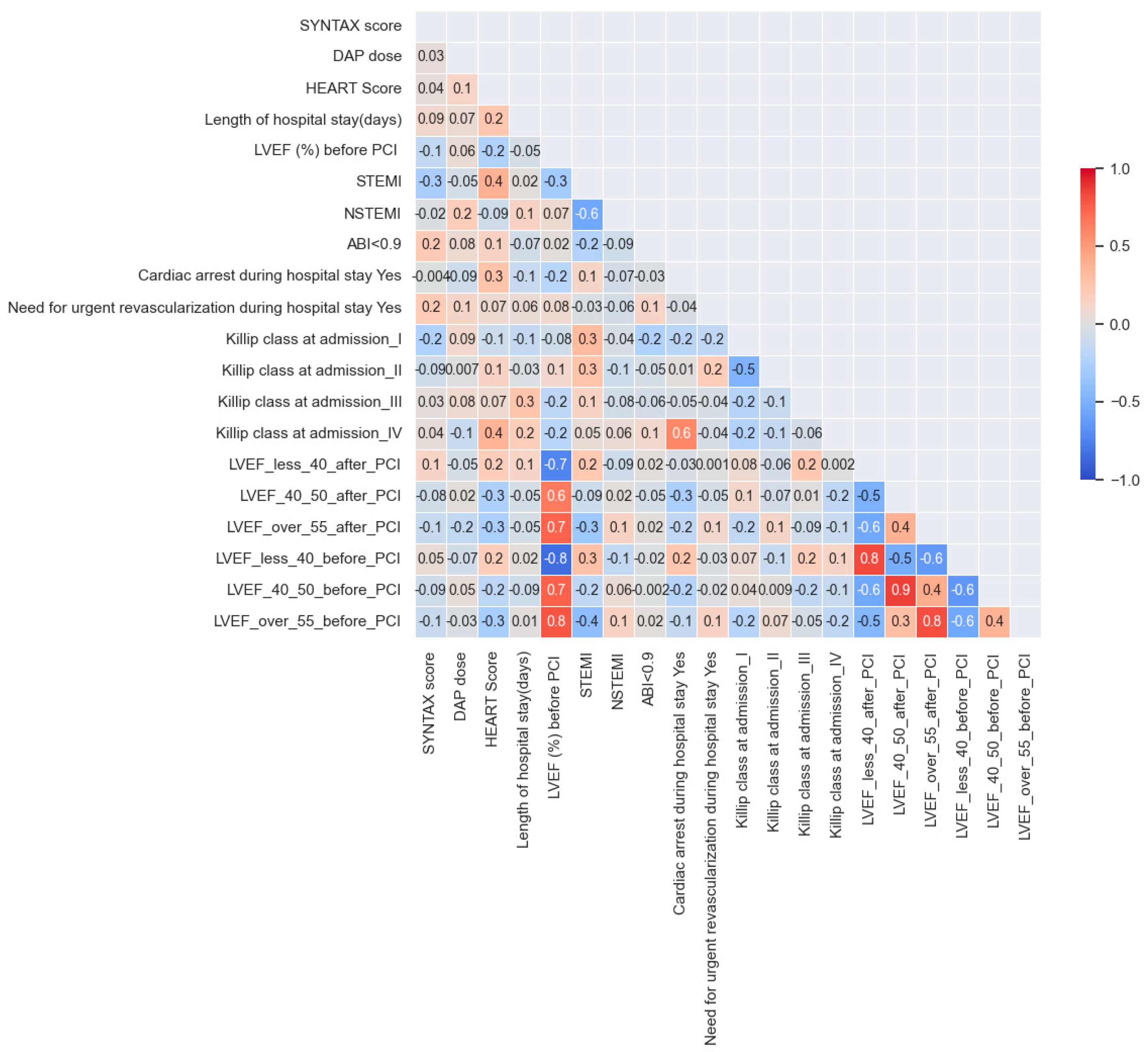
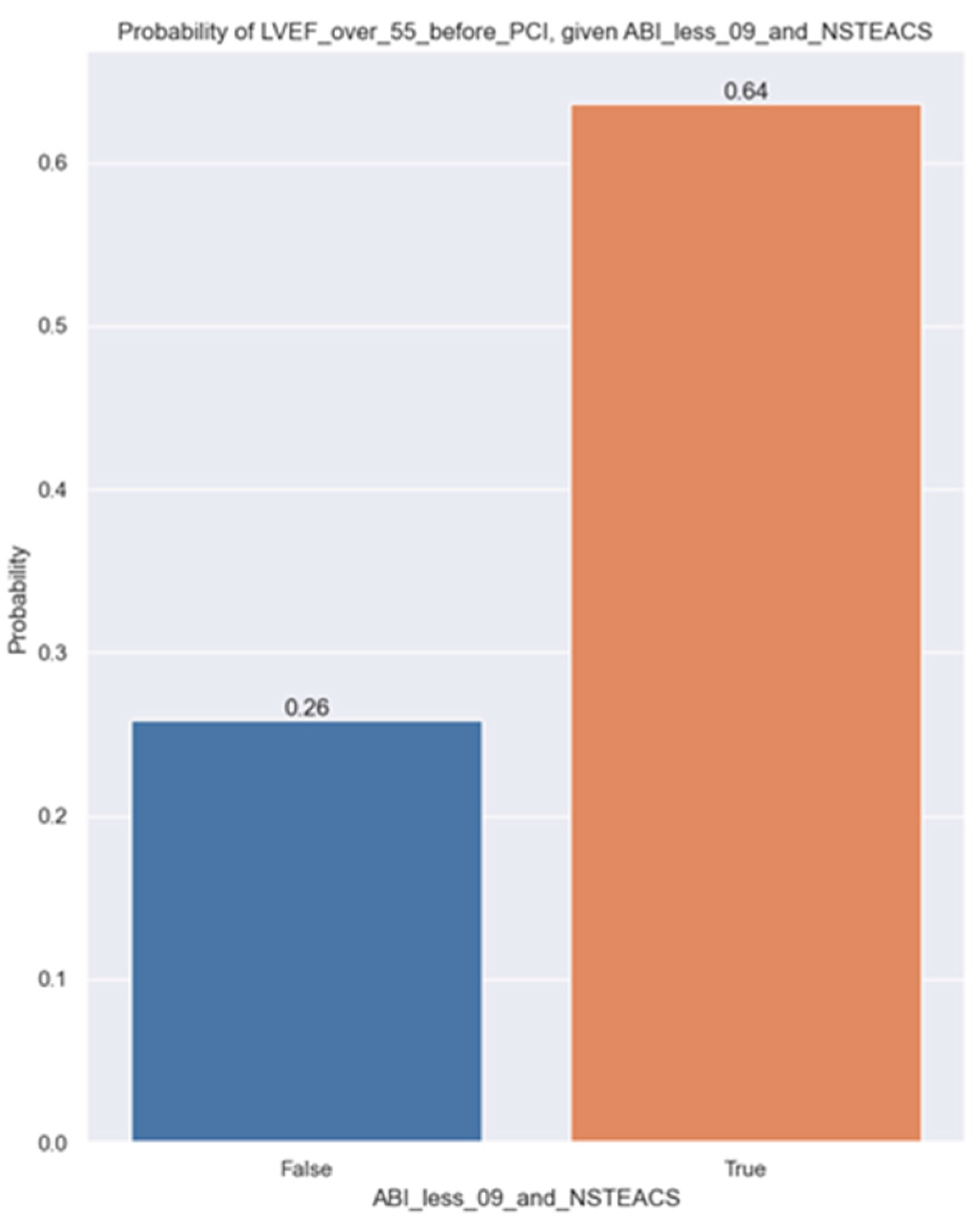
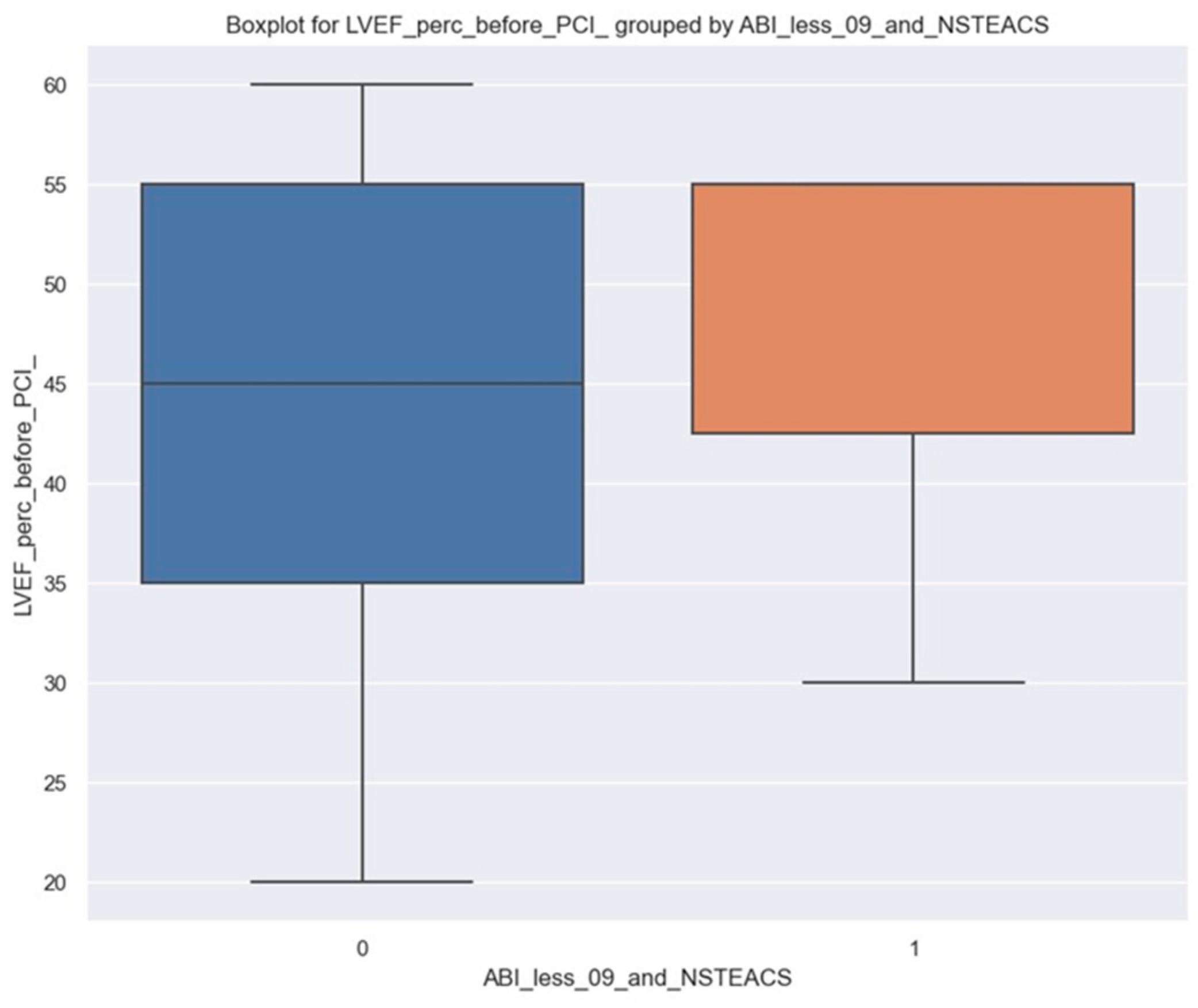
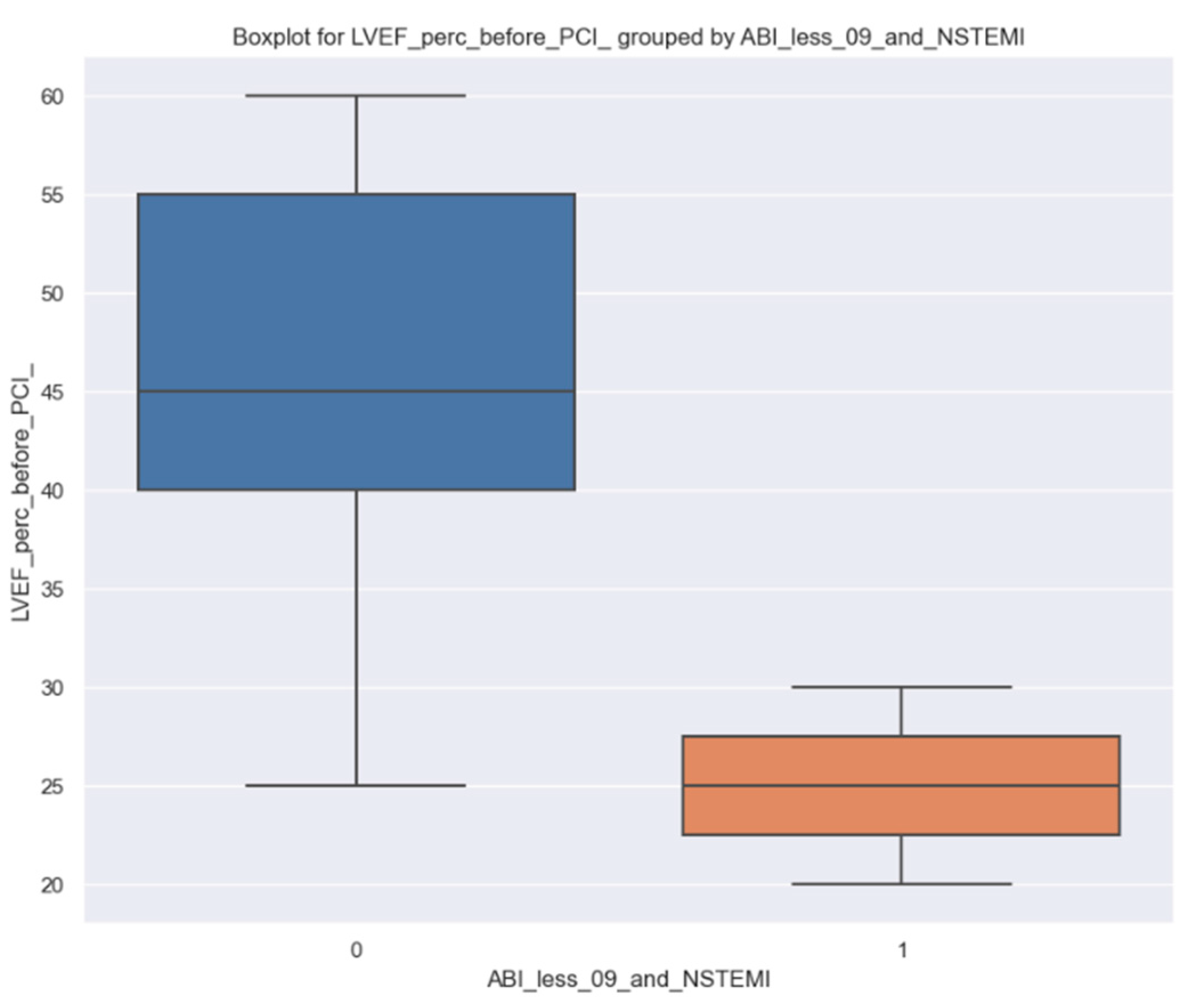
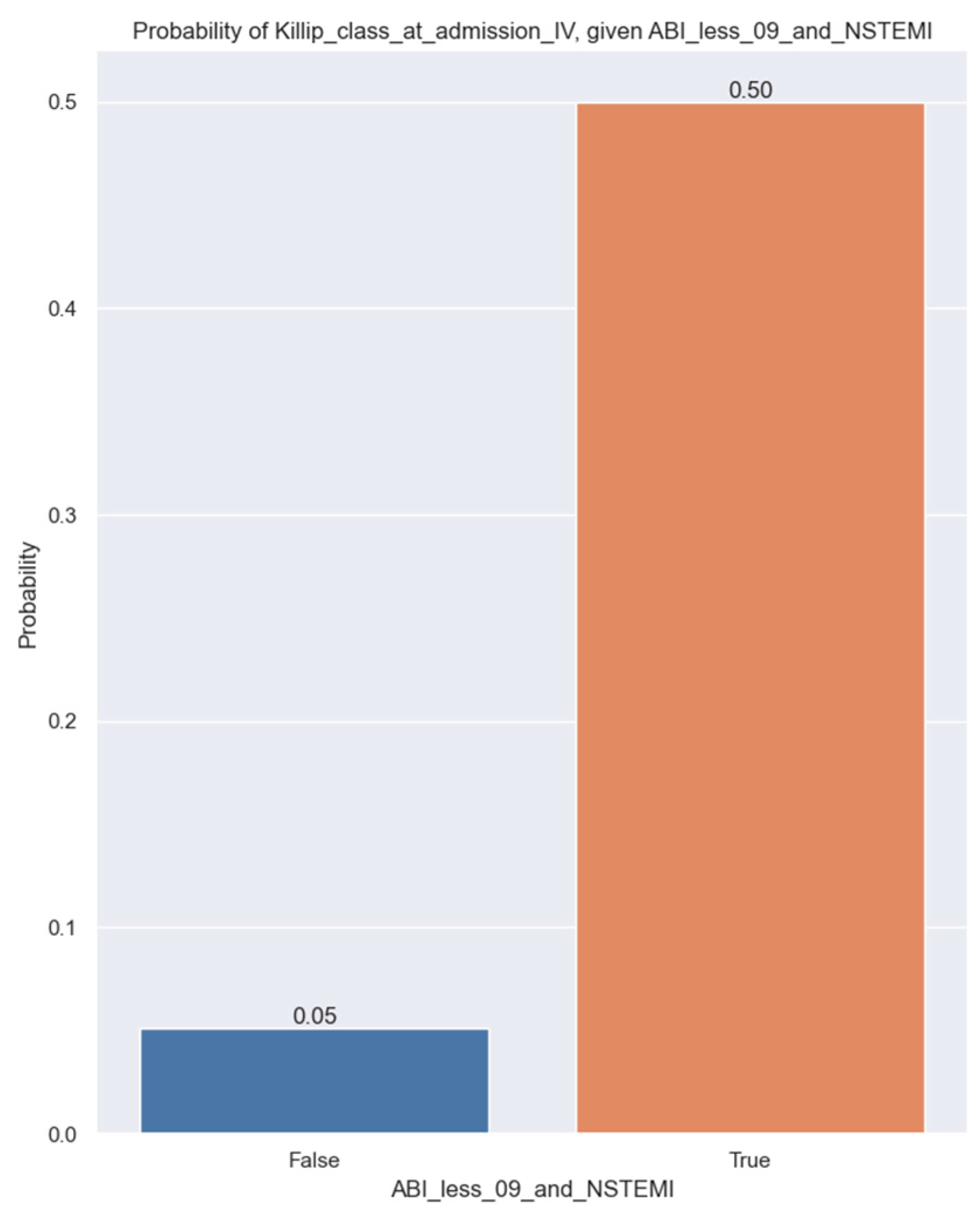
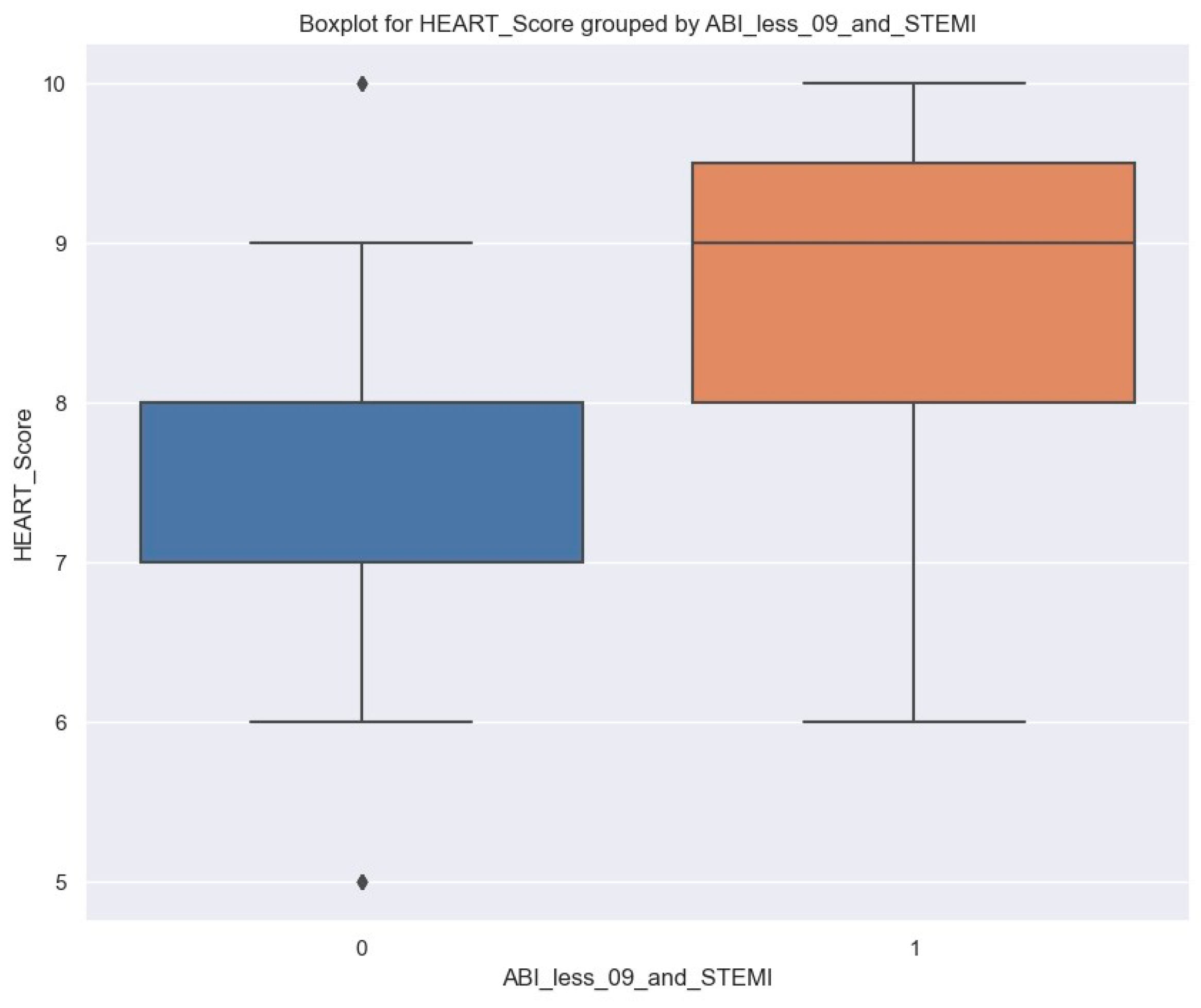
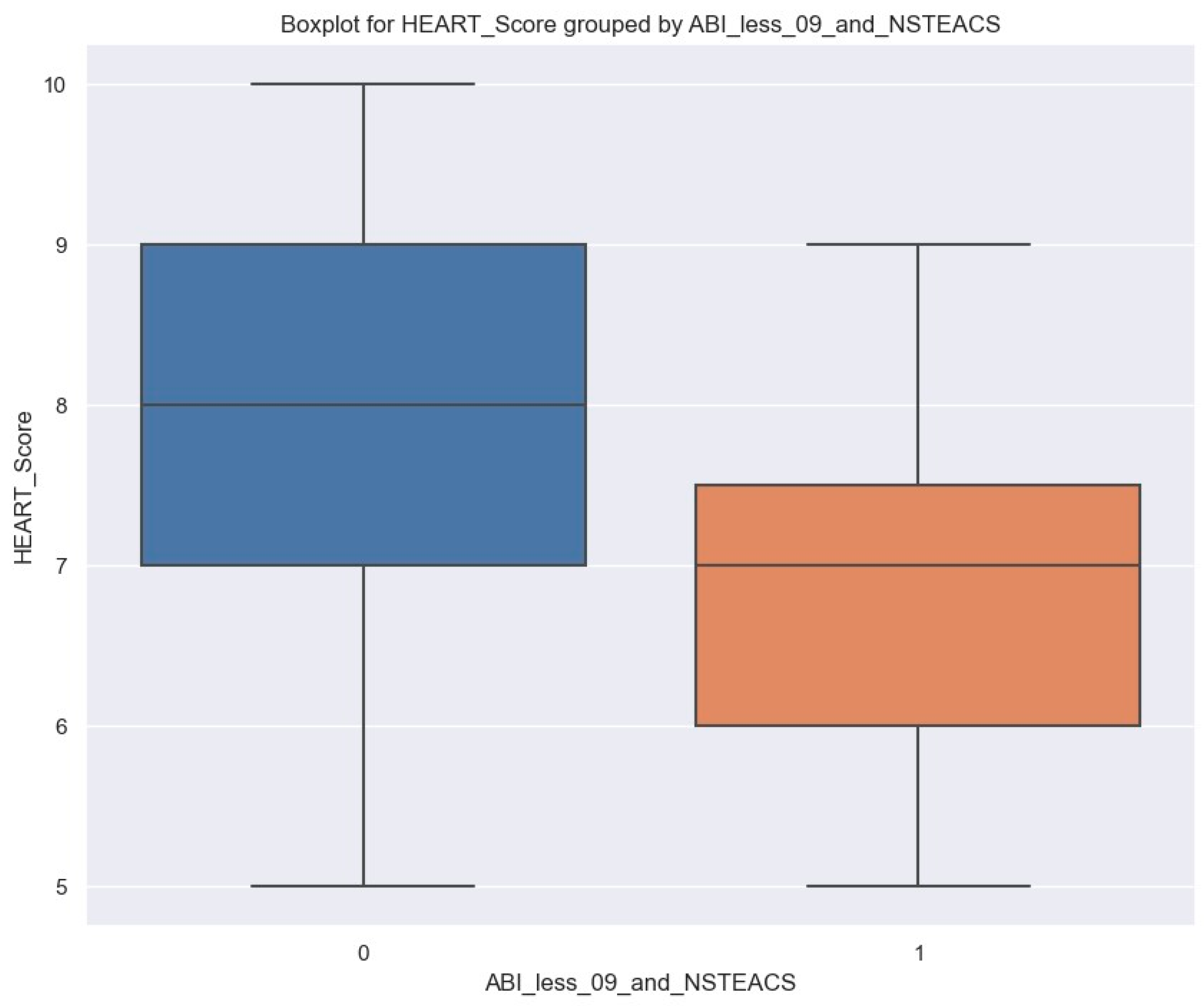
Background: Peripheral artery disease is a condition that causes narrowing of the arteries, impairing circulation to the extremities. Globally, it affects millions of people and is more prevalent in older adults and those with diabetes, high blood pressure, or high cholesterol. There is an overlap specific to polyvascular patients, and almost 50% of patients with PAD have coronary artery disease. Compelling evidence reveals a noteworthy association between PAD and major adverse cardiovascular events (MACEs) in individuals experiencing acute coronary syndrome (ACS) but limited knowledge exists regarding the influence of PAD on left ventricular systolic function during ACS. Methods: In a retrospective case–control study, we examined 100 participants who presented with ACS (mean age = 61.03 years, 80 [80%] males). The patients were divided into two groups: the ACS-PAD group (32 subjects, 74% of them with STEMI, 10% with NSTEMI, and 16% with NSTEACS) and the ACS-nonPAD group (68 participants). Results: This study highlighted that PAD negatively impacts patients with non-ST-segment elevation myocardial infarction (NSTEMI). These patients were likely to experience a decline of approximately 19.3% in their left ventricular ejection fraction (LVEF) compared to the ACS-nonPAD group (p = 0.003) and presented a worse clinical status (the PAD group correlated with Killip class IV, p = 0.049). Conclusion: Our analysis indicates that patients diagnosed with NSTEACS and PAD tend to have a higher LVEF of over 55% and a lower HEART score. Patients with PAD tend to have a functionally higher EF but clinically present with more unstable scenarios (pulmonary edema and cardiogenic shock). This is mainly driven by a higher prevalence of HFpEF in the PAD group. Looking closer at the PAD group, they have a higher incidence of comorbidities such as diabetes, hypertension, high cholesterol, CAD, and stroke, as well as being more active smokers.
Keywords: peripheral artery disease; ankle–brachial index; coronary artery disease; acute coronary syndrome; left ventricular ejection fraction; Killip class; HEART score peripheral artery disease; ankle–brachial index; coronary artery disease; acute coronary syndrome; left ventricular ejection fraction; Killip class; HEART score