Next Article in Journal
Thyroid Nodule Detection and Classification on Small Datasets: An Ensemble Deep Learning Approach with Attention Mechanism and Focal Loss
Previous Article in Journal
Pressure Pain Threshold Cut-Off Points at Trigeminal and Extra-Trigeminal Nervous and Musculoskeletal Structures to Discriminate Patients with Migraine from Episodic Tension-Type Headache: A Diagnostic Accuracy Study
Previous Article in Special Issue
Understanding Current Trends and Advances in Transarterial Radioembolization Dosimetry
 
 
Due to scheduled maintenance work on our servers, there may be short service disruptions on this website between 11:00 and 12:00 CEST on March 28th.
Systematic Review

Tract Sealing Techniques for Pneumothorax and Drainage Prevention After CT-Guided Lung Biopsy: A Systematic Review and Meta-Analysis

1
Radiology Department, Prof. Dr. Ion Chiricuţă Institute of Oncology, 400015 Cluj-Napoca, Romania
2
Radiology Department, Iuliu Hațieganu University of Medicine and Pharmacy, 400337 Cluj-Napoca, Romania
3
Faculty of Medicine, Iuliu Hațieganu University of Medicine and Pharmacy, 400337 Cluj-Napoca, Romania
4
Pathology Department, Prof. Dr. Ion Chiricuţă Institute of Oncology, 400015 Cluj-Napoca, Romania
5
Pathology Department, Iuliu Hațieganu University of Medicine and Pharmacy, 400337 Cluj-Napoca, Romania
6
Faculty of Medical and Health Sciences, Babeș-Bolyai University, 400084 Cluj-Napoca, Romania
7
Oncology Department, Prof. Dr. Ion Chiricuţă Institute of Oncology, 400015 Cluj-Napoca, Romania
8
Radiotherapy Department, Prof. Dr. Ion Chiricuţă Institute of Oncology, 400015 Cluj-Napoca, Romania
9
Radiotherapy Department, Iuliu Hațieganu University of Medicine and Pharmacy, 400337 Cluj-Napoca, Romania
10
Oncology Department, Iuliu Hațieganu University of Medicine and Pharmacy, 400337 Cluj-Napoca, Romania
11
Surgery Department, Prof. Dr. Ion Chiricuţă Institute of Oncology, 400015 Cluj-Napoca, Romania
12
Surgery Department, Iuliu Hațieganu University of Medicine and Pharmacy, 400337 Cluj-Napoca, Romania
13
Radiology Department, Cluj-Napoca Emergency County Hospital, 400000 Cluj-Napoca, Romania
*
Author to whom correspondence should be addressed.
Diagnostics 2026, 16(6), 824; https://doi.org/10.3390/diagnostics16060824
Submission received: 11 February 2026 / Revised: 1 March 2026 / Accepted: 5 March 2026 / Published: 10 March 2026

Abstract

Background/Objectives: Our goal was to evaluate the effectiveness of tract sealing agents in reducing pneumothorax and chest drainage insertion following CT-guided lung biopsy (CLB), and to assess the certainty of supporting evidence. Methods: A systematic review and meta-analysis were conducted according to PRISMA 2020 guidelines (PROSPERO: CRD42024608747). Four health science databases (ScienceDirect, PubMed, Scopus, and Cochrane Library) were searched up to 13 October 2025. Randomized controlled trials and cohort studies reporting tract sealing after CLB were included. Outcomes were post-procedural pneumothorax and pleural drainage insertion. Both were analyzed as dichotomous variables using random-effects meta-analysis with the Mantel–Haenszel method. Statistical heterogeneity was assessed using the I2 statistic. Results were considered statistically significant for p < 0.05. Study quality was assessed using the Revised Cochrane risk-of-bias tool for randomized trials (RoB 2) and the Risk Of Bias In Non-randomized Studies—of Interventions, Version 2 (ROBINS-I V2) tool for cohort studies. Results: A total of 3328 records were initially retrieved, with 37 studies (13,107 patients, 7161 male and 4526 female) meeting the inclusion criteria. Sealing agents included saline solution, hydrogel plug, gelatin sponge, autologous blood patch, saline + rapid roll-over, hemocoagulase, gelatin sponge + hemocoagulase, and fibrin glue. Meta-analysis demonstrated significant reductions in pneumothorax and drainage insertion with saline solution (pneumothorax: OR = 0.35; 95% CI 0.25–0.48; p < 0.00001; drainage: OR = 0.22, 95% CI 0.11–0.43; p < 0.00001), gelatin sponge (pneumothorax: OR = 0.44, 95% CI 0.37–0.53; p < 0.00001; drainage: OR = 0.40, 95% CI 0.29–0.54; p < 0.00001), autologous blood patch (pneumothorax: OR = 0.50, 95% CI 0.40–0.62; p < 0.00001; drainage: OR = 0.40, 95% CI 0.27–0.59; p < 0.00001), and hydrogel plug (pneumothorax: OR = 0.65, 95% CI 0.50–0.85; p = 0.001; drainage: OR = 0.44, 95% CI 0.25–0.76; p < 0.004). Conclusions: Saline solution, hydrogel plug, gelatin sponge, and autologous blood patch are sealing agents that are effective at lowering the risk of pneumothorax and drainage insertion following CLB.

1. Introduction

CT-guided lung biopsy (CLB) is widely used in the diagnosis of pulmonary tumors. Pneumothorax, defined as the presence of air within the pleural cavity, resulting in partial or complete lung collapse, is the most frequent complication of CLB, occurring in approximately 4.3–52.4% of procedures, with 0–15% requiring chest tube insertion [1,2]. A recent meta-analysis reported pooled rates of 25.9% for pneumothorax and 6.9% for drainage insertion following CLB [1]. While small, asymptomatic pneumothoraces can be managed with observation and supplemental oxygen, larger or rapidly progressive cases can cause significant morbidity and, if left untreated, may be fatal. The standard treatment for the latter is chest tube insertion; however, this intervention carries its own risks, including infection, intercostal nerve injury, and prolonged hospital stays [3].
Several techniques have been proposed to reduce the risk of pneumothorax following CT-guided pulmonary biopsy, including patient positioning strategies, such as rapid roll-over (RR) with the biopsy side down after needle removal or performing the biopsy with the target lung in the dependent position, breathing maneuvers, such as removing the needle during breath-hold, pleural sealing through injection of autologous blood into the pleural space, tract sealing, and various combinations of these approaches [4,5]. At the time of this review, there is no consensus regarding the superiority of any of these techniques, and their use largely depends on operator preference.
This review will further analyze only the effectiveness of tract sealing, which involves the injection of a sealing agent along the biopsy tract during withdrawal of the coaxial guide to prevent post-procedural air leakage. A range of sealing agents has been reported in the literature, including saline solution, autologous blood, hydrogel plug, hemocoagulase, gelatin sponge, gelatin sponge in combination with hemocoagulase, and fibrin glue.
Huo et al. conducted a meta-analysis in 2019 on the effectiveness of these tract sealing agents in preventing pneumothorax and drainage placement; however, only two studies on saline sealing and one study on gelatin sponge were available at that time, and multiple other sealing agents were analyzed together as “tract plugs” [4]. As a substantial number of additional studies have been published since, two more recent meta-analyses have examined the effectiveness of blood patch [6] and gelatin sponge [7] individually, but no contemporary synthesis has investigated all available sealing agents.
The aim of this review and meta-analysis is to evaluate the effectiveness of all tract sealing agents in preventing pneumothorax and drainage insertion after CLB within the same analytical framework.

2. Materials and Methods

The protocol of this review was registered in the PROSPERO database (ID: CRD42024608747), available at https://www.crd.york.ac.uk/PROSPERO/view/CRD42024608747 (accessed on 29 January 2026).
This review has been structured according to the Preferred Reporting Items for Systematic reviews and Meta-Analyses (PRISMA 2020) guidelines [8].
Eligibility criteria
Randomized controlled trials, as well as prospective and retrospective cohort studies published in English since the databases’ inception, were considered eligible. In accordance with the PICO framework, studies had to meet all of the following criteria:
  • Population: Individuals who underwent CLB. Studies reporting CT-guided pulmonary fiducial marker placement were also included, as the procedural technique closely parallels that of biopsy;
  • Intervention: Injection of any substance into the lung parenchyma during withdrawal of the coaxial guide, with the purpose of preventing pneumothorax;
  • Comparator: Patients in whom no sealing agent was administered following biopsy; patients who received a different sealing agent for pneumothorax prevention;
  • Outcomes: pneumothorax and/or pleural drainage insertion.
Exclusion criteria were as follows:
  • Conference abstracts, unpublished manuscripts, reviews, case reports, editorials, and comments;
  • Studies including fluoroscopy- or ultrasound-guided biopsies;
  • Studies including ablation procedures;
  • Studies including the pleural patch technique;
  • Studies with no comparator group;
  • Duplicate or overlapping patient populations.
Literature search strategy
Two reviewers (AR and NLT) independently performed database screening and study selection according to the eligibility criteria, as well as data extraction. Discrepancies were discussed by the two reviewers in order to achieve consensus. Four health science databases (ScienceDirect, PubMed, Scopus, and Cochrane Library) were searched up to 13 October 2025. The detailed search strategy can be found in Appendix A. Duplicates were removed by manual verification. Articles assessed for eligibility were organized in EndNote (version 21.0.1) libraries. Full-text reference lists of all included studies were examined to identify additional relevant papers. Corresponding authors of two studies were contacted via e-mail to request information about potential population overlap. Only one author responded, providing clarifications.
Quality assessment
The risk of bias was assessed using the Revised Cochrane risk-of-bias tool for randomized trials (RoB 2) and The Risk Of Bias In Non-randomized Studies—of Interventions, Version 2 (ROBINS-I V2) tool for cohort studies [9,10]. Two authors independently evaluated the risk of bias, and consensus was reached after discussing any discrepancies. The overall risk of bias was equivalent to that of the individual domain with the worst score. In addition, cohort studies with temporally overlapping groups and without control of confounding factors were considered to have an overall critical risk of bias, as the presence of pneumothorax risk factors may have influenced the decision to use tract sealing agents.
Data extraction
General study information was extracted as follows: study type, year of publication, number of patients, patient age, tract sealant type, needle and guide gauge, rapid roll-over (RR) technique, presence of emphysema, lesion size, and timing of post-procedural imaging for the detection of pneumothorax. For cohort studies, it was noted whether they included consecutive groups or whether there was temporal overlap between the groups. Missing or unclear information was not recorded.
The outcomes of interest were post-procedural pneumothorax and pleural drainage insertion. Pneumothorax was defined as any air accumulation in the pleural space, regardless of severity, reported by the authors based on post-procedural radiography or CT. When pneumothorax rates were reported at multiple time points, the highest reported rate was used. Pleural drainage insertion was defined as placement of a catheter into the pleural space for treatment of a pneumothorax deemed rapidly expanding or symptomatic by the study authors.
Statistical analysis
The two outcomes were analyzed as dichotomous variables (event vs. no event). Effect sizes were expressed as odds ratios (ORs) with corresponding 95% confidence intervals (CIs). Pooled analyses were performed separately for each sealing agent and for each outcome (pneumothorax and drainage insertion) using the Mantel–Haenszel method. Given the anticipated methodological and clinical heterogeneity across studies, random-effects models were used, with between-study variance estimated using the DerSimonian–Laird method. Statistical heterogeneity was quantified using the I2 statistic. In the presence of substantial heterogeneity (I2 ≥ 50%), sensitivity analyses were conducted by excluding studies identified as major sources of heterogeneity to evaluate their impact on the overall results.
All analyses were performed using Review Manager (RevMan), version 5.4.1. Results were displayed graphically as forest plots for each analysis, ordered by study weight.
If fewer than 10 studies were available for each analysis, we did not conduct funnel plots for publication bias and small-study effects, as these methods are not reliable with small numbers of studies [11]. If at least ten studies were available for an analysis, we performed a visual inspection of the funnel plot to assess potential bias.
Certainty of evidence for each outcome was assessed using the GRADE approach in GRADEpro GDT (McMaster University, 2022 [12]).

3. Results

Literature search and study characteristics
A total of 3328 records were initially retrieved through our systematic search. After removal of 953 duplicates, 2375 titles and abstracts were screened, of which 2320 were excluded for irrelevance to the study topic. The remaining 55 articles were evaluated in full text for eligibility. Of these, 18 studies were excluded for the reasons shown in Figure 1. A total of 37 studies, encompassing 13,107 patients (7161 male and 4526 female), met the eligibility criteria and were included in the review. Of these, eight were randomized controlled trials [13,14,15,16,17,18,19,20] and 29 were cohort studies [21,22,23,24,25,26,27,28,29,30,31,32,33,34,35,36,37,38,39,40,41,42,43,44,45,46,47,48,49]. The general study characteristics are shown in Appendix B. Expanded risk-of-bias details are available in Appendix C.
The sealing agents reported in the included studies were saline solution, hydrogel plug, gelatin sponge, blood patch, saline solution + rapid roll-over (RR), hemocoagulase, gelatin sponge + hemocoagulase, and fibrin glue. Meta-analyses were performed for sealing agents that were reported in at least two studies using the same type of control group, as follows (Figure 2).
Saline solution
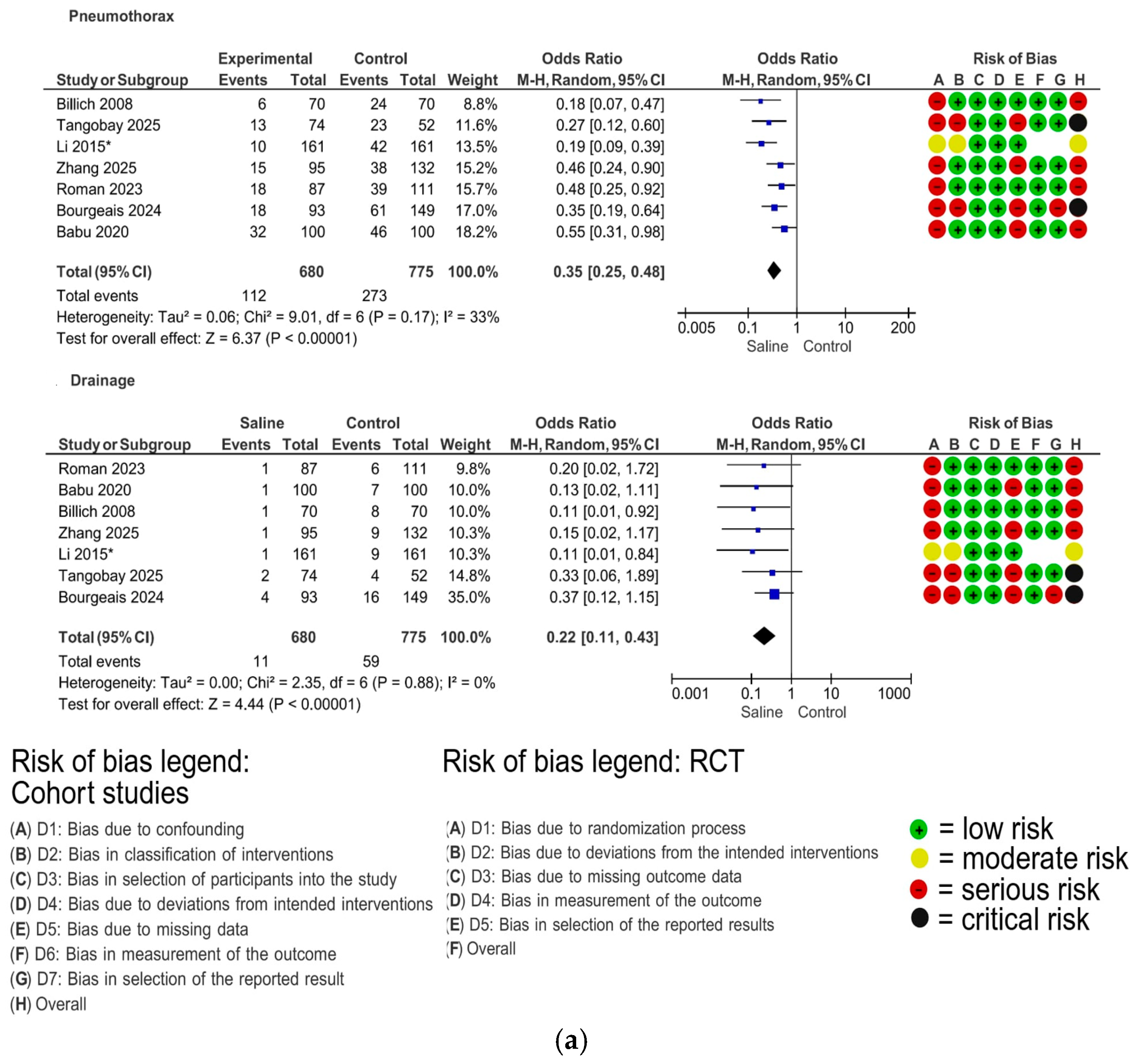
Seven studies comparing saline sealing versus no sealant were included, comprising six cohort studies [24,25,26,42,43,49] and one RCT [17]. The use of saline sealing resulted in a significant reduction in pneumothorax (OR = 0.35; 95% CI 0.25–0.48; p < 0.00001) and drainage insertion (OR = 0.22; 95% CI 0.11–0.43; p < 0.00001). No sensitivity analysis was performed, as heterogeneity was non-substantial for both pneumothorax (I2 = 33%) and drainage (I2 = 0%) (Figure 2a).
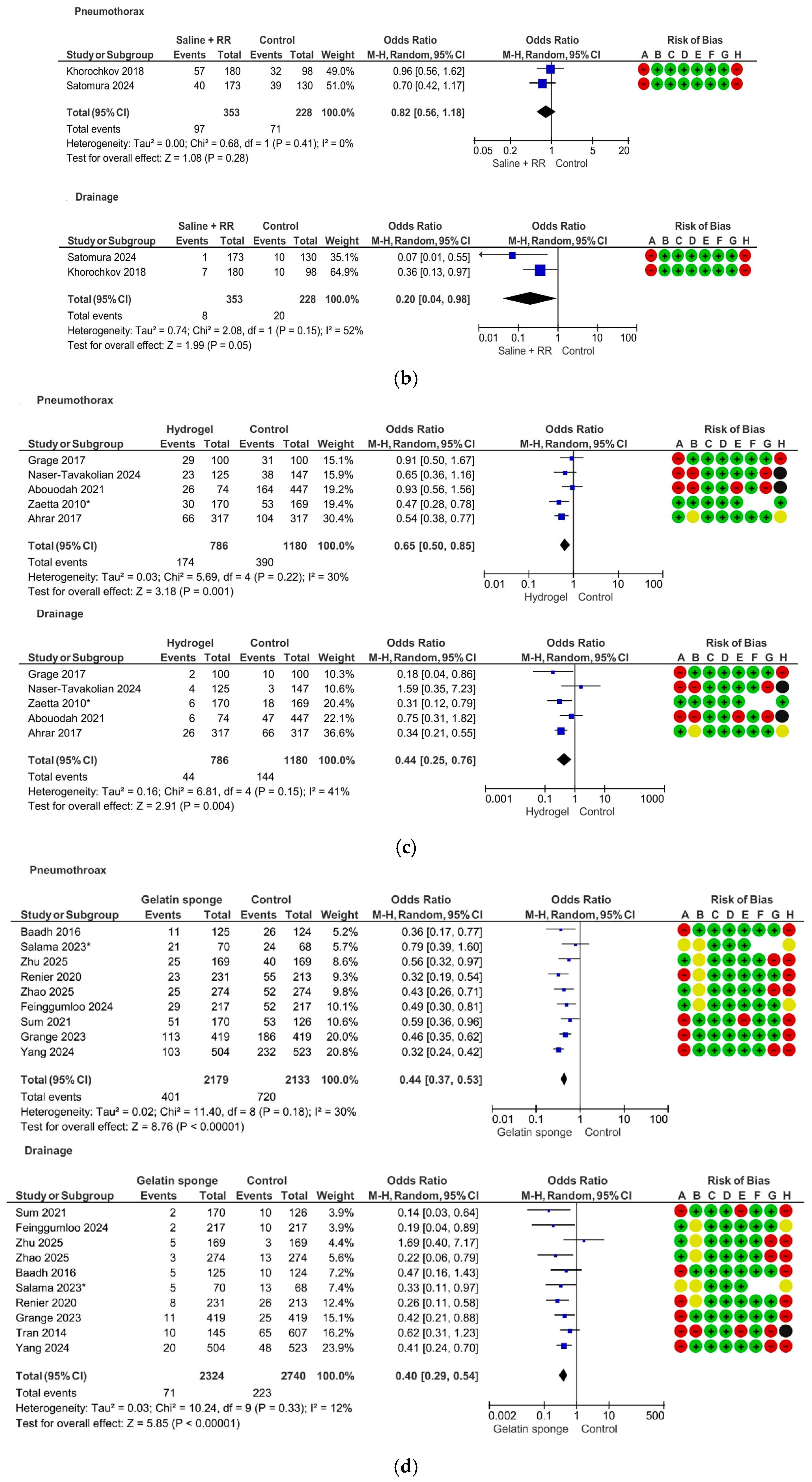
Two cohort saline sealing studies [34,37] were analyzed separately as the intervention group included RR, whereas the control group did not (saline sealing + RR vs. control). The use of saline sealing + RR did not result in a significant reduction in pneumothorax (OR = 0.82; 95% CI 0.56–1.18; p = 0.41) but was associated with a reduction in drainage insertion (OR = 0.20; 95% CI 0.04–0.98; p = 0.05), approaching statistical significance. Heterogeneity was non-substantial for pneumothorax (I2 = 0%) and substantial for drainage (I2 = 52%) (Figure 2b).
Hydrogel plug
Five studies comparing hydrogel plug sealing versus no sealant were included, comprising four cohort studies [21,22,31,33] and one RCT [16]. The use of a hydrogel plug resulted in a significant reduction in pneumothorax (OR = 0.65; 95% CI 0.50–0.85; p = 0.001) and drainage insertion (OR = 0.44; 95% CI 0.25–0.76; p < 0.004). No sensitivity analysis was performed, as heterogeneity was non-substantial for both pneumothorax (I2 = 30%) and drainage (I2 = 41%) (Figure 2c).
Gelatin sponge
Nine studies comparing gelatin sponge sealing versus no sealant were included for the pneumothorax outcome, comprising eight cohort studies [23,29,36,38,41,44,46,48] and one RCT [15]. For the drainage outcome, one additional cohort study was included [39]. The use of gelatin sponge resulted in a significant reduction in pneumothorax (OR = 0.44; 95% CI 0.37–0.53; p < 0.00001) and drainage insertion (OR = 0.40; 95% CI 0.29–0.54; p < 0.00001). No sensitivity analysis was performed, as heterogeneity was non-substantial for both pneumothorax (I2 = 30%) and drainage (I2 = 12%) (Figure 2d).
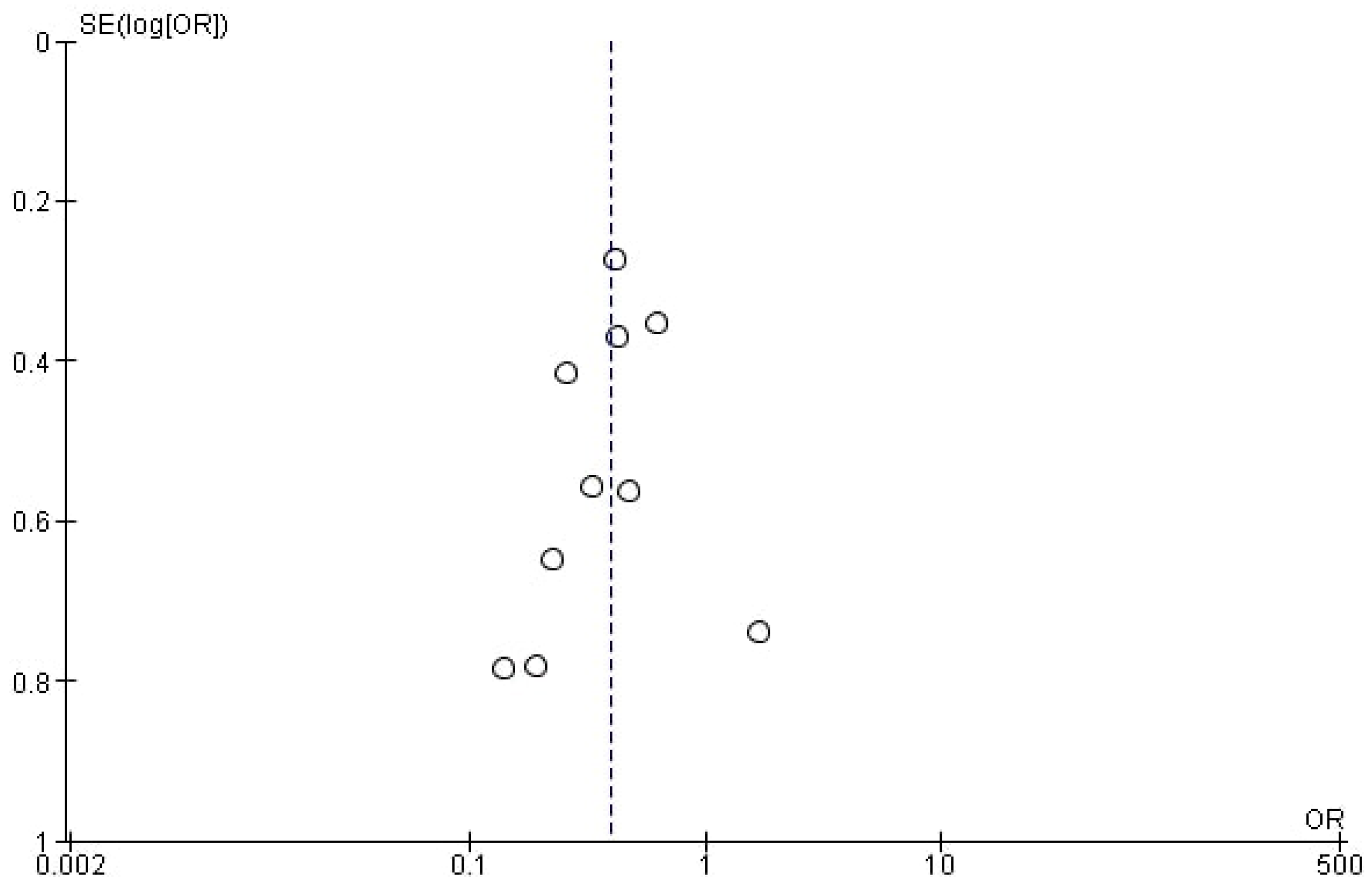
As the drainage outcome analysis included ten studies, funnel plot inspection was performed, which showed no obvious asymmetry suspicious for reporting bias (Figure 3).
Blood patch
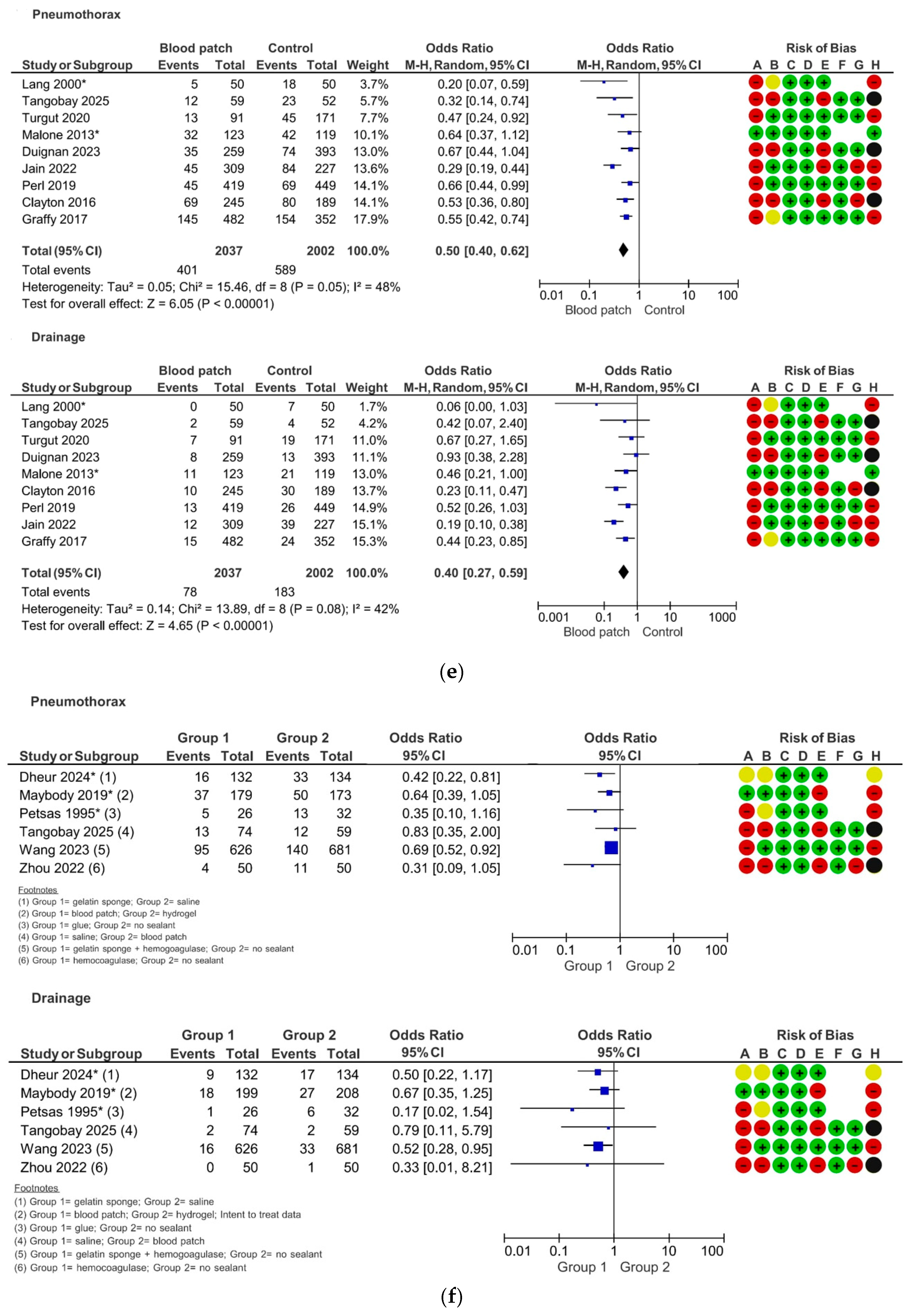
Nine studies comparing blood patch sealing versus no sealant were included, comprising seven cohort studies [27,28,30,32,35,40,49] and two RCT [13,14]. The use of blood patch resulted in a significant reduction in pneumothorax (OR = 0.50; 95% CI 0.40–0.62; p < 0.00001) and drainage insertion (OR = 0.40; 95% CI 0.27–0.59; p < 0.00001). No sensitivity analysis was performed, as heterogeneity was non-substantial for both pneumothorax (I2 = 48%) and drainage (I2 = 42%) (Figure 2e).
Certainty of evidence
A summary of the results from previous meta-analyses, along with the corresponding certainty of evidence assessments according to the GRADE system, is presented in Table 1.
Other sealing agents and comparisons
Three studies directly compared different sealing agents with one another (Figure 2f). Dheur et al. [20] reported that gelatin sponge sealing resulted in a significantly lower pneumothorax rate compared with saline solution (OR = 0.42; 95% CI 0.22–0.81; p = 0.008), with no significant difference in drainage insertion. Maybody et al. [19] showed no significant difference between blood patch and hydrogel plug, whereas Tangobay et al. [49] found no significant difference between saline solution and autologous blood patch in preventing either pneumothorax or drainage insertion.
Three studies compared other sealing agents with control groups in which no sealing technique was used. Petsas et al. [18] reported that fibrin glue sealing was associated with a significant reduction in drainage insertion (OR = 0.17; 95% CI 0.02–1.54; p = 0.025); the confidence interval crossed unity, which may indicate a statistical or reporting inconsistency. No significant effect was observed for pneumothorax prevention. Wang et al. [45] reported a significant reduction in both pneumothorax (OR = 0.69; 95% CI 0.52–0.92; p < 0.001) and drainage insertion (OR = 0.52; 95% CI 0.28–0.95; p = 0.002) following tract sealing with a combination of gelatin sponge and hemocoagulase. Zhou et al. [47] reported a reduction in pneumothorax following hemocoagulase sealing (OR = 0.31; 95% CI 0.09–1.05; p = 0.04), although this result also bordered on statistical significance, and no significant reduction was observed in drainage insertion.

4. Discussion

This meta-analysis comprehensively reviews all reported tract sealing agents under the same methodological framework. The relatively high number of studies available for each agent, combined with structured risk-of-bias assessment using RoB 2 and ROBINS-I and certainty appraisal with GRADE, allows an overview of both effectiveness and the quality of the supporting evidence for each sealing agent. As the results of this review show, the most common sealing agents are saline solution, gelatin sponge, hydrogel, and blood patch.
Saline solution consists of sodium chloride (NaCl) dissolved in water at a concentration of 0.9%, resulting in an isotonic solution with respect to blood and extracellular fluids. Only Satomura et al. [37] described a standardized injection protocol (1 mL per cm of needle tract, with a withdrawal speed of 1 cm/s), whereas all other authors reported volumes between 1 and 10 mL, manually injected according to operator preference.
Desiccated polyethylene glycol hydrogel plugs are, to our knowledge, the only sealing agent specifically designed for the prevention of pneumothorax following percutaneous lung biopsy, and are currently marketed under the BioSentry® Tract Sealant System (Merit Medical Systems, South Jordan, UT, USA) [33]. The desiccated hydrogel plug measures 2.5 cm in length and 0.1 cm in diameter and is deployed using a dedicated delivery system that attaches to the coaxial needle.
Gelatin sponge is a sterile, porous material composed of purified animal-derived gelatin that acts as an effective fluid absorbent, swelling in the process. Gelatin sponge was most commonly administered as a slurry by manually fragmenting sponge material and mixing it with saline, by using powdered sponge to form a paste, or by inserting pre-cut sponge “torpedoes” sized to the coaxial needle. Some authors inject the sealant until resistance is felt, then withdraw the coaxial needle while maintaining the sealant in place with the trocar needle [44]. Others inject the material during coaxial needle withdrawal along the entire biopsy tract [38], or only within the lung parenchyma beneath the pleura [36,48].
The blood patch technique consists of injecting autologous blood through the coaxial needle during its removal. Some authors [27,28,30,35,40,49] administered non-clotted blood [13,14,32], whereas others preferred clotted blood. Among the latter, Lang et al. [13] injected the serum into the deeper portion of the tract and the clot in the superficial segment; Jain et al. [32] injected only the clot; Malone et al. [14] repeatedly transferred the coagulated blood between two syringes in order to fragment the clot before injection. Similar to the saline sealing technique, none of the authors reported a standardized injection protocol, mentioning only the approximate volume of blood (ranging between 1 and 8 mL) that was injected upon needle removal. Most authors aimed to fill the entire biopsy tract, while others [14,28] restricted injection to the subpleural lung parenchyma.
The results of our review show that all sealing agents included in the meta-analyses led to a statistically significant reduction in both pneumothorax (OR = 0.35–0.65) and drainage (OR = 0.22–0.44) risk, with the exception of saline sealing + RR, for which only two studies were available (Table 1). Overall, saline sealing appears to provide the most consistent reduction in both pneumothorax and drainage insertion risk, the latter supported by the saline + RR results. A possible explanation is that saline solution disperses into the adjacent airspaces, creating a larger sealant volume that must be displaced before air leakage can occur. Moreover, due to its low viscosity, even if the saline is expelled from an airway during expiration, it could leak back in during inspiration, helping to maintain occlusion. In contrast, hydrogel plugs and gelatin sponge are highly viscous and remain confined to the needle tract, without extending into surrounding airspaces. For this reason, an air leakage might be more likely to form and to persist around the plug. Autologous blood patch, though initially fluid, coagulates rapidly after injection, behaving similarly to viscous agents and potentially leading to similar outcomes.
We have identified only two studies directly comparing two different sealing agents, both of which are RCTs. Maybody et al. concluded that autologous blood patch is non-inferior to hydrogel plug in the prevention of pneumothorax, which is in line with the findings of this review [19]. However, Dheur et al. have shown a significant reduction in pneumothorax rates and a non-significant reduction in drainage rates in favor of gelatin sponge compared to saline solution [20]. This comes in contrast with the findings of our meta-analysis and might be explained by the fact that the authors injected saline only in the superficial 1–2 cm of the lung as opposed to all other reports, where saline was injected along the entire needle tract.
The majority of studies included in this review were cohort studies, many of which shared recurring structural limitations with a high potential for bias. Only a minority implemented methods to control for confounding factors known to influence pneumothorax risk—and consequently, the need for drainage—such as underlying emphysema, needle caliber, patient position, and lesion size or depth [1]. The remaining cohort studies comprised either consecutive patient series with no reported temporal overlap between groups or patient series in which the use of a sealing agent was determined by the operator. In the first scenario, the control group generally consisted of a historical series of patients in whom no sealing method was employed, compared with a more recent series in which sealing was applied to all patients following a departmental decision. This structure provides a degree of pseudo-randomization but introduces other confounding elements, such as increased operator experience over time and the evolving complexity of attempted procedures. In the second scenario, both groups were drawn from the same time period, with operators choosing whether or not to use a sealing agent based on criteria that were often not specified, including personal preference. Studies adopting this approach were judged to be at critical risk of bias, since it is reasonable to assume that operators were more likely to apply a sealing technique in patients perceived to be at higher risk for pneumothorax. However, this bias likely favors the control (non-sealant) group, thereby attenuating the observed effect of the sealing agent.
Another recurring issue was bias due to missing data, as some authors excluded patients who developed pneumothorax prior to the removal of the coaxial needle/application of the sealant. This exclusion is likely problematic, since these patients might have benefited from the sealing procedure, which could have prevented further pneumothorax expansion. This approach is likely related to the authors’ definition of pneumothorax. There was considerable heterogeneity between the included studies regarding both the modality and the timing of pneumothorax assessment. Some authors reported pneumothorax only on the immediate post-procedural CT (which we considered to represent bias in the selection of the reported result), while others defined it based on a chest radiograph performed at a prespecified time after the procedure, or on a combination of the two. We consider the approach of Malone et al. to be the most valid as it counts only the clinically significant events: “A patient was counted as having developed a pneumothorax if any measurable pneumothorax was measured on the 1-h, 3-h, or subsequent radiograph. Some patients developed a pneumothorax that was visible on CT images obtained during the procedure. These patients were counted as having a pneumothorax only if the pneumothorax was detectable on subsequent postprocedural radiographs [14]”.
A potential, though more difficult to quantify, source of bias is the threshold for drainage insertion used by different authors. Terms such as rapidly progressing pneumothorax or symptomatic pneumothorax are inherently vague and open to variable interpretation. These differing thresholds may partly explain the variability in the pooled absolute rates of drainage insertion, which ranged from 7.6% in the saline control group to 12.2% in the hydrogel control group. However, since the clinical decision-making process is likely to have been consistent within each individual study, the odds ratio-based analyses probably compensate for this variability to some extent. Nevertheless, these findings highlight the need for both procedural and follow-up standardization.
A limitation of this study is the absence of meta-regression and, except for the gelatin sponge subgroup, the inability to formally assess publication bias. This reflects the limited number of studies available for most sealing agents, which would render these analyses underpowered and potentially misleading. The absence of meta-regression limits the ability to formally examine whether study-level characteristics modified treatment effects or explained between-study heterogeneity. Consequently, variation related to differences in patient populations, procedural techniques, or study design may remain unaccounted for.
Finally, we note that saline sealing is implemented as standard practice at our institution for pneumothorax prevention [43]. Nonetheless, strict methodological rigor was applied to ensure an unbiased and objective assessment of all sealing techniques included in this review.

5. Conclusions

Saline solution, hydrogel plug, gelatin sponge, and autologous blood patch are sealing agents effective at lowering the risk of pneumothorax and drainage insertion following CLB and may be considered as part of standard practice. Although saline sealing demonstrated the largest effect estimates in this review, head-to-head comparative data remain sparse, and no definitive conclusion can be drawn regarding the superiority of any single sealing agent. At present, the choice of sealing technique should be guided by operator familiarity, procedural workflow, resource availability, and patient characteristics. Well-designed, adequately powered randomized controlled trials directly comparing different sealing methods are needed to clarify their relative effectiveness and to support standardization in clinical practice.

Author Contributions

Conceptualization, A.R. and C.C.; methodology, A.R. and Z.F.; software, A.R.; validation, C.C., B.F. and Z.F.; formal analysis, A.R.; investigation, C.C., A.C.P. and N.-A.L.-T.; resources, A.P.; data curation, N.-A.L.-T.; writing—original draft preparation, N.-A.L.-T.; writing—review and editing, A.R., C.S. and C.C.; visualization, R.P.; supervision, R.P., P.K. and Z.F.; project administration, A.R. All authors have read and agreed to the published version of the manuscript.

Funding

This research received no external funding.

Institutional Review Board Statement

Not applicable.

Informed Consent Statement

Not applicable.

Data Availability Statement

The original contributions presented in this study are included in the article. Further inquiries can be directed to the corresponding author.

Conflicts of Interest

The authors declare no conflicts of interest. The funders had no role in the design of the study; in the collection, analyses, or interpretation of data; in the writing of the manuscript; or in the decision to publish the results.

Abbreviations

The following abbreviations are used in this manuscript:
CLBCT-guided lung biopsy.
OROdds ratio.
CIConfidence interval.
RRRapid roll-over.

Appendix A. Search Strategy

  • ScienceDirect (via Elsevier)—multiple keyword combinations were used to run separate searches for each biological agent:
    (“Pneumothorax” OR “Complication” OR “Complications” OR “Drainage” OR “Tube”) AND “Biopsy” AND (“Lung” OR “Pulmonary”) AND “Blood Patch”
    (“Pneumothorax” OR “Complication” OR “Complications” OR “Drainage” OR “Tube”) AND “Biopsy” AND (“Lung” OR “Pulmonary”) AND “Saline”
    (“Pneumothorax” OR “Complication” OR “Complications” OR “Drainage” OR “Tube”) AND “Biopsy” AND (“Lung” OR “Pulmonary”) AND “Gelfoam”
    (“Pneumothorax” OR “Complication” OR “Complications” OR “Drainage” OR “Tube”) AND “Biopsy” AND (“Lung” OR “Pulmonary”) AND “Hydrogel”
    (“Pneumothorax” OR “Complication” OR “Complications” OR “Drainage” OR “Tube”) AND “Biopsy” AND (“Lung” OR “Pulmonary”) AND “Gelatin”
    (“Pneumothorax” OR “Complication” OR “Complications” OR “Drainage” OR “Tube”) AND “Biopsy” AND (“Lung” OR “Pulmonary”) AND “Plug”
    (“Pneumothorax” OR “Complication” OR “Complications” OR “Drainage” OR “Tube”) AND “Biopsy” AND (“Lung” OR “Pulmonary”) AND “Biosentry”
    (“Pneumothorax” OR “Complication” OR “Complications” OR “Drainage” OR “Tube”) AND “Biopsy” AND (“Lung” OR “Pulmonary”) AND “Collagen”
    (“Pneumothorax” OR “Complication” OR “Complications” OR “Drainage” OR “Tube”) AND “Biopsy” AND (“Lung” OR “Pulmonary”) AND “Glue”
  • Scopus (via Elsevier)—(TITLE-ABS-KEY (“Pneumothorax” OR “Complication” OR “Complications” OR “Drainage” OR “Tube”) AND TITLE-ABS-KEY (“Biopsy” OR “Intervention”) AND TITLE-ABS-KEY (“Lung” OR “Pulmonary”) AND TITLE-ABS-KEY (“Blood Patch” OR “Saline” OR “Gelfoam” OR “Hydrogel” OR “Gelatin” OR “Plug” OR “Sealing” OR “Biosentry” OR “Foam” OR “Polymer” OR “Composite” OR “Composites” OR “Glue” OR “Collagen”) AND (LIMIT-TO (LANGUAGE, “English”)) AND (LIMIT-TO (EXACTKEYWORD, “Observational Study”) OR LIMIT-TO (EXACTKEYWORD, “Randomized Controlled Trial (topic)”) OR LIMIT-TO (EXACTKEYWORD, “Cohort Analysis”) OR LIMIT-TO (EXACTKEYWORD, “Controlled Study”) OR LIMIT-TO (EXACTKEYWORD, “Follow-Up Studies”) OR LIMIT-TO (EXACTKEYWORD, “Prospective Studies”) OR LIMIT-TO (EXACTKEYWORD, “Prospective Study”) OR LIMIT-TO (EXACTKEYWORD, “Randomized Controlled Trial”) OR LIMIT-TO (EXACTKEYWORD, “Retrospective Studies”) OR LIMIT-TO (EXACTKEYWORD, “Retrospective Study”))
  • Cochrane Library (via Wiley)—(“Pneumothorax” OR “Complication” OR “Complications” OR “Drainage” OR “Tube”) AND (“Biopsy” OR “Intervention”) AND (“Lung” OR “Pulmonary”) AND (“Blood Patch” OR “Saline” OR “Gelfoam” OR “Hydrogel” OR “Gelatin” OR “Plug” OR “Sealing” OR “Biosentry” OR “Foam” OR “Polymer” OR “Composite” OR “Composites” OR “Glue” OR “Collagen”)
  • Pubmed (via NCBI)—(“Pneumothorax” OR “Complication” OR “Complications” OR “Drainage” OR “Tube”) AND (“Biopsy” OR “Intervention”) AND (“Lung” OR “Pulmonary”) AND (“Blood Patch” OR “Saline” OR “Gelfoam” OR “Hydrogel” OR “Gelatin” OR “Plug” OR “Sealing” OR “Biosentry” OR “Foam” OR “Polymer” OR “Composite” OR “Composites” OR “Glue” OR “Collagen”).

Appendix B

Table A1. General study characteristics.
AuthorYearConesecutive—Only to Cohort StudiesStudy DesignSealantCountryRapid Roll-OverNumber of PatientsMale/Female (n)Age (y)—MeanEmphysemaLesion Size (mm)—MeanGuide and Biopsy Needle GaugeDiagnosis of Pneumothorax (h)
SealantControlSealantControlSealantControlSealantControlSealantControlSealantControl
Babu [24]2020Ycohortsaline (1–3 mL)Singaporenono100100--64.868.31618393716/18G or 19/20G0 h, 4 h
Li [17]2015-RCTsaline (1–3 mL)Chinanono161161107/54111/5057.358.24137323319/20G0 h, 6 h
Billich [25]2008Ncohortsaline (2–4 mL)Germanynono707052/1849/2163.6462.763130.129.416/18G0 h, 2 h
Bourgeais [26]2024Ncohortsaline (3–5 mL)Francenono9314964/2997/5270695182302517/18G or 19/20G0 h
Zhang [42]2025Ycohortsaline (3–5 mL)Chinanono9513252/4381/5165.767.52328.329.517/18G0 h, 4 h
Satomura [37]2024Ycohortsaline (1–5 mL) Japanyesno173130105/6884/4671.569.7806119.225.717/18G0 h, 2 h
Tangobay [49]2025Ncohortsaline (5–10 mL)Turkeynono7452143/42 64.55 --32 17/18G or 19/20G or 22G 0 h, 4 h
Khorochkov [34]2018Ycohortsaline (3–5 mL)Canadayesno1809882/9839/597168----19/20G2 h
Roman [43]2023Ycohortsaline (3–5 mL)Romanianono8711140/4769/4263.463.7313129.232.717/18G0 h, 2 h
Grage [31]2017Ycohorthydrogel plugUSAnono10010046/5457/4366.9262.92838619.723.319/20G0 h, 2 h
Zaetta [16]2010-RCThydrogel plug (BioSeal)USAnono17016978/9294/7566.167.2--under 30 19G0 h, 24 h, 30 day
Aboudodah [21]2021Ncohorthydrogel plug (Biosentry)USAnono7444736/38234/21367.365.413---0 h, 24 h
Ahrar [22]2017Ncohorthydrogel plug (Biosentry)USAnono317317156/161165/15263.363.4838719.821.219/20G or 19/22G0 h, 3 h
Naser-Tavakolian [33]2024Ncohorthydrogel plug (Biosentry)USAnono12514738/8769/7870.0568.95594419.226.317/18G0 h, 1 h
Renier [36]2020Ycohortgelatin sponge (Gelfoam)Belgiumyesyes231213129/102110/10365.765.1464323.825.619/20G0 h, 4 h
Sum [38]2021Ycohortgelatin sponge (Gelfoam)Australianono17012667/5994/7669715542--19/20G0 h, 4 h
Yang [41]2024Ycohortgelatin sponge (Gelfoam)Chinanono504523359/145170/15368.2167.7221221930.131.5118/20G0 h
Salama [15]2023-RCTgelatin sponge (Gelfoam)Egyptnono706855/1550/1860.355.23227--17/18G0 h, 1 h, 3 h
Zhao [46]2025Ncohortgelatin sponge (Gelfoam)Chinanono274274137/137136/13862.1962.26565944.1444.8217/18G0 h
Zhu [48]2025Ncohortgelatin sponge (Gelfoam)Chinanono169169107/62112/5766.967.36258323217/18G0 h
Grange [44]2023Ncohortgelatin sponge (Gelitaspon)Francenono41941963/4265/3566.266.719117425.626.618G or 19G or 20G0 h, 4 h
Wang [45]2023Ycohortgelatin sponge (Jiangxi Xiangen Medical Technology Devel-
opment Co.) + haemocoagulase
Chinanono626681331/295389/29263.2863--33.6734.917/18G0 h, 3 h
Feinggumloon [29]2024Ncohortgelatin sponge (Spongostan)Thailandnono21721797/12097/12064.964.4121132.928.916G or 17G0 h, 4 h
Baadh [23]2016Ycohortgelatin sponge (Surgifoam)USAnono12512449/7666/5872.479.4--293017/18G or 19/20G0 h, 1 h
Tran [39]2014Ncohortgelatin sponge (Surgifoam)USAnono14560781/64304/30368.2663,51196630.7428.8619/21G or19/20G0 h, 4 h, 6 h
Jain [32]2022YcohortABP clottedUSAnono309227146/163107/1206968----19/20G or 17/20G0 h
Lang [13]2000-RCTABP clottedUSAnono505063/37 54482117202419G0 h, 4 h
Malone [14]2013-RCTABP clottedUSAnono12311952/7160/59656634372.22.317/18G or 19/20G1 h, 3 h
Clayton [27]2016YcohortABP nonclottedUSAnono245189125/64147/9867661159323 19/20G or 19/22G0 h, 2 h
Duignan [28]2023NcohortABP nonclottedIrelandyesyes259393109/150184/20968.468.14821242819/20G1 h, 4 h
Graffy [30]2017YcohortABP nonclottedUSAyesyes482352278/204206/14666.263.4200146--19/20G or 19/21G1 h
Perl [35]2019YcohortABP nonclottedGermanynono419449--------13G or 15G or 17G or 19G2 h
Tangobay [49]2025NcohortABP nonclottedTurkeynono5952143/42 64.55 --32 17/18G or 19/20G or 22G 0 h, 4 h
Turgut [40]2020YcohortABP nonclottedTurkeynono9117180/11153/1862.659.3812323019/20G0 h, 6 h
Petsas [18]1995-RCTfibrin glue (Tissucol 0.5)Greeceyesyes263241/17 ------19G/22G0 h, 1 h, 4 h, 24 h
Zhou [47]2022NcohorthaemocoagulaseChinanono505044/56 6064--272817/18G0 h
Studies comparing two different sealing agentsSealant no.1Sealant no.2Sealant no.1Sealant no.2Sealant no.1Sealant no.2Sealant no.1Sealant no.2Sealant no.1Sealant no.2
Maybody [19]2019-RCTABP (no.1) vs. hydrogel - Biosentry (no.2)USAnono179173---------2 h
Dheur [20]2024-RCTsaline (no.1) vs. gelatin sponge (no.2)Francenono13413278/5672/6065.767.27667181819/20G0 h, 4 h
Y = yes; N = no; RCT = randomized controlled trial; h = hours; n = number; y = years; G = Gauge.

Appendix C. Risk of Bias

Saline solution
Two cohort studies [26,49] were assessed as being at critical risk of bias, as the use of the sealing agent was determined by the operator’s choice, with no control for confounding factors. The remaining cohort studies, consisting of consecutive patient series with no reported temporal overlap between groups, were assessed as being at serious risk of bias due to uncontrolled confounding factors and, in two studies [24,42], missing outcome data from excluded patients. The RCT was judged to have a moderate risk of bias, primarily due to flaws in the randomization process and deviations from the intended interventions.
Hydrogel plug
Two cohort studies [21,33] were assessed as being at critical risk of bias, as the use of the sealing agent was determined by the operator’s choice, with no control for confounding factors. One cohort study [31], consisting of consecutive patient series with no reported temporal overlap between groups, was assessed as being at serious risk of bias due to uncontrolled confounding factors. One propensity-matched cohort study [22] was assessed as being at moderate risk of bias, as the use of the sealing agent was determined by the operator’s choice. The RCT [16] was judged to have a low risk of bias.
Gelatin sponge
One cohort study [39] was assessed as being at critical risk of bias, as the use of the sealing agent was determined by the operator’s choice, with no control for confounding factors. Five cohort studies [23,36,38,41,44], consisting of consecutive patient series with no reported temporal overlap between groups, were assessed as being at serious risk of bias due to uncontrolled confounding factors, as well as missing outcome data from excluded patients [38] and had an incomplete evaluation of the pneumothorax rate, as it was assessed only on the post-procedural CT [41]. Of the three propensity-matched cohorts, two [46,48] were assessed as being at serious risk of bias due to incomplete evaluation of the pneumothorax rate, as it was assessed only on the post-procedural CT, and one [29] as being at moderate risk of bias, as the use of the sealing agent was determined by the operator’s choice. The RCT [15] was judged to have a moderate risk of bias, primarily due to flaws in the randomization process and deviations from the intended interventions.
Blood patch
Three [27,28,49] cohort studies were assessed as being at critical risk of bias, as the use of the sealing agent was determined by the operator’s choice, with no control for confounding factors. The remaining cohort studies, consisting of consecutive patient series with no reported temporal overlap between groups, were assessed as being at serious risk of bias due to uncontrolled confounding factors, and in one study [32], there was missing outcome data from excluded patients, as well as incomplete evaluation of the pneumothorax rate, as it was assessed only on the post-procedural CT. One RCT [13] was judged to have a serious risk of bias, primarily due to flaws in the randomization process and deviations from the intended interventions, while the other [14] had a low risk of bias.
Saline solution + RR
Both studies, consisting of consecutive patient series with no reported temporal overlap between groups, were assessed as being at serious risk of bias due to uncontrolled confounding factors [34,37].

References

  1. Huo, Y.R.; Chan, M.V.; Habib, A.-R.; Lui, I.; Ridley, L. Pneumothorax rates in CT-Guided lung biopsies: A comprehensive systematic review and meta-analysis of risk factors. Br. J. Radiol. 2020, 93, 20190866. [Google Scholar] [CrossRef]
  2. Heerink, W.J.; de Bock, G.H.; de Jonge, G.J.; Groen, H.J.; Vliegenthart, R.; Oudkerk, M. Complication rates of CT-guided transthoracic lung biopsy: Meta-analysis. Eur. Radiol. 2017, 27, 138–148. [Google Scholar] [CrossRef]
  3. Değirmenci, M. Morbidity, mortality, and surgical treatment of secondary spontaneous pneumothorax. Ulus. Travma Acil Cerrahi Derg. 2023, 29, 909–919. [Google Scholar] [CrossRef]
  4. Huo, Y.R.; Chan, M.V.; Habib, A.-R.; Lui, I.; Ridley, L. Post-Biopsy Manoeuvres to Reduce Pneumothorax Incidence in CT-Guided Transthoracic Lung Biopsies: A Systematic Review and Meta-analysis. Cardiovasc. Interv. Radiol. 2019, 42, 1062–1072. [Google Scholar] [CrossRef]
  5. Wagner, J.M.; Hinshaw, J.L.; Lubner, M.G.; Robbins, J.B.; Kim, D.H.; Pickhardt, P.J.; Lee, F.T., Jr. CT-guided lung biopsies: Pleural blood patching reduces the rate of chest tube placement for postbiopsy pneumothorax. AJR Am. J. Roentgenol. 2011, 197, 783–788. [Google Scholar] [CrossRef]
  6. Li, T.; Zhang, Q.; Li, W.; Liu, Y. Autologous blood patch intraparenchymal injection reduces the incidence of pneumothorax and the need for chest tube placement following CT-guided lung biopsy: A systematic review and meta-analysis. Eur. J. Med. Res. 2024, 29, 108. [Google Scholar] [CrossRef]
  7. Singh, P.; Nayak, M.K.; Singhal, T.; Parida, G.K.; Agrawal, K.; Sahoo, B.; Deep, N. Efficacy of needle tract embolization using gelfoam in reducing incidence of pneumothorax in CT-guided transthoracic lung biopsies: A systematic review and meta-analysis. Br. J. Radiol. 2025, 98, 194–200. [Google Scholar] [CrossRef]
  8. Page, M.J.; Moher, D.; Bossuyt, P.M.; Boutron, I.; Hoffmann, T.C.; Mulrow, C.D.; Shamseer, L.; Tetzlaff, J.M.; Akl, E.A.; Brennan, S.E. PRISMA 2020 explanation and elaboration: Updated guidance and exemplars for reporting systematic reviews. BMJ 2021, 372, n160. [Google Scholar]
  9. Sterne, J.A.; Savović, J.; Page, M.J.; Elbers, R.G.; Blencowe, N.S.; Boutron, I.; Cates, C.J.; Cheng, H.-Y.; Corbett, M.S.; Eldridge, S.M. RoB 2: A revised tool for assessing risk of bias in randomised trials. BMJ 2019, 366, l4898. [Google Scholar] [CrossRef]
  10. Sterne, J.A.; Hernán, M.A.; Reeves, B.C.; Savović, J.; Berkman, N.D.; Viswanathan, M.; Henry, D.; Altman, D.G.; Ansari, M.T.; Boutron, I. ROBINS-I: A tool for assessing risk of bias in non-randomised studies of interventions. BMJ 2016, 355, i4919. [Google Scholar] [CrossRef]
  11. Page, M.; Higgins, J.; Sterne, J. Chapter 13: Assessing risk of bias due to missing evidence in a meta-analysis. In Cochrane Handbook for Systematic Reviews of Interventions Version; John Wiley & Sons: Hoboken, NJ, USA, 2024; p. 6. [Google Scholar]
  12. McMaster University; Evidence Prime. GRADEpro GDT: GRADEpro Guideline Development Tool; McMaster University: Hamilton, ON, Canada; Evidence Prime: Kraków, Poland, 2022. [Google Scholar]
  13. Lang, E.K.; Ghavami, R.; Schreiner, V.C.; Archibald, S.; Ramirez, J. Autologous blood clot seal to prevent pneumothorax at CT-guided lung biopsy. Radiology 2000, 216, 93–96. [Google Scholar] [CrossRef]
  14. Malone, L.J.; Stanfill, R.M.; Wang, H.; Fahey, K.M.; Bertino, R.E. Effect of intraparenchymal blood patch on rates of pneumothorax and pneumothorax requiring chest tube placement after percutaneous lung biopsy. AJR Am. J. Roentgenol. 2013, 200, 1238–1243. [Google Scholar] [CrossRef]
  15. Salama, N.M.; Tabashy, R.H.; Mahmoud, I.H.; Rahman, A.E.R.M.A.E.; Mohamed, D.N.E.; Kassas, H.E. Does Gelfoam slurry embolization post-pulmonary biopsy reduce risk of pneumothorax? A prospective randomized control study. Egypt. J. Radiol. Nucl. Med. 2023, 54, 4. [Google Scholar] [CrossRef]
  16. Zaetta, J.M.; Licht, M.O.; Fisher, J.S.; Avelar, R.L.; Bio-Seal Study, G. A lung biopsy tract plug for reduction of postbiopsy pneumothorax and other complications: Results of a prospective, multicenter, randomized, controlled clinical study. J. Vasc. Interv. Radiol. 2010, 21, 1235–1243.e3. [Google Scholar] [CrossRef]
  17. Li, Y.; Du, Y.; Luo, T.Y.; Yang, H.F.; Yu, J.H.; Xu, X.X.; Zheng, H.J.; Li, B. Usefulness of normal saline for sealing the needle track after CT-guided lung biopsy. Clin. Radiol. 2015, 70, 1192–1197. [Google Scholar] [CrossRef]
  18. Petsas, T.; Siamblis, D.; Giannakenas, C.; Tepetes, K.; Dougenis, D.; Spiropoulos, K.; Fezoulidis, I.; Dimopoulos, I. Fibrin glue for sealing the needle track in fine-needle percutaneous lung biopsy using a coaxial system: Part II—Clinical study. Cardiovasc. Interv. Radiol. 1995, 18, 378–382. [Google Scholar] [CrossRef]
  19. Maybody, M.; Muallem, N.; Brown, K.T.; Moskowitz, C.S.; Hsu, M.; Zenobi, C.L.; Jihad, M.; Getrajdman, G.I.; Sofocleous, C.T.; Erinjeri, J.P.; et al. Autologous Blood Patch Injection versus Hydrogel Plug in CT-guided Lung Biopsy: A Prospective Randomized Trial. Radiology 2019, 290, 547–554. [Google Scholar] [CrossRef]
  20. Dheur, S.; Gerard, L.; Lamborelle, P.; Valkenborgh, C.; Grandjean, F.; Gillard, R.; Dardenne, N.; Hustinx, R.; Cousin, F. Track Sealing in CT-Guided Lung Biopsy Using Gelatin Sponge Slurry versus Saline in Reducing Postbiopsy Pneumothorax: A Prospective Randomized Study. J. Vasc. Interv. Radiol. 2024, 35, 1687–1694. [Google Scholar] [CrossRef]
  21. Abouodah, H.; Werner, G.; Fahrbach, T.M.; Fox, C.; Mazurek, J.; Lott, J.; Walter, C.N.; Clark, L.; Custer, B. Post-Biopsy Pneumothorax Incidence in Patients Treated with Biosentry Plug Device. Kans. J. Med. 2021, 14, 153–155. [Google Scholar] [CrossRef]
  22. Ahrar, J.U.; Gupta, S.; Ensor, J.E.; Mahvash, A.; Sabir, S.H.; Steele, J.R.; McRae, S.E.; Avritscher, R.; Huang, S.Y.; Odisio, B.C.; et al. Efficacy of a Self-expanding Tract Sealant Device in the Reduction of Pneumothorax and Chest Tube Placement Rates After Percutaneous Lung Biopsy: A Matched Controlled Study Using Propensity Score Analysis. Cardiovasc. Interv. Radiol. 2017, 40, 270–276. [Google Scholar] [CrossRef]
  23. Baadh, A.S.; Hoffmann, J.C.; Fadl, A.; Danda, D.; Bhat, V.R.; Georgiou, N.; Hon, M. Utilization of the track embolization technique to improve the safety of percutaneous lung biopsy and/or fiducial marker placement. Clin. Imaging 2016, 40, 1023–1028. [Google Scholar] [CrossRef]
  24. Babu, S.B.; Srinivasan, S.; Chung, R.; Chawla, A.; Tan, H.K.; Lohan, R. Tract sealing with normal saline after percutaneous transthoracic lung biopsies. J. Med. Imaging Radiat. Oncol. 2020, 64, 211–214. [Google Scholar] [CrossRef]
  25. Billich, C.; Muche, R.; Brenner, G.; Schmidt, S.A.; Kruger, S.; Brambs, H.J.; Pauls, S. CT-guided lung biopsy: Incidence of pneumothorax after instillation of NaCl into the biopsy track. Eur. Radiol. 2008, 18, 1146–1152. [Google Scholar] [CrossRef]
  26. Bourgeais, G.; Frampas, E.; Liberge, R.; Nicolas, A.; Defrance, C.; Blanc, F.X.; Coudol, S.; Morla, O. Pneumothorax Incidence with Normal Saline Instillation for Sealing the Needle Track After Computed Tomography-Guided Percutaneous Lung Biopsy. Cardiovasc. Interv. Radiol. 2024, 47, 604–612. [Google Scholar] [CrossRef]
  27. Clayton, J.D.; Elicker, B.M.; Ordovas, K.G.; Kohi, M.P.; Nguyen, J.; Naeger, D.M. Nonclotted Blood Patch Technique Reduces Pneumothorax and Chest Tube Placement Rates After Percutaneous Lung Biopsies. J. Thorac. Imaging 2016, 31, 243–246. [Google Scholar] [CrossRef]
  28. Duignan, J.A.; Ryan, D.T.; O’Riordan, B.; O’Brien, A.; Healy, G.M.; O’Brien, C.; Butler, M.; Keane, M.P.; McCarthy, C.; Murphy, D.J.; et al. Combined autologous blood patch-immediate patient rollover does not reduce the pneumothorax or chest drain rate following CT-guided lung biopsy compared to immediate patient rollover alone. Eur. J. Radiol. 2023, 160, 110691. [Google Scholar] [CrossRef]
  29. Feinggumloon, S.; Radchauppanone, P.; Panpikoon, T.; Buangam, C.; Pichitpichatkul, K.; Treesit, T. Reduced Incidence of Pneumothorax and Chest Tube Placement following Transthoracic CT-Guided Lung Biopsy with Gelatin Sponge Torpedo Track Embolization: A Propensity Score-Matched Study. J. Clin. Med. 2024, 13, 4666. [Google Scholar] [CrossRef]
  30. Graffy, P.; Loomis, S.B.; Pickhardt, P.J.; Lubner, M.G.; Kitchin, D.R.; Lee, F.T., Jr.; Hinshaw, J.L. Pulmonary Intraparenchymal Blood Patching Decreases the Rate of Pneumothorax-Related Complications following Percutaneous CT-Guided Needle Biopsy. J. Vasc. Interv. Radiol. 2017, 28, 608–613.e1. [Google Scholar] [CrossRef]
  31. Grage, R.A.; Naveed, M.A.; Keogh, S.; Wang, D. Efficacy of a Dehydrated Hydrogel Plug to Reduce Complications Associated With Computed Tomography-guided Percutaneous Transthoracic Needle Biopsy. J. Thorac. Imaging 2017, 32, 57–62. [Google Scholar] [CrossRef]
  32. Jain, N.; Zurla, Z.; Crowley, S.; Gupta, N.; Bajaj, S.; Khanna, K. Tract injection of autologous blood (intraparenchymal blood patching) in percutaneous transthoracic CT-guided lung biopsy and the incidence of pneumothorax: A retrospective analysis. Precis. Cancer Med. 2022, 5, 34. [Google Scholar] [CrossRef]
  33. Naser-Tavakolian, K.; Clifton, M.; Mahmoud, A.; Gupta, A. Is the BioSentry Tract Sealant System Effective in Reducing the Pneumothorax Rate After CT-Guided Transthoracic Lung Biopsy With an 18G Biopsy Needle? Cureus 2024, 16, e71078. [Google Scholar] [CrossRef]
  34. Khorochkov, E.; Garvin, G.J.; Potoczny, S.; Kozak, R.I. Injection of Saline Into the Biopsy Tract and Rapid Patient Rollover Decreases Pneumothorax Size Following Computed Tomography-Guided Transthoracic Needle Biopsy. Can. Assoc. Radiol. J. 2018, 69, 489–492. [Google Scholar] [CrossRef]
  35. Perl, R.M.; Risse, E.; Hetzel, J.; Bosmuller, H.; Kloth, C.; Fritz, J.; Horger, M. The effect of intraparenchymal blood patching on the rate of pneumothorax in patients undergoing percutaneous CT-guided core biopsy of the lung. Eur. J. Radiol. 2019, 116, 14–20. [Google Scholar] [CrossRef]
  36. Renier, H.; Gerard, L.; Lamborelle, P.; Cousin, F. Efficacy of the tract embolization technique with gelatin sponge slurry to reduce pneumothorax and chest tube placement after percutaneous CT-guided lung biopsy. Cardiovasc. Interv. Radiol. 2020, 43, 597–603. [Google Scholar] [CrossRef]
  37. Satomura, H.; Higashihara, H.; Kimura, Y.; Nakamura, M.; Tanaka, K.; Ono, Y.; Kuriu, A.; Tomiyama, N. Normal saline injection and rapid rollover; preventive effect on incidence of pneumothorax after CT-guided lung biopsy: A retrospective cohort study. BMC Pulm. Med. 2024, 24, 505. [Google Scholar] [CrossRef]
  38. Sum, R.; Lau, T.; Paul, E.; Lau, K. Gelfoam slurry tract occlusion after computed tomography-guided percutaneous lung biopsy: Does it prevent major pneumothorax? J. Med. Imaging Radiat. Oncol. 2021, 65, 678–685. [Google Scholar] [CrossRef]
  39. Tran, A.A.; Brown, S.B.; Rosenberg, J.; Hovsepian, D.M. Tract embolization with gelatin sponge slurry for prevention of pneumothorax after percutaneous computed tomography-guided lung biopsy. Cardiovasc. Interv. Radiol. 2014, 37, 1546–1553. [Google Scholar] [CrossRef]
  40. Turgut, B.; Duran, F.M.; Bakdik, S.; Arslan, S.; Tekin, A.F.; Esme, H. Effectiveness of autologous blood injection in reducing the rate of pneumothorax after percutaneous lung core needle biopsy. Diagn. Interv. Radiol. 2020, 26, 470–475. [Google Scholar] [CrossRef]
  41. Yang, X.; Cheng, H.T.; Huang, Y.; Guo, Y.; Yuan, H.; Chen, Y.Q.; Li, H.L. Safety and efficacy of tract embolization using gelatin sponge particles in reducing pneumothorax after CT-guided percutaneous lung biopsy in patients with emphysema. BMC Pulm. Med. 2024, 24, 329. [Google Scholar] [CrossRef]
  42. Zhang, X.; An, J.; Wu, J.; Jing, X.; Lu, H.; Tian, Y. Effect of Saline Sealing After CT-Guided Lung Biopsy on Pneumothorax and Hemoptysis. J. Comput. Assist. Tomogr. 2025, 49, 640–645. [Google Scholar] [CrossRef]
  43. Roman, A.; Brozba, A.; Necula, A.; Muntean, D.D.; Kubelac, P.; Fekete, Z.; Tomuleasa, C.; Csutak, C.; Feier, D.; Pintican, R.; et al. Usefulness of Saline Sealing in Preventing Pneumothorax after CT-Guided Biopsies of the Lung. Diagnostics 2023, 13, 3546. [Google Scholar] [CrossRef]
  44. Grange, R.; Di Bisceglie, M.; Habert, P.; Resseguier, N.; Sarkissian, R.; Ferre, M.; Dassa, M.; Grange, S.; Izaaryene, J.; Piana, G. Evaluation of preventive tract embolization with standardized gelatin sponge slurry on chest tube placement rate after CT-guided lung biopsy: A propensity score analysis. Insights Imaging 2023, 14, 212. [Google Scholar] [CrossRef]
  45. Wang, D.X.; Wang, Y.G.; Ding, G.X.; Li, B.; Liu, R.N.; Ai, Z.W.; Wang, Y. The effectiveness of the puncture channel plugging for reduction of complications after CT-guided percutaneous transthoracic needle biopsy. Sci. Rep. 2023, 13, 12318. [Google Scholar] [CrossRef]
  46. Zhao, X.H.; Zhu, S.B.; Li, X.; Yang, C.M.; Liu, J.X.; Liu, F.; Xing, W.G.; Li, Y. CT-Guided Lung Biopsy with Needle Embolization Using Gelatin Sponge Slurry to Prevent Pneumothorax and Pulmonary Hemorrhage: A Propensity Score Matching Controlled Study. Acad. Radiol. 2025, 32, 5533–5544. [Google Scholar] [CrossRef]
  47. Zhou, S.Q.; Luo, F.; Gu, M.; Lu, X.J.; Xu, Y.; Wu, R.N.; Xiong, J.; Ran, X. Biopsy-tract haemocoagulase injection reduces major complications after CT-guided percutaneous transthoracic lung biopsy. Clin. Radiol. 2022, 77, e673–e679. [Google Scholar] [CrossRef]
  48. Zhu, Z.Y.; Yun, Y.Q.; Li, H.; Qin, Z.Q.; Qian, Z.; Zhu, Y.; Li, S.H.; Xie, B.; Yuan, M. Subpleural injection of gelatin sponge particles to reduce pneumothorax incidence in CT-guided lung biopsies: A retrospective single-center case-control study. BMC Cancer 2025, 25, 529. [Google Scholar] [CrossRef]
  49. Tangobay, E.; Birgi, E.; Ergun, O.; Öztürk, S.; Uyanık, S.A.; Keskin, B.; Eraslan, Ö.; Durmaz, H.; Hekimoğlu, B. Efficacy of Tract Embolization on Reducing Pneumothorax in CT-Guided Transthoracic Lung Biopsies: Comparison of Saline and Autologous Blood Patch. Acad. Radiol. 2025, 32, 3701–3710. [Google Scholar] [CrossRef]
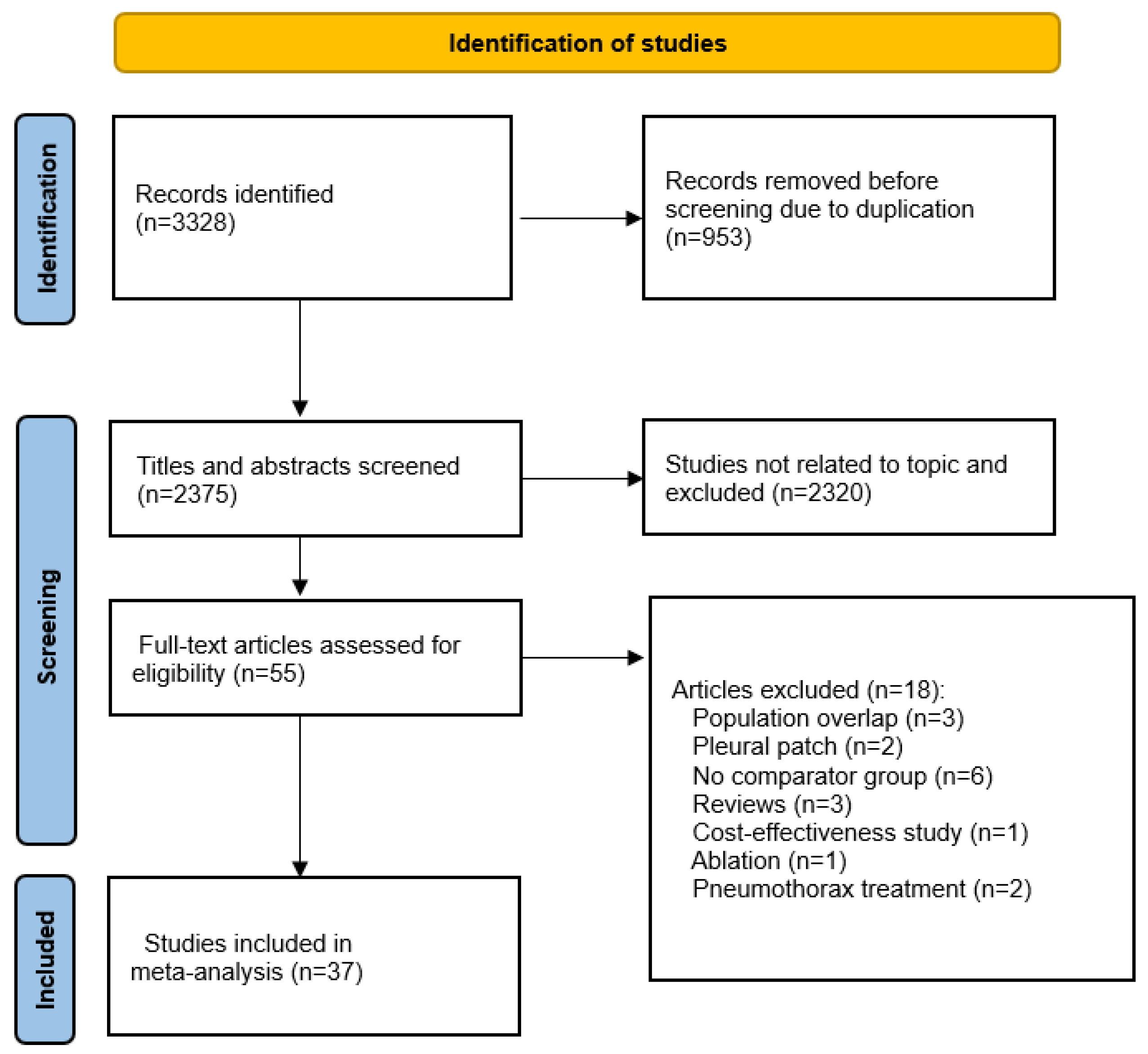
Figure 1. Literature search and study characteristics [8].
Diagnostics 16 00824 g001
Figure 2. (a) Analyses performed for studies using saline solution. (b) Analyses performed for studies using saline solution + RR. (c) Analyses performed for studies using a hydrogel plug. (d) Analyses performed for studies using gelatin sponge. (e) Analyses performed for studies using a blood patch. (f) Analyses performed for studies using other sealing agents. Randomized controlled trials are indicated by an asterisk; all other studies were cohort studies [13,14,15,16,17,18,19,20,21,22,23,24,25,26,27,28,29,30,31,32,33,34,35,36,37,38,39,40,41,42,43,44,45,46,47,48,49].
Diagnostics 16 00824 g002aDiagnostics 16 00824 g002bDiagnostics 16 00824 g002c
Figure 3. Funnel plot inspection showing no obvious asymmetry suspicious for reporting bias.
Diagnostics 16 00824 g003
Table 1. Summary of findings and certainty of evidence assessment according to the GRADE system.
AnalysisCertainty AssessmentNo. of PatientsEffectCertainty
No. of StudiesStudy DesignRisk of BiasInconsistencyIndirectnessImprecisionOther ConsiderationsSealantControlRelative
(95% CI)
Absolute
(95% CI)
Saline:
PTX
76 cohort
1 RCT
seriousnot seriousnot seriousnot seriousstrong association112/680 (16.5%)273/775 (35.2%)OR 0.35
(0.25 to 0.48)
192 fewer per 1000
(from 233 fewer to 145 fewer)
⨁⨁⨁⨁
High
Saline:
Drainage
76 cohort
1 RCT
seriousnot seriousnot seriousseriousstrong association11/680 (1.6%)59/775 (7.6%)OR 0.22
(0.11 to 0.43)
58 fewer per 1000
(from 67 fewer to 42 fewer)
⨁⨁⨁◯
Moderate
Saline+RR:
PTX
22 cohortseriousnot seriousnot seriousvery seriousnone97/353 (27.5%)71/228 (31.1%)OR 0.82
(0.56 to 1.18)
41 fewer per 1000
(from 109 fewer to 37 more)
⨁◯◯◯
Very low
Saline+RR:
Drainge
22 cohortseriousnot seriousnot seriousseriousstrong association8/353 (2.3%)20/228 (8.8%)OR 0.20
(0.04 to 0.98)
69 fewer per 1000
(from 84 fewer to 2 fewer)
⨁⨁⨁◯
Moderate
Hydrogel:
PTX
54 cohort
1 RCT
very seriousnot seriousnot seriousnot seriousnone174/786 (22.1%)390/1180 (33.1%)OR 0.65
(0.50 to 0.85)
88 fewer per 1000
(from 133 fewer to 35 fewer)
⨁⨁◯◯
Low
Hydrogel:
Drainage
54 cohort
1 RCT
very seriousnot seriousnot seriousseriousstrong association44/786 (5.6%)144/1180 (12.2%)OR 0.44
(0.25 to 0.76)
64 fewer per 1000
(from 88 fewer to 26 fewer)
⨁⨁◯◯
Low
Gelatin sponge:
PTX
98 cohort
1 RCT
seriousnot seriousnot seriousnot seriousnone401/2179 (18.4%)720/2133 (33.8%)OR 0.44
(0.37 to 0.53)
154 fewer per 1000
(from 179 fewer to 125 fewer)
⨁⨁⨁◯
Moderate
Gelatin sponge:
Drainage
109 cohort
1 RCT
seriousnot seriousnot seriousnot seriousstrong association71/2324 (3.1%)223/2740 (8.1%)OR 0.40
(0.29 to 0.54)
47 fewer per 1000
(from 56 fewer to 36 fewer)
⨁⨁⨁⨁
High
Blood patch:
PTX
97 cohort
2 RCT
very seriousnot seriousnot seriousnot seriousnone401/2037 (19.7%)589/2002 (29.4%)OR 0.50
(0.40 to 0.62)
122 fewer per 1000
(from 151 fewer to 89 fewer)
⨁⨁◯◯
Low
Blood patch:
Drainage
97 cohort
2 RCT
very seriousnot seriousnot seriousnot seriousstrong association78/2037 (3.8%)183/2002 (9.1%)OR 0.40
(0.27 to 0.59)
53 fewer per 1000
(from 65 fewer to 35 fewer)
⨁⨁⨁◯
Moderate
Abbreviations: CI = confidence interval; OR = odds ratio; PTX = pneumothorax; RCT = randomized control trial; RR = rapid-rollover.
Disclaimer/Publisher’s Note: The statements, opinions and data contained in all publications are solely those of the individual author(s) and contributor(s) and not of MDPI and/or the editor(s). MDPI and/or the editor(s) disclaim responsibility for any injury to people or property resulting from any ideas, methods, instructions or products referred to in the content.