Case Report

Juvenile Osteochondritis Dissecans: A Case Report

1
Department of Thermophysiology, Institute for Translational Medicine, Medical School, University of Pécs, 12 Szigeti Street, 7624 Pécs, Hungary
2
Division of Pediatric Surgery, Traumatology, Urology and Pediatric Otolaryngology, Department of Pediatrics, Medical School, University of Pécs, 7 József Attila Street, 7623 Pécs, Hungary
3
Department of Pediatric Traumatology, Péterfy Hospital, Manninger Jenő National Trauma Center, 17 Fiumei Street, 1081 Budapest, Hungary
*
Author to whom correspondence should be addressed.
Diagnostics 2024, 14(17), 1931; https://doi.org/10.3390/diagnostics14171931

Submission received: 1 August 2024 / Revised: 22 August 2024 / Accepted: 30 August 2024 / Published: 1 September 2024
(This article belongs to the Special Issue Critical Issues in Diagnosis and Management of Pediatric Diseases)

Abstract

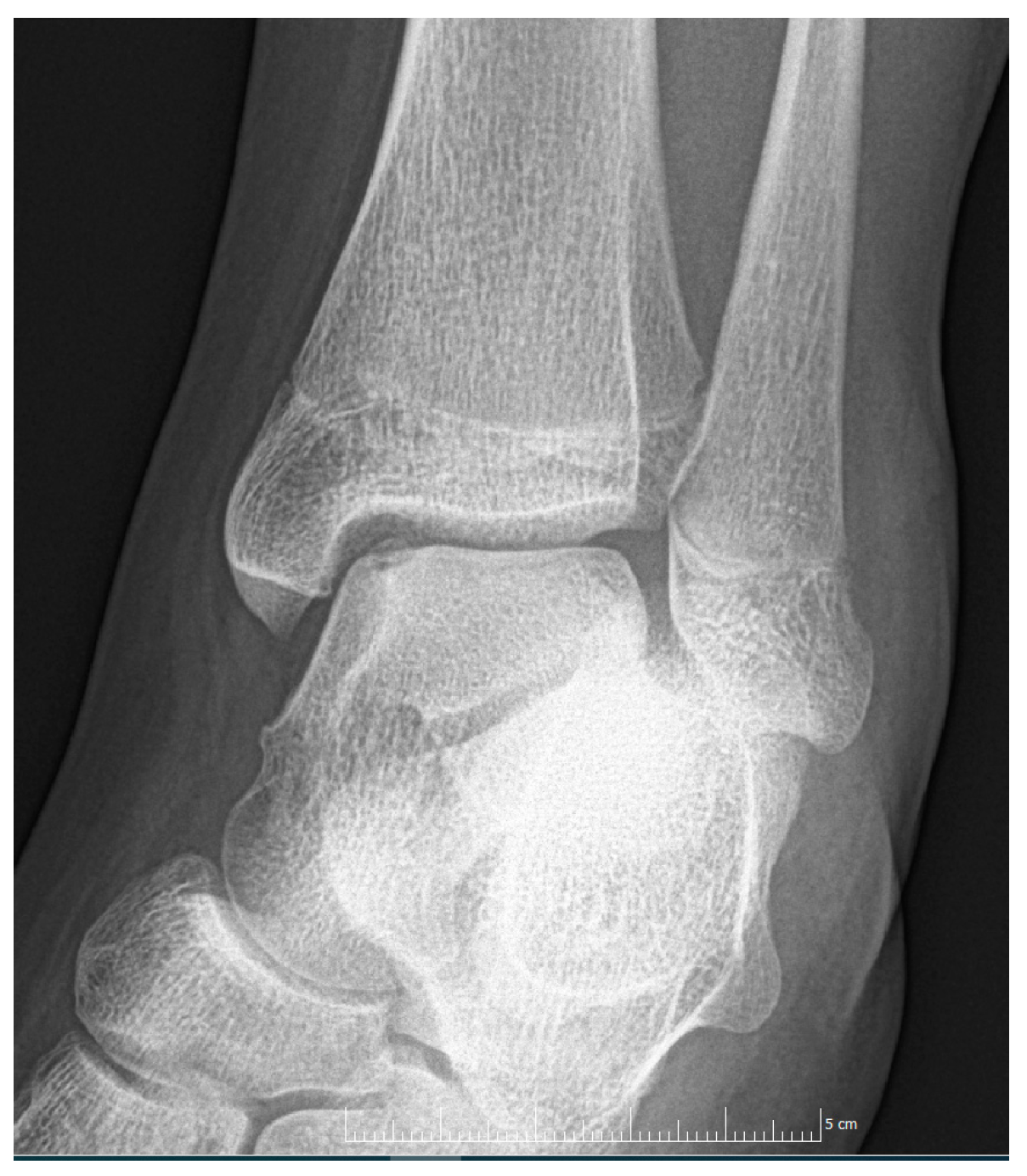
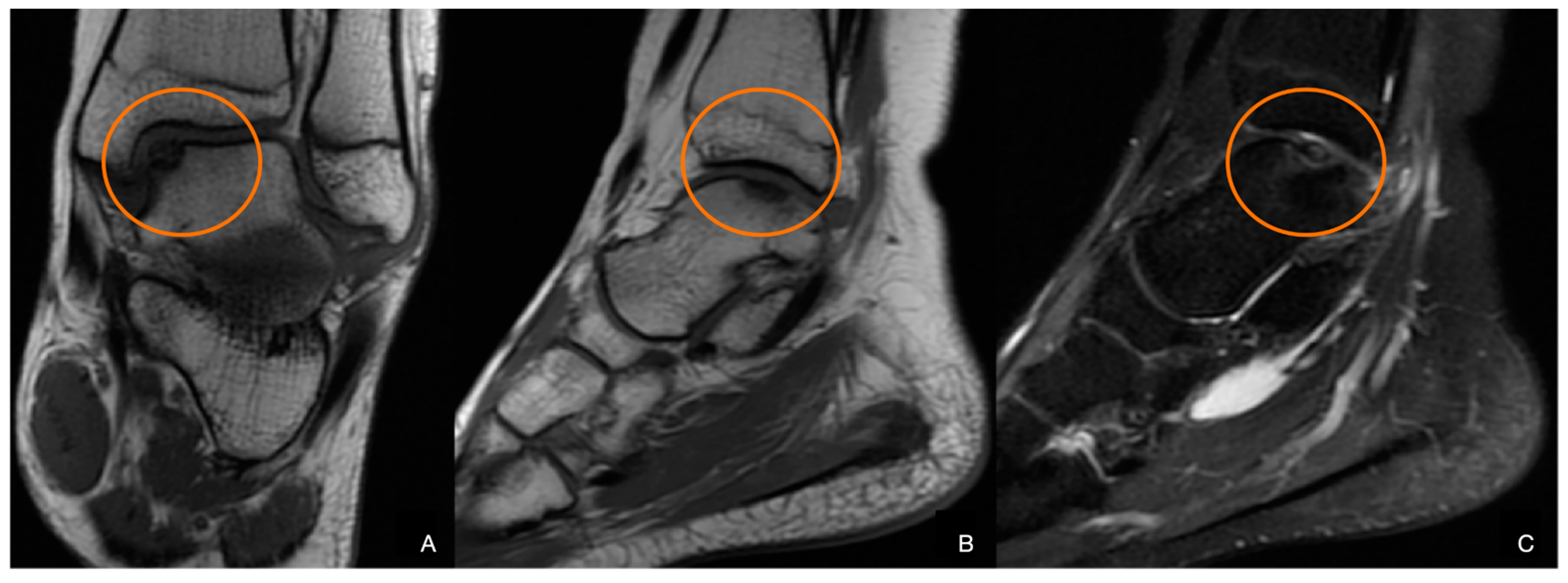
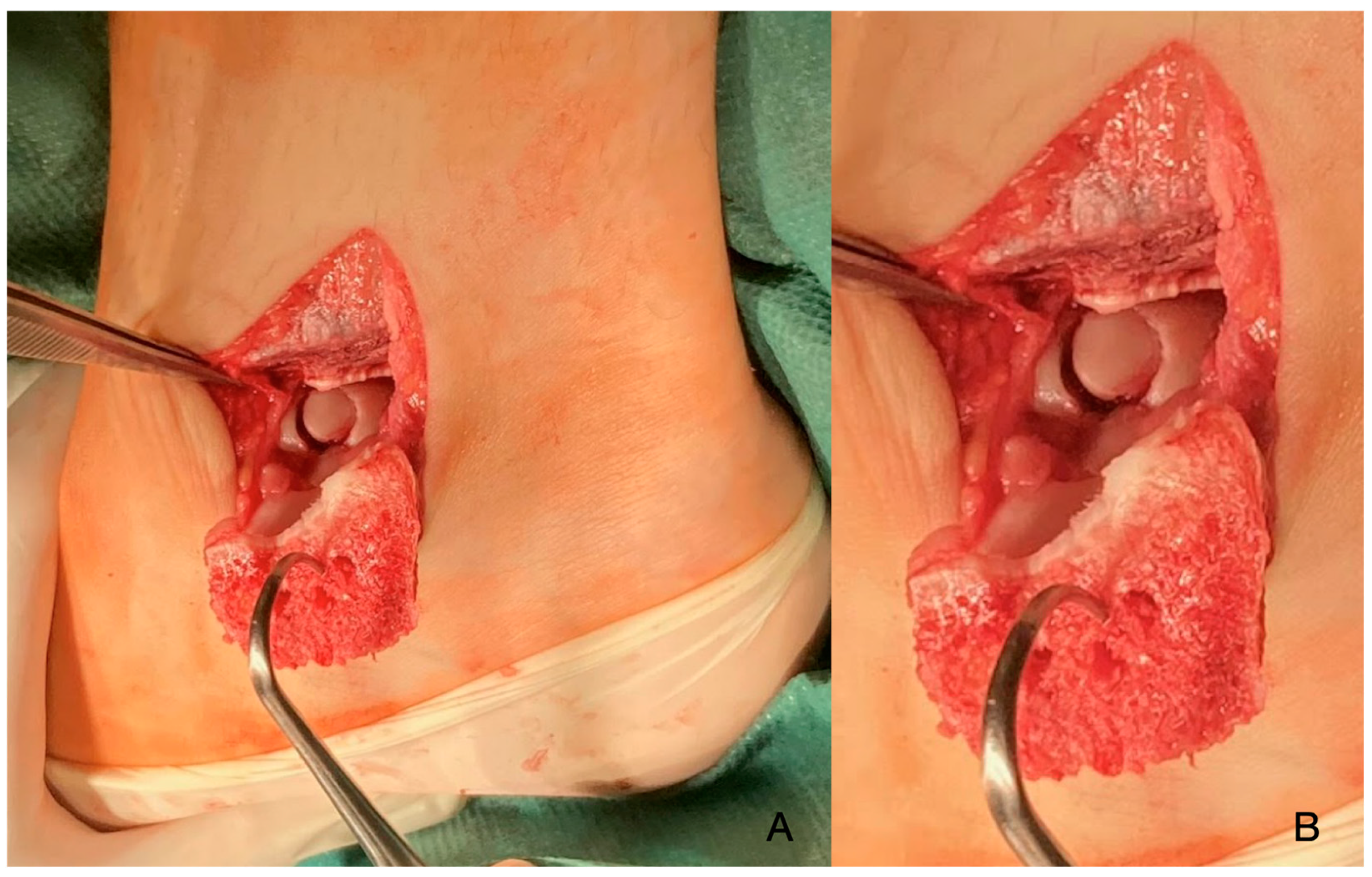
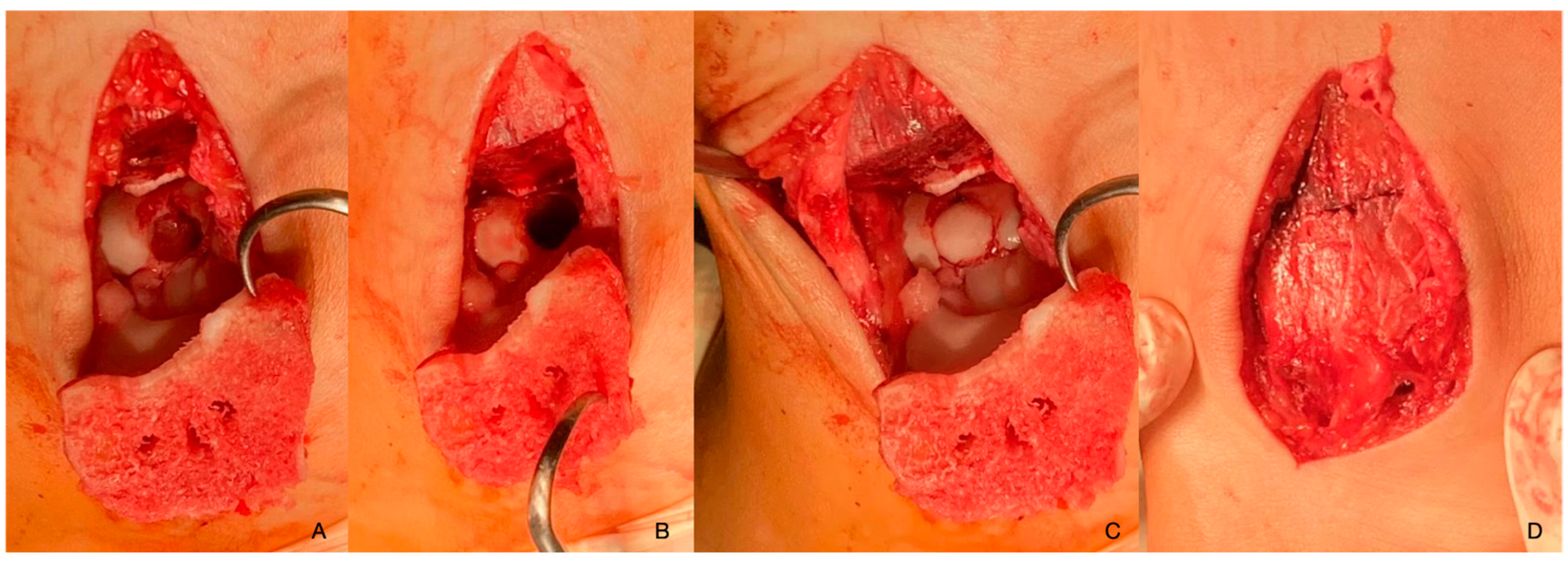
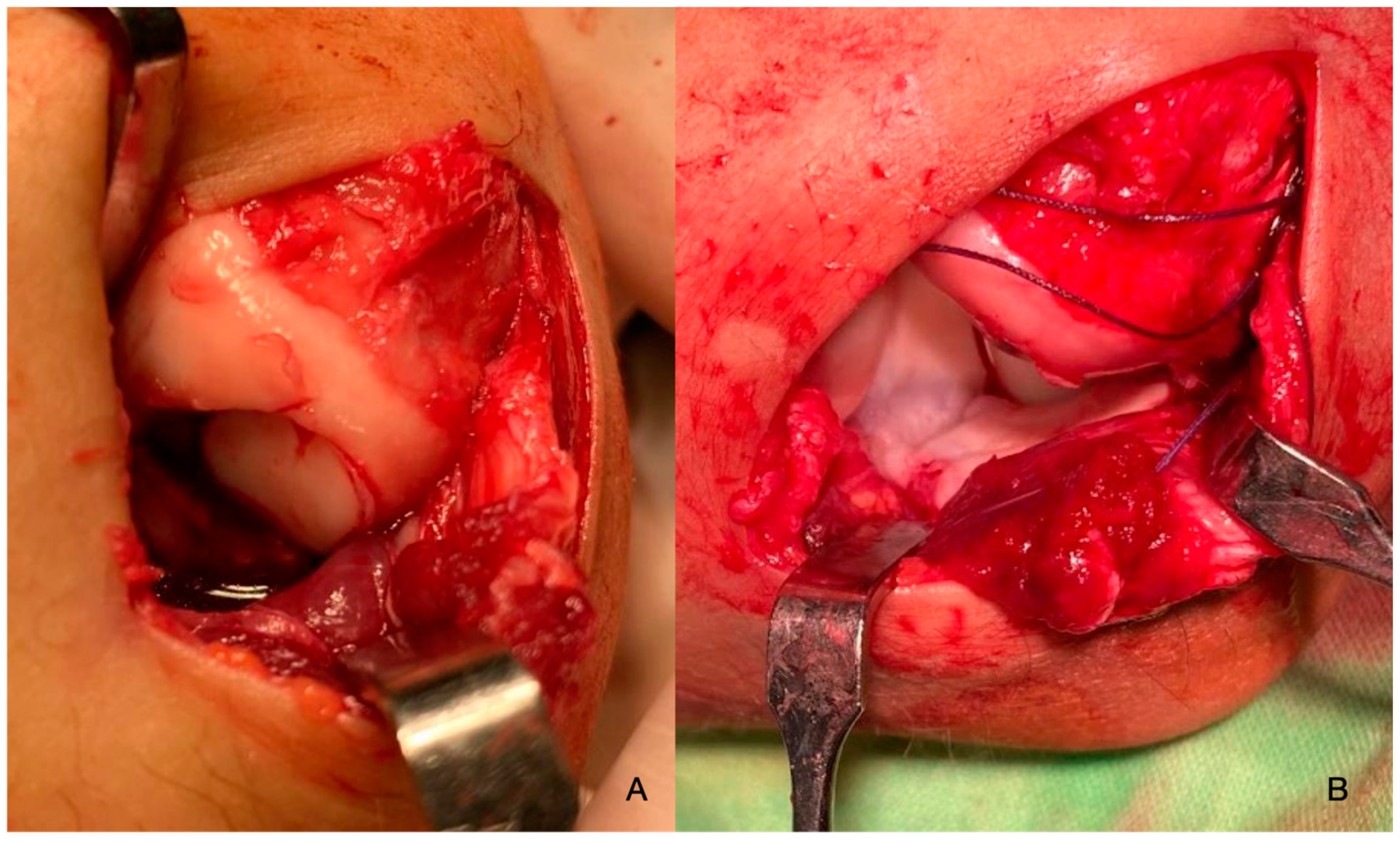
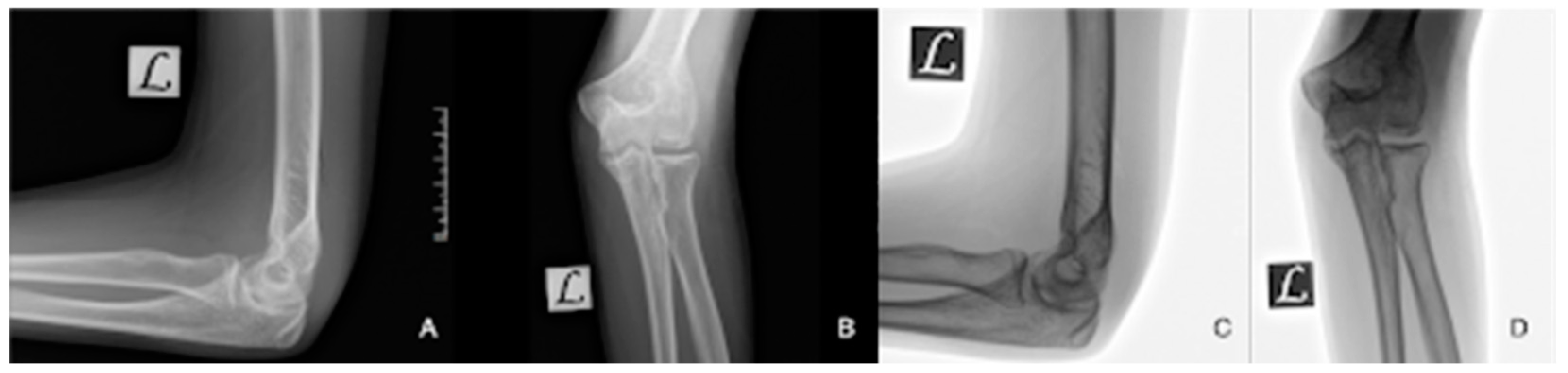
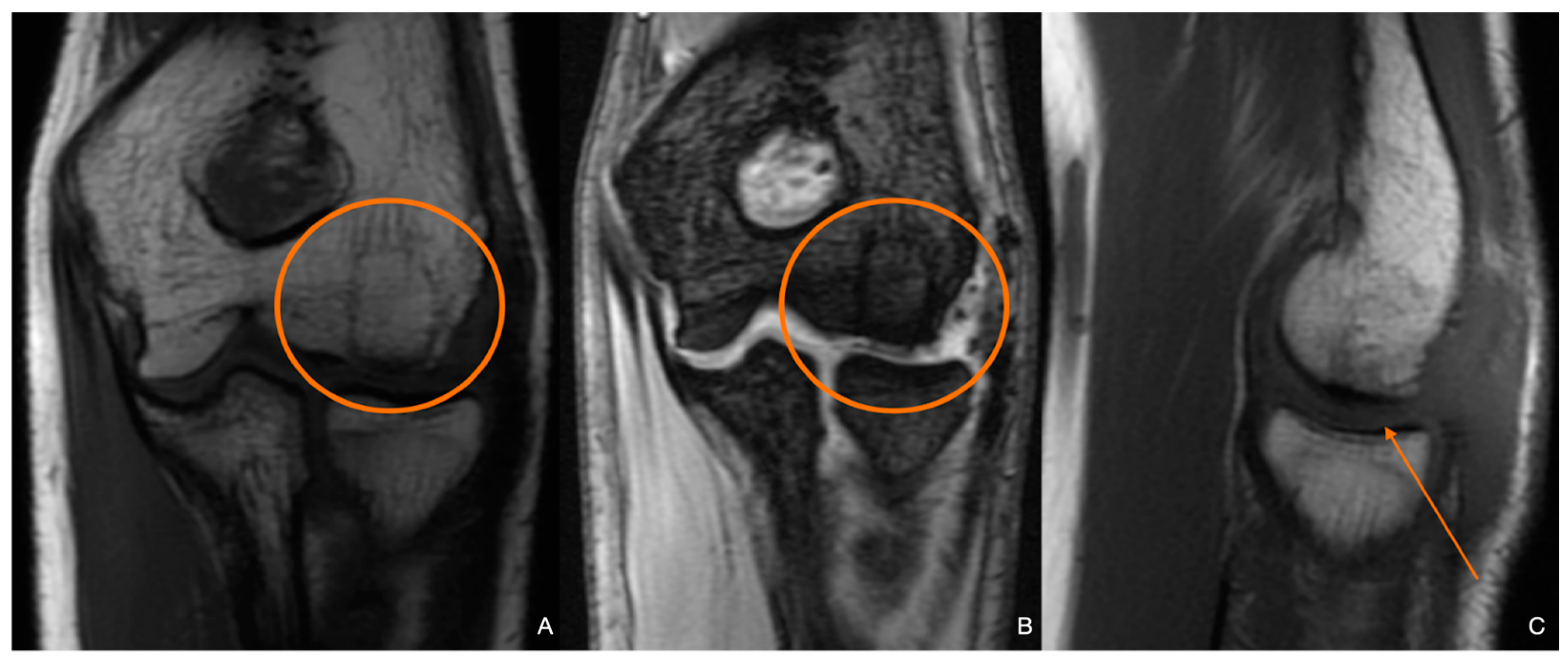
(1) Background: This report aims to illustrate the development, progression, diagnosis, and treatment of chronically present articular surface lesions. (2) Methods: In this report, two patients are described from the point of the initial presentation of symptoms to surgical consultation based on radiologic findings. These patients underwent corrective surgery in the form of mosaicplasty to repair lesions present on the articular surface and the underlying subchondral bone. (3) Discussion: Diagnosing juvenile OCD remains challenging due to its variable clinical presentation and minute radiologic discoveries. X-rays are useful; however, the gold standard remains arthroscopy, which can be both diagnostic and therapeutic. Future prospects include the use of novel sonographic methods and the use of artificial intelligence within the given modalities. (4) Conclusions: The detailed imaging provided by MRI, combined with the insights from X-rays and potentially other modalities, allows for a nuanced understanding of this disease. This comprehensive approach ensures that treatment decisions are well-informed, optimising outcomes for young patients with this condition.
Keywords: osteochondritis dissecans; OCD; mosaicplasty; elbow; talar; articular surface; congruency osteochondritis dissecans; OCD; mosaicplasty; elbow; talar; articular surface; congruency