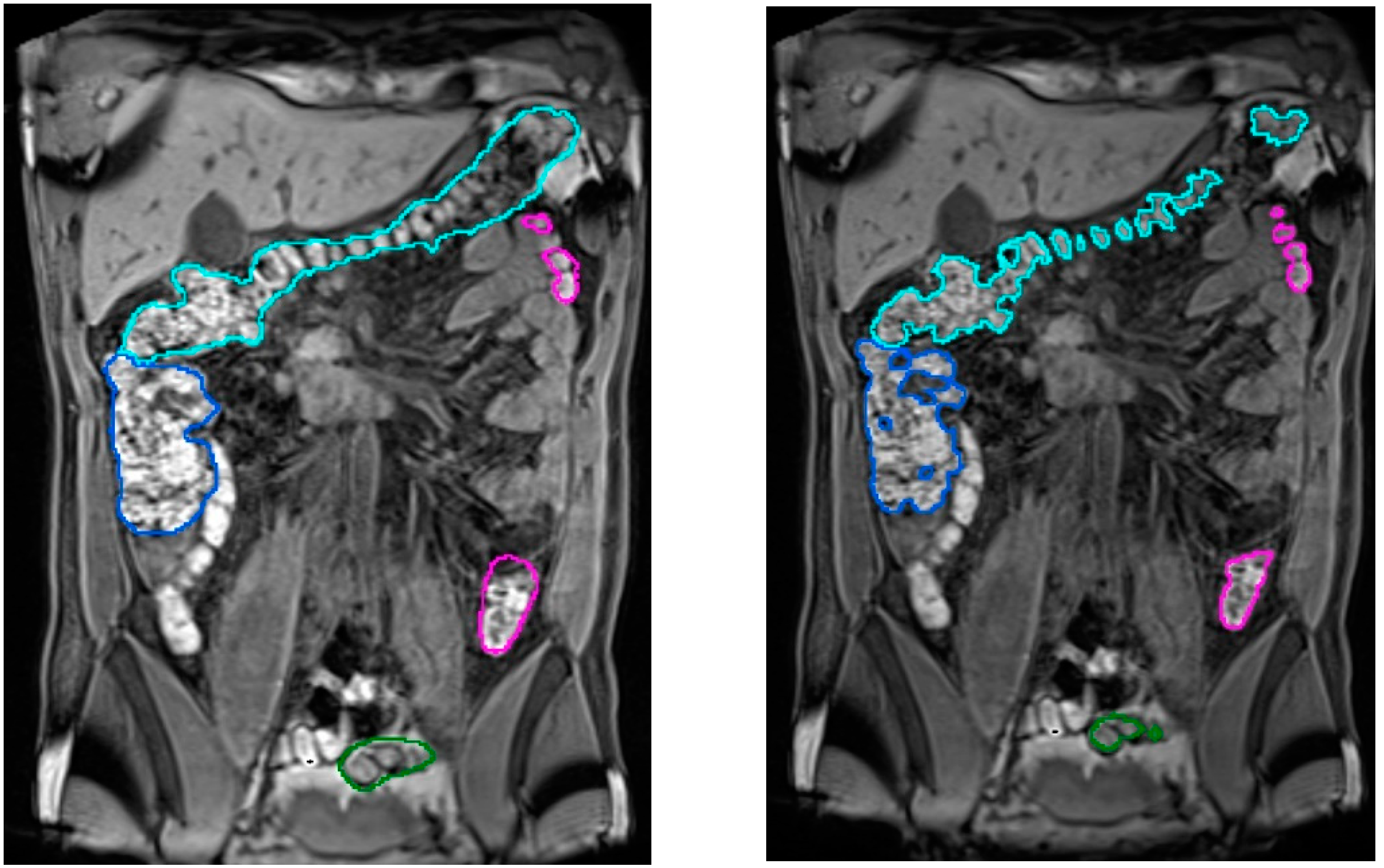
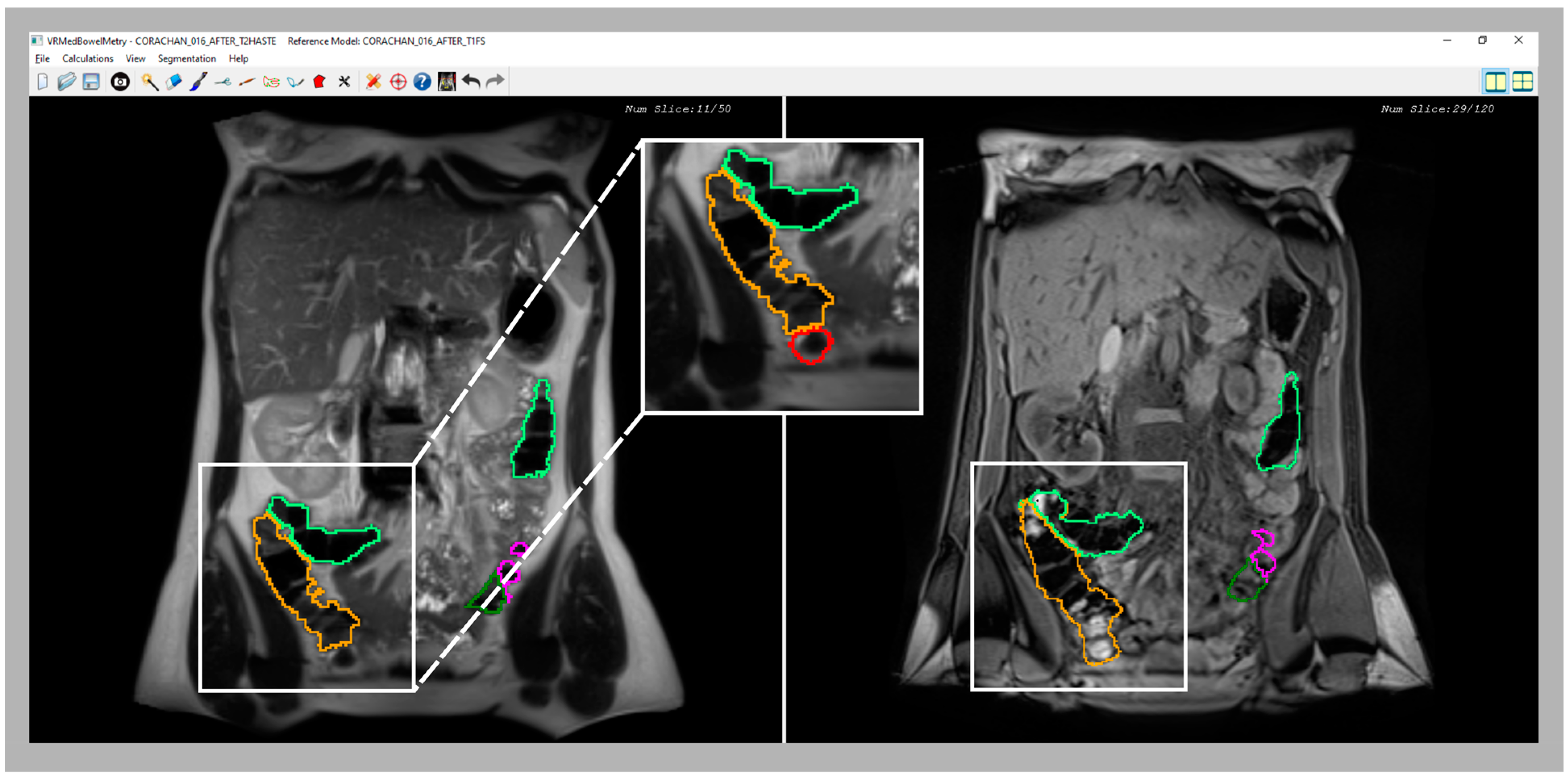
End to End Colonic Content Assessment: ColonMetry Application

 , ,
, , Abstract
Share and Cite
Orellana, B.; Monclús, E.; Navazo, I.; Bendezú, Á.; Malagelada, C.; Azpiroz, F. End to End Colonic Content Assessment: ColonMetry Application. Diagnostics 2023, 13, 910. https://doi.org/10.3390/diagnostics13050910
Orellana B, Monclús E, Navazo I, Bendezú Á, Malagelada C, Azpiroz F. End to End Colonic Content Assessment: ColonMetry Application. Diagnostics. 2023; 13(5):910. https://doi.org/10.3390/diagnostics13050910
Chicago/Turabian StyleOrellana, Bernat, Eva Monclús, Isabel Navazo, Álvaro Bendezú, Carolina Malagelada, and Fernando Azpiroz. 2023. "End to End Colonic Content Assessment: ColonMetry Application" Diagnostics 13, no. 5: 910. https://doi.org/10.3390/diagnostics13050910
APA StyleOrellana, B., Monclús, E., Navazo, I., Bendezú, Á., Malagelada, C., & Azpiroz, F. (2023). End to End Colonic Content Assessment: ColonMetry Application. Diagnostics, 13(5), 910. https://doi.org/10.3390/diagnostics13050910