Article

Biochemical Markers of Saliva in Lung Cancer: Diagnostic and Prognostic Perspectives


by
Lyudmila V. Bel’skaya
1,*,
Elena A. Sarf
1,
Victor K. Kosenok
2 and
Ivan A. Gundyrev
3
1
Laboratory of biochemistry, Omsk State Pedagogical University, 14, Tukhachevsky str, 644043 Omsk, Russia
2
Department of Oncology, Omsk State Medical University, 12, Lenina str, 644099 Omsk, Russia
3
LLC Bookmate, 7, Tsvetnoy bul’var str, 127051 Moscow, Russia
*
Author to whom correspondence should be addressed.
Diagnostics 2020, 10(4), 186; https://doi.org/10.3390/diagnostics10040186

Submission received: 3 March 2020 / Revised: 24 March 2020 / Accepted: 26 March 2020 / Published: 27 March 2020
(This article belongs to the Section Pathology and Molecular Diagnostics)

Abstract

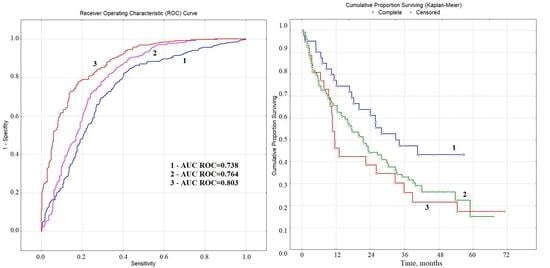
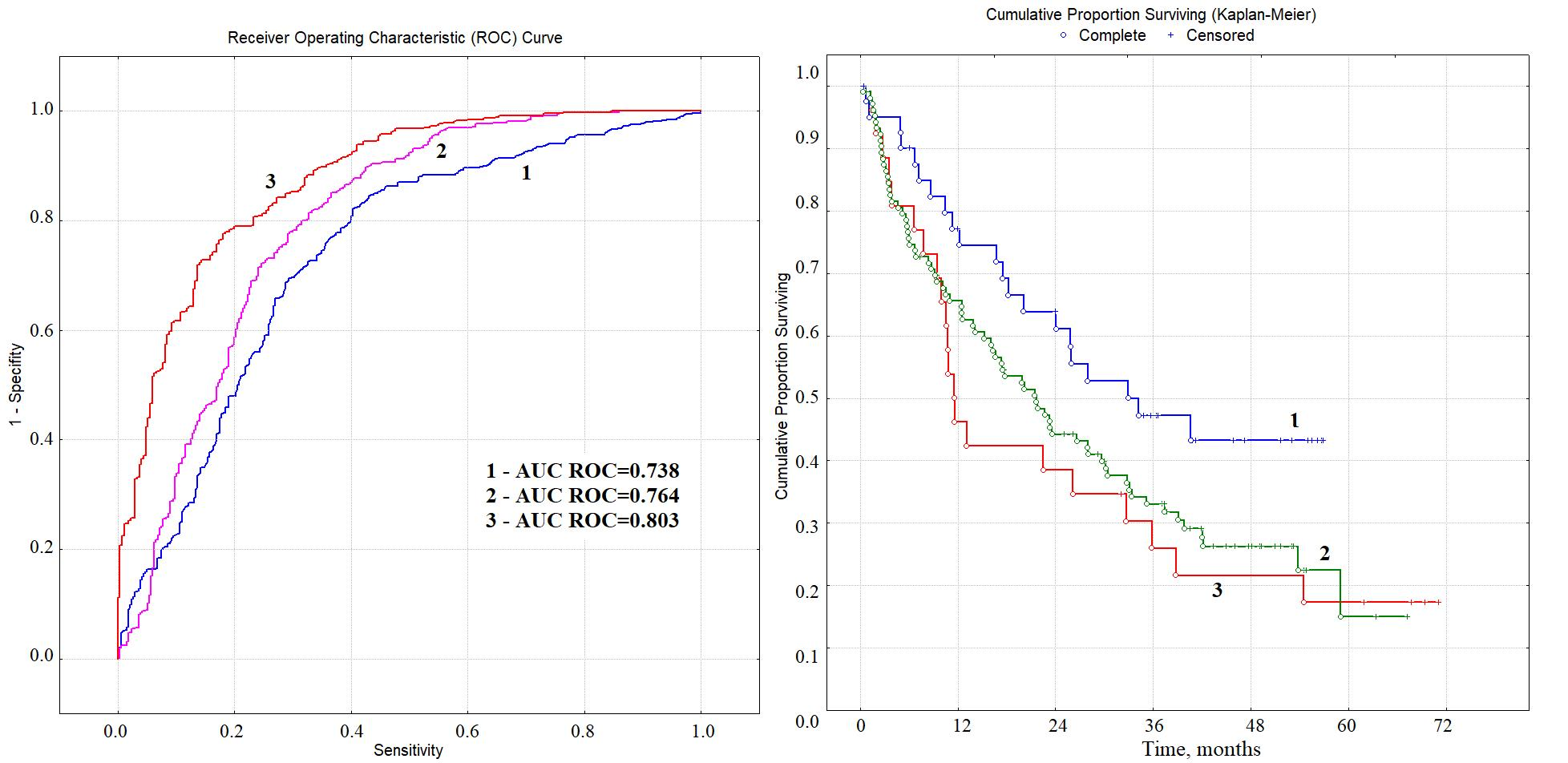
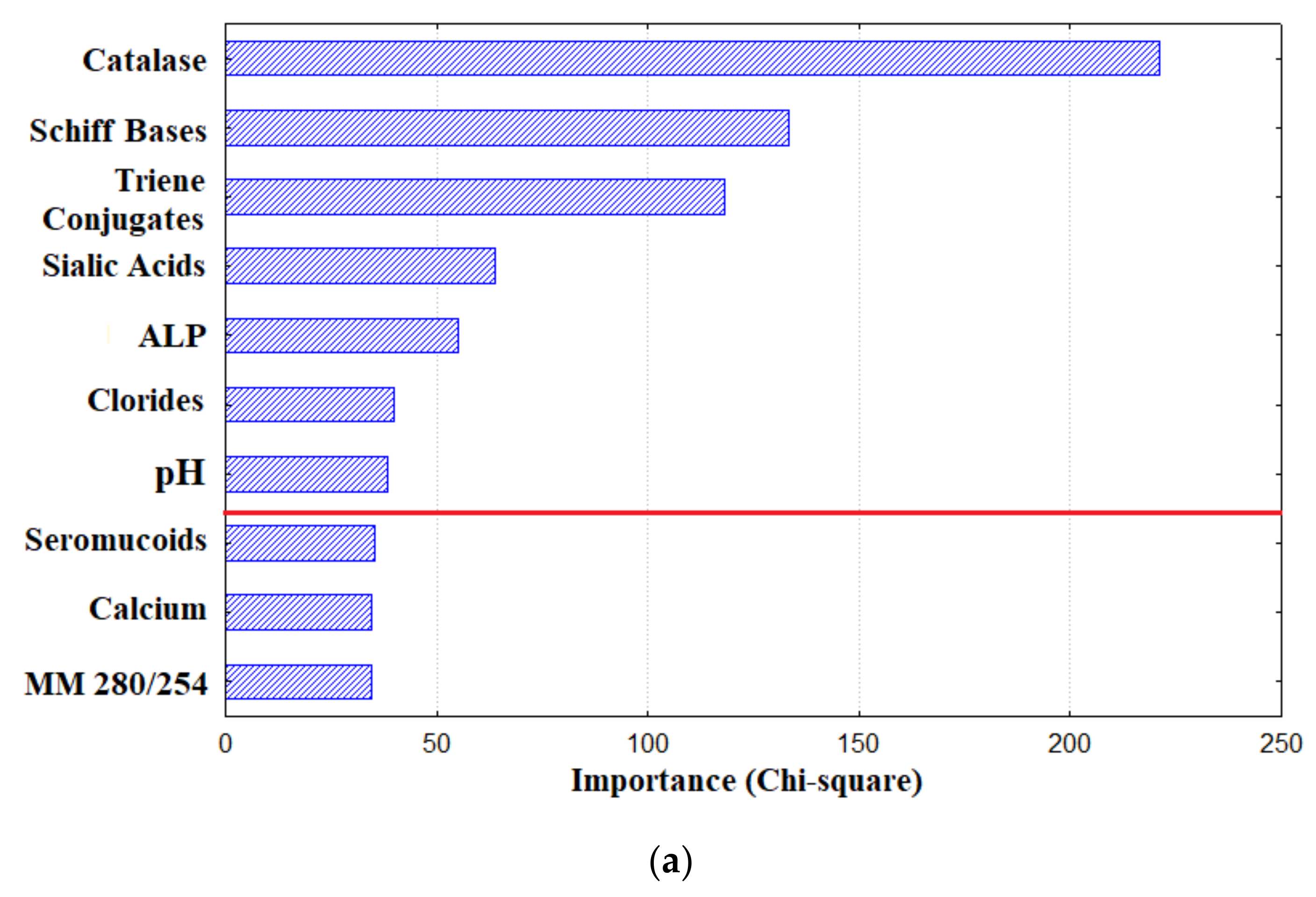
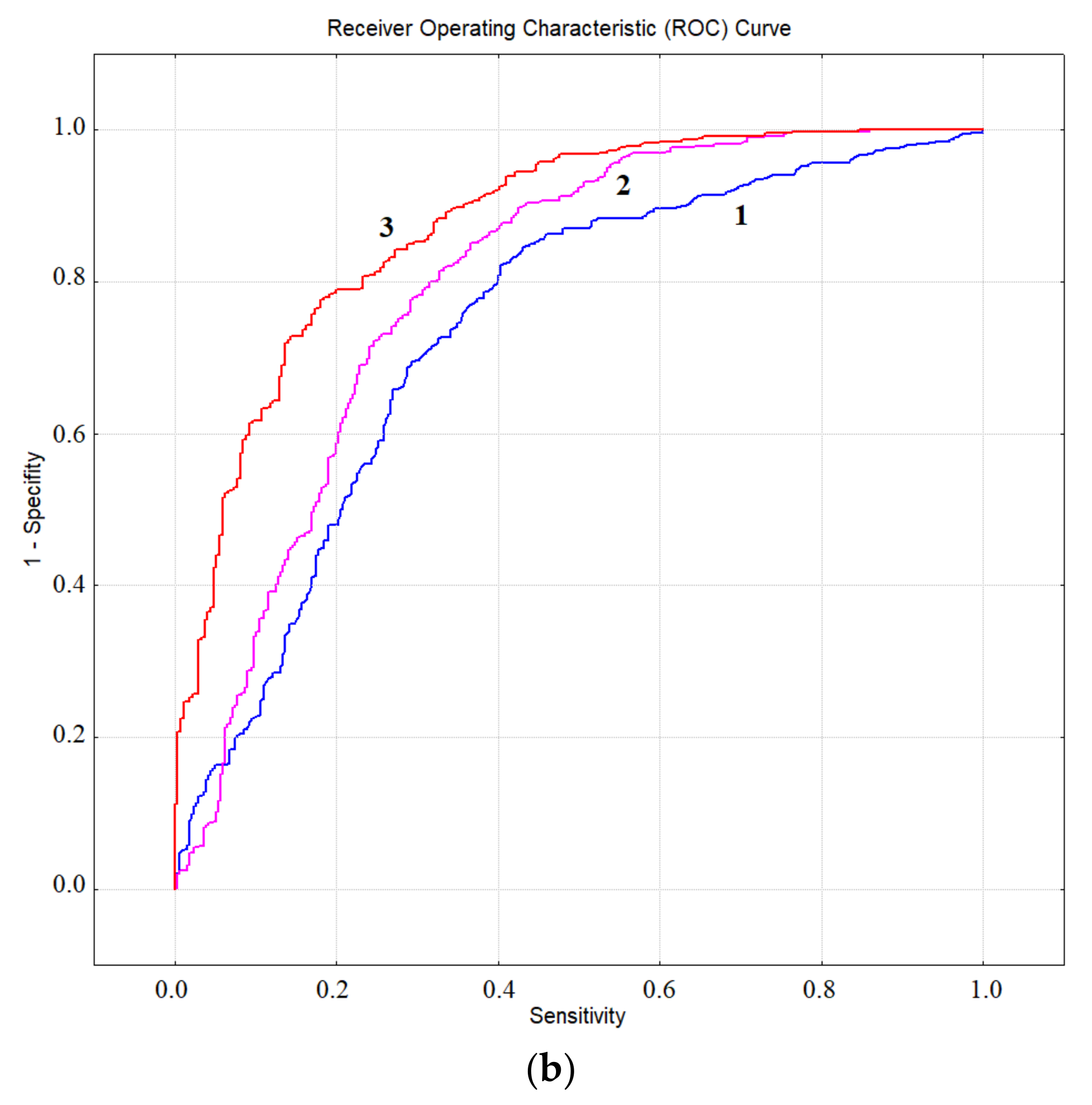
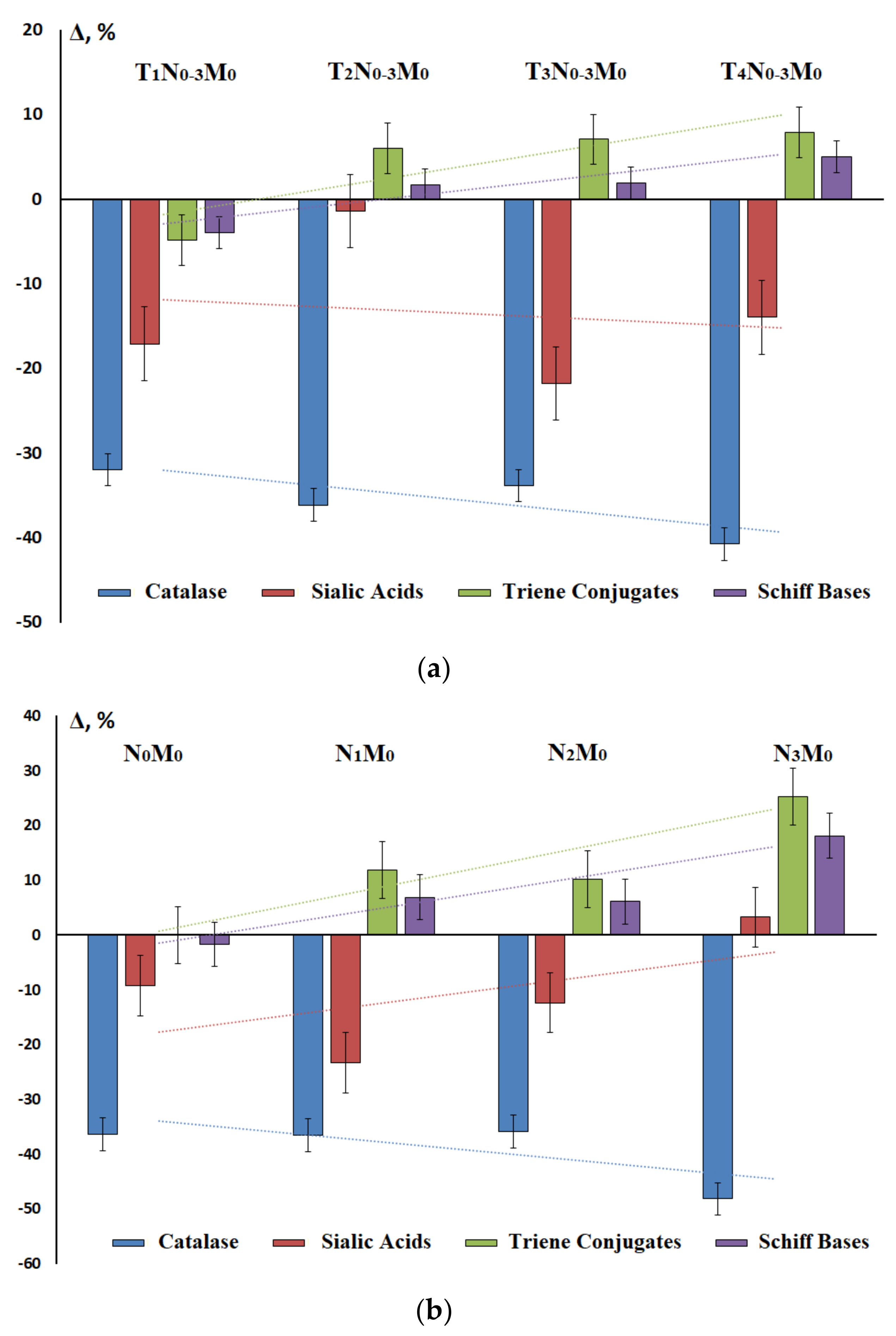
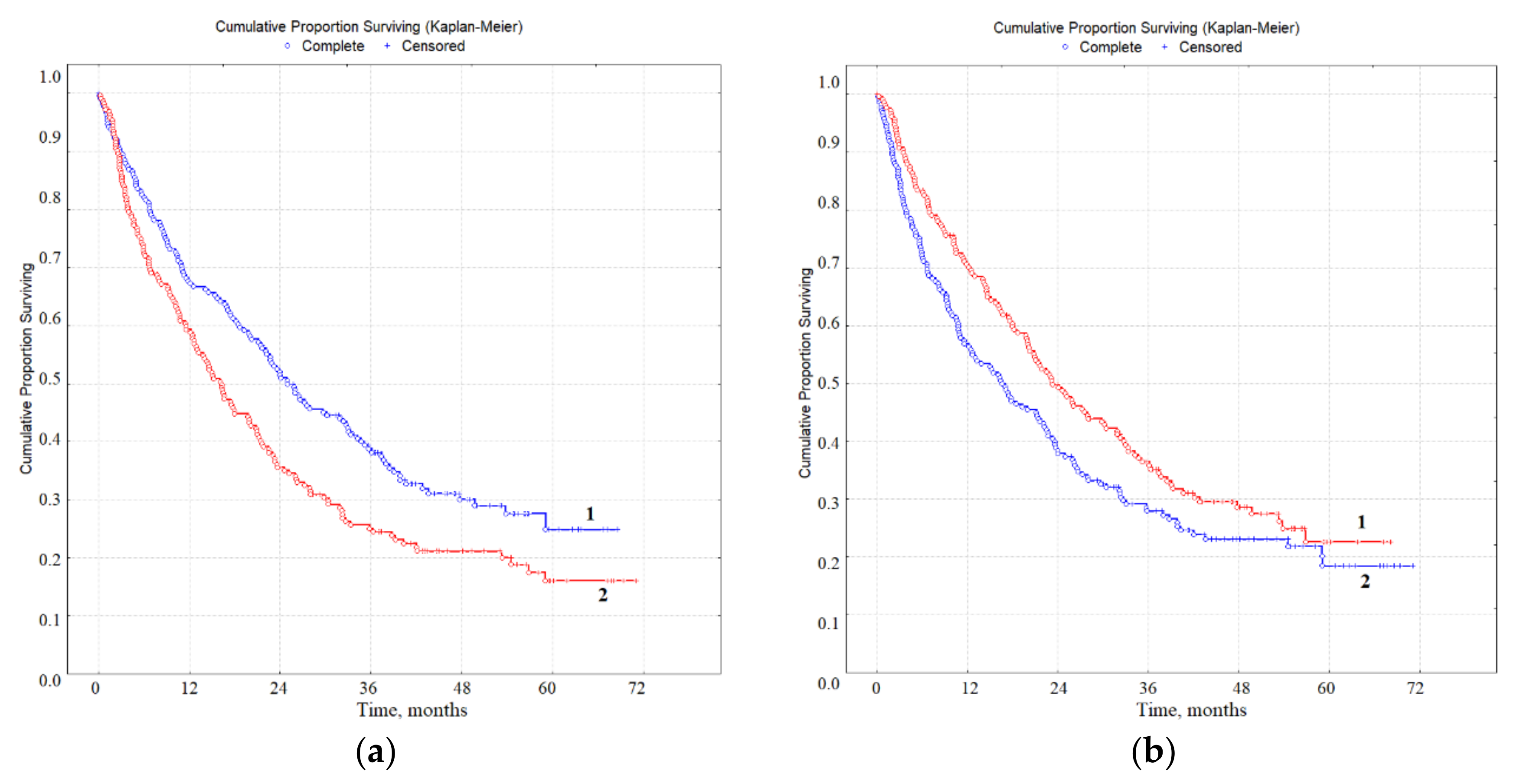
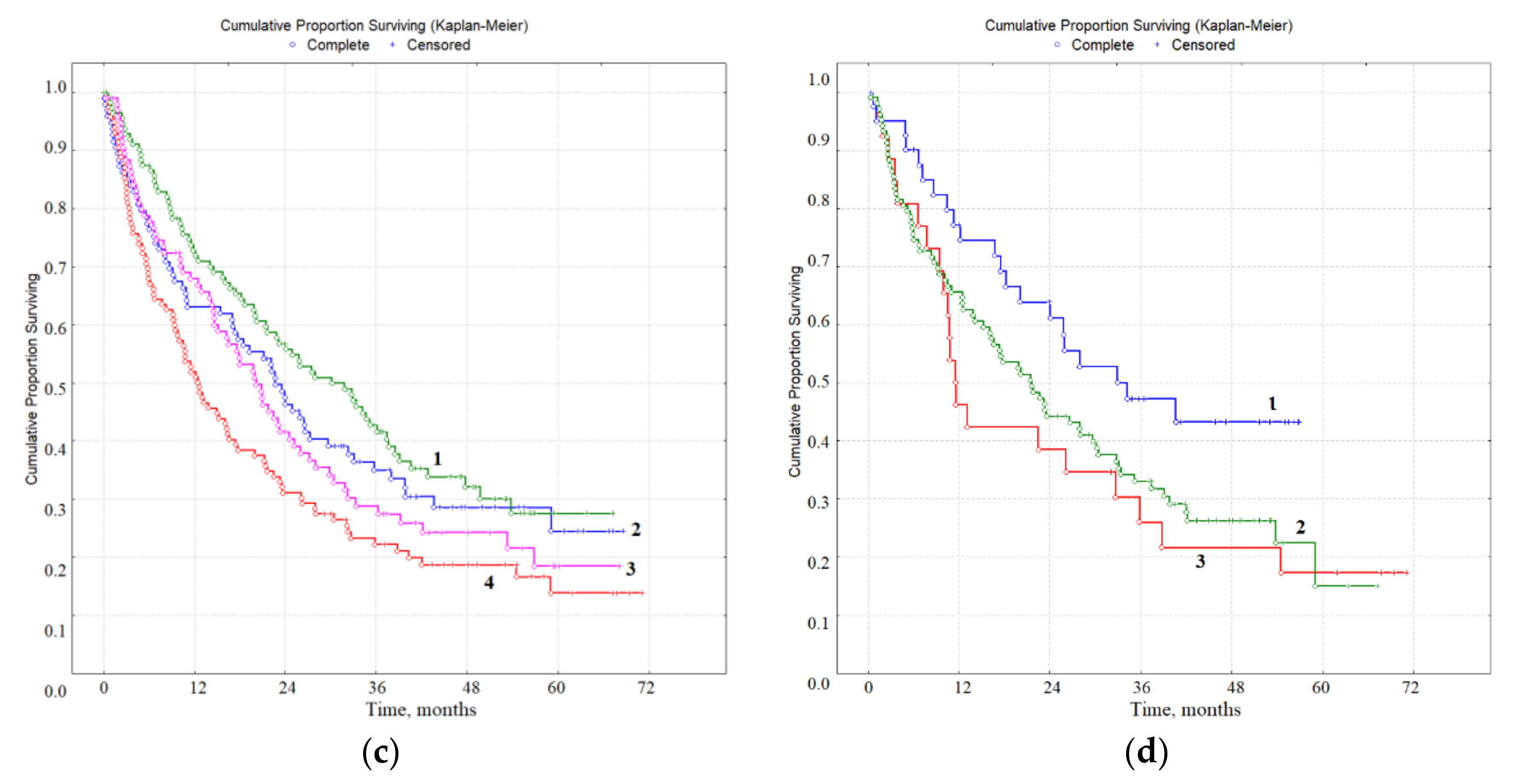
The aim of the work is to study the metabolic characteristics of saliva in lung cancer for use in early diagnosis and determining the prognosis of the disease. The patient group included 425 lung cancer patients, 168 patients with non-cancerous lung diseases, and 550 healthy volunteers. Saliva samples were collected from all participants in the experiment before treatment and 34 biochemical saliva parameters were determined. Participants were monitored for six years to assess survival rates. The statistical analysis was performed by means of Statistica 10.0 (StatSoft) program and R package (version 3.2.3). To construct the classifier, the Random Forest method was used; the classification quality was assessed using the cross-validation method. Prognostic factors were analyzed by multivariate analysis using Cox’s proportional hazard model in a backward step-wise fashion to adjust for potential confounding factors. A complex of metabolic changes occurring in saliva in lung cancer is described. Seven biochemical parameters were identified (catalase, triene conjugates, Schiff bases, pH, sialic acids, alkaline phosphatase, chlorides), which were used to construct the classifier. The sensitivity and specificity of the method were 69.5% and 87.5%, which is practically not inferior to the diagnostic characteristics of markers routinely used in the diagnosis of lung cancer. Significant independent factors in the poor prognosis of lung cancer are imidazole compounds (ICs) above 0.478 mmol/L and salivary lactate dehydrogenase activity below 545 U/L. Saliva has been shown to have great potential for the development of diagnostic and prognostic tests for lung cancer.
Keywords: saliva; oncology; lung cancer; biochemical markers; diagnostics; prognostic markers saliva; oncology; lung cancer; biochemical markers; diagnostics; prognostic markers
Graphical Abstract