Case Report

Herb-Induced Liver Injury by Laurus nobilis: A Case Assessed for Causality Using the Updated RUCAM

by
Mihnea Soare
1,†,
Sabina-Florina Călugăr-Șolea
1,†,
Ciprian Brisc
1,2,*,
Marius Rus
1,2,*,
Teodora-Maria Bodog
1,3,
Gabriel Becheanu
4,
Ciprian Mihai Brisc
5 and
Mihaela-Cristina Brisc
1,2
1
Doctoral School of Biological and Biomedical Sciences, University of Oradea, 410087 Oradea, Romania
2
Department of Medical Disciplines, Faculty of Medicine and Pharmacy, University of Oradea, 410073 Oradea, Romania
3
Department of Surgical Disciplines, Faculty of Medicine and Pharmacy, University of Oradea, 410073 Oradea, Romania
4
National Institute of Pathology and Biomedical Sciences Field “Victor Babeș”, 050096 Bucharest, Romania
5
Medicine Program of Study, Faculty of Medicine and Pharmacy, University of Oradea, 410073 Oradea, Romania
*
Authors to whom correspondence should be addressed.
These authors contributed equally to this work.
Life 2026, 16(1), 180; https://doi.org/10.3390/life16010180
Submission received: 13 December 2025 / Revised: 18 January 2026 / Accepted: 19 January 2026 / Published: 22 January 2026
(This article belongs to the Special Issue Liver Disease: Pathogenesis, Diagnosis, and Treatments)

Abstract

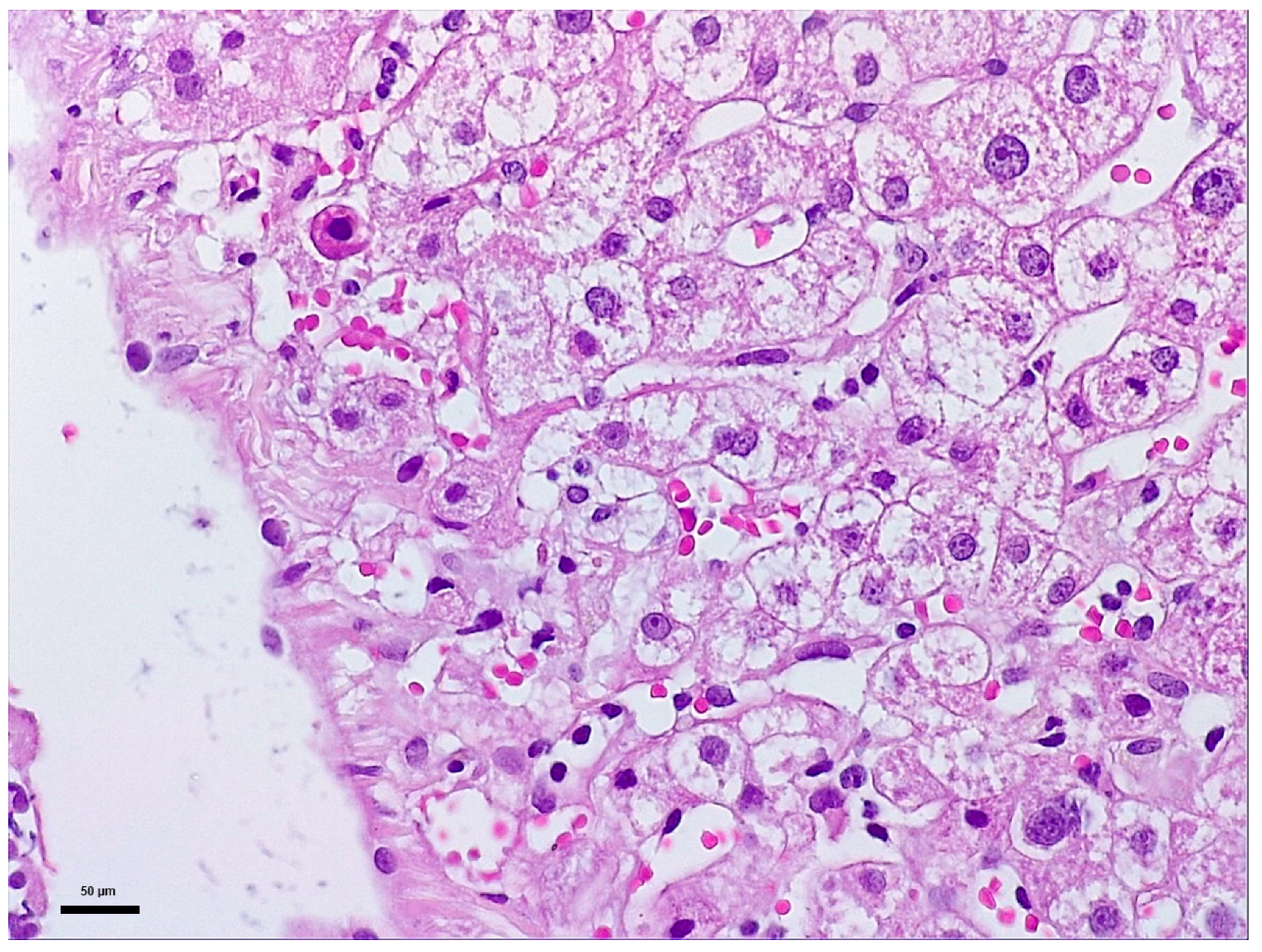
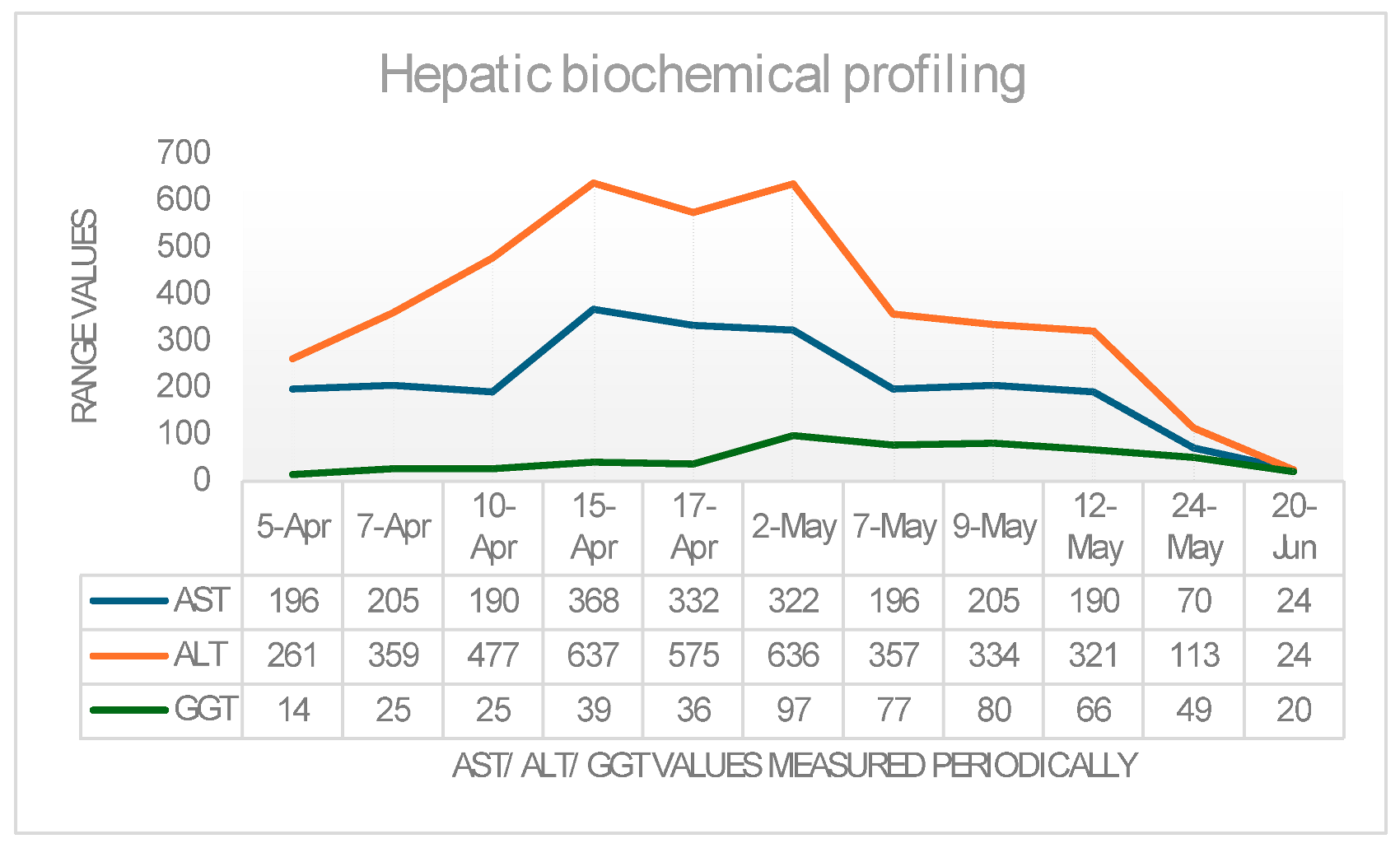
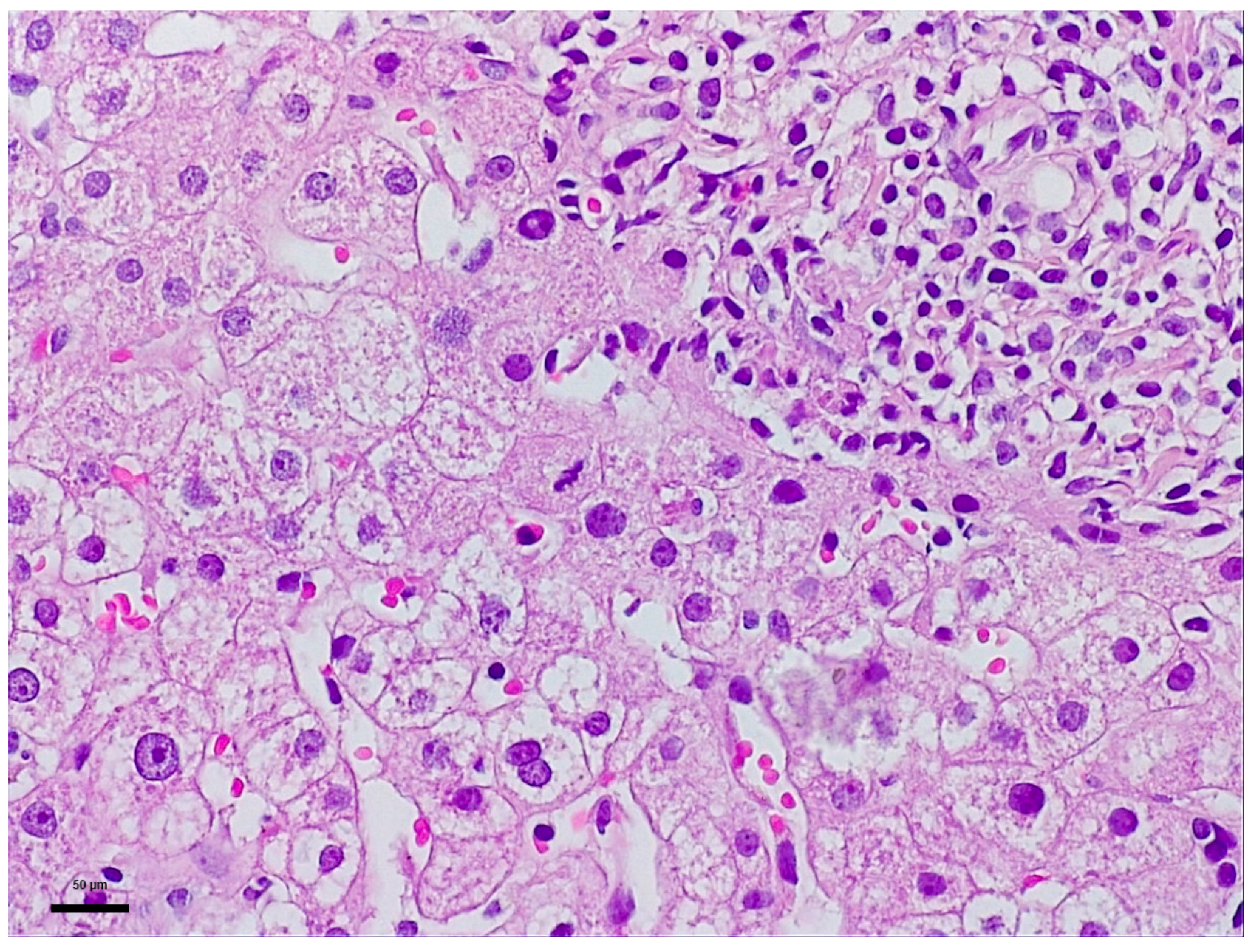
Hepatocellular injury syndrome represents a pathological process with a broad etiological spectrum, including viral infections, autoimmune diseases, or intoxications. Clinicians must identify the potential cause using both anamnestic data and available paraclinical examinations. We present the case of a 55-year-old female patient, admitted to the Internal Medicine 1 Department at the Clinical County Emergency Hospital Bihor, Oradea, Romania. The patient exhibited nonspecific complaints and insignificant pathological antecedents, but from a biochemical perspective, substantial changes in liver transaminase levels were evident. To establish differential diagnoses, a series of biochemical and immunological tests were performed, along with a thorough medical history. It was concluded that the patient regularly consumes herbal infusions, specifically Laurus nobilis leaves, commonly known as Bay Laurel. Although this might be easily overlooked at first glance, a closer examination could explain the current clinical picture. In April 2024, a 55-year-old female patient with no history of liver pathology was admitted. She complained of asthenia fatigue, anorexia, mixed dyspeptic symptoms, diffuse abdominal pain, and a weight loss of 12 kg. The pathology had insidiously started approximately 3 months prior. On examination, the patient had altered general status, anorexia, and was overweight. Biochemically, the patient had elevated liver transaminase values (AST = 196 U/L and ALT = 357 U/L) that continued to rise during hospitalization, despite hepatoprotective treatment. Various paraclinical examinations were performed to exclude other potential causes of hepatic aggression, having excluded ordinary causes. Consequently, a liver biopsy was performed, and the histopathological examination leaned toward a toxic hepatitis etiology. Application of the updated RUCAM scale yielded a score of eight points (“probable” HILI—Herb-Induced Liver Injury). Clinical and biochemical improvement was observed after complete cessation of bay leaf tea consumption. This case highlights the potential hepatotoxicity of commonly used culinary herbs when consumed in large quantities or as concentrated infusions and emphasizes the importance of detailed anamnesis regarding herbal product use.
Keywords: HILI; Laurus nobilis; hepatotoxicity; updated RUCAM HILI; Laurus nobilis; hepatotoxicity; updated RUCAM