Article

Identifying COVID-19 Severity-Related SARS-CoV-2 Mutation Using a Machine Learning Method
1
School of Life Sciences, Shanghai University, Shanghai 200444, China
2
College of Information Engineering, Shanghai Maritime University, Shanghai 201306, China
3
Key Laboratory of Stem Cell Biology, Shanghai Jiao Tong University School of Medicine (SJTUSM) and Shanghai Institutes for Biological Sciences (SIBS), Chinese Academy of Sciences (CAS), Shanghai 200025, China
4
Center for Single-Cell Omics, School of Public Health, Shanghai Jiao Tong University School of Medicine (SJTUSM), Shanghai 200025, China
5
Department of Computer Science, Guangdong AIB Polytechnic College, Guangzhou 510060, China
6
Bio-Med Big Data Center, CAS Key Laboratory of Computational Biology, Shanghai Institute of Nutrition and Health, University of Chinese Academy of Sciences, Chinese Academy of Sciences, Shanghai 200031, China
7
CAS Key Laboratory of Tissue Microenvironment and Tumor, Shanghai Institute of Nutrition and Health, University of Chinese Academy of Sciences, Chinese Academy of Sciences, Shanghai 200031, China
*
Authors to whom correspondence should be addressed.
These authors contributed equally to this work.
Life 2022, 12(6), 806; https://doi.org/10.3390/life12060806
Submission received: 12 April 2022 / Revised: 22 May 2022 / Accepted: 25 May 2022 / Published: 28 May 2022
(This article belongs to the Section Genomics and Proteomics)

Abstract

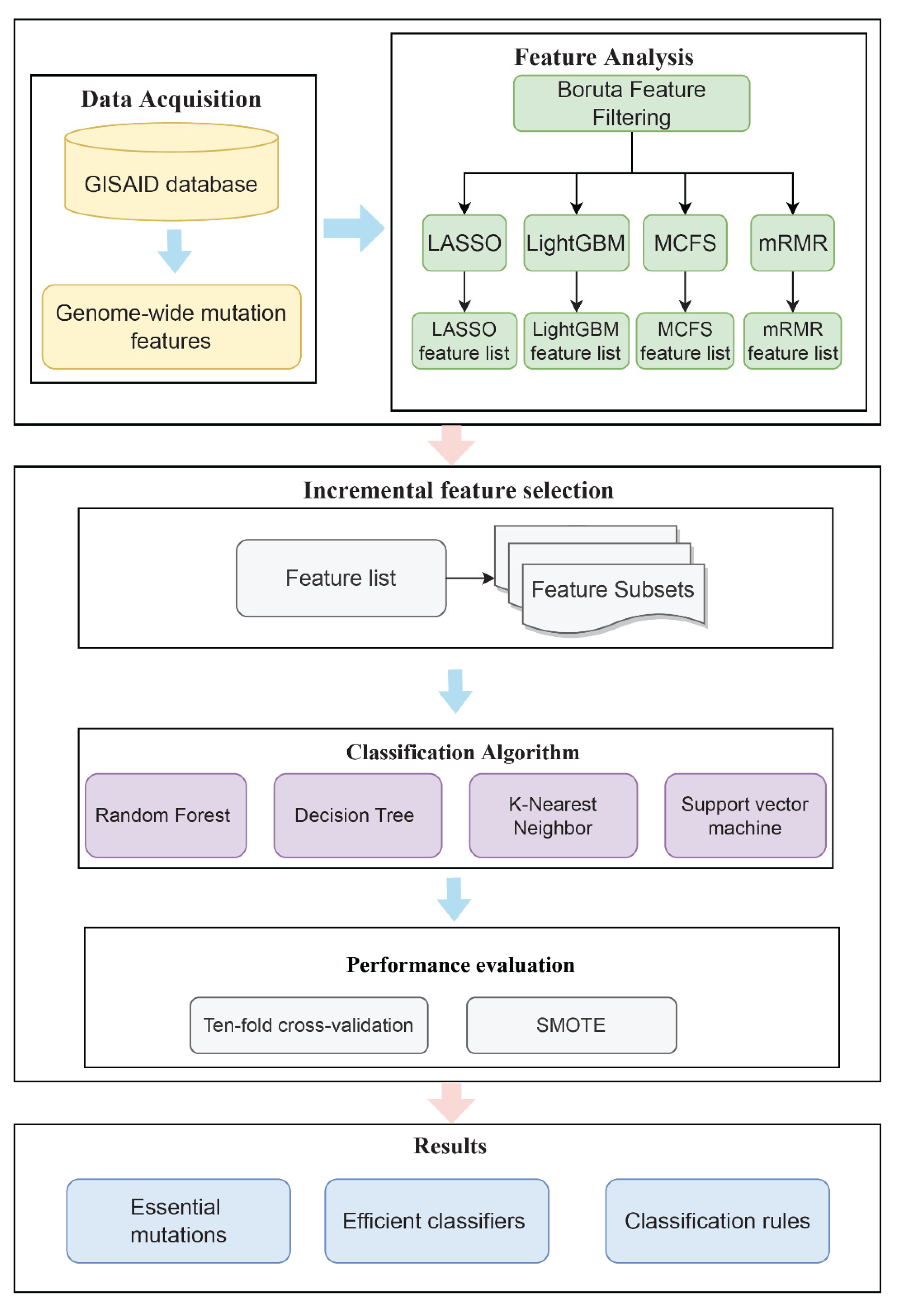
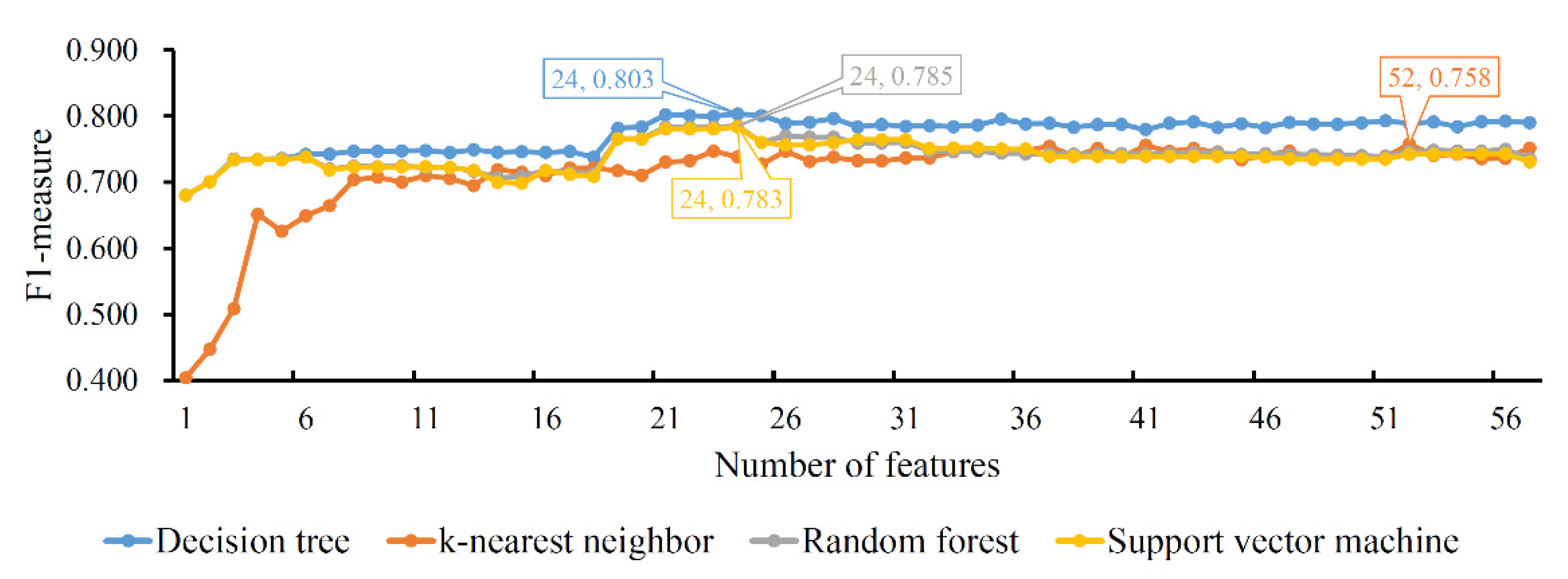
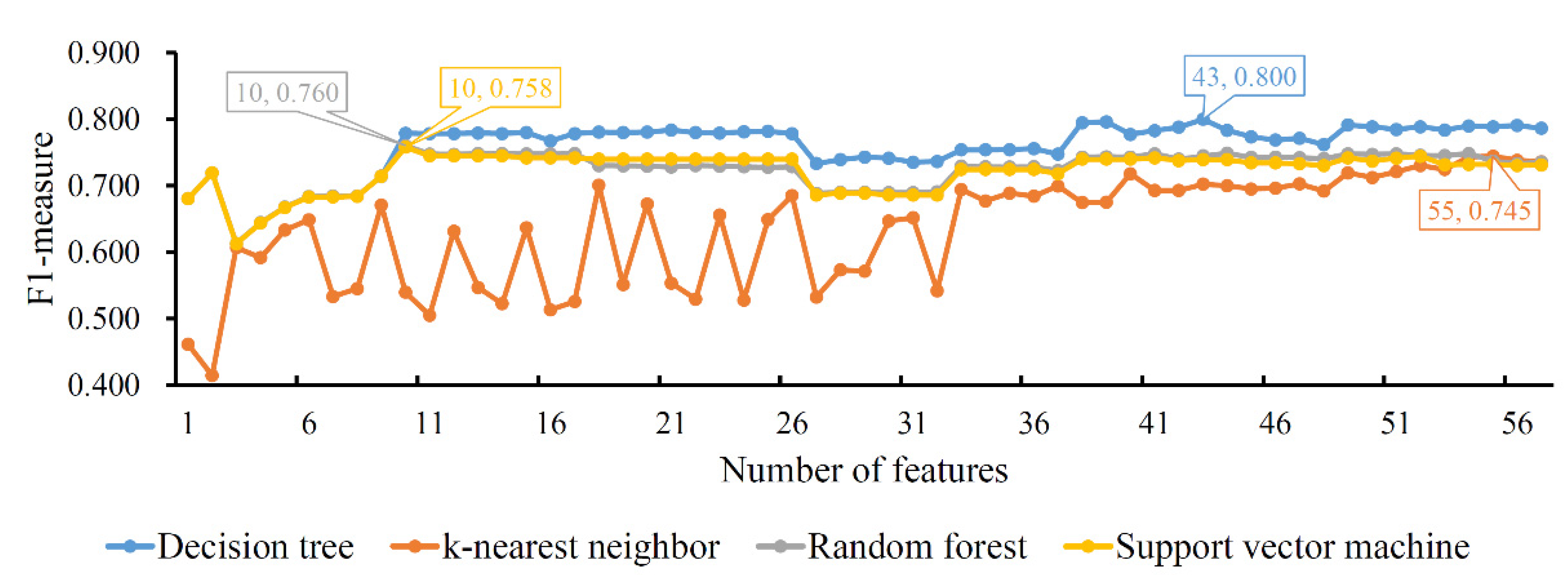
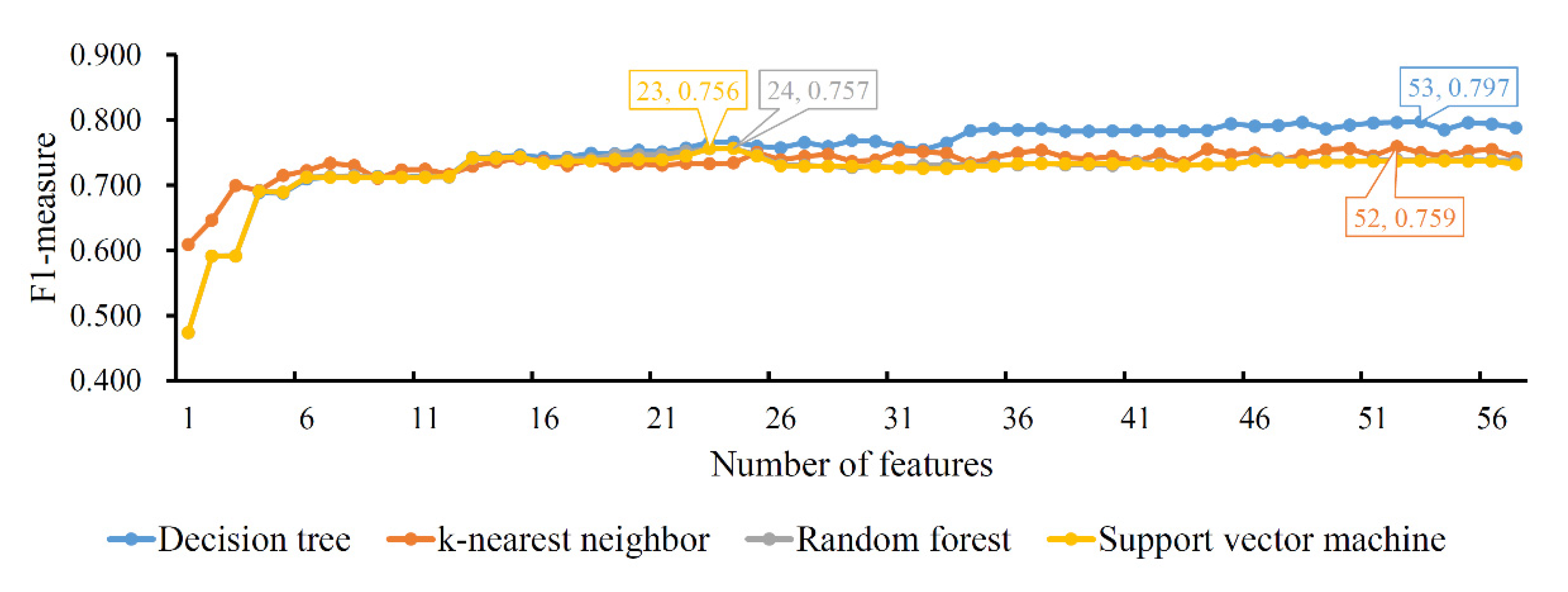
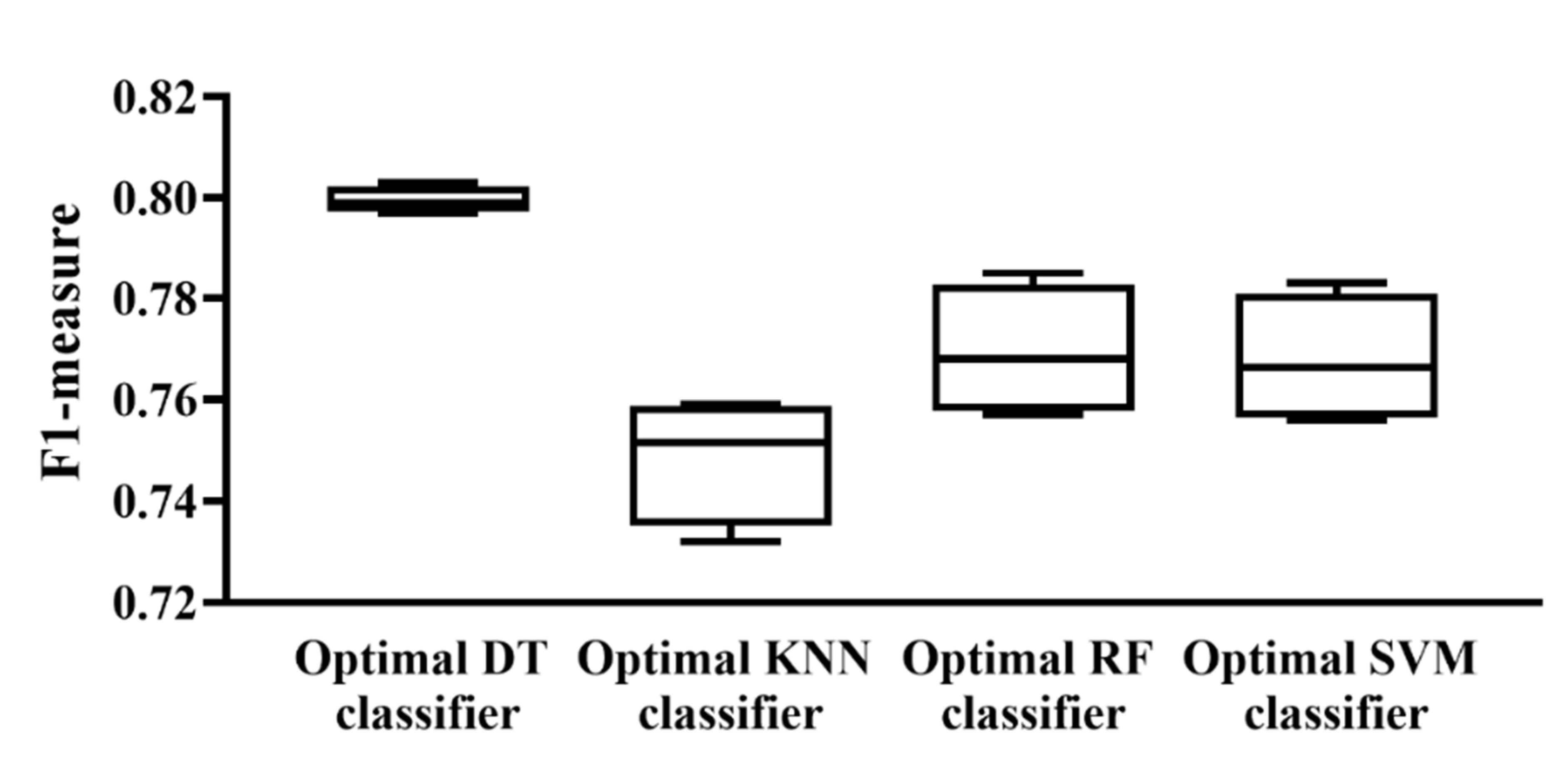
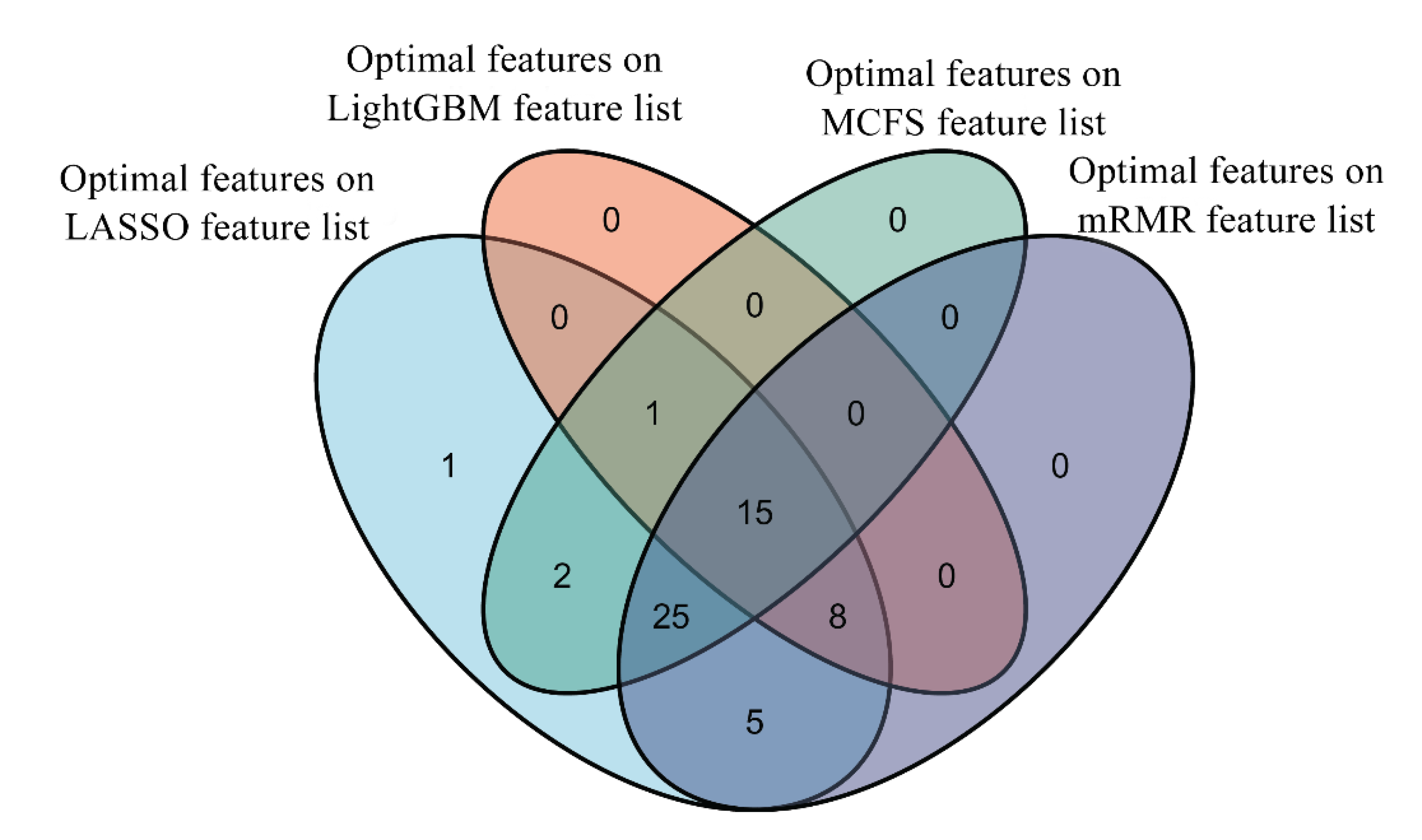
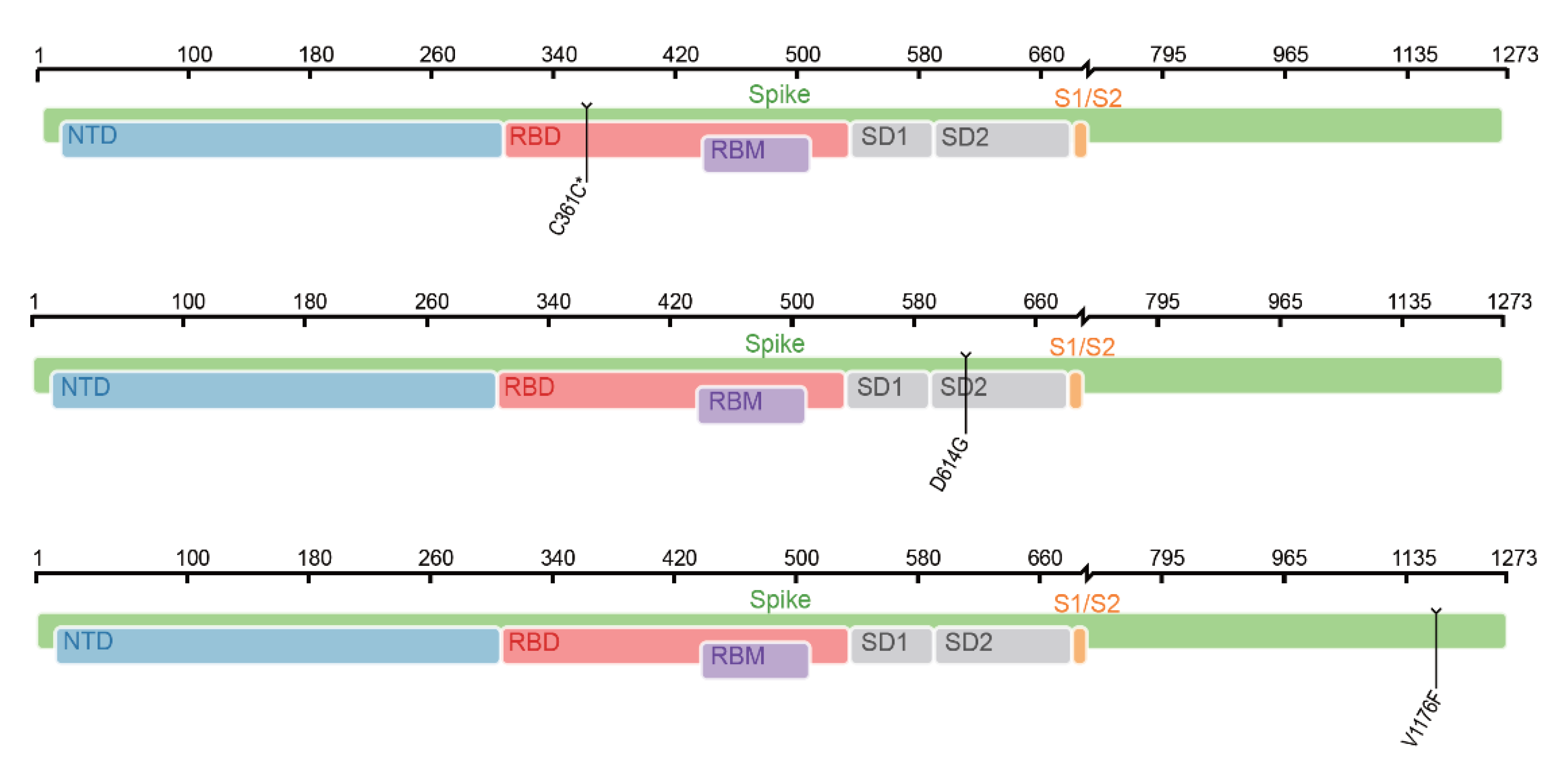
SARS-CoV-2 shows great evolutionary capacity through a high frequency of genomic variation during transmission. Evolved SARS-CoV-2 often demonstrates resistance to previous vaccines and can cause poor clinical status in patients. Mutations in the SARS-CoV-2 genome involve mutations in structural and nonstructural proteins, and some of these proteins such as spike proteins have been shown to be directly associated with the clinical status of patients with severe COVID-19 pneumonia. In this study, we collected genome-wide mutation information of virulent strains and the severity of COVID-19 pneumonia in patients varying depending on their clinical status. Important protein mutations and untranslated region mutations were extracted using machine learning methods. First, through Boruta and four ranking algorithms (least absolute shrinkage and selection operator, light gradient boosting machine, max-relevance and min-redundancy, and Monte Carlo feature selection), mutations that were highly correlated with the clinical status of the patients were screened out and sorted in four feature lists. Some mutations such as D614G and V1176F were shown to be associated with viral infectivity. Moreover, previously unreported mutations such as A320V of nsp14 and I164ILV of nsp14 were also identified, which suggests their potential roles. We then applied the incremental feature selection method to each feature list to construct efficient classifiers, which can be directly used to distinguish the clinical status of COVID-19 patients. Meanwhile, four sets of quantitative rules were set up, which can help us to more intuitively understand the role of each mutation in differentiating the clinical status of COVID-19 patients. Identified key mutations linked to virologic properties will help better understand the mechanisms of infection and will aid in the development of antiviral treatments.
Keywords: SARS-CoV-2; mutation; machine learning; feature selection; decision rules SARS-CoV-2; mutation; machine learning; feature selection; decision rules