Article

Chromatographic Fractionation of Penicillium polonicum Fermentation Metabolites in Search of the Nephrotoxin(s) for Rats

Biochemistry Department, Imperial College, London SW7 2AZ, UK
*
Author to whom correspondence should be addressed.
Life 2022, 12(5), 747; https://doi.org/10.3390/life12050747
Submission received: 27 April 2022 / Revised: 15 May 2022 / Accepted: 15 May 2022 / Published: 18 May 2022
(This article belongs to the Special Issue Spectroscopy in Biology and Medicine)

Abstract

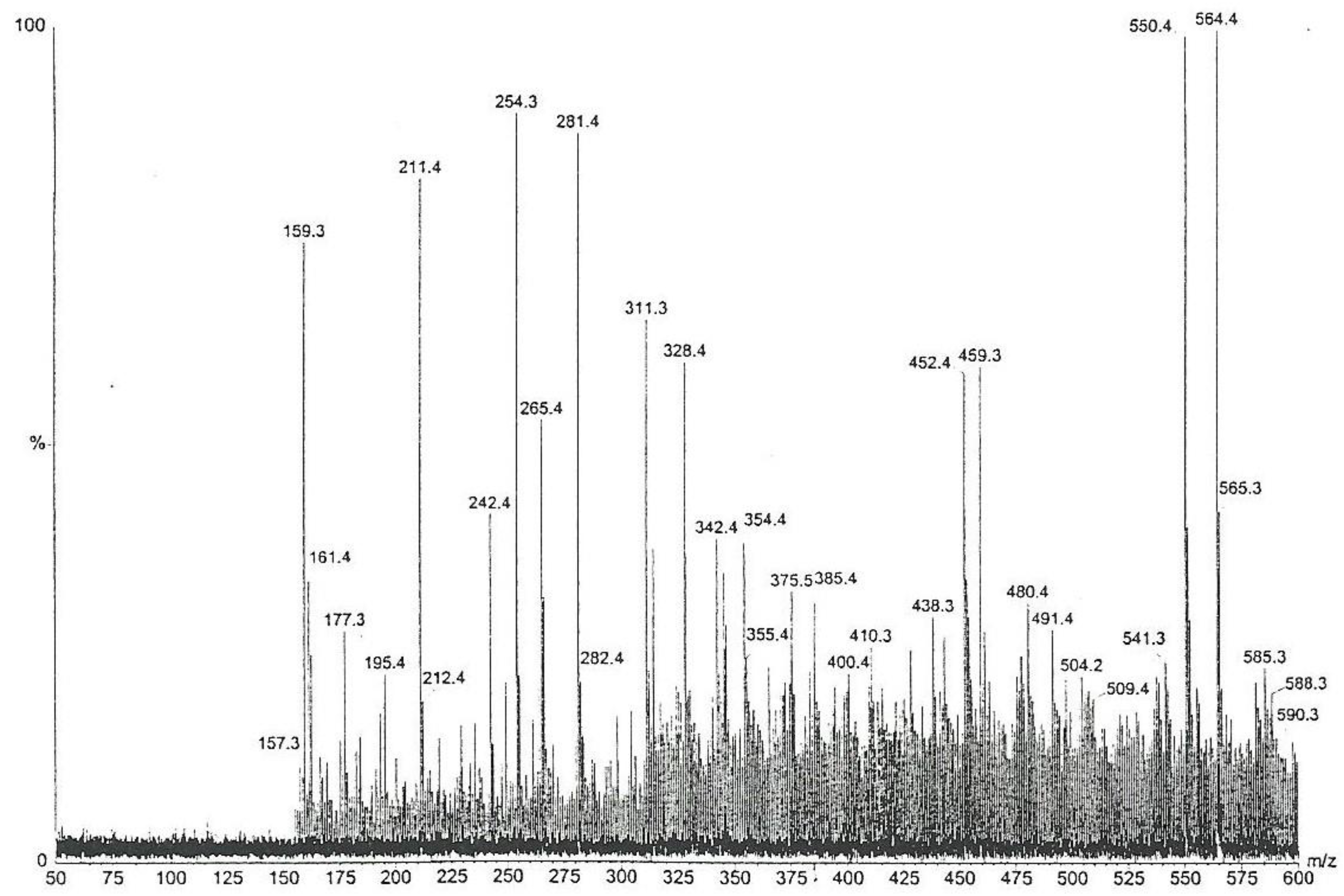
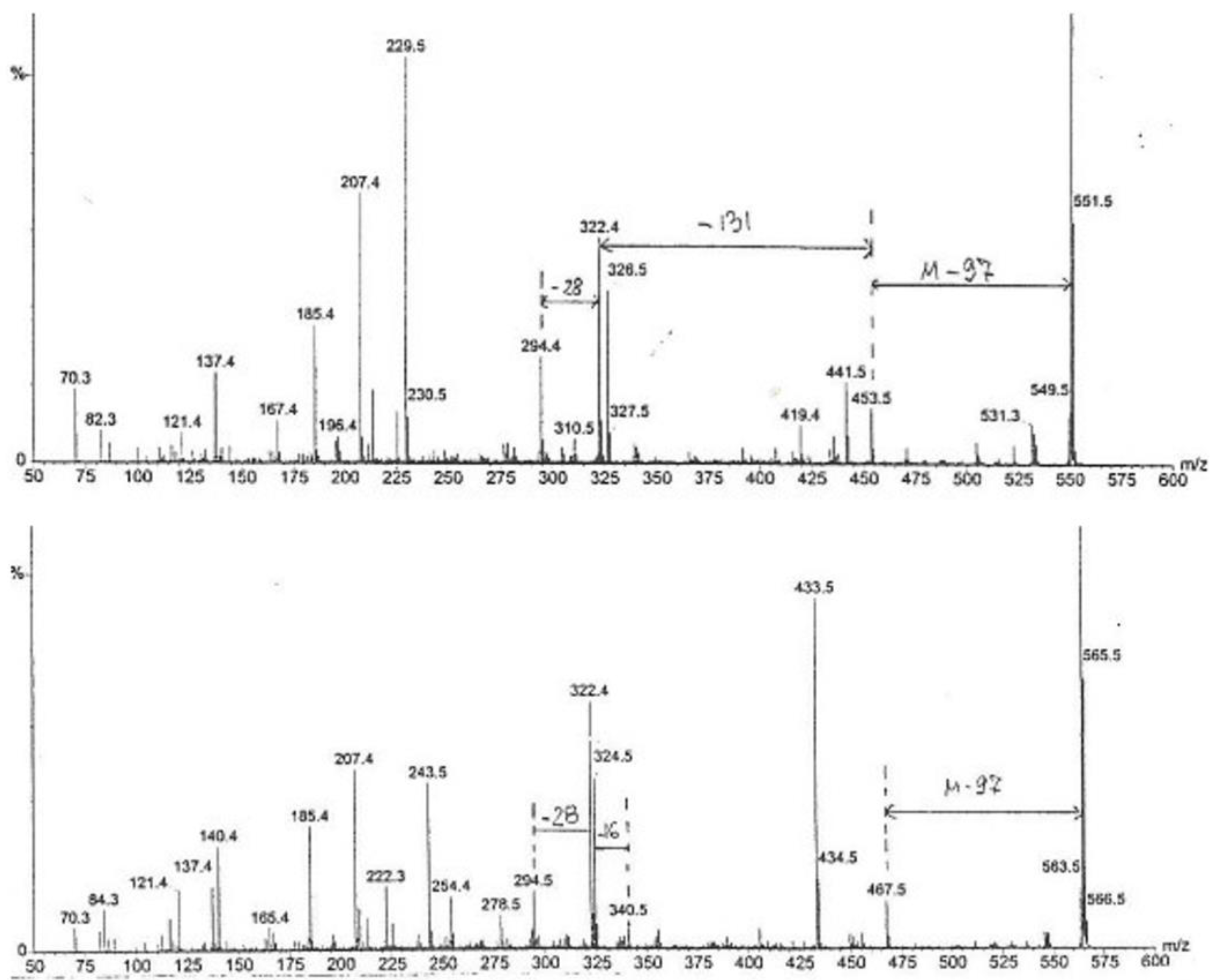
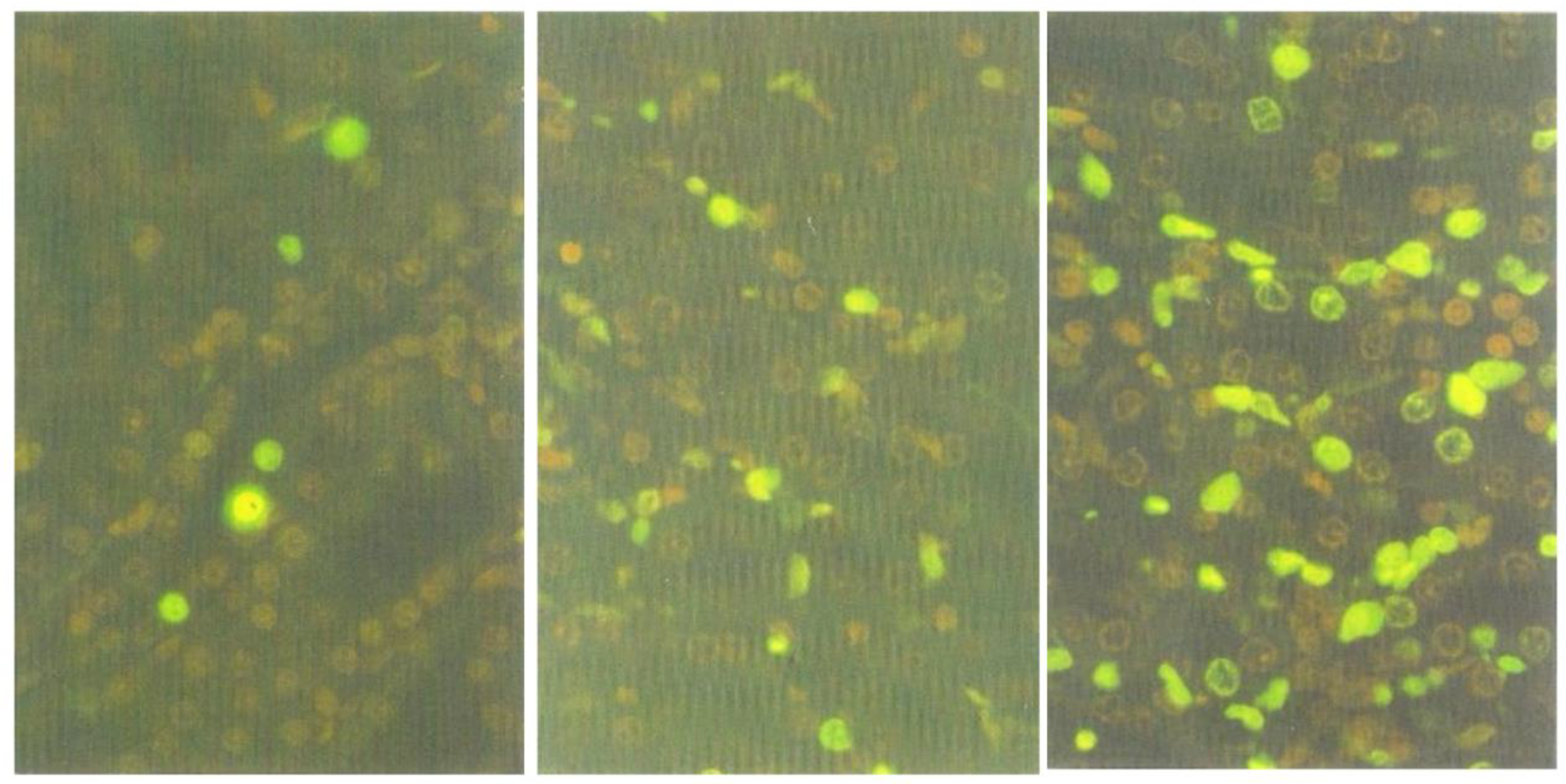
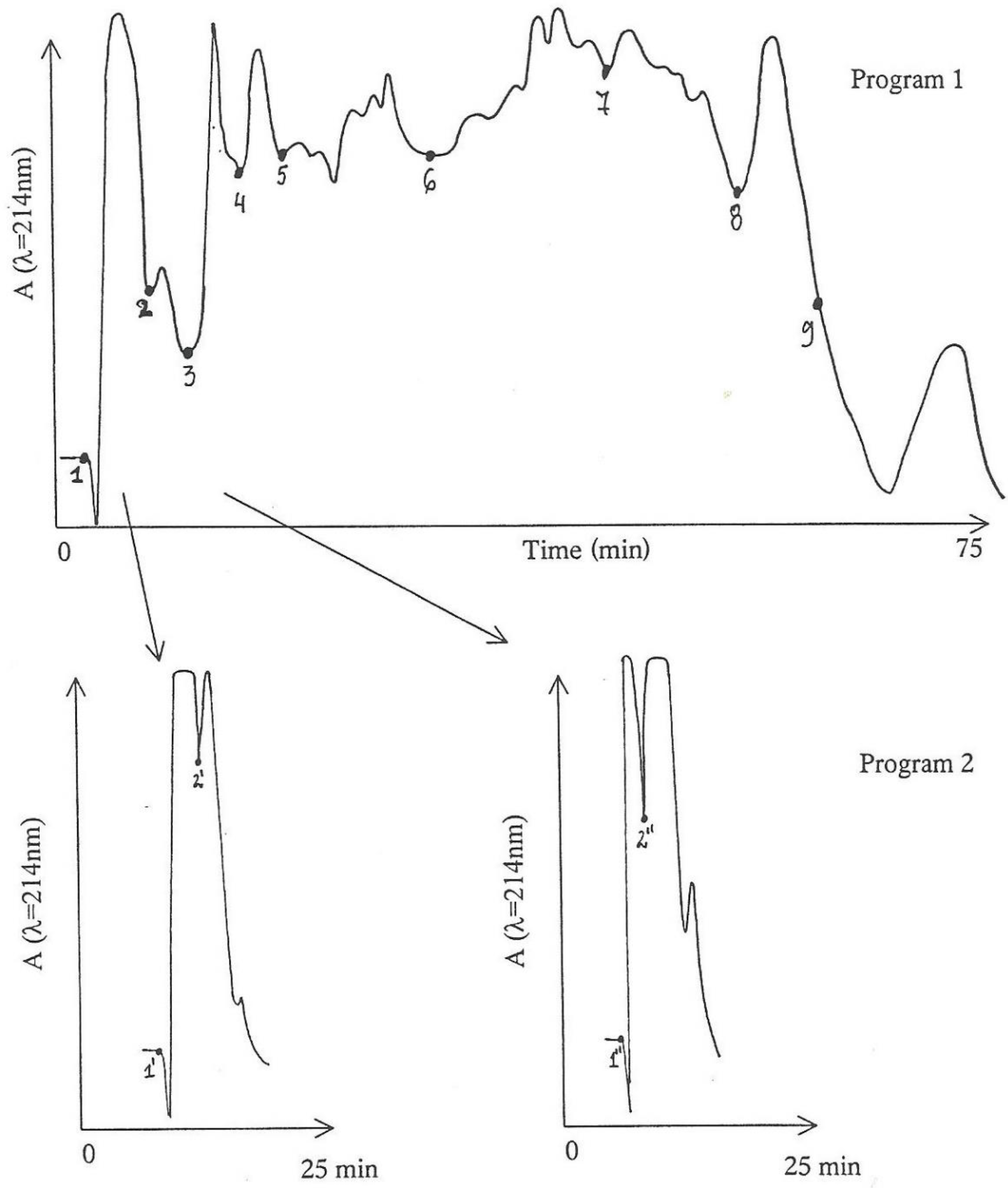
Complex renal histopathological changes in rats, in silent response to dietary contamination with wheat moulded by a common Penicillium from the Balkans, have long eluded attribution of a causal toxin. So far, water-soluble amphoteric glyco-peptides seem responsible, at least for the nuclear pyknoses in nephron epithelia after several days of dietary exposure. Recently, refined histology analysis has diagnosed pyknosis as apoptosis, and followed the finding through application of medium-pressure liquid chromatography, anion exchange and silica layer chromatography to fractionate a water/alcohol-soluble extract of a fungal fermentation on wheat. Proline was revealed, with other amino acids, in acid hydrolysate of the fermentation extract. Application of mass spectrometry has recognized prominent ions (m/z 550 and 564) correlated with fragmentations consistent with a terminal proline moiety for the putative toxins, coupled with other structural fragments and correlated with apoptosis. Use of 14C-proline in probing Penicillium polonicum fermentation to aid isolation of the new potential toxins, along with application of gel electrophoresis, may further aid characterization of the apoptosis toxin(s). The present focus on proline peptides in mycotoxicosis fits easily with their increasingly recognised pharmacological activity associated with proline’s rigid secondary amine structure, which causes conformational contortion in peptides. Nevertheless, there remains the striking rat renal karyocytomegaly by P. polonicum, for which there is yet no causative mycotoxin.
Keywords: apoptosis; glyco-peptide; proline; electrospray mass spectrometry; ninhydrin; ochratoxin A apoptosis; glyco-peptide; proline; electrospray mass spectrometry; ninhydrin; ochratoxin A