3.1. Test of Measurement of Static Lateral Force on Rotor Shaft
The development of alternative end-shield designs for electric machines requires not only electrical validation but also thorough mechanical verification. In rotating machinery, end shields serve as critical components: they provide accurate bearing seating, ensure rotor–stator alignment, and contribute significantly to the global stiffness and dynamic behavior of the machine [
24]. Any modification of this component—particularly the introduction of composite elements—may influence load transfer paths, bearing support rigidity, damping characteristics, and ultimately vibration response.
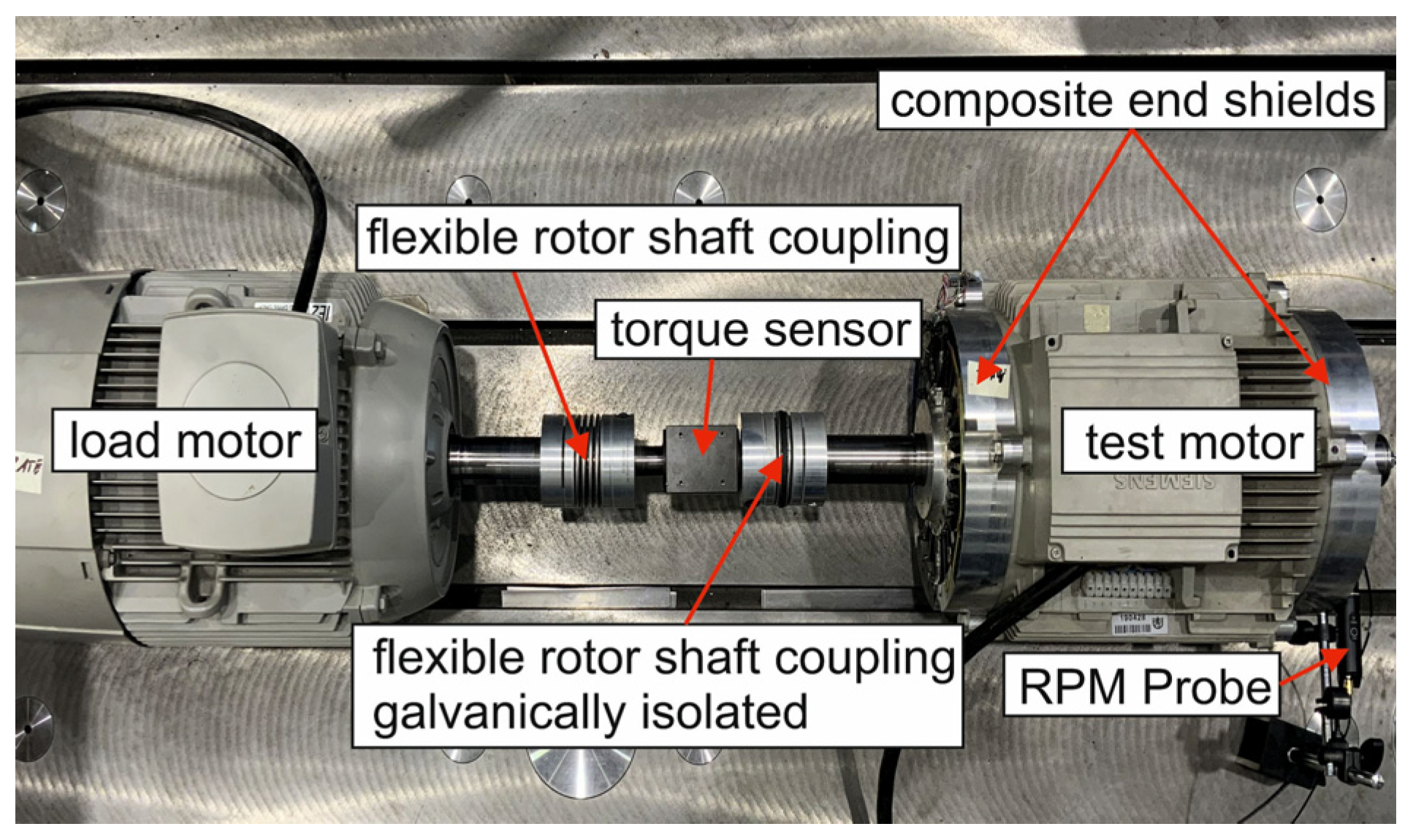
A static test was conducted to compare the stiffness of a conventional steel end shield with the newly proposed composite design. The test stand utilized two 11 kW Siemens 1LE1 series induction motors both under a nominal 400 V/50 Hz delta configuration to deliver a rated torque at 1470 rpm with an efficiency of 89.8%. One of them served as the primary drive unit. Both motors featured a robust IP55 enclosure and were equipped with 6209-2ZC3 (Brno-Hanusovice, Czech Republic) bearings at both the drive and non-drive ends. These bearings are housed within the experimental end shields, which were the subject of the structural analysis. One of these motors was equipped with standard steel end shields and the other additionally featured end shields with composite lamellae. Both units were rigidly mounted to a base.
An overall view of the motor testing and loading assembly is provided in
Figure 9.
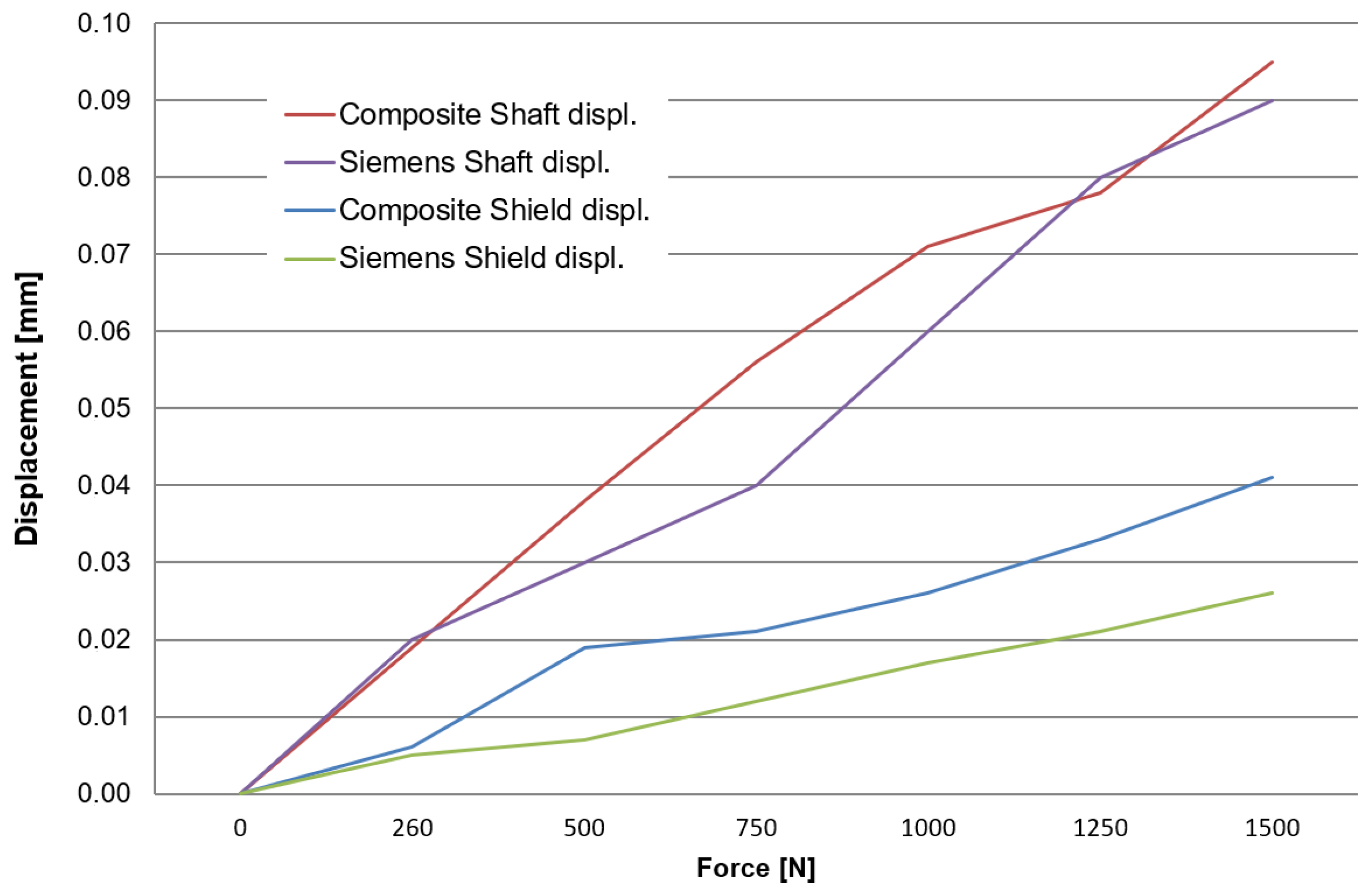
During the static test, a tensile force was applied directly to the 42 mm diameter shaft, which was measured by a force sensor at a distance of 70 mm from the motor end shield. The lateral force ranging from 250 N to 1500 N was incrementally applied to the rotor shaft. Simultaneously, the deflections of the rotor shaft and the displacement of the end shield itself were recorded.
Figure 10 shows the measured lateral compliance of the shaft-bearing–end-shield assembly; linear regression over 500 N to 1500 N was used to estimate the effective stiffness under the operating preload.
Table 5 presents the data obtained from measuring the lateral force applied to the rotor shaft.
The non-linear displacement observed in the initial loading phase of the composite end shield suggests a mechanical seating, which must be accounted for in the dynamic behavior of the shield. This settling means that while a 500 N preload applied, the composite shield is 19.6% less stiff than the Siemens metallic shield, proving that the composite’s performance is much closer to the OEM part once mechanical seating is achieved. The Siemens shield shows near-perfect linearity (R2 = 0.998). The composite shield shows slightly higher variance (R2 = 0.942), which is typical for fiber-reinforced polymers or layered composites where micro-strains and local resin compression can cause small deviations in the slope. Experimental results demonstrate that the prototype composite end shield exhibits a static stiffness of 42.68 N, which is approximately 19.6% lower than that of the standard Siemens metallic shield (57.69 N). However, under peak load conditions (1500 N), the impact on total shaft displacement is attenuated, resulting in only a 5.5% increase in total compliance compared to the OEM configuration.
3.2. Experimental Modal Analysis
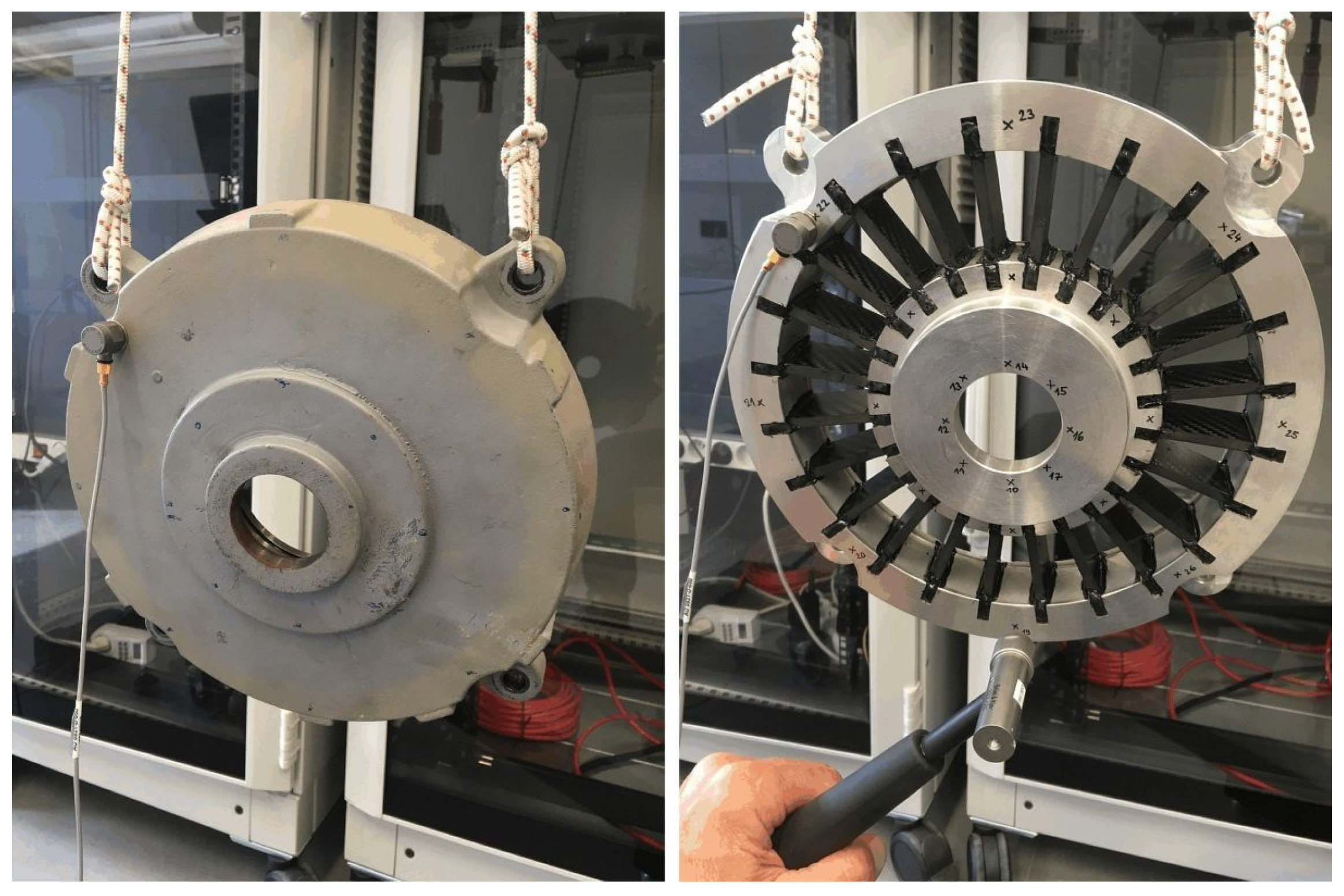
To evaluate the dynamic characteristics and structural integrity of the design, experimental modal analysis (EMA) was performed using the impact-synchronous method. Structural excitation was provided via a calibrated impulse hammer, while the resulting vibration response was captured across a predefined measurement grid to facilitate high-resolution mode shape reconstruction.
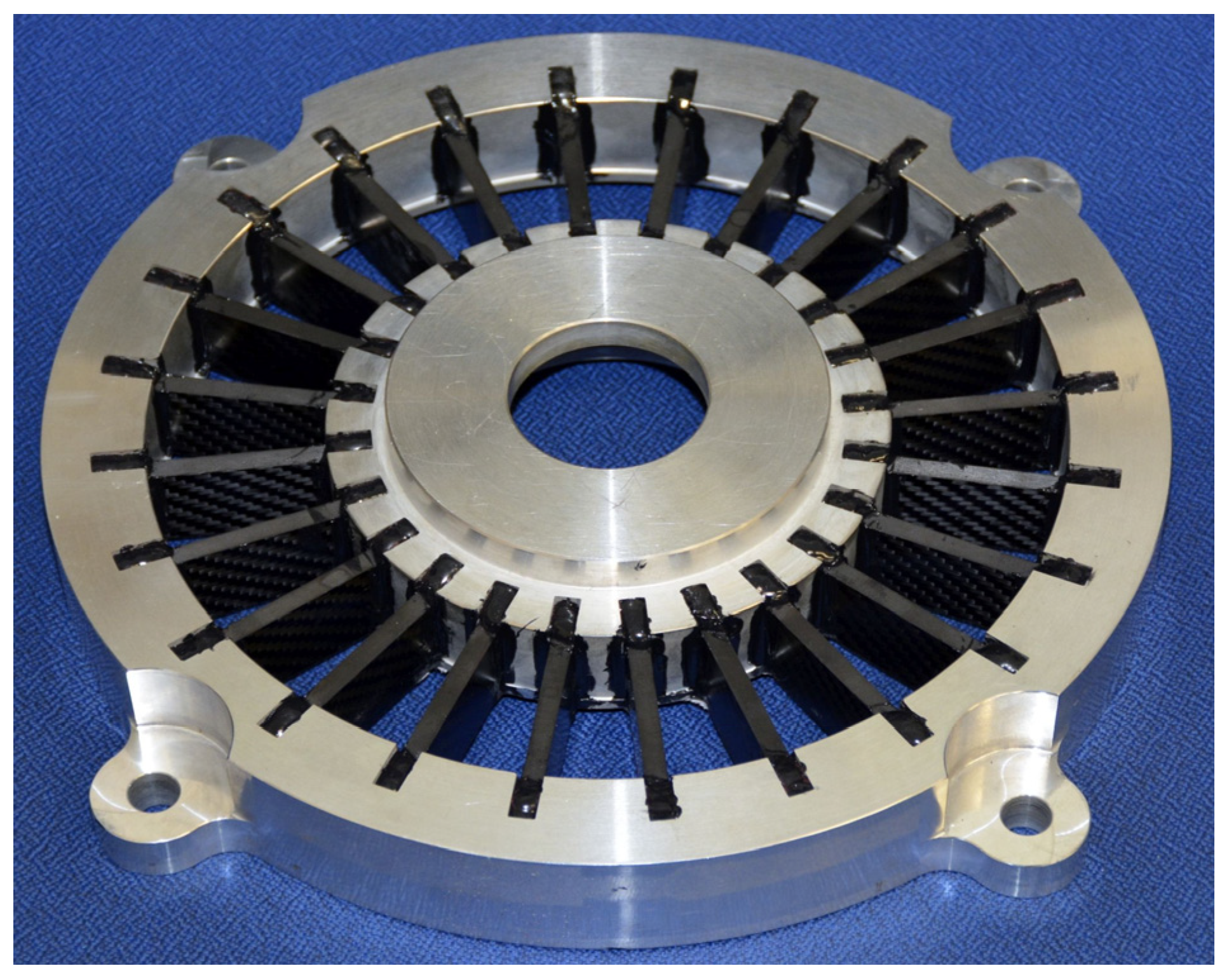
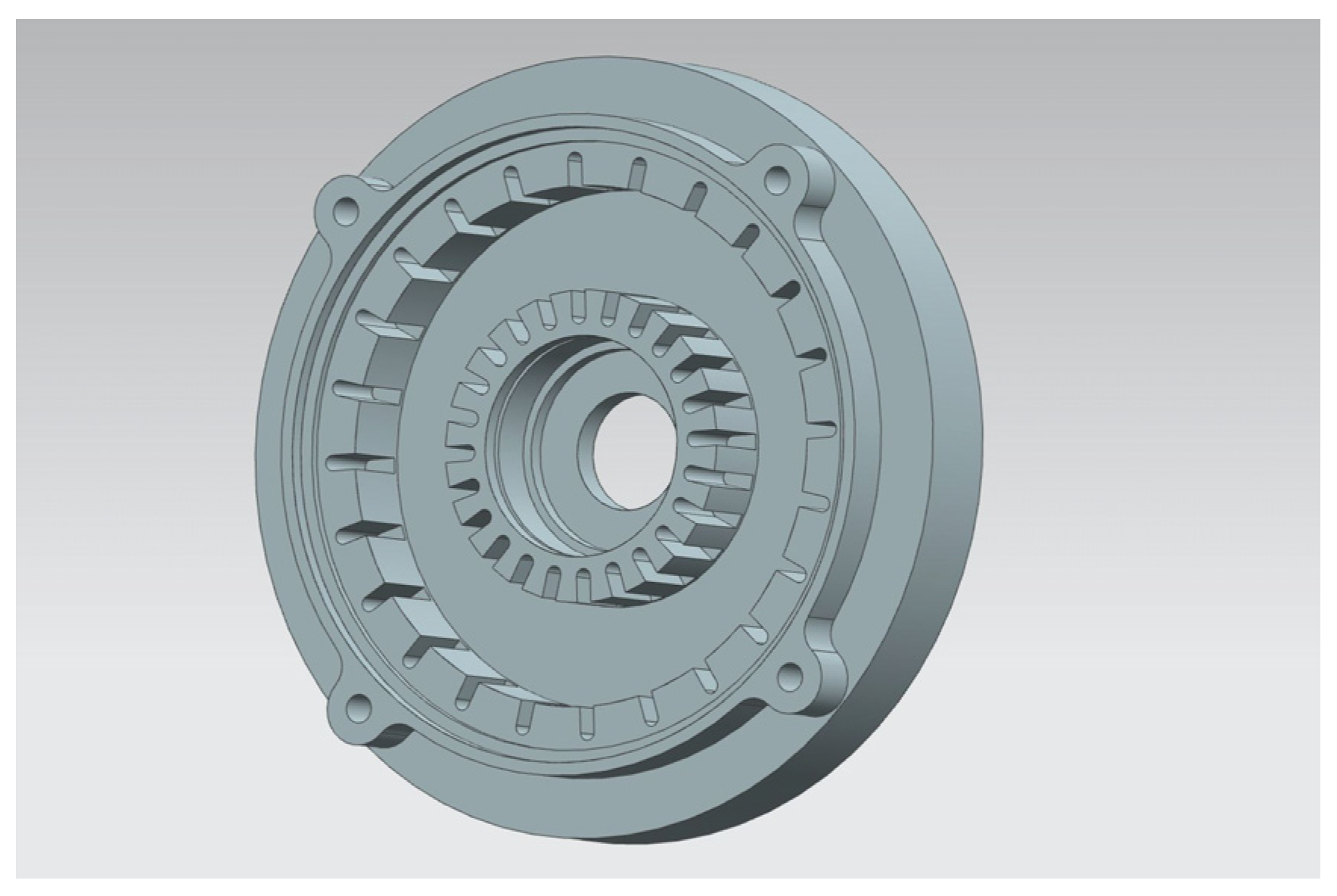
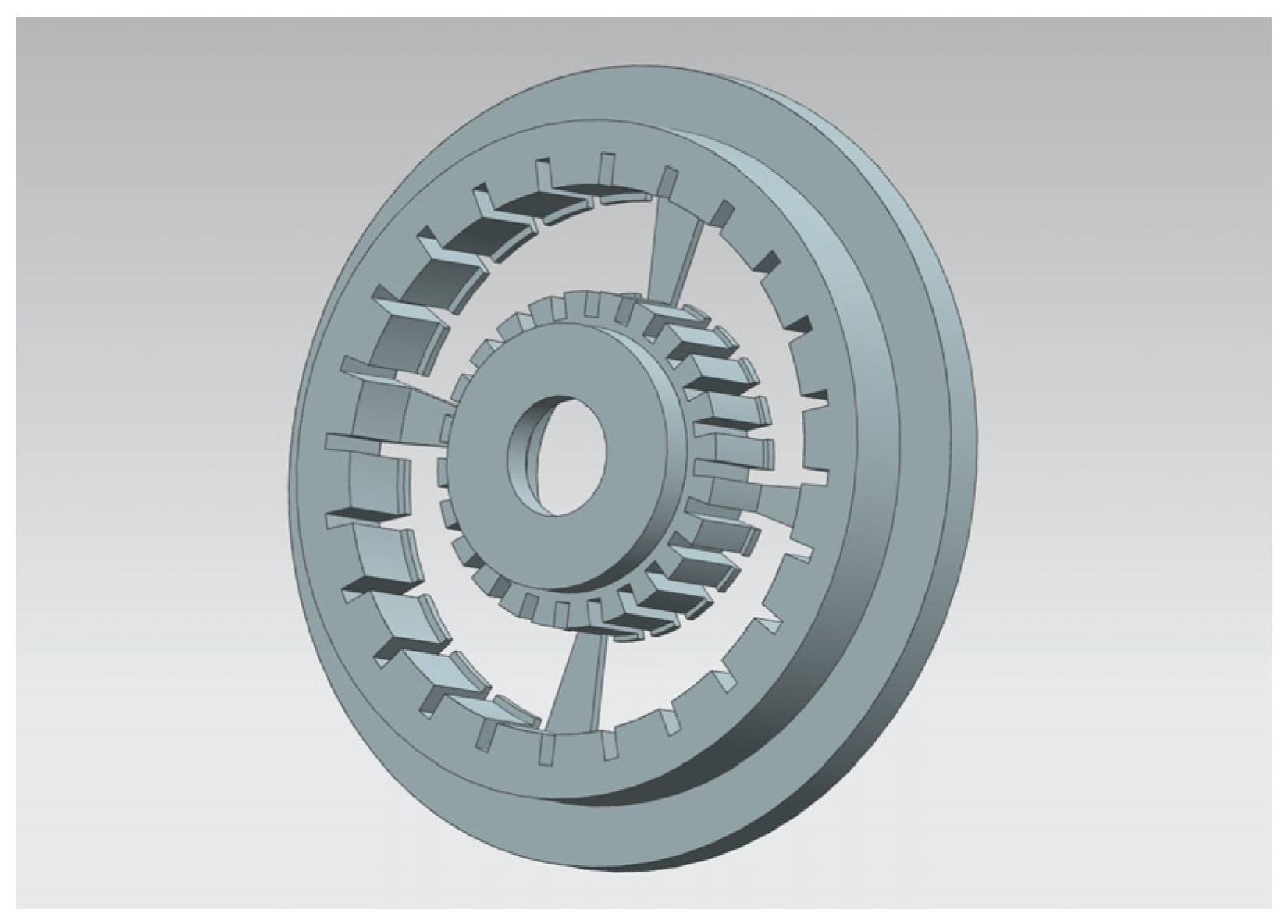
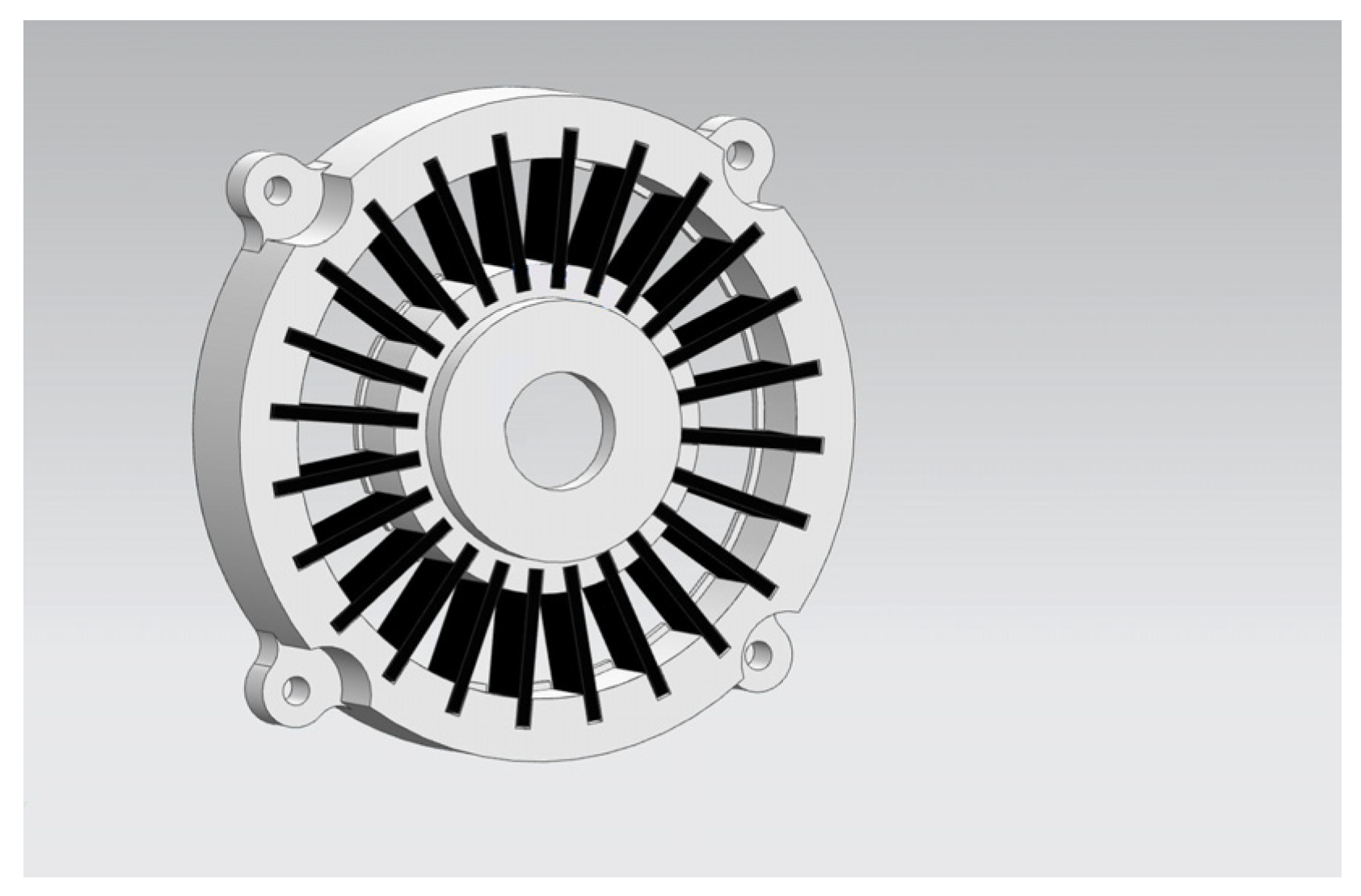
The excitation grid was organized into a radial matrix consisting of 24 impact points distributed across three concentric circles (8 points per circle). To accurately capture the interaction between the isolated elements, the points were distributed as follows:
As shown in
Figure 11, this specialized grid configuration ensures that the relative motion between the central housing and the outer flange—joined by the carbon lamellae—is fully resolved across the frequency spectrum. The standard steel end shield weight was 4.57 kg and the composite end shield weight was 3.8 kg.
Fiber-reinforced polymer structures frequently exhibit small deviations from ideal linear elastic behavior due to internal micro-strain redistribution and local matrix compression effects [
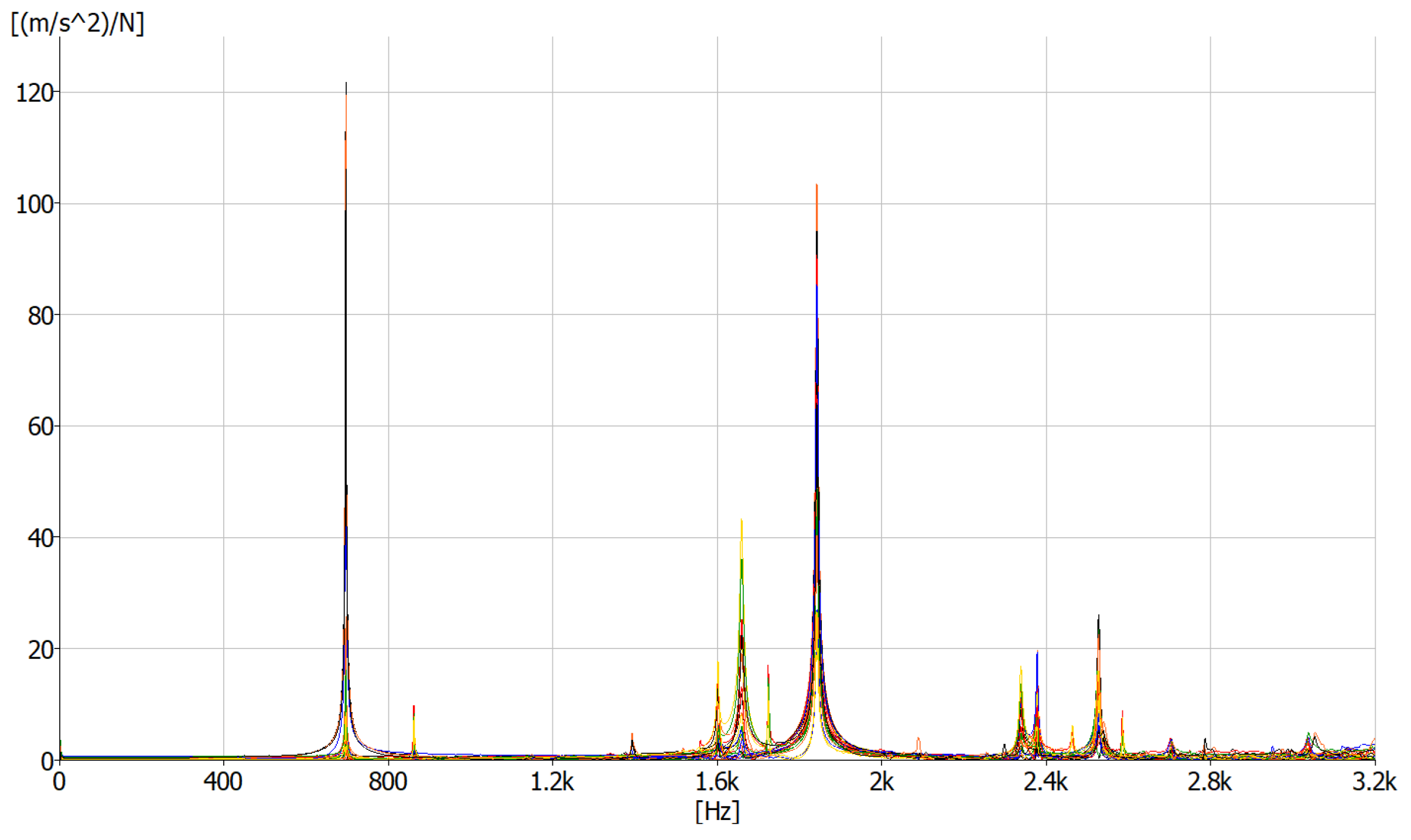
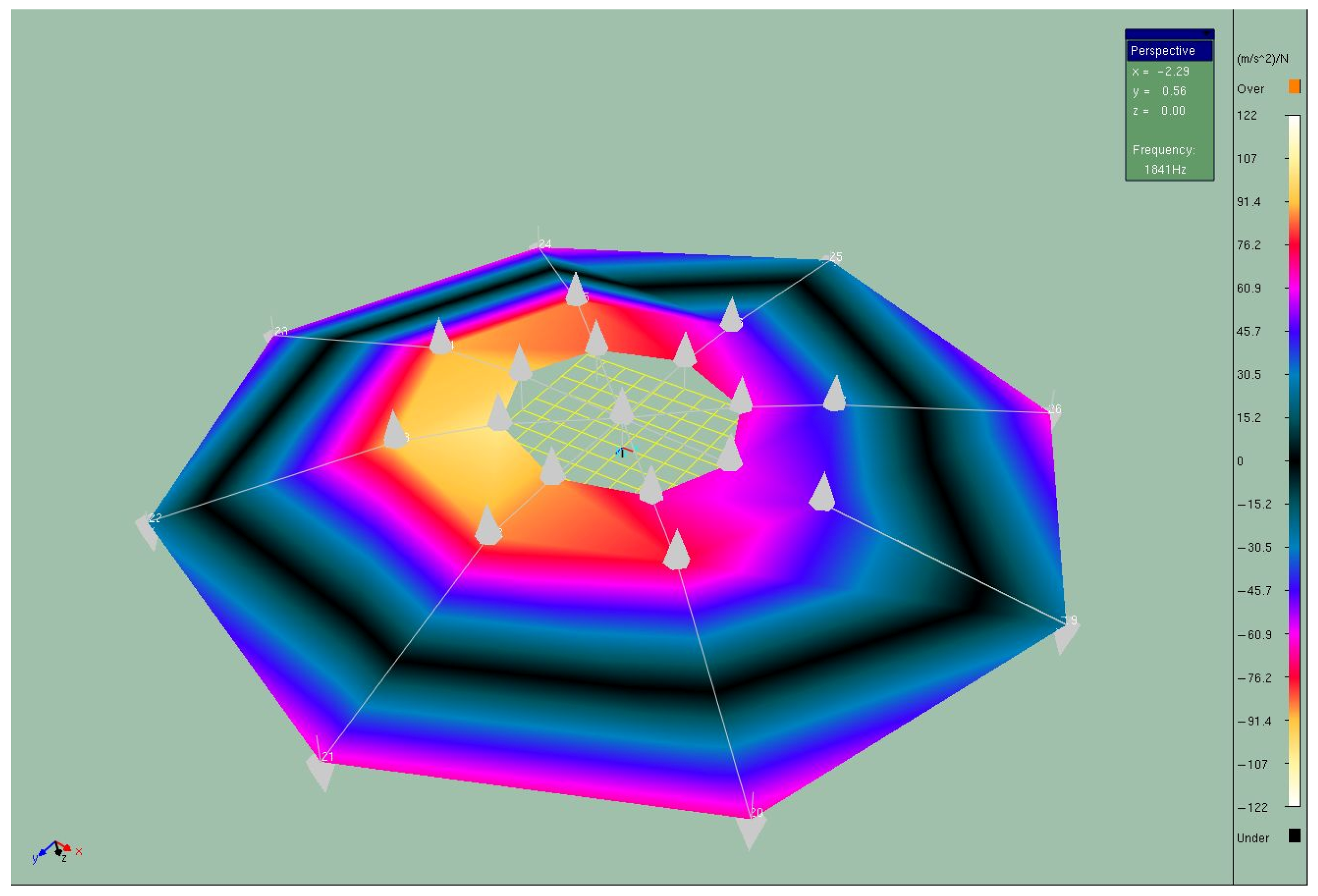
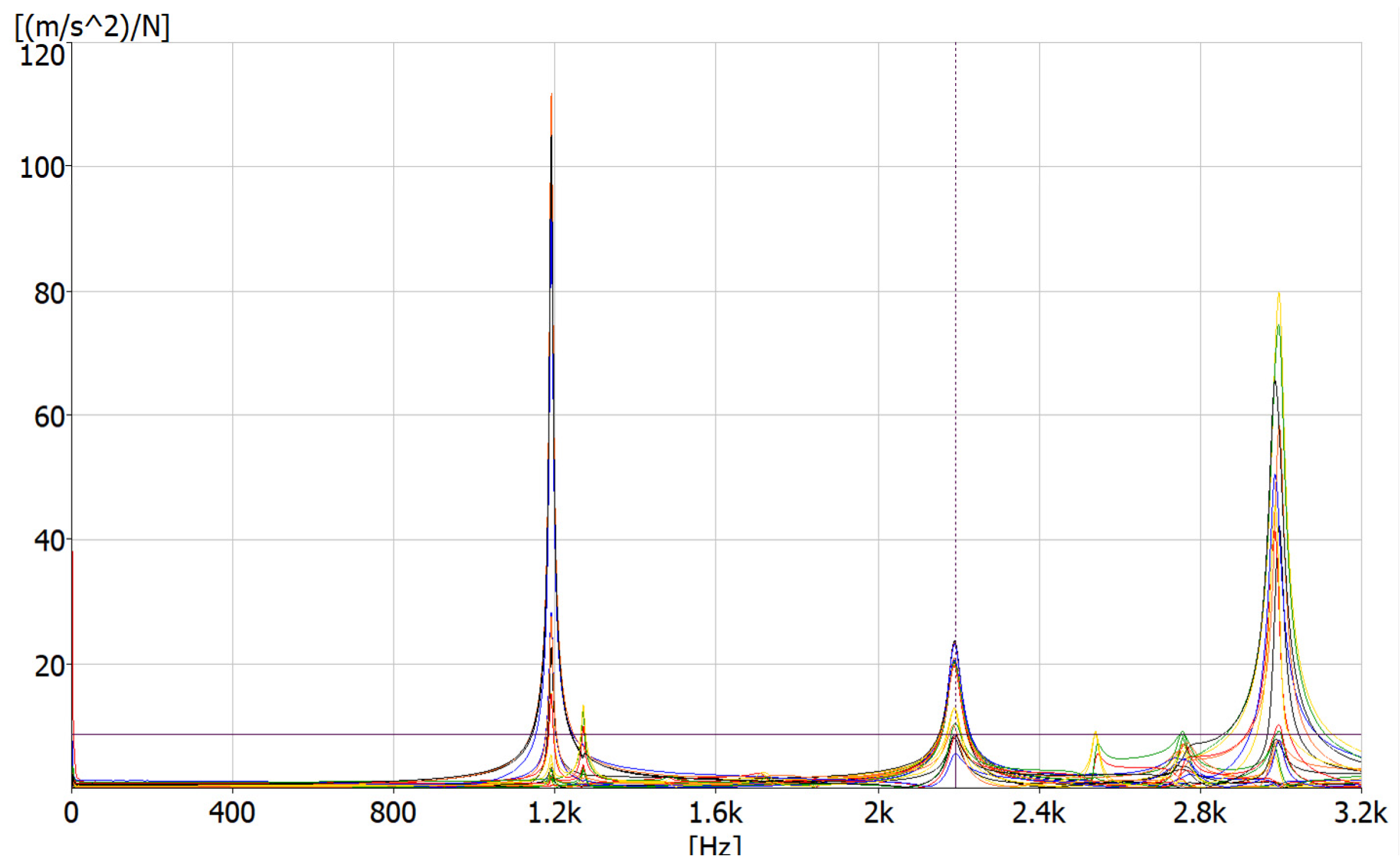
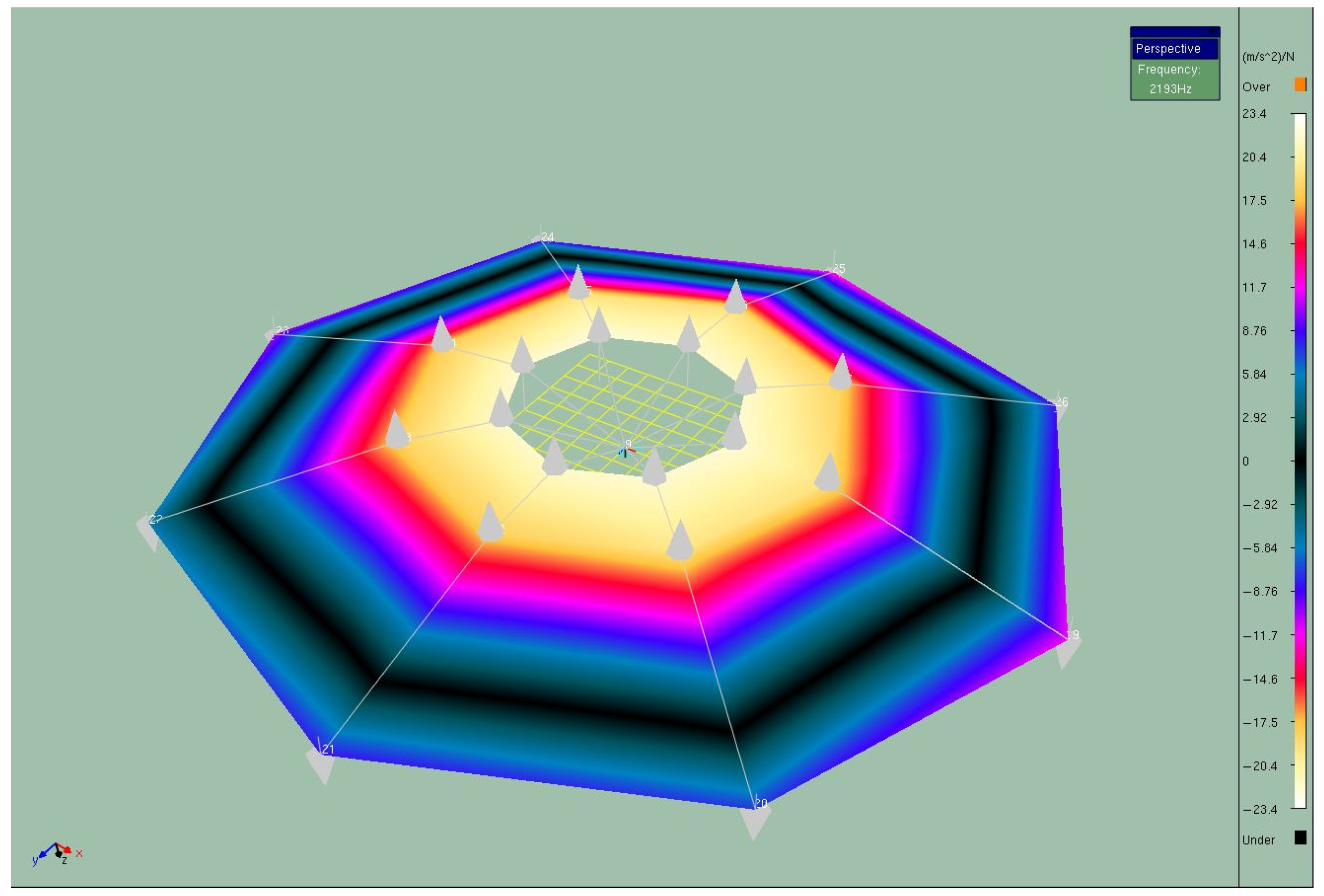
18]. The analysis revealed distinct differences in the vibration signatures of the two materials. At lower frequency regimes (725 Hz for steel and 1181 Hz for the composite), both structures exhibited complex, higher-order modes characterized by multiple nodal lines and intricate deformation patterns. However, as the excitation frequency increased, a clear modal convergence was observed; both shields transitioned toward a fundamental umbrella mode, where the geometric center experiences maximum displacement relative to the edges. Notably, the composite shield demonstrated a more uniform and distinct transition to this regime at 2193 Hz, compared to 1641 Hz for the steel reference. This significant upward shift in eigenfrequencies, alongside the variation in modal complexity, confirms that the composite’s superior stiffness-to-weight ratio—driven by its specific density and Young’s modulus—fundamentally alters the dynamic behavior and damping characteristics of the motor housing.
Figure 12,
Figure 13,
Figure 14 and
Figure 15 compare the modal shapes and frequency response of the standard metallic versus the newly developed composite shield.
The structural transition from a 4.57 kg steel end shield to a 3.80 kg composite prototype resulted in a 16.8% total mass reduction. Despite the lower absolute static stiffness of the composite material, the specific static stiffness remained comparable to the OEM reference (11.23 vs. 11.62 N/µm·kg), indicating high material utilization efficiency. Furthermore, the composite assembly exhibited a significantly lower mass participation factor (35.0% vs. 62.8%), contributing to a higher Specific Dynamic Stiffness of 19.58 N/µm·kg. This represents a 63.8% improvement in weight-adjusted dynamic performance (
Table 6). These results demonstrate that the composite end shield provides a superior strength-to-weight ratio under operational vibration conditions, effectively shifting critical resonances while providing enhanced damping and weight benefits for the overall test stand assembly.
3.3. Electrical Insulation Performance
In inverter-fed induction machines, common-mode voltages generated by pulse-width modulation switching can induce shaft voltages capable of driving parasitic bearing currents [
5,
6].
Electrical discharge phenomena associated with such currents represent a major reliability concern in modern motor drives. When supplied by a frequency converter, an 11 kW induction motor exhibits bearing voltages sufficiently low that neither electrical discharges nor measurable bearing currents occur. This is generally not the case for higher-power machines [
7,
9].
To test how composite shields eliminate bearing currents, the shield’s dielectric properties were first assessed. Insulation resistance and capacitance were measured using an APPA 605 insulation tester and an APPA 703 LCR meter, respectively. The objective of the measurements was to quantify the DC insulation resistance and the structural capacitance between the electrically separated aluminum flange and bearing housing, which are interconnected exclusively via carbon fiber composite lamellae and adhesive layers. The DC insulation resistance was measured using a high-voltage insulation tester APPA 605 capable of applying a controlled test voltage up to 1000 V DC. During the measurement, one terminal of the tester was connected to the outer aluminum mounting flange, while the second terminal was connected to the central bearing housing. Care was taken to ensure clean electrical contacts and to eliminate surface contamination effects.
A test voltage of 1000 V DC was applied for a duration of 60 s to allow polarization effects within the composite structure to stabilize. The leakage current was monitored internally by the instrument, and the insulation resistance was calculated according to Ohm’s law:
where U is the applied DC voltage and I is the measured leakage current.
The resulting insulation resistance exceeded 1 GΩ, indicating effective galvanic separation and suppression of low-frequency circulating current paths.
The structural capacitance of the composite end shield was measured using an APPA 703 precision LCR meter. The measurement was performed between the same conductive elements (flange and bearing housing). The test frequency was within the range of 100 Hz to 100 kHz with a small-signal AC excitation voltage (typically 0.5–1 V RMS) to avoid dielectric stress or non-linear polarization effects. The measured capacitance of 2.47 nF characterizes the high-frequency coupling potential between the isolated conductive parts and provides an estimate of the displacement current magnitude under inverter-induced common-mode voltage excitation. The experimental characterization of the end shield’s electrical properties was conducted using precision instrumentation from APPA Technology Corp. (Taipei, Taiwan). Structural capacitance was determined using an APPA 703 precision LCR meter, which provides a basic measurement accuracy of 0.2% and a 20,000-count resolution to ensure high-fidelity data acquisition. The galvanic isolation and insulation resistance were verified using an APPA 605 insulation tester, featuring a basic accuracy of ±(1.5% + 5 digits) for resistance measurements up to 20 GΩ. This combination of high-precision devices ensures that the reported dielectric parameters and resistance values are within strict metrological tolerances, providing a reliable basis for the subsequent analysis of current suppression.
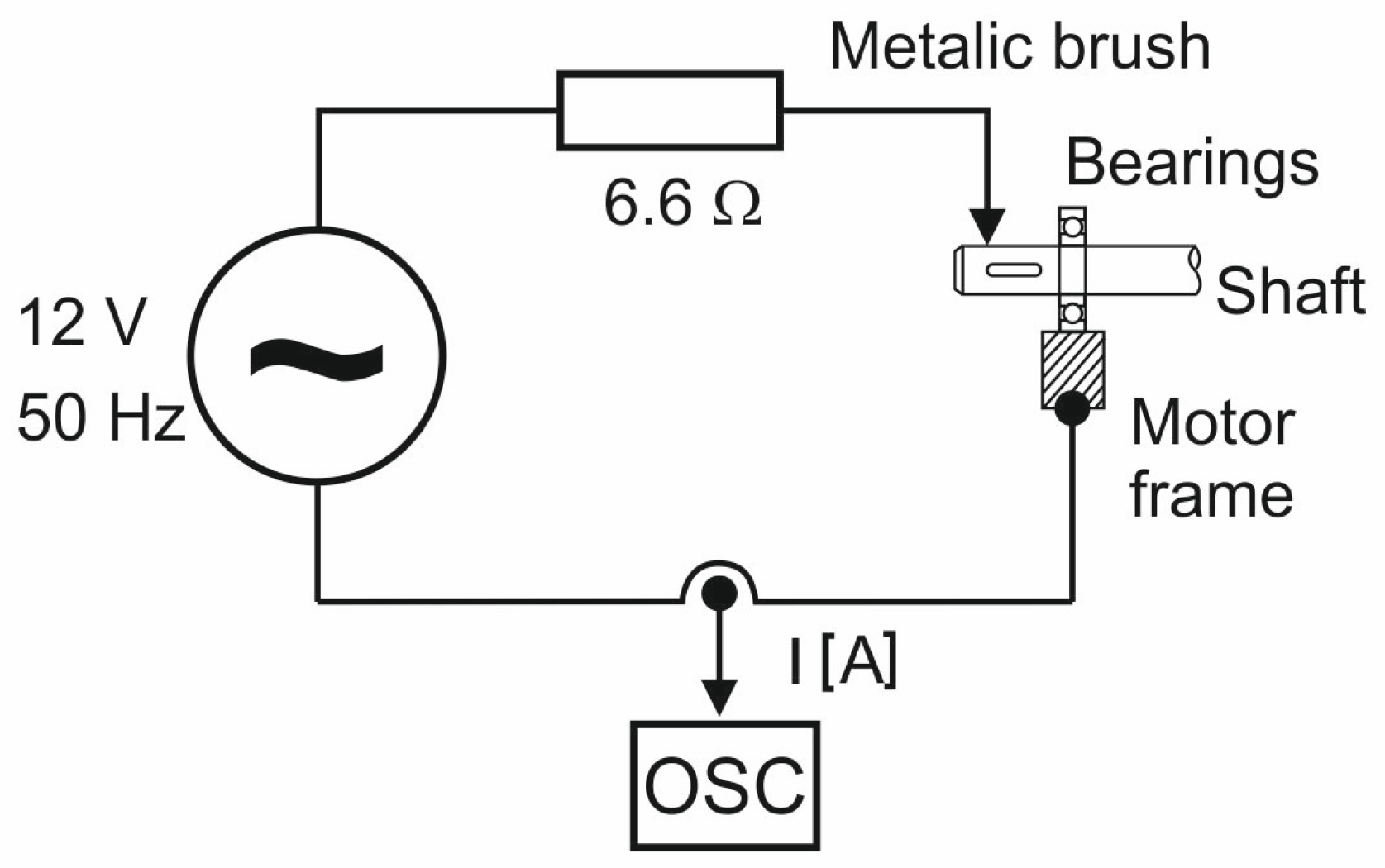
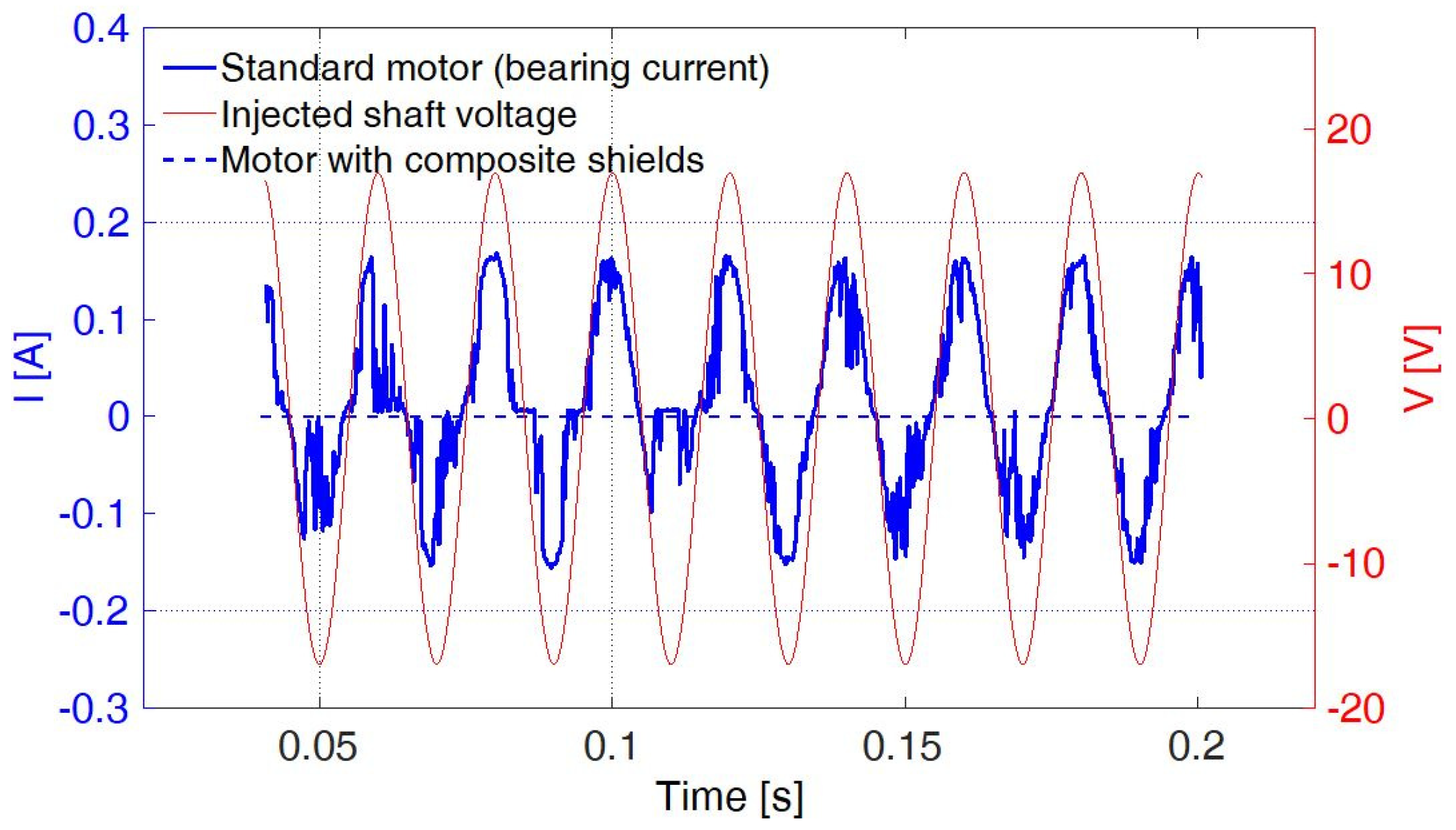
As a final test to demonstrate the elimination of bearing currents on the operating machine, the injected voltage method test was applied.
A 12 V, 50 Hz AC source was connected with one terminal to the machine frame (ground). The second terminal was connected to the rotating shaft via a current-limiting resistor and a metallic brush providing sliding electrical contact with the rotating shaft. The shaft voltage was measured using a voltage probe, and the current was measured using a current probe. Both signals were recorded using a digital oscilloscope. See the
Figure 16.
The current flowing through the bearings of a standard motor would also be sinusoidal if the brush–shaft contact were ideal and no electrical discharge phenomena occurred within the bearing. However, since neither of these conditions were met, the recorded current waveform was significantly distorted. This is the blue curve seen at
Figure 17.
In the motor equipped with composite shields, the applied shaft voltage did not result in any measurable current (see dashed blue waveform) below measurement resolution (e.g., <1 µA). These results confirm that the proposed composite end-shield design effectively eliminates the conductive path responsible for parasitic bearing currents, thereby validating its electrical insulation performance.
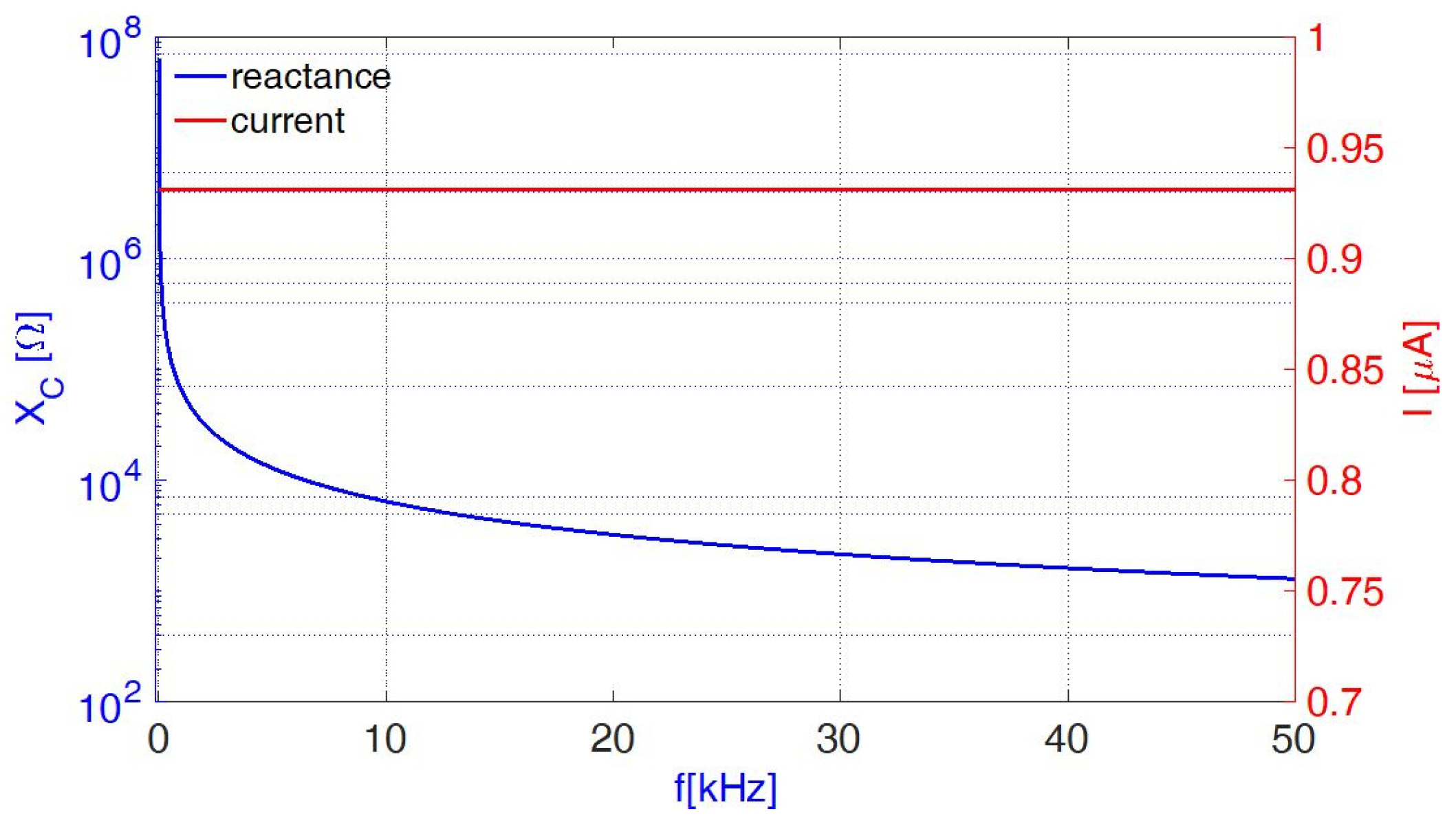
As shown in
Figure 18, the capacitive reactance X
C of the shield exhibits a characteristic decline with increasing frequency, starting from 100 MΩ near DC and dropping toward 1 kΩ at 50 kHz. Crucially, because the induced shaft voltage potential decreases at a similar rate, the total capacitive leakage current is stabilized at a negligible level (<1 µA). At higher frequencies the flange-housing impedance becomes predominantly capacitive. The measured structural capacitance of 2.47 nF suggests a theoretical path for high-frequency displacement currents; however, their operational magnitude remains negligible within the context of the drive system. In accordance with Electromagnetic Compatibility (EMC) standards, the variable-frequency drive (VFD) utilized in this study incorporates output filtration designed to attenuate switching frequencies and higher-order harmonic products. Because these filters effectively suppress the high
dv/
dt transients associated with frequencies above 1 kHz, the influence of parasitic capacitive currents is significantly diminished. Consequently, these results confirm that the dominant mechanism for bearing current suppression in the proposed segmented end shield is resistive galvanic isolation (>1 GΩ) rather than capacitive blocking (
Figure 18). This ensures that even with a measurable residual capacitance, the high impedance of the composite–adhesive interface provides a robust barrier against circulating currents [
25].
3.4. Structural Dynamic Validation of Experimental End Shields
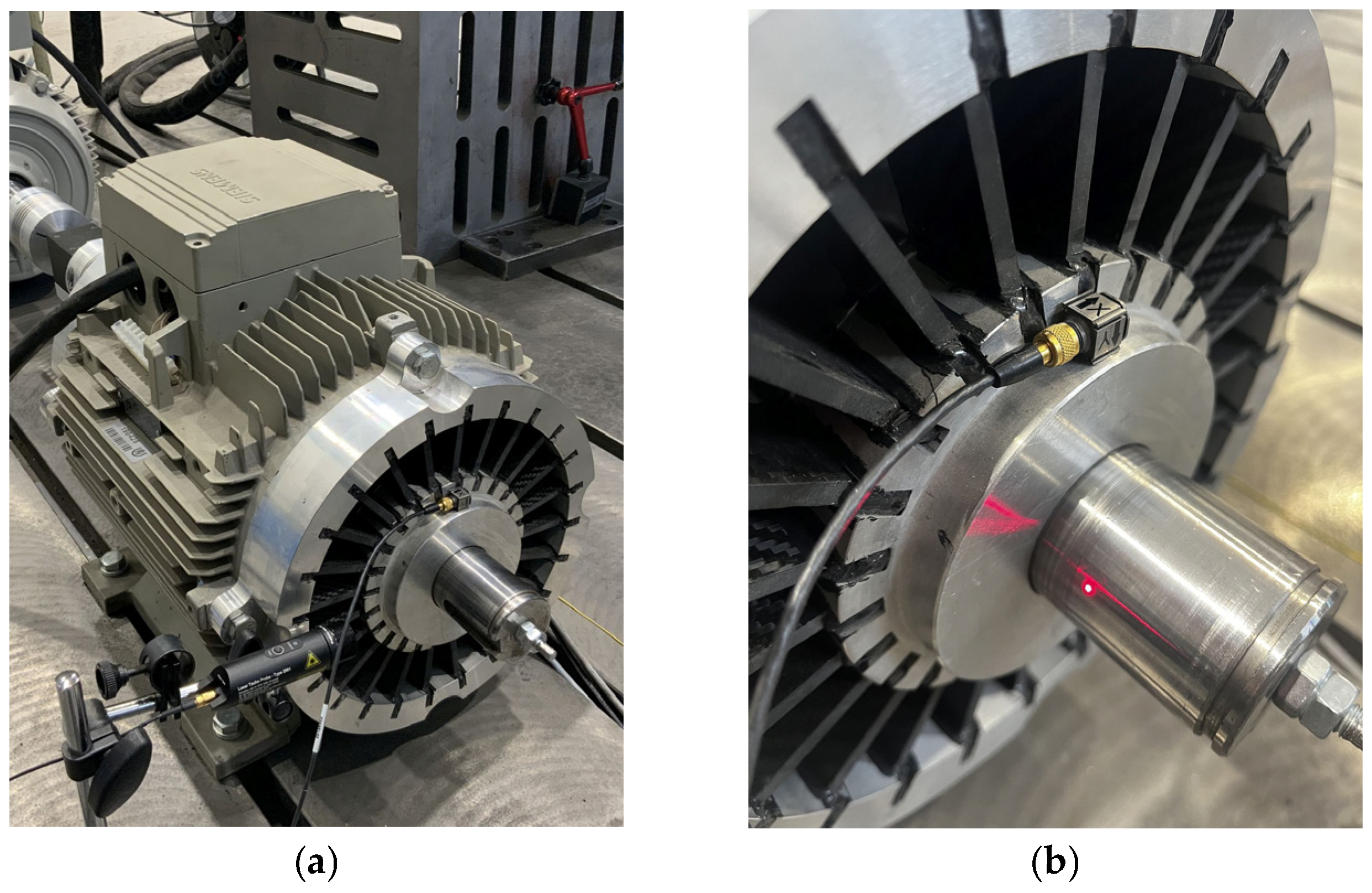
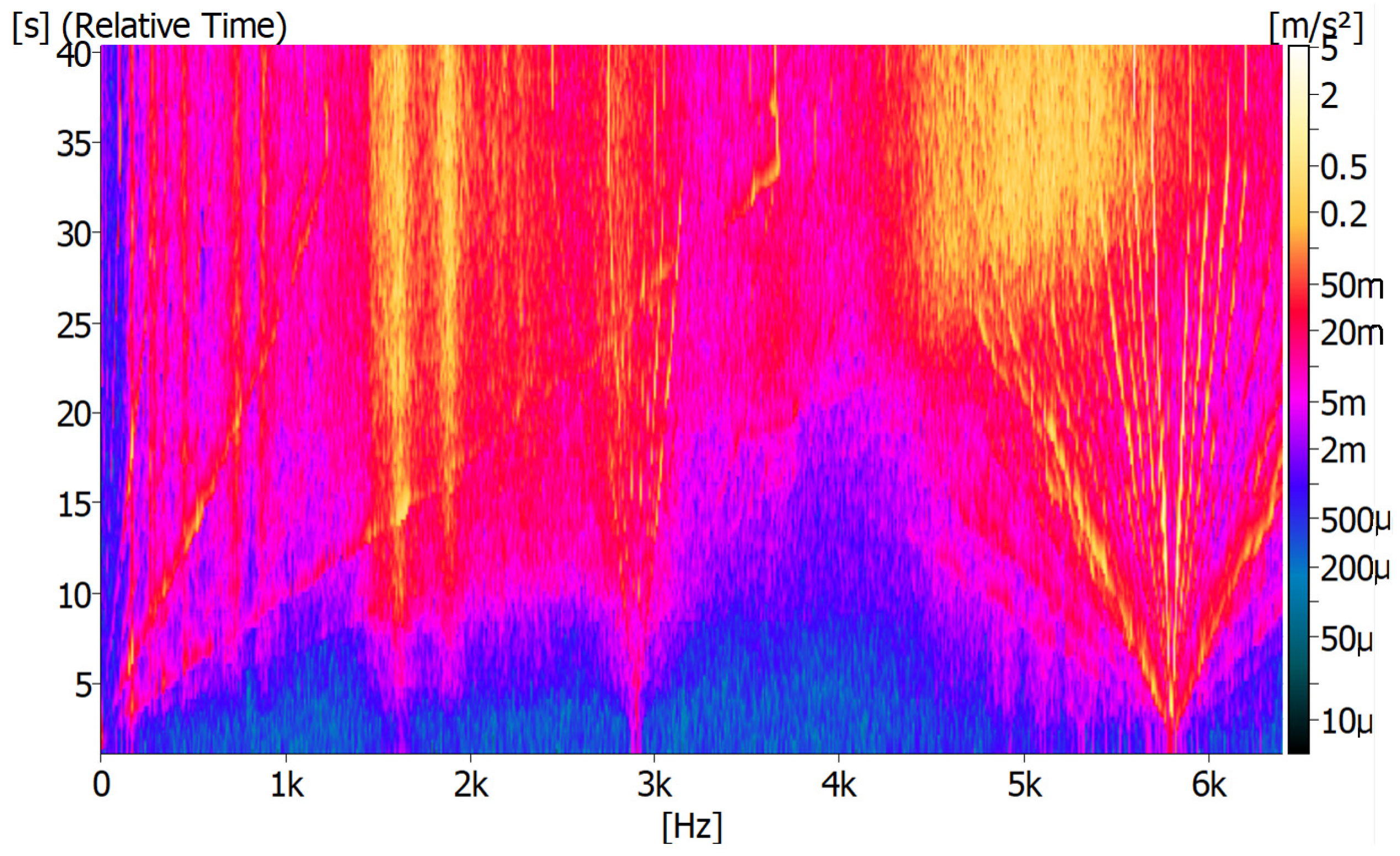
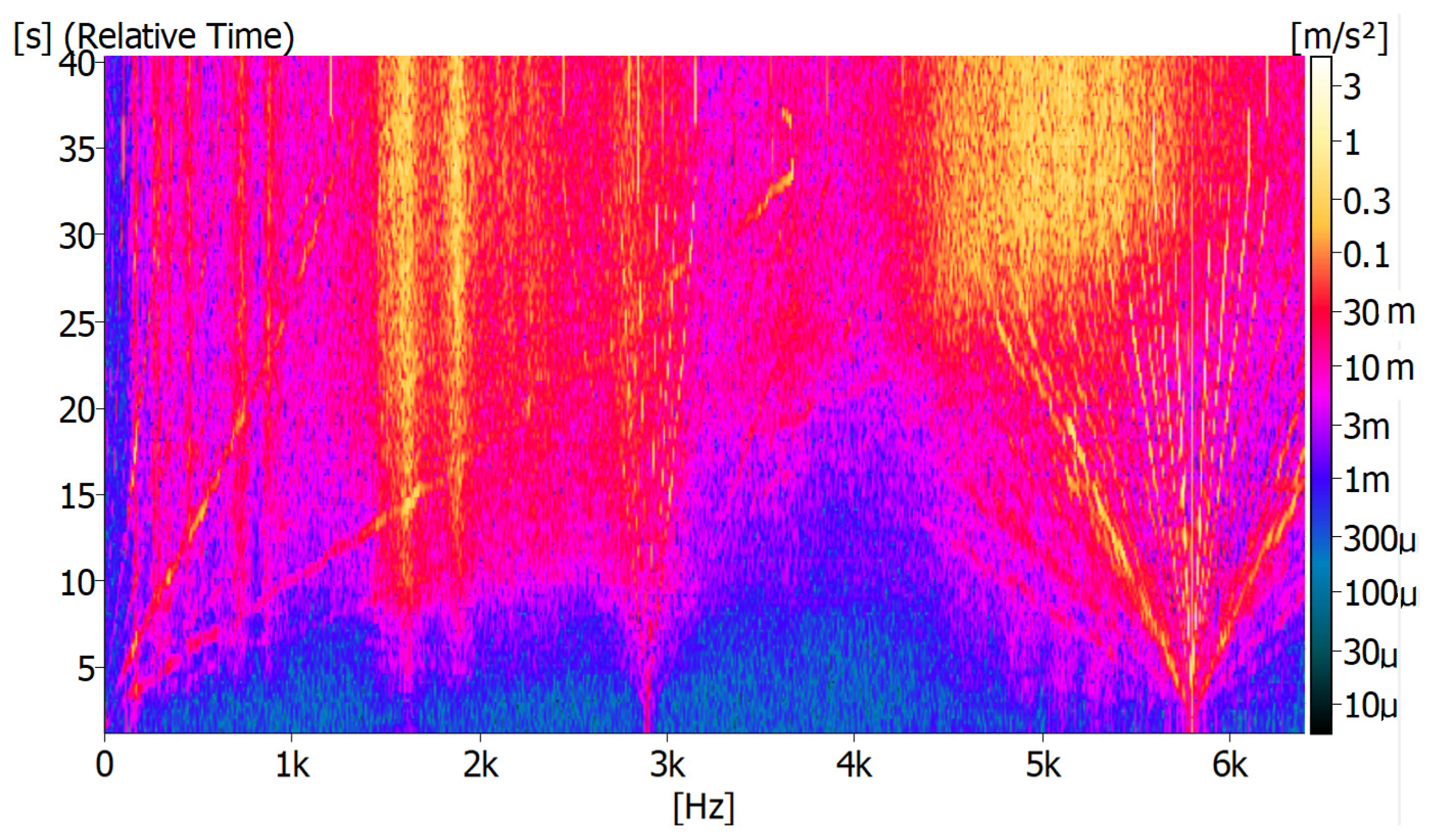
To evaluate the dynamic characteristics and structural integrity of the newly proposed composite end shield relative to the conventional steel component, the motor equipped with experimental end shields incorporating carbon lamella elements was subjected to vibration measurements during run-up to nominal operating speed. Particular attention was paid to the vibration response during run-up, where resonance crossings and changes in excitation mechanisms may reveal potential weaknesses in stiffness, damping, or structural coupling. The measurements were performed to verify that the modified end-shield configuration does not introduce adverse vibrational characteristics compared to a conventional design (
Figure 19a,b). The results therefore serve to evaluate the suitability of the composite end shields as a structural component from the perspective of vibration performance and operational reliability.
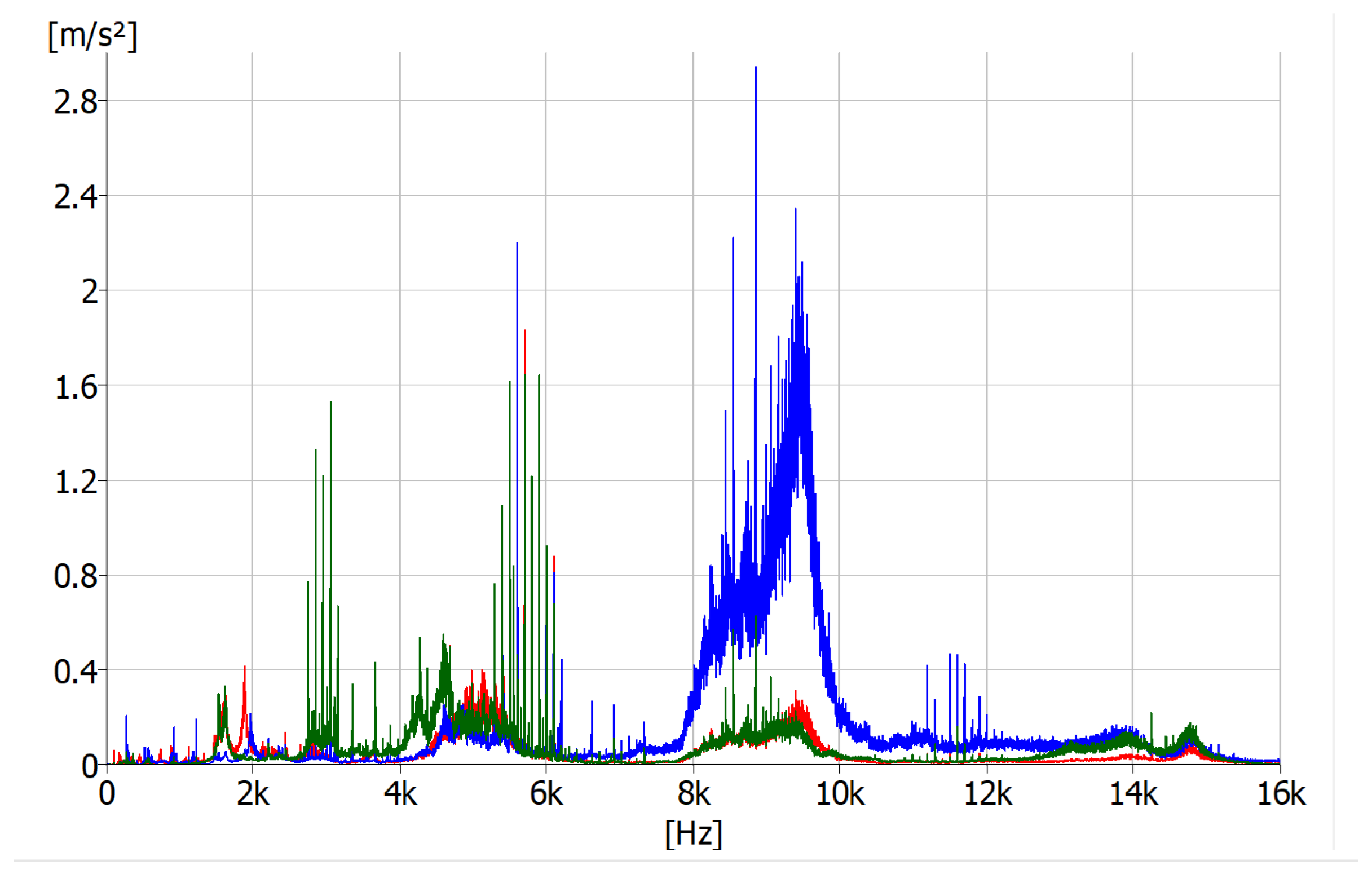
In vibration diagnostics (condition monitoring), the frequency range of interest is determined by the fundamental rotational frequency and the specific mechanical and electrical components of the motor.
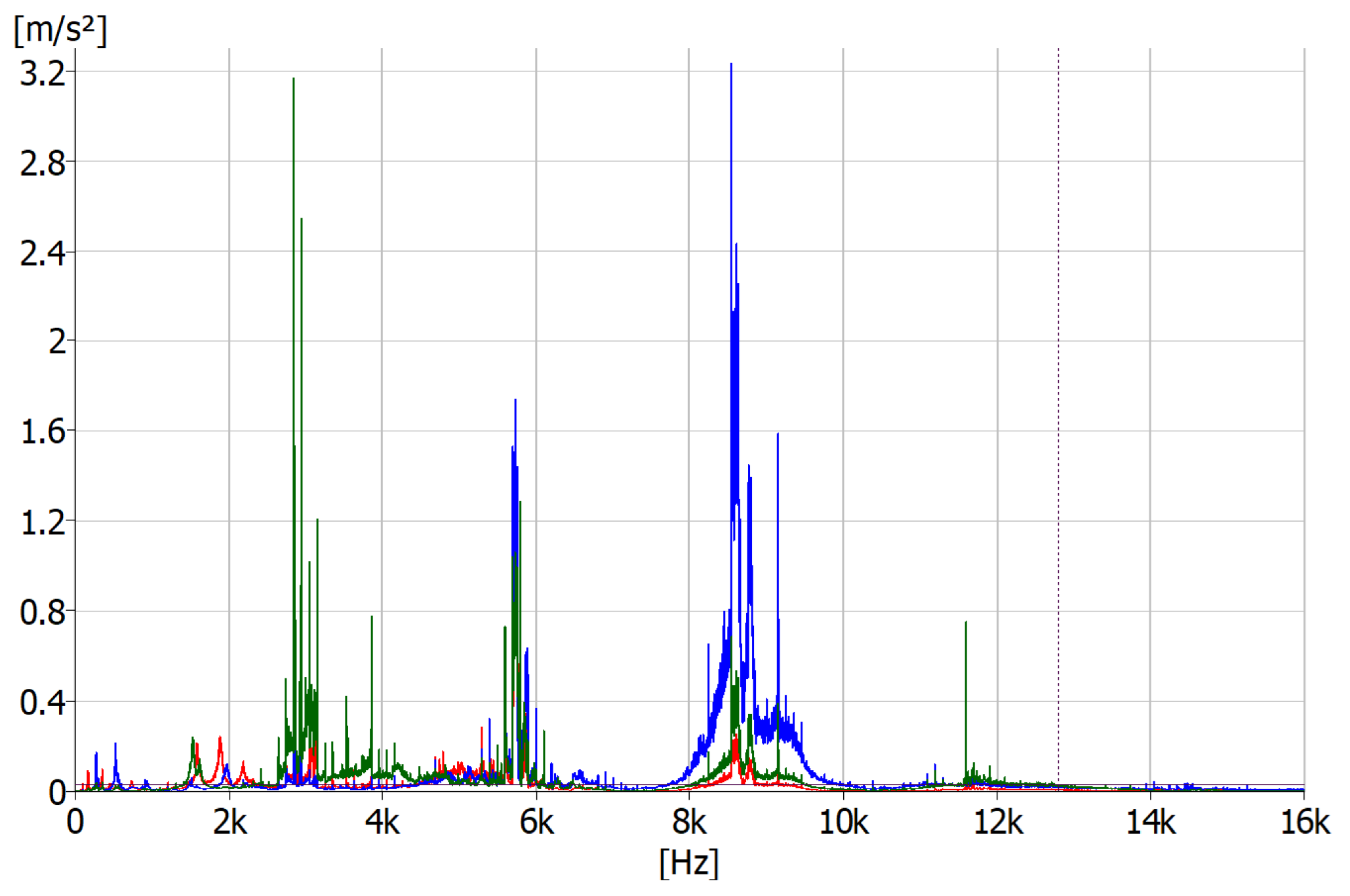
Figure 20,
Figure 21,
Figure 22 and
Figure 23 depict the vibration signatures at nominal speed, comparing the frequency spectra for both composite end shields. For a four-pole induction motor operating at a nominal speed of 1470 min
−1, the analysis is typically divided into three primary zones [
25].
Total vibration was measured across three axes: 1.26 m/s2 (horizontal, x), 1.32 m/s2 (vertical, y), and 2.13 m/s2 (axial, z).