Article

A Comprehensive Tooth Surface Modification Method for Harmonic Drive by Changing the Radial Deformation Coefficient


1
State Key Laboratory of Precision Manufacturing for Extreme Service Performance, Central South University, Lushan South Road, Changsha 410083, China
2
China Aviation Industry Corporation (AVC) Hunan Power Mechanics Research Institute Dongjiaduan High Tech Park, Zhuzhou 412000, China
3
College of Mechanical and Electrical Engineering, Central South University, Lushan South Road, Changsha 410083, China
*
Author to whom correspondence should be addressed.
Machines 2025, 13(10), 942; https://doi.org/10.3390/machines13100942

Submission received: 17 August 2025 / Revised: 12 September 2025 / Accepted: 18 September 2025 / Published: 13 October 2025
(This article belongs to the Section Machine Design and Theory)

Abstract

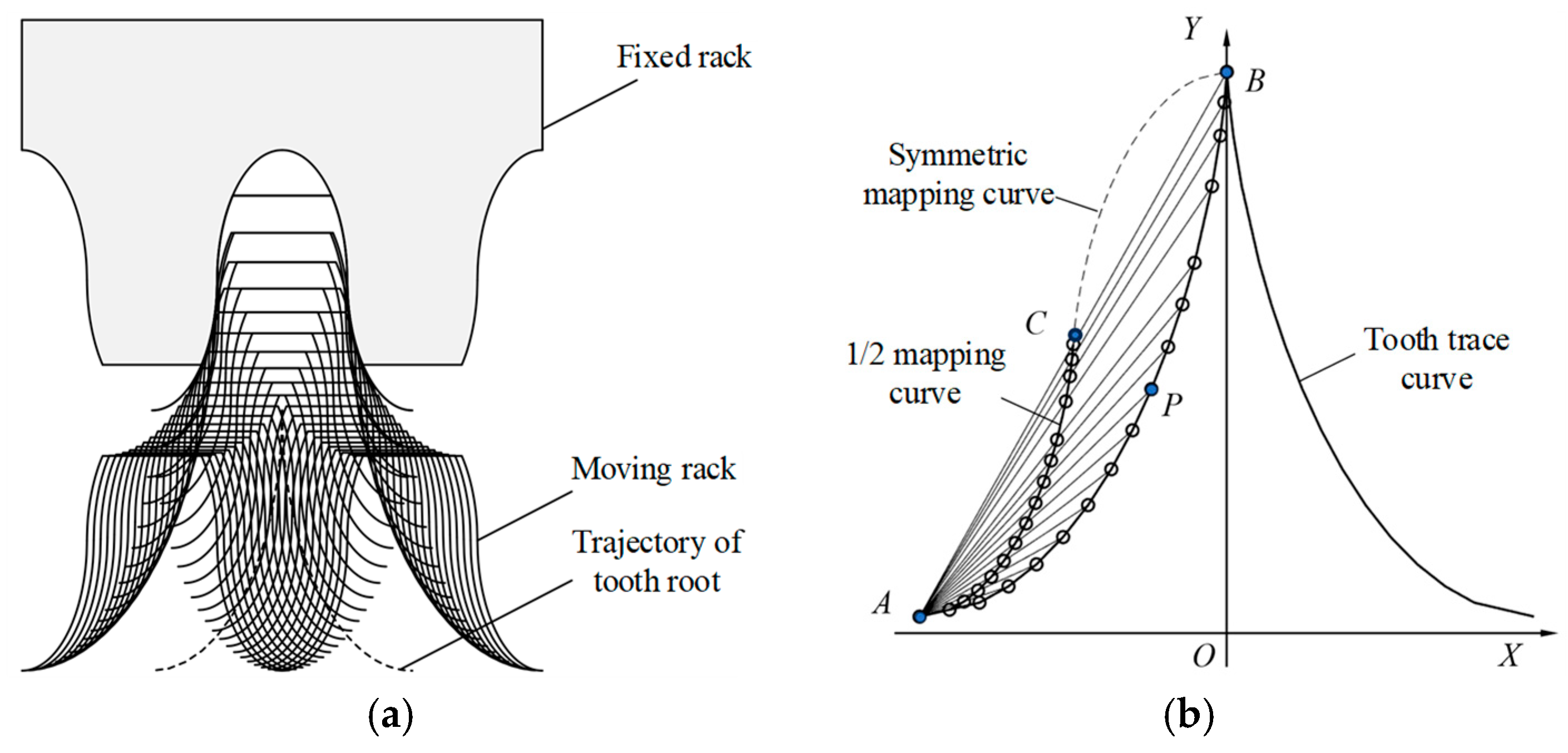
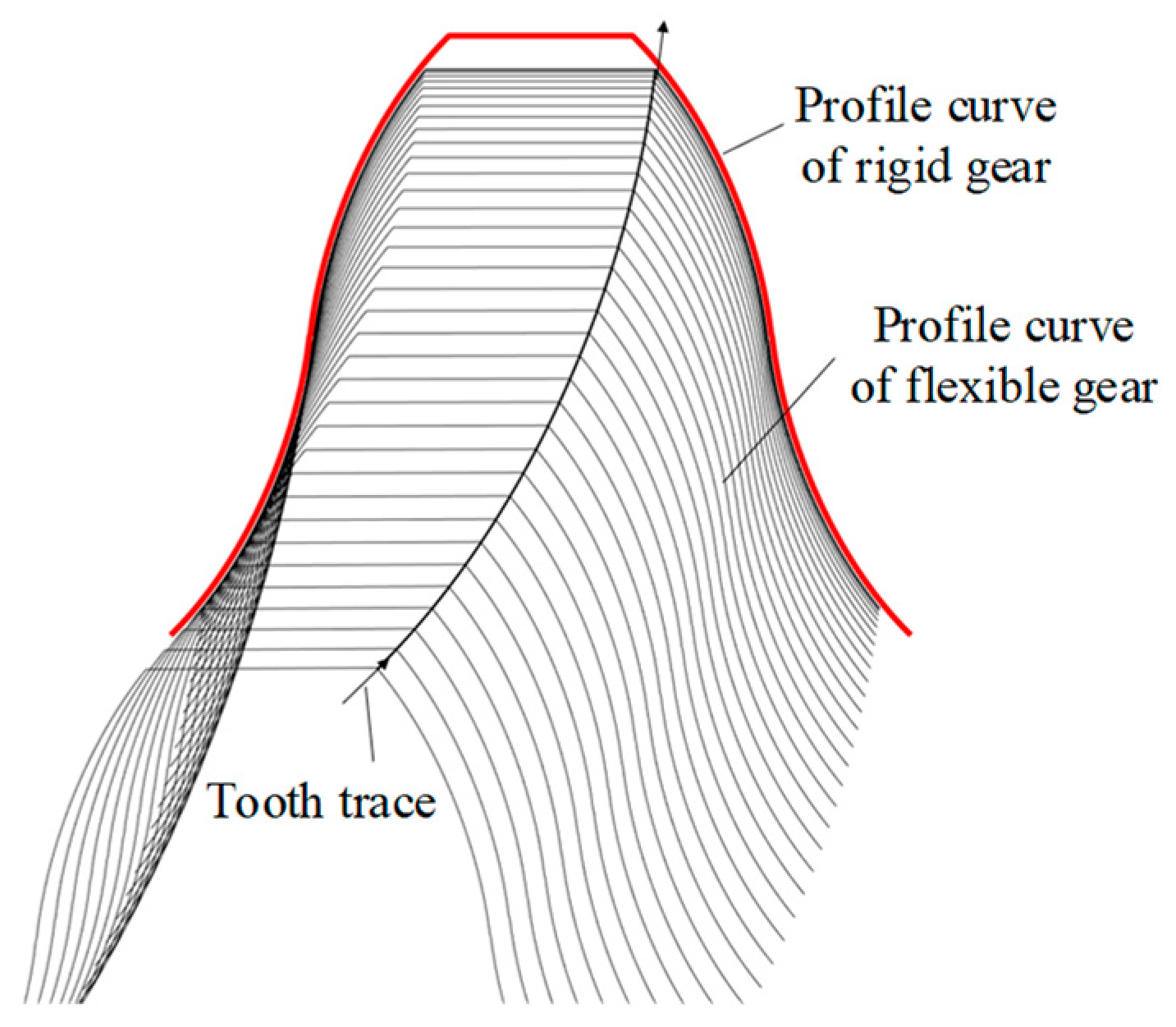
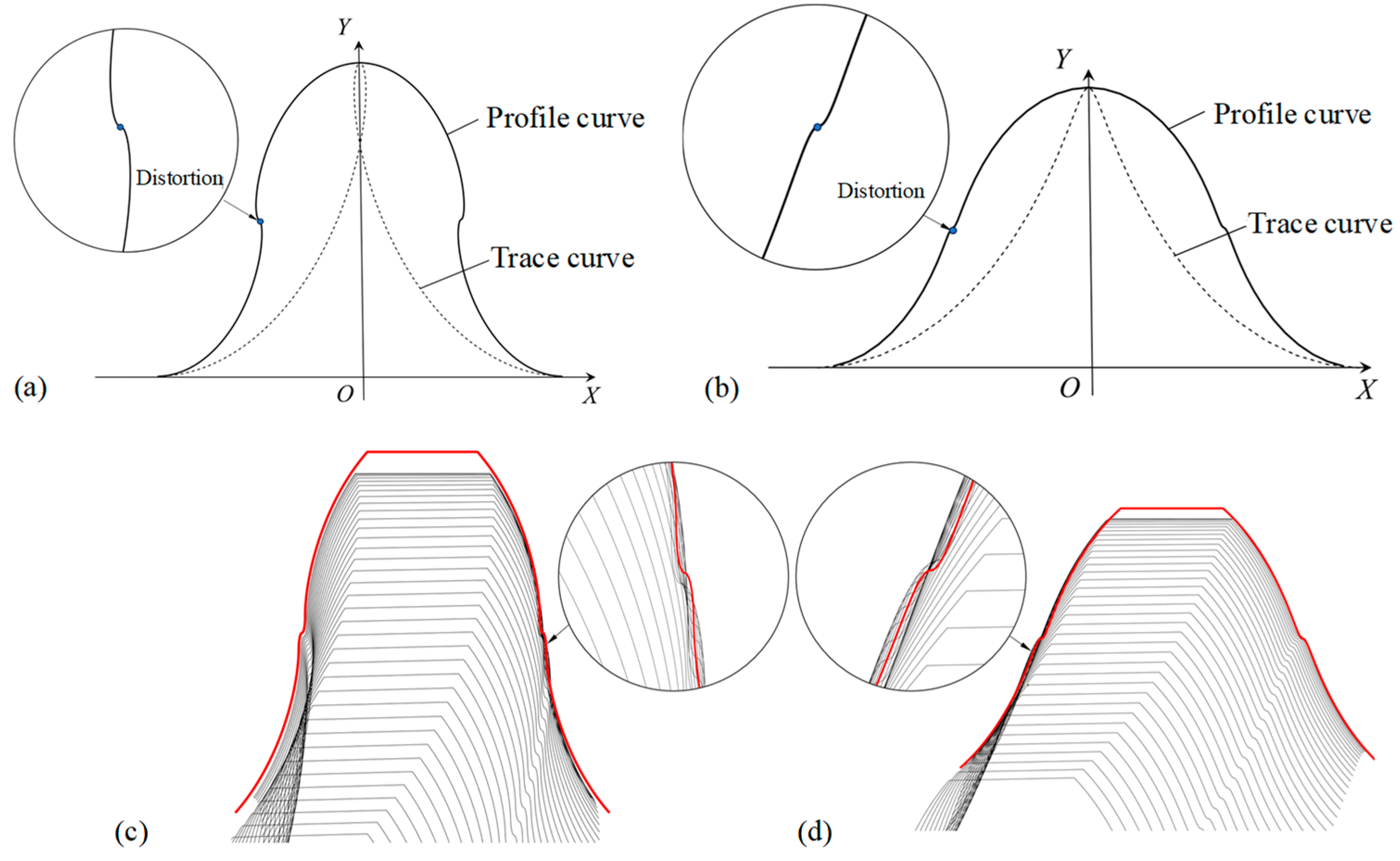
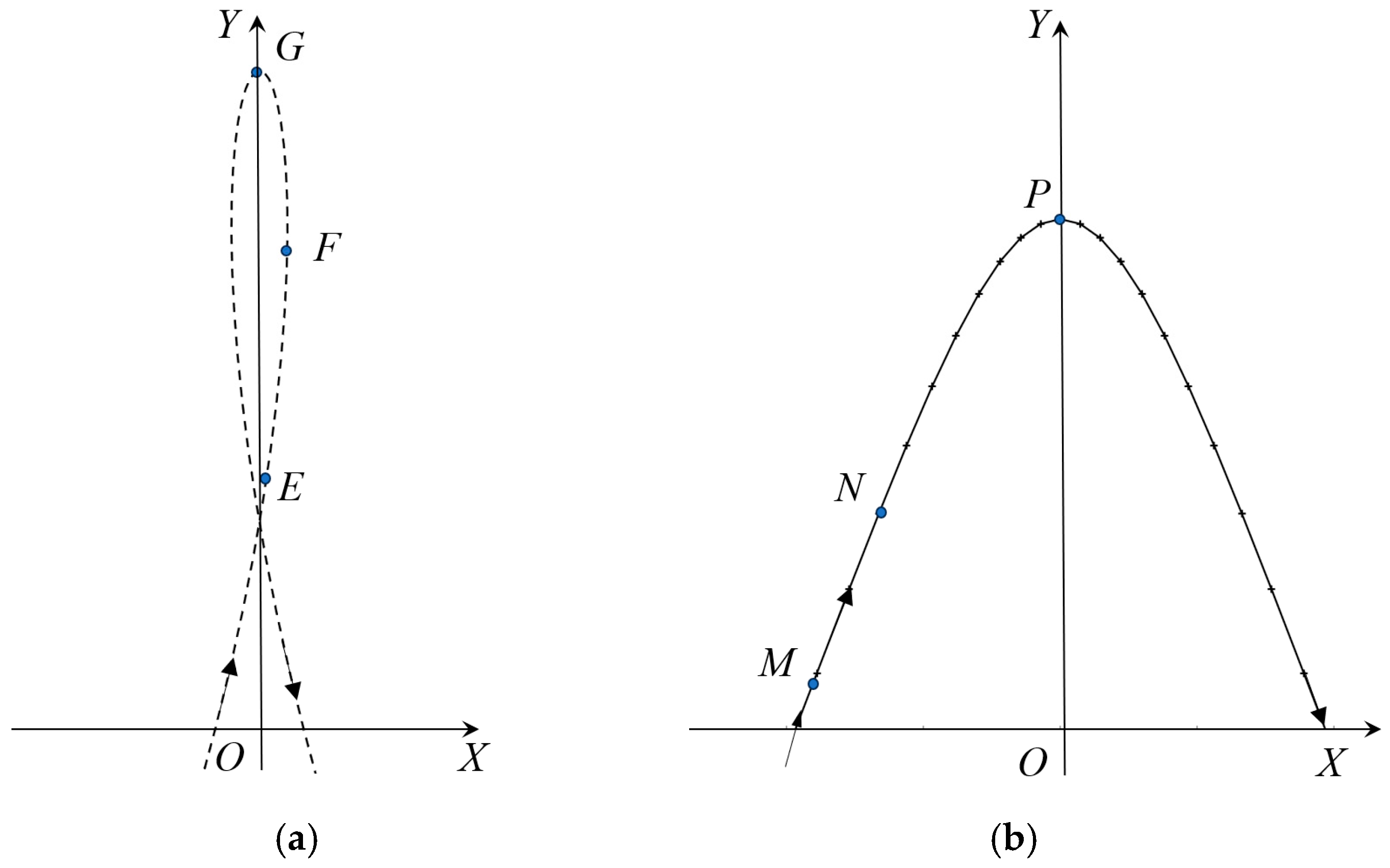
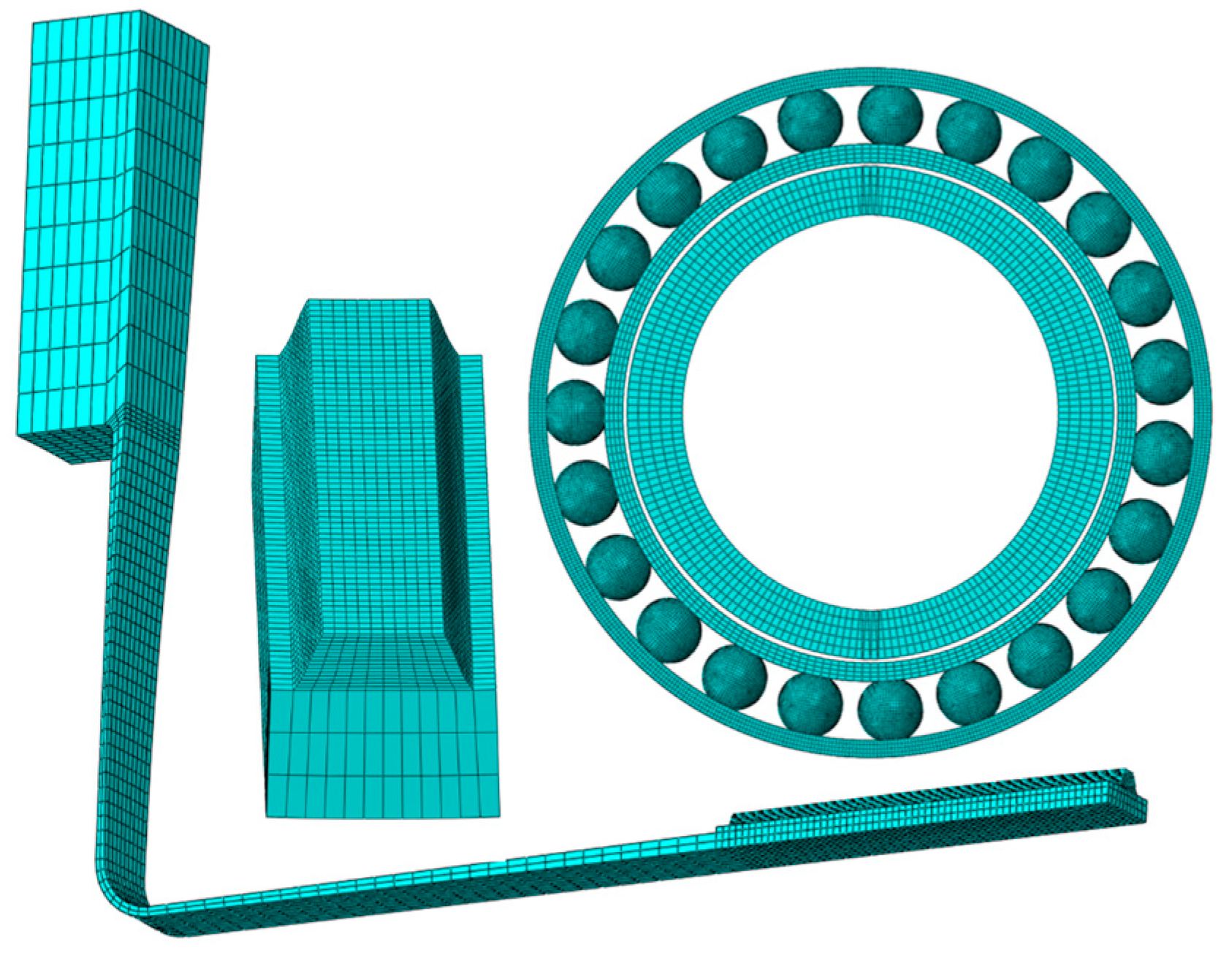
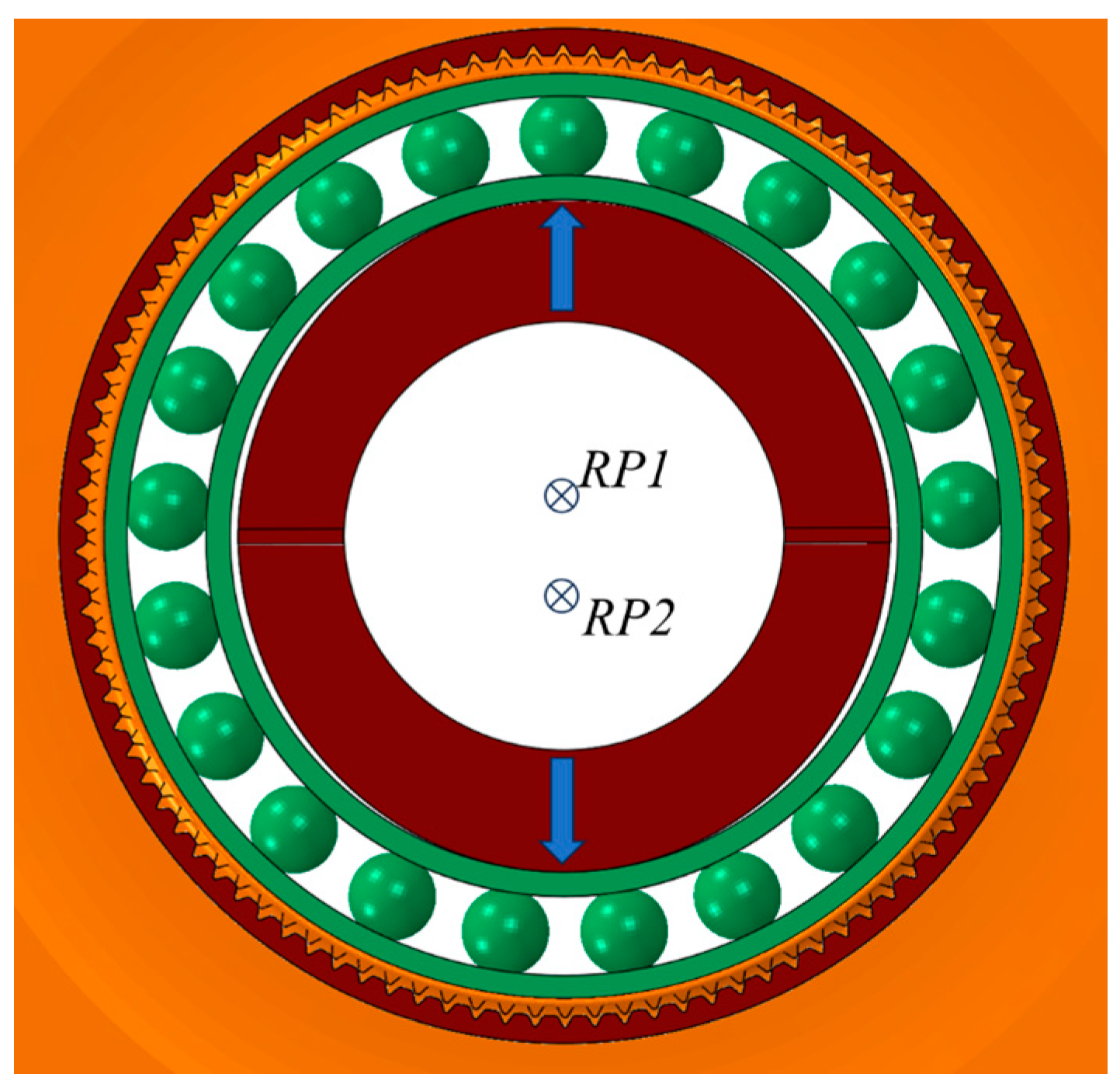
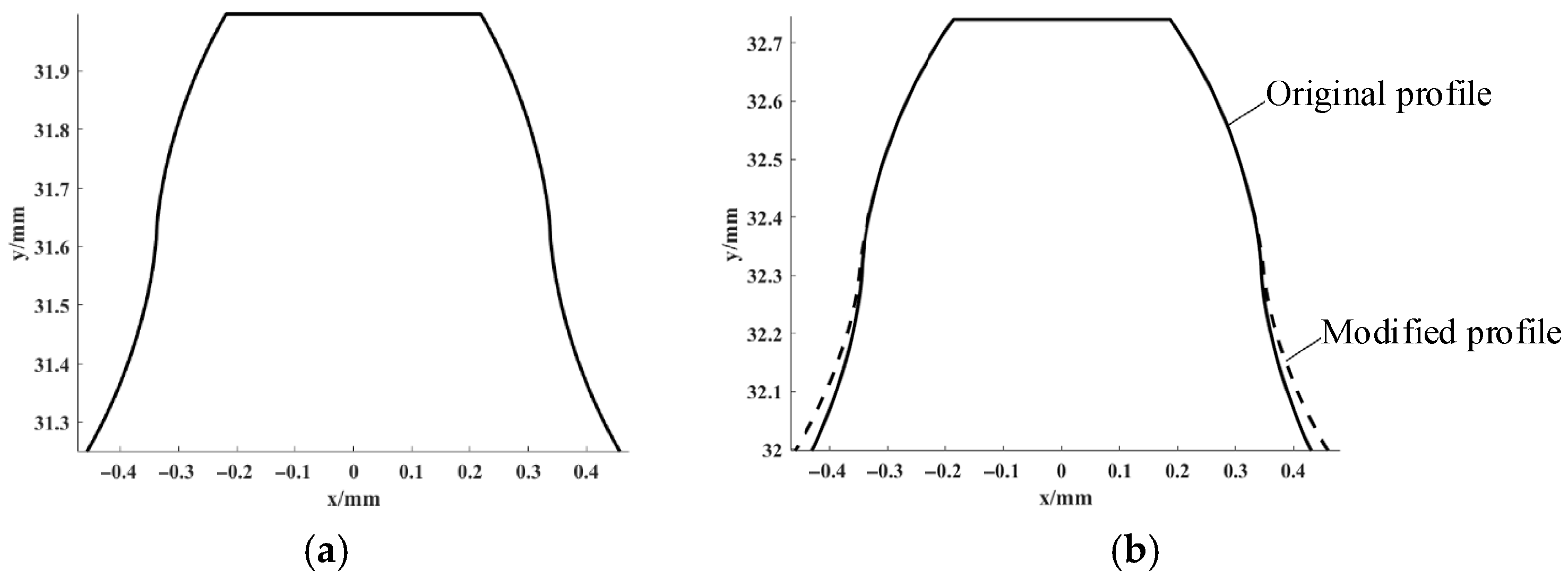
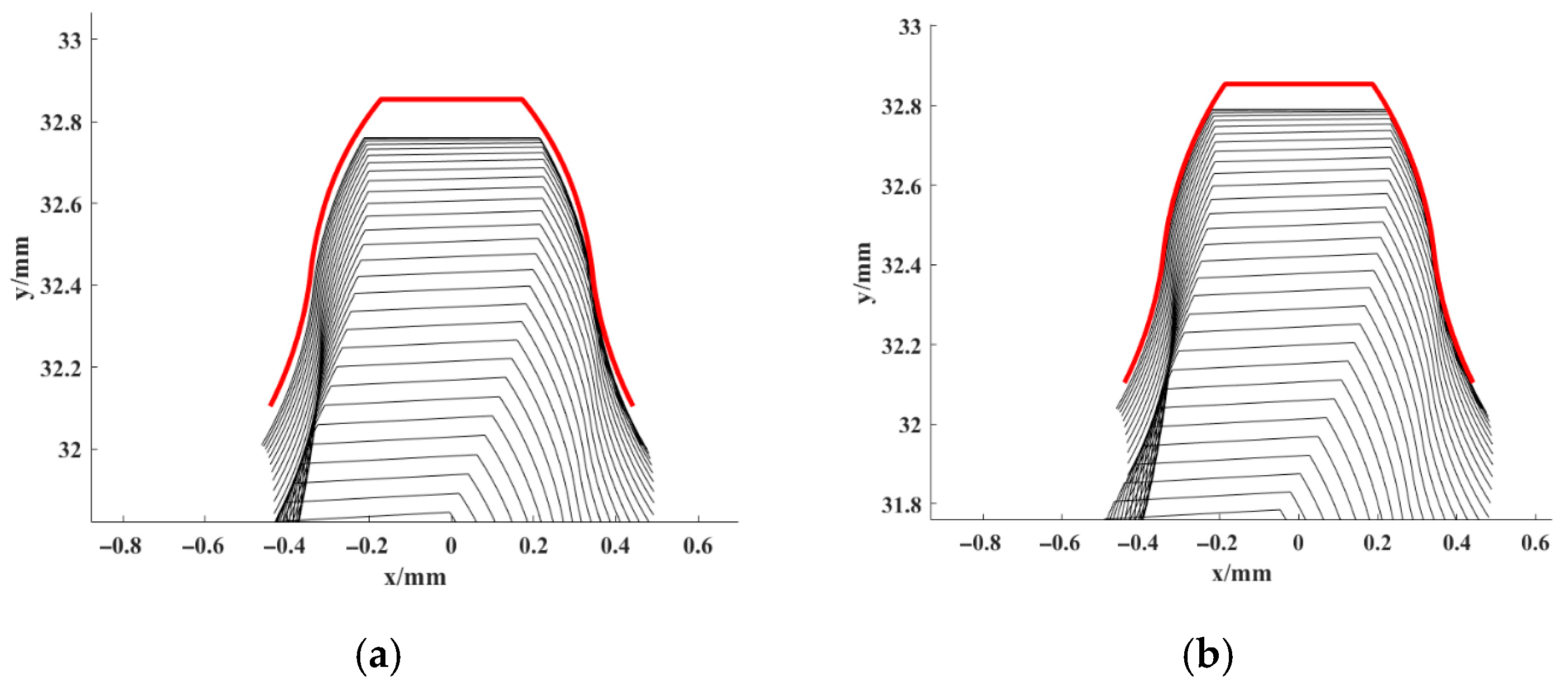
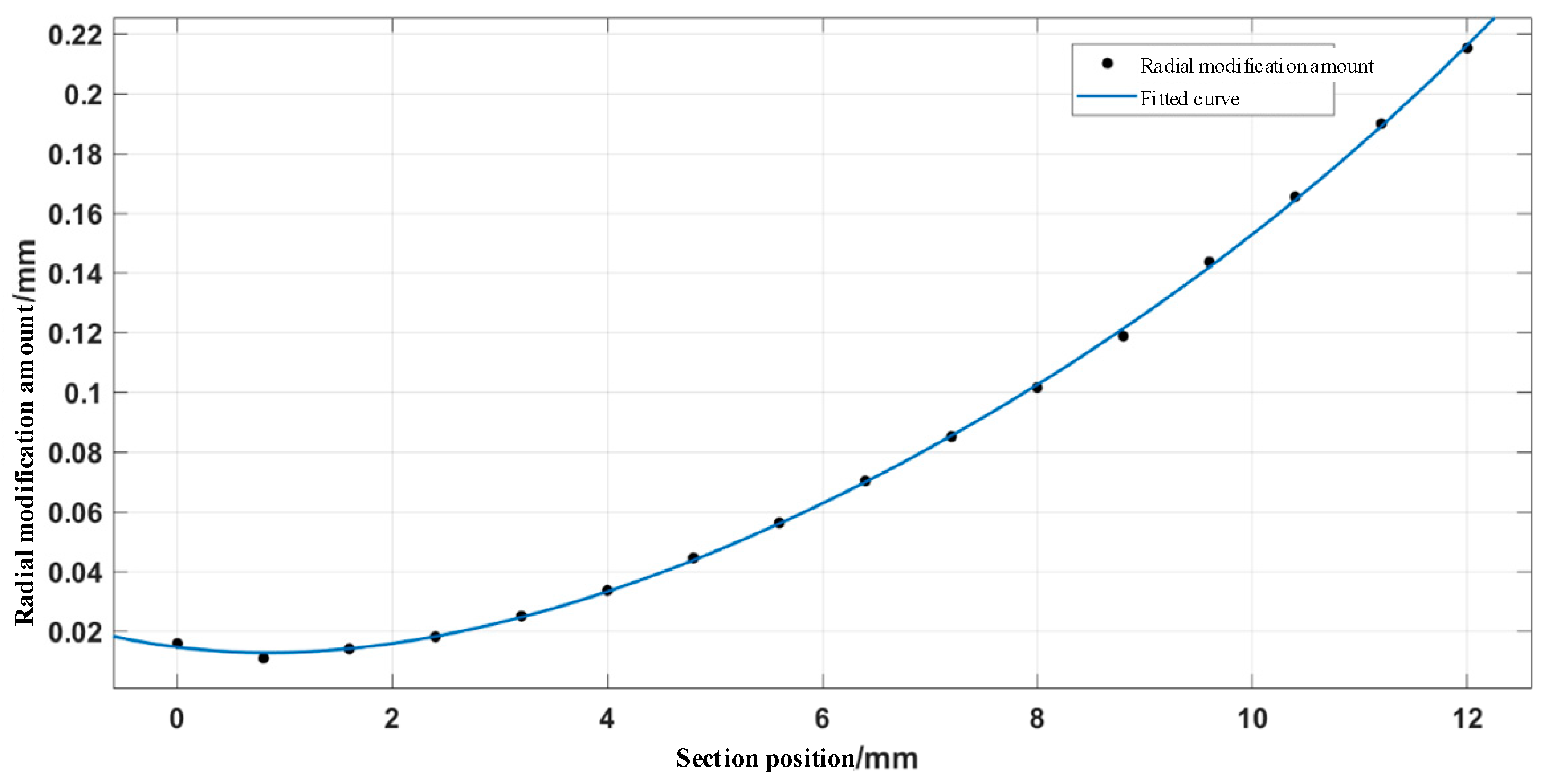
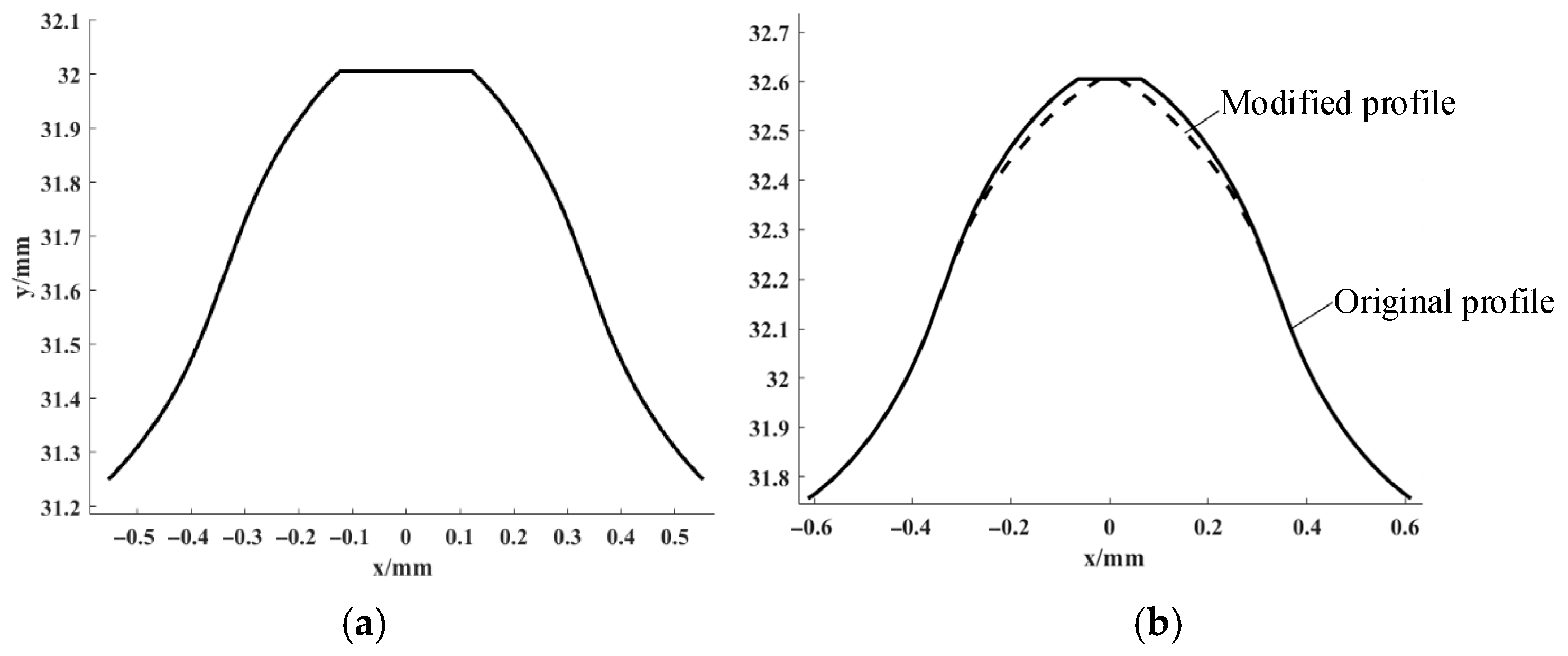
The tooth surface geometry of harmonic gears directly affects the transmission accuracy and service life. Traditional design methods may cause tooth profile distortion when changing the radial deformation coefficient, which limits their application. This paper proposes a comprehensive tooth surface modification method that changes the radial deformation coefficient on the basis of traditional design methods. Firstly, the meshing trajectories and corresponding tooth profiles of gear teeth under different radial deformation coefficients are calculated and analyzed based on the rack approximation method. Secondly, a calculation method is proposed to eliminate the tooth profile distortion caused by changing the radial deformation coefficient, which not only expands the application of the rack approximation method but also eliminates interference during the meshing process. Subsequently, a comprehensive tooth surface modification method is proposed with the aim of increasing contact area and contact ratio, as well as reducing contact stress. Compared to traditional modification, it requires less material removal, which is beneficial for increasing the tooth strength. Furthermore, a finite element simulation model of a harmonic drive is established, and the tooth surface and contact performance of harmonic gears under three different radial deformation coefficients are designed and analyzed, verifying the effectiveness of the proposed tooth surface design method.
Keywords: harmonic drive; rack approximation theory; radial deformation coefficient; comprehensive modification; contact performance harmonic drive; rack approximation theory; radial deformation coefficient; comprehensive modification; contact performance